Thailand: Preparations in Chiang Mai

I arrived in Chiang Mai on Thursday morning welcomed by sunny weather and temperatures around 30 C. I spent the day running around the old town doing some last minute shopping, passing food and other markets, enjoying the smells of Thai food prepared on the streets, as well as the cornucopia of strange-looking fruit, vegetables and flowers laid out on the tables.

The weather forecast says that the temperatures won’t change much over the next week or so, but there is a 50% chance of rain on the first couple of days of the expedition.

Kerri & Thalia, founders of Kindred Spirit Elephant Sanctuary (our partner organisation on the ground) and I are also finalising the work schedule. Each day will include a walk of about 60 – 90 min to get to where the elephants are , as well as three hours of observation and data recording, interrupted by a one hour break. Please be prepared that the walk will include river crossings, some of them waist-high as Kerri told me this morning. So please make yourselves comfortable with the tought that you won’t be able to keep your shoes & trousers dry throughout the surveys. You might also want to consider bringing walking poles if you’re not comfortable enough with using the bamboo sticks that will be provided at base.

I will leave Chiang Mai tomorrow morning. You’ll hear from me again once I have arrived at the village. I shall then also let you have my local (emergency) phone number. Until then please e-mail the office in case of emergency or if need to get in touch.

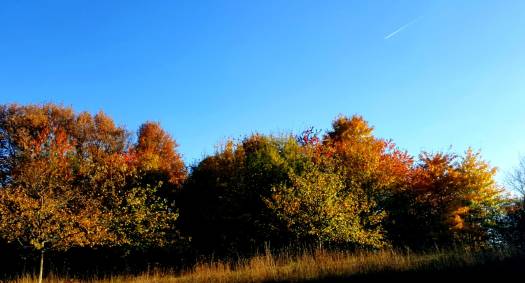
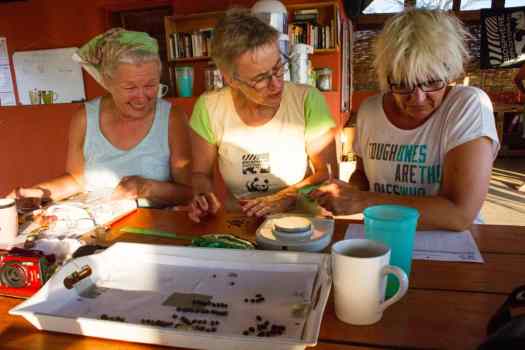
I’ll leave you with some impressions of Chiang Mai…

Thailand: Getting ready

Hello everyone, my name is Malika and I am going to be your expedition leader on this year’s elephant conservation project in Thailand. It’ll be our second year of collecting activity, social behaviour and other data by following the study objects around in the forest – and I can’t wait to get started.

I was busy with packing and preparing the equipment, paperwork, etc. and will start my journey from Europe to Chiang Mai today. Not much more to say for now; I’ll let you have the latest infos once I’ve arrived on the ground as well as my local (emergency) phone number. I hope your preparations are going well and you are all as excited as I am to get going. I hope you have all read last year’s expedition report as part of your preparations. If not, I suggest you download this now for some light reading on your flight. It’ll help you with training and being an effective citizen scientist.

See you all soon…

Malika Fettak
Expedition leader

P.S. I have also added some videos below so that you know what’s coming


Malawi: Wrapping up 2018 with data galore

Our final group has left Vwaza Marsh and Biosphere Expeditions is wrapping up its time in Malawi for 2018.

It has been a very successful expedition, with an incredible amount of data collected by our three teams. The third and final group did 21 large mammal vehicle transects and five large mammal walking transects, two hippo vechile transects and five hippo vehicle transects. While the elephants were a little more elusive in this group compared to the previous two and only five new elephants were identified, this group caught more bats. On their last survey night alone they captured 23 bats, bringing the total up to 31 for this group. They also captured 28 different species during their camera trap survey, identified nine insect orders, and processed 12 elephant dung for the elephant diet and distribution analysis. All of this when combined with the previous two groups adds up to a staggering amount of data.

The three  groups combined achieved this:

  • 53 large mammal vehicle and 12 large mammal walking transects with 72 sightings and 23 species  recorded
  • 6 hippo vehicle and 11 hippo walking transects counting a total of 3,359 hippos
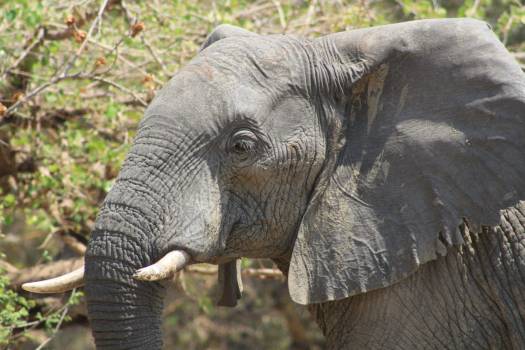
  • 28 new elephants were identified
  • 11 primate surveys were conducted
  • 27 orders of insects were identified with one being new for Vwaza Marsh Reserve, the Embioptera
  • 72 new morpho species for Vwaza Marsh were also identified
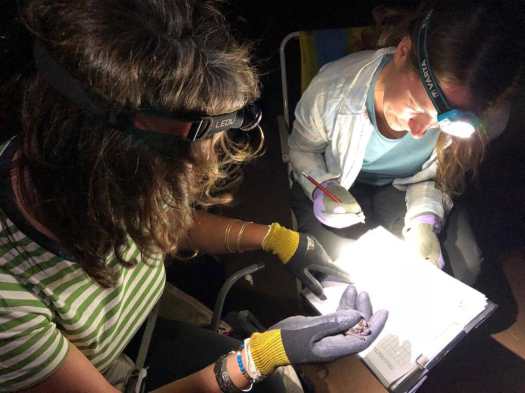
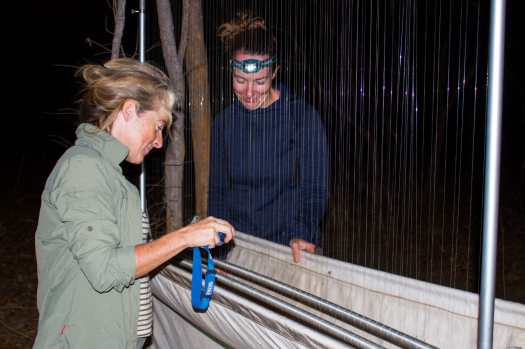
  • 60 bats from six different species were captured and released
  • 69 camera traps were deployed during the expedition
  • 49 species were caught on these cameras
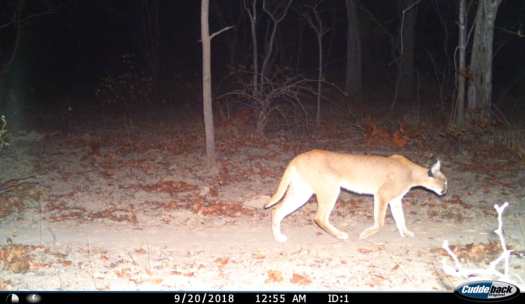
  • out of those species, three cat species had never before been recorded in Vwaza Marsh Reserve: lion, caracal and serval.

All this will be written up in a scientific report, which will be available within a few months.

A massive thanks to you to everyone for all your hard work, enthusiasm and contribution. You could have been an ordinary tourist lying on a beach somewhere. Instead you chose to become citizen scientists, contributing to an important research and conservation project in a remote and little-visited part of Africa. We take our hats off to you and I also thank our partners from the Lilongwe Wildlife Trust and Conservation Research Africa, most of all their committed and inspiring staff on the ground, for helping our beleaguered wildlife and wild places. None of this could have happened without you.

Safe travels and I hope to see you again somewhere, sometime on this beautiful blue planet of ours.

I leave you with a few final impressions…

Ida
Expedition leader

Malawi: Aardvark and greater bushbaby added

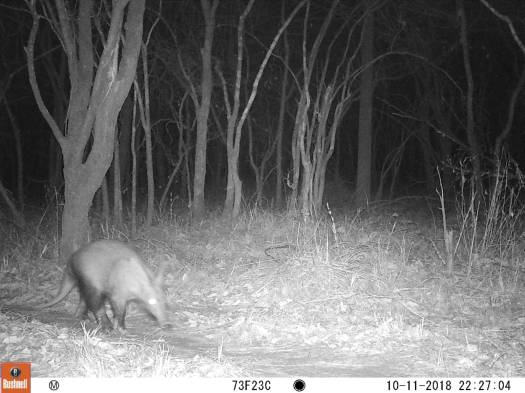
The first round of camera traps photos for group 3 in Malawi was a success. We captured two species that we had not previously recorded during our  camera trap surveys: greater bushbaby and aardvark.

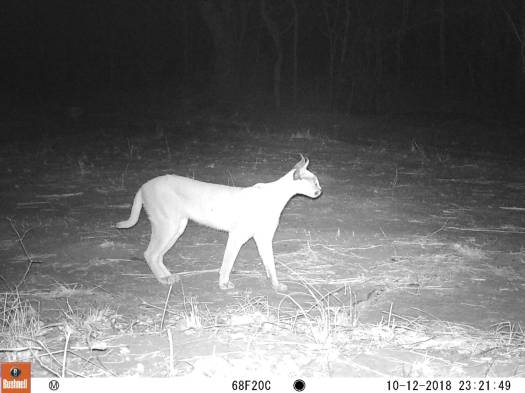
We also captured three more sightings of the elusive caracal, as well as lots of other species. So everyone is in high spirits.


The bat team had an exciting night yesterday, when they encountered a two metre long python on their drive back from the survey site. “It was beautiful, I can’t believe how long the animal was” says Kathrin from Germany about the encounter.

The elephants have been a little more elusive of late and we have only been able to identify four new individuals. Today, however, they all came back and one young bull that had previously been identified and named Bruno came right into camp feeding under our clothes line.

So we are hopeful for this afternoon’s elephant observation survey.


Meanwhile, Heather from the UK had an elephant encounter of a differnt kind: “An elephant shrew ran straight into my foot today during my Large Mammal Walking Transect”… 😉


Malawi: Hippos galore as the waters retreat

Group 3 is in full swing and by now – our last group of the inaugural expedition to Malawi – we are running like a well-oiled machine.

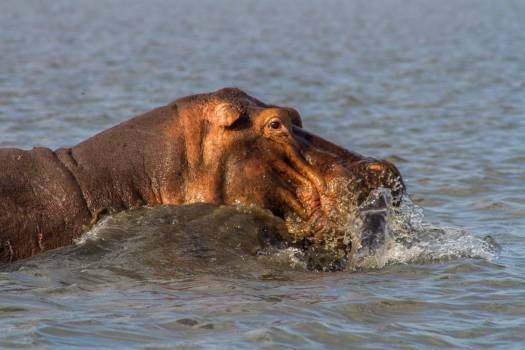
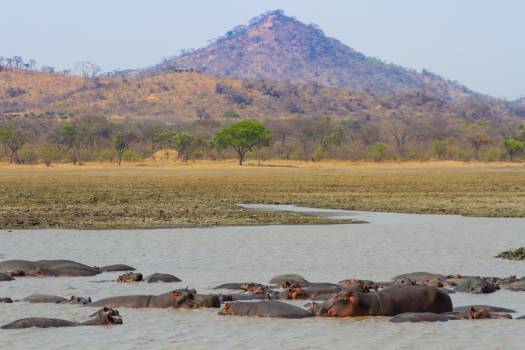
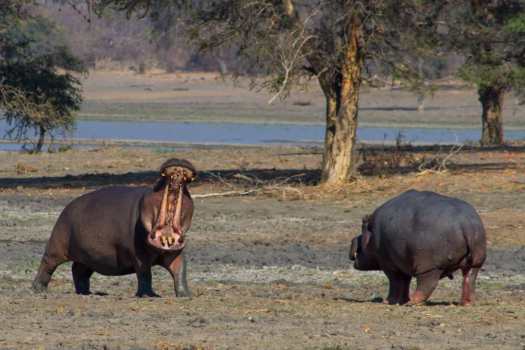
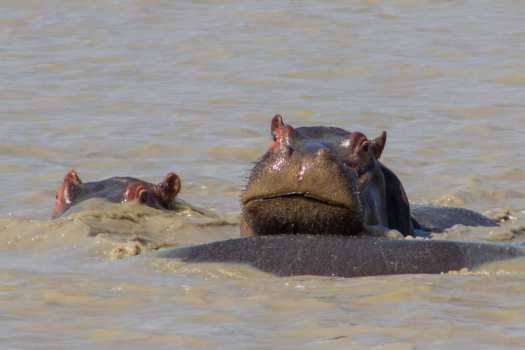
During our hippo transects we have been counting more hippos than previously, which is most likely a result of the retreating water levels. Indeed water level has gone down significantly since the expedition started seven weeks ago. With the lower water levels, the hippos are easier to spot and during one of the transects we counted a whopping 177 of them. The large number of hippos is encouraging, since hippos are targeted for their ivory tusks by poachers.

During our time here in Vwaza we have seen poachers on our camera traps and found evidence of hippo poachers in the bush. “Hippos are harder for poachers to get than elephants, since they live in the water and are very aggressive. If a hippo gets scared or injured on land it will run into the water were poachers can’t get it” explains Lilongwe Wildlife Trust research manager Amanda Harwood.

During our day off we also visited the village of Kazuni. Following a request from the village, our participants had brought an impressive amount of supplies from home for the local school. “I sent a message out to the community I live in back in France and a lot of people chipped in donating supplies” says Sue from Ireland. Needless to say the local school was delighted by the donations, which included some footballs for PE.

Our next task is to swap SD cards in our camera traps and we are all excited to see what they have captured. Stay tuned!

Malawi: Group 3 in training

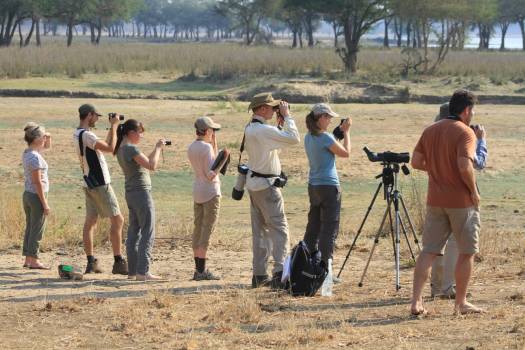
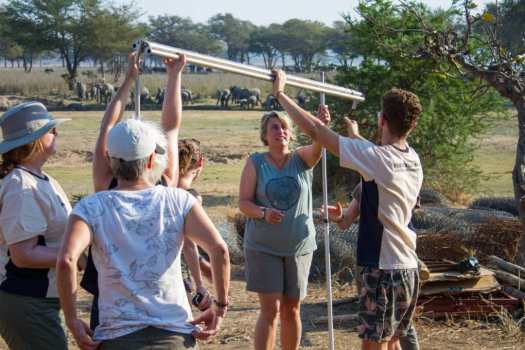
The third and final group for our 2018 Malawi expedition has arrived in Vwaza Marsh.  Equipment, camera trap, elephant survey and primate survey training is done. We now only have insects and bats training to go through before our our real scientific survey works starts tomorrow.

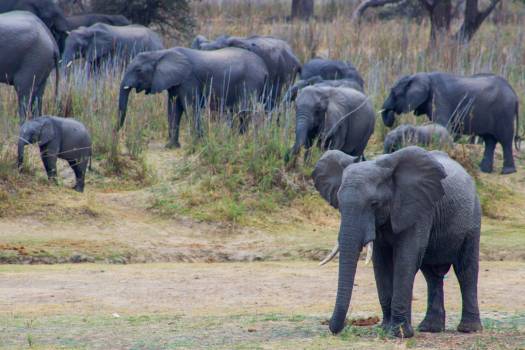
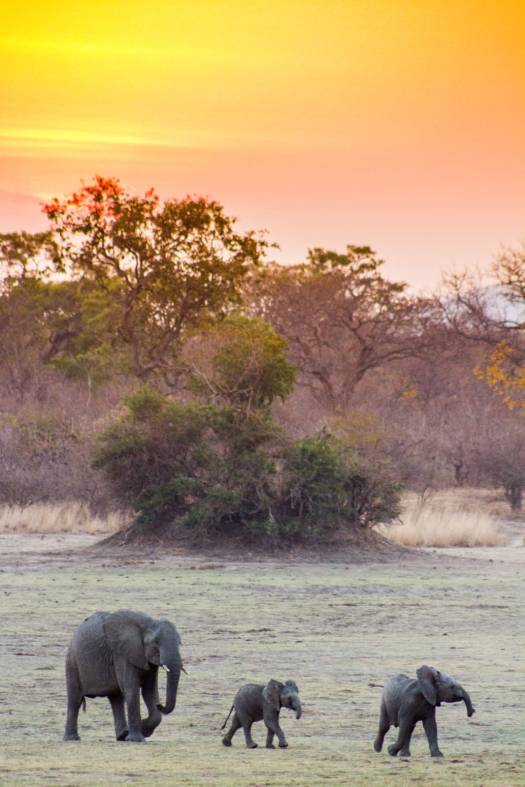
Despite it being the dry season, green leaves have started to sprout around camp already, in anticipation of the rains arriving next month. In response to the greenery, a herd of elephants came right up to camp eating the fresh leaves. “They were so close, it was amazing” says Matthew from the USA. Quite the welcome to camp!

Malawi: Roadblock and other creatures large and small

Update from our Malawi expedition working on cats, primates, elephants and African biodiversity www.biosphere-expeditions.org/malawi

We have reached the end of group 2 on our inaugural Malawi expedition.

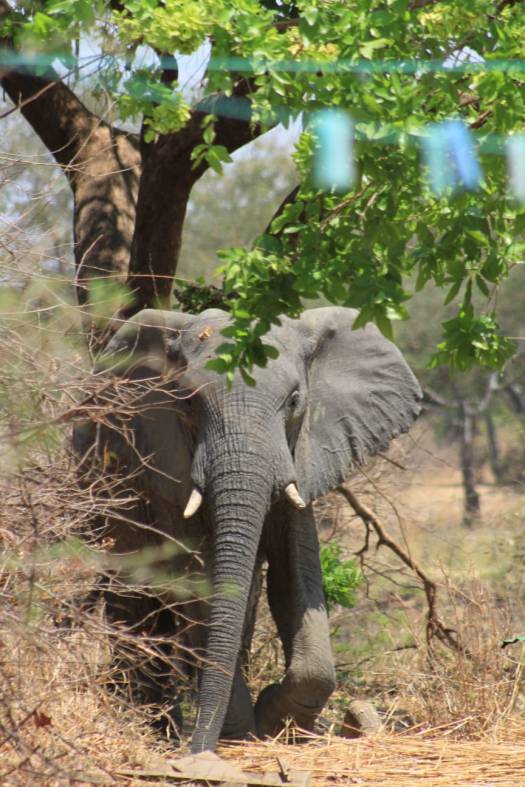
It has been a very busy two weeks with a lot of elephants around, not only did we identify twelve new elephants, but we were also often stopped in our tracks when they were blocking our way. Indeed one of our newly identified elephants is now called “Roadblock” 🙂

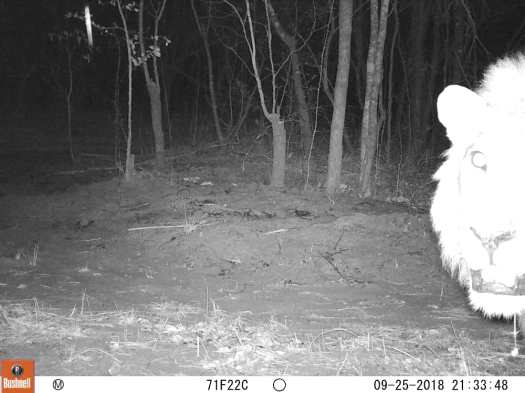
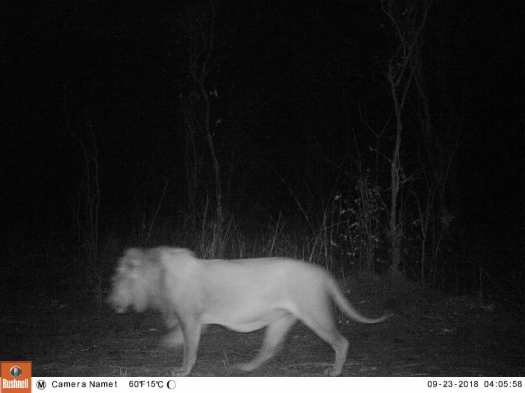
Our team of citizen scientists captured twenty species on the camera traps, notably “our” young male lion on two occasions. He  seems to have taken up residence in the north part of the park.

On our Large Mammal Walking Transects we recorded three species, and nine species were recorded on our Large Mammal Driving Transects. We counted a total of 696 hippos during our five Hippo Transects, and our bat teams captured a whopping 21 bats across four species. This is a great bat result during the dry season, when insect food is lower. The teams also did four insect surveys capturing 481 insects from eleven different orders.

Jodi  from Canada says she “had such a wonderful time; I really like that we get to be part of so many different research projects”.

Thank you so much to everyone in group 2 for all your hard work and enthusiasm.


Malawi: Here in Vwaza, the excitement continues…

Update from our Malawi expedition working on cats, primates, elephants and African biodiversity www.biosphere-expeditions.org/malawi

We have caught another lion on our camera traps,

as well as a never before recorded caracal!

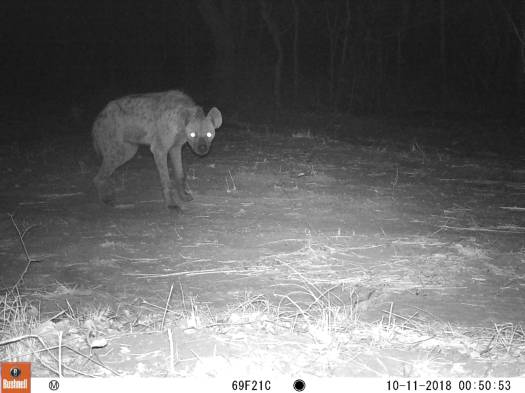
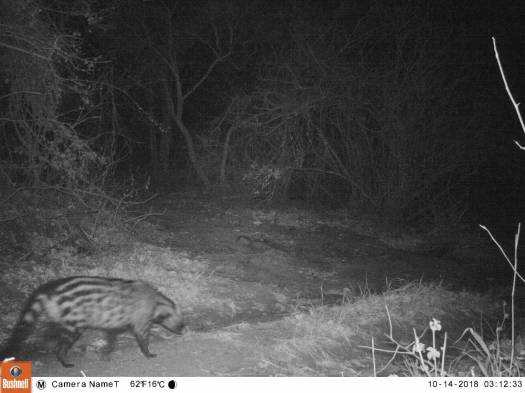
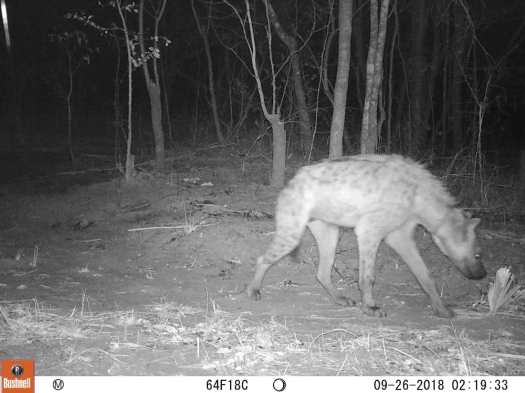
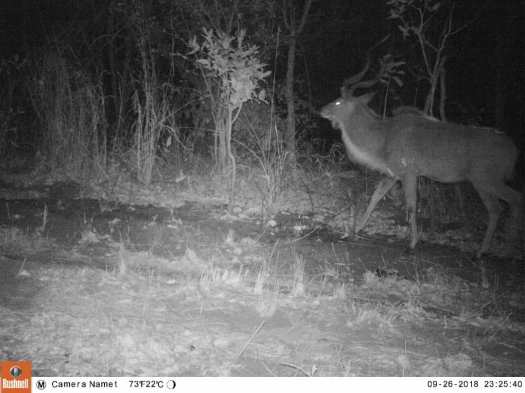
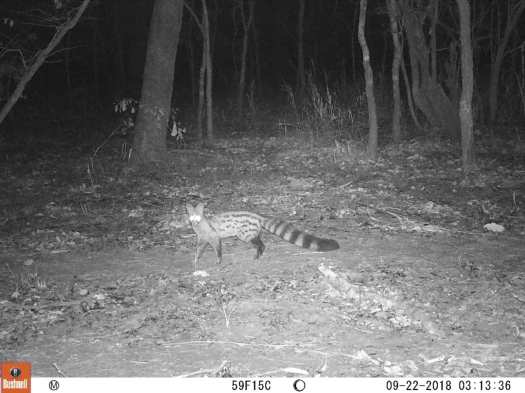
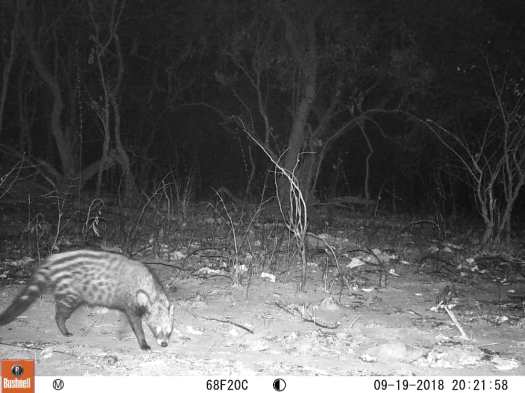
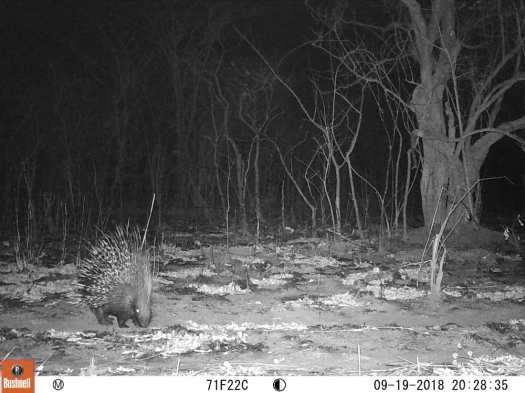
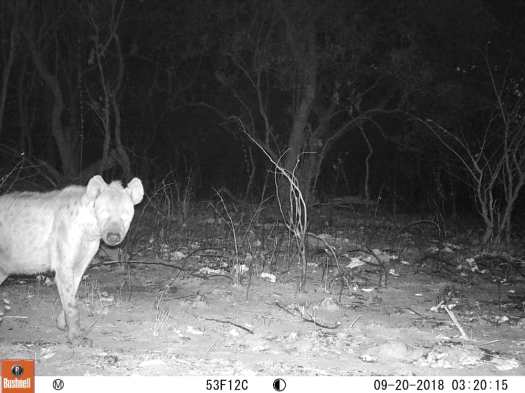
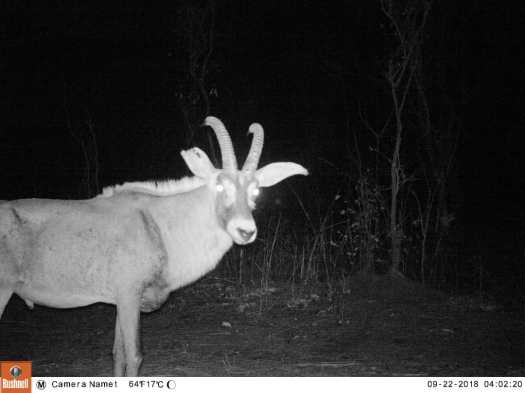
Also featured were: genet, roan, bushbuck, civet, guinea-foul, hyaena, honey badger, baboon, impala, porcupine and white-tailed mongoose.

We also spotted some Lichtenstein hartebeest on one of our Large Mammal Driving Transects in the north part of the reserve. These species have only been spotted once before; they are also a first for our Biosphere Expeditions project and we never see them down in the south region of the reserve where camp is.

“It was so nice, we saw four of them about 100 meters away. We also found a scull of one, so this seem to be where they hang out”, explaines Eckhart, one of our citizen scientists from Germany.

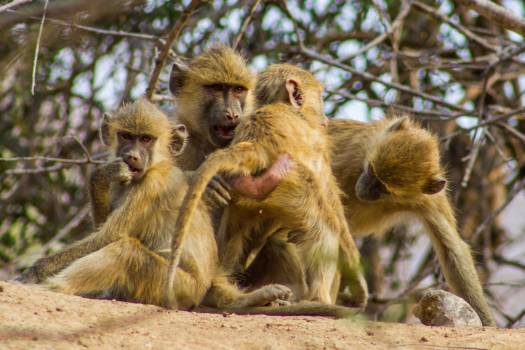
Yesterday, we had a lovely time during our Primate Observations. Anneliese from the UK: “We sat for over an hour with a troop of adult male yellow baboons that were baby-sitting a number of juveniles. They did not seem to mind us at all. It was amazing.”

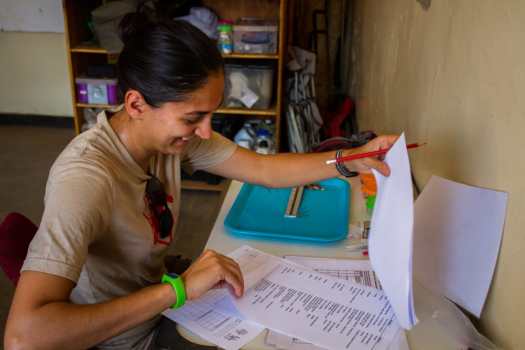
With only a few days of surveying left, we have been very busy in camp entering data and analysing camera trap images during our spare moments between surveys.

Malawi: Five elephants, twelve bats, fourteen transects and more

Update from our Malawi expedition working on cats, primates, elephants and African biodiversity www.biosphere-expeditions.org/malawi

Our second group in Malawi is in full swing and after just three days of proper citizen science we have already

  • identified five new elephants
  • captured and released 12 bats
  • carried out ten large mammal driving transects, two walking transects, two hippo transects
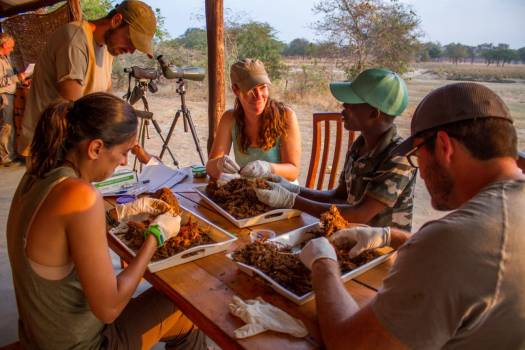
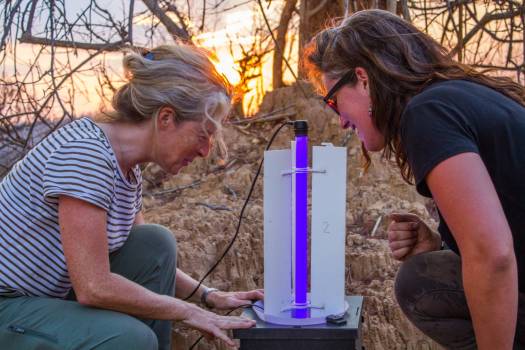
  • set up several insects traps and processed three elephant dungs

Our partner scientists from Lilongwe Wildlife Trust and Conservation Research Africa are delighted by the data our team of citizen scientists have collected to establish a baseline for Vwaza Reserve. These data will be used to better manage the reserve and help protect it from poachers.

Our team has also deployed 24 camera traps in the rarely visited northern part of the reserve. Tomorrow we will switch the SD cards to see what we have captured. Stay tuned!


Malawi: Group 2 getting trained and commencing work

Update from our Malawi expedition working on cats, primates, elephants and African biodiversity www.biosphere-expeditions.org/malawi

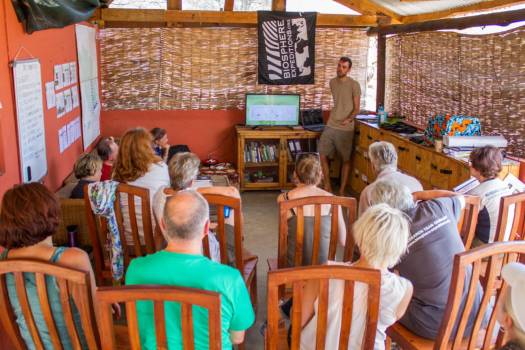
Group 2 has arrived at Vwaza base camp and training is in full swing.

During elephant identification training yesterday, a large herd of elephants obliged us with their presence, just in time for our training.

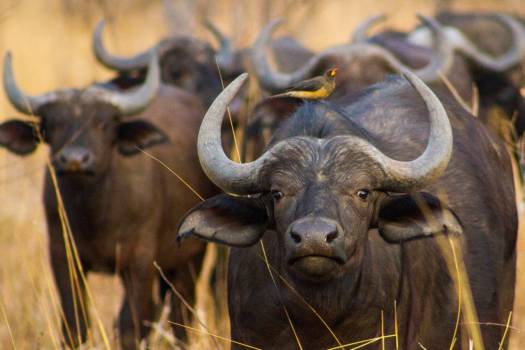
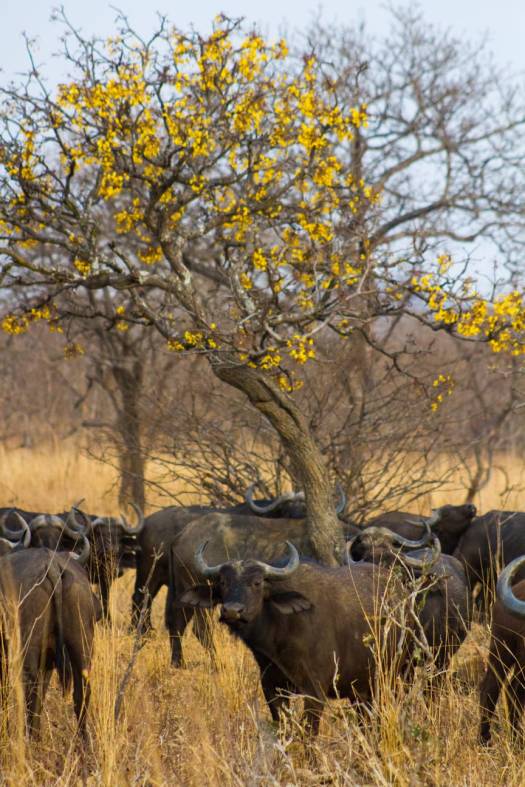
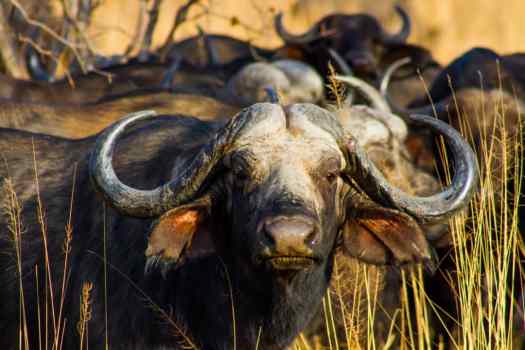
In the afternoon everyone enjoyed their first drive through the park spotting impala, kudu, hippos, elephants and a large herd of buffalo. “Incredible,  just incredible” said Jodi from Canada when describing the buffalo encounter.

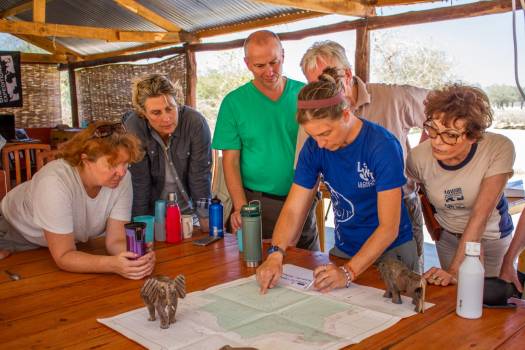
Today everyone was trained to use the camera traps and tomorrow we will drive to the northern reaches of the reserve to place our second round of camera traps. As we’ve said before, no big camera trapping study has ever been done in  the reserve, let alone in the remote northern part of the reserve, and we are very excited to see what the cameras will show us in time.

Our first “real” science commences tonight when we set the bat traps in front of camp, as well as deploying our insect traps. Hoping for some night-time visitors to start off our work.