There is something exciting about walking through a forest knowing that wolves are somewhere out there, even if you don’t see one. Suddenly, a set of paw prints or a piece of scat is no longer something you just walk past. It is evidence, and learning how to find and interpret that evidence is at the heart of Biosphere Expeditions’ Germany wolf project in Germany.
It’s early. Not sunrise-in-a-beautiful-way early. Just early.
It’s dark. You’re tired, slightly uncomfortable and quietly questioning your decision-making skills. The alarm went off before your body was ready. The air is colder (or hotter) than expected. There’s a long day ahead.
This isn’t the version of travel we’re usually sold. There are no loungers, no slow breakfasts, no sense of ease. Instead, there’s a bit of effort. Logistics. And, somewhere in the back of your mind, a small question:
Most people imagine wildlife conservation as something done by scientists in remote places far from everyday life. But on Biosphere Expeditions’ Sweden bear project, people from all walks of life get the chance to step into that world themselves.
Biosphere Expeditions’ brown bear project in Sweden is not a safari-style wildlife experience where animals appear on cue. It’s real field research in a remote part of central Sweden, where volunteers assist scientists with long-term bear monitoring and ecological research.
Tranquil, intact nature – but for how much longer?
Global consumption levels are placing increasing pressure on the planet’s natural systems. In many parts of the world, constant purchasing, from new technology to fast fashion, has become normalised, yet the environmental cost of this consumption is becoming impossible to ignore.
While individual levels of overconsumption may seem inconsequential, collectively, our consumerism plays a significant role in accelerating climate change, biodiversity loss and environmental degradation.
Real experience in nature vs. the digital AI world
As digital technology reshapes how we live and work, a growing number of people are seeking something radically different: real-world experiences that reconnect them with nature, purpose, and each other.
Wildlife tourism is everywhere. From whale watching and safaris to volunteering with animals abroad, experiences involving wildlife have become a major part of global travel.
At the same time, the term ethical wildlife tourism is used more loosely than ever, often without much clarity about what it actually means.
Most travellers genuinely want to do the right thing. They want to support conservation, avoid harm, and travel more responsibly.
But when every operator claims to be “eco”, “sustainable” or “ethical”, it can be hard to tell the difference between meaningful conservation work and well-marketed exploitation.
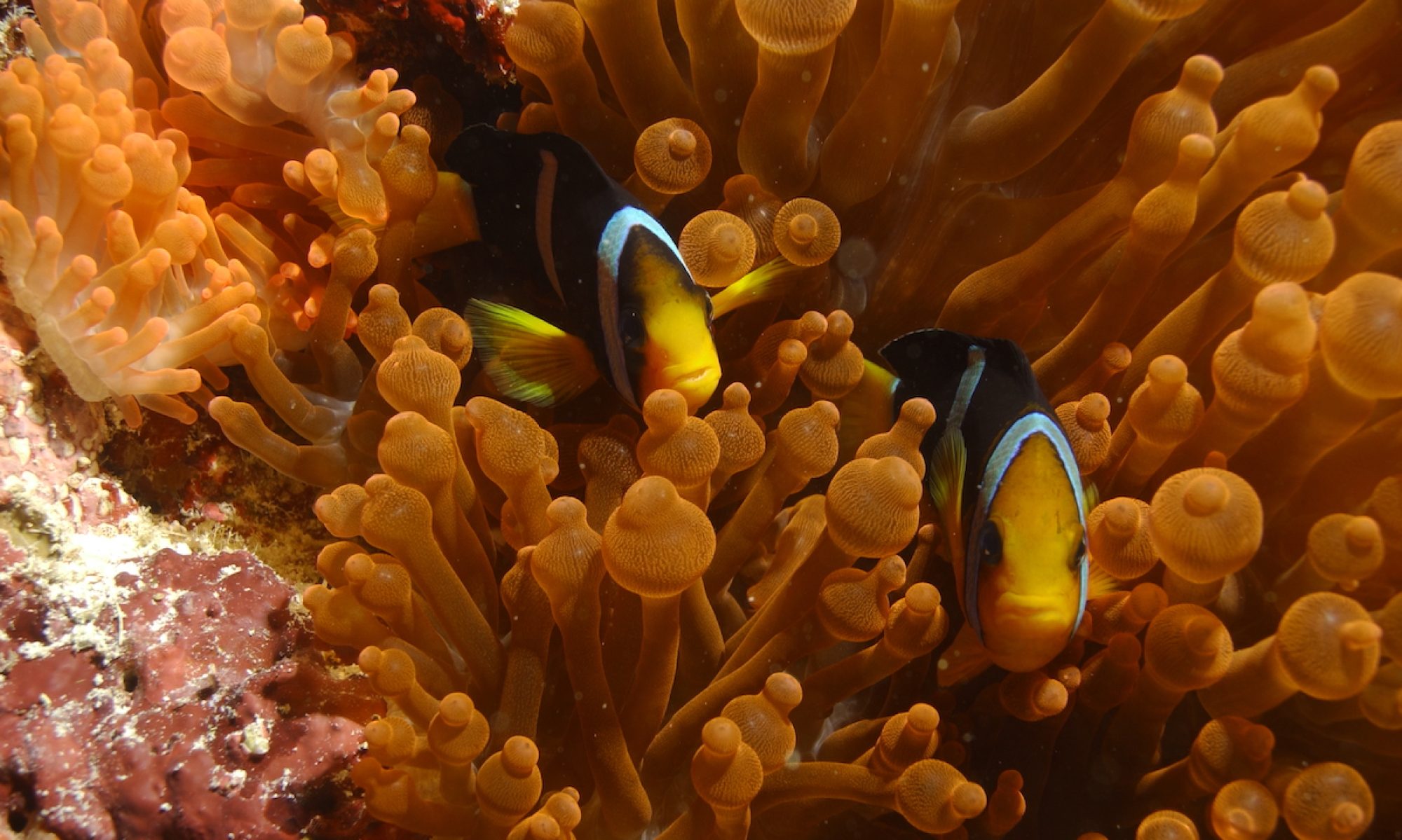
Diving and contributing to protecting some of the most beautiful reefs in the world as a way to aid burnout recovery.
Some days, exhaustion feels deeper than the muscles or sleep you’ve lost. You can sleep, take a holiday, work out regularly, or binge-watch your favourite shows and still wake up feeling flat.
Burnout is rarely solved by rest alone. It’s emotional depletion, loss of motivation, and a sense that what you do no longer matters.
After the holidays or during any major life transition many people feel this more acutely. Returning to work, routines and obligations, or questioning what comes next, can feel surprisingly flat, even after a “restful” break. That’s because burnout is often about disconnection from purpose, not just physical fatigue.
Volunteering expeditions with a clear focus on wildlife conservation provide structure, shared goals and opportunities for all skill levels to contribute meaningfully.
Elephants right outside our camp while volunteering in Malawi
Are you thinking about volunteering abroad and interested in wildlife conservation?
Whether you want to help monitor whales, survey coral reefs, or support wildlife researchers in remote national parks, these volunteer projects offer the chance to contribute to real conservation work while experiencing a destination in a much deeper way.
But, volunteering abroad is very different from a typical holiday.
In this article I’ll walk you through what wildlife volunteering actually involves, what daily life looks like, and how to know if it’s the right fit for you.