Award-winning, non-profit and ethical wildlife conservation volunteering. Advancing citizen science and conservation since 1999 – for nature, not profit.
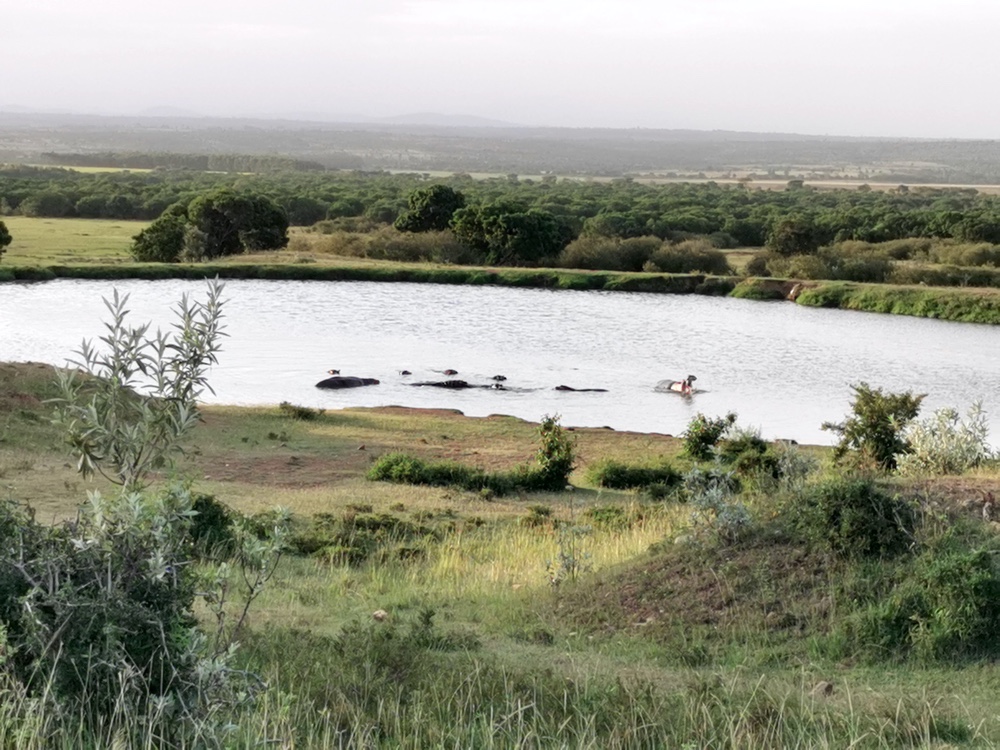
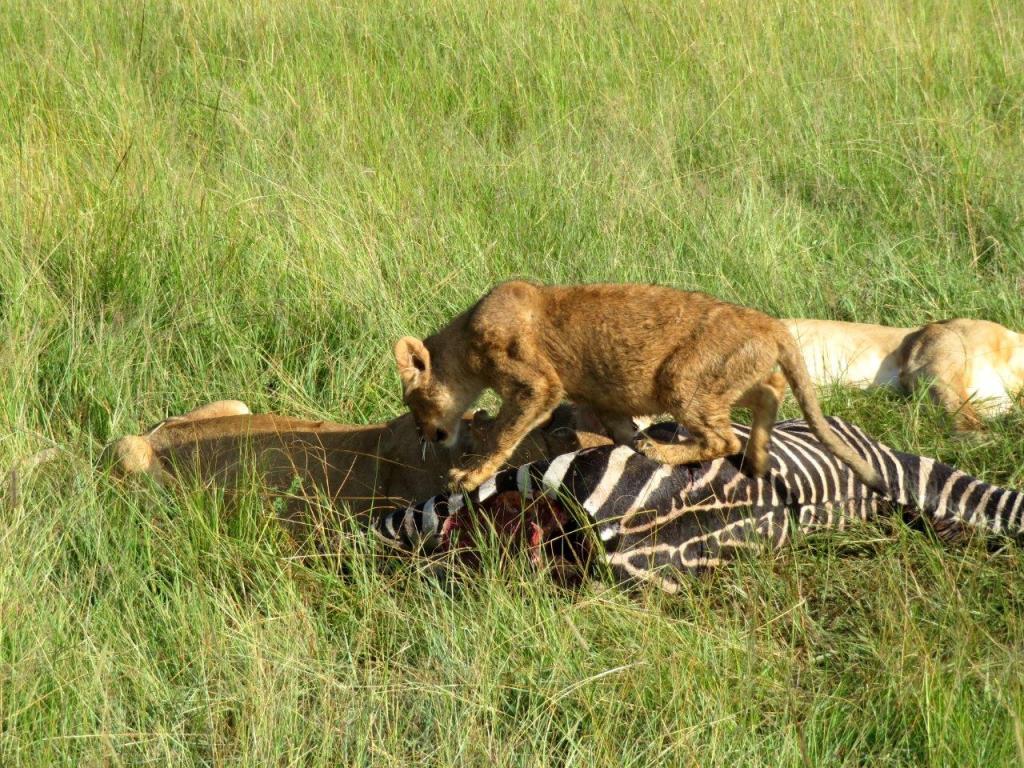
As the team emerged from the adventures of their day off on Saturday with tales of lions feeding on zebras, close encounters with white rhino and sunsets over hippo-laden watering holes, Covid has reared its ugly head once again. We currently have two people isolating, the rest of the team have adjusted and adapted where necessary. For the most part it is business as usual. The staff at base are doing a great job of keeping everyone fed and assisting the expedition team.
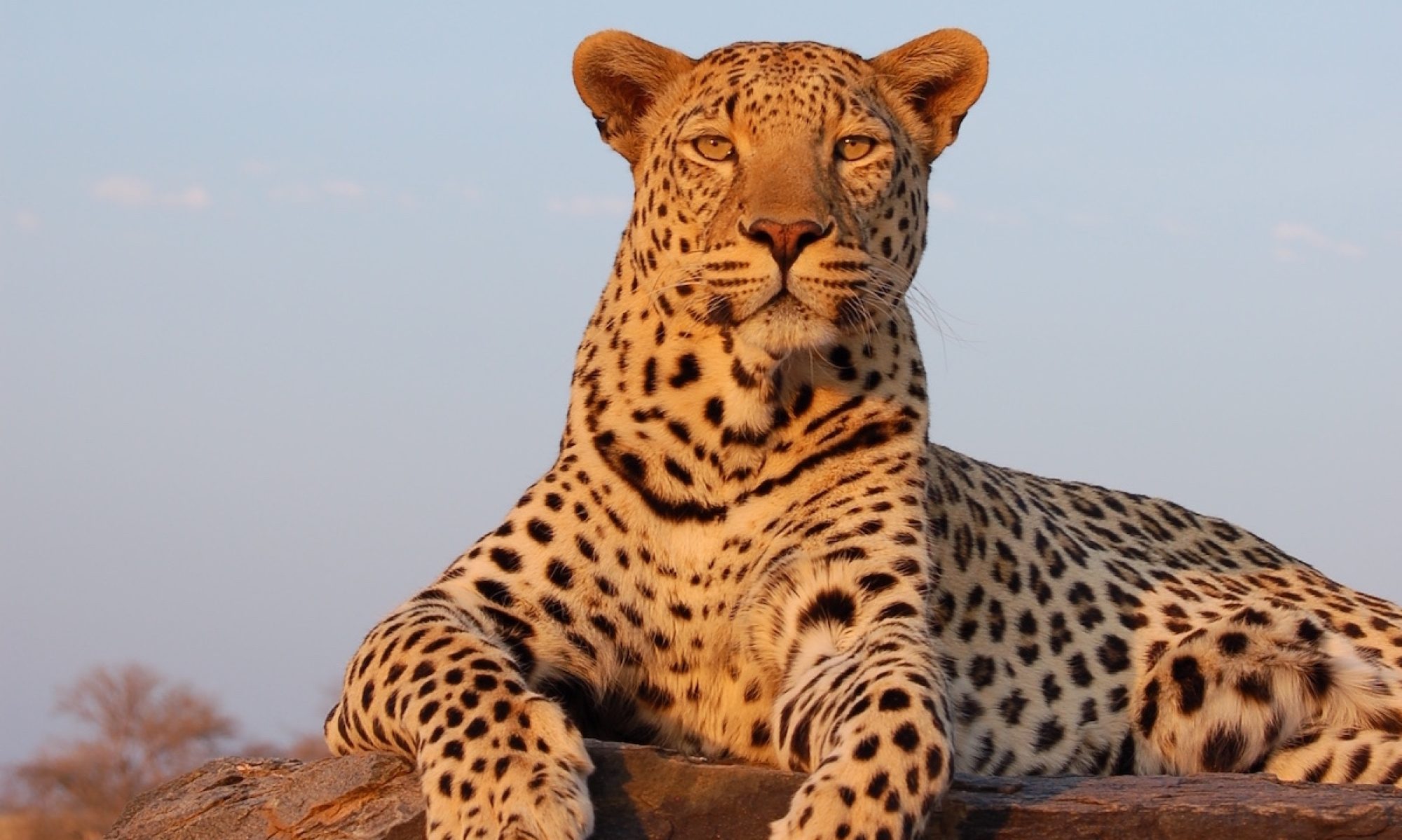
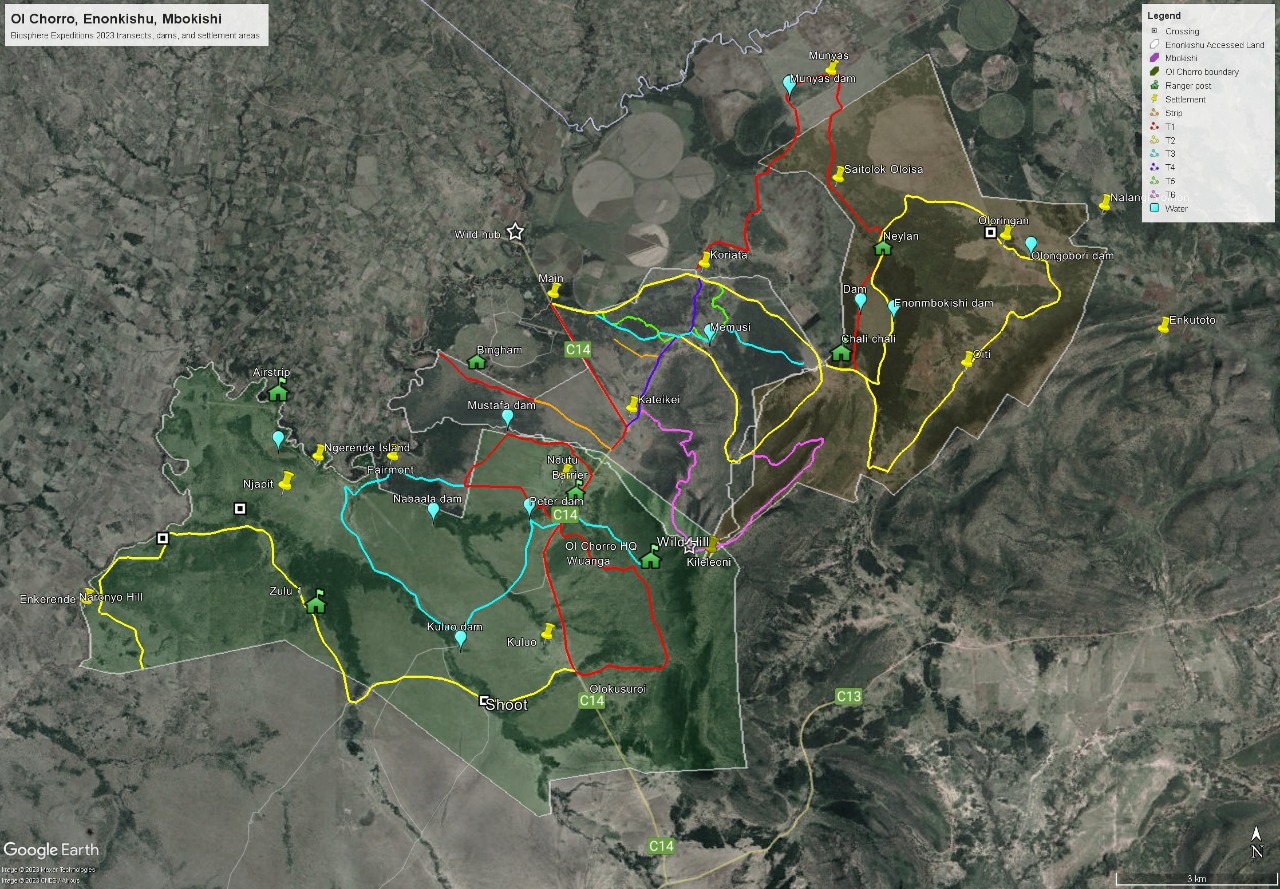
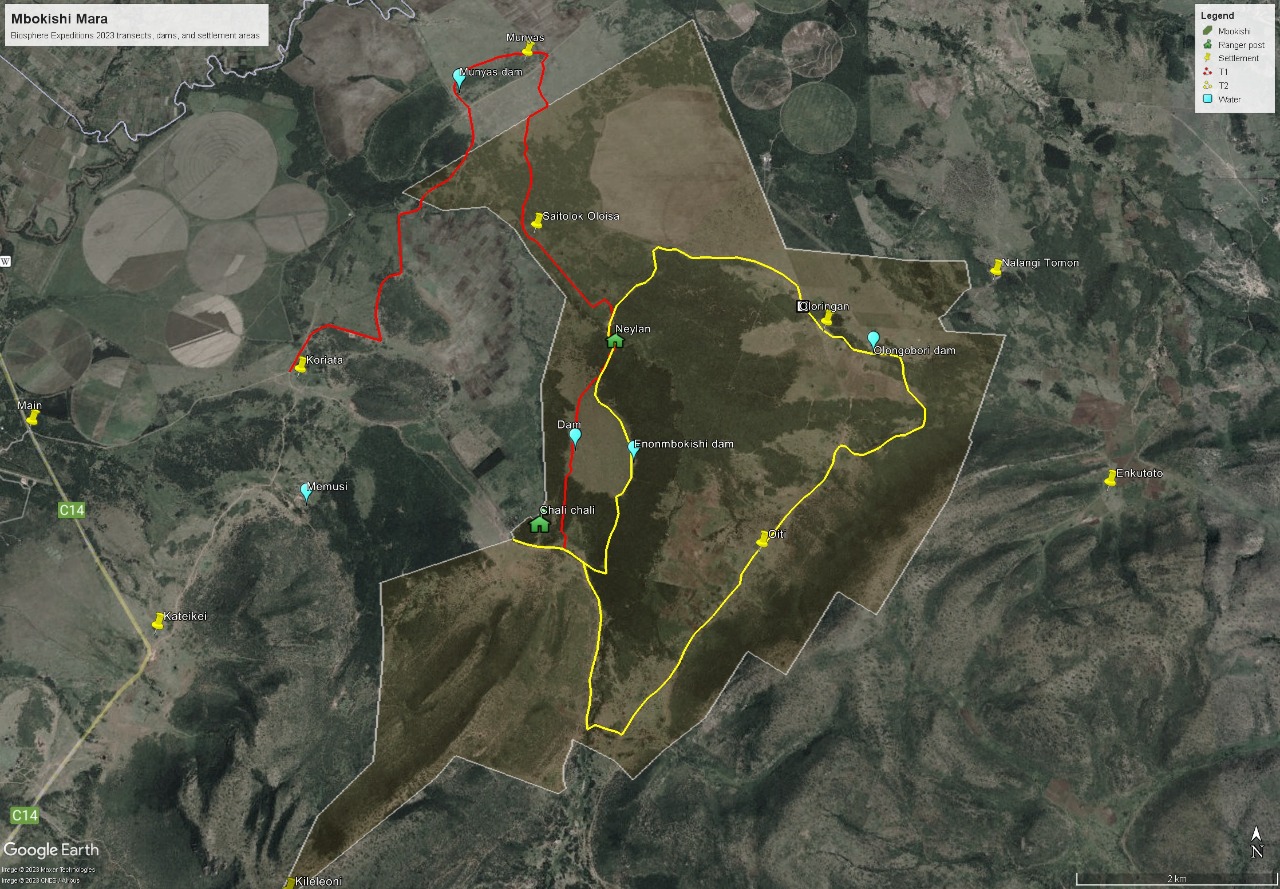
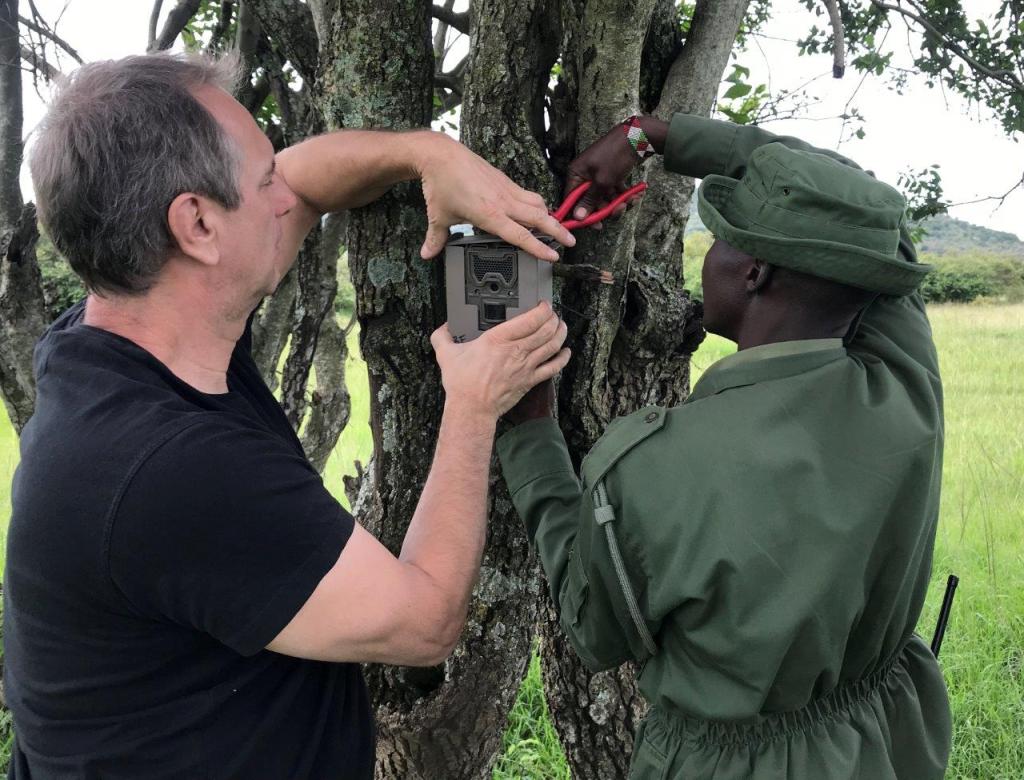
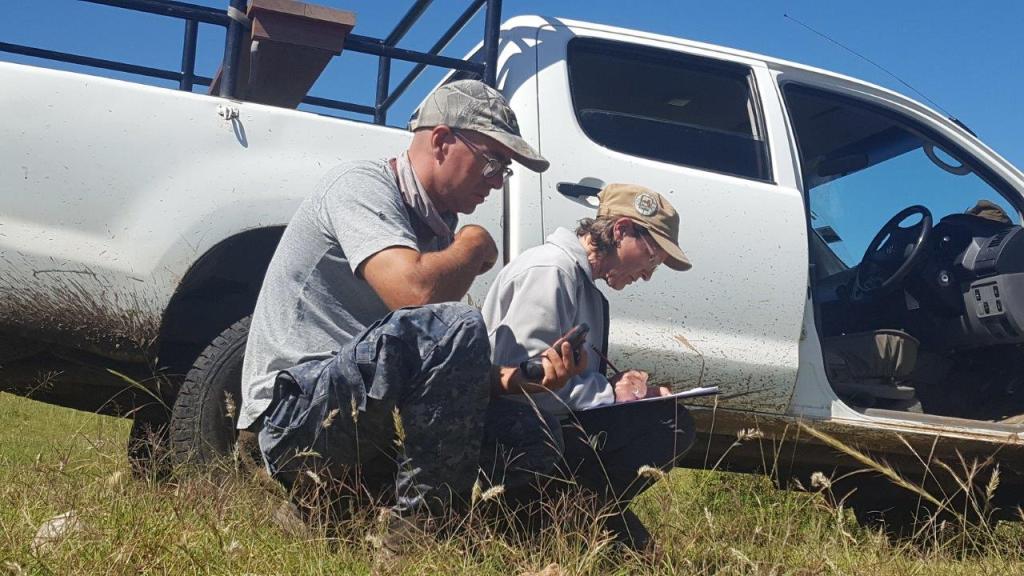
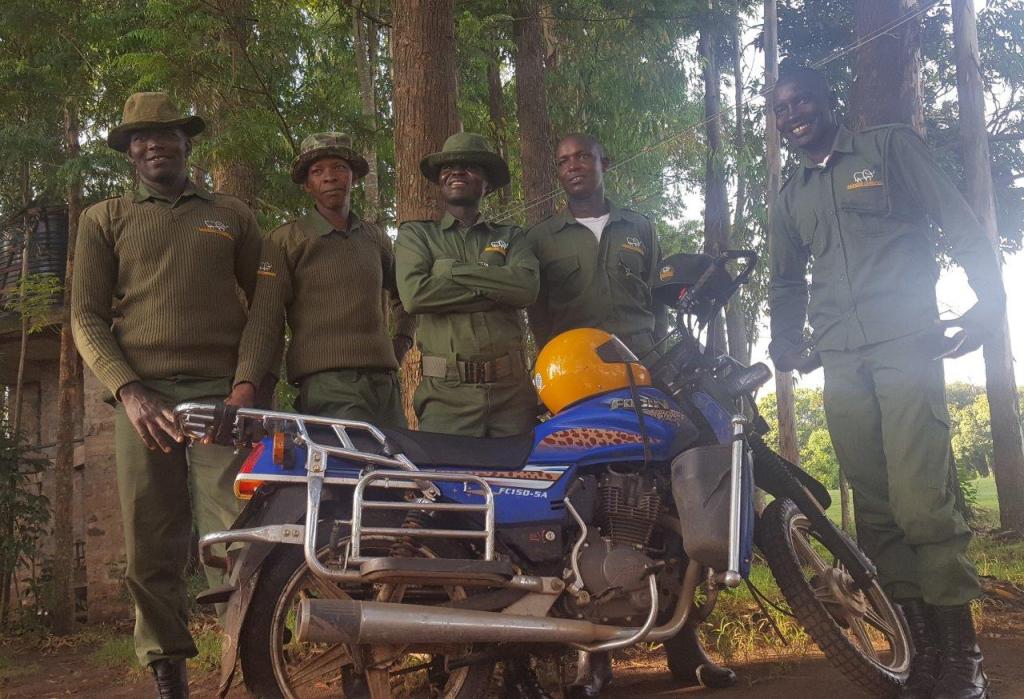
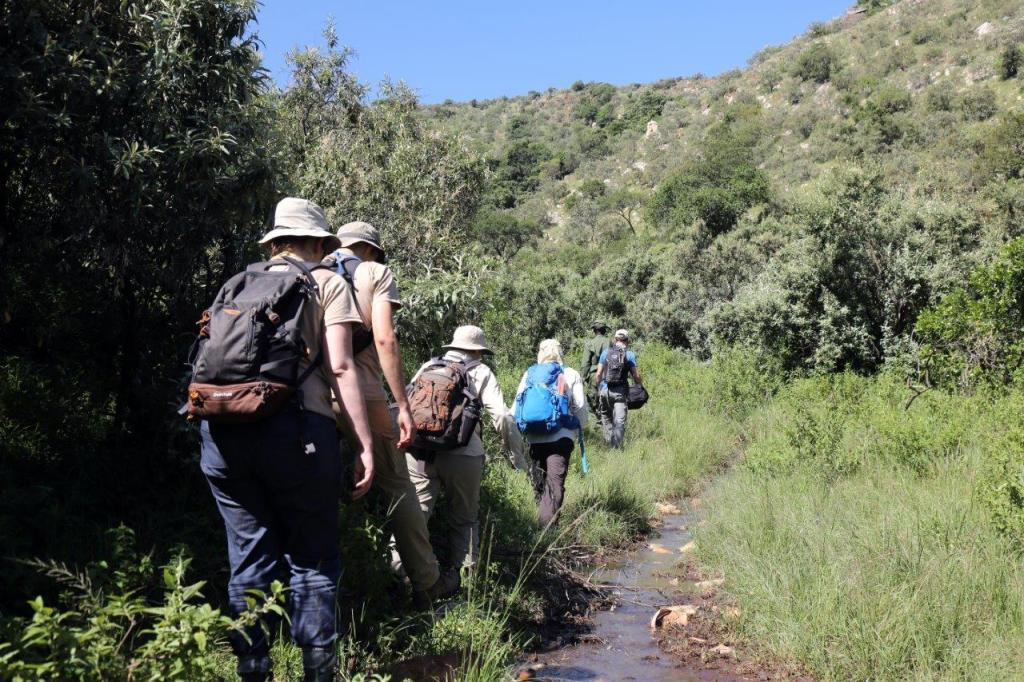
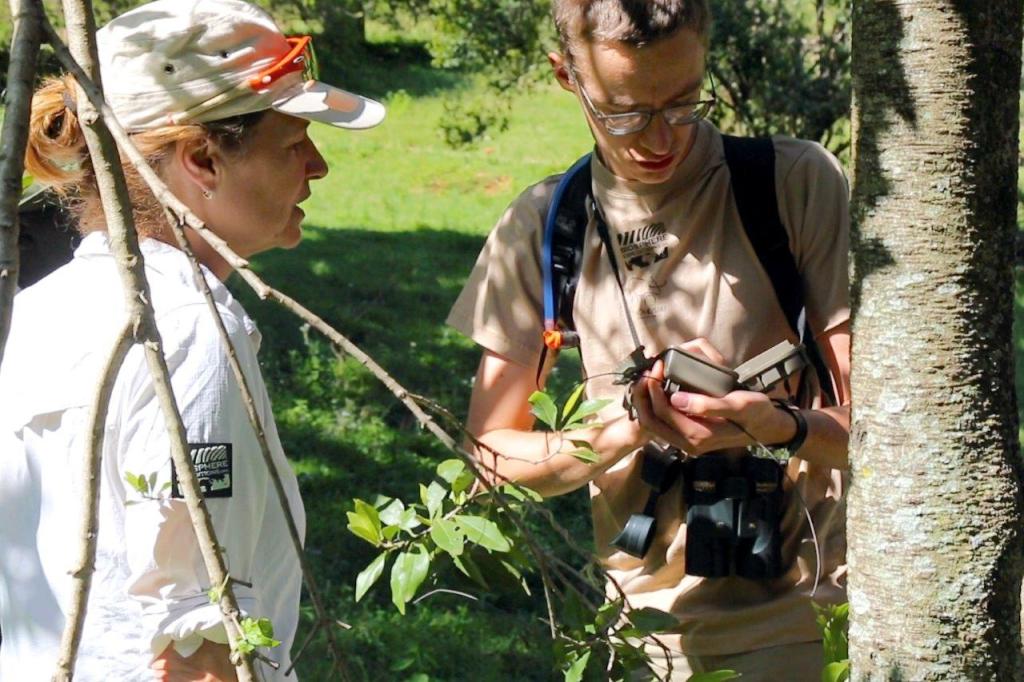
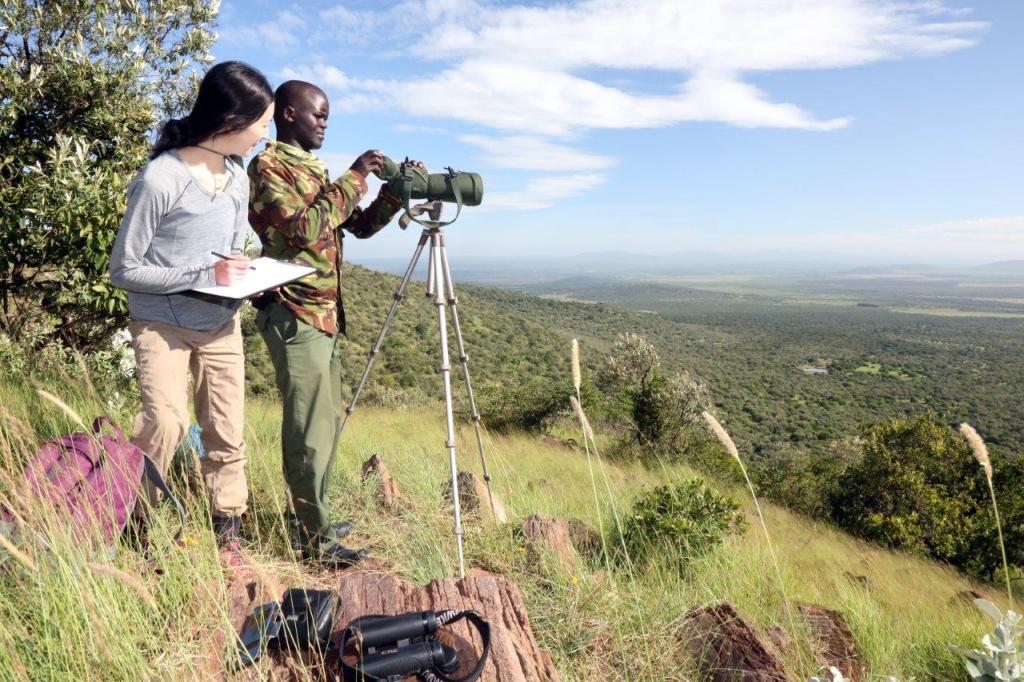
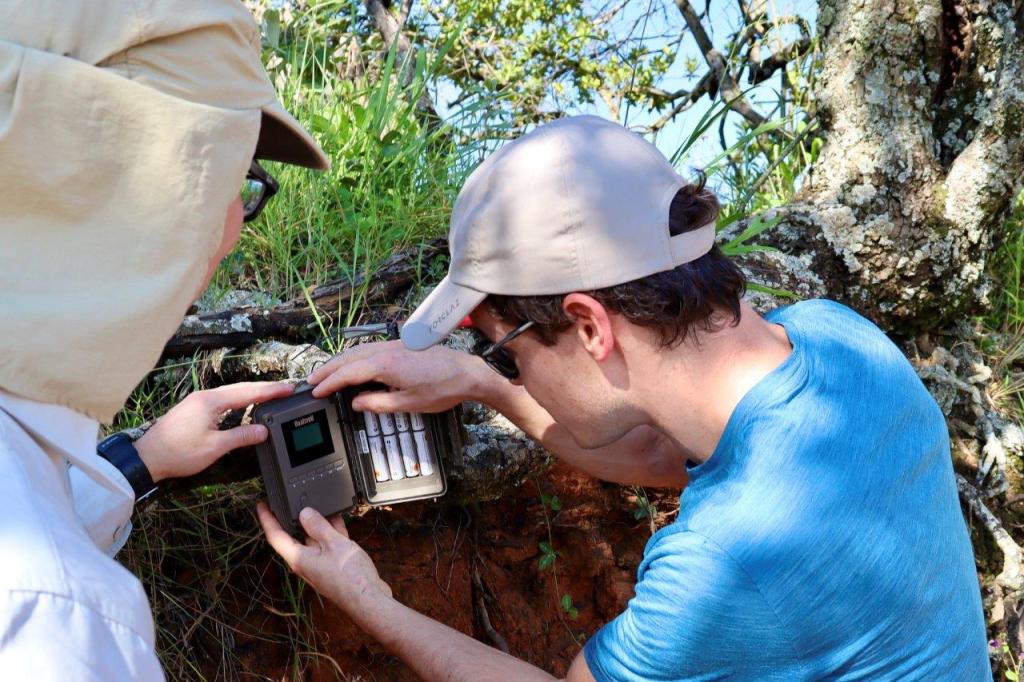
Outside of the camp, we have continued with our prolific collection of scientific data. We have had teams completing foot transects in Mbokishi and Ol Chorro, vehicle transects in Enonkishu and camera traps placed in areas of interest (known as hotspots). We have placed a camera trap in an area said to be frequented by leopards and we are hoping to catch a glimpse into the life of these secretive creatures. With any luck we will have some photographs to share with you soon. We have also assisted our local rangers with the servicing of the permanent camera trap grids within the conservancies.
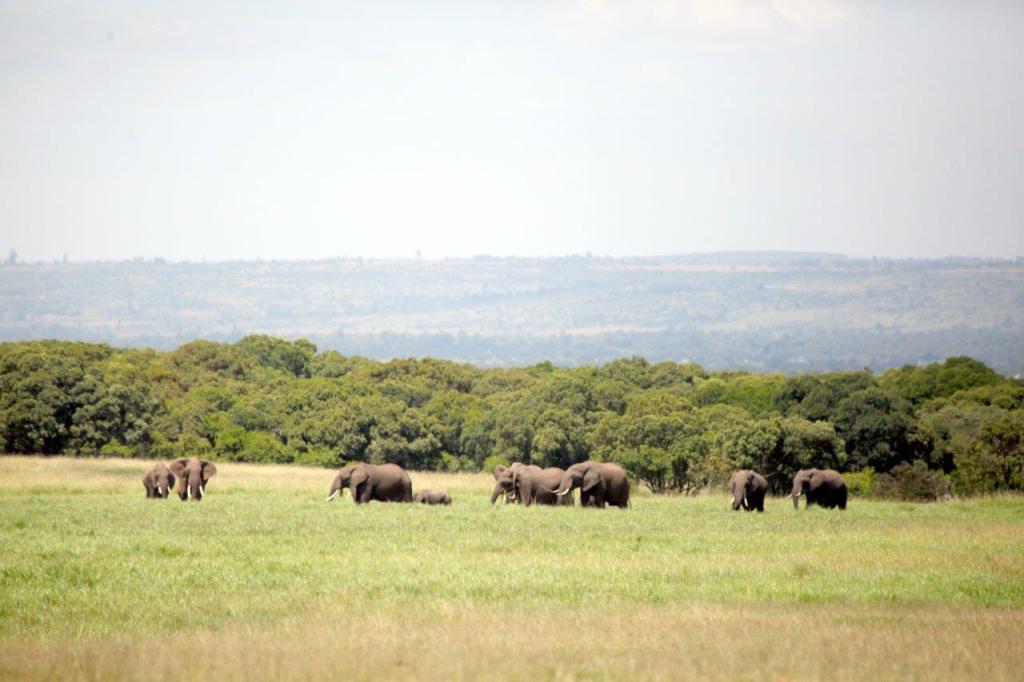
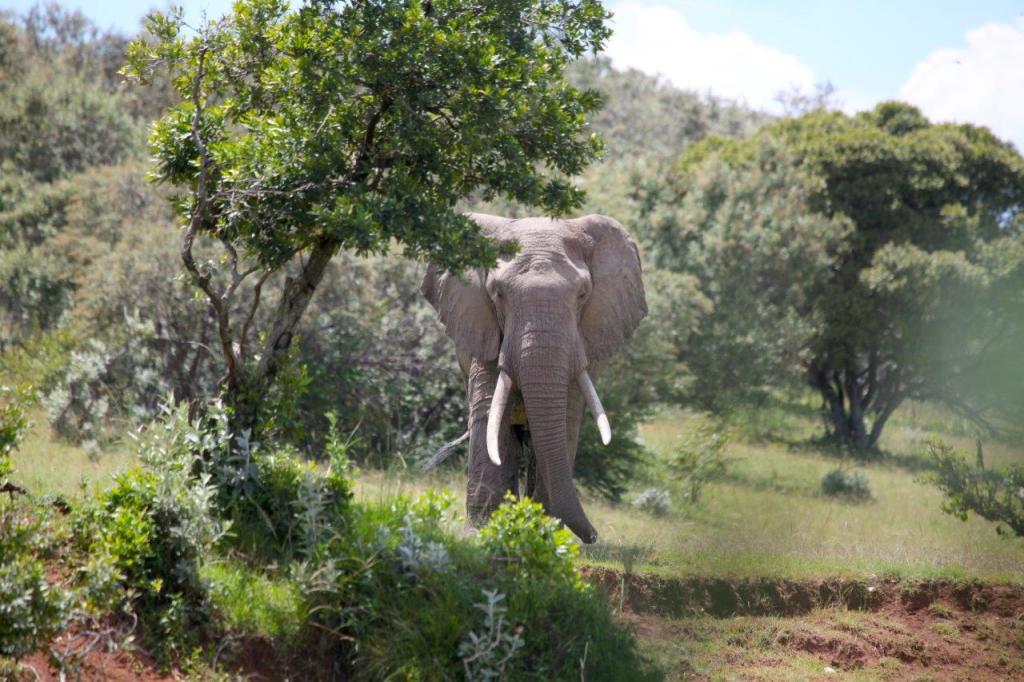
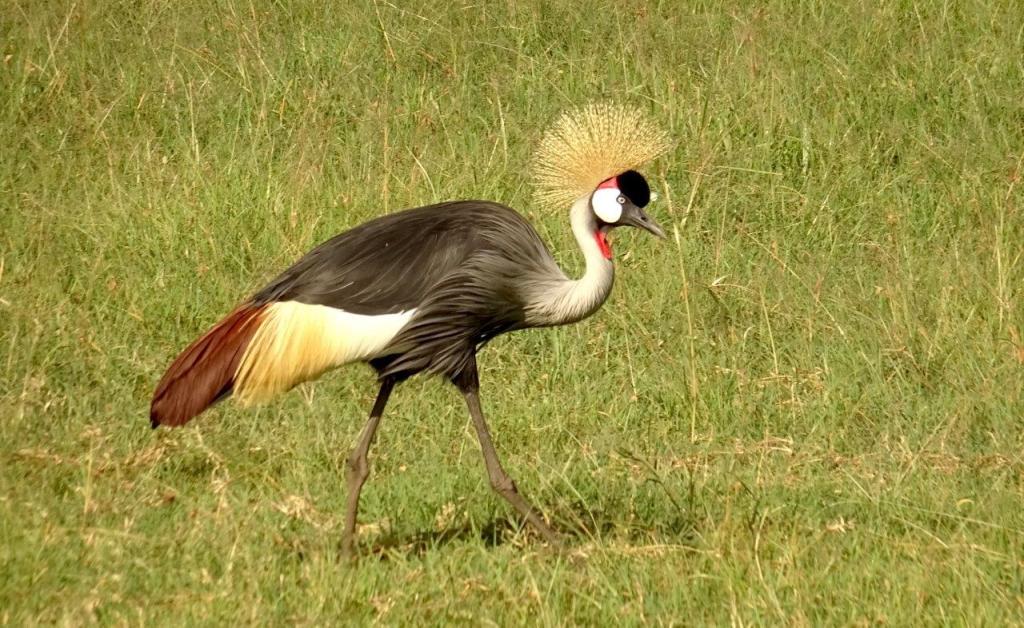
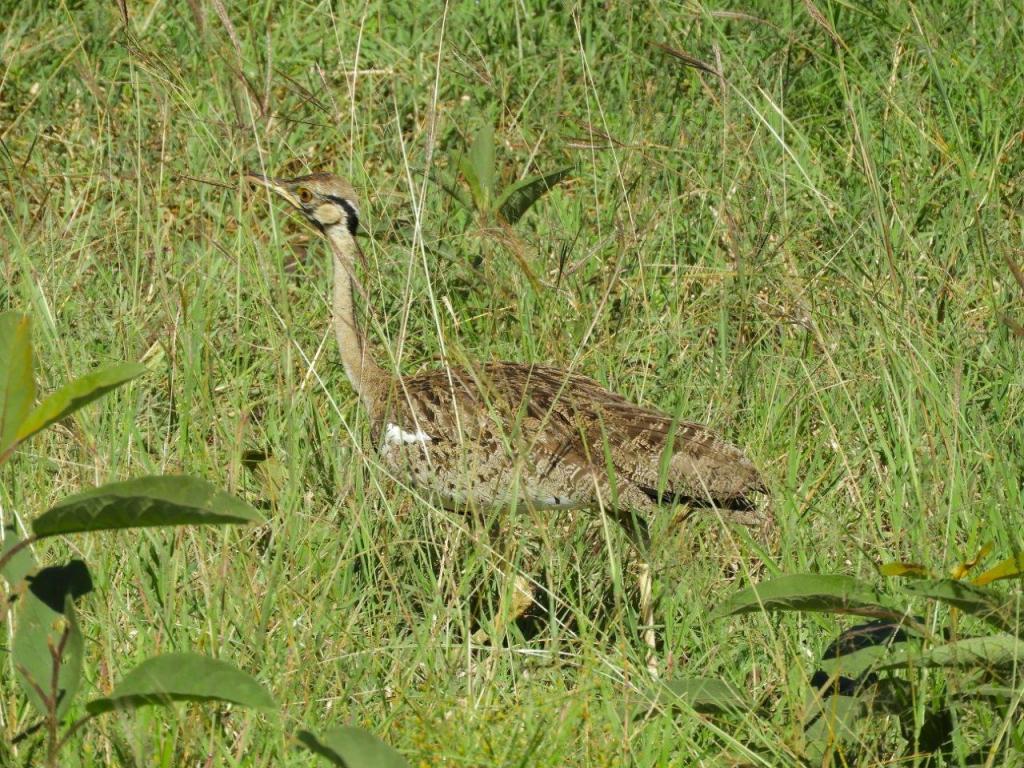
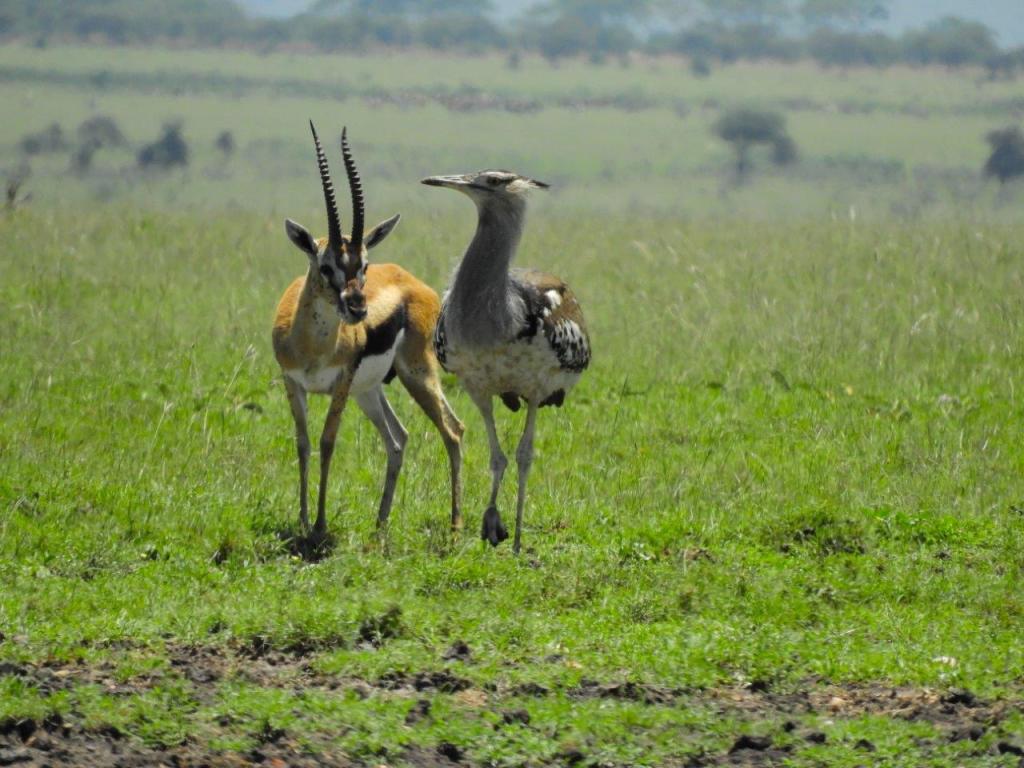
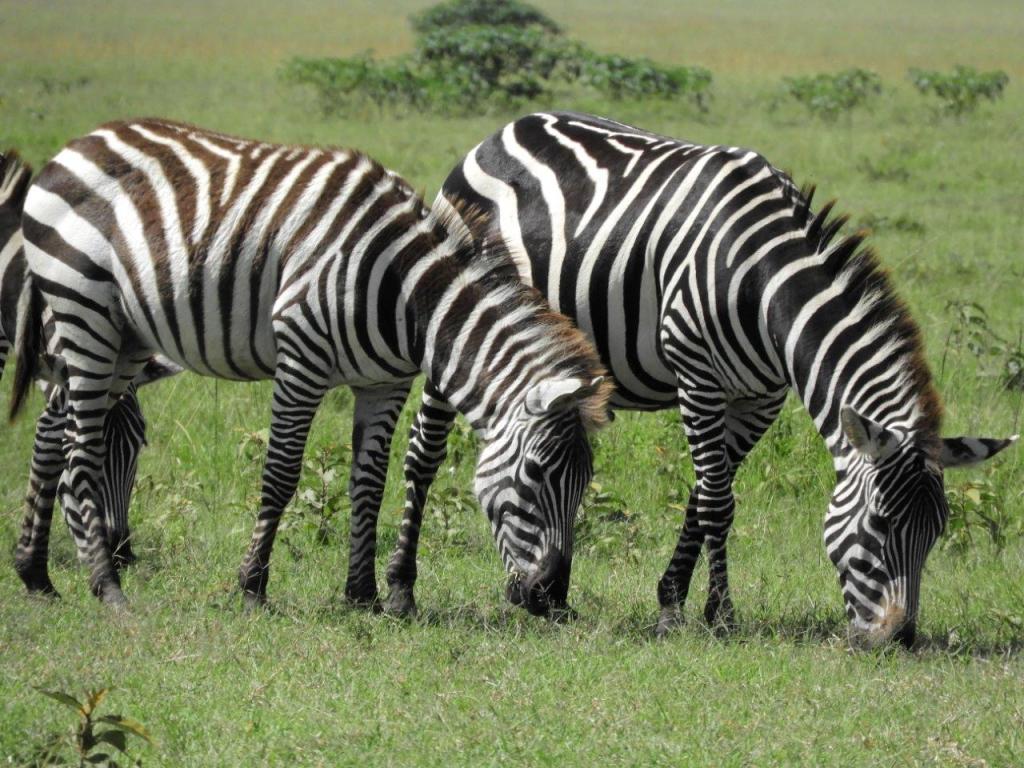
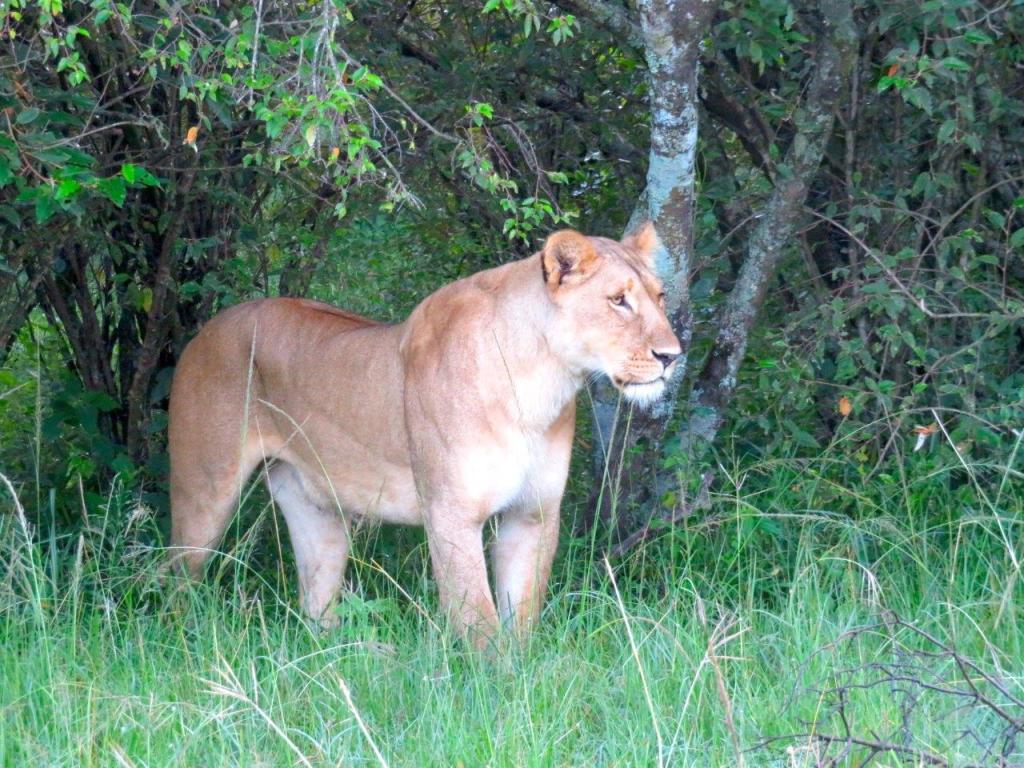
Sightings of special interest have continued to come in with our first elephants spotted during a transect, alongside reports of leopards, lions, civet cats, hyaenas, waterbuck, giraffes, zebras and a plethora of birds and ungulates.
So our expedition does, what an expedition does. Pursuing a purpose and coping with lost bags, delayed flights, broken down vehicles and now Covid as part of the adventure and expedition life.
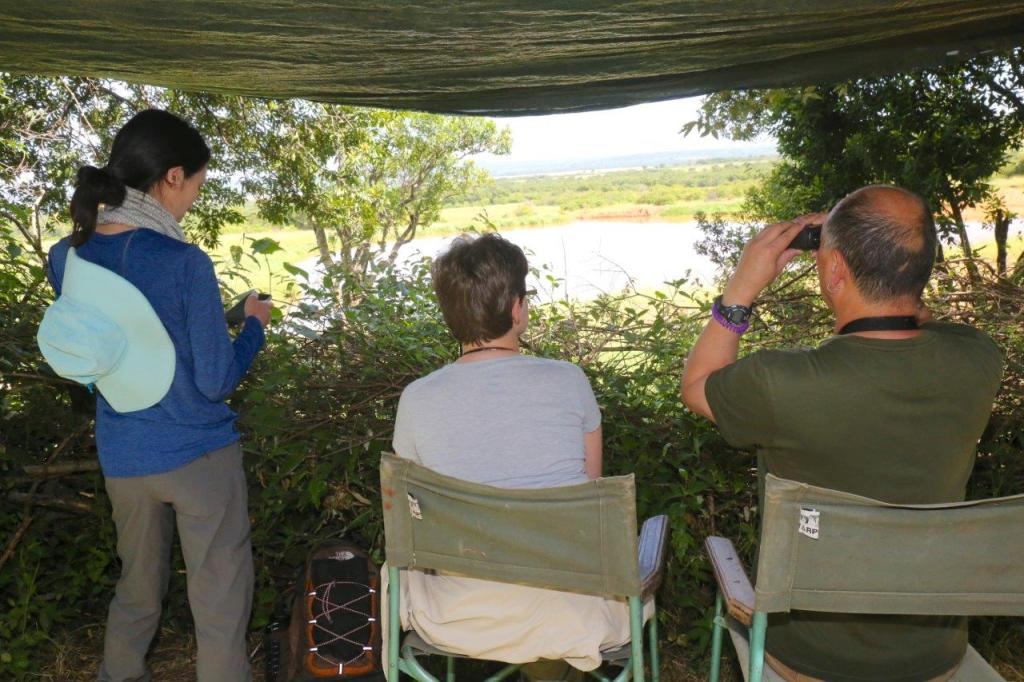
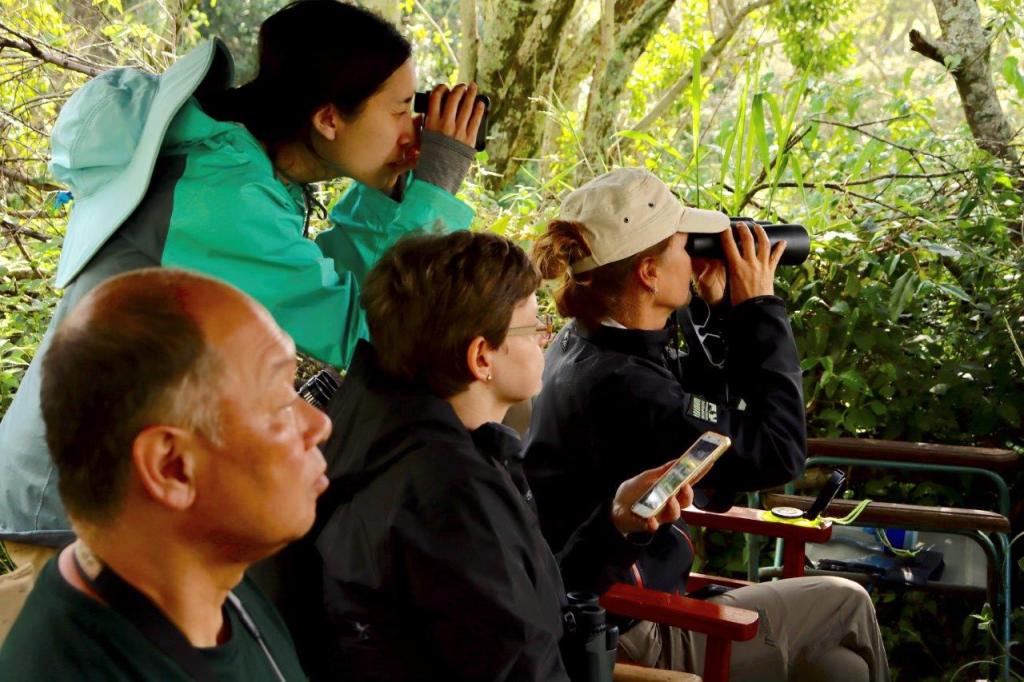
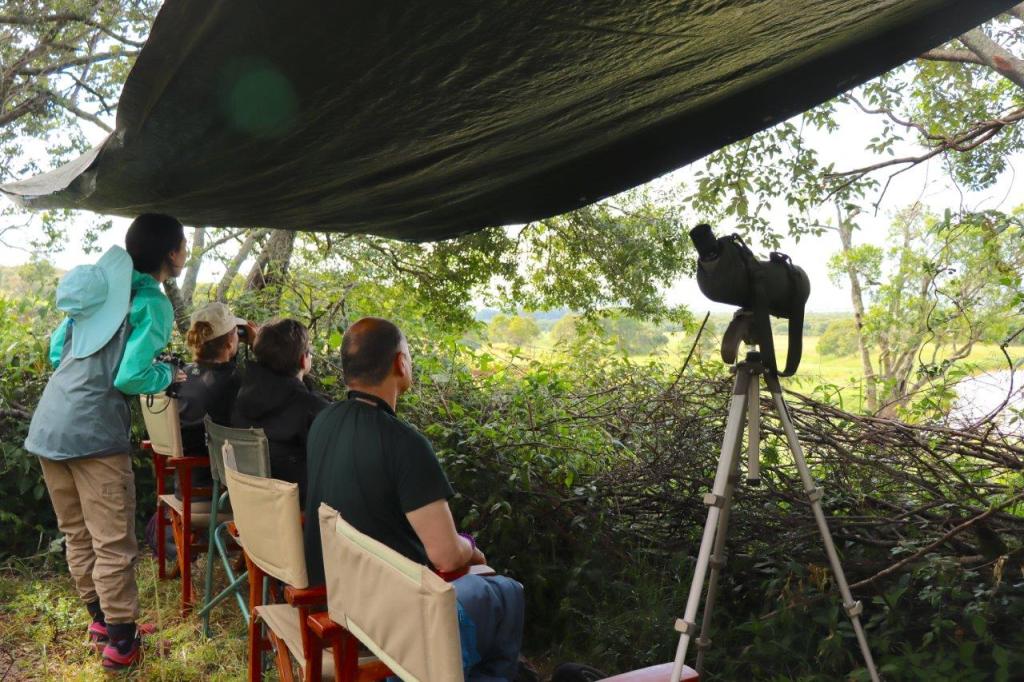
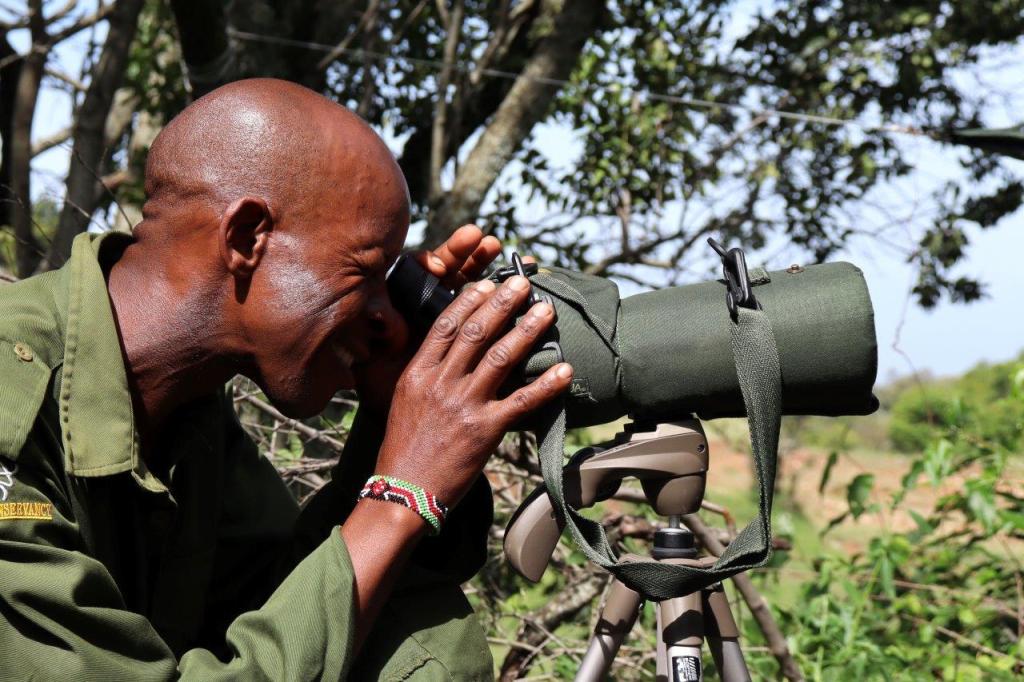
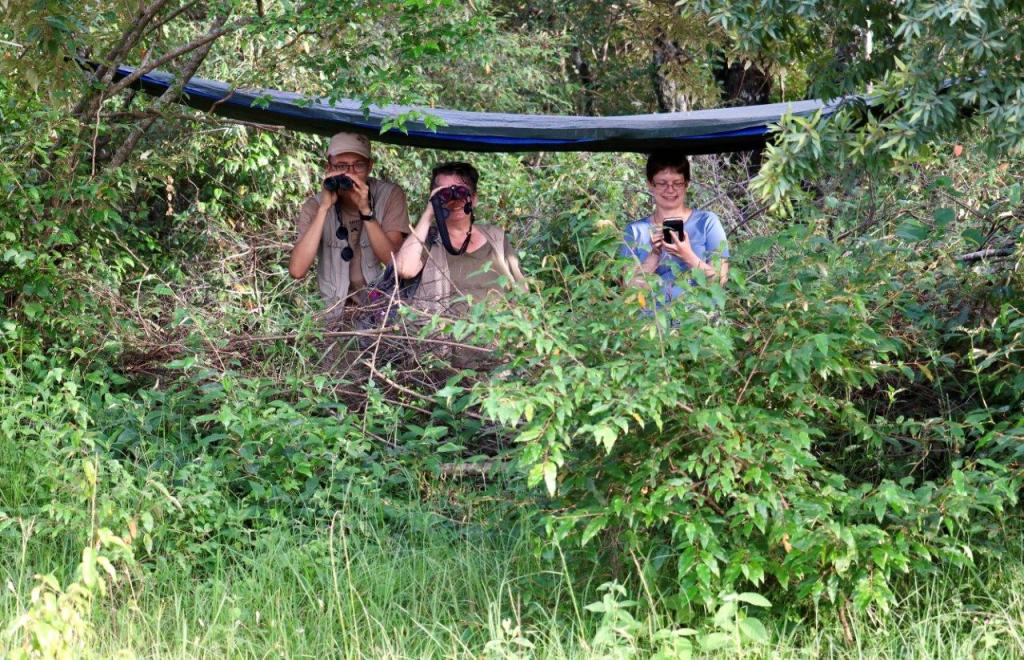
We’re in the groove – more or less. Vehicle transects have been driven, foot transects walked, rangers introduced to our Cybertracker data recording app, with some taking to it like ducks to water and others less so. We have also checked camera traps (results later), where we could find them, been on night drives (for fun and a bit of data recording) and started waterhole observations, which presented their very own set of challenges (see below) 😉
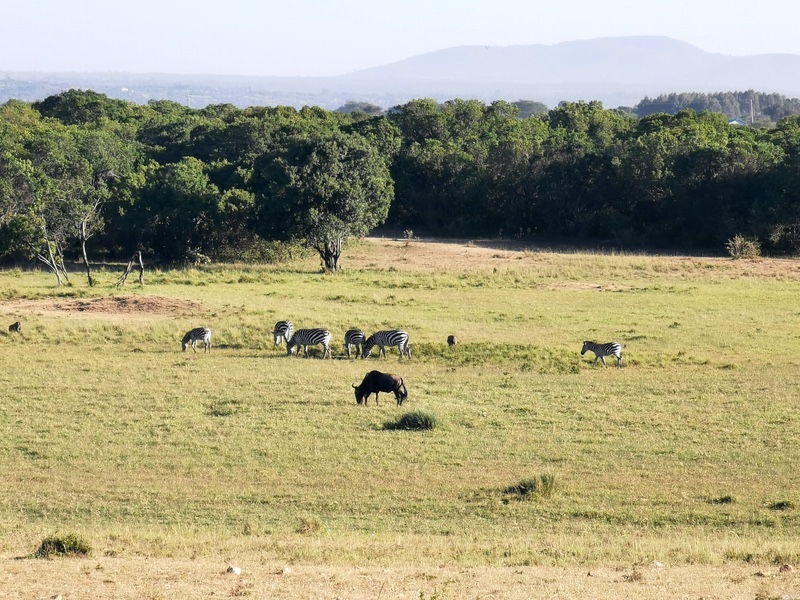
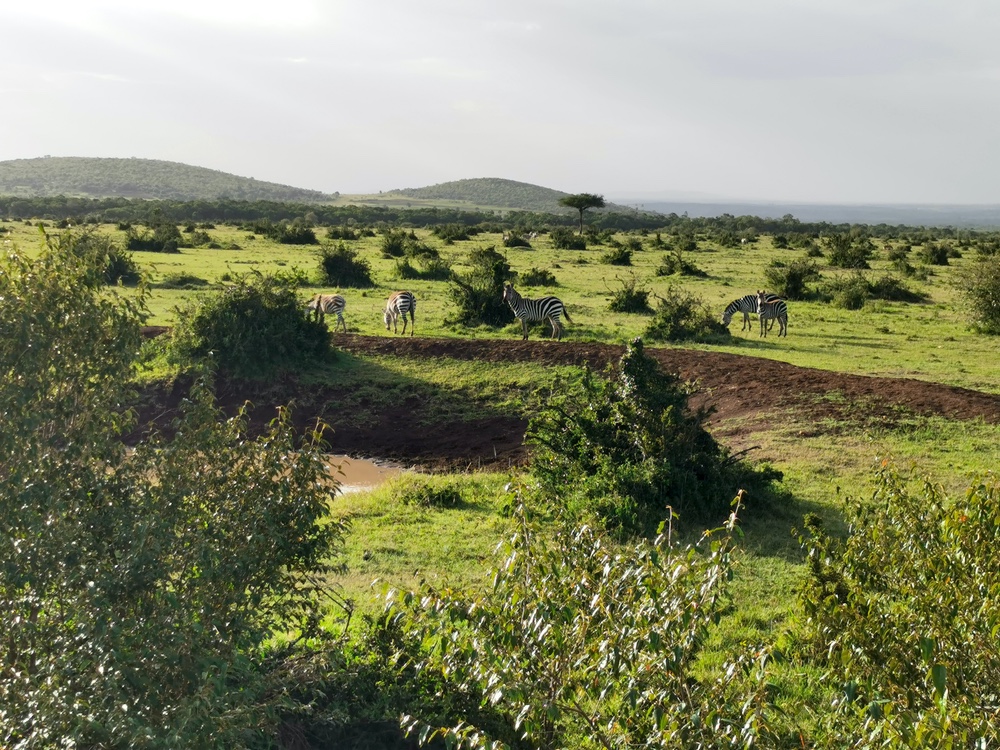
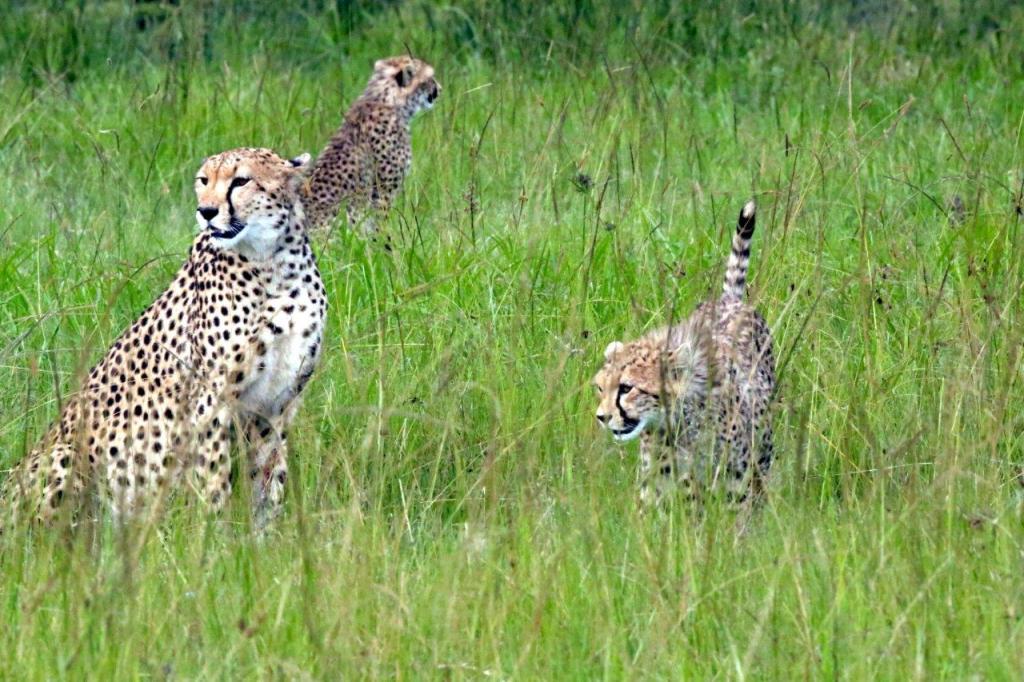
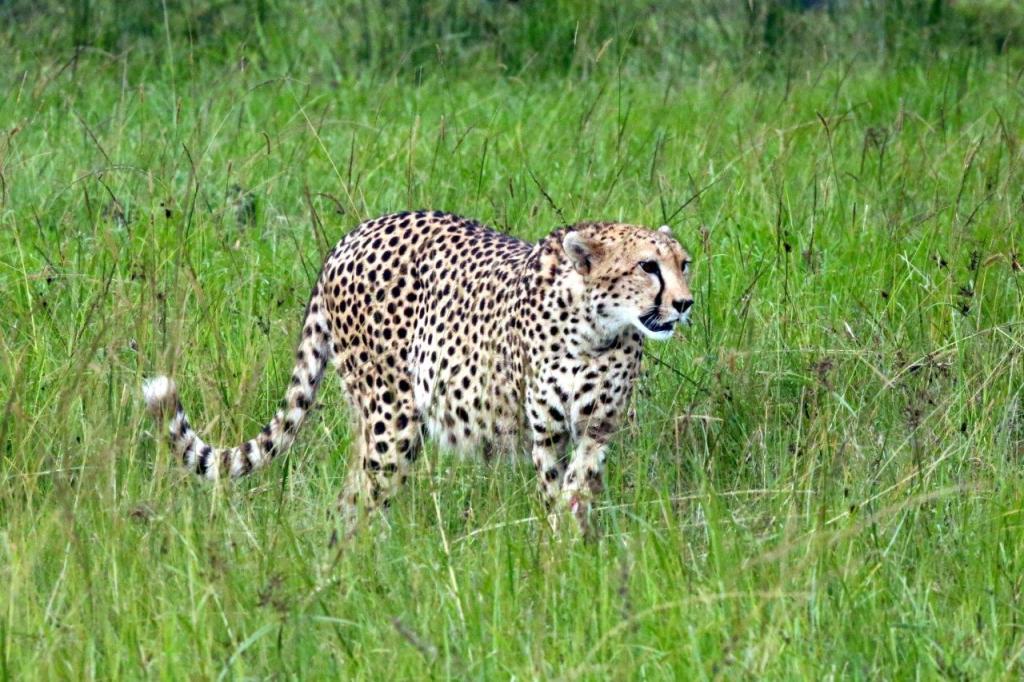
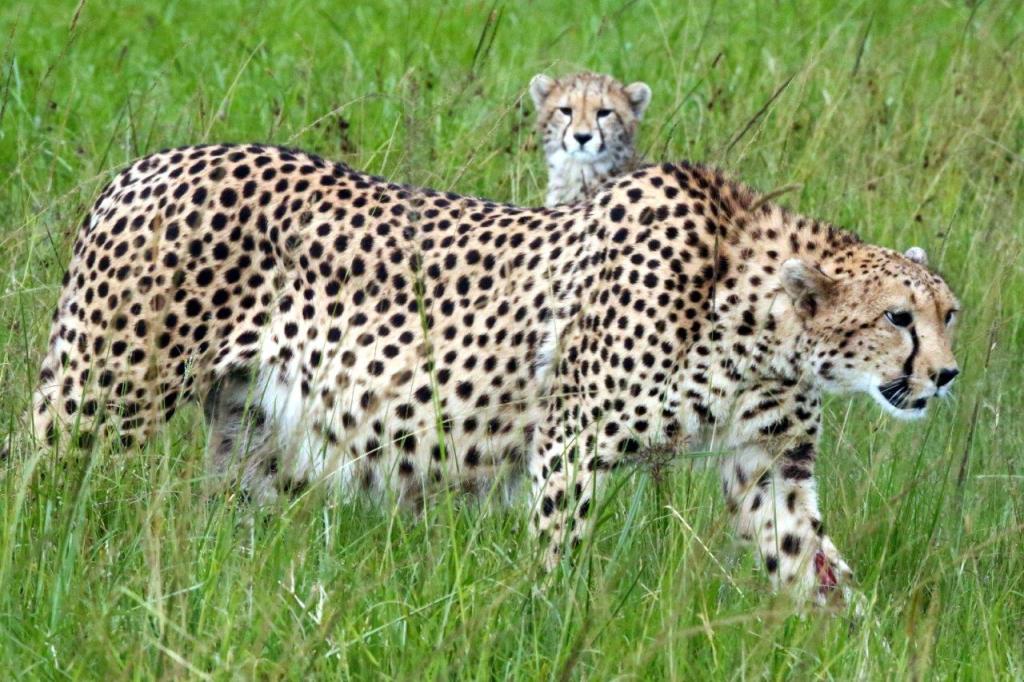
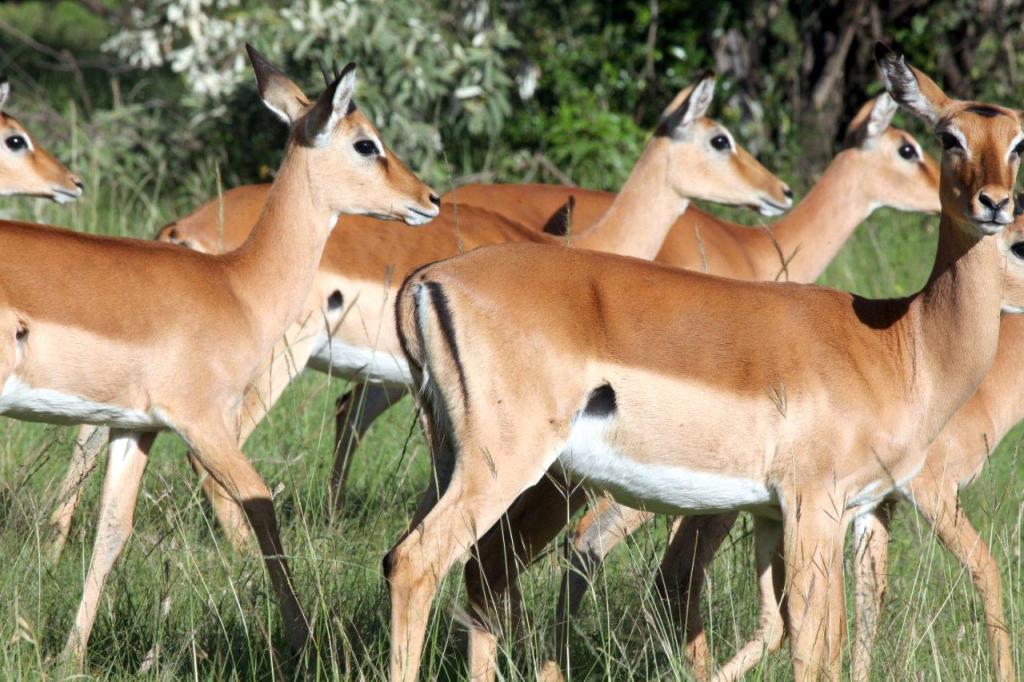
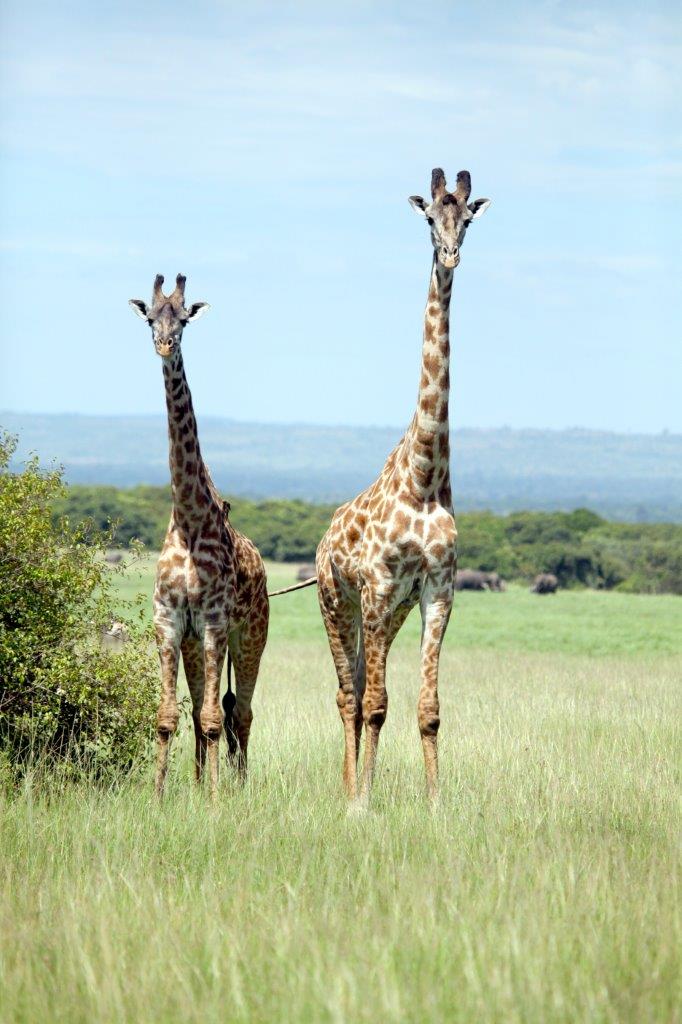
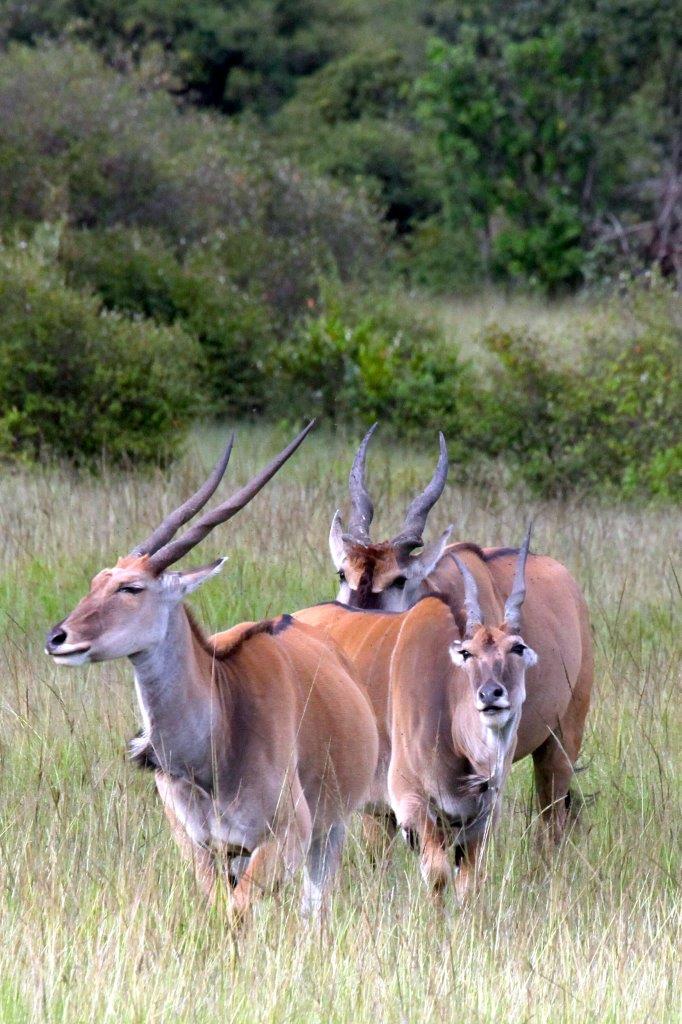
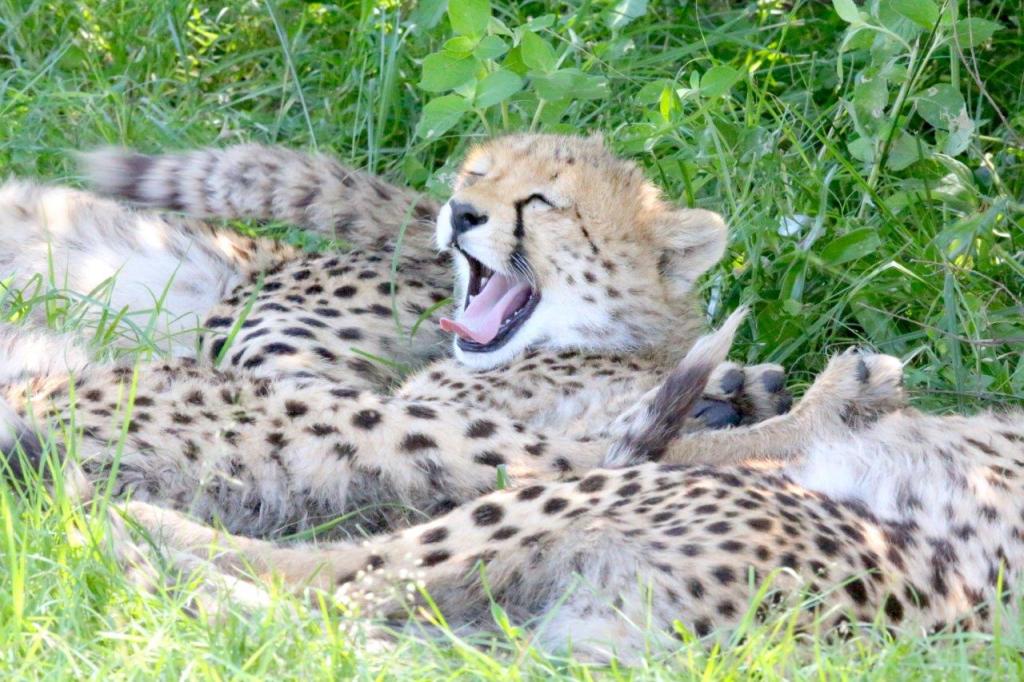
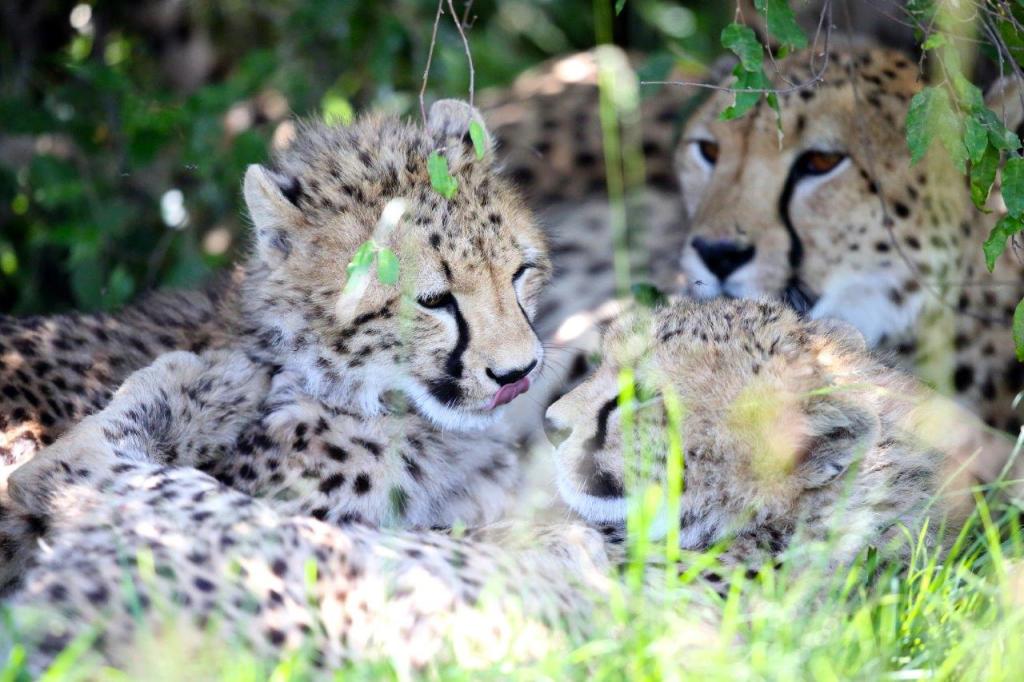
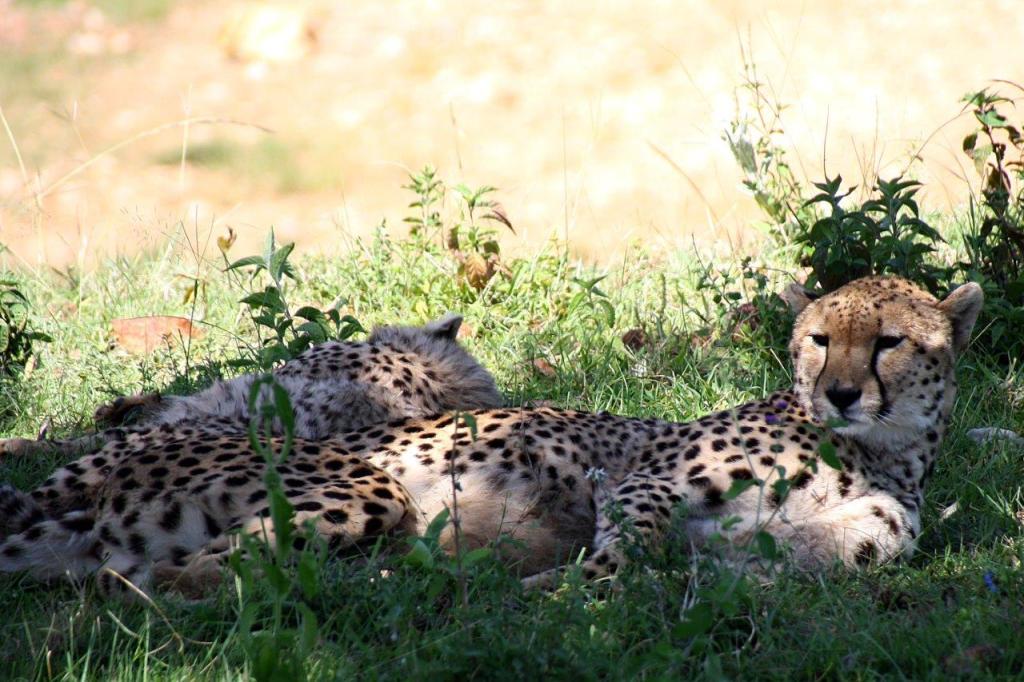
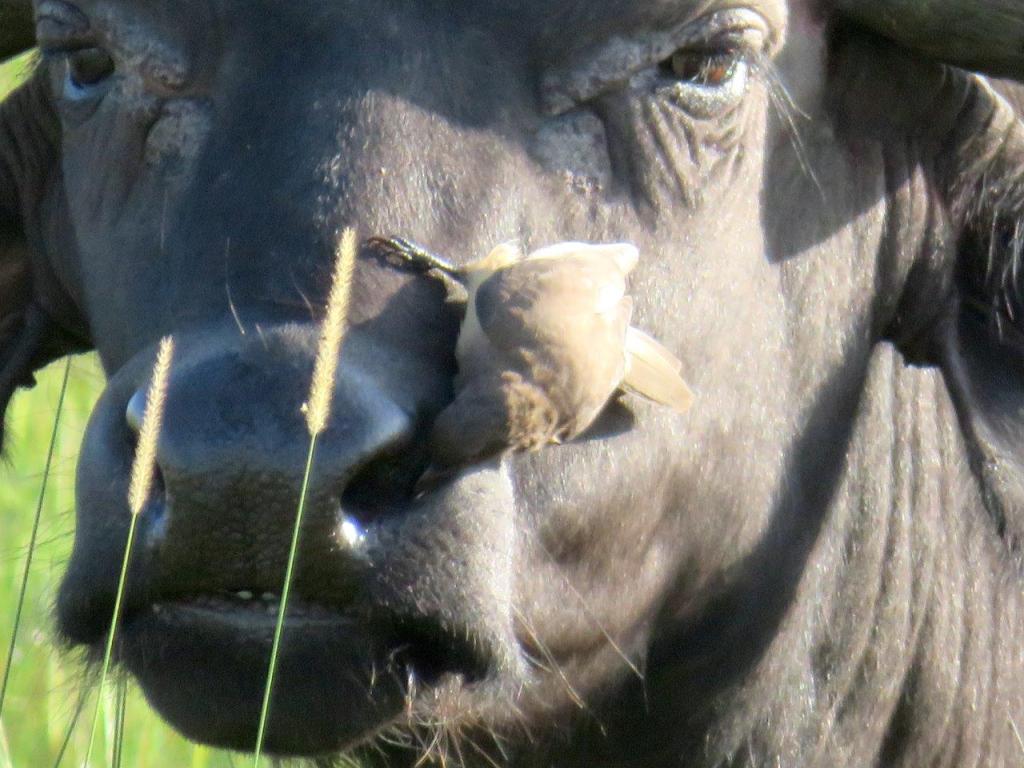
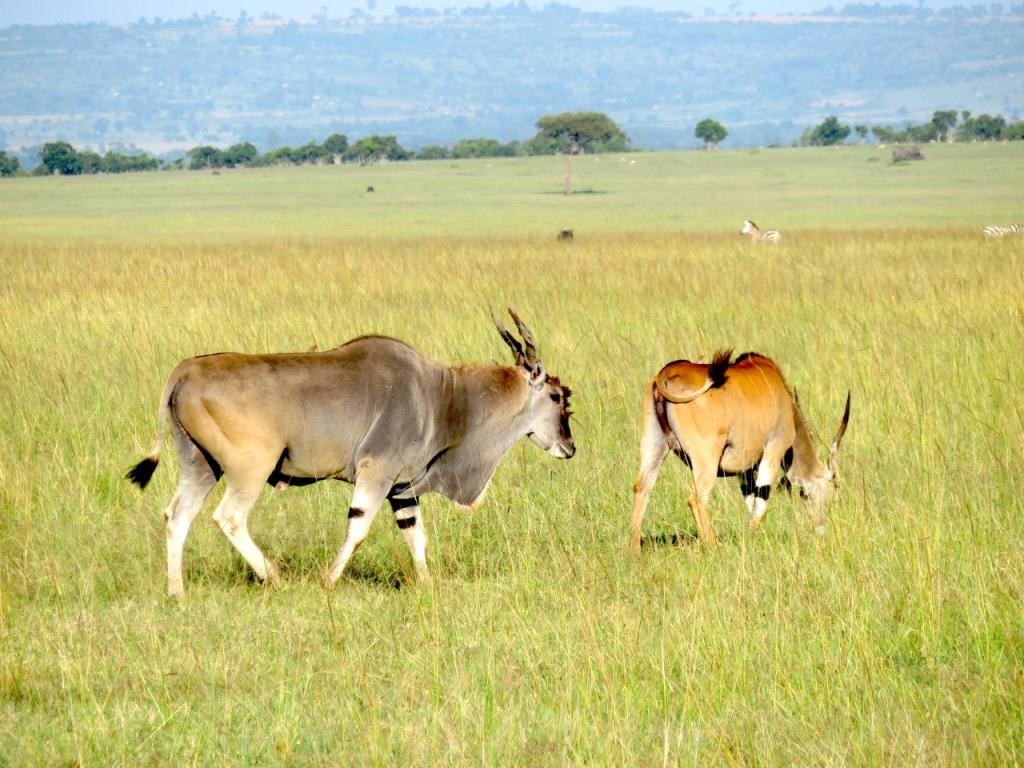
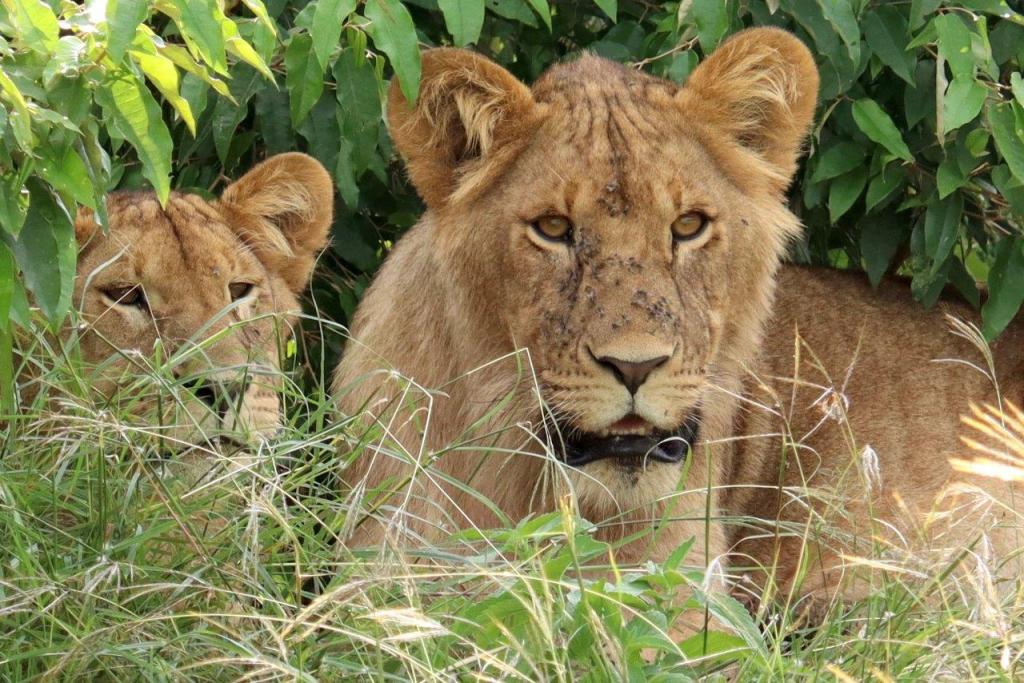
We’ve recorded lions, hyaenas, civets, giraffe, topi, dik-dik, duiker, zebra, buffalo, impala, waterbuck, eland and much more. Cheetahs have been seen in the study site, but not yet caught during the surveys. The elephants are making themselves scarce and are elsewhere in the Mara. The leopards are elusive, as they tend to be.
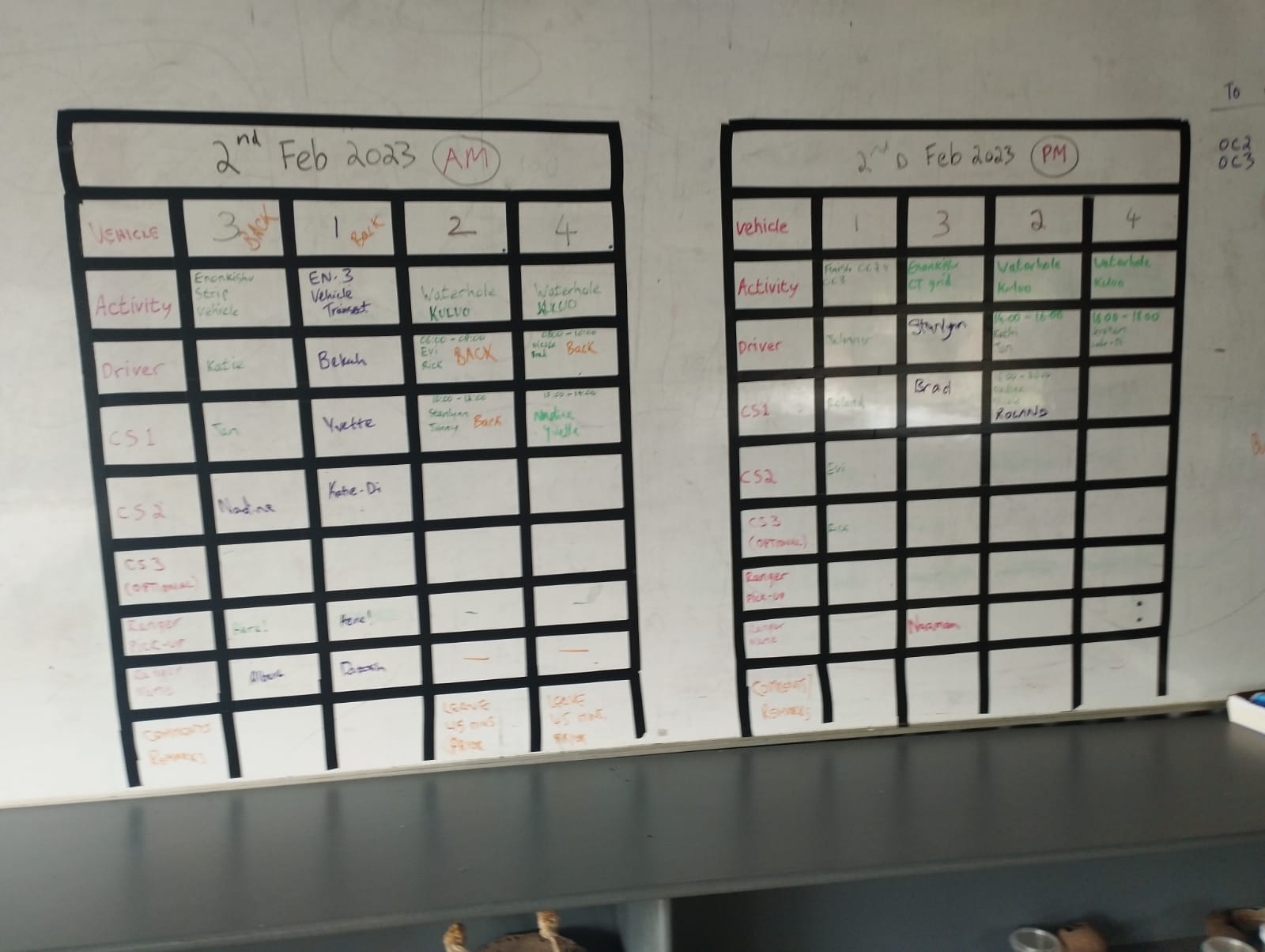
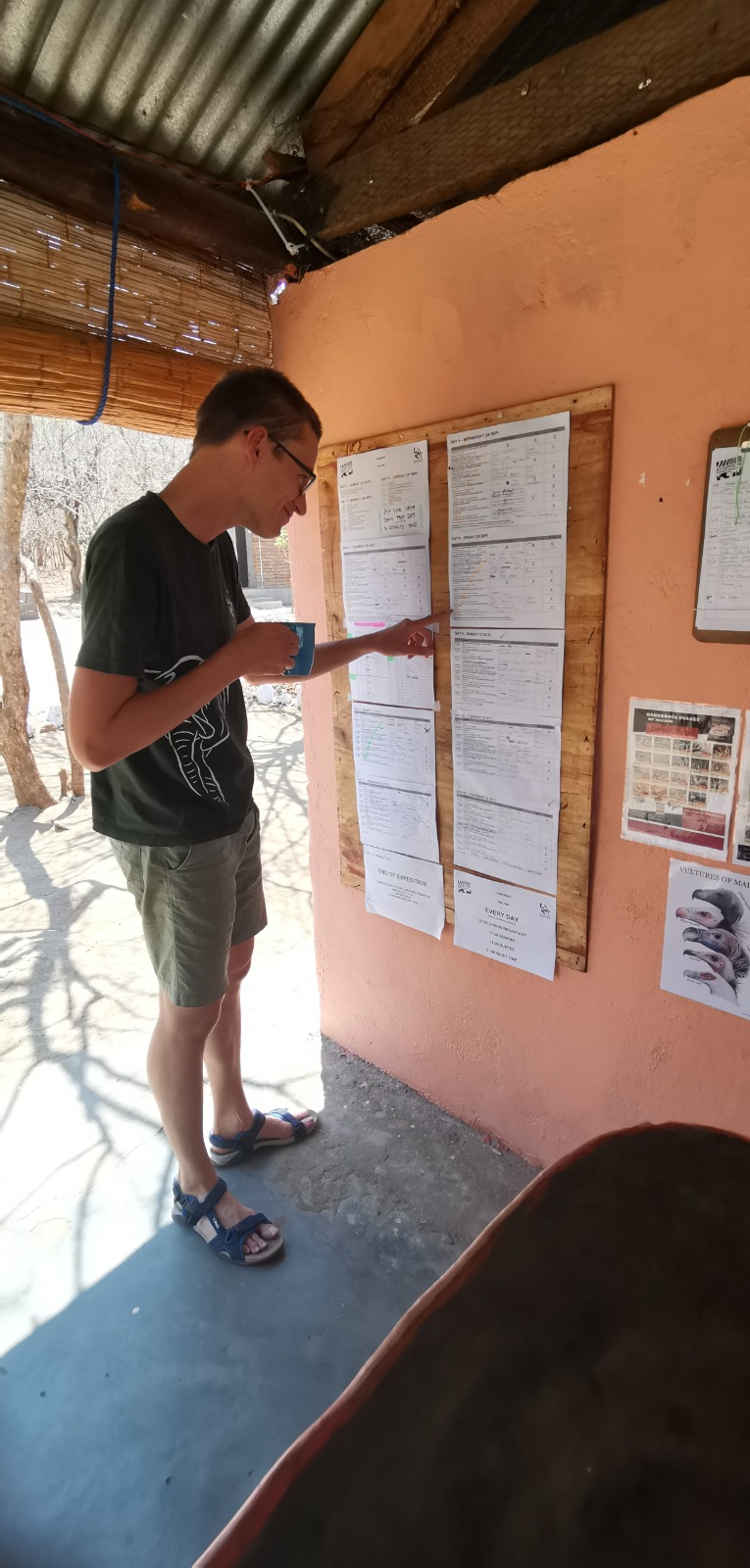
The first star of the expedition has been awarded for Germanification of the daily activities grid.
Roland has put in a heroic effort to get the Cybertracker data transfer working reliably. The team continues to work hard and diligently, so the data are flooding in, putting a smile on Rebekah’s face.
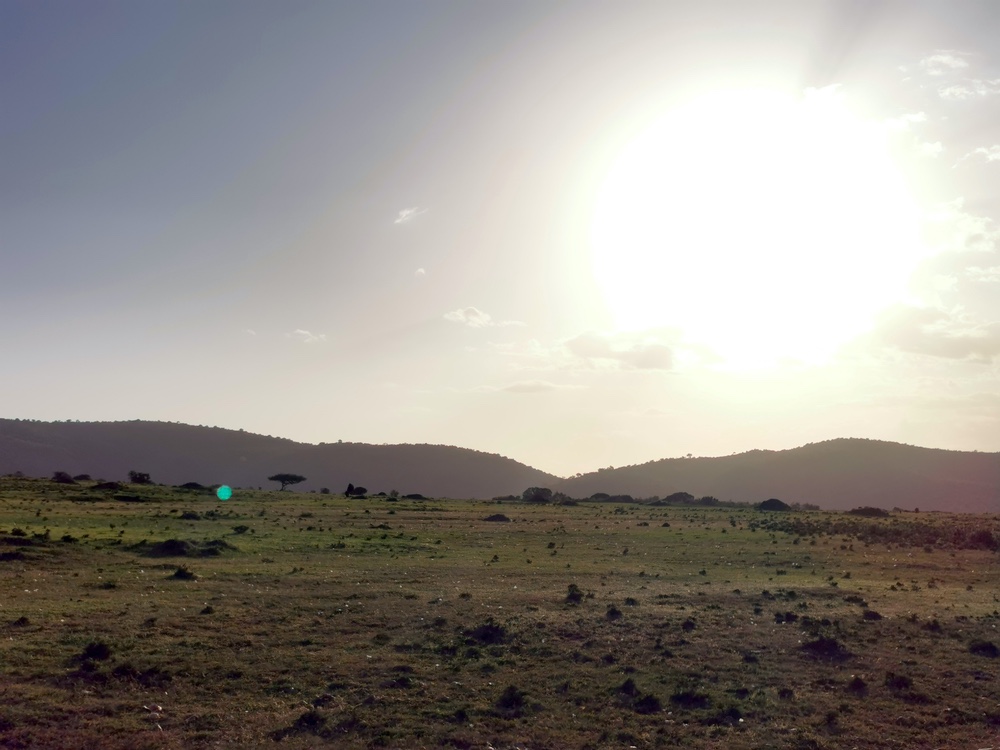
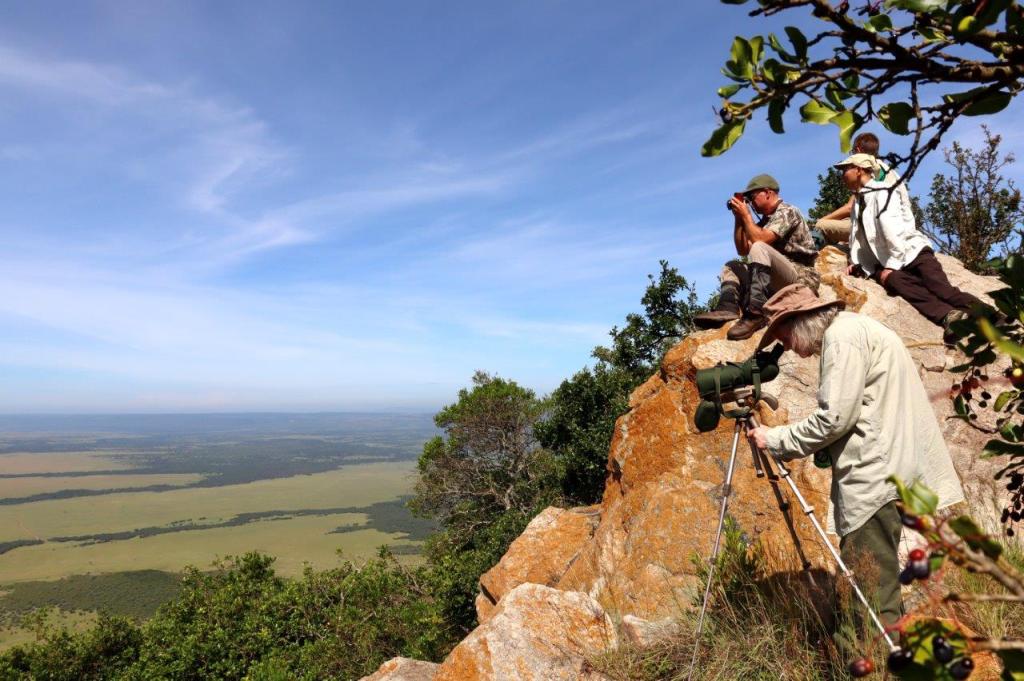
Beaming too is the sun over the Mara. Our 06:00 breakfasts are chilly with lots of jacket and hat-clad people going about their business with quiet confidence now, packing up equipment and getting ready to head out. As the sun crests over the Mara, engines fire up and people leave to their destinations, be it a waterhole, a ranger pick-up point or a transect. A couple of hours into our survey work, the jackets come off and the suncream comes on for us muzungus. By lunchtime the sun is high and hot and, the siesta until 15:00 appreciated, ready for another round of activities in the afternoon. This is an expedition after all, not a bloody holiday!
Team 1 has arrived. Trailblazers we called them and trailblazers they are. Missing baggage, northern accents, naughty dogs, long hours or data-collection apps on mobiles don’t faze them.
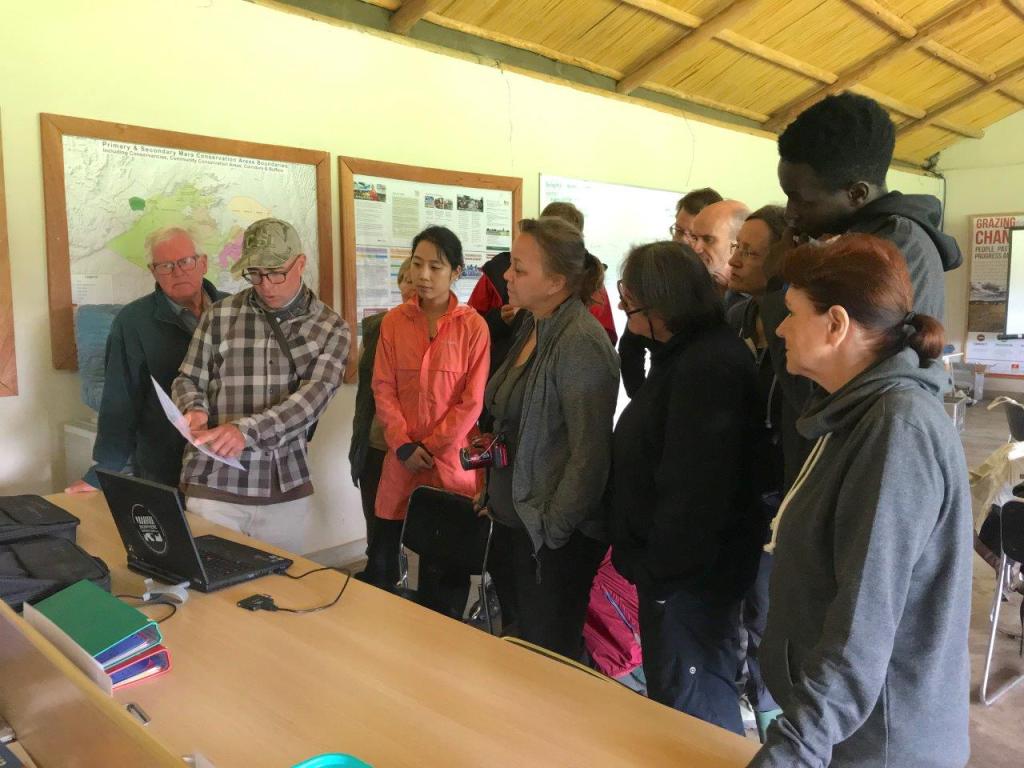
Two days, some Teutonic organisation, plenty of laminating sheets (great thing we have so many) is all it took to get them up to speed and convert them into citizen scientists and 4×4 fiends.
So on day three, as the sun shines and the Mara bursts with life, they are already out on their second vehicle transect – spotting, recording, off-roading and beavering away in a very sciency way.
Now all we need is for inseparable K&J to be less smelly, J&D to sing, R&E to restart their phones, B&Y to train the rangers, R&R to relax, J to take over, G to order the driver to continue, S to continue chauffeuring and N to find some Wellingtons, and we’ll be in expedition heaven.
But, no really, well done team 1 so far! You are creating big boots to fill.
Baggage: arrived. Roland: arrived. Cars: fixed, sort of. Preparations: finished. Team: missing. That’s our status here in Enonkishu.
There’s been lots of changes over the last three years, so group 1, you will be our trailblazers. Bear with us, work with us and get us in the groove. Remember it’s a team effort and we’re here to lead, not to serve or nanny you. So, I hope you have:
a copy of the field manual ready for your own use (essential for your work)
downloaded the Cybertracker app (essential for your work)
downloaded the Earth app (new, essential for your work, see below)
downloaded the BirdLasser app (not essential, only if you are really into your birds)
downloaded the iNaturalist app (not essential, only if you are really into your natural history)
We’ve decided to use Earth for on-site navigation, so please download the app. If you’re into things like that, you can also import into Earth three files and have a play. We will send you these files and also some others so that you know what’s coming 😉 If you are not into this, then don’t worry, we will explain everything on site and get you set up once you are here.
Roland and I will be driving to Nairobi in a minute. See you there at 08:00 tomorrow, group 1.
First, our baggage (with important expedition equipment) did not make it to Nairobi. So far Kenyan Airways have proved incompetent in even locating it. Then our first hire 4×4 broke down after 5 km and we had to leave it with the mechanics. The second just made it to Enonkishu before the clutch gave in. Thank you very much Market Car Hire! And on the way, we were harassed by a greedy and self-important policeman.
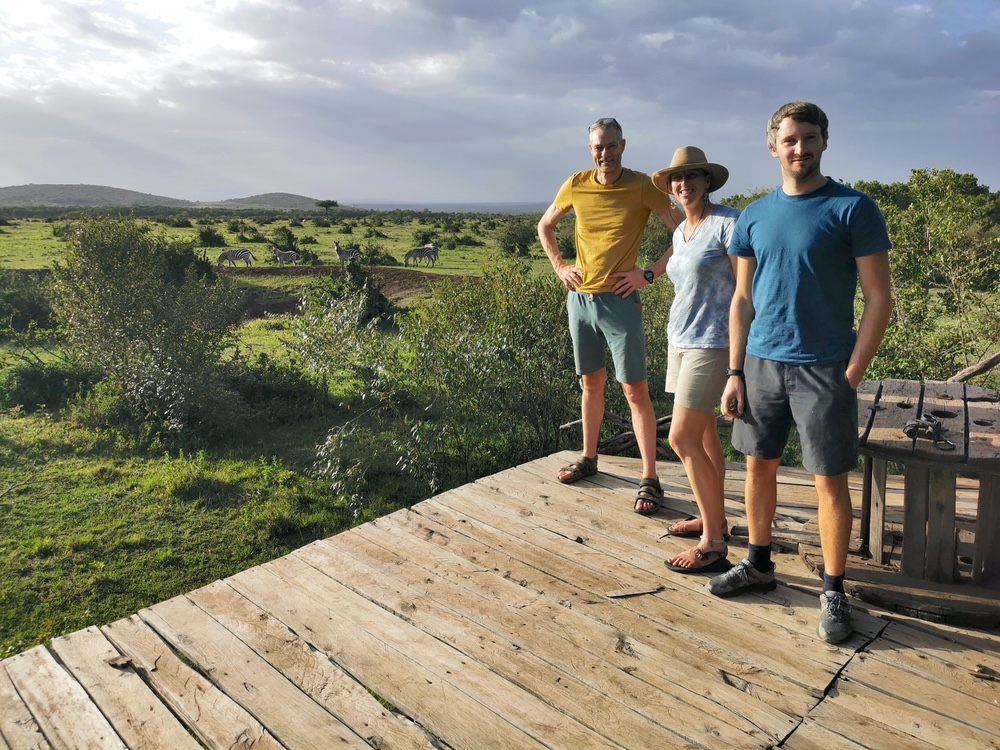
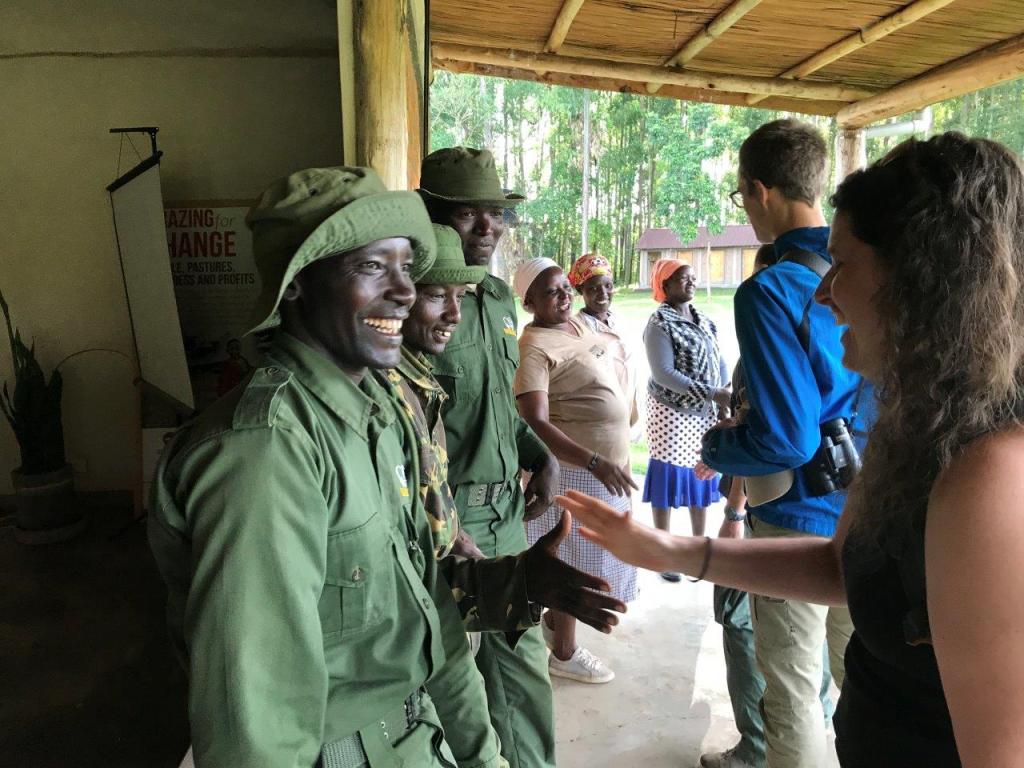
But we got there in the end and it is good to be back. Lots of changes. More wildlife, more people, more rain. Lots of work to do. New (very good) cook!
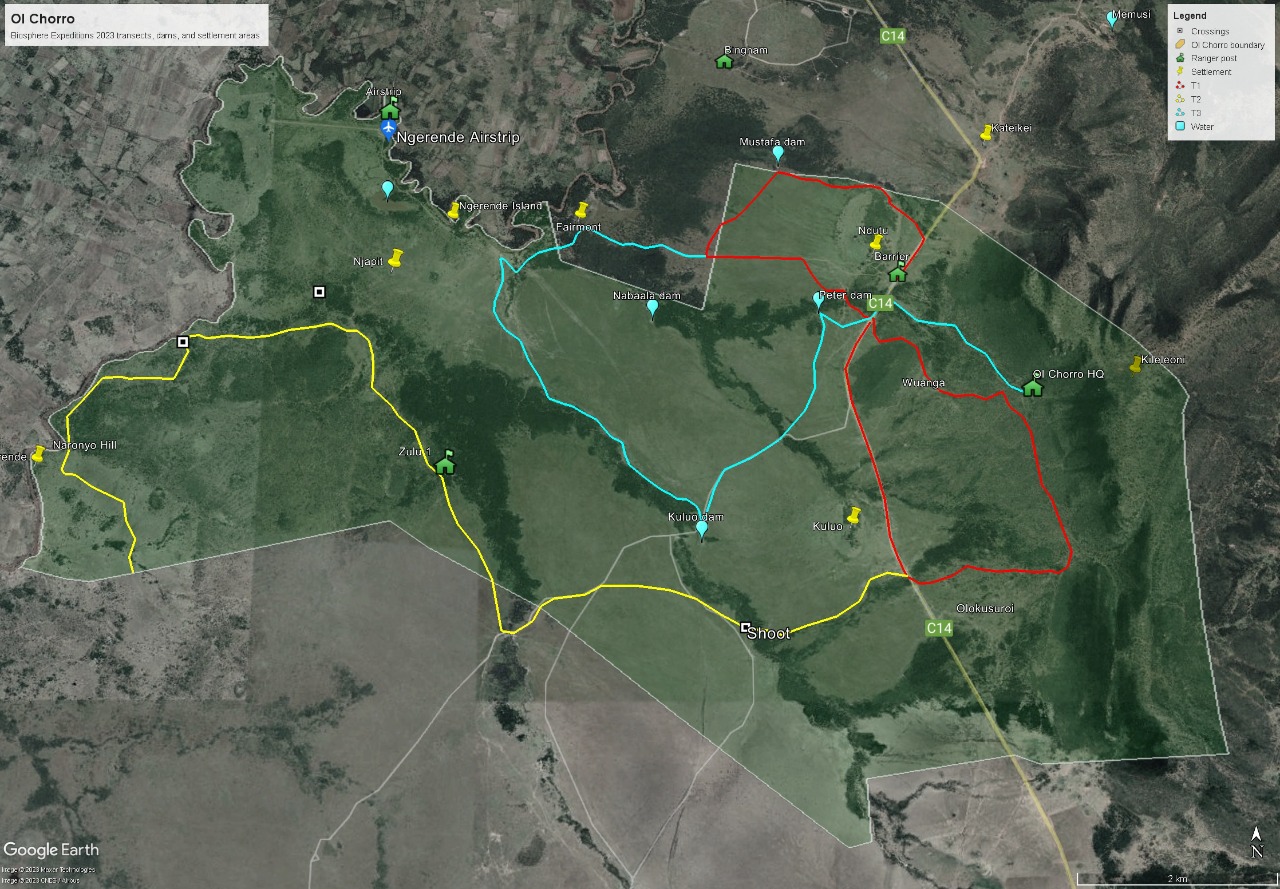
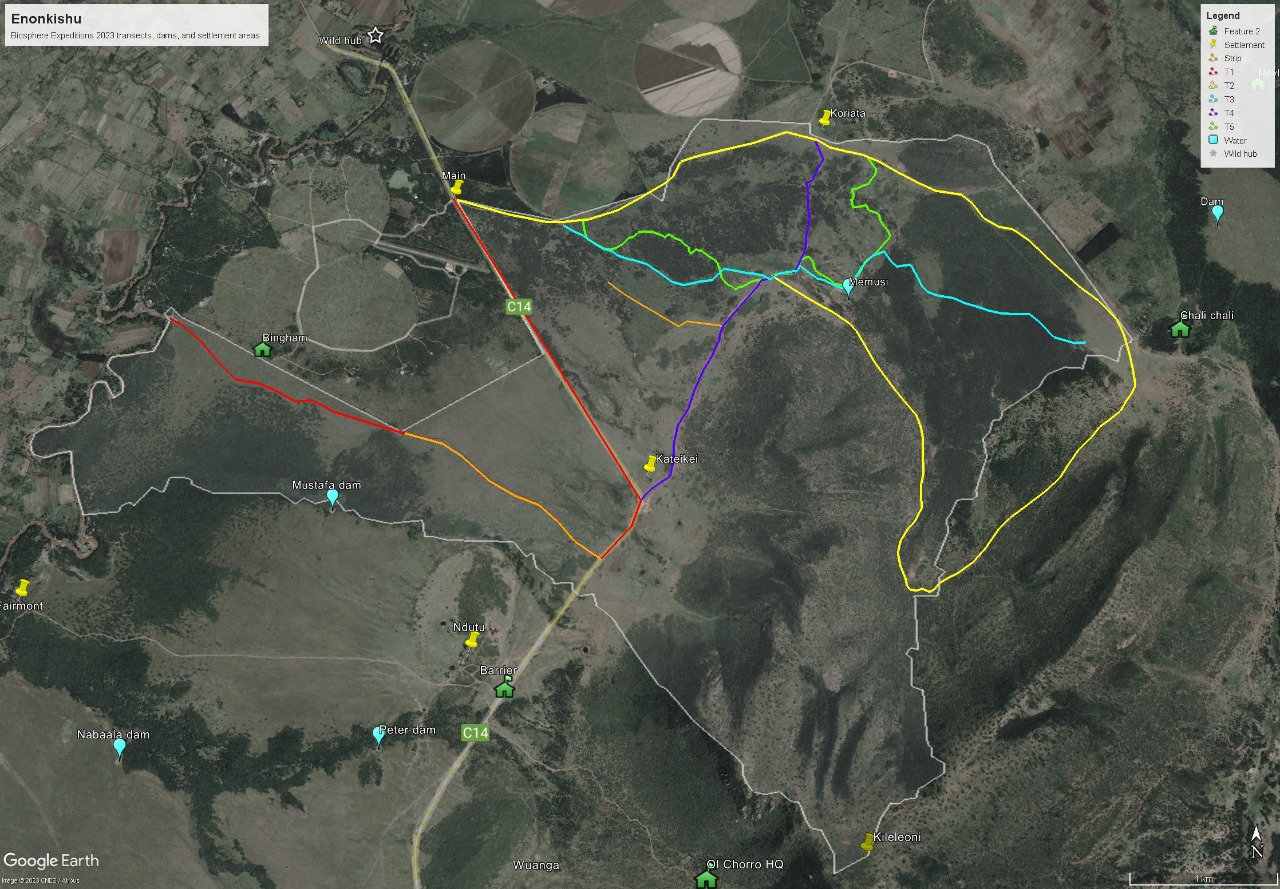
Rebekah, our local scientist, has been busy devising our surveys, now in three conservancies rather than one (see photos, all to be explained during training when you get here). We in turn have busied ourselves with paperwork and setup. Replacement cars are here and we hope this will be breakdowns and police harassment out of the way for the expedition, but don’t hold your breath.
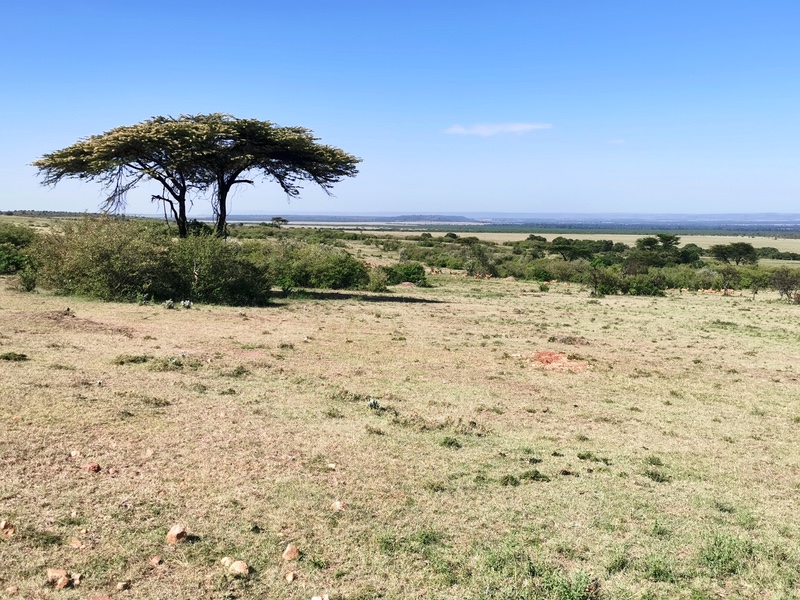
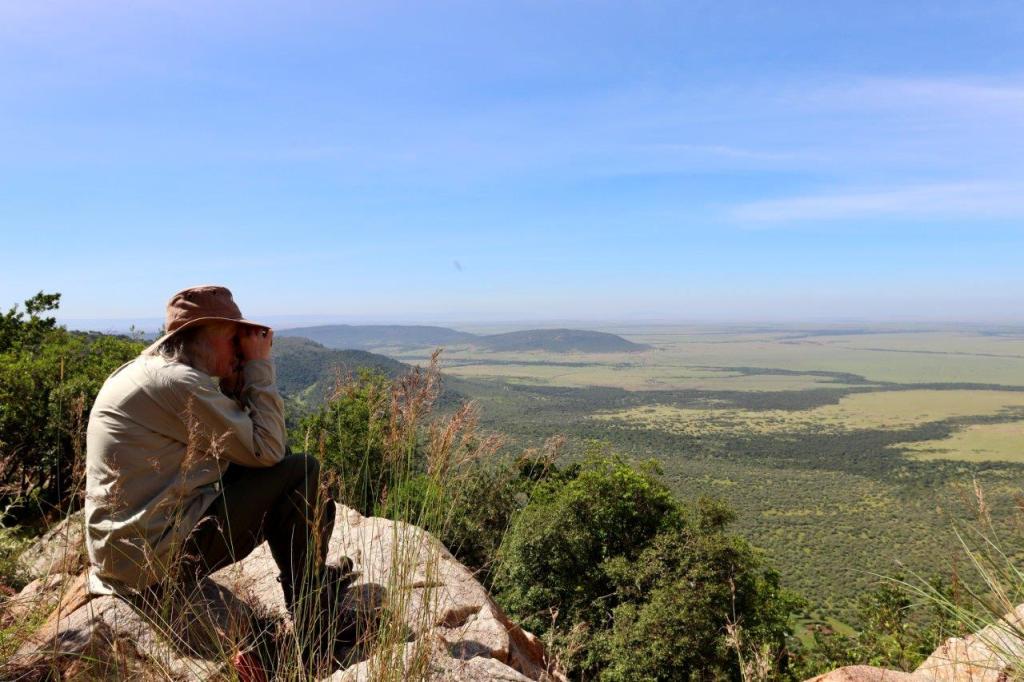
The Mara is as beautiful and welcoming as ever. It’s a bit chilly in the morning (jacket or long sleeves required), but gets hot by mid-day, cooling off in the evening. As I type this, rain is gently pattering on the tin roof and vervet monkeys are playing in the trees nearby, sounding like elephants when they venture on the wet tin roof. Tonight the hippos will be grunting us to sleep as they always do. Sweet dreams and safe travels group 1. See you on Sunday. One more diary before then, perhaps.
Welcome to the Kenya 2023 diary. I am Johnny Adams, your expedition leader.
We look forward to returning to Kenya and Enonkishu Conservancy after a pandemic-enforced absence of two years. In fact, our Kenya expedition in February 2020 was the last expedition that ran before the pandemic hit us all. So now we are full circle and keen to go again.
I will be flying to Nairobi on Sunday to set up for you. With me will be our founder and executive director Dr. Matthias Hammer, who will be there for setup and probably part of group 1. Helping us in Kenya will be Rebekah Karimi, erstwhile conservation manager of Enonkishu Conservancy and our first local scientist when we started this expedition back in 2019, as well as Roland Arniston, who will act as expedition scientist this year, alongside Rebekah.
I’ll be in touch again from the ground in Kenya next week, but first here are some tasks for you citizen scientist in preparation for the expedition:
Please download the expedition field guide & manual 2023 and make sure you bring a copy with you on the expedition (hardcopy or softcopy on a tablet are fine). The more you can study and swot up on this now, the easier you will find the training on the ground, so please invest some time now, if you can.
We will be using Cybertracker for much of the data recording. Please can you download this to your mobile phone and familiarise yourself with the app. The app works best when connected to the internet, so either please buy a Safaricom SIM card on arrival (this provider works best in the study site) or make sure you have a roaming agreement for Kenya with your provider at home. You can easily pick up Safaricom SIM cards at the airport, just after exiting arrivals.
Otherwise, I hope your preparations are going well. You’ll hear from me again in a week or so.
And finally, here are some photos and videos of the last expedition in 2020 to get you in the spirit of things.
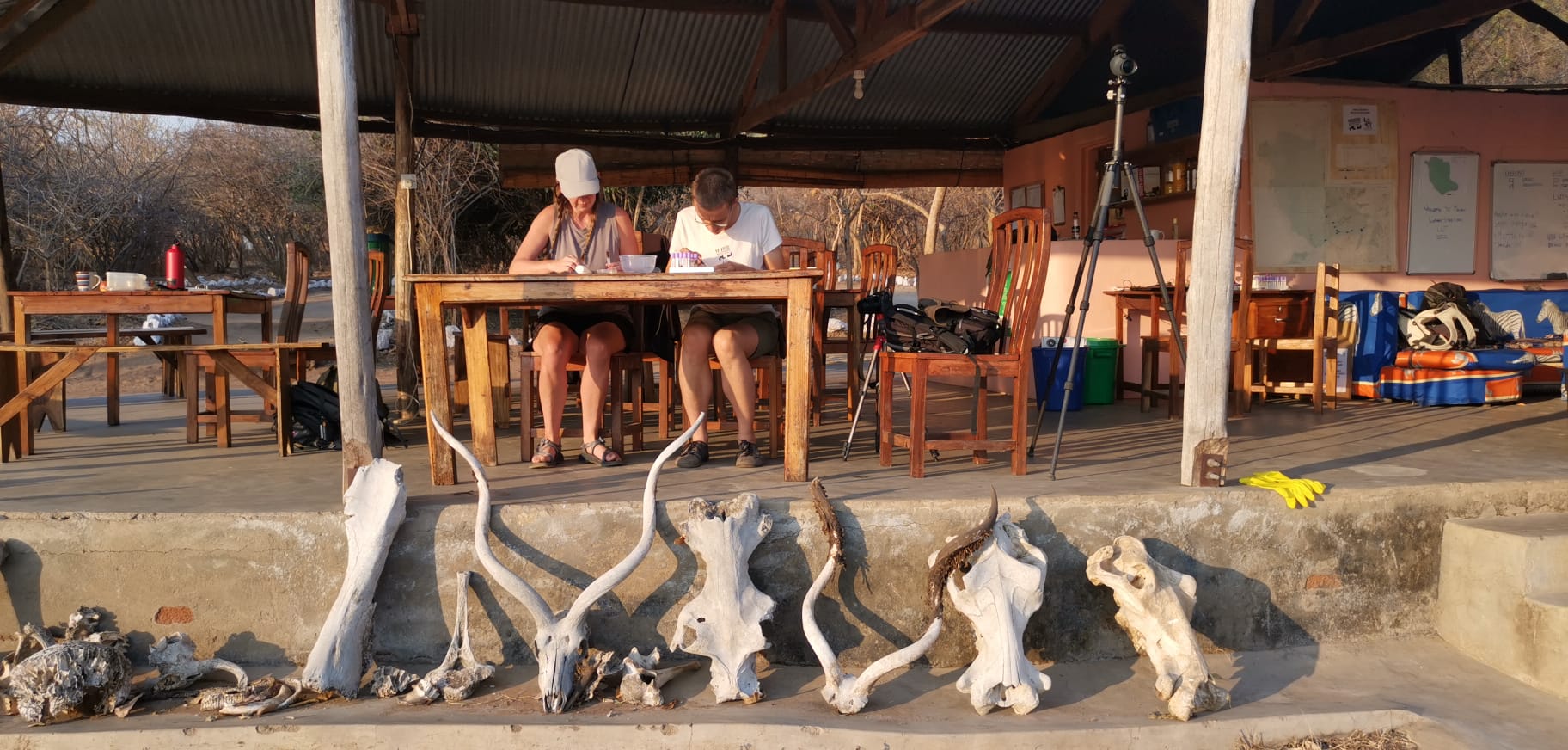
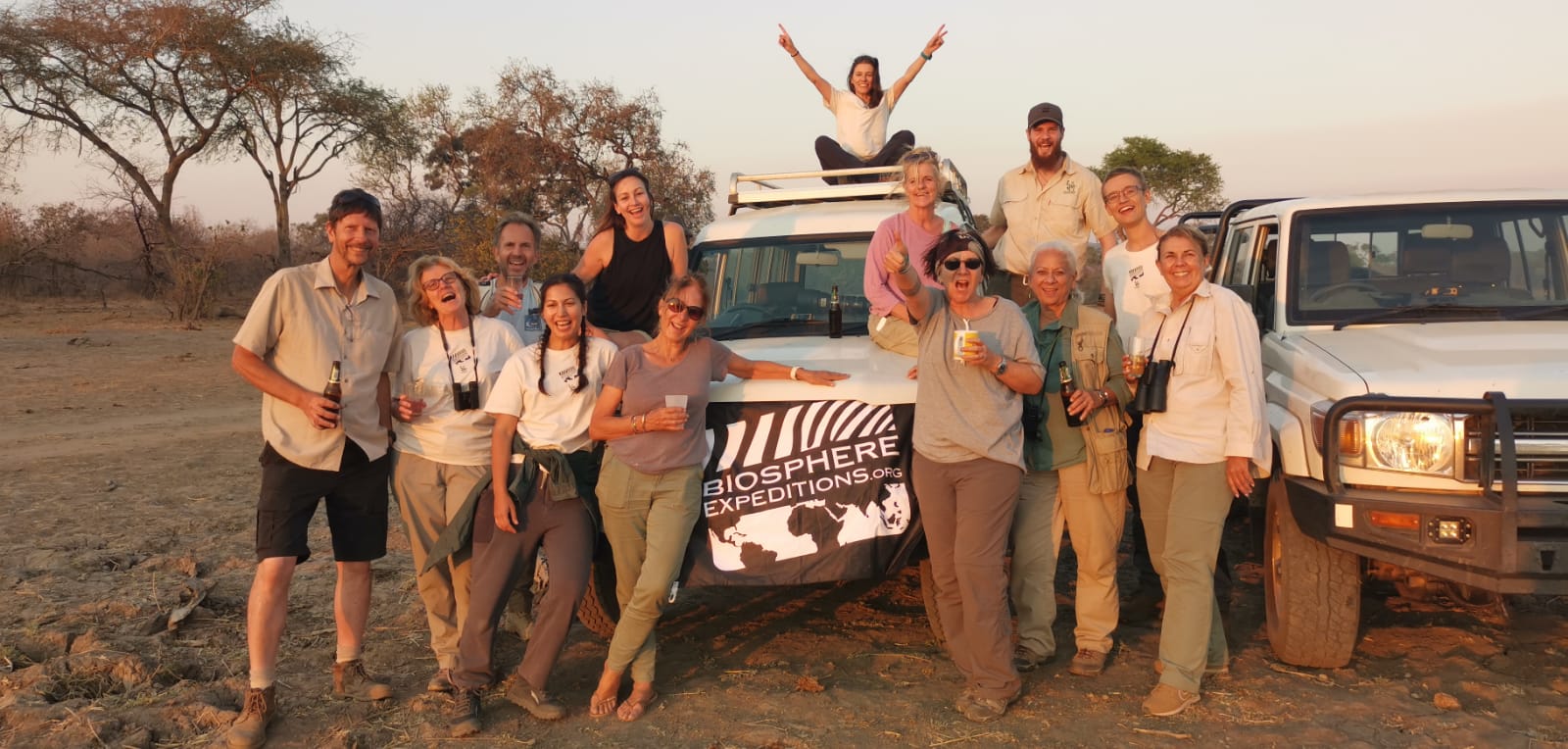
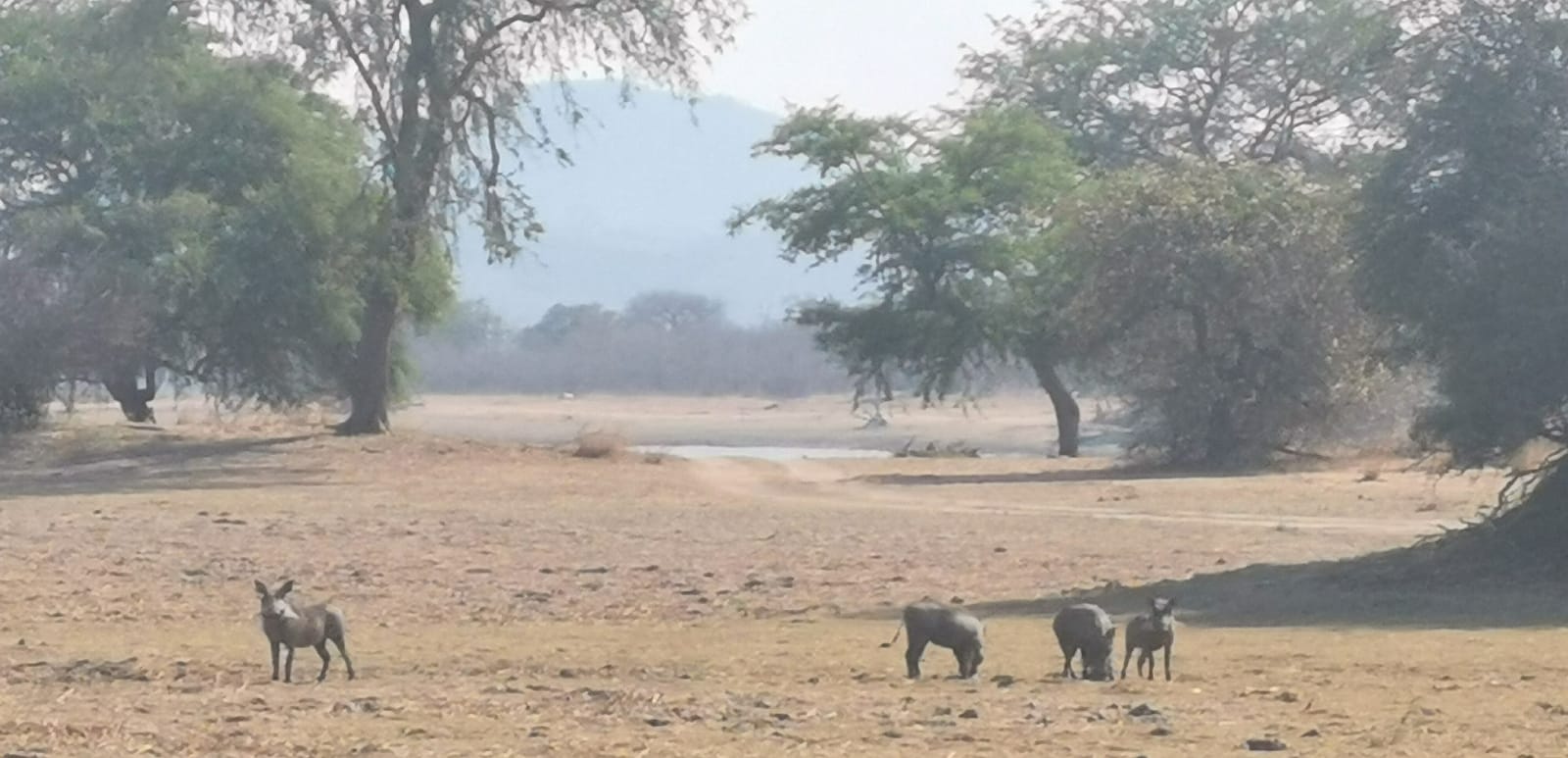
Biosphere Expeditions citizen scientists supported Lilongwe Wildlife Trust (LWT) research projects for a third time in 2022, between 25 September and 7 October, conducting the following research activities:
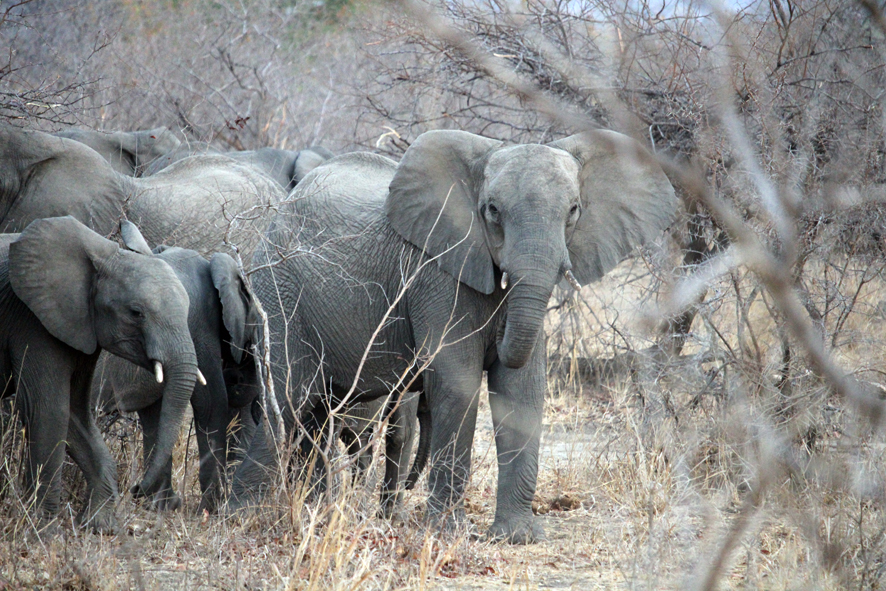
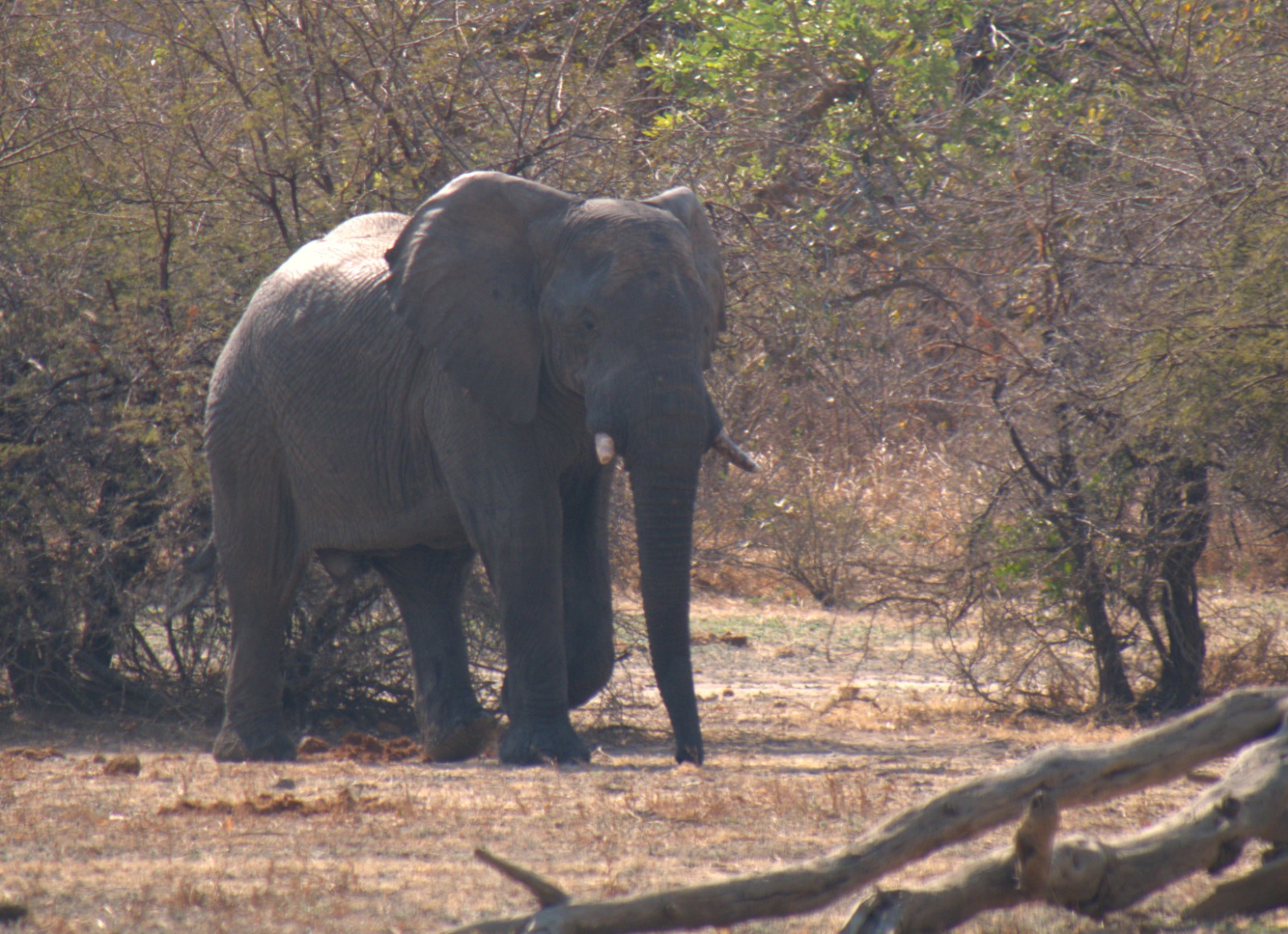
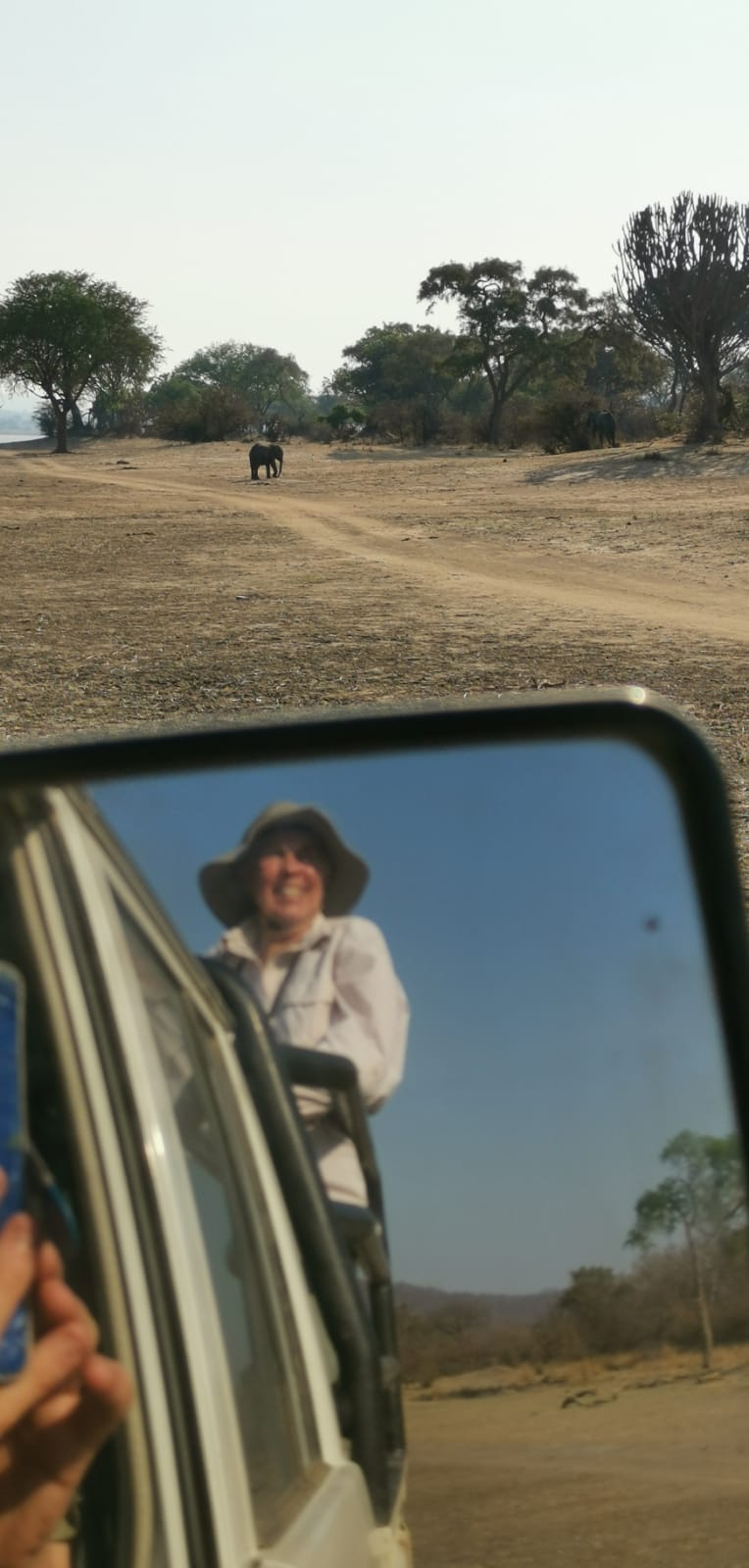
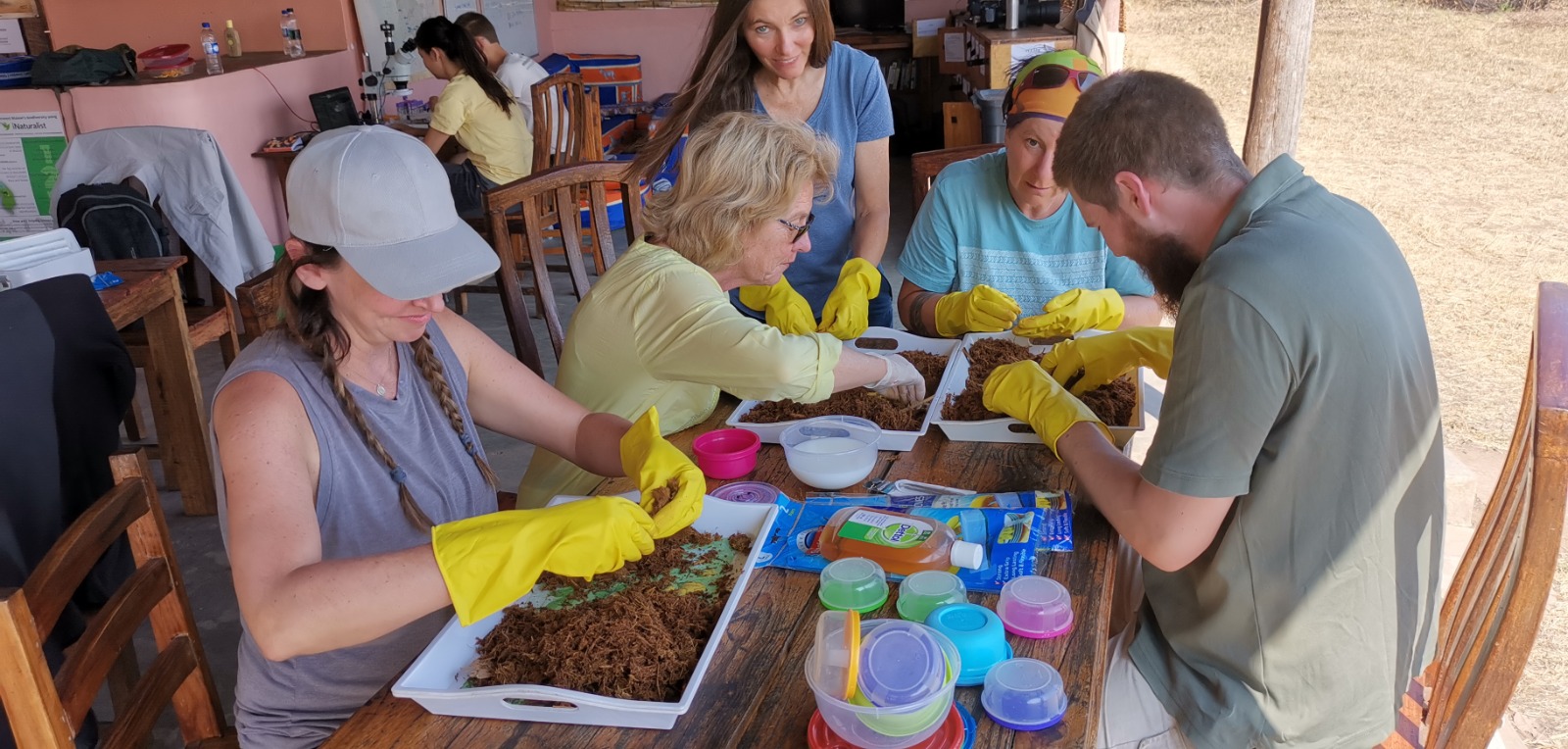
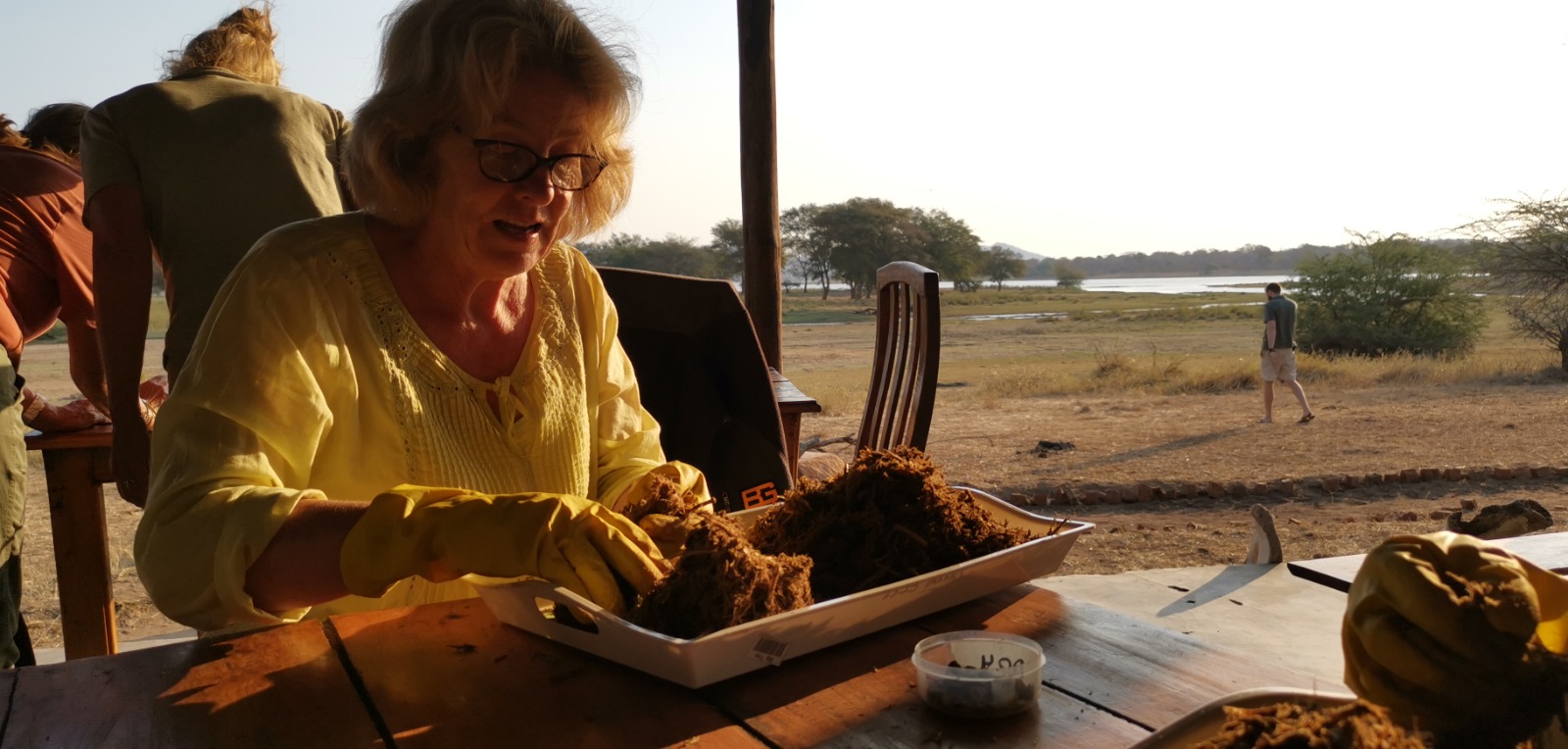
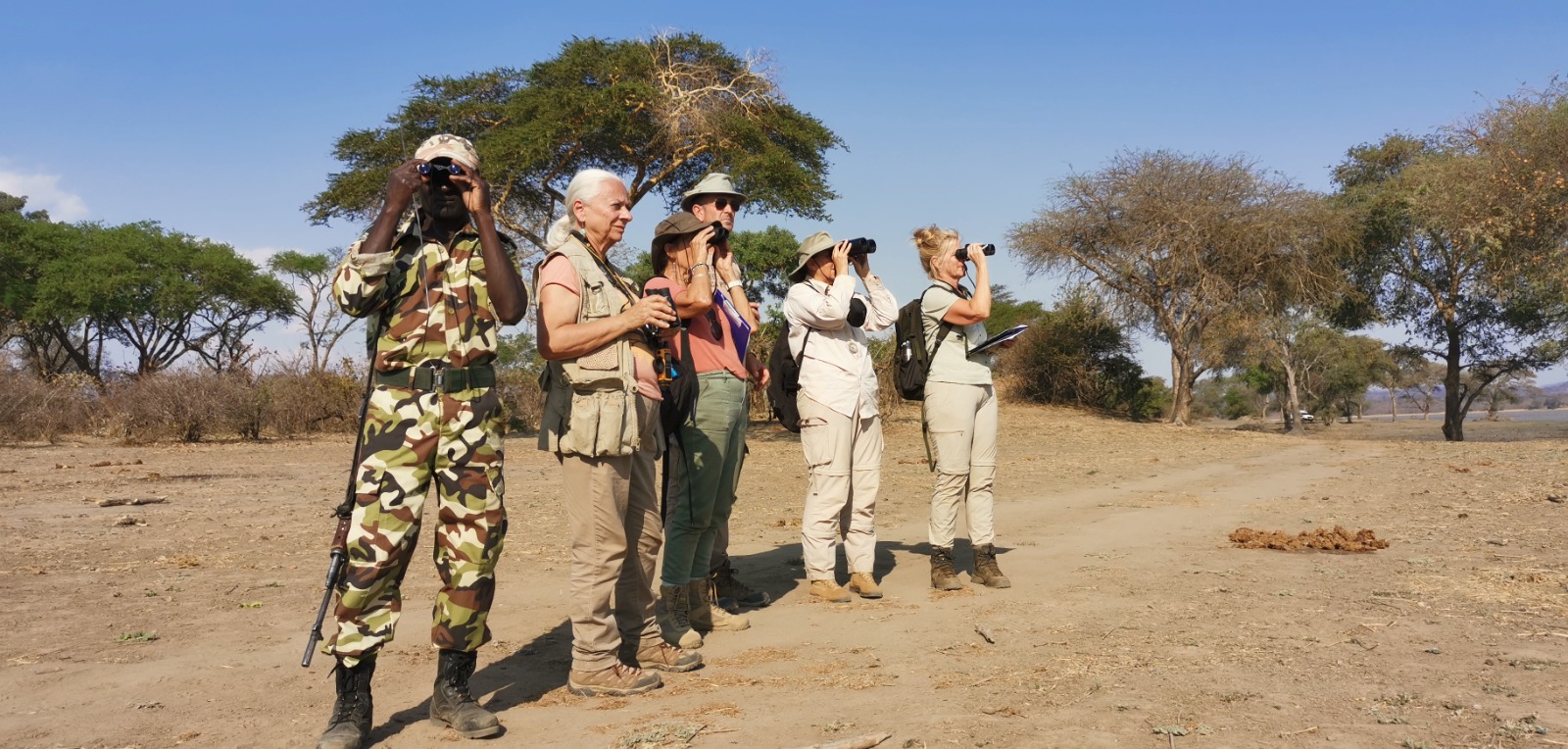
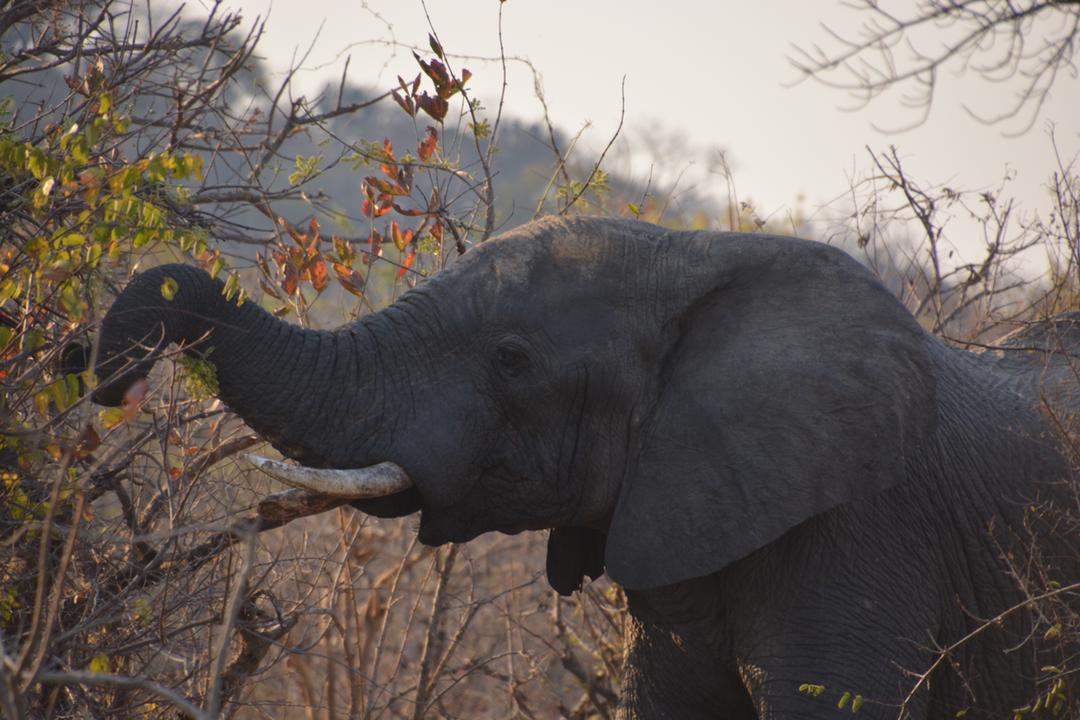
Elephant herd sightings and dung sampling: In recent years, human-elephant conflict has become an increasing threat to people’s livelihoods, but also for the local elephant population. A new fence was constructed in 2021 along the southern and eastern boundaries of Vwaza Marsh Wildlife Reserve (VMWR), aiming to keep elephants within the reserve and reduce conflict. Elephant herd sightings were conducted around Lake Kazuni and resulted in 42 observations of family herds or single bulls. 49% of all elephants observed were in the age categories younger than 16, suggesting a stable population recruitment. For future expeditions, identification of matriarchs would be beneficial to monitor herd compositions and natality and mortality rates within herds. Dung samples were collected ad lib to assess if there were any cultivated food items contained in them, which would indicate that elephants still managed to venture into community land. No cultivated food items were found in 38 collected dung samples.
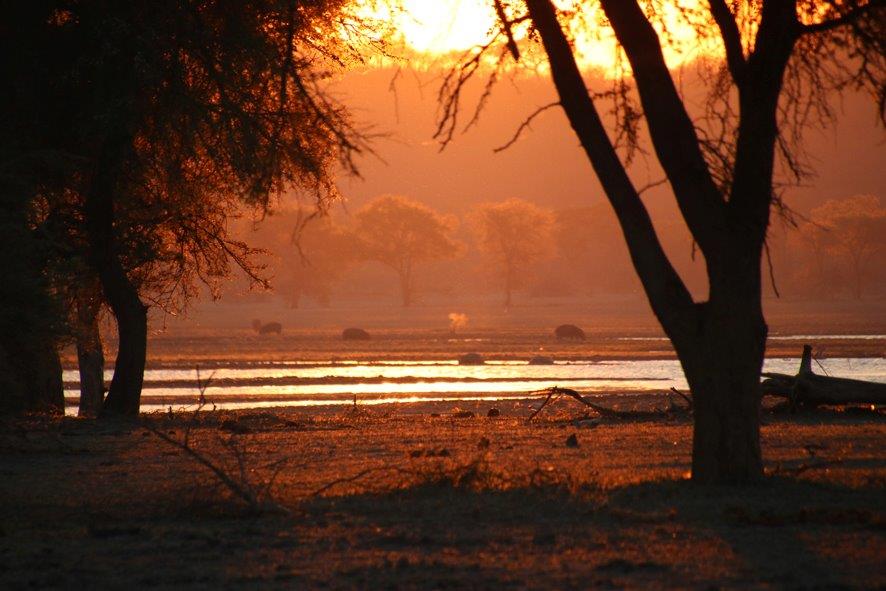
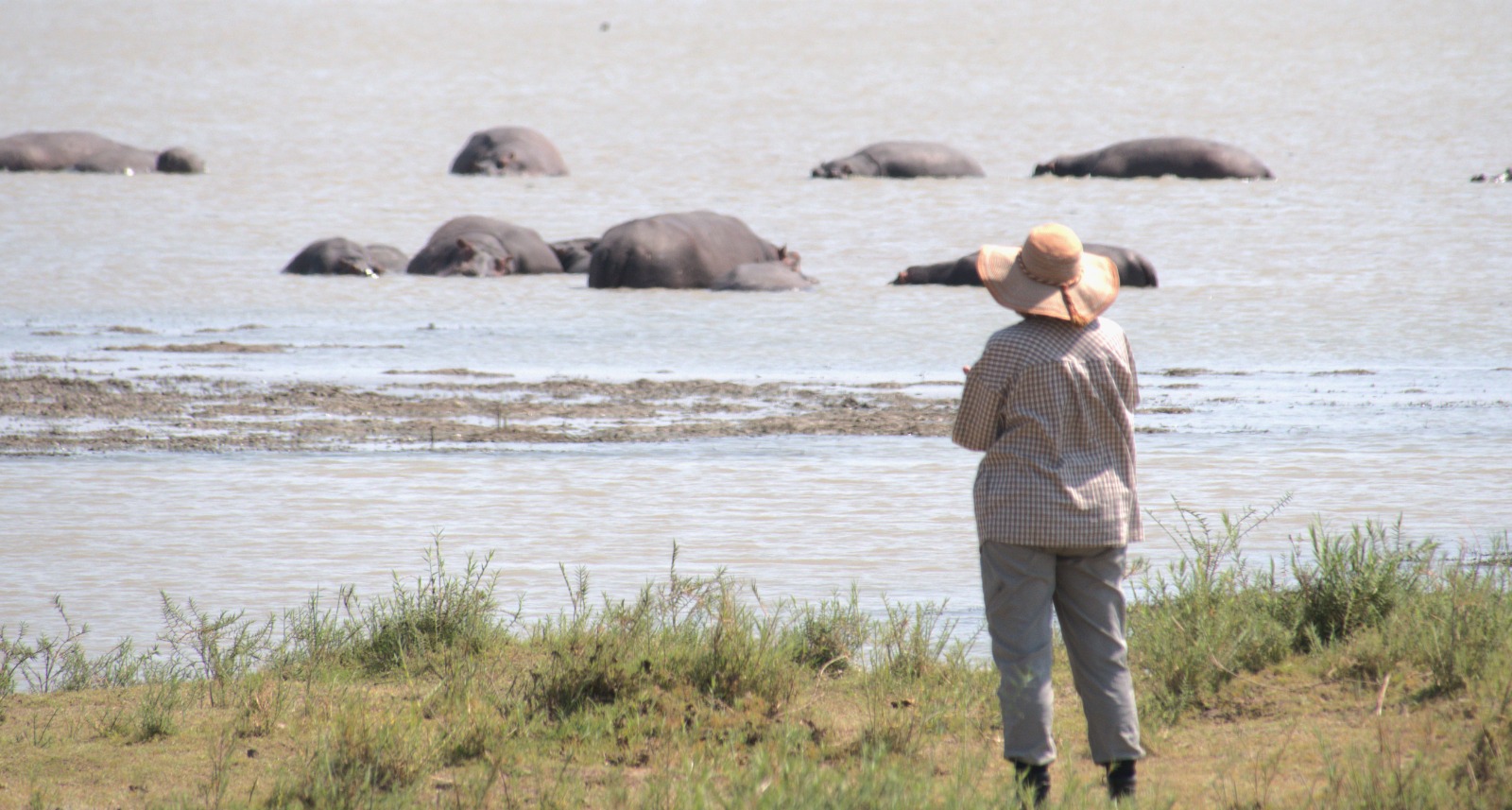
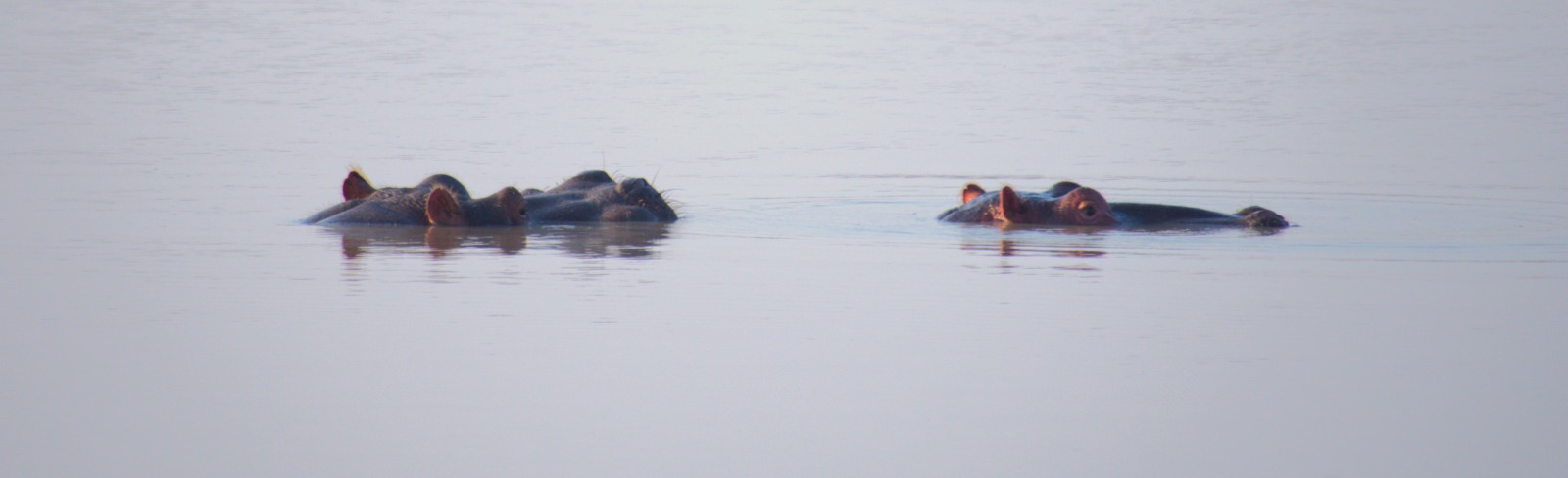
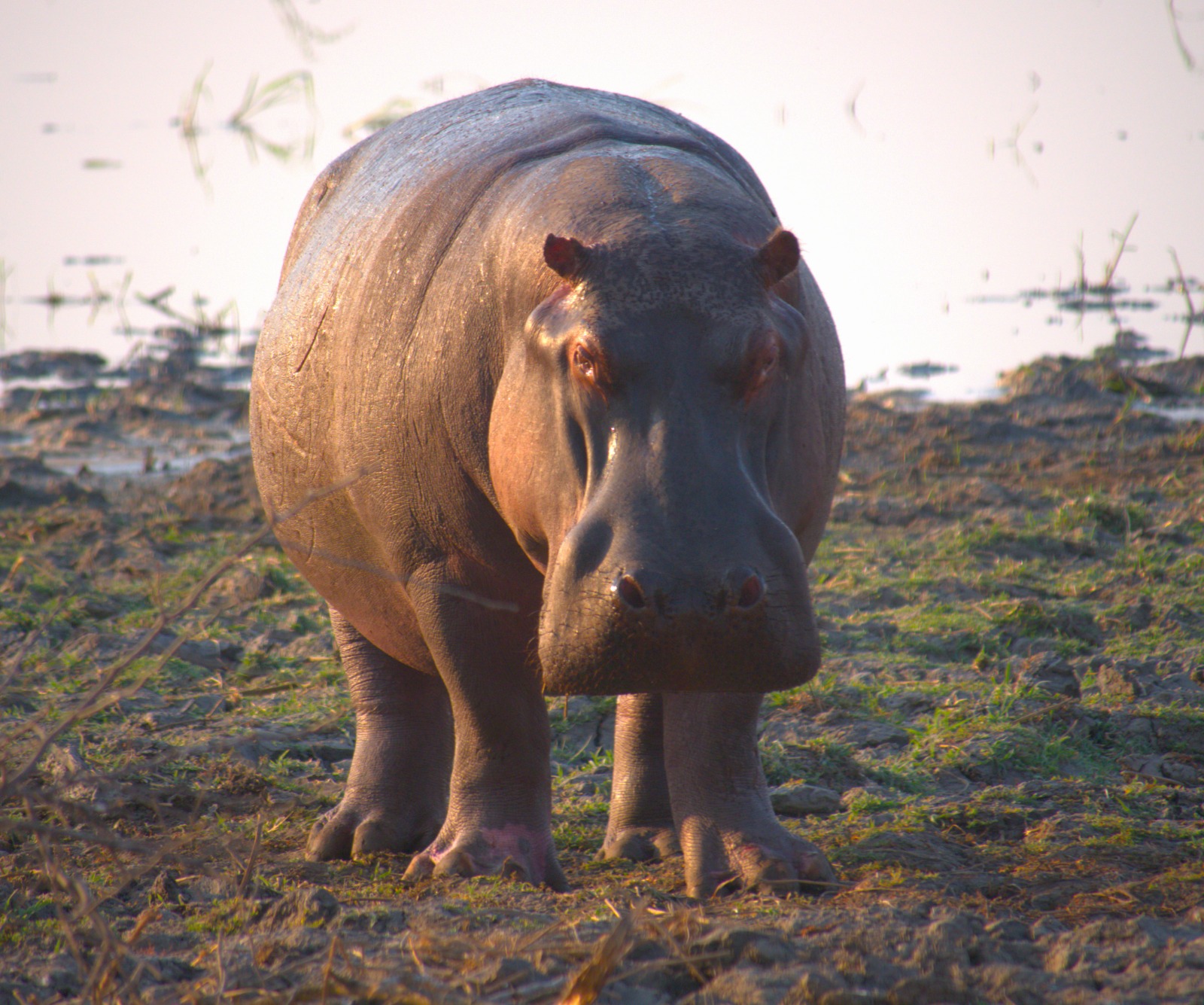
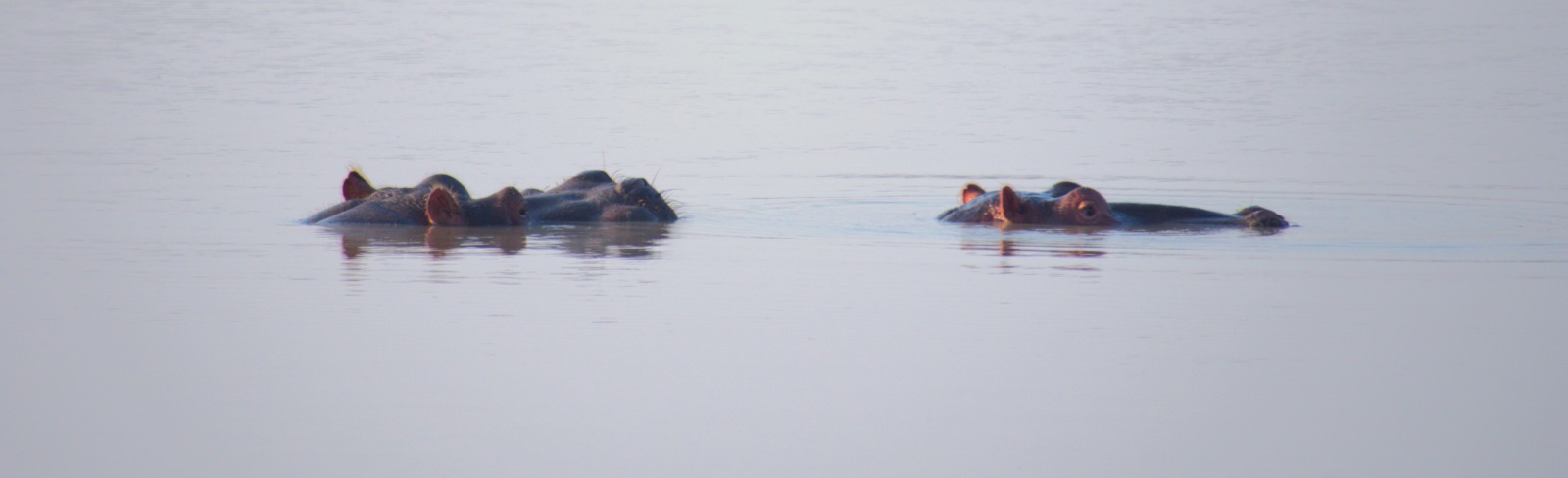
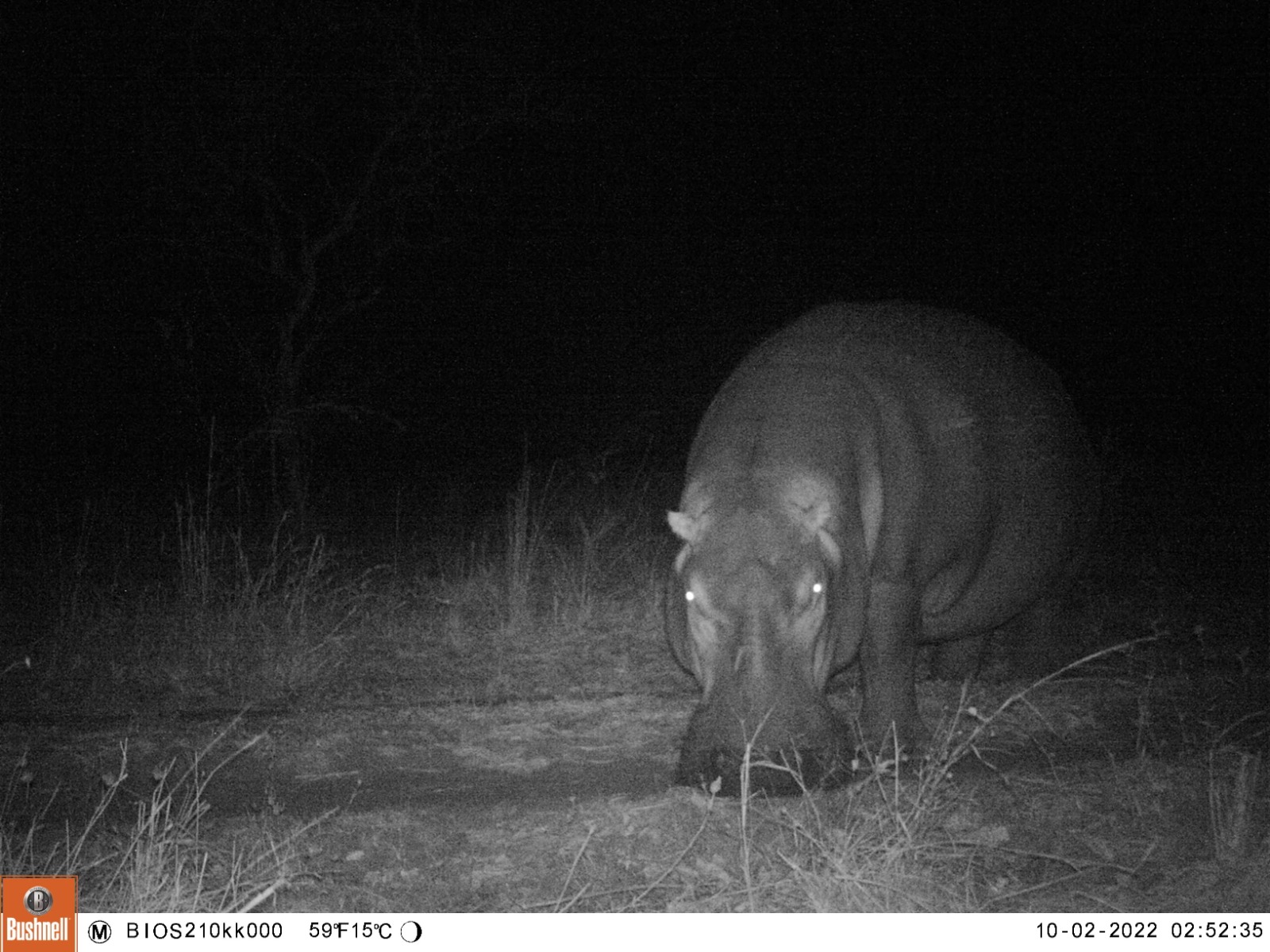
Hippo transects: VMWR is the only protected area in Malawi’s northern region to host a stable hippo population. However, no consistent monitoring of their populations is being done. As Lake Kazuni and the adjacent South Rukuru River are the only perennial water sources in the reserve, the majority of the population should be concentrated there. Transects of the northern shore of the lake were completed six times and resulted in a total of 698 hippos counted, with a maximum of 120 during two of the transects, which serves as a conservative population estimate. Compared to previous years, the maximum count has decreased substantially (from 338 in 2018 and 169 in 2019), suggesting a population decline. Future expeditions should keep monitoring the hippo population to recognise population crashes.Camera trapping:
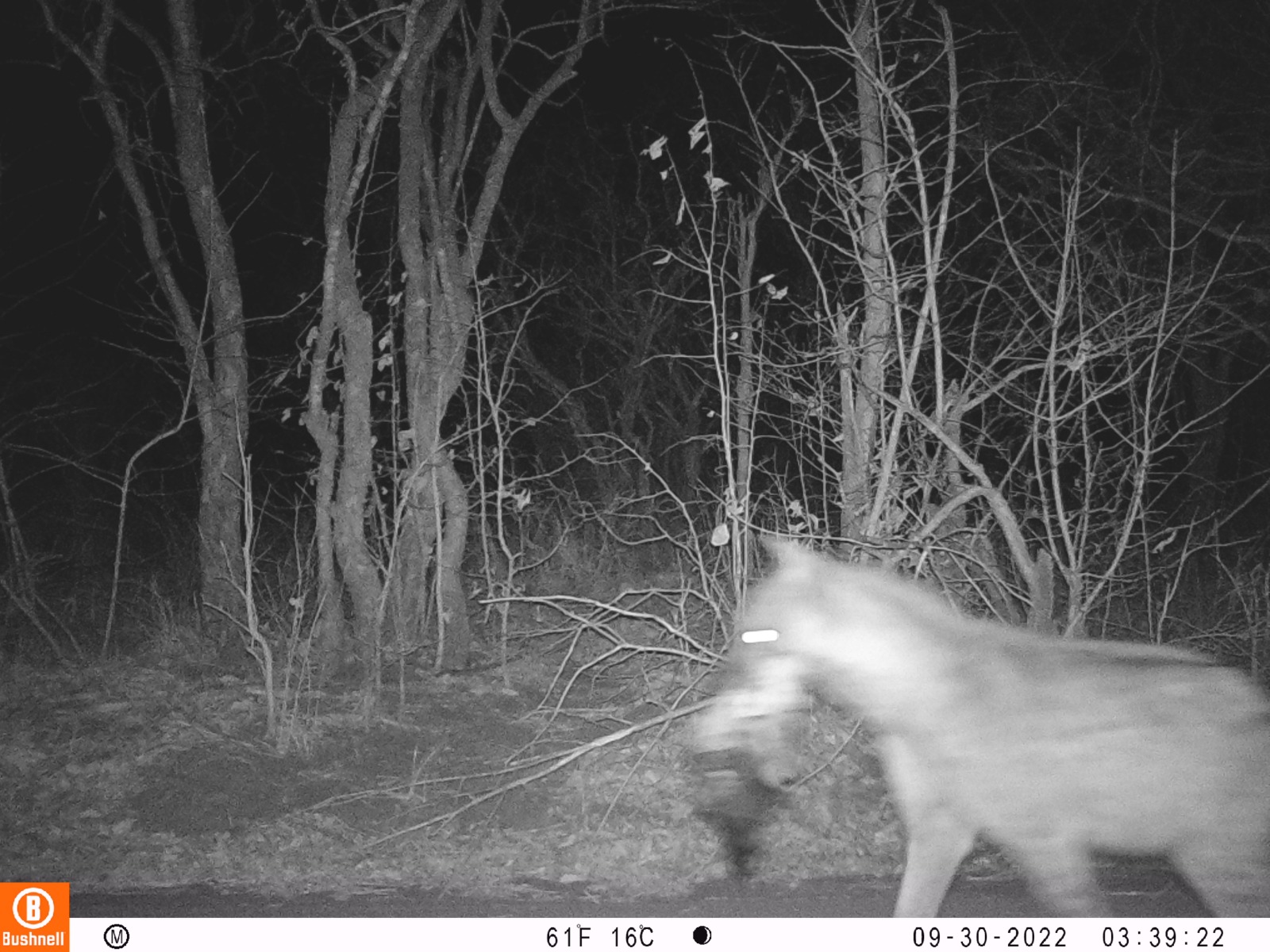
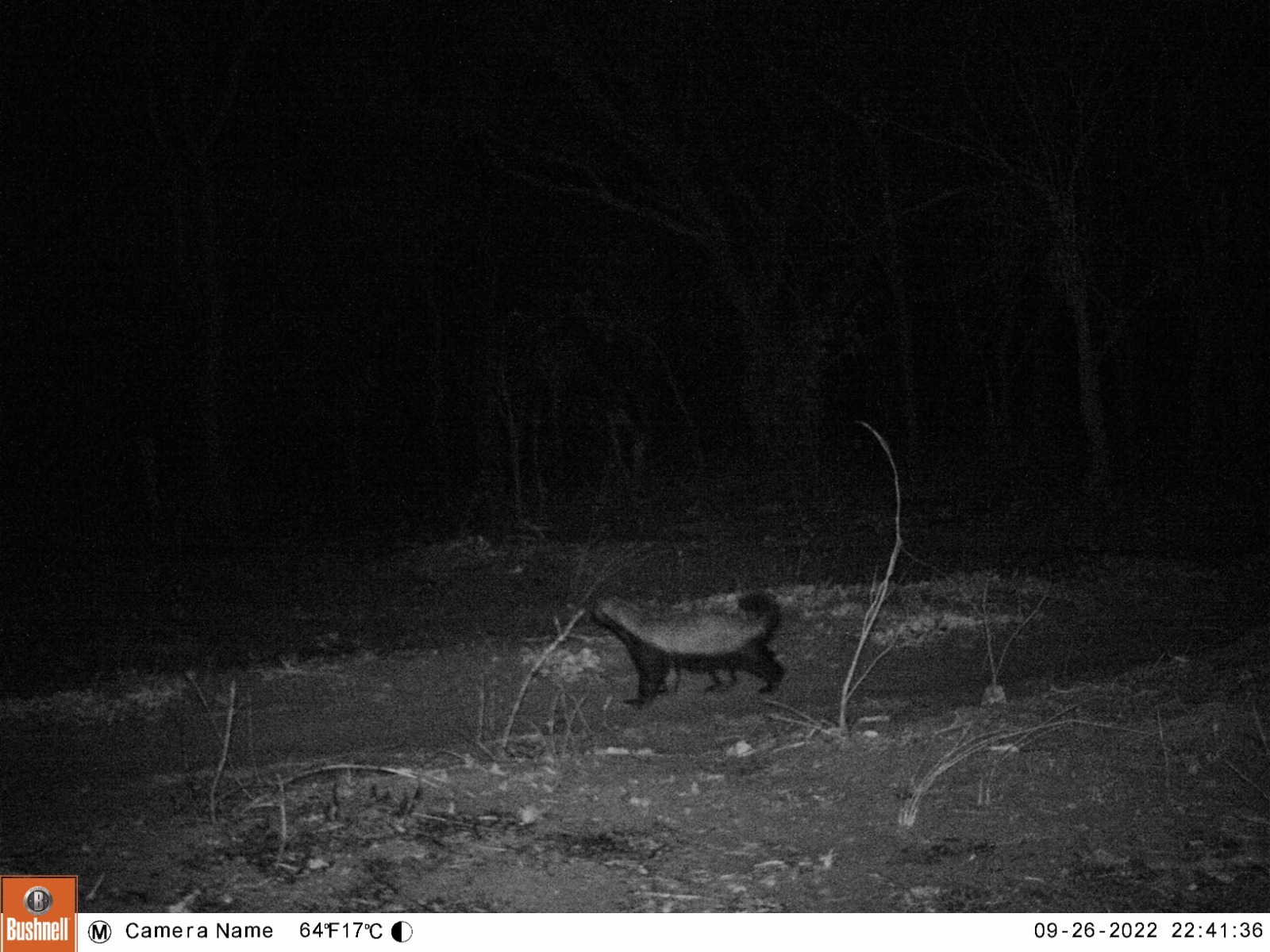
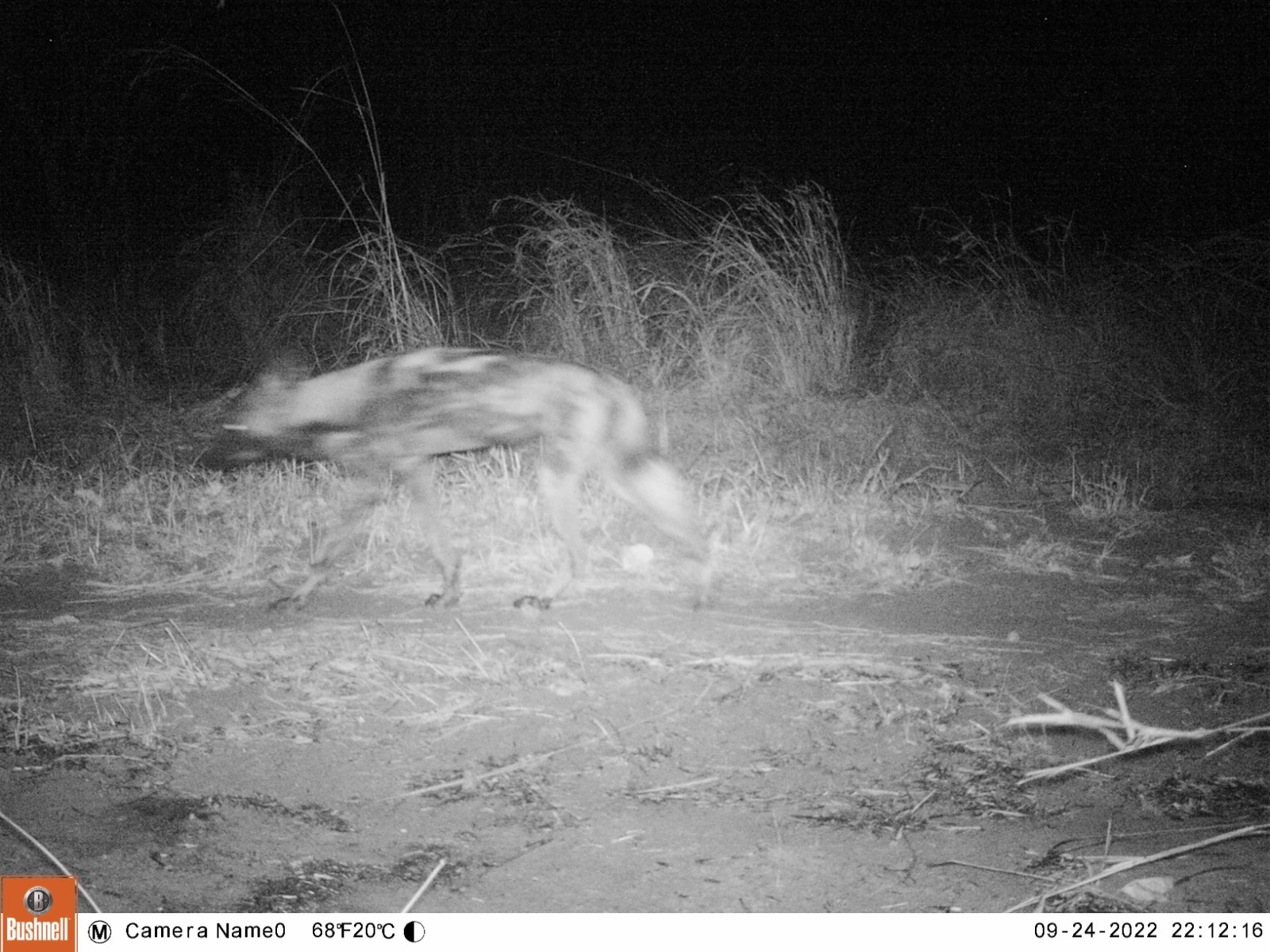
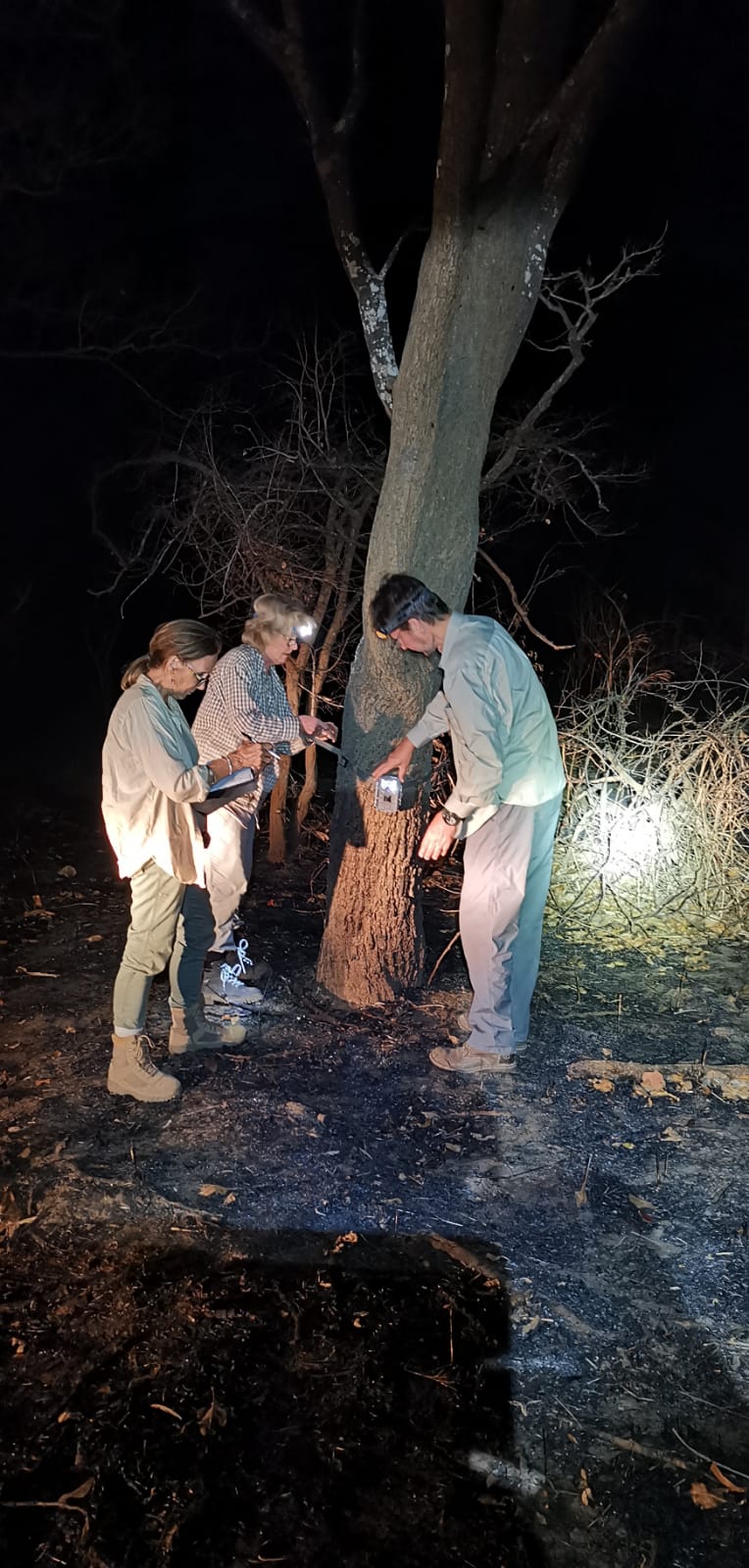
Camera trapping is used worldwide as a non-intrusive remote monitoring method, particularly for elusive and cryptic species that are difficult to monitor through older, more conventional methods. 14 camera traps were deployed along roads in the southern area of the reserve, and an additional 3 at baited sites. 447 pictures with animals from 26 different species were recorded. Compared to previous expeditions, 3 new species were recorded: African wild dog, Selous’s mongoose and Sharpe’s grysbok. Four individual wild dogs were identified, which likely formed a dispersal group. African wild dogs had not been seen in VMWR in 20 years, substantiating the value of camera traps for monitoring.
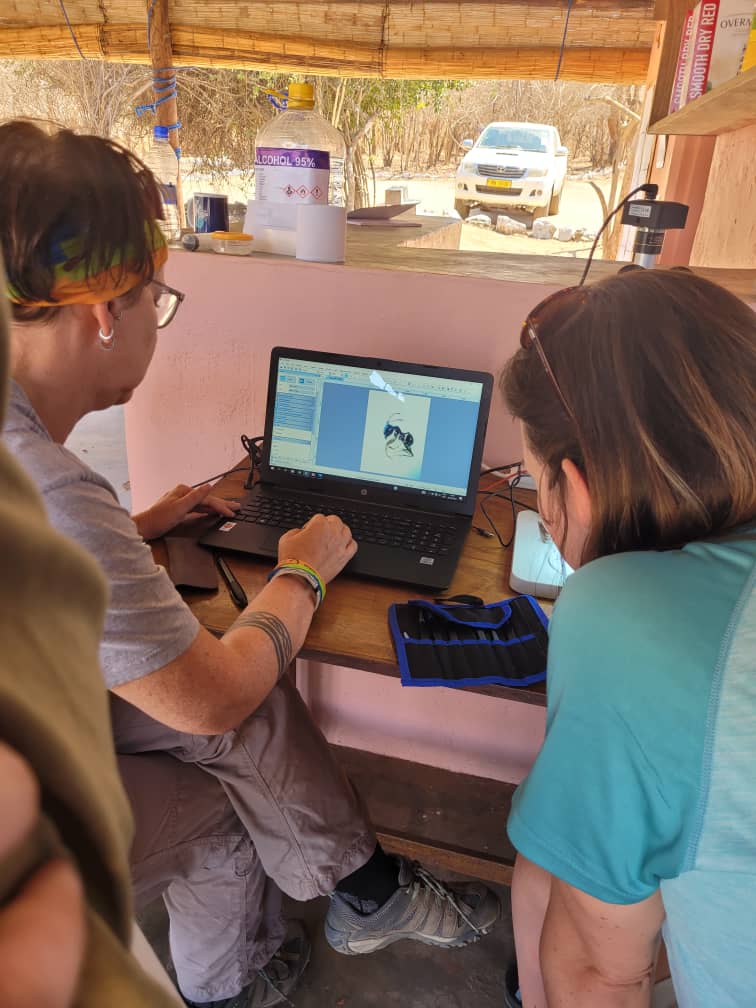
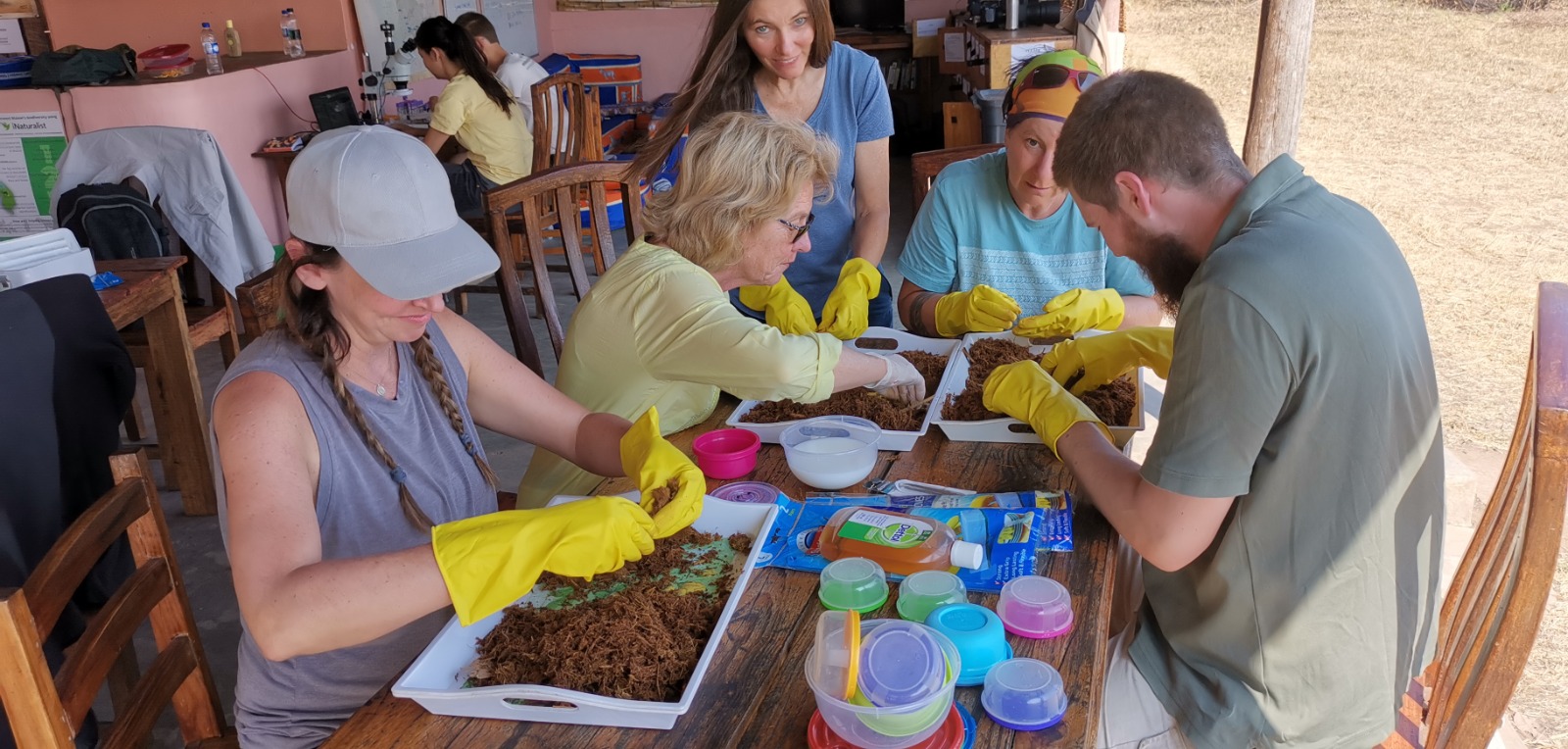
Invertebrate sampling: VMWR is being considered as a release site for pangolins rehabilitated by the LWT. Pangolins depend on ants as a food source. However, no data on ant composition inside the reserve was available. A grid of baited pitfall invertebrate traps was set up in two representative habitat types: woodland and floodplains. Seven different ant species were identified during the sampling. Capture rates of these species did not significantly differ between habitats. During a previous research project, the LWT aimed to identify preferred ant species for pangolins, three of which were also identified in VMWR. Among other invertebrates captured, nine different taxonomic orders were represented.
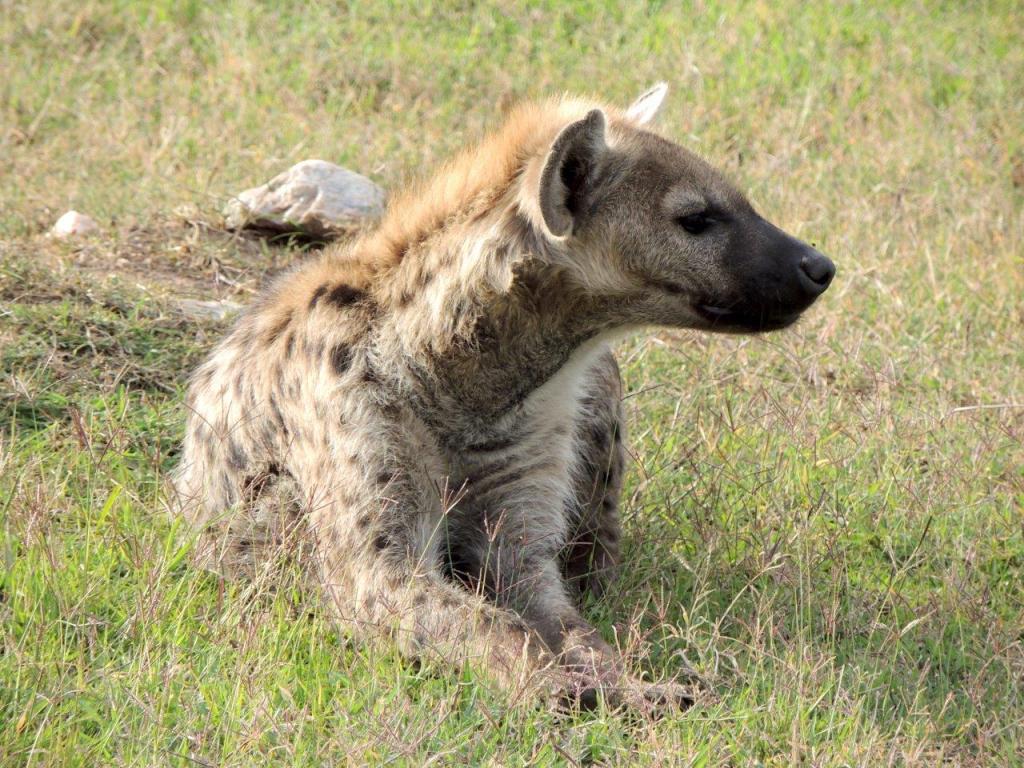
Hyaena call-ins: Spotted hyaenas are the most abundant and widespread large carnivore in Africa. However, their conservation status is often overlooked. Despite this, they can influence other species’ populations and can serve as indicators of ecosystem health. Call-ins via audio playback to attract animals are a commonly used method to estimate hyaena populations. Three call-in events were conducted at baited sites and camera traps deployed to monitor hyaena activity after departure. No hyaenas were observed during the call-ins, nor were vocalisations in response to the call-ins recorded. The next expedition will try again, with an adapted methodology.
iNaturalist: iNaturalist is an online platform and application compiling evidence-based observations of organisms globally, making the data publicly accessible to researchers. Participants of the expedition uploaded 397 observations of 138 different species. A large proportion of observations was added from pictures taken during the invertebrate sampling project.
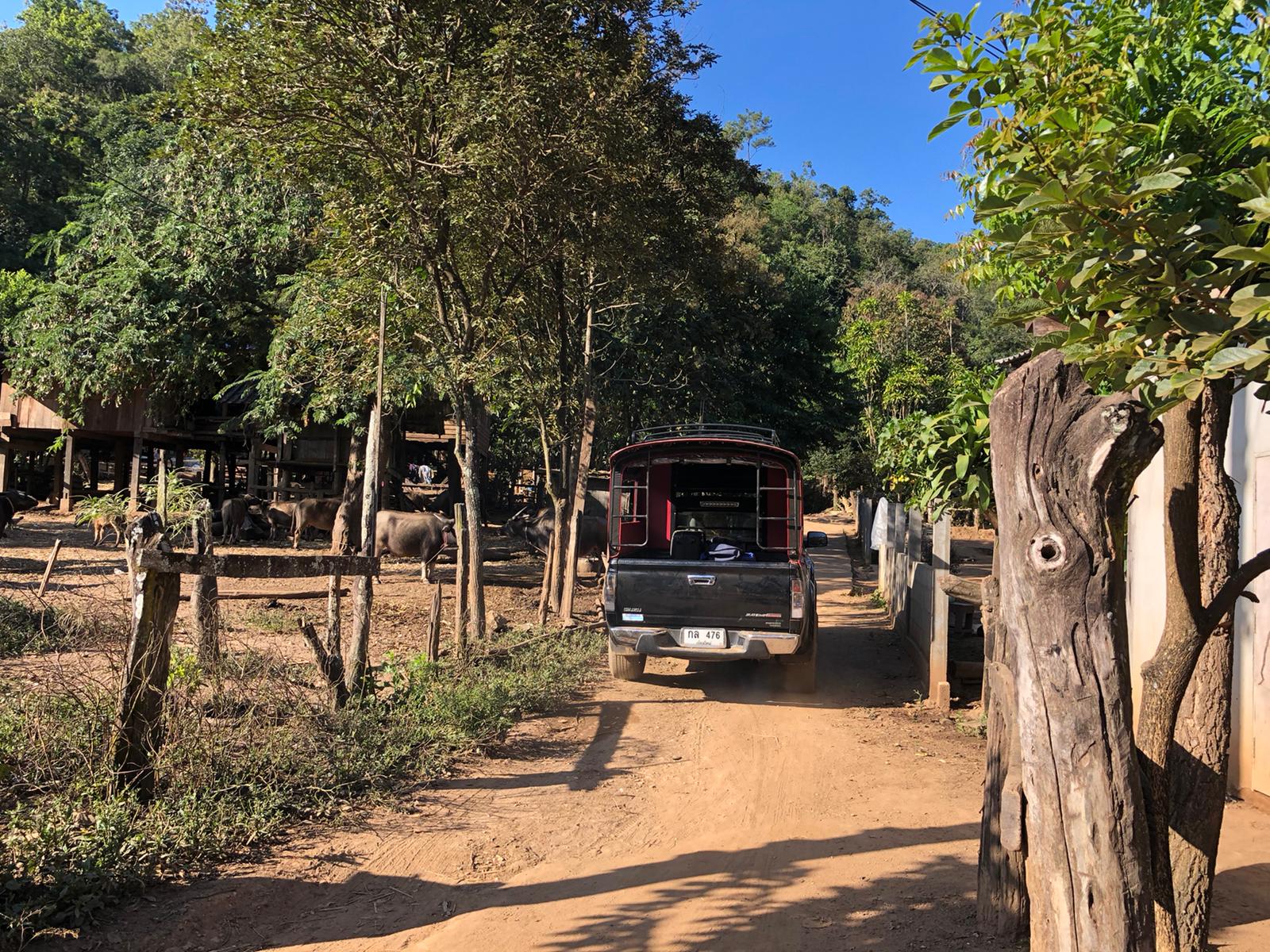
Today saw our Thailand elephant volunteers leave the village (and our jungle base) to get driven back to Chiang Mai, where they will prepare to re-enter society, hopefully with some new and interesting experiences and conversations to bring to the table.
Having had three years pass since the last Thailand expedition in 2019, and with so much planning and preparation beforehand, myself, Kerri and the team at Kindred Spirit Elephant Sanctuary couldn’t be happier with the results of all the hard work put in by our team of elephant citizen scientists. A team who could just have easily spent their annual leave in a refined hotel with Gin & Tonic in hand by the piano lounge, most likely not having consider how many times they should tap their boots upside down to check for scorpions before going for a stroll. Thank you for coming here instead.
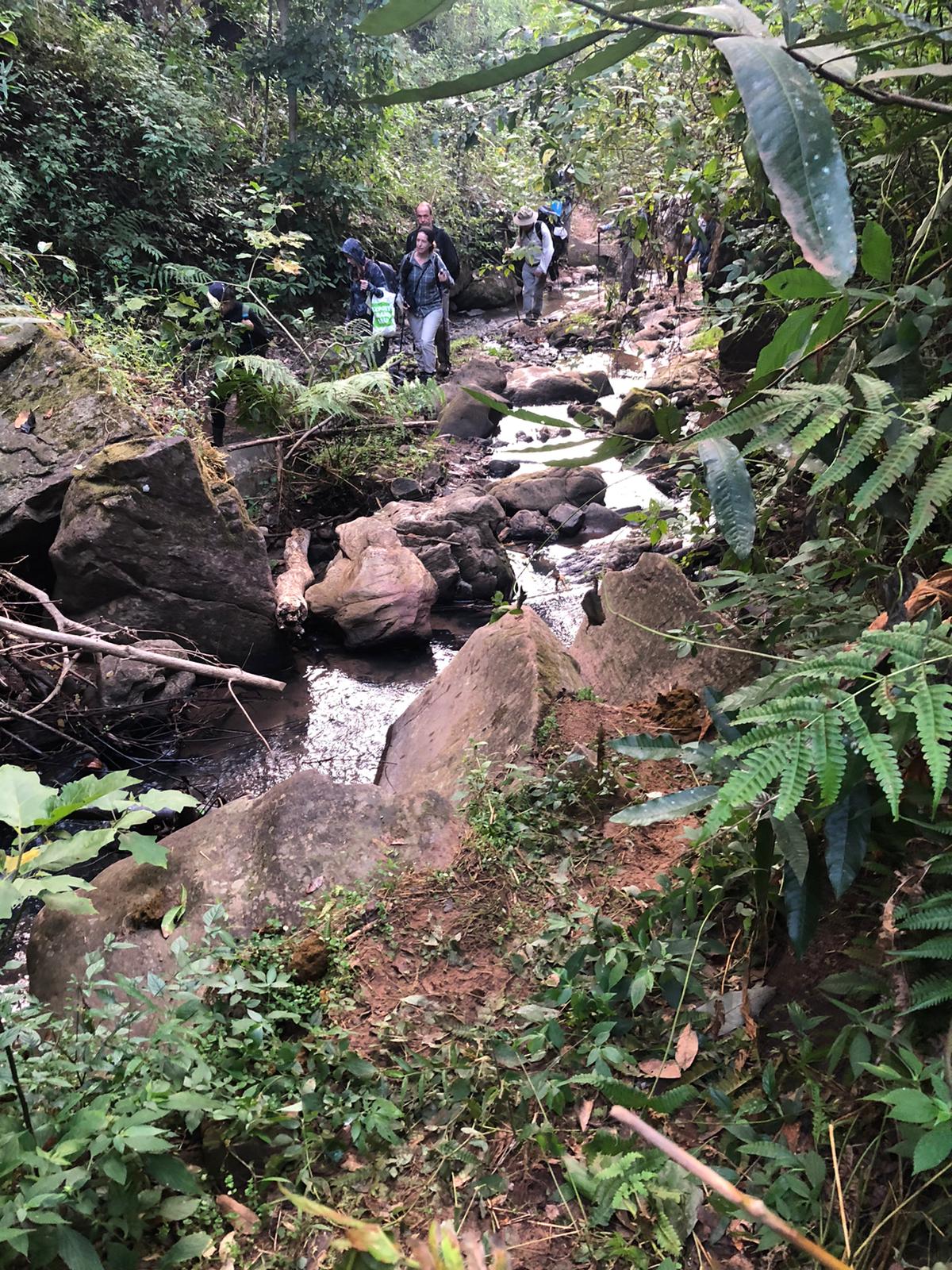
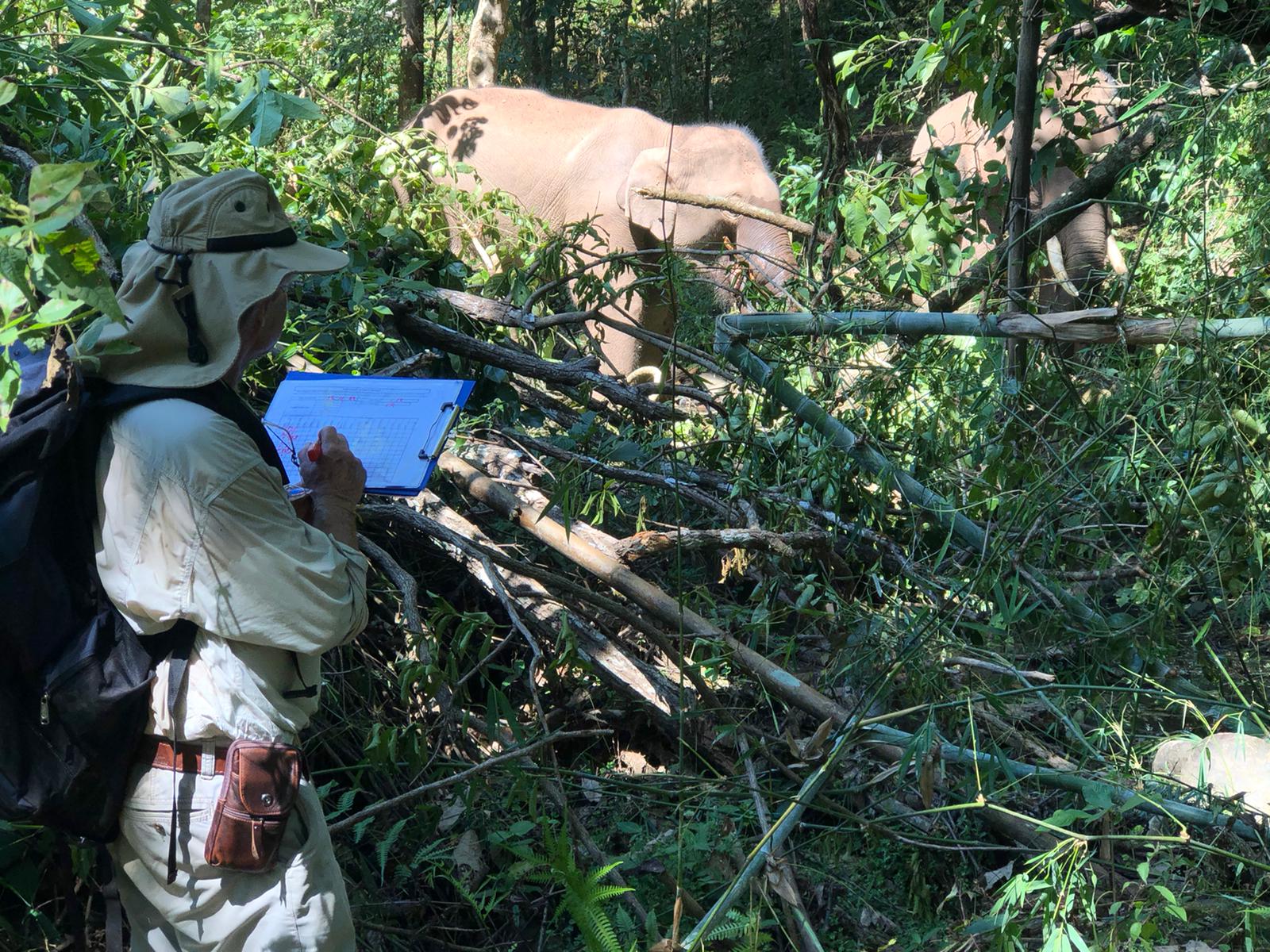
Yesterday saw our final survey in the field, completing collectively 130 hrs of data collection, approximately 800 km walked and 24000 meters climbed up through steep jungle hillsides, gathering data for our scientists to evaluate for ongoing research in several aspects of the semi-wild elephants’ lives. Work that isn’t normally possible as it is so labour-intensive, and requires a concerted team effort – which is exactly what this expedition brings.
We’ve nearly finished packing up now, and soon I’ll be heading back myself. Thank you again everyone – this could not happen without you.
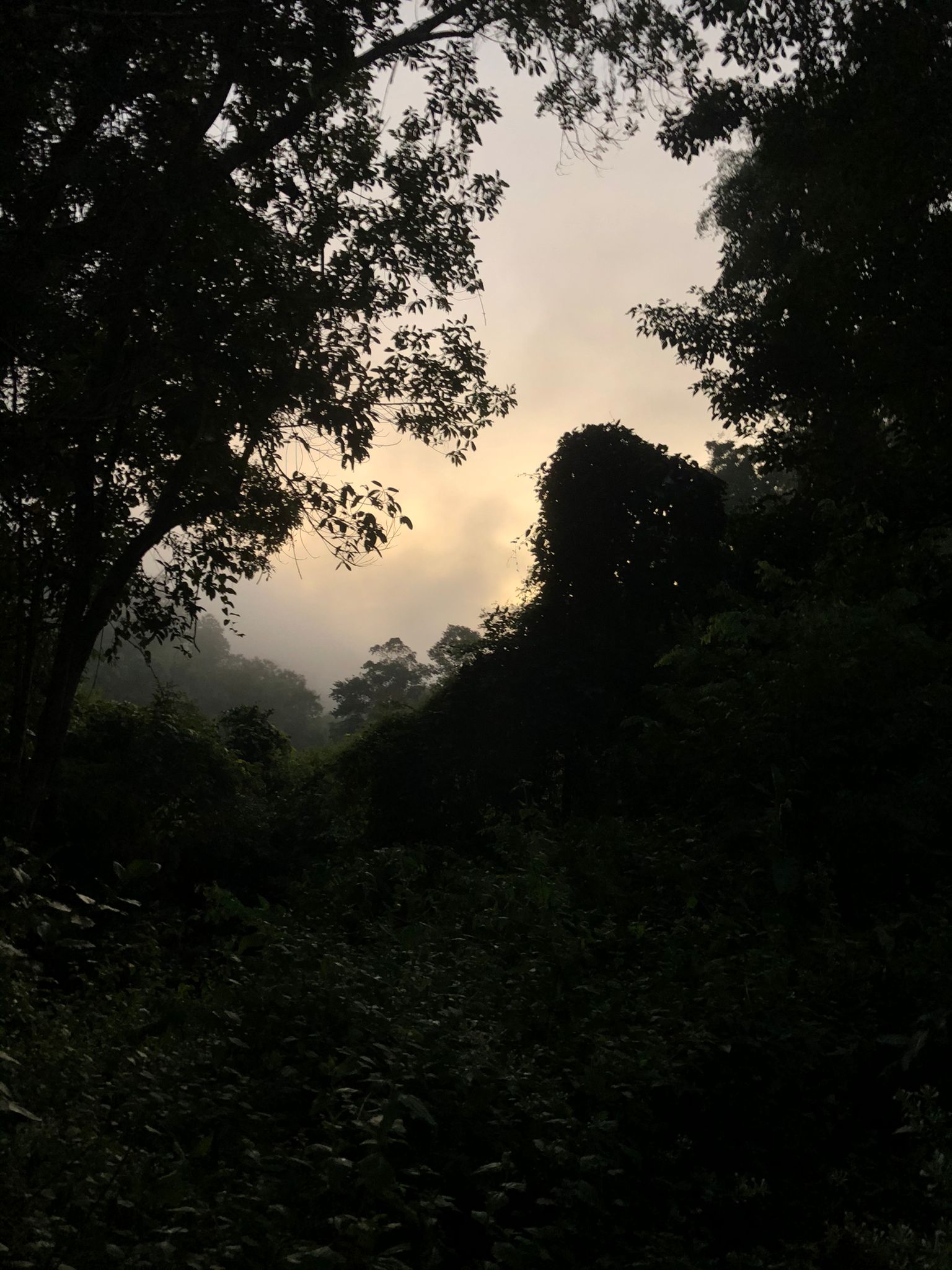
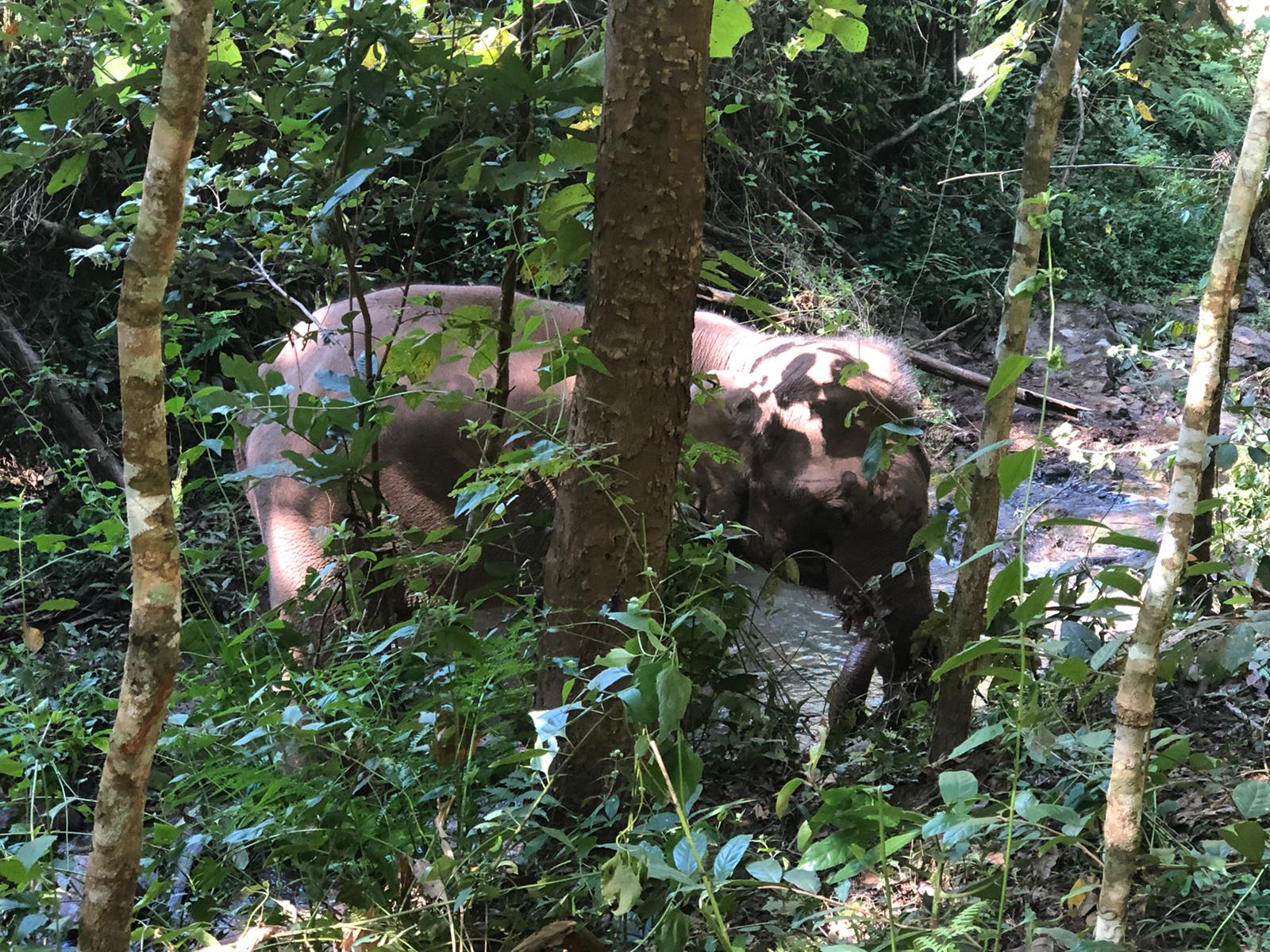
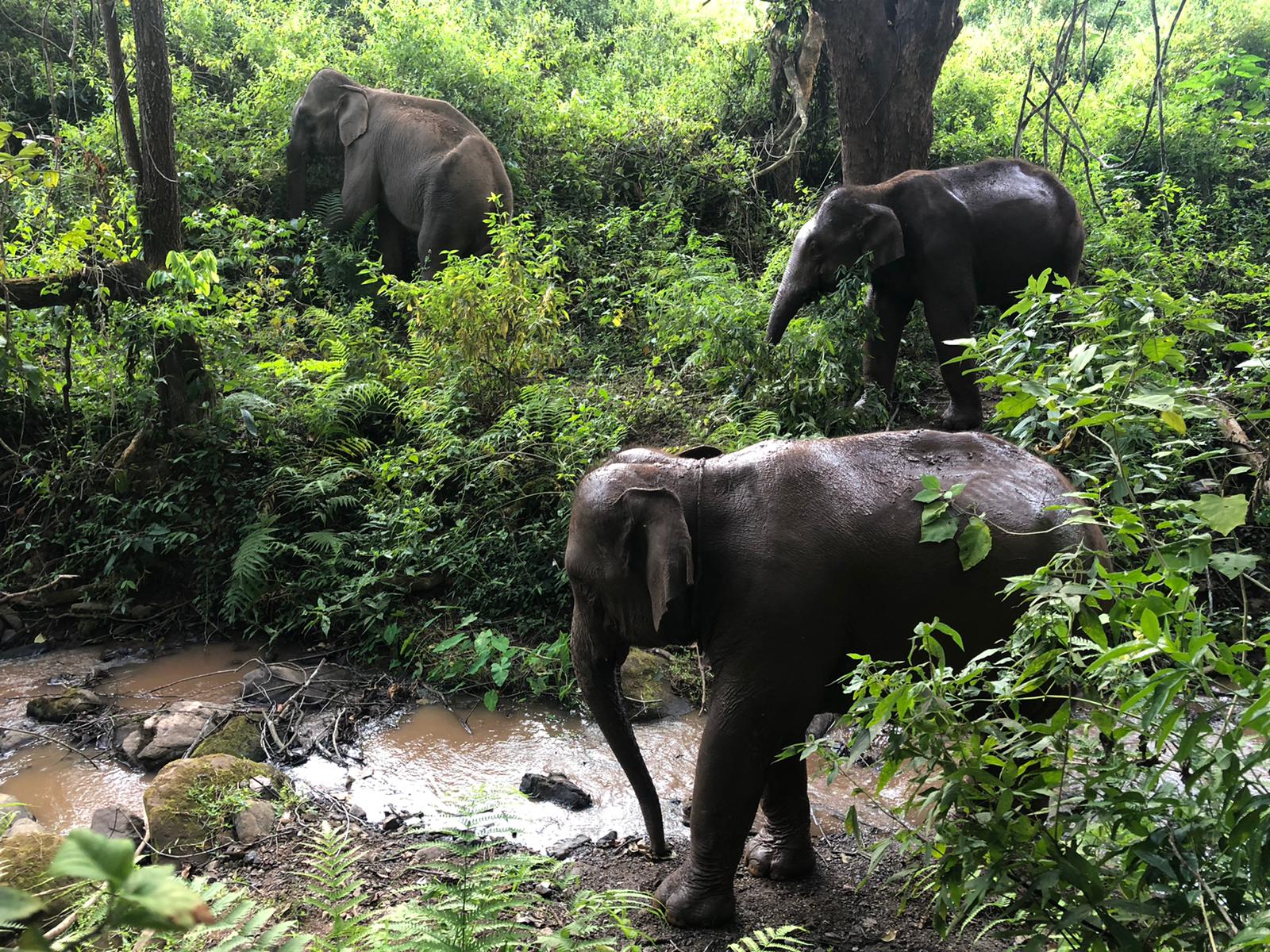
All good things come to an end. Much like the peanut butter for the toast at breakfast, we also saw the last of our early starts yesterday. It is such a tranquil way to start the day, with our head torches on, the morning dew dripping off the trees onto our heads as we make our way through the jungle. We arrived to see the opposite behaviour compared to the previous afternoon. Boon Rott and Gen Thong were in solitary patches of forest feeding and exploring. Gen Thong did eventually head to the river after a couple of hours for a solitary drink and a bathe in silence, apart from some frogs croaking and bird song in the distance. We have our last survey today wrapping up two complete days surveying combining all the hours collected this past week. Then our elephant citizen science team head back to Chiang Mai. But I have it on high authority that there is a pot of strawberry jam and Nutella in the fridge, so at least there will be something for the toast to spur us on our final quest.
Yesterday we finished our elephant conservation expedition finished its second day in a row of our late data collection times, starting at noon, then lunch followed by two more hours taking us up to 16:00. By the time we walked back to the village it was almost dark and dinner was on the table.
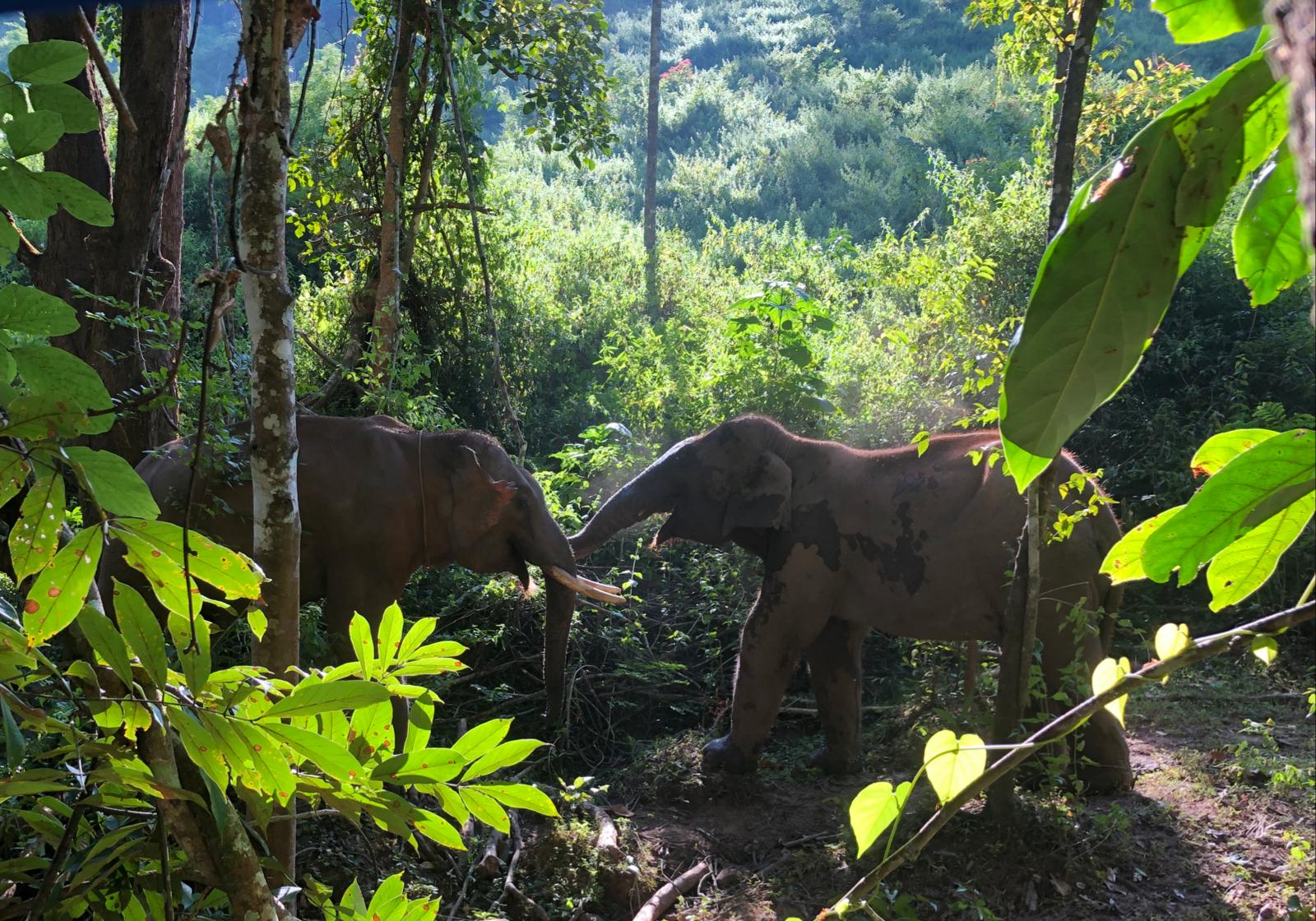
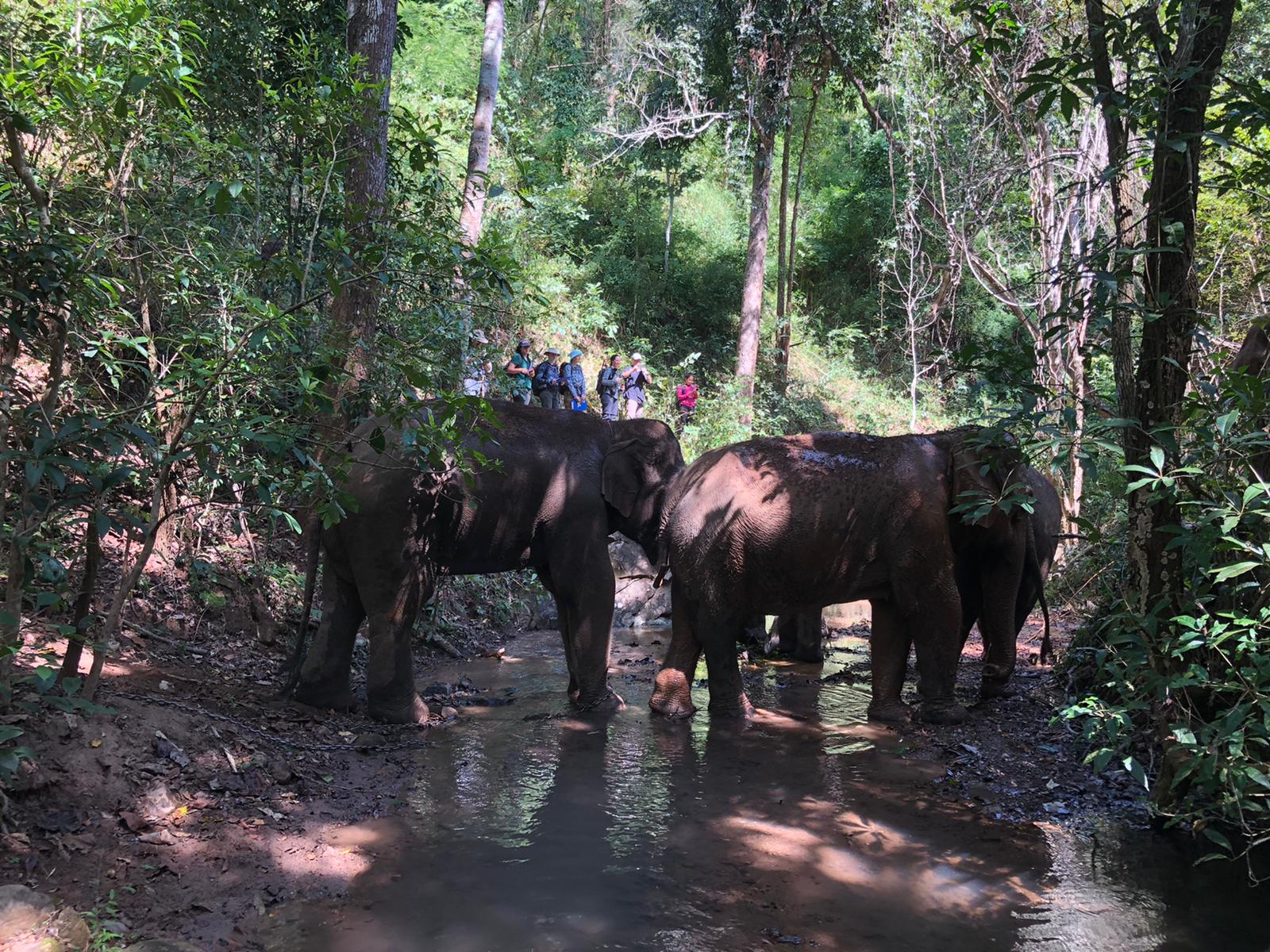
For the last two days the elephants have been very social with each other, the males and the females socially bathing (I don’t blame them, yesterday was especially warm) and Gen Tong, who normally annoys the others, has spent lots of time with Boon Rott, a larger older male with large tusks. They’ve been foraging together interspersed with trunk touching and leading us into dense thorny bushes that don’t seem to bother them at all.
We’ve also had the pleasure of preparing food and cooking with our home stays. And also seeing traditional Karen textiles the women of the village make and sell. I had wondered why the Mahouts had such stylish shoulder bags…


























































































































 Biosphere Expeditions: blogs from the frontline of wildlife conservation and the fight for a more sustainable planet