Arabia: Working hard

Update from our wildlife conservation volunteering holiday in Dubai (UAE) working on oryx, wildcat and desert species

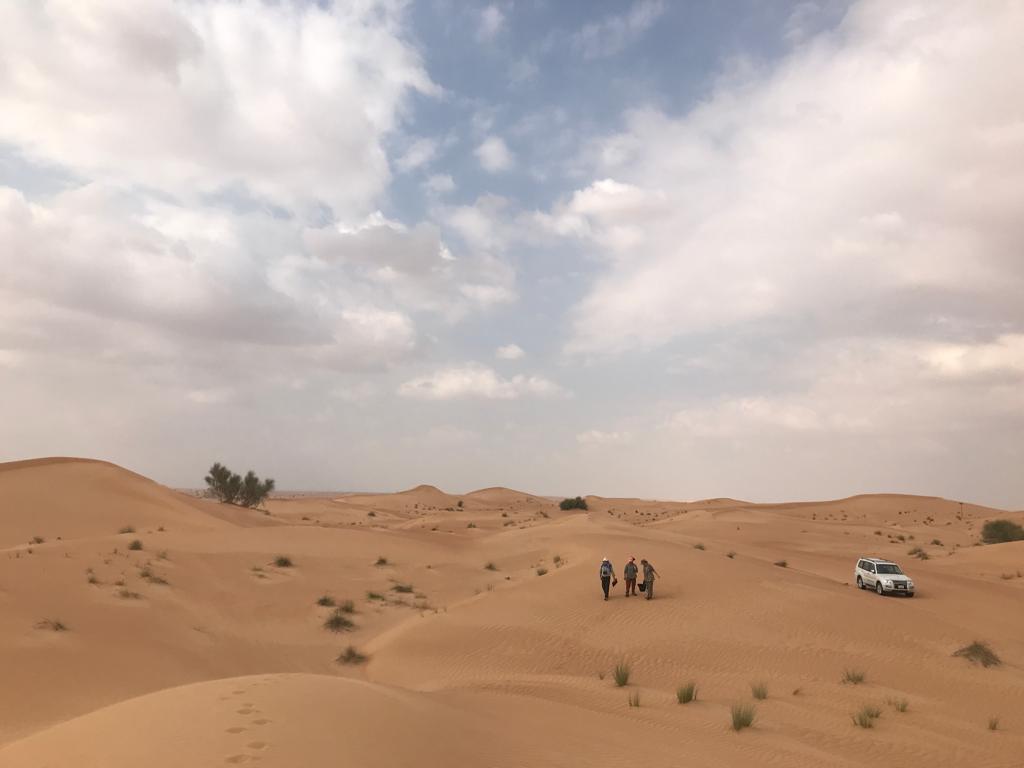
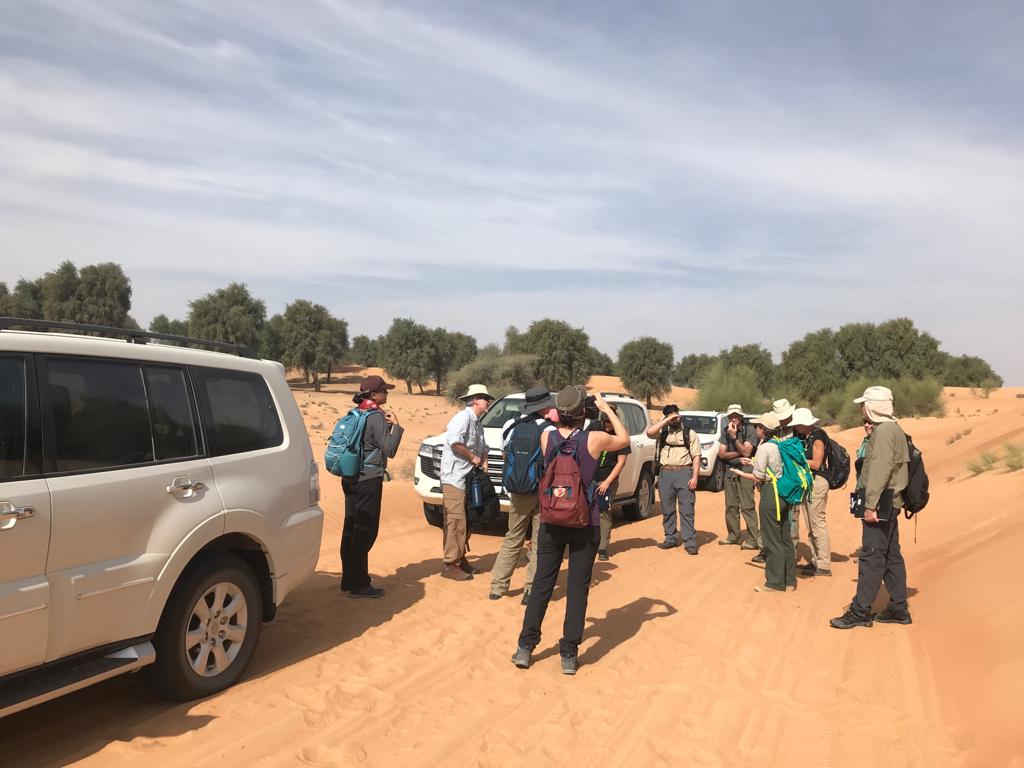
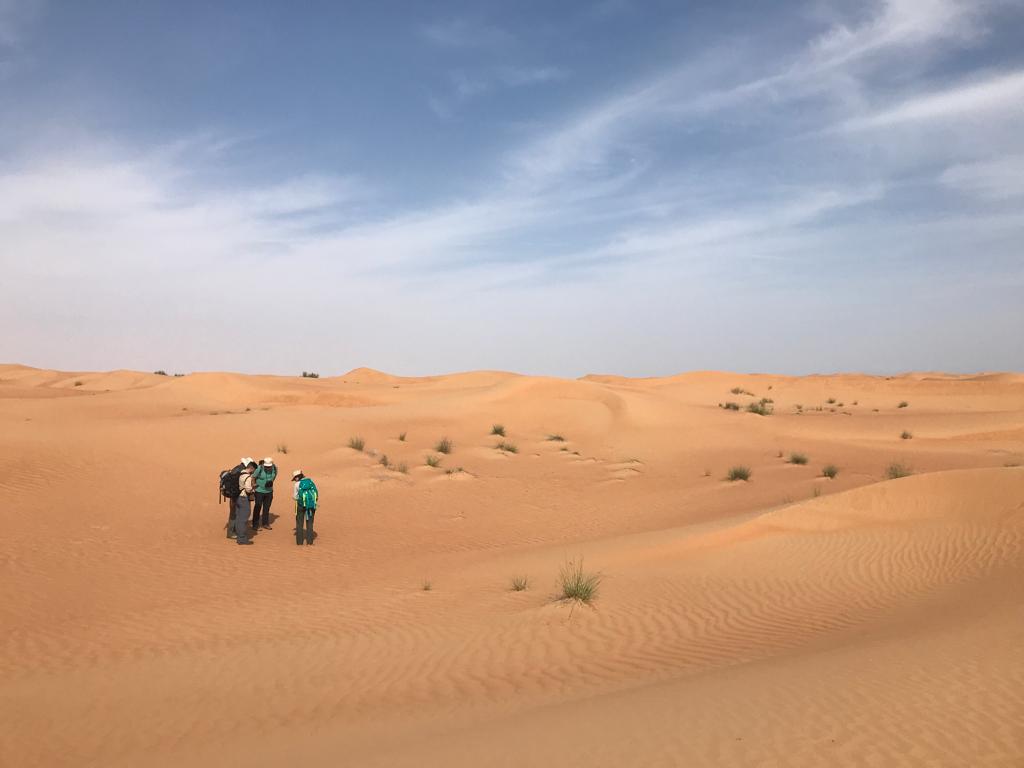
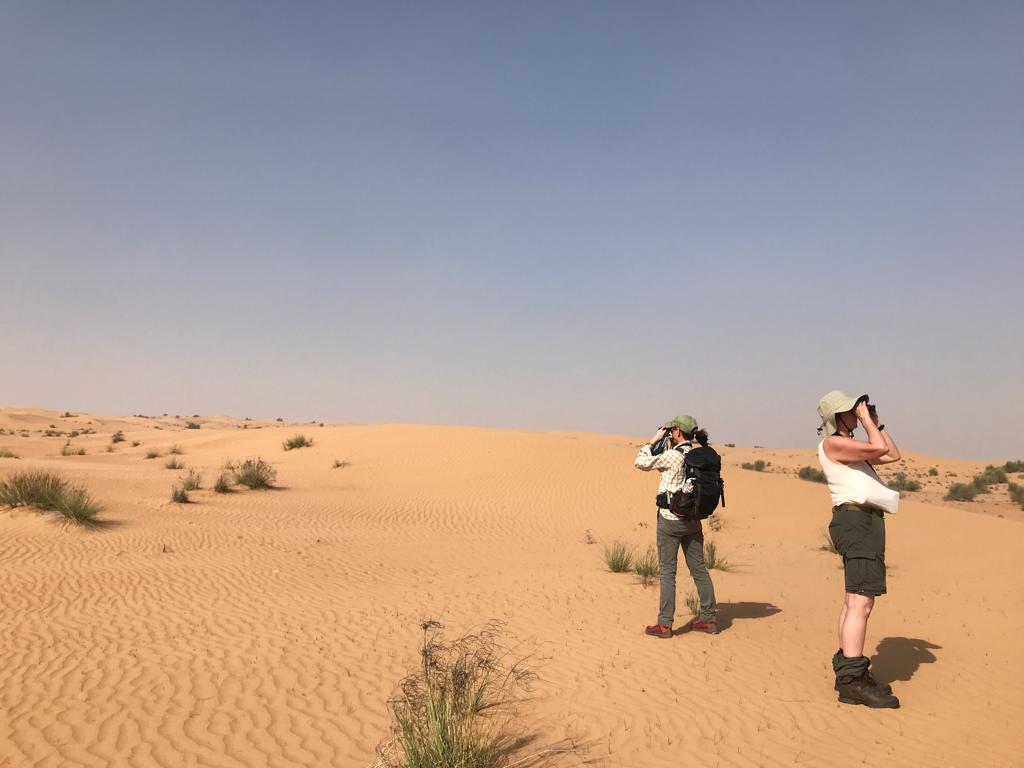
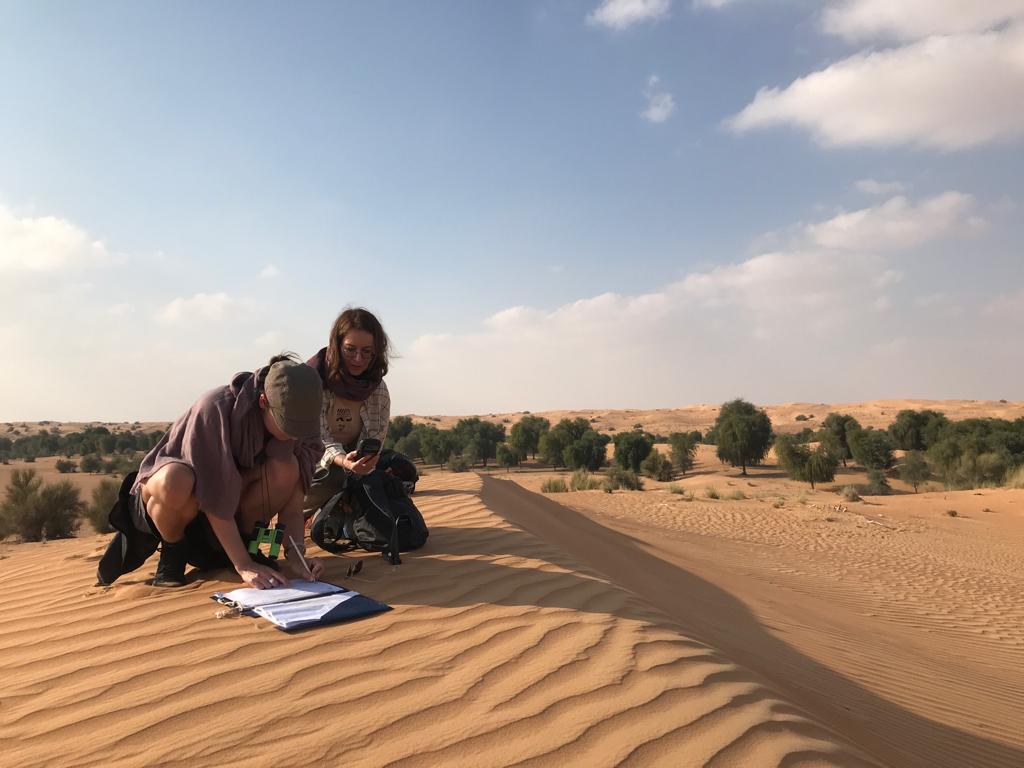
The clouds have gone and the sun is high in the sky again. Still, our Arabia desert expeditioners faced a couple of windy days, but also enjoyed pleasant survey temperatures throughout the day.

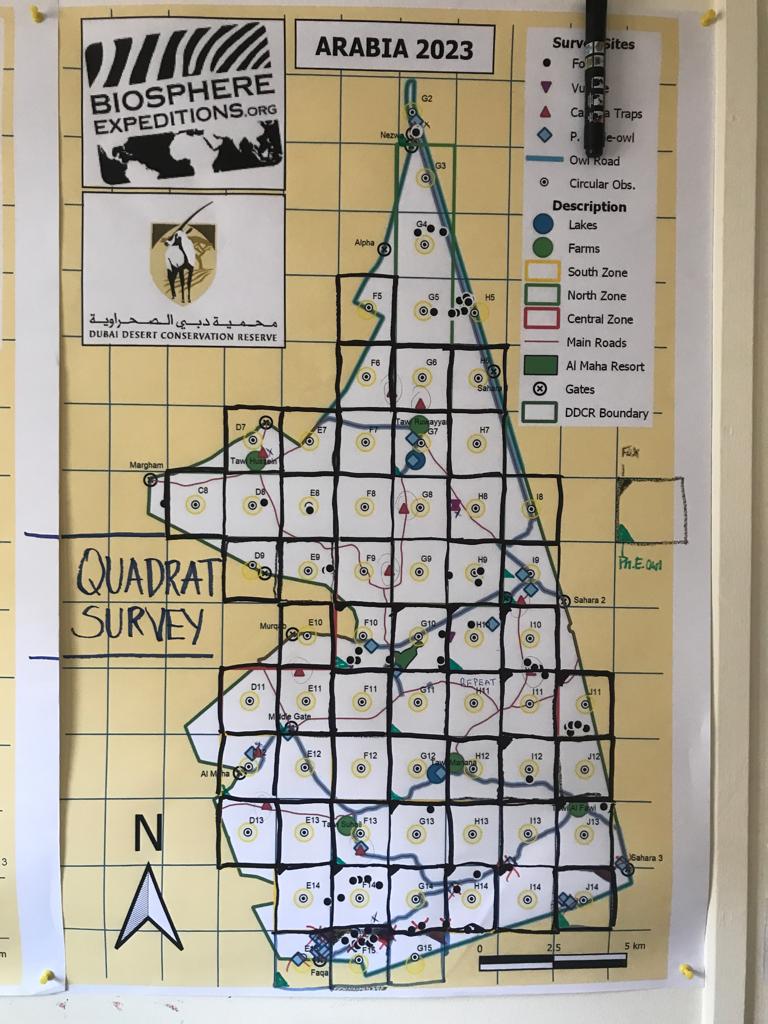
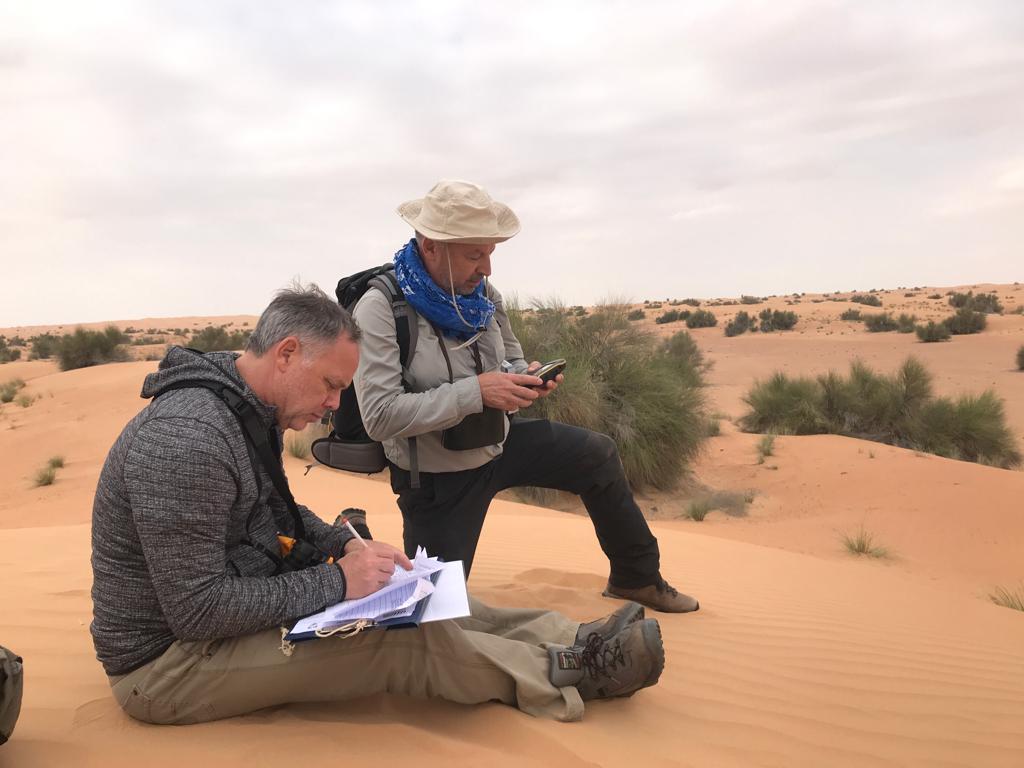
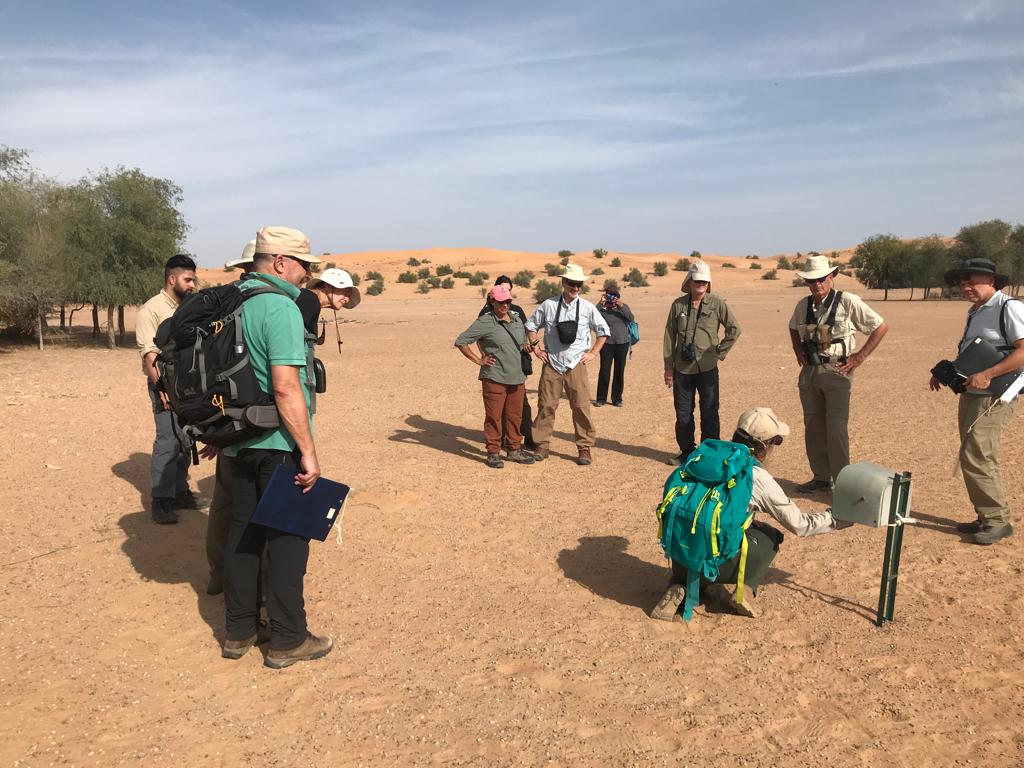
To Aline and Basil’s joy, four teams managed to complete 32 quadrat surveys within two days! Well done. The progress made is clearly visible on the map (outlined quadrats) – only a few in the north to go now.

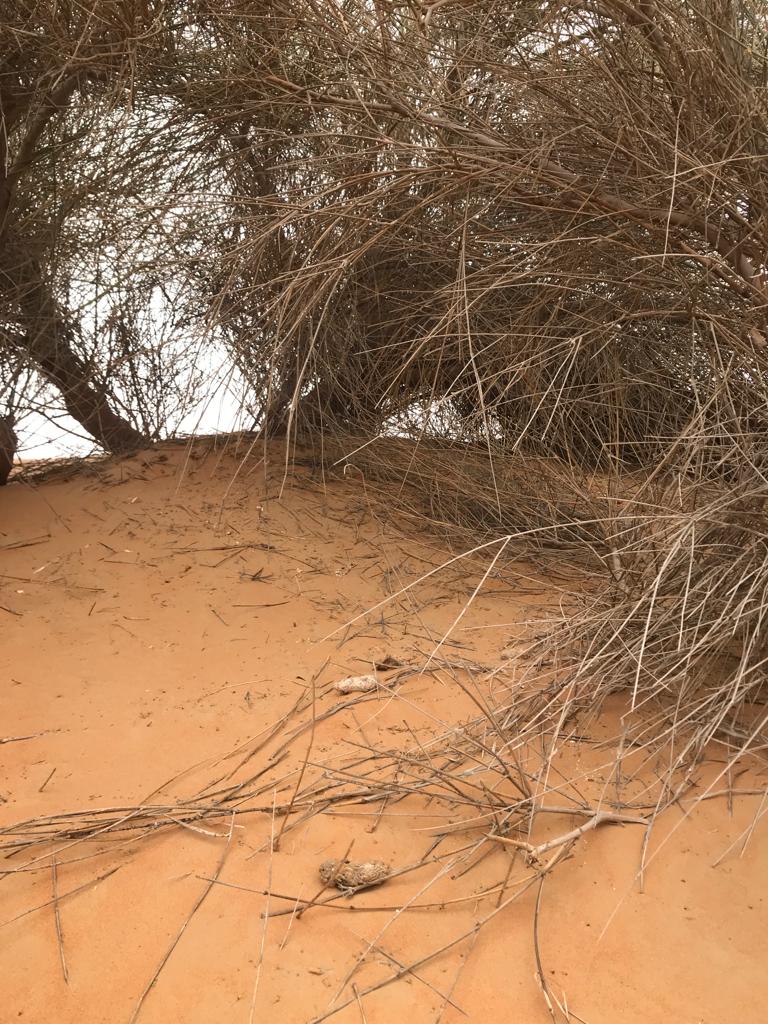
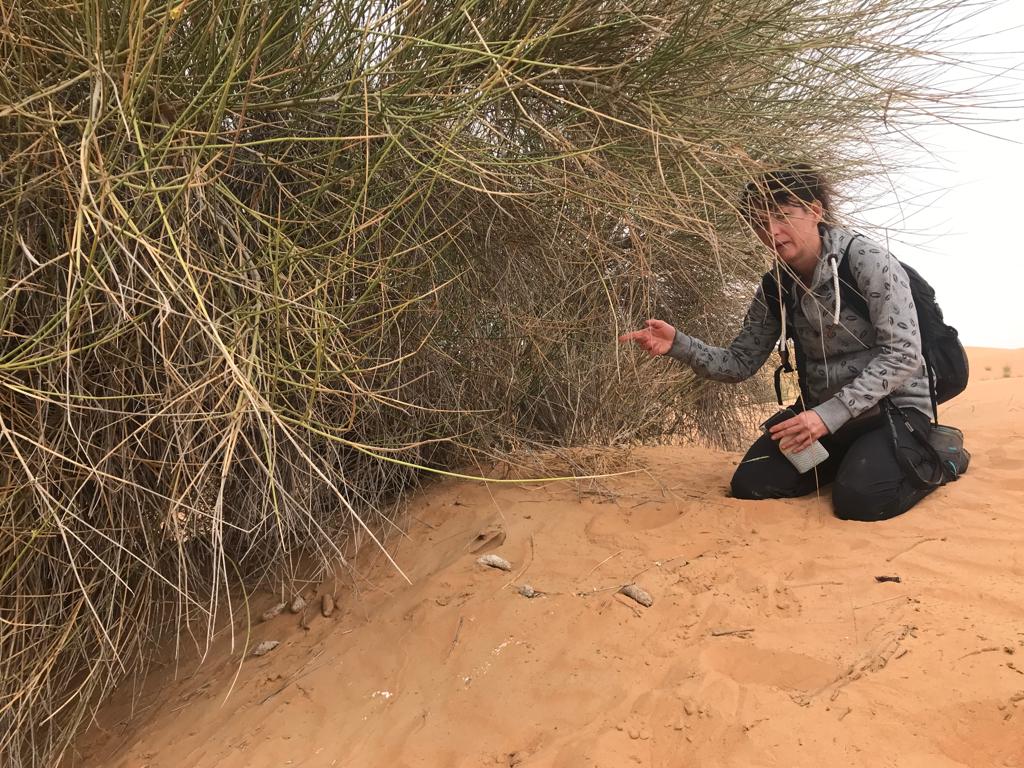
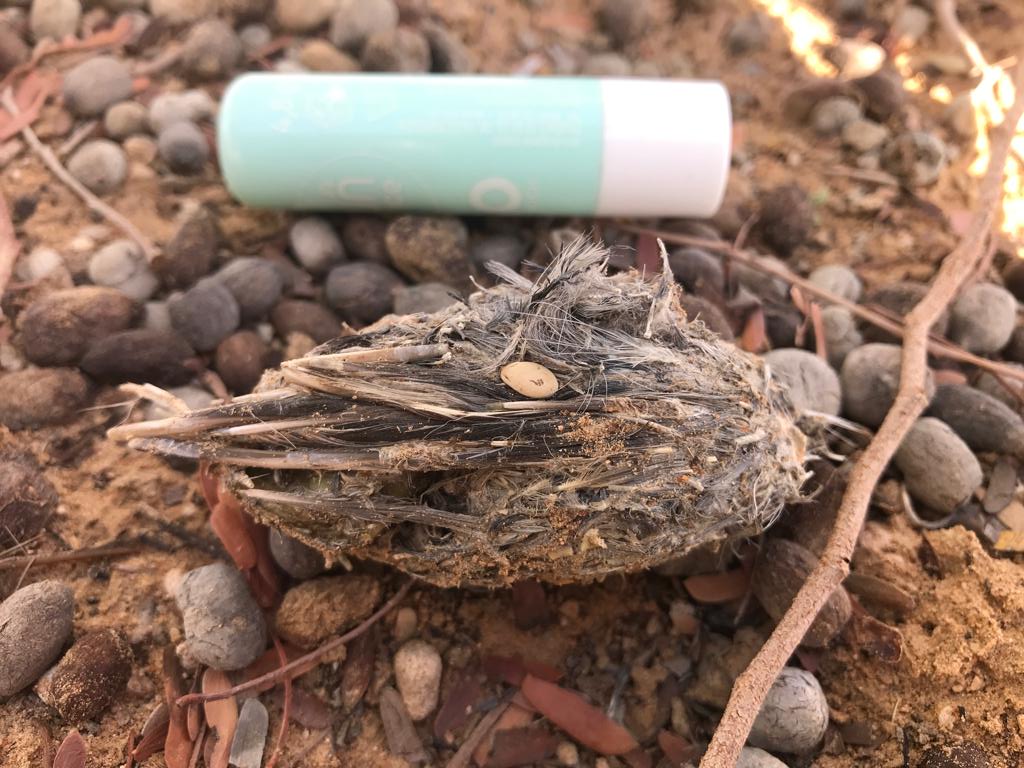
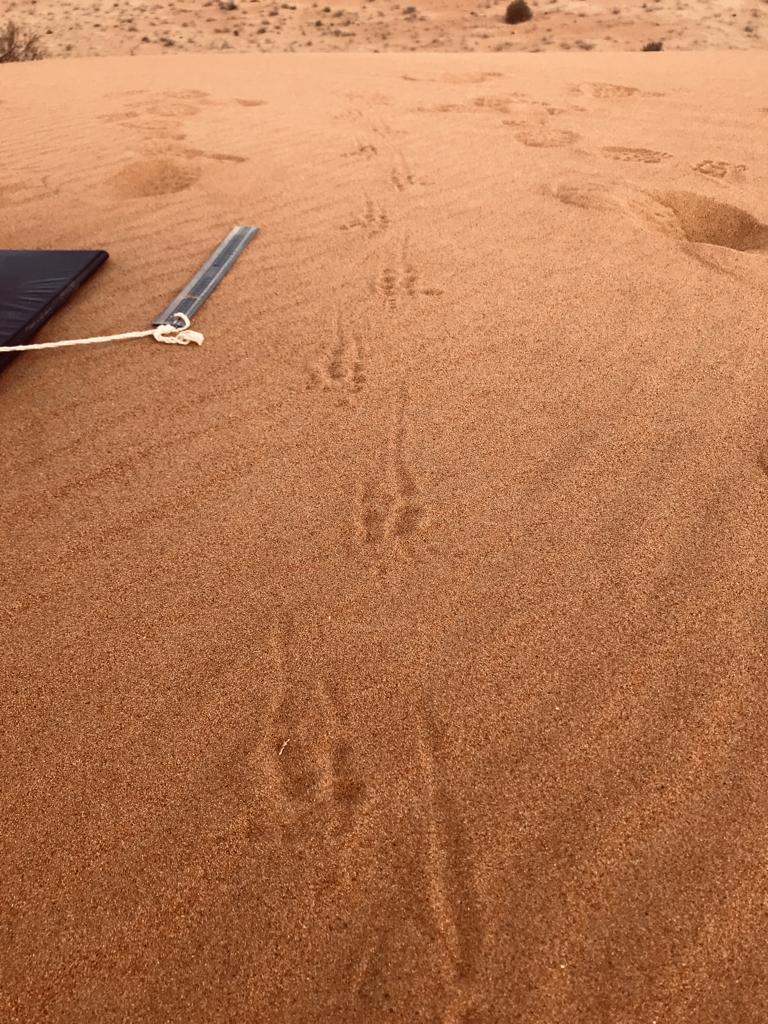
One team found a dead fox, another team discovered an eagle owl hunting outlook under a fire bush, located on a steep sandy slope, overlooking a large gravel plain. Many pellets of different ages showed that this spot is used frequently for hunting by at least one owl. The location is definitely worth revisiting.

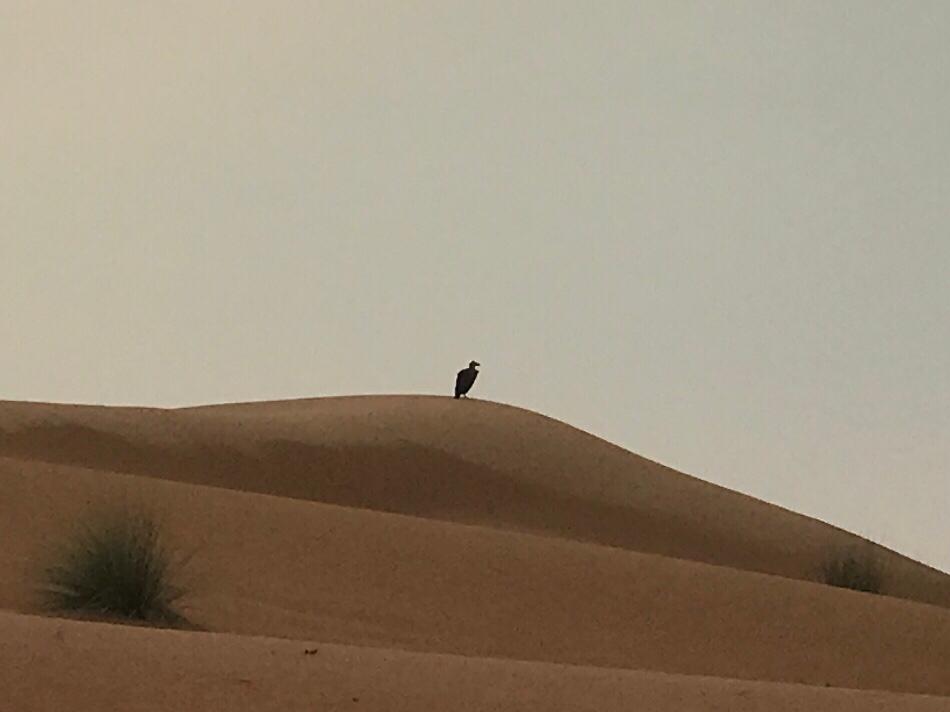
We have not spotted lappet-faced vultures for a few days now. But today a team is on the lookout specifically around the area where a gazelle was killed by a feral dog yesterday.

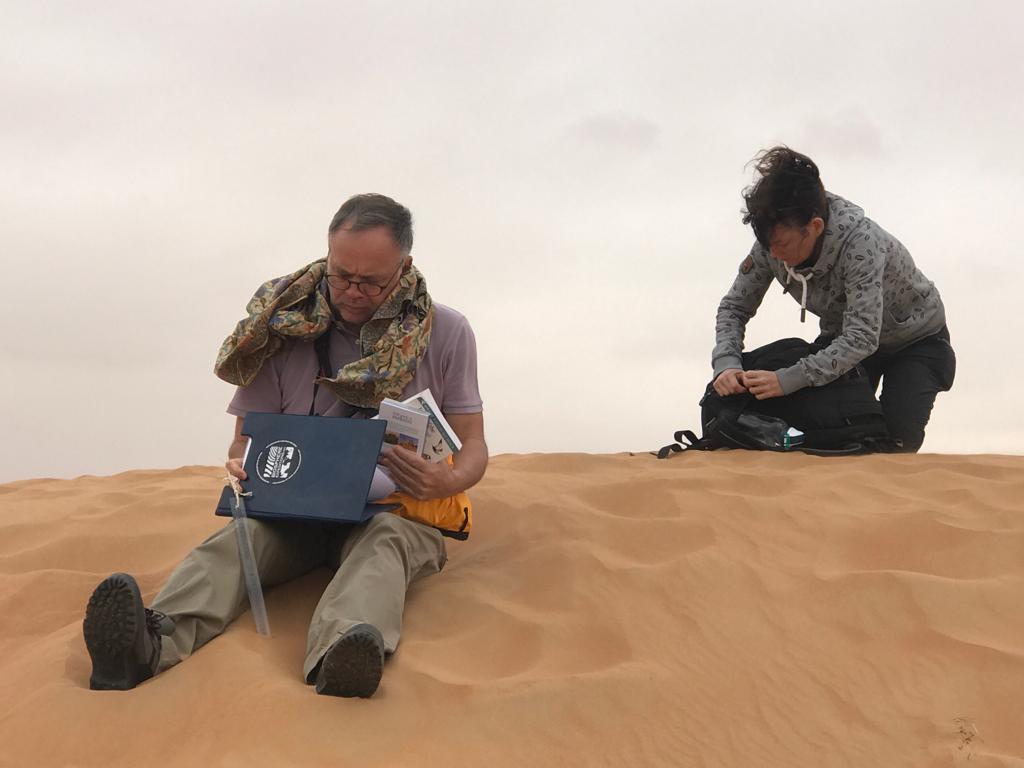
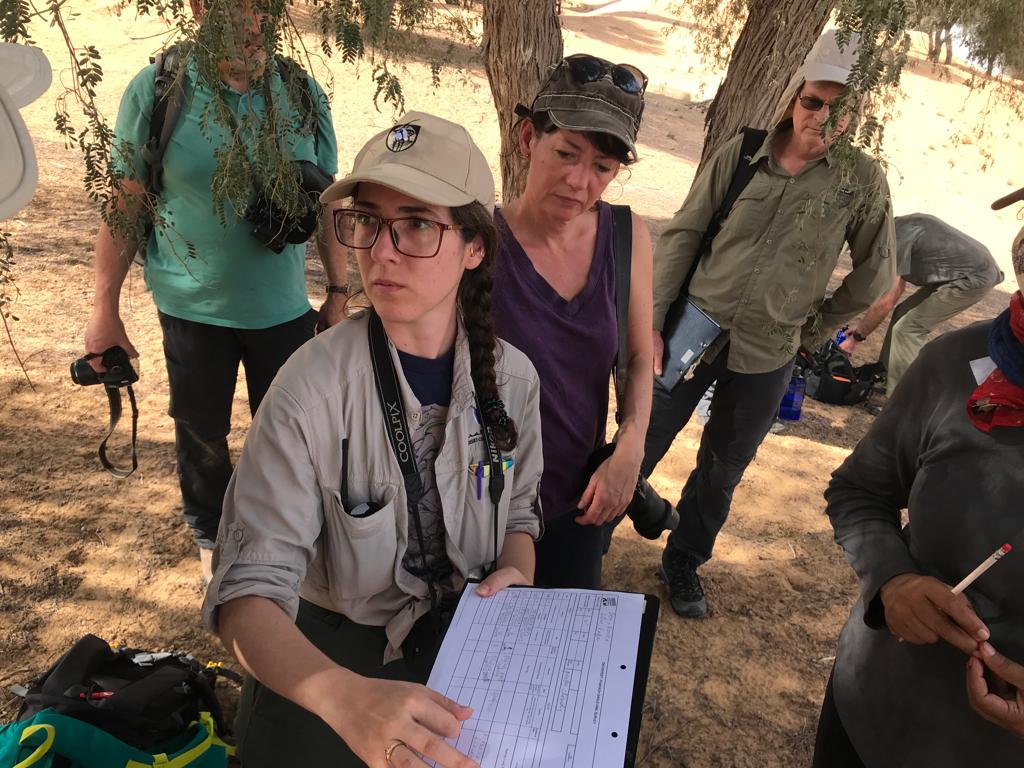
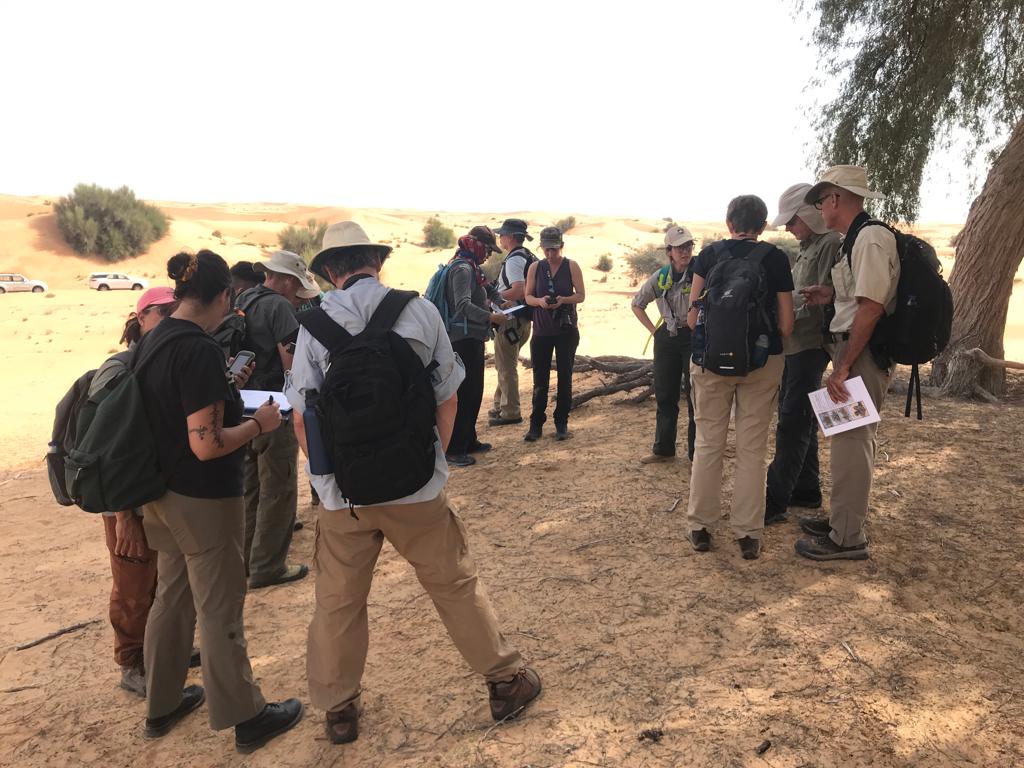
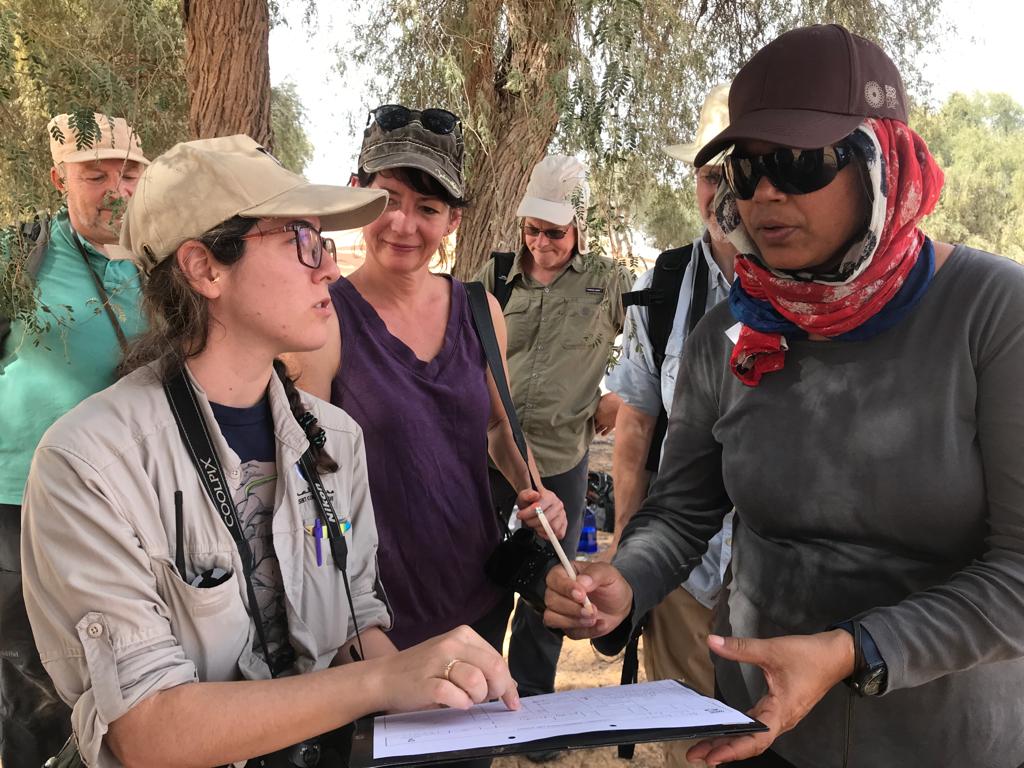
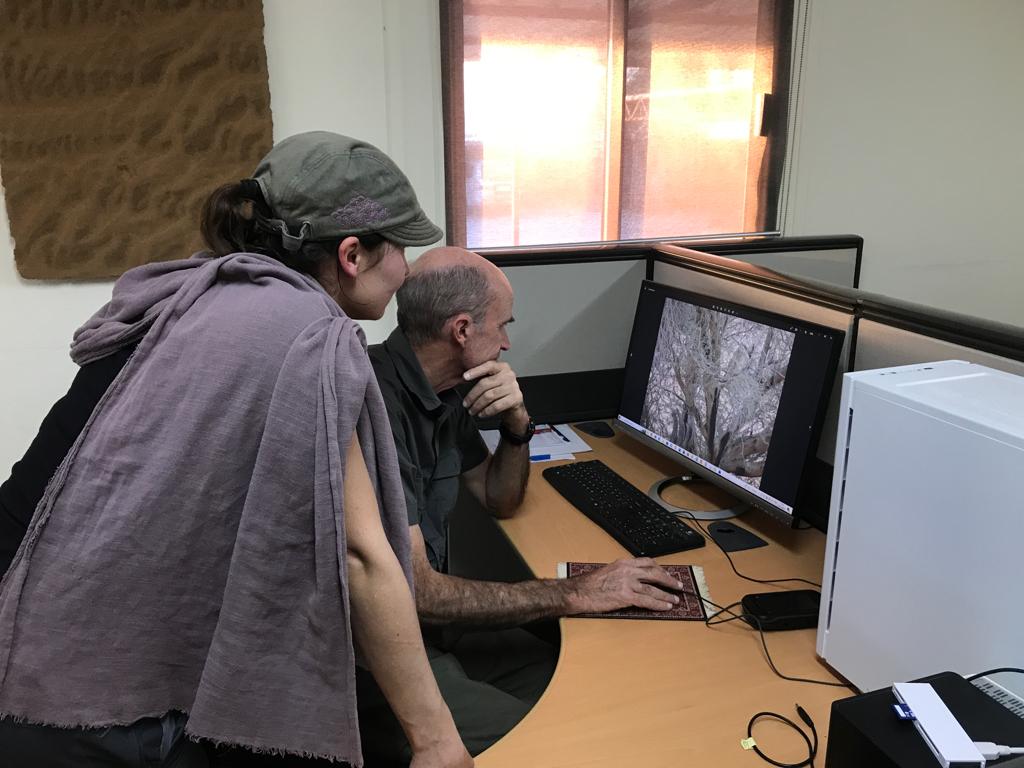
Apart from the field work, we will catch up with data entry and have included this activity in today’s planning.

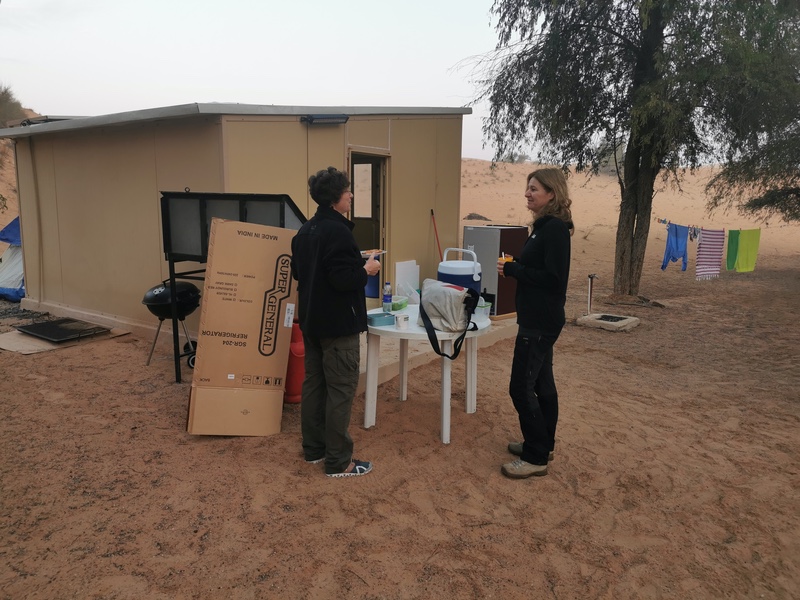
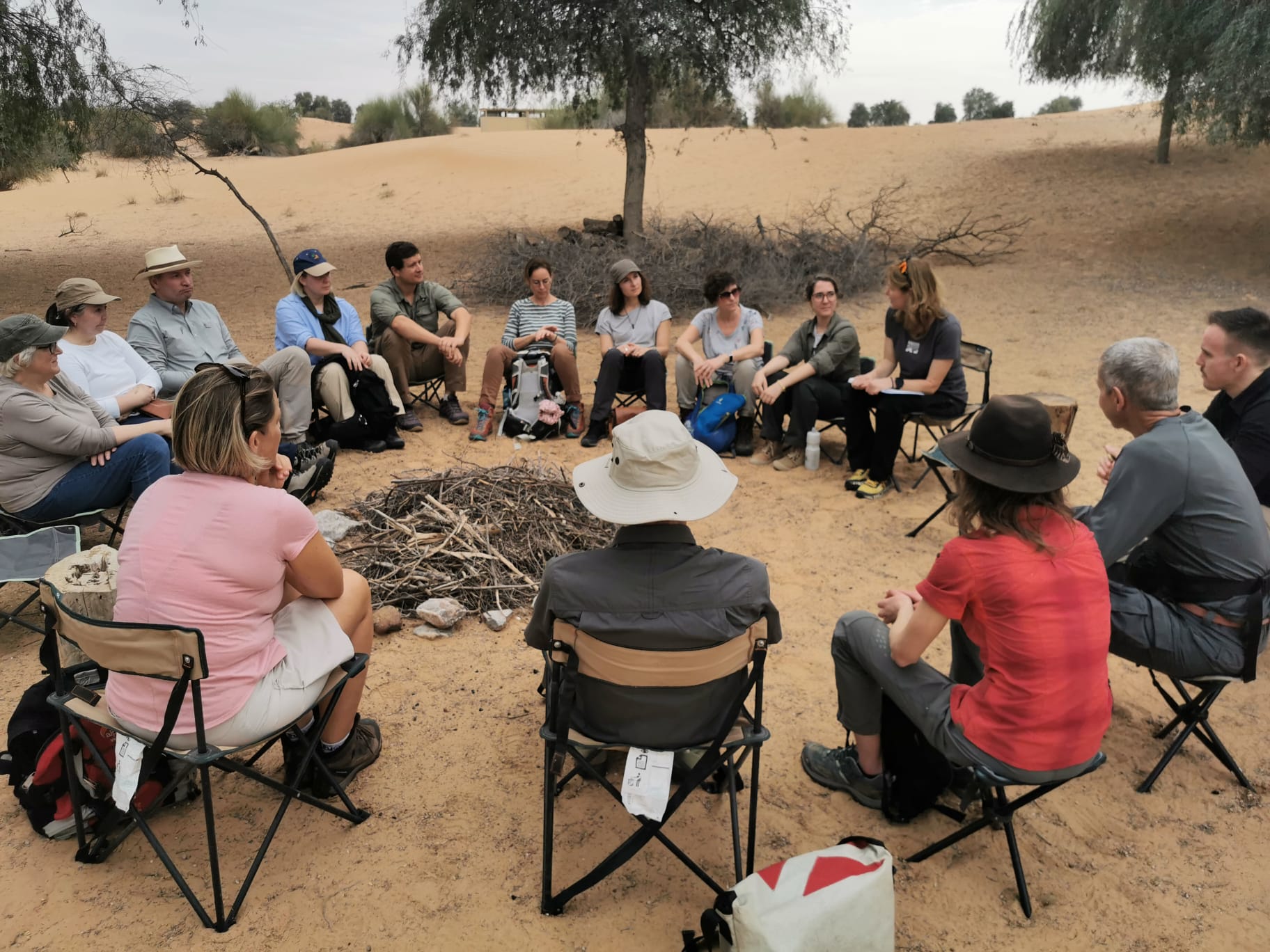
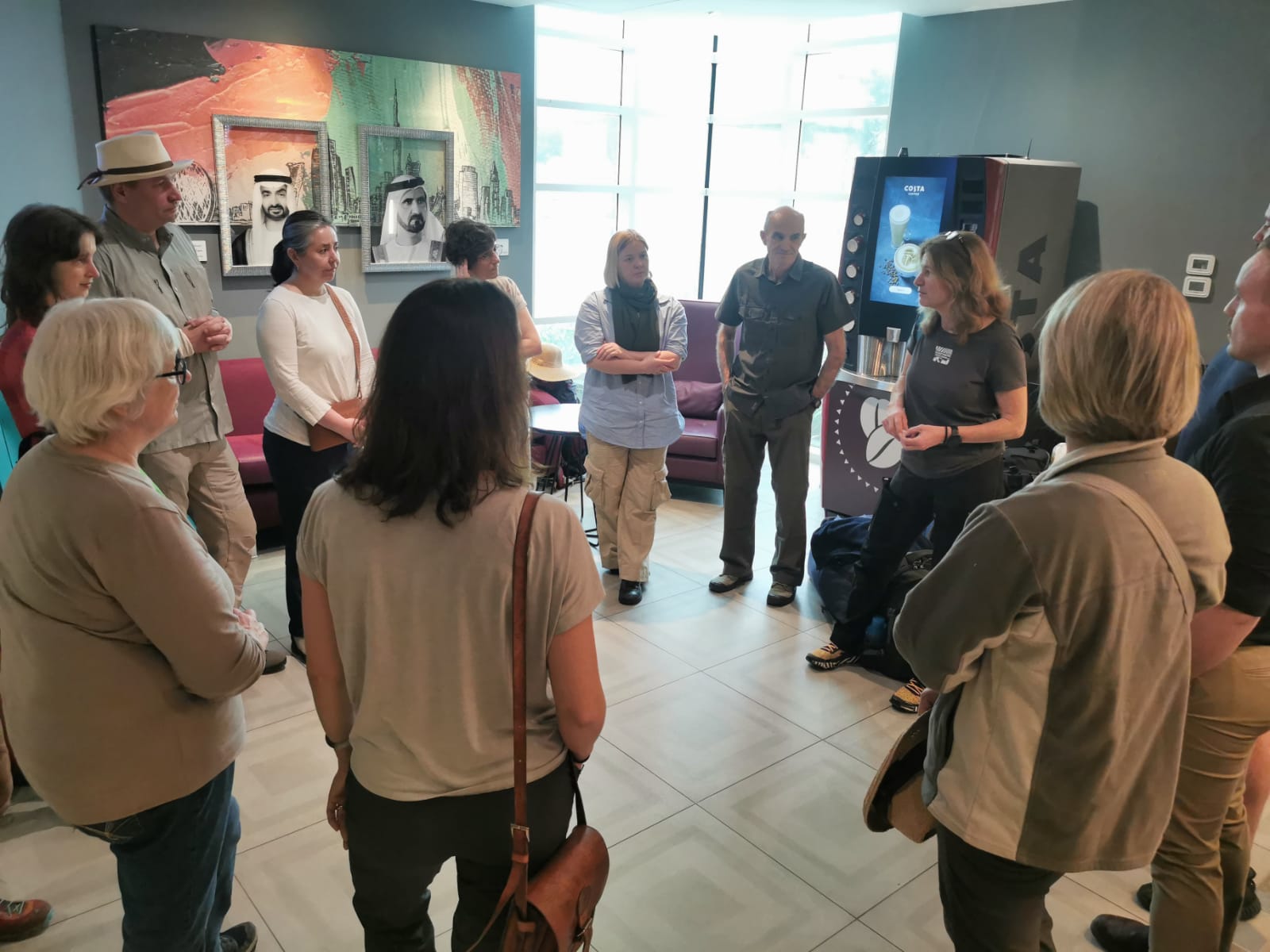
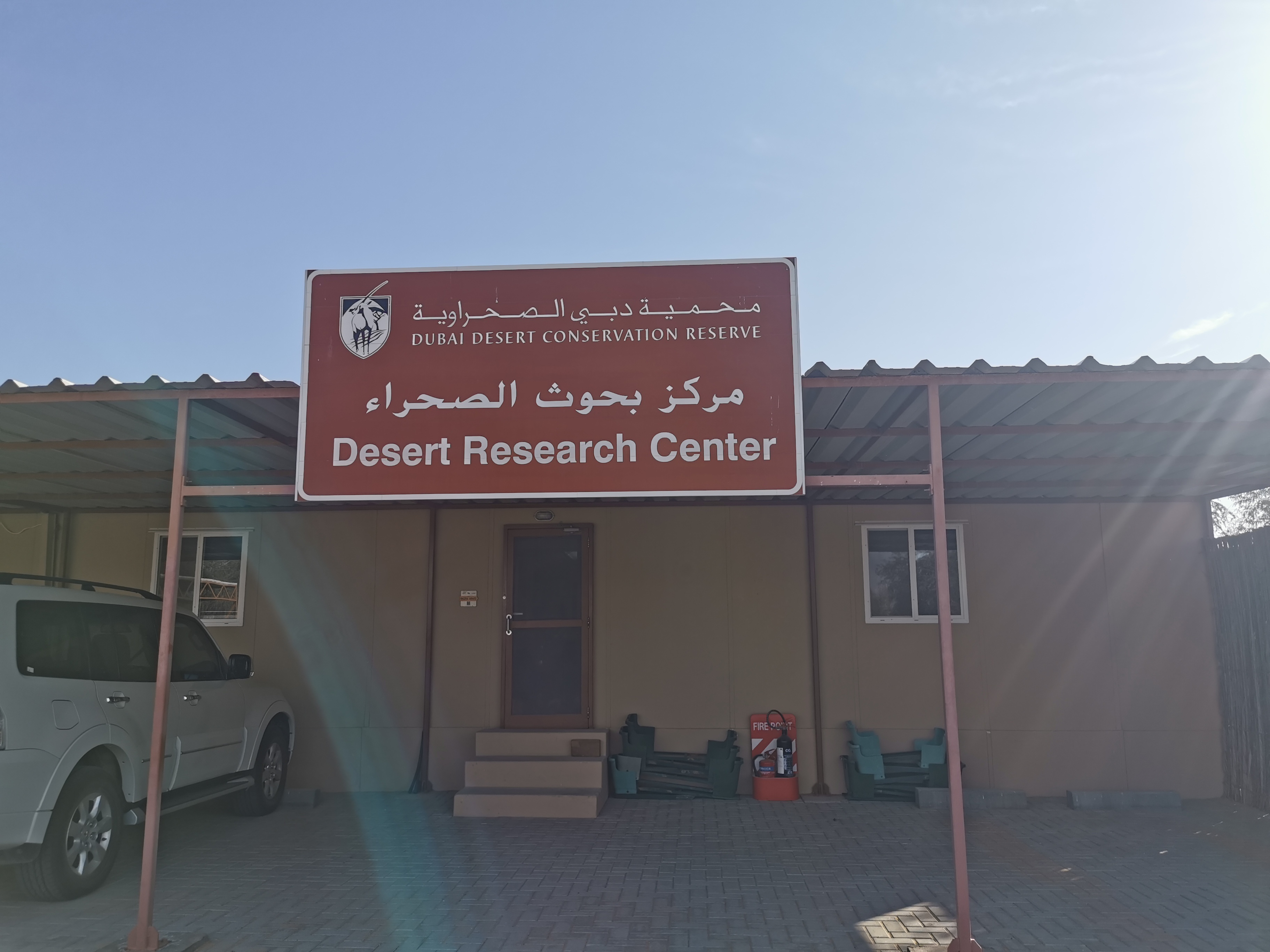
Despite the the great effort put in by this group, most expeditioners make it to base camp before the survey de-brief at the DDCR office to take a quick shower or have a well-deserved a cup of coffee.

Continue reading “Arabia: Working hard”

Arabia: Group 2, initiated

Update from our wildlife conservation volunteering holiday in Dubai (UAE) working on oryx, wildcat and desert species

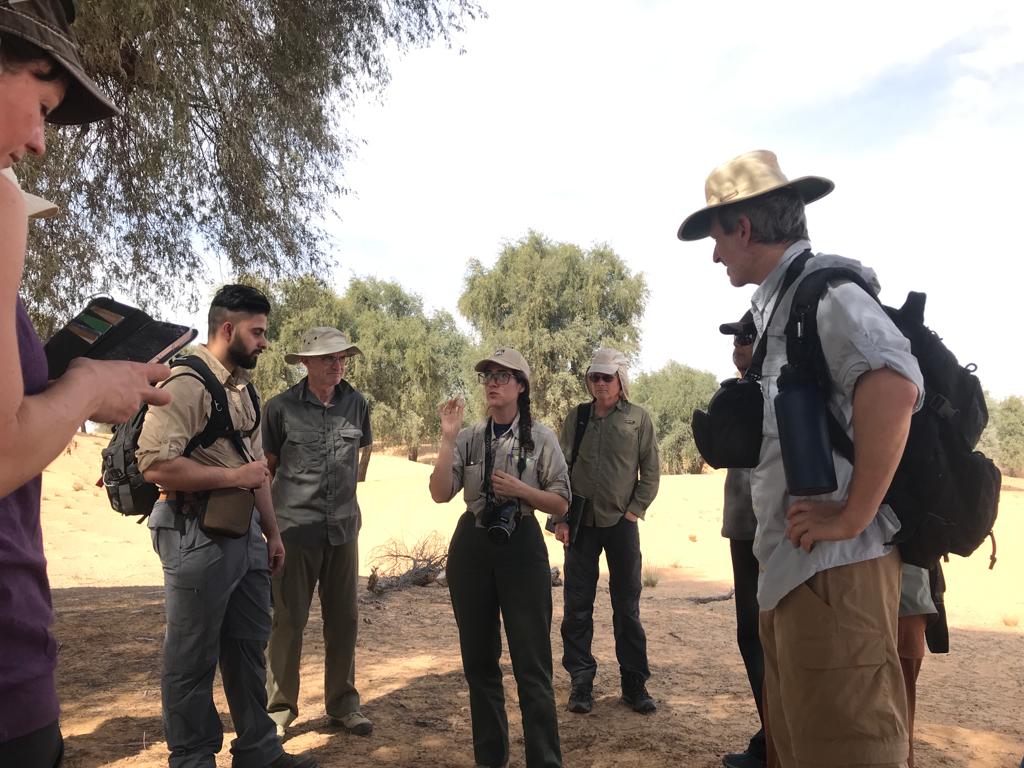
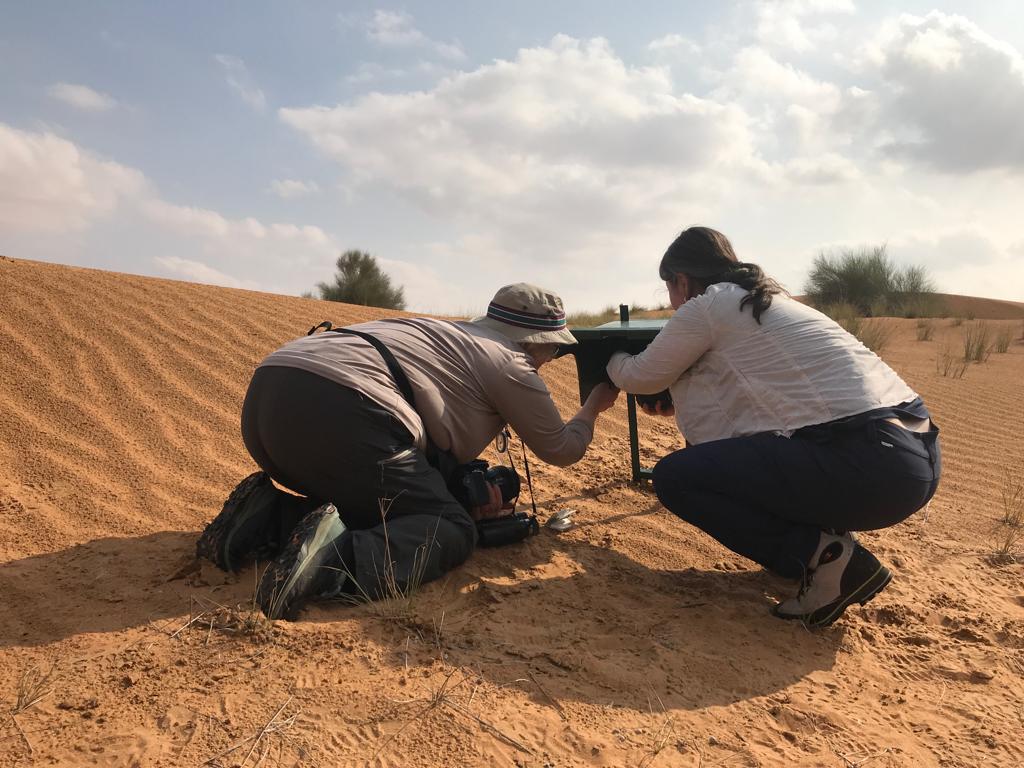
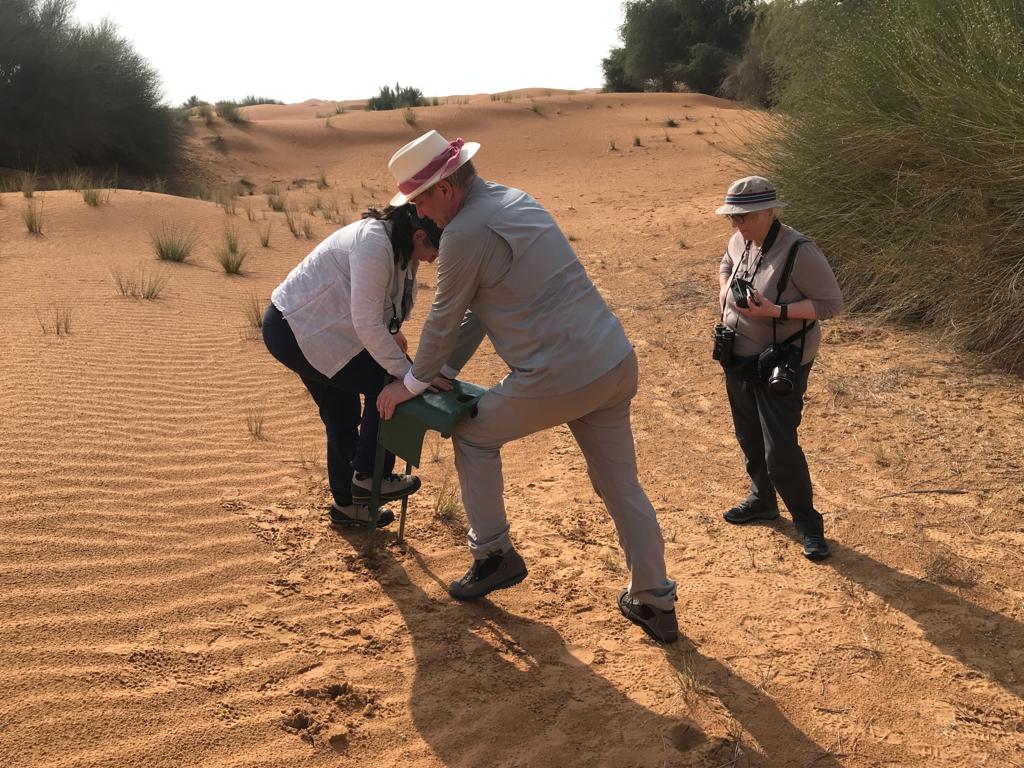
Everyone on our Arabia expedition team 2 arrived safely on Monday morning. We went straight into introductions, background and training and on Tuesday, two groups went out to conduct quadrat surveys. Other events during the two training days included a visit to a possible eagle owl nesting site, where we checked all the ghaf trees for nests and were lucky to see one owl flying off close to where we stood. We also did a 15 min circular observation training session, checked a camera trap and visited a fox den site for first-hand experience of what the specific surveys include.

Although it is somewhat overcast and hazy, it has become much hotter in the desert. At night the sky is pretty clear and we sleep under an amazing starry sky.

When you read this, group 2 will be out on its first independent full survey day.

Continue reading “Arabia: Group 2, initiated”

Arabia: Data galore from group 1

Update from our wildlife conservation volunteering holiday in Dubai (UAE) working on oryx, wildcat and desert species

Home, sweet home. I’ve returned to the DDCR after dropping off group 1 at the Premier Inn, except for Peter, who is staying on for group 2 also. We restocked and then enjoyed another peaceful afternoon at base camp.

Friday was a wonderful last day with group 1 of our Arabian desert species conservation expedition. All four teams managed to get their morning tasks done in time, giving Aline and Basil, our scientists, enough time to go through all datasheets for a final check, whilst everyone else went through pictures collected by our camera traps during the week. With all that done, Aline and Basil, gave us a preliminary summary of findings recordings: Group 1 recorded

  • 19 bird
  • 9 mammal
  • 4 reptile and
  • 6 insect species,

including records of a rare and ancient dwarf honey bee nest in one of the crevices of the reserve’s rocky outcrop at its northern tip.

The Pharao eagle owl the team was actually looking for was found later on, nesting in a ghaf tree on the other side of the track.

The camera traps recorded

  • 1 desert wheatear
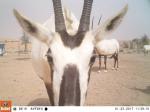
  • 17 Arabian oryx
  • 29 Arabian gazelles
  • 8 Sand gazelles and
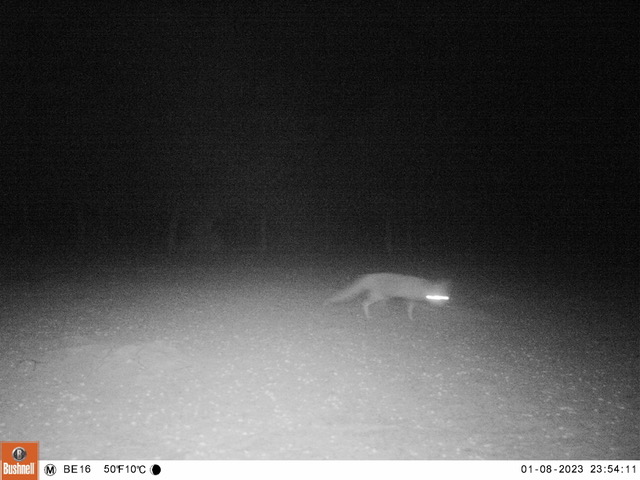
  • 1 Arabian red fox.

Over the week, the teams checked

  • 24 Pharao Eagle Owl nesting sites and
  • 62 Arabian Red Fox dens

to assess their status – more than half of a total of 108 known den locations (group 2, there are 46 den sites left for you to find and check).

The lappet-faced vulture survey was also conducted every day, but instead of finding the birds in places where they have been recorded most frequently in the past, they were seen randomly, but frequently, in different locations within the reserve.

As to the quadrat survey, 20 out of 62 were completed. Again, more work for group 2…

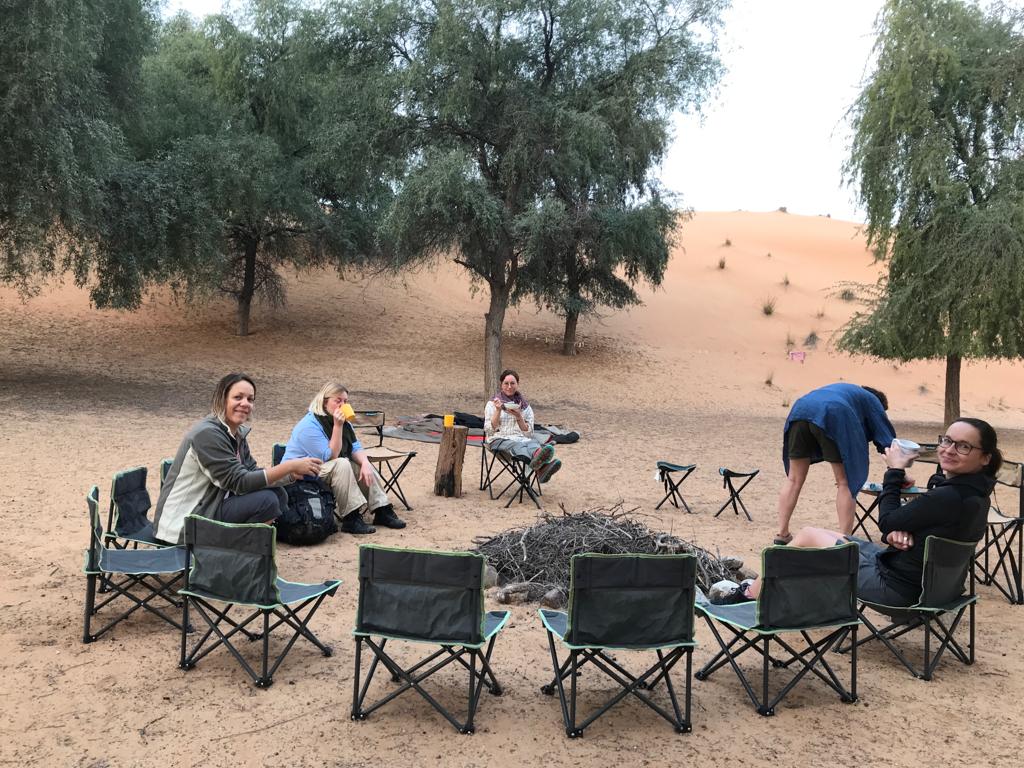
After the presentation of results, we went back to camp to enjoy another magical sunset and then sat around a warming camp fire until late in the evening.

I would like to thank everyone on the Arabia expedition team for the time, effort and resilience you have put into this project. But also for generating lots and lots of interesting findings and bringing data, pictures and stories back from the field to share with everyone. I hope you have enjoyed the week as much as I did. Safe travels home and see you again, perhaps.

Group 2: I am looking forward to meeting you on Monday morning at the Premier Inn.

Continue reading “Arabia: Data galore from group 1”

Arabia: Full swing

Update from our wildlife conservation volunteering holiday in Dubai (UAE) working on oryx, wildcat and desert species

Our Arabian desert conservation expedition is in full swing on day six. Writing this, all four survey teams have just returned to the DDCR office for the daily review, sharing experiences, sightings and findings of the day.

So far sightings of Arabian hare, lappet-faced vulture, Arabian red fox, pharaoh eagle owl and other birds of prey have been recorded, apart from the usual oryx and Arabian & sand gazelle sightings. We are also slowly progressing on the quadrat surveys and will intensify these surveys in group two in order to cover most of the study area.

Tomorrow will be the last survey day for group 1. Activities will include the collection of camera trap SD cards set on the first expedition day and hopefully we will be able to go through most of the photos they produced by tomorrow afternoon. We’ll then head back to camp for a last sundowner in the desert and camp fire in the evening.

Continue reading “Arabia: Full swing”

Arabia: Making citizen scientists

Update from our wildlife conservation volunteering holiday in Dubai (UAE) working on oryx, wildcat and desert species

The rain has stopped and the desert is doing what it’s meant to be doing: Looking gorgeous and peaceful in the sunshine.

We spent Saturday and Sunday cramming new information into the Arabia expedition team’s brains, making citizen scientists and expeditioners out of travellers. How to live in the desert, how to record data on a datasheet, find a fox den, navigate, drive in the sand, use a GPS, set up a camera trap. You name it. And today our ducklings took flight. As I write this, they are out in the field, recording data, looking for lappet-faces vultures, oryx, gazelle, red foxes and many other species and the signs they leave behind when they pass.

By 17:00 they should all have found their own way back to expedition HQ. If not, we will go out and find them in the desert, probably.

Days 1-3
Continue reading “Arabia: Making citizen scientists”

Arabia: All ducks here, in the rain

Update from our wildlife conservation volunteering holiday in Dubai (UAE) working on oryx, wildcat and desert species

Everyone’s here. After all the ducks were in a row, sort of, they navigated the maze of Dubai’s highways. The lead duck was lost for a bit, but then found its ducklings at the next feeding point, where the mother duck forgot to buy ice for its ducklings. But the old fat duck went back and got some.

Then the family moved into its duckling home and everyone built their nests while the sun shone. The ducks heard about the dangers of living in the desert and nobody chickened out. The rain started and did not stop. The ducks learned to fly (drive in the wet sand), before hearing about their home and how they will help to conserve it, and a well-deserved dinner and rest.

Continue reading “Arabia: All ducks here, in the rain”

Arabia: Moonlit home straight

Update from our wildlife conservation volunteering holiday in Dubai (UAE) working on oryx, wildcat and desert species

As the moon shines brightly over the Dubai Desert Conservation Reserve, we are on the home straight of getting ready. Camp 80%, paperwork 90%, food 50%, science 100% ready as I type this.

We will concentrate our desert wildlife citizen science efforts on the more remote and more biodiverse southern part of the reserve. We’ll explain why when you get here.

Don’t forget to download the research and expedition manual and bring a copy with you.

Weather stable and as described before.

Safe travels, group 1, and we’ll see you the day after tomorrow.

Continue reading “Arabia: Moonlit home straight”

Arabia: Here we go!

Update from our wildlife conservation volunteering holiday in Dubai (UAE) working on oryx, wildcat and desert species

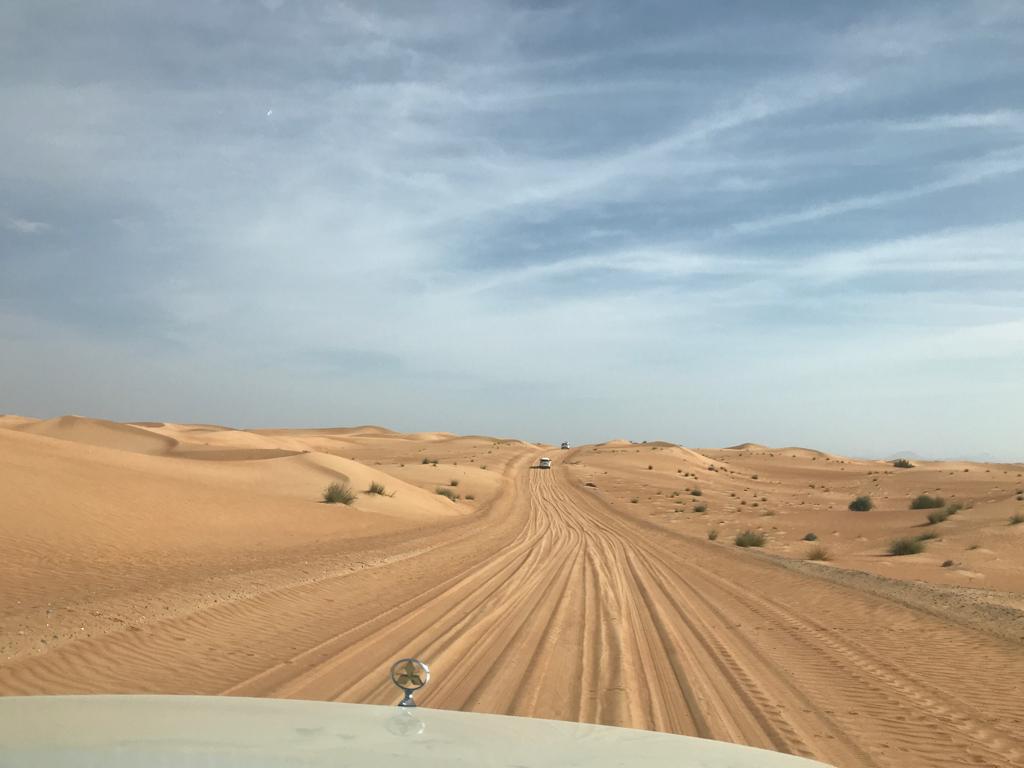
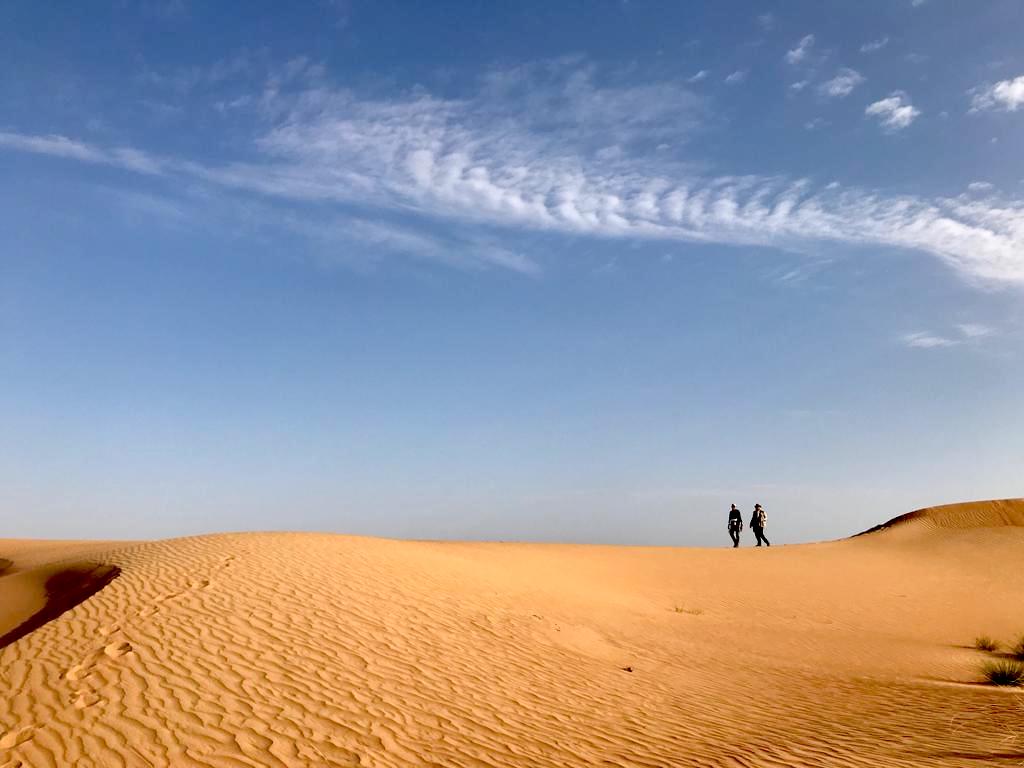
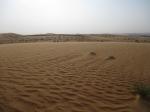
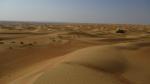
It’s good to be back in the desert. Pink dunes, blue skies, 18C at night, high 20s or 30s during the day. This is winter in the Dubai Desert Conservation Reserve.

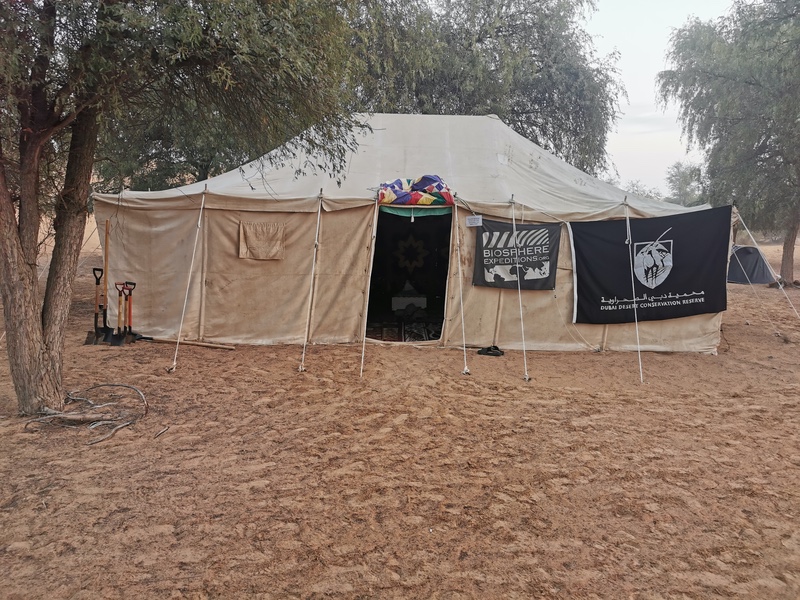
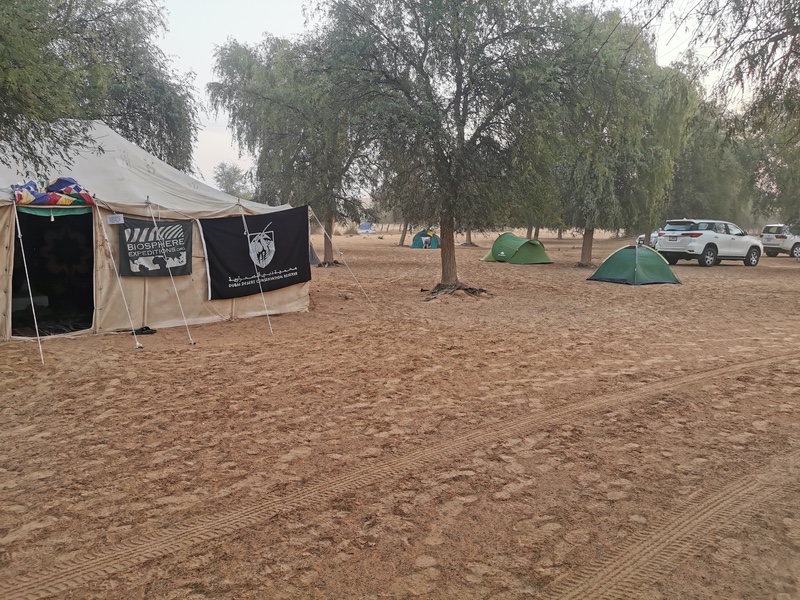
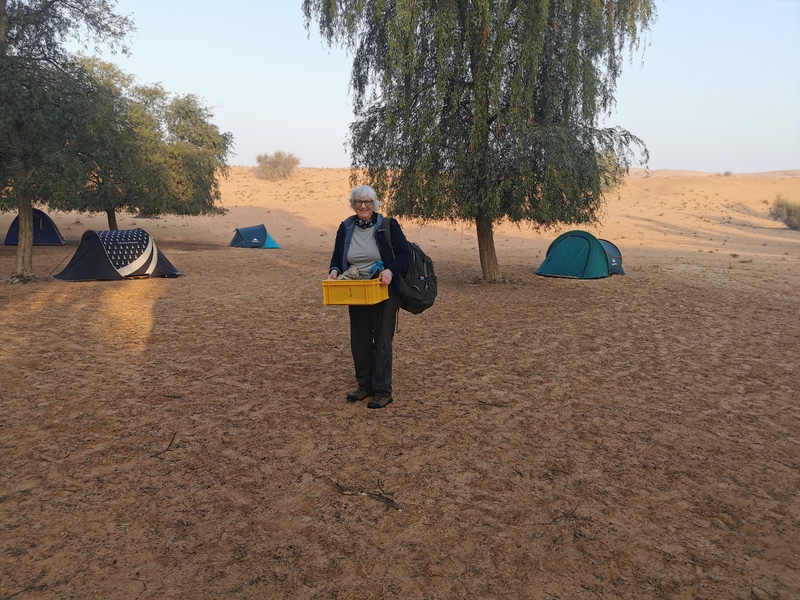
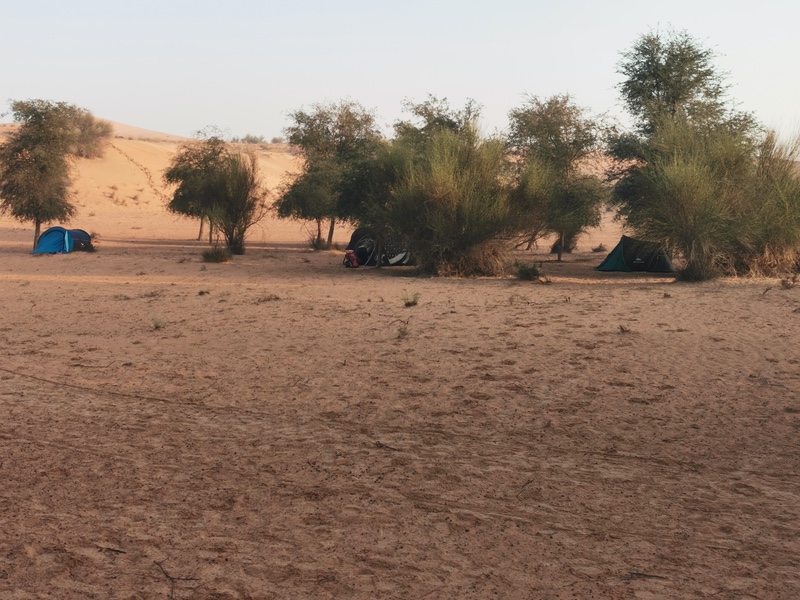
Arriving from Oman yesterday, we are putting up camp today, sorting out the tasks for the team, getting paperwork and cars and food and a million other things in place for you desert citizen scientists from Saturday.

The DDCR wants us to do six main things: Species encounter in quadrant survey, Arabian red fox den survey, Pharaoh eagle-owl survey, lappet-faced vulture survey, camera traps survey and random encounters. What this all means is explained in detail in the research and expedition manual.

Now here is an important piece of information: Please download this manual and make sure you bring a copy with you for your own use during the expedition, either as a printed or as a digital copy.

While you do this and we are busy setting up here are a couple of media items to get you started. More over the next few days with updates.

Malika Fettak
Expedition leader

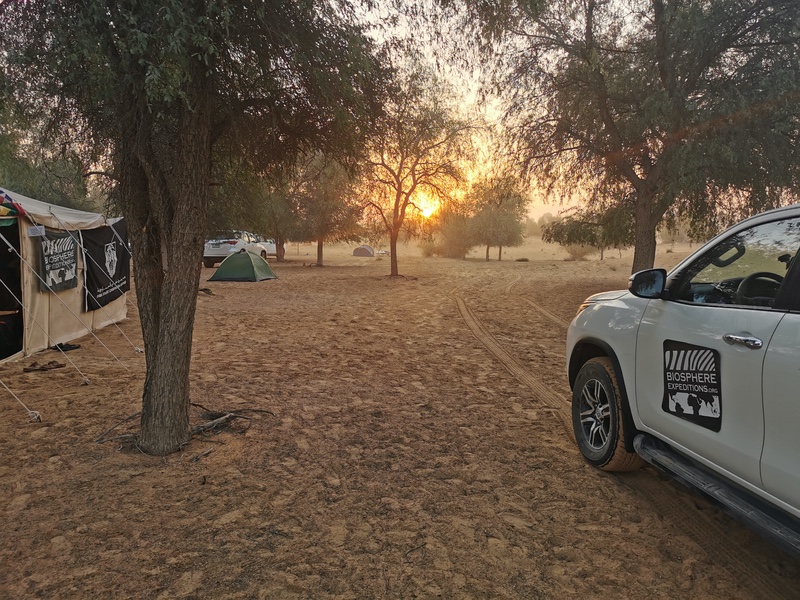
Sunrise over the DDCR this morning
Continue reading “Arabia: Here we go!”

Update from our Arabian desert expedition / working holiday volunteering with oryx and wildcats in the United Arab Emirates (www.biosphere-expeditions.org/arabia)

Citizen scientists help for the sixth year in the Dubai Desert Conservation Reserve

Biosphere Expeditions, the international award-winning non-profit conservation organisation, has just finished its sixth annual survey expedition in the wildlife haven of the Dubai Desert Conservation Reserve (DDCR).

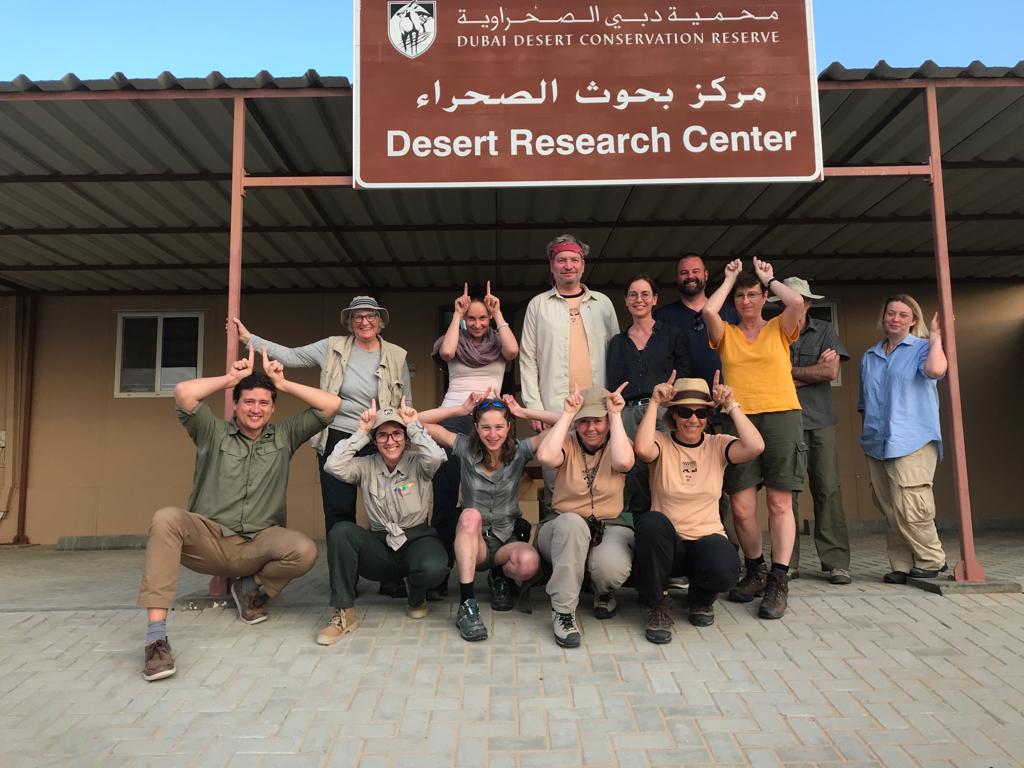
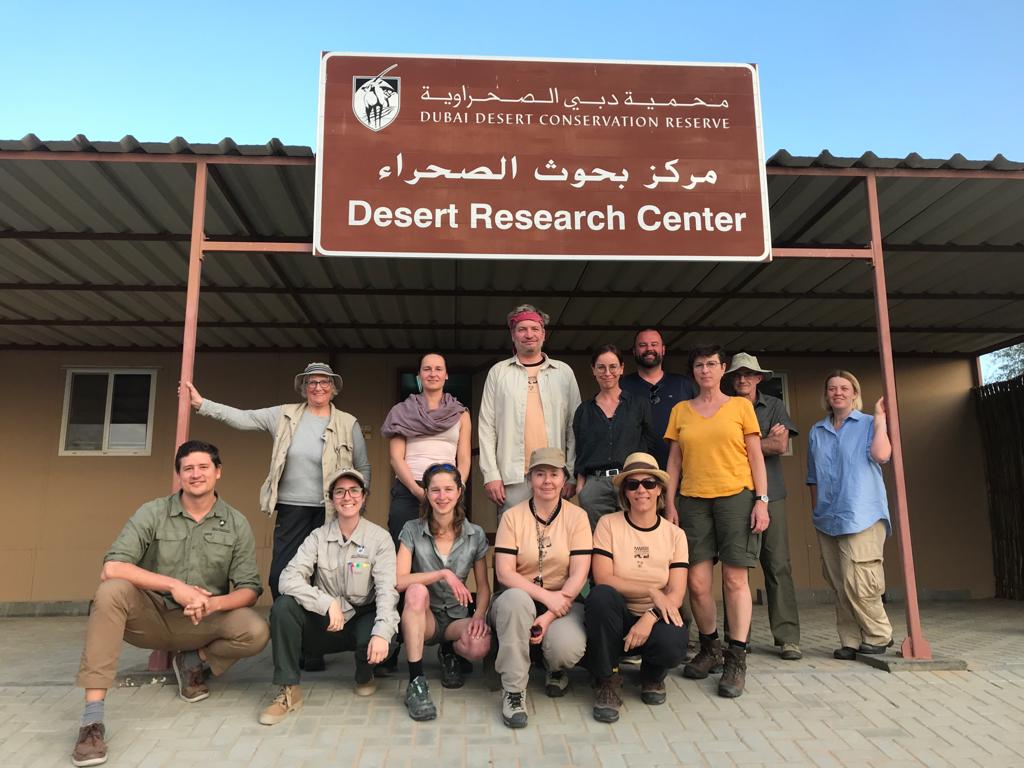
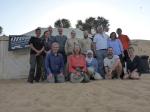
Seventeen citizen scientists and conservation professionals from nine nations in Europe, Africa, North America and the Middle East joined forces to survey the biodiversity of the sand dunes not far from the glittering metropolis of Dubai. Together they counted 31 bird, 11 mammal & reptile, 11 insect and 15 plant species. Amongst them 104 Arabian oryx, 77 Arabian gazelle, 4 sand gazelle, 140 palm trees, 843 ghaf trees, 28 acacia, 12 Sodom’s apples and a whopping 8,000 or so broom bushes.

Greg Simkins, Conservation Manager of the DDCR, says: “The annual survey with Biosphere Expeditions this year was the most productive we’ve ever had. This joint effort by people from across the globe is important for us. The data that the citizen scientists collect help us to manage the reserve more effectively. For example, by adjusting oryx feed or working out how many gazelles the reserve can support. And on top of this it is both rewarding and humbling to have so much interest and support from so many places around our planet.”

Expedition leader Dr. Matthias Hammer, who is also the founder and executive director of Biosphere Expeditions, adds: “We have wildlife conservation projects all over the world. This one really stands out because of our excellent working relationship with the DCCR. It is a pleasure to work with Greg and to see how our survey efforts translate into direct and immediate conservation and management solutions.”

The United Arab Emirates, and Dubai in particular, are well known for its rapid development over the past 50 years as well as for mega-construction projects such as the Palm Islands and the Burj Khalifa (the world’s tallest building). Less well known is the diversity and beauty of the natural environment, from the dugongs and corals in the Arabian Sea to the serene splendour of the sandy dune inland desert. Also little known is that the largest piece of land given to any single project in Dubai was for the establishment of the DDCR in 200; at 225 km², 4.7% of Dubai’s total land area, and the expedition’s study site.

“Stepping into the DDCR is like stepping back in time”, says expedition participant Tessa Merrie. “You see the Dubai desert as it must have been before lots of camels and guns killed off the native wildlife. You can see oryx standing majestically on the dunes and gazelles flitting across the sands. It was also a joy to live out in the desert for a week in a beautiful ghaf tree grove, surrounded by rose-coloured sand dunes.”

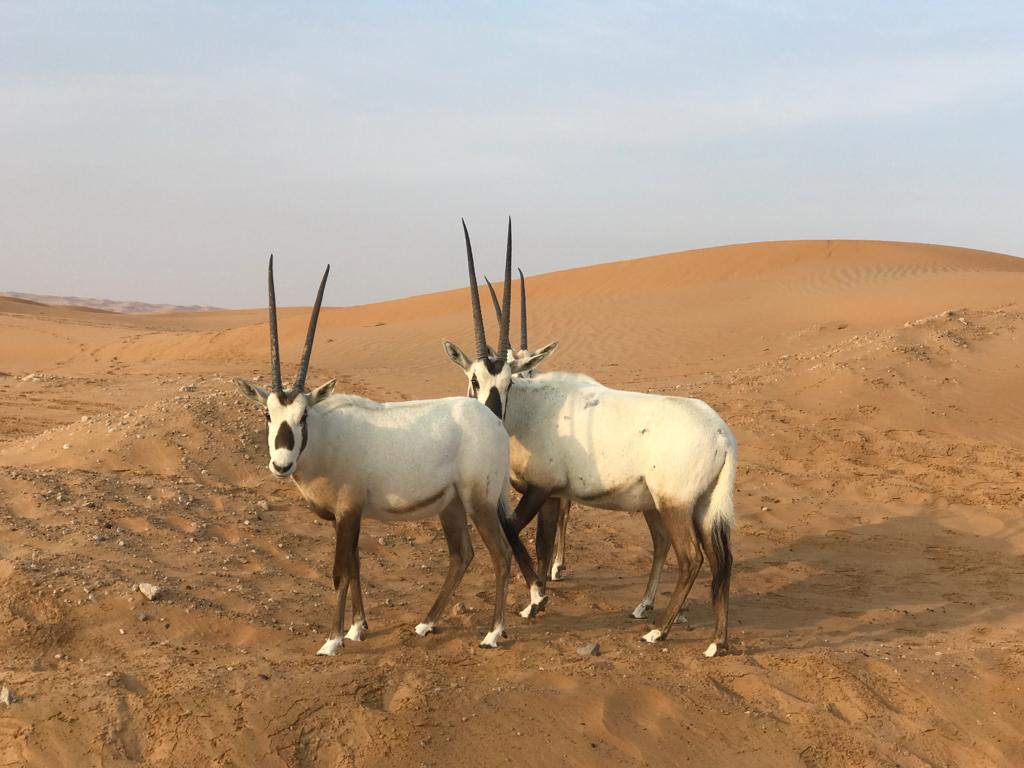
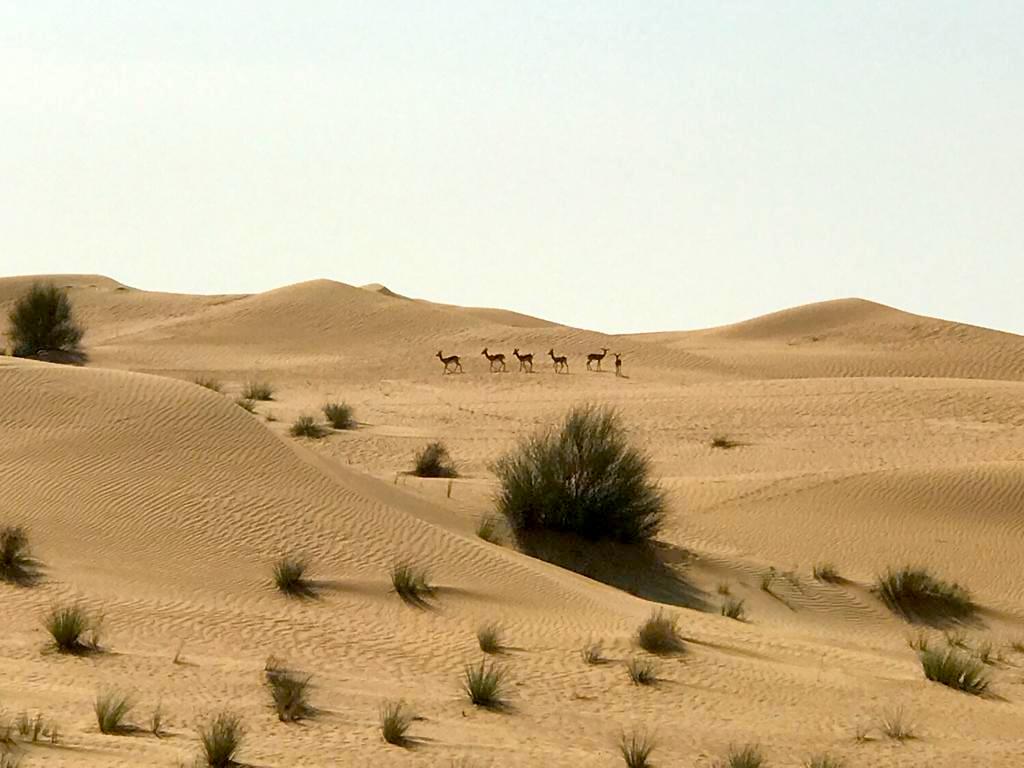
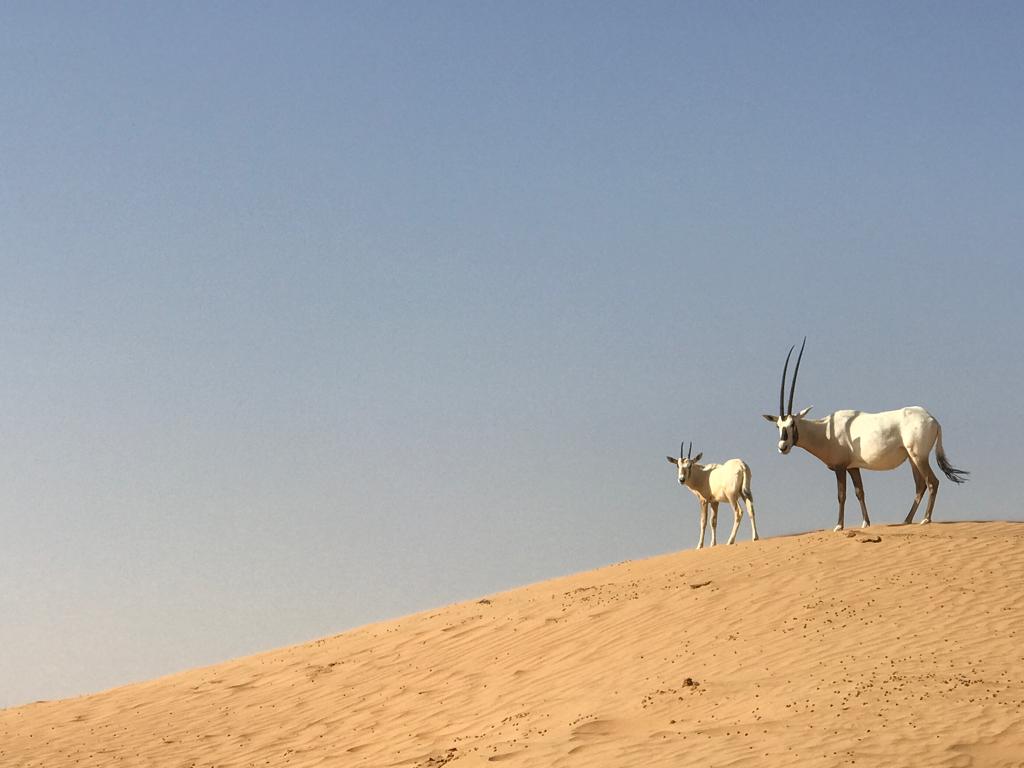
The Arabian oryx is the largest of the antelopes in the region and it is very well adapted to the extremely arid environment. Oryx once roamed all across Arabia, but the advent of firearms saw their rapid decline. The Arabian oryx is classified as “Endangered” on the IUCN Red List. Re-introduced into the DDCR in 1999, the population has steadily grown from the original 100 individuals to over 400 today. For the next phase of the oryx project, local scientists need a greater understanding of how oryx fit into the DDCR’s natural environment, which habitats and plants they prefer, what the social structure of the herd is and how this is affected by the environment. “This can only be achieved through monitoring, for which Biosphere Expeditions provides the manpower”, says Simkins.

Other species seen by the expedition included a very rare Gordon’s wildcat, as well as Arabian hares and Macqueen’s bustards. There was also an exciting sighting of four short-eared owls, a first for the DDCR. The expedition also surveyed vegetation such as the beautiful ghaf tree.

Biosphere Expeditions is an award-winning not-for-profit conservation organisation, and a member of the IUCN (International Union for the Conservation of Nature) and of the United Nations Environment Programme’s (UNEP) Governing Council & Global Ministerial Environment Forum. Achievements include the creation of protected areas on four continents, scientific and lay publications, as well as capacity-building, training and education all over the world. Biosphere Expeditions conducts citizen science projects in wildlife conservation and research. Citizen science is scientific research conducted, in whole or in part, by amateur or nonprofessional scientists. Formally, citizen science has been defined as “the systematic collection and analysis of data; development of technology; testing of natural phenomena; and the dissemination of these activities by researchers on a primarily a vocational basis.”

A journalist from National Geographic also took part in the expedition, as well as an assessor from the World Tourism Council, as Biosphere Expeditions has been shortlisted for the very prestigious “Tourism for Tomorrow” Award.

The 2017 expedition was kindly supported by Al Maha Desert Resort & Spa, as well as Platinum Heritage Luxury Tours & Safaris. The next annual expedition will run from 20 – 27 January 2018 and “anyone is welcome to join”, says Dr. Hammer. “The more citizen scientist we have helping us, the more we can achieve”, concludes Simkins.

More information about the expedition can be found on www.biosphere-expeditions.org/arabia.


Continue reading “Update from our Arabian desert expedition / working holiday volunteering with oryx and wildcats in the United Arab Emirates (www.biosphere-expeditions.org/arabia)”
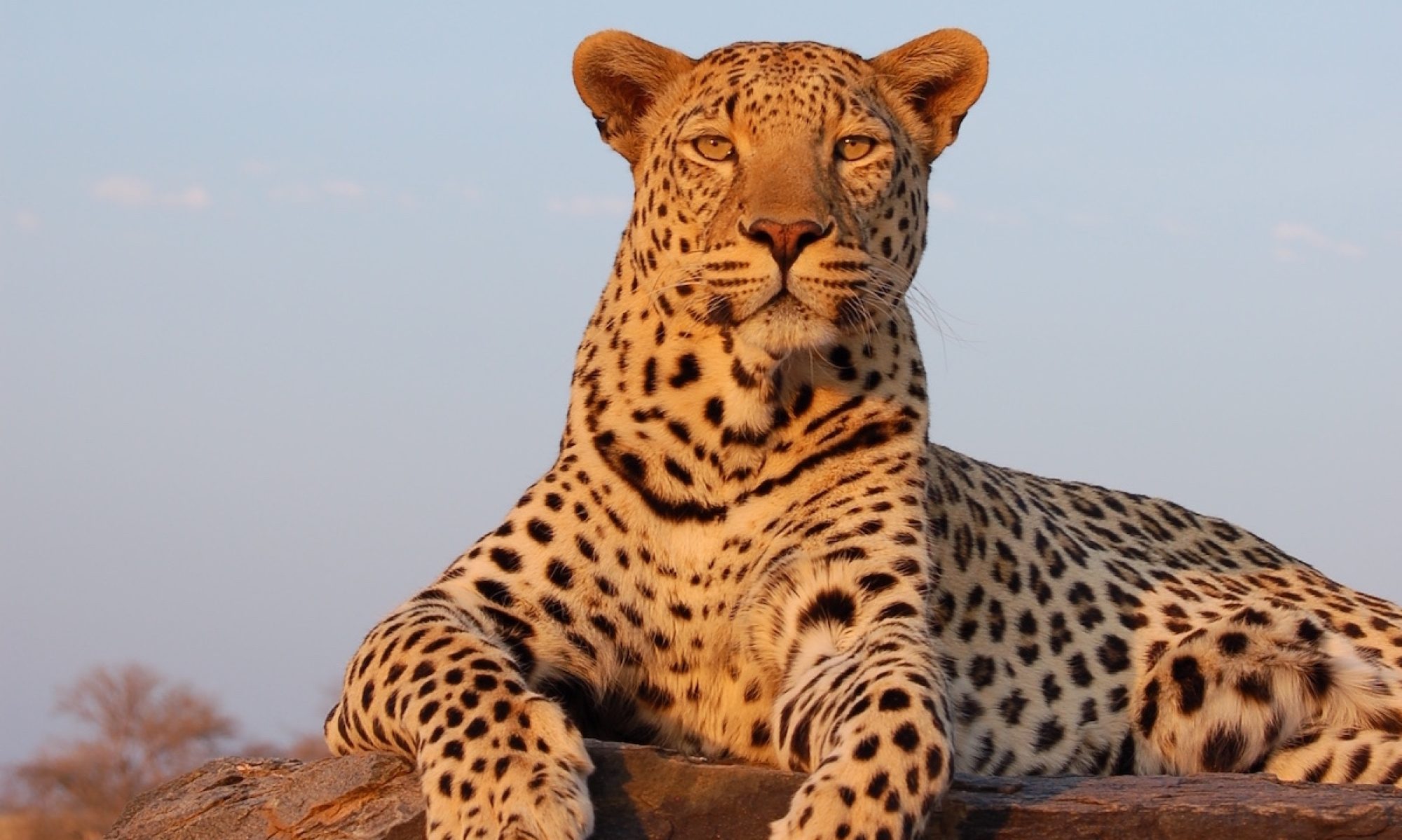
Update from our Arabian desert expedition / working holiday volunteering with oryx and wildcats in the United Arab Emirates (www.biosphere-expeditions.org/arabia)

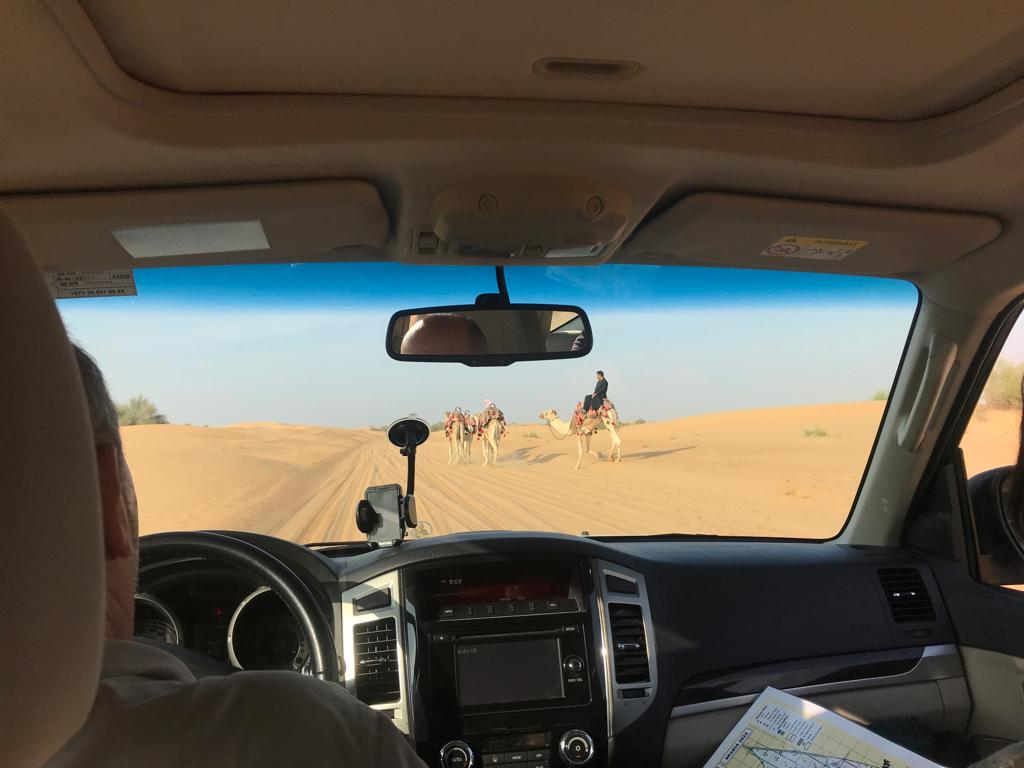
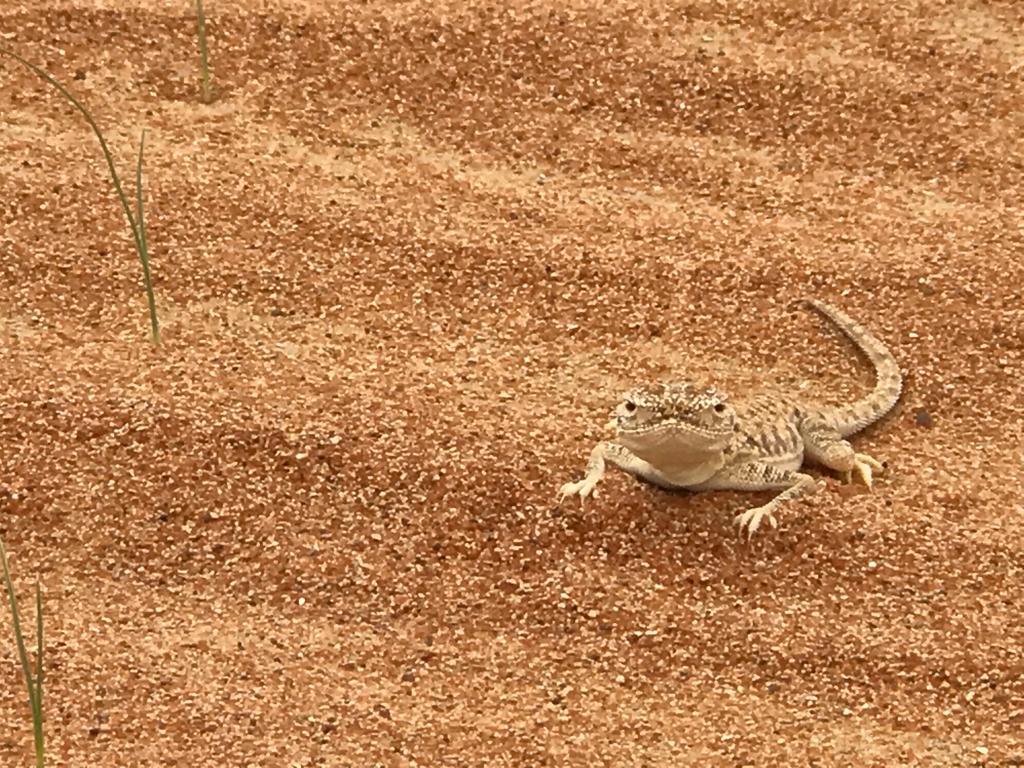
Here’s a selection of images of the expedition:

Continue reading “Update from our Arabian desert expedition / working holiday volunteering with oryx and wildcats in the United Arab Emirates (www.biosphere-expeditions.org/arabia)”