Award-winning, non-profit and ethical wildlife conservation volunteering. Advancing citizen science and conservation since 1999 – for nature, not profit.
Author: Biosphere Expeditions
For wildlife, not profit
Our planet is in crisis, with nature under attack like never before. We believe everyone has the power to change this. We are mindful of nature and empower people through citizen science and hands-on wildlife conservation. We are a non-profit, visionary, award-winning and ethical conservation organisation. We are a member of the IUCN and the UN's Environment Programme. Working hand-in-hand with local biologists and communities, we champion change and protect nature. And we succeed - the creation of protected areas on four continents is just one example.
Come and join us! Make your holiday time count and share in our vision of a healthier planet. Whatever your age or background, make your voice heard and spend a week or more on a wildlife conservation expedition with us. Travel with us to remote and beautiful places, learn new skills, meet like-minded people from around the world and experience conservation in action. Together - for nature, not profit - let's act like our world depends on it. Because it does.
Some of us were woken up in the small hours this morning by a strange sound. To me, it was the clattery rocky sound of a working quarry a few kilometres away (unexpected, at 03:00), but I was wrong. Getting up for a dawn drive at 05:00, the sound still jumping out of the darkness, I found some of the expeditioners conferring with the night guard and staring at a spot right in front of base camp, where, just visible in the murky light, was a huge herd of cape buffalo – maybe 100 of them, twitchy and in constant motion, hooves clattering and calling to each other. A new wildlife sound, for me, and one that I will not confuse with a distant quarry again.
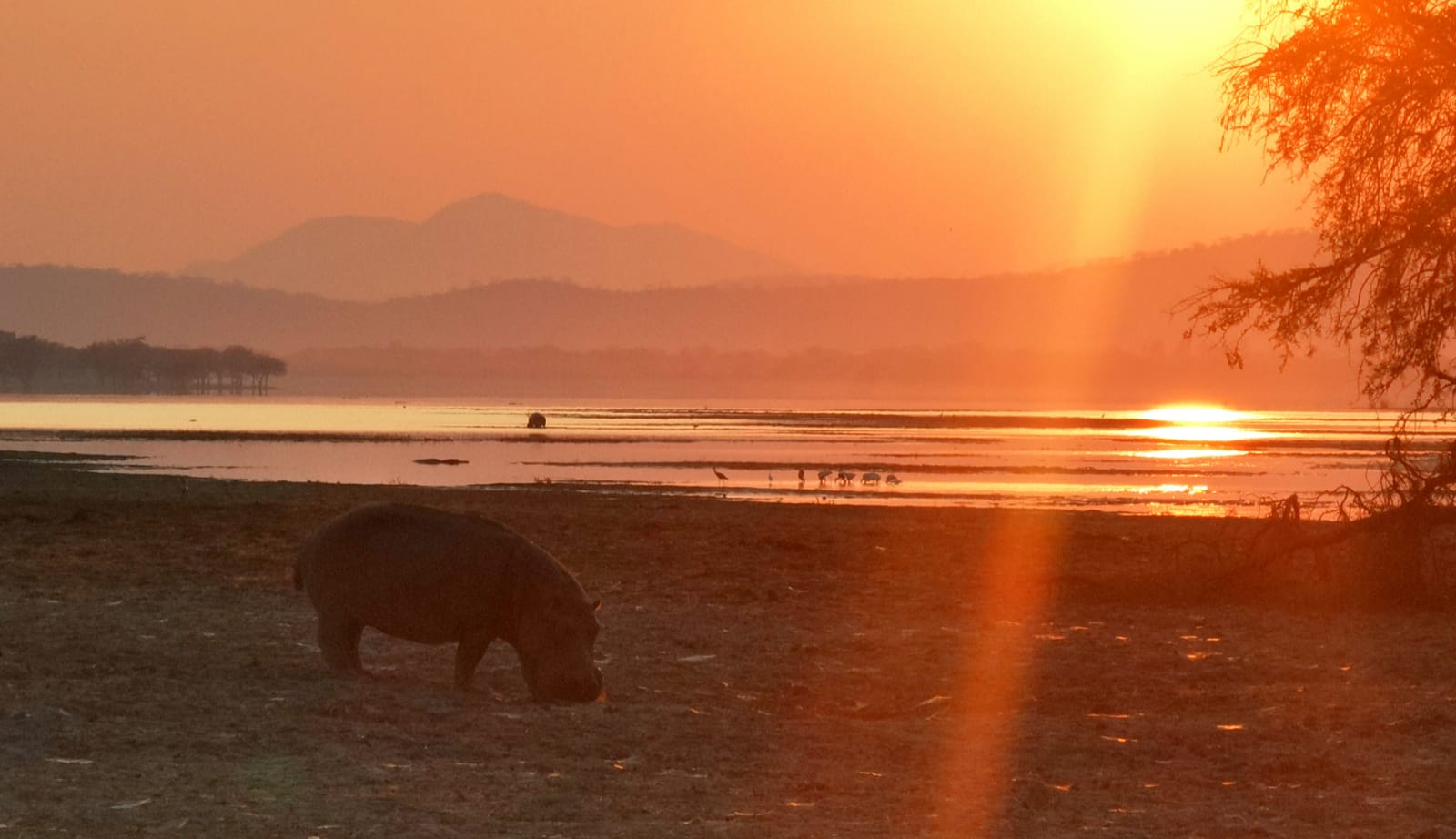
The herd drifted into the tall grass as we began our drive. After that we enjoyed the simple pleasures of watching and recording hippos, elephants, impala, kudu, vervet monkeys and more, aglow in the red dawn as the sun rose above the lake.
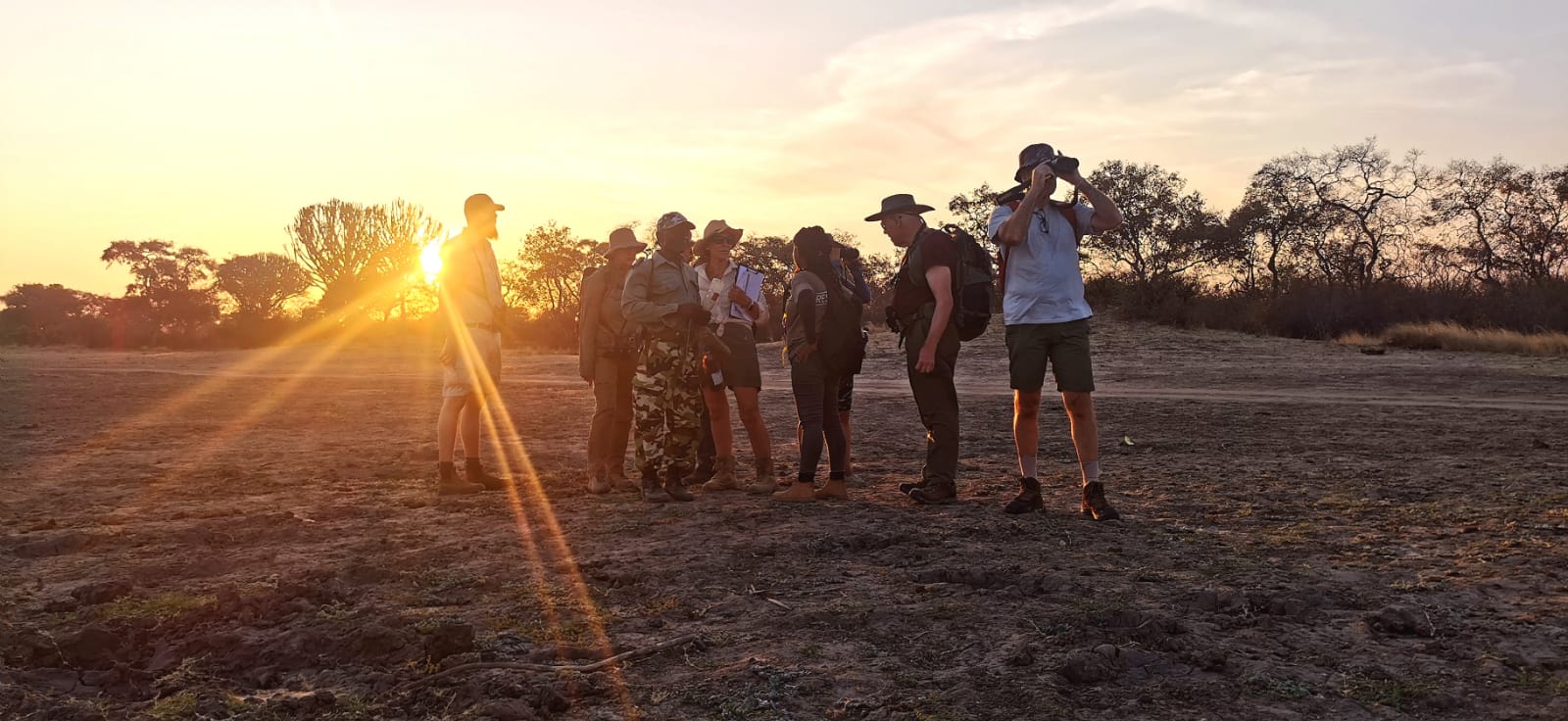
With the formal training now over, the team are had at work with the research tasks involved in this expedition and have already gathered useful data including on the training days. They have all been on other Biosphere Expeditions before and the experience shows.
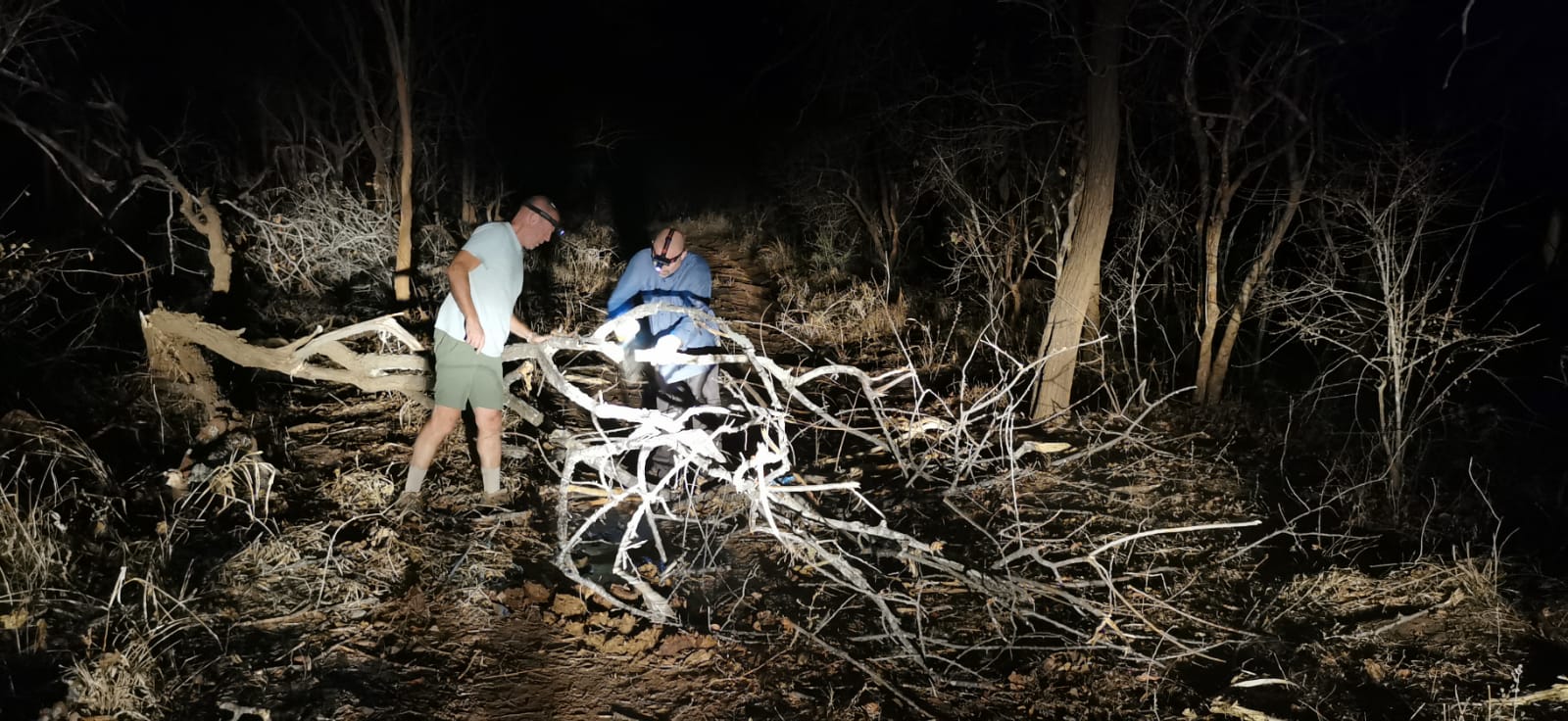
We are now settling into a mostly regular regime of hippo transects on foot and recording elephant herds and individual elephant IDs by car, by foot and often from base camp when the elephants wander across the river in front of us. We have also collected some good samples of elephant dung (scientist Benni is very particular about quality, and it is important to keep the scientist happy) and we have now placed all the camera traps, not without challenge: the vehicle track we use is often blocked by trees pushed over by browsing elephants and they need to be cleared with tools and muscle power if we can’t drive around them.
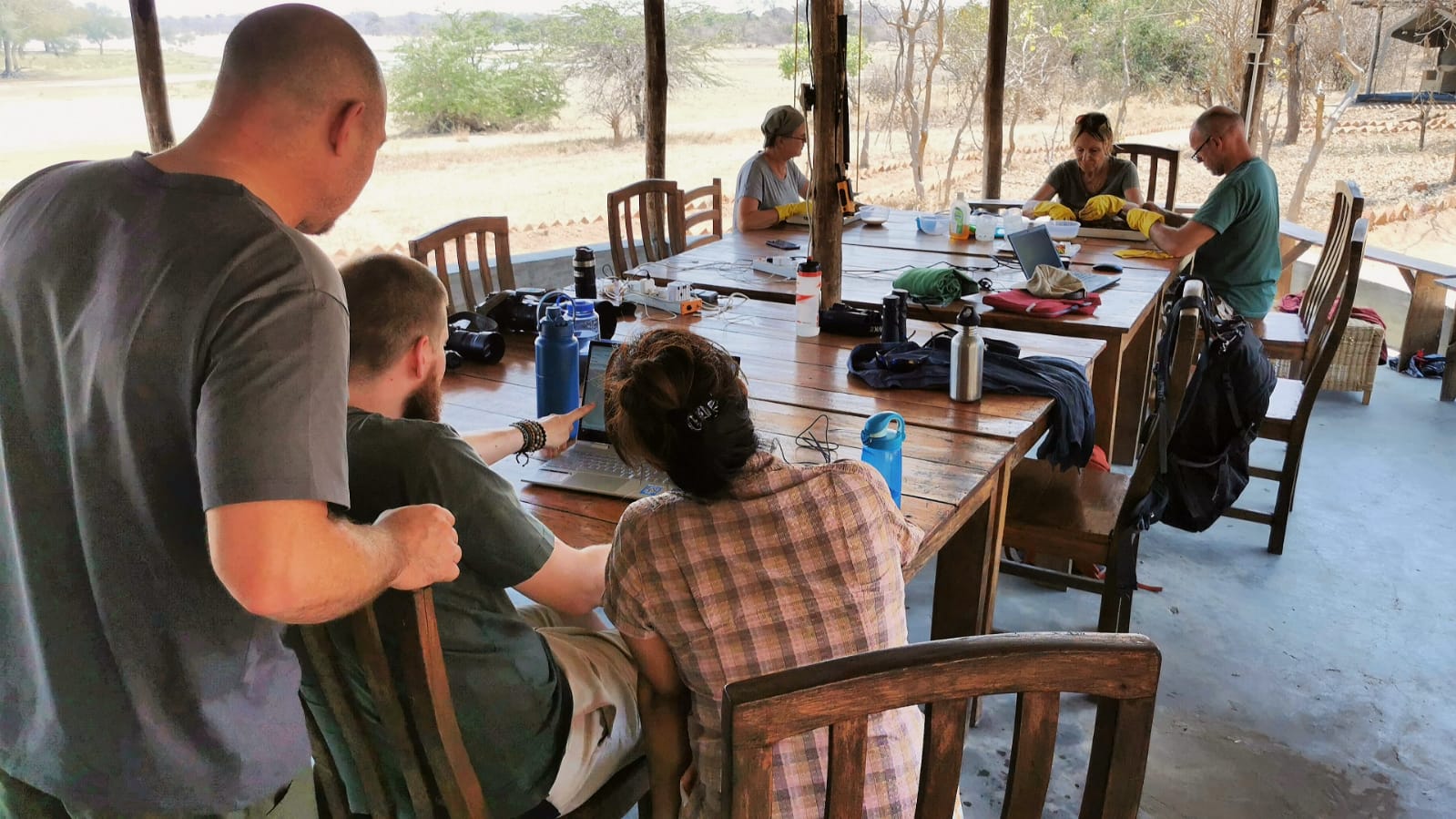
Our tasks from now on is to continue to gather data across all the research tasks and – during the hotter part of the day – sit in the comfort of base camp, processing elephant dung (to find any evidence of the elephants eating crops on local community land) , analysing camera trap images and entering data. We are doing well and the team is happy.
This report was written by Sebastian K., who won his place on the 2023 Tien Shan snow leopard expedition as part of a competition run by expedition partner NABU and Biosphere Expeditions. It is written in his native German.
Die Anreise nach Kirgisistan über Istanbul nach Bischkek verlief ohne Probleme und so kam ich am frühen Sonntagmorgen (6. August 2023) dort an.
Freundlicherweise konnte ich mein Hotelzimmer sofort beziehen. Das Hotel war auch zugleich der Treffpunkt der Expedition. Doch zuvor konnte ich noch ein wenig Bischkek erkunden: eine beeindruckende Stadt, in der man schnell erkennt, dass die Kirgisen stolz auf ihre Geschichte sind. Überall wird die Geschichte des Landes wiedergespiegelt.
Praktischerweise wurde vor der Reise schon eine WhatsApp-Gruppe mit allen Expeditionsteilnehmern gegründet. So trafen wir uns mit ein paar Teilnehmern schon am Abend vor Beginn unseres Abenteuers zu einem schönen Essen.
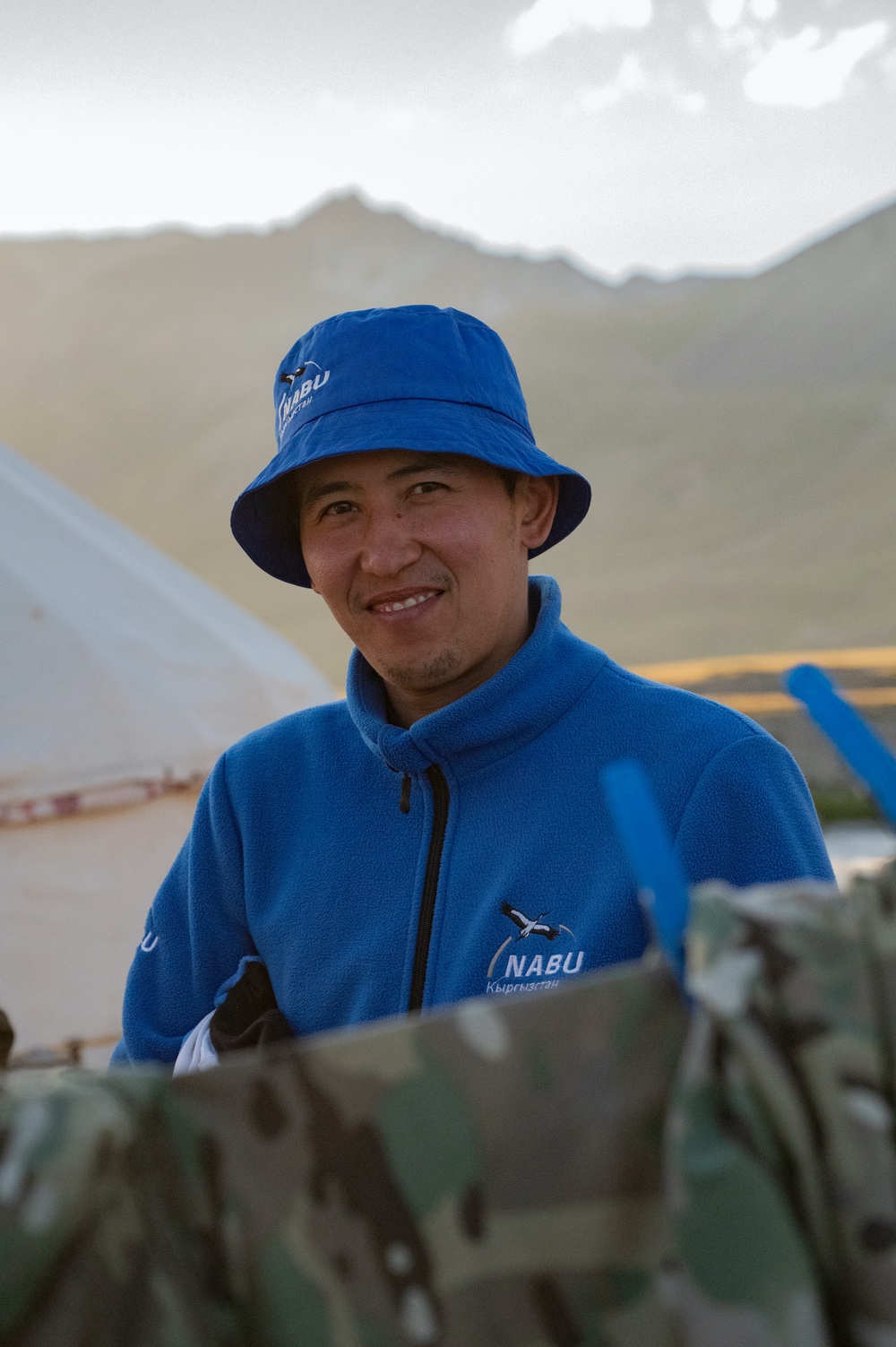
Am nächsten Morgen fanden sich alle Teilnehmer der Expedition draußen vor dem Hotel ein. Henry, der Leiter der Expedition, und Taalei, der die Expedition wissenschaftlich begleitete, Ibrahim und Ayan vom Team NABU Kirgisistan nahmen uns in Empfang.
Alle Teilnehmer stellten sich kurz vor. Es war wirklich interessant, ihre Beweggründe für die Teilnahme zu erfahren.
Vier imposante Toyota Land Cruiser standen vor dem Hotel, die bevor es losging, bepackt werden mussten. Es wurde ein Fahrer gesucht, und ich übernahm gerne einen der Fahrerjobs.
Autos bis oben hin bepackt, ging die Fahrt los: raus aus Bischkek, ab auf die Schnellstraße parallel zur Grenze Kasachstans in Richtung Osten und dann gen Süden in Tian-Shan Gebirge.
Nach vier Stunden Fahrt verließen wir die festen Straßen. Den Rest der Strecke befuhren wir auf Schotterpisten. Manchmal konnte ich mir ein Grinsen nicht verkneifen, da es doch ein Menge Spaß machte, mit dem Geländewagen über die Pisten zu fahren.
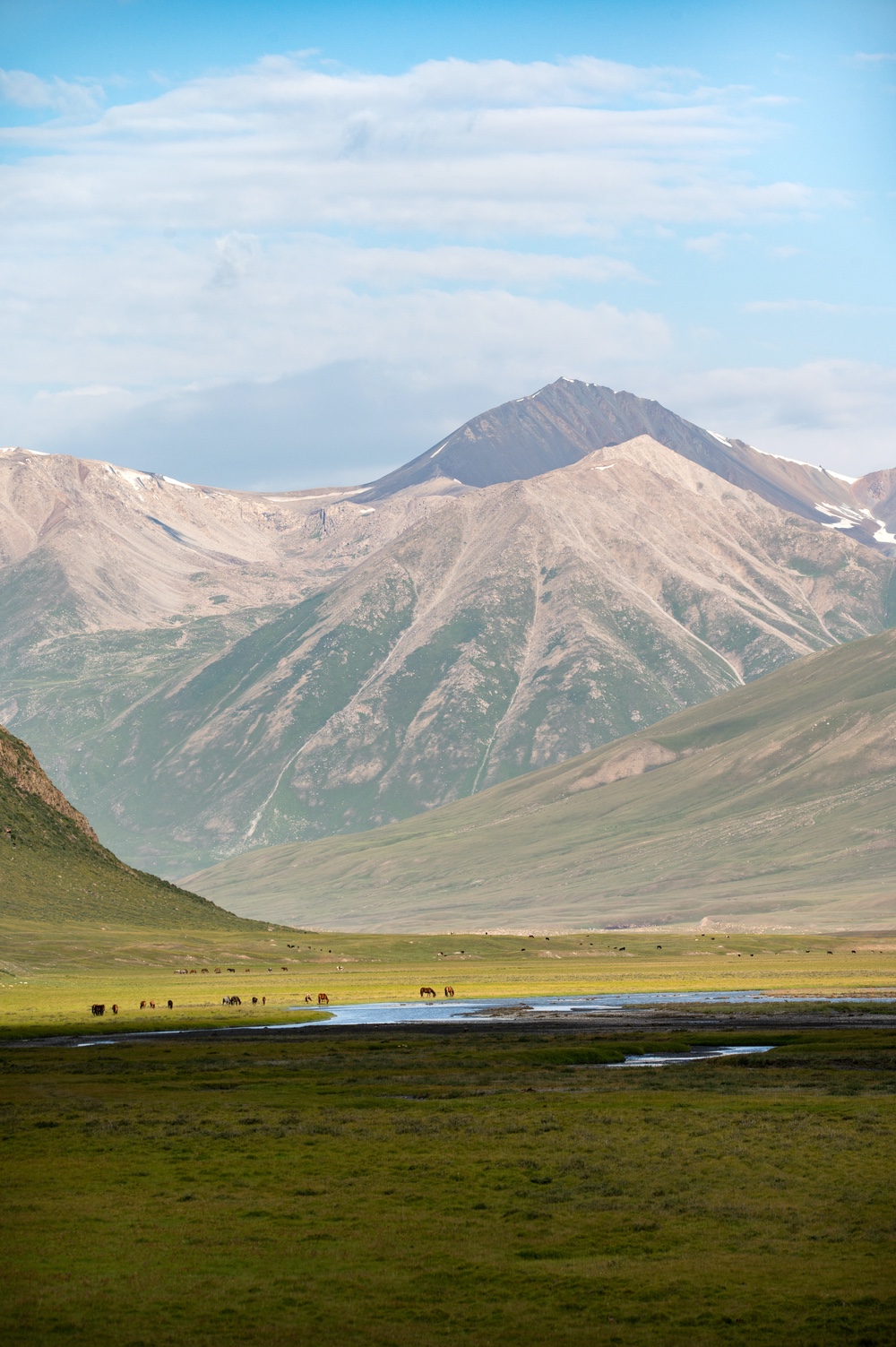
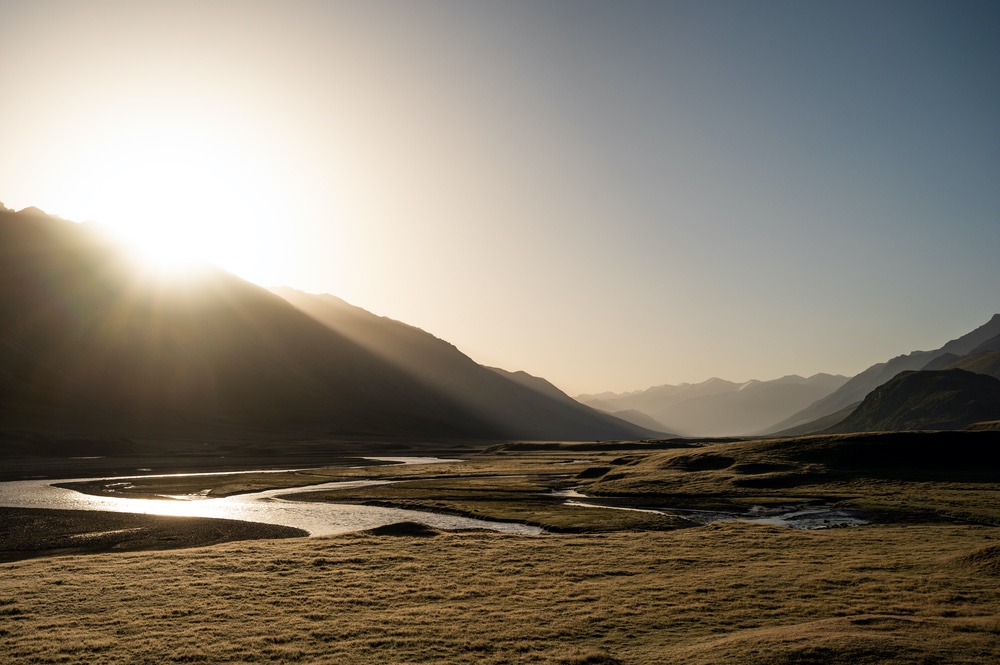
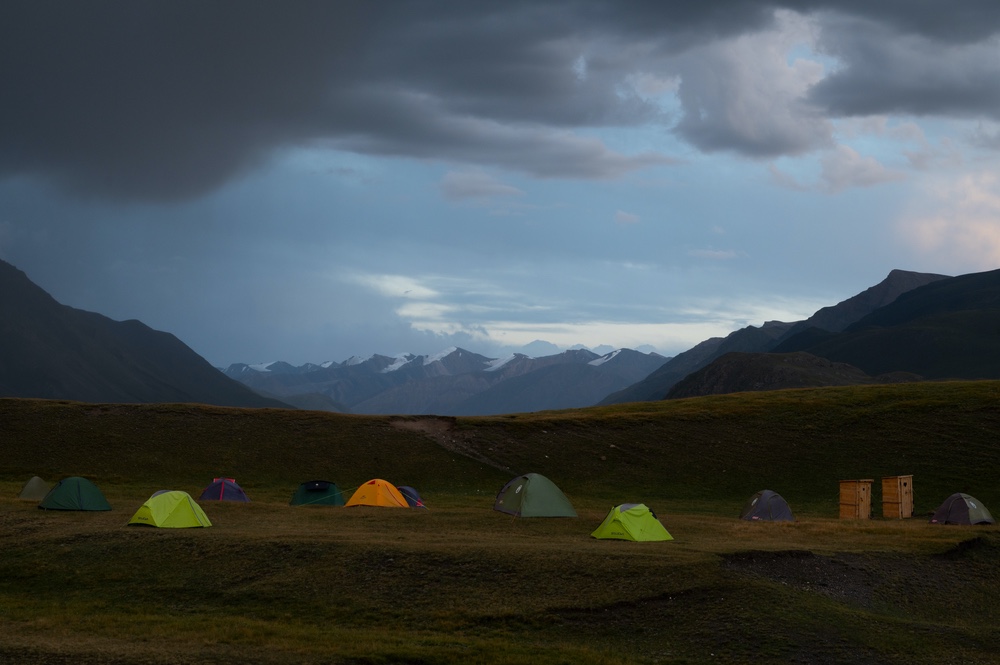
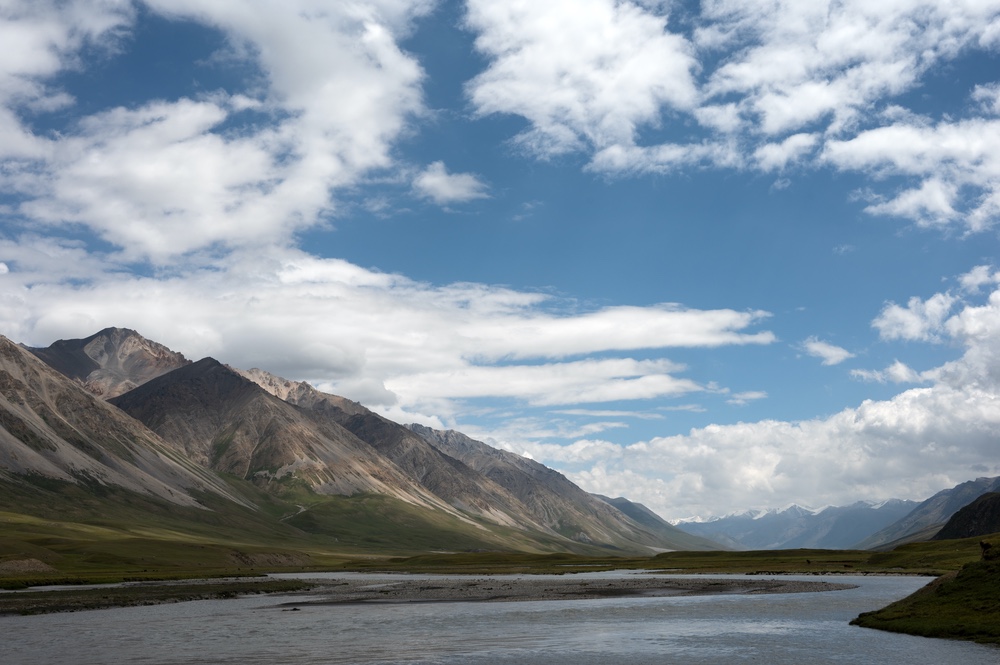
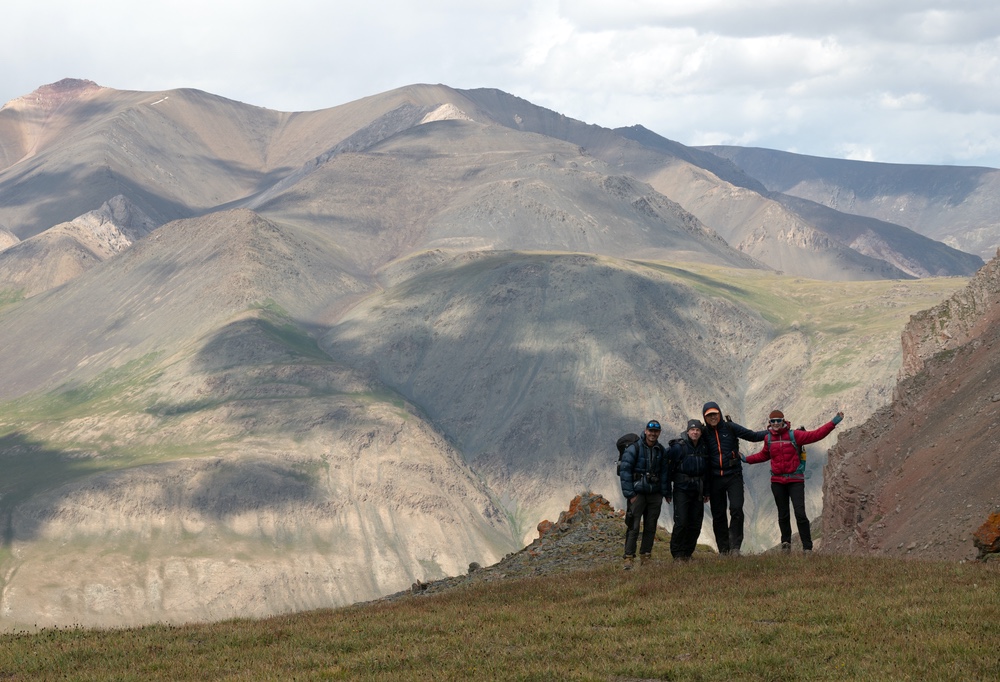
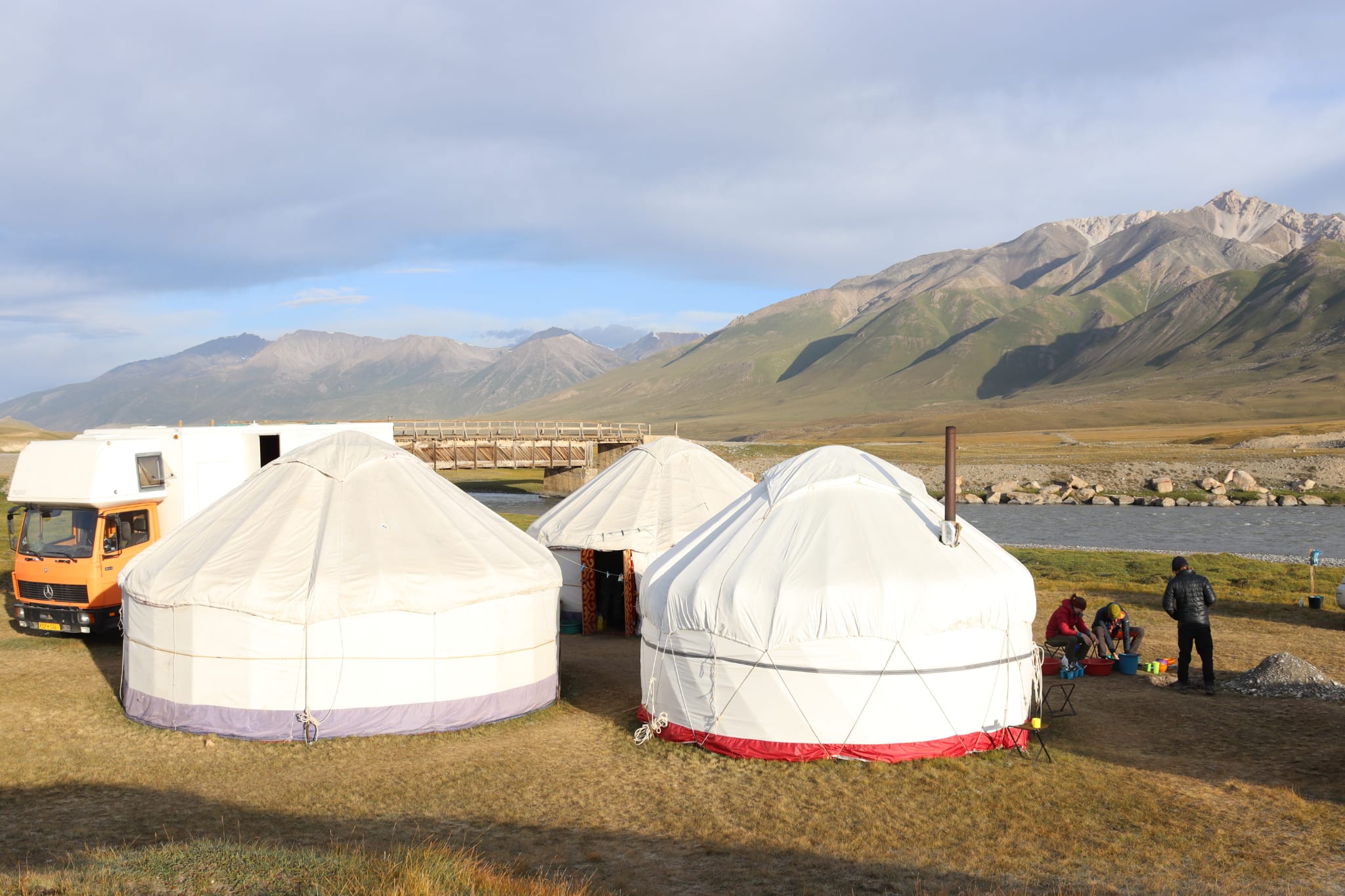
Am Nachmittag kamen wir im Camp an: Wunderschön gelegen auf ca. 3000 m Höhe, direkt am Fluss in der Nähe einer Brücke lag das Camp in einem wunderbaren breiten Tal. Die Landschaft war einfach herrlich. Überall im Tal waren Pferde und Rinder zu sehne, die sich frei bewegen konnten.
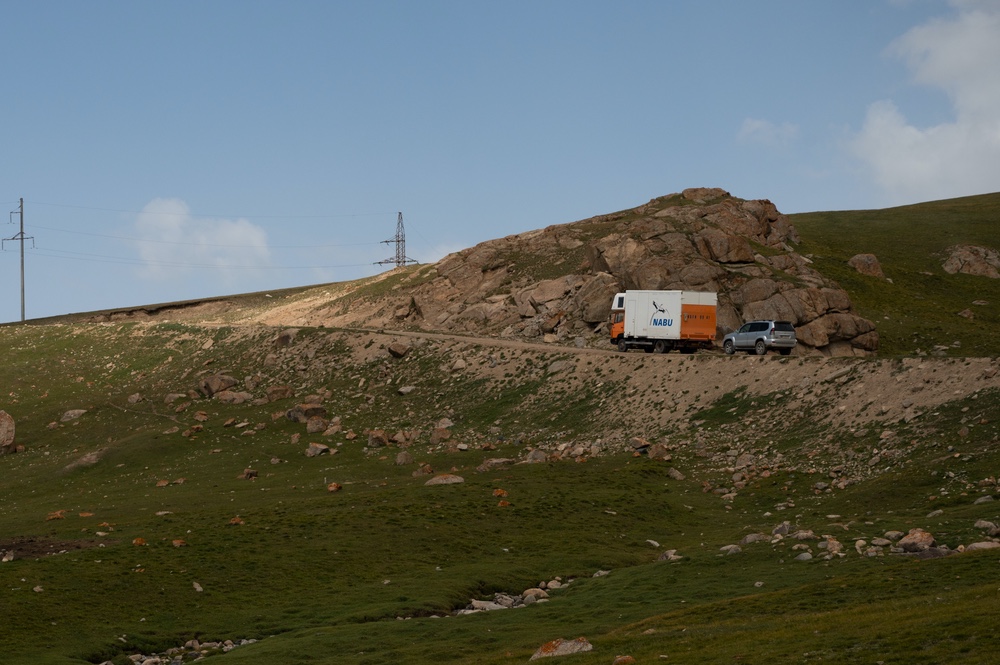
Henry gab uns kurz eine Einführung in das Camp: Toiletten, Duschen und die drei Jurten. Eine der Jurten war die Küche und damit das Reich von Azman, unserm Koch. Eine andere war unser Aufenthaltsraum, in dem gegessen wurde, unsere Besprechungen stattfanden und natürlich das gemütliche Beisamensein abgehalten wurde. Außerdem gab es noch einen uralten NABU LKW, in dem die Ausrüstung verstaut wurde. Dusche und Toilette hörte sich super an. Tatsächlich waren es vier kleine Holzhütten.
Dann ging es daran, die Zelte aufzubauen. Jeder bekam ein eigenes Zelt und im Nu standen noch 11 weitere Zelte im Camp.
Alle Bilder (c) Sebastian K.
Am Abend gab es eine Besprechung darüber, was am nächsten anstand. Azman bereitete uns ein leckeres Abendessen zu, und wir tauschten uns alle noch etwas aus, bis schließlich alle in ihren Zelten verschwanden.
Jeden Morgen, um 6 Uhr, ging der Wecker. Frühstück um 6.30 Uhr: Spiegeleier, Milchsuppe, und es gab Brot mit verschiedenen Möglichkeiten, diese zu belegen. Es standen immer mehrere Thermoskannen mit heißem Wasser bereit für Tee und Kaffee.
Kurze Zeit später fing Henry mit der Unterweisung unseres Gruppe an. Als erstes die Grundregeln, Sicherheit, Forschung und dann das Vergnügen. Henry unterwies uns in die Funkgeräte, die GPS-Geräte, Tablets und natürlich die Fotofallen, die wir aufstellen sollten.
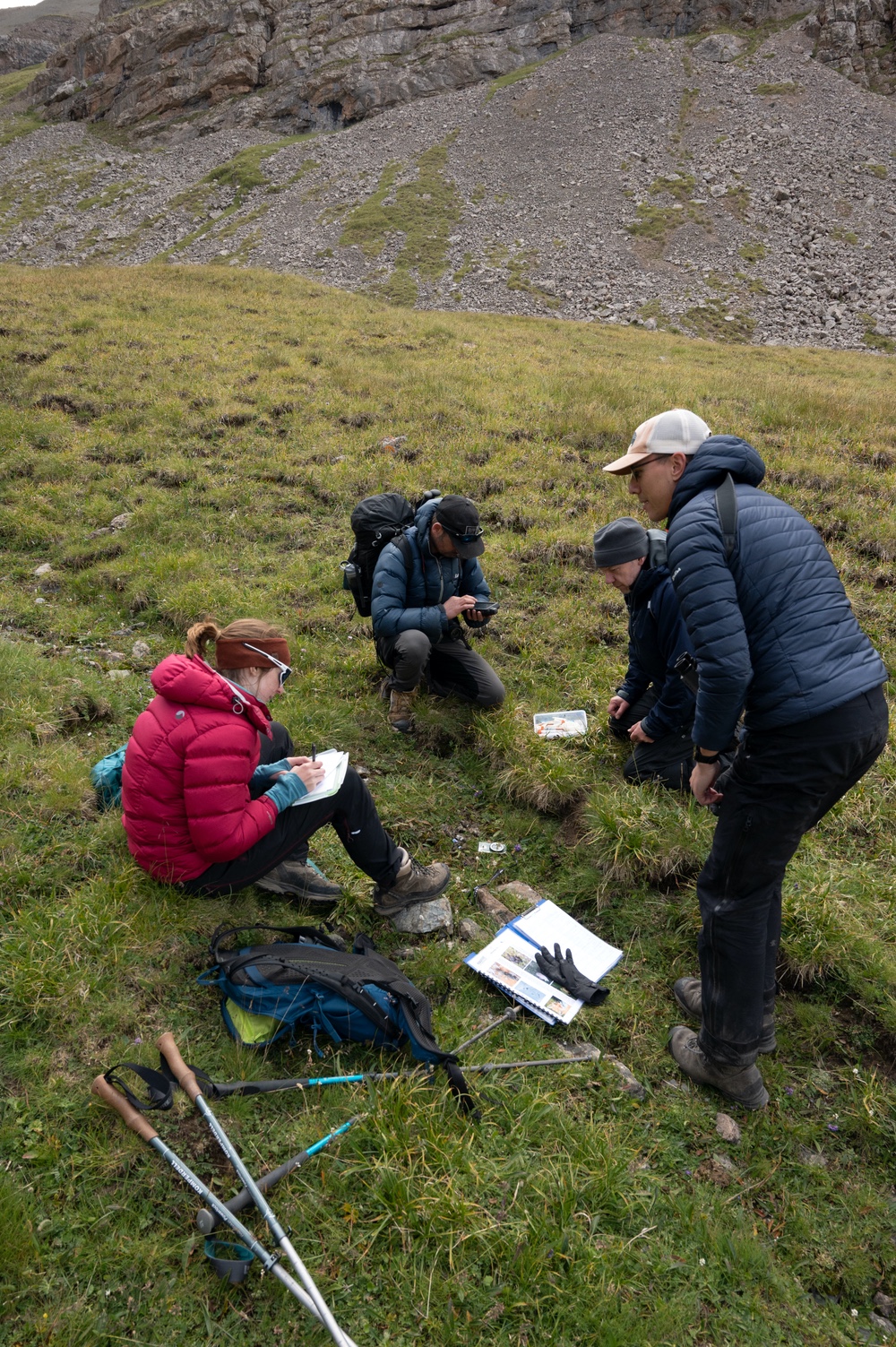
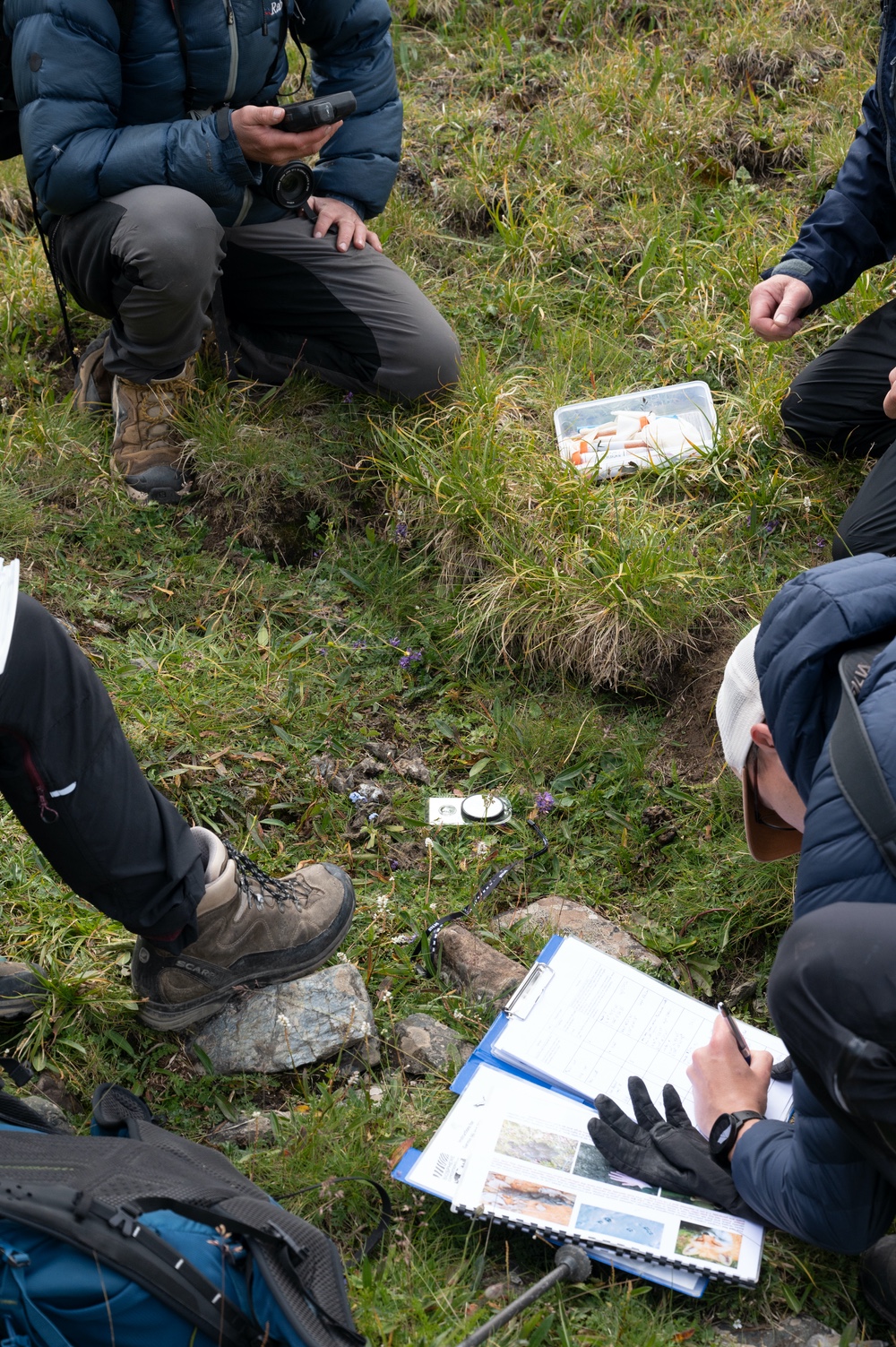
Taalei führte uns in die Forschungsausrüstung ein. Alle Entdeckungen musste ordentlich mit den neuen Tabletts fotografiert und eingetragen werden. Anzeichen von Schneeleoparden mussten im Tablet und im GPS gespeichert werden. Wir alle wussten nicht, wie bald dass passieren würde.
Am nächsten Tag stand der erste Ausflug in die Seitentäler an. An einer Tafel in unserer Jurte standen drei verschiedene Ziel nach Schwierigkeit sortiert und jeder konnte sich ein Ziel aussuchen.
Ab nun begrüßten uns jeden Morgen die 4200 m hohen Berge um uns herum. Nach dem Frühstück die Ausrüstung gepackt und Ibrahim vom Team NABU sind wir dann zum Anfang eines Tals gefahren. Wir mussten unterwegs mehrere Wasserströme durchqueren und trafen auf Rinder und Pferde. Wir brauchten für die Strecke eine gute halbe Stunde, und dies wiederholte sich auf jeder Tour.
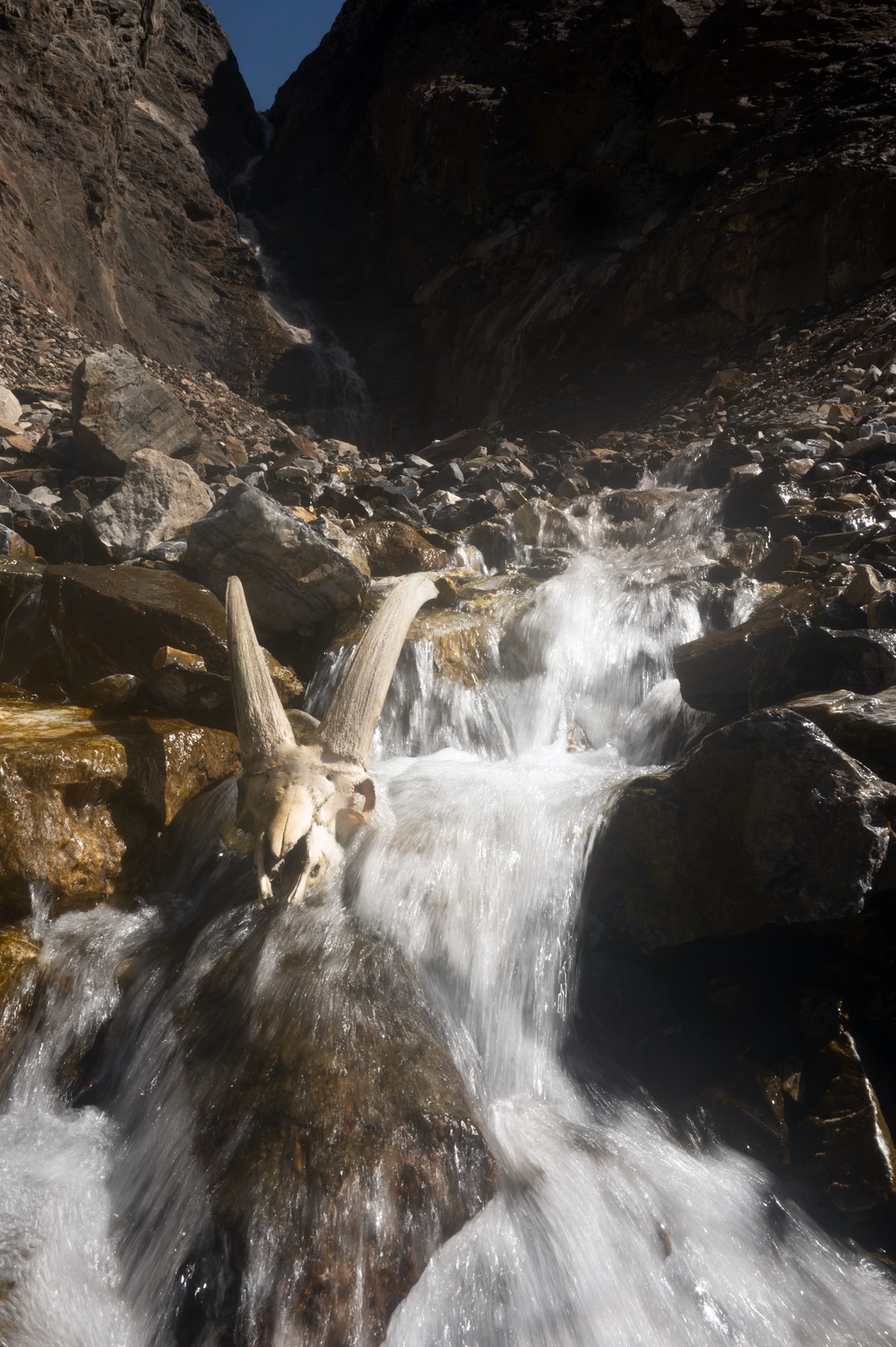
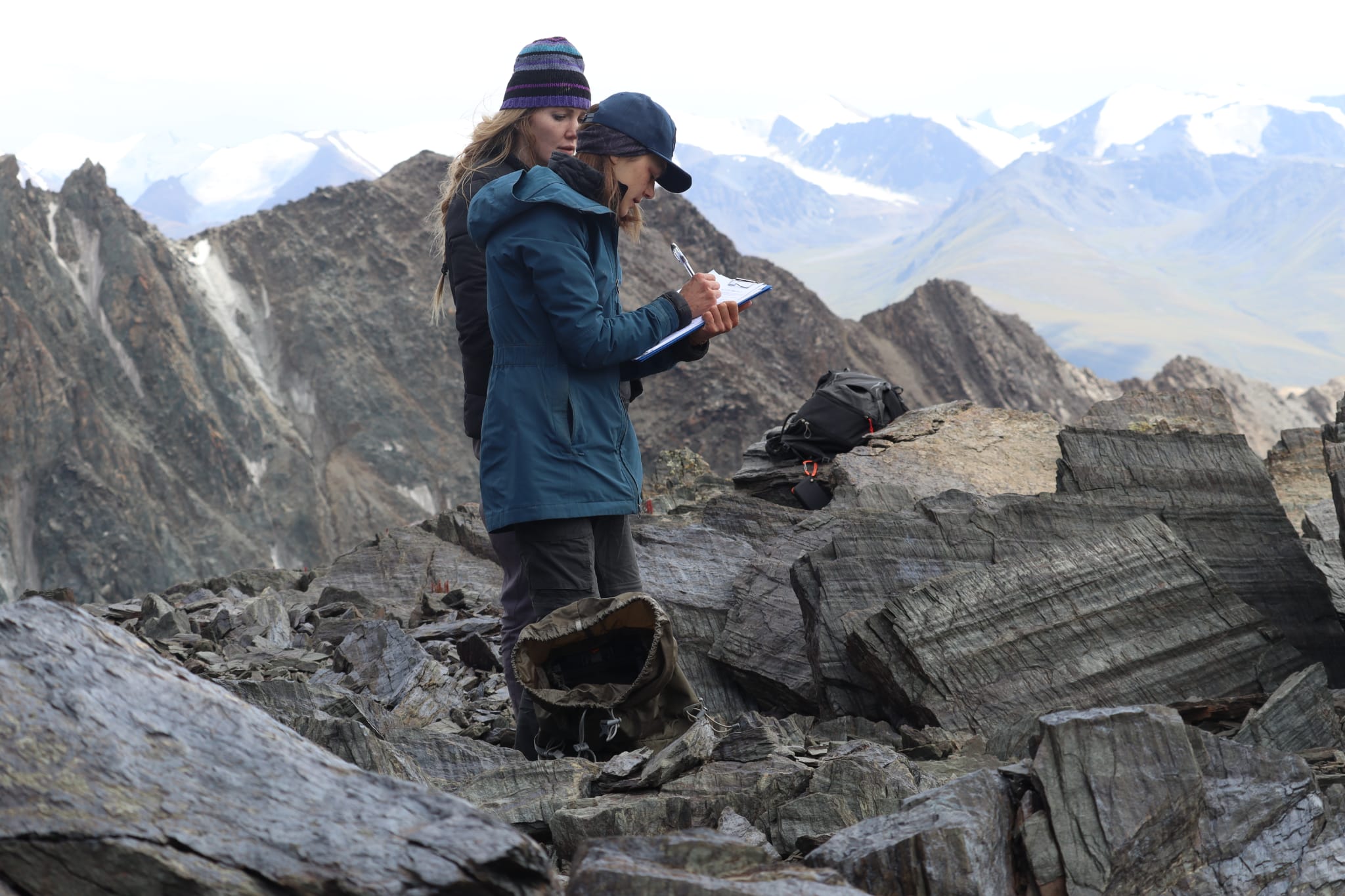
Am Seitental angekommen ging es für unser Team dem Wasserstrom entlang Richtung Berg. Erst an dutzenden Rindern und Pferden vorbei, die im Tablet dokumentiert wurden. Je höher wir kamen, desto steiniger wurde das Tal. Wege gab es natürlich nicht, aber dafür fanden wir einen Steinbockschädel. Nach zwei Schluchten konnten wir unser Ziel sehen, einen Bergkamm auf 4100 m. Auf diesem Kamm hofften wir, gute Plätze für unsere Fotofallen zu finden. Der Anstieg war sehr anstrengend, da die Steine immer kleiner wurden und ständig unter denn Stiefel nachgaben.
Leider musste ich mit Sander, einem Teamkameraden aus Amsterdam, bei 3940m aufgeben, da es doch zu anstrengend wurde und ich mich an die Höhe erst gewöhnen musste. Spencer, Lana und Ibrahim gingen noch weiter hoch, aber fanden leider keine geeignete Stelle für eine Fotofalle.
Jetzt mussten wir wieder herunter steigen, was auch kein Kinderspiel war. Dabei wurden wir von einem Bartgeier begleitet, der seine Kreise über das Tal zog. Bartgeier und andere Geier wurden von da an unsere ständigen Begleiter in den Bergen.
Im Camp zurückgekommen hatten alle Teams über ihre Ausflüge berichtet und zur Überraschung hatte Team Nr. 1 im Nachbartal auf 4000 m Höhe mehrere Markierungen mit Losungen von Schneeleoparden gefunden. Schneeleoparden markieren ihr Revier unter anderem, indem sie in Erde oder Kies mit ihren Hinterpfoten kleine markante Mulden scharen und gelegentlich hineinmachen. Natürlich war das eine kleine Sensation und ein gutes Zeichen für unsere weiter Expedition.
Am nächsten Morgen begann der gleiche Ablauf: die Berge bestaunen, frühstücken, Ausrüstung packen und zum nächsten Tal fahren, wieder die wunderschöne Aussicht genießen. Dann hieß es natürlich, dem Tal entlang den Berg hinauf wandern. Ein Wasserfall versperrte uns den Weg, So mussten wir ausweichen und uns einen neuen Weg suchen.
Leider war ich vom Vortag noch so erschöpft, dass ich wieder nicht bis zum Bergkamm kam und mit Spencer ein Stück zurückblieb. Zur Überraschung fanden Ayan, Alex und Mel wieder auf einen Kamm die Markierungen und Losungen eines Schneeleoparden. Wie auch zuvor wurden natürlich DNA- Proben von den Losungen genommen.
Im Camp zurück wurde die gute Nachricht wieder freudig bei der Besprechung geteilt, und alle waren sehr gut gelaunt.
Am nächsten Tag entschloss ich mich, wie andere auch, im Camp zu bleiben, und mich von den beiden anstrengenden Touren zu erholen. Natürlich stand im Camp auch Arbeit an, wie z.B. Wasser in Tonnen von einem Seitenstrom mit dem Geländewagen holen, die Toiletten umstellen und somit neue Löcher graben, Geschirr spülen, Tisch abräumen und Azman in der Küche helfen.
Freitags fuhren wir mit Ayan auf die rechte Seite des Flusses. Dort waren die Berge nicht so steil, aber die Täler dafür umso tiefer. Da das Tal tiefer war, war der Wasserstrom größer und wir mussten sehr oft durch das Wasser steigen. Es fing dazu noch an zu regnen. Wir kamen leider diesmal nur bis auf 3700 m Höhe. Wir fanden wie auf jeder Tour mehrere Steinbockschädel, wurden von Bartgeiern beobachtet und sahen einen Steinadler.
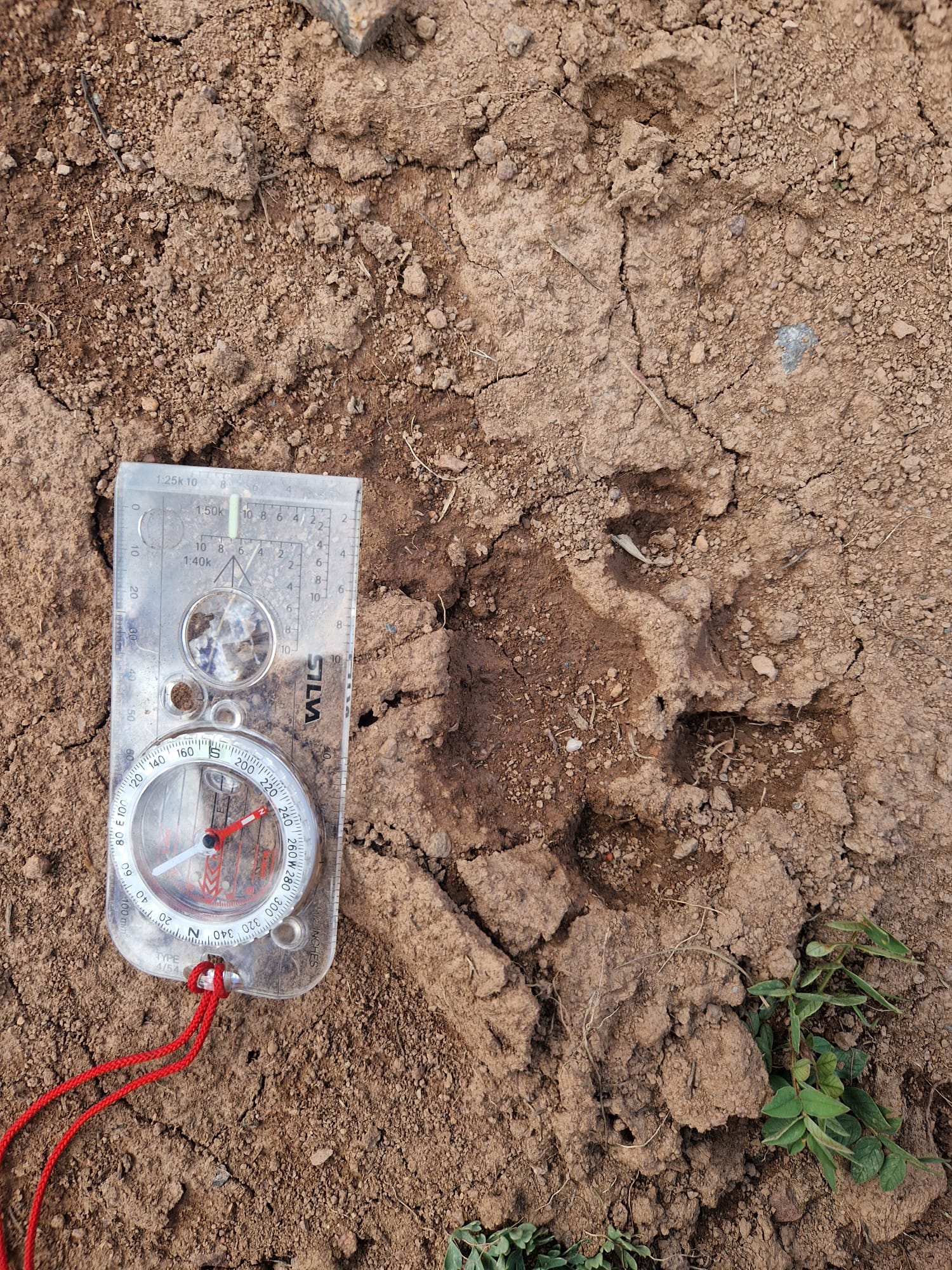
Samstags standen nur leichte Touren auf dem Plan, so hieß es. Diese Tour gingen wir mit Henry wieder auf der rechten Seite des Flusses. Leider startete die Tour mit einem starken Regenschauer und der Eingang des Tals wurde von einem Wasserfall versperrt, so dass wir am Hang entlang gehen mussten. Das war auf dem nassen Gras nicht einfach. Hinzu kamen noch unendlich viele alte Murmeltierbauten, die unter dem hohen Grass schlecht zu erkennen waren. Nachdem wir das Hindernis überwunden hatten, erreichten wir ein wunderschönes Tal, das von imposanten Felsen eingebettet war. Wir suchten mit unseren Ferngläsern die Felsen ab und Spencer erblickte dann auch Steinböcke, die wir alle kurz beobachten konnten bis sie in den Felsen verschwanden. Wir gingen das Tal weiter hinauf und natürlich fanden wir auch wieder Steinbockschädel. Auf 3800m Höhe öffnete sich das Tal in eine breite flache Fläche, die von einem Bach durchquert wurde. Rechts und links stachen die Felsen hinaus. Wir waren uns einig, eine oder zwei Kameras in die Felsen zu installieren. Auf dem Weg zu den Felsen, fand ich dann Abdrücke einer Katze. Ich rief den Rest der Gruppe zurück. Wir verglichen diese Spur mit Spuren in unseren Unterlagen und waren uns einig, dass es die Abdrücke einer Pallas Katze, auch Manul, genannt sein mussten. Natürlich schauten wir uns weiter auf der Fläche um und fanden viele weitere Spuren u.a. eine Wolfsfährte sowie die Losung eines Wolfes. Wir installierten die Wildkameras noch und machten uns auf den Rückweg, auf dem wir noch eine Losung mit Knochen und Haaren fanden.
Im Camp angekommen war die Begeisterung groß von unserem Fund, aber das andere Team konnte es noch toppen. Sie fanden im Nachbartal den Pfotenabdruck eines Schneeleoparden. Was für ein erfolgreicher Tag! Da Sonntag natürlich frei war, wurde zur Feier des Tages am Abend eine Flasche Wodka geleert.Aus einer Flasche wurden plötzlich sechs. Es wurde ausgelassen mit Musik aus den Autos gefeiert.
Am nächsten Tag war das Frühstück natürlich deutlich später. Nachmittags fuhren wir mit ein paar Leuten in die Berge.
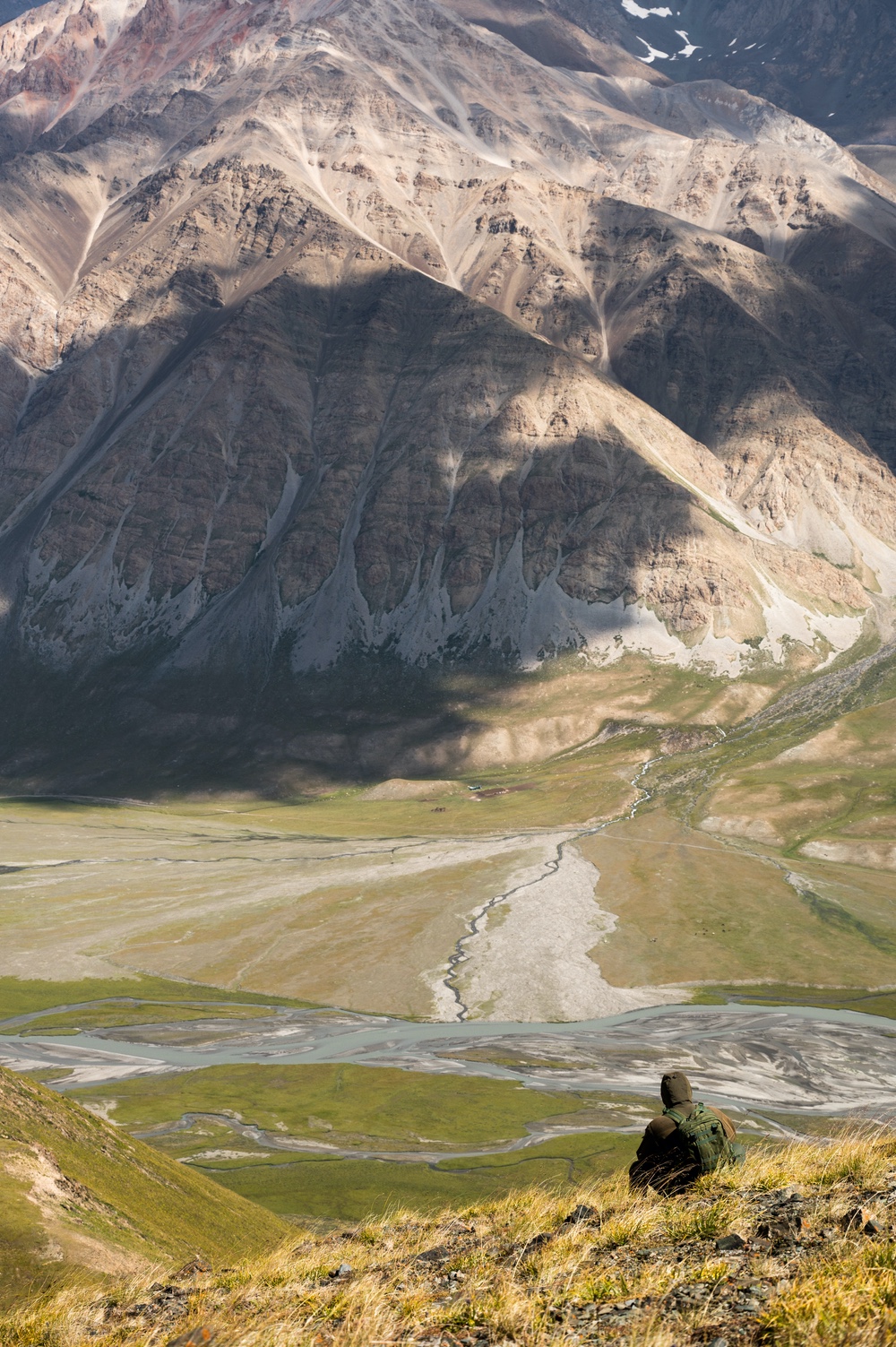
Montags stand natürlich wieder eine ordentliche Tour an. Wir starteten mit Ibrahim in ein Tal auf der rechten Seite des Flusses. Es ging direkt über Wiesen und den Berg hoch. Nichtsdestotrotz erreichten wir den Fuß eines felsigen Plateaus auf 3850 m Höhe. Stewart, Ibrahim und ich wollten oben auf dem Berg nach Wildkameras Plätzen schauen. Somit sind wir noch einmal 130 m höher über Felsen auf das Plateau geklettert. Oben angekommen, ergab sich eine spektakuläre Aussicht von fast 4000 m über das große Tal, und wir konnten sogar unser Camp sehen. Da wir einige Steinbockspuren fanden, entschlossen wir uns, am Rande des Plateaus eine Kamera aufzustellen. Nach einem schwierigen Abstieg vom Plateau, gingen wir wieder mit allen zusammen hinunter. Am folgenden Tag war das Ziel meiner Gruppe, zwei Wildkameras auszuwerten, die ein Team in der vorhergehenden Woche aufgestellt hatte. Wir fuhren mit Ayan die rechte Seite des Flusses entlang. Am Seitental angekommen, überprüften wir das GPS, um die genauen Standorte zu sehen. Auf der rechten Flanke, ganz oben auf dem Kamm, waren die Kameras. Von unten schauten wir nach einem geeigneten Aufstieg und besprachen uns. Lana, Sander, Spencer, Ayan und ich waren uns einig, die direkte, aber steile Route zu nehmen. Zuerst kamen wir gut hinauf, aber je höher wir kamen, desto steiler wurde der Berg. Nach ein paar hundert Höhenmetern, wurde das Gelände felsig. Wir mussten auf allen Vieren mit ein paar Klettereinlagen die restlichen Höhenmeter überwinden. Oben am Kamm angekommen, zeigte sich uns erneut eine spektakuläre Aussicht. Es überraschte uns ein starker Wind, gegen den wir uns lehnen mussten. Wir gingen in Richtung Kameras an einem Felsen vorbei. Als ich genauer hinschaute, entdeckte ich mit großer Freude zwei Mulden am Rande des Felsens und rief den Rest der Gruppe zu mir. Wir waren uns einig, dass es eindeutig die Markierung eines Schneeleoparden sein musste. In einer Mulde fanden wir sogar zwei Losungen mit kleinen Knochensplittern und Haaren. Natürlich nahmen wir eine Probe zur DNA- Untersuchung. 50 Meter weiter fanden wir noch eine Losung, die deutlich frischer erschien. An der ersten Wildkamera angekommen, checkten wir diese, aber leider waren keine Aufnahmen auf der Speicherkarte und auf der zweiten ebenso wenig. Hierzu sei angemerkt, dass die Kameras hingen nur ein Paar Tage dort hingen. Wir waren zuversichtlich, dass die Plätze gut gewählt waren und es nur eine Frage der Zeit sein würde, dass der Schneeleopard dort wieder vorbeikomme. Mit einem guten Gefühl traten wir den Abstieg über ein Geröllfeld an, das bestimmt 400 Höhenmeter hinab ging. Danach folgten wir dem Wasser dem Tal entlang, bis wir wieder erfreulicherweise unseren Land Cruiser sahen. Erschöpft im Camp, wurde natürlich in der Jurte bei der Besprechung alles berichtet. Ein anderes Team hatte ähnliche Erfolge. Donnerstag war abends eingroßes Fest geplant. Die Gruppe, die zwei Wochen vor uns im Camp war, hatte die großartige Idee, Einheimische aus dem Tal einzuladen, um ihnen näher zu bringen, was wir eigentlich in ihrem wunderschönen Tal so machten. Damit wir noch für den Abend einiges vorbereiten konnten, war nur eine kleine Tour geplant. Das letzte Seitental auf der rechten Seite des Flusses. Das Ziel war es, das Tal ein wenig zu erkunden. Bis dato war noch Niemand aus der Expedition in diesem Tal gewesen. Also gingen wir das Tal locker an und erreichten über viel Geröll ein weites Tal mit einem Gletscher am weiten Ende. Wir begaben uns an den Rand des Tals auf ca. 3800m Höhe und beobachteten die Landschaft mit der Suche nach Steinböcken. Wir fanden jedoch keine. Natürlich begleiteten uns wieder Geier kreisend über uns und ein Steinadler, der knapp über dem Boden nach unaufmerksamen Murmeltieren suchte. Wieder fanden wir verschiedene Steinbockschädel. Andere Knochen waren darunter nicht zu finden, da es sich bei diesen um die Leibspeise der Bartgeier handelte.
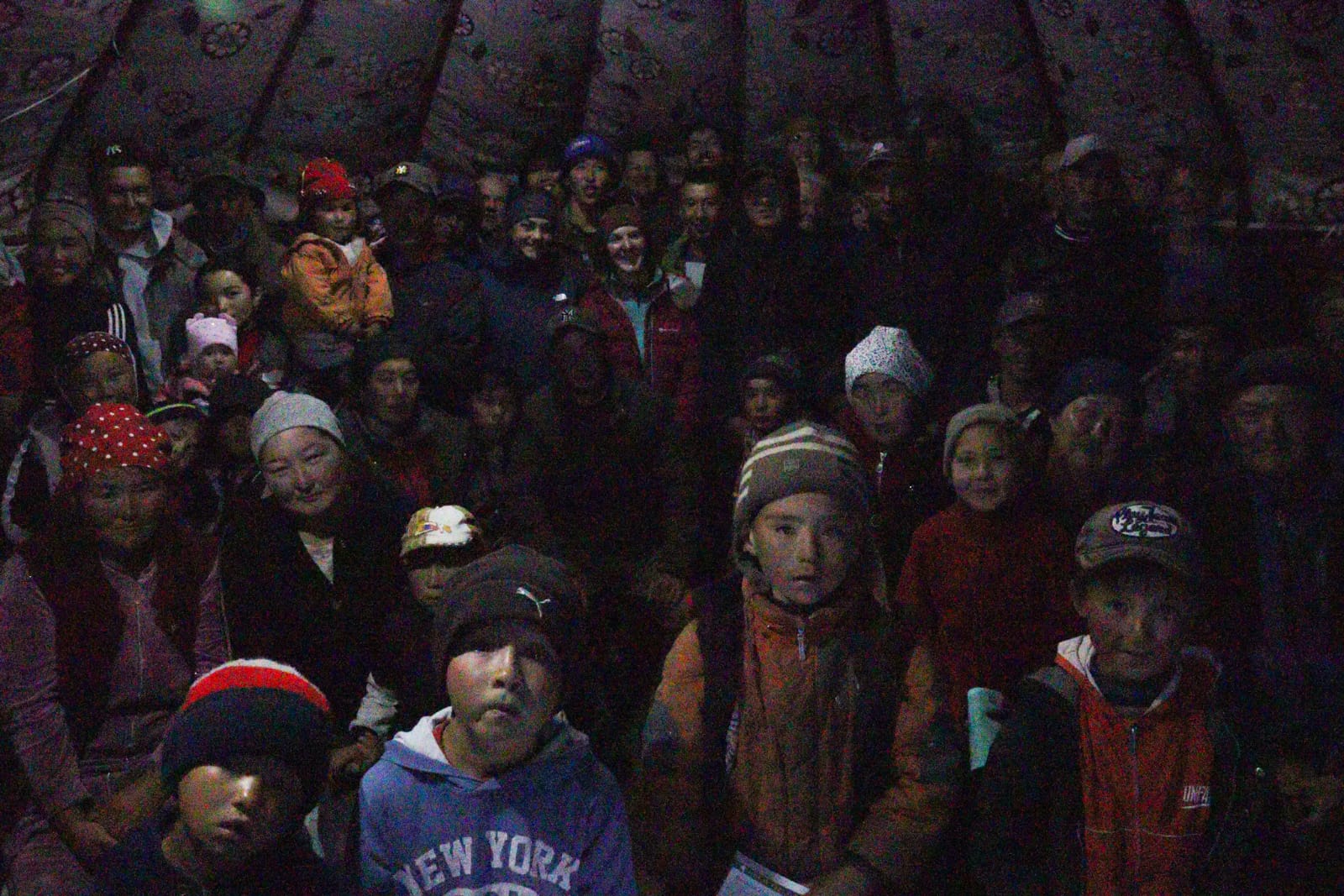
Zurück im Camp, fingen wir mit den Vorbereitungen für unsere Gäste an. Azman bereitete einige Leckereien für die Erwachsenen und Kinder vor. Da das Wetter leider nicht ganz mitspielen wollte, wurde die Veranstaltung in eine Jurte verlegt. Wir stellten alle unsere Bänke und Hocker so auf und ein Beamer de durch zwei Autobatterien seinen Strom erhielt. Am Abend strömten etwa 40 Einheimische aus allen Ecken des Tales in unser Camp. Sie kamen mit Pferden und alten Mercedes Transportern und brachten ihre Kinder mit. Nach einer gewissen Zeit war die Jurte komplett gefüllt und Taalei startete die Präsentation. Diese hatten Heather und Lou vorbereitet und mit verschiedenen Bilder gespickt. Henry vertrat die Biosphere Expedition, die Jungs vom Nabu stellten sich vor, Alex und Mel vertraten uns als Expeditionsteilnehmer. So erfuhren die Einheimischen die Beweggründe unserer Arbeit in den Bergen. Wir erfuhren ein wenig über ihre Probleme mit den wilden Tieren, wie z.B. den Wolf und die Schneeleoparden. So endete nach einigen Stunden ein wirklich gelungener Abend, der für viel Verständnis auf beiden Seiten sorgte. Unsere Reise neigte sich dem Ende zu. So hieß es am Freitag: Abbauen. Die Jurten, Duschen und Toiletten mussten abgebaut werden. Alles musste im NABU Lkw verstaut werden. Nach dem Azman uns ein letztes Abendessen zubereitet hatte, trafen wir uns alle auf dem Hügel neben dem Camp und aßen dort ein letztes Mal zusammen mit dem Blick über die wunderbaren Berge des Tien-Shan Gebirges, in welchem wir so viel Zeit miteinander verbracht hatten. Eine letzte Nacht im Zelt bei Minusgraden stand uns noch bevor, als es am nächsten morgen in Richtung Bischkek ging. Am Morgen packten wir unsere Zelte halb gefroren in den Lkw und unsere Taschen in die Land Cruiser. Dann ging es los. Leider verlief der Rückweg nicht so gut wie die Hinfahrt. Der Toyota, den ich fuhr, hatte ein Problem und ging immer wieder aus. Wir entschlossen uns, ihn bis es wieder bergab ging, mit dem NABU LKW abzuschleppen. Über dem Berg angekommen, ließen wir ihn mit dem Rest der Leistung noch bis zur ersten Tankstelle rollen. Das Gepäck umgepackt und den Land Cruiser stehen gelassen, fuhren wir weiter. In Bischkek erreichten wir schließlich unser Hotel, von wo aus wir zuvor auch unsere gemeinsame Reise gestartet hatten. Ich glaube, ich habe die Worte „Dusche“ und „Bett“ sehr oft gehört. Darauf freuten wir uns alle. So entluden alle ihr Gepäck dementsprechend schnell. Ein paar von uns hatten sich in andere Hotels eingebucht, so dass sich ein Teil der Gruppe bereits verabschiedete. Der größte Teil aber verabredete sich für ein Treffen am Abend in demselben Restaurant wie vor Beginn des Abenteuers. So verbrachten wir alle noch einen wirklich herzlichen Abend zusammen bei gutem Essen und Getränken, bevor wir uns voneinander verabschieden mussten.
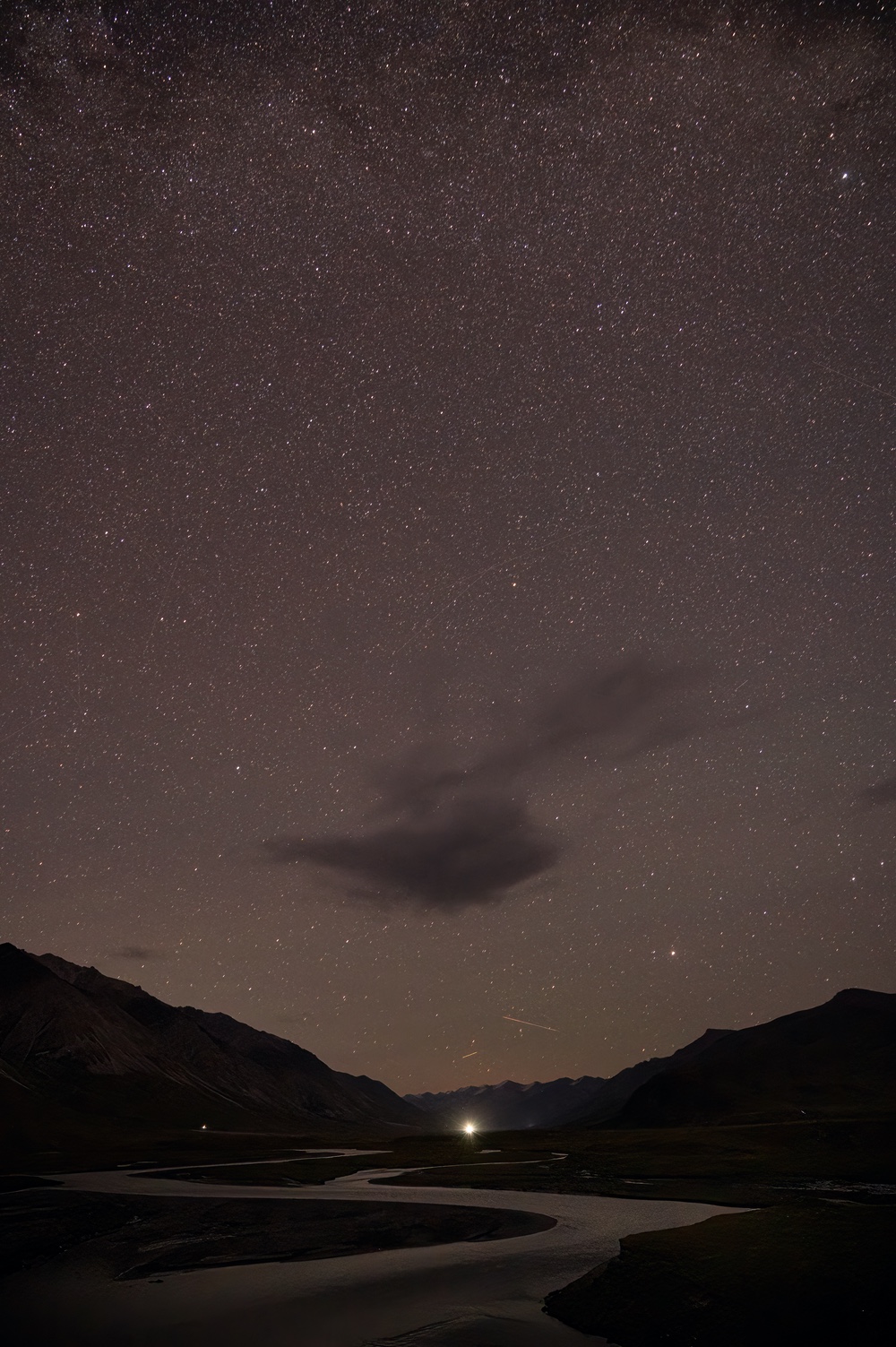
Ein paar Worte zum Schluss. In Kirgisistan habe ich die besten Wassermelonen meines Lebens gegessen, ich bin auf den gleichen Wegen wie der Schneeleopard gegangen, habe den schönsten Sternenhimmel aller Zeiten gesehen, aber die Höhe sollte man nicht unterschätzen. Ich kann diese Expedition jedem empfehlen, der ein Faible für Natur, Berge, Tiere, Landschaft und Teamarbeit hat. Es verlangt einem körperlich tatsächlich viel ab. Ich persönlich hatte keine direkten Symptome der „Höhenkranheit“, jedoch hatte ich die ersten fünf Tage mit Appetitlosigkeit zu kämpfen, was sich natürlich mit starker körperlicher Anstrengung nicht gut vereinbaren. Es war nichtsdestotrotz eine unvergessliche Zeit mit tollen Menschen und ich bin sehr dankbar für diese einmalige Erfahrung. Ich wäre jederzeit bereit, dieses Abenteuer noch einmal zu bestreiten und ich werde es.
Sunday afternoon was peaceful at base camp in Vwaza. After a week of hard work and the usual endless practical challenges – water supply problems, missing kit, delayed delivery of new tents – we found that we were ready in good time. Even the unexpected news that our newly painted walls were not a sanctioned colour (sunny yellow: cheerful but apparently may be too bright for the wild animals) was resolved with minimum resentment or fuss by swiftly repainting in more wildlife-friendly British Racing Green.
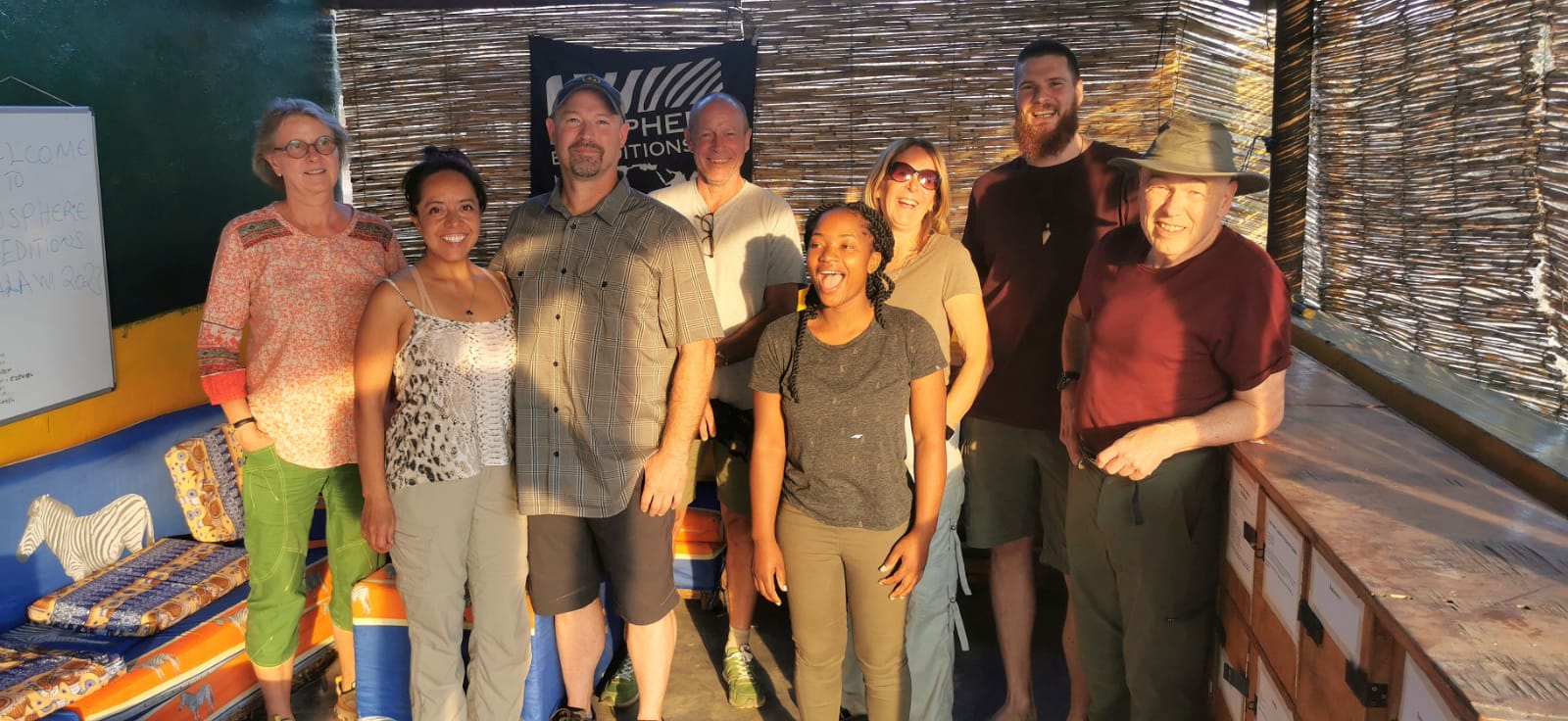
The team arrived at base camp on Sunday evening, after a long drive from Lilongwe, on time, in good spirits and with everyone accounted for. This is always a moment of relief for the expedition leader. The team was also rewarded with the sight of a small family of elephants wandering across the riverside right in front of us under the warm evening sun.
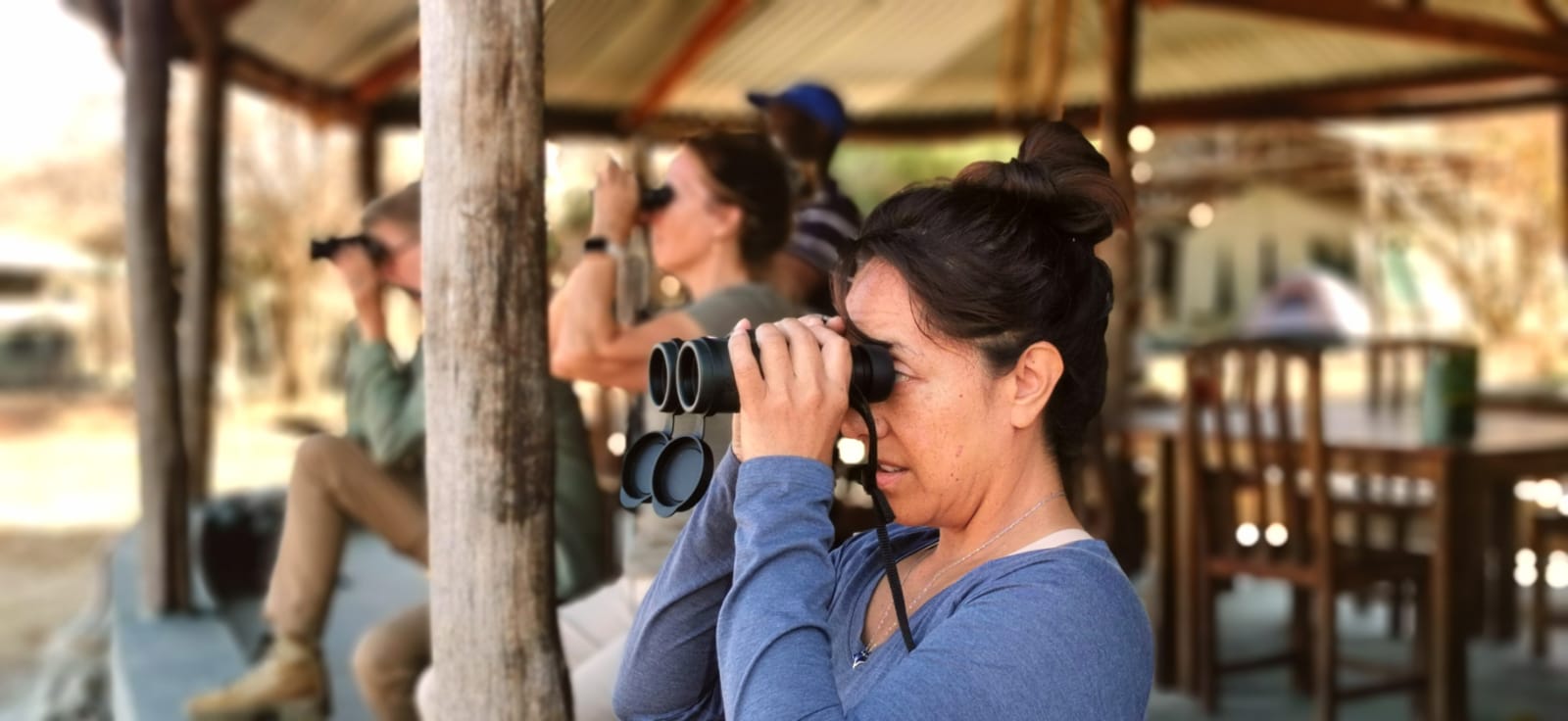
The first two days of the expedition are focussed on training in the research tasks that we will be doing, but the team were keen to get immersed in their new neighbourhood so Monday started early with a dawn ‘orientation’ drive around the lake. As the sun rose, they spotted elephants, many antelope species, some hippo returning to the water from their nocturnal grazing and lots of birds.
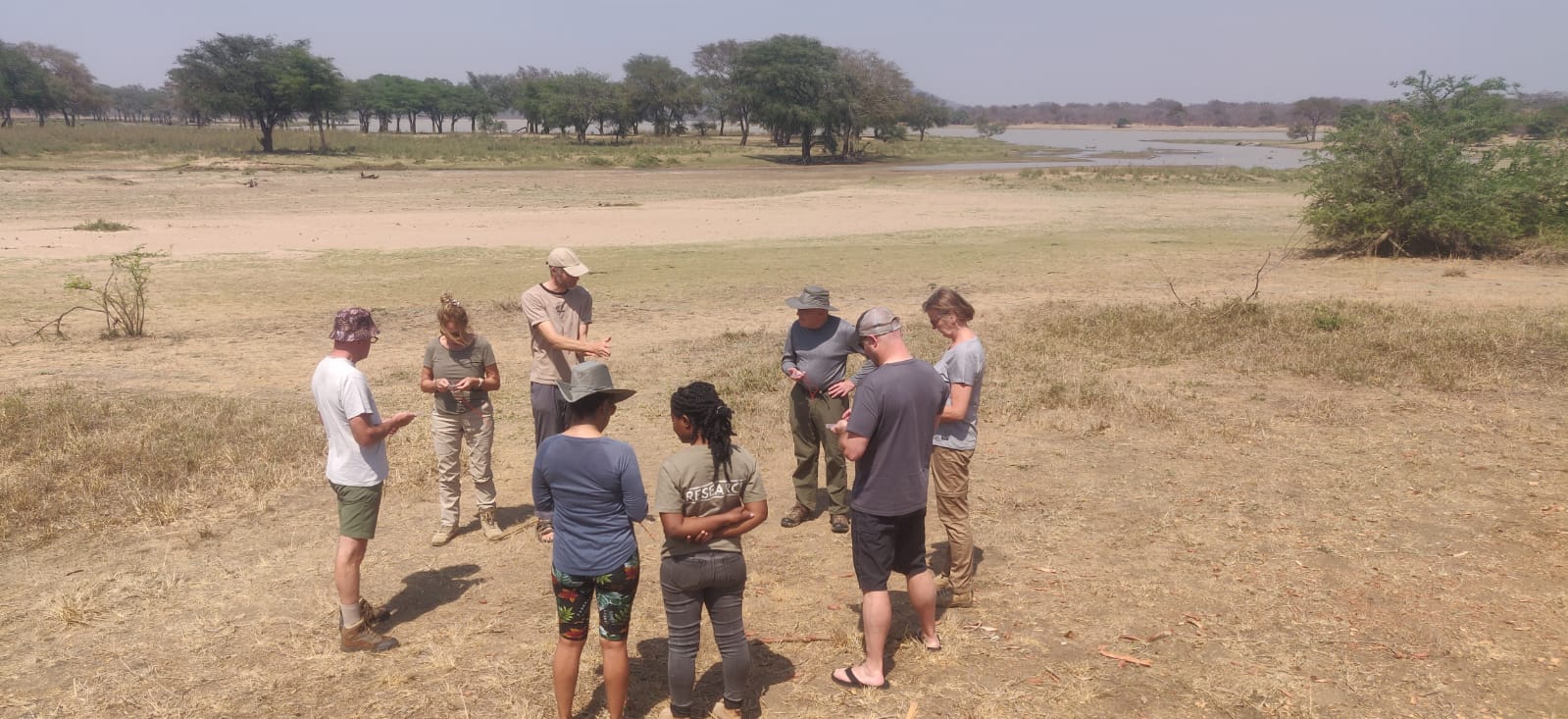
The rest of Monday is now being taken up by a mixture of classroom lectures and practical training. So far, the expeditioners are lapping it up and are now experts in using a compass and a GPS device to locate themselves and avoid getting lost.
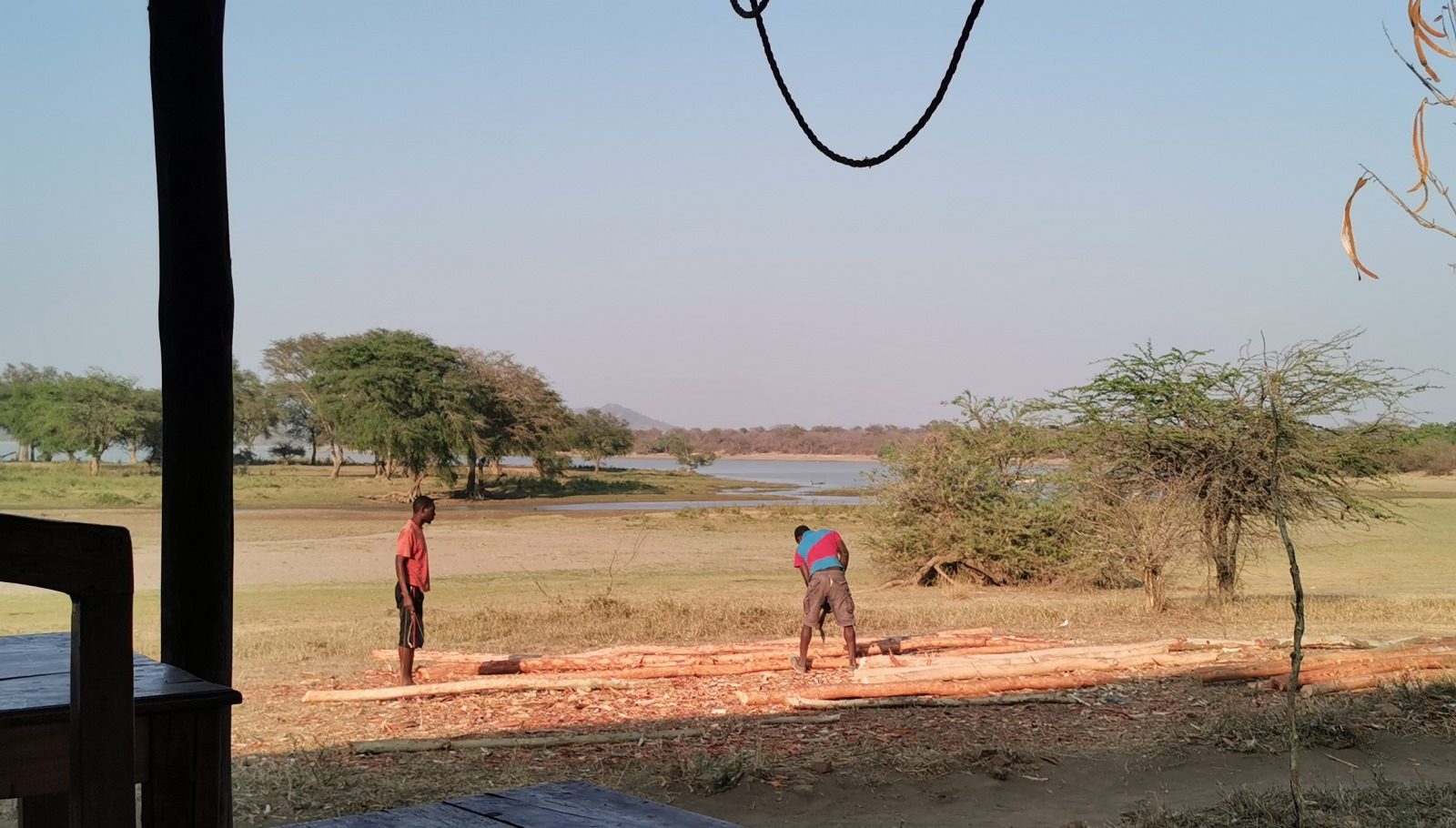
Base camp at Vwaza is full of activity. A team of people, led by Robert (LWT’s chief of all things practical), has been busy for the last few days repairing and refurbishing the camp ready for our expedition, and they are working hard. Walls are being given a fresh coat of paint (cheerful yellow), the kitchen floor re-concreted, a new gas-powered fridge, termite-damaged wooden posts replaced and a thorough clean-out all round.
When the team finally stopped work last at night, the sounds of wildlife crept back in – the resonant grunt of a nearby Hippo, the raucous ugly call of the Hadida Ibis, the endless chirps of insects as a backdrop. The smell of wood smoke from the dying embers of the cooking fire pervades the camp as the night draws in.
The day begins early with the dawn chorus at 05:00, punctuated by the lyrical whistling call of the Tropical Booboo. A herd of Impala are silhouetted against the lake, standing alert under the thorn trees. A family of Baboons lurk on the edges of the camp, the bolder animals darting in closer in the hope of finding food. Against this backdrop, the builders are already starting work. As the day brightens, the baboons retreat into the bushes and the Impala, emboldened, wander into the sunlit riverside in front of base camp.
Here’s an e-mail by our scientist Jean-Luc to Reef Check Italy, who are working with us on a scientific paper. We thought you might like to see this as it contains a nice summary of what we found.
——————-
We visited North and South Ari reefs, last visited in 2018. I was so depressed by the inner reefs then that we moved operations in 2019 and 2022 (post Covid) to South Male’ and Vaavu atoll reefs, that appear healthier.
Conclusions from this year
Outer reefs of Ari haven’t changed much – just accumulated slightly more of the same coral cover since 2018 (Rasdhoo, Bathalaa and Dhigurah wall).
Inner reefs are showing three post-bleaching trajectories:
Trajectory 1
Acropora coral (previously dominant in Maldives reefs over geological time in shallow water environments) recolonise and dominate the shallowest reefs (to 5 m max), where bleaching had damaged them and where grazing is extensive (example site: Kuda falhu). We think (re)growth of any coral below 5 m is difficult in many central atoll reefs, because of extensive rubble fields of unconsolidated material drifting down the slope from previous bleaching, then storm events.
Trajectory 2
A shift to Porites rus (that can be branching and plating and massive in life-form) and Porites cylindrica and Pocillopora (probably P.verrucosa) in (mostly) shallow reefs. These three lifeforms are prevalent in Baros House reef (from a snorkel to the south of the resort), and from surveys in previous years in South Male’ inner reefs – at Beybe’s and Guraidhoo inner (see photos from previous reports of surveys in 2019 and 2022).
Trajectory 3
A phase shift in reefs from coral-dominated to Corallimorph-dominated (worrying). This is the case at Dega thilla. I have recorded in all my time in the Maldives two other reefs entirely dominated by this blanketing lifeform – one was Adhureys Rock way back in 2005. You have the data from that site I think. I think the other one was about 2011 or 2012 (from North Male’ I think – I’ll have to look these up).
So there is little variation in outer reefs, drops-offs, near channel reefs, but the above three trajectories in inner reefs does show this tremendous variation. I suppose there is another where things remain pretty much dead – with low coral cover, and not much else in terms of dominance. That would be expressed by Oshigali finolhu that we visited as our last site (an inner reef near to Dangheti Island, South Ari on the last day).
I hope these observations, and data are useful. As I said in the Wetransfer, we also have photo quadrats at all sites if your students want to analyse these in more detail.
Other achievements of the expedition include:
Since its inception in 2011, this expedition has thus far trained over 100 people in Reef Check surveying, including over 30 local Maldivians in techniques on how to monitor their reefs and set up community-based monitoring schemes. As a direct result of this, local NGO Reef Check Maldives was formed in 2017 and is now active in community-based reef conservation work and advocacy. Some of these community surveyors are now teaching Reef Check themselves, and are employed by government agencies and private consultancies to undertake management and surveillance. A colouring and educational booklet for local schools has also been produced and distributed around the country with the help of the local Ministry of Education. The expedition has also surveyed reefs that were impacted by the coral bleaching event of 1998, and identified recovery in most reefs prior to the 2016 bleaching event. Data on reefs and whale sharks are given to local and international NGOs, government and other decision-makers, who are planning on increasing the number and area of Maldives marine protected area (MPA)s. Our Reef Check data will form part of that picture when the government considers new MPA areas. Other achievements include: Post-bleaching assessment and scientific paper, assessment of fish populations inside and outside ‘MPAs’, two masters theses with University of York, conference presentations (IMCC, Washington 2009 & ECRS, 2017), four resorts trained in Reef Check, one of which is now undertaking its own Reef Check and hosting coral rehab work, two dive centres (Vaavu atoll, Fulidhu and Baros) trained in Reef Check, award-winning Maldivian expedition placement (Shaha Hashim) now employed by Blue Marine Foundation grouper project at Addhu atoll, national Reef Check Coordinator (Hassan Baybe) at ‘Save the Beach’, Vilingili.
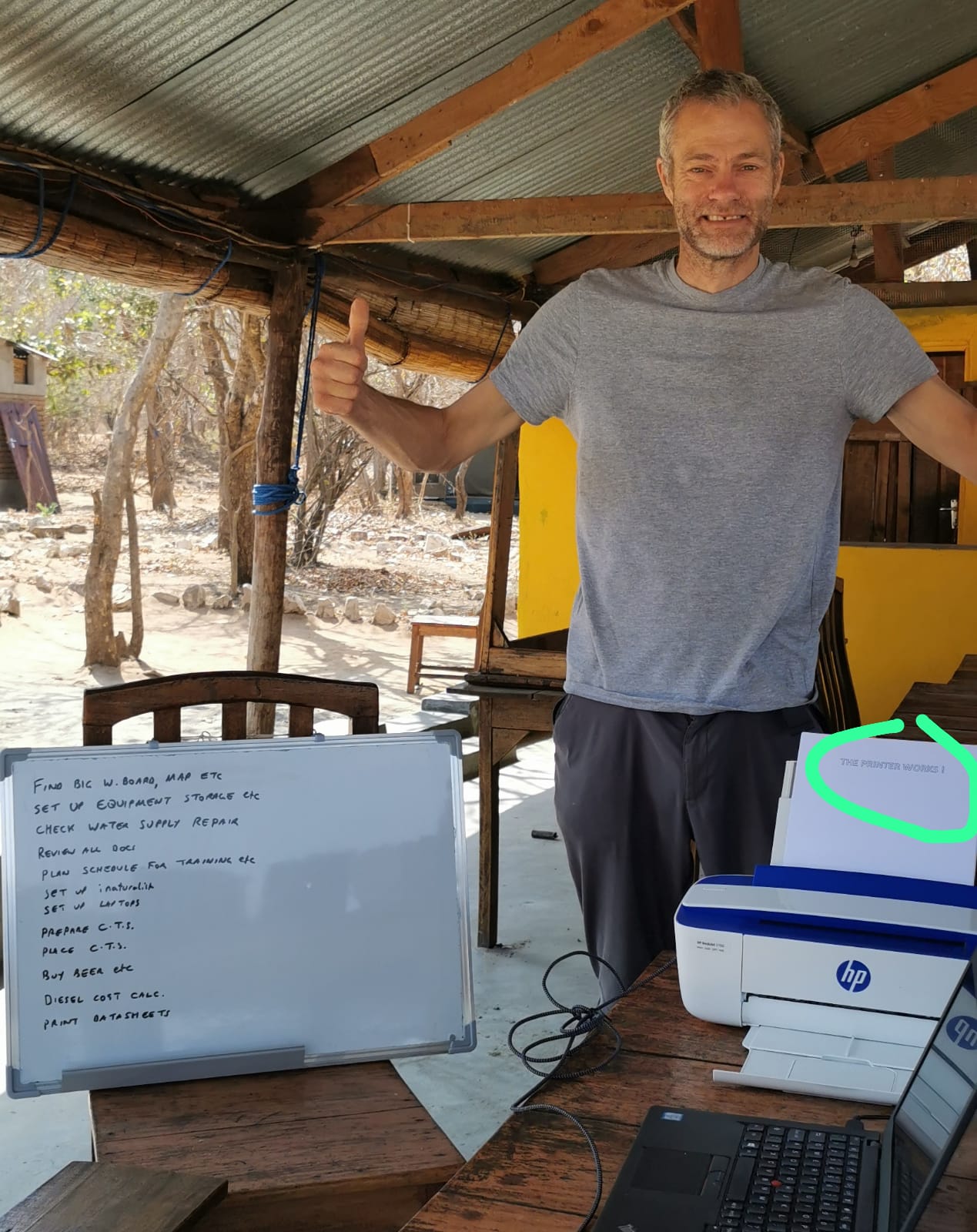
This is Roland Arnison, the expedition leader for the 2023 Malawi expedition. I have just arrived in Malawi – I am delighted to be returning to lead this expedition again, along with Lilongwe Wildlife Trust (LWT) lead scientist Benni Hintz. We will also be joined by research assistant Chimwemwe Kalulu from LWT and expedition chef Luka.
Form left: Luka, Roland and Benni
I will spend a short time in Lilongwe for last preparations and supplies before heading up to base camp in Vwaza Marsh Wildlife Reserve with Benni to get everything set up there ready for the arrival of the main team of citizen scientists on 17 Sep .
On this expedition we will see elephants – lots of them – which is useful as these are one of our research targets for the expedition to assess their population changes and potential conflict with humans. Although we will explore the south part of the Wildlife Reserve, at the edge of the lake, to look for elephants, we can expect to spot many of them from the comfort of the base camp: in previous years the elephants regularly walked across the lakeside right in front of us (and occasionally wandered through base camp at night).
Our research tasks will also involve counting hippos (easy to spot, less simple to count) and hyaenas (difficult to find, but we have a technique) and using camera traps for recording other wild animals. It will be a busy, but hopefully very rewarding expedition. Please make sure you swot up on the methodology using the field guide we sent you and bring a copy with you into the field.
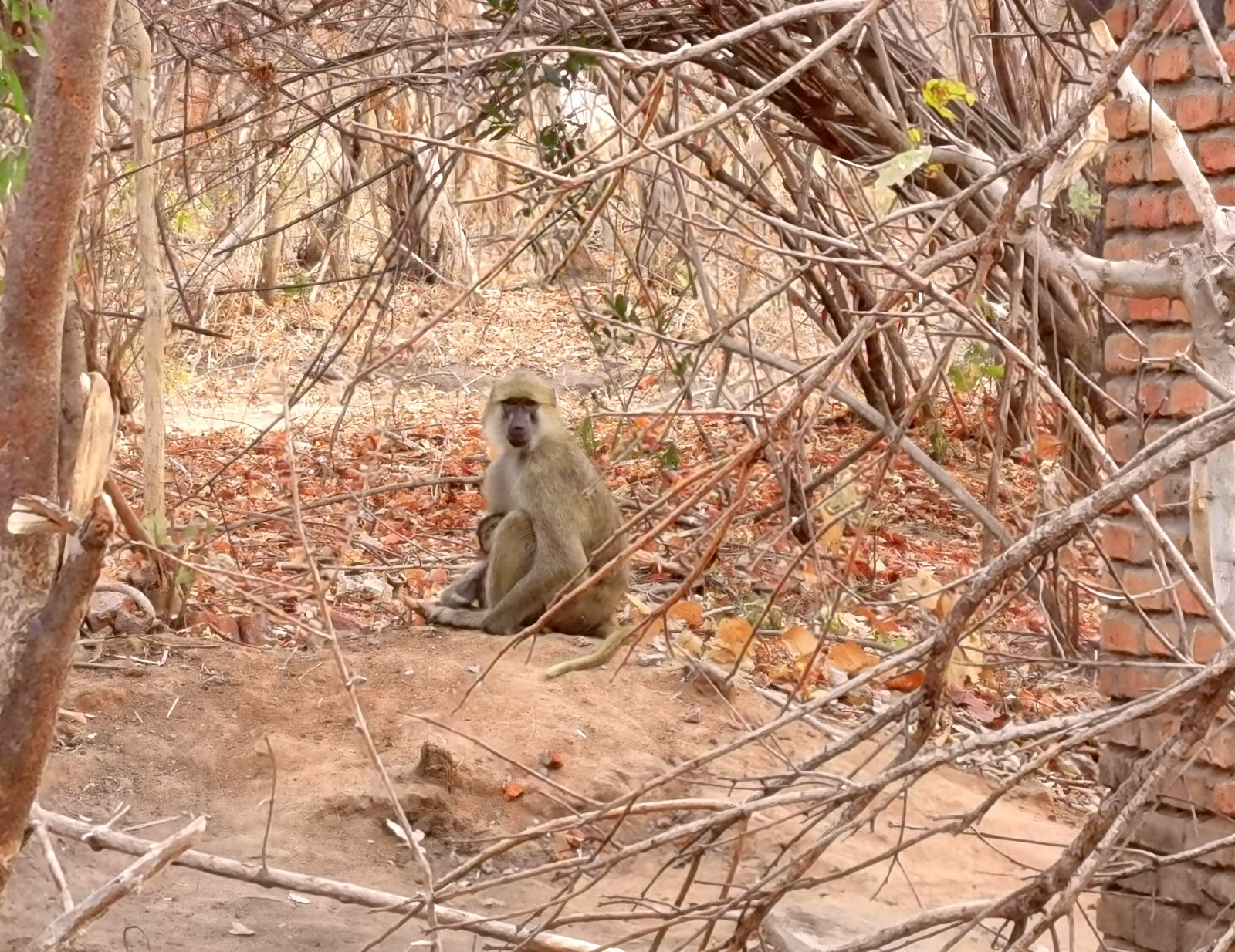
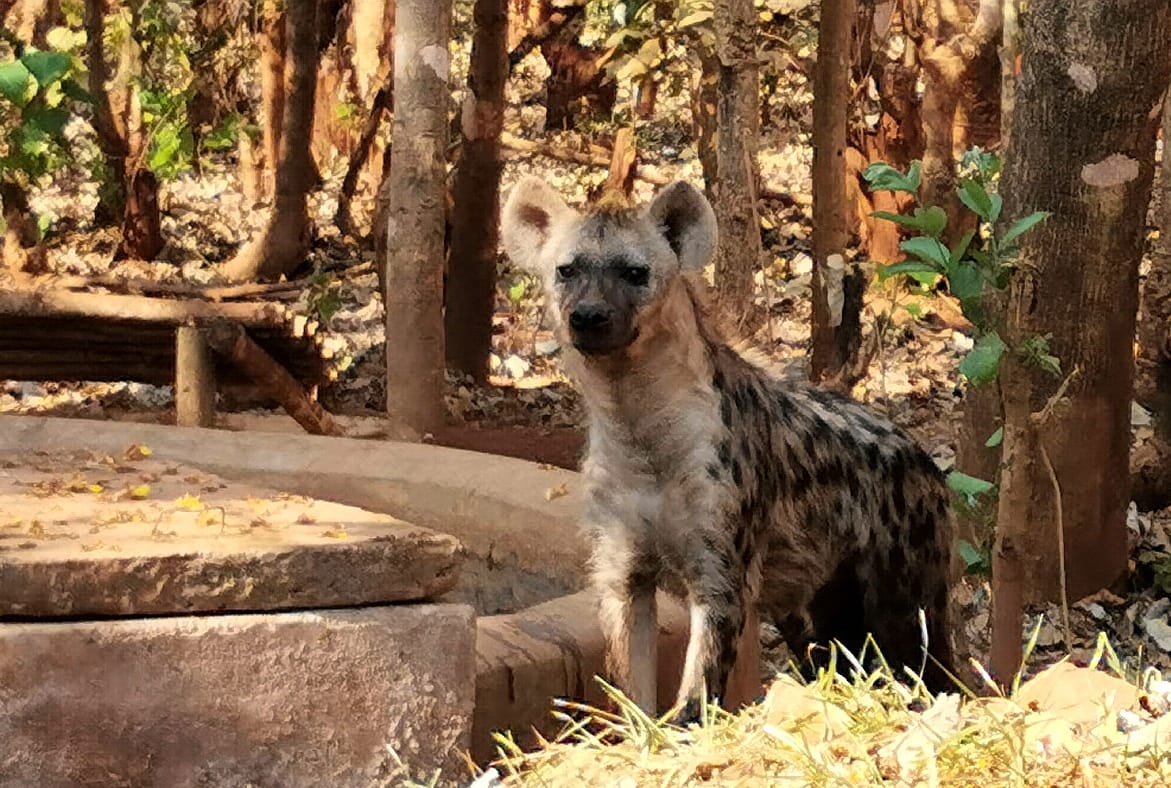
Within hours of arriving in Malawi I have already encountered yellow baboons and a hyaena at LWT’s wildlife centre in Lilongwe – a wonderful welcome.
I will send another diary entry and more photos when I arrive at base camp in a couple of days.
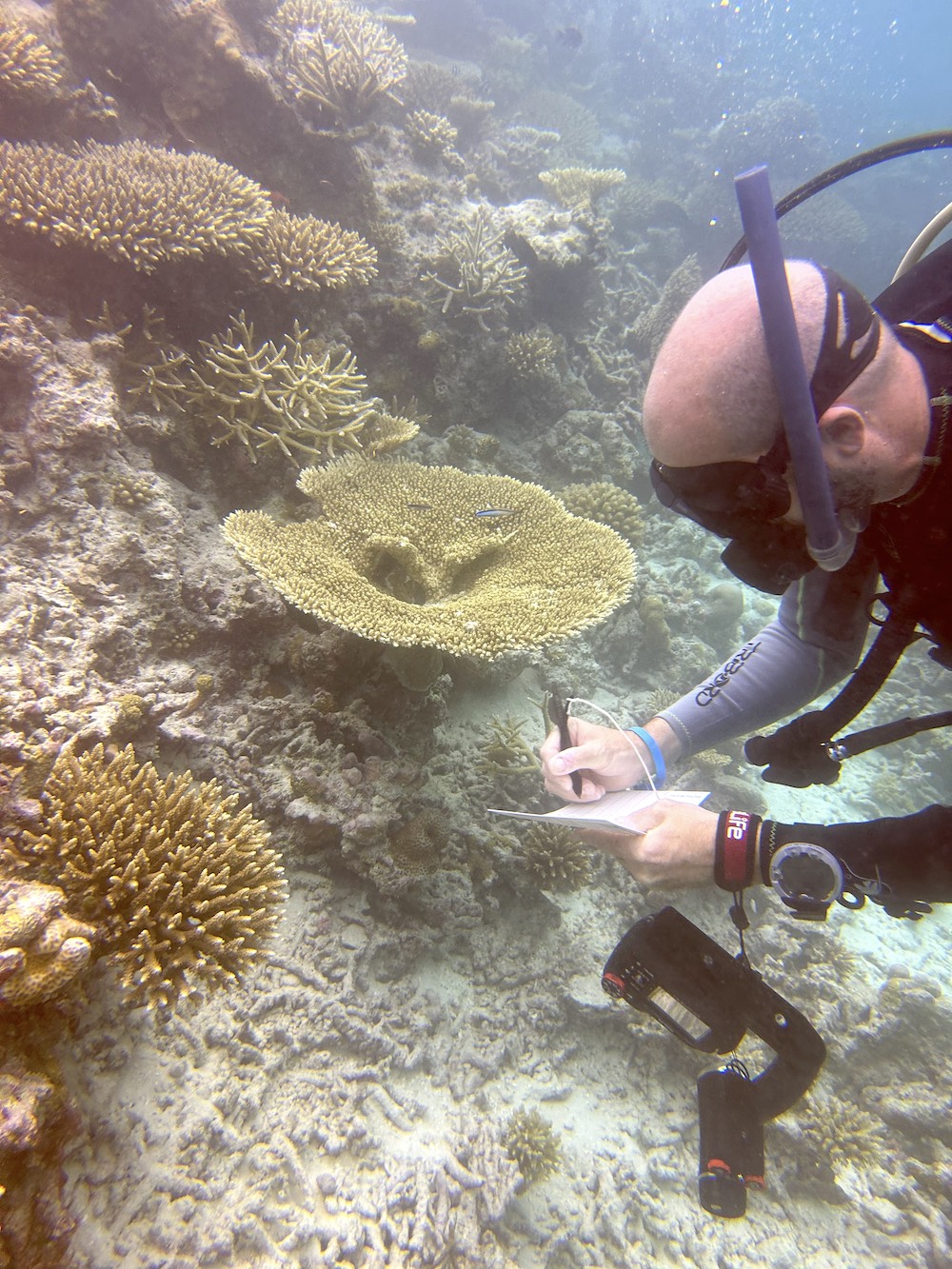
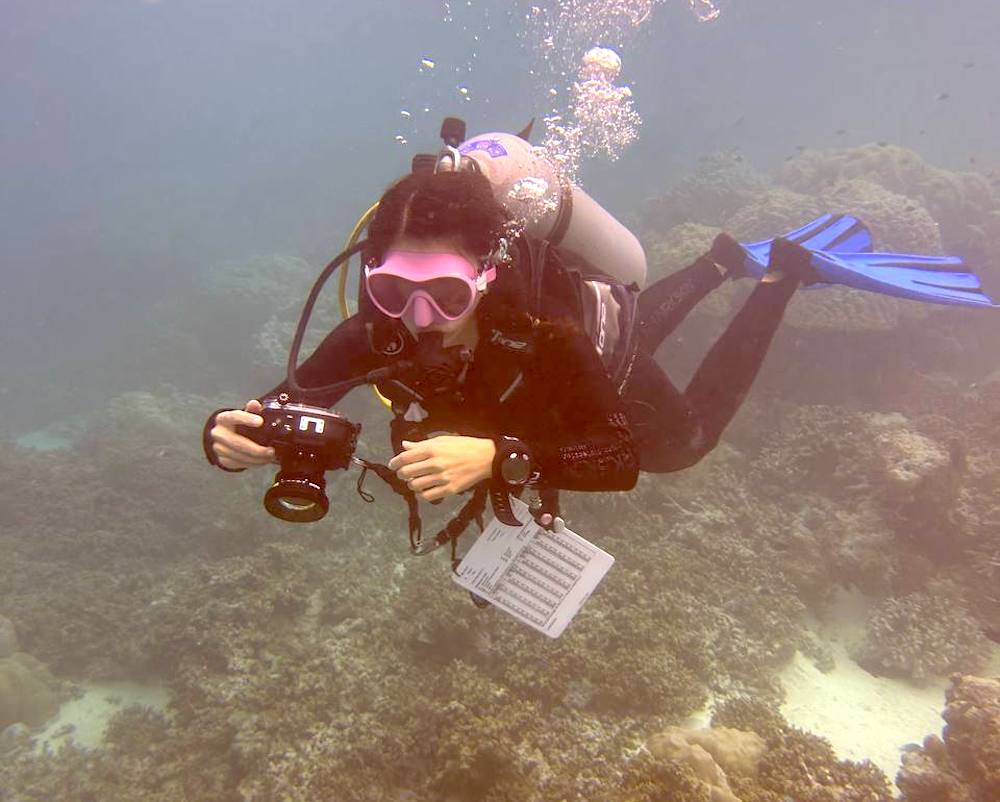
We’re done. Another batch of EcoDivers trained, another year of surveys done, another bunch of people looking at reefs with different eyes.
Jean-Luc presented us with some prelim results and thoughts towards the end, the full scientific report will come out in 10 months or so, publications with our now impressive dataset spanning over a decade are in the works.
It’s been a mixed bag of hope and despair, of reality checks, the best and worst of humankind, camaraderie, focus and getting a job done. Thank you to Dune Maldives and the crew of the Theia who looked after us so well allowing us to concentrate on diving for science. Thank you, team, for your efforts and kind words, on record below and on the boat in private. Without you, this expedition would not happen, the data would not be collected and no reports would get written. So stay in touch, come back and we’ll you somewhere, someday on this beautiful, beleaguered planet of ours.
We came here feeling pessimistic. Reefs are battered from all sides – warming oceans, bleaching, acidification, overfishing, exploitation, you name it, we humans inflict it on reefs and the natural world. Indeed some say that this current decade is the last to prevent the total collapse of reefs worldwide.
So we did not expect to find signs of hope, but we have. A dim light at the end of the tunnel, a flicker of hope, however faint. It’s no reason to celebrate, but it shows why citizen science is so important. Without the citizen scientists on this expedition, this message, which we will write up in a scientific report, would not exist or be heard. So thank you to all those on board for enabling this with their efforts and funds.
And here’s the story:
We have found some cause for hope for previously badly affected sites, mainly from the last 2016 mass bleaching event. Sites that are grazed by herbivorous fish and have not been colonised by corallimorphs have partially recovered since 2016. True, the recovery is slow (cue the problems from paragraph 1), but there is some recovery. Baby corals are taking a foothold, surviving on the skeletal corpses of once great boulder corals, finding a space for new life in between dead coral branches, clinging on and growing. But those reefs that have been colonised by corralimorphs are getting worse. They are or have phase shifted from coral to corralimorph reefs, blanketed by nothing but these fleshy creatures, which nothing eats and which take over everything. Once the brown carpet has taken over, nothing is left – no fish, no invertebrates, no corals. This has happened in other parts of the world, for example in Bermuda, where few coral reefs are left.
But we are not there yet in the Maldives and we hope our work makes a small contribution to never getting there.
Two days later and we have a boat load full of qualified Reef Check EcoDivers. Congratulations to everyone for passing the written and in-water exams and rising to the challenge.
Even our test survey dive yesterday was good enough to keep the data. Our scientist Jean-Luc was predictably pleased. A small miracle, as he is otherwise quite cantankerous :))
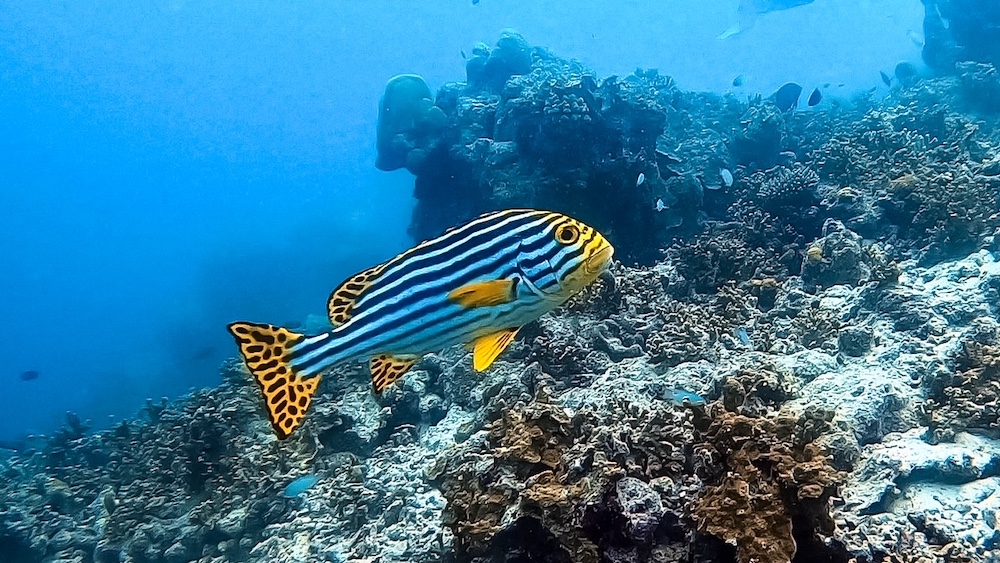
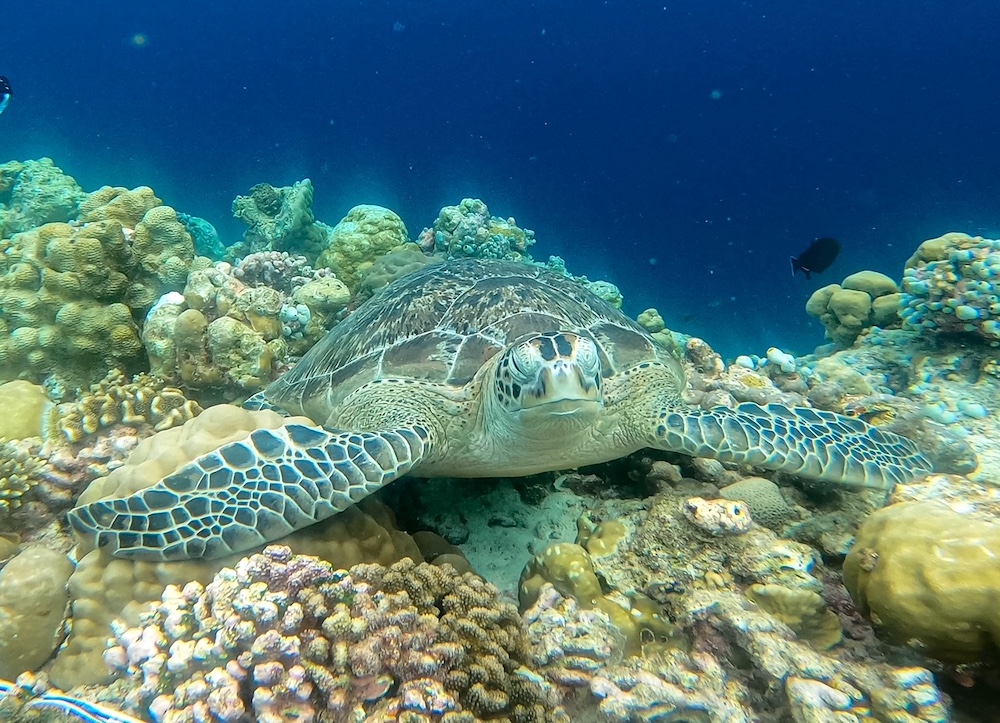
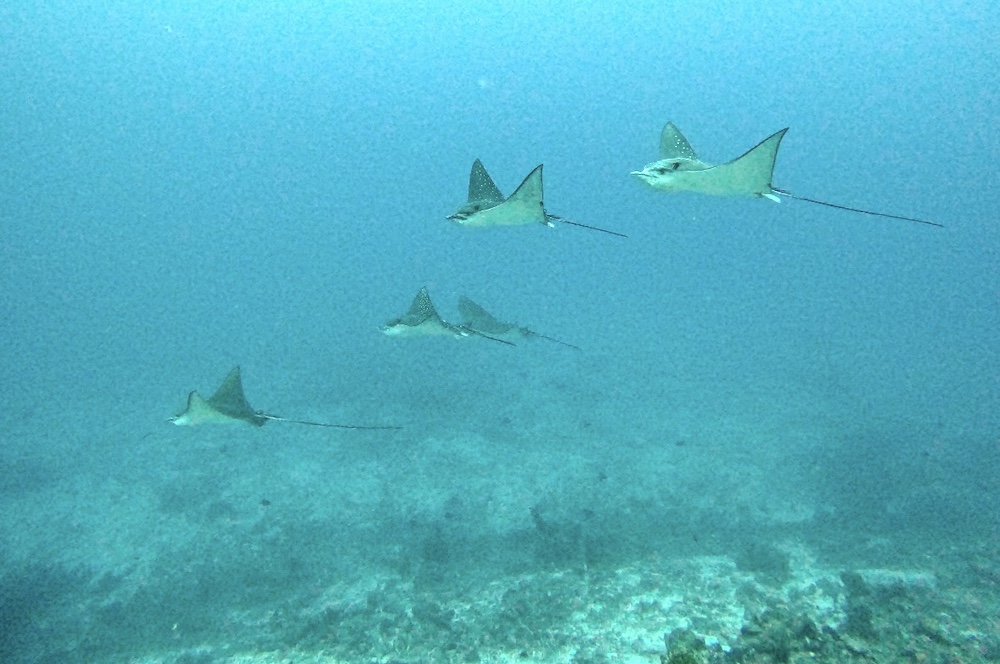
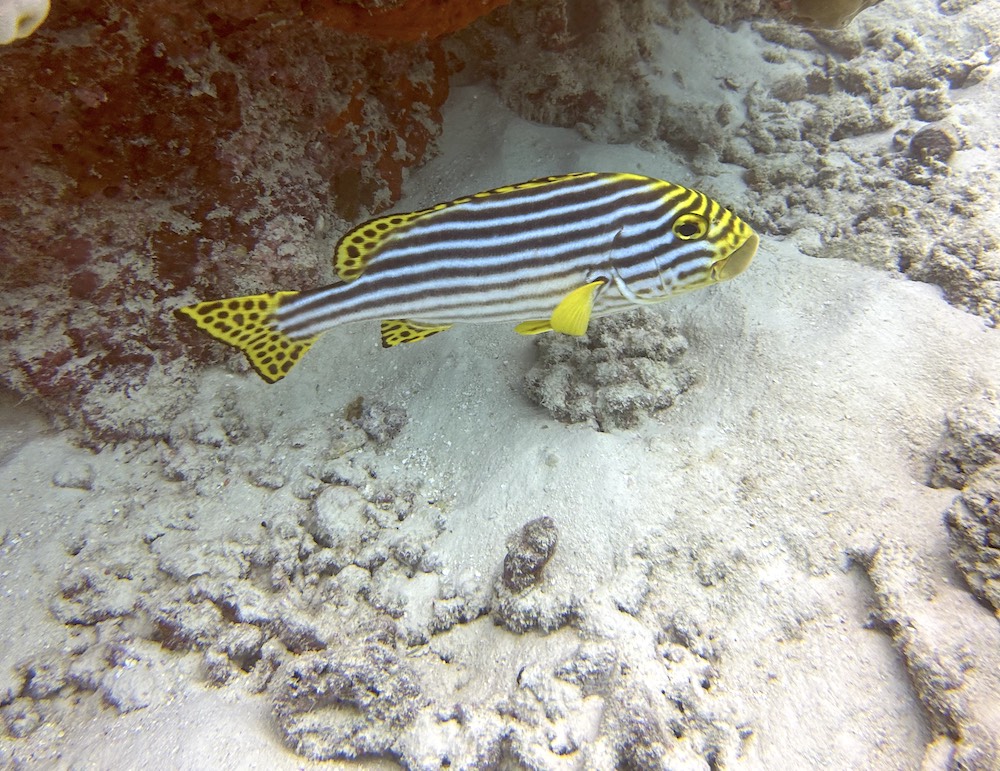
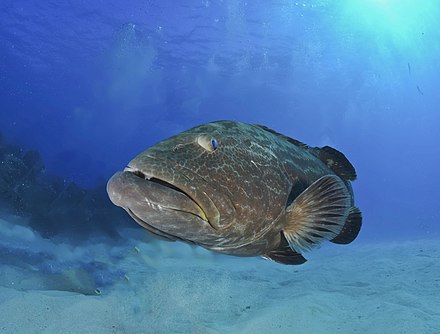
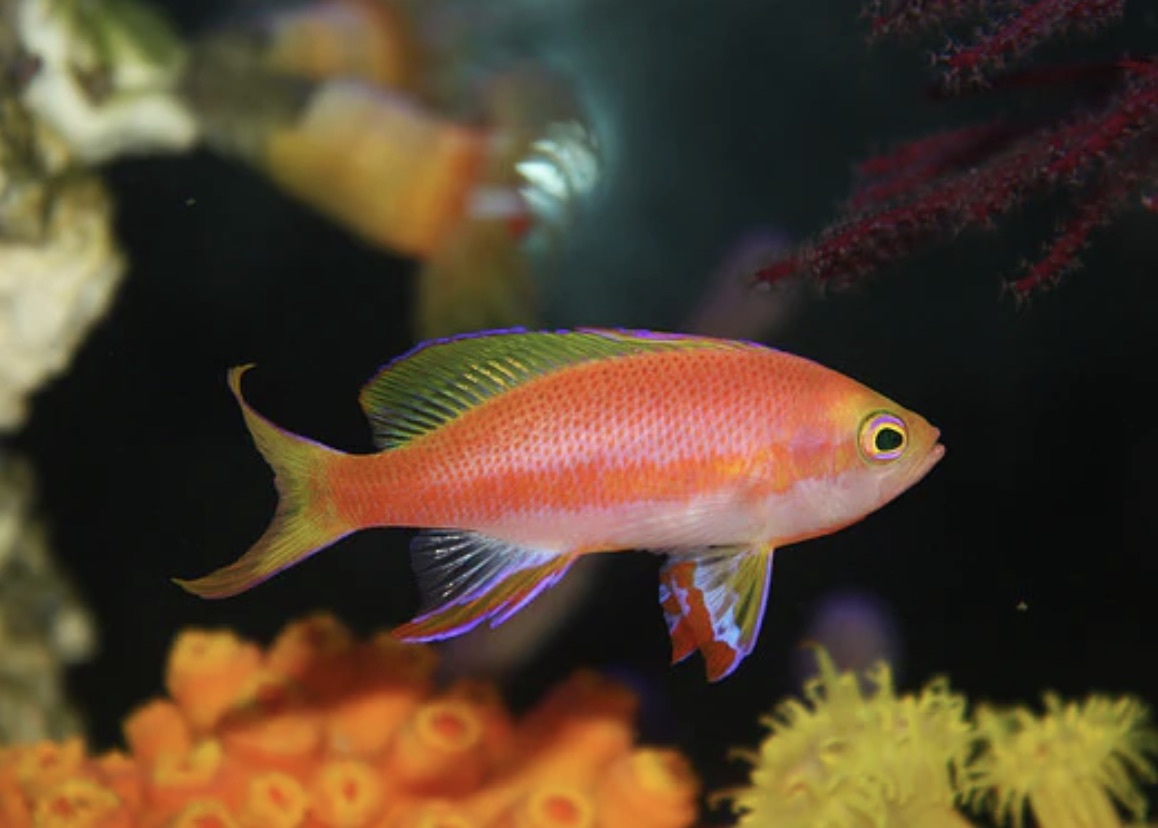
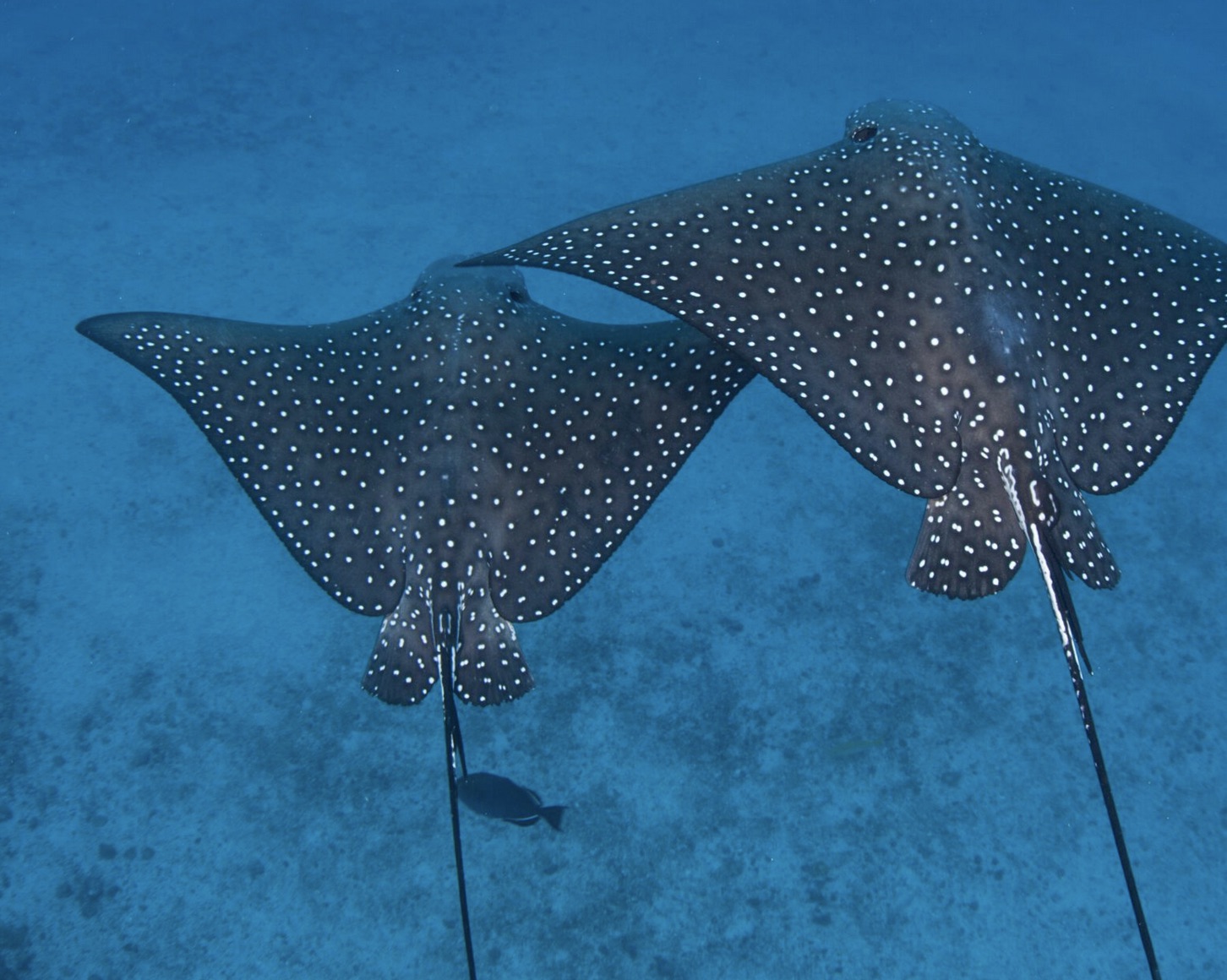
Today started with an early morning lazy dive at a well-known dive spot at Rasdhoo atoll. We saw lots of our indicator fish (grouper, snapper, butterflyfish, sweetlips, parrotfish, etc.), a graceful small school of eagle ray and a handful of sharks cruising a steep reef drop-off going deep down into the blue where us mere mortals with our heavy, noisy and clunky gear to survive in the water cannot go. Jacks cruised the blue too, slow and lazily, like a sheathed arrow, ready to dart at a moment’s notice when prey is near. Above us, unicornfishes amused themselves in our bubbles, below longnose butterflyfish picked away at corals in the reef garden. Resplendent anthias floated between the corals and did their name proud. Parrotfish munched and grated against the corals, their excrement the creator of those white sandy beaches that we associate with the dreamland we call the Maldives. A goatfish barbled its way along the sandy bottom in search of food. A Napoleon wrasse floated by in between us, curious as they are, but, alas, quite small (about our size) as their docile and inquisitive nature is their undoing in the face of the destroyer.
And because we destroy, our job is to research and protect where we can. What was it like 50 years ago, when the Maldives where in a pre-tourism slumber? How many hundreds of snapper would we have seen today, how how many sharks would have policed the blue, how big would that school of eagle rays have been? A whole university perhaps? It’s hard to know and hidden by shifting baselines. We know we are part of the problem and this is why collecting reliable data over many years, in our case over a decade now, is so important. But are we just documenting the inevitable decline? It’s hard to know. The first few days tell us that at least it does not seem to have become worse. But that is only a snapshot impression, an educated guess based on a few observations. That’s another reason why recording things in details is so important and why lazy dives such as this one are rare. Why waste your time being tourists when you can be citizen scientists instead?
So out we are again this morning, checking the reefs we all love.
In science confirming the absence of a species from a location is still a result. But hope dies last and so, after all the effort that has been put into selecting and moving expedition locations, everyone was hoping that we can find some evidence that snow leopards inhabit the mountains of our new study site. With this in mind, we started group 3 with the ambitious goal of placing 15 more camera traps in the surrounding mountains, and surveying all the remaining valleys within our base camp vicinity.
As previously reported, on our first full day in the mountains Sonja found what is suspected to be snow leopard scat. Since then several more promising samples have been collected (we eagerly await DNA confirmation from the lab). However, with Taalai, the local rangers and Alex (snow leopard zoo keeper) all feeling confident, signs are promising.
With strong and ambitious snow leopard citizen scientists we managed to hit our camera trap goals, special thanks to Mel and Alex for volunteering for the most challenging survey routes on every single day we went out. The most exciting discovery of the fortnight was made by Sonja, an excellent suspected snow leopard print (also mentioned in our previous blog post). With likely snow Leopard prints and scat, multiple Pallas’s cat prints as well as live ibex sightings, all indications are that these mountains are an excellent location for our expedition.
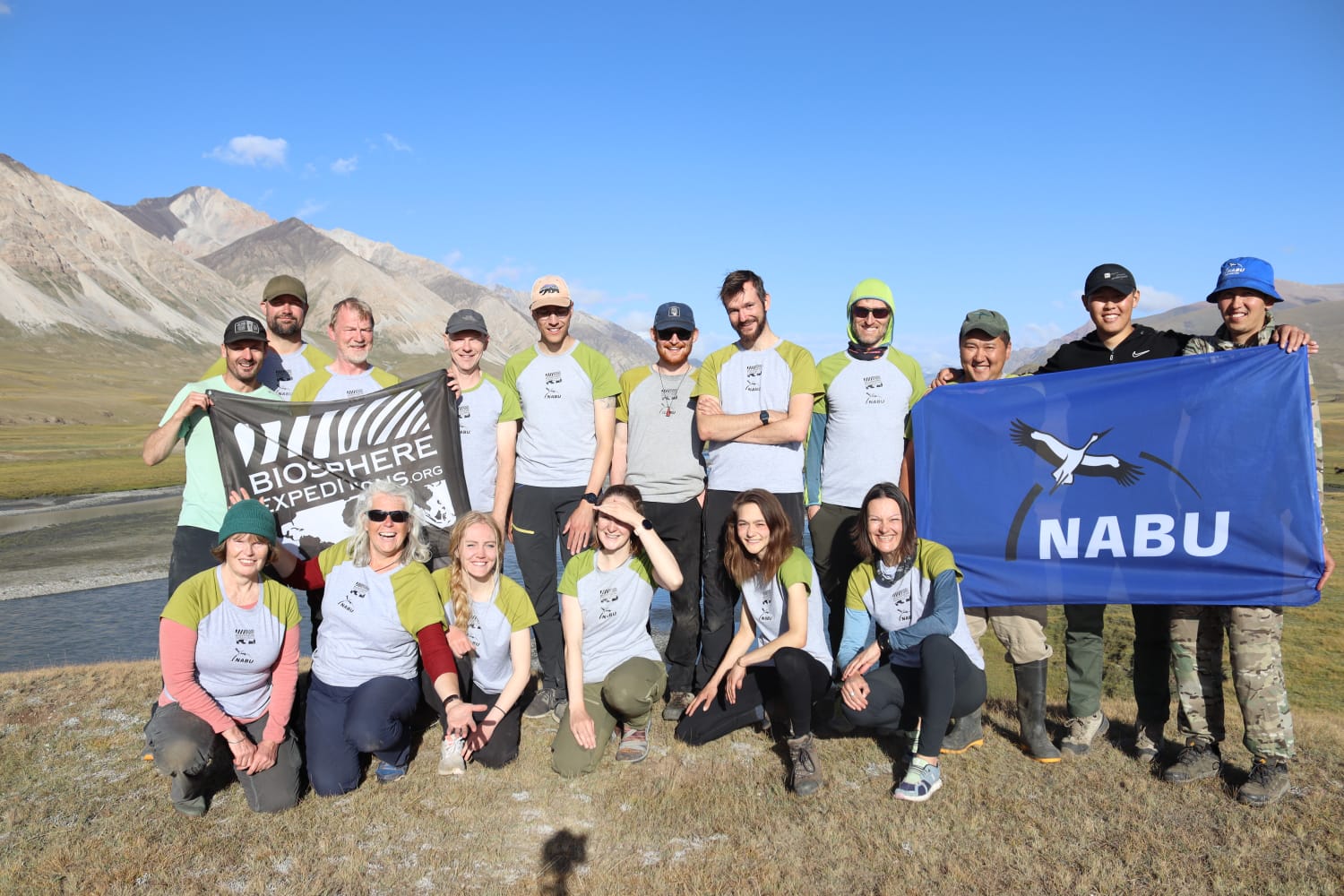
We rounded off the 2023 snow leopard expedition with a presentation evening for the locals in the valley. It was our opportunity to thank them for their hospitality and officially introduce Biosphere Expeditions, NABU and our project. With over 35 attendees, the evening was a fitting end to a busy and productive expedition. Keep an eye out for the 2023 scientific report in the coming months. With a look forward to 2024, we eagerly await the results of the camera traps we have placed.
On behalf of the whole team here in Kyrgyzstan, thank you to group 3 for your tremendous work ethic and thank you to everyone who contributed to the 2023 snow leopard expedition.

































 Biosphere Expeditions: blogs from the frontline of wildlife conservation and the fight for a more sustainable planet