

Global consumption levels are placing increasing pressure on the planet’s natural systems. In many parts of the world, constant purchasing, from new technology to fast fashion, has become normalised, yet the environmental cost of this consumption is becoming impossible to ignore.
While individual levels of overconsumption may seem inconsequential, collectively, our consumerism plays a significant role in accelerating climate change, biodiversity loss and environmental degradation.
Research highlights the scale of the challenge. UNICEF reported that if everyone in the world consumed resources at the same rate as people in OECD and EU countries, humanity would require the equivalent of 3.3 Earths to sustain current lifestyles. At the same time, global waste continues to grow rapidly, with more than two billion tonnes of municipal waste produced every year, a figure expected to rise by 73% by 2050.
Read also: Top Five Tips for the Planet
Biodiversity Loss: The Hidden Impact of Consumer Culture
The consequences extend far beyond human society. The planet is shared with an estimated 2.2 million species, and our consumption patterns are affecting ecosystems across land and sea.
Scientists warn that up to 1 million species globally face the real risk of extinction, driven largely by habitat loss, exploitation, pollution and ecosystem degradation – all closely linked to unsustainable production and consumption.
Today, 30% of marine species are threatened, 70% of land and 80% of oceans have already been significantly altered by human activity.
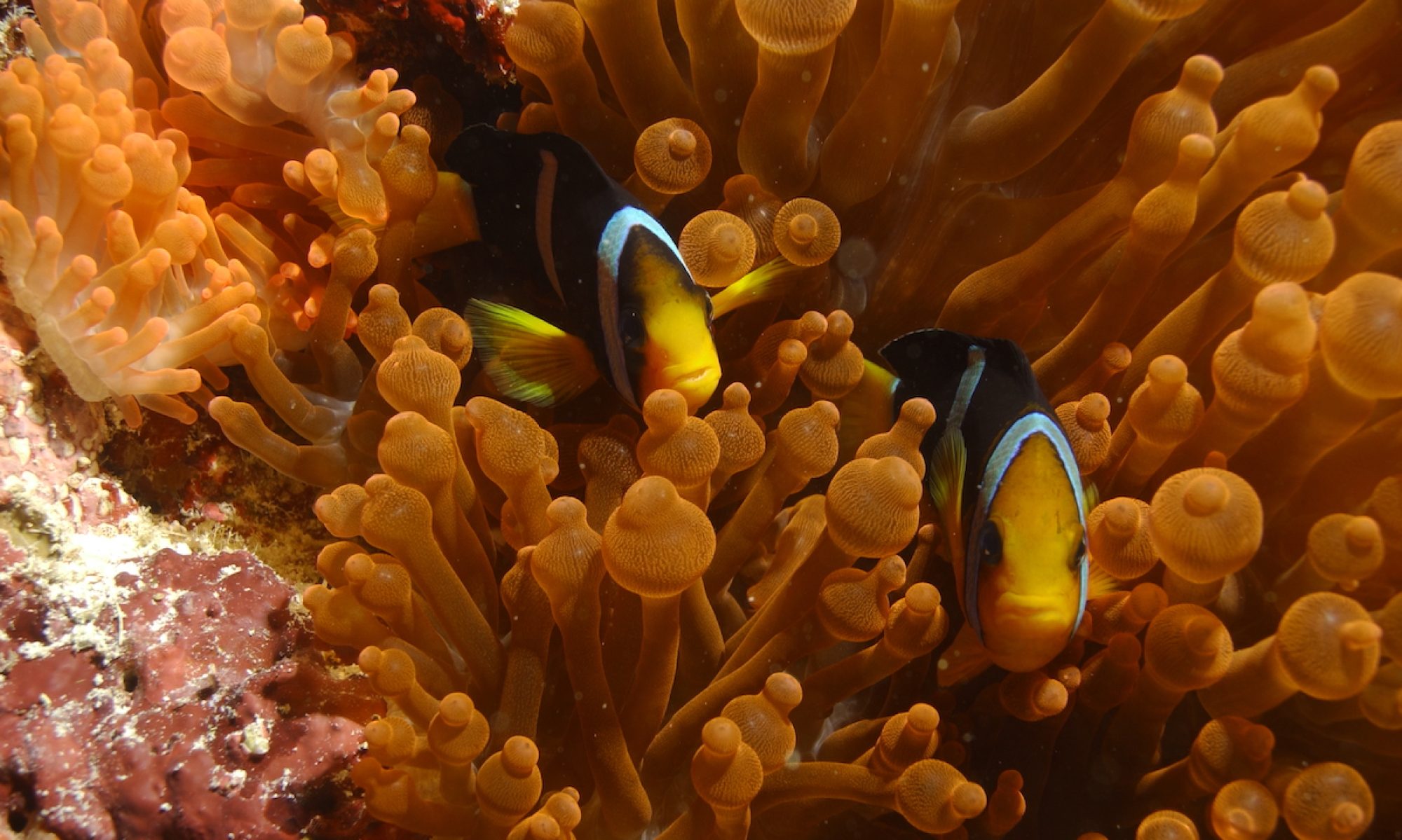
Coral reefs alone support around 25% of marine life, yet they are increasingly threatened by ocean warming and pollution tied to consumption-driven emissions.

Also Read: How to protect marine life – small actions that make a big difference
As Tanya Steele, Chief Executive of WWF-UK, says, ‘a 73% decline in wildlife population sizes over the past 50 years is shocking and must be a wake-up call. We need to take urgent action to protect and restore nature both in the UK and around the world.’
Turning Concern Into Conservation Action
In response to this growing crisis, Biosphere Expeditions works to reconnect people with the natural world and turn concern into meaningful action.
Through citizen science expeditions around the world, volunteers work alongside professional scientists, gathering vital data on species and ecosystems under pressure from habitat loss, climate change and pollution.
For example, in Dalarna, Sweden, volunteers travel to the region’s forests, wetlands and rolling landscapes to help study and protect the brown bear population. Working as part of an international team, participants spend time in the field searching for winter dens and summer resting sites. The data collected provides vital insight into bear behaviour and habitat use, helping researchers and authorities better understand the species and reduce potential bear–human conflicts.

In contrast, expeditions in the Maldives take place beneath the surface of the Indian Ocean. Volunteers must be fully qualified divers, as the expedition involves collecting data across 26 coral atolls while living aboard a research vessel. Participants monitor the health of coral reefs, as well as fish and invertebrate communities, helping provide the evidence needed for informed conservation management, education and policy decisions by governments and environmental organisations.

Citizen Science Supporting Real Research
Biosphere Expeditions maintains transparency about both its successes and its challenges. Expedition findings are documented through public expedition diaries and annual reports, ensuring conservation outcomes are openly shared.
Data collected by citizen scientists — volunteers from the public who join each expedition and contribute to real scientific research by collecting and recording field data alongside professional researchers — is passed directly to local scientists. This strengthens evidence-based applications to governments and supports policy change.
Most recently, data gathered by Biosphere Expeditions’ volunteers in October 2025 was formally acknowledged in a peer-reviewed study published in Nature Communications, one of the world’s leading scientific journals.
The paper warns that:
‘The impacts of ocean warming on coral reefs are accelerating, with the near certainty that ongoing warming will cause large-scale, possibly irreversible, degradation of these essential ecosystems.’
Volunteers Discover a Different Way of Living
For many participants, the experience of joining one of the expeditions leads to personal change.
Malika Fettak, who first joined as a citizen scientist in 2006 before becoming an expedition leader, reflects:
‘It opened my eyes to the possibilities of another way of living. Out in nature, you actually need less to be happy and fulfilled.’

Others describe developing a deeper connection to wildlife after observing animals in their natural habitats and witnessing their behaviours first-hand.
As volunteer Peter Thoem explains:
‘When I return, I always feel richer and profoundly privileged for having been to places and done things that I used to believe only existed in an Attenborough world.’
Conclusion: Rethinking Consumption for the Future of Wildlife
Addressing the environmental crisis requires more than awareness – it demands a fundamental shift in how societies view consumption, nature and responsibility.
By enabling ordinary people to contribute directly to scientific research and conservation projects, Biosphere Expeditions demonstrated how individuals can move beyond concern and become part of the solution.
Beyond fieldwork, the organisation promotes practical changes through initiatives such as its 20 Tips for Being Green, helping people reduce their environmental impact in everyday life.
In a world where overconsumption increasingly threatens the natural systems we depend on, connecting people with nature and empowering them to protect it, may be one of the most powerful tools for lasting change.
You can find an overview of all current expeditions offered by Biosphere Expeditions here.
Also Read:
- Volunteering abroad for wildlife conservation: what to expect
- How conservation volunteering can help burnout recovery
Author: Liesl Hammer

Liesl Hammer grew up bilingual in England and Germany with a passion for writing and conservation and holds an English Literature with Creative Writing degree. As the daughter of Biosphere Expeditions’ founder and executive director, she has been on many expeditions, for example to Namibia, South Africa, Oman and Maldives, where she was always captivated by the different cultures, wildlife and wild places she found. Combining all these interests, Liesl now has her own business, helping organisations and businesses improve their social media presence and quality of writing, which is exactly what she does for Biosphere Expeditions – from creating a social media strategy to producing a blog to looking at communication in wildlife conservation.