
Update from our Malawi expedition volunteering with elephants, hippo, cats, pangolins and African biodiversity
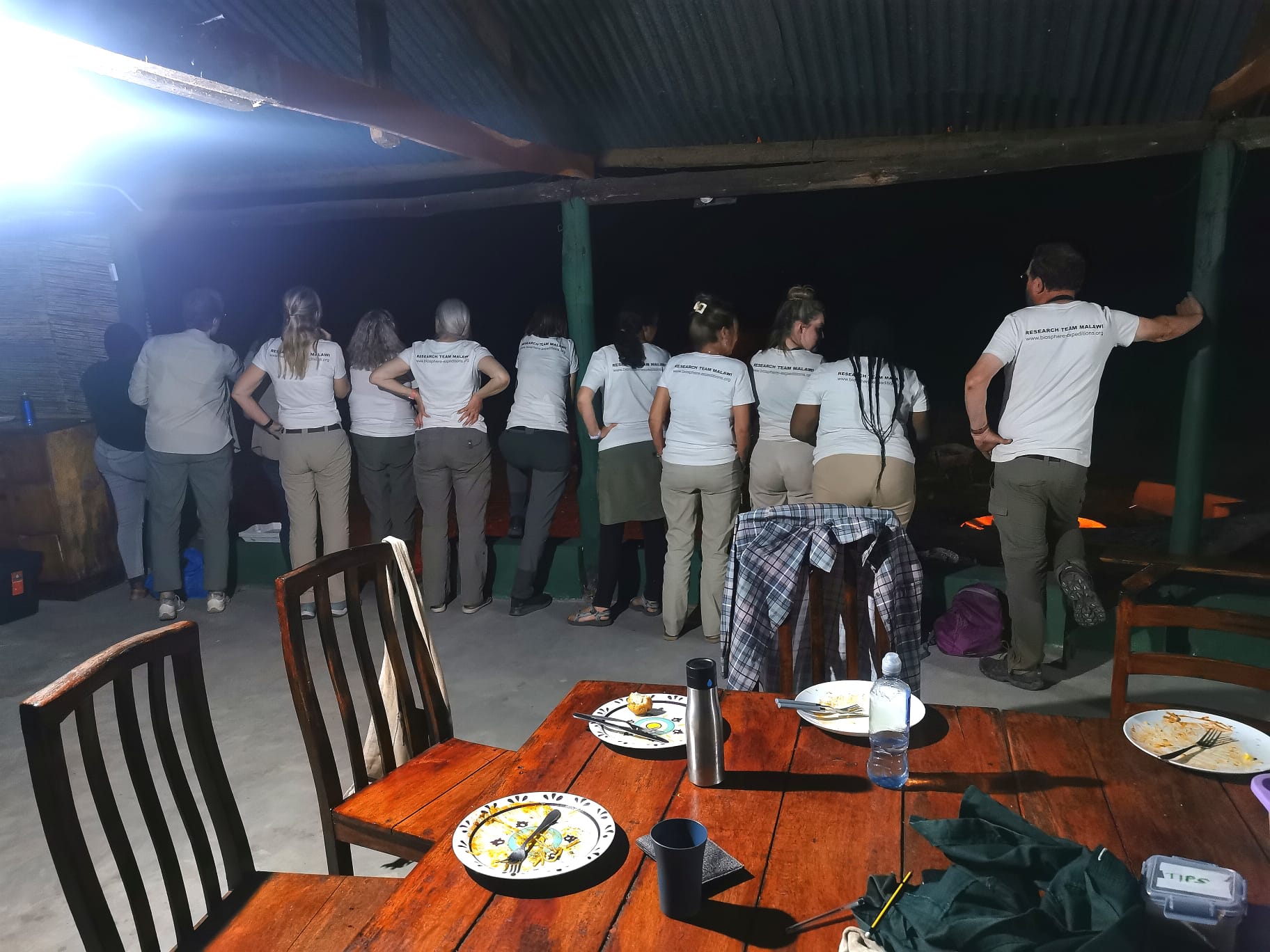
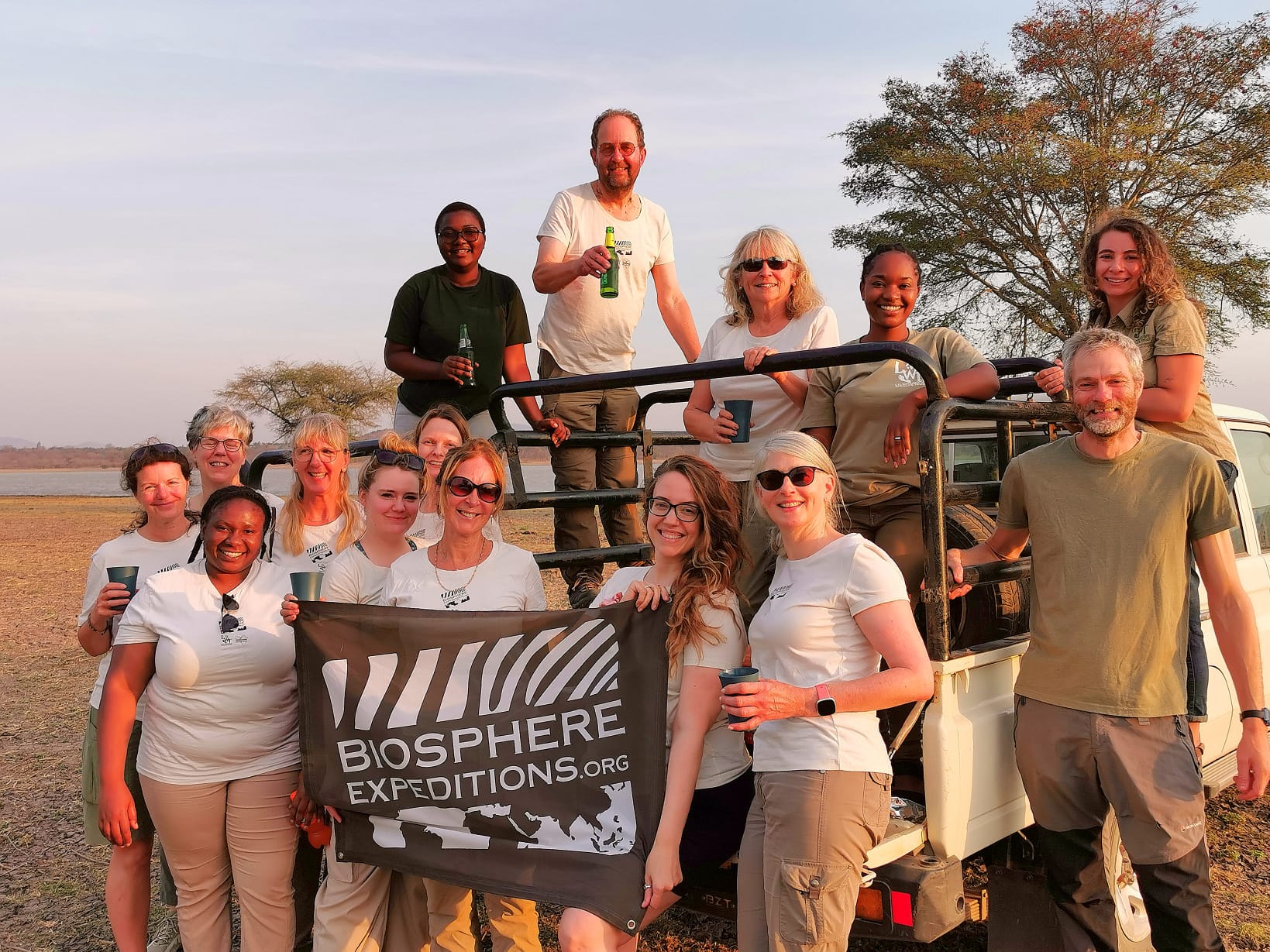
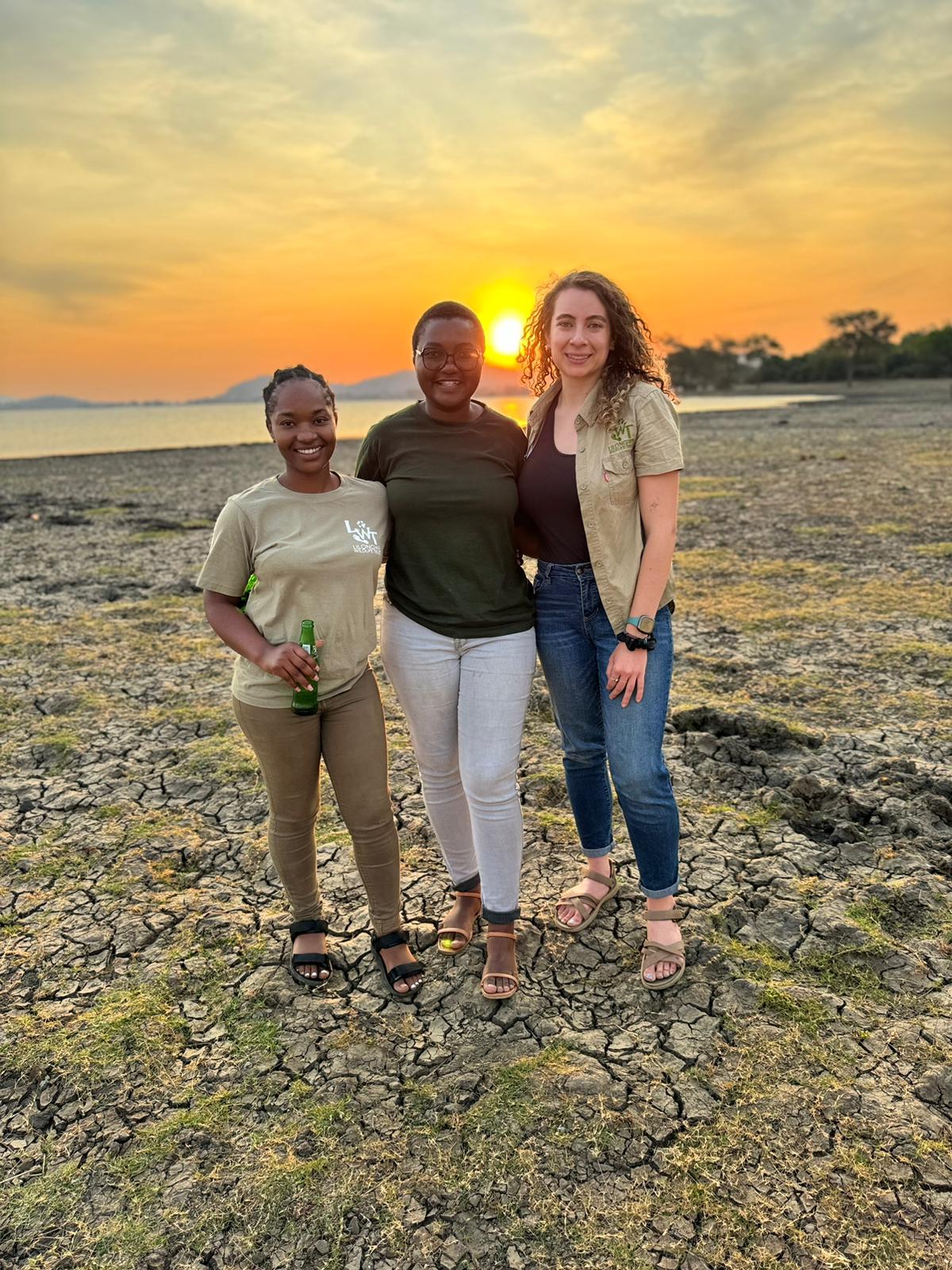
The 2024 Malawi expedition has now finished and it ended in style. With our last research tasks complete, all the data entered and kit packed up, we enjoyed a well deserved sundowner on our last evening on the shores of the lake, watching the glorious red sunset. Back to camp for a farewell feast prepared by the expedition cook, Luca, which was interrupted by a startling loud noise coming from the dark very close to us. Elephants! A herd had quietly crept in and was calmly feeding on the trees only 10 meters away. We unpacked a red spotlight and watched with fascination and joy as the elephants spent the next hour or so wandering around the edges of our camp, utterly unfazed by us watching safely from our communal area. It was a magnificent and pretty emotional ending for the expedition.
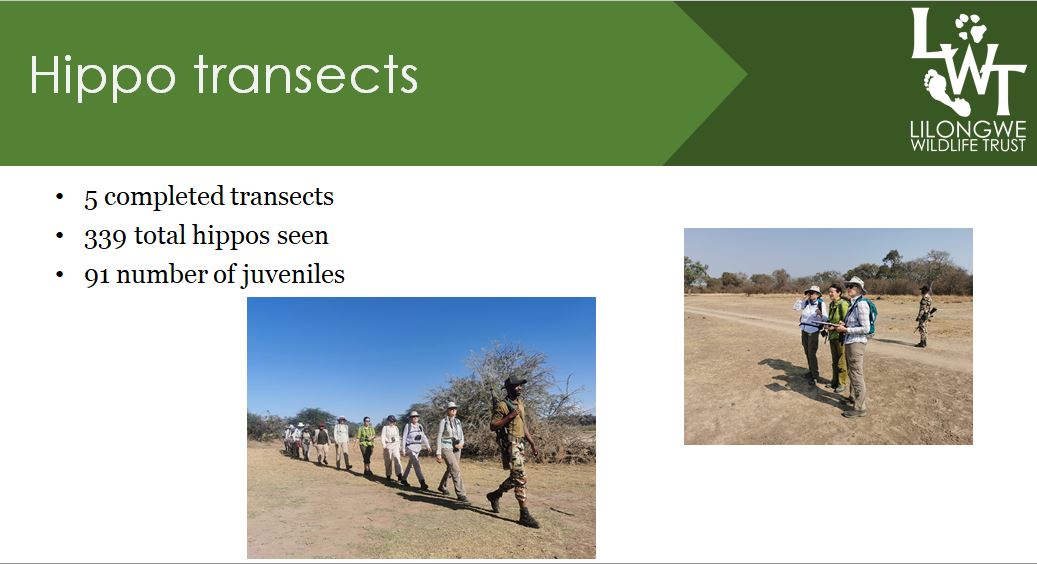
Some headline achievements of the expedition are shown below.
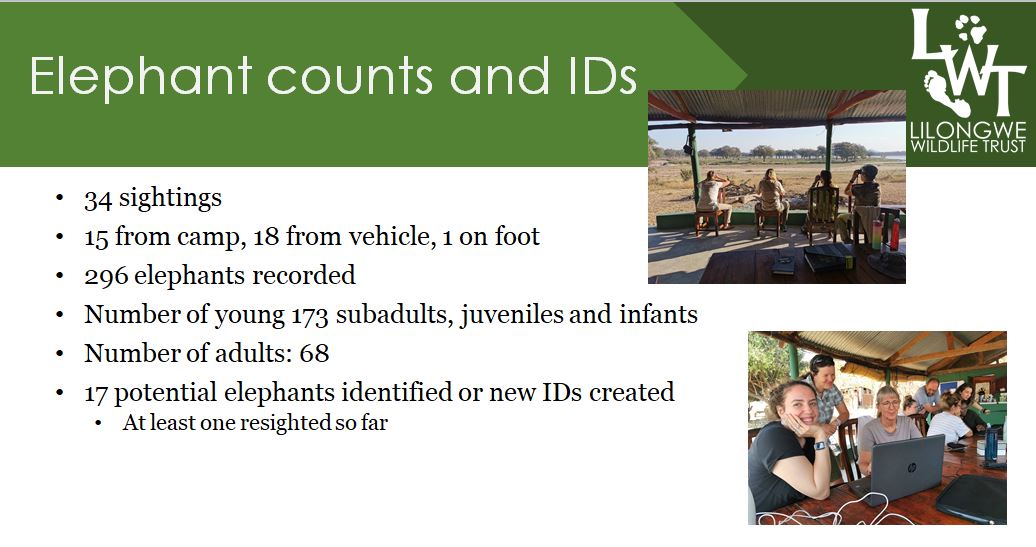
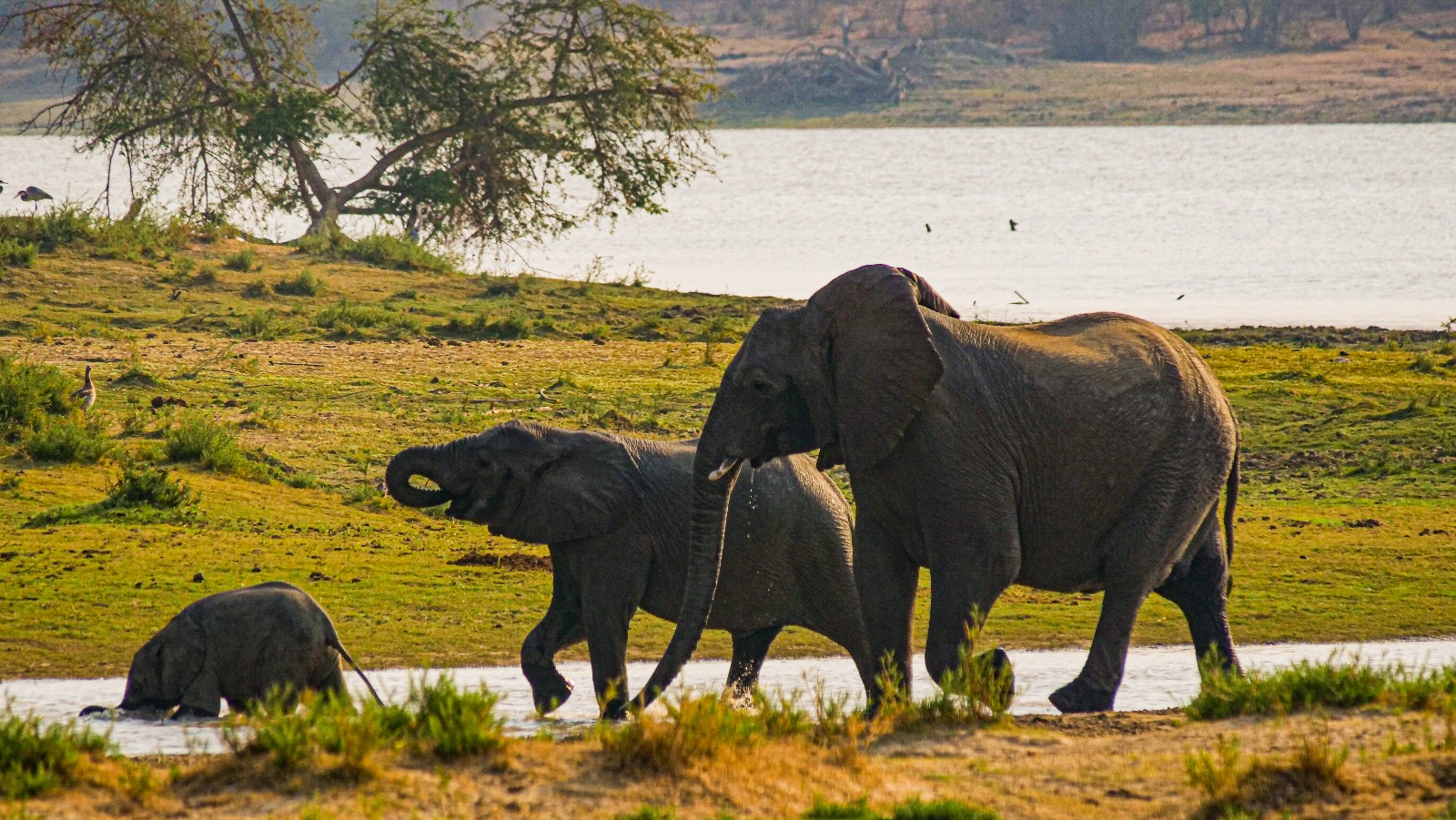
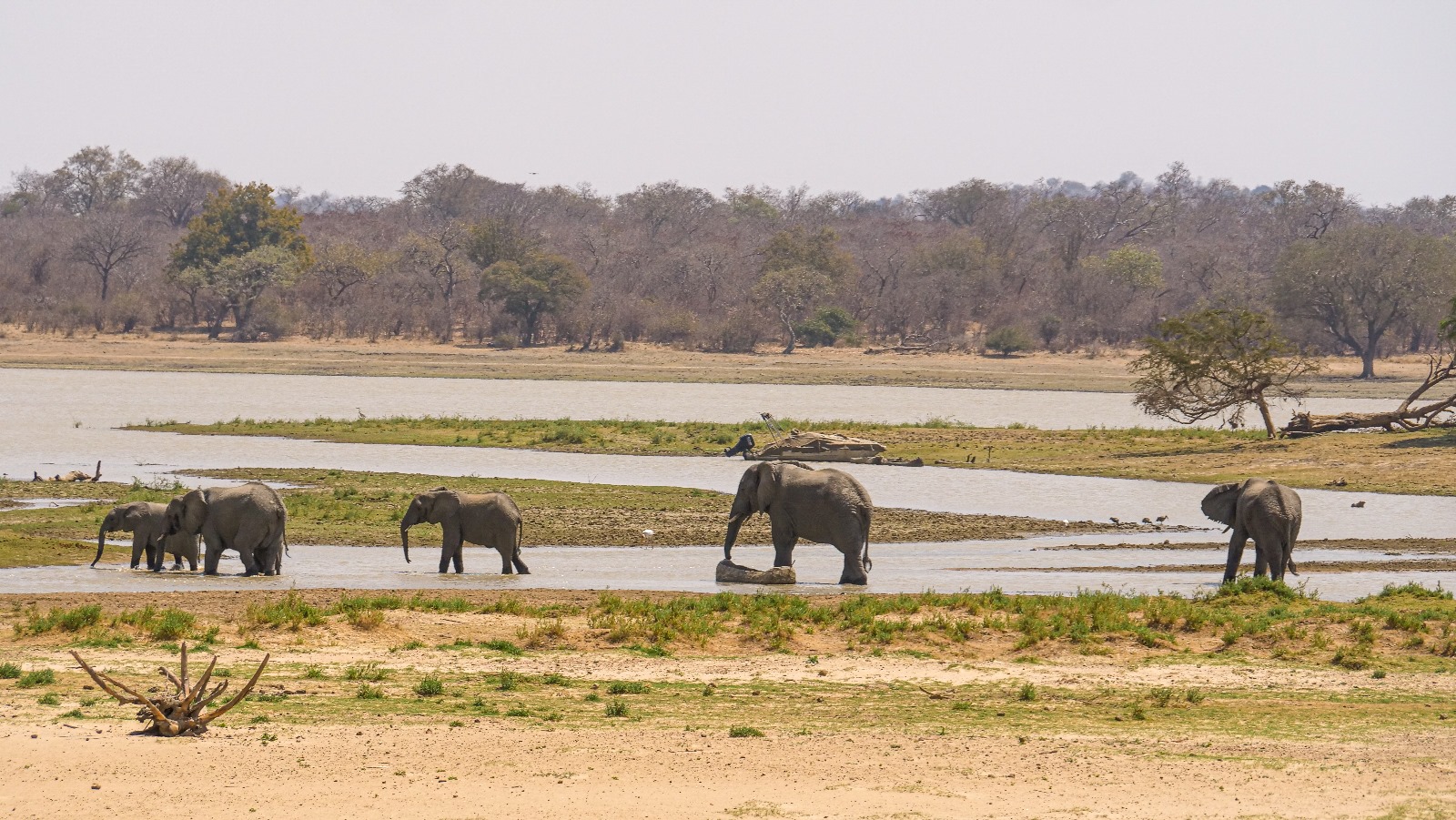
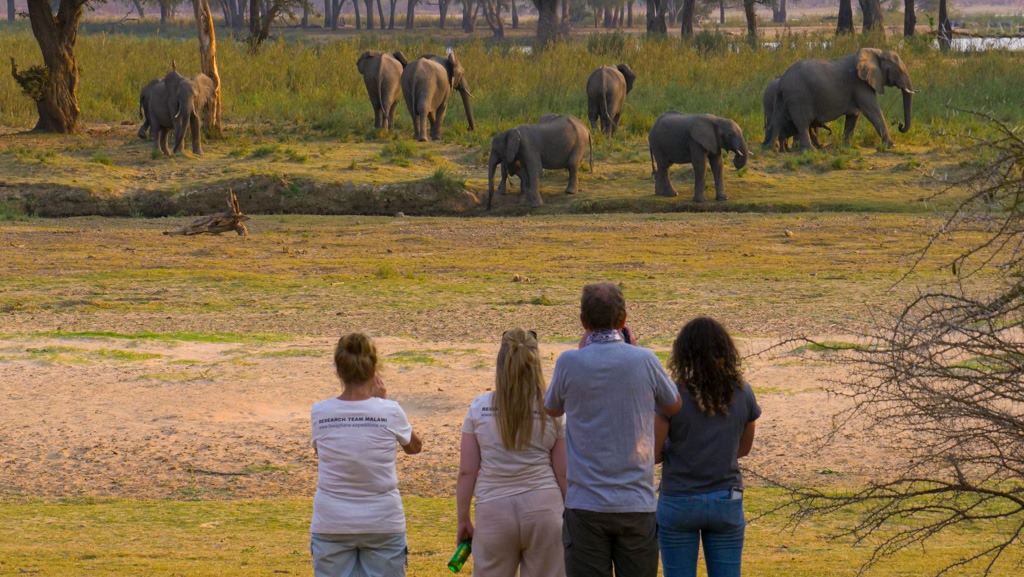
Many of our elephant sightings have been from base camp. Some of the herds seem to have a tendency to wander down to ‘our’ end of the lake and the good grazing on the land opposite camp in the late afternoon. We often get only a few minutes to enjoy watching them wade through the shallows, drinking and bathing, then up onto the shore before they reach the tall vegetation where they are half hidden. In those precious minutes we need to count and do our best to characterise them by sex and age class. Using binoculars and cameras, we also look for any distinctive identification features such as notches on ears and tusk shape. In this way we can cross-reference with the Vwaza elephant catalogue created from our previous expeditions here and potentially add to the catalogue too.
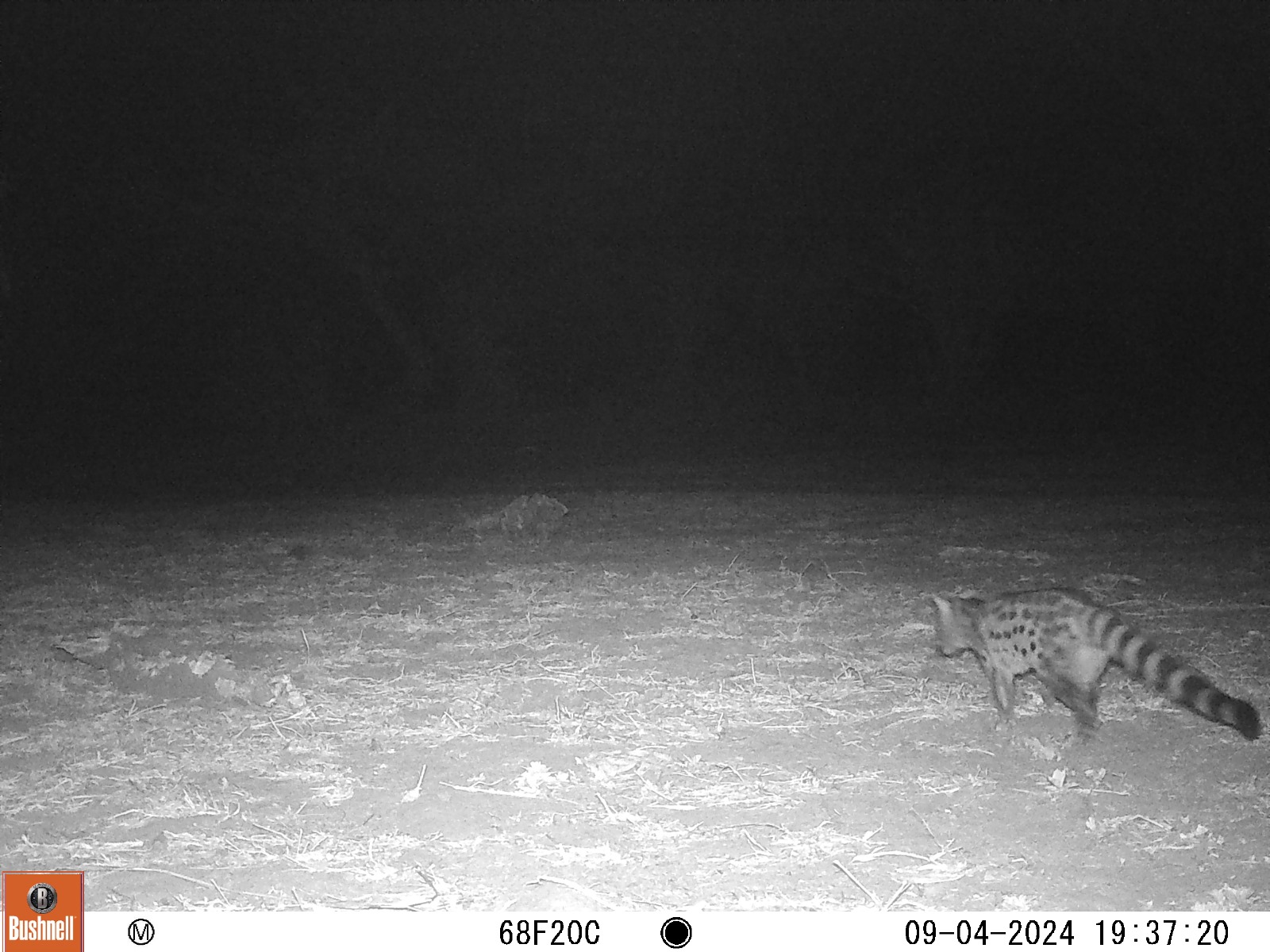
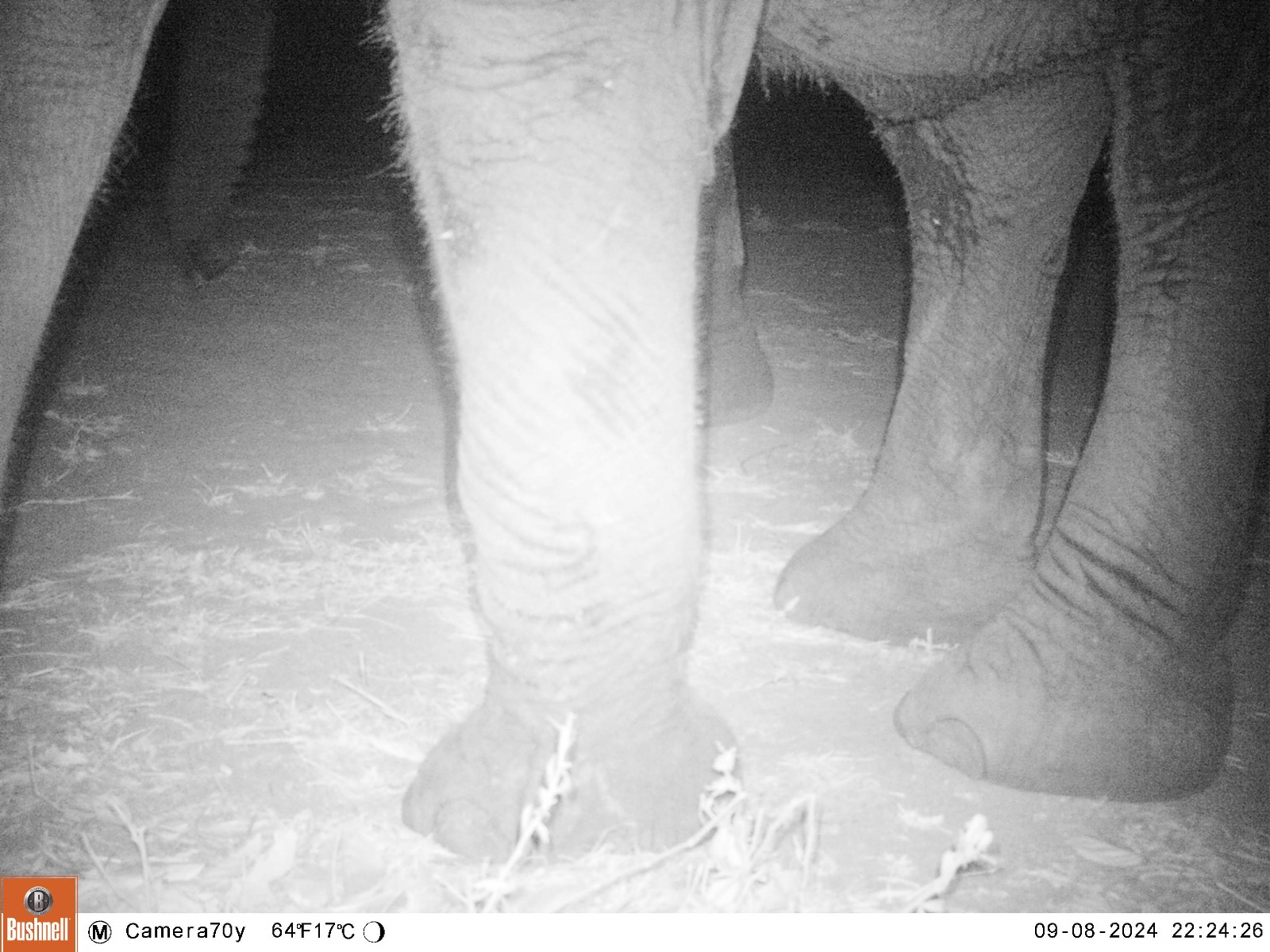
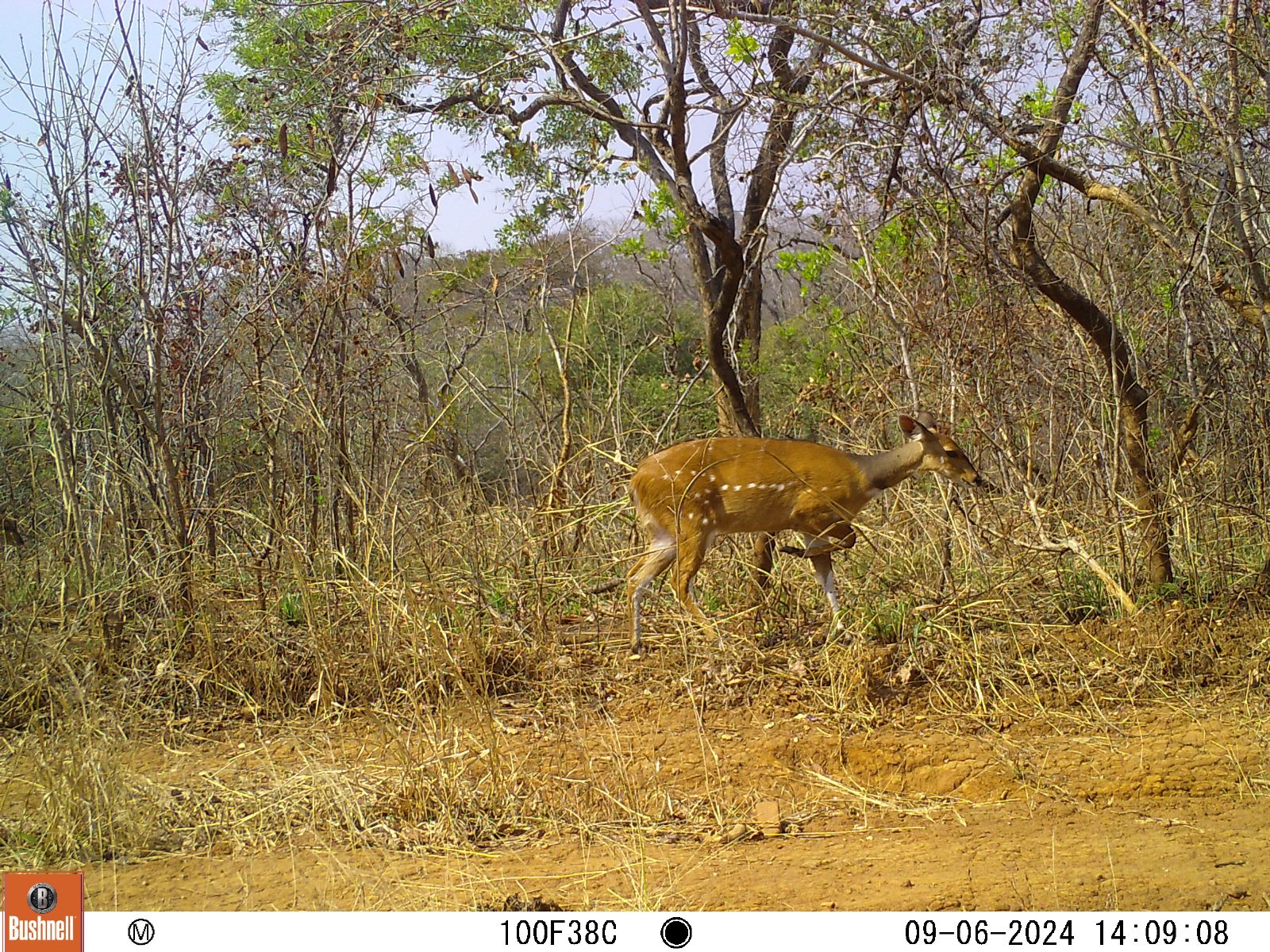
We also collected all the camera traps and processed all the images. As expected, we have images of hippos and elephants (mostly just their legs, close up) as well as the antelope species we meet every day in the day time. But we also have evidence of quite a few nocturnal species: civets, genets, mongooses as well as a porcupine and a honey badger. All of these are significant, but none quite as exciting as the hyaenas we captured earlier on.
It has been a good expedition, and both myself and expedition scientist Lea are pleased with the quality and amount of data that the team has gathered. I would like to thank our all our citizen scientists who have contributed so much to this expedition and continued our mission of building up a good long-term research dataset on the wildlife at Vwaza, which will be shared with the reserve managers and others and published as necessary. Thank you!


Update from our Malawi volunteer expedition including elephant volunteer Africa and lion volunteer Africa
 Biosphere Expeditions: blogs from the frontline of wildlife conservation and the fight for a more sustainable planet
Ellies! 🙂