Arabia: Changes

Update from our wildlife conservation volunteering holiday in Dubai (UAE) working on oryx, wildcat and desert species

Welcome to the first diary entry of the 2024 Arabia expedition. I am Malika Fettak, your expedition leader.

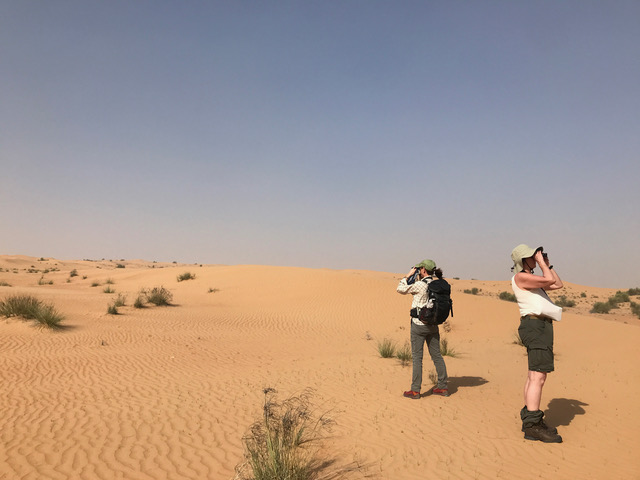
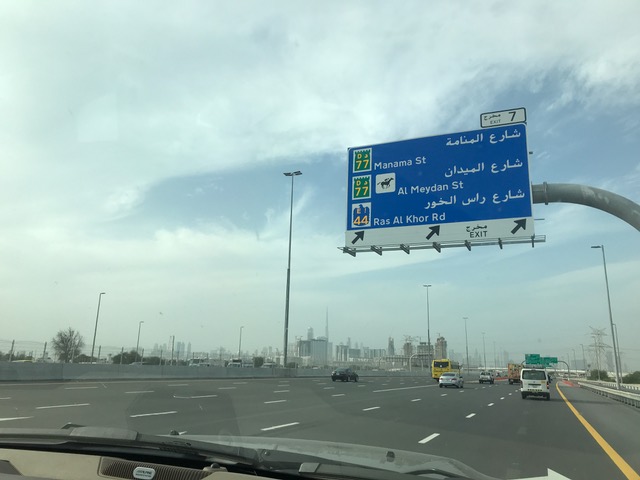
This expedition and I share a long history going back to 2012, the very first Arabia expedition to the Dubai Desert Conservation Reserve (DDCR). Since then, the city, surrounding areas and the desert landscape have developed into something else. 2-lane roads have turned into 8-lane highways, spaces between buildings have been filled with even more skyscrapers and the size of the city has multiplied. Along the approximately 60 km from Dubai to the DDCR, where just over a decade ago there was only desert, road networks for new housing areas already exist both sides of the highway indicating construction areas in the near future. However, all of this is literally left behind once you pass the gate to the reserve. The desert landscape that stretches before your eyes seems to be from a different time, before the oil, when Dubai was nothing more than a settlement of fishermen at the Creek.

The reserve is like an island: 230 square kilometres in size, surrounded by a high solid metal fence and strictly guarded entrances that can only be passed by a very restricted group of people. Among these are us, the expedition team, contributing to conservation and supporting the Reserveโ€™s management. We are special guests every year with the privilege of setting up a desert basecamp for the expedition and moving freely with the expedition 4×4 vehicles. No tourist or other individuals have access to the reserve without supervision, can not move around on their own, let alone stay overnight. That makes this expedition something very special.

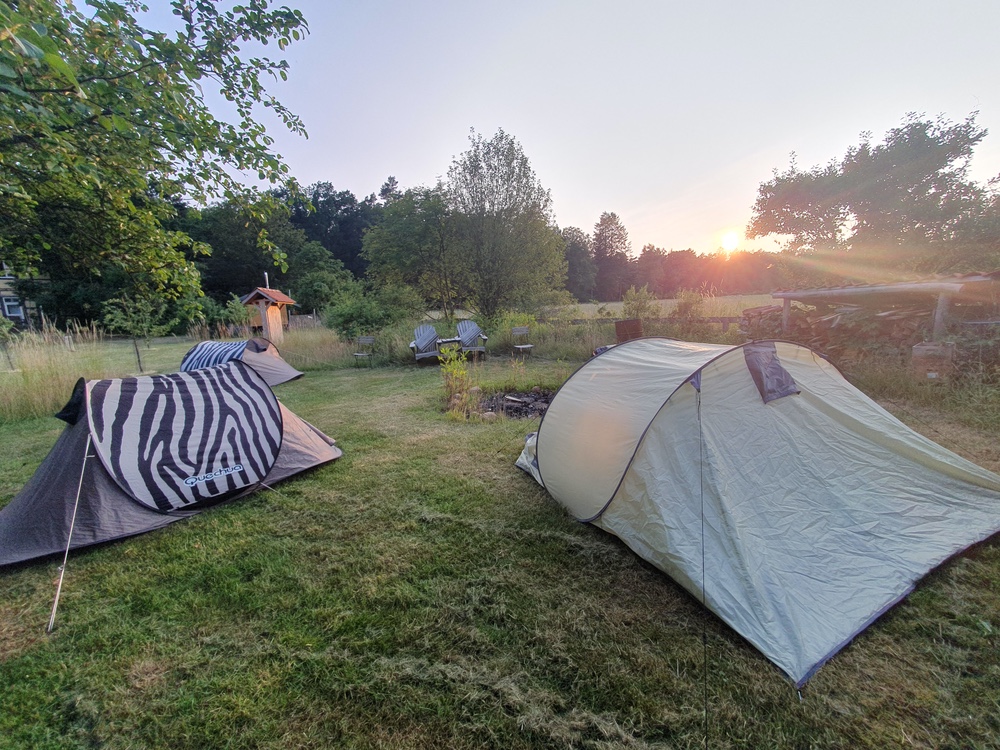
This year a DEWA (Dubai Electricity & Water Association) project is underway 24/7 in the Reserve, causing quite a bit of noise around the base camp site we have used recently. So this year we will be back in a spot that we have used in the past, with updgraded facilities of water supply, shower, toilet, campfire, solar power for our fridge etc.

New this year also is the DDCR Visitor Center that was opened only a few months ago. Designed and equipped with great dedication by the DDCR staff, this year we look forward to touring it by way of introduction before we settle into camp and explore the desert ourselves. For a few weeks, we will be extra eyes and ears in the field, documenting, reporting and exploring and what DDCR managment needs to know for effective protected area management. We will come across oryx and gazelles frequently on our drives and walks, explore & record fox dens and nesting sites of desert eagle owl and we may be lucky enough to spot and record vultures and other desert species.

I look forward to meeting the first team in a week at the Premier Inn in Silicon Oasis. I’ll write again before that with updates from the desert.

Malika Fettak
Expedition leader

Continue reading “Arabia: Changes”

Germany : 2023 round-up

Update from our Germany wolf volunteer project

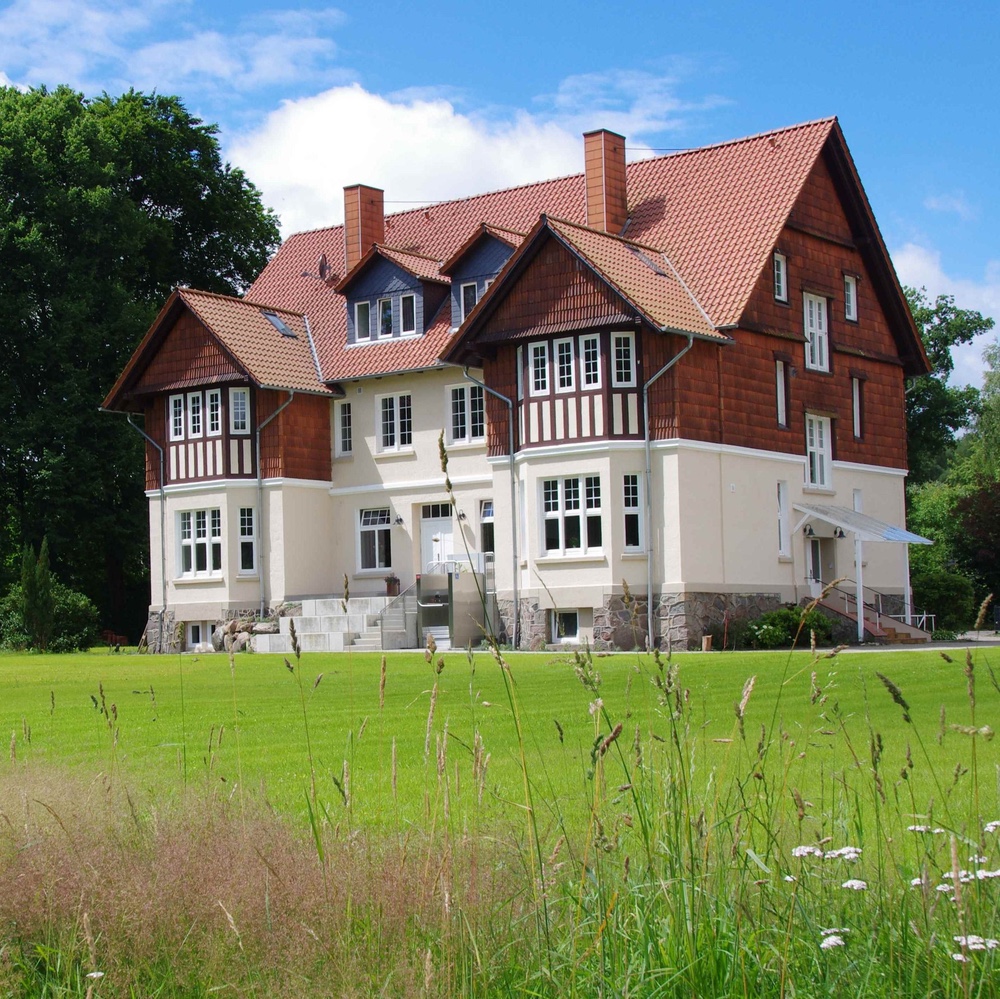
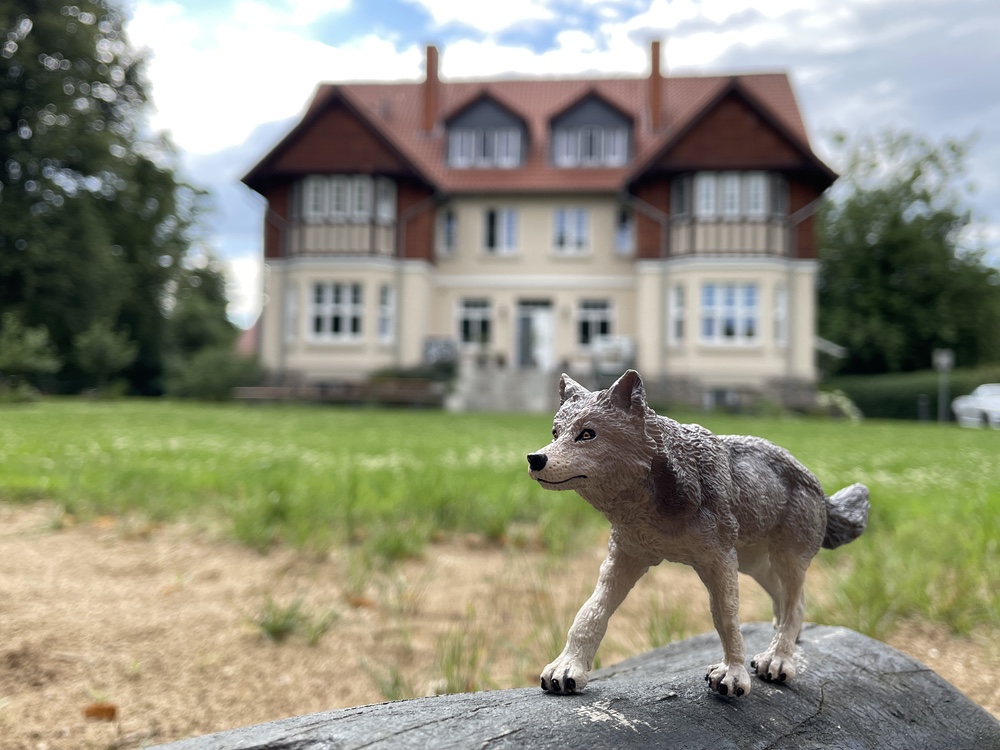
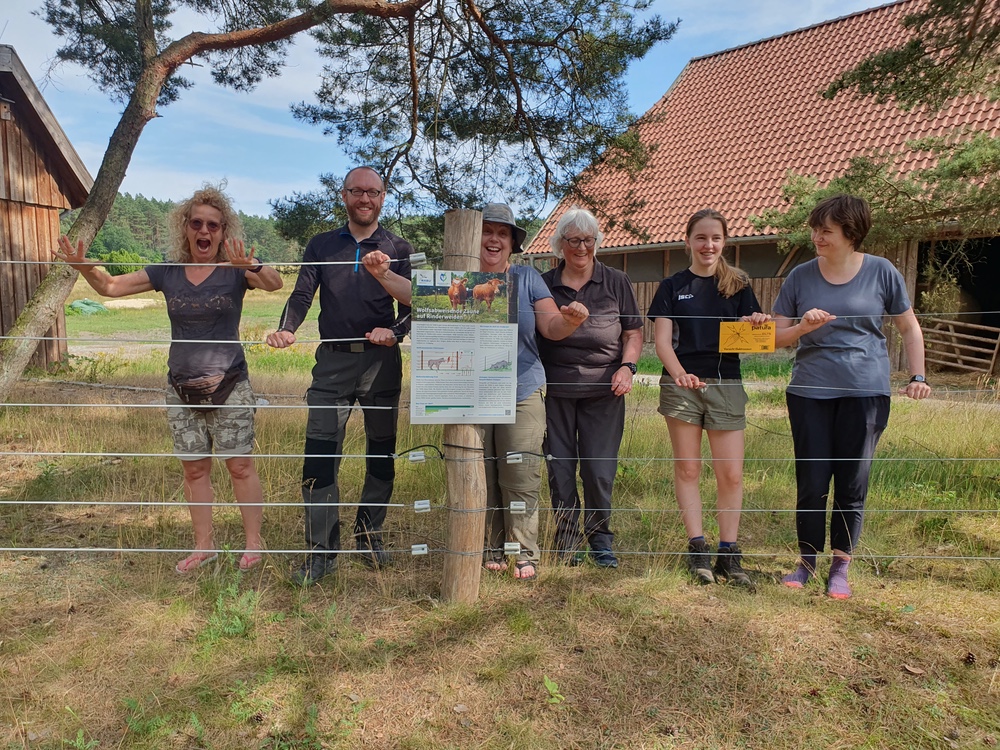
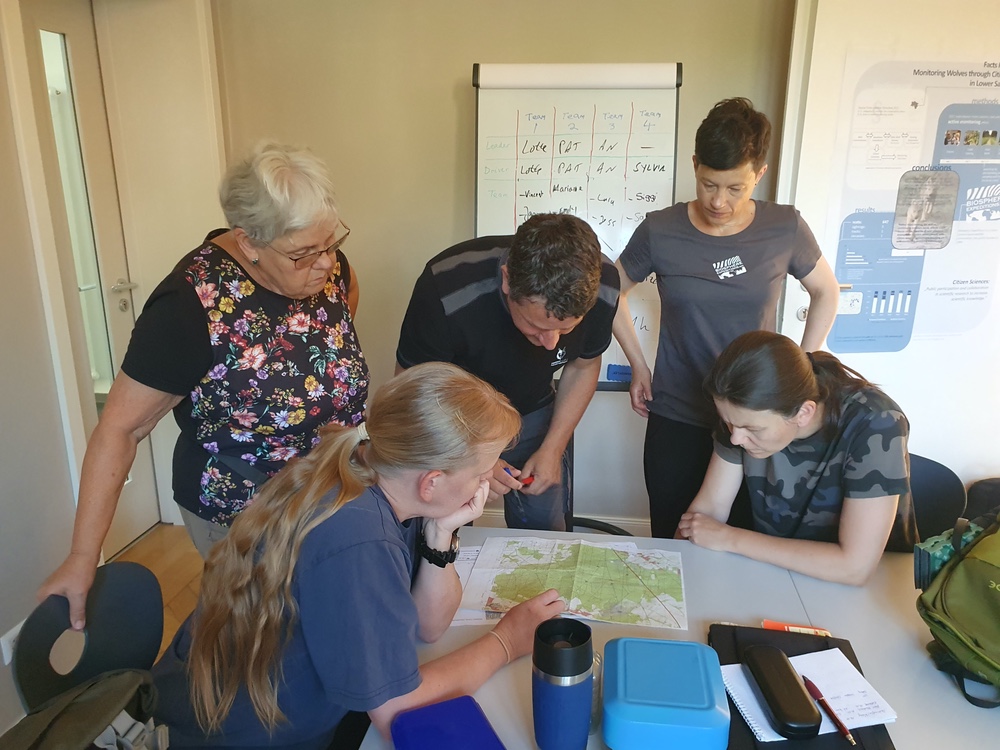
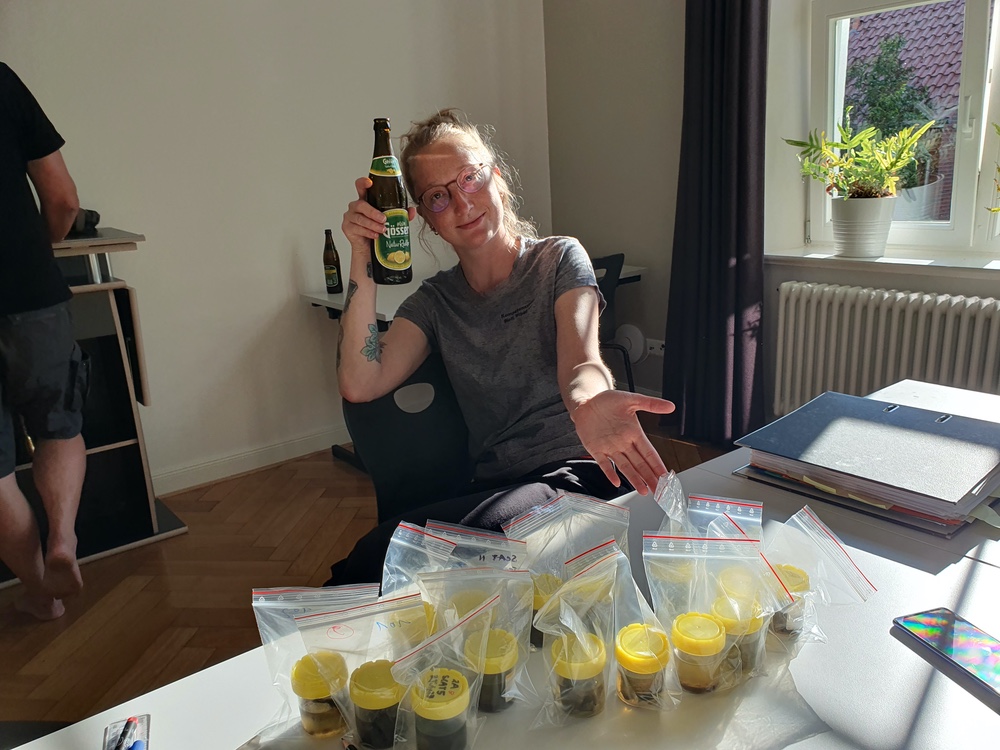
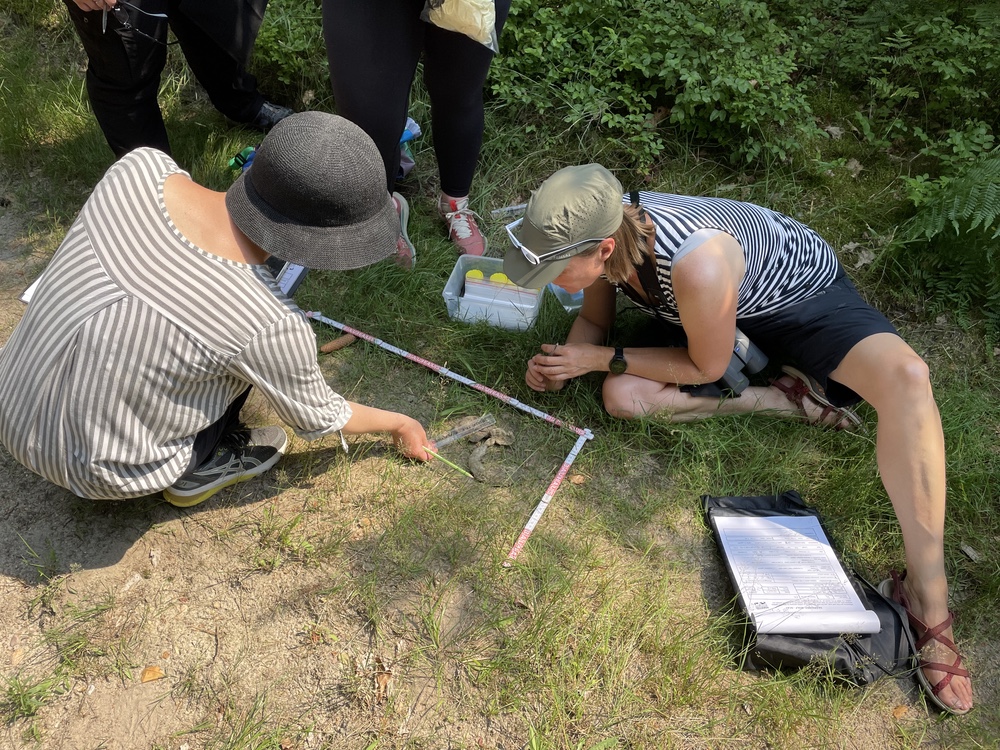
For the fifth edition of the Biosphere Expeditions wolf project in Germany, we moved to a new expedition base, the beautiful NaturCampus in Bockum, in northern Lower Saxony. In 2023 we welcomed a total of 19 expeditioners from seven different countries for two weeks. The final numbers of all groups bear evidence to a truly impressive effort: all teams covered 791 km in eight wolf territories, sampling a total of 218 wolf scats. This corresponds to 35 10 km x 10km grids. 156 samples were frozen for dietary analyses and 16 samples will be sent to the lab for DNA analysis. We also recorded one wolf sighting during group 1 and two wolf tracks of adults and pups. For the first time during an expedition, howls of wolf pups and adults could be heard in the distance; this awe-inspring event was of course duly recorded.

During the Covid pandemic, wolf monitoring went through a deep data dip, so the new and sizeable set of data collected by the 2020, 2022 and 2023 wolf expeditions are crucial for an up-to-date picture of current wolf presence in the study area and data have just been entered into the German wolf monitoring database by our expedition scientists.

Biosphere Expeditionsโ€™ contribution from 2017 to today now exceeds 1000 data entries, underlining the importance of citizen science for wolf monitoring and conservation.

What makes this expedition truly unique is the variety of wolf stakeholders we interacted with: inspiring wolf ambassadors, the committed Wolfsbรผro team, the staff of our beautiful Bockum NaturCampus expedition base, Kenner’s Landlust setting, the showcase Wolfcenter Dรถrverden, and our amazing scientists. We also learnt about how humans and wolves can coexist in a densely populated and highly developed place like Germany. This apex predator has come back to stay and it is a credit to Germany that the country is making it work, the inevitable trials and tribulations aside. We are proud to say that our expedition plays a significant role in making this so, and we thank everyone for making this year a great success. We hope to see many of you again in the future.


Citizen scientists feedback:

It was a unique experience for me. I appreciated and enjoyed the opportunity to be part of the scientific team to research the wolf and play a role in wolf conservation. Walking in the forest, looking for scats and the possibility of seeing a wolf, made me feel close to nature and sense a connection to the wolf. I learned a lot. Thank you so much for it all!
Carine C., Australia

This is my 10th Biosphere Expedition, and it was simply one of the best. Excellent lodging, good food, great team and very knowledgeable scientists with the right attitude.
Anne S., Germany

Where to begin? It was the best of smells, no, it was the worst of smells. Never again will any of us look at the ground in the same way. Dog? Fox? Wolf? Hmmm โ€“ that smell. Wolf! Yes, score another.
Jim B., USA

It had a very nice time and wonderful experience. The location was great. The expeditions was a present my husband gave me – a unique one. I am sure when back at home, I will scan the paths. I hope to come again.
Silke K., Germany

The wolf expedition is always a lot of fun, and I know that my work during the expedition is valuable for the scientists and for wolf conservation more broadly. We celebrated my 20th anniversary of Biosphere Expeditions (2003 Ukraine โ€“ 2023 Germany), including five Germany wolf expeditons. Nice team, good experiences, lot of fun!
Sylvia D., Germany


Picture selection:

Continue reading “Germany : 2023 round-up”

Azores : 2023 expedition round-up

Twenty-nine expeditioners from eight countries across the world joined the Azores expeditions in March and April 2023. This was the 17th edition in the Azores monitoring the movements, migrations, numbers, group structures and ecology of cetaceans.

Here’s a summary:

Whale watching can be done in a matter of hours, but monitoring cetaceans better to understand their spatial and temporal patterns and how they use of different areas of our oceans, takes years. Biosphere Expeditions has just completed their latest expedition in the Azores and is rapidly approaching two decades of monitoring, in an area of the Atlantic ocean. which is home to over 25 different cetacean species.

Cetacean data collection takes a decade or longer, to reveal meaningful patterns and therefore the value of our research cannot be quantified now, but it will uncountably be invaluable in the upcoming years.

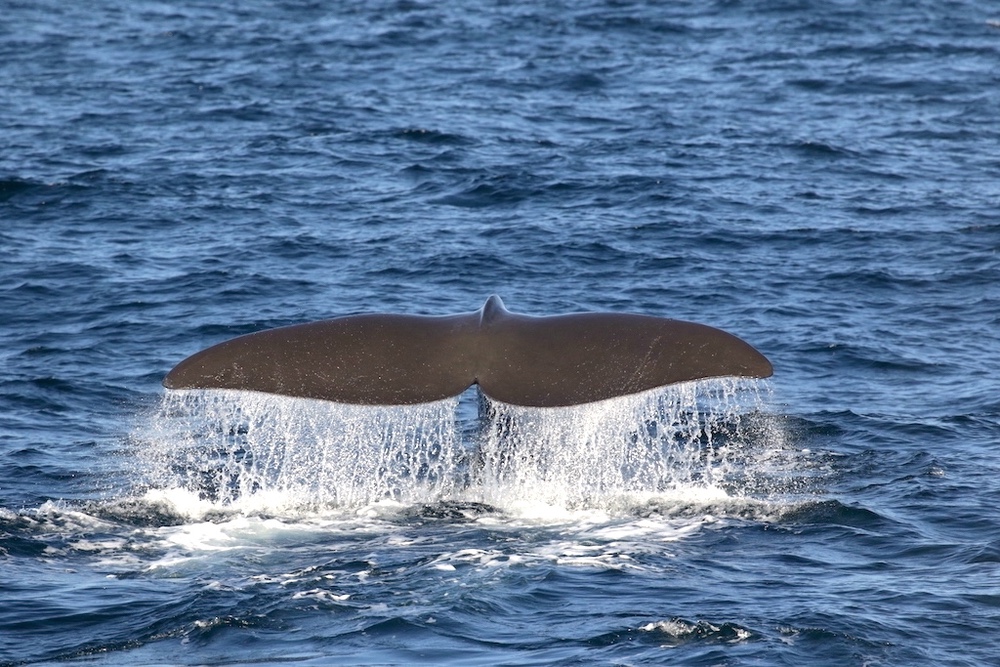
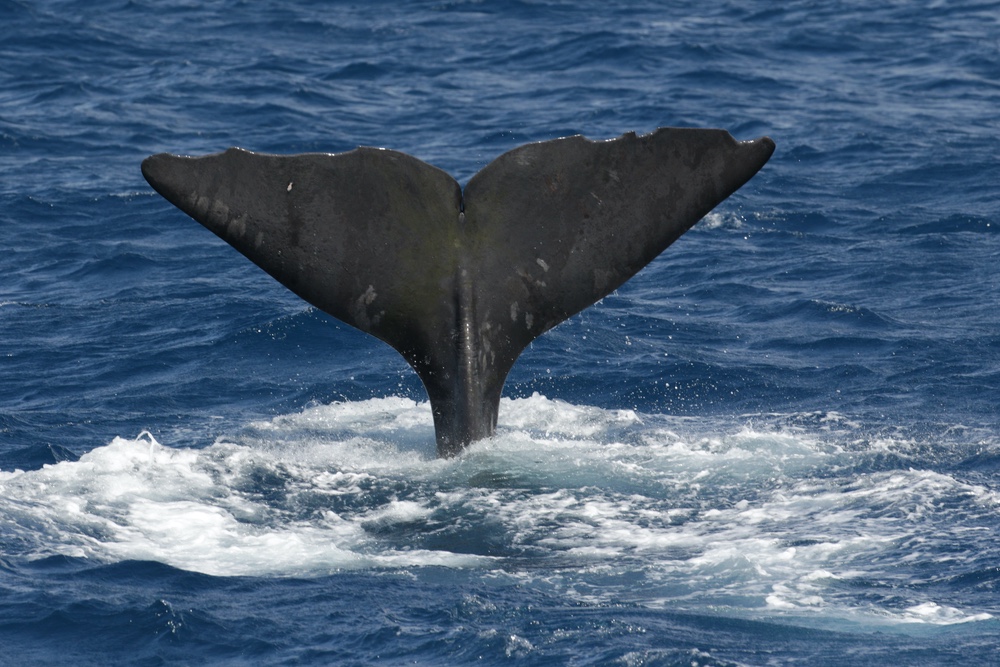
Some feedback is more immediate. Images of sperm whales and blue whales taken this year, have already be matched to other locations in the Azores, and northern Europe. But many more whales have yet to be matched in our database, revealing the vast stretch of ocean they occupy around the Azores. Some individuals have been recorded for the first time this year, again contributing to our understanding of their population.

This yearโ€™s project still has a lot of data to process from over 179 cetacean encounters over 15 days at sea, sighting over 2,000 individuals. But some species are absent from this yearโ€™s research findings and dolphins have been found in lower numbers.

With the expedition fieldwork continuing in March, Lisa Steiner, the expedition scientist, an expert on sperm whales, expresses that โ€œit has been great to extend the data collection beyond the normal tourism season and collect data on a range of species, across a broader time span. The value of this work is very significant as without Biosphere Expeditions we wouldnโ€™t have documented the range of species, including several Sei, Humpback, Fin and Blue whales, since there are fewer tour boats out at this time of yearโ€.
Being able to conduct field research during the โ€˜off-seasonโ€™ reveals new information such as species being absent or present in lower or higher numbers compared to other years.

โ€œThe ability to collect such data is greatly enhanced by the annual contribution of Biosphere Expeditionโ€™s participants,โ€ says Craig Turner (expedition leader), โ€œand underlines the value of long-term data sets in illustrating the importance of the Azores for certain cetacean species.โ€

This data collection approach is being applied to other species of whale, along with dolphin species, such as bottlenose and Rissoโ€™s. The scale of the data collection both in terms of time and space serves to demonstrate the importance of the Azores for several cetacean species and highlights the importance of appropriate conservation management, to ensure these species continue to thrive not just in Azorean waters, but elsewhere in the wider Atlantic Ocean.
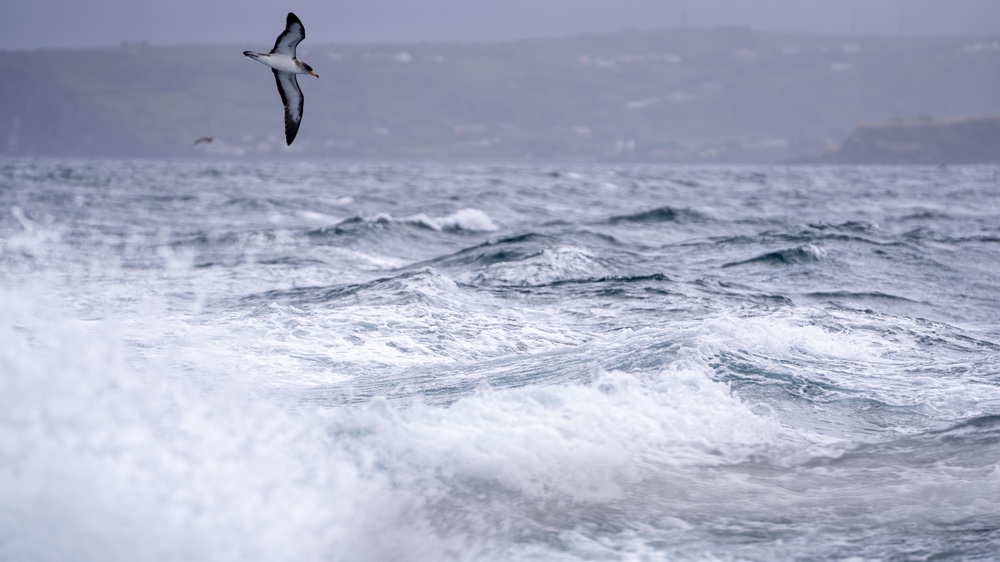
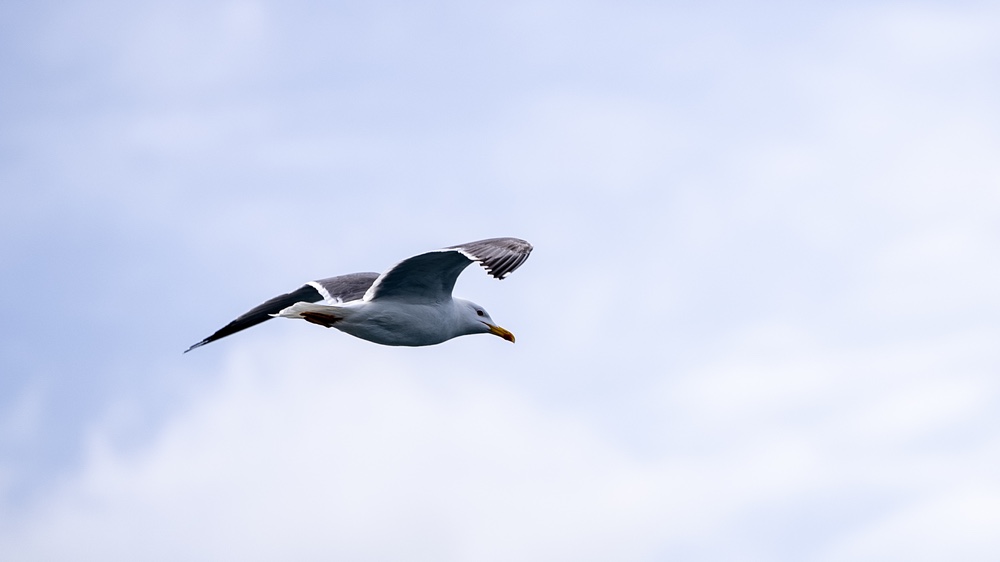
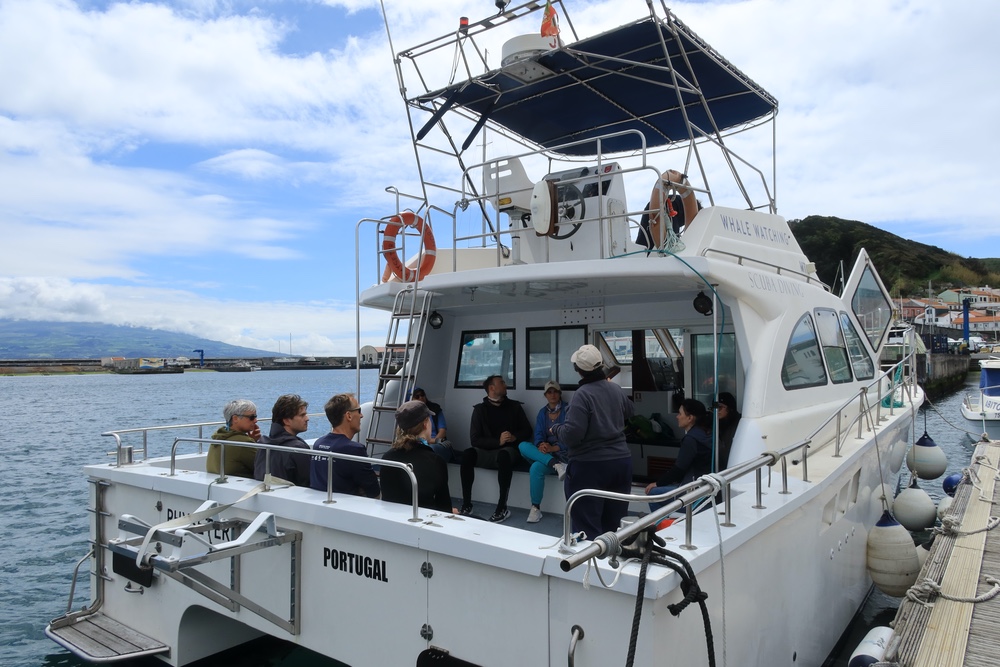
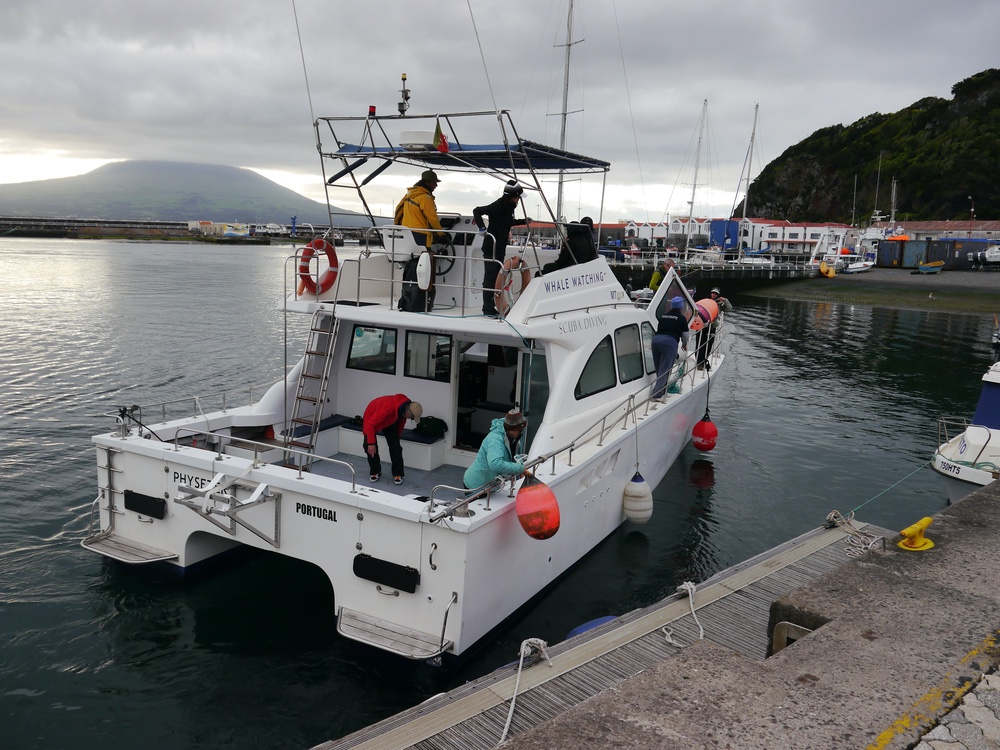
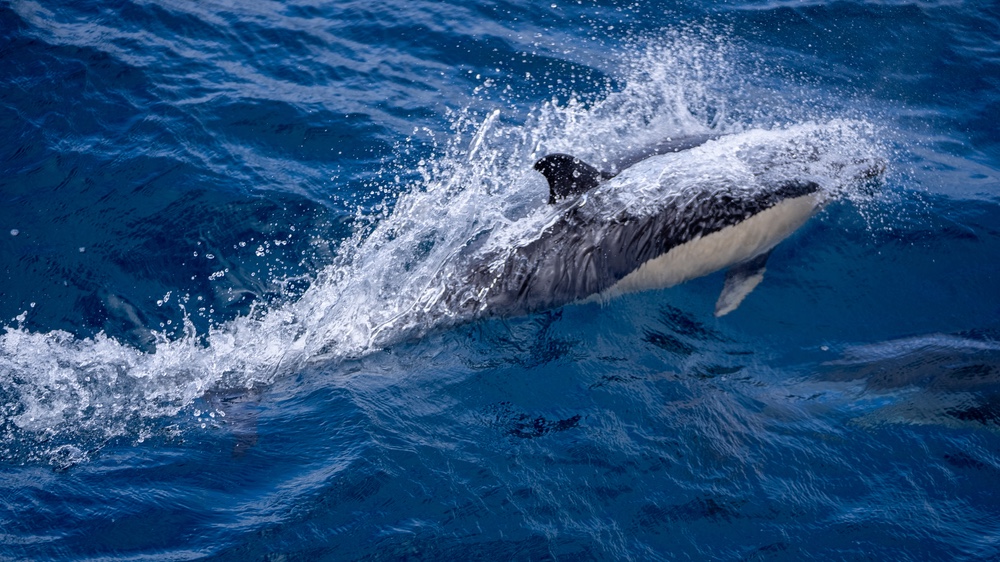
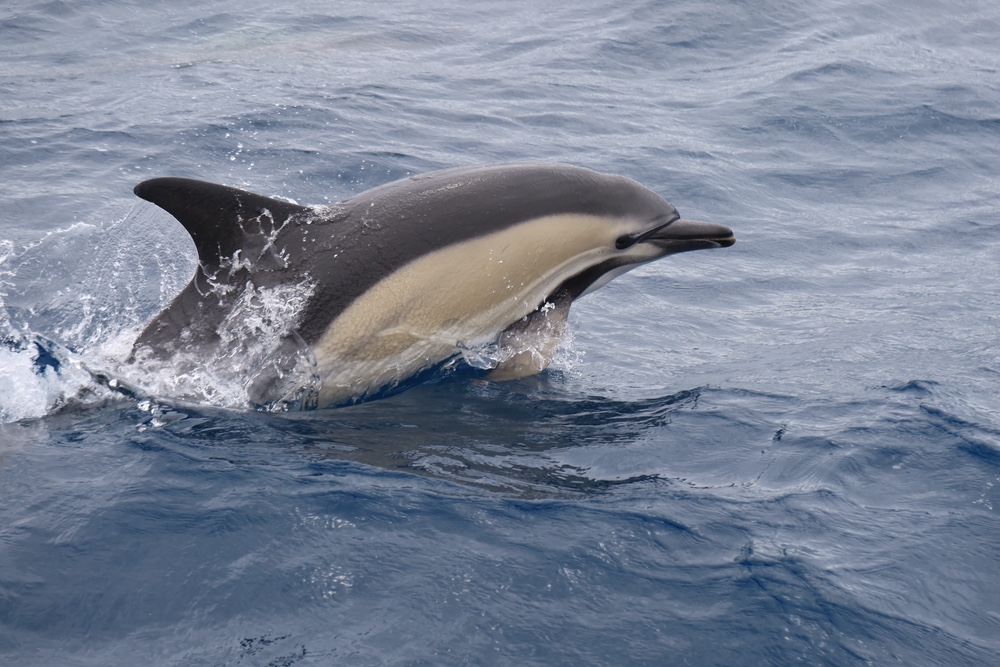
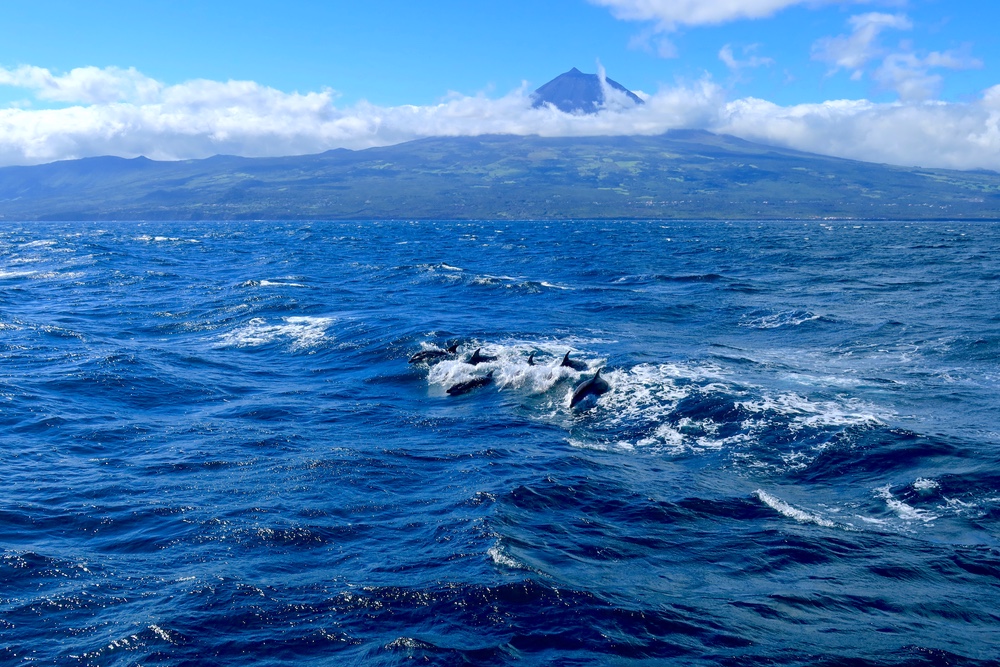
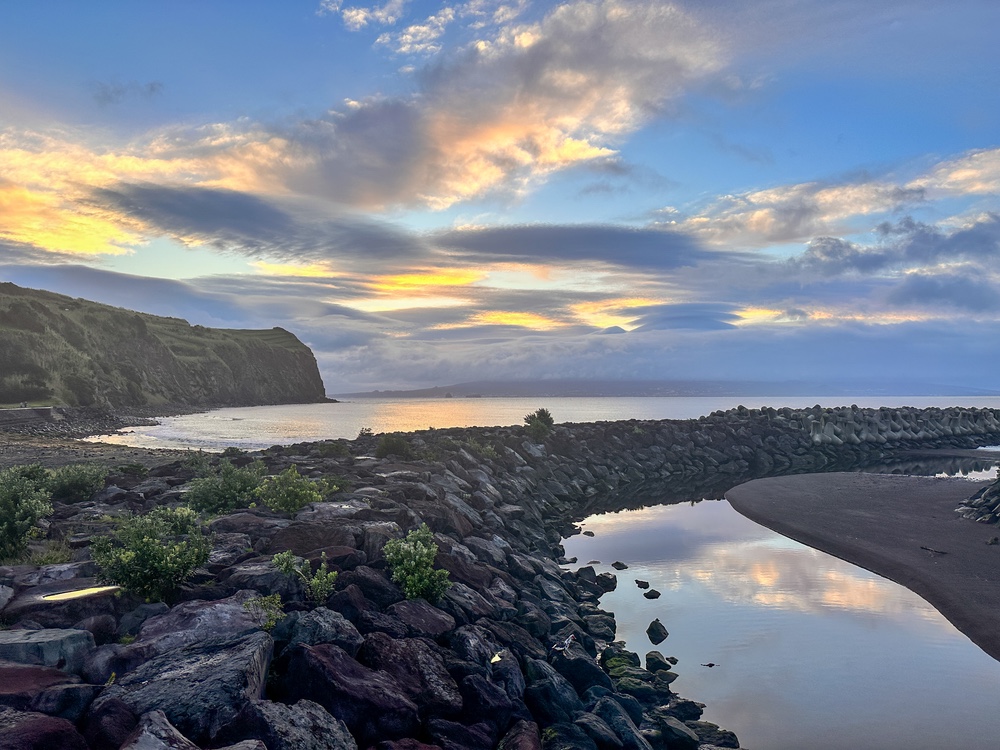
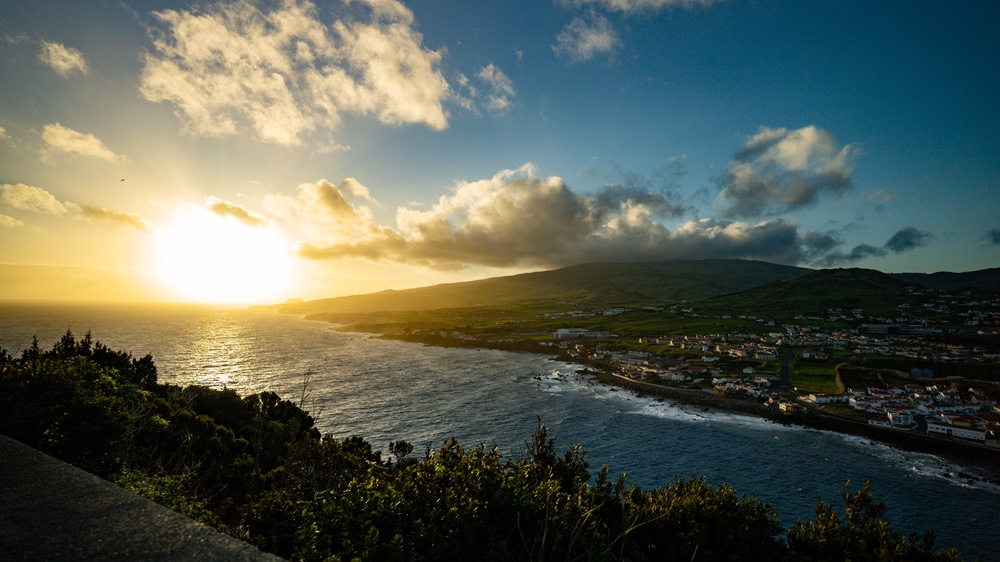
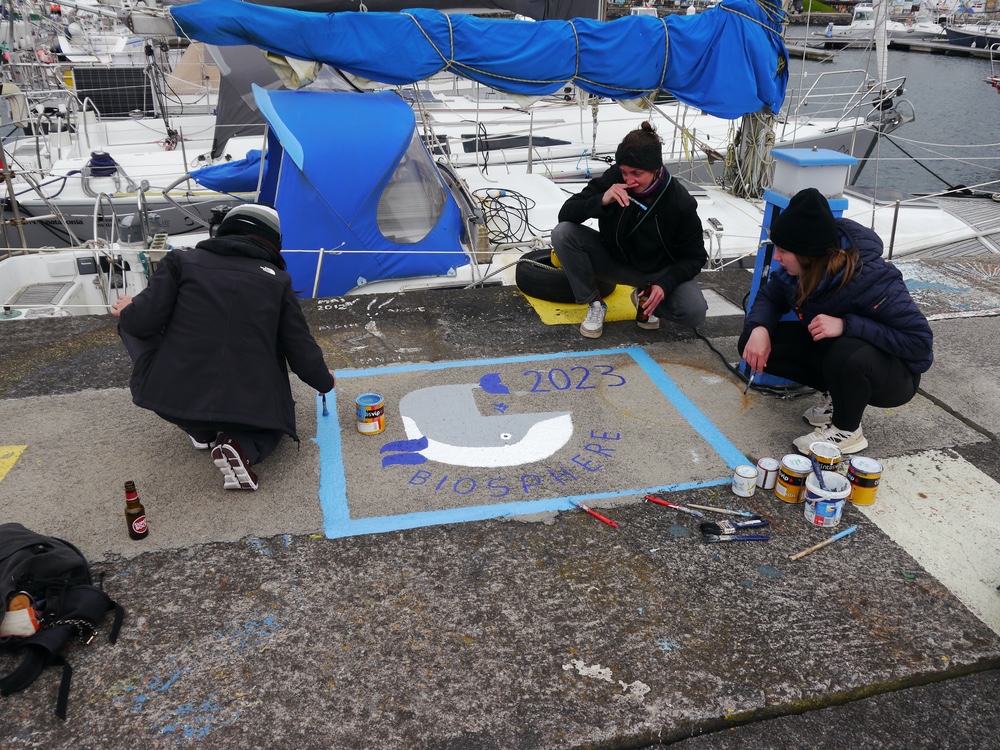
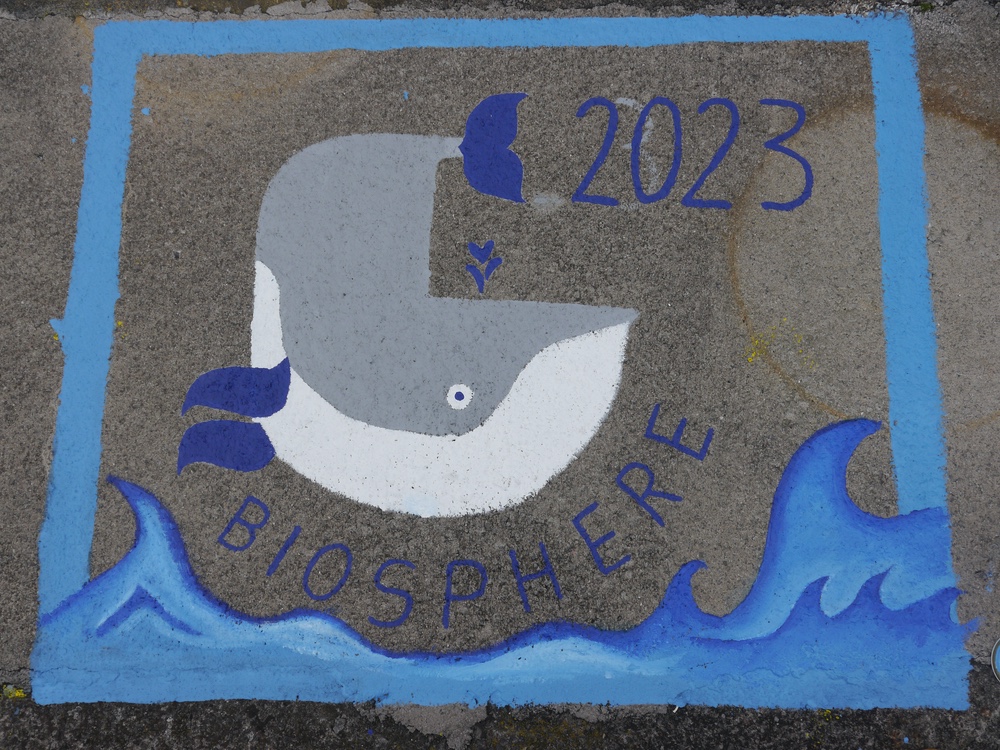
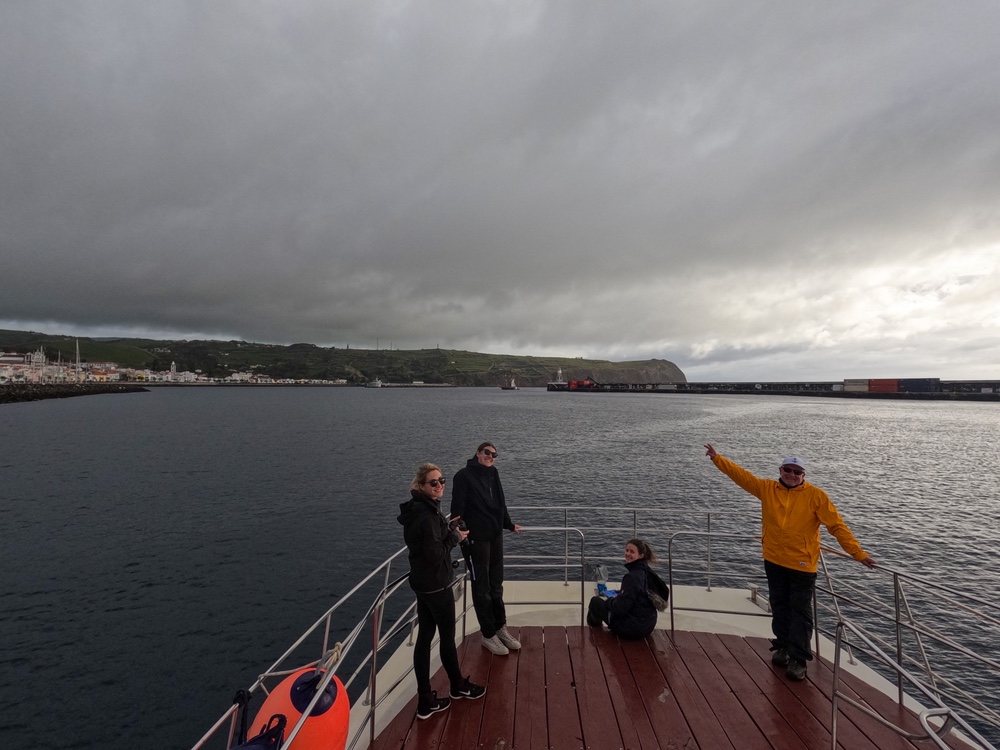
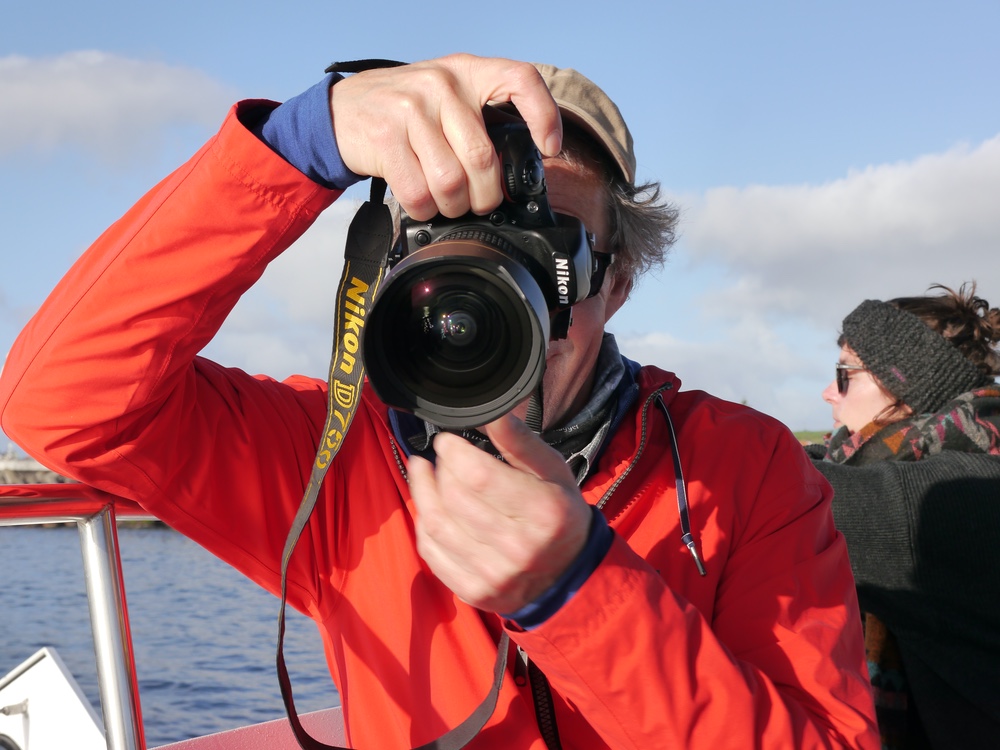
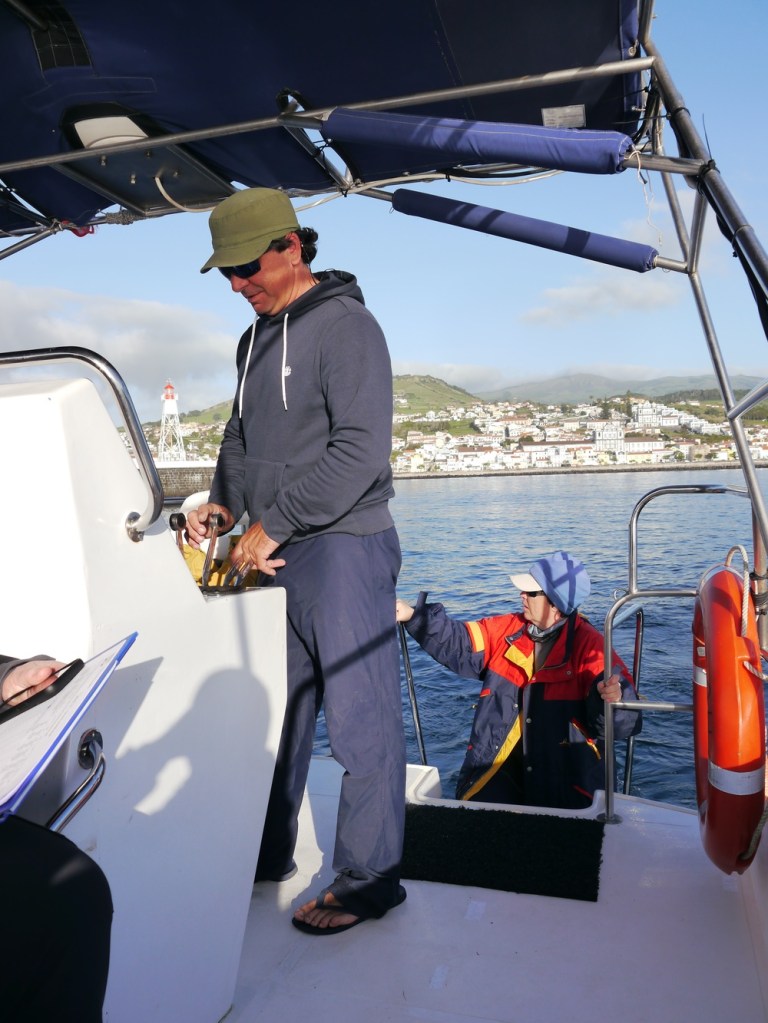
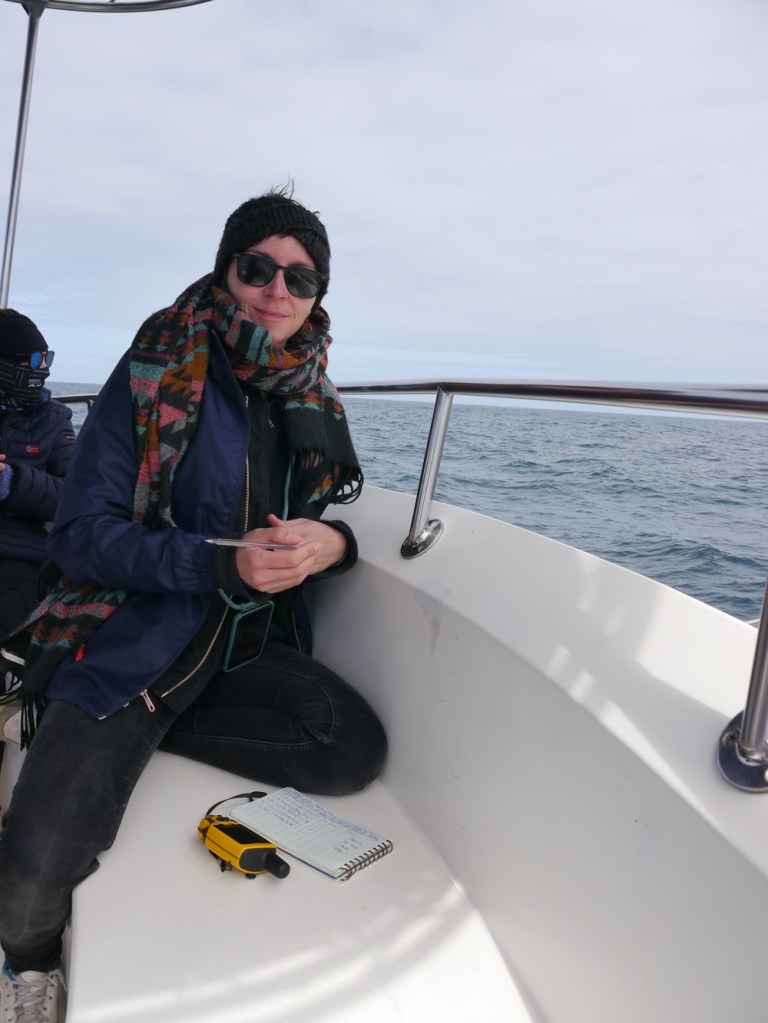
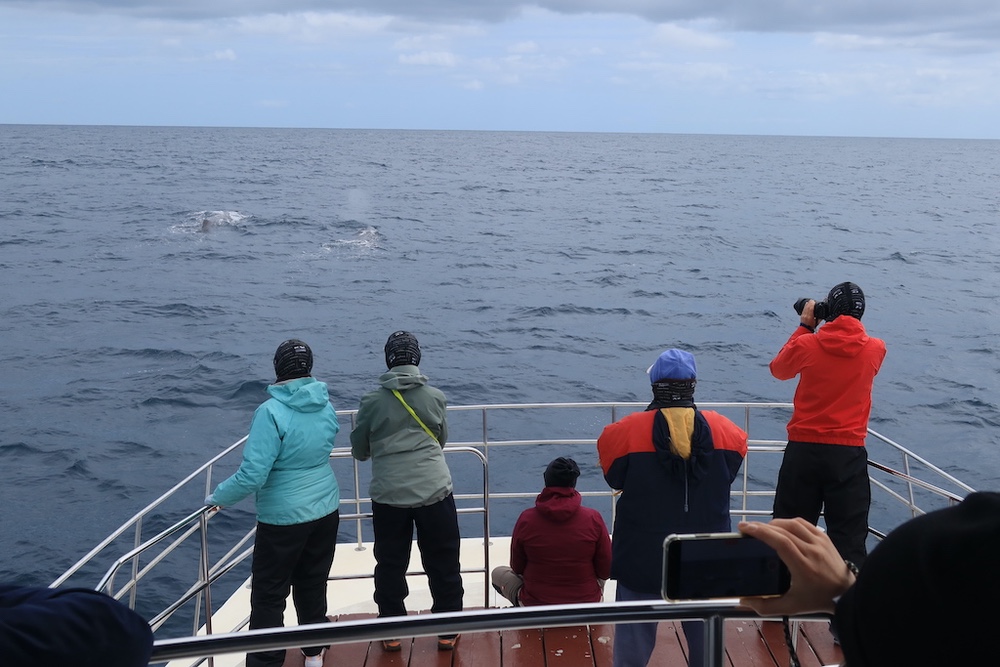
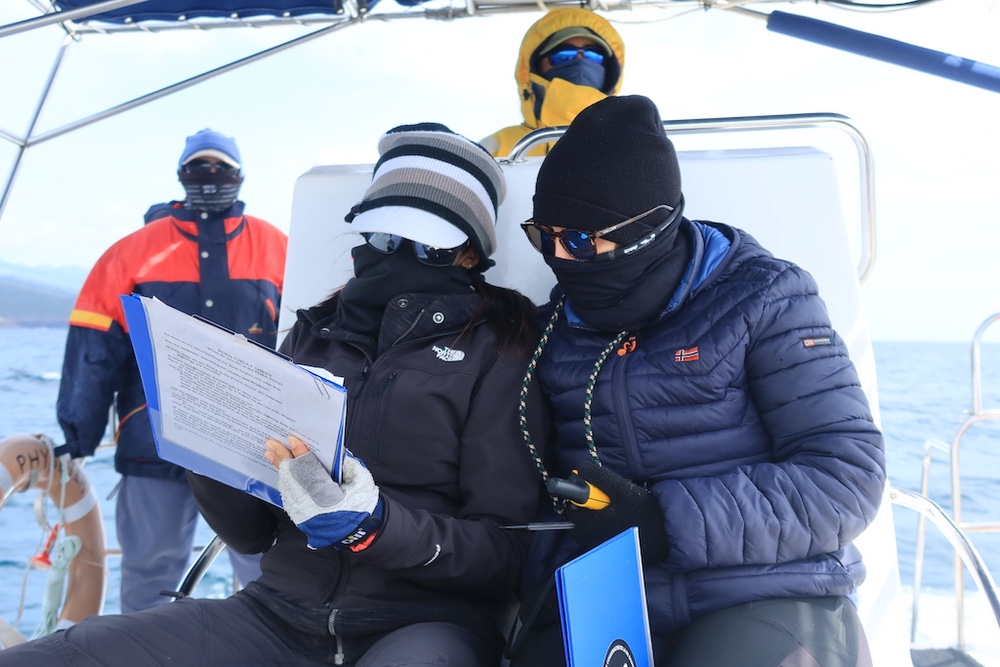
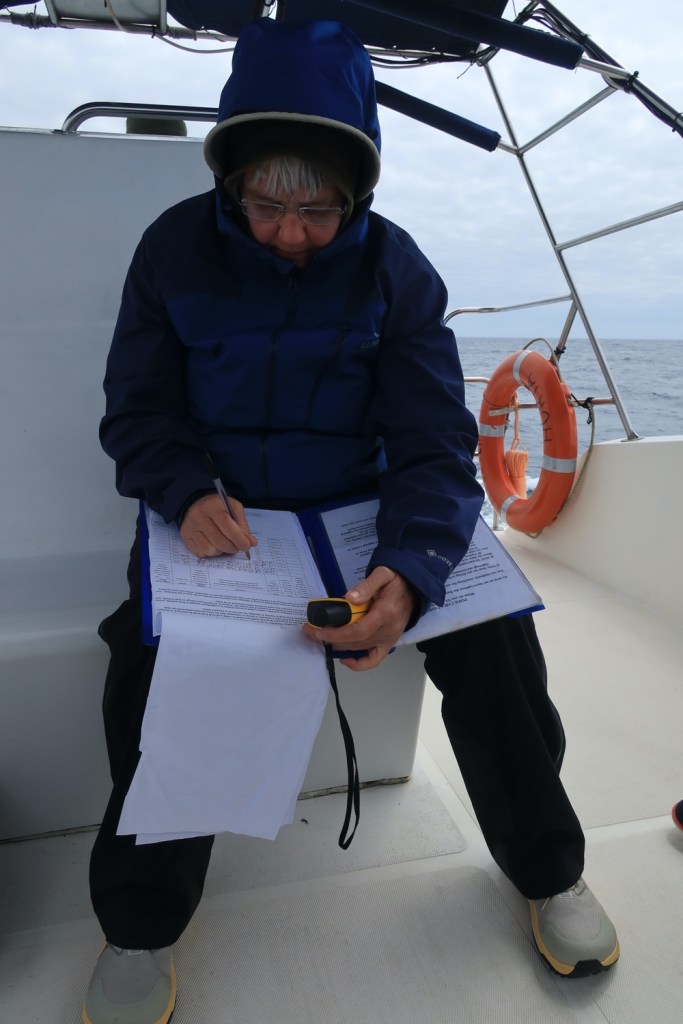
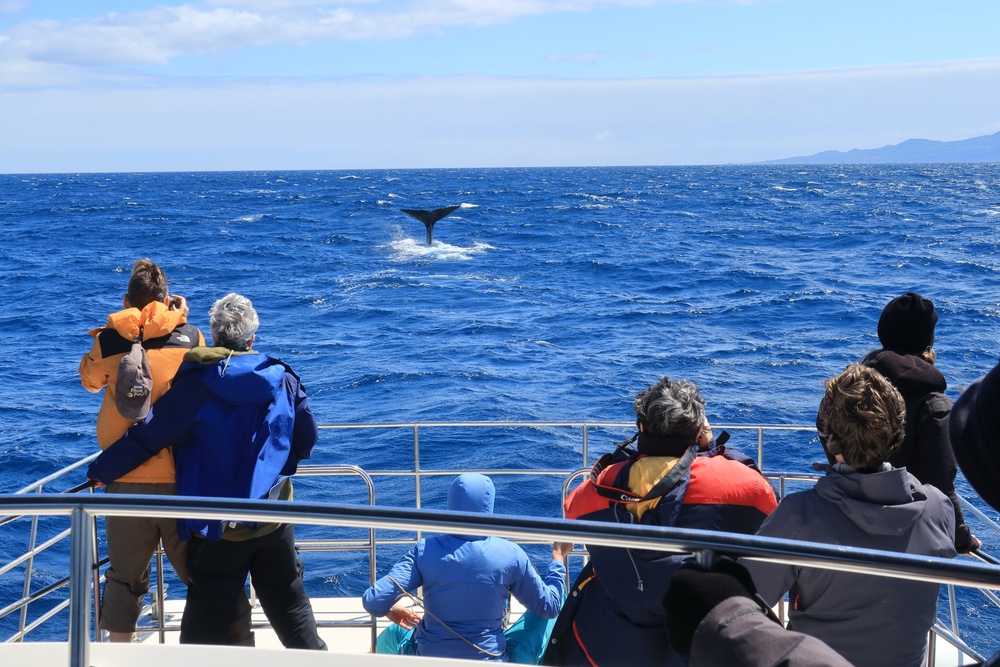
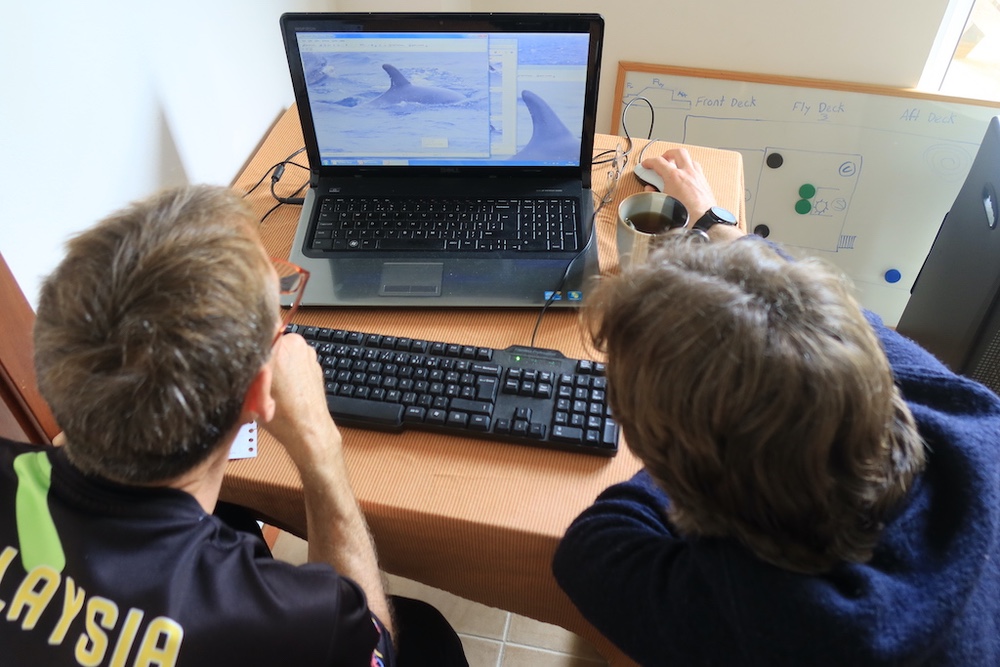
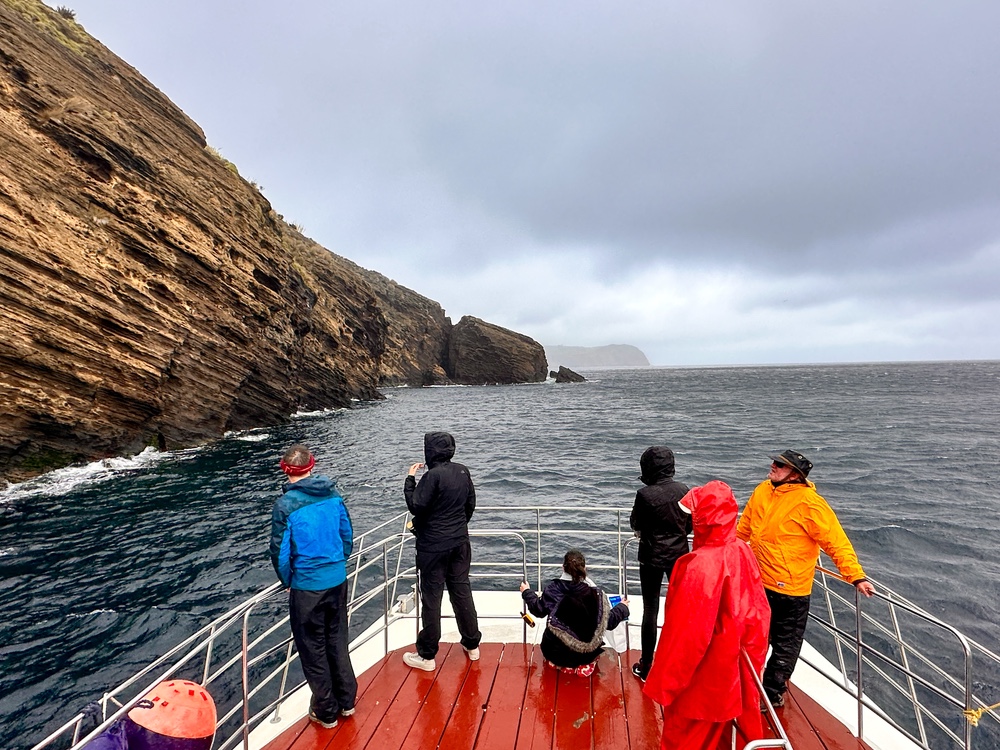
Some photo impressions of the expedition:

Vlog by Alice Ford: