Malawi: Lilongwe

Update from our Malawi expedition volunteering with elephants, hippo, cats, pangolins and African biodiversity

This is Roland Arnison, the expedition leader for the 2023 Malawi expedition. I have just arrived in Malawi – I am delighted to be returning to lead this expedition again, along with Lilongwe Wildlife Trust (LWT) lead scientist Benni Hintz. We will also be joined by research assistant Chimwemwe Kalulu from LWT and expedition chef Luka.

Form left: Luka, Roland and Benni

I will spend a short time in Lilongwe for last preparations and supplies before heading up to base camp in Vwaza Marsh Wildlife Reserve with Benni to get everything set up there ready for the arrival of the main team of citizen scientists on 17 Sep .

On this expedition we will see elephants โ€“ lots of them โ€“ which is useful as these are one of our research targets for the expedition to assess their population changes and potential conflict with humans. Although we will explore the south part of the Wildlife Reserve, at the edge of the lake, to look for elephants, we can expect to spot many of them from the comfort of the base camp: in previous years the elephants regularly walked across the lakeside right in front of us (and occasionally wandered through base camp at night).

Our research tasks will also involve counting hippos (easy to spot, less simple to count) and hyaenas (difficult to find, but we have a technique) and using camera traps for recording other wild animals. It will be a busy, but hopefully very rewarding expedition. Please make sure you swot up on the methodology using the field guide we sent you and bring a copy with you into the field.

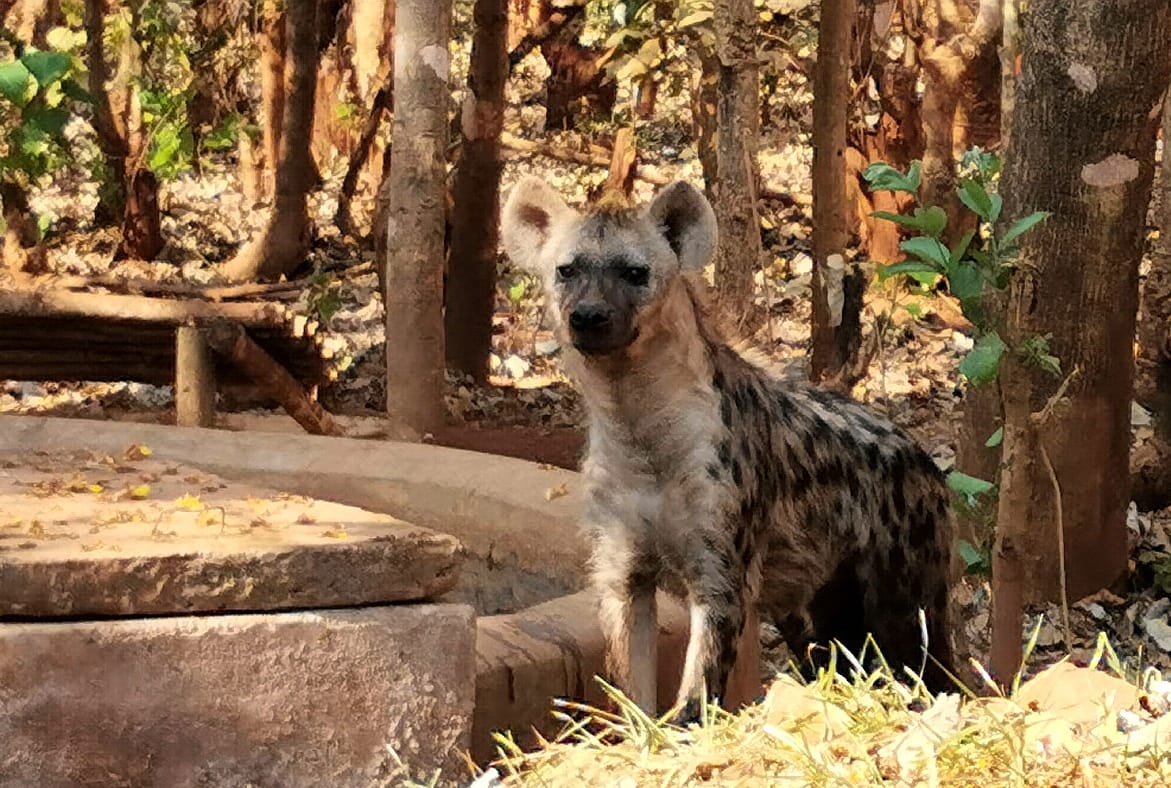
Within hours of arriving in Malawi I have already encountered yellow baboons and a hyaena at LWTโ€™s wildlife centre in Lilongwe โ€“ a wonderful welcome.

I will send another diary entry and more photos when I arrive at base camp in a couple of days.

Best wishes

Roland, expedition leader
Continue reading “Malawi: Lilongwe”

Maldives: Done

Update from our Maldives coral reef and whale shark expedition

We’re done. Another batch of EcoDivers trained, another year of surveys done, another bunch of people looking at reefs with different eyes.

Jean-Luc presented us with some prelim results and thoughts towards the end, the full scientific report will come out in 10 months or so, publications with our now impressive dataset spanning over a decade are in the works.

It’s been a mixed bag of hope and despair, of reality checks, the best and worst of humankind, camaraderie, focus and getting a job done. Thank you to Dune Maldives and the crew of the Theia who looked after us so well allowing us to concentrate on diving for science. Thank you, team, for your efforts and kind words, on record below and on the boat in private. Without you, this expedition would not happen, the data would not be collected and no reports would get written. So stay in touch, come back and we’ll you somewhere, someday on this beautiful, beleaguered planet of ours.

Continue reading “Maldives: Done”

Maldives: Hope?

Update from our Maldives coral reef and whale shark expedition

We came here feeling pessimistic. Reefs are battered from all sides – warming oceans, bleaching, acidification, overfishing, exploitation, you name it, we humans inflict it on reefs and the natural world. Indeed some say that this current decade is the last to prevent the total collapse of reefs worldwide.

So we did not expect to find signs of hope, but we have. A dim light at the end of the tunnel, a flicker of hope, however faint. It’s no reason to celebrate, but it shows why citizen science is so important. Without the citizen scientists on this expedition, this message, which we will write up in a scientific report, would not exist or be heard. So thank you to all those on board for enabling this with their efforts and funds.

And here’s the story:

We have found some cause for hope for previously badly affected sites, mainly from the last 2016 mass bleaching event. Sites that are grazed by herbivorous fish and have not been colonised by corallimorphs have partially recovered since 2016. True, the recovery is slow (cue the problems from paragraph 1), but there is some recovery. Baby corals are taking a foothold, surviving on the skeletal corpses of once great boulder corals, finding a space for new life in between dead coral branches, clinging on and growing. But those reefs that have been colonised by corralimorphs are getting worse. They are or have phase shifted from coral to corralimorph reefs, blanketed by nothing but these fleshy creatures, which nothing eats and which take over everything. Once the brown carpet has taken over, nothing is left – no fish, no invertebrates, no corals. This has happened in other parts of the world, for example in Bermuda, where few coral reefs are left.
But we are not there yet in the Maldives and we hope our work makes a small contribution to never getting there.

Continue reading “Maldives: Hope?”

Maldives: Checking the reefs

Update from our Maldives coral reef and whale shark expedition

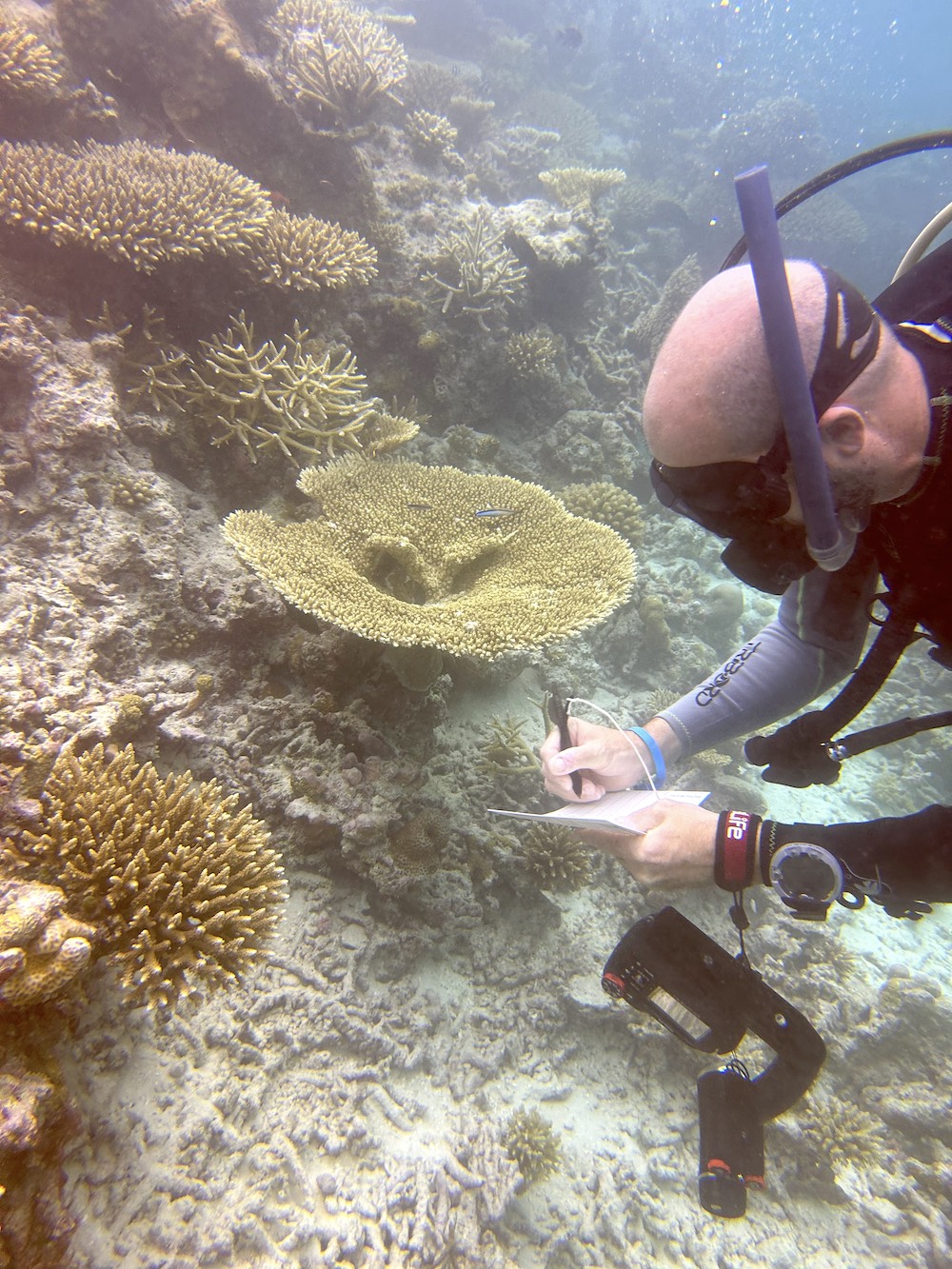
Two days later and we have a boat load full of qualified Reef Check EcoDivers. Congratulations to everyone for passing the written and in-water exams and rising to the challenge.

Even our test survey dive yesterday was good enough to keep the data. Our scientist Jean-Luc was predictably pleased. A small miracle, as he is otherwise quite cantankerous :))

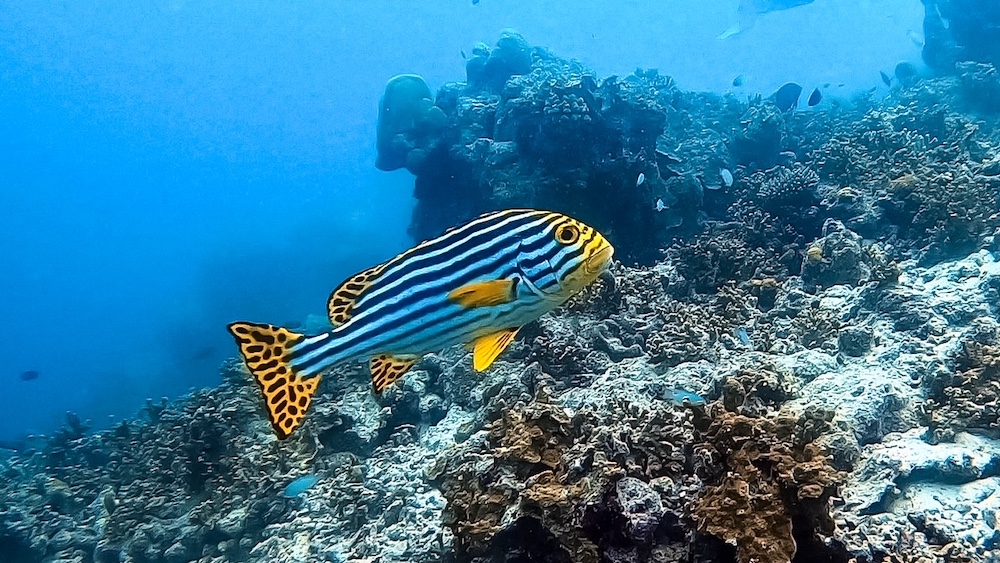
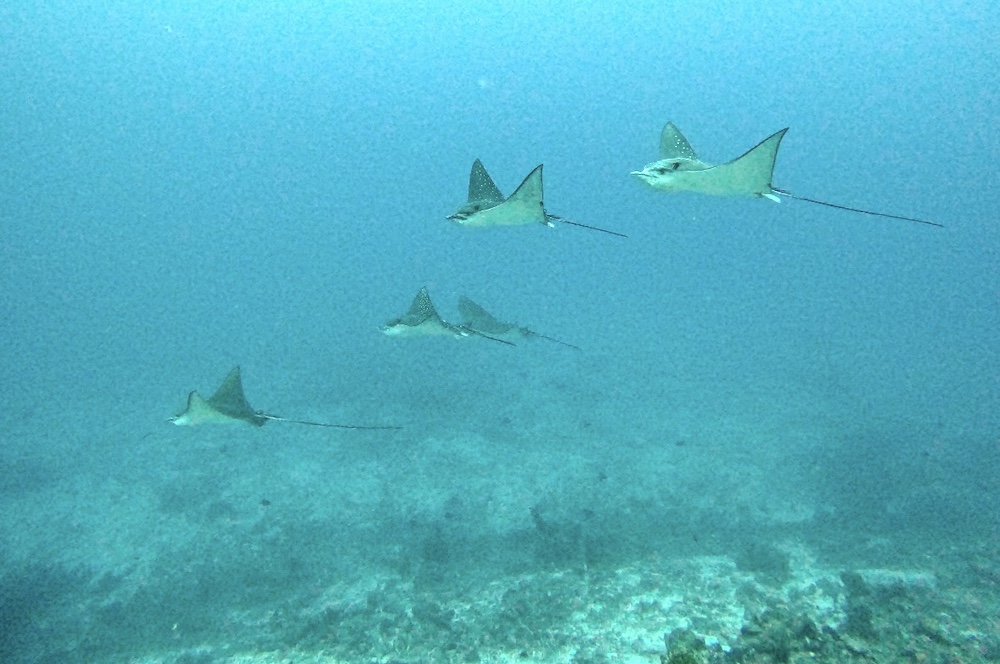
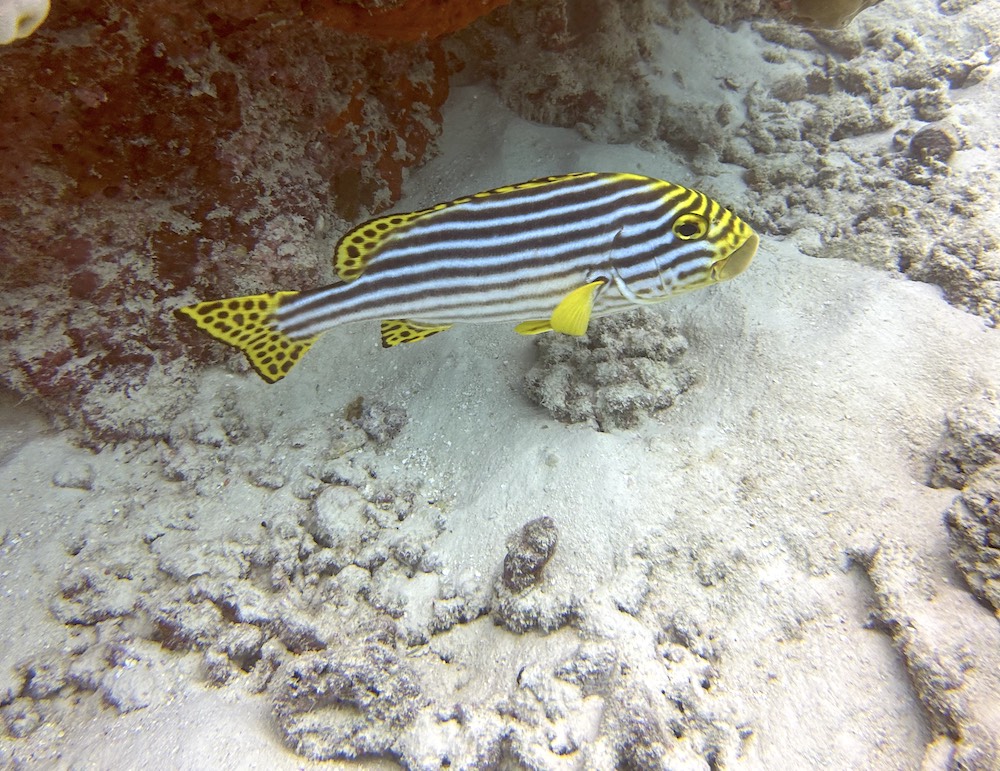
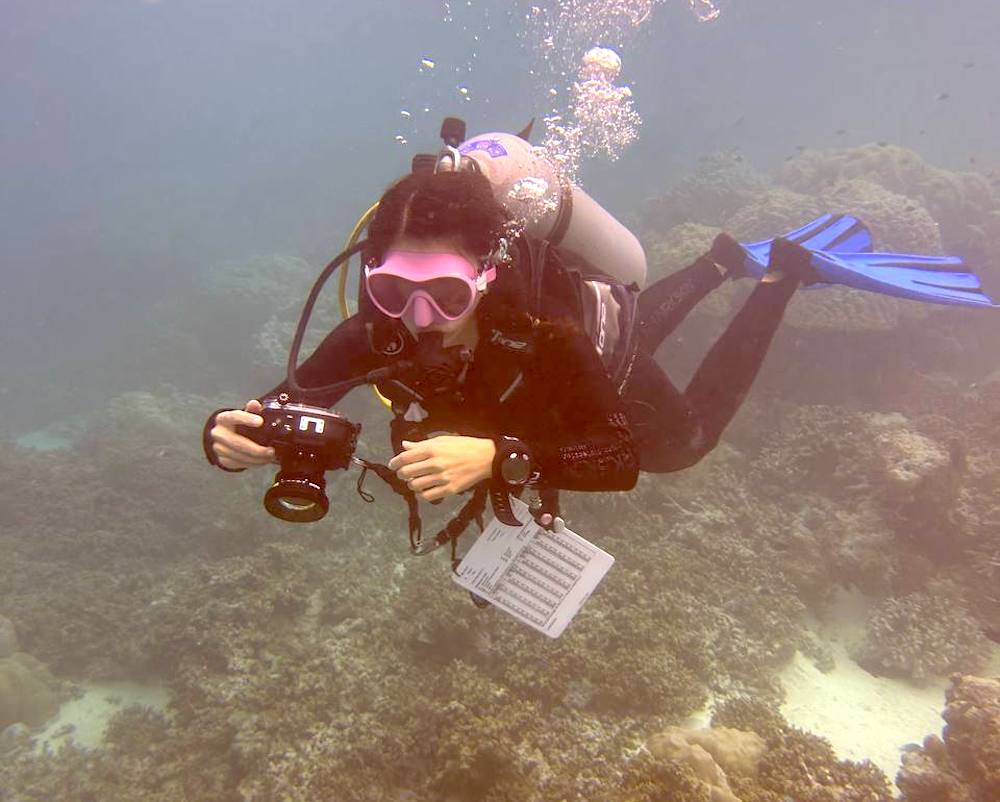
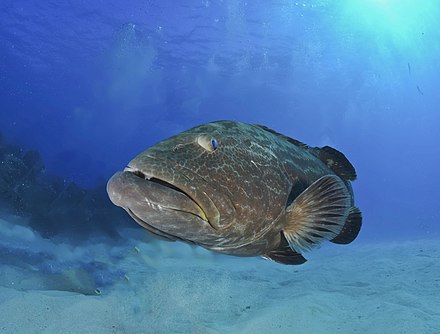
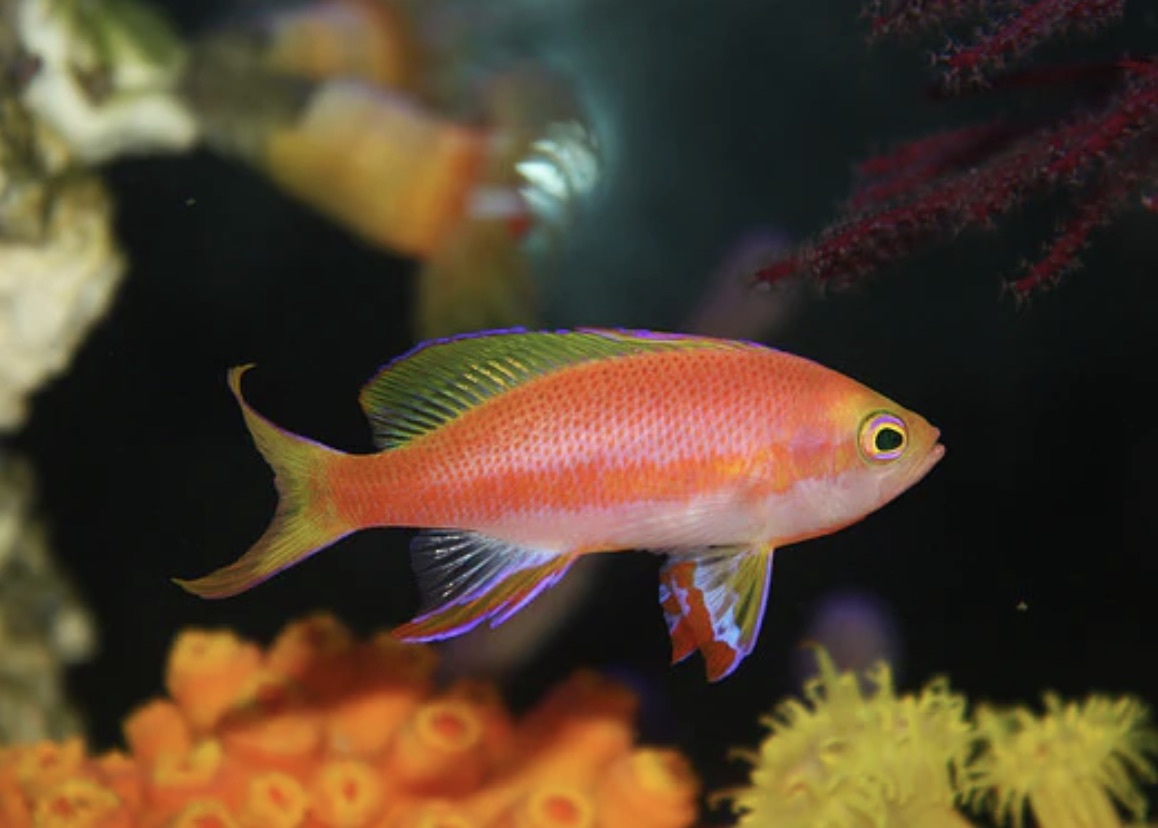
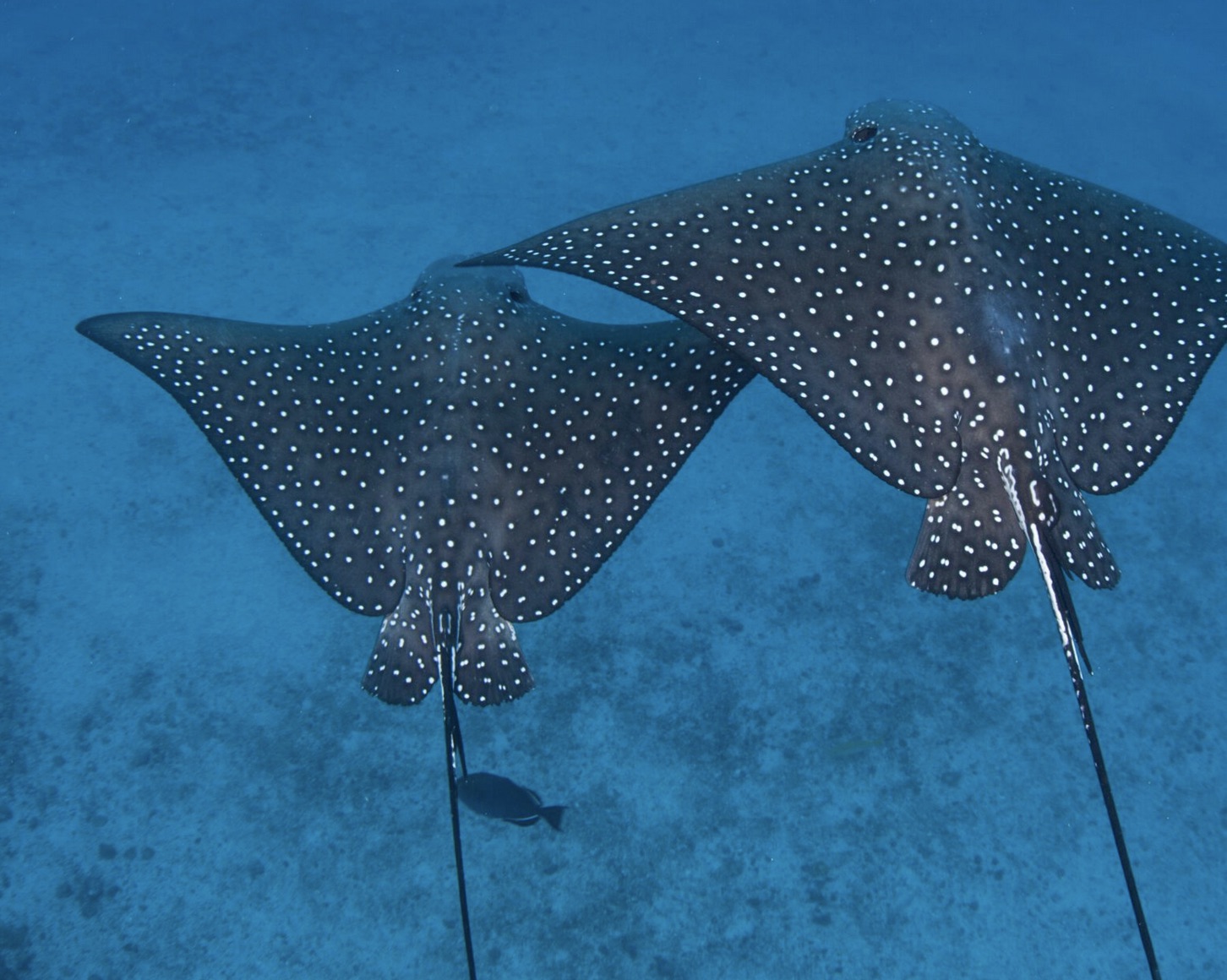
Today started with an early morning lazy dive at a well-known dive spot at Rasdhoo atoll. We saw lots of our indicator fish (grouper, snapper, butterflyfish, sweetlips, parrotfish, etc.), a graceful small school of eagle ray and a handful of sharks cruising a steep reef drop-off going deep down into the blue where us mere mortals with our heavy, noisy and clunky gear to survive in the water cannot go. Jacks cruised the blue too, slow and lazily, like a sheathed arrow, ready to dart at a moment’s notice when prey is near. Above us, unicornfishes amused themselves in our bubbles, below longnose butterflyfish picked away at corals in the reef garden. Resplendent anthias floated between the corals and did their name proud. Parrotfish munched and grated against the corals, their excrement the creator of those white sandy beaches that we associate with the dreamland we call the Maldives. A goatfish barbled its way along the sandy bottom in search of food. A Napoleon wrasse floated by in between us, curious as they are, but, alas, quite small (about our size) as their docile and inquisitive nature is their undoing in the face of the destroyer.

And because we destroy, our job is to research and protect where we can. What was it like 50 years ago, when the Maldives where in a pre-tourism slumber? How many hundreds of snapper would we have seen today, how how many sharks would have policed the blue, how big would that school of eagle rays have been? A whole university perhaps? It’s hard to know and hidden by shifting baselines. We know we are part of the problem and this is why collecting reliable data over many years, in our case over a decade now, is so important. But are we just documenting the inevitable decline? It’s hard to know. The first few days tell us that at least it does not seem to have become worse. But that is only a snapshot impression, an educated guess based on a few observations. That’s another reason why recording things in details is so important and why lazy dives such as this one are rare. Why waste your time being tourists when you can be citizen scientists instead?

So out we are again this morning, checking the reefs we all love.

Continue reading “Maldives: Checking the reefs”

Tien Shan: Finding ghosts

Update from our snow leopard volunteer project to the Tien Shan mountains of Kyrgyzstan

In science confirming the absence of a species from a location is still a result. But hope dies last and so, after all the effort that has been put into selecting and moving expedition locations, everyone was hoping that we can find some evidence that snow leopards inhabit the mountains of our new study site. With this in mind, we started group 3 with the ambitious goal of placing 15 more camera traps in the surrounding mountains, and surveying all the remaining valleys within our base camp vicinity.

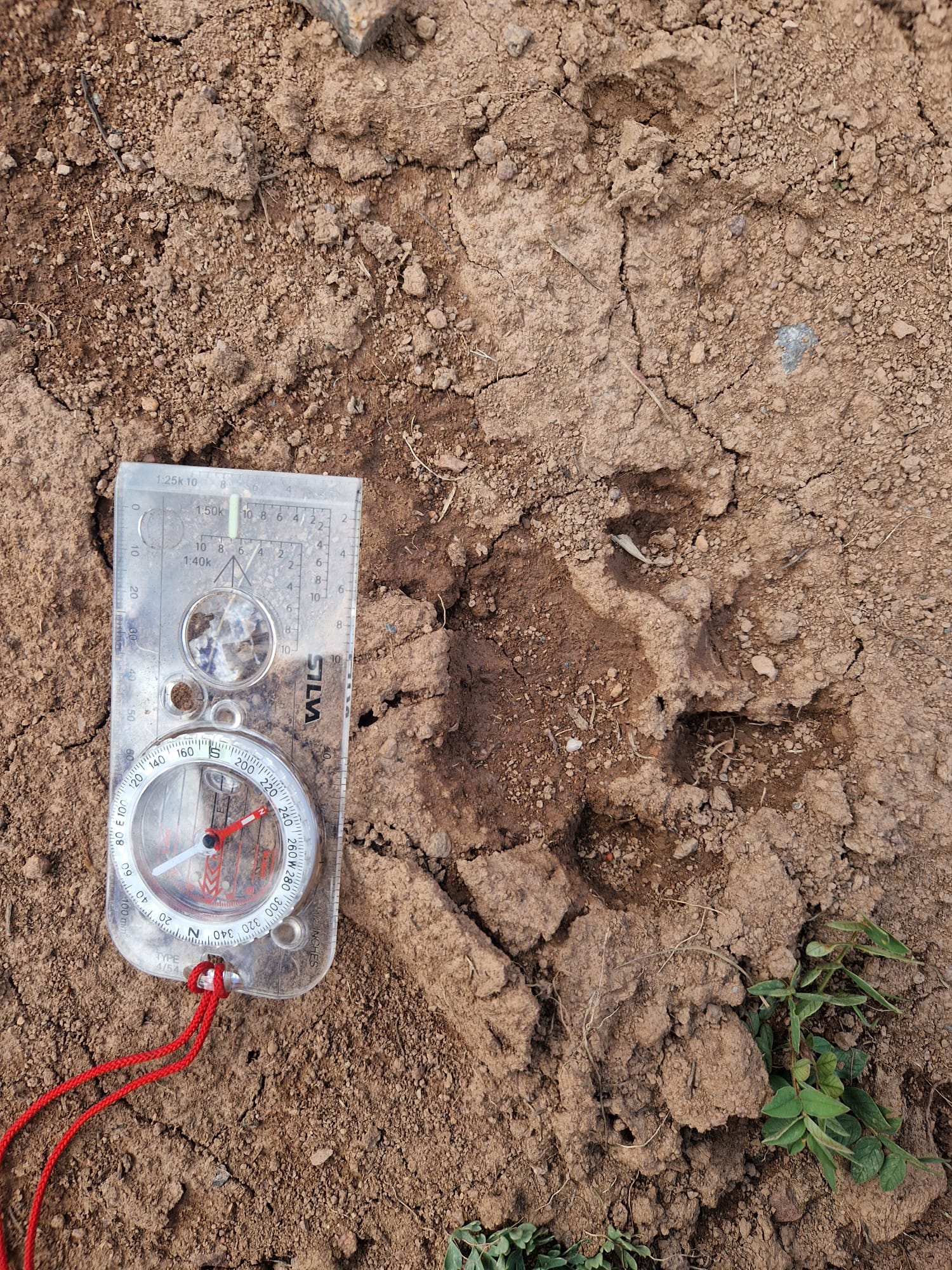
As previously reported, on our first full day in the mountains Sonja found what is suspected to be snow leopard scat. Since then several more promising samples have been collected (we eagerly await DNA confirmation from the lab). However, with Taalai, the local rangers and Alex (snow leopard zoo keeper) all feeling confident, signs are promising.

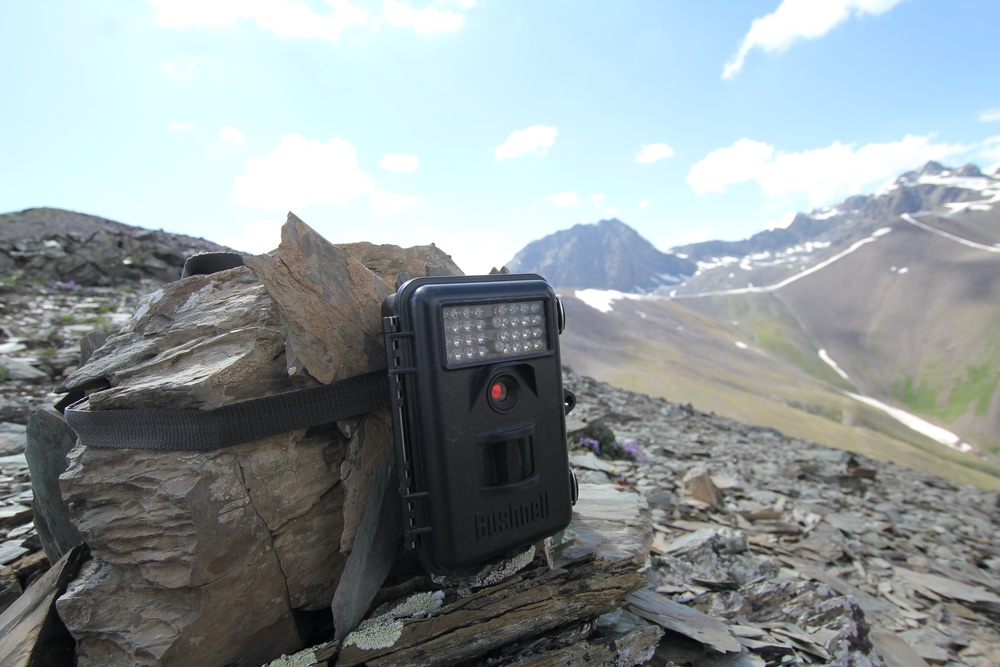
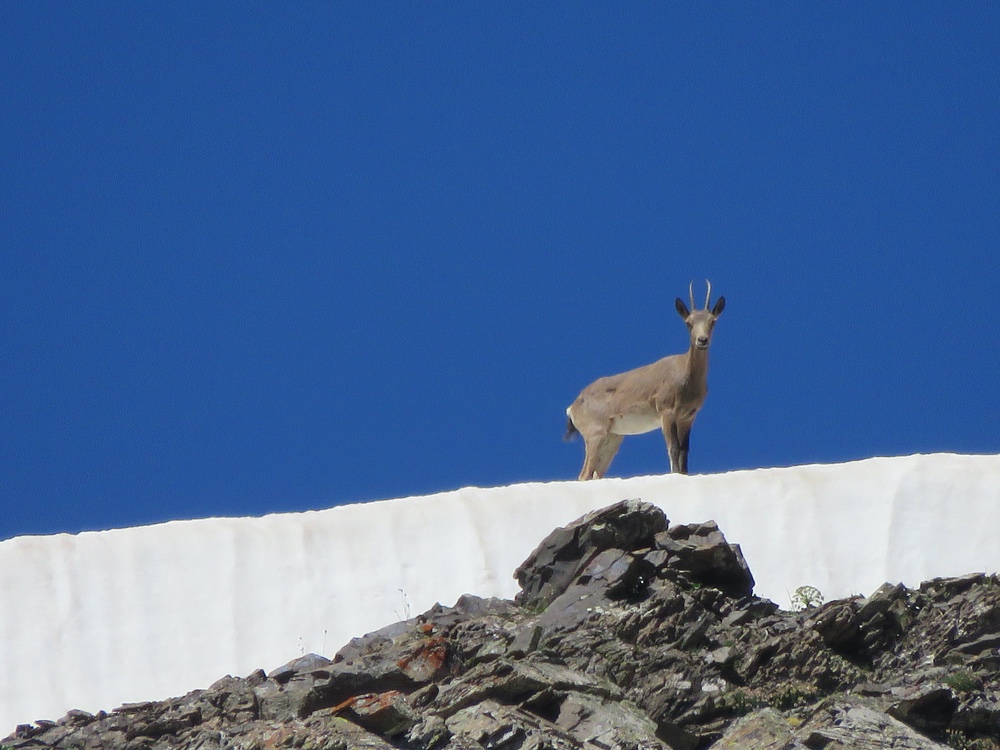
With strong and ambitious snow leopard citizen scientists we managed to hit our camera trap goals, special thanks to Mel and Alex for volunteering for the most challenging survey routes on every single day we went out. The most exciting discovery of the fortnight was made by Sonja, an excellent suspected snow leopard print (also mentioned in our previous blog post). With likely snow Leopard prints and scat, multiple Pallas’s cat prints as well as live ibex sightings, all indications are that these mountains are an excellent location for our expedition.

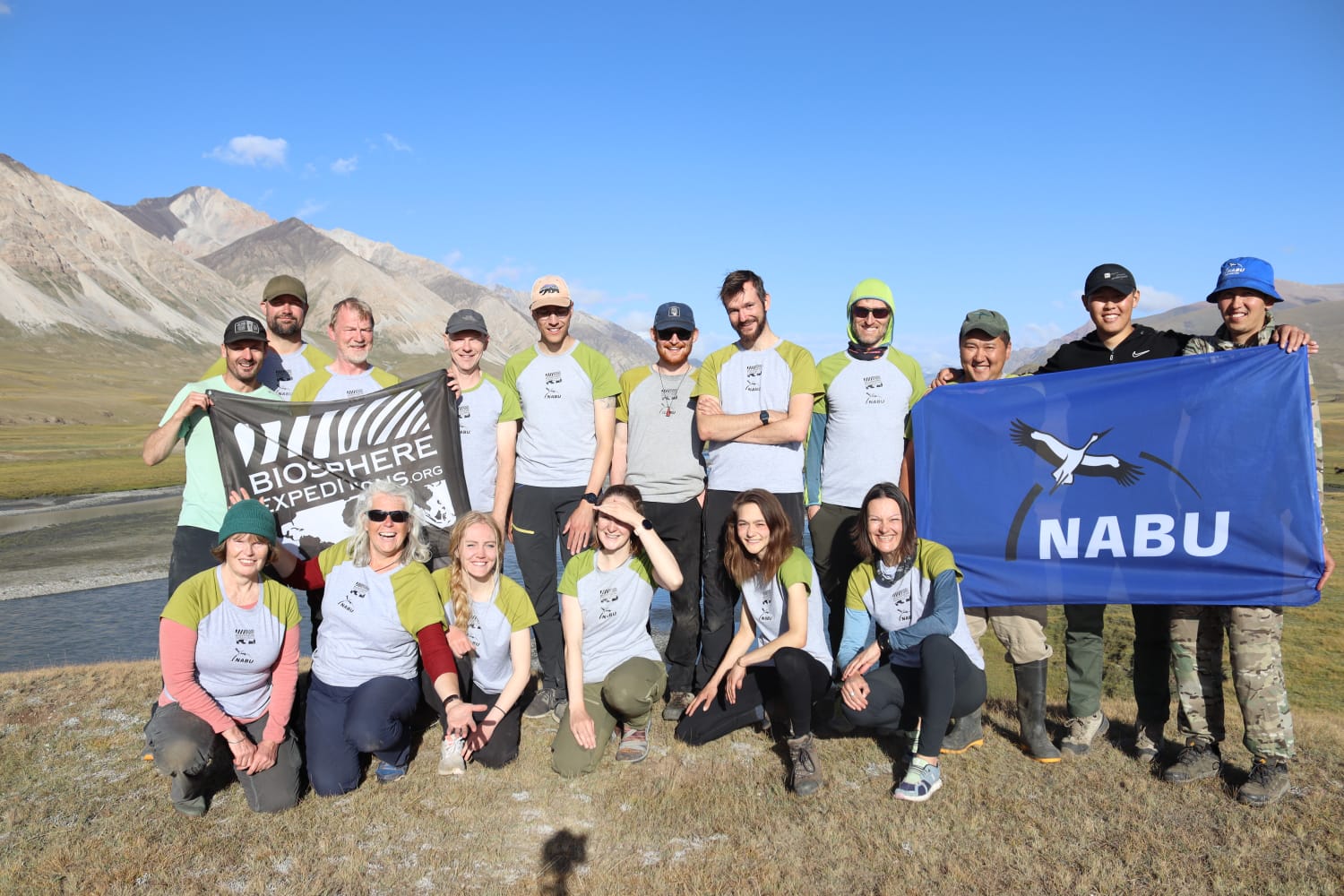
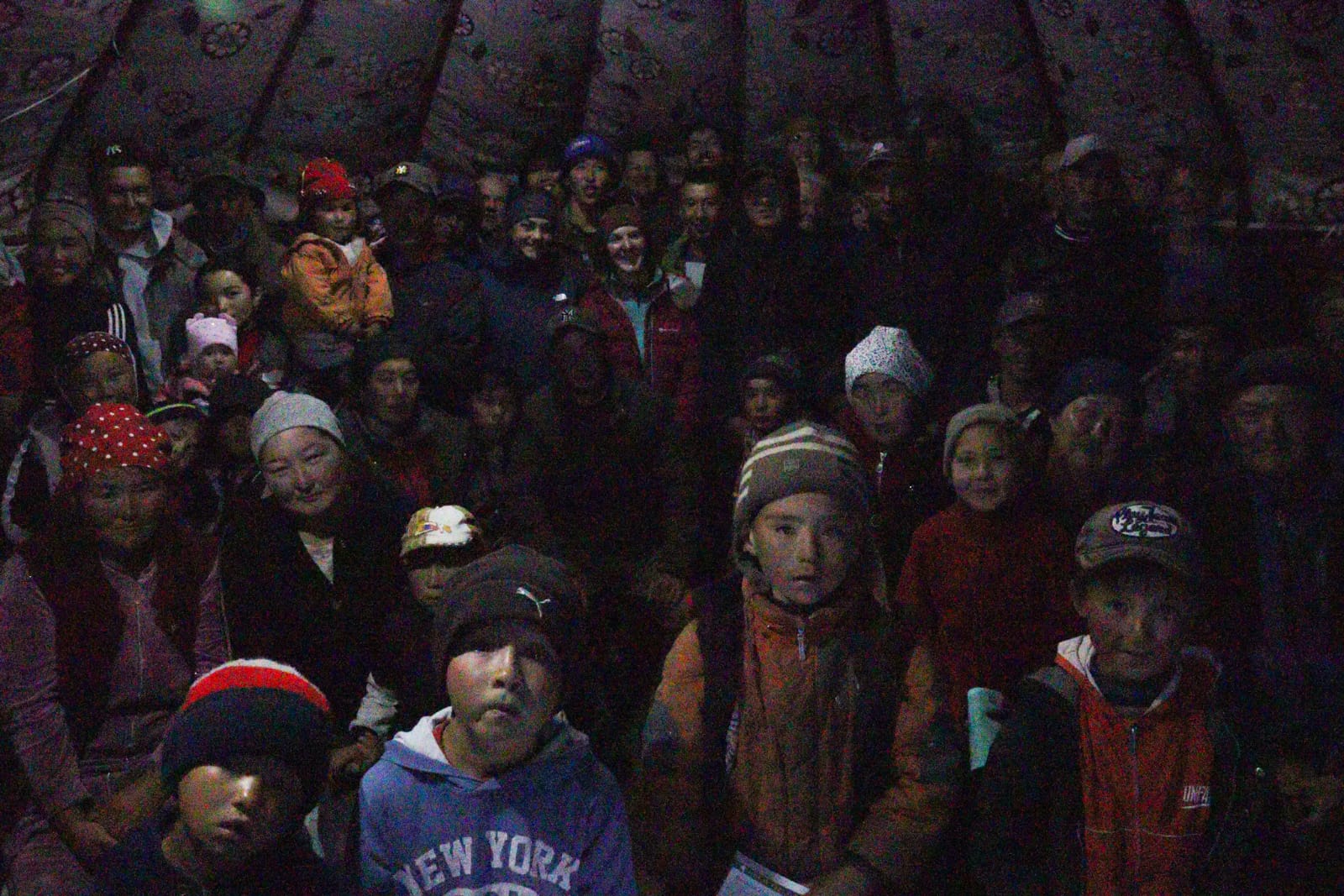
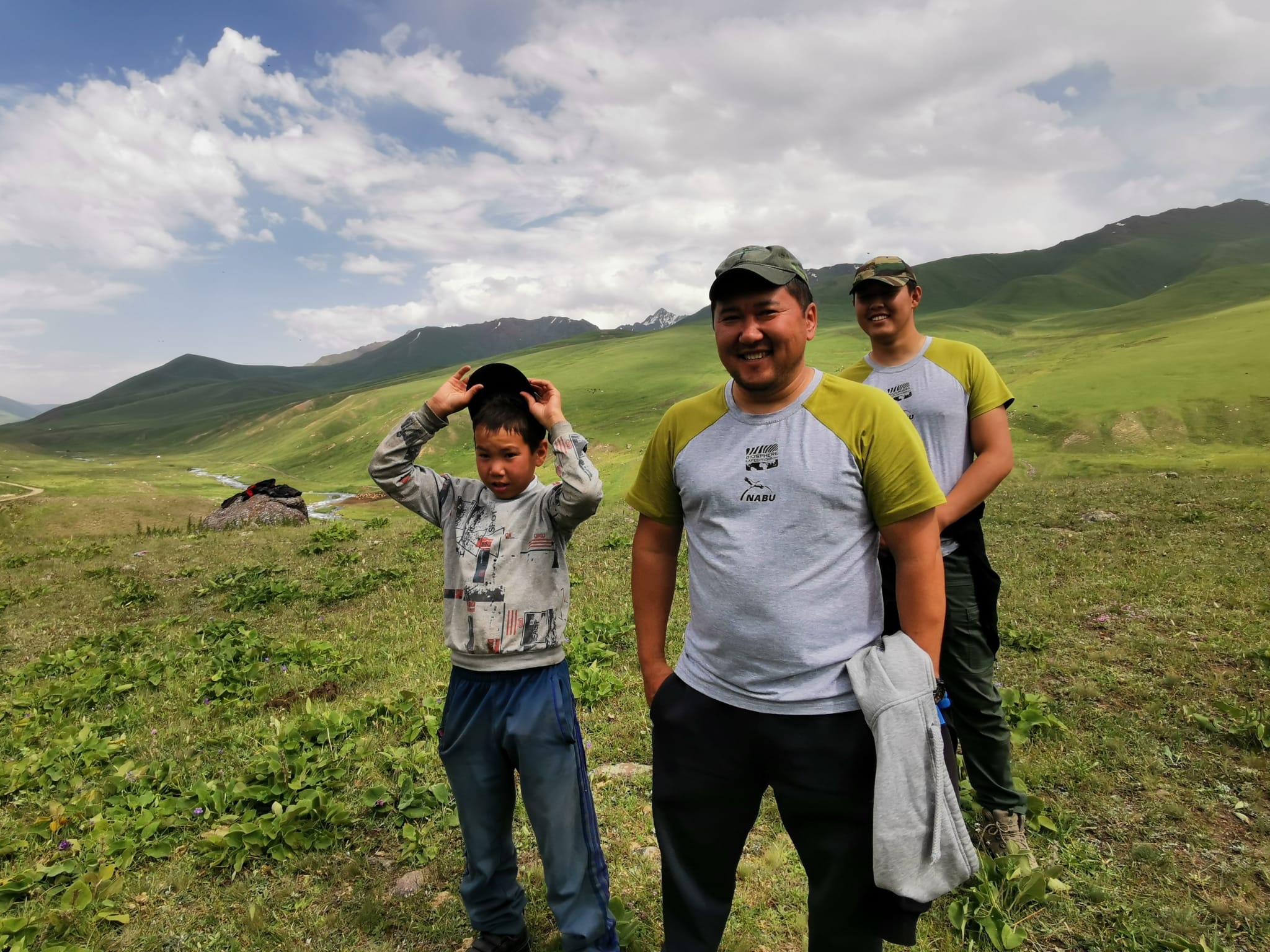
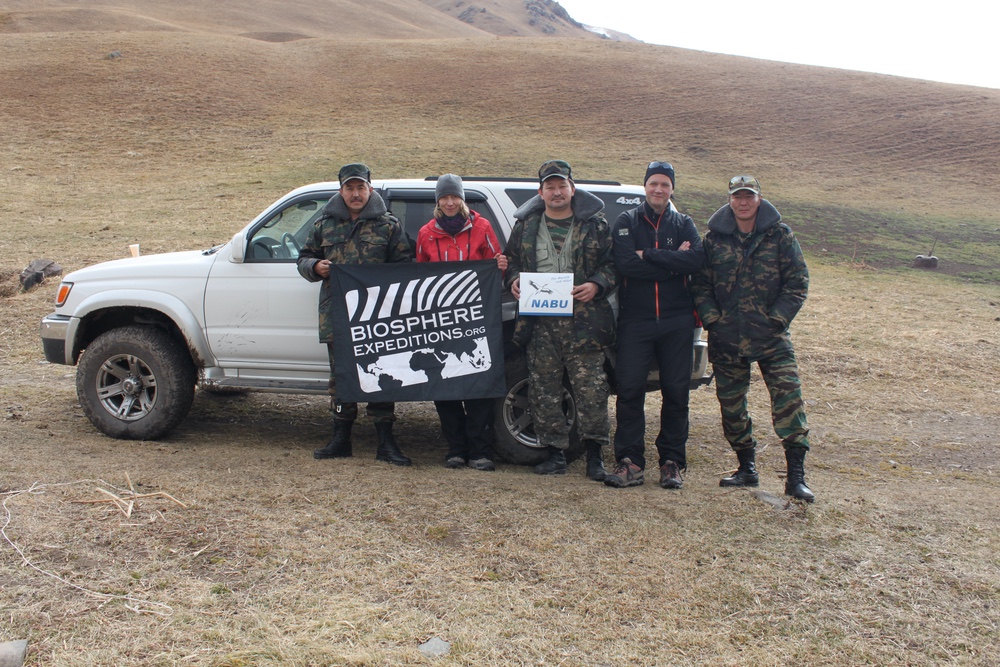
We rounded off the 2023 snow leopard expedition with a presentation evening for the locals in the valley. It was our opportunity to thank them for their hospitality and officially introduce Biosphere Expeditions, NABU and our project. With over 35 attendees, the evening was a fitting end to a busy and productive expedition. Keep an eye out for the 2023 scientific report in the coming months. With a look forward to 2024, we eagerly await the results of the camera traps we have placed.

On behalf of the whole team here in Kyrgyzstan, thank you to group 3 for your tremendous work ethic and thank you to everyone who contributed to the 2023 snow leopard expedition.

Continue reading “Tien Shan: Finding ghosts”

Tien Shan: Settling in

Update from our snow leopard volunteer project to the Tien Shan mountains of Kyrgyzstan

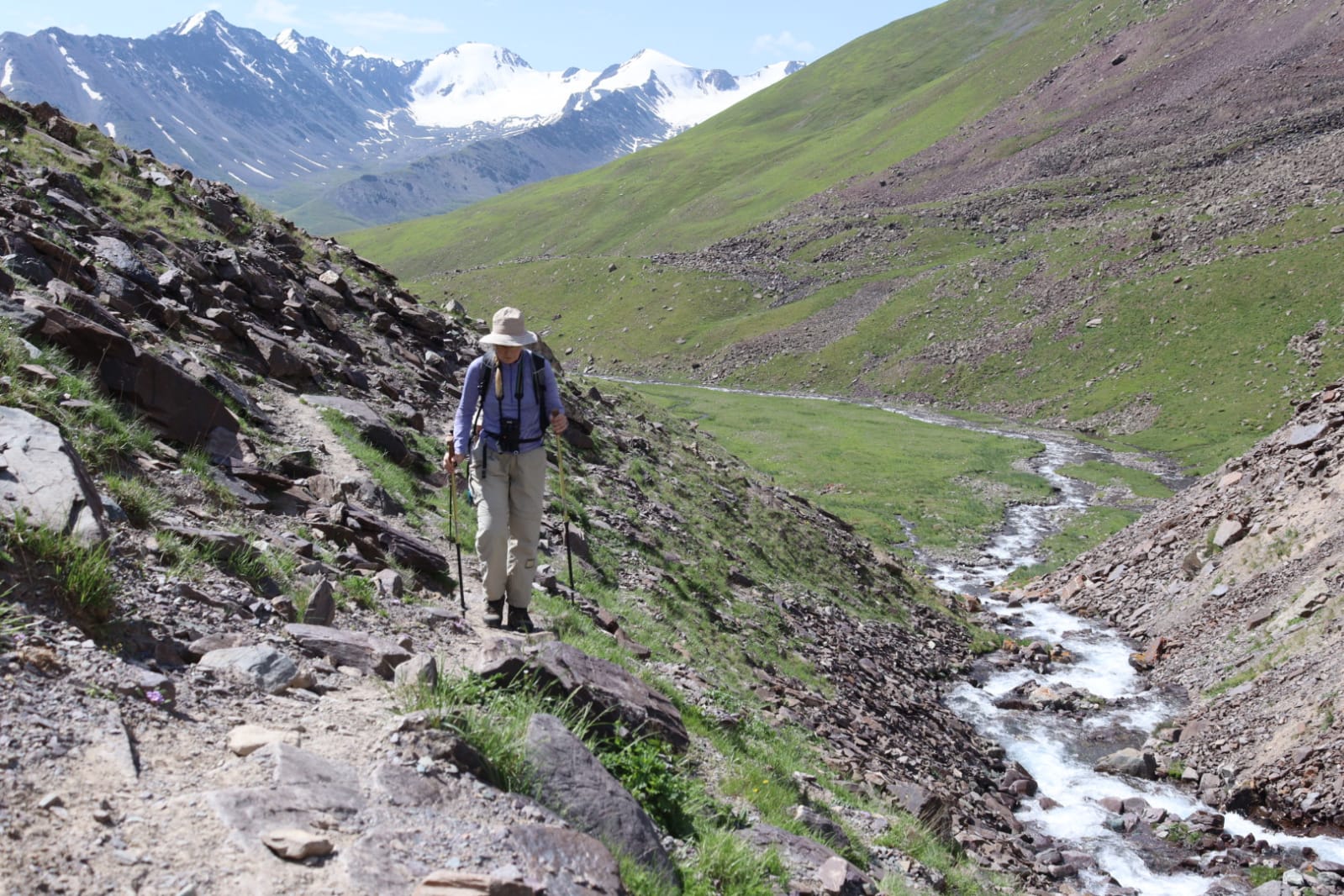
Here’s an update from half-way through group 3, mostly text with some generic pictures. This is because we have fancy GPSs that can send messages (but not pictures) via satellite from our remote, internet- and mobile-free base camp, which is a welcome distraction from distractions in itself….

Things are going well with a strong group 3. Our new location is delivering. We’ve had multiple ibex sightings and also what we think is evidence of snow leopard (tracks and scats). Tracks are notoriously unreliable with a high misidentification rate, so this is not strong evidence yet for our science nerd minds. Scat will be, once its DNA has been analysed. In itself scat has a 50% misidentification rate by sight, but once snow leopard DNA has been show to be present, then it’s a 100% proof. What the people in the lab look for – if you are interested – is intestinal cells on the surface of the scat that are deposited there as the scat moves through the cat’s gut. The scat itself is composed of what has been eaten.

We are pushing to get all camera traps out by the end of the expedition. This is hard work, but group 3 are up to the task.

We will also deliver a presentation about what the heck we are doing in their valley to our local herding neighbours. Hopefully this will be a great ice breaker and the start of a good working relationship.

More when we return to Bishkek on 19 August…

Continue reading “Tien Shan: Settling in”

Germany : 2023 round-up

Update from our Germany wolf volunteer project

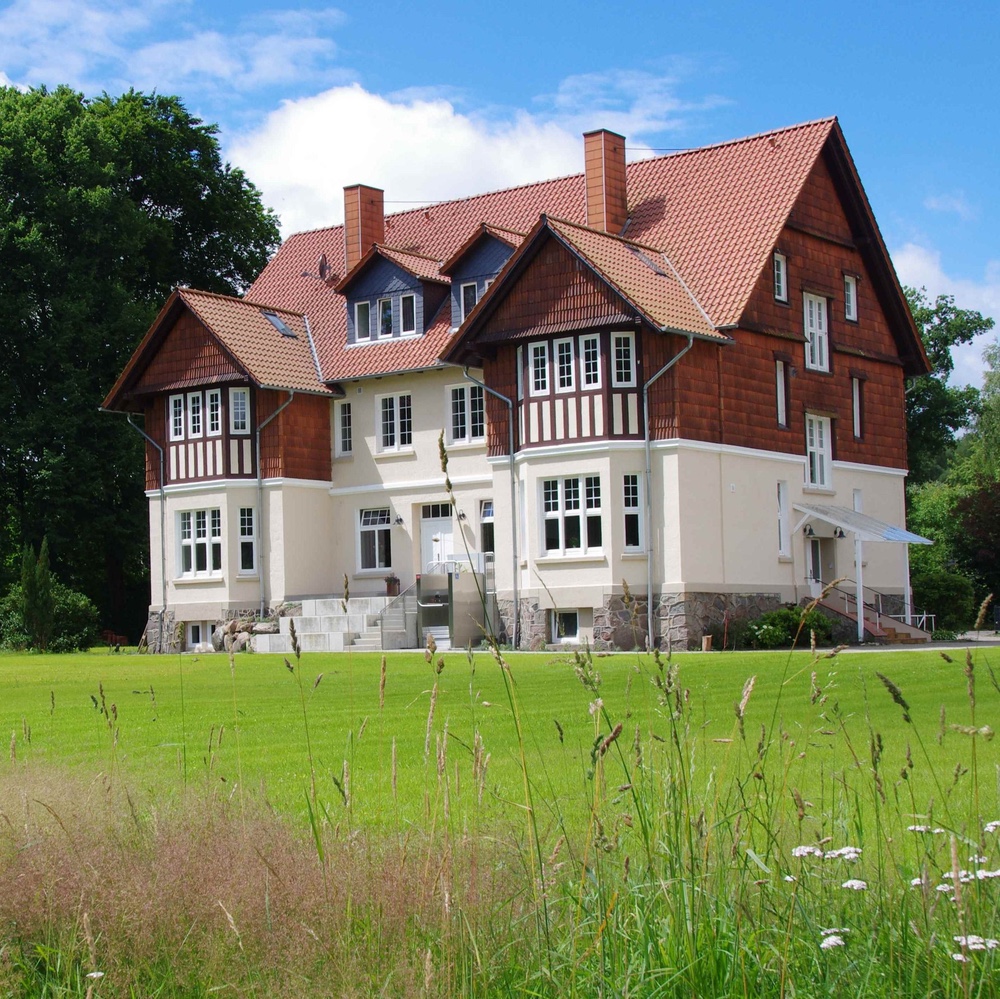
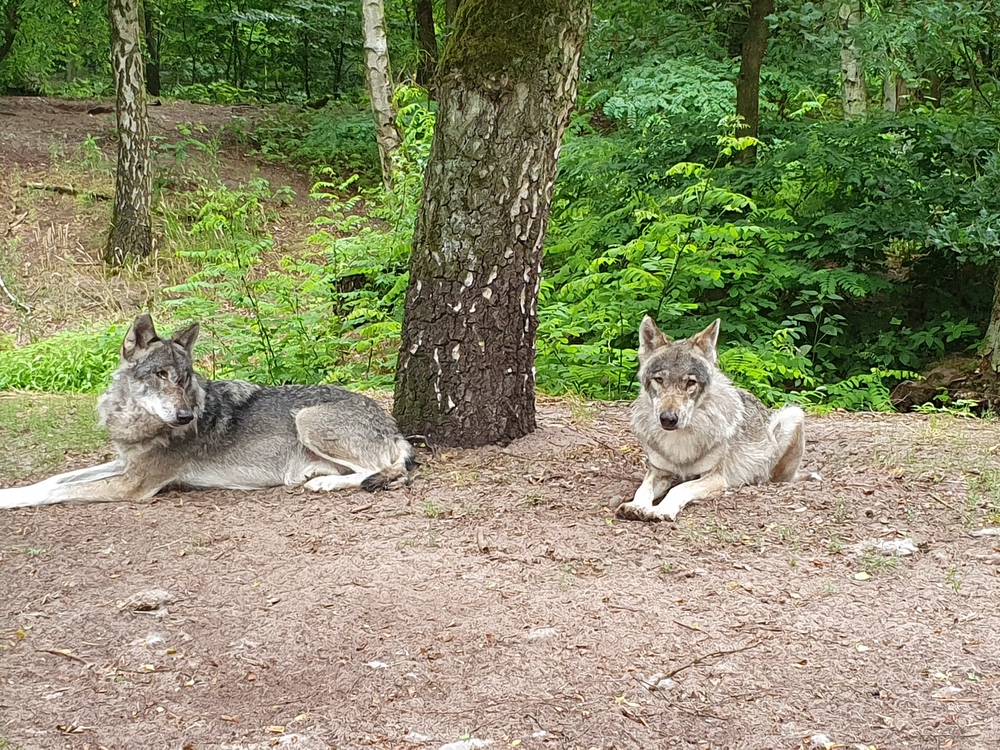
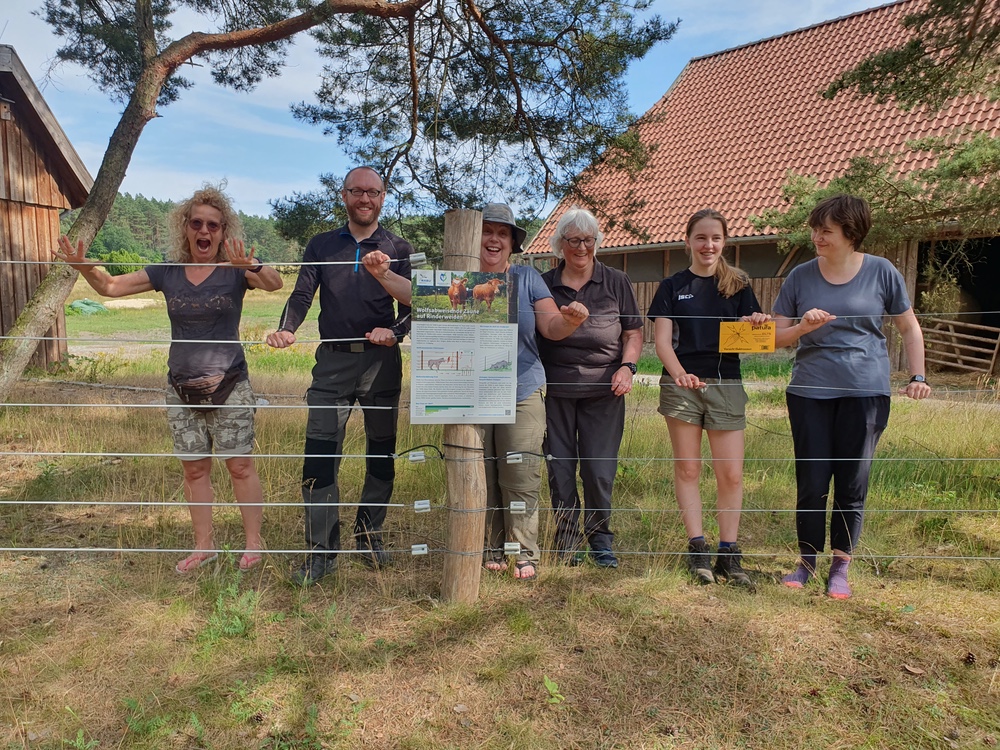
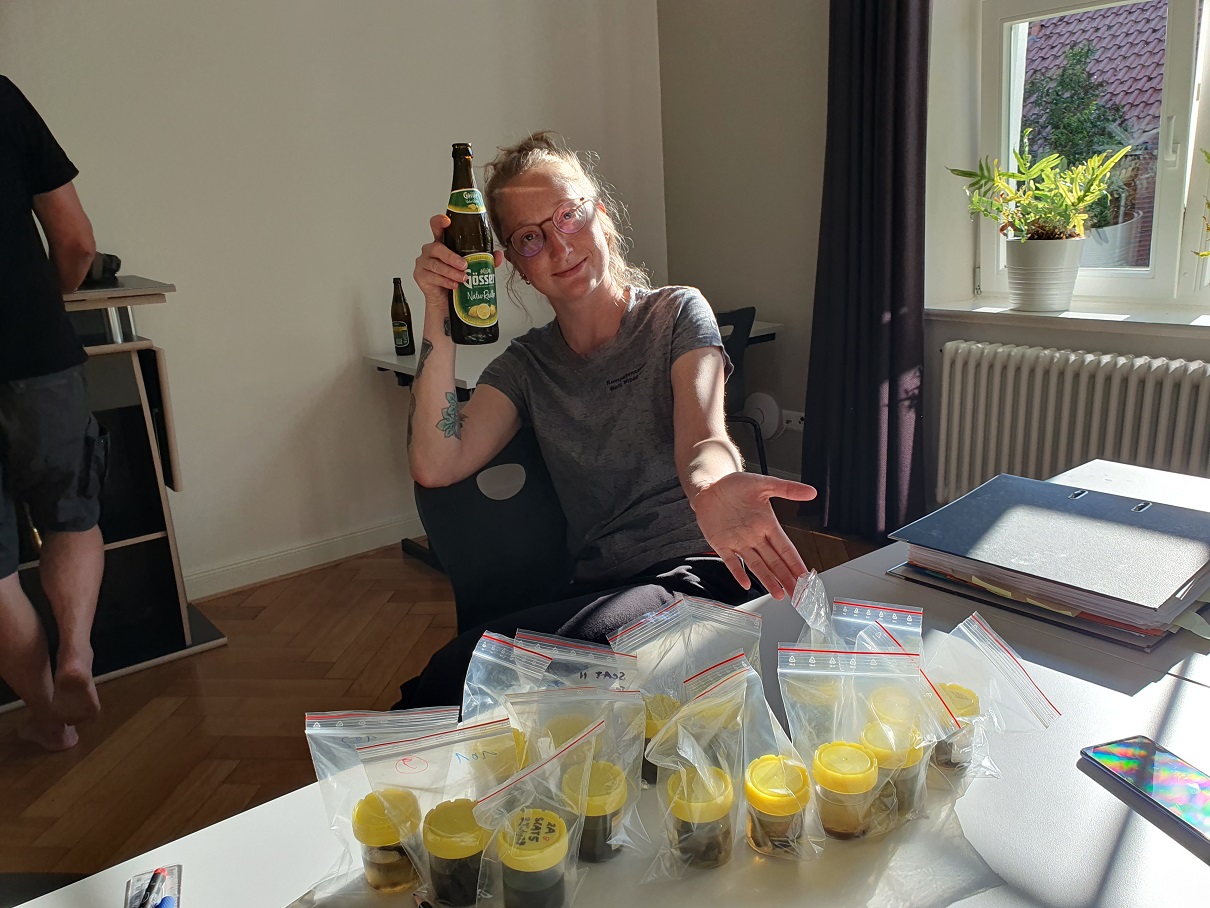
For the fifth edition of the Biosphere Expeditions wolf project in Germany, we moved to a new expedition base, the beautiful NaturCampus in Bockum, in northern Lower Saxony. In 2023 we welcomed a total of 19 expeditioners from seven different countries for two weeks. The final numbers of all groups bear evidence to a truly impressive effort: all teams covered 791 km in eight wolf territories, sampling a total of 218 wolf scats. This corresponds to 35 10 km x 10km grids. 156 samples were frozen for dietary analyses and 16 samples will be sent to the lab for DNA analysis. We also recorded one wolf sighting during group 1 and two wolf tracks of adults and pups. For the first time during an expedition, howls of wolf pups and adults could be heard in the distance; this awe-inspring event was of course duly recorded.

During the Covid pandemic, wolf monitoring went through a deep data dip, so the new and sizeable set of data collected by the 2020, 2022 and 2023 wolf expeditions are crucial for an up-to-date picture of current wolf presence in the study area and data have just been entered into the German wolf monitoring database by our expedition scientists.

Biosphere Expeditionsโ€™ contribution from 2017 to today now exceeds 1000 data entries, underlining the importance of citizen science for wolf monitoring and conservation.

What makes this expedition truly unique is the variety of wolf stakeholders we interacted with: inspiring wolf ambassadors, the committed Wolfsbรผro team, the staff of our beautiful Bockum NaturCampus expedition base, Kenner’s Landlust setting, the showcase Wolfcenter Dรถrverden, and our amazing scientists. We also learnt about how humans and wolves can coexist in a densely populated and highly developed place like Germany. This apex predator has come back to stay and it is a credit to Germany that the country is making it work, the inevitable trials and tribulations aside. We are proud to say that our expedition plays a significant role in making this so, and we thank everyone for making this year a great success. We hope to see many of you again in the future.


Citizen scientists feedback:

It was a unique experience for me. I appreciated and enjoyed the opportunity to be part of the scientific team to research the wolf and play a role in wolf conservation. Walking in the forest, looking for scats and the possibility of seeing a wolf, made me feel close to nature and sense a connection to the wolf. I learned a lot. Thank you so much for it all!
Carine C., Australia

This is my 10th Biosphere Expedition, and it was simply one of the best. Excellent lodging, good food, great team and very knowledgeable scientists with the right attitude.
Anne S., Germany

Where to begin? It was the best of smells, no, it was the worst of smells. Never again will any of us look at the ground in the same way. Dog? Fox? Wolf? Hmmm โ€“ that smell. Wolf! Yes, score another.
Jim B., USA

It had a very nice time and wonderful experience. The location was great. The expeditions was a present my husband gave me – a unique one. I am sure when back at home, I will scan the paths. I hope to come again.
Silke K., Germany

The wolf expedition is always a lot of fun, and I know that my work during the expedition is valuable for the scientists and for wolf conservation more broadly. We celebrated my 20th anniversary of Biosphere Expeditions (2003 Ukraine โ€“ 2023 Germany), including five Germany wolf expeditons. Nice team, good experiences, lot of fun!
Sylvia D., Germany


Picture selection:

Continue reading “Germany : 2023 round-up”

Tien Shan: Trailblazing

Update from our snow leopard volunteer project to the Tien Shan mountains of Kyrgyzstan

Continuing the 2023 Tien Shan snow leopard expedition in our new study area meant an inexhaustible list of tasks for group 2, with new valleys to explore, camera traps to set and locals to build relationships with.

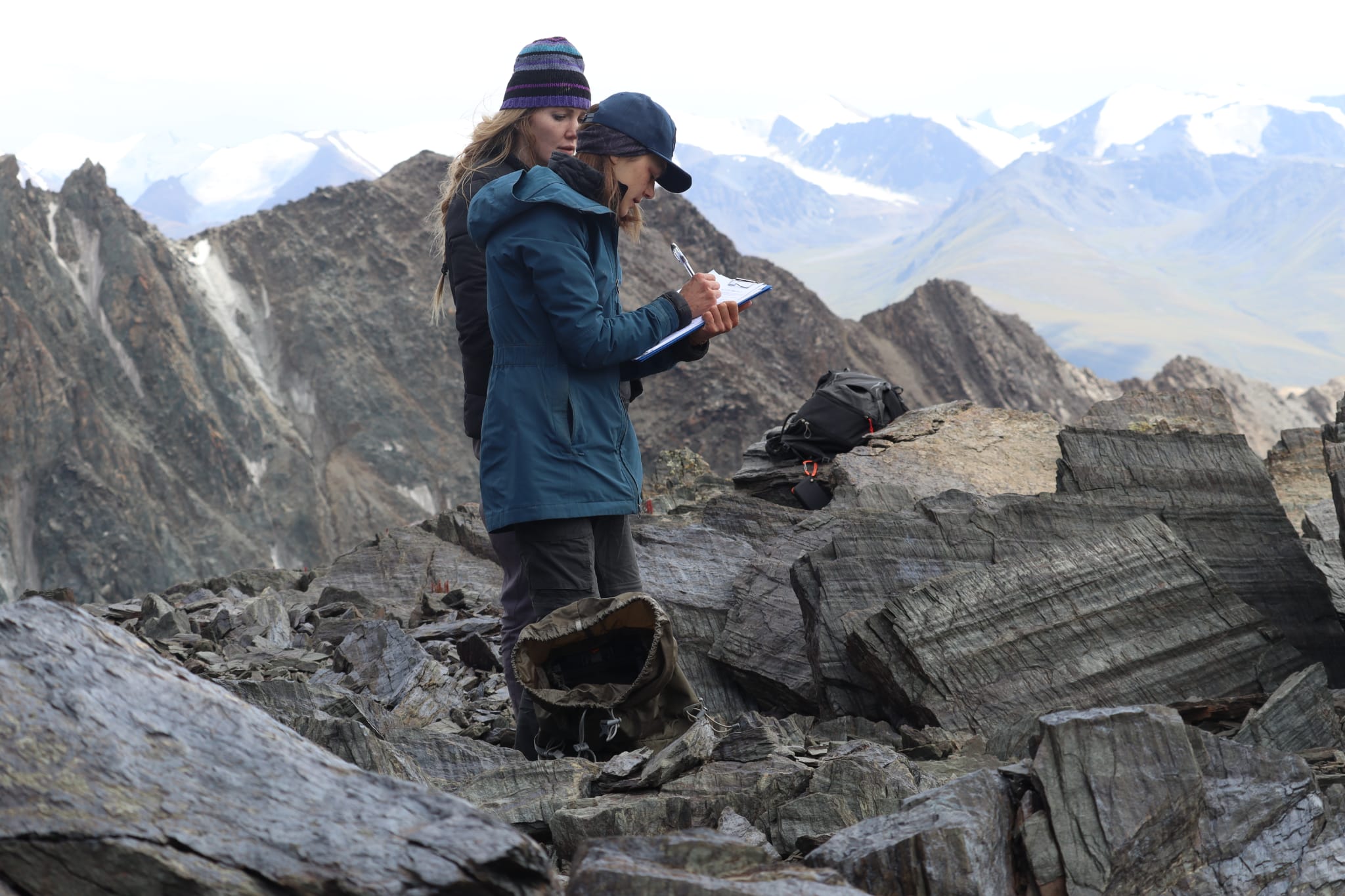
Surveying unexplored (by Biosphere Expeditions) valleys meant that group 2 had to start each day with a flexible mindset. The suggested survey route could be promising and turn into a nine hour mountain walk, or an impassable obstacle could mean the group is back at base camp by lunchtime. Initial evidence is very promising, with multiple signs of argali sheep (snow leopards prey), including remains and tracks. But, to achieve the goal of documenting snow leopards in this new study area, we need camera traps up in the mountains, working for us 24/7. Special mention to Isabelle, who was part of every team that reached the desired altitude for camera trap placements.

We look forward to seeing what evidence this hard work captures in the coming weeks. We also had teams working hard on interview questions and relationship building with local herders and their families. Thank you to Luke, Karl, Anastasia and Corinna for your dedicated work in designing and implementing interviews.

With group 2 wrapping up, I would like to thank everyone who participated for your hard work. We look forward to welcoming group 3 to these beautiful mountains. Please be prepared for training days followed by some long days in the mountains getting camera traps into prime snow leopard territory.

Continue reading “Tien Shan: Trailblazing”

Tien Shan: Moving

Update from our snow leopard volunteer project to the Tien Shan mountains of Kyrgyzstan

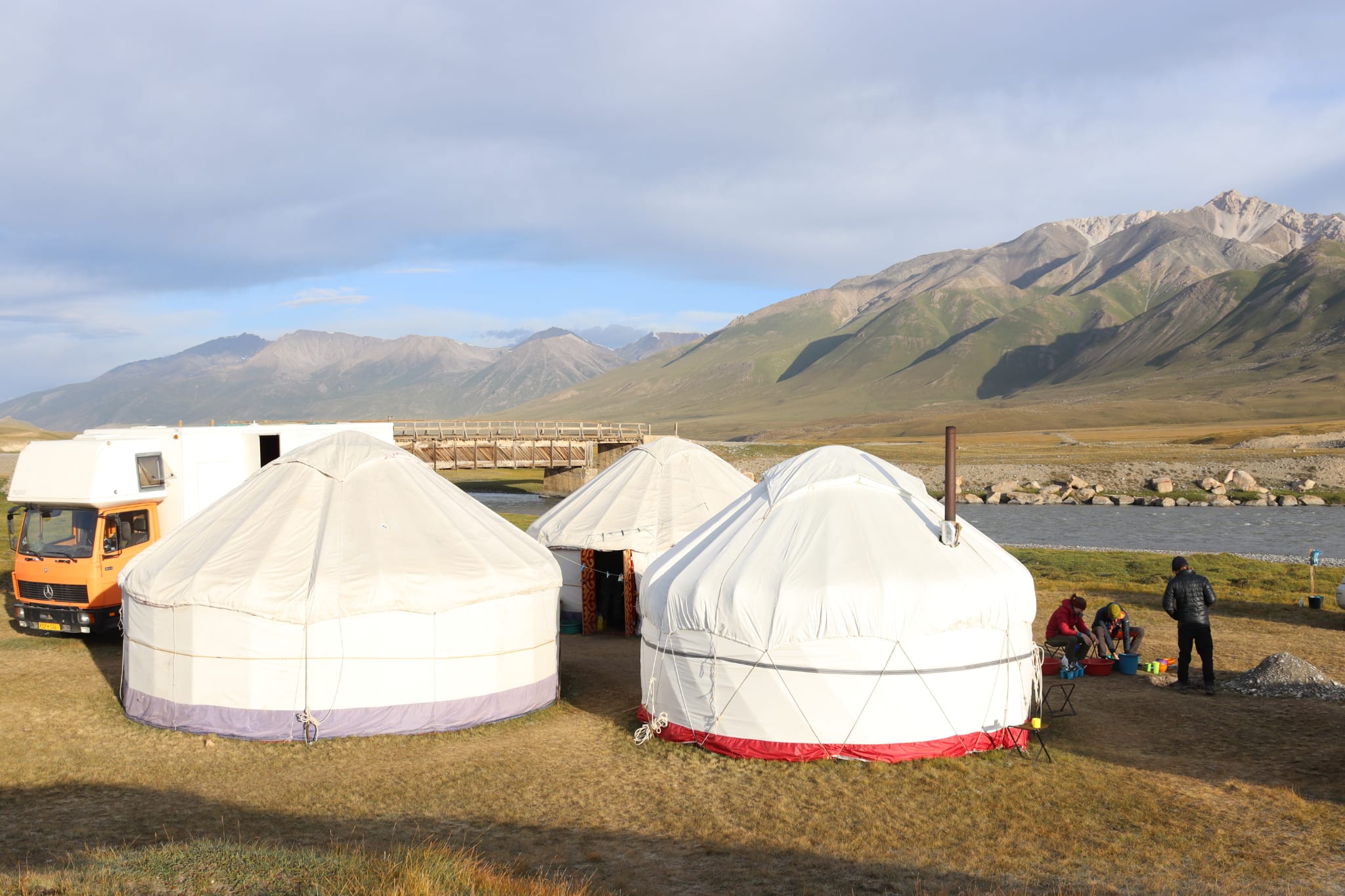
Group 1 started smoothly with everyone arriving on time to the meeting point in Bishkek. We then drove in convoy for seven hours to base camp arriving on schedule at 16:00.

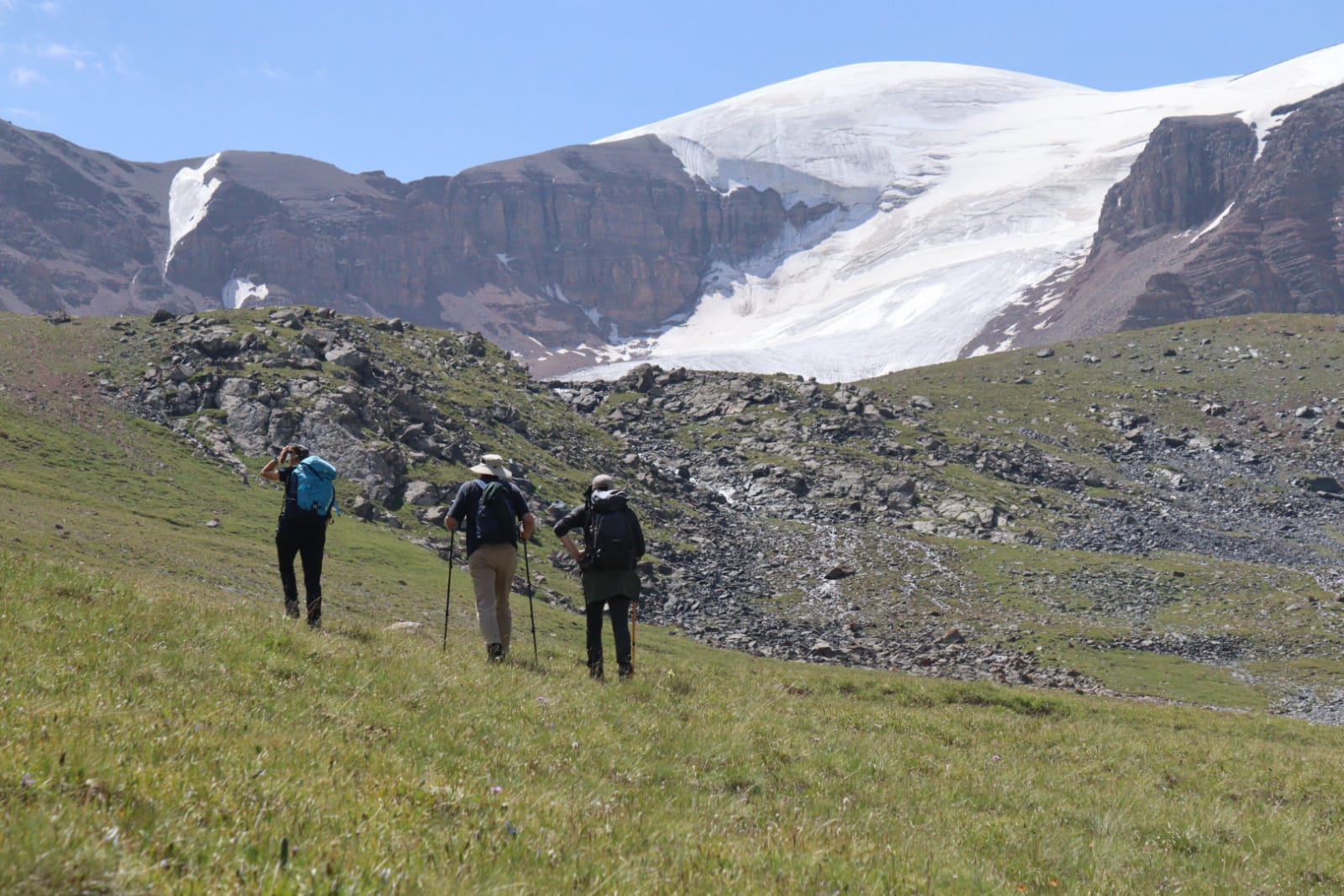
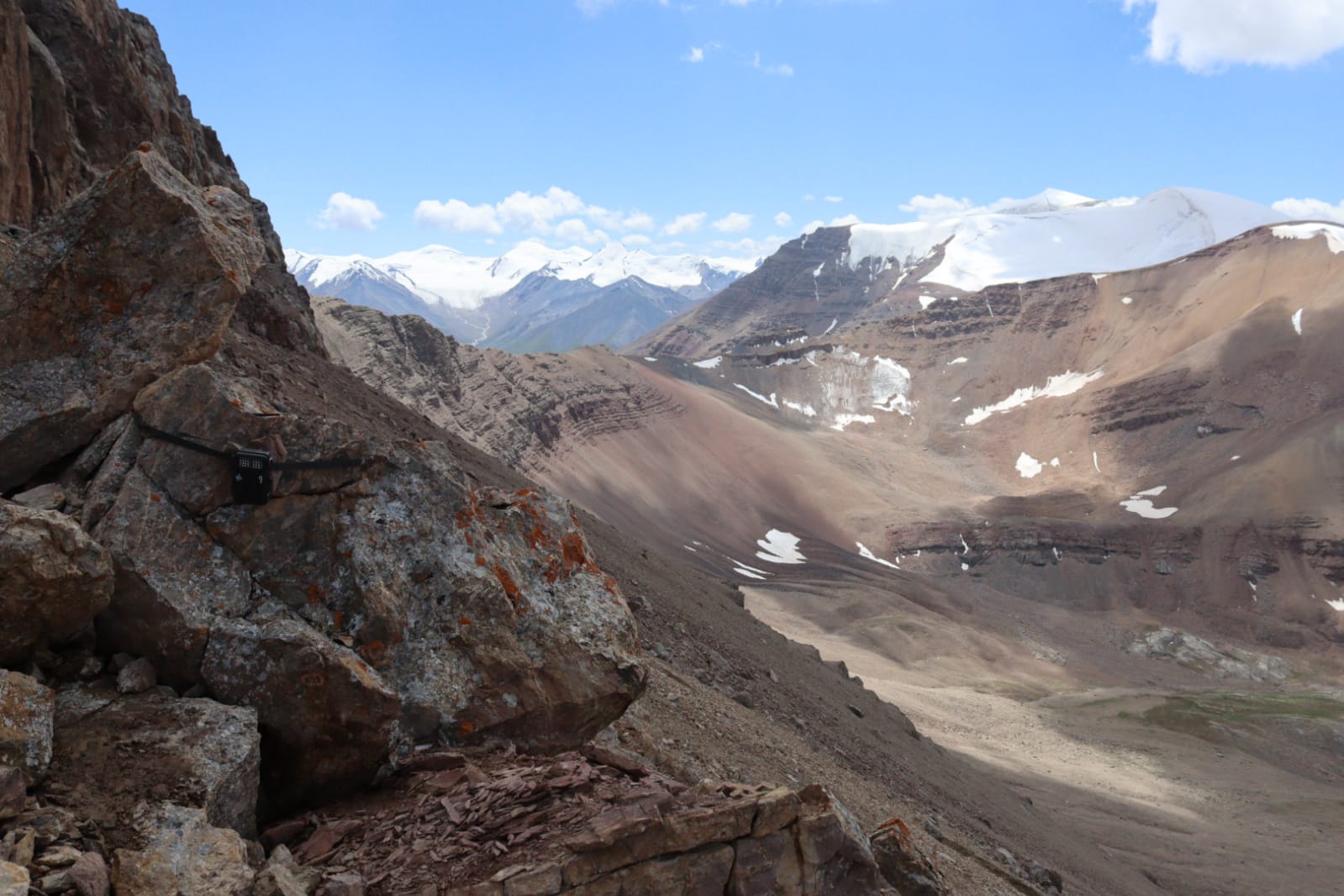
The next morning saw a busy day of training with lessons on scientific methods, GPS use and offroad driving at our old site. We’re here to wrap up our work in this valley. If you have read the 2022 expedition report, you know why. The biggest task for group 1 was collecting all the camera traps from the mountains, which involved some challenging days, as most of the cameras are placed above 3700 m. Well done Clodagh, Leonard and Simon for retrieving our highest and most hard to reach cameras.

In fact, the whole team did a sterling job retrieving most of the cameras within the first few days. We then had a day off with goodbye celebrations for the old valley and experienced some local culture before taking down base camp and loading up the cars and truck. There is a feeling of excitement for the opportunity to study a new valley where – to our knowledge – no snow leopard research has previously taken place.

So here we are, half way along the eight hour drive to our new location in Archaly valley, where the rest of our 2023 expedition will take place. Just enough time and signal to drop off this blog entry.

More news on the new location when we’re back in Bishkek for the changeover. Groups 2 & 3, be ready to go where few citizen scientists have gone before!

Continue reading “Tien Shan: Moving”

Germany : It’s a wrap

Update from our Germany wolf volunteer project

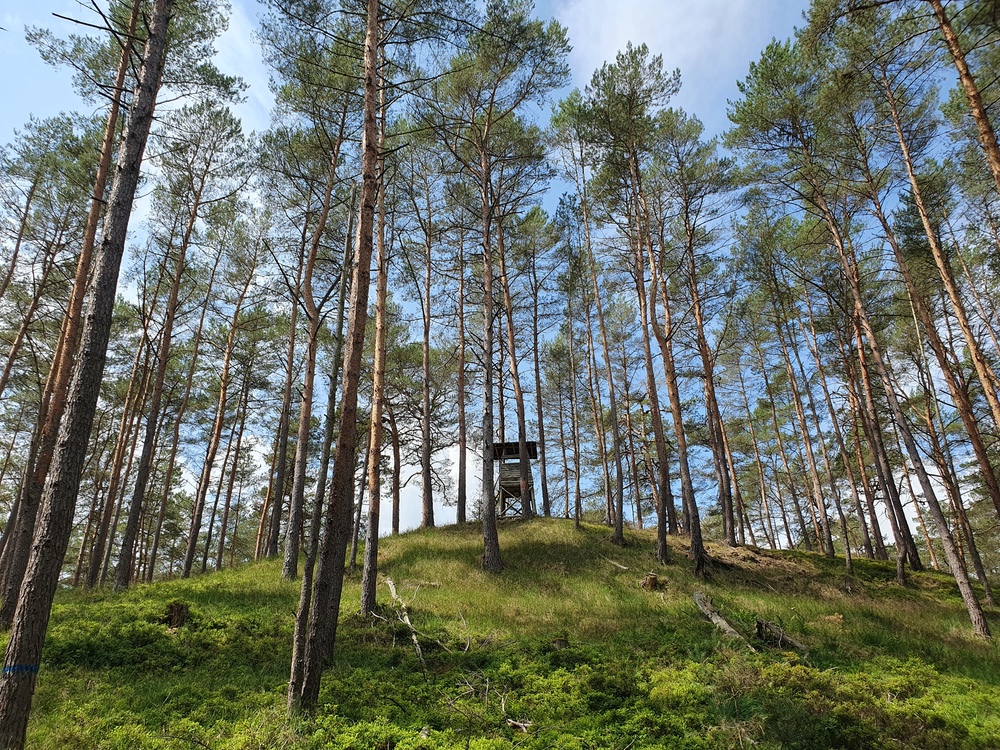
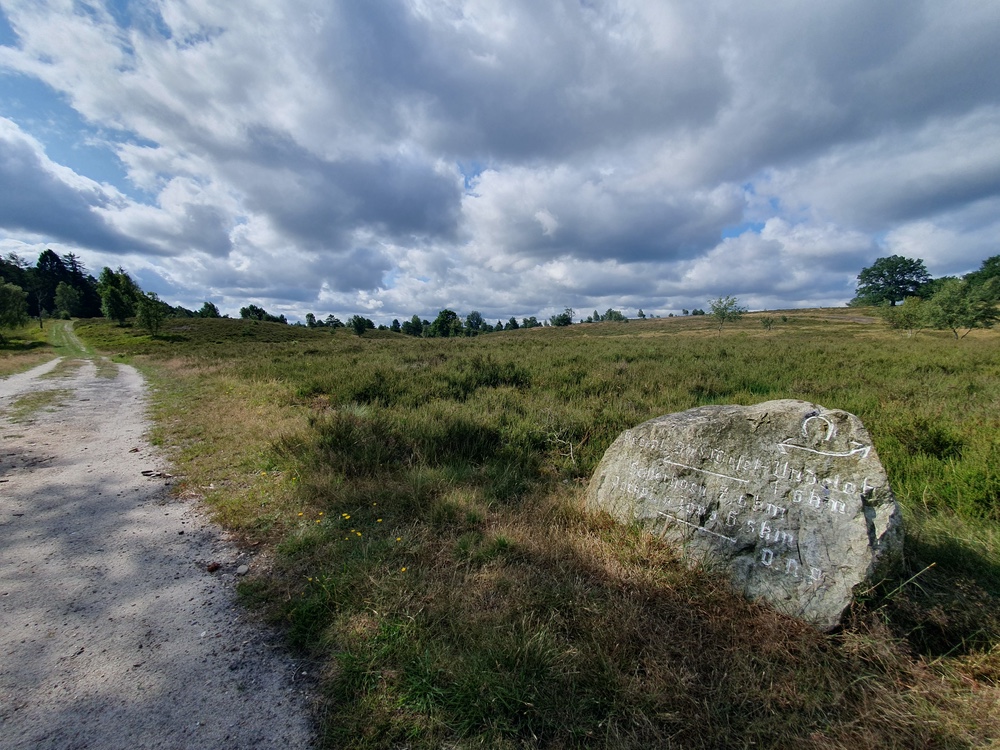
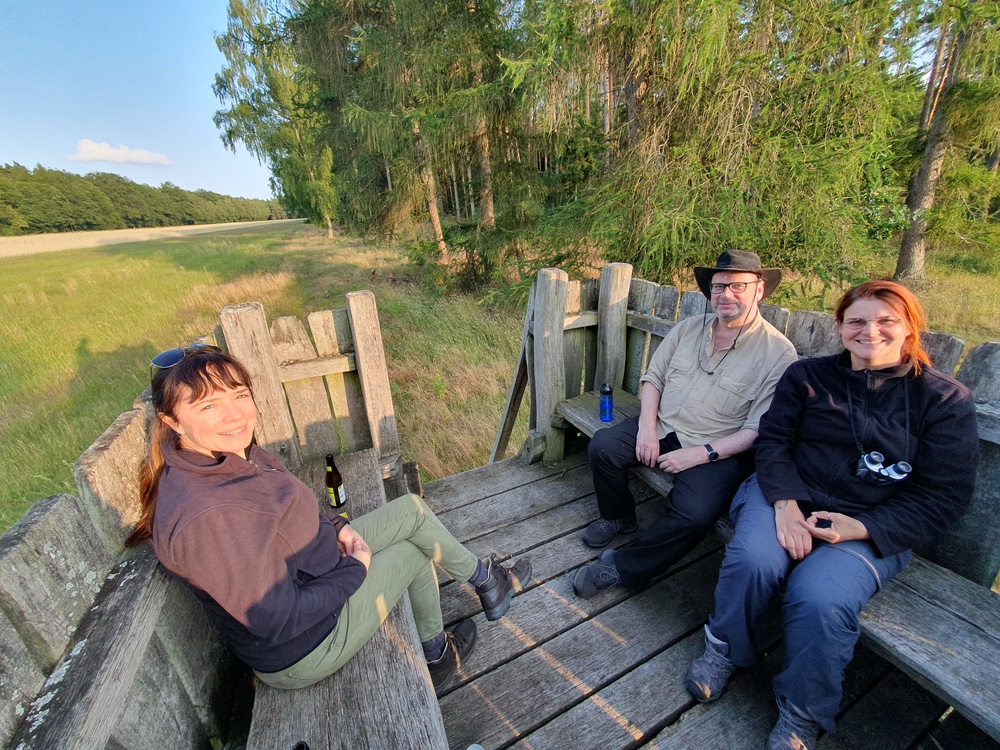
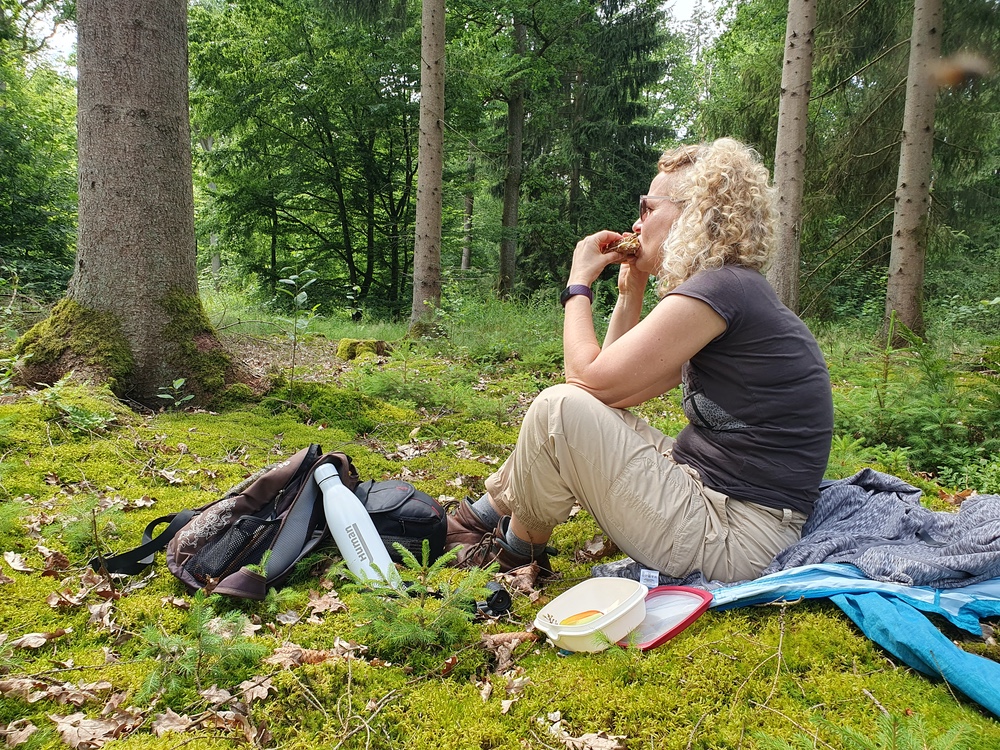
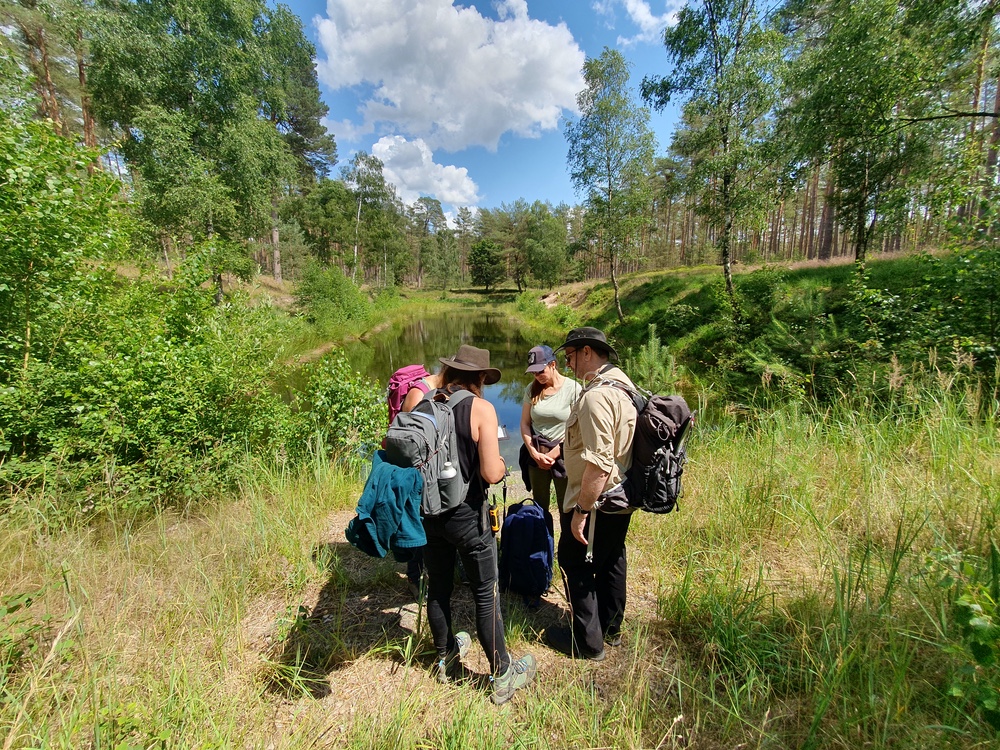
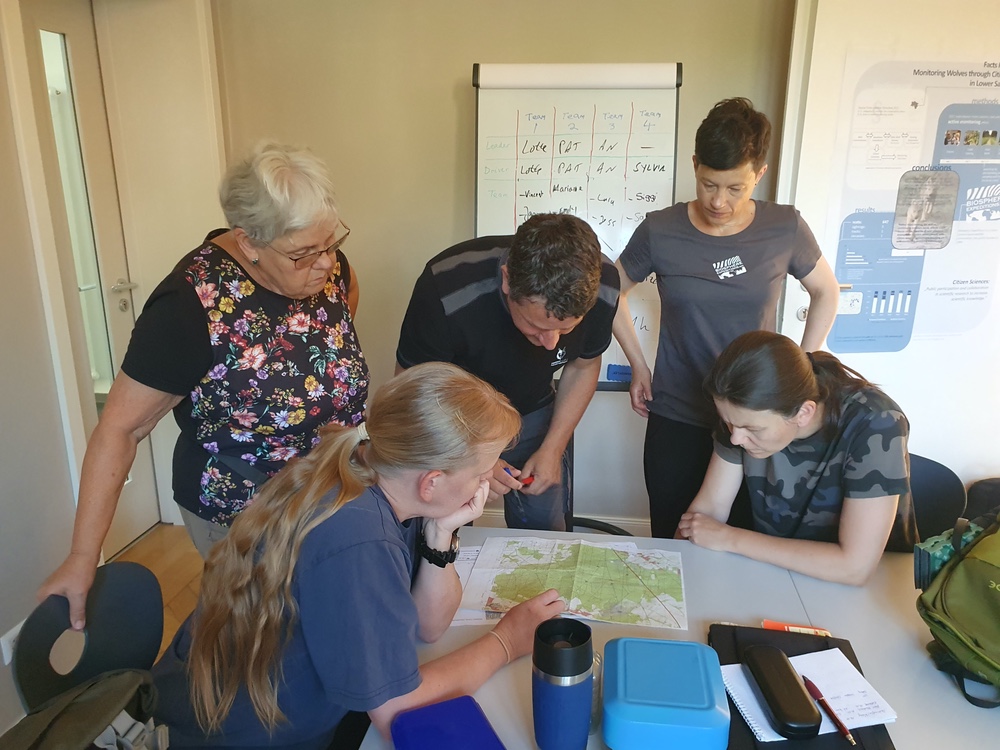
Our second team of expeditioners completed their wolf surveys on Thursday with a thunderstorm. As days went by, everyone managed to perfect their navigational skills. No easy task when the printed map, GPS and reality do not always match. The teams enjoyed walking across different wolf habitats, ranging from pine forests, through heath areas, over sand dunes and deciduous forests. It is a special feeling to walk in a large carnivoreโ€™s footprints while documenting evidence on their presence and ecology on what we call wolf highways.

This teamโ€™s effort, patience and dedication paid off resulting in a wealth of valuable data, confirming the importance of citizen science to add to monitoring efforts – or in many cases being the only source of monitoring data:

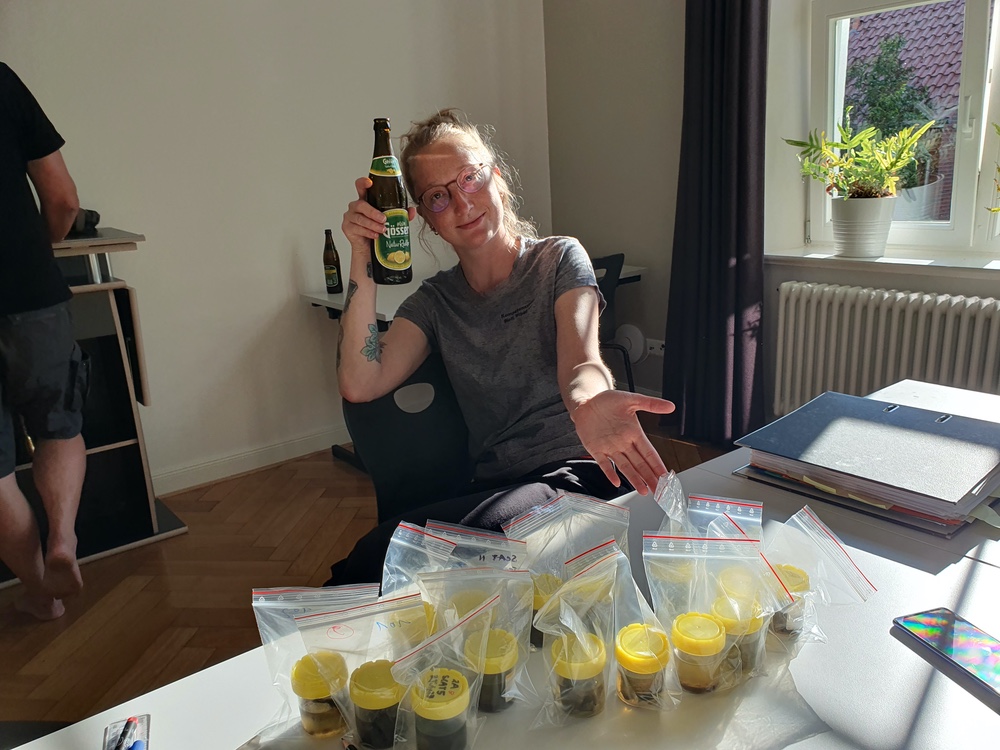
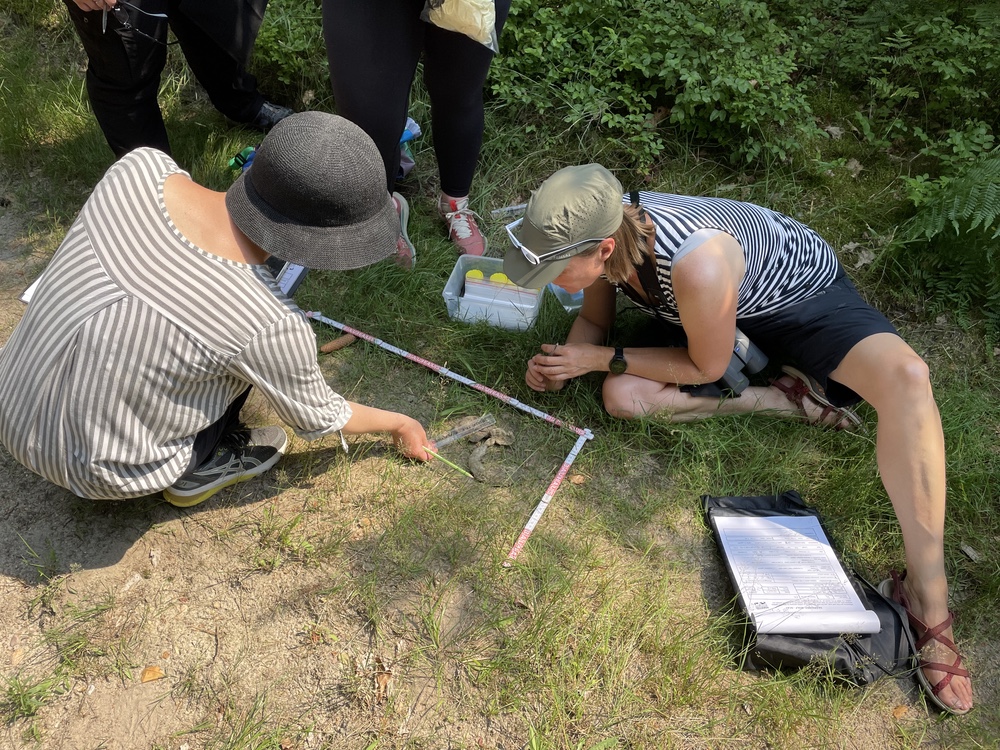
Over two groups and weeks, we walked nearly 800 km in 8 wolf territories, resulting in a total of 217 documented scats of which 155 were frozen for dietary and 15 suitable for DNA analysis. Especially with the fresh samples, it is quite thrilling to realise that less than 24 hours ago, this top predator was in the same spot as you were. Even if we do not easily get to see the wolves, we wonder whether they might be looking at us from within their forest hideaways.
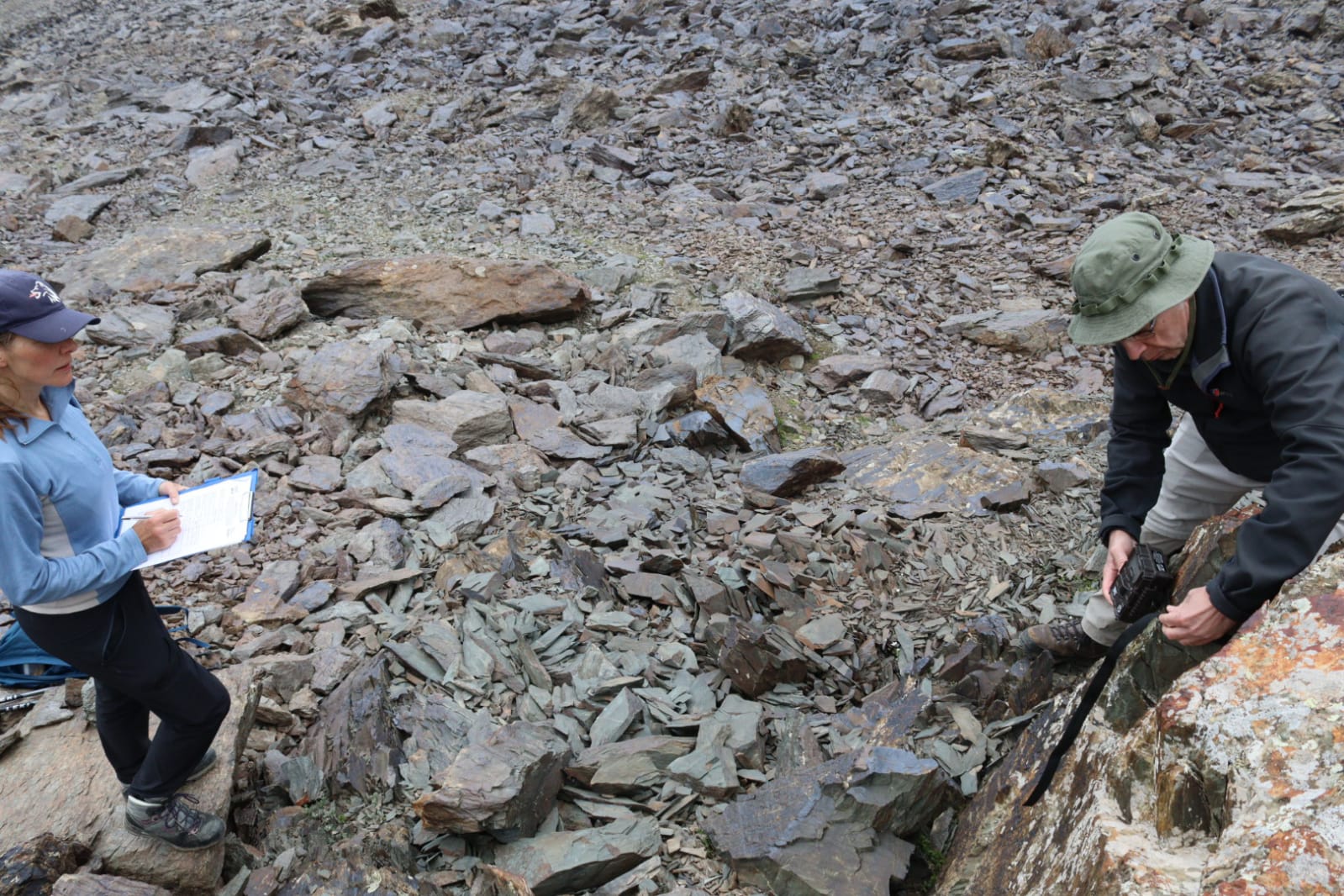
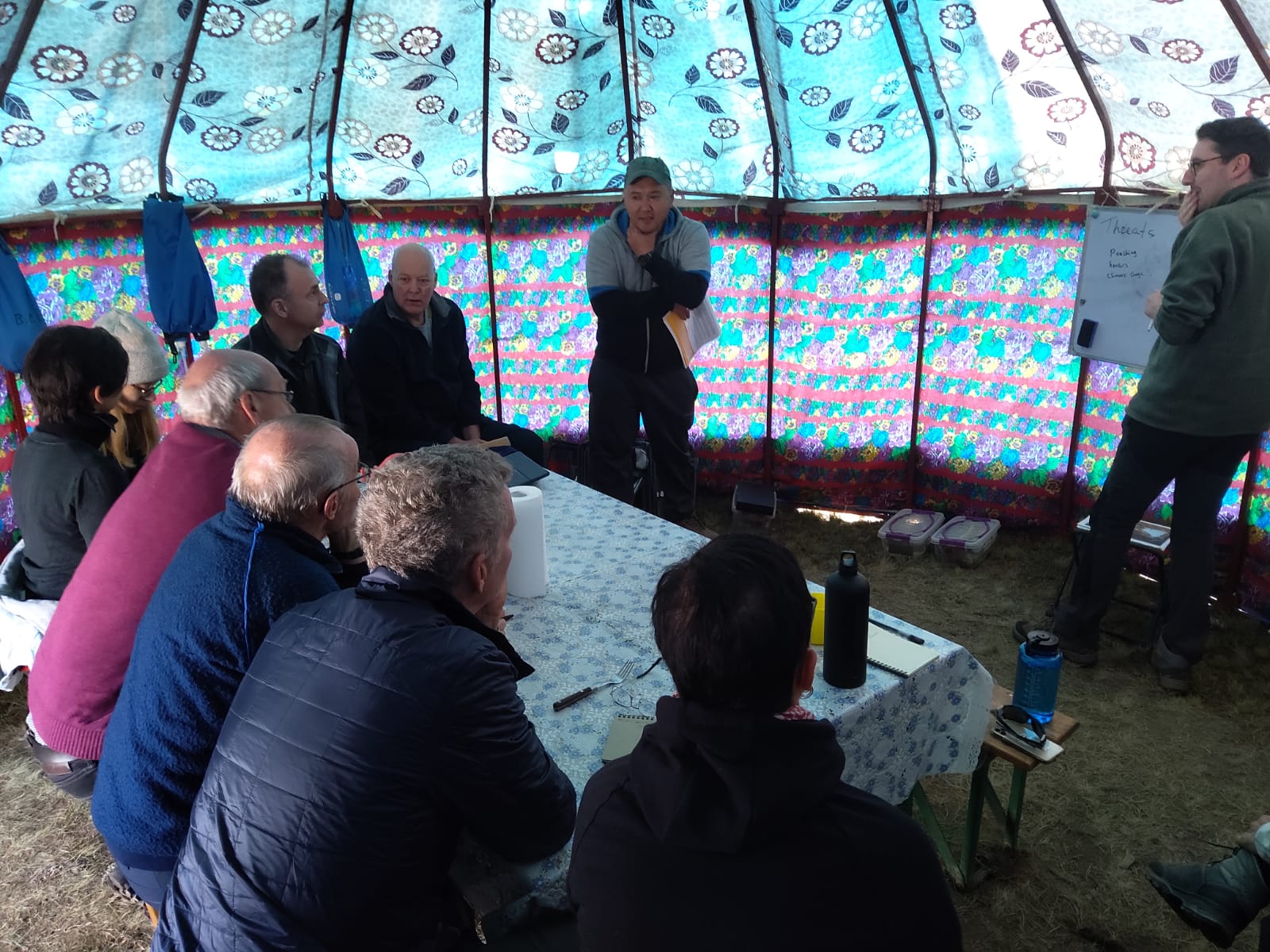
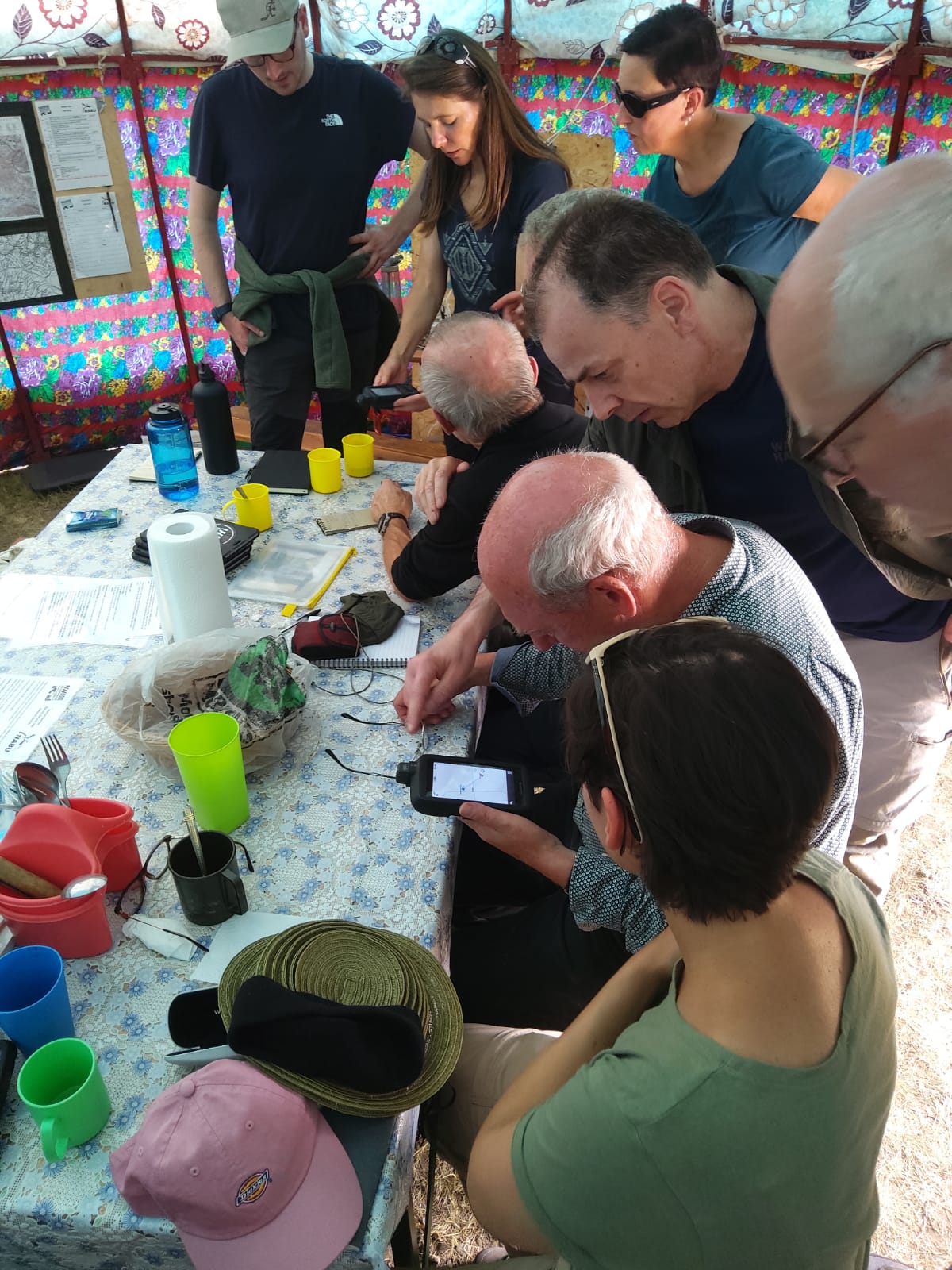
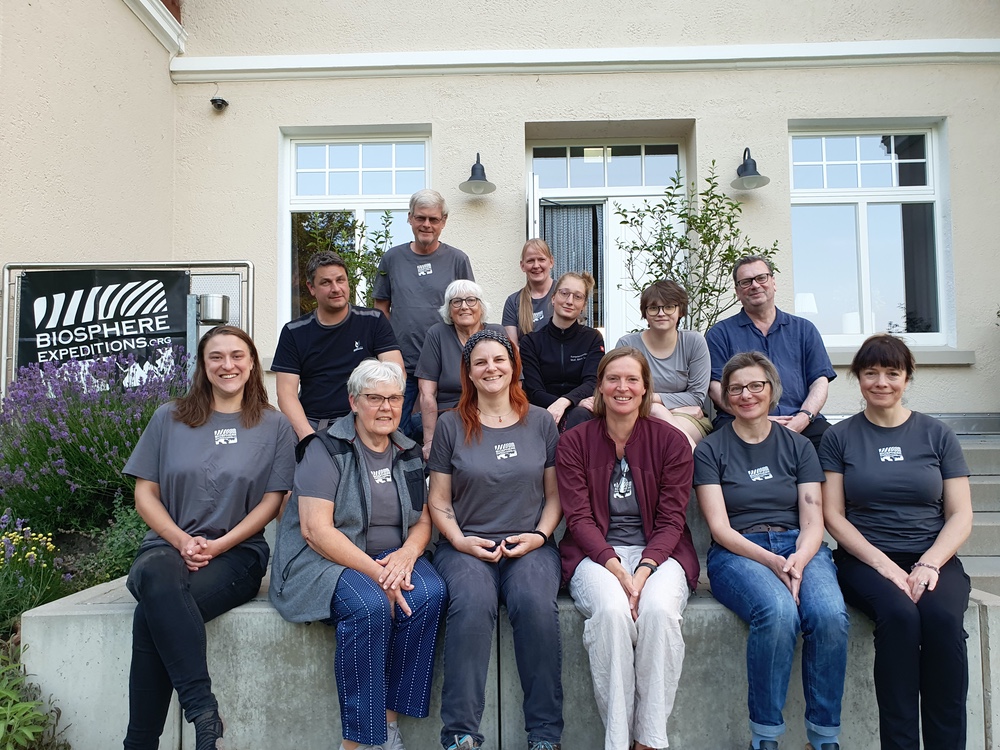
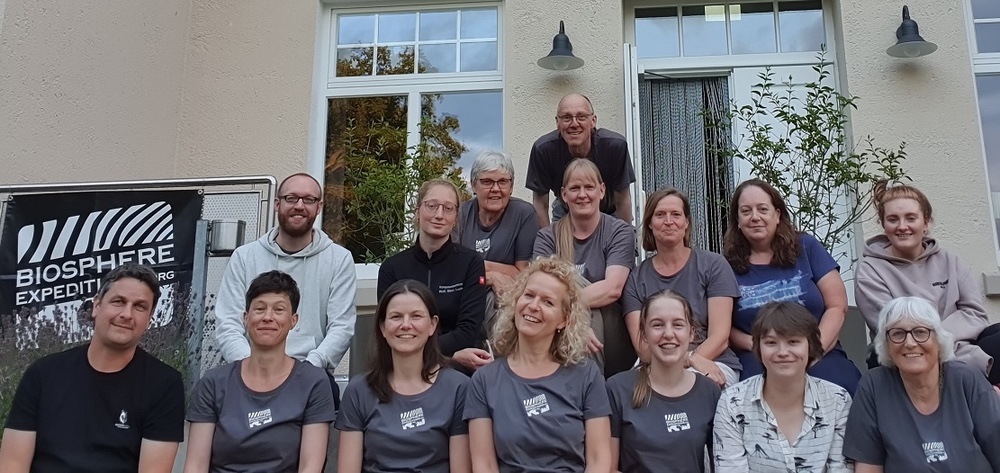
This Friday we said farewell to our second and last group of the year. I am sure we will all miss the acrobatic flights of the swift colony around our base, the evenings sharing field experiences and laughs. You were a wonderful team, we wish you safe travels and thank you for your dedication. A special thank you also to Susanne and Jannis of Naturcampus for hosting us and the canteen team of SOS Bockum for the vegetarian food to keep us going. We thank everyone for making this expedition a great success and we hope to see you again in the future.

Continue reading “Germany : It’s a wrap”