Azores : Easter weekend special

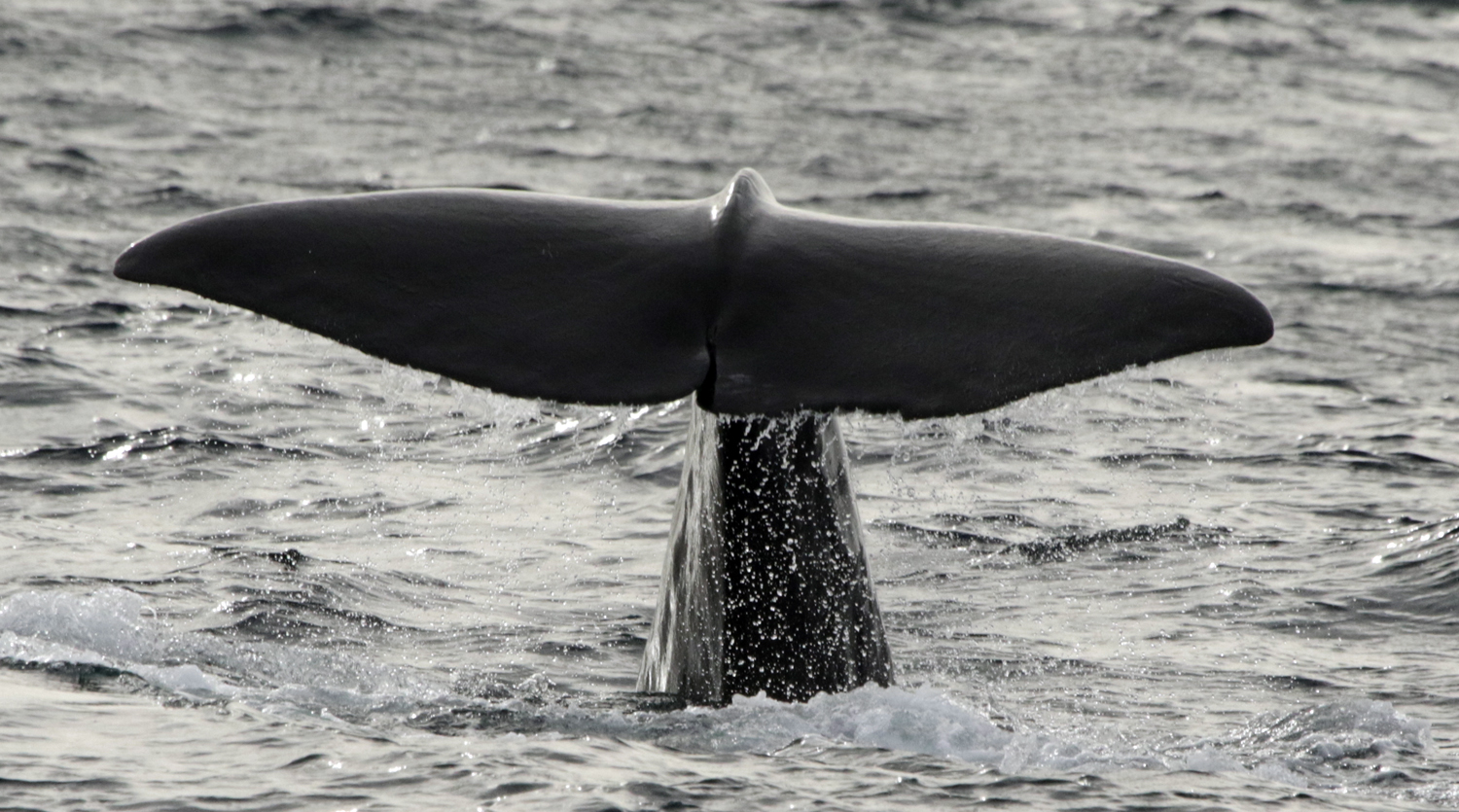
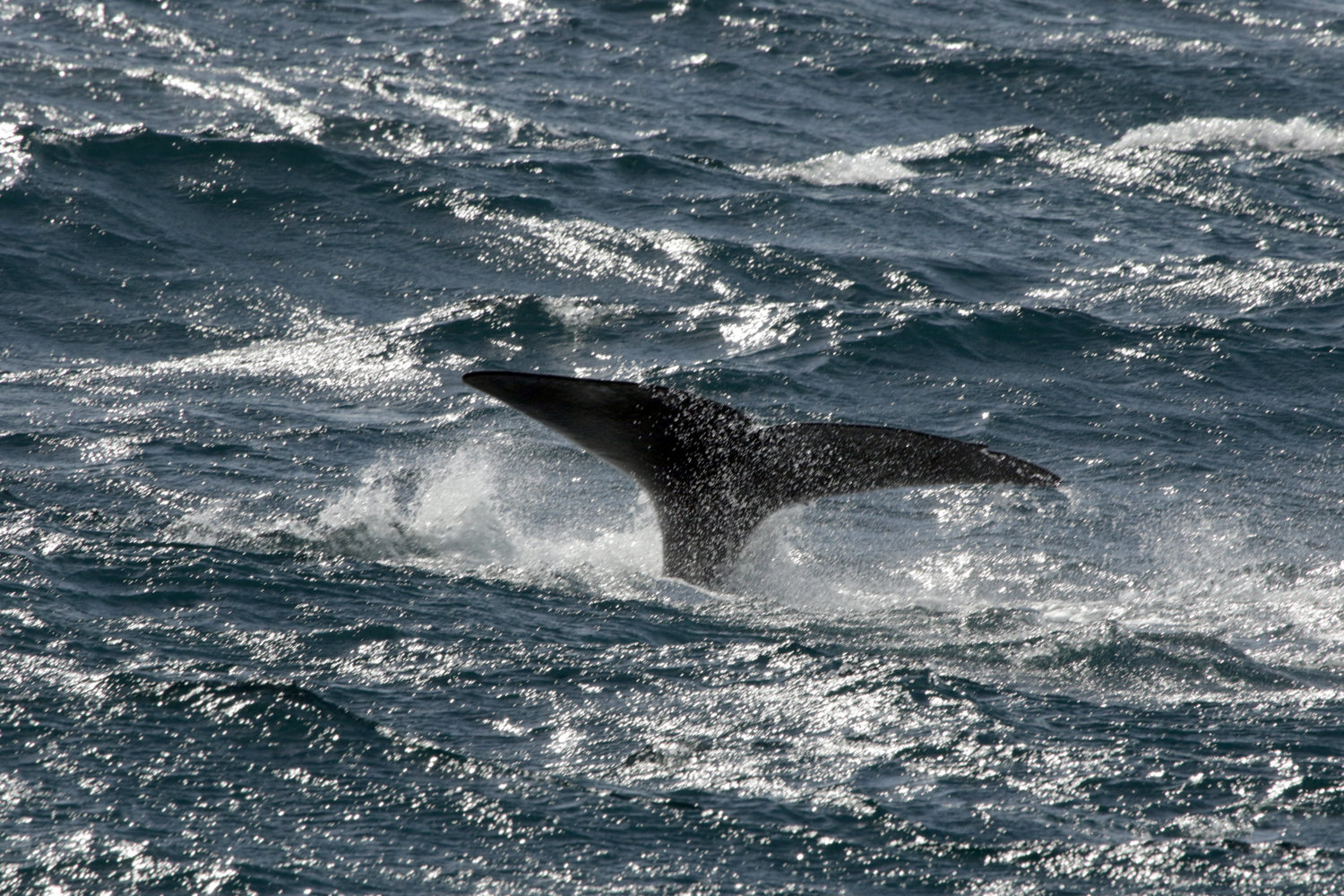
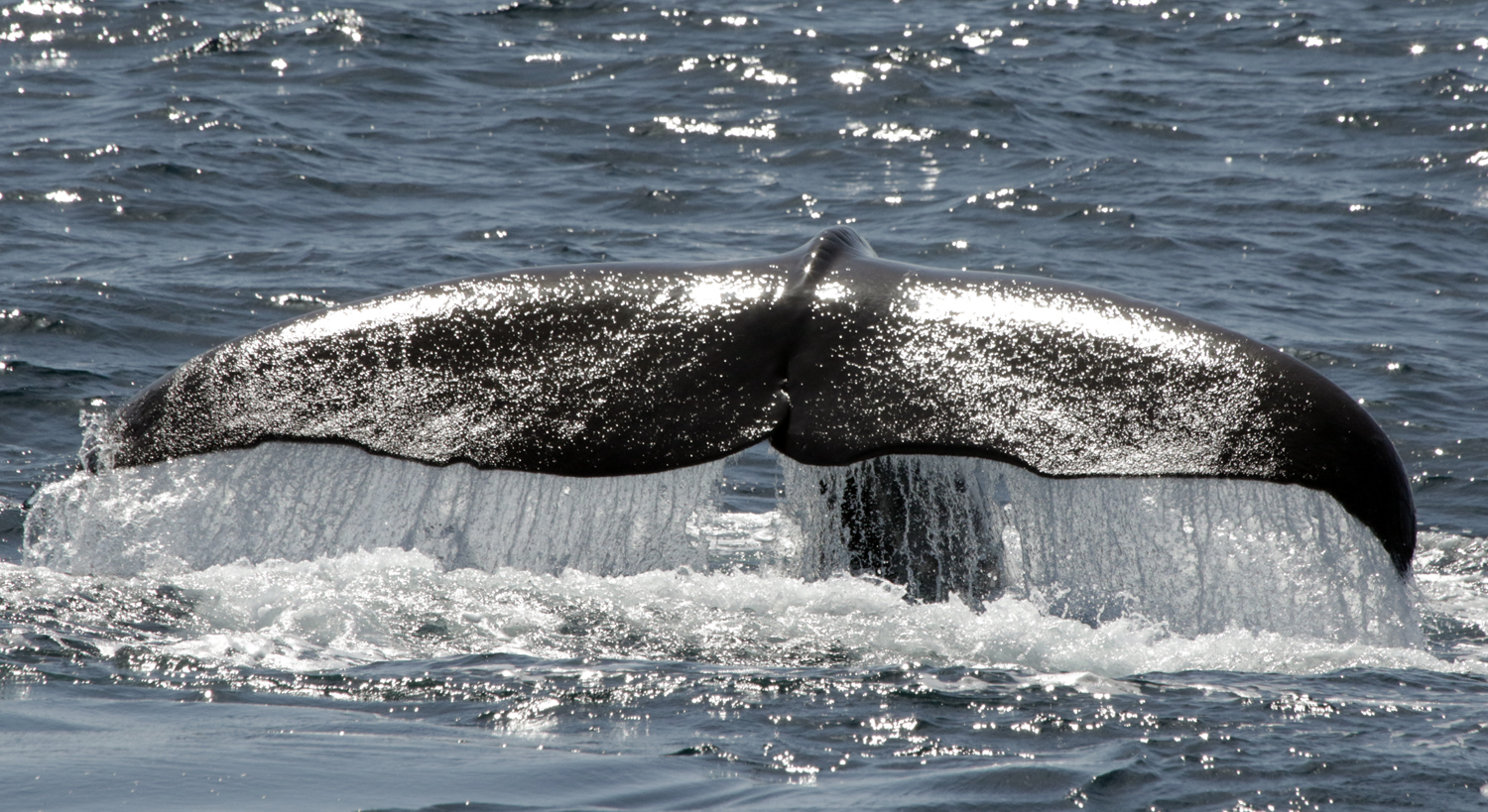
All of Saturday morning was dedicated to sperm whales. Multiple individuals were spotted in an area north of Faial. There was even a group of four of them socialising at the surface, most likely two mothers with their calves. As the mothers dived to feed at depth, the calves stayed behind at the surface. Our whale volunteers managed to collect a total of eight different flukes on camera during 14 separate sightings. We got one twice, others did not dive, hence no fluke, or some fluked before we got close enough to take a photoID shot, or the fluke disappeared behind a large wave. Being out there does show the patience and dedication cetacean scientists such as Lisa must have to collect data ‘one fluke at a time’. It was a great morning giving insight into this iconic cetacean species, once the main target of whaling here, while currently being one of the most appreciated during whale watching.

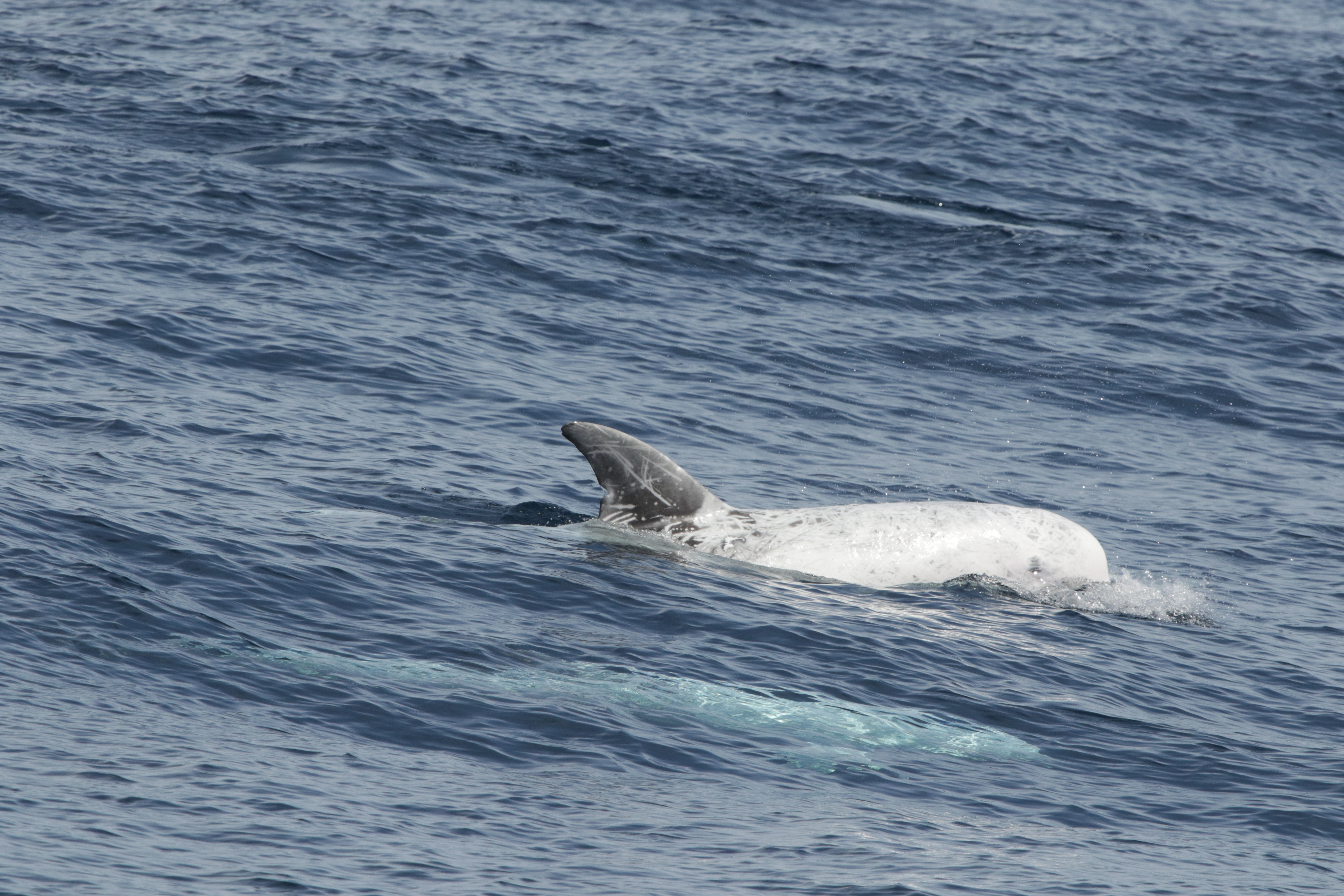
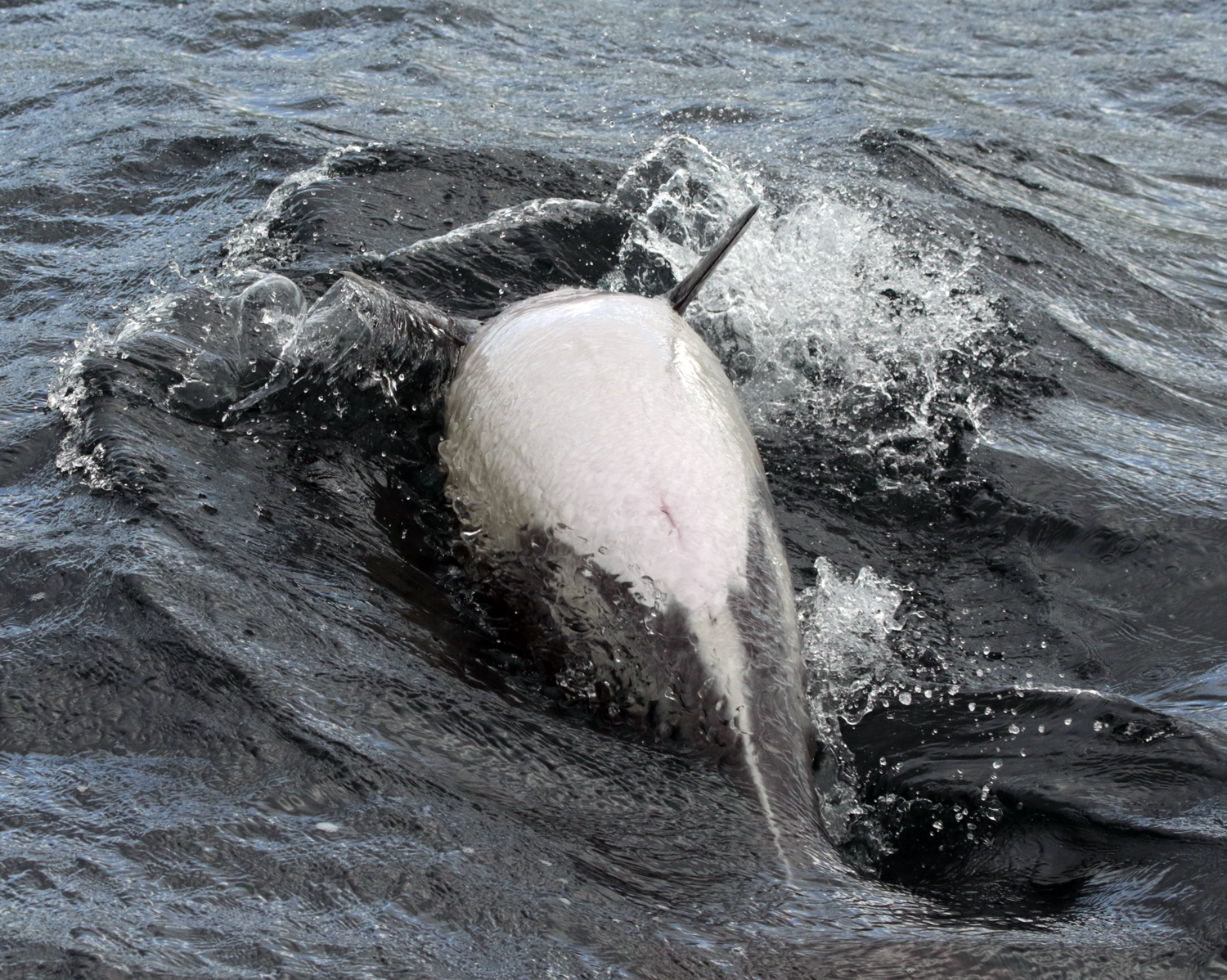
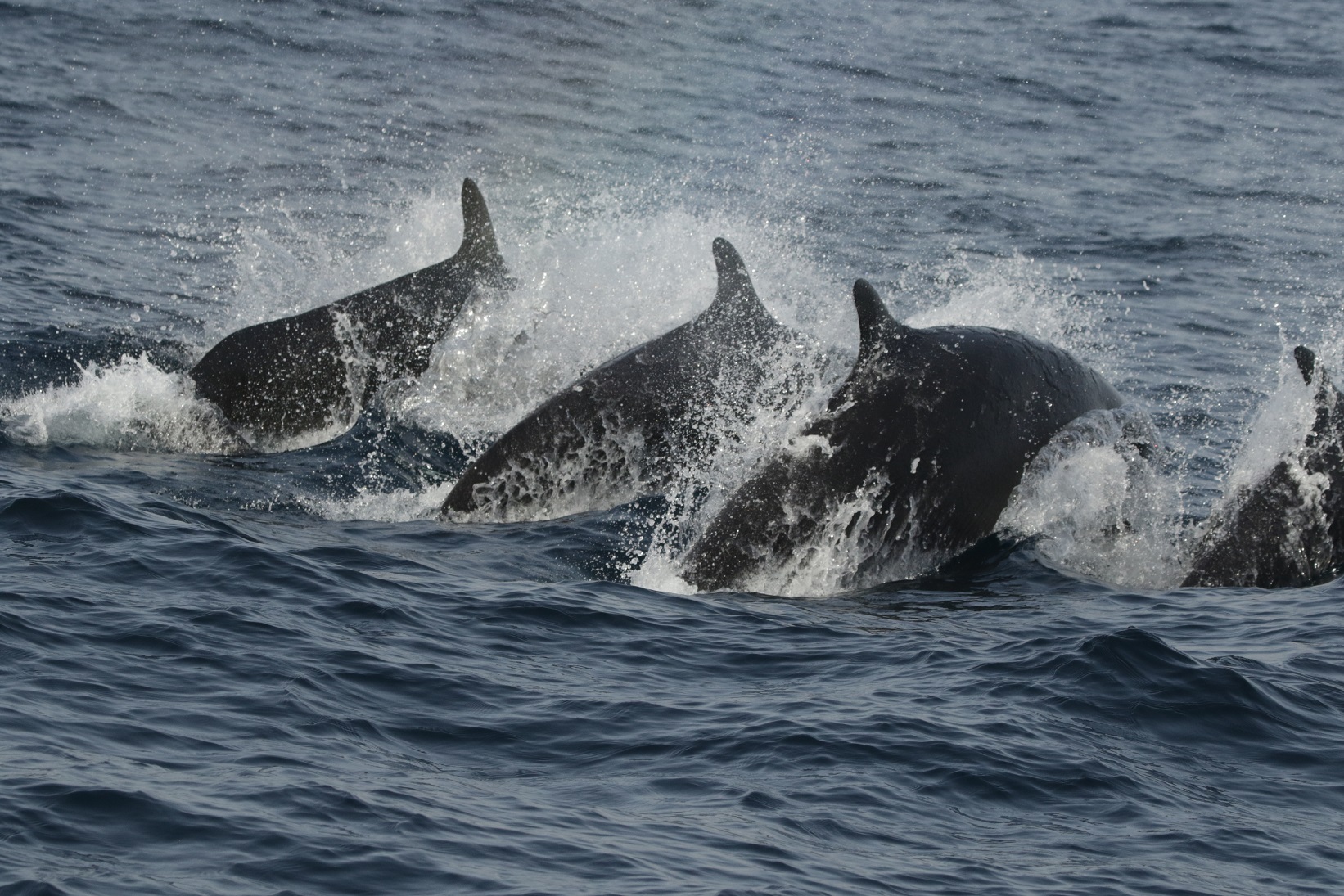
The vigias contacted our captain Siso on the radio with a special sighting, so we headed to the spot they indicated. The sea surface was rather flat, when our dolphin volunteers spotted some dolphin dorsal fins. Then we saw some white ones and others much darker. Coming closer, it became clear that these were Risso’s dolphins. Some call them the ghosts of the sea and they indeed have something magic and mysterious about them. They are easy to follow under water, especially the white ones. Risso’s are dark in colour when born but as they grow, through interaction and aggression with their peers, they get scars on their body. The pigment does not get replaced and thus you get older individuals that are almost fully white…. A truly unique encounter.

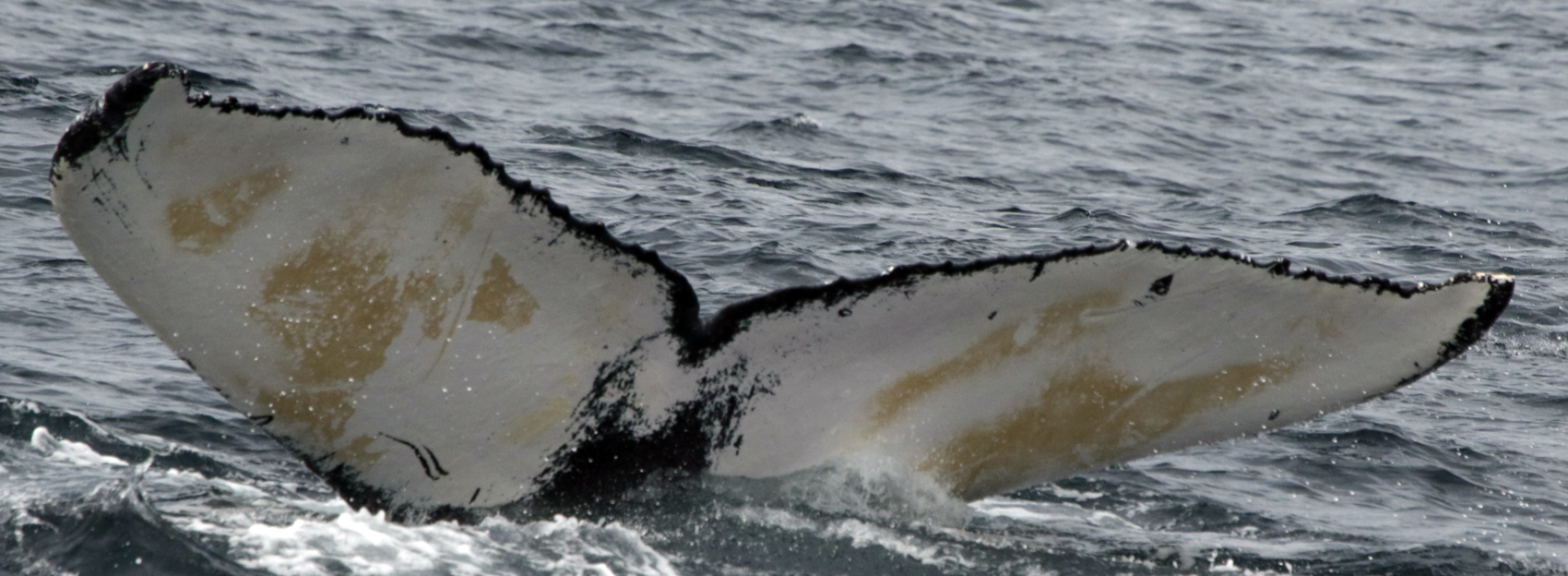
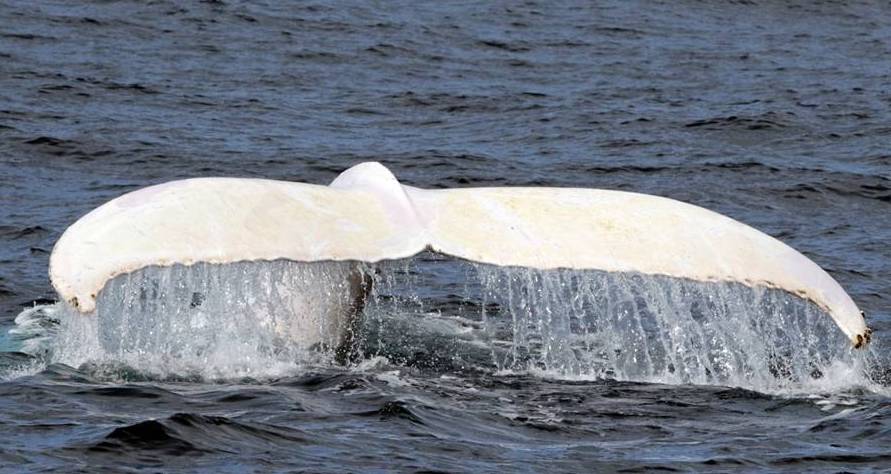
Later in the afternoon our cetacean citizen scientists heard a lot of excitement on the radio channel. ‘A baleen whale….there are two …..marvelous…..one white, …..’ Not sure what to expect exactly, we travelled southwards and off Ribeirinha when all of a sudden a massive humpback whale comes up starboard side of our catamaran. Almost immediately after we see a fully white smaller humpback whale come up along side it. We were speechless, as the odds of seeing an albino whale are almost zero. We followed them and were treated to both of them fluking, only to discover that our white friend does have some black spots on the ventral side of its fluke. So not an albino, but a 95% leucistic individual. Migaloo is a well-known male albino humpback whale from Australia – could “our” whale perhaps be the first one in the Northern Atlantic? Although the time to return to the harbour had already passed, we could not resist and decided to follow the duo a bit longer as this clearly was a once-in-a-lifetime opportunity. Smiles all around as we returned to harbour eventually. During our debriefing Lisa matched the fluke of our white friend on the HappyWhale programme online to a white humpback seen around the Spitsbergen/Svalbard feeding grounds in 2012 (see video below). After more research by Lisa, the same individual appears to have been seen in the Guadeloupe breeding area in 2015, 2019, 2020, where it was given the beautiful name Willow. These life stories make extraordinary sightings even more interesting, unravelling where this individual has been.

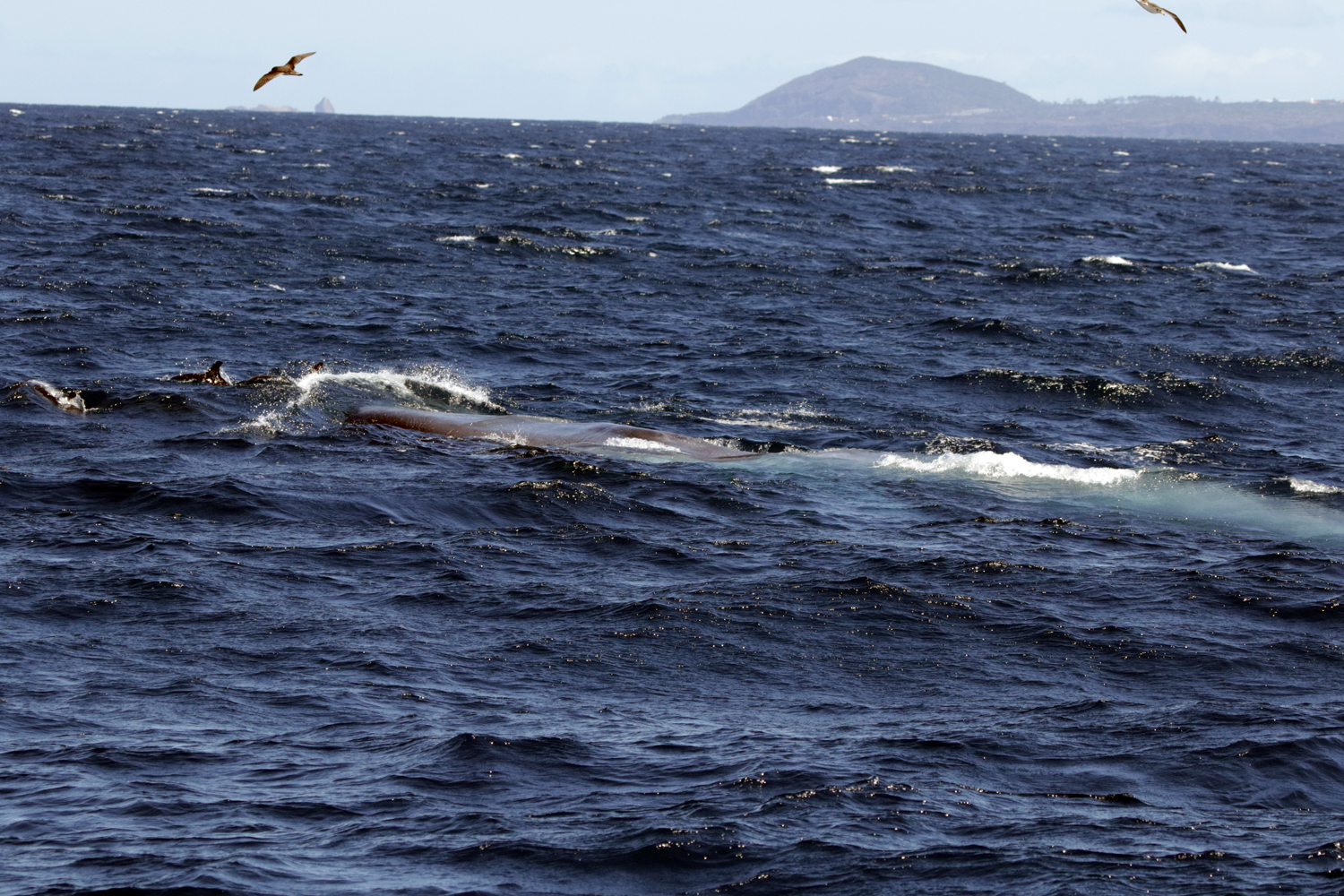
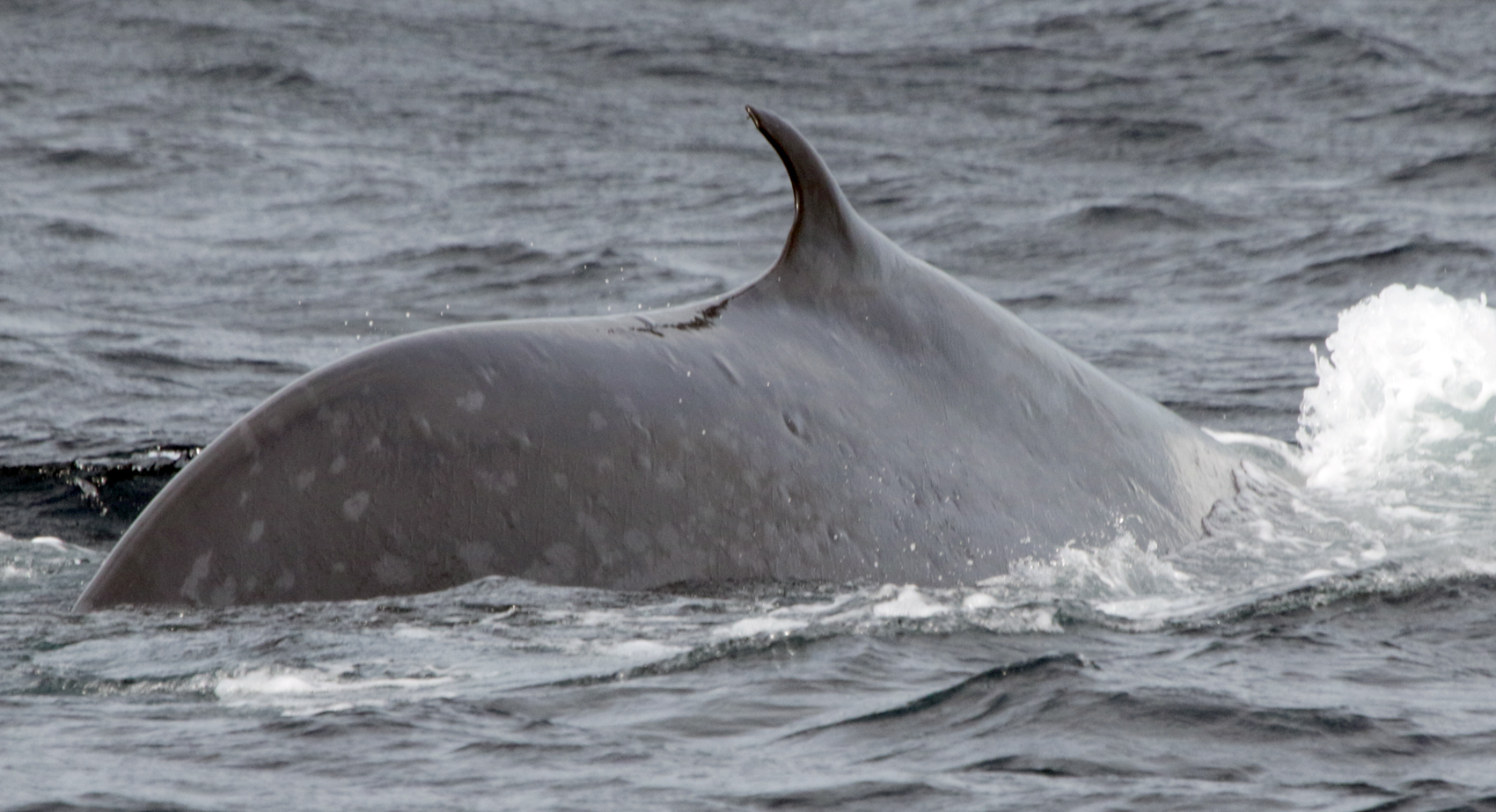
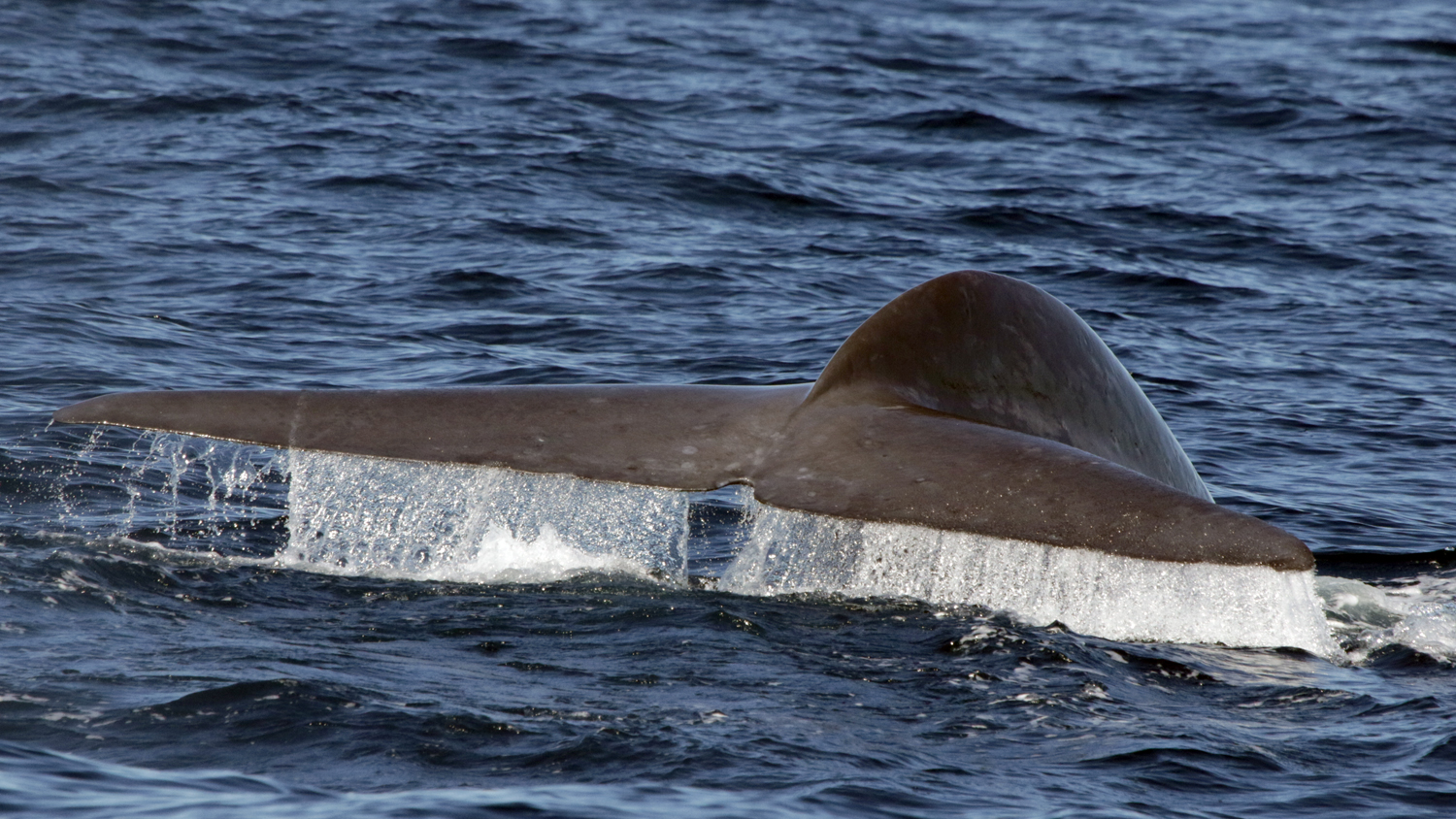
On Easter Sunday we left the harbour, with a spectacular view of the cloud-free Pico volcano and could even see some snow on the top. The sea looked promising. Our first sighting was a large mixed group of common and striped dolphins. The first striped dolphins of the season for Biosphere Expeditions and our cetacean species number 10! They jumped synchronously off in the distance but were not interested in bowriding. A loggerhead turtle passed near the boat, and we saw another five ones later that day, with many Portuguese man-o-war around, one of their favourite snacks. Further ahead of us, we saw a huge blow…10 m high…must be a blue whale. And sure enough after the blow, we saw the gentle giant. It is amazing to watch its head come out, then the back and more of it and then there is even more of it still…..until you see what appears to be a tiny dorsal fin while it slides back into the water. Common dolphins were excited too and chose to bowride…you guessed it..the blue whale, what a sight !! After getting photoID shots, we saw another blow ahead of us and decided to check this one out also. It appeared to be another two blue whales. One smaller – probably a juvenile. Given their enormous sizes, it becomes a bit confusing what is a calf, a juvenile or an adult…. We enjoyed following them for a while until we got the photoID shots and then headed to Capelinhos, straight into strong winds before heading back to Horta and enjoying the view of the cliffs from the sea.

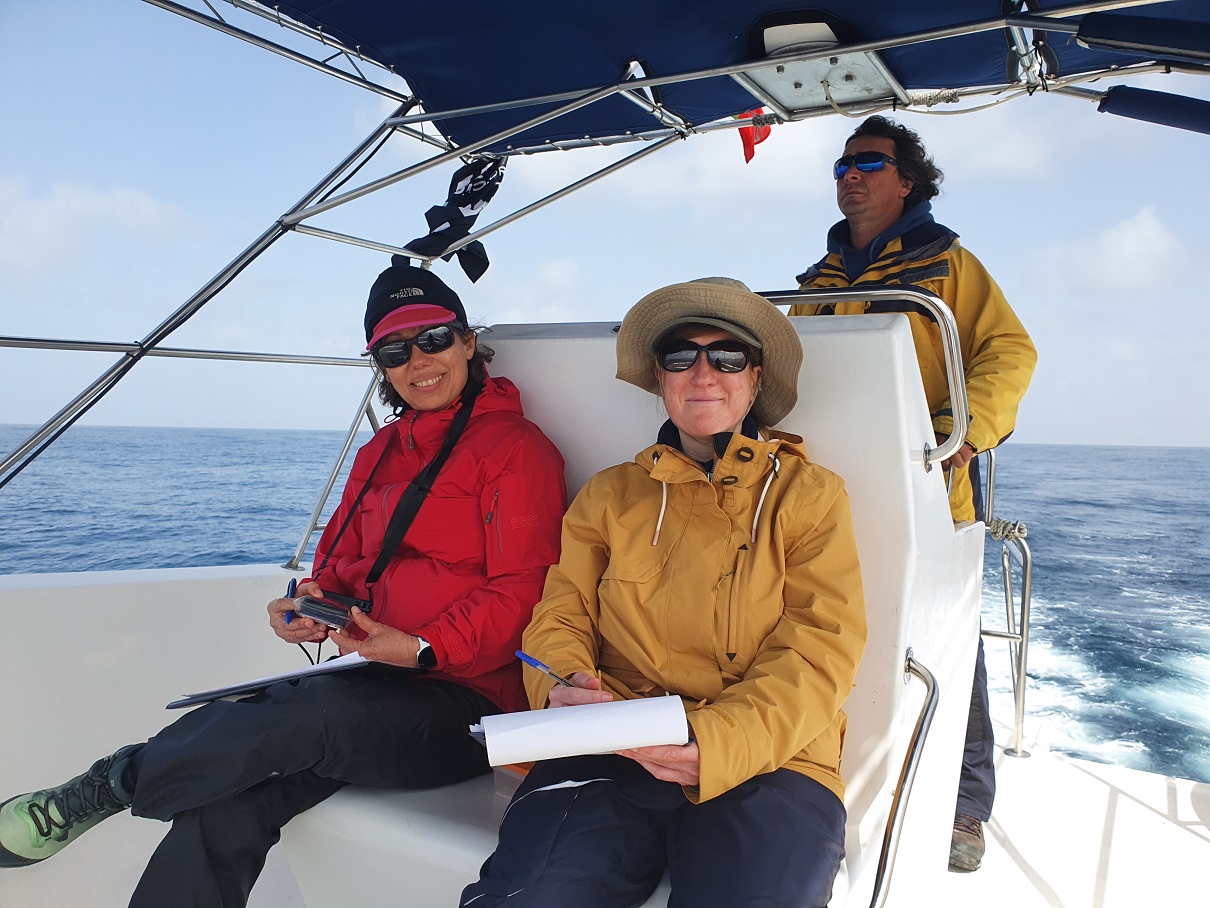
It has to be said, the teamwork on board was amazing, Barbara and Suzie ensured the datasheets were filled in despite all the commotion going on. Madeleine and Suzanne took excellent photos and the front deck whale volunteers Shelagh, Ellen and Bryony showed great determination and stayed out on deck through wind, sea spray and lots of waves. Lisa made sure to record all these incredible sightings on the Monicet App of the University of Azores for their cetacean monitoring programme. This will be an Easter weekend none of us will forget.
Azores : Wind, waves and surfing bottlenose dolphins

Another team of eight great women joined Lisa and me from the UK, US, Germany and the Netherlands for cetacean volunteer action. Our intensive two-day training phase kicked off the expedition as usual. Fully saturated with information, everyone was eager to test their sea legs and get into the onboard and offshore work. Regrettably, the weather gods were not in favour, so we had to postpone our first trip out.

On Wednesday our Azores volunteer team had a day off to explore the island and enjoyed intrepid walks as well as several viewpoints around the island with the highlight being the scenery of Capelinhos. It just is one of those unique locations not to be missed with the lighthouse as a landmark. Sandblasting treatment also freely included this time.

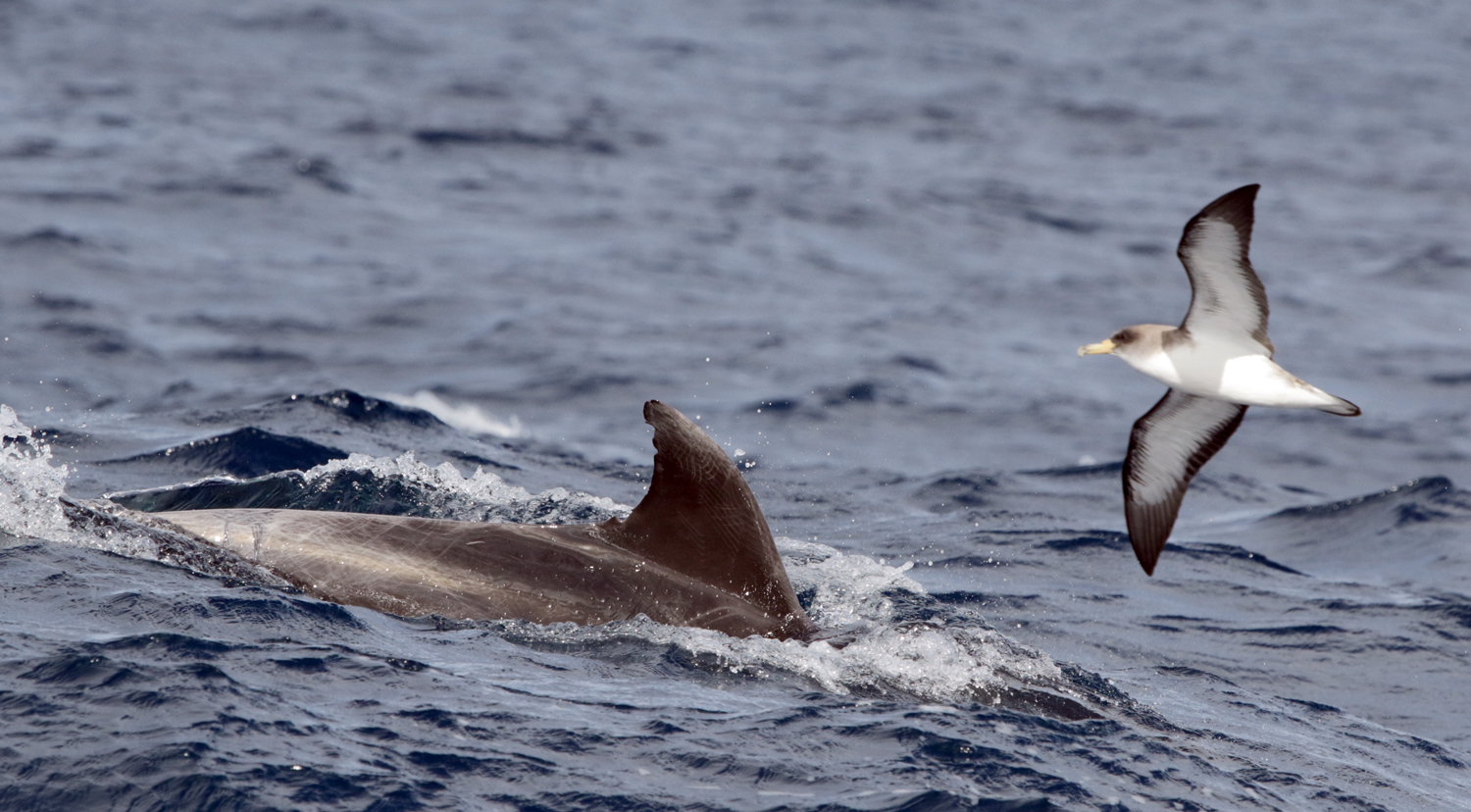
On Thursday there was no stopping our citizen science volunteers. They were ready to start putting sea hours in regardless of the forecast. One of the lookouts on land had spotted a baleen whale, most likely a humpback north of Horta, so we rushed to the scene. All eyes on board had a dedicated section of the sea to scan for blows. One might think how can you possibly miss a large baleen whale ? Yet, with white caps all around and slow rolling waves putting up walls of 2-3 m, it is just not that straightforward. Our research target managed to play hide and seek quite effectively, so we decided to look for more cooperative cetaceans. A nice pod of bottlenose dolphins was travelling by and decided to give us quite the show by surfing the waves surrounding us. We spotted two calves in the group and spent some good quality time observing them. Ellen, our Monicet app person on this day, and Susie, dedicated GPS log person, made sure the location and data were recorded. Meanwhile Barbara, our dedicated photographer tried to capture as many dorsal fins as possible for later photo-ID work. A few more blows were seen by the look-out nearby, but with even bigger waves, it was next to impossible to locate the animals. On the upper deck POPA data capturers Sheilagh and Lisa adhered to a tight schedule with matching ringtones for turtle, bird and trash times. The bird data loggers were treated to hundreds of Cory Shearwaters and their aerial acrobatics. As we turned back home, some of the clouds surrounding us were like from a painting. Suzanne and Madeleine were the last women standing on the front deck. Respect! While we would have loved more sightings, it was a nice warm-up for group 3 and we will see what tomorrow brings.

Azores: Patience pays off

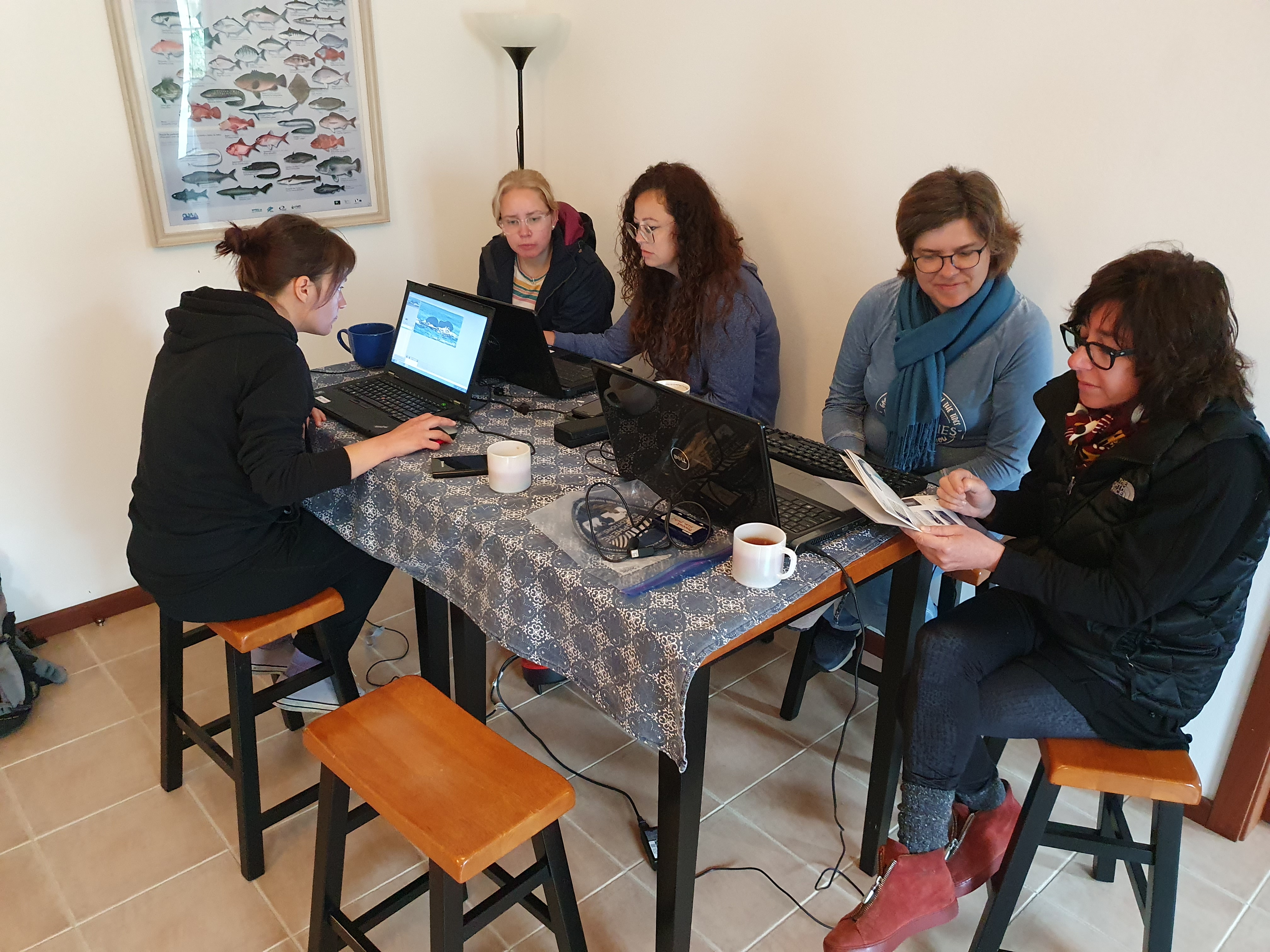
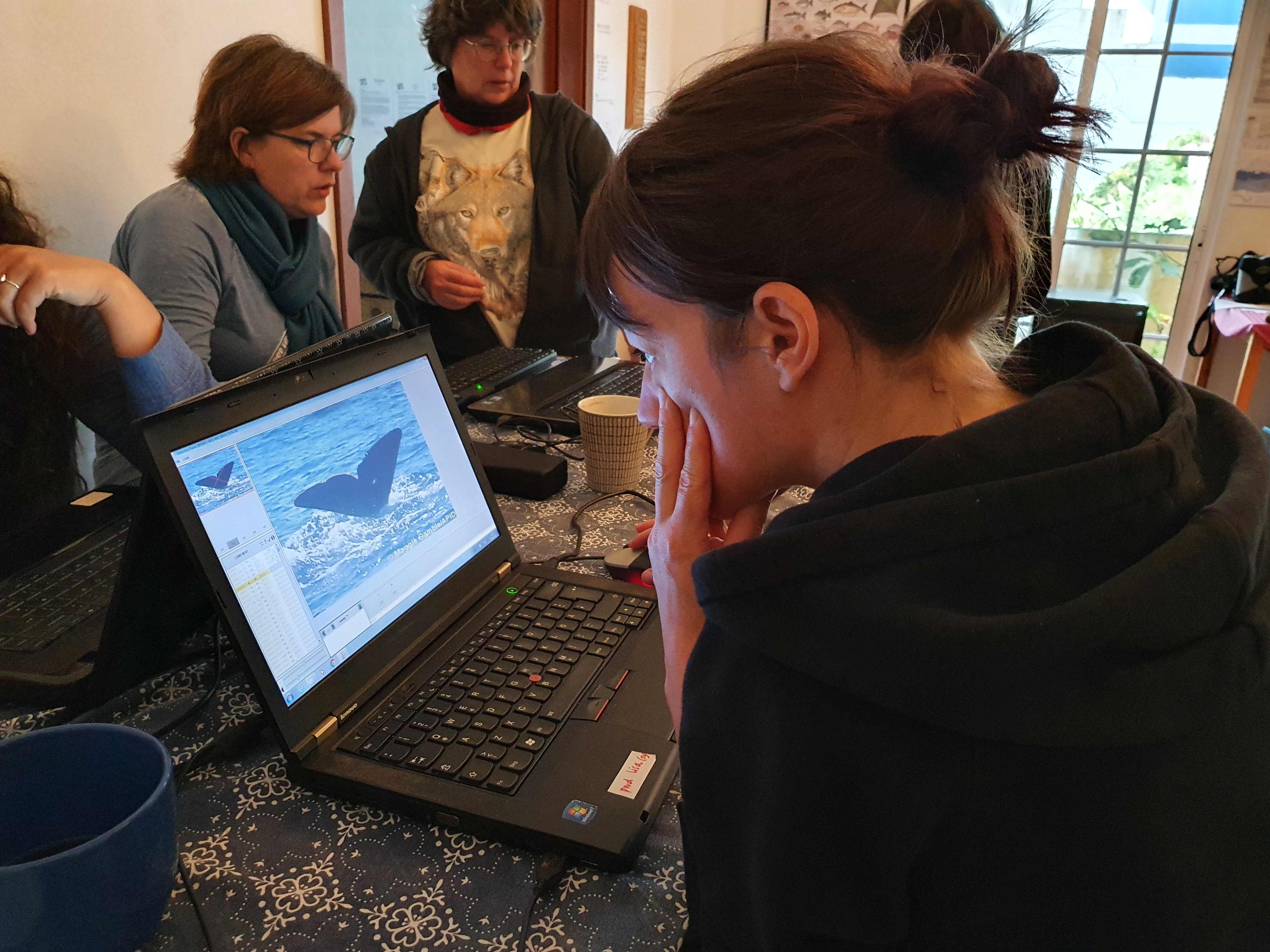
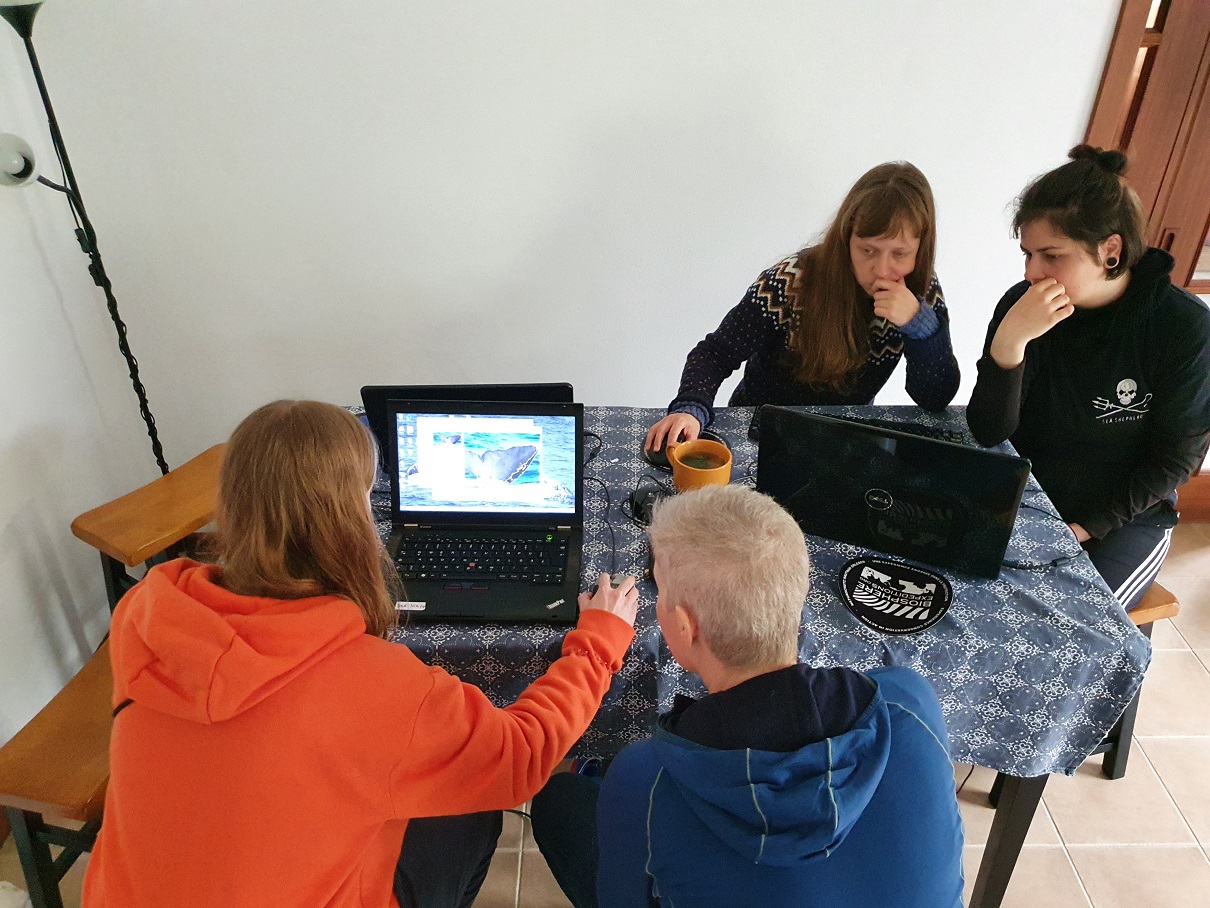
Thursday was the first day on shore after five continuous days out at sea for our Azores volunteer group 2. The day was dedicated to photo-identification training, meaning matching flukes for sperm whales, sorting dorsal fins of Risso’s and bottlenose dolphins seen the day before and the false killer whales seen by group 1.

It takes a lot of concentration and patience to check the nicks, scars, trailing edges of the fins that distinguish individuals. Karina and Irina found it a true zen task and after dinner I would still find them behind the computers going through more photos… the sorting got somewhat addictive. Total respect for these truly dedicated whale and dolphin volunteers! The full team joined in the effort and got a better understanding of the back office ‘dry’ work that is required after days spent out at sea. Lucy organised a yoga session and added a new pose ‘the fluking whale’ in between the downward dog and cobra positions.

With rough winds and large swells forecast for Friday, we initially did not plan to go out, but when the vigias spotted sperm whales north of Pico, sheltered from the winds, Lisa decided to gather the troops and give it a go. The team was more than happy to put in extra sea hours. We thought we had experienced all acceptable sea states by now, but level 5-6 with 3 metre waves added even more adventure to our experience. This time, it was upper deck only and literally ‘all hands on deck’ holding on to the boat railings to keep our balance. By the time drew near to the sperm whale area, they had already left. Yet, mother nature had a surprise for us: an encounter with the gentle giant of the seas…. a blue whale ! The one species everyone was so keen to add to their list. All of a sudden the high waves no longer mattered and the huge blow helped us to follow her (or him ?). Size does make a difference and we estimated that she was at least twice the length of our 12 m catamaran. It is an awe-inspiring humbling experience to spend a few moments close to the largest-ever living species on our planet and I would say possibly the best possible farewell from the mid-Atlantic to group 2.

On Saturday the team went off exploring the volcanic wonders of Faial on land, getting a glimpse of the caldeira view, inhaling sand and ash from the unique moonl-ike landscape of Capelinhos, while stretching their sea legs for a hike. They were treated to moments of sunny weather alternated with heavy downpours, even hail and everything in between. As the locals say: here you live with the elements of nature.

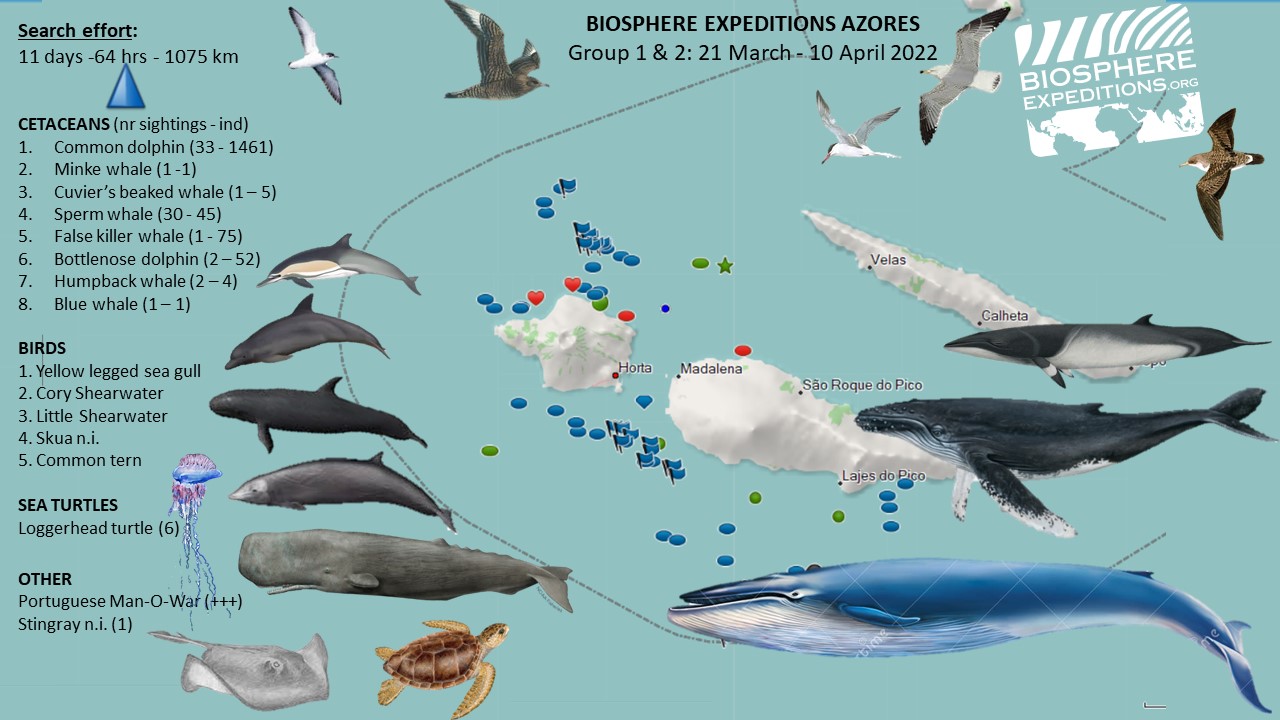
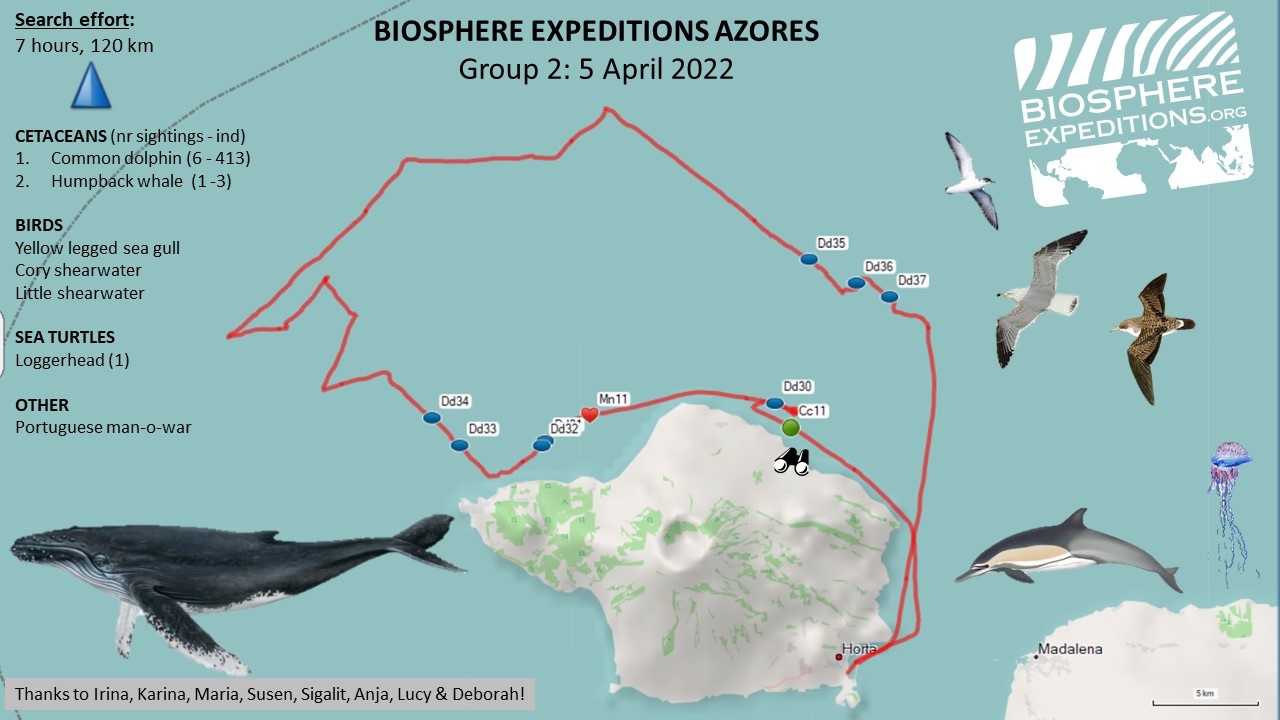
It was another great 10 days together of working, exploring, laughing and sharing … a true team effort. As our summary presentation of groups 1 & 2 below shows, for cetacean encounters so far, we have now increased the list to eight different cetacean species observed after a total search effort of 64 hours, covering more than 1000 kms around Faial and Pico. We spotted a total of 6 loggerhead turtles, hundreds of Portuguese man-o-war and enjoyed lots of sea bird action. These aerial acrobats are often good indicators of what is happening just beneath the sea surface.

Thanks again to all involved and Lisa and I look forward to welcoming our third and final Biosphere Expeditions group of the Azores 2022 season for more cetacean action and research. See you at Banana Manor next Tuesday!

Azores: Migrating humpback whales

Since the start of their Azores volunteer expedition, our second group has had ‘the pleasure’ of experiencing different ‘sea state’ levels. Last Sunday the sea state reached level 5 with white caps all around and larger waves, on Monday the winds and waves decreased to a sea state 2 & 3, which is what we have most of the time.

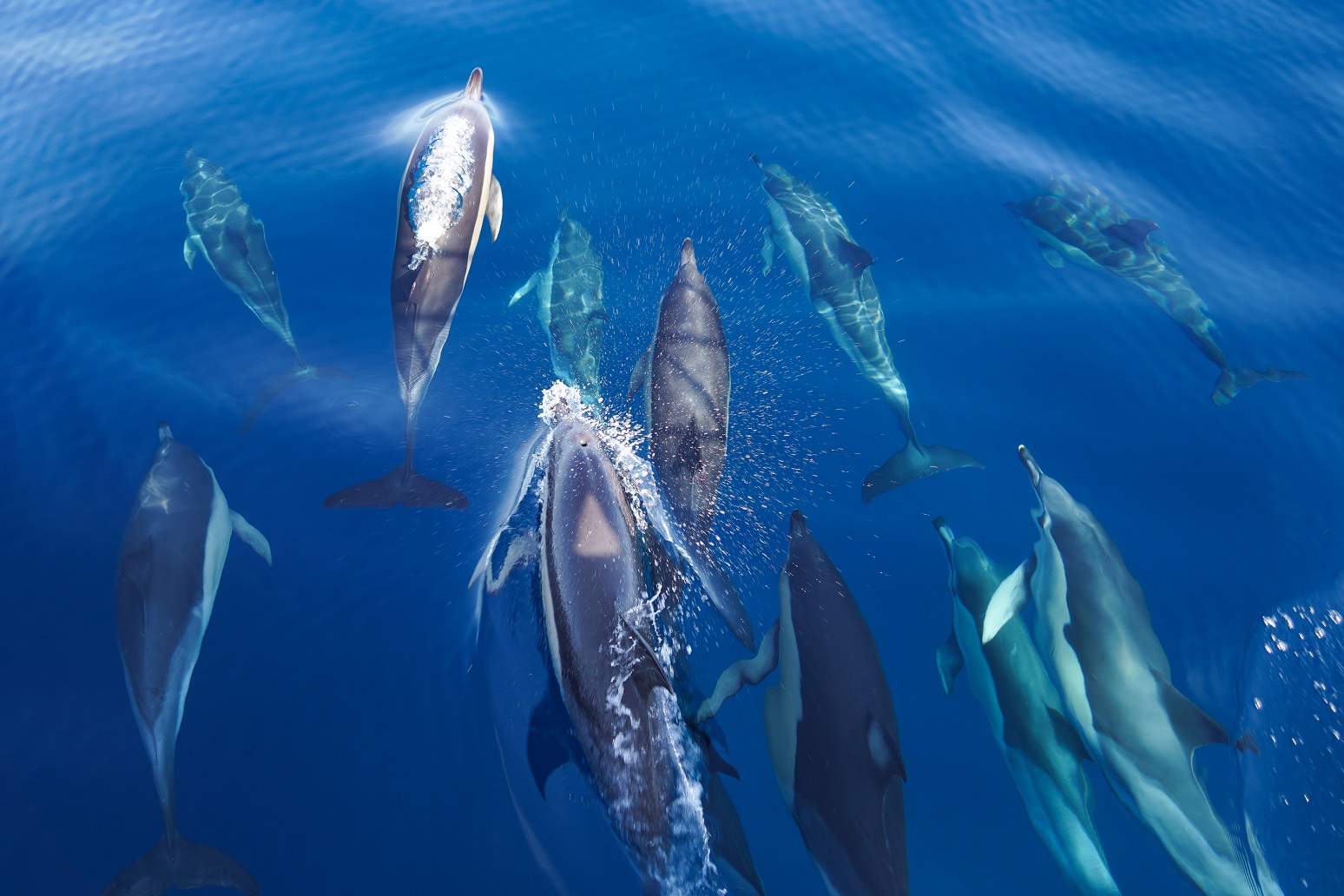
Tuesday was really unusual – we started with sea state close to 0 ‘like a mirror’, increasing to 1 meaning small ripples on the surface, but what a joy to experience a flat sea and hardly any wind. Today, Wednesday, our whale and dolphin volunteers were prepared for a rougher sea state and impressive winds, but the captain made sure to steer us in the waters north of Pico, where we were sheltered. So just like the four seasons in one day here on land, the sea conditions vary a lot during consecutive days. Sisendo, our captain, witnessed the team’s stamina and commented they are now ready to go work in the Bering Sea. So sea legs all around on board! Back to the cetaceans, the main reason we are here. On Monday we were treated to a full morning of sperm whale sightings. And not just any sperm whales, well-known friends of Lisa’s, numbers 2808, 2448, 3483 and 6089 – females with calves from last year! They spent most of last summer to the north of Faial/Pico, but today they were in the south. They have also been observed in the winter, so these ladies seem to be one of the resident groups. They were kind enough to fluke in front of the camera and we got lucky that one came up right in front of our boat, allowing for a face-to-face experience. After the ‘ohs’ and the ‘wows’, it suddenly was very quiet on board when this gentle giant slid by in front of our bow. The sperm whales kept us busy for most of the morning and in the afternoon we went out to the open sea to look for baleen whales, ideally a blue one, but they were still playing hide and seek. Tuesday we had gorgeous weather and not long after sailing out of the harbour, the vigia told us about a special sighting. Before actually making it to the spot of the action, we encountered a group of a hundred common dolphins. Nothing special, one could think, as these are our regular daily friends, but the sea conditions were so ideal that we could see the whole group under water. It was excellent visibility and the photos will give even you readers a feeling of an up close and personal encounter. Magical!

Ahead of the common dolphins, near Capelinhos, the far west and terra nova of the island of Faial, we saw a blow, no two blows, wait a minute, even a third one, then white pectoral fins under the water surface. Our well-trained team had seen this one before. Sure enough we had three migrating humpback whales in front of us. It is rare to see several individual together on their long migration, so this was a very special sighting. It became even more epic after we managed to get photo-ID shots of all three flukes, some with the volcanic landmark of Capelinhos in the background. Lisa said they were probably on their way from their feeding grounds in Norway or Iceland to the warmer breeding grounds in Cabo Verde. The rest of the afternoon we were in search for other baleen whales, but they were not cooperative, instead the common dolphins passed by bowriding again on several occasions.

This Wednesday morning, fewer than 24 hour after the humpback whales were sighted, Lisa informed us that the Norway expert responded and confirmed a match of one of the humpback flukes we recorded to an individual seen in October 2014 and in January 2015 in the Tromso – Andenes region in the north of Norway. This confirms their feeding grounds up north. So far no matches were found by the colleagues from Cabo Verde or the Caribbean, but it might just be a matter of time and more upload fluke IDs to unravel the full life story of this individual and shedding more light on the species in the Northern Atlantic.

During our trip this morning, the our Azores volunteers added another species to their list: 40 bottlenose dolphins were spotted to the north of Pico, a group with several calves. We did try our luck to find more cetacean action, but with strong winds and white caps all around, sighting conditions were rather challenging. Tomorrow the team will get trained in matching flukes and dorsal fins, to understand even better why the photographs we take are key to research, new insights and eventually conservation.

Azores: Group 2 off to a flying start

Our second group includes marine citizen scientist volunteers from Israel, Russia, US, Switzerland, Germany and even Australia. With Lisa and me included, we have an all women international expedition team of 10. We like to think that Sisenando, our captain and only man on board, is in good company! The first two days of training was full-on and intense as usual, explaining the work and different roles of our Azores volunteers on board, giving insight into the different research we contribute to and learning about the diversity of cetacean, sea turtle and sea bird species that can be observed here.

On Saturday afternoon the team was ready to try out their newly-gained skills and test their sea legs. Our captain decided to sail to the north of Faial. While Karina pointed out the many seabirds, we realised there were more and more as we progressed on our journey. Ahead of our catamaran ‘the Physeter’ we spotted at least a thousand Corey Shearwaters and as we got closer, many common dolphins also appeared. We clearly had arrived just at the end of a feeding frenzy, where both dolphins and shearwaters had been feasting on mackerel or other small fish. The abundance of both species was very impressive. A lucky start for this second group.

In the meantime, amidst all the commotion, the ‘vigia’ shouted ‘baleia de bossa’ over the radio and shortly after we saw the blow, dorsal fin and fluke of a humpback whale not far from the boat. The dolphins and sea birds that were the main attraction just minutes ago, immediately became a side show and we managed to follow the humpback whale for a while. This is the main season when migrating humpback whales can be seen around the Azores and maybe it was one of the ones we heard singing during group 1.

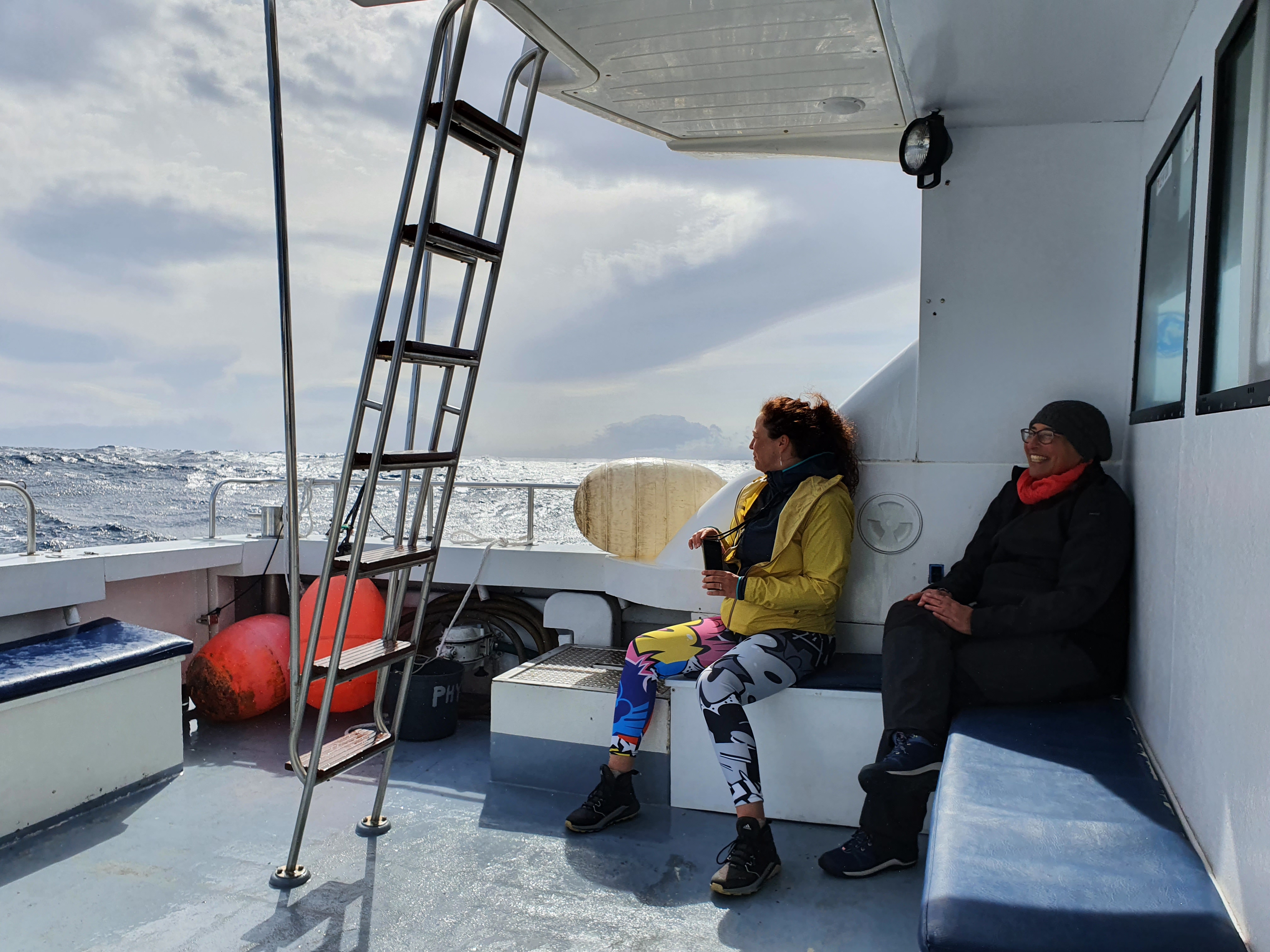
On Sunday, the day started with heavy downpours and strong winds, so the conditions were not looking great to head out. Yet our whale and dolphin volunteers were up to braving the weather elements, so we decided to give it a try and headed to the south of Faial. Our brave marine volunteers got soaked several times with either sea spray from the waves below or from heavy rain from above and discovered which ‘waterproof’ gear actually lived up to the definition and which did not. Luckily, the Physeter has fisherman suits on board, which do the job.

When on a cetacean expedition, there is a certain hierarchy regarding the data we want to collect: the larger whales (blue whale, sperm whale and other baleen whales) get first priority, after that the dolphin species for which we do photo-ID and in the last position we get the non photo-ID dolphins and sea turtles. Nevertheless, it is fair to say that there are smiles all around when the “low priority” common dolphins make an appearance. They have been our daily companions since day 1 and this was no different today. With higher waves and strong winds, it is quite a show to see them surfing the waves and coming up bowriding. One made a backflip and the photo revealed it was a male.

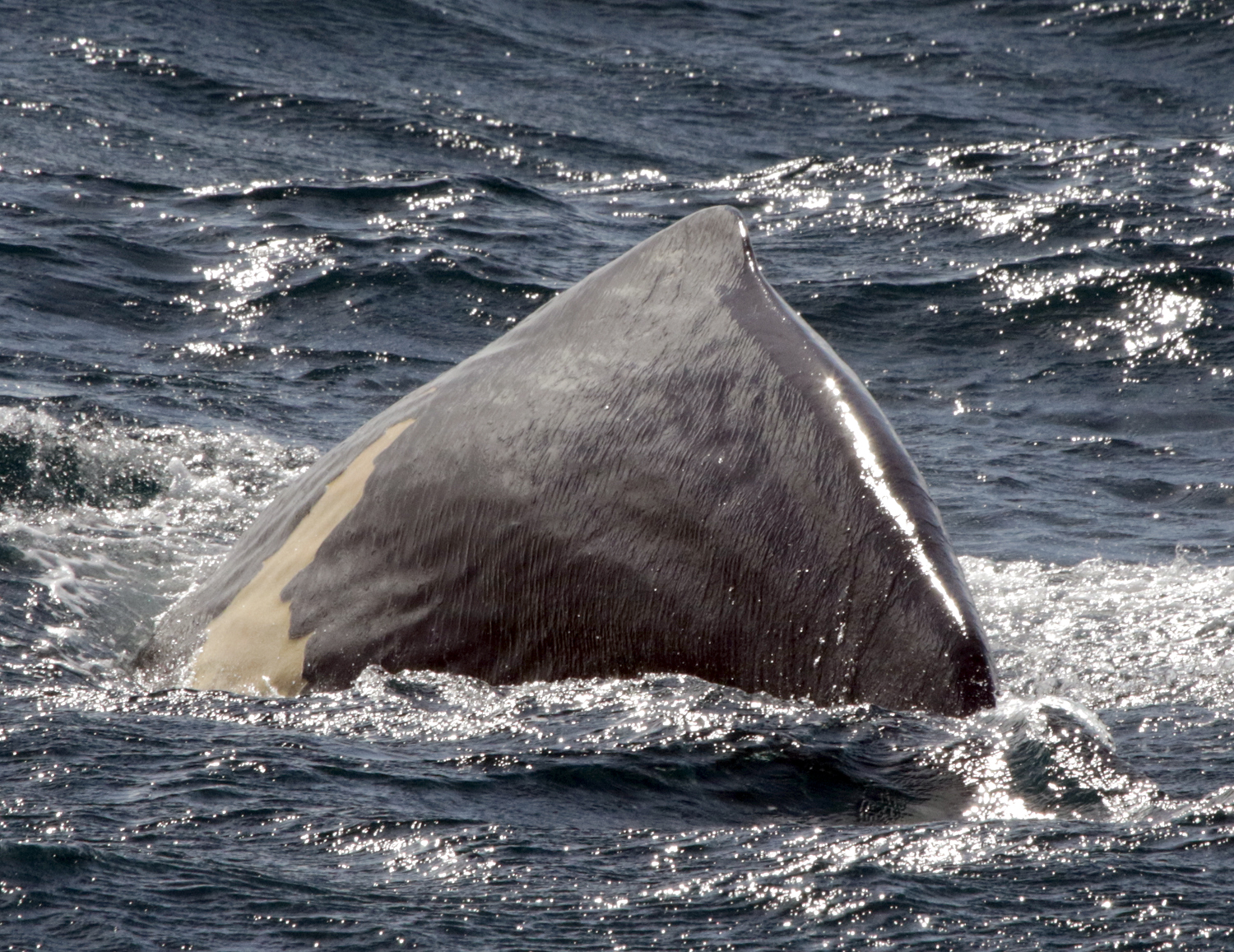
As we made our way to the south of Pico, the hydrophone picked up vocalisations of sperm whales and arriving on the scene we were treated to three, one with a large white patch on the side. For some of our whale volunteers it was their first sperm whale ever, so a special moment. I am not totally sure how Lisa managed to get the flukes photographed in these high waves without falling over, but clearly 20 years of experience counts! So two more flukes were recorded for cetacean science and conservation and appear to be new individuals.

Irina was our photographer on duty and she earned 10/10 for effort, but will be doing a bit more practicing in calmer seas before she sets off on a National Geographic photographer career. Deb managed to keep flying buckets on the lower deck under control to take the water temperature. The POPA ladies, Sue and Lucy, struggled to keep the data sheets dry, but collected all the required data and made sure we can deliver a dry clean and readable copy to the Ministry of Fisheries. So all in all, a memorable first two days for a diligent team keeping up high scientific standards in extreme weather conditions. Well done all!

Azores: False killer whale bonanza

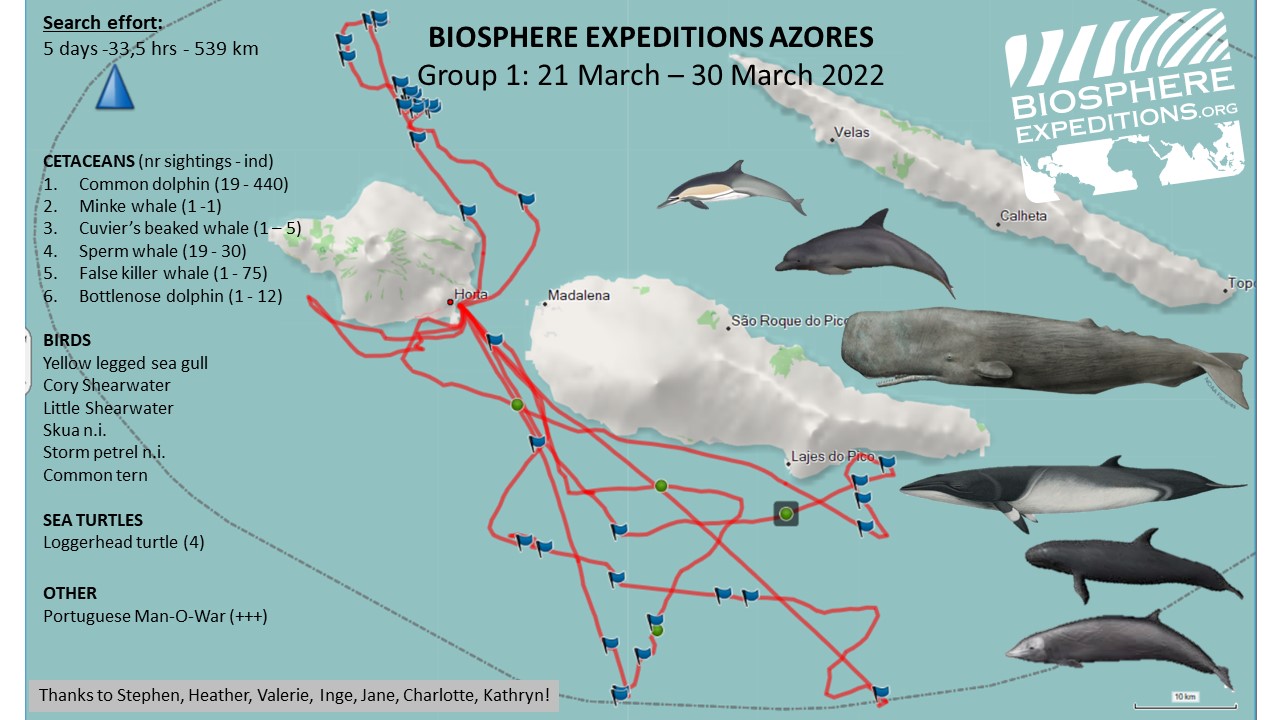
Monday was without a doubt one of the highlights of group 1. The day started out quite hazy but with calm seas and blue sky. We decided to explore the area north of Faial as the ‘vigia’ lookouts on land had spotted false killer whales. Scientists think this species is at least semi-resident around the archipelago as some individuals have been resighted several times, so it is important to get more data, including shots of their dorsal fins, so we were on a mission.

Thanks to the instructions from the vigias on the radio and the concentration of our dolphin citizen scientists on the front deck, it did not take long before we spotted them and they gracefully joined us at the bow, allowing us to take a closer look and we could even hear their wistles. These large torpedo-shaped dolphins are quite impressive and swim very fast. Off in the distance we saw more splashes and it became clear that we had a group of about 75 false killer whales that was spread out over quite a large area. We decided to have a look at the front-runners and from a distance we could see many Cory’s shearwaters flying around, indicating that the false killer whales were feeding at the surface, probably on tuna, while the seabirds were feasting on the leftovers. We stayed with the mayhem for over an hour, making it one of those sightings we will not forget, resulting in a large number of photos.

We continued our journey and lowered the hydrophone into the water to eavesdrop on the cetaceans at depth. We could still hear the whistles of the false killer whales we left behind, clicks of multiple sperm whales and … one funky sound that cannot be mistaken for any other species, a singing humpback whale! One of our whale volunteers spotted our first sperm whale of the day that nicely fluked so we could get a shot. Not very far away, two more sperm whales were sighted, with a calf in the middle. As Lisa was explaining to us that the calf was suckling from its mother, it obligingly did. Social responsibility in sperm whales entails baby-sitting and suckling each other’s babies between mothers and aunts. And we were fortunate enough to witness it ‘live’!

As the two adults dove to greater depths to feed, we could see more blows nearby and were able to take more fluke shots. At one point Lisa enthusiastically shouted, it is number 19, a female sperm whale that was first sighted in 1987. Nr 19 is a Biosphere Expeditions groupie as she has been spotted on multiple expeditions. Nice of her to honour that tradition. Many more sperm whales were recorded – we were almost losing count – glady the dedicated GPS, Monicet app and data person recorded all the details. To conclude the day, we had a chorus line of five individuals fluking one after the other. Meanwhile our vocal humpback whale continued singing, but decided not yet to reveal its identity, hopefully in the next days.

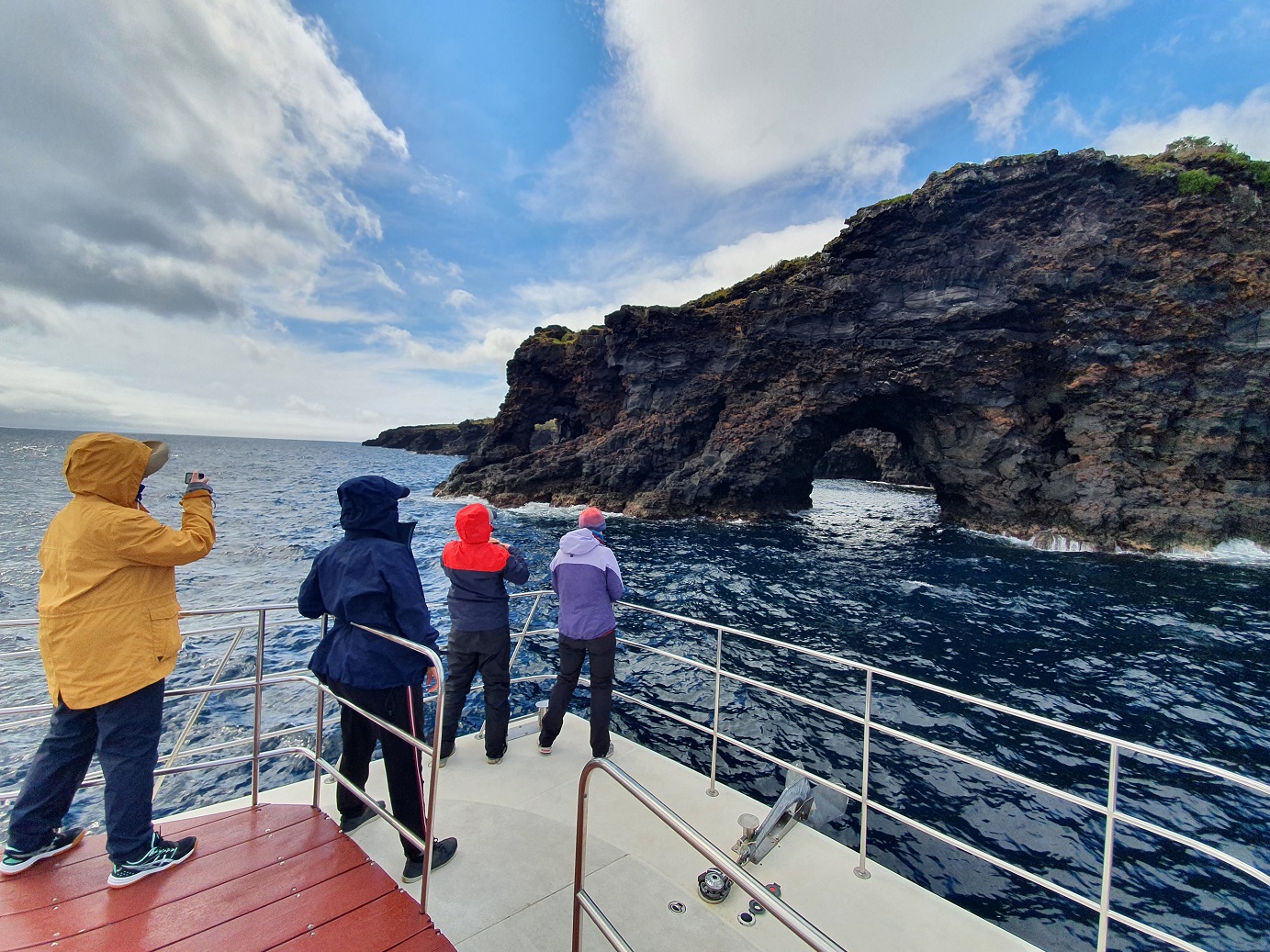
On Tuesday the weather was rather unpredictable with limited visibility but the team was determined to collect more data. We tried to look for Risso’s dolphins and the larger baleen whales, but they were not so cooperative. The common dolphins were of course at their daily appointment, which is always nice and a loggerhead also popped up its head next to the boat. This is how it goes with field research: you get days where there is cetacean action everywhere and other days where they are harder to find. Sometimes you just gotto be in the right place at the right time. To end our last day at sea, Cesar, our skilled captain sailed close to the southern edge of Horta to show us the two craters of Monte Guia, caves filled with crabs and vertical cliffs with seabirds.

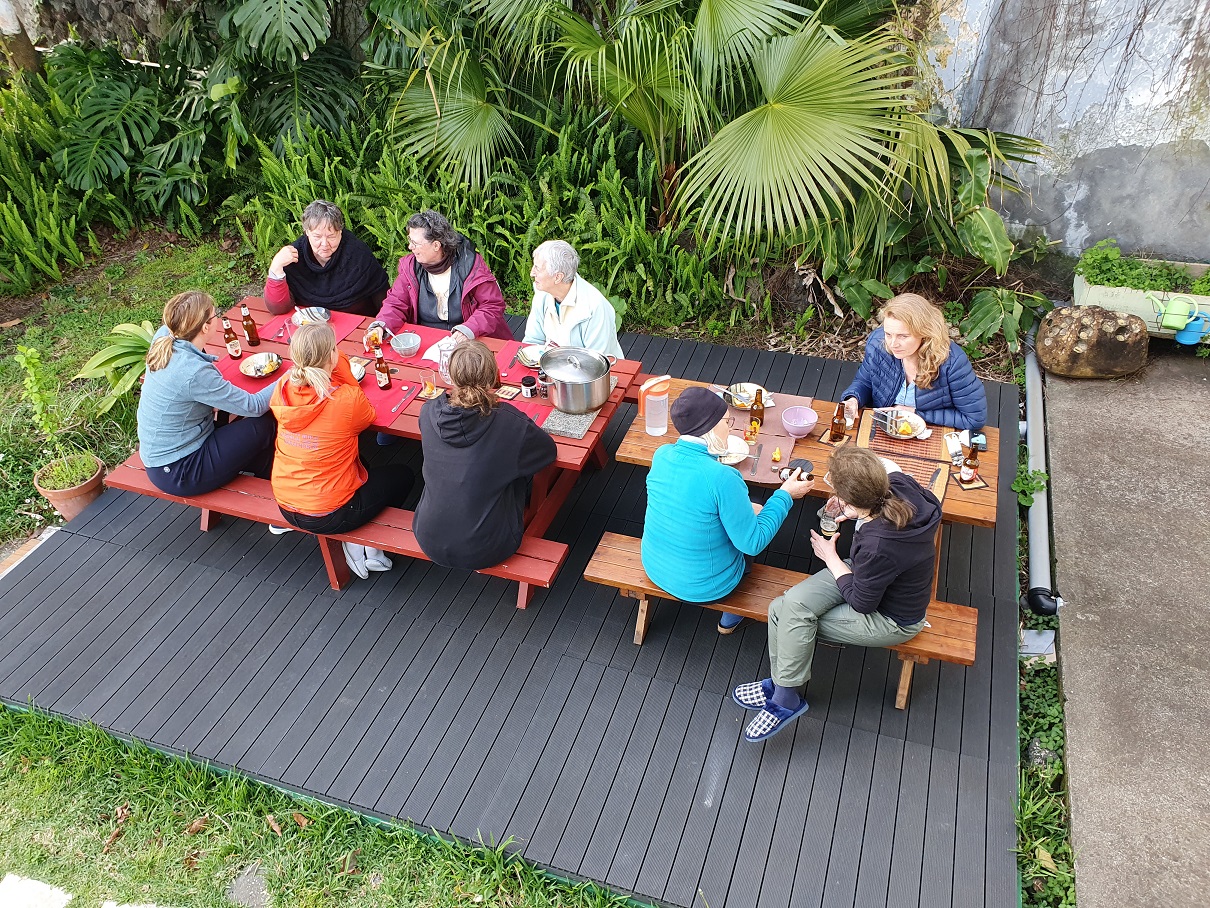
Once back on land, our whale and dolphin volunteers enjoyed a nice meal at Casa de Cha that included a debriefing of our work together summarised in the infographic below.

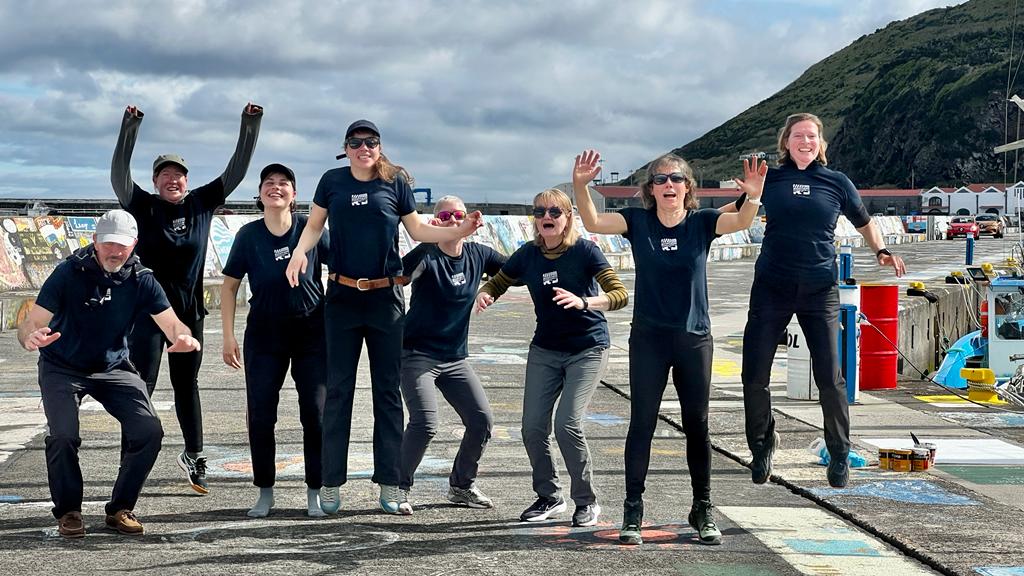
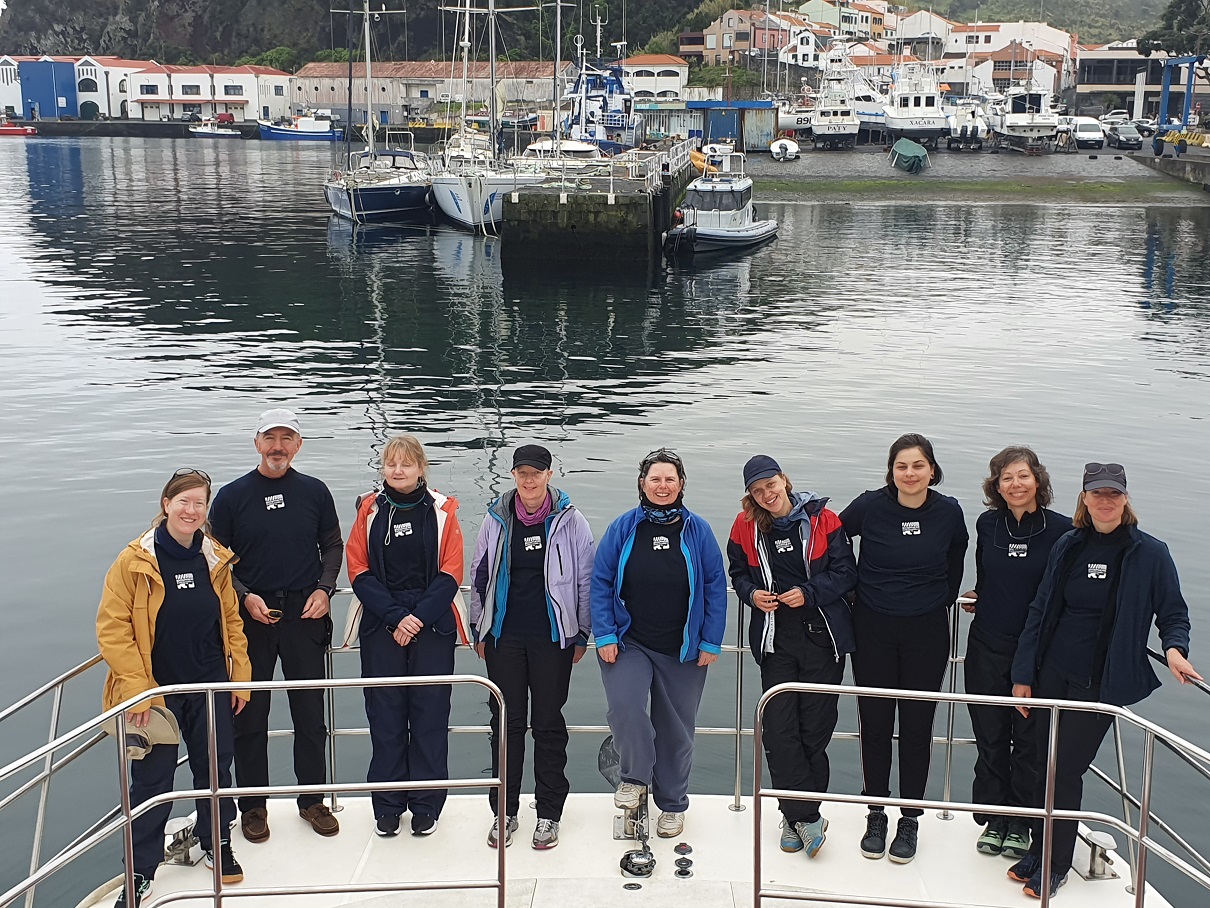
Many thanks to Group 1 for the hard work, good sense of humor and great team spirit. We wish you safe travels back home. Lisa and I look forward to welcoming Group 2 in Banana Manor this Friday 1st April between 12:30-13:30, so we can get started promptly at 14:00 with the first briefing.

Azores: A rewarding Sunday out, after a spot of bad weather

After our epic long day out on the water, strong winds and rains were on the programme for three consecutive days, meaning onshore action instead of whale volunteer work. To start with, expeditioners were given Friday off and tempted their luck to enjoy the view of the caldeira, but alas it was fully covered in clouds. The stunning view of Capelinhos compensated for this, even if it meant getting sand-blasted by strong winds. Given the ongoing earthquakes on São Jorge island (which do not affect the expedition in any way as they are limited to that island, which is on a different geological fault line), the museum was an ideal place to learn about local geology and the volcanic origin of the archipelago. A nice coastal path to Varadouro meant we could appreciate the rough seas from a safe distance.

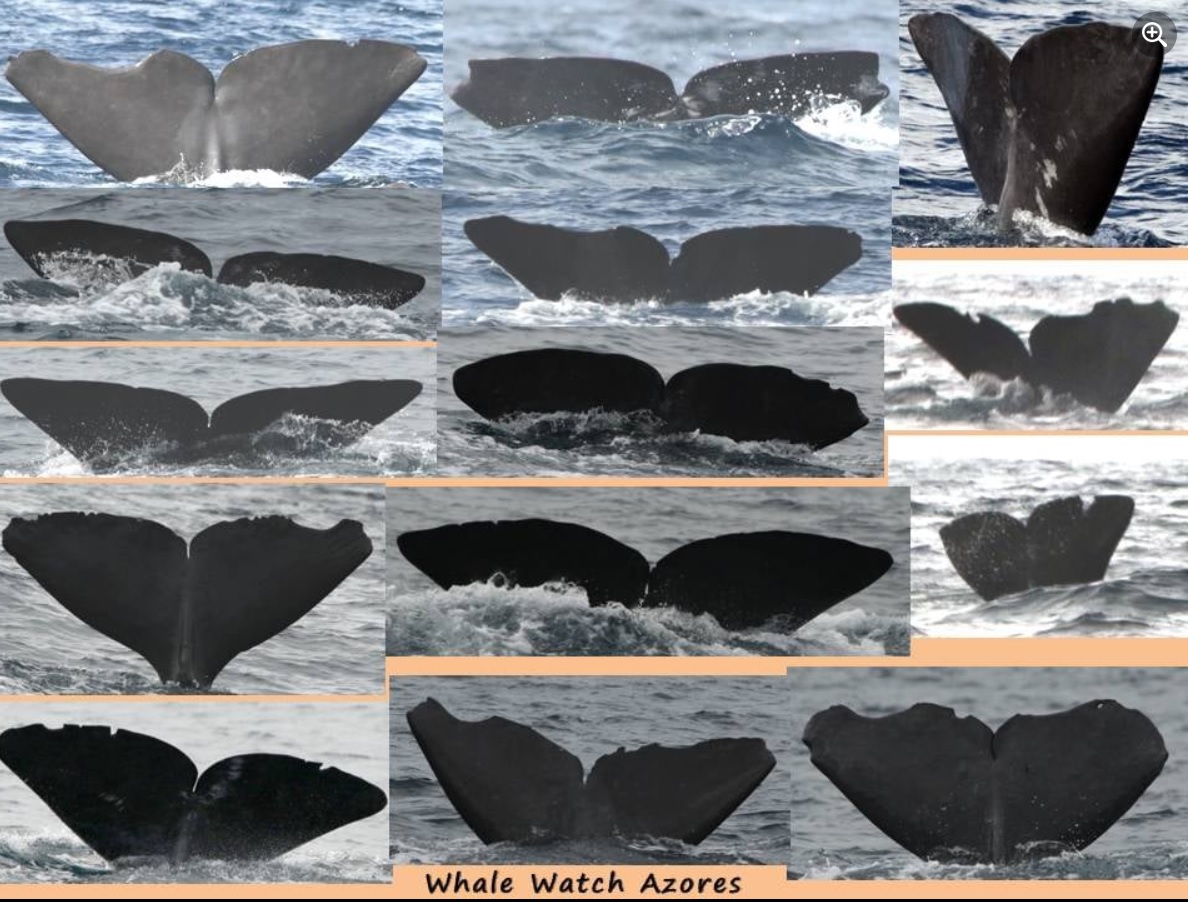
On Saturday Lisa, our expedition scientist, trained our whale and dolphin citizen scientists on photo-identification. This method records through photographs features of a whale or dolphin that are unique, a bit like a human fingerprint. For sperm and humpback whales, the fluke is distinctive. For Risso’s and bottlenose dolphins, nicks and scars on the dorsal fin work well and for blue whales it is the mottling pattern on their back that is unique. As I am sure our Azores citizen scientists can confirm, it requires patience and concentration to go through the many photographs, sort them and try to find a match. Yet it is a nice way to unravel the mysteries of cetacean life history ‘one fluke at a time’. Long-term data and sharing photo-ID work gives insight into migration patterns, population estimates, social dynamics and more. Sure enough, Stephen found a match between a sperm whale seen at Sāo Miguel in 2013 and one seen by Lisa last year.

More heavy rains and winds meant another day staying on land. An ideal chance to visit the waterfall near the house, to go down to the harbour to find a spot for Biosphere Expeditions’ annual painting – which you will read more about in upcoming diary entries.

On Sunday everyone was keen to get back out, even if conditions were not ideal. Physeter, our catamaran, was actually the only boat going out to sea. On the front deck, the look-outs were synchronising their hip and knee movements with the waves. On the upper deck the POPA team was busy recording data on conditions, sea birds, sea turtles, trash and cetaceans. The photographers had to deal with a lot of movement – the boat, the animals, the waves, while trying to keep balance themselves. No easy conditions to get the shots needed for photo ID. But braving the elements did pay off. We had a really nice sighting of a large 16 m long male sperm whale cruising around in search of females. He even came to check out the boat, with eight women on board, but clearly not the right match for him. He did a first deep dive and we decided to stay in the area. Roughly 45 minutes later we saw him again at the surface, giving us a second chance for a fluke shot. Two more sperm whales were detected nearby. They day also brought our first encounters with three different young loggerhead turtles and the common dolphins were also around as they have been each day so far, making this a rewarding Sunday out.

Conditions are good in the coming days, so stay tuned for more.

Azores: Group 1 off to a good start

On Monday we welcomed our first group of expeditioners arriving from across three continents to volunteer with whales and dolphins. A dynamic group with a lot of women power, complemented by one brave man with a great sense of humour.

The first day and a half of training was intense. Our marine conservation volunteers received introductions to the cetacean species, the equipment, the different sets of datasheets and lots more. This year, we are also trying out the new Monicet app of the Azores University for cetacean monitoring.

Not surprisingly, our risk assessment has been fine tuned to include a strict covid protocol and I am happy to confirm that after three consecutive days of self-testing and wearing FFP2 masks, we have no positive cases in the group and no symptoms. It was nice to discover people’s smiles behind the masks.

During our first afternoon out at sea we were treated to five sightings of common dolphins, adding up to a total of 100 individuals. The animals joined us for a while, bowriding alongside the catamaran, affording great views and the chance to test our newly acquired dolphin volunteering and data gathering skills. Also, the team seems to have good sea legs, which is clearly an advantage.

On day 2, we had good weather and calm seas and no fewer than four cetacean species. The morning started off with a sighting of a minke whale, which is a rare treat, as this species is not often observed here. After this four groups of common dolphins kept us company. In the afternoon, three Cuvier’s beaked whales surfaced not far from the boat. This was a very special observation as it is only the second time since 2004 that this species has been recorded by the Biosphere Expeditions whale volunteers.

When we were cruising in deeper waters, the hydrophone was lowered into the water and we were treated to some “live audio” from a group of sperm whales. We were determined to find them, but they were playing hard to get and just as we decided to head back, we spotted their typical blow in the distance. The day ended perfectly by the lift of a sperm whale’s fluke diving to greater depths. As the sun was setting, we headed back to Horta, tired but satisfied.

After an exceptionally long day out at sea of sailing 144 kilometres for nine hours, the team enjoyed a nice hot meal prepared by our host Claudia.

The weather is looking rough for the next two days, so today we will go on a hike along Faial’s caldeira combined with a visit to Capelinhos and on Friday we switch to photo-identification training. There is plenty more to learn, study and analyse..

Azores: Greetings from our expedition base on the Azores

I have made it safely to the lush green island of Faial in the middle of the Atlantic. Heavy rain welcomed me at the airport, but by the time the taxi dropped me off at Banana Manor, the sun was shining and this pattern was repeated for most of the day. Very typical Azores weather, so come prepared. Note to self: never walk out the door again without a raincoat.

I received a warm welcome from our hosts James and Claudia and you will see Banana Manor is a very nice, clean, comfortable and quiet place to stay and within walking distance from the city centre. For me the true highlight is the lush wild garden, a green oasis with the most spectacular views in all directions.

It was also nice to see our expedition scientist Lisa again after four years and together we are transforming Banana Manor into a true expedition base: sorting out all the gear, computers, data sheets, publications etc, to have everything ready for all of us to get into action.

Lisa
Our scientist Lisa Steiner

On the whale front, Lisa was treated on Monday to no fewer than 14 sperm whales of which nine were known individuals, resightings from 2009, 2010, 2014 and 2016. Amazing how after so many years of research, a detailed image of a fluke can reveal so much about an individual.  One whale was kind enough to breach three times. Let’s hope we get the same Lisa-luck from next Tuesday onwards.

14spermwhales
14 sperm whales

breeching_spermwhales
Breaching sperm whale

As for Covid, numbers on all islands are going down. The last update from 9 March indicates there were 180 positive cases in Faial, three of which needed hospitalisation. If this decrease is maintained for another week, there will be no more mandatory use of masks. Other restrictions have been lifted already, so it looks like it is going in the right direction. You can follow up the most recent updates here . For now, nothing changes for us, however, and we will stick to our testing and social distancing plan until Biosphere Expeditions decides otherwise.

So, group 1, good luck in packing up – don’t forget to pack your indoor slippers, warm clothes and foul weather gear. Safe travels and I look forward welcoming you here on Monday between 12:30 and 13:30 (no meeting a Peter’s beforehand, remember).

Best wishes

An

Azores: we’re back on after two years!

Hello everyone and welcome to the first diary entry for Biosphere Expeditions’ Azores 2022. My name is An Bollen and I will be your expedition leader on this whale & dolphin marine conservation volunteer project to the Azores.

20220307_091601

I now have some of the equipment at my home in Belgium (and more is stored on site).

20220307_090147

As it happens, this will be the first Biosphere Expeditions volunteer project that is back on after two years !  I am really grateful to all of you citizen scientists for signing up and making this happen.  I am sure many of us have been longing to get back out into the field and meet new people, whilst contributing time and energy to conservation and to volunteer with whales and volunteer with dolphins.

My own travels start next Thursday when I fly out to the beautiful Azores, where I will be preparing for your arrival together with Lisa, our expedition scientist, and Claudia and James, our hosts at Banana Manor.  On the cetacean front, there is some good news already. Lisa has been out at sea and spotted the first blue whales, several male sperm whales and lots of common dolphins, so the 2022 season is off to a good start.

bluewhale

spermwhale

Commondolphin

The weather is a bit hit and miss at the moment, as is often the case in the Azores this time of the year, so lets hope we get treated to some fine weather days and whale volunteer and dolphin volunteer action. Out at sea, it can get very cold and windy, so don’t forget to bring enough thermal wear. I find that putting on different layers works really well, combined with a wind- and waterproof jacket.

And of course, lets all be Covid smart and travel safely, as chances are that if we get infected, it will most likely be in the airport or on the plane. Don’t forget to bring your FFP2 masks (and use them whilst travelling!) and Covid self-tests so we can conduct this first expedition as professionally and safely as possible for everyone.
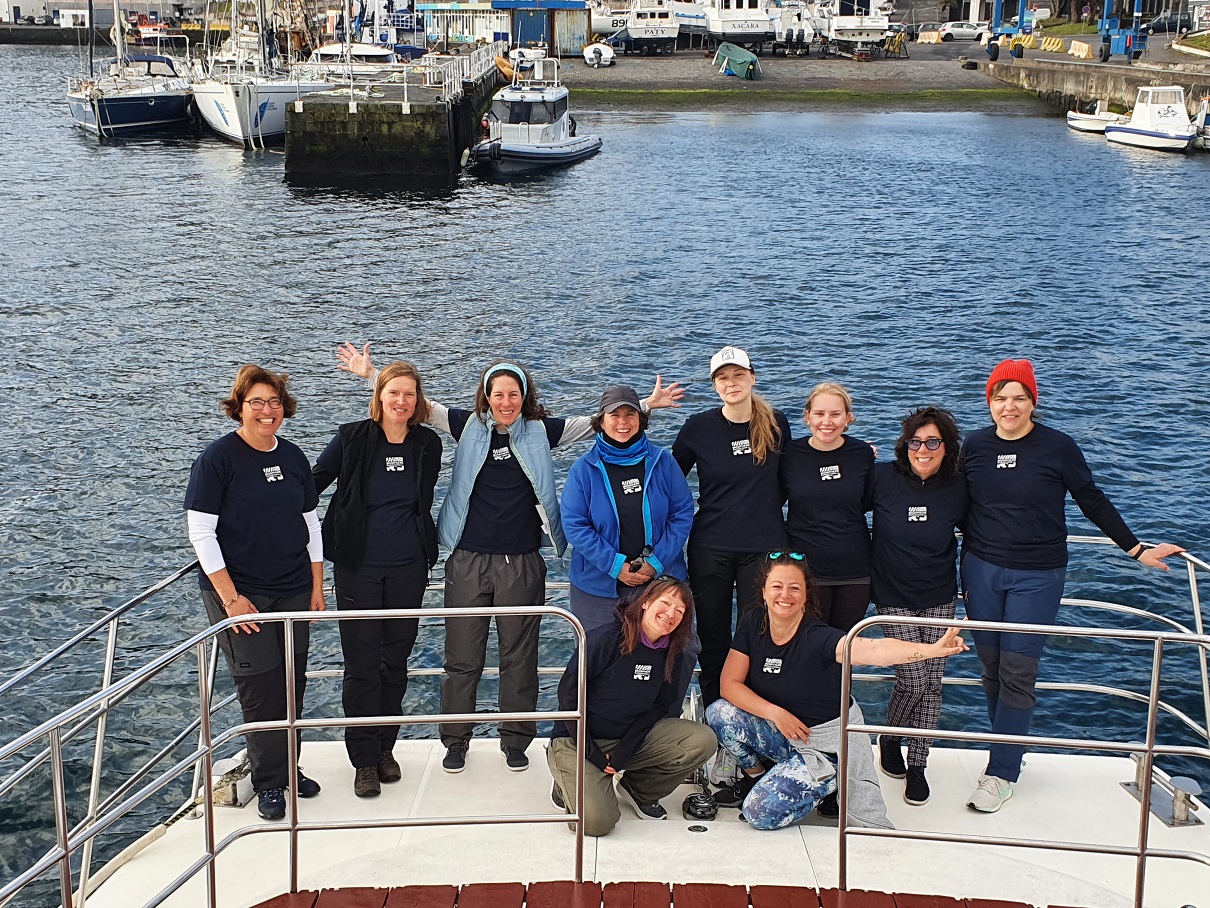
Remember that as part of our Covid procedures, this year we will not meet for drinks at Peter’s Café as we normally do at 11:30. Instead we will welcome you at our expedition base at Banana Manor (see position here) with all your luggage between 12:30 and 13:30 so you can get settled. Be sure to have lunch before you arrive, because at 14:00 the expedition starts officially and we get into action with introductions, talks and training.

Once I have arrived in Horta, I will send out another diary entry with my local contact details. If your family and friends back home would like to stay up to date while you are away, they can keep an eye on the Biosphere Expeditions blog (or subscribe to it for automatic updates) where I will publish diaries and photos regularly. If you are curious to see which whales and dolphins are currently being spotted out at sea, I recommend the Facebook page of our local partner Whale Watch Azores.

Looking forward to seeing you all soon !

An Bollen
Expedition leader