Azores: A rewarding Sunday out, after a spot of bad weather

After our epic long day out on the water, strong winds and rains were on the programme for three consecutive days, meaning onshore action instead of whale volunteer work. To start with, expeditioners were given Friday off and tempted their luck to enjoy the view of the caldeira, but alas it was fully covered in clouds. The stunning view of Capelinhos compensated for this, even if it meant getting sand-blasted by strong winds. Given the ongoing earthquakes on São Jorge island (which do not affect the expedition in any way as they are limited to that island, which is on a different geological fault line), the museum was an ideal place to learn about local geology and the volcanic origin of the archipelago. A nice coastal path to Varadouro meant we could appreciate the rough seas from a safe distance.

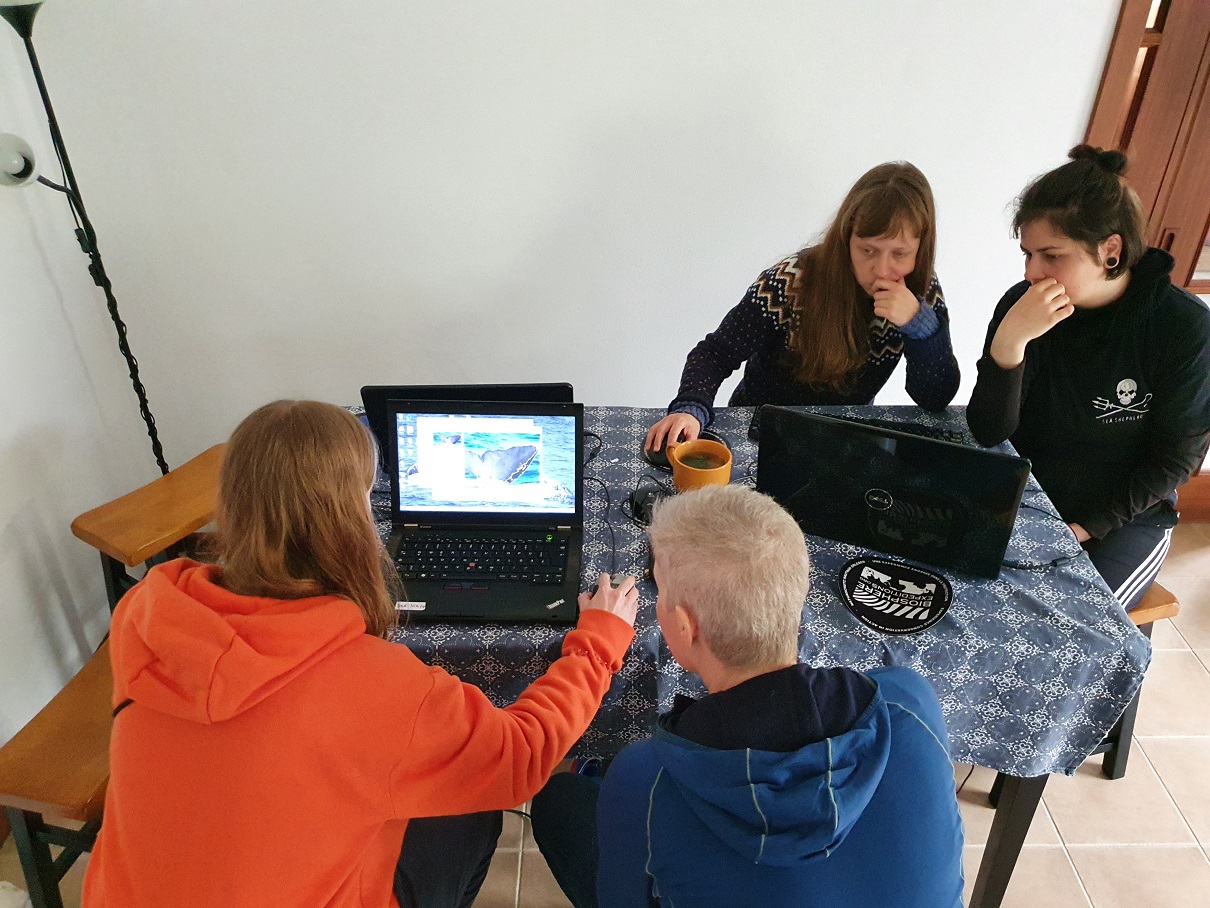
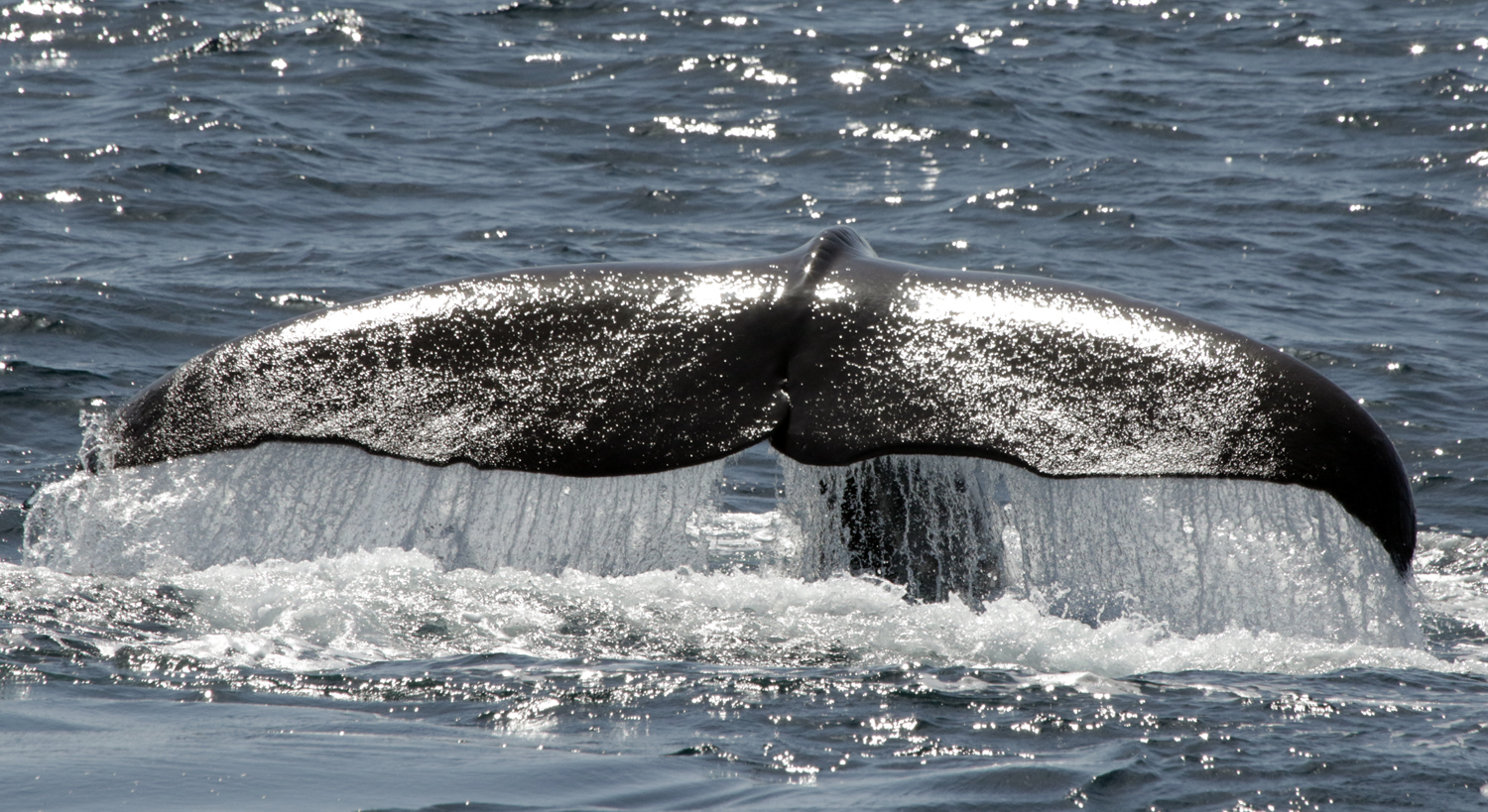
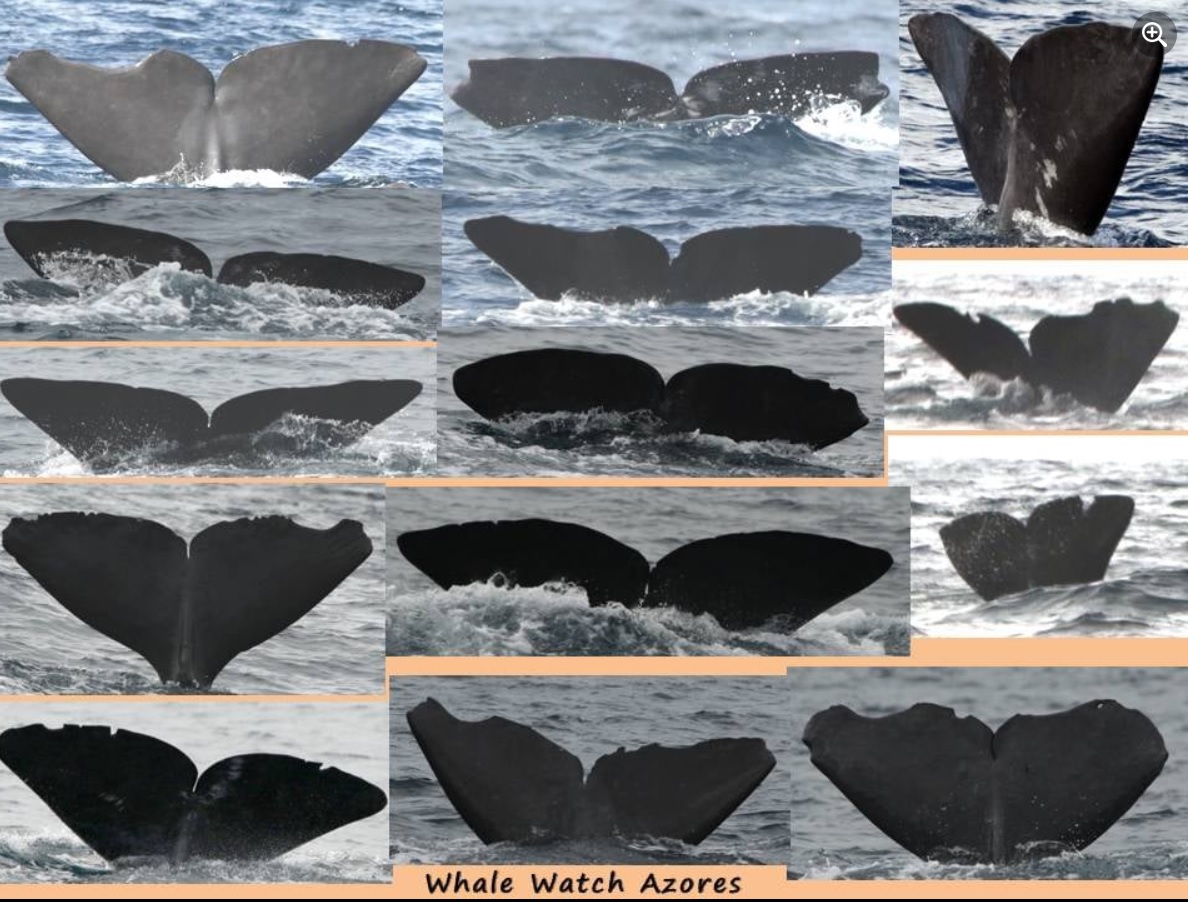
On Saturday Lisa, our expedition scientist, trained our whale and dolphin citizen scientists on photo-identification. This method records through photographs features of a whale or dolphin that are unique, a bit like a human fingerprint. For sperm and humpback whales, the fluke is distinctive. For Risso’s and bottlenose dolphins, nicks and scars on the dorsal fin work well and for blue whales it is the mottling pattern on their back that is unique. As I am sure our Azores citizen scientists can confirm, it requires patience and concentration to go through the many photographs, sort them and try to find a match. Yet it is a nice way to unravel the mysteries of cetacean life history ‘one fluke at a time’. Long-term data and sharing photo-ID work gives insight into migration patterns, population estimates, social dynamics and more. Sure enough, Stephen found a match between a sperm whale seen at Sāo Miguel in 2013 and one seen by Lisa last year.

More heavy rains and winds meant another day staying on land. An ideal chance to visit the waterfall near the house, to go down to the harbour to find a spot for Biosphere Expeditions’ annual painting – which you will read more about in upcoming diary entries.

On Sunday everyone was keen to get back out, even if conditions were not ideal. Physeter, our catamaran, was actually the only boat going out to sea. On the front deck, the look-outs were synchronising their hip and knee movements with the waves. On the upper deck the POPA team was busy recording data on conditions, sea birds, sea turtles, trash and cetaceans. The photographers had to deal with a lot of movement – the boat, the animals, the waves, while trying to keep balance themselves. No easy conditions to get the shots needed for photo ID. But braving the elements did pay off. We had a really nice sighting of a large 16 m long male sperm whale cruising around in search of females. He even came to check out the boat, with eight women on board, but clearly not the right match for him. He did a first deep dive and we decided to stay in the area. Roughly 45 minutes later we saw him again at the surface, giving us a second chance for a fluke shot. Two more sperm whales were detected nearby. They day also brought our first encounters with three different young loggerhead turtles and the common dolphins were also around as they have been each day so far, making this a rewarding Sunday out.

Conditions are good in the coming days, so stay tuned for more.

Azores: Group 1 off to a good start

On Monday we welcomed our first group of expeditioners arriving from across three continents to volunteer with whales and dolphins. A dynamic group with a lot of women power, complemented by one brave man with a great sense of humour.

The first day and a half of training was intense. Our marine conservation volunteers received introductions to the cetacean species, the equipment, the different sets of datasheets and lots more. This year, we are also trying out the new Monicet app of the Azores University for cetacean monitoring.

Not surprisingly, our risk assessment has been fine tuned to include a strict covid protocol and I am happy to confirm that after three consecutive days of self-testing and wearing FFP2 masks, we have no positive cases in the group and no symptoms. It was nice to discover people’s smiles behind the masks.

During our first afternoon out at sea we were treated to five sightings of common dolphins, adding up to a total of 100 individuals. The animals joined us for a while, bowriding alongside the catamaran, affording great views and the chance to test our newly acquired dolphin volunteering and data gathering skills. Also, the team seems to have good sea legs, which is clearly an advantage.

On day 2, we had good weather and calm seas and no fewer than four cetacean species. The morning started off with a sighting of a minke whale, which is a rare treat, as this species is not often observed here. After this four groups of common dolphins kept us company. In the afternoon, three Cuvier’s beaked whales surfaced not far from the boat. This was a very special observation as it is only the second time since 2004 that this species has been recorded by the Biosphere Expeditions whale volunteers.

When we were cruising in deeper waters, the hydrophone was lowered into the water and we were treated to some “live audio” from a group of sperm whales. We were determined to find them, but they were playing hard to get and just as we decided to head back, we spotted their typical blow in the distance. The day ended perfectly by the lift of a sperm whale’s fluke diving to greater depths. As the sun was setting, we headed back to Horta, tired but satisfied.

After an exceptionally long day out at sea of sailing 144 kilometres for nine hours, the team enjoyed a nice hot meal prepared by our host Claudia.

The weather is looking rough for the next two days, so today we will go on a hike along Faial’s caldeira combined with a visit to Capelinhos and on Friday we switch to photo-identification training. There is plenty more to learn, study and analyse..

Azores: Greetings from our expedition base on the Azores

I have made it safely to the lush green island of Faial in the middle of the Atlantic. Heavy rain welcomed me at the airport, but by the time the taxi dropped me off at Banana Manor, the sun was shining and this pattern was repeated for most of the day. Very typical Azores weather, so come prepared. Note to self: never walk out the door again without a raincoat.

I received a warm welcome from our hosts James and Claudia and you will see Banana Manor is a very nice, clean, comfortable and quiet place to stay and within walking distance from the city centre. For me the true highlight is the lush wild garden, a green oasis with the most spectacular views in all directions.

It was also nice to see our expedition scientist Lisa again after four years and together we are transforming Banana Manor into a true expedition base: sorting out all the gear, computers, data sheets, publications etc, to have everything ready for all of us to get into action.

Lisa
Our scientist Lisa Steiner

On the whale front, Lisa was treated on Monday to no fewer than 14 sperm whales of which nine were known individuals, resightings from 2009, 2010, 2014 and 2016. Amazing how after so many years of research, a detailed image of a fluke can reveal so much about an individual.  One whale was kind enough to breach three times. Let’s hope we get the same Lisa-luck from next Tuesday onwards.

14spermwhales
14 sperm whales

breeching_spermwhales
Breaching sperm whale

As for Covid, numbers on all islands are going down. The last update from 9 March indicates there were 180 positive cases in Faial, three of which needed hospitalisation. If this decrease is maintained for another week, there will be no more mandatory use of masks. Other restrictions have been lifted already, so it looks like it is going in the right direction. You can follow up the most recent updates here . For now, nothing changes for us, however, and we will stick to our testing and social distancing plan until Biosphere Expeditions decides otherwise.

So, group 1, good luck in packing up – don’t forget to pack your indoor slippers, warm clothes and foul weather gear. Safe travels and I look forward welcoming you here on Monday between 12:30 and 13:30 (no meeting a Peter’s beforehand, remember).

Best wishes

An

Azores: we’re back on after two years!

Hello everyone and welcome to the first diary entry for Biosphere Expeditions’ Azores 2022. My name is An Bollen and I will be your expedition leader on this whale & dolphin marine conservation volunteer project to the Azores.

20220307_091601

I now have some of the equipment at my home in Belgium (and more is stored on site).

20220307_090147

As it happens, this will be the first Biosphere Expeditions volunteer project that is back on after two years !  I am really grateful to all of you citizen scientists for signing up and making this happen.  I am sure many of us have been longing to get back out into the field and meet new people, whilst contributing time and energy to conservation and to volunteer with whales and volunteer with dolphins.

My own travels start next Thursday when I fly out to the beautiful Azores, where I will be preparing for your arrival together with Lisa, our expedition scientist, and Claudia and James, our hosts at Banana Manor.  On the cetacean front, there is some good news already. Lisa has been out at sea and spotted the first blue whales, several male sperm whales and lots of common dolphins, so the 2022 season is off to a good start.

bluewhale

spermwhale

Commondolphin

The weather is a bit hit and miss at the moment, as is often the case in the Azores this time of the year, so lets hope we get treated to some fine weather days and whale volunteer and dolphin volunteer action. Out at sea, it can get very cold and windy, so don’t forget to bring enough thermal wear. I find that putting on different layers works really well, combined with a wind- and waterproof jacket.

And of course, lets all be Covid smart and travel safely, as chances are that if we get infected, it will most likely be in the airport or on the plane. Don’t forget to bring your FFP2 masks (and use them whilst travelling!) and Covid self-tests so we can conduct this first expedition as professionally and safely as possible for everyone.

Remember that as part of our Covid procedures, this year we will not meet for drinks at Peter’s Café as we normally do at 11:30. Instead we will welcome you at our expedition base at Banana Manor (see position here) with all your luggage between 12:30 and 13:30 so you can get settled. Be sure to have lunch before you arrive, because at 14:00 the expedition starts officially and we get into action with introductions, talks and training.

Once I have arrived in Horta, I will send out another diary entry with my local contact details. If your family and friends back home would like to stay up to date while you are away, they can keep an eye on the Biosphere Expeditions blog (or subscribe to it for automatic updates) where I will publish diaries and photos regularly. If you are curious to see which whales and dolphins are currently being spotted out at sea, I recommend the Facebook page of our local partner Whale Watch Azores.

Looking forward to seeing you all soon !

An Bollen
Expedition leader

Status update March 2022 – We’re back on!

We are delighted to report that – after exactly two years (!) – we are back on with expeditions. The Azores expedition 2020 was the first one that could not take place as planned and is now the first one to get us back in the saddle.

Thank you very much to all Azores expeditioners who will make this possible and to everyone else who supported us through this very difficult period. We are very grateful for all types of support we have received over the last two years: from donations to words of encouragement to everyone’s patience when expeditions had to be deferred. All this was and is much appreciated and has allowed us to get through the pandemic so far up to this point of being able to re-start expeditions. Thank you!

On the Azores, infection rates on the expedition island of Faial are very low with new cases and recoveries roughly balancing out. Caseloads are on a downward trend and are now below 200 and decreasing further. Hospitalisation and death rates are very low. Life for those with a booster vaccination (which all expeditioners are required to have to take part in the expedition) is approaching normal, with very few restrictions left. These include mask-wearing in public enclosed spaces. For the expedition, we will form a bubble as much as is possible, wear masks and observe social distancing inside, and all test for the first three days. If everyone is still negative after three days, we will drop the mask-wearing and social distancing requirement.

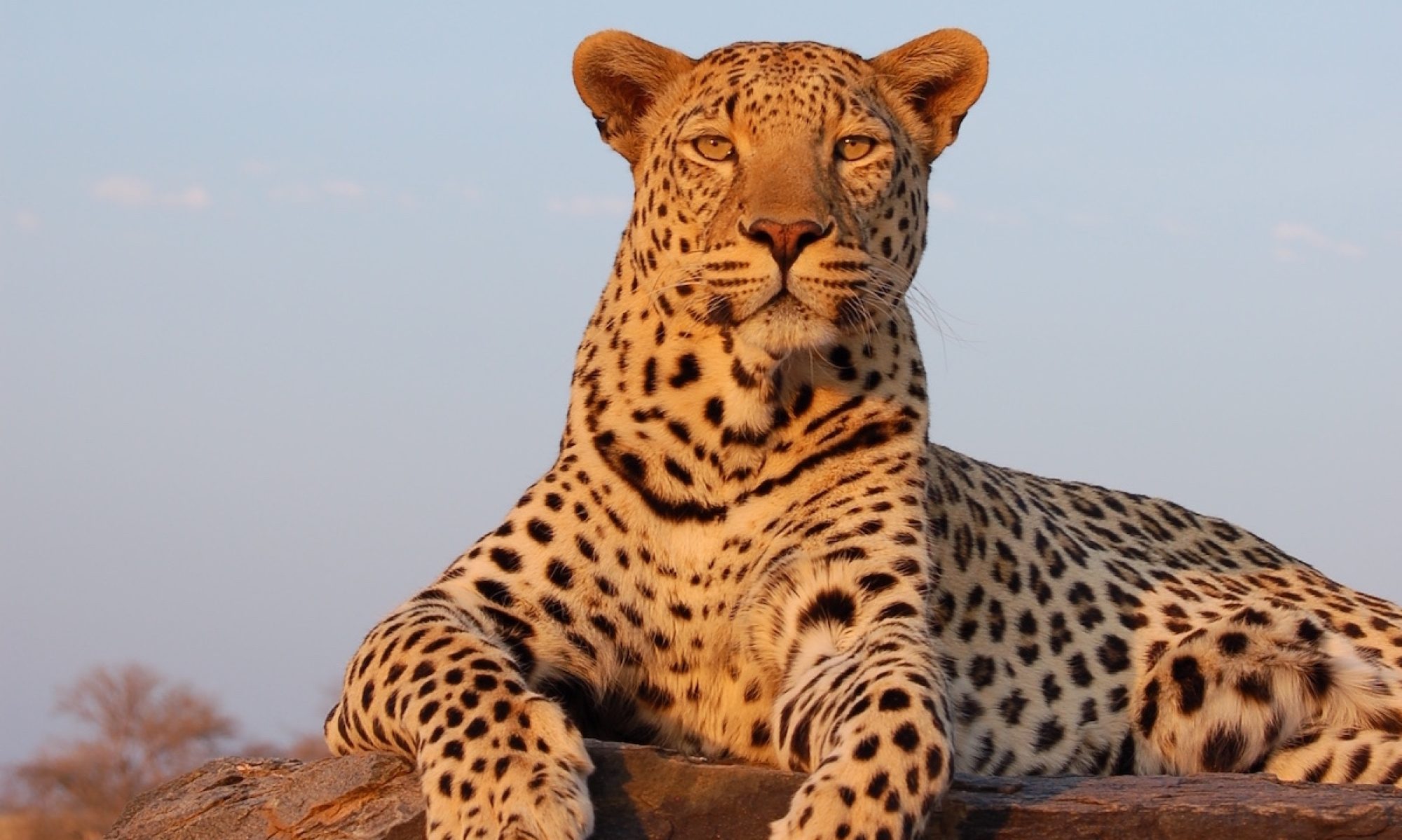
This, we believe, is a good indication of how other expeditions will run over the next few months, perhaps more. At the same time it looks like 2022/23 may bounce back strongly (and we certainly hope so), with extra groups already open for our Tien Shan snow leoard project 2022, the Germany 2022 wolf expedition and the Kenya Masai Mara project in 2023, with the Sweden bear volunteer work 2022 about to open up an extra group too – all to cope with demand (see dates and vacancy levels for all expeditions on www.biosphere-expeditions.org/portfolio). So if you are thinking about daring to go on expedition again with us, then please let us know soon!

And wish us luck for the Azores expedition starting 21 March (watch this space for the first diary for two years to appear).

Status update February 2022 – Positive outlook for the Azores expedition in March/April

We are hopeful that the Azores expedition in March/April can go ahead for several reasons:

1. If South Africa and Britain are anything to go by, the omicron wave is short and sharp with those who are vaccinated at low risk of falling severely ill or having to be admitted to hospital. Despite high infection rates, health services are not being overwhelmed. These are all signs of the virus entering its endemic phase, alongside other endemic viruses such as the flu.

2. Restrictions are being relaxed or removed completely in many countries now, as governments realise we are entering a phase of having to learn to live with the endemic version of the virus.

3. Infection rates on the Azores are low and falling.

4. Travel to the Azores is currently not restricted and the requirements one has to fulfill to fly in are not laborious and what we have all become used to.

5. Almost all expeditioners on the expedition are keen for the expedition to go ahead.

In the interest of transparency for everyone, here are excerpts from e-mails to the Azores expedition team so that everyone can see how we are handling the situation and trying to move towards running expeditions again with the virus around:

30 January 2022

Dear expeditioners,

Following on from our e-mail below, a couple of people decided to defer, but these places were immediately taken up by new signups or people on the waiting list, so we still have a booked out, three group expedition on our books. Travel to the Azores is currently not restricted and the requirements you have to fulfill to fly in are not laborious and what we have all become used to – see https://www.visitazores.com/en/trip-info for more details. Infection rates on Faial are low and on a downward trend – see https://www.safecommunitiesportugal.com/type/situation-reports-acores/ for details. So the outlook is positive, especially if the collapse of the omicron wave in South Africa and Britain are anything to go by, as well as relaxation of restrictions in many countries now, as governments realise we are entering a phase of learning to live with the virus, alongside other endemic viruses such as the flu. Our plan at the moment is to all test for the first three days on the expedition at least and then again as required. Anyone testing positive must leave the expedition and quarantine away at their own cost, so make sure you have adequate insurance. We will also require you to bring your own antigen self test kits as well as FFP2 masks (we will provide details of what these are and where you can buy them locally to you). Make sure you bring them with you, as local supplies are limited and we do not want to strain island supplies for the local population. We will write all this up in a detailed document for you within the next couple of weeks and monitor the developing situation in parallel. If you at your end decide against participation based on your own risk assessment and what we say above, then please tell us NOW so that we can gauge how many people do not want to come and defer instead. If you have any other comments or questions, then please feel free to send them in also.

15 January 2022

Dear Azores expeditioners

You will no doubt be wondering whether the expedition will run this year. Our intention is to monitor the situation and start communicating with you again from mid Feb onwards, sharing our intentions and plans based on the latest information. We are cautiously optimistic, because the wave omicron causes seems to be steep and short with low hospitalisation rates. In any case, we believe that we now have to learn to live with the virus – as it will not go away – and as such develop procedures to run our lives – and expeditions – with it around. We will communicate whether and how we intend to do this for the Azores in month at the latest. If you have any questions or comments, please just press reply. If you have already decided you would prefer to defer for another year (see https://www.biosphere-expeditions.org/faq#coronavirus for how it all works), then please let us know also.

Illustration by Ana Kova

Community expeditions update: Tien Shan community camera trappers

Here’s another example of what funding by many generous donors has achieved on the ground with community staff, whilst expeditions with international citizen scientists were impossible during the coronavirus pandemic:

The coronavirus pandemic has made our expeditions to the Tien Shan mountains of Kyrgyzstan with international citizen scientists impossible in 2020 and 2021. But our community camera-trapping group stayed active throughout, thanks to generous support via our coronavirus community appeal. This video shows some of their successes in capturing snow leopards. Well done and thank you for keeping the Biosphere Expeditions flag flying and research work going! Thank you to Amadeus DeKastle for coordinating it all.

Status update January 2022 – Kenya expedition deferred for another year; hopefully this will be the last deferral of 2022

In the end, the decision made itself, because most citizen scientists were not comfortable with coming on the expedition, despite and perhaps because of stringent hygiene procedures. So we will defer the expedition for another year. The 2023 dates are very likely to be 12 – 24 February | 26 February – 10 March and we will confirm this within the next month or so

Hopefully this will be the last deferral of 2022, before we can run expeditions again. If not, things will get difficult for us again and we will have to start another survival fundraiser to make it through. More than two years of no expeditions have really had an impact, to put it mildly.

On the bright side, the WHO chief thinks 2022 will be the year we beat the pandemic, as does clinical epidemiologist Dr. Rhagib Ali. There are certainly encouraging signs that the virus is moving towards the less virulent, endemic stage, to take its place alongside the flu and other endemic viral diseases.

We certainly think that we cannot let Covid rule our lives forever and that we should develop procedures that allow us to live – and run expeditions – with the virus around, because it will not go away. We tried with this Kenya expedition and failed. May the next try with the Azores, starting at the end of March, be successful!

Illustration by Ana Kova

Status update December 2021 – Kenya expedition hangs in the balance

E-mail to the team:

Dear Kenya expeditioners and partners,

Thank you for sharing your thoughts with us. 19 (out of 24) have replied. 9 do not want to defer (4 do), 3 want to defer if there is any quarantine at either end, 2 are undecided and 1 does not mind either way. Nobody has deferred already.

In some encouraging news, there are early indications that three Biontech vaccine shots provide ‘significant’ protection against omicron and that boosters are the way out of variant trouble. Further clarity should emerge in the next two to three weeks.

My decision for now is therefore to wait for another 3.5 weeks until Friday, 7 January at the latest to make a final decision on whether to run the expedition or not. Please do not make any balance payments until that decision is made and ignore the 3 January deadline on your invoices. Please also make sure you obtain adequate insurance cover.

It is extremely likely that we will require everyone to have had three vaccine shots, with the last not older than six months by the time your expedition ends and at least 14 days before your expedition starts. This should give you plenty of time to sort out your booster vaccinations between now and when you start your expedition.

Please feel free to continue to engage, ask further questions and share your news and opinions. We will also provide updates as necessary and will get back to you by 7 January at the latest, if not before.

Have a great Christmas and all the best for 2022. Stay healthy and hopefully we will see you all in Kenya.

Regards

Dr. Matthias Hammer
Executive Director

Hartebeest (c) Chris Taylor

Status update December 2021 – Arabia expedition deferred for another year

We have just deferred our 2022 Arabia expedition for another year. Here’s why (from an e-mail to the team):

—–Original Message—–
From: Biosphere Expeditions
Sent: 04 December 2021 12:40
Subject: Arabia expedition deferred

Dear Arabia expeditioners,

thank for your patience and kind words of support and encouragement over the last 10 days or so.

We now have three people who have already deferred to the expedition 2023 and three more who are strongly in favour of deferring / about to defer.

This means that it is now well-nigh impossible to run the expedition, whatever happens with the pandemic or the omicron variant.

I have therefore taken the decision to defer the expedition for another year and hope you will understand and support this decision. 

The dates of the 2023 expedition are 7 – 14 January 2023. If you would like to defer to that expedition, then please just e-mail back and we will do the rest for you. You can also defer to any other expedition on our portfolio within the next 30 months. You can tell us now or later which expedition and we will handle everything else for you. Details of how deferment works are on https://www.biosphere-expeditions.org/faq#coronavirus.

If you require any confirmation letters for insurance purposes, then please also let us know. 

Thank you again for your support and understanding. Thank you for your patience. I am sorry for the disappointment and the inconvenience this decision will cause you.

Stay health, stay safe and we will see you on the other side of this in a year, if not before.

Regards

Dr. Matthias Hammer
Executive Director