Update from our snow leopard expedition to the Tien Shan mountains of Kyrgyzstan www.biosphere-expeditions.org/tienshan
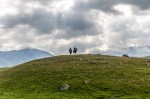
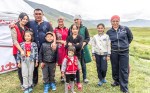
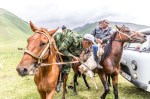
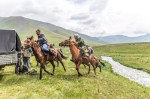
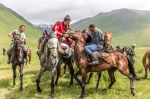
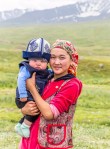
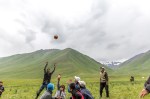
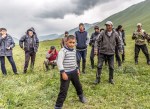
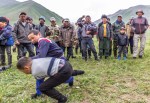
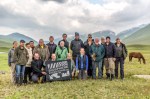
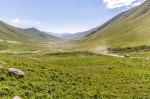
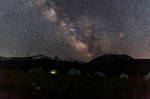
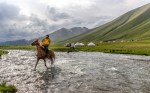
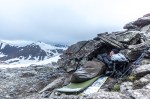
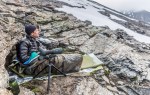
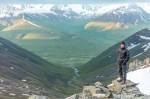
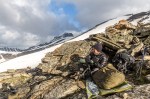
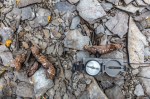
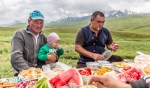
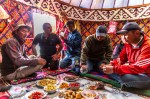
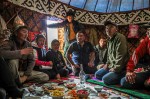
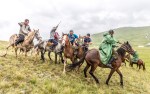
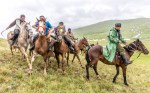
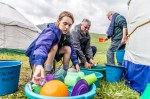
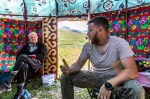
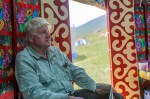
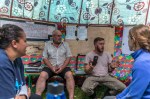
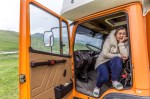
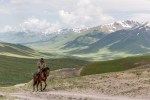
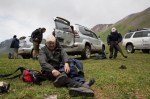
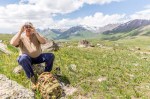
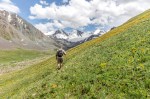
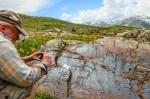
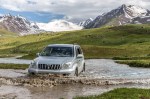
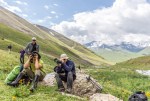
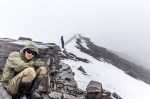
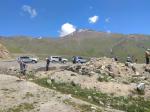
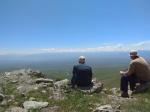
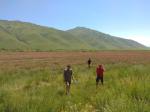
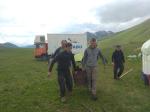
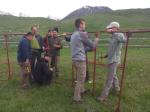
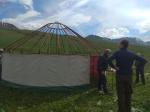
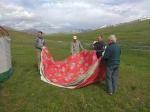
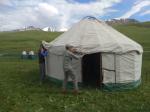
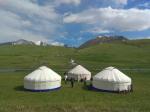
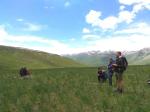
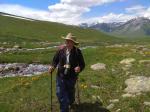
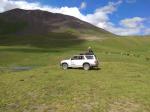
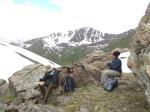
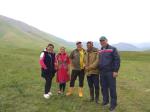
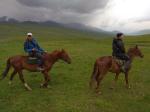
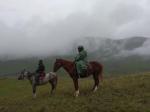
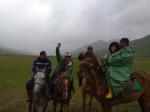
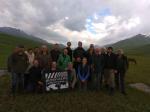
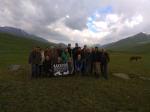
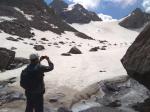
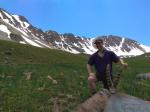
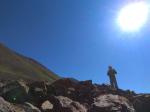
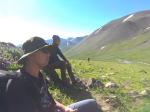
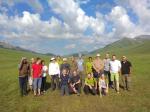
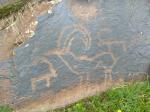
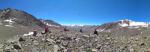
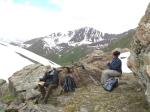
And here are some great pictures from group one, taken by Noël van Bemmel of De Volkskrant newspaper. Thank you for sharing Noël!



































Award-winning, non-profit and ethical wildlife conservation volunteering. Advancing citizen science and conservation since 1999 – for nature, not profit.
Update from our snow leopard expedition to the Tien Shan mountains of Kyrgyzstan www.biosphere-expeditions.org/tienshan
And here are some great pictures from group one, taken by Noël van Bemmel of De Volkskrant newspaper. Thank you for sharing Noël!
Update from our snow leopard expedition to the Tien Shan mountains of Kyrgyzstan www.biosphere-expeditions.org/tienshan
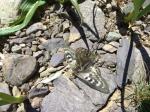
2018’s first Tien Shan expedition group has arrived back in Bishkek after a busy two weeks. Thank you to Judy, Sophie, Marilyn, Allycia, Tristan, the two Peters, Holger, Jim, Ross, Markus, Peter, Andreas, Noel and Stanley for putting in lots of effort to collect a solid amount of data. We covered 34 cells (2×2 km each) in our study area, some of them multiple times. Our surveys showed that of those 34 cells, 23 of them had snow leopard prey species living in them. This included ibex, argali, marmot and snow cock. We set up eight camera traps in various locations (results pending). We also collected records for three bird and two butterfly species that are completely new to our study area this year. Most importantly, we collected two distinct records of snow leopard. The first record was the dead body of a cub in Sary Kul valley that we found out about from a shepherd. In Chong Chikan valley a survey up near the glacier came across two sets of prints, likely belonging to a mother snow leopard and her cub. This is not only a strong indication of snow leopard presence, but it is also great to see that there is likely to be a breeding population here in our study area.
Group 1, it was a pleasure to spend two weeks with you in the mountains “suffering for science”. All the best, and I hope to see each of you again!






Update from our Maldives coral reef expedition www.biosphere-expeditions.org/maldives
Hello everyone
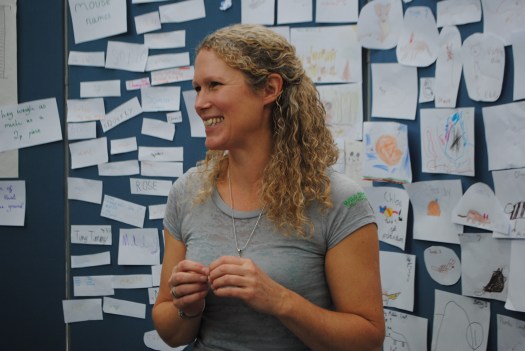
I’m Kathy, the expedition leader for the Biosphere Expeditions coral reef research trip to the Maldives this year. I’m heading off from the UK tomorrow, so just packing up, checking kit and paperwork today.
We are very lucky to have two great science trainers with us this year, Dr. Jean-Luc Solandt, from the Marine Conservation Society, and Dr. Matthias Hammer from Biosphere Expeditions. Both are highly experienced in Reef Check surveys (and surely you recognise their names from having read the Maldives reports anyway! :). Jean-Luc has been going to the Maldives for many, many years.
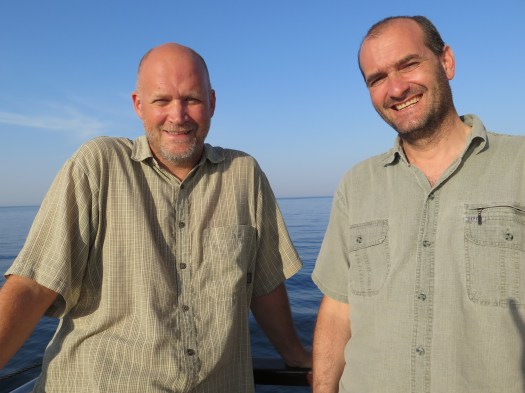
The learning over the first couple of days will feel quite fast-paced, but you are all in good hands as these two haven’t failed to get anyone through the tests yet! And of course you will also have swotted up on the Reef Check methodology, so you’ll be prepared….
Jean-Luc is already in Male’ meeting with local partners as we speak. He’s also set the survey route for us.
I’m just heading off to collect my newly-serviced BCD; please make sure any kit you’re bringing with you has been given any necessary once-overs, and don’t forget important paperwork such as your diving certification cards, PADI medical forms (where necessary), insurance details and Biosphere Expeditions checklist.
Happy packing and I hope you all travel safe. I’m looking forward to meeting you in Male’.
When I get to Male’ myself, I’ll get a local SIM card and let you know the number in case you need to get in touch with me. See you on Saturday!
All the best
Kathy
Update from our snow leopard expedition to the Tien Shan mountains of Kyrgyzstan www.biosphere-expeditions.org/tienshan
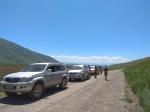
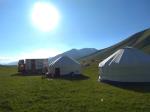
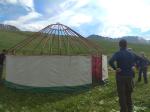
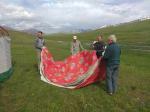
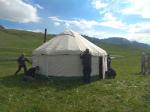
With temperatures reaching above 40C in Bishkek, group 1 was more than ready to get up to our Alpine base camp where cool weather abounds. On the way there we had our lunch stop at the top of the Too Ashu mountain pass. Looking down on the Suusamyr valley was a fantastic way to break up the driving. When we arrived at base camp we quickly settled in, thanks to Bek, Beka and Volodya having already set up tents for everyone. We did pitch our third yurt all together tough.
Training on Tuesday and Wednesday morning went well and so we were able to get out for our first transect walk Tuesday afternoon. We went to Sary Kul valley, where interestingly this year there is a shepherd’s yurt for the first time. And not only that, while talking to him he told us that a week ago he had come across what he thought was a dead snow leopard cub. Unfortunately he did not take any pictures, and even more unfortunately is the fact that this cub was found dead, but this does give us a very strong indication of snow leopard presence in the valley.
We have also been up a few other valleys, including Issyk Ata valley, where we have previously discovered snow leopard tracks. There was a lot of snow in the higher elevations, and so we were not able to get up as high as we would have liked, but Volodya found two good locations to set up camera traps. Beka has also placed camera traps along the ridge in another valley near our base camp. However, even with all the effort we’ve put in so far, the weather is very uncooperative. As I mentioned in my initial diary entry, it has been an unusually wet summer, and that is very true up in the Alpine valleys too. I don’t think we’ve had a day without rain yet! As a result, we’ve only had direct sightings of secondary snow leopard prey (marmot and snow cock), but with one week left to go there is still lots of time left for group 1 to collect more data!
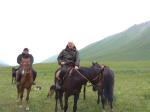
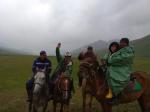
Something else very special that happened during the first week was the birthday celebration of the grandson of our shepherd neighbour. It really felt as though all the shepherds in the entire valley showed up for the party! There was lots of food, Kyrgyz traditional games like wrestling and Kok Boru (horse polo), and an opportunity for us to ride horses, meet lots of local people, and get dropped right into an amazing cultural experience!






Update from our monitoring expedition studying wolves in Lower Saxony, Germany www.biosphere-expeditions.org/germany
Thank you so much for your feedback videos
As well as the spoofy masterpiece “Mole epic” by James :))
And a dung beetle video by Clare :))
Update from our snow leopard expedition to the Tien Shan mountains of Kyrgyzstan www.biosphere-expeditions.org/tienshan
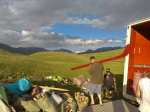
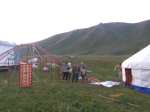
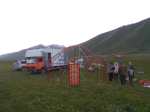
The staff, a truck and a few cars made it to our base camp location in the mountains and started, and have now mostly finished, setting up.
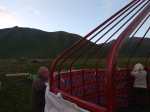
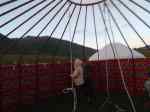
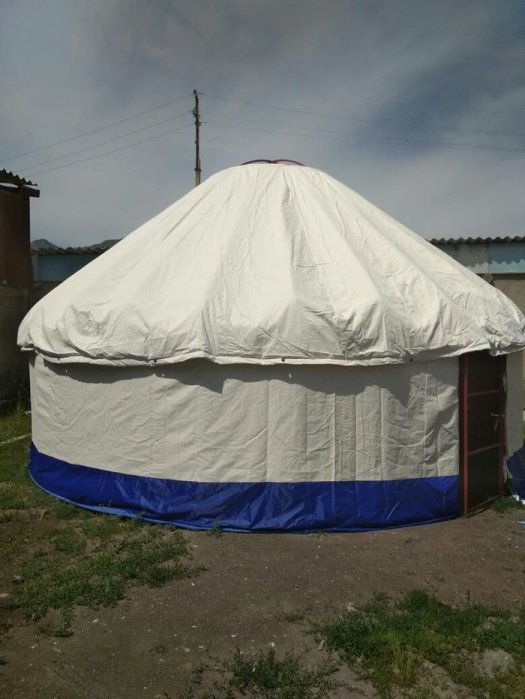
We have put up two of the three yurts and are waiting for group 1 to build the third. Within minutes of our arrival, we had our shepherd neighbours, who have by now become friends, there to help us. Kyrgyz culture is definitely one of friendship and lending a helping hand!
I am now back in Bishkek for last minute shopping and arrangements and group 1 starts tomorrow, Monday. I hope everyone arrives safely and on time. See you all tomorrow morning, group 1.


Update from our monitoring expedition studying wolves in Lower Saxony, Germany www.biosphere-expeditions.org/germany
Peter & I dropped team 2 at the airport on Friday morning after a pleasant last evening together on Thursday.
Here is a summary of what team 2 achieved: 330 km of survey routes were covered on foot and 31 km by bike. 89 scat samples were collected (and have been deep frozen for dietary analysis). Of those 89 samples, 14 samples were fresh enough for DNA analysis and for this were also put in ethanol. Our findings were made in eight different cells of the European 10 x 10 km grid. Overall, the results of teams 1 and 2 were very similar. Well done to both!
Taken together, the resulting total numbers of this year’s expedition are exceptional: More than 200 (!) wolf scat samples were deep frozen for dietary analysis. They will be forwarded to the official wolf monitoring authority of Lower Saxony for final evaluation. 25 scat samples were fresh enough for DNA analysis and put into ethanol, to be analysed in the laboratory over the coming few months. All findings were collected over 638 km of foot survey walks and 100 km of bike surveys in 29 different 10 x 10 km cells of the European grid. Even more findings, which were classified as C3 (hint but not conclusive proof of wolf) are: seven tracks and 50 more scats that were too old and had no wolf typical smell, as well as one sighting of three wolves that could not be proved by a picture, because Jelle and I were not quick enough 😉
Once again these numbers exceeded Peter’s expectations! Thank you to everyone on the team – you have done a fantastic job! Our thanks go also out to the wolf commissioners Kenny, Holger & Theo, as well as to Dorit and Lotte who supported the project by sharing their time & knowledge with us. And of course thanks also to the staff at NABU Gut Sunder who made us feel at home and kept us so well fed, as well as our overnight base Kenners LandLust. Peter & I very much enjoyed our time with you all and it has been a great pleasure to work with you.
We hope you have arrived back home safely when you read this or are enjoying your holidays. Thank you once again and we hope we will meet again in the future, on an expedition or somewhere else on this beautiful planet of ours.
All the best,
Malika


Update from our monitoring expedition studying wolves in Lower Saxony, Germany www.biosphere-expeditions.org/germany
After survey day four, the expedition freezer is almost spilling over with scat samples.
Peter, Sylvia, Siggi, Sita and Sebastian went to the very south of Lower Saxony on Thursday and completed survey walks in three groups. No findings there so far, but we have only started to investigate a small part of this potential wolf territory.
Anja, Beate, Dorit, Latika & Mark met Theo again in “his” area. Split into two teams, they recorded a total of 21 scats over 28 km walked.
The overnight team brought back two bin bags full of samples and a huge file of completed datasheets. Eleven more DNA samples were put in ethanol. Late returns from the far-away survey areas, prolonged hand-over procedures with Peter due to the large number of findings, as well a countless number of pictures to be processed had us postpone our review until after dinner.
It was during the review that Jelle reported to the team in detail the very first wolf sighting during the expedition (in Luechow Danneberg district). A roe deer kill had been reported to wolf commissioner Kenny in the morning before the overnighte team headed out to his patch. Walking quietly on a forest path, Jelle and Malika noticed a movement no more than 20m away in the undergrowth and in about the same moment realised that it was quite a big wolf standing up, turning around and running away. Immediately behind were two smaller wolves. It was all over in a second. They were gone before we could even think to take out any cameras or datasheets. Still, what an experience! We probably disturbed them while they were dozing and digesting their roe deer meal.
Christina and Andy, surveying the area nearby, where the wolves headed to when they ran away from us, were very late for their pick-up the same afternoon, because they had to collect many, many fresh scat samples.
We are pretty sure now where the core area of this wolf pack is. DNA analysis will show whether there are new pups this year.
Another successful and exciting week is almost over. More on the overall results soon…


Update from our snow leopard expedition to the Tien Shan mountains of Kyrgyzstan www.biosphere-expeditions.org/tienshan
Summer is finally here and with that comes Biosphere Expeditions’ annual snow leopard expedition to the Tien Shan mountains in Kyrgyzstan, in cooperation with NABU Kyrgyzstan.
My name is Amadeus DeKastle, and I’ll be leading the expedition again this summer. This will be our fifth year working in the Kyrgyz Ala Too mountain range.
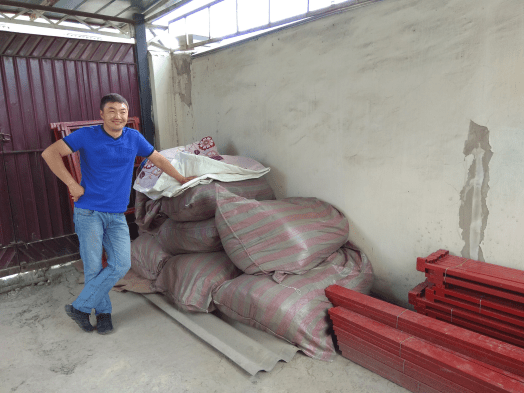
The expedition scientist, Dr. Volodymyr Tytar, will be arriving in Bishkek later today, whilst I and our two local NABU guides, Bek and Bekbolot, are already here and getting everything prepped, including some new yurts for base camp, because last year a stormed ripped through the valley and destroyed our mess tents.
If you have not had a chance to read through the dossier and previous reports, please do so. There is a lot of information in there that will be vital to you being able to be as involved as possible during your time here. In addition to some light reading, please download an app called “Lapis Guides” from either the Google Play Store or the Apple App Store. We will be using this app to collect some supplementary data in the area on birds, butterflies, and petroglyphs. This spring and summer has already proved to be very “wet”, so please make sure you have appropriate “wet weather” clothing and boots.
Safe travels group 1. I look forward to meeting you at the Futuro Hotel. Please be on time so we can get started on our journey as soon as possible. It is a long drive, and the sooner we leave, the sooner we’ll have supper and get settled into base camp.
Update from our monitoring expedition studying wolves in Lower Saxony, Germany www.biosphere-expeditions.org/germany
On our first full survey day on Monday, we surveyed the local wolf pack area (Celle district) again and also went south of base to look for signs of another wolf pack reputed to be there. Three groups (five teams) walked 78 km on that day and the total number of findings were twelve scats (which were all too old for further analysis) and a couple of unclear tracks in soft sand.
This Tuesday morning, some of us (Christine, Jelle and Andy and I) are about to head off on an overnight research trip again. The rest will stay at base and split into two teams to meet up with shepherd Holger in the afternoon.
I’ll update everyone on our findings on Thursday.


Continue reading “Germany: Off on the overnight research trip”
 Biosphere Expeditions: blogs from the frontline of wildlife conservation and the fight for a more sustainable planet