Malawi: Camera trap success or what!

Update from our Malawi expedition working on cats, primates, elephants and African biodiversity www.biosphere-expeditions.org/malawi

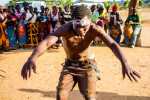
It has been an exciting couple of days in Vwaza Marsh. During our day off we visited the nearby village of Kazuni. We were the first group of foreigners ever to visit their village and they put on a quite a show. Not only did we get a great insight to village life, but we also got to dance with the local women to the beat of African drums. Of course our visit brought some much welcome income to a deprived community in deeply rural Malawi, but I am convinced that our hosts genuinely enjoyed showing off their culture and traditions.

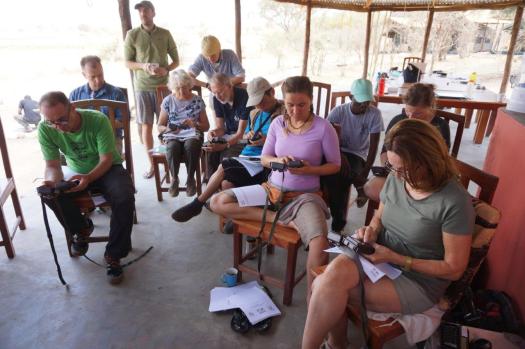
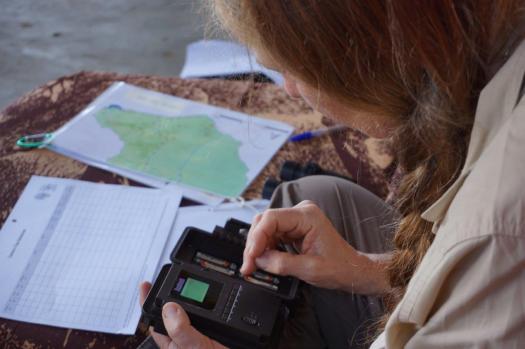
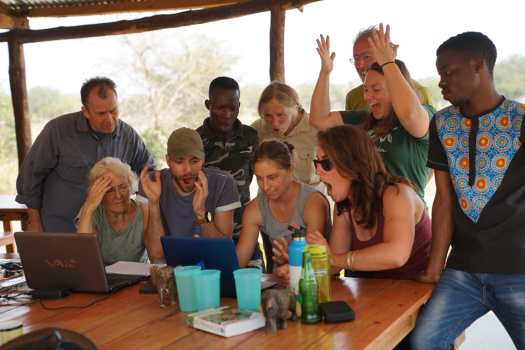
Following our day off, we set out to check our camera trap grid to make sure it was all working properly. Whilst doing so, we changed over the SD cards inside the camera traps too. Back at camp we couldn’t wait and immediately started going through them, everyone waiting with baited breath to see what we had caught. The first cheers rose through the group as a pair of honey badgers appeared on the screen.
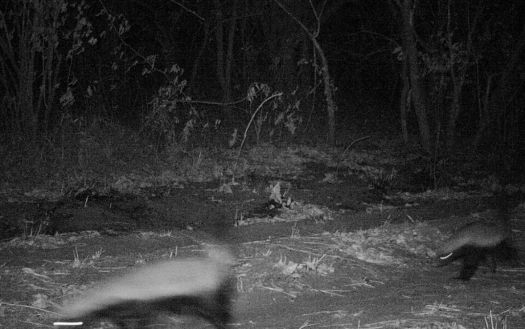
Soon more cheering ensued as a leopard was up next…
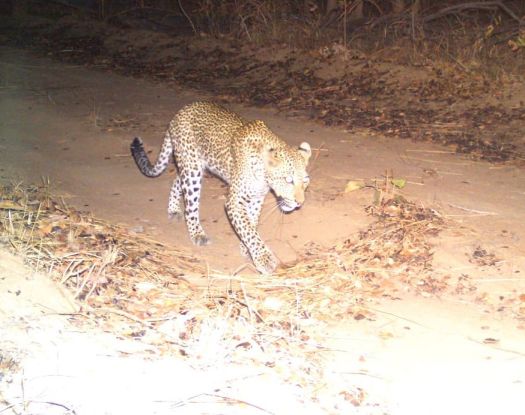
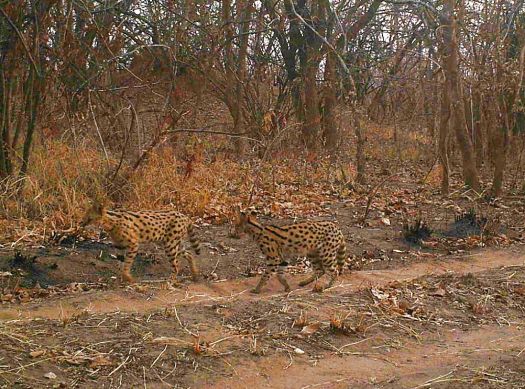
…followed by a pair of very elusive and rarely seen servals.
Just as we thought it couldn’t get any better a lion walked into the frame!
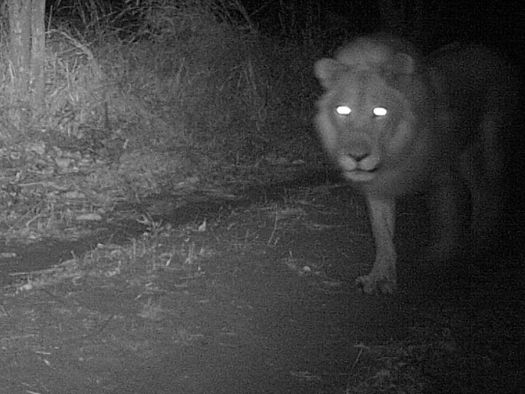
This is the first lion ever to be captured on film in Vwaza. While there have been reports of lion tracks before, being able to confirm the presence of this young male lion is indeed a big step towards better understanding the ecosystem of Vwaza Reserve.

What a start to the expedition. If anyone ever doubts the value of citizen science again, just show them this blog…. 😉
Malawi: Research activities

Update from our Malawi expedition working on cats, primates, elephants and African biodiversity www.biosphere-expeditions.org/malawi

Our expedition is in full swing. Half of group 1 is already over and today is our day off with resupply runs (and visits to local villages and the market).

We’ve been very busy with our research activities every day and also every day the elephants, very many of them, have come down to the lake in front of our base camp to drink, dust bathe, fight and play, and delight us with their presence.

We have already counted hundreds of hippos, added three elephants to the ID database, captured one delightful fruit bat, analysed three elephant boli, driven three and walked one mammal transect, etc., etc.

And because pictures speak more than a thousand words, here are lots (with thanks to Ng Kui Lai and John Haddon for sharing some of theirs)…

This slideshow requires JavaScript.


Malawi: Training days

Update from our Malawi expedition working on cats, primates, elephants and African biodiversity www.biosphere-expeditions.org/malawi

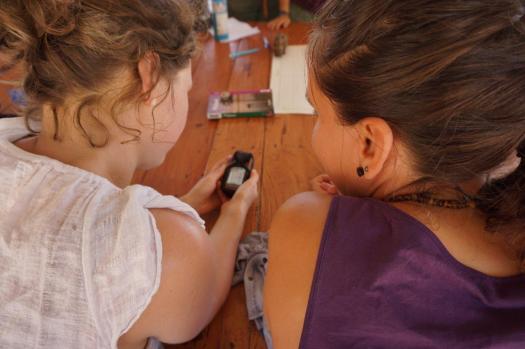
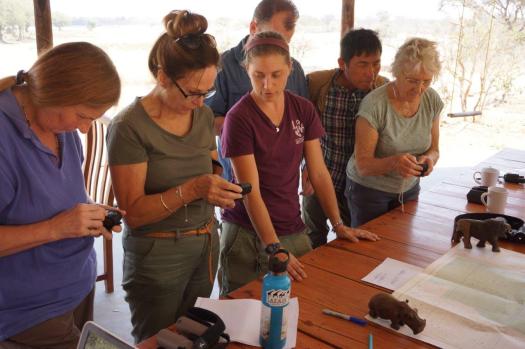
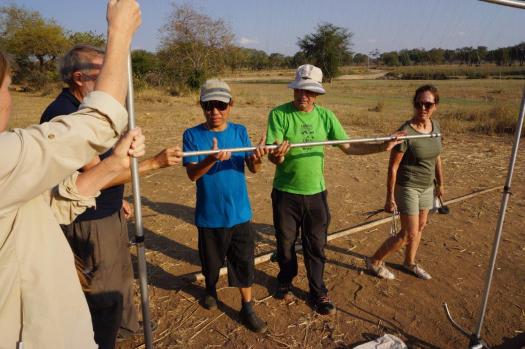
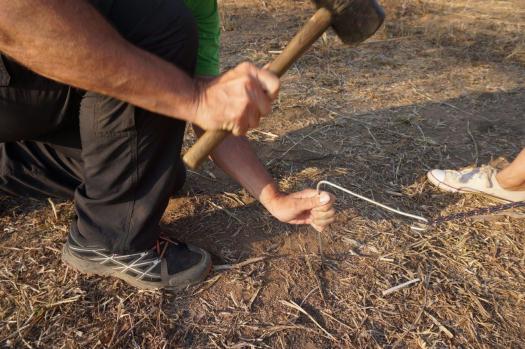
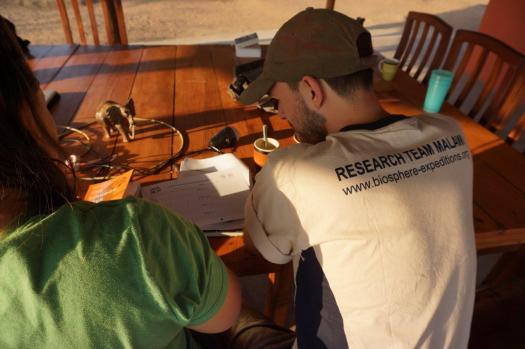
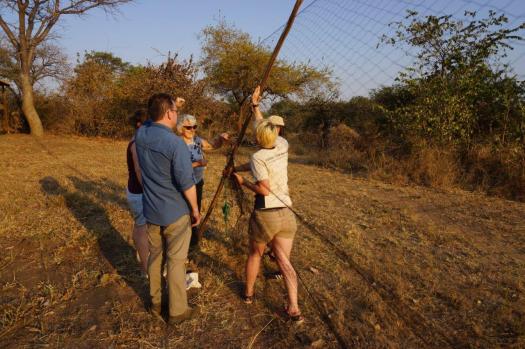
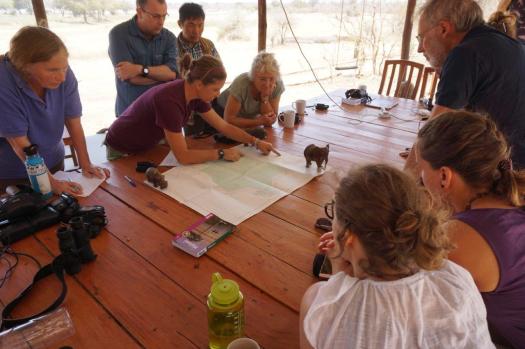
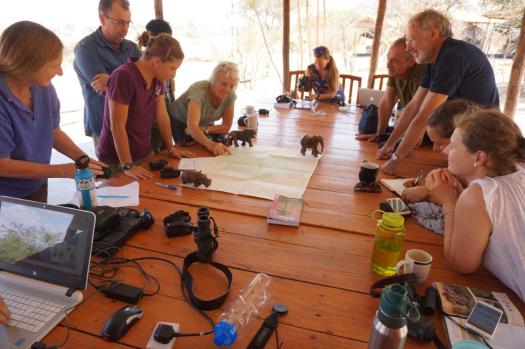
After a day of getting to Vwaza from Lilongwe, the next two days of the expedition are dedicated to training. This includes talks on the study species, research background, hands-on training on maps, GPS, compass, datasheets, bat net erection, behaviour in the bush, cars, etc., etc. It’s intense, but necessary if we want to generate good research data, which is what it’s all about. And it’s excellently fuelled by the most important

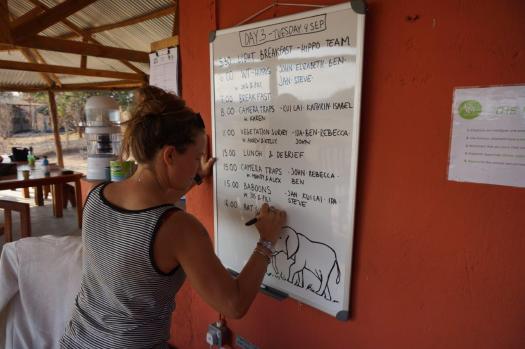
Our scientists have prepared remarkably well, thank you, so it has gone smoothly. Tomorrow we start with our research work. We have hippo transects, bat surveys, vegetation surveys and much more on the programme…

Stay tuned.

And because she really wanted it… 🙂


Malawi: Ready to roll…

Update from our Malawi expedition working on cats, primates, elephants and African biodiversity www.biosphere-expeditions.org/malawi

We’re as ready as we can be for you. The proof will be in the pudding now, starting with trailblazing group 1 tomorrow. And trailblazers we will be indeed. Just one example is that our expedition will set camera traps all over the reserve for the first time ever. Yes, it has never been done before and we are excited about the research work and what it will show. And the camera traps are just one facet of many citizen science aspects. So wish us success and good fortune!

Group 1, I hope you are all reading this in Lilongwe tonight and I hope you are ready. Please help us smooth out the rough edges and make this inaugural expedition a success.

Here are a couple of videos and some pictures to wet everyone’s appetite.


Arrival at Vwaza base camp

Update from our Malawi expedition working on cats, primates, elephants and African biodiversity www.biosphere-expeditions.org/malawi

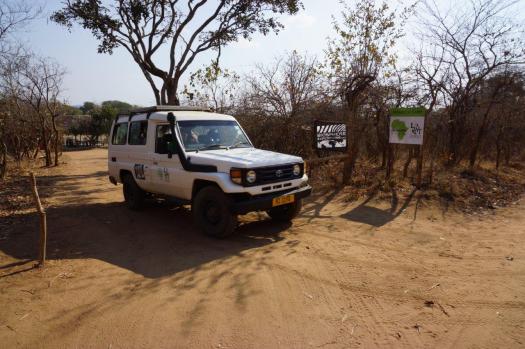
We arrived at Vwaza base camp today, just as the sun was setting. The elephants were drinking at the lake across from camp and a full moon rose as the camp fire lit up. What more can you ask for? Perhaps nice weather? Well, today was a blue skies day with temperatures in the high twenties C. The forecast if for much of the same for next few weeks.

Camp has been beautifully upgraded by our partner organisation the Lilongwe Wildlife Trust, and tomorrow morning we will start unpacking and setting things up for you.

Malawi: Opener for inaugural expedition

Update from our Malawi expedition working on cats, primates, elephants and African biodiversity www.biosphere-expeditions.org/malawi

My name is Ida and I am your expedition leader for the inaugural African biodiversity expedition to Malawi. We have been working hard with our partners from the Lilongwe Wildlife Trust and Conservation Research Africa to set this expedition up and we are excited that it is finally about to start.

I hope your preparations are going well and you are starting to get excited. I also hope you have downloaded and printed your expedition manual / field guide for you to bring with you into the field. The more studying of this you can do now, the easier you will find it in the field during the citizen science training phase of the expedition.

I am about to start from the USA; other Biosphere Expeditions staff are setting off form Germany and the UK and we will all converge in Lilongwe soon, to go up our expedition base at Vwaza Marsh, where we will meet with the field scientists (below) to put the finishing touches to the expedition.

This slideshow requires JavaScript.

Remember that this is our inaugural expedition and that it is as much your expedition, as it is ours. Bear with us as we go through our teething phase and work with us to make this the best expedition it can be, for our partners and their wildlife research and conservation work, for ourselves and for the African wildlife at Vwaza we will be helping to protect. Because wildlife research and conservation is what this is all about and I for one can’t wait to get started.

I will write again from Vwaza with some weather and field updates. Stay tuned and I look forward to meeting you all.

Ida Vincent
Expedition leader