Azores: Group 1 off to a good start

On Monday we welcomed our first group of expeditioners arriving from across three continents to volunteer with whales and dolphins. A dynamic group with a lot of women power, complemented by one brave man with a great sense of humour.

The first day and a half of training was intense. Our marine conservation volunteers received introductions to the cetacean species, the equipment, the different sets of datasheets and lots more. This year, we are also trying out the new Monicet app of the Azores University for cetacean monitoring.

Not surprisingly, our risk assessment has been fine tuned to include a strict covid protocol and I am happy to confirm that after three consecutive days of self-testing and wearing FFP2 masks, we have no positive cases in the group and no symptoms. It was nice to discover people’s smiles behind the masks.

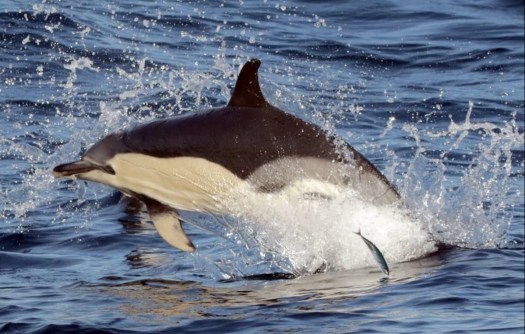
During our first afternoon out at sea we were treated to five sightings of common dolphins, adding up to a total of 100 individuals. The animals joined us for a while, bowriding alongside the catamaran, affording great views and the chance to test our newly acquired dolphin volunteering and data gathering skills. Also, the team seems to have good sea legs, which is clearly an advantage.

On day 2, we had good weather and calm seas and no fewer than four cetacean species. The morning started off with a sighting of a minke whale, which is a rare treat, as this species is not often observed here. After this four groups of common dolphins kept us company. In the afternoon, three Cuvier’s beaked whales surfaced not far from the boat. This was a very special observation as it is only the second time since 2004 that this species has been recorded by the Biosphere Expeditions whale volunteers.

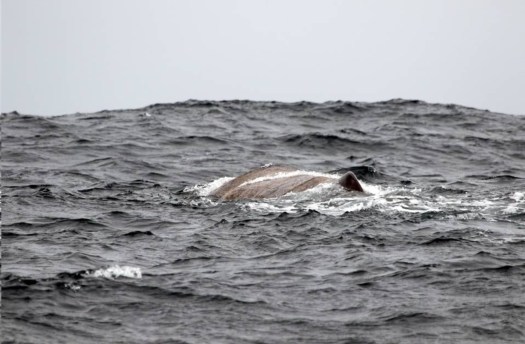
When we were cruising in deeper waters, the hydrophone was lowered into the water and we were treated to some “live audio” from a group of sperm whales. We were determined to find them, but they were playing hard to get and just as we decided to head back, we spotted their typical blow in the distance. The day ended perfectly by the lift of a sperm whale’s fluke diving to greater depths. As the sun was setting, we headed back to Horta, tired but satisfied.

After an exceptionally long day out at sea of sailing 144 kilometres for nine hours, the team enjoyed a nice hot meal prepared by our host Claudia.

The weather is looking rough for the next two days, so today we will go on a hike along Faial’s caldeira combined with a visit to Capelinhos and on Friday we switch to photo-identification training. There is plenty more to learn, study and analyse..

Azores: Greetings from our expedition base on the Azores

I have made it safely to the lush green island of Faial in the middle of the Atlantic. Heavy rain welcomed me at the airport, but by the time the taxi dropped me off at Banana Manor, the sun was shining and this pattern was repeated for most of the day. Very typical Azores weather, so come prepared. Note to self: never walk out the door again without a raincoat.

I received a warm welcome from our hosts James and Claudia and you will see Banana Manor is a very nice, clean, comfortable and quiet place to stay and within walking distance from the city centre. For me the true highlight is the lush wild garden, a green oasis with the most spectacular views in all directions.

It was also nice to see our expedition scientist Lisa again after four years and together we are transforming Banana Manor into a true expedition base: sorting out all the gear, computers, data sheets, publications etc, to have everything ready for all of us to get into action.

Lisa
Our scientist Lisa Steiner

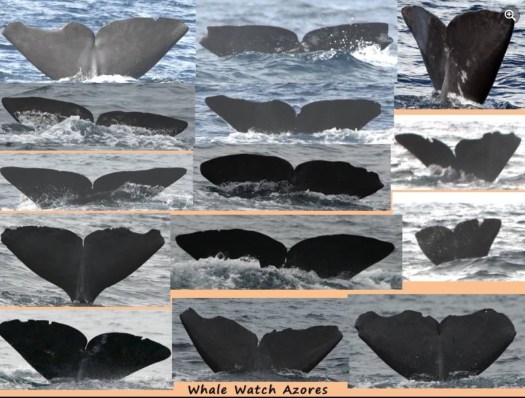
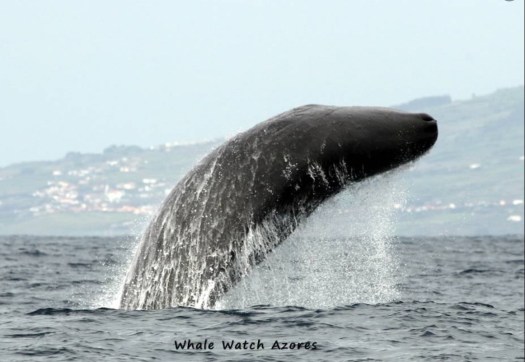
On the whale front, Lisa was treated on Monday to no fewer than 14 sperm whales of which nine were known individuals, resightings from 2009, 2010, 2014 and 2016. Amazing how after so many years of research, a detailed image of a fluke can reveal so much about an individual.  One whale was kind enough to breach three times. Let’s hope we get the same Lisa-luck from next Tuesday onwards.

14spermwhales
14 sperm whales
breeching_spermwhales
Breaching sperm whale

As for Covid, numbers on all islands are going down. The last update from 9 March indicates there were 180 positive cases in Faial, three of which needed hospitalisation. If this decrease is maintained for another week, there will be no more mandatory use of masks. Other restrictions have been lifted already, so it looks like it is going in the right direction. You can follow up the most recent updates here . For now, nothing changes for us, however, and we will stick to our testing and social distancing plan until Biosphere Expeditions decides otherwise.

So, group 1, good luck in packing up – don’t forget to pack your indoor slippers, warm clothes and foul weather gear. Safe travels and I look forward welcoming you here on Monday between 12:30 and 13:30 (no meeting a Peter’s beforehand, remember).

Best wishes

An

Azores: we’re back on after two years!

Hello everyone and welcome to the first diary entry for Biosphere Expeditions’ Azores 2022. My name is An Bollen and I will be your expedition leader on this whale & dolphin marine conservation volunteer project to the Azores.

20220307_091601

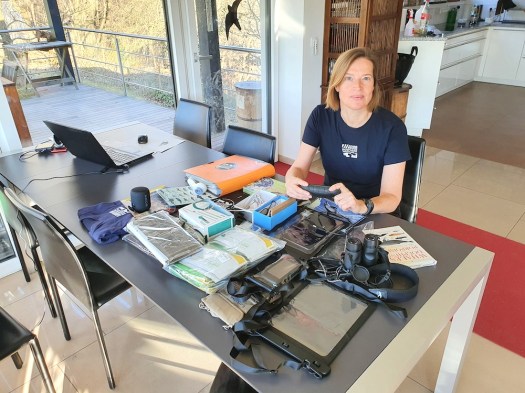
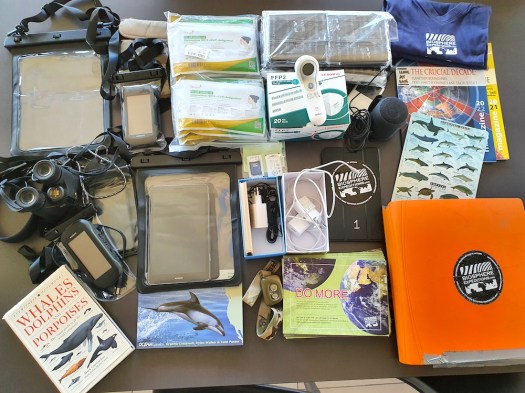
I now have some of the equipment at my home in Belgium (and more is stored on site).

20220307_090147

As it happens, this will be the first Biosphere Expeditions volunteer project that is back on after two years !  I am really grateful to all of you citizen scientists for signing up and making this happen.  I am sure many of us have been longing to get back out into the field and meet new people, whilst contributing time and energy to conservation and to volunteer with whales and volunteer with dolphins.

My own travels start next Thursday when I fly out to the beautiful Azores, where I will be preparing for your arrival together with Lisa, our expedition scientist, and Claudia and James, our hosts at Banana Manor.  On the cetacean front, there is some good news already. Lisa has been out at sea and spotted the first blue whales, several male sperm whales and lots of common dolphins, so the 2022 season is off to a good start.

bluewhale

spermwhale

Commondolphin

The weather is a bit hit and miss at the moment, as is often the case in the Azores this time of the year, so lets hope we get treated to some fine weather days and whale volunteer and dolphin volunteer action. Out at sea, it can get very cold and windy, so don’t forget to bring enough thermal wear. I find that putting on different layers works really well, combined with a wind- and waterproof jacket.

And of course, lets all be Covid smart and travel safely, as chances are that if we get infected, it will most likely be in the airport or on the plane. Don’t forget to bring your FFP2 masks (and use them whilst travelling!) and Covid self-tests so we can conduct this first expedition as professionally and safely as possible for everyone.

Remember that as part of our Covid procedures, this year we will not meet for drinks at Peter’s Café as we normally do at 11:30. Instead we will welcome you at our expedition base at Banana Manor (see position here) with all your luggage between 12:30 and 13:30 so you can get settled. Be sure to have lunch before you arrive, because at 14:00 the expedition starts officially and we get into action with introductions, talks and training.

Once I have arrived in Horta, I will send out another diary entry with my local contact details. If your family and friends back home would like to stay up to date while you are away, they can keep an eye on the Biosphere Expeditions blog (or subscribe to it for automatic updates) where I will publish diaries and photos regularly. If you are curious to see which whales and dolphins are currently being spotted out at sea, I recommend the Facebook page of our local partner Whale Watch Azores.

Looking forward to seeing you all soon !

An Bollen
Expedition leader