
Media release – 2 April 2026

Around the world, ordinary people are stepping onto the frontlines of wildlife conservation. Not as tourists, but as citizen scientists, they help track species, collect critical data and support conservation of wild animals and places that would otherwise not be possible.
The new 2025 Annual Magazine from award-winning NGO Biosphere Expeditions brings these stories together, revealing the people behind global wildlife research and the real impact they are having in the field.
The Magazine celebrates the ‘Human Factor’. The volunteers, local communities and scientists whose lives have been touched by working on the frontlines of wildlife conservation.

25 years of showcasing citizen science and empowering people
Founded in 1999, Biosphere Expeditions has showcased the power of citizen science for over 25 years, be it in top-notch coral reef research, brown bear protection in Sweden or a host of other achievements in conservation. On the way it has empowered thousands of people from all walks of life to step out of their comfort zones to do things such as protect snow leopards in Kyrgyzstan, wolves in Germany or coral reefs in the Maldives.
‘Biosphere Expeditions is about science and data, but it is also about people,’ says Dr. Matthias Hammer, Founder and Executive Director. ‘Their experiences, which we recount in this new Annual Magazine remind us that meaningful conservation is built not only on research, but on connection, collaboration and the willingness to get involved’.
For almost three decades, Biosphere Expeditions has pioneered a model that brings together professional scientists and members of the public to conduct meaningful field research. Volunteers work alongside experts to collect high-quality data that contribute directly to conservation science and peer-reviewed publications.

A global impact on human lives
The magazine features powerful testimonials from across the globe, illustrating the profound personal growth that occurs in the field:
Career Transformation: For many, an expedition is a life-altering catalyst. Caitlin Moore, who first joined an expedition at age 17, credits the experience with giving her the ‘confidence to travel alone’ and the field experience necessary to pursue a career in conservation. Similarly, Daniel Biancalana notes that his time in the Tien Shan mountains ‘played an integral part’ in his decision to study zoology.
Empowering Local Communities: The impact extends deeply into the communities where expeditions operate. In Namibia, local staff member Simon Naha shared, ‘Since [the expedition’s] arrival I haven’t lost any cattle to lions and hyaenas… Thank you for your support’. In the Altai Republic, student Emil Respaevich Sanzarakov used his earnings from the project to support his family and fund his dream of attending university.
Building Global Connections: Beyond the data, the expeditions foster a unique ‘shared purpose [that] quickly turns strangers into a close-knit community’. Volunteer Loulou Ojjeh observed that living and working with people from around the world saying that it ‘deepened my sense of perspective, not only about conservation, but about life itself’.

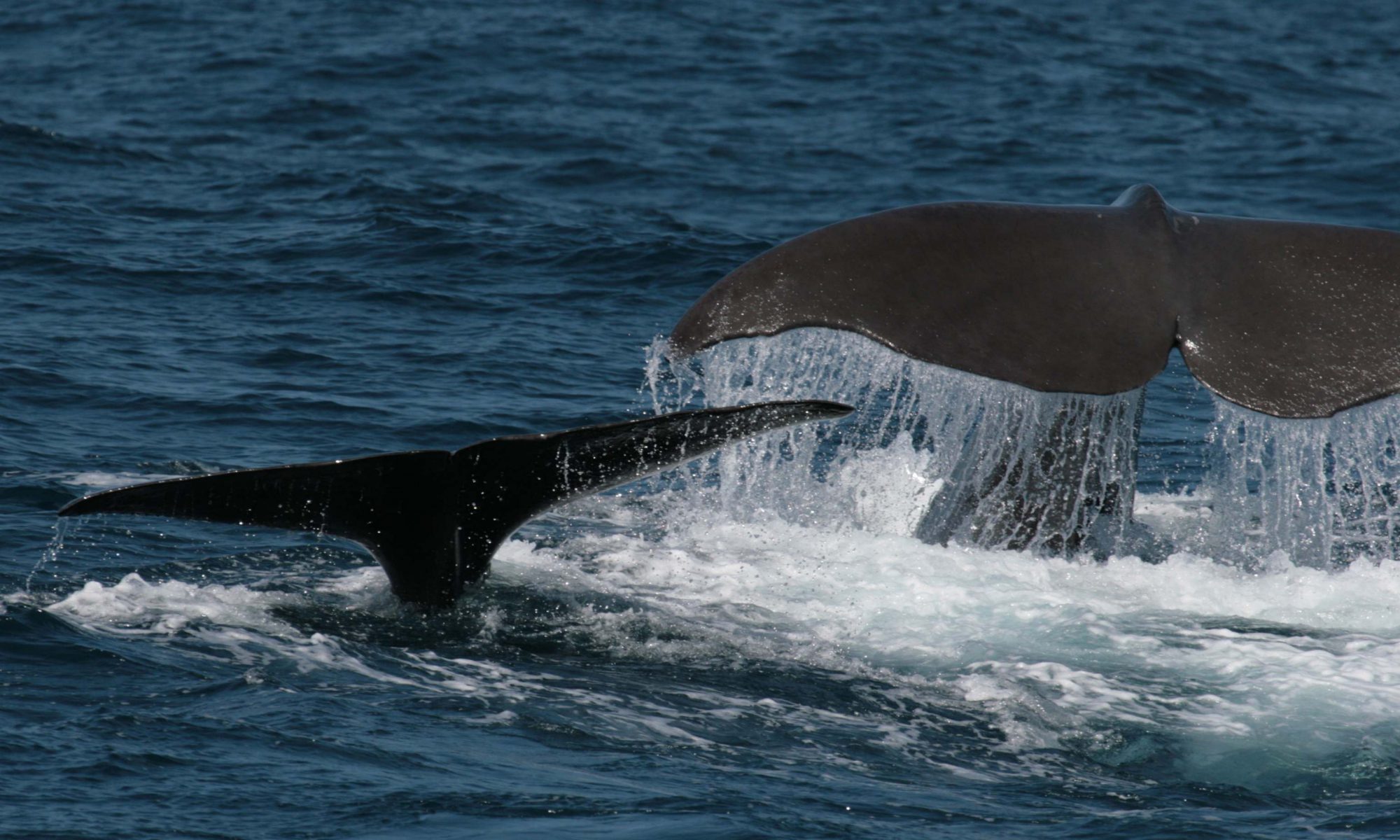
Experiencing the ‘Awe’ of Nature: The magazine is peppered with vivid accounts of the ‘moments where wildlife conservation stops being an idea and becomes something personal’. Volunteer Angelika Krimmel recalls a life-changing encounter in the Azores: ‘A curious sperm whale swam alongside our boat… and looked straight into our eyes. That look went directly to my heart’. For others, the impact is found in the quiet intensity of the wilderness. Peter Pilbeam describes the feeling of standing in a remote Kyrgyz valley: ‘I’m surrounded by yellow expanses of spring flowers… and I had to pinch myself. Is THIS really me? Am I really here?’.

Download the 2025 Magazine now
The 2025 Magazine serves as a call to action, inviting readers to ‘make your holiday time count‘ and join a global community that acts as if the world depends on it, because it does.
The Biosphere Expeditions 2025 Magazine is available now.
ENDS

NOTES TO EDITORS
Media contact: Dr. Matthias Hammer, m.hammer@biosphere-expeditions.org
Biosphere Expeditions is a wildlife conservation non-profit first and foremost, driven by science and citizen scientist. Our planet is in crisis, with nature under attack like never before. We believe everyone has the power to change this. We are mindful of nature and empower people through citizen science and hands-on wildlife conservation. We are a non-profit, visionary, award-winning and ethical conservation organisation. We are a member of the IUCN, the UN’s Environment Programme and the European Citizen Science Association. Working hand-in-hand with local biologists and communities since 1999, we champion change and protect nature. And we succeed – the creation of protected areas on four continents is just one example of our many achievements.
Citizen science is defined as “public participation in scientific research”. It is an important vehicle for democratising science and promoting the goal of universal and equitable access to scientific data and information. In addition, data generated by citizen science groups have become an increasingly important source for scientists, applied users and those pursuing the 2030 Agenda for Sustainable Development. In nature conservation in particular, international citizen science has become increasingly important as a duel stream of data and funding.
RESOURCES
Online press pack with image library, press releases & news, press trip information, etc.
Full list of forthcoming expeditions (press trip offers available 4-8 weeks in advance).
Annual Biosphere Expeditions Magazines with stories from the field, achievements, etc.


These and other expedition pictures in HD. Captions on request.