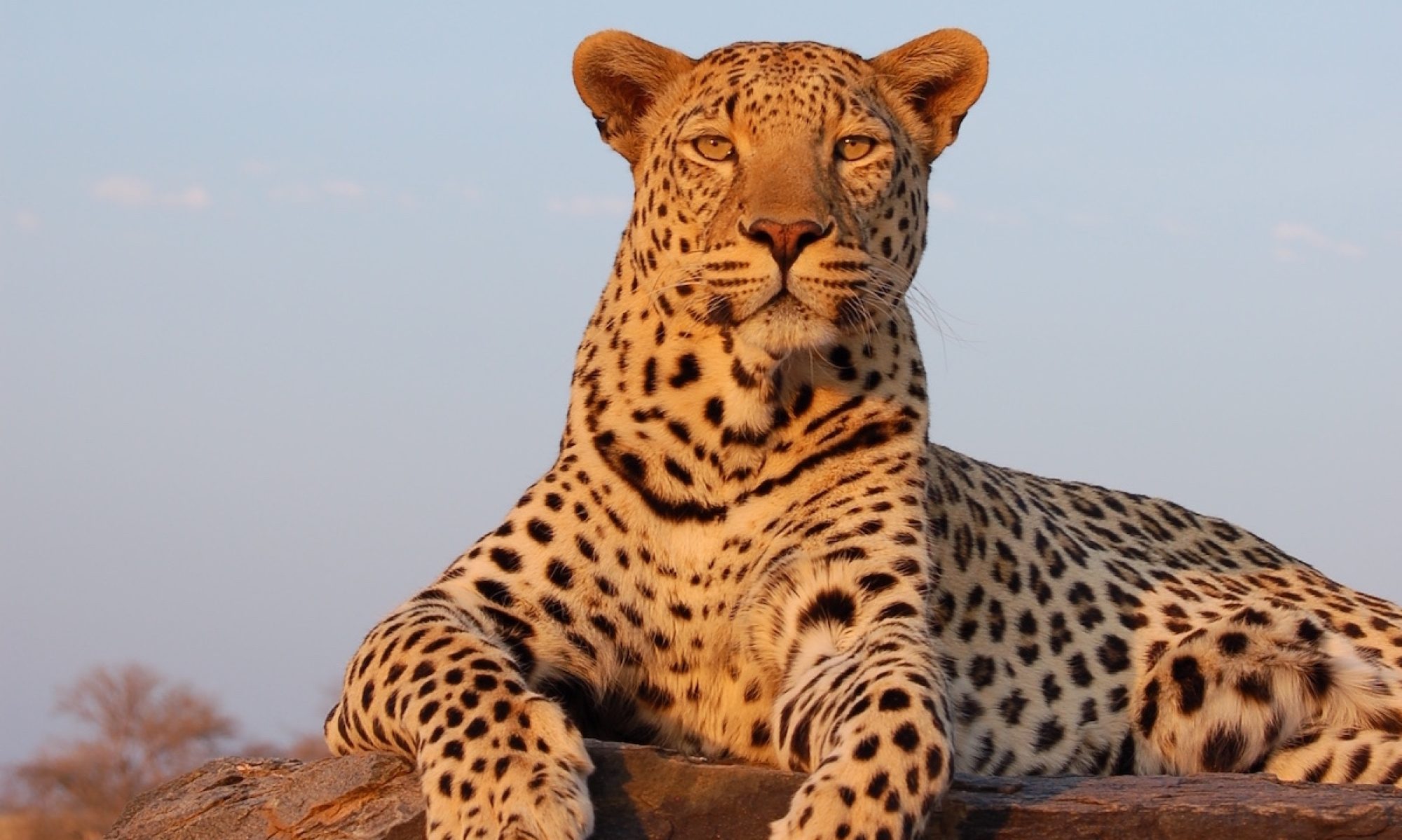

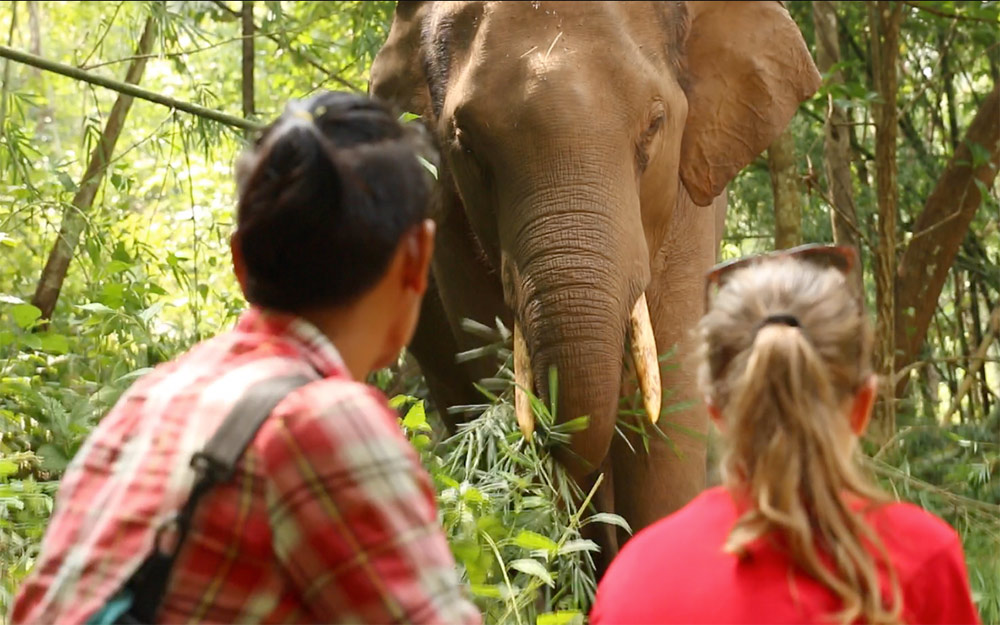
Wildlife tourism is everywhere. From whale watching and safaris to volunteering with animals abroad, experiences involving wildlife have become a major part of global travel.
At the same time, the term ethical wildlife tourism is used more loosely than ever, often without much clarity about what it actually means.
Most travellers genuinely want to do the right thing. They want to support conservation, avoid harm, and travel more responsibly.
But when every operator claims to be “eco”, “sustainable” or “ethical”, it can be hard to tell the difference between meaningful conservation work and well-marketed exploitation.
After years of travelling and joining wildlife conservation projects around the world, including several expeditions with Biosphere Expeditions, I’ve learned that ethical wildlife tourism is very real, but it requires informed choices, realistic expectations, and a willingness to look beyond feel-good promises.
In this article I’ll explain what ethical wildlife tourism really is, why it matters, and how to recognise it when you’re planning a trip.
What is Ethical Wildlife Tourism?
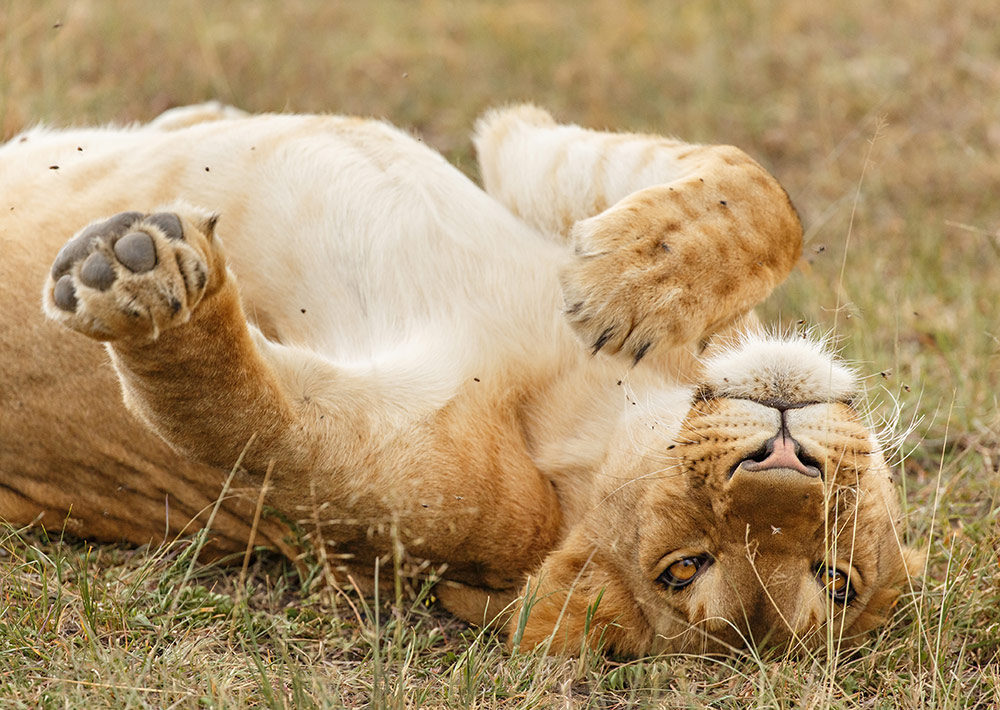
Imagine standing a few metres away from a wild animal, camera in hand, while a guide urges you to move closer “for a better photo.” It feels harmless in the moment. You trust the guide, everyone else is doing it, and the animal doesn’t run away. But later, you start to wonder whether that experience was really as respectful as it was presented.
At its simplest, ethical wildlife tourism is about putting the needs of animals and ecosystems before entertainment. It asks a basic but important question: Is this experience shaped around wildlife, or around us? The goal is to minimise harm, respect natural behaviour, and, where possible, contribute positively to conservation rather than just observe it.
You’ll often hear related terms such as ecotourism, sustainable tourism, or responsible travel. But wildlife adds another layer of sensitivity. Animals aren’t attractions or photo props. They’re living beings with stress limits, routines and ecological roles. Ethical wildlife experiences accept that keeping your distance, following rules and respecting limits is simply part of doing things right.
Why Experiences With Wildlife So Often Cross Ethical Lines
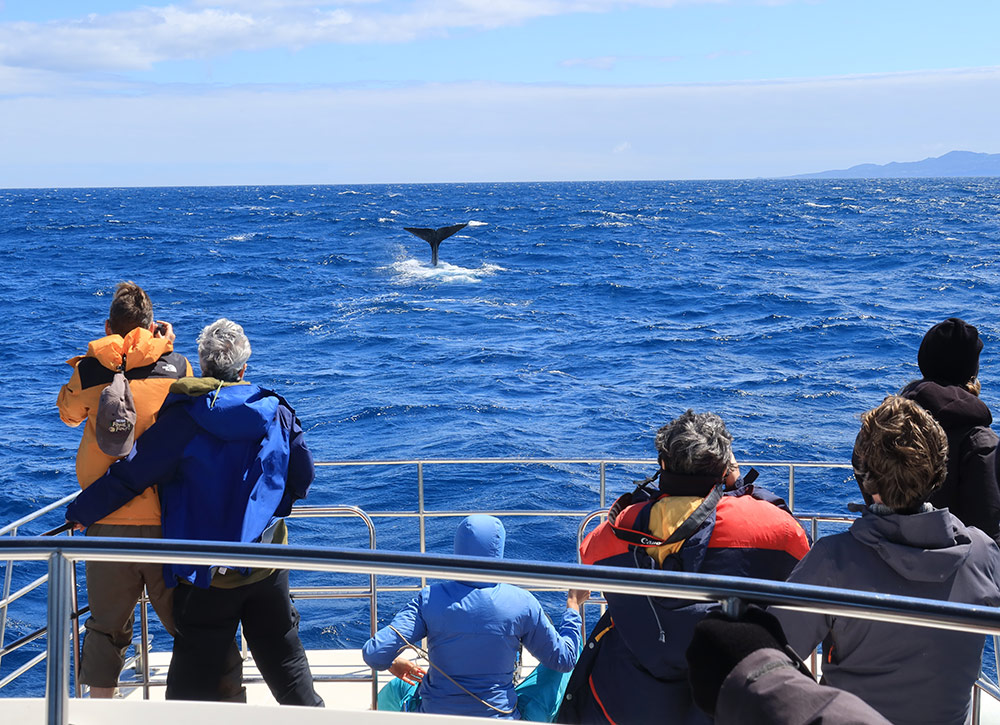
Most wildlife experiences don’t start with bad intentions. In fact, it’s usually the opposite. People book whale watching trips, safaris or visits to elephant sanctuaries because they love animals, want to learn more about them or hope to feel a meaningful connection with nature.
But good intentions don’t exist in a vacuum.
We live in a world where experiences are constantly shared, rated and compared. The pressure to come home with that great photo or perfect video to post on Instagram or TikTok is real. When travellers expect guaranteed sightings, close encounters or dramatic moments on camera, operators can feel pushed to deliver, even when it means crossing ethical lines.
Wild animals can slowly become used to humans being too close. Natural behaviours such as feeding, breeding or migration may be disturbed. Noise, crowds, boats, vehicles or physical interaction can cause stress, even if it looks harmless from the outside.
And while many experiences are marketed as “conservation-focused,” many in reality are not.
The uncomfortable truth is that loving animals isn’t enough. Without clear rules, scientific oversight and a long-term conservation goal, even well-meant wildlife experiences can end up harming the very species people came to admire.
Ethical vs Unethical Wildlife Experiences: What’s the Real Difference?
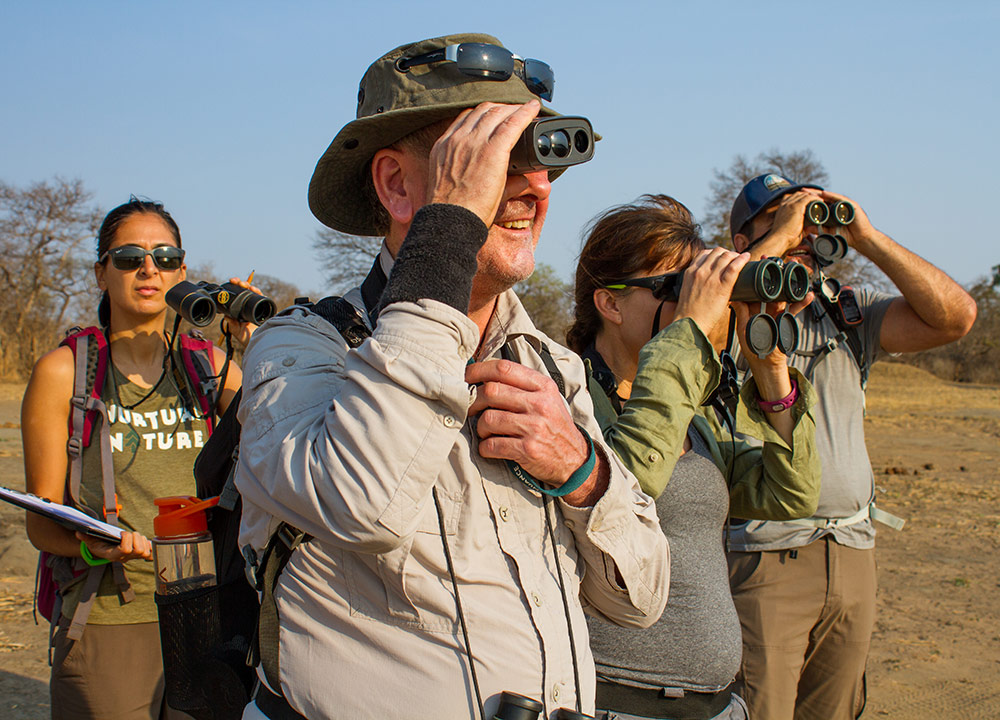
The difference between ethical and unethical wildlife experiences usually isn’t in how they’re advertised; it’s in how they’re actually run.
Ethical experiences are built around observing animals as they live in the wild. That means watching from a respectful distance, following strict guidelines and accepting that nothing is guaranteed. Some days you’ll see a lot, other days very little. Sightings depend on weather, seasons and the animals themselves, not on a schedule.
Unethical experiences tend to promise the opposite. Close encounters, predictable moments, or “once-in-a-lifetime” interactions are often achieved by touching, feeding, handling or controlling animals or by keeping them in artificial settings designed for visitors rather than wildlife.
Ethical projects are usually led by scientists or conservation organisations, with tourism supporting long-term research and protection efforts. Unethical ones are driven by entertainment first, with conservation added as a marketing label rather than a real priority.
Common Wildlife Experiences to Avoid
Ok, let me start with some embarrassing honesty here. I rode an elephant. Nearly 10 years ago I was at one of those “ethical” elephant sanctuaries in Thailand and they told me that it was ok to ride an elephant as long as it was on their bare back because it’s those heavy seats that hurt them. And I believed them…
By now of course I know better, and thankfully there is more and more information out there about what we should and shouldn’t do when it comes to wildlife interactions.
And, I think partially because some of us travellers ask for it, the wildlife experiences on offer have improved.
But, that doesn’t mean there aren’t still activities that cause harm, even if they’re marketed as harmless or “traditional.”
Some examples conservation experts advise against:
• Riding elephants: Even when it’s described as “ethical” or “traditional,” elephant riding usually means the animal has been trained through fear, pain or forced submission. On top of that, elephants used for rides are often kept in conditions that limit their natural movement, social life and behaviour.
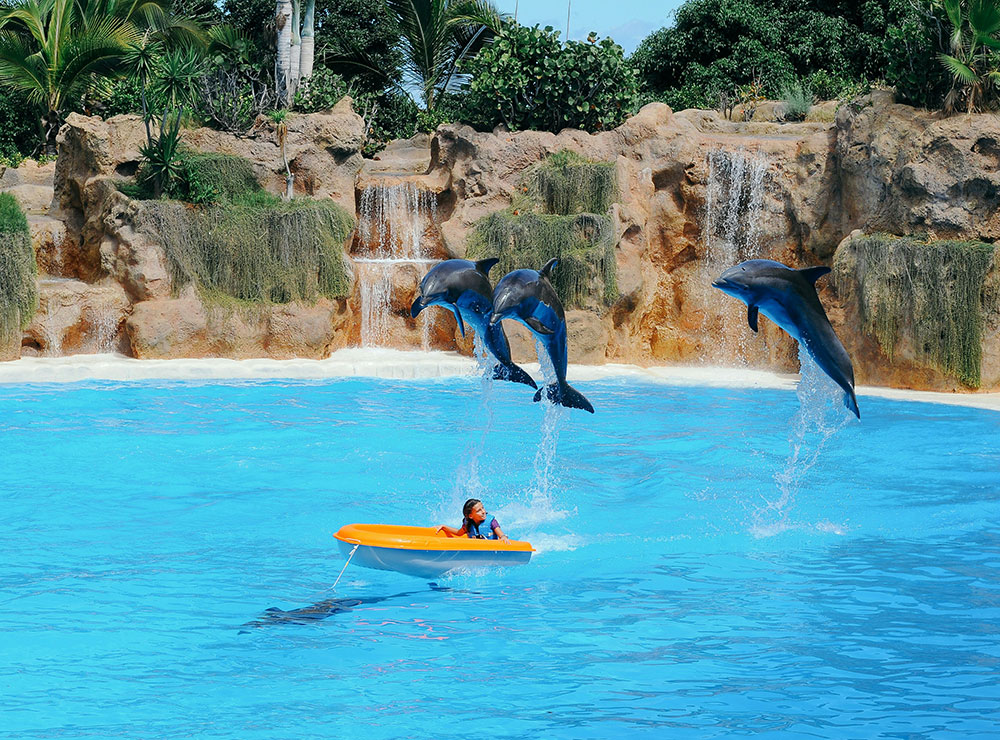
• Swimming with captive dolphins: These experiences may look playful, but dolphins are often kept in small, artificial enclosures and expected to interact with people all day. The choice isn’t really theirs, and the constant noise, crowds and handling causes profound stress.
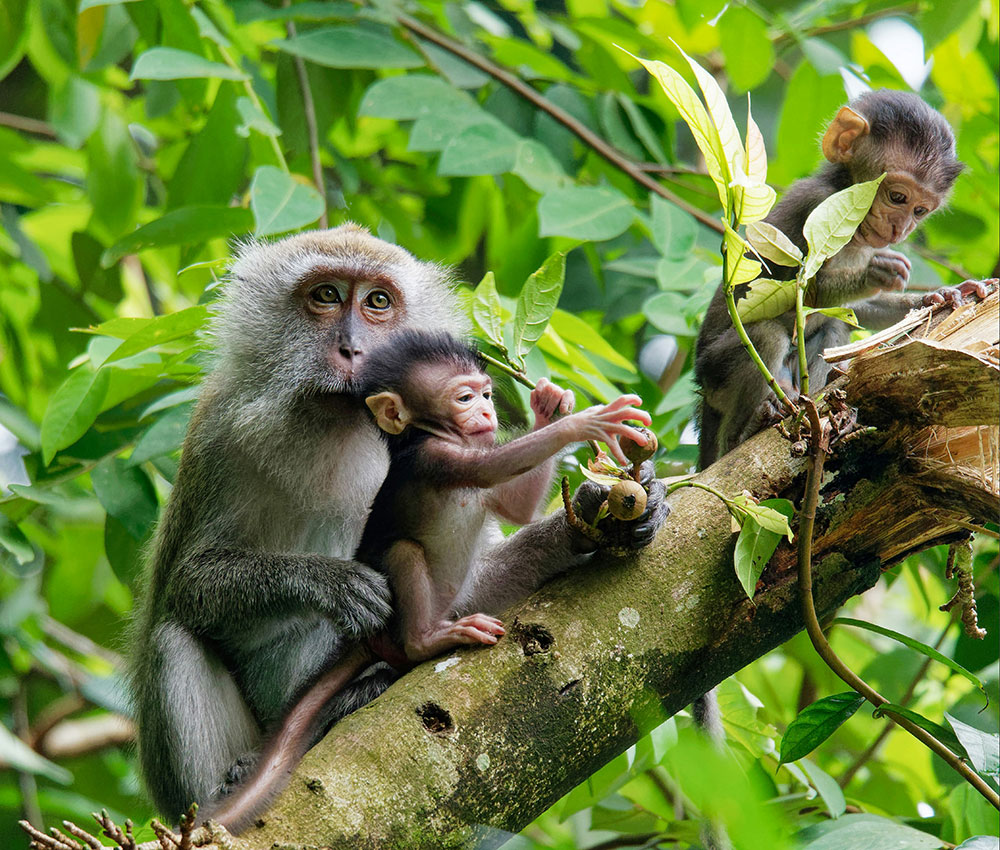
• Holding, petting or posing with wild animals: If a wild animal calmly sits on someone’s shoulder or allows endless photos (think sloths, monkeys, tiger cubs or snakes) that’s usually a red flag. It often means the animal has been restrained, heavily handled or separated from its natural environment so visitors can get the perfect shot.
• Feeding wildlife for photos or close encounters: Feeding animals to bring them closer might feel harmless, but is harmful and can quickly change how they behave. Animals can become dependent on humans, lose their natural fear or end up in dangerous situations once tourists leave.
• Attractions that guarantee sightings or interactions: In the wild, animals don’t run on a schedule. When an experience promises guaranteed encounters, it often means animals are being controlled, confined or manipulated to meet visitor expectations rather than allowed to live naturally.
What Ethical Wildlife Experiences Look Like in Practice
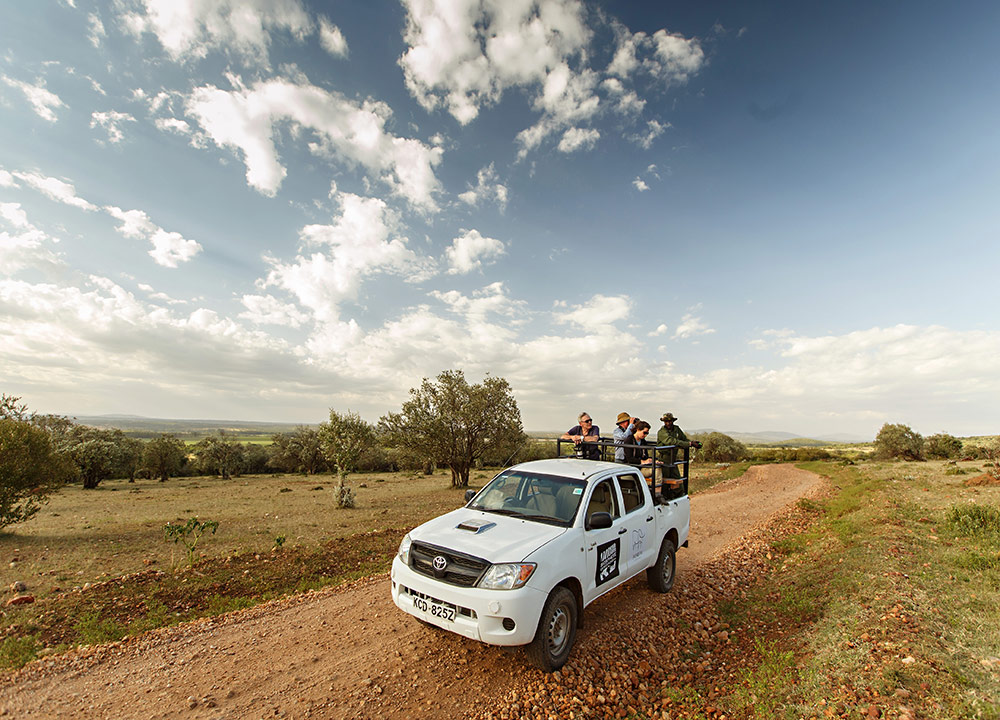
Ethical ways of seeing wildlife don’t all look the same. Some are fairly hands-off, while others invite you to actively take part in conservation work.
On the more passive end, think well-managed whale watching trips, safaris or guided nature tours. In these cases, animals are observed from a respectful distance, strict rules are followed and your presence (and most often the money you pay for the experience) supports conservation, protected areas or local communities.
More active experiences go a step further. Conservation-focused expeditions and volunteer projects allow you to contribute directly, for example by helping monitor wildlife, record sightings or collect data in the field. These projects are often built around citizen science and led by researchers, conservation organisations or local experts, with the goal of supporting long-term research rather than short-term entertainment.
What ethical experiences tend to have in common, regardless of how hands-on they are, is uncertainty. Sightings aren’t guaranteed. Plans may change and wildlife always comes first.
For example, I joined one of Biosphere’s expeditions to the Maldives to study coral reefs and whale sharks. I didn’t see any whale sharks. That’s unfortunate, of course, but I still had an incredible time diving beautiful coral reefs and helping them collect important data.
How to Tell If a Wildlife Experience Is Truly Ethical
Before booking any wildlife-related experience, it helps to ask a few critical questions.
Ethical projects are usually transparent about their goals and limitations. They explain what data are collected, who uses them, and how they contribute to conservation. They don’t promise close encounters or guaranteed sightings and they clearly outline rules around behaviour and distance.
Another strong indicator is leadership. Ethical wildlife tourism is typically guided by scientists, conservation professionals or established NGOs, rather than tour guides trained primarily in hospitality.
It also helps to read beyond the marketing. Reviews, blog posts and first-hand accounts can reveal whether an experience matches its ethical claims. Look for mentions of learning, research, rules around wildlife interaction and realistic expectations, not just amazing photos or guaranteed encounters.
Finally, pay attention to the language used to promote the experience. Projects that focus heavily on emotions, selfies or “once-in-a-lifetime” thrills should raise questions. Ethical wildlife tourism is less about spectacle and more about understanding, patience, and respect.
You can also look at Biosphere Expeditions’ “Top 10 Tips to Beat the Volunteer Charlatans”, which, as the name indicates, lists more red flags and things to be aware of.
My Perspective After Years of Wildlife Conservation Travel

Over the years, I’ve experienced wildlife in many different ways. From classic activities such as whale watching and safaris, to joining hands-on conservation projects. And one thing I’ve learned quickly is that ethical wildlife experiences don’t always look like the glossy images we see online.
I’ve been scuba diving in places where manta rays are regularly spotted and I never saw any. I’ve been out on the ocean hoping for whales, only to return hours later with nothing but sunburn and salty hair. At the time, that felt a bit disappointing. Now, I see it as part of the deal. Wildlife doesn’t perform on cue and that’s exactly how it should be.
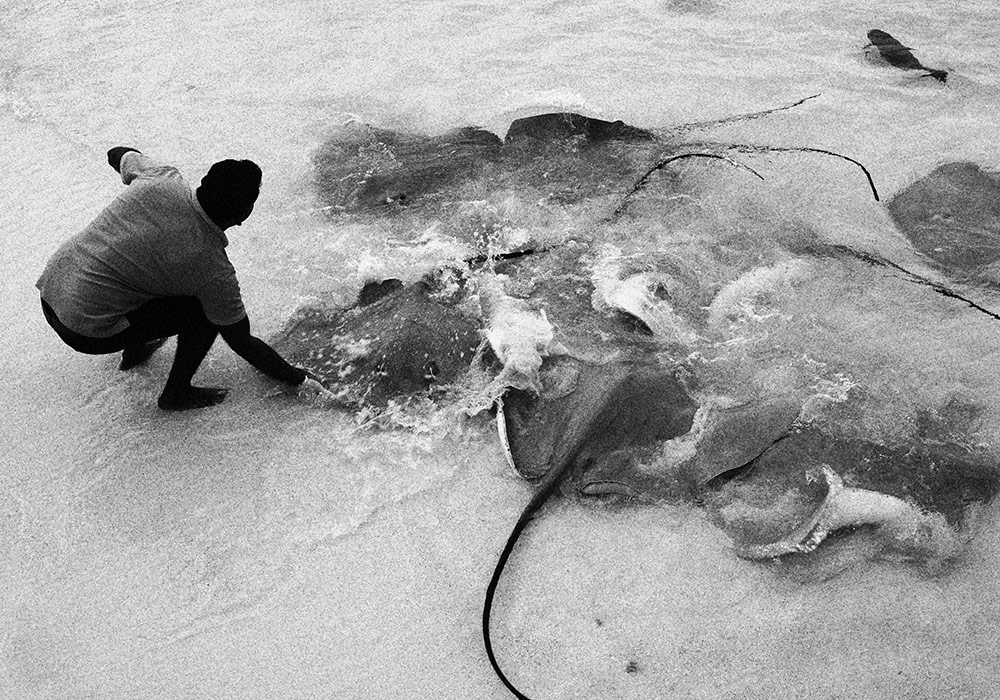
I’ve also seen the other side. I’ve watched stingrays being fed at a resort to keep them close to tourists, which changes their natural behaviour and makes them dependent on humans. And while volunteering in Mauritius, I heard tourists proudly announcing they touched a wild dolphin; something that may look harmless, but can cause stress, disrupt social behaviour and even affect their health.
Experiences like these slowly changed how I travel. It’s what led me towards conservation-focused trips, including several expeditions with Biosphere Expeditions, where wildlife comes first and humans adapt to the conditions, not the other way around.
Those expeditions aren’t glamorous. Some days are physically demanding. Other days involve long hours of observation with very little happening. But over time, those small moments add up. Data become meaningful. Patterns emerge. It is in this way that volunteer-collected data can support large-scale conservation projects. And you begin to understand how fragile ecosystems really are – and how careful we need to be around them.
For me, that shift, from wanting the perfect sighting to wanting to support long-term protection, changed how I think about wildlife travel. Ethical wildlife tourism isn’t about what you get to see. It’s about what you’re willing to respect, accept and sometimes miss out on, for the sake of the animals themselves.
Why Ethical Wildlife Tourism Matters More Than Ever
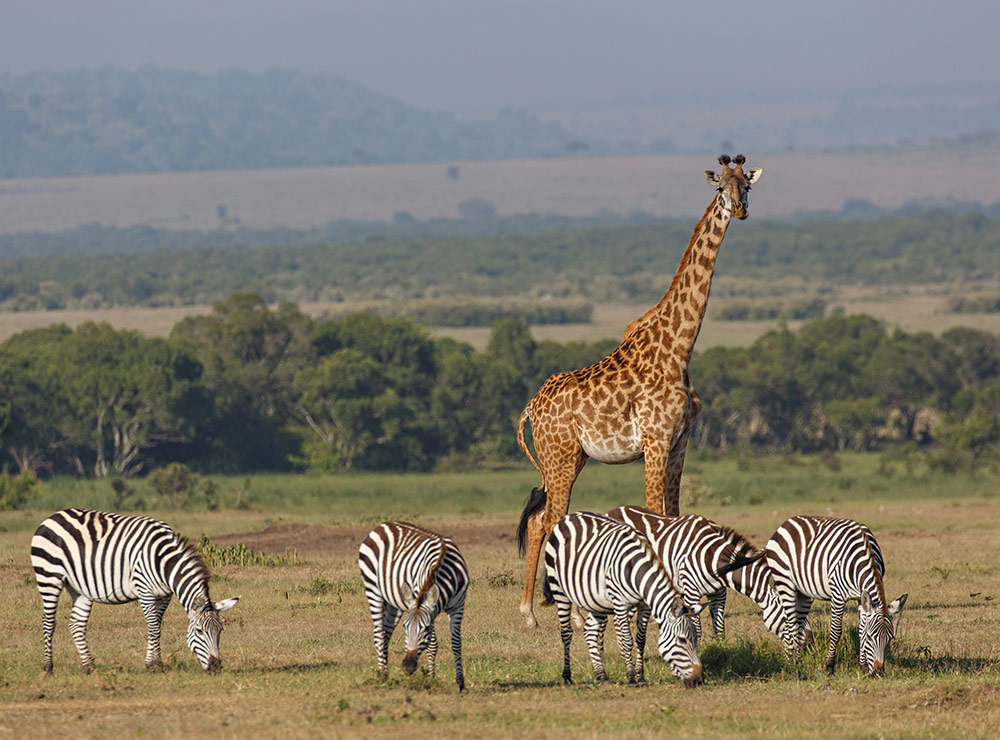
Biodiversity loss, climate change, and over-tourism are putting unprecedented pressure on ecosystems worldwide. At the same time, greenwashing has made it hard for travellers to distinguish genuine conservation from clever branding.
But, by asking the right questions, valuing long-term impact over instant thrills, and respecting limits, we can push the industry in the right direction.
When done properly, wildlife tourism can do more than create memories: it can fund research, protect habitats, teach people about nature and turn travellers into conservation advocates long after they return home.
How to Get Started With Ethical Wildlife Tourism
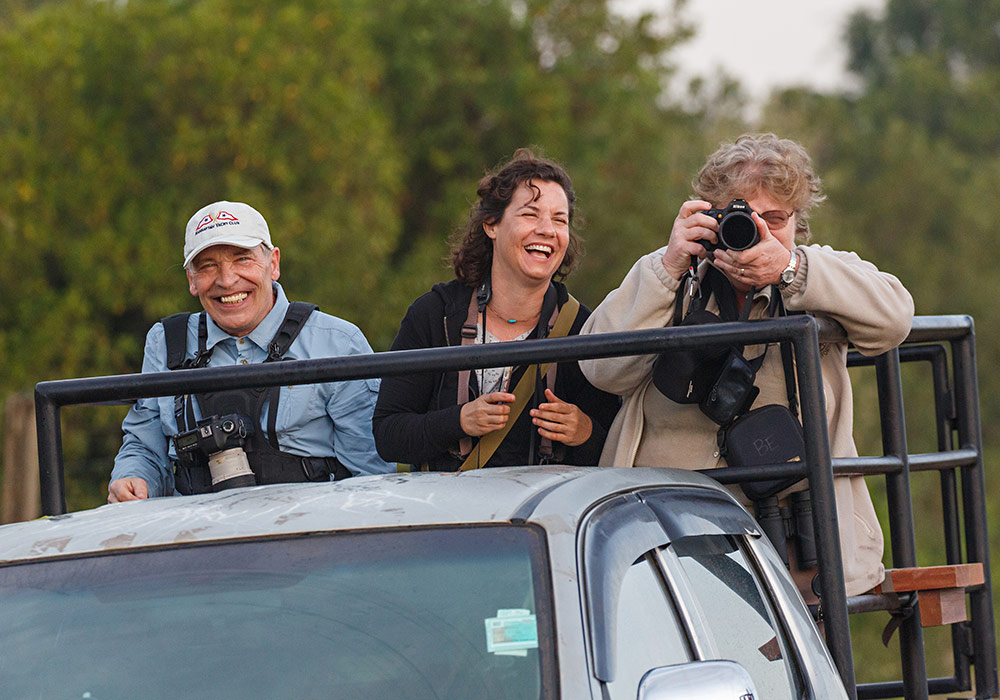
Start by learning. Understand the species and ecosystems you want to see and think about how your visit might affect them.
Compare projects not by price or promises, but by transparency, purpose and real conservation impact.
And if you’re looking for a meaningful wildlife volunteer project, then joining a non-profit organisation such as Biosphere Expeditions is definitely something I would recommend.
Author: Sanne Wesselman

Sanne is a long-term traveller and has joined multiple wildlife conservation projects around the world. She runs Spend Life Traveling, a travel blog dedicated to helping people move abroad, travel more meaningfully, and find practical advice based on real-life experience. She has worked remotely since 2008, collaborated with organisations around the globe, and is passionate about connecting travellers with ethical, impactful ways to explore the world.
 Biosphere Expeditions: blogs from the frontline of wildlife conservation and the fight for a more sustainable planet