

Media release – 27 January 2026
(Version in German)

The 2025 wolf conservation expedition run by Biosphere Expeditions has again made a major contribution to Germany’s official wolf monitoring programme. The annual citizen expeditions, which have been running since 2017, continue to collect data that in some years accounted for up to half of all annual wolf scat samples in the state of Lower Saxony.
From 5–18 July 2025, nineteen citizen scientists surveyed multiple wolf territories, covering more than 650 kilometres in ten survey days.
Wolf monitoring vs. wolf hunting
“The current controversial plans to hunt wolves make this monitoring especially important”, says Peter Schütte of Herdenschutz Niedersachsen, the project’s instigator. “Numerous international experiences and studies show hunting is not a substitute for livestock protection”.
Working strictly to the state’s official monitoring protocol, teams collected 79 wolf scat samples, including 13 suitable for DNA analysis. All samples will also be analysed for prey remains.
Citizen scientists produce quality data
Expedition scientist Charlotte Steinberg said the material collected this season was particularly valuable: “The quality of the samples is very high, and both the genetic and dietary data will feed directly into the state monitoring programme”.
Dietary analysis from multiple expedition years consistently shows that wild ungulates form the main part of wolf diet, while livestock remains are negligible — an important finding for evidence-based conservation and human–wildlife conflict discussions.
Major impact on research and data collection since 2017
Since the project began in 2017, the Biosphere Expeditions teams have added over 1,000 verified entries to the state wolf monitoring database, helping identify individual wolves and providing new insights into pack development and distribution. The full technical expedition report for 2025 is expected during the first half of 2026 and will summarise all findings and analyse results. This report will then sit alongside all other annual reports and peer-reviewed scientific publications
Data vs. emotions in the hunting debate
Dr Matthias Hammer, founder and executive director of Biosphere Expeditions, concludes:
“When the Germany wolf project began in 2017, there was understandable uncertainty about what role well-trained volunteers could play in formal monitoring. Over time, as data quality and collaboration with official partners have grown, the project has become a trusted part of wolf monitoring in Lower Saxony. It now sits alongside our many other achievements in conservation worldwide and is a strong example of how citizen science can enhance evidence-based conservation. This is especially important now that the German government has backed legislation to lower the conservation status of wolves and make them hunting targets again”.
ENDS
NOTES TO EDITORS
Media contact: Dr. Matthias Hammer, m.hammer@biosphere-expeditions.org
The next Germany Wolves citizen science expeditions run from 4–10 July 2026 and 11–17 July 2026. Further information on the Biosphere Expeditions website.
Biosphere Expeditions is a wildlife conservation non-profit first and foremost, driven by science and citizen scientist. Our planet is in crisis, with nature under attack like never before. We believe everyone has the power to change this. We are mindful of nature and empower people through citizen science and hands-on wildlife conservation. We are a non-profit, visionary, award-winning and ethical conservation organisation. We are a member of the IUCN, the UN’s Environment Programme and the European Citizen Science Association. Working hand-in-hand with local biologists and communities since 1999, we champion change and protect nature. And we succeed – the creation of protected areas on four continents is just one example of our many achievements.
Citizen science is defined as “public participation in scientific research”. It is an important vehicle for democratising science and promoting the goal of universal and equitable access to scientific data and information. In addition, data generated by citizen science groups have become an increasingly important source for scientists, applied users and those pursuing the 2030 Agenda for Sustainable Development. In nature conservation in particular, international citizen science has become increasingly important as a duel stream of data and funding.
RESOURCES
Online press pack with image library, press releases & news, press trip information, etc.
Full list of forthcoming expeditions (press trip offers available 4-8 weeks in advance).
Annual Biosphere Expeditions Magazines with stories from the field, achievements, etc.
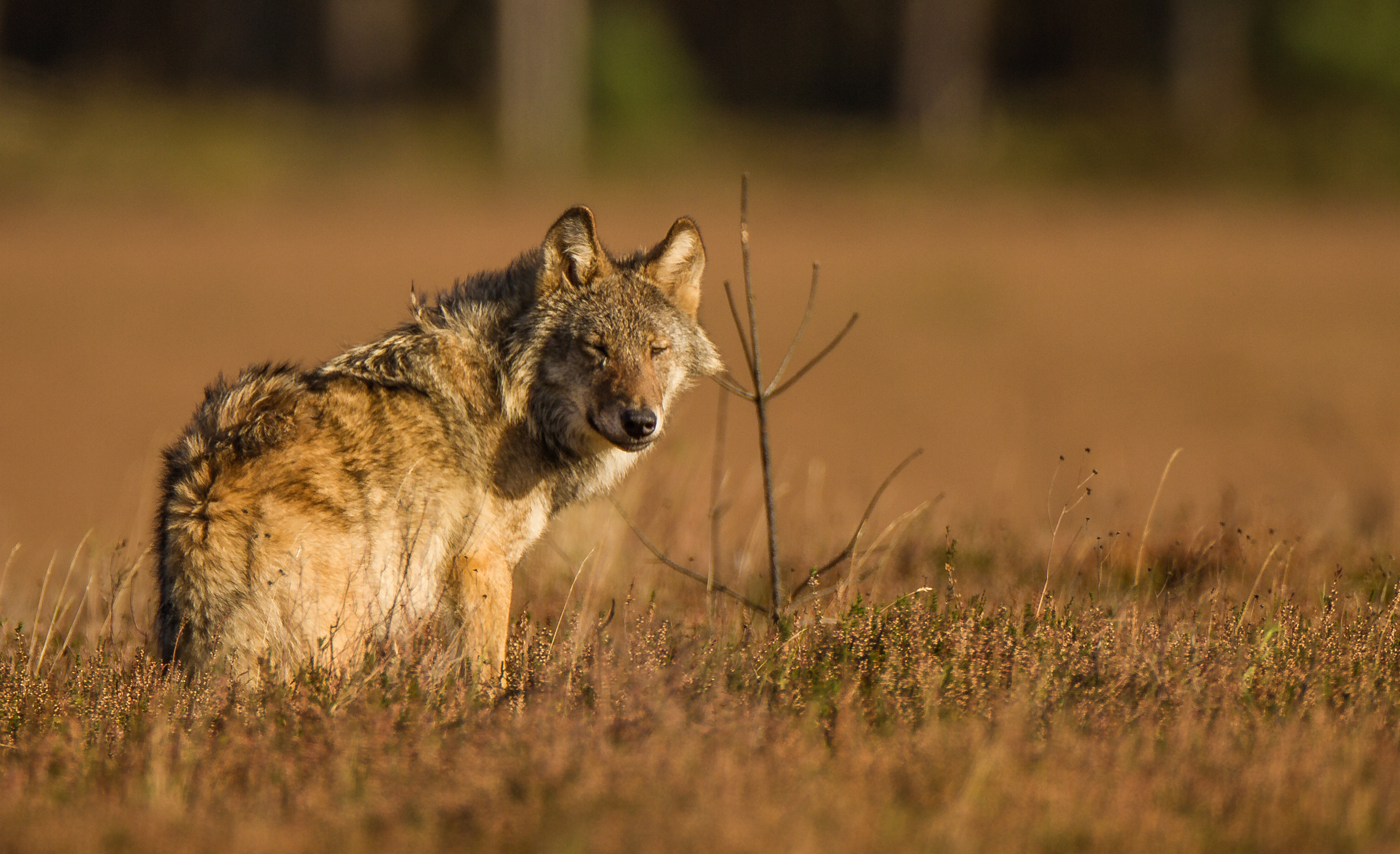
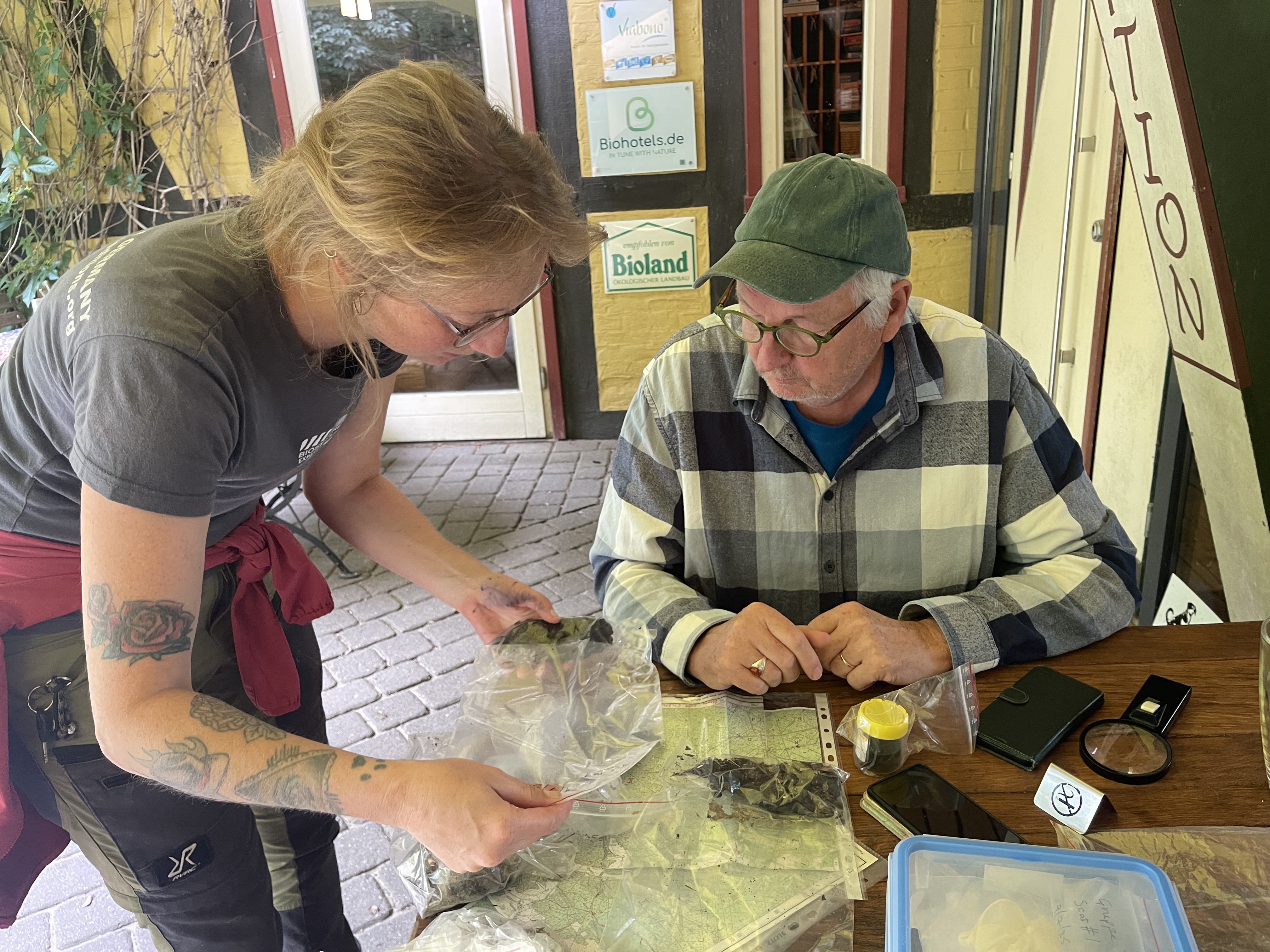
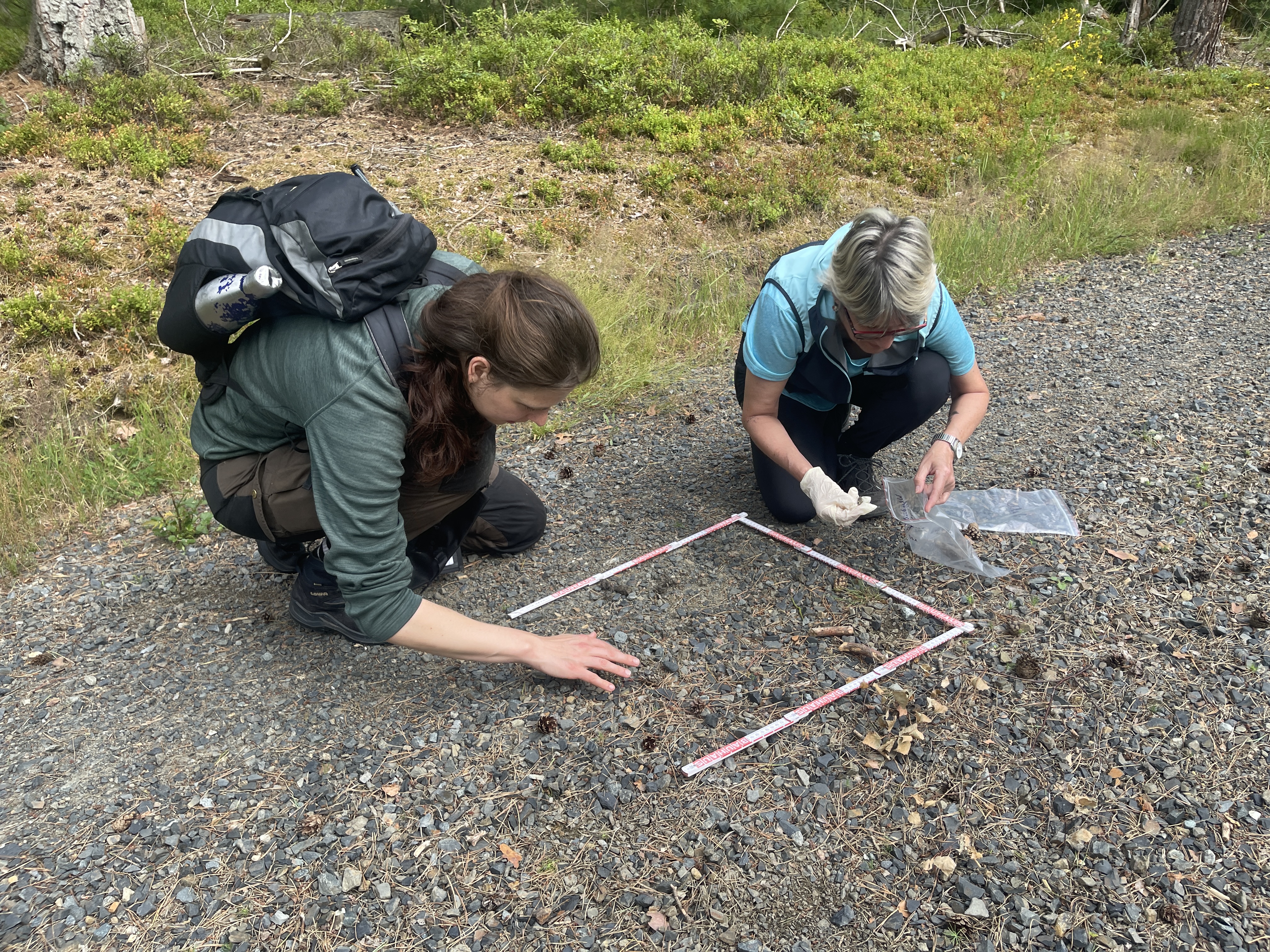
These and other expedition pictures in HD. Captions on request.
 Biosphere Expeditions: blogs from the frontline of wildlife conservation and the fight for a more sustainable planet
One Reply to “”