
Biosphere Expeditions has completed another successful Africa volunteer expedition in Malawi, gathering long-term research data on biodiversity in one of the country’s least-studied wildlife reserves.
Conservation expedition to Vwaza Marsh Wildlife Reserve
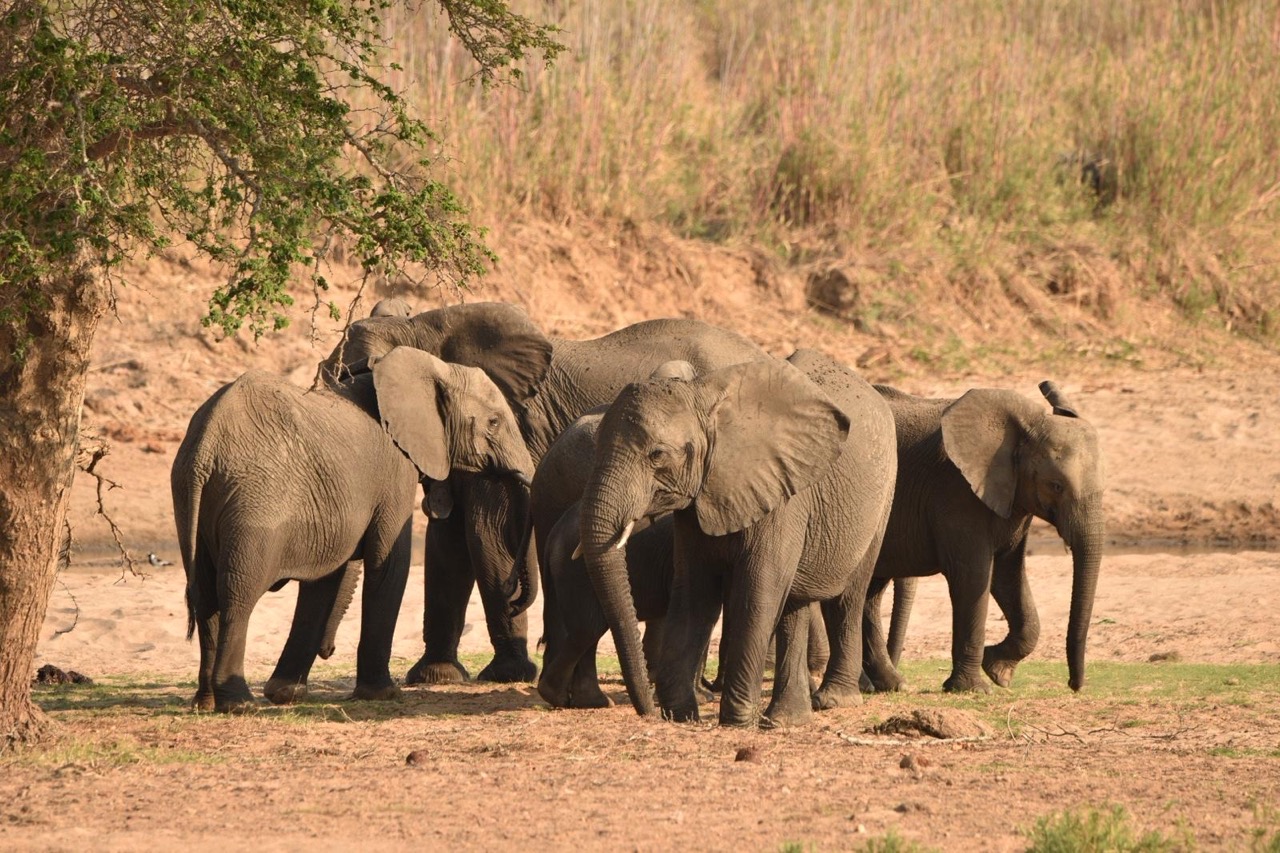
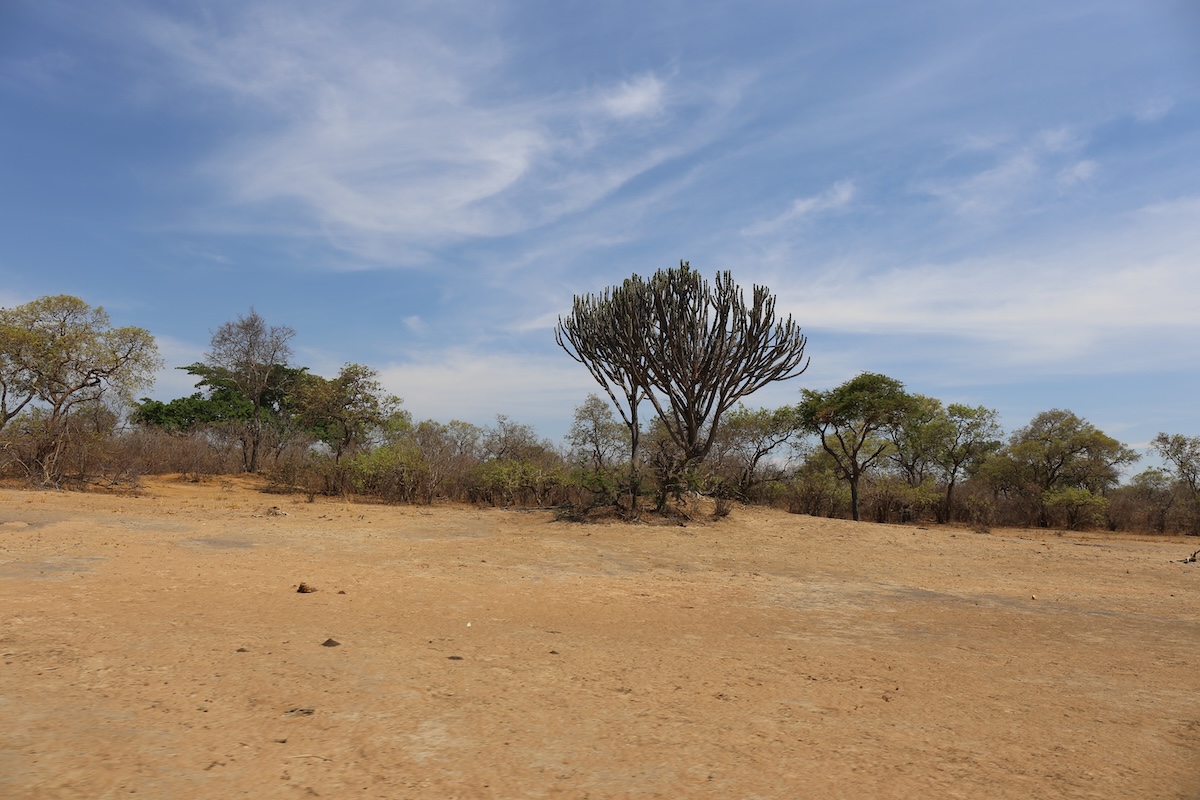
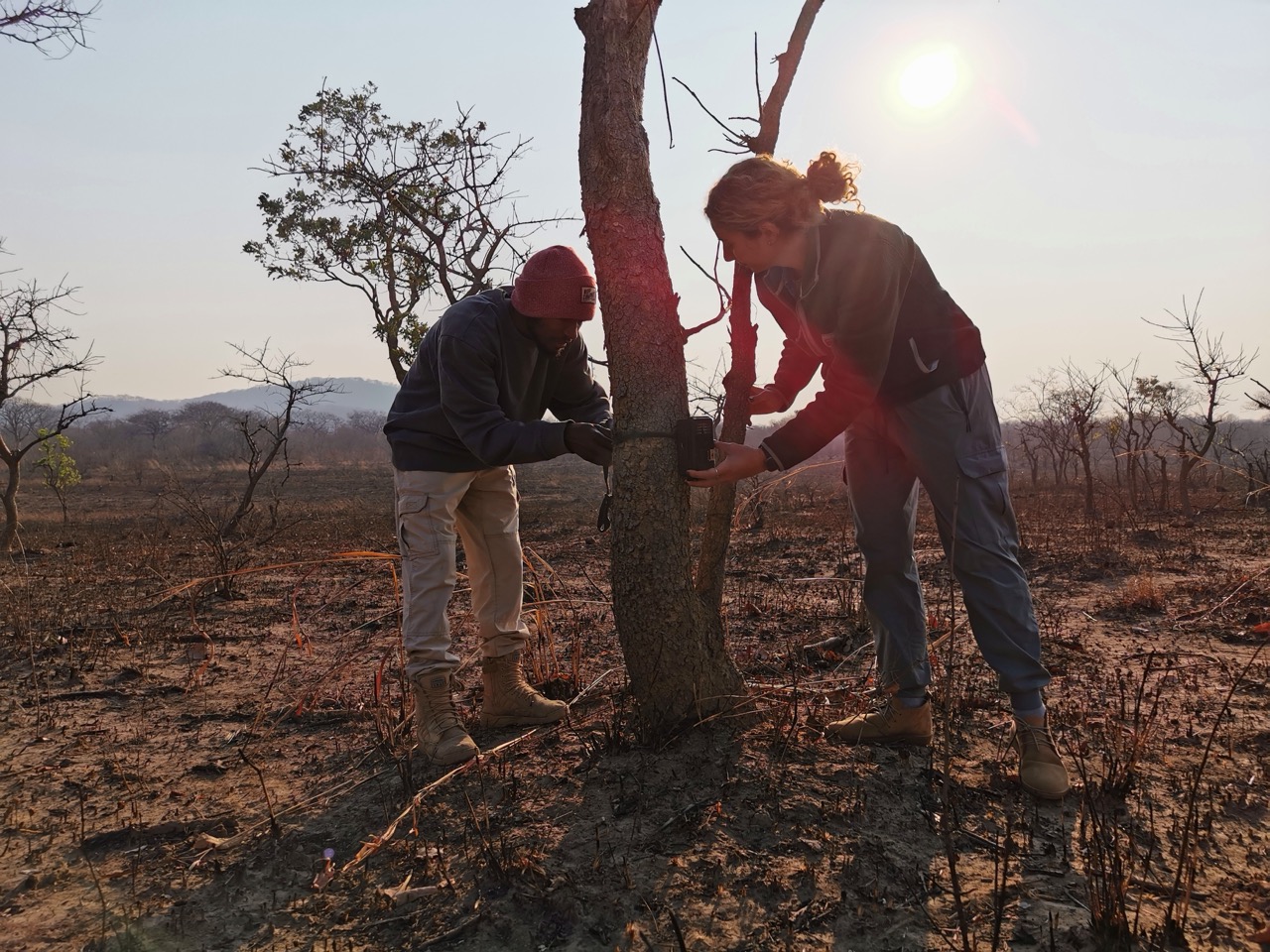
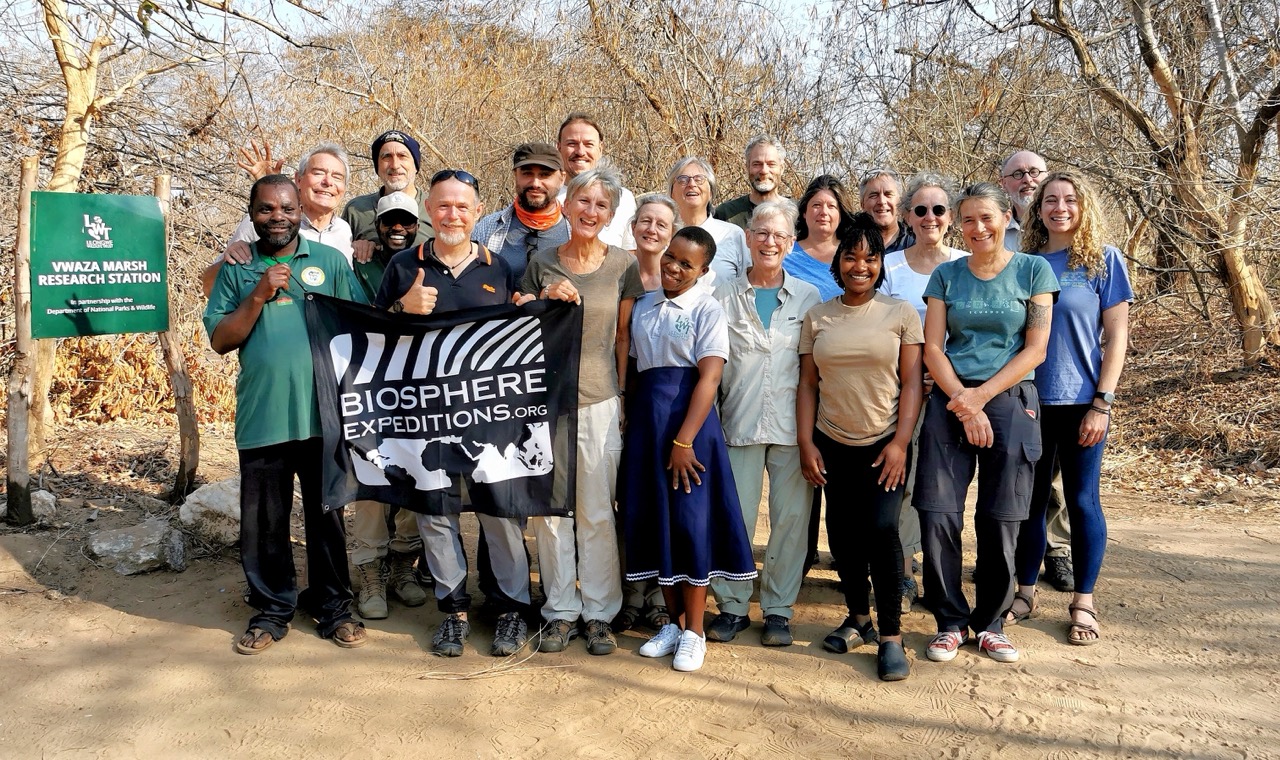
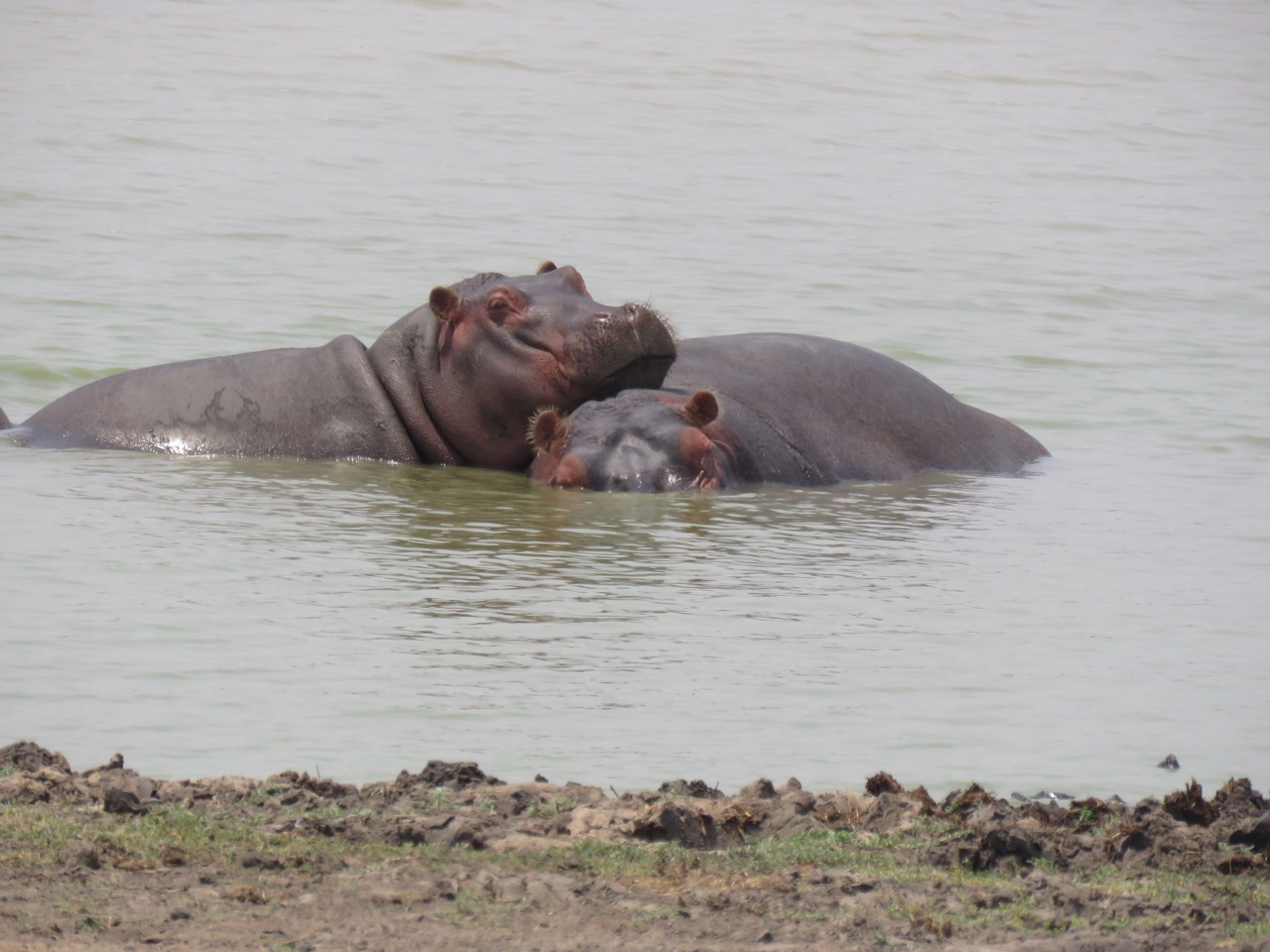
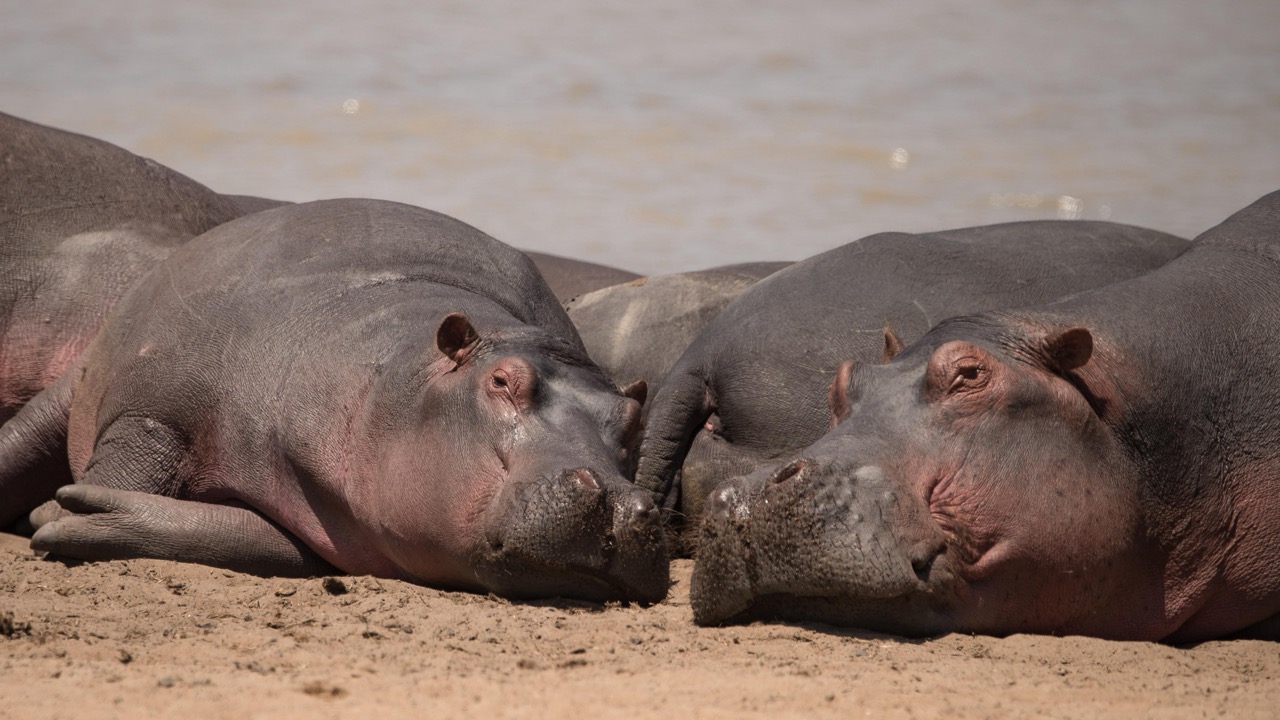
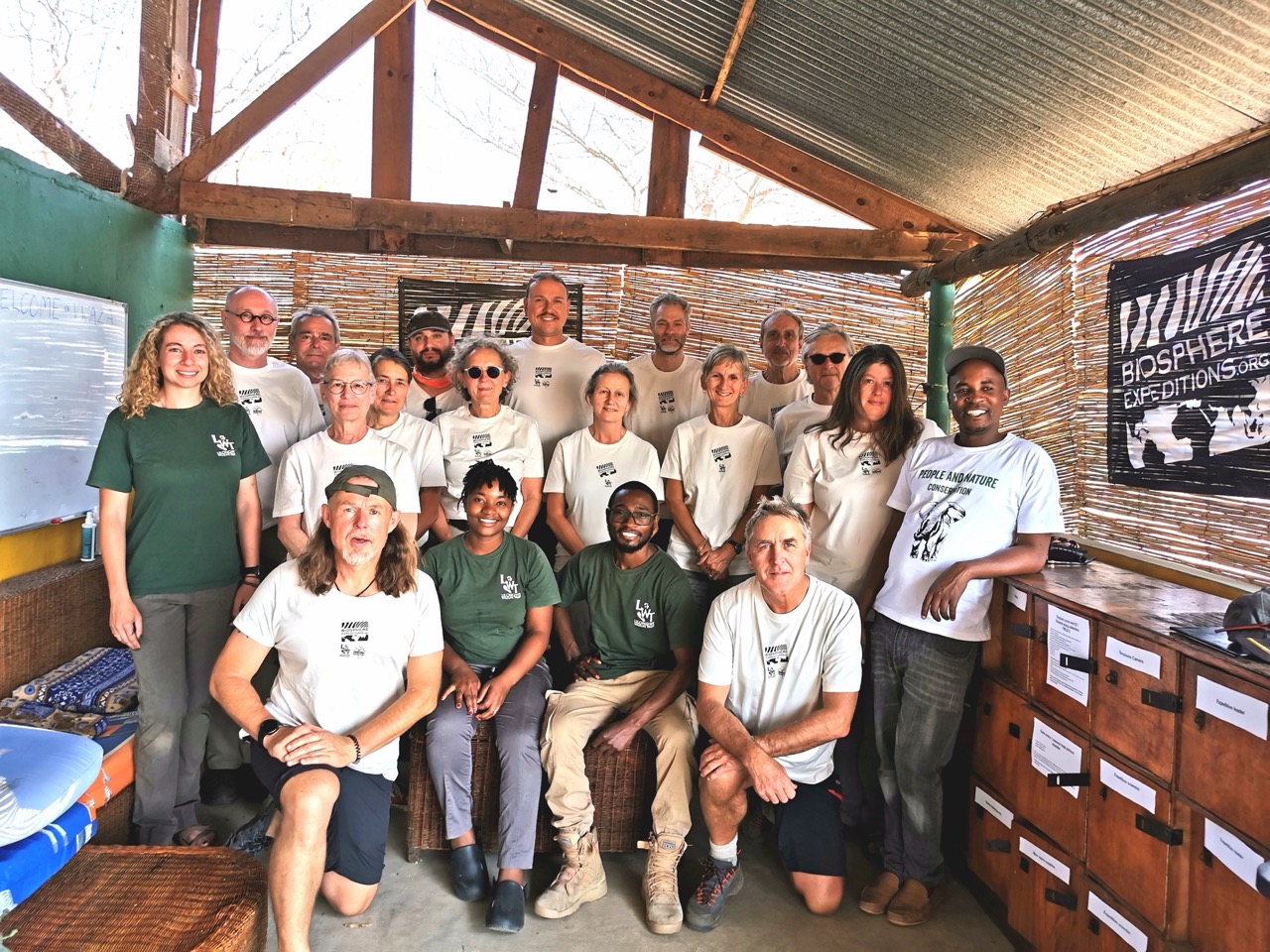
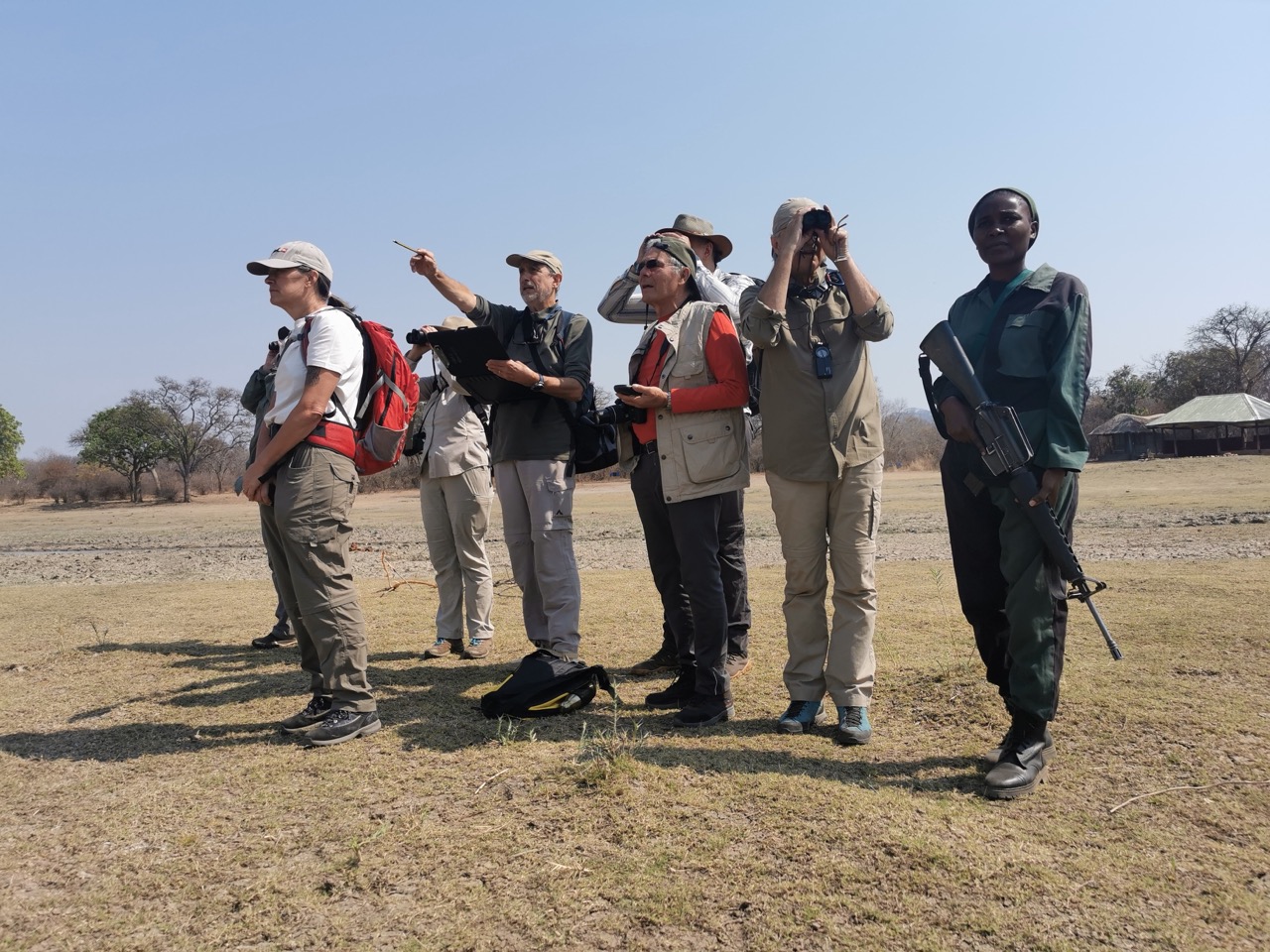
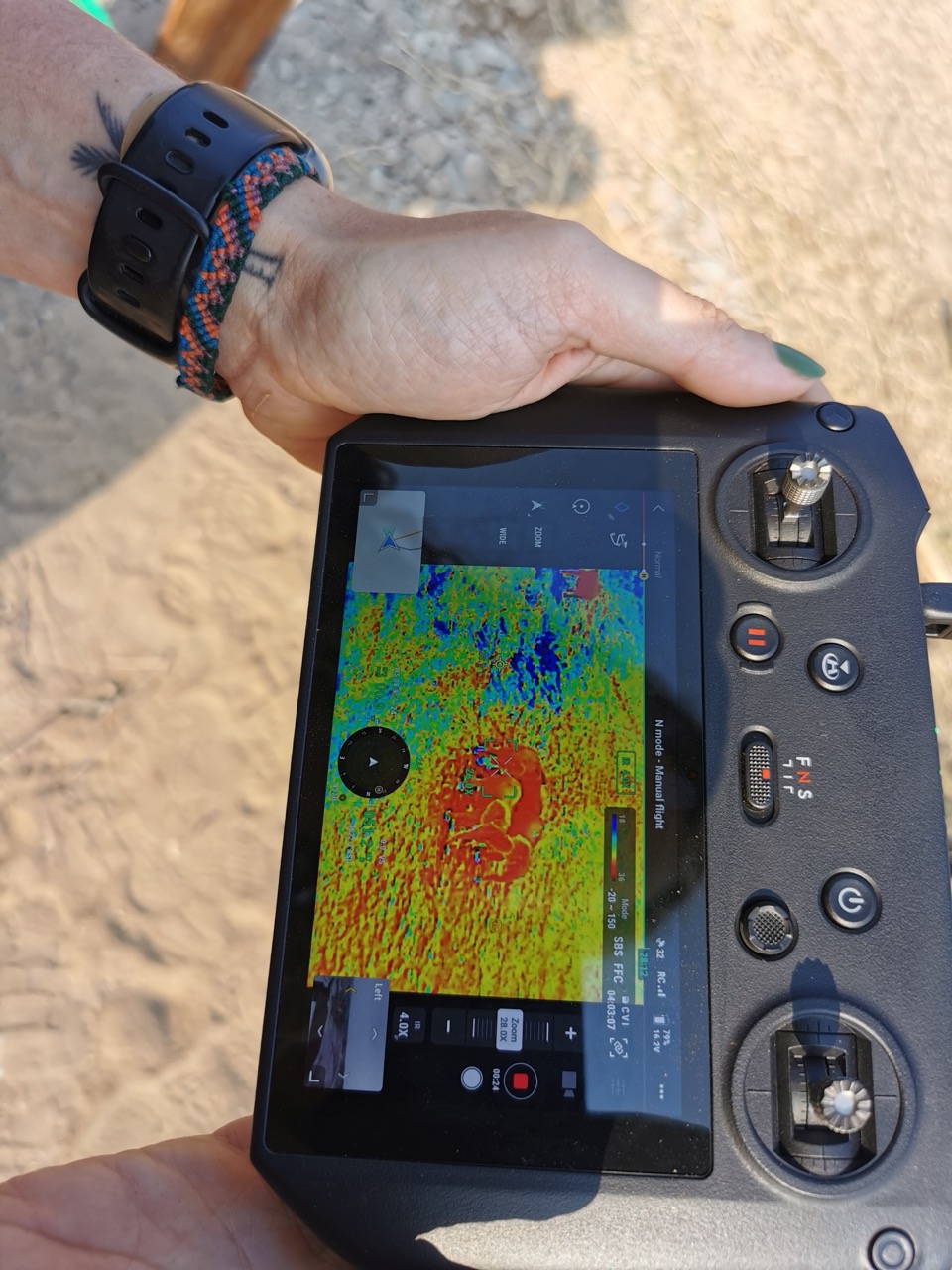
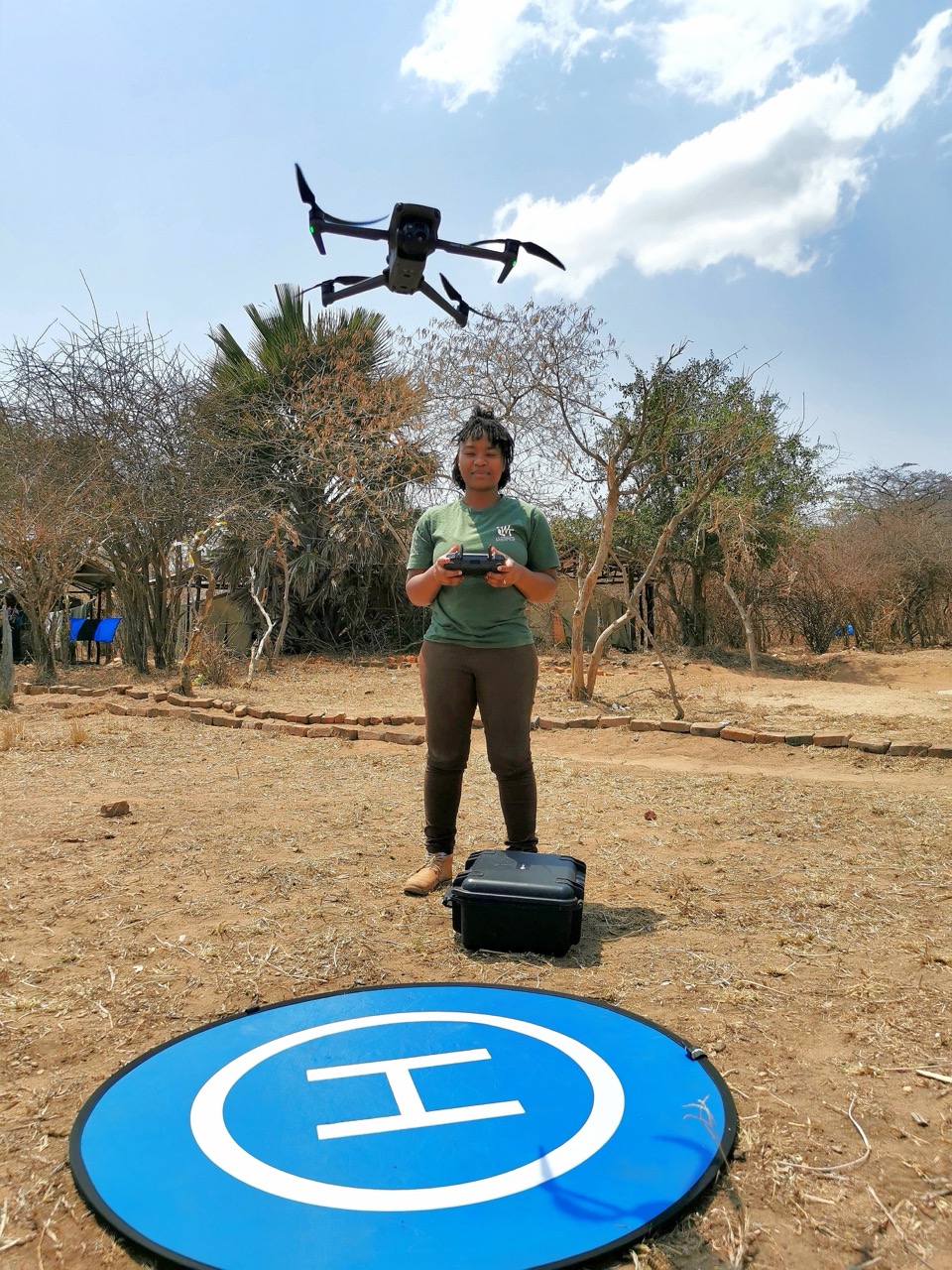
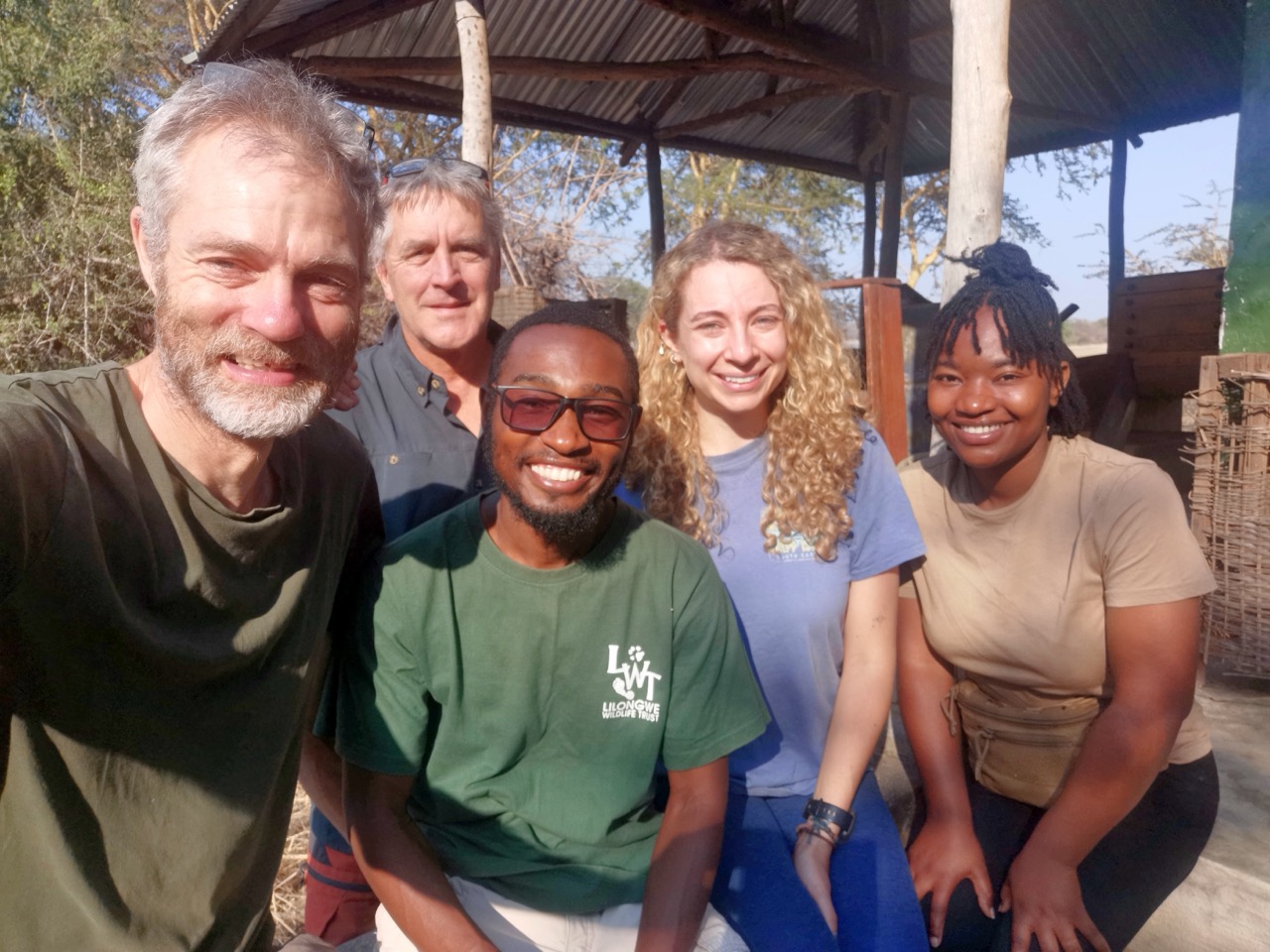
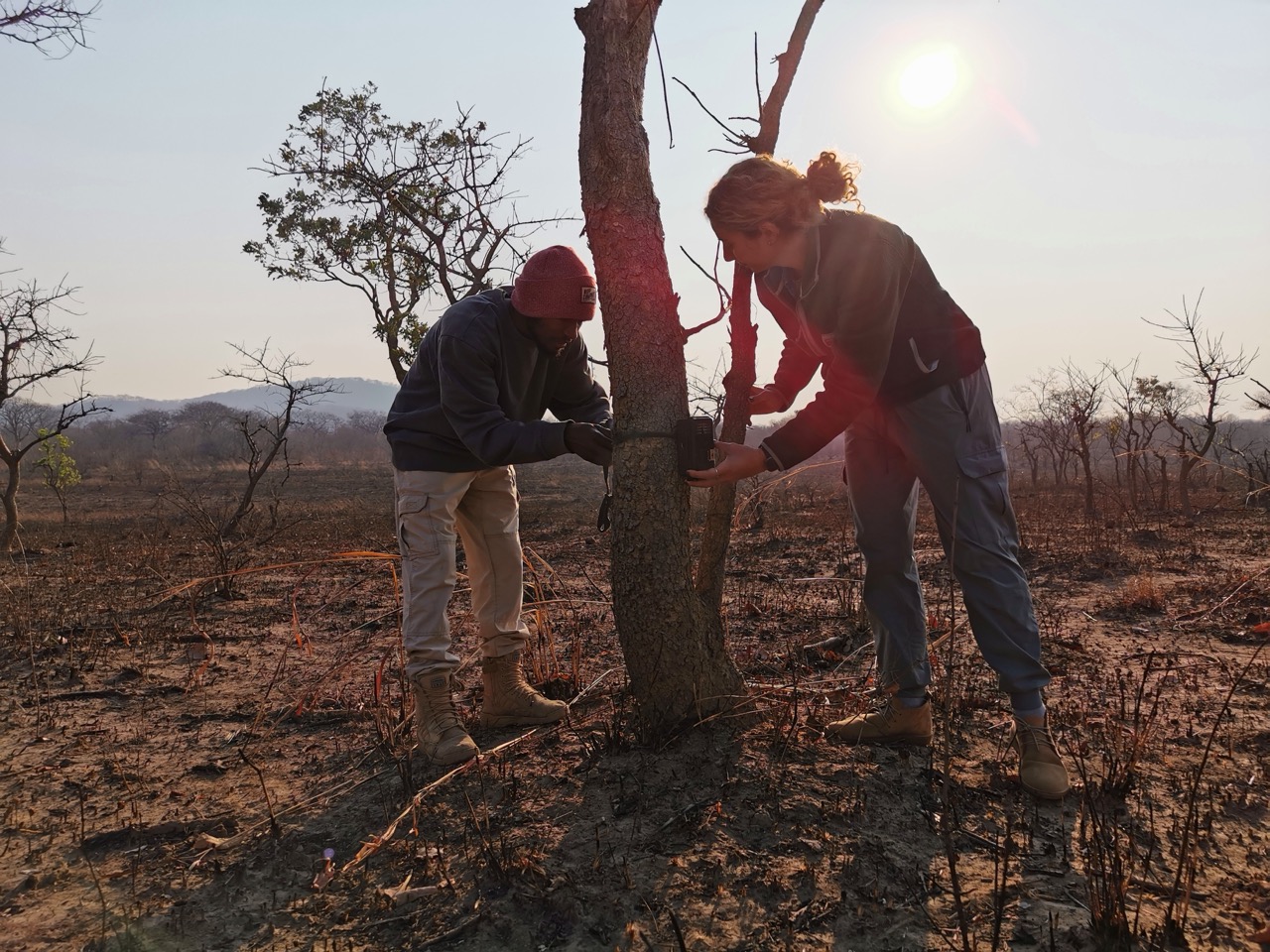
Working closely with Malawi’s Lilongwe Wildlife Trust (LWT), the volunteer expedition team spent two weeks at Vwaza Marsh Wildlife Reserve, researching the populations of elephants and hippos around Lake Kazuni, along with surveys of other mammals and birds, using camera traps and direct observation.
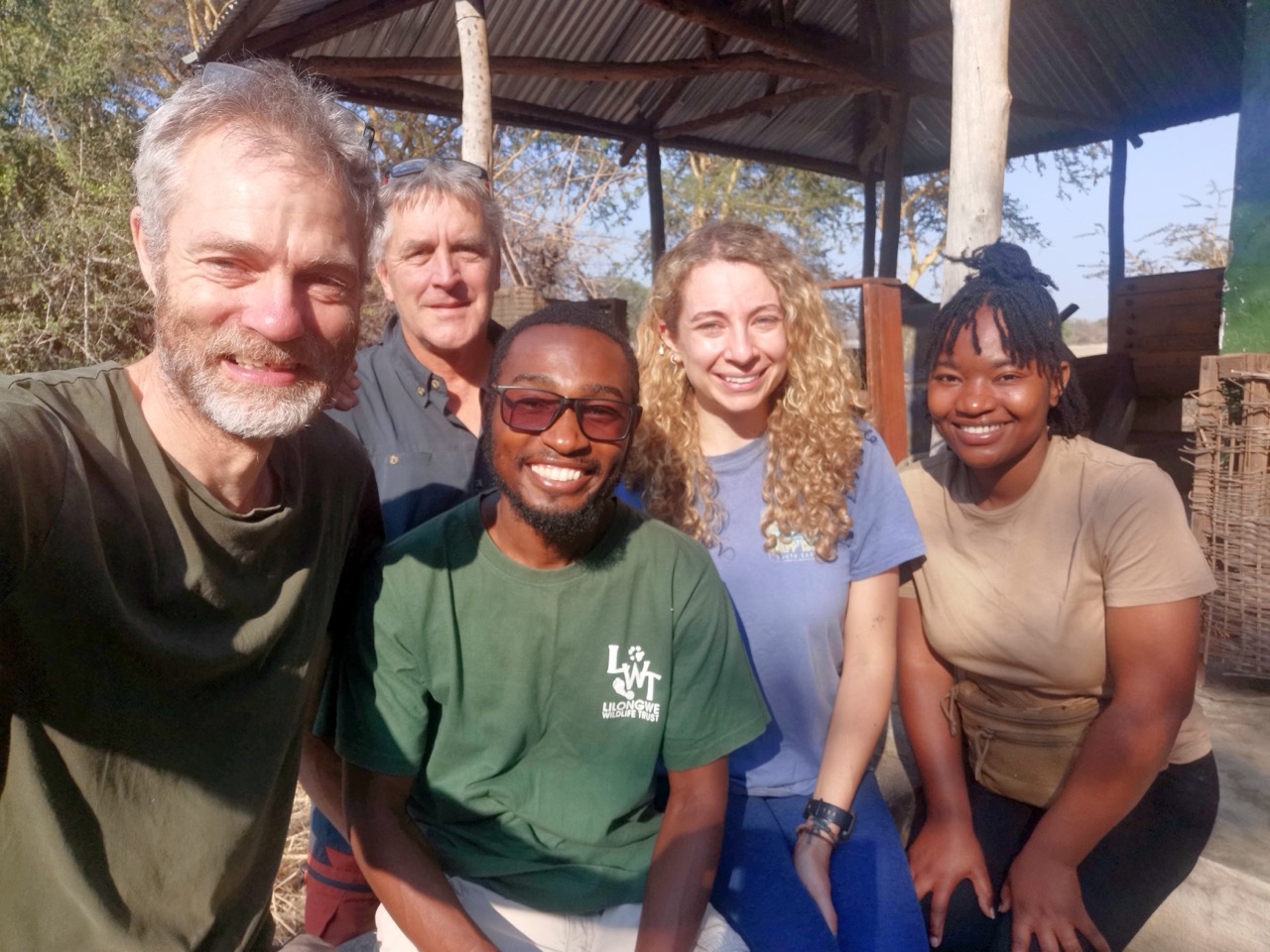
The Malawi citizen science expedition was led by Biosphere Expeditions’ Roland Arnison, who has led this project three times previously. The expedition scientist was Dr Leandra Stracquadanio, Head of Research at LWT, who has also worked on this expedition before.
Expedition discoveries: A lion, a leopard, serval and spotted hyaena
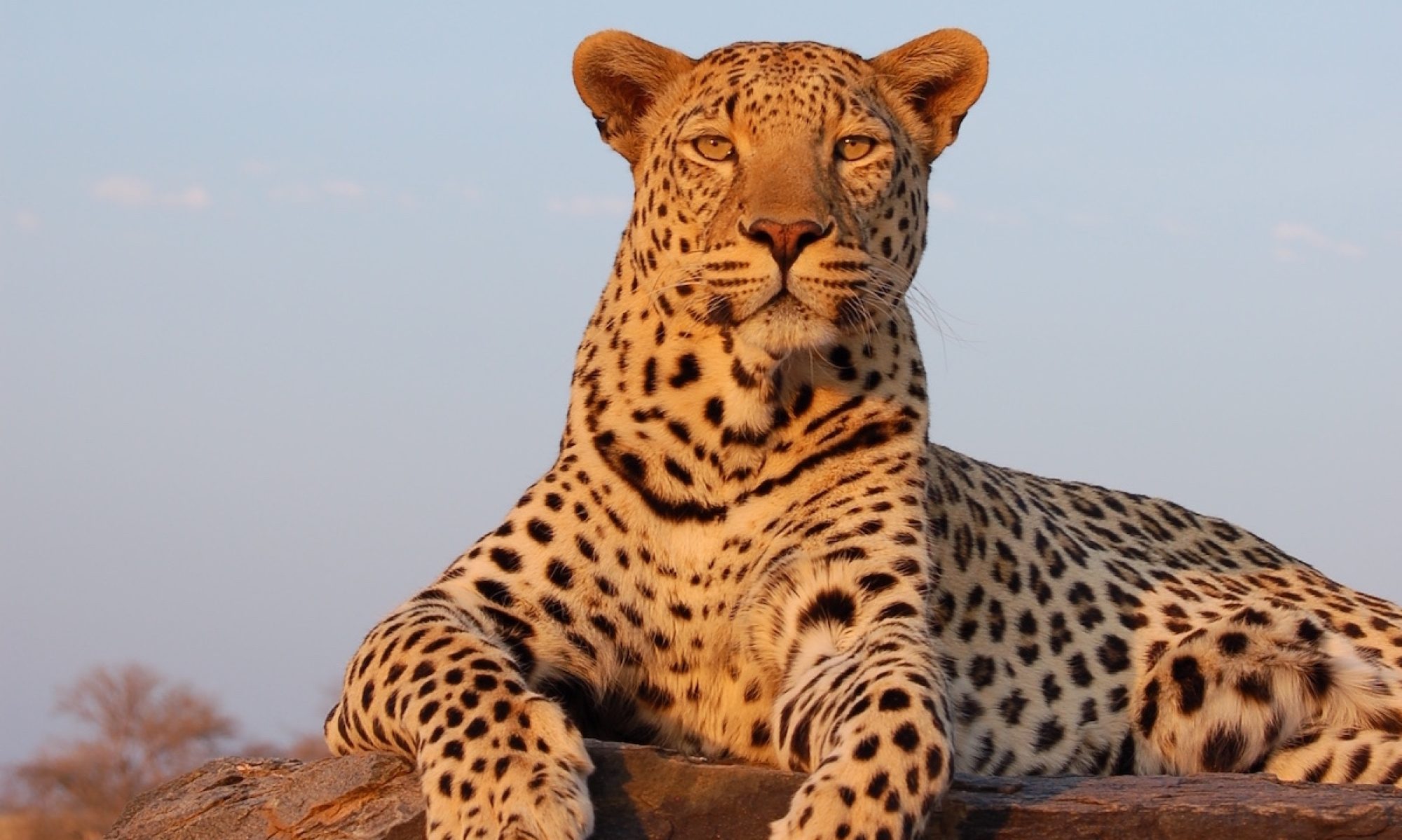
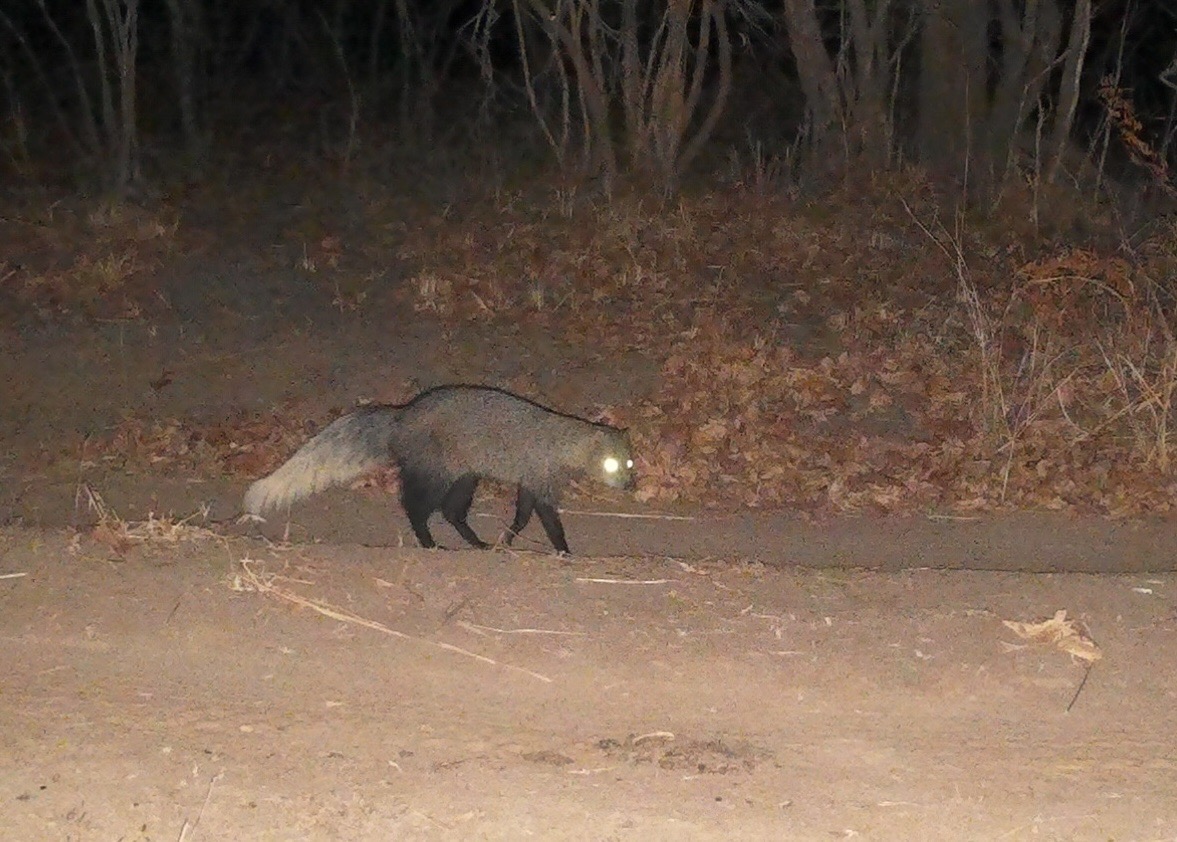
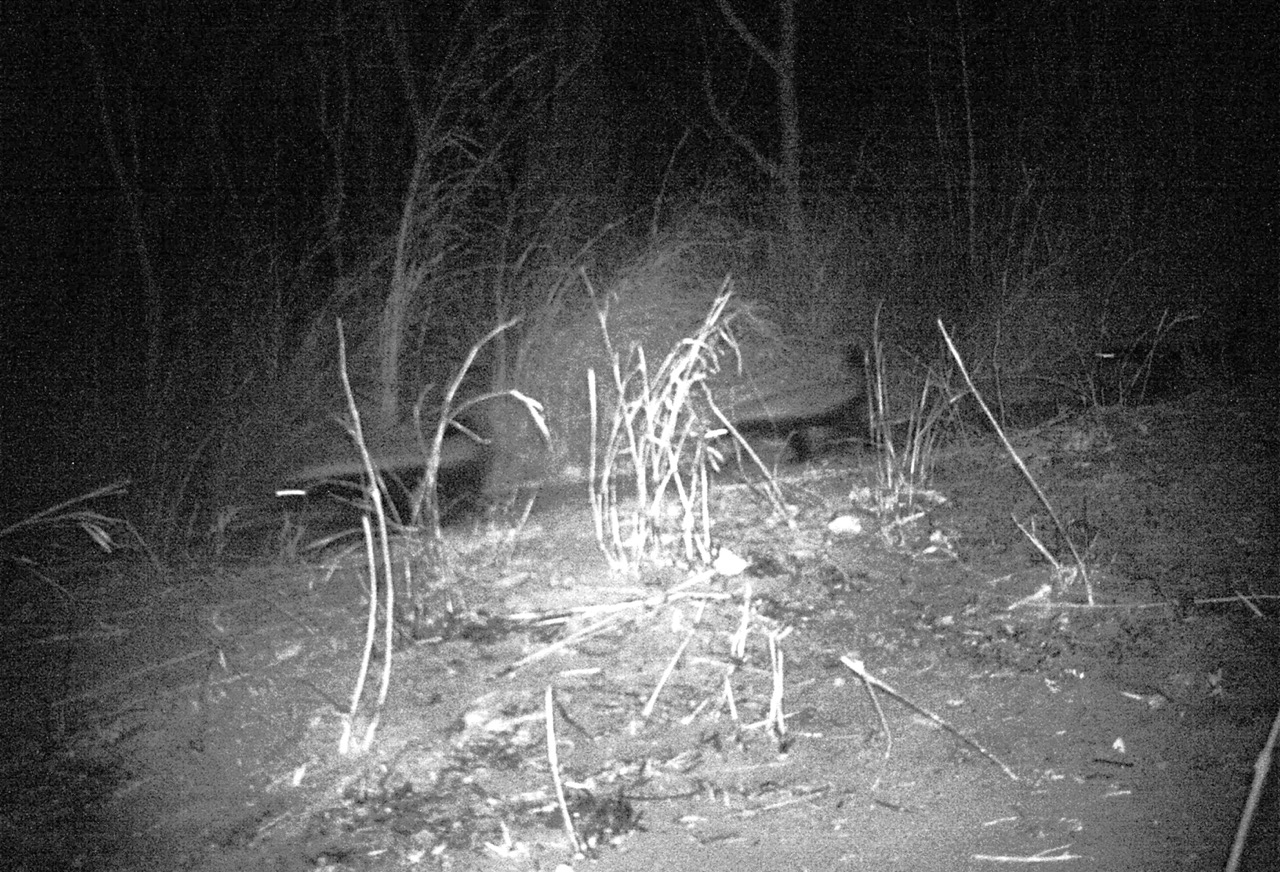
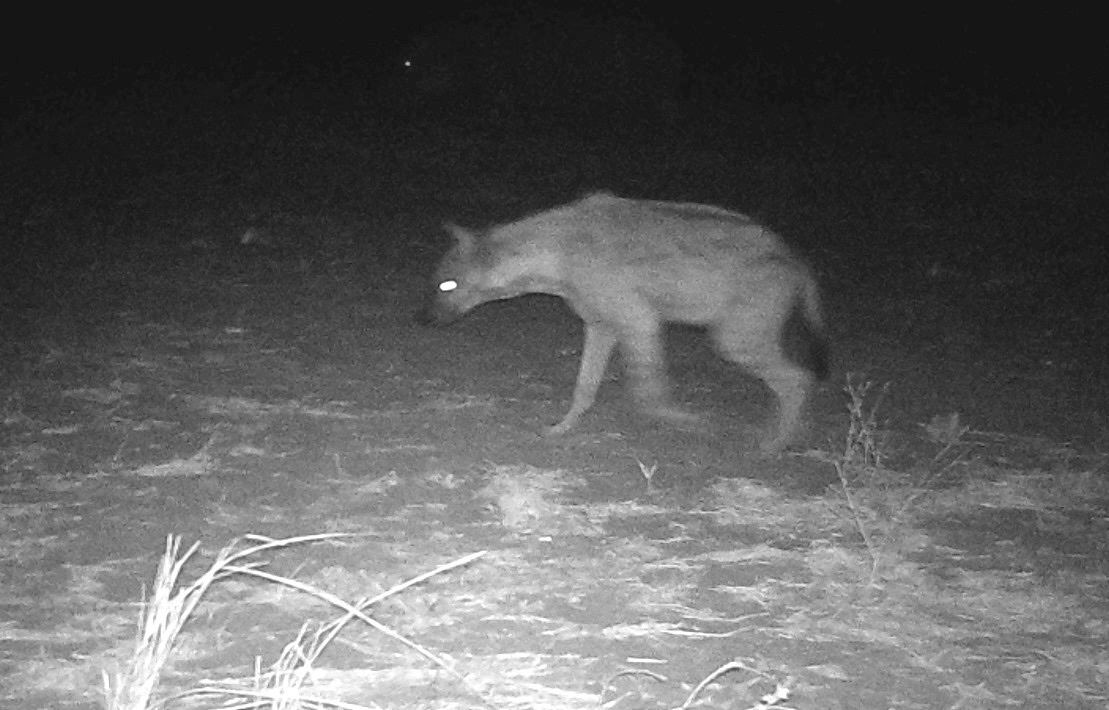
Highlights of the research findings in 2025 included evidence, from a fresh footprint, of a lion visiting Vwaza – a rare animal in the reserve – as well as camera trap images of a serval, a spotted hyaena and a leopard. Evidence of each of these mammals is significant in Vwaza. It is also a reminder of how citizen science can result in important discoveries, such as the first record of wild dog in Vwaza, made during the 2022 expedition and announced in a scientific paper in 2023.
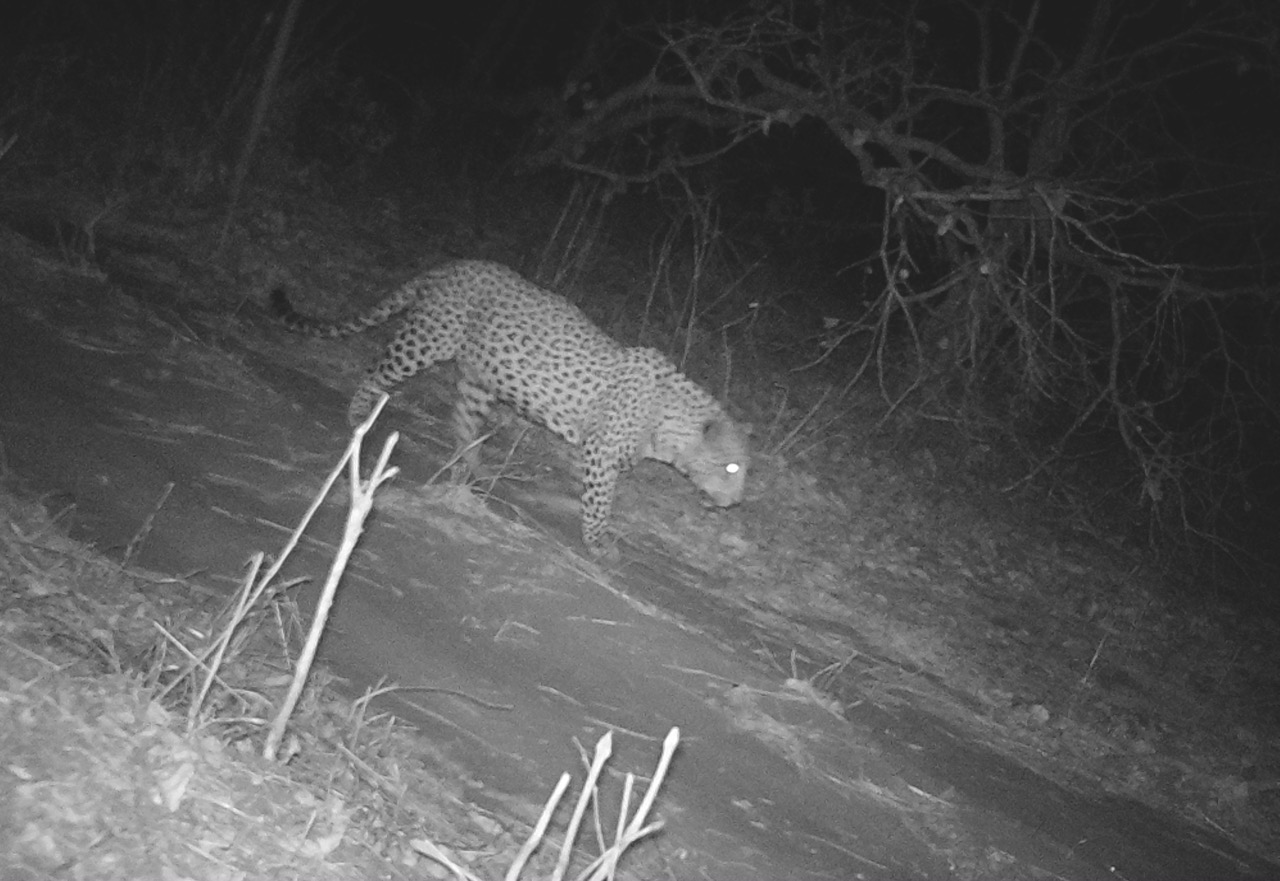
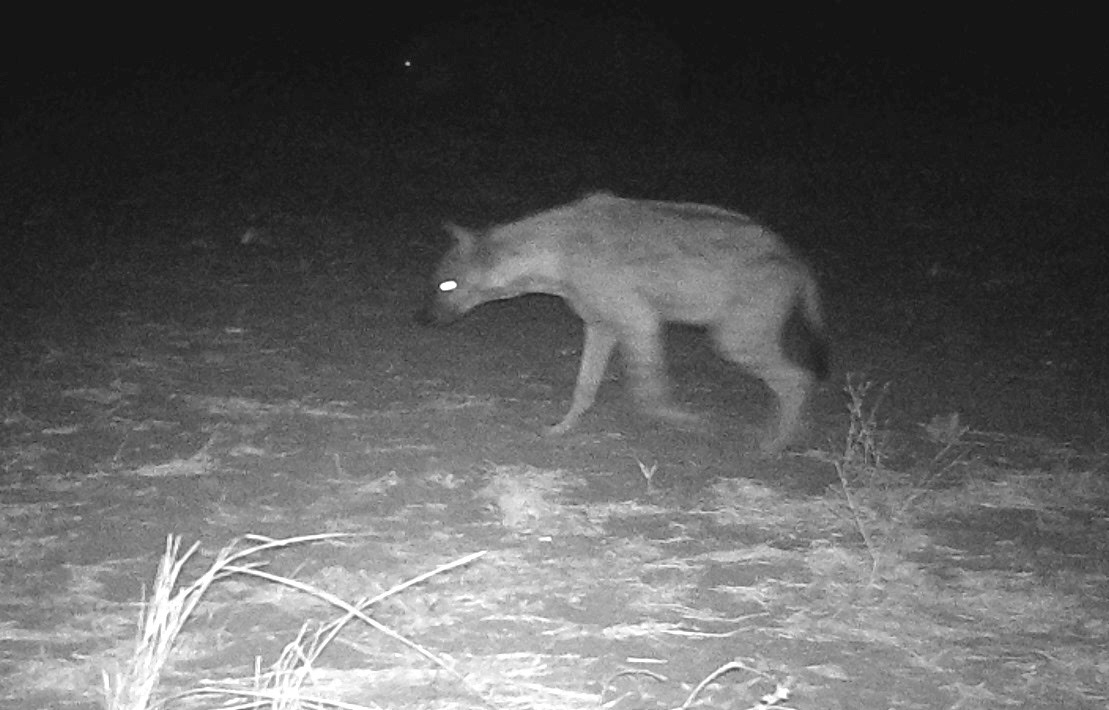
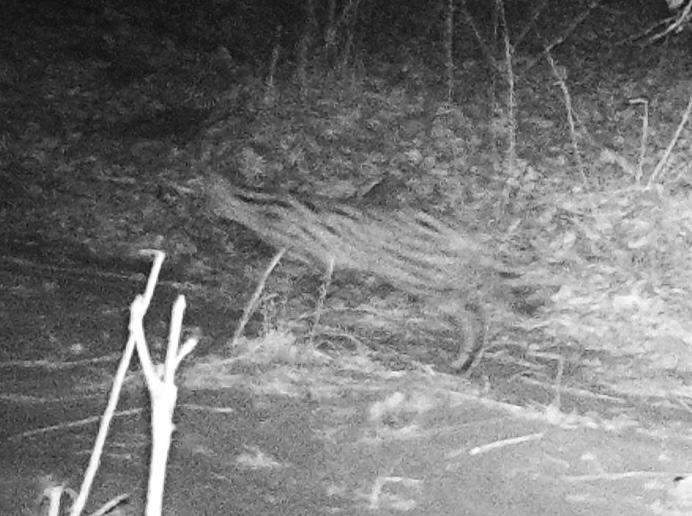
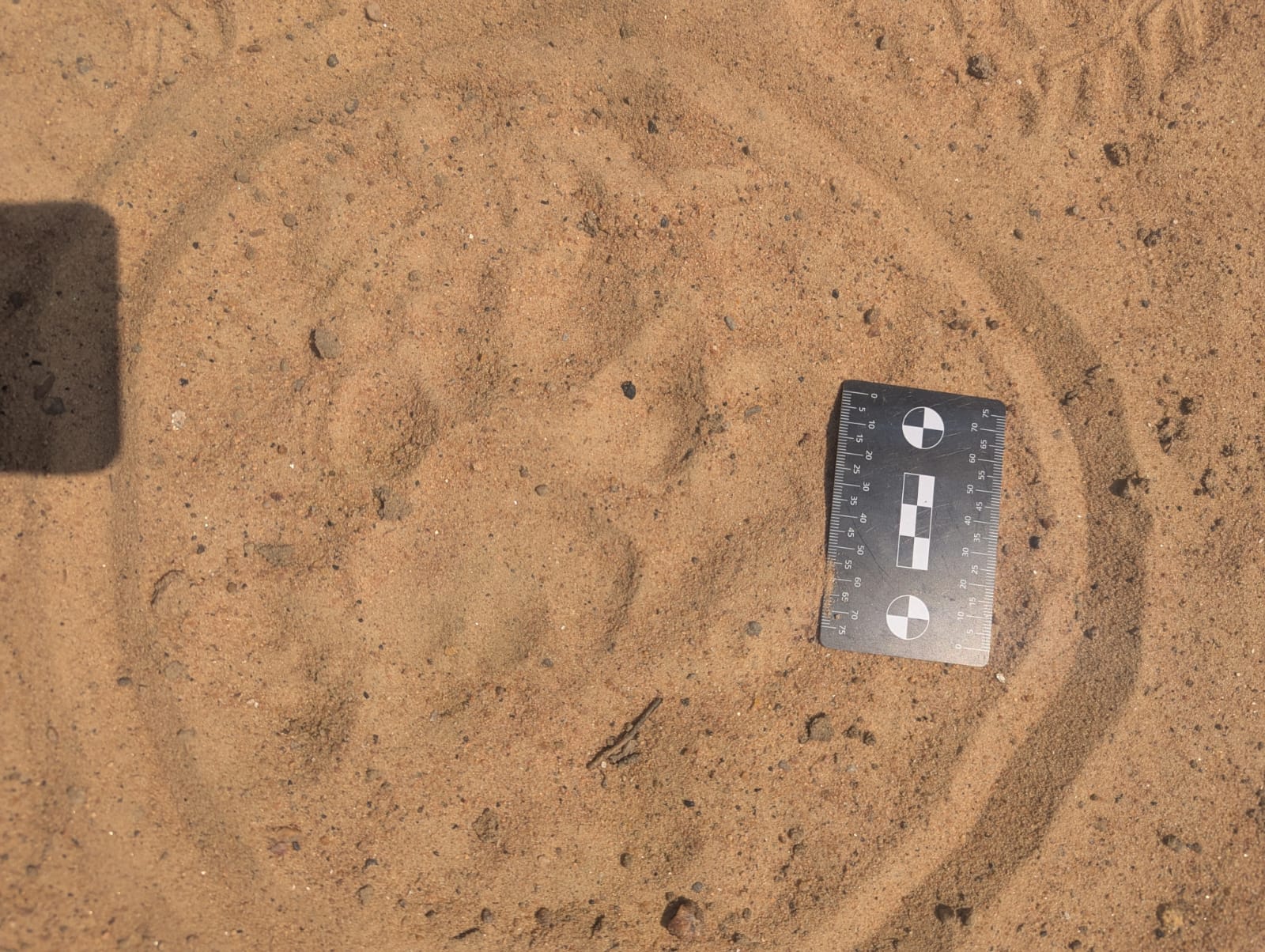
Serval, leopard and spotted hyaena caught on camera trap during the 2025 expedition, as well as the lion footprint
Building a comprehensive elephant database – and their poop
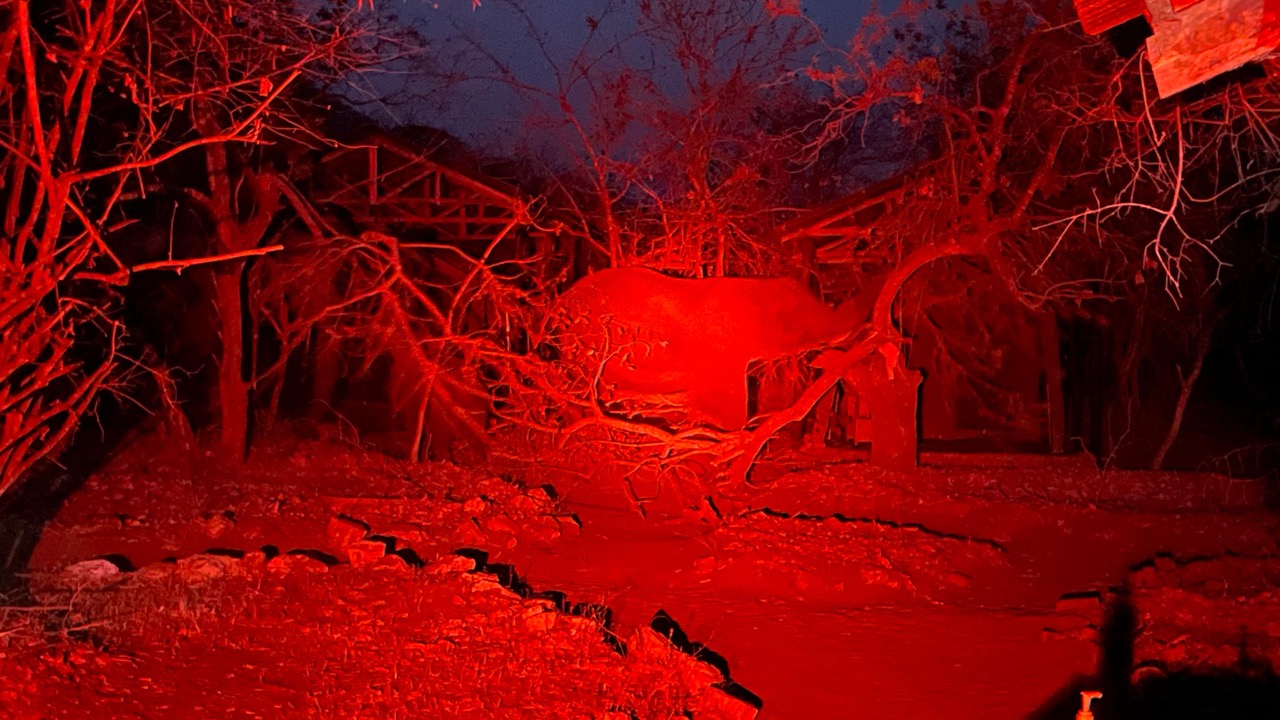
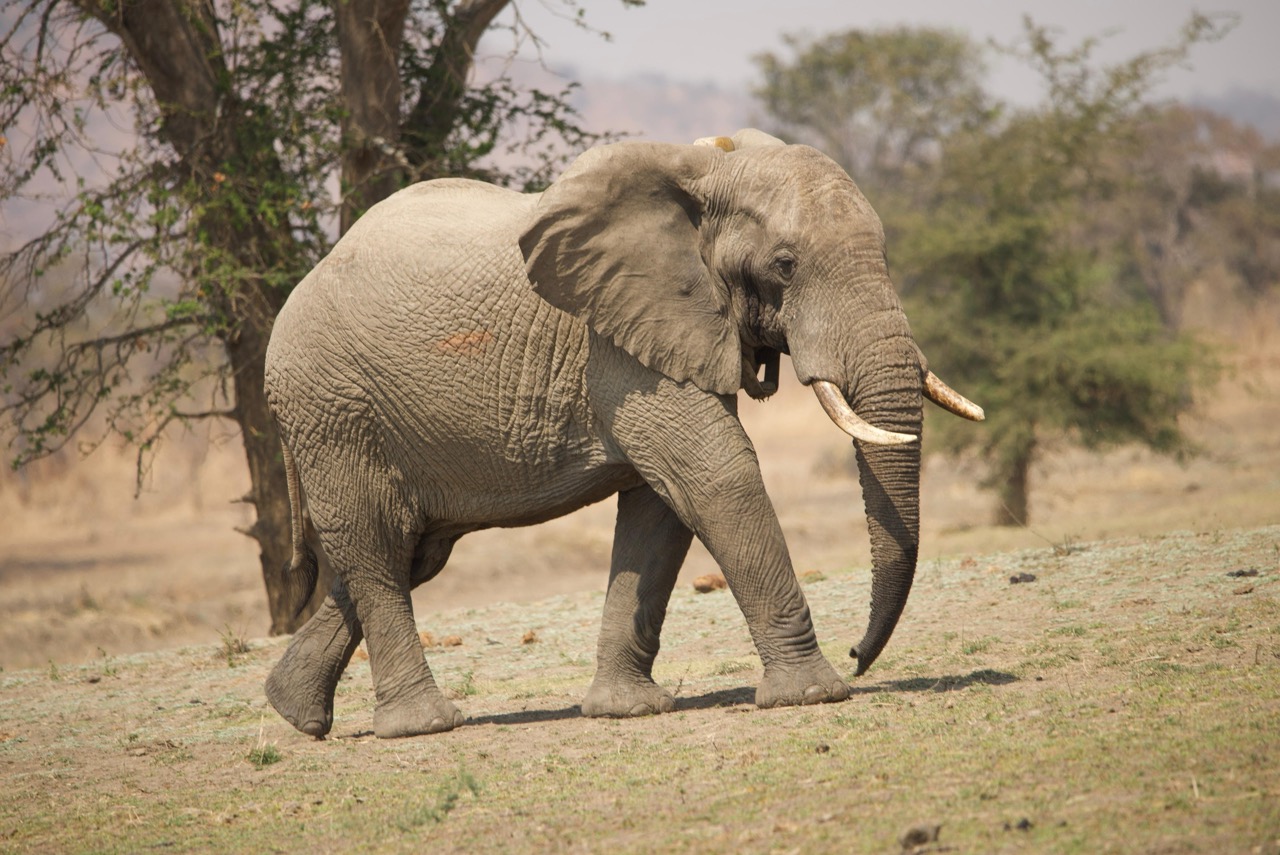
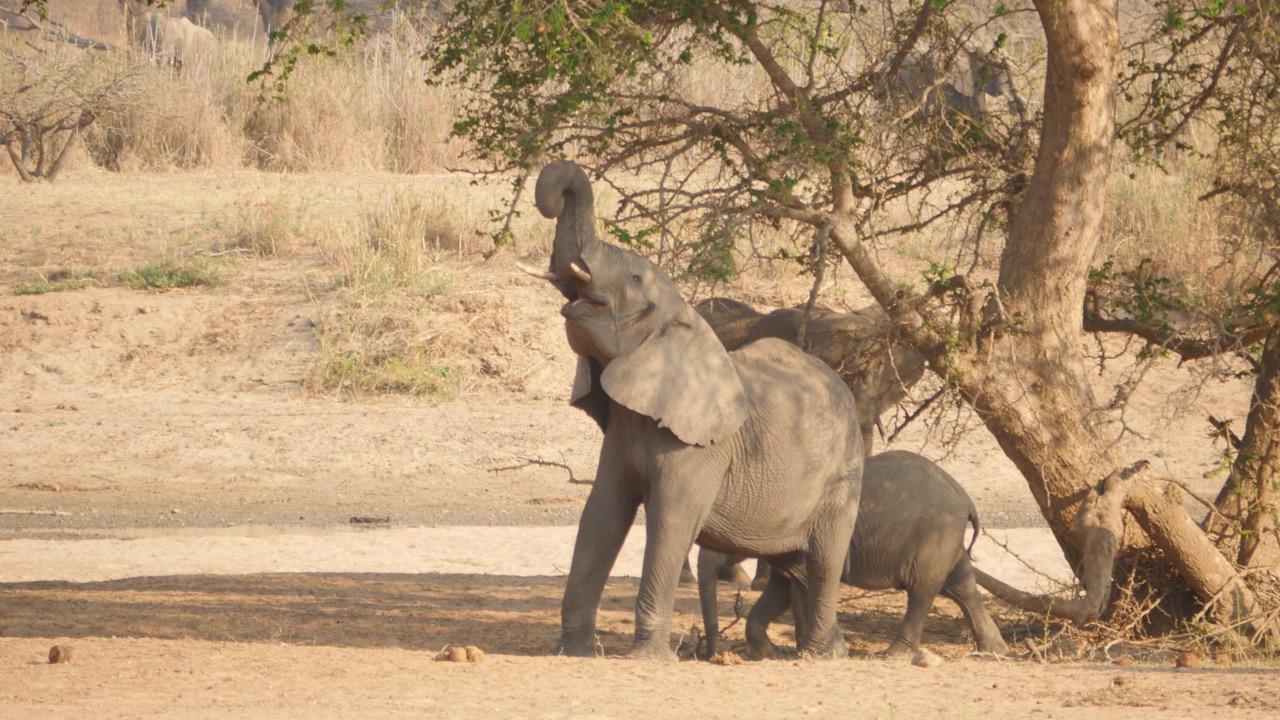
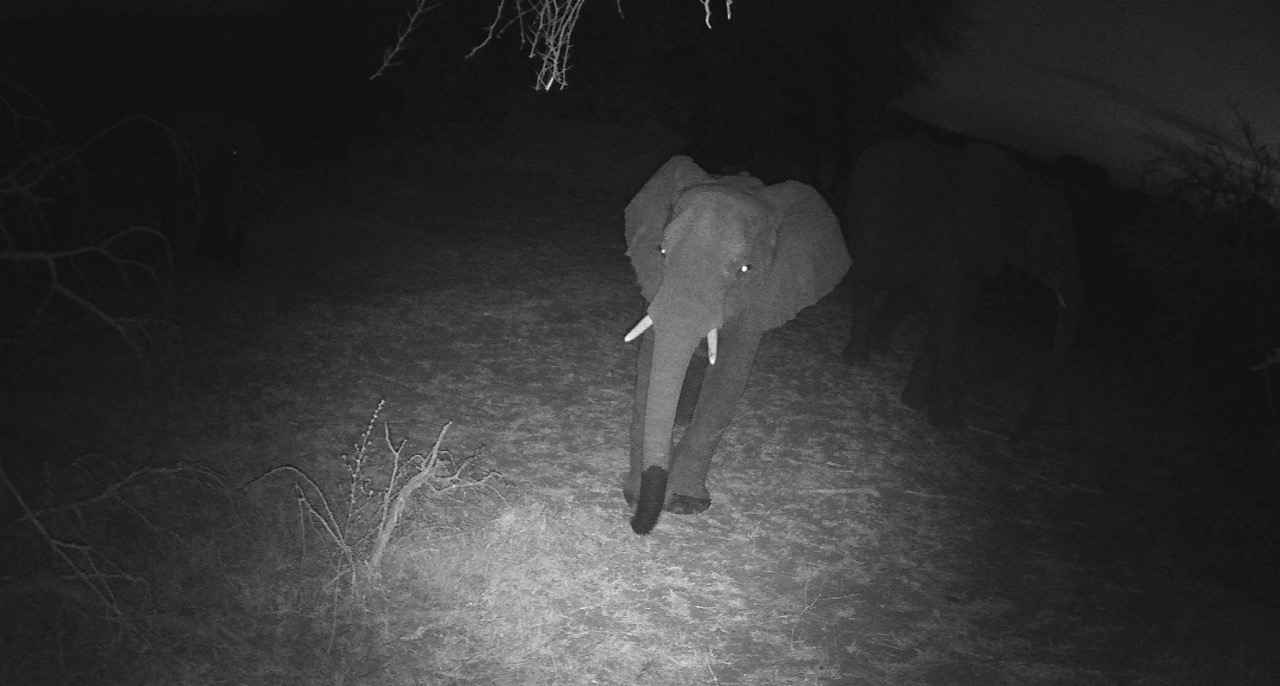
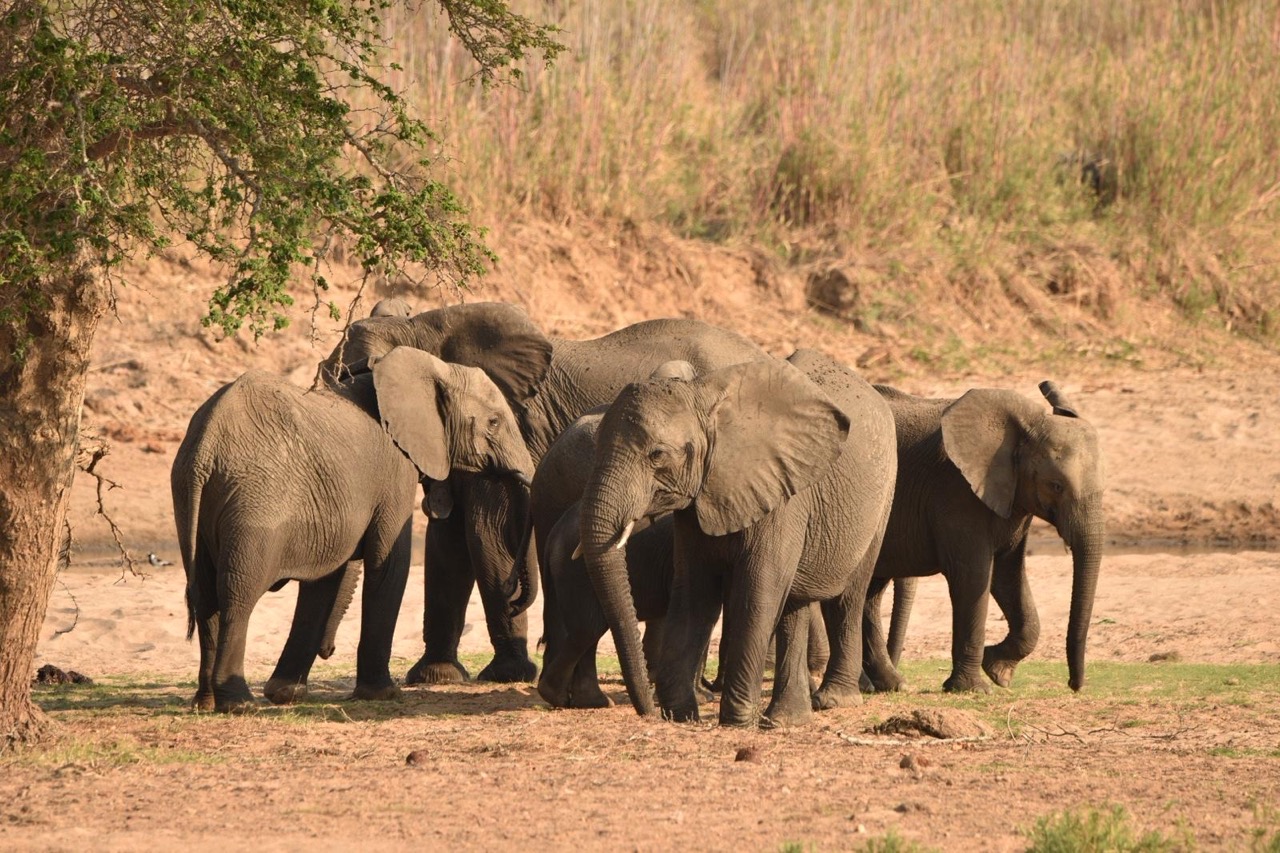
The 2025 citizen science expedition also continued its long-term investment in the Vwaza elephant project: identifying individual matriarch and adult bull elephants seen in the study area. Building this database of individual elephants will greatly help in mapping the demographics, movements and health of the elephant herds in Vwaza.
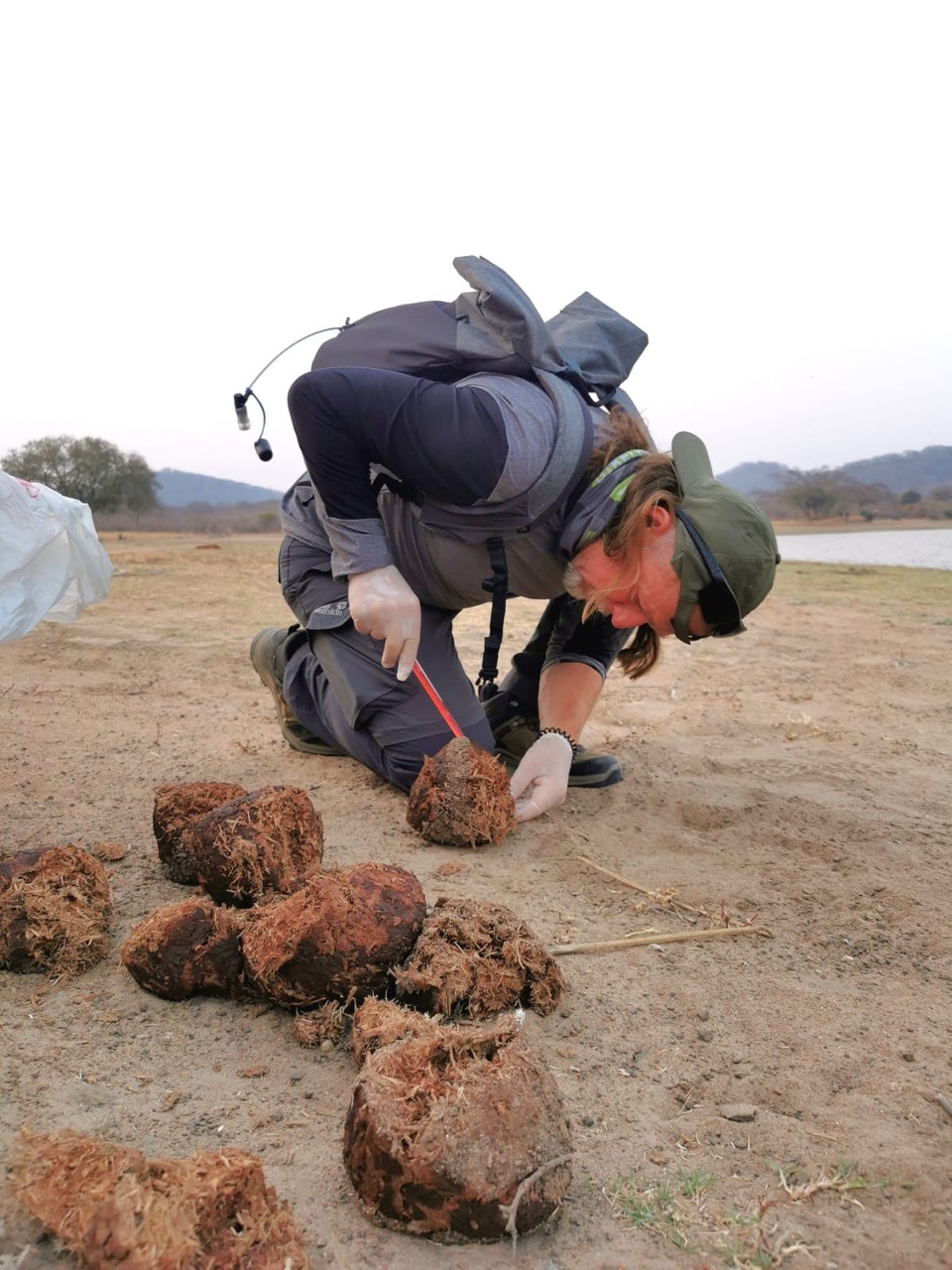
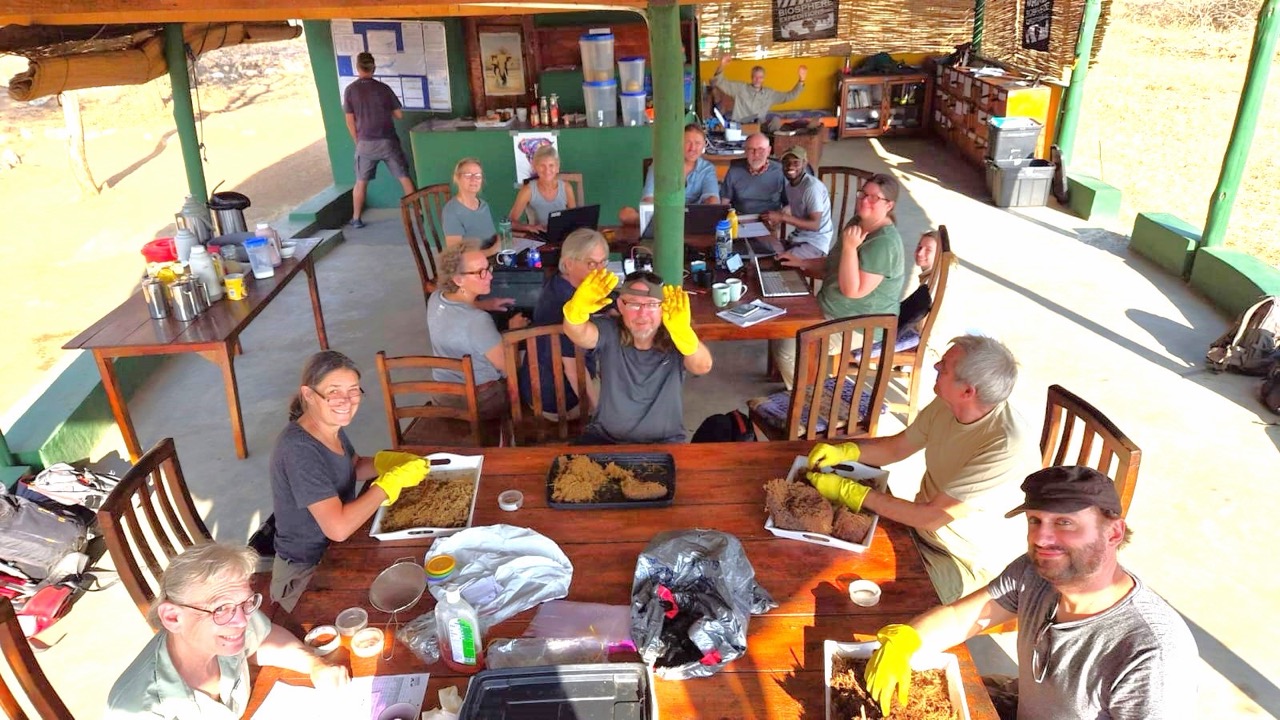
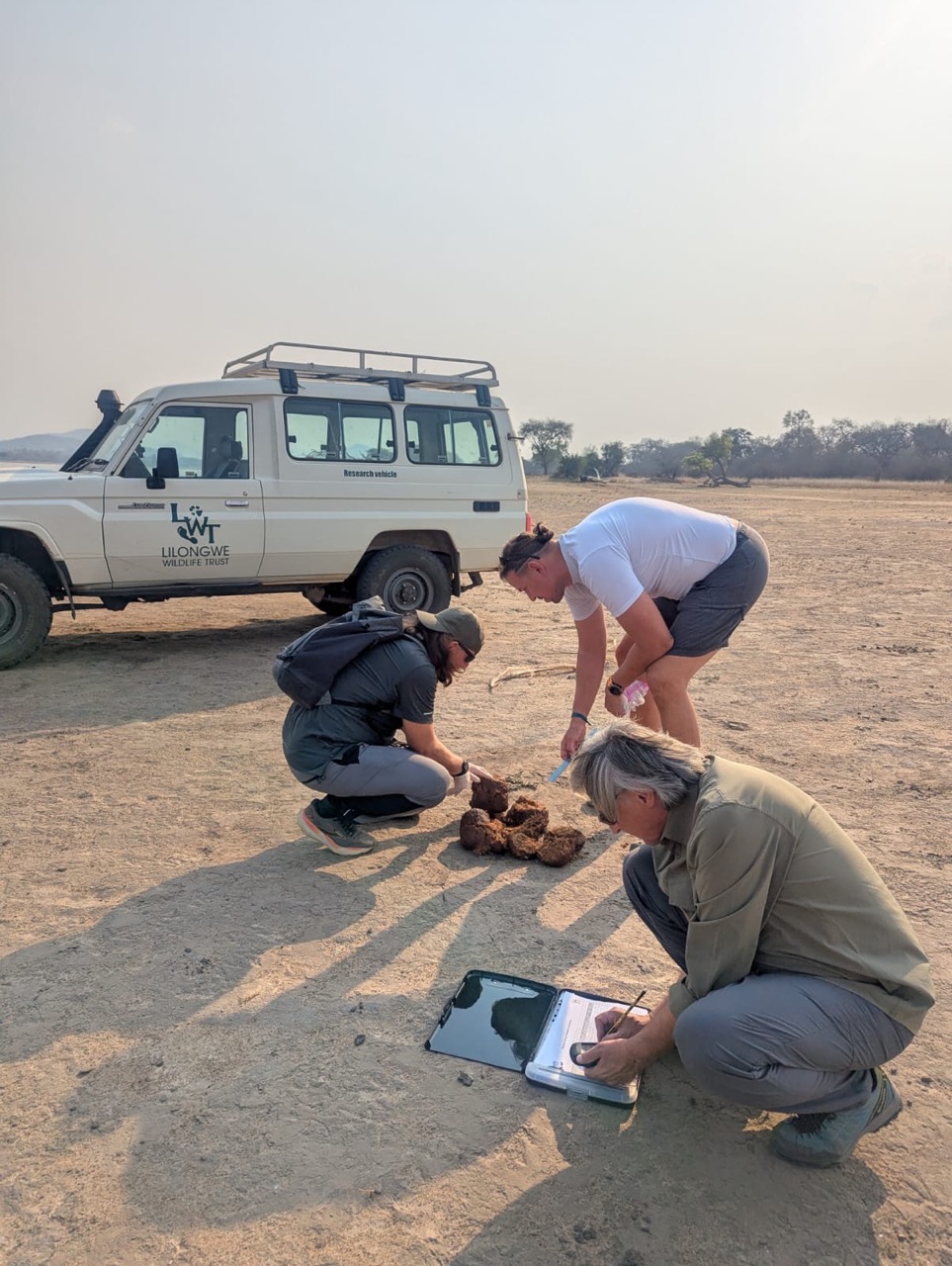
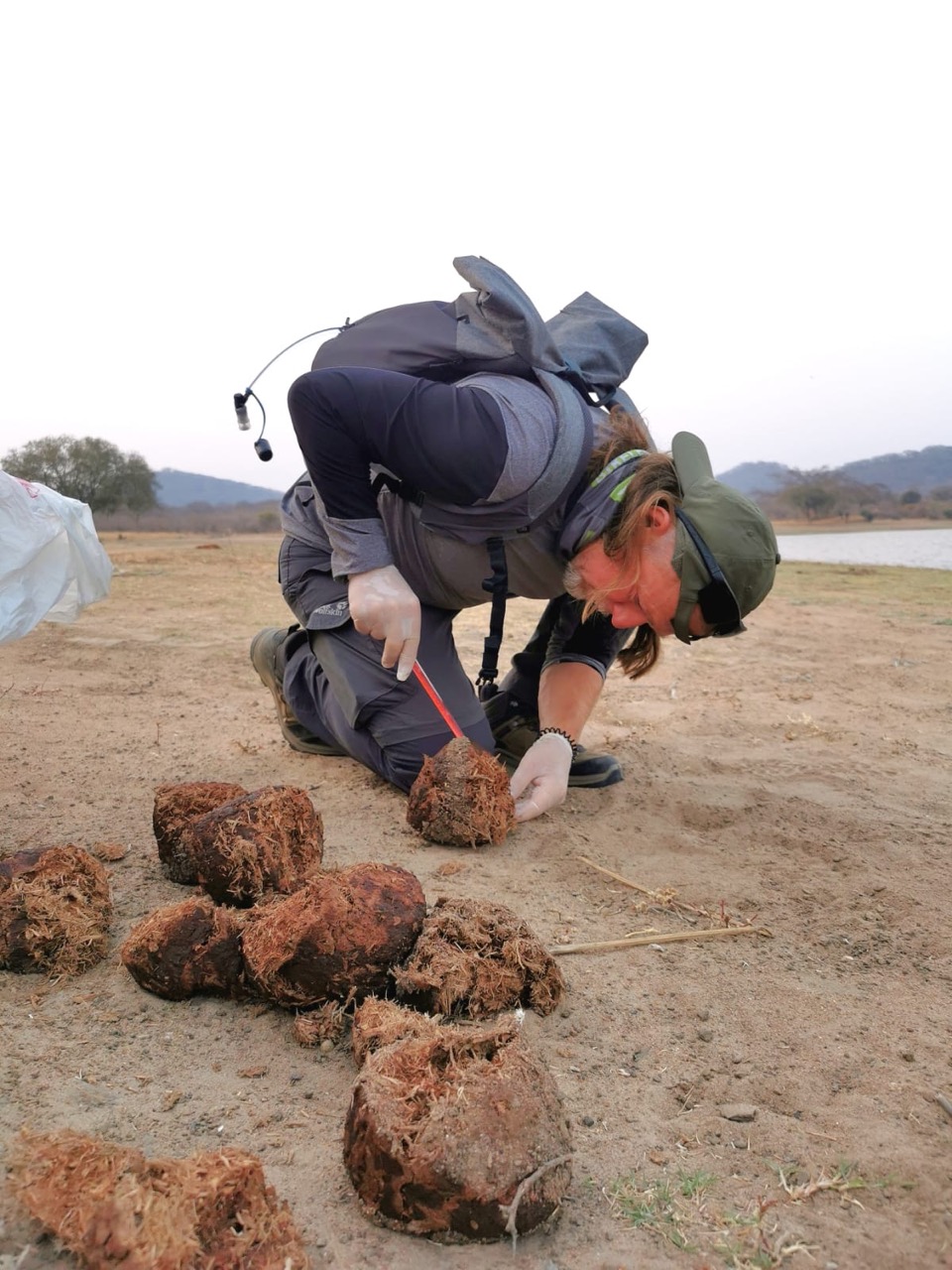
Finally, the research team of citizen and professional scientists also collected and analysed samples of elephant dung in order to assess whether elephants had been eating crops grown in fields outside the reserve (they had not). For the first time, in 2025 this was complemented by collected dung samples to be sent off for DNA analysis to identify individual elephants.
Birds, nocturnal mammals and iNaturalist
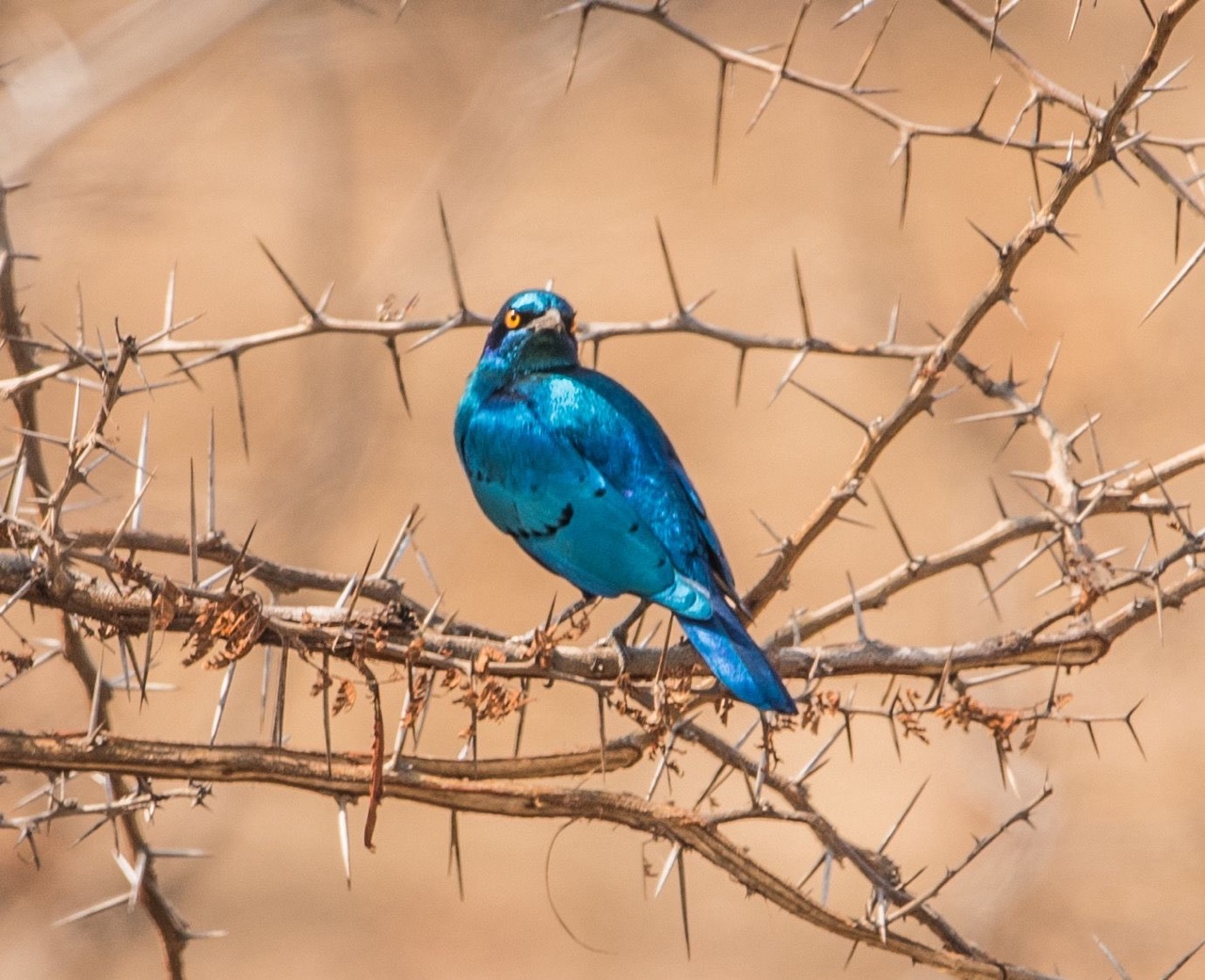
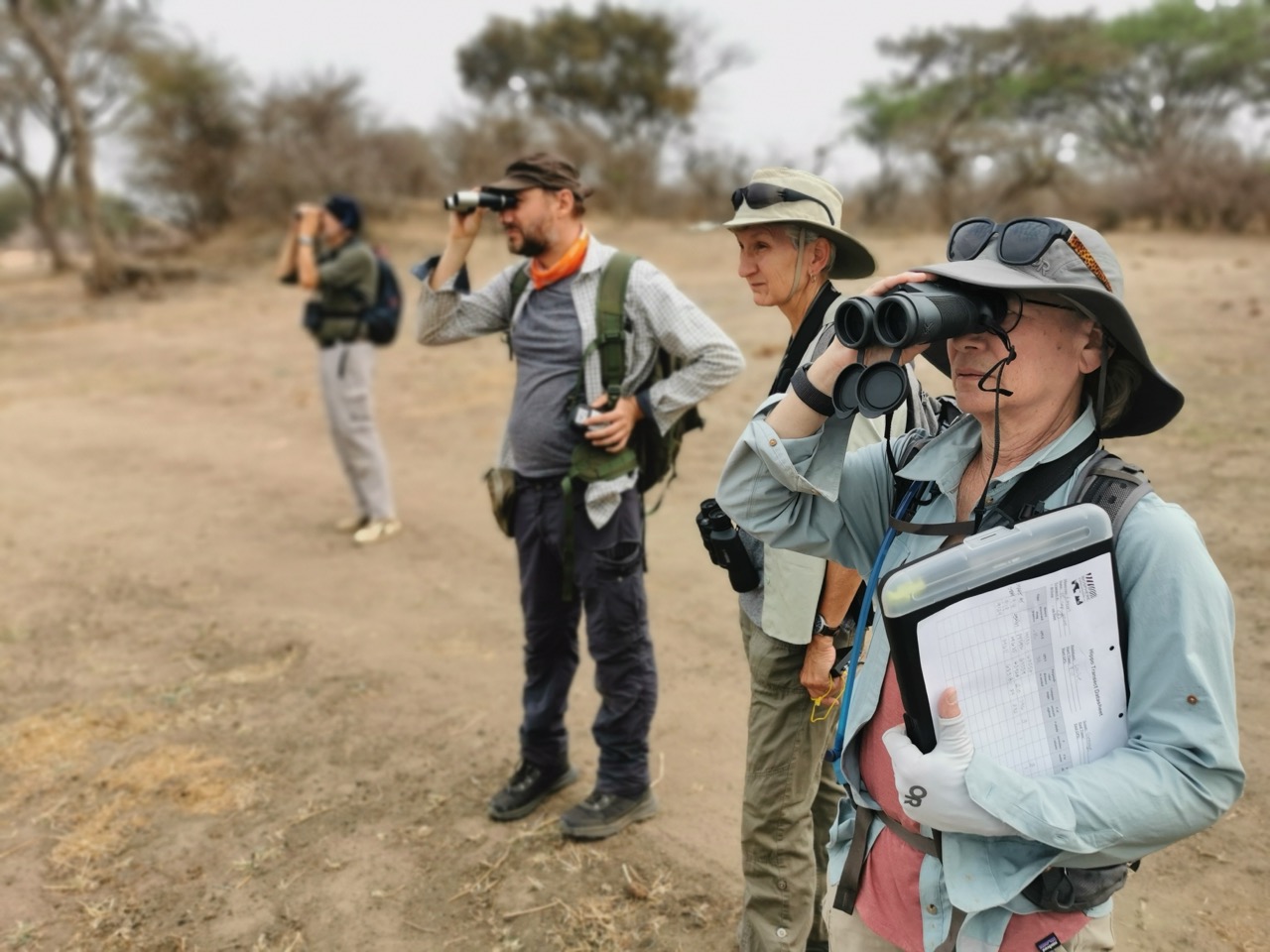
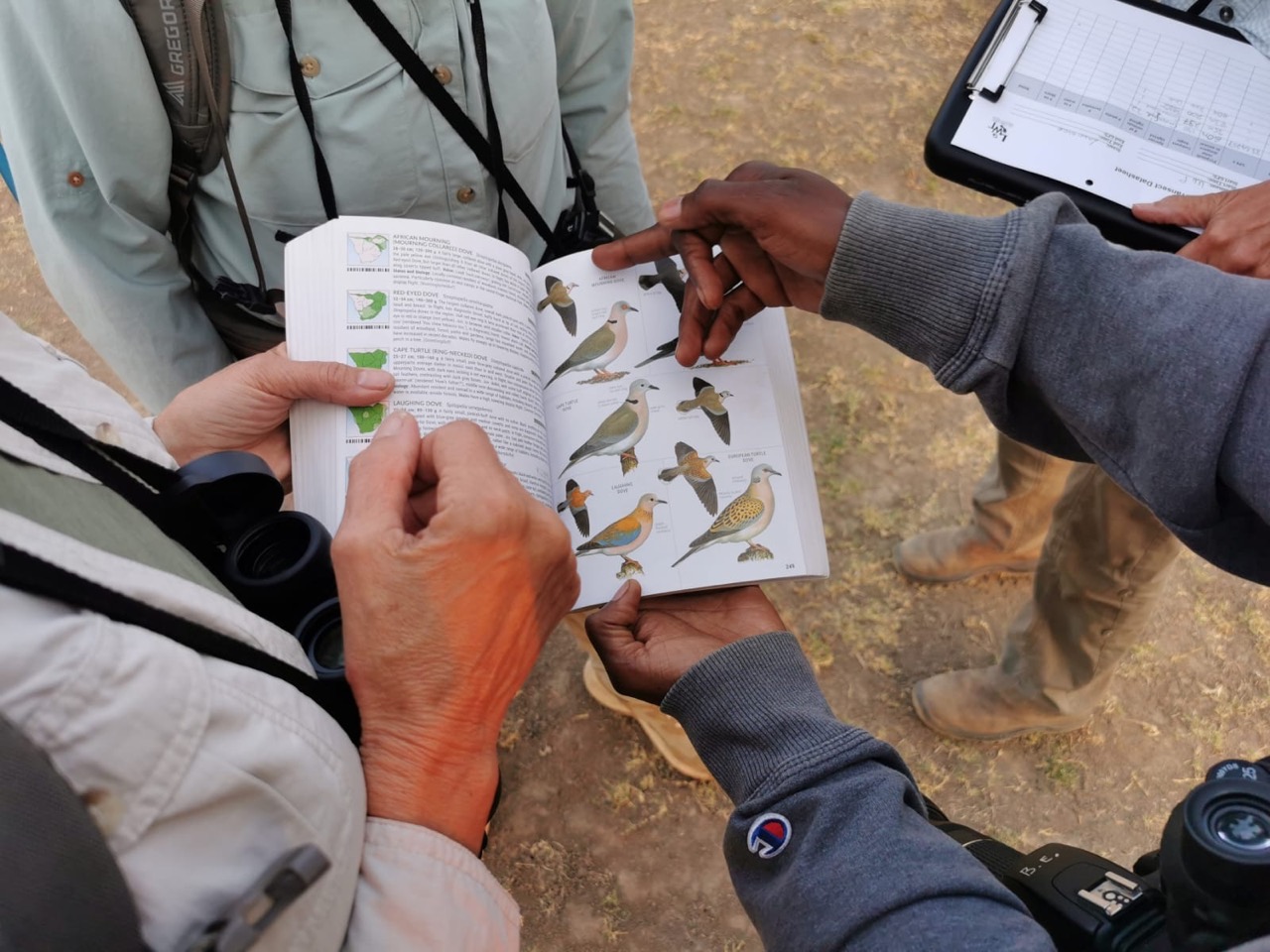
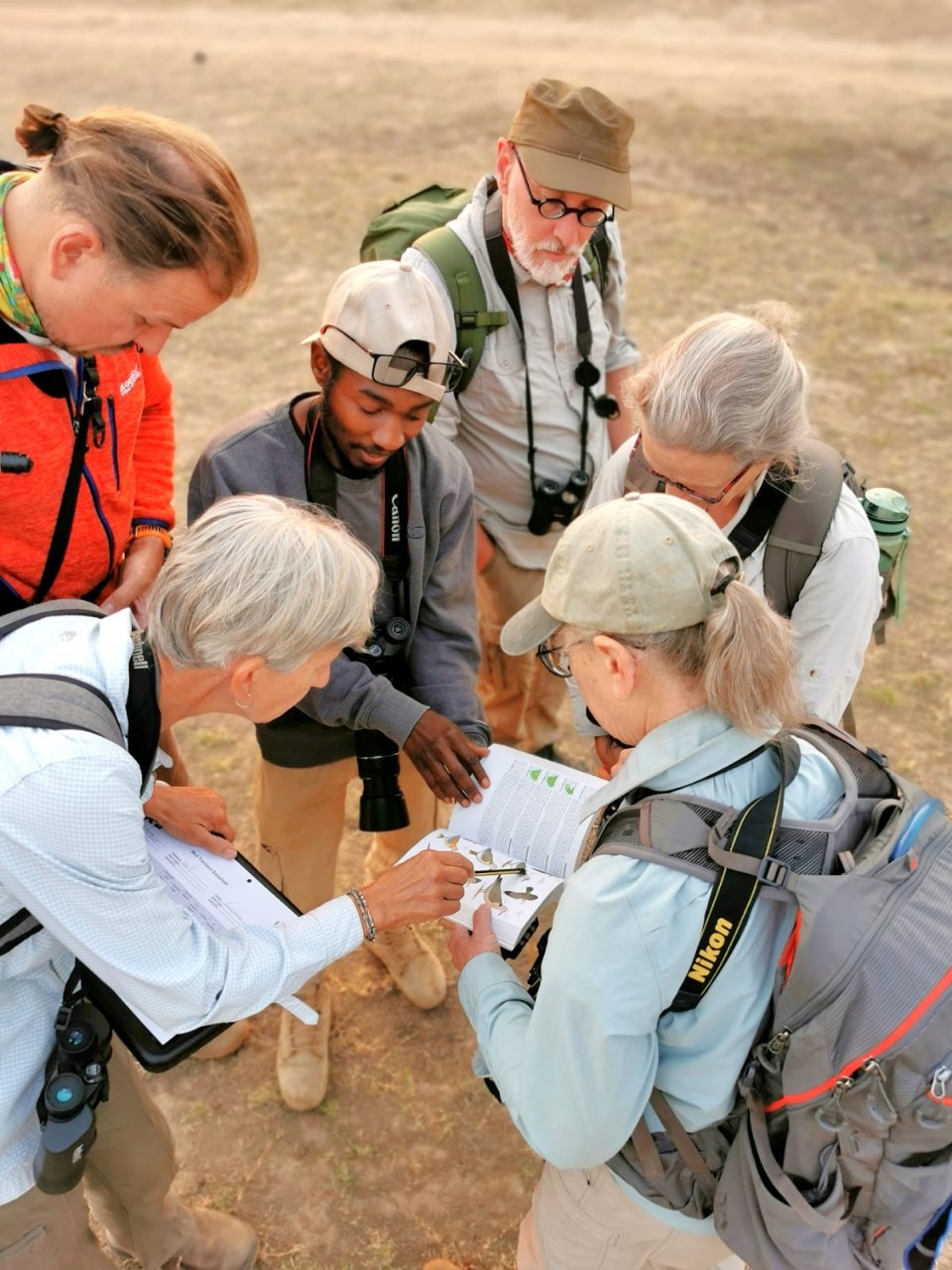
Two further methodologies were introduced in 2025: A comprehensive bird transect survey around Lake Kazuni and a survey of nocturnal mammals. Both generated useful data, including the possibility of discovering bird species never before recorded in Vwaza.
The Malawi biodiversity expedition in numbers
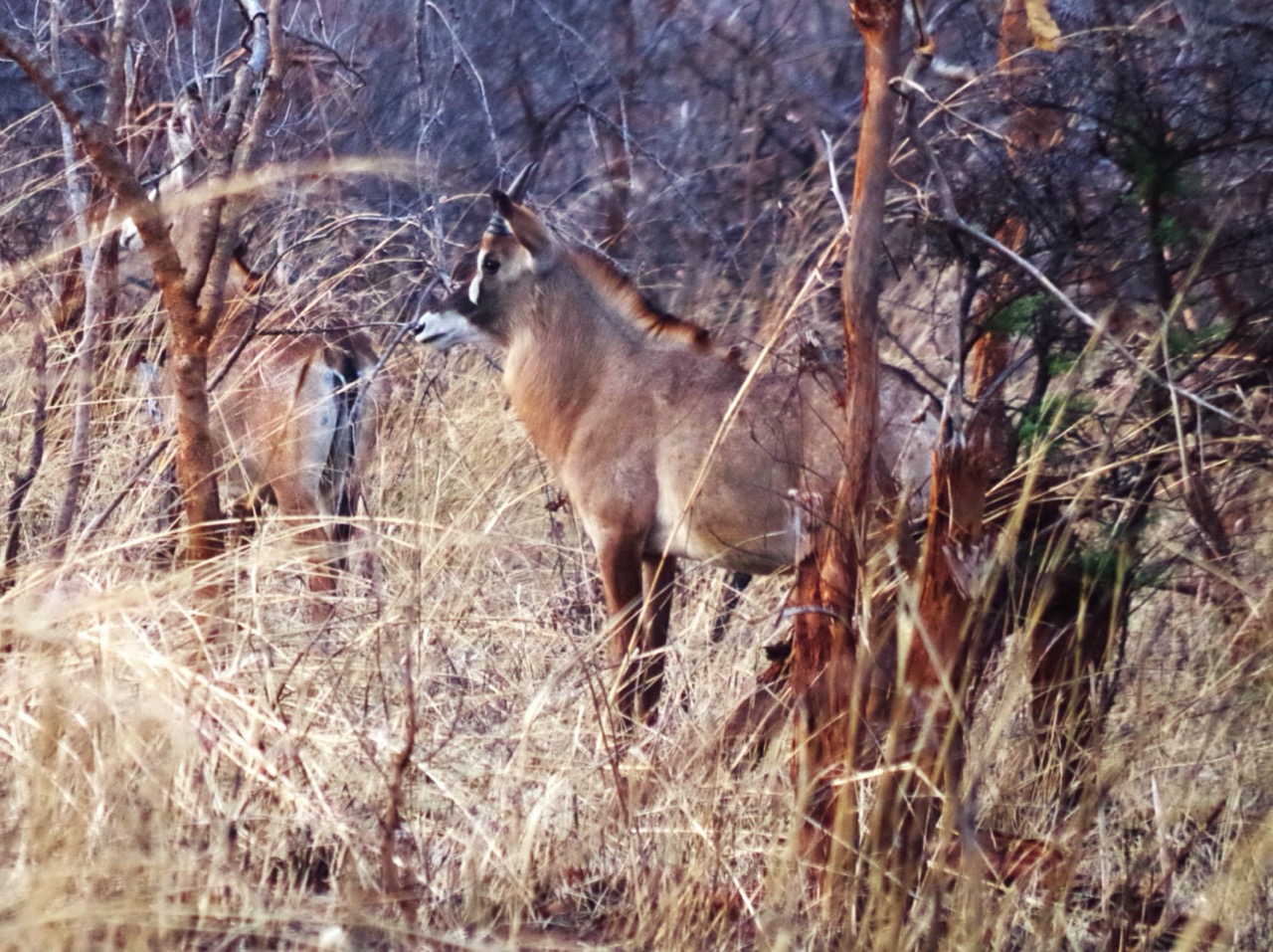
The 2025 expedition counted 396 elephants over 45 sightings, completed six lake-side hippo transects, four bird transects and five night time transects. The team collected and analysed 31 elephant dung samples (yielding 221 seeds). The expedition also identified and recorded a total of 109 species of animals and insects, with the evidence recorded on the iNaturalist platform.
All this sits right alongside many other achievements by Biosphere Expeditions all over the world.
I would like to thank all our citizen and professional scientists, helpers and everyone at LWT and Biosphere Expeditions who helped to make this expedition a success.
Author: Roland Arnison
Roland Arnison studied Environmental Science and is a qualified Mountain Leader. He has been a Mountain Rescue volunteer and has led a variety of expeditions in the UK, Canada, Iceland, Kyrgyzstan, Malawi, Kenya and Namibia, including several Biosphere expeditions. He has run expedition citizen science projects with Biosphere Expeditions, British Exploring Society and other organisations, ranging from sampling for plastic pollution in the ocean to searching for the elusive Collared Pika in the Yukon as a bio-indicator of climate change. Roland’s mountaineering exploits have taken him to unclimbed peaks in the Himalayas and equally challenging times in the Scottish hills in winter. Roland enjoys kayaking, climbing, cycling, filming, photographing, diving and sometimes just walking in some wonderful and wild parts of the world. He has also spent many years looking after a smallholding in Yorkshire, creating wildlife habitats, and experimenting with novel food growing and renewable energy projects. Roland works as a filmmaker, environmental consultant and writer as well as expedition leader. He is based in Devon, UK.
Video feedback:
(more videos of the expedition across all years are here)
Written feedback:
“I’m so grateful for all the intelligent chat with my fellow citizen scientists….Elephants in camp and up at dawn to look at birds were the best”.
Louise, Canada
“And the citizen science stars – so much laughter and serious discussion. I will miss the camaraderie”.
Karen, USA
“What made it even more special was the enthusiastic group of fellow participants. Thank you for your shared passion”
Uwe, Germany
“Roland and Simon are excellent people to lead diverse groups. They made me feel safe in an environment I’m not used to. Building the bird list with Gideon was wonderful.”
Rita, Germany
Photo archive
(more photos of the expedition across all years are here):






 Biosphere Expeditions: blogs from the frontline of wildlife conservation and the fight for a more sustainable planet