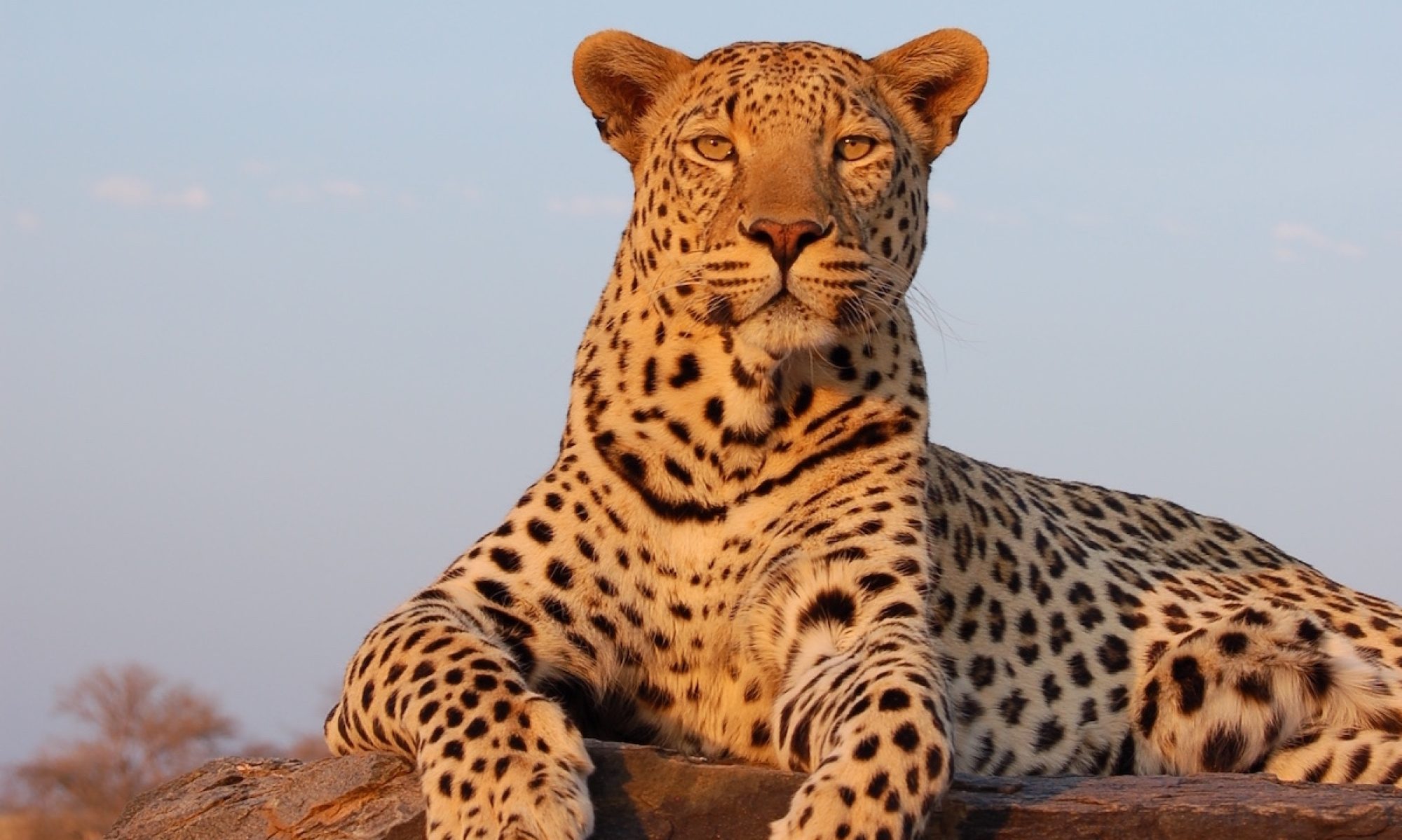

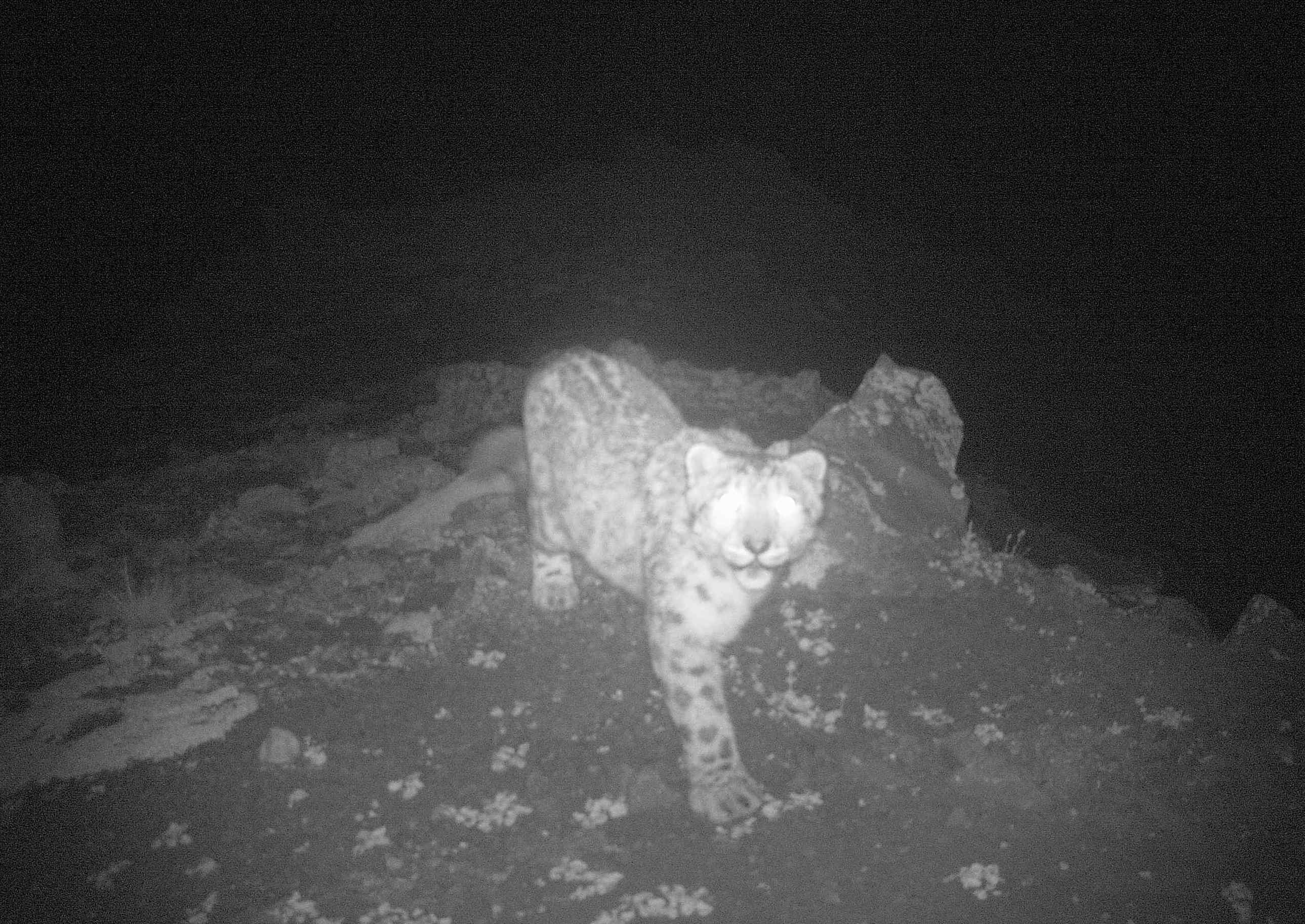
The snow leopard (Panthera uncia) is an iconic large cat native to the mountain ranges of Central and South Asia. It is listed as Vulnerable on the IUCN Red List because the global population is estimated to number fewer than 10,000 mature individuals and is expected to decline by about 10% by 2040.
Working in snow leopard conservation since 2003
Biosphere Expeditions has worked in snow leopard conservation since 2003. This makes it one of the longest-running initiatives organised by Biosphere Expeditions and one of the most extended research projects on snow leopards ever conducted.
Initially, expeditions were based in the Altai mountain range in Russia from 2003 to 2011, where we utilised sign rates and sightings for species recordings to confirm snow leopard presence, which contributed to the establishment of Saylyugemsky National Park – just one of many achievements that Biosphere Expeditions has racked up over the years.
Snow leopard volunteer expedition in Kyrgyzstan since 2014
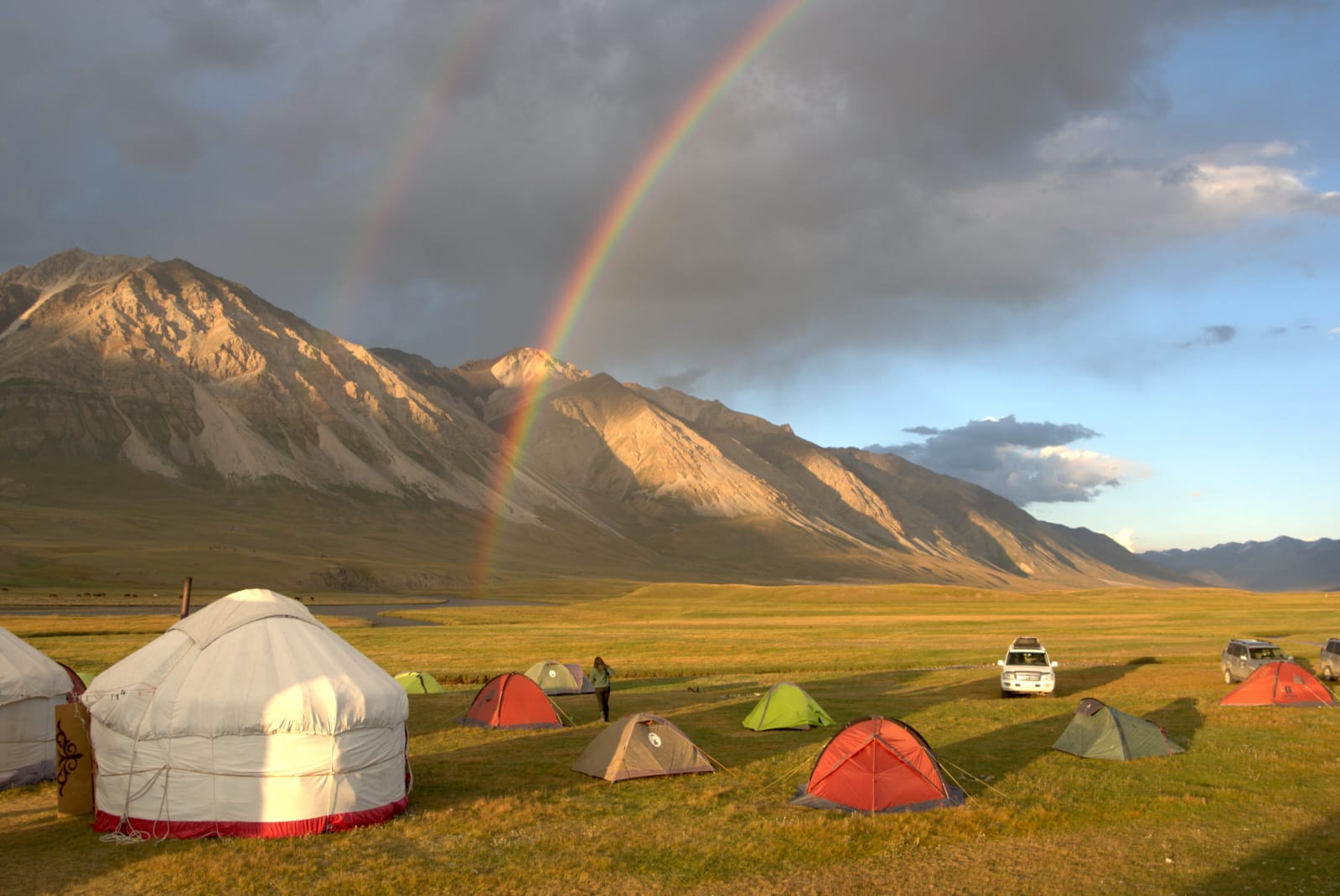
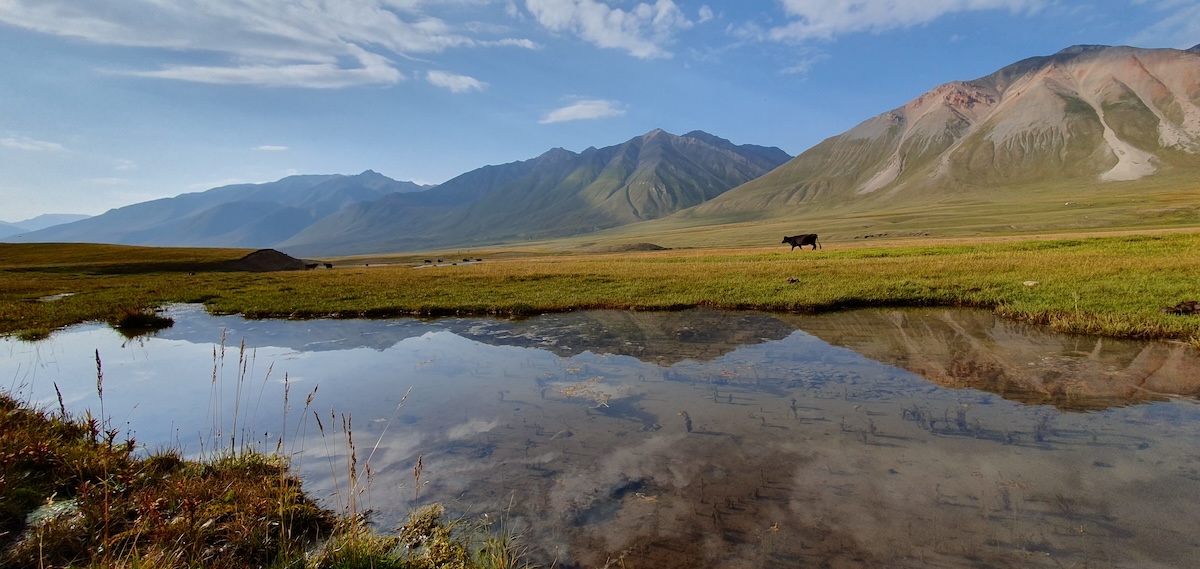
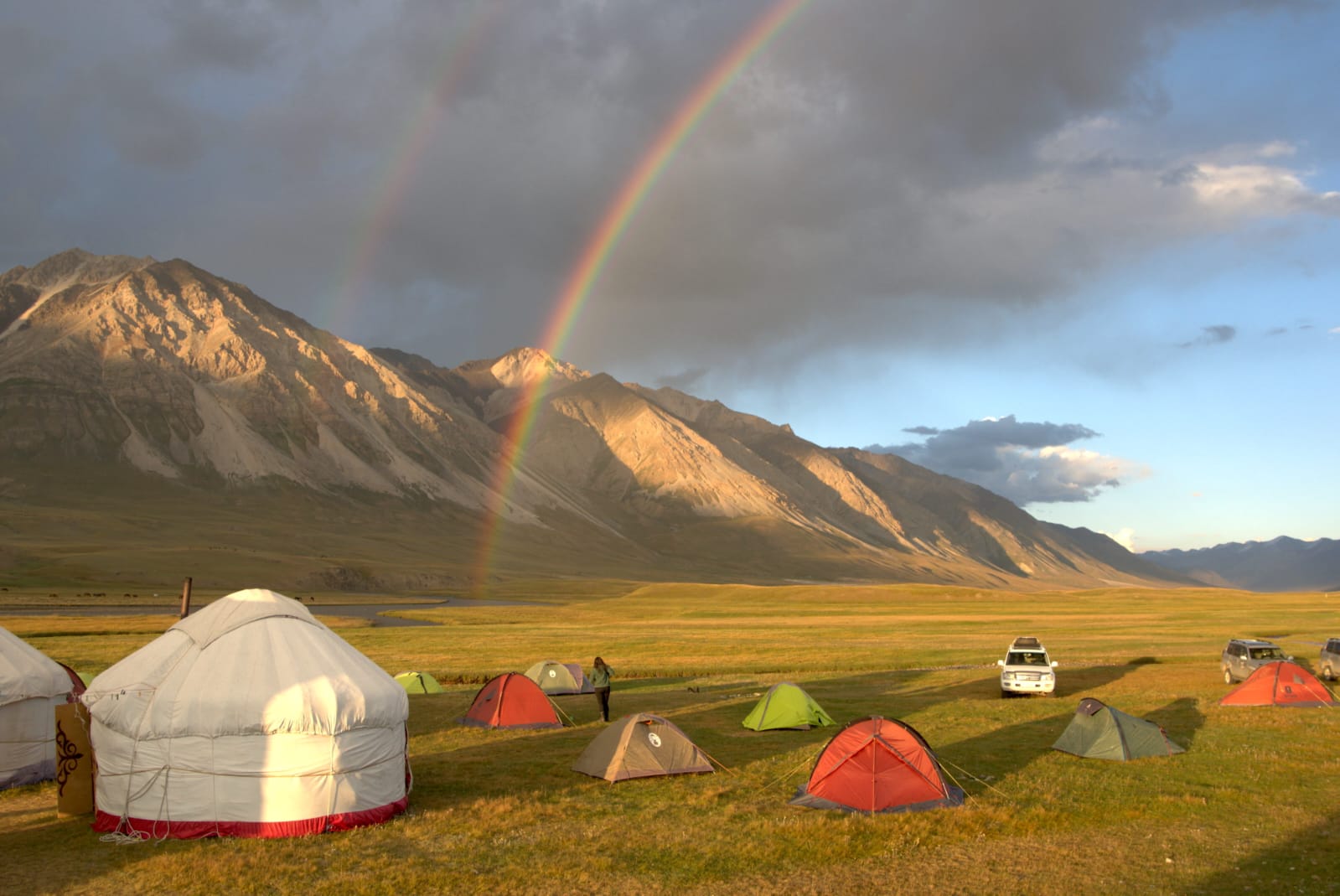
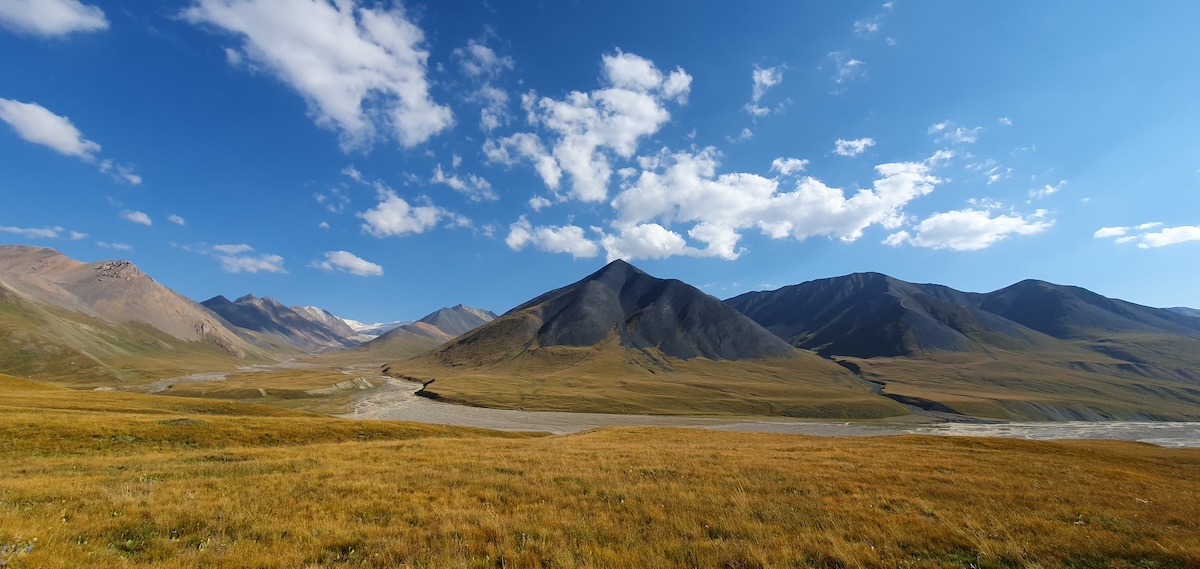
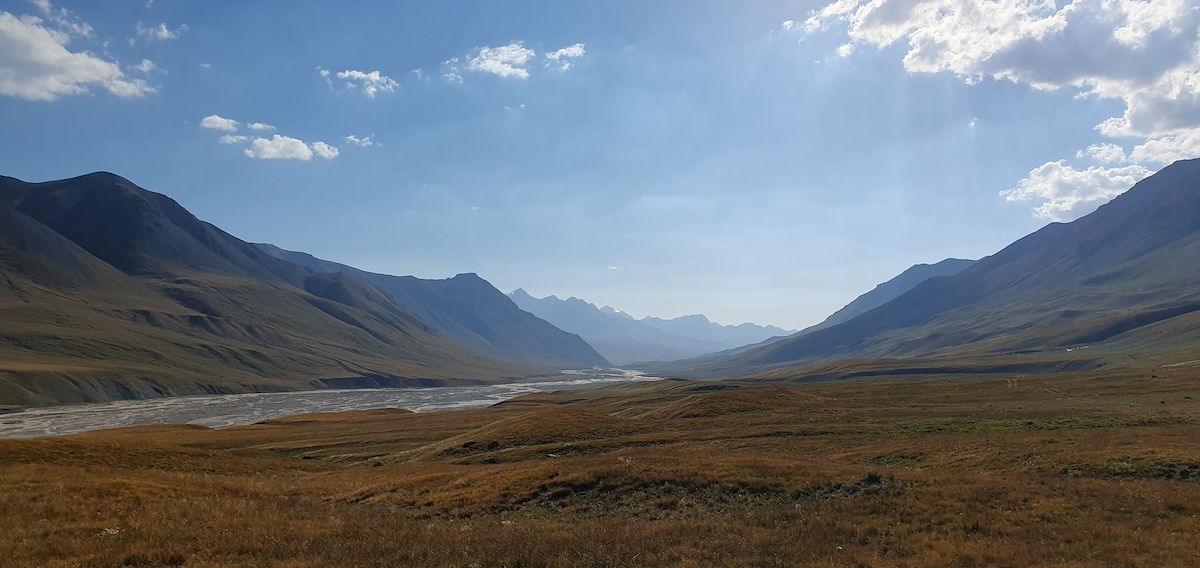
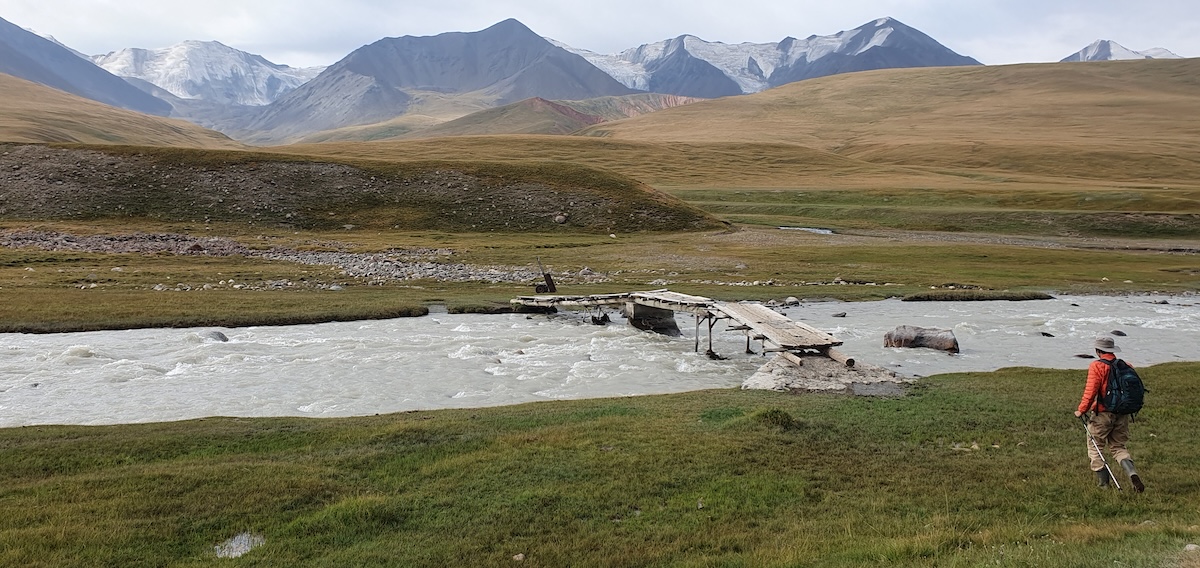
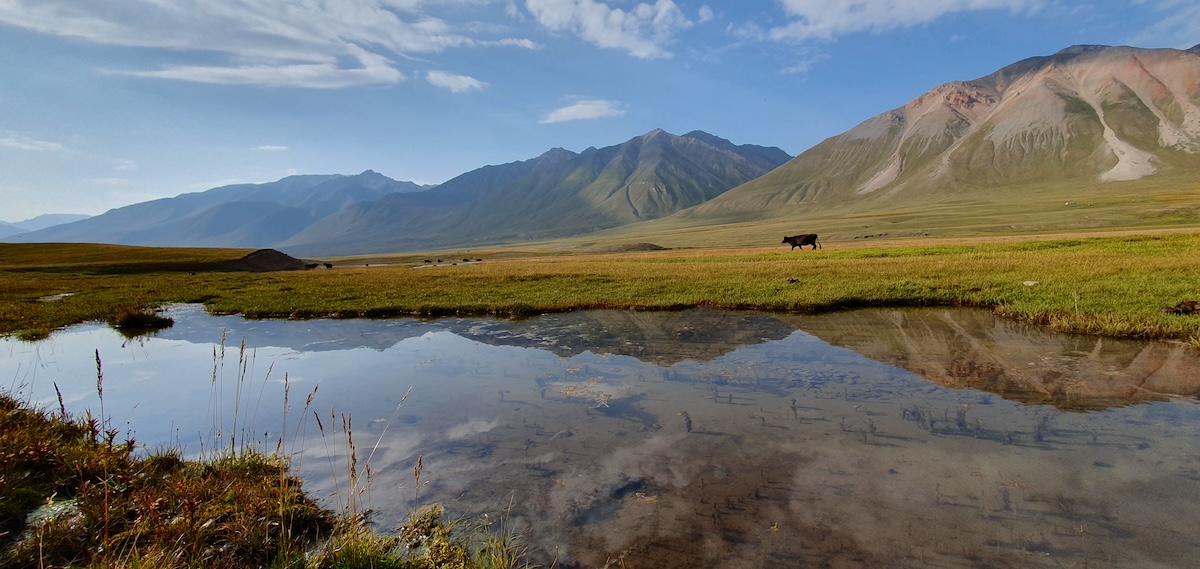
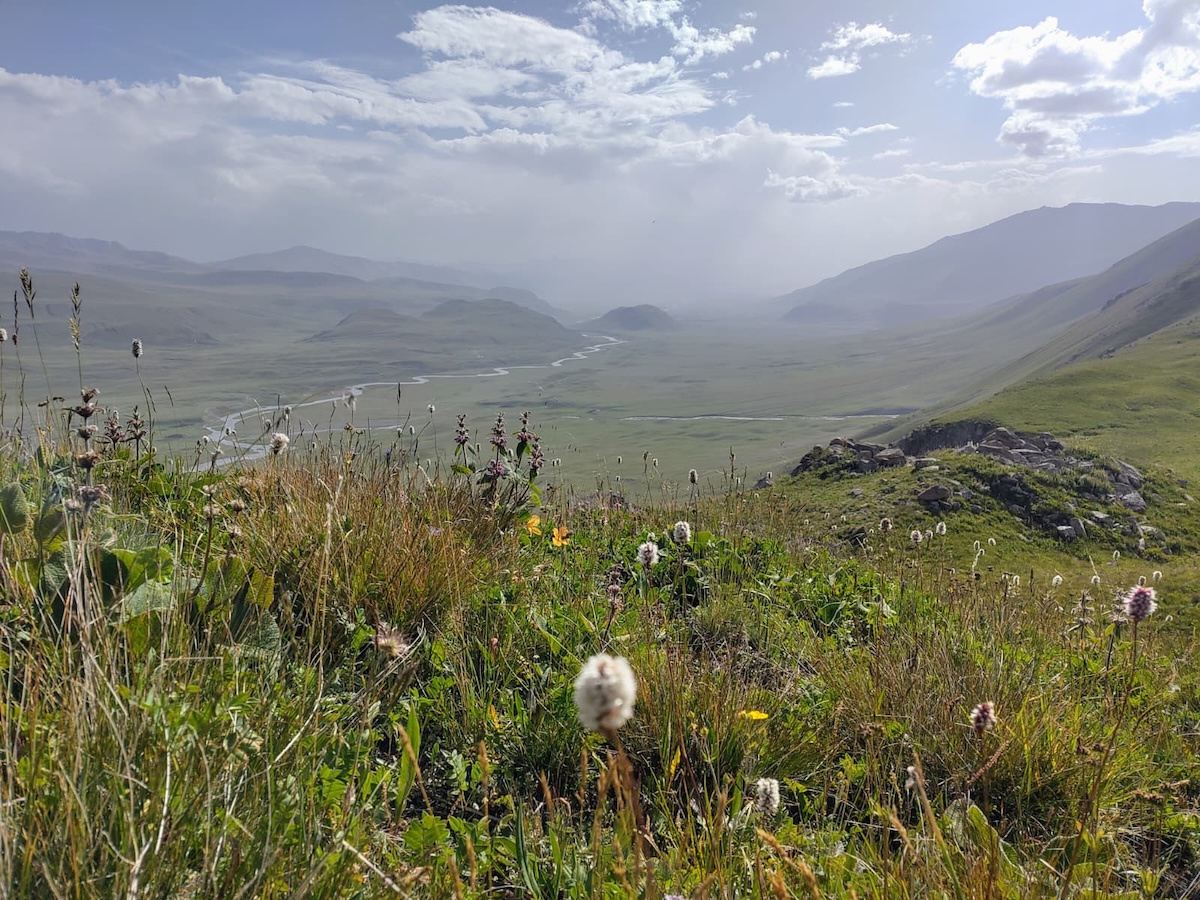
From 2014 onwards, when the national park in the Altai was well on its way, expeditions moved to Kyrgyzstan: First, to the Karakol valley and, in 2024, to the Burkhan, Archaly and Jiluu-Suu valleys, all in the Tien Shan mountain range.
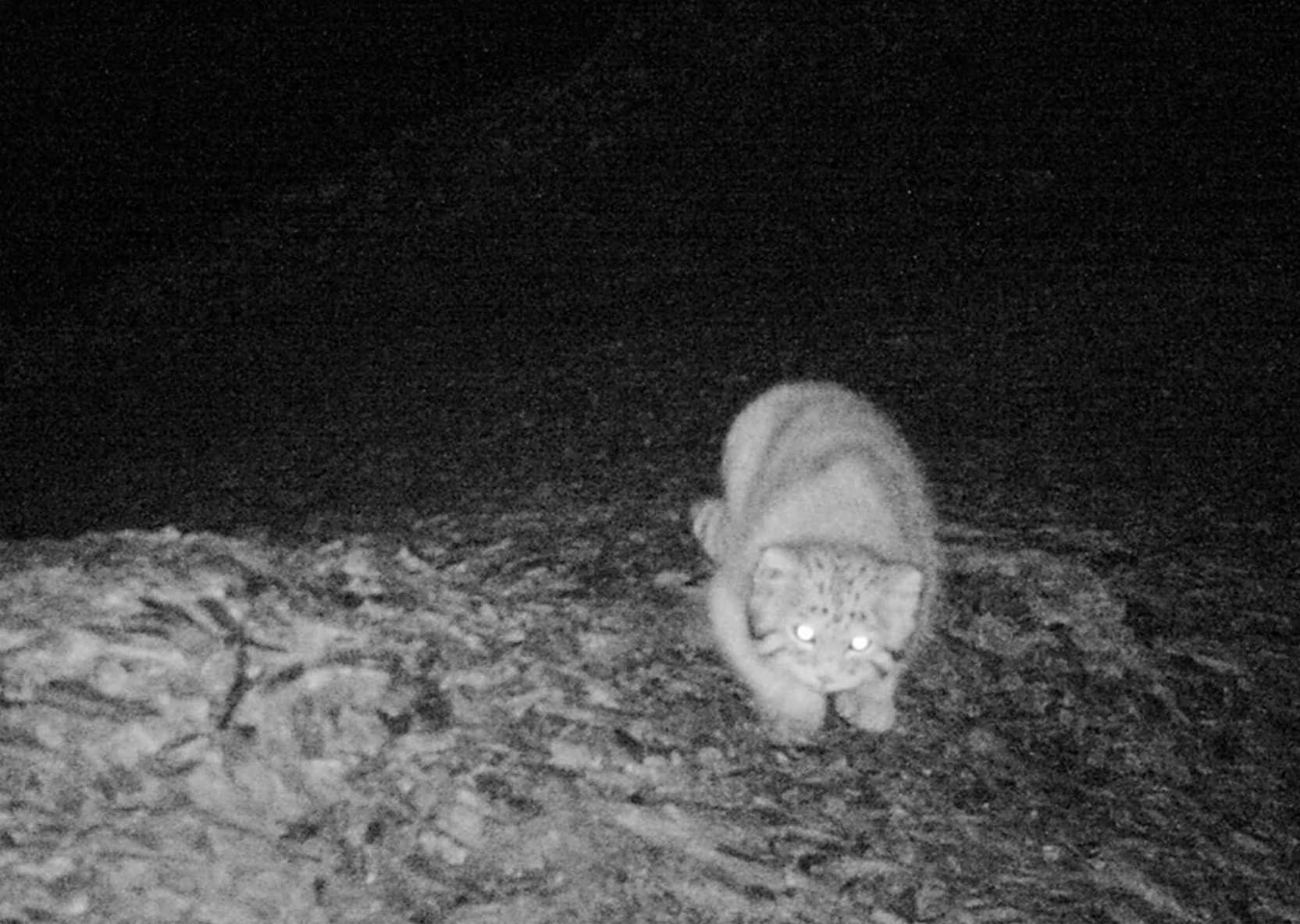
There, we recorded snow leopards multiple times by camera trapping, track identification and DNA analysis of snow leopard droppings. During the 2025 expedition, we identified at least eight separate individuals, as well as ibex herds, badger, marmot, wolf, fox, argali, 42 bird species and the elusive Pallas’s cat.
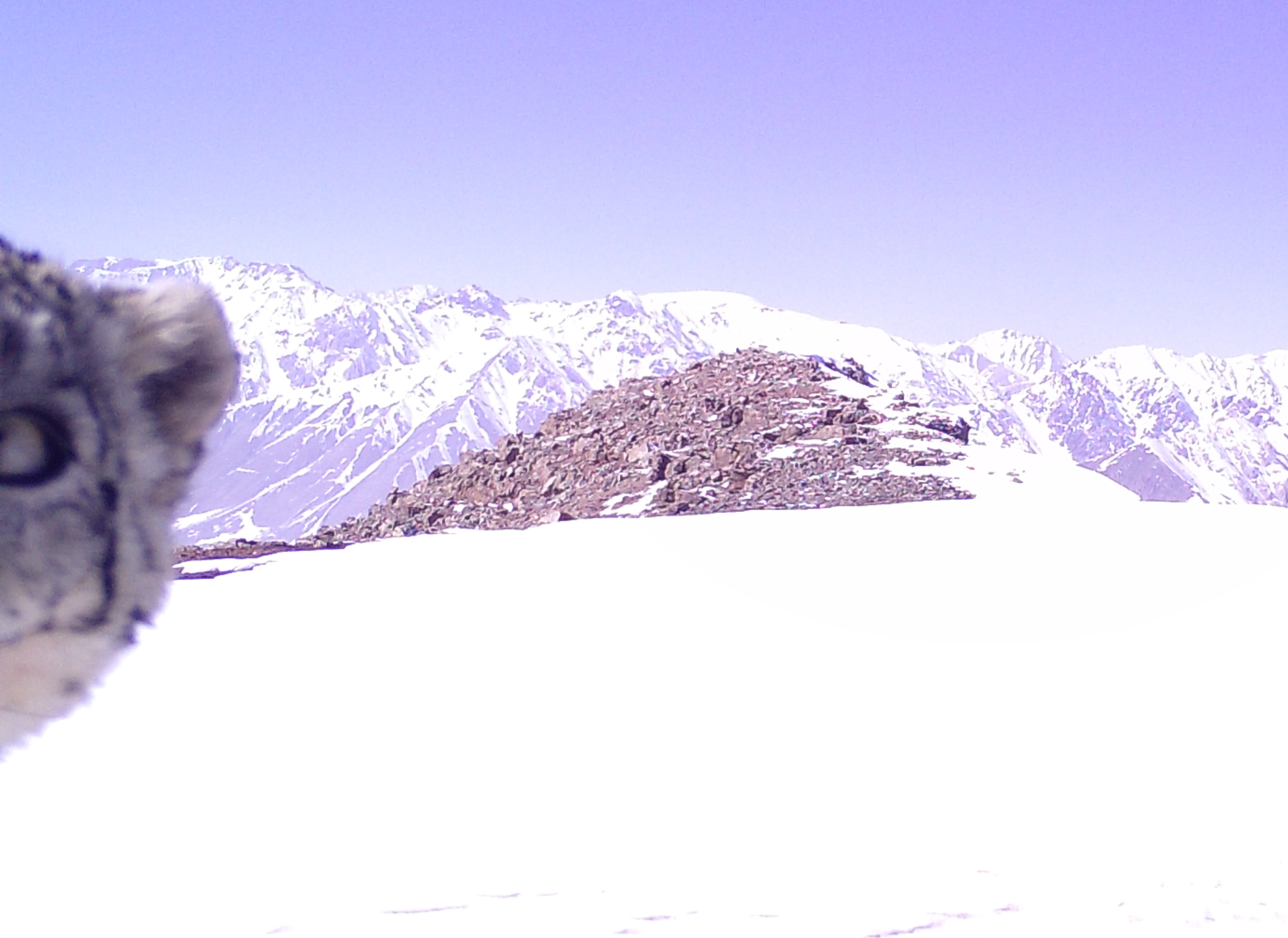
One camera trap produced this unbelievable picture (it is not AI-generated or photoshopped, but what the camera actually recorded!):
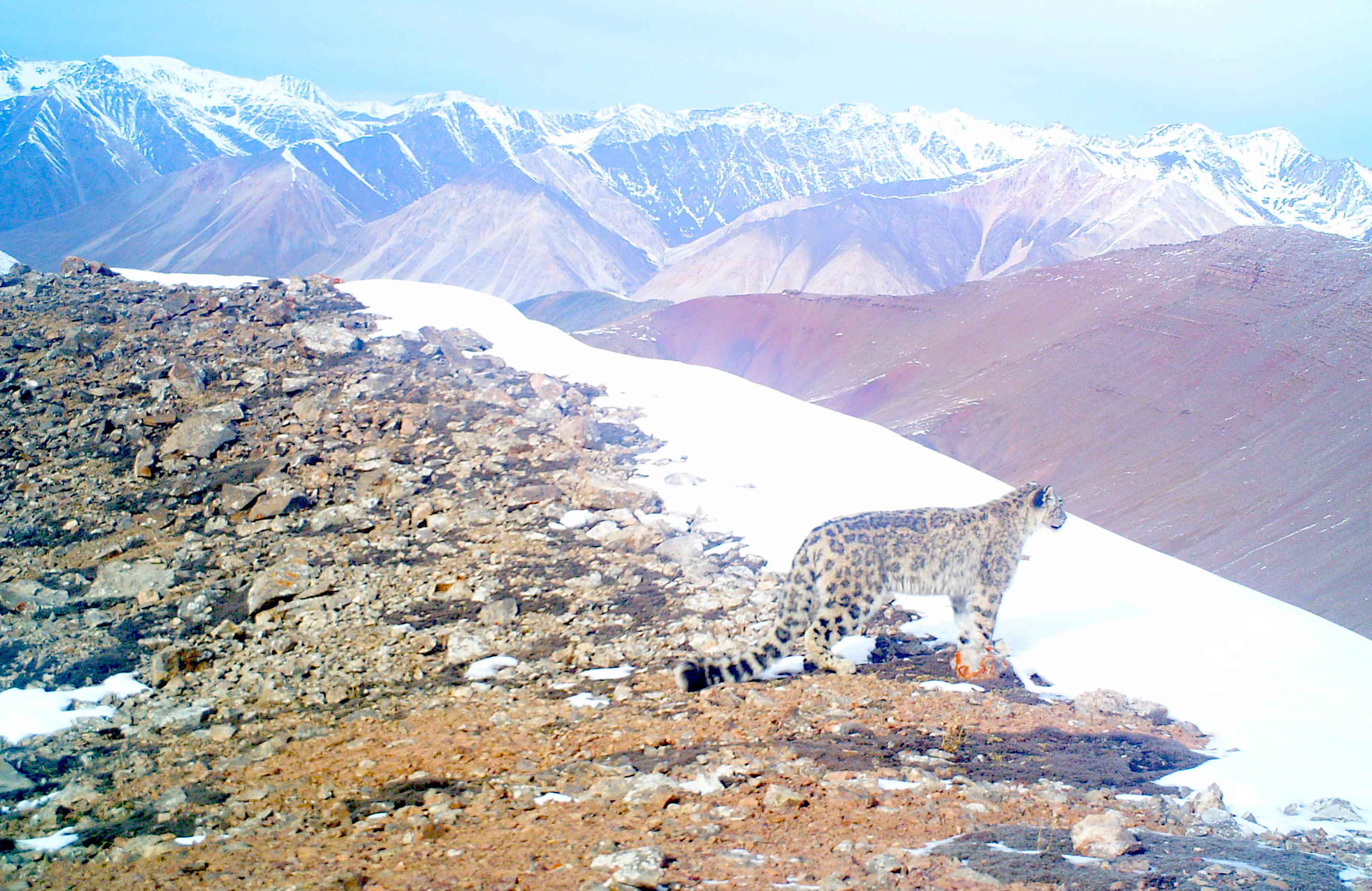
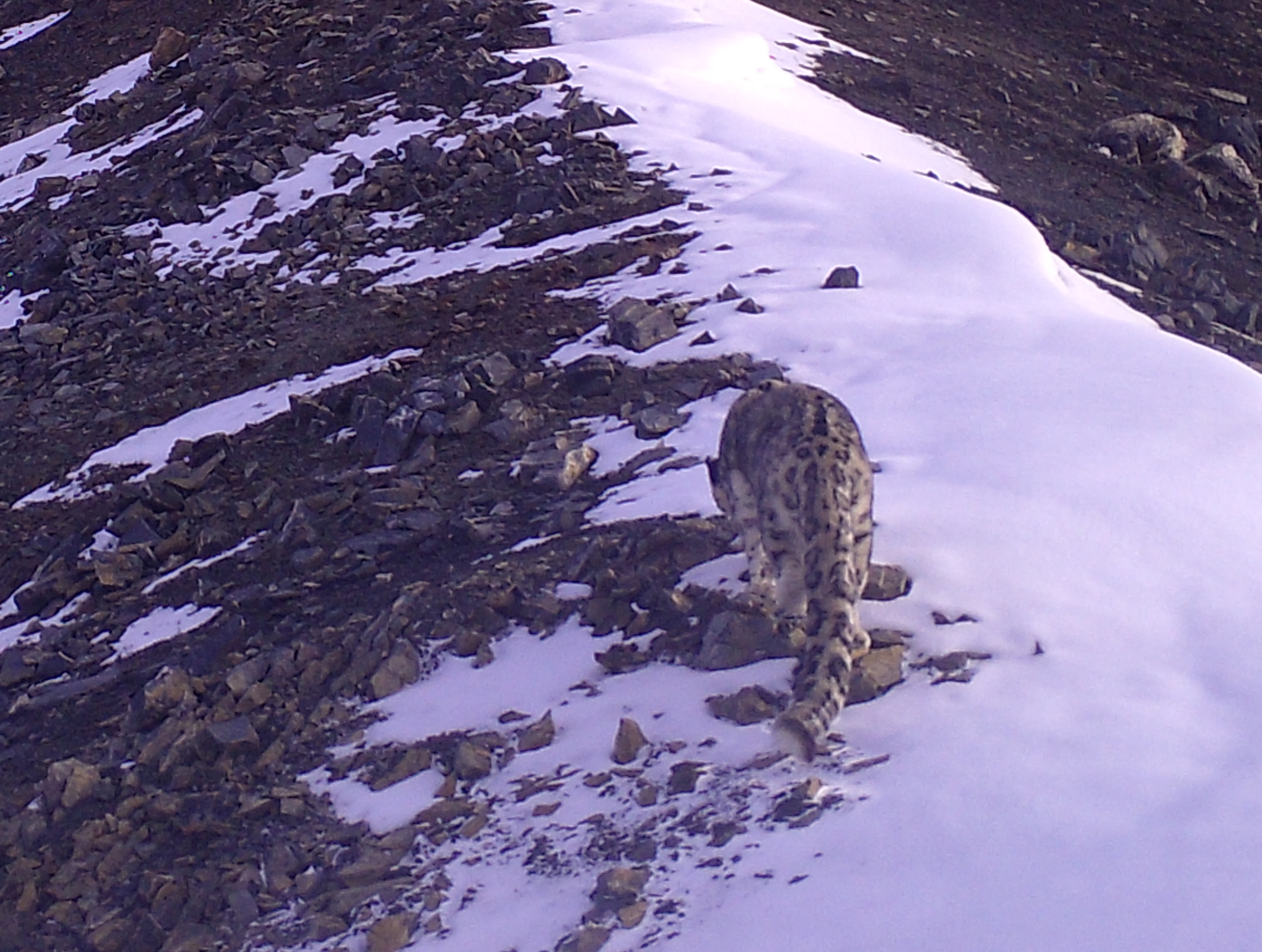
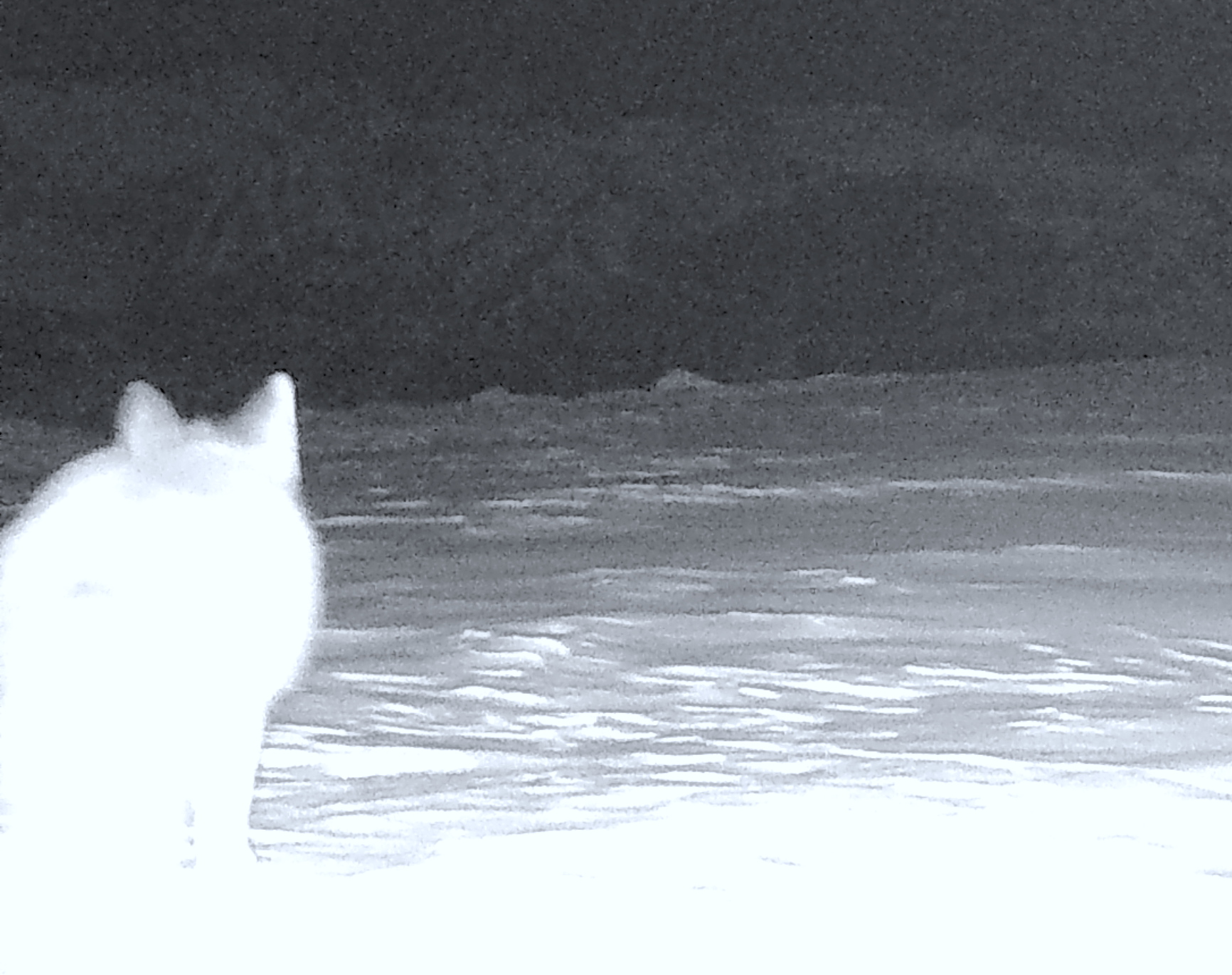
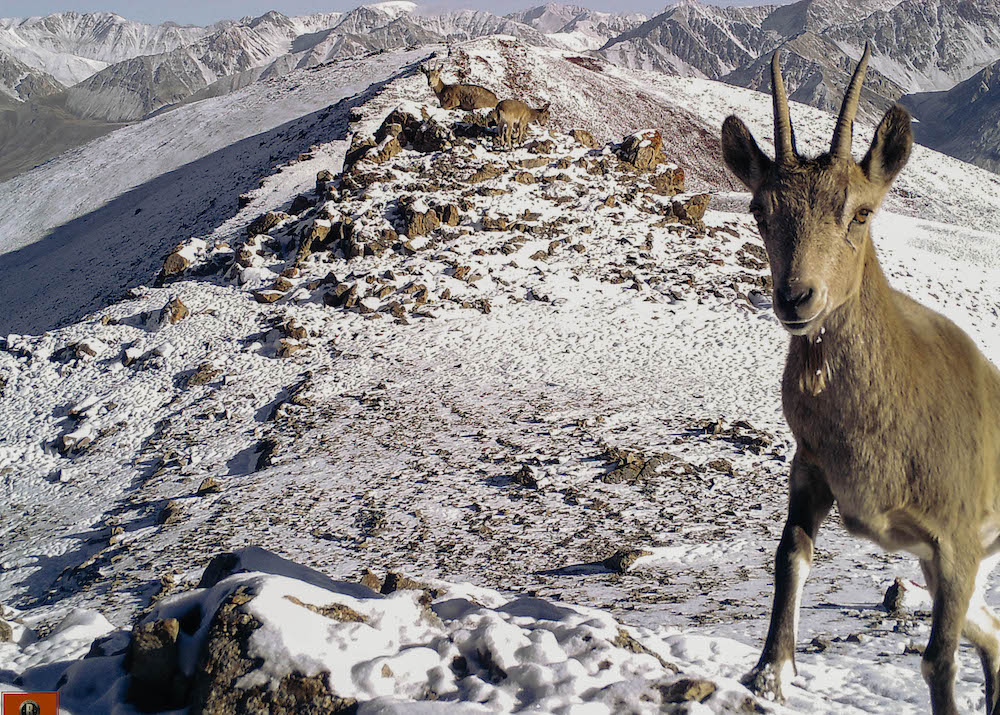
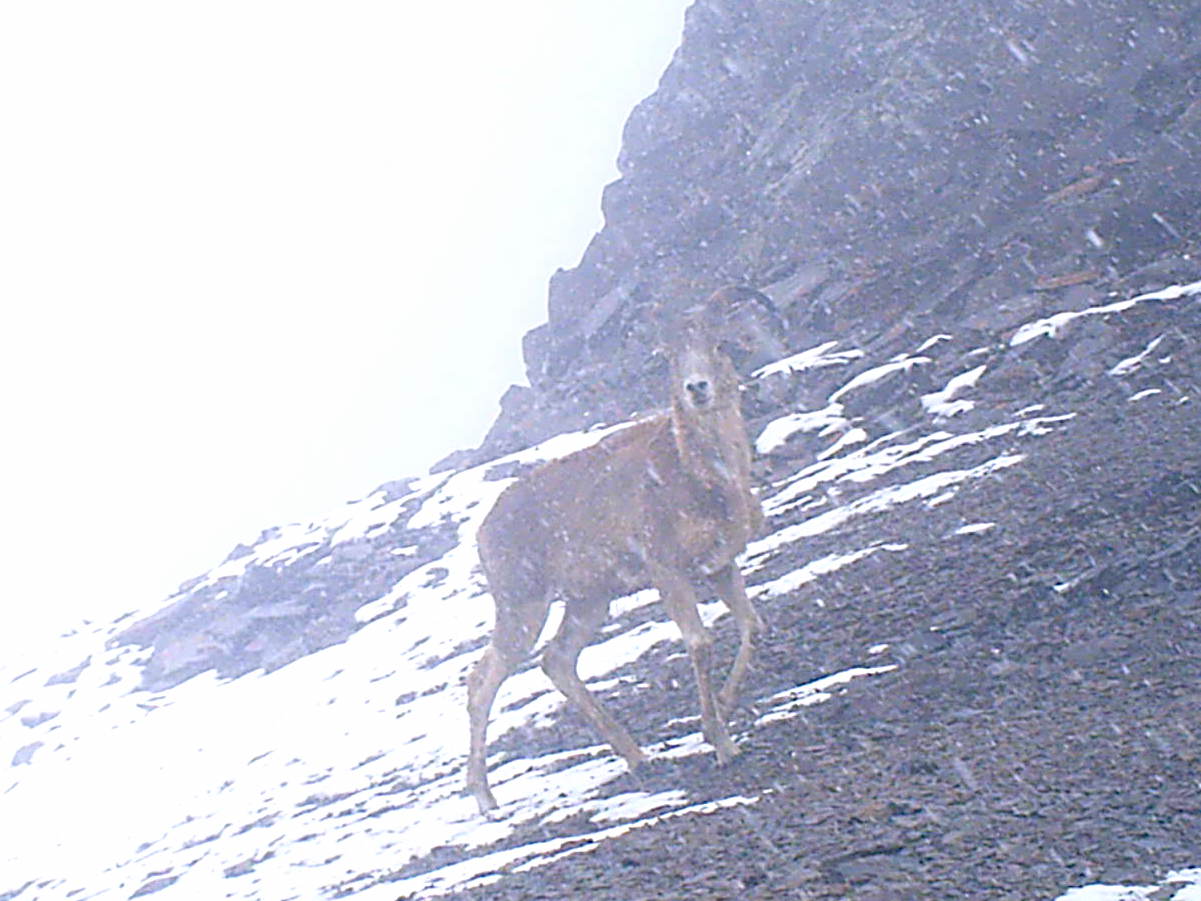
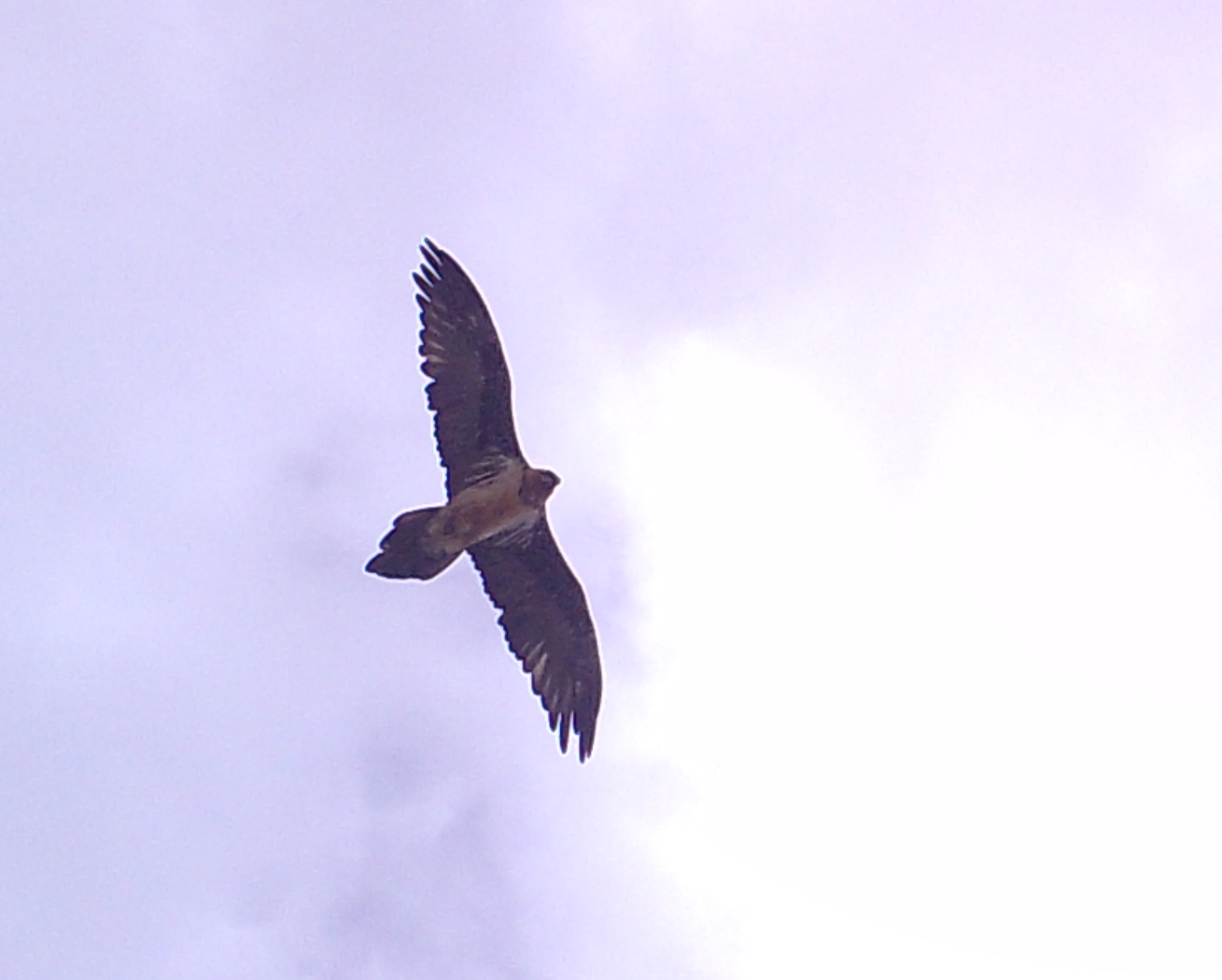
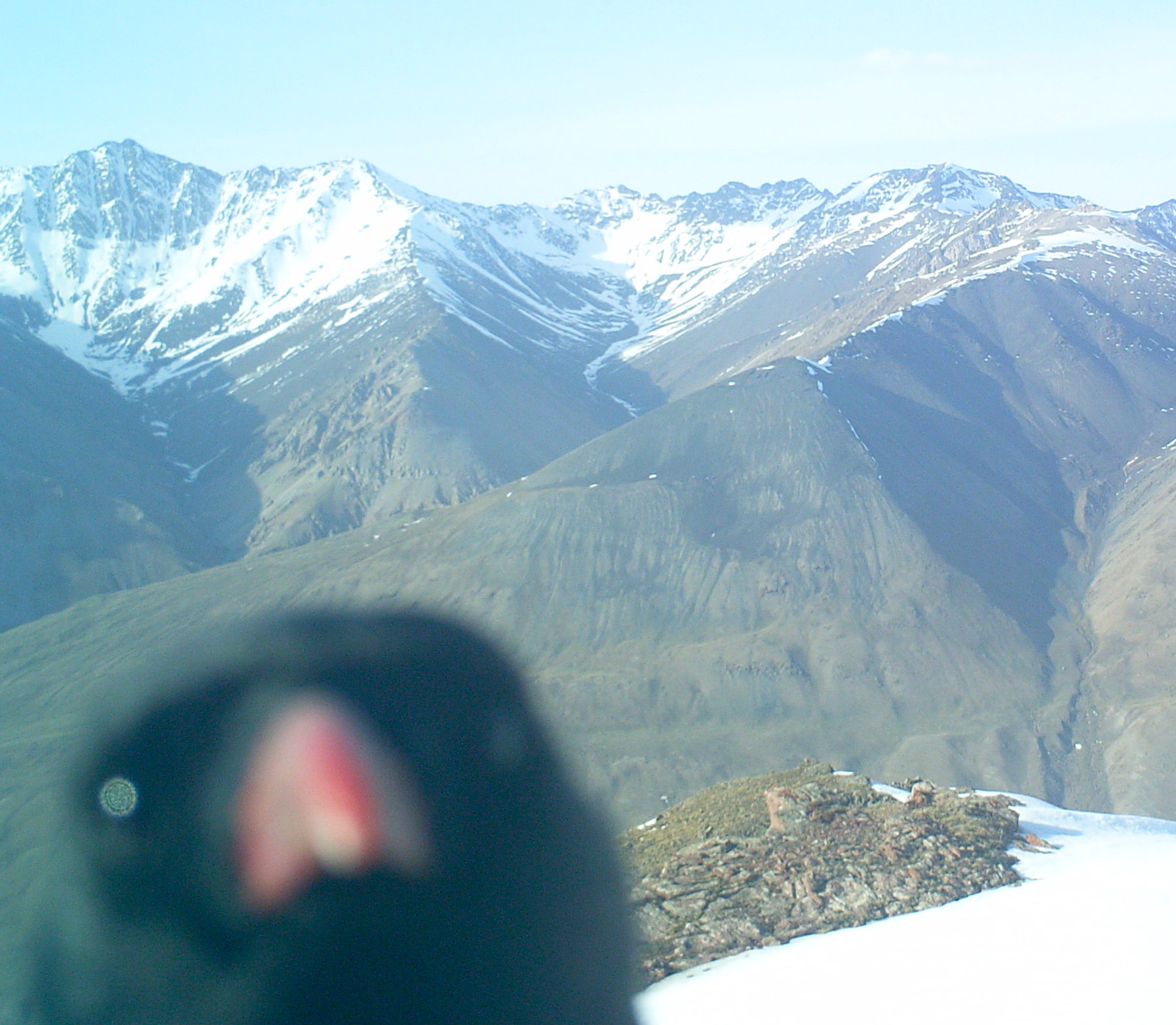
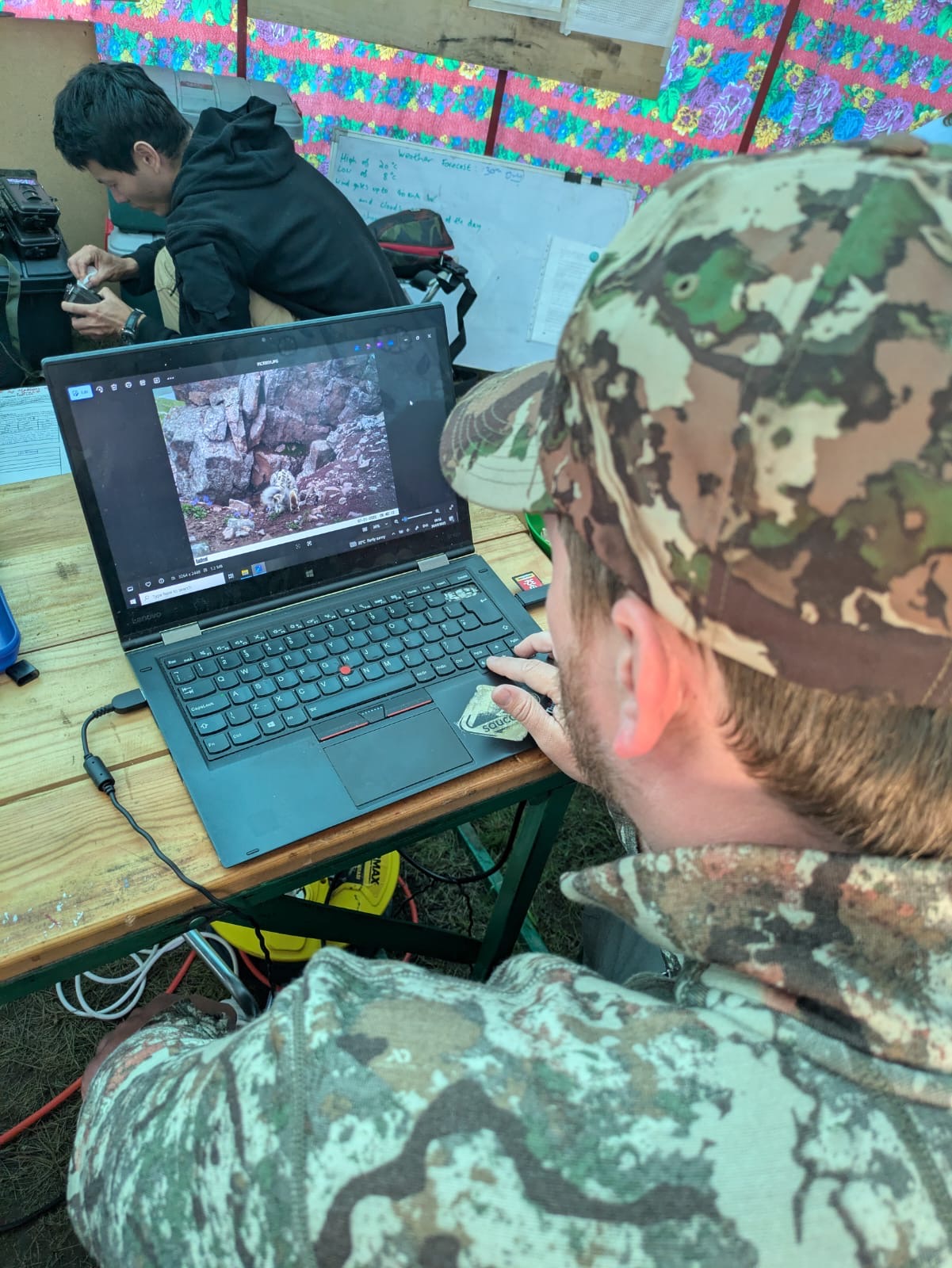
Other camera trap highlights were this (the 2025 expedition left 33 in the field):
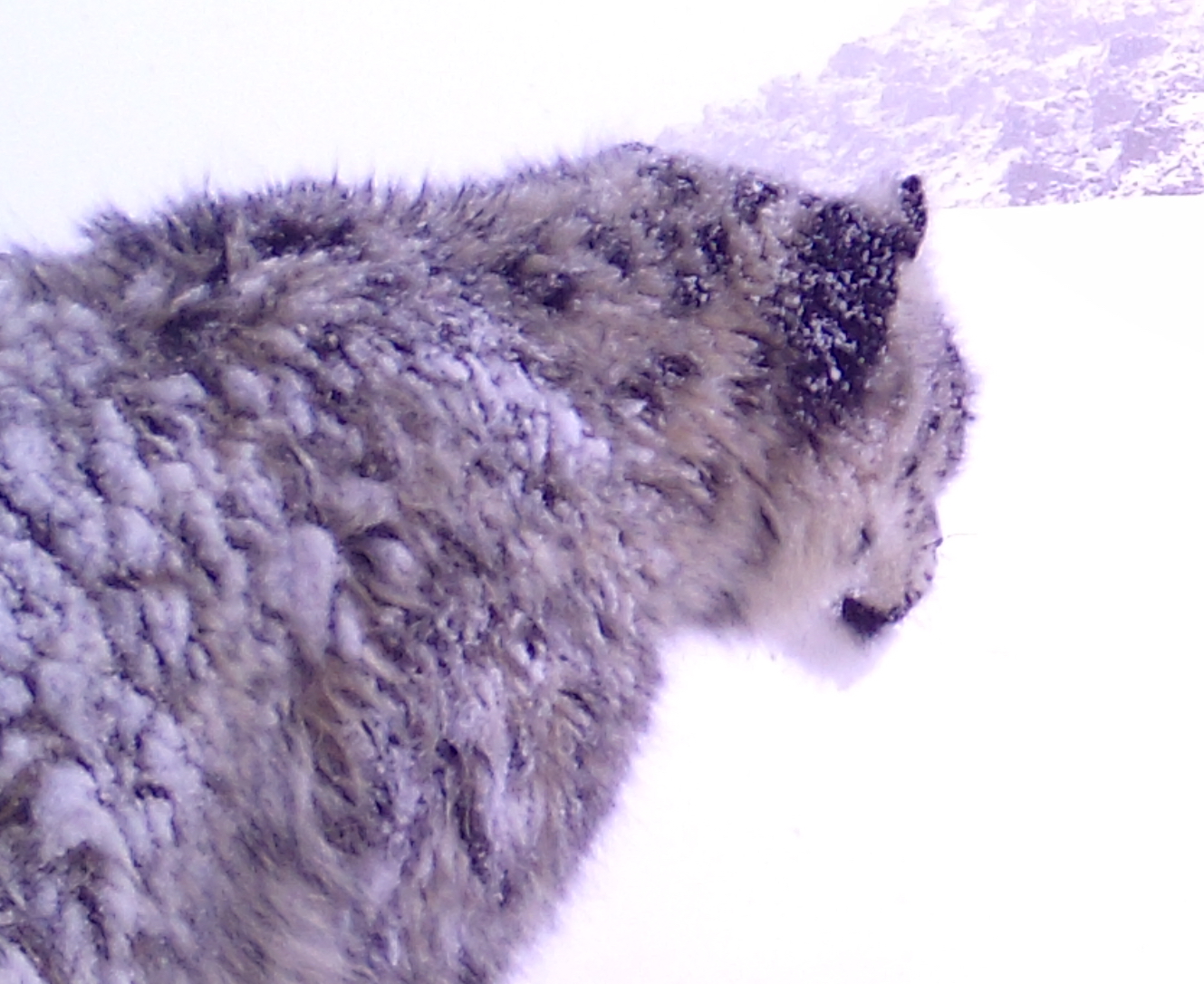
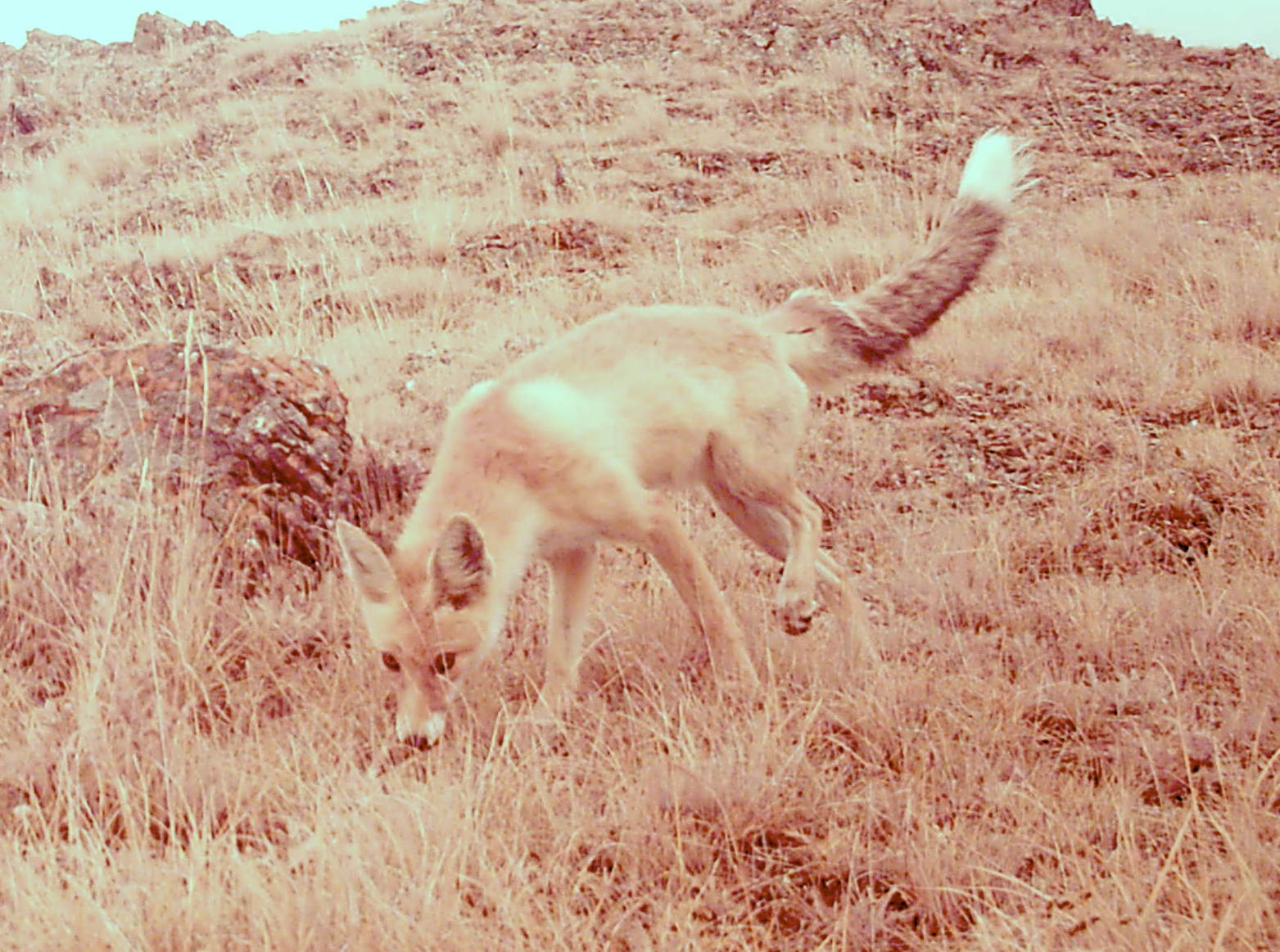
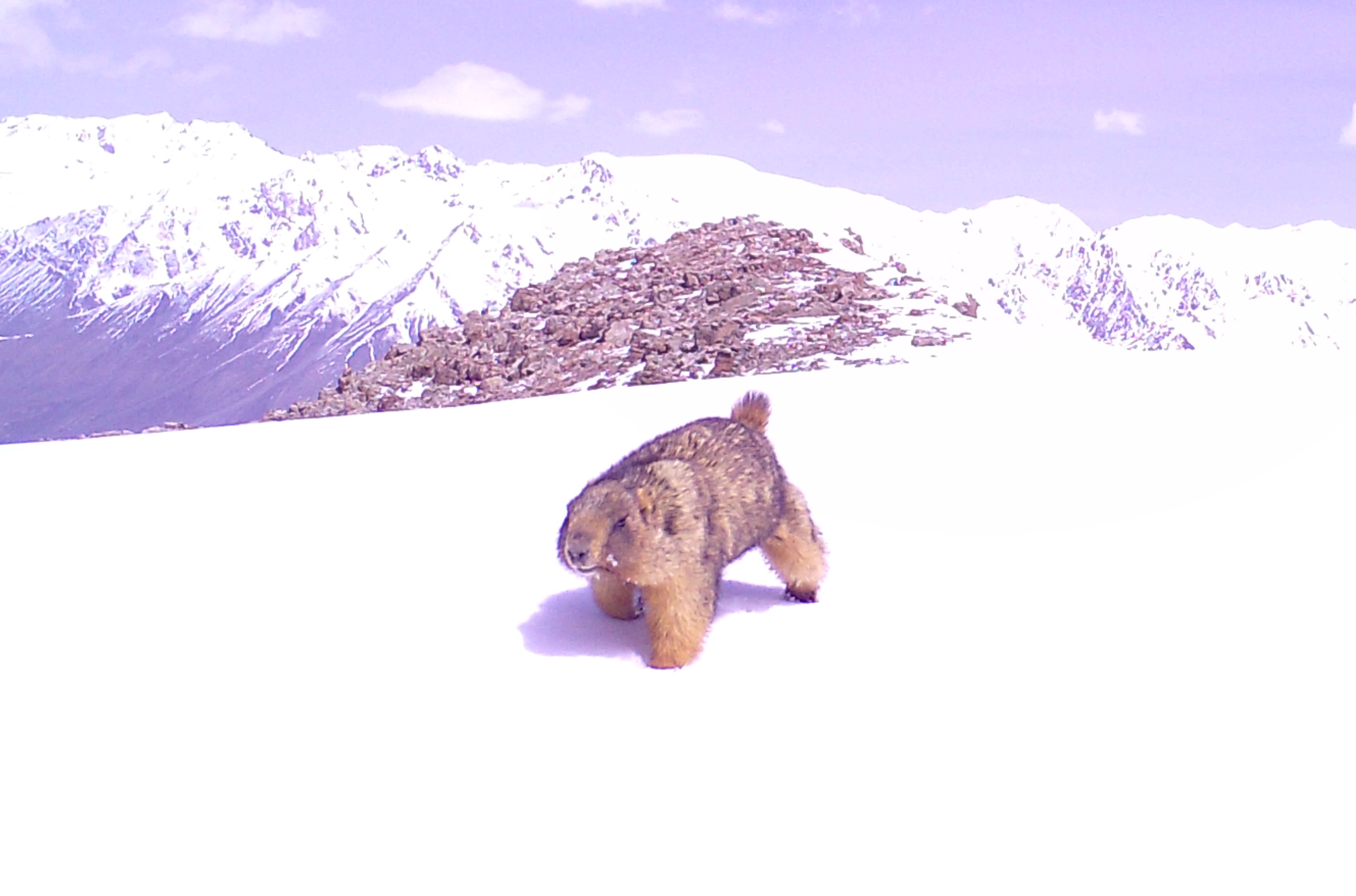
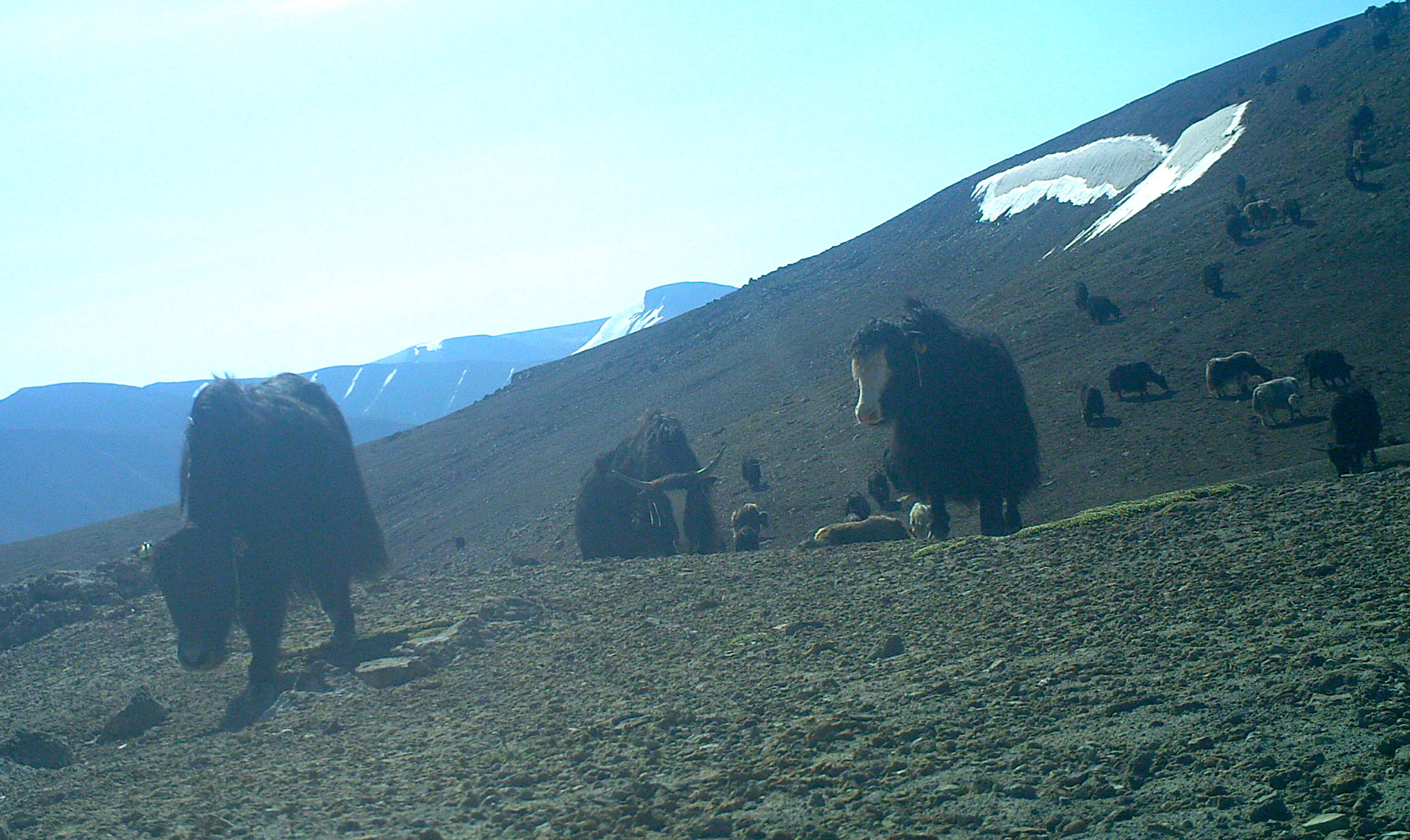
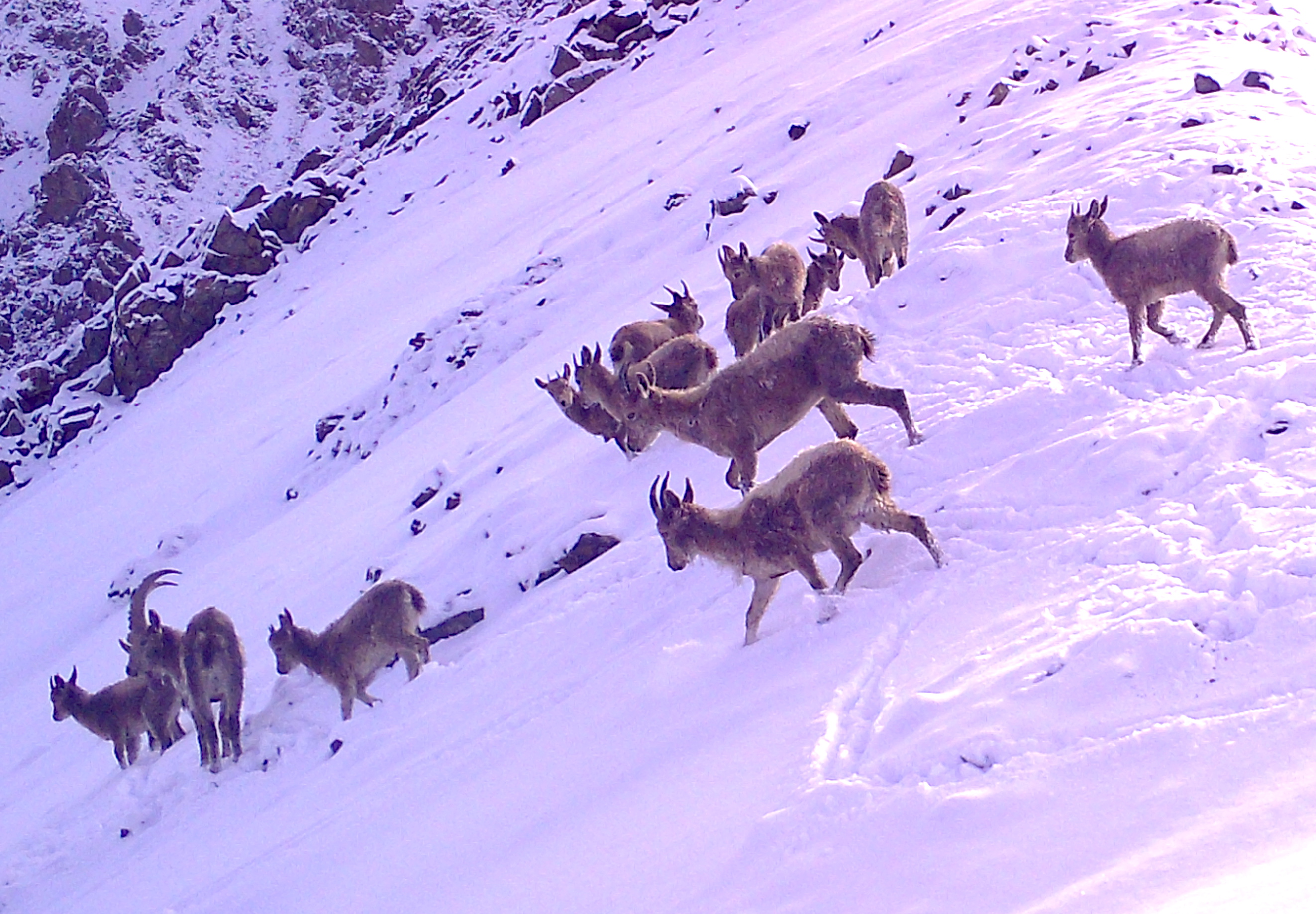

Local people and communities have been integrated into the expedition as cooks, guides, helpers and interview partners.
Expedition data are freely available to enable conservation actions, indigenous community-based conservation, and to identify potential ecological corridors. All of this provides governments, local NGOs and decision-makers facts for real, science-based conservation actions.
Aims of the snow leopard expedition
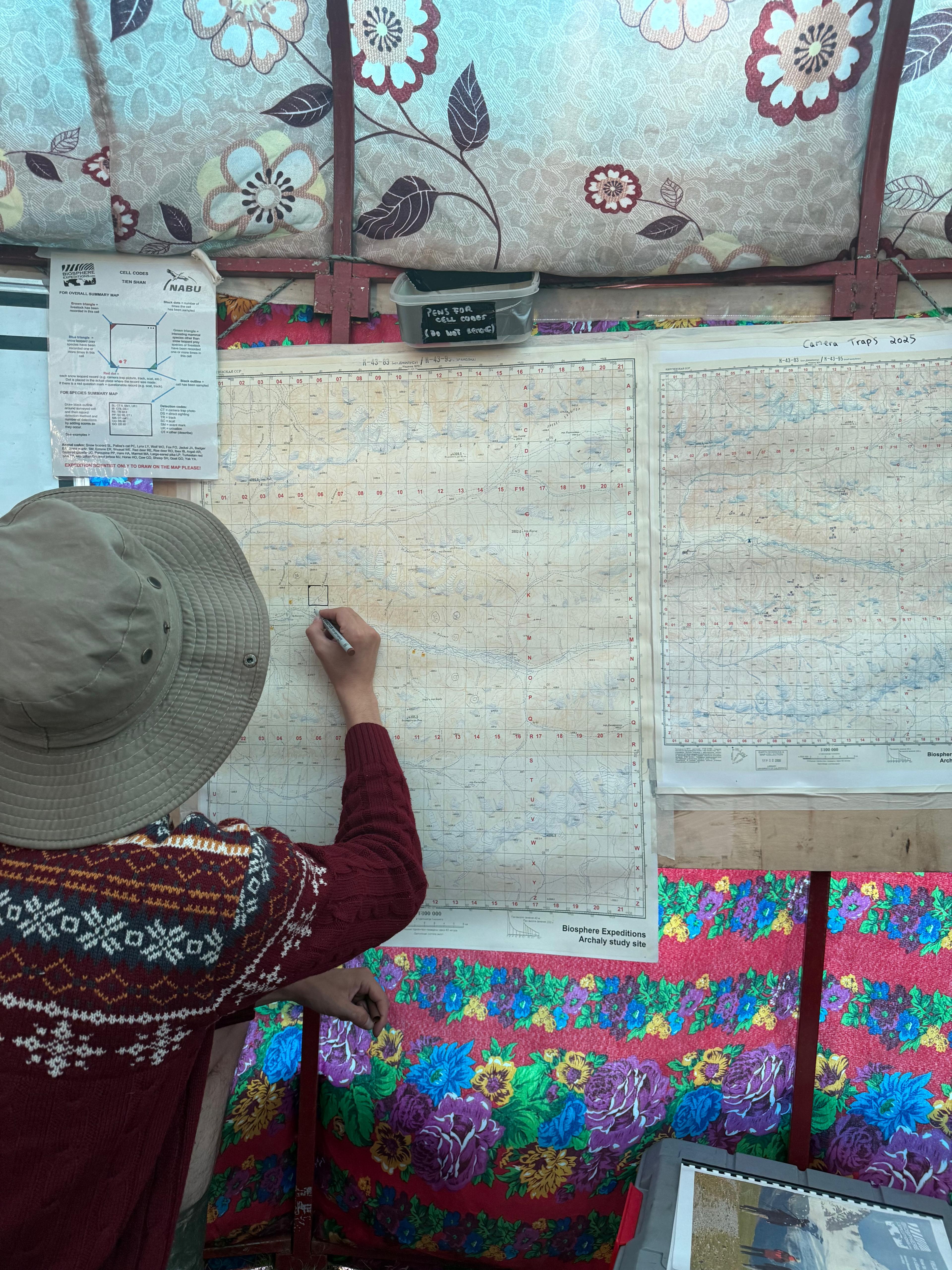
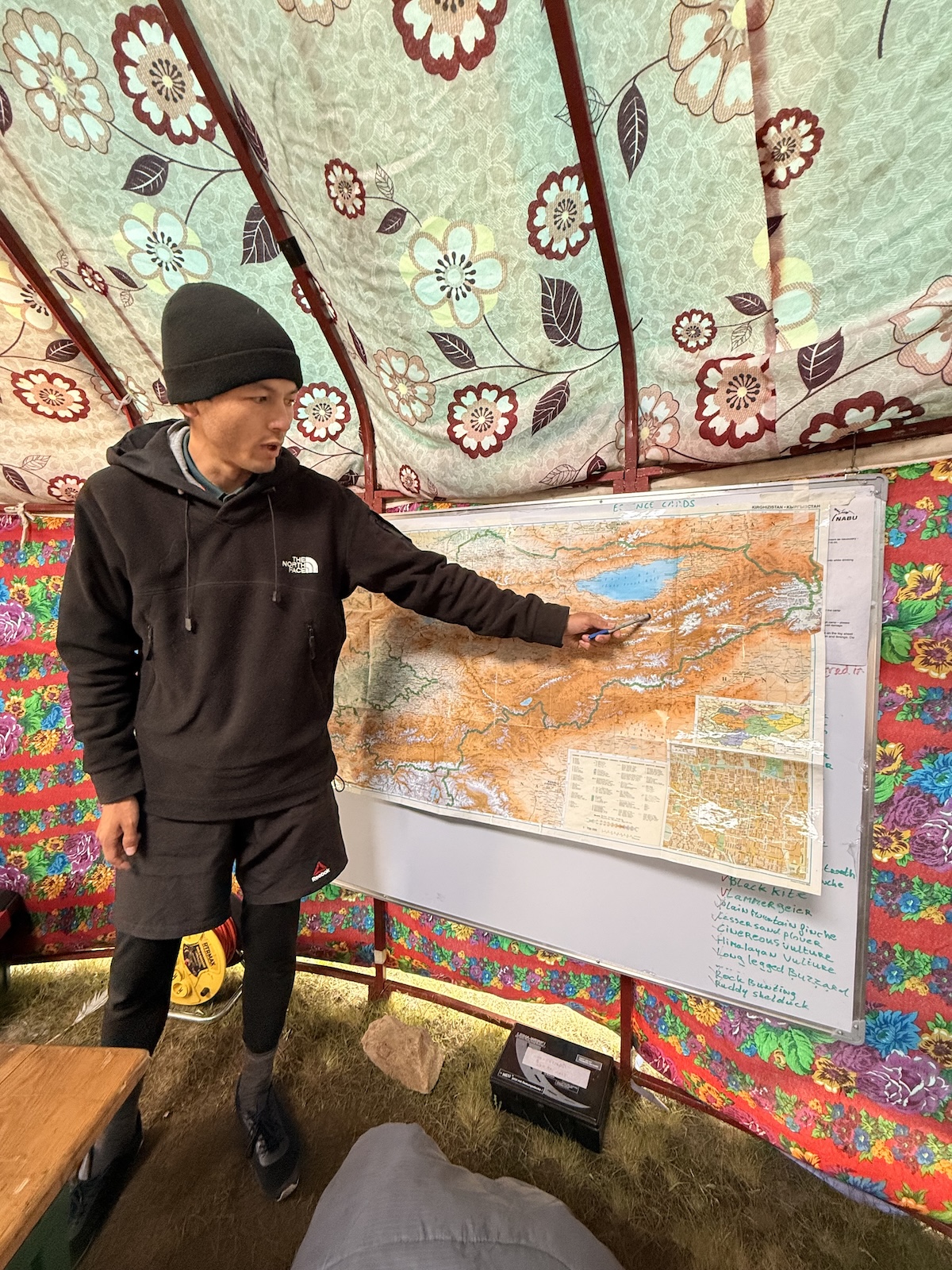
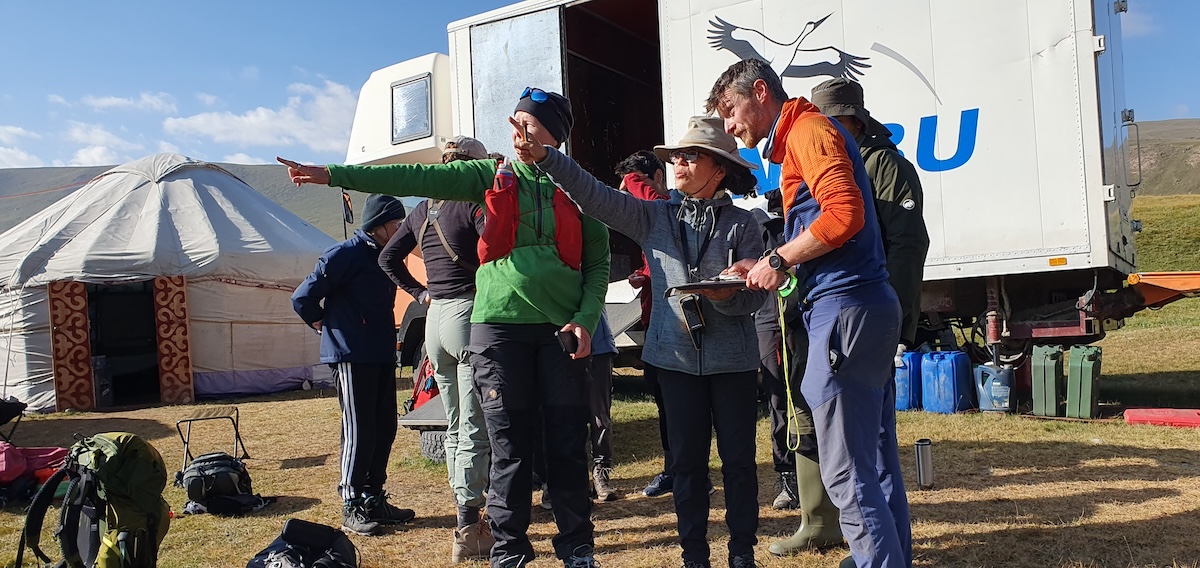
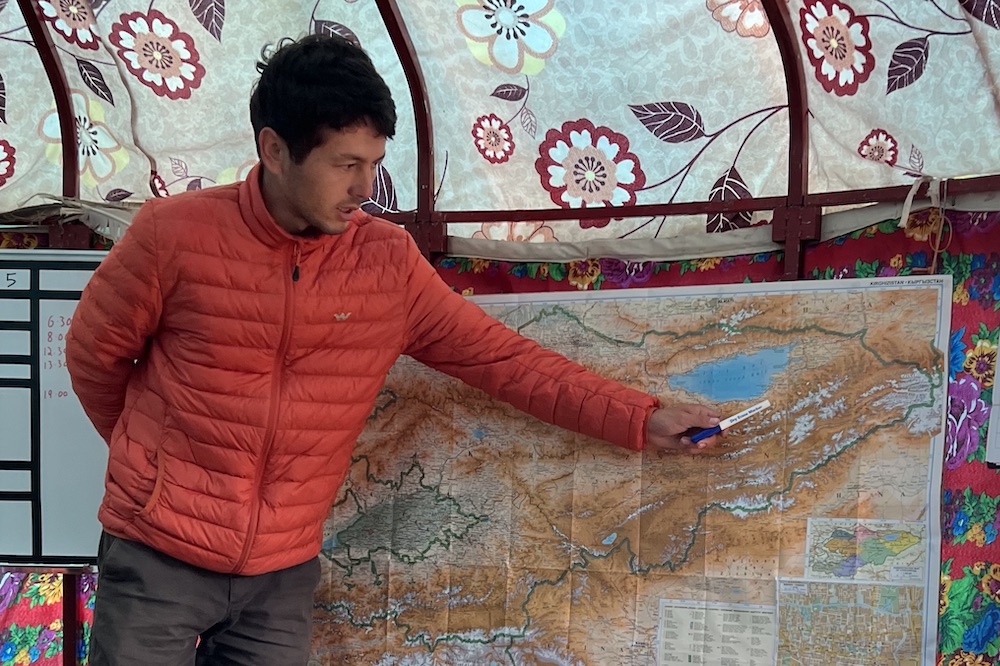
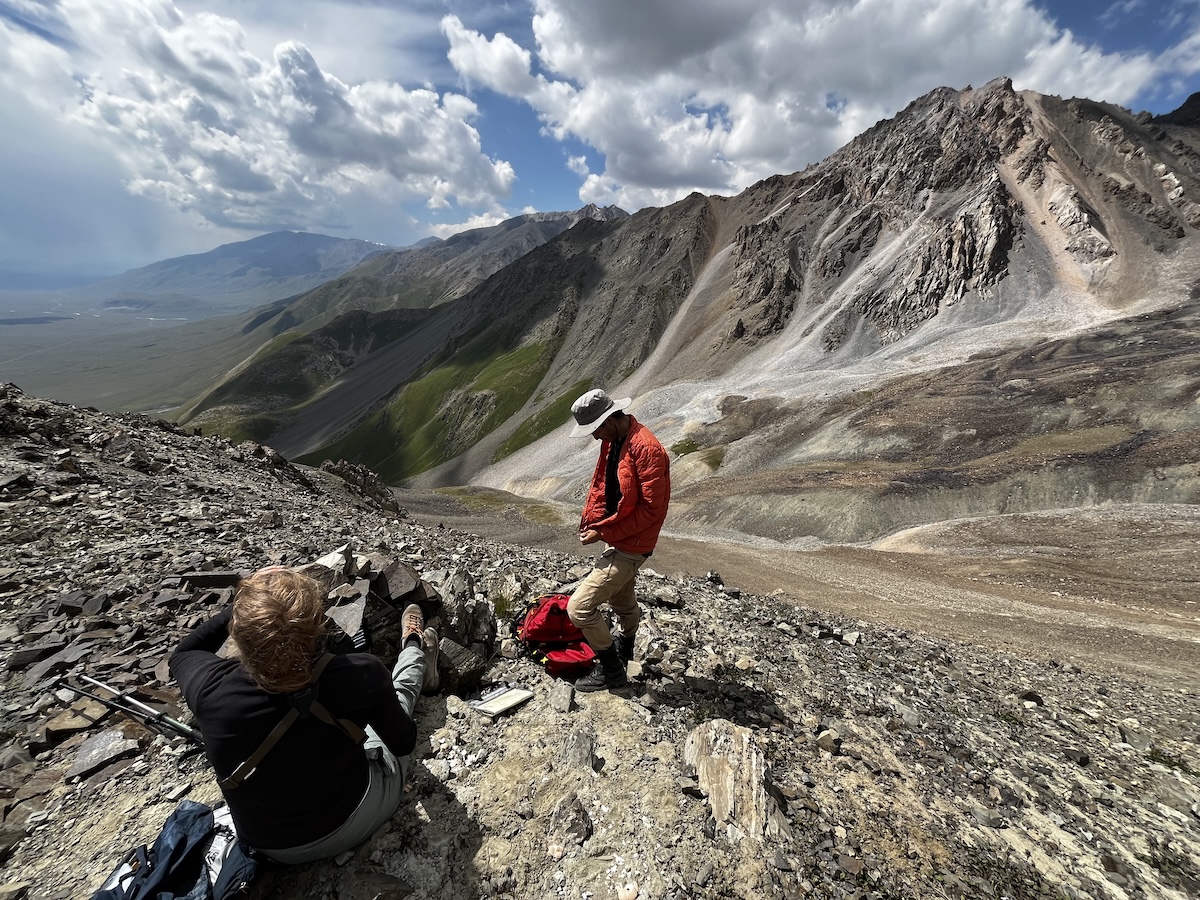
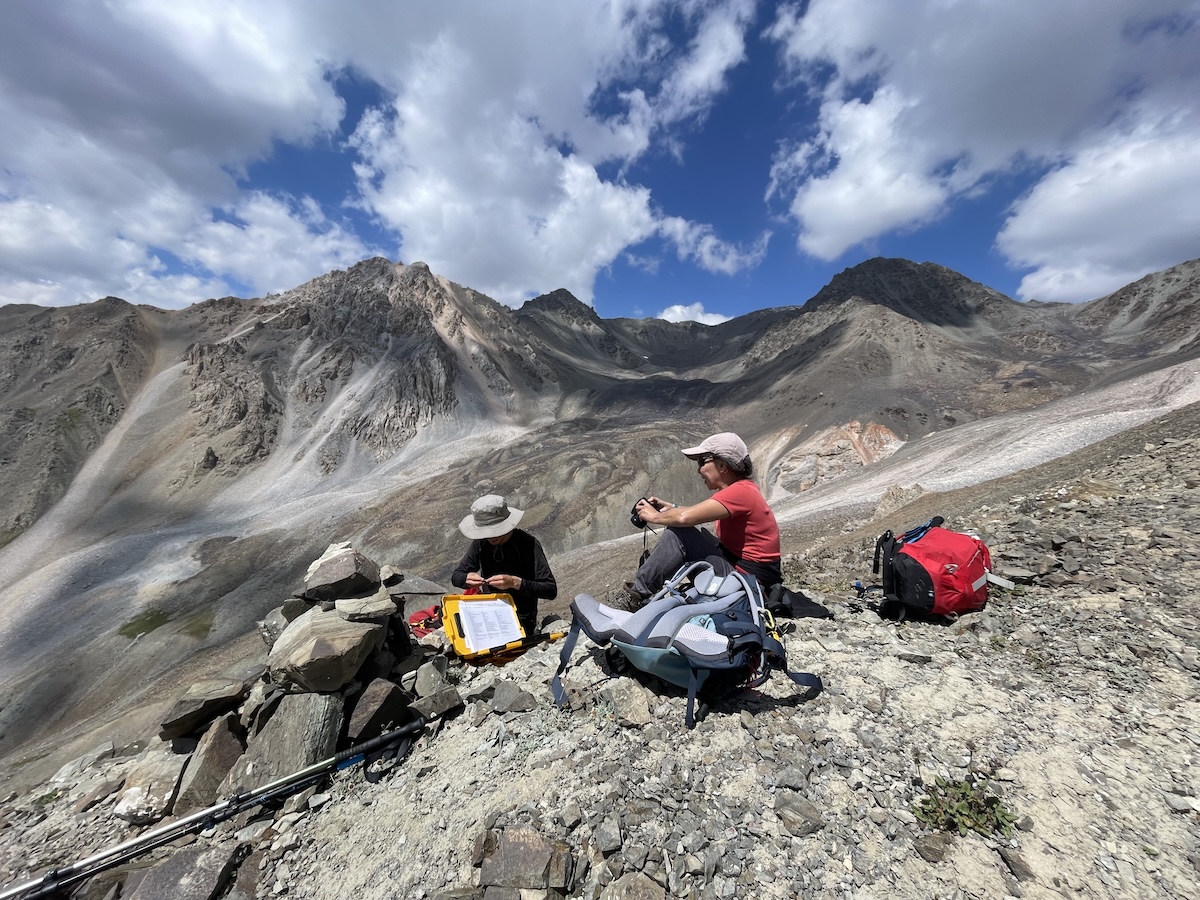
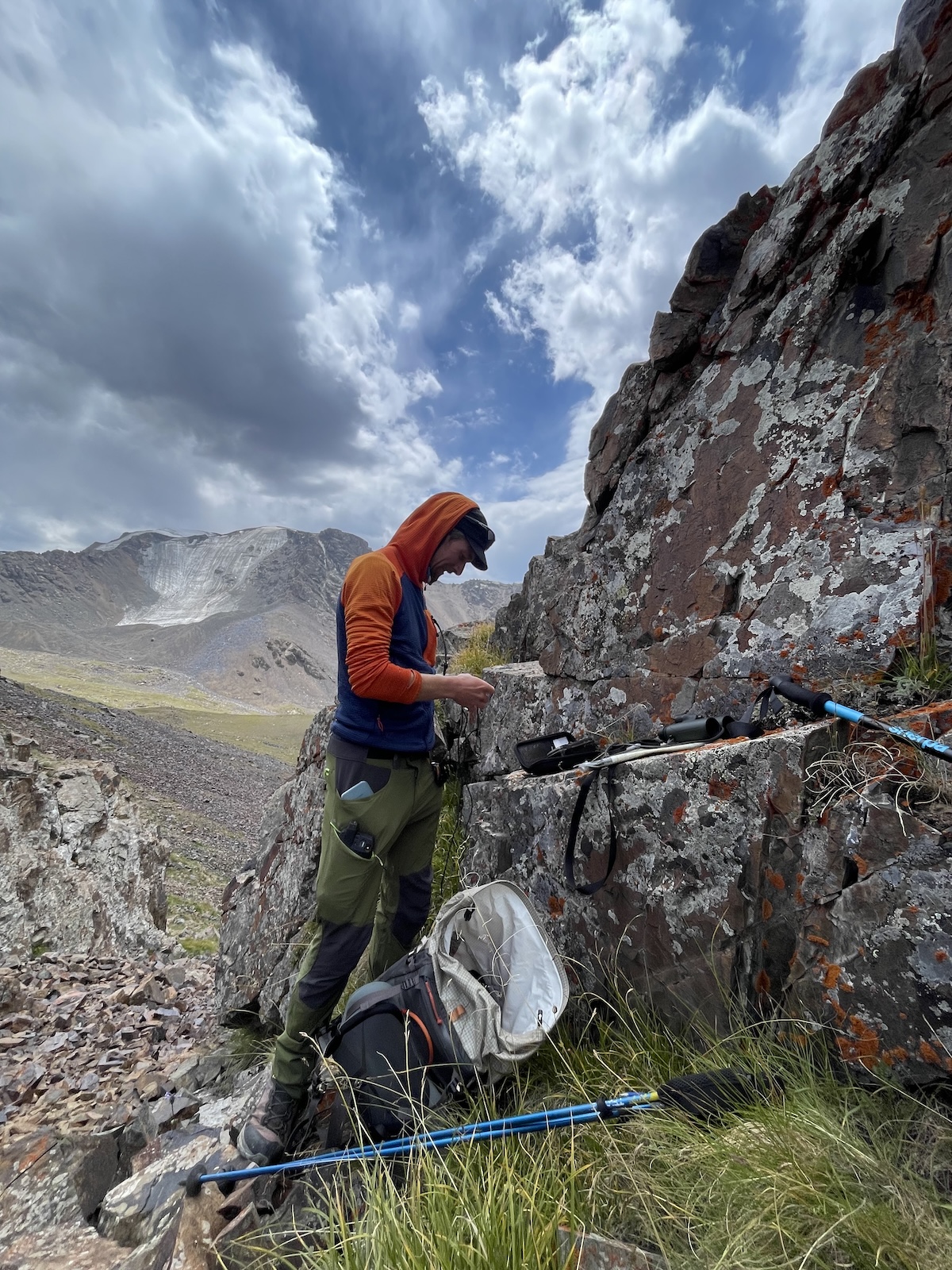
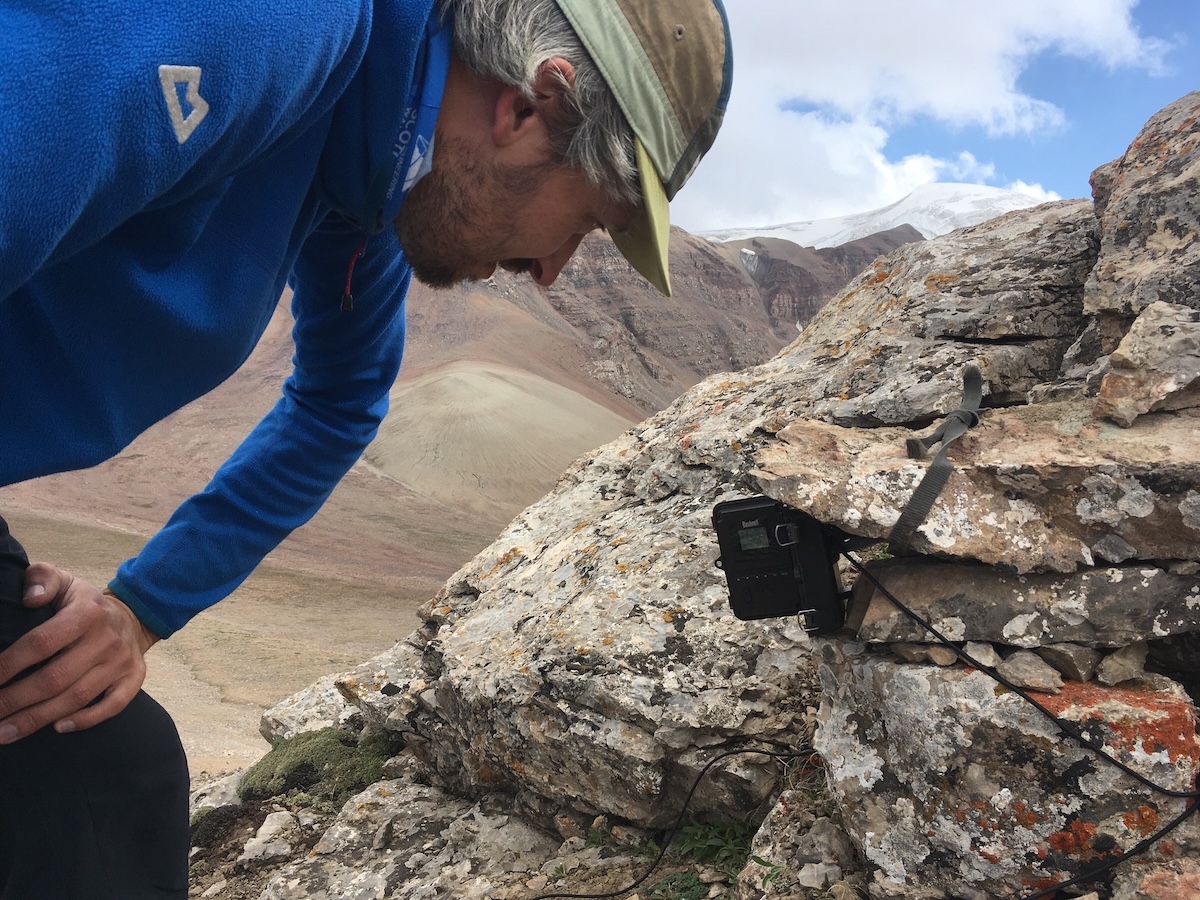
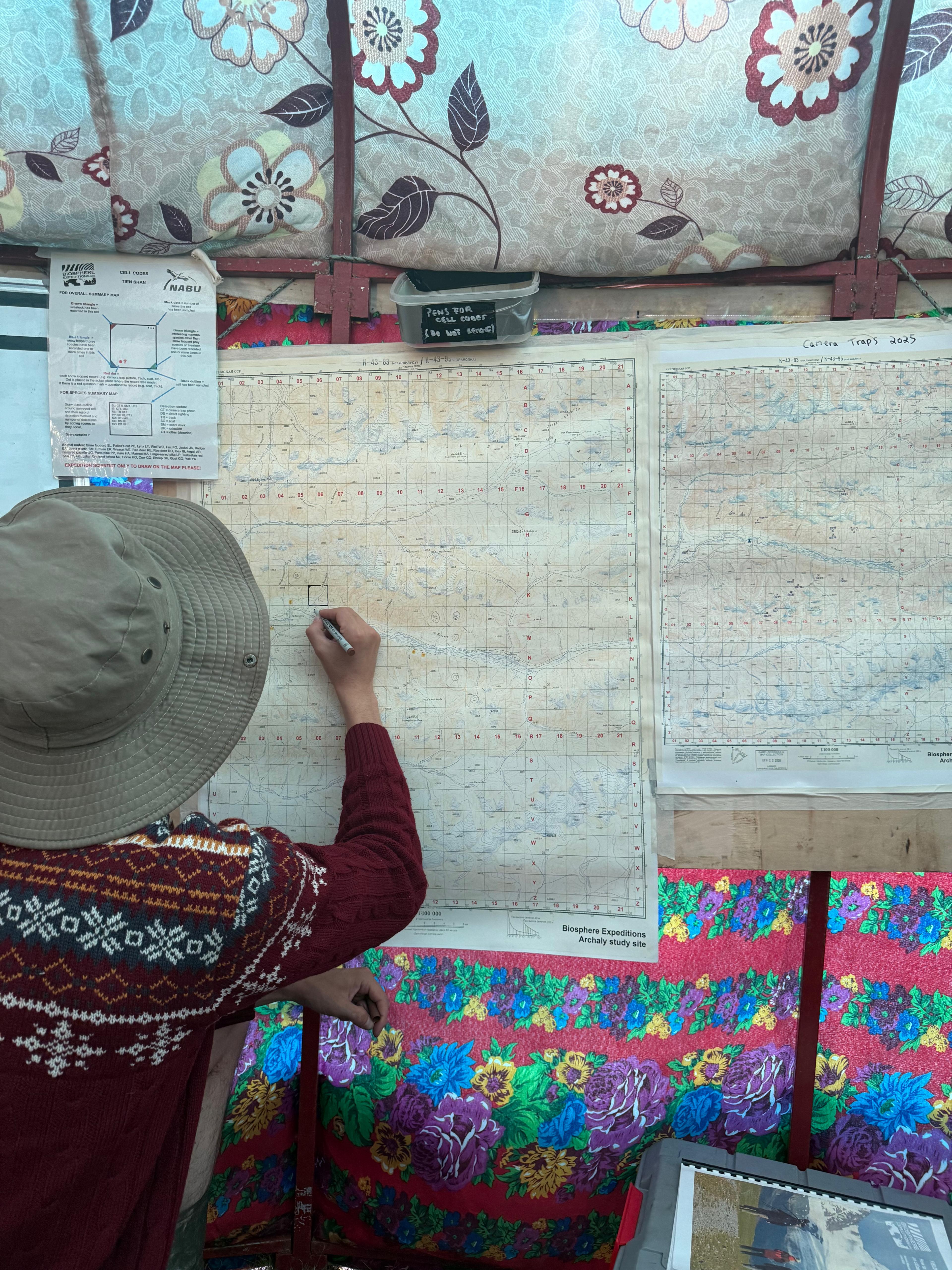
Put simply, the objectives of our snow leopard project are to check, retrieve or “service” as many camera traps as possible, complete 2×2 km cell surveys and build local relationships in the area.
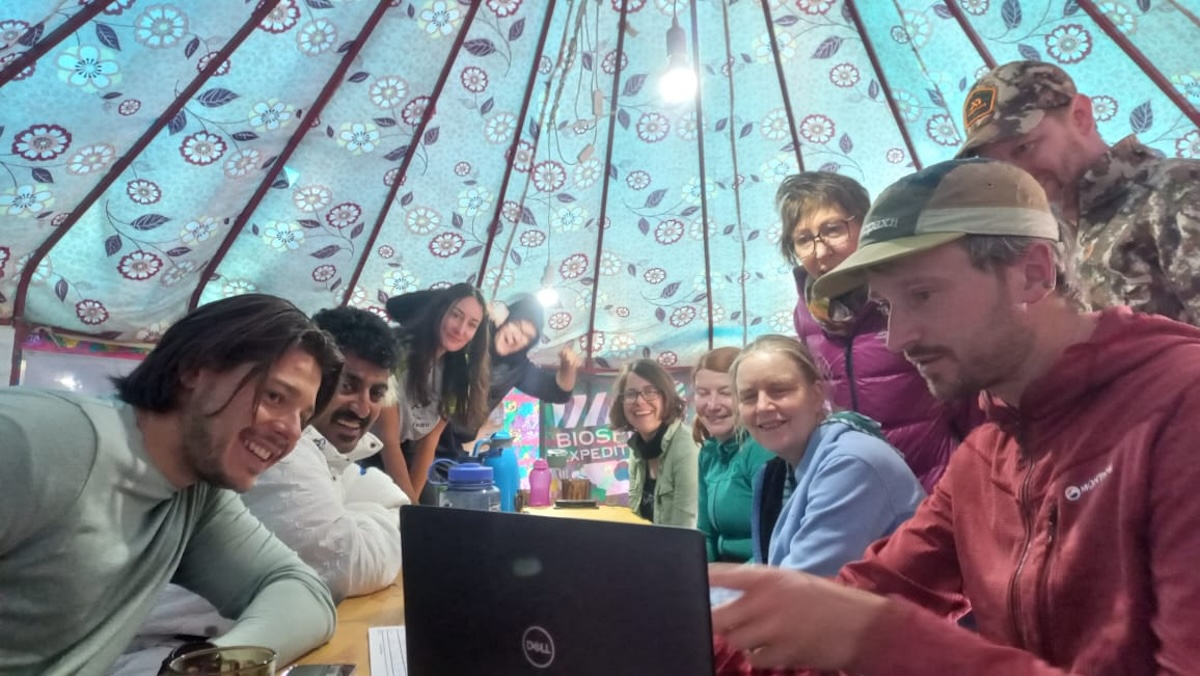
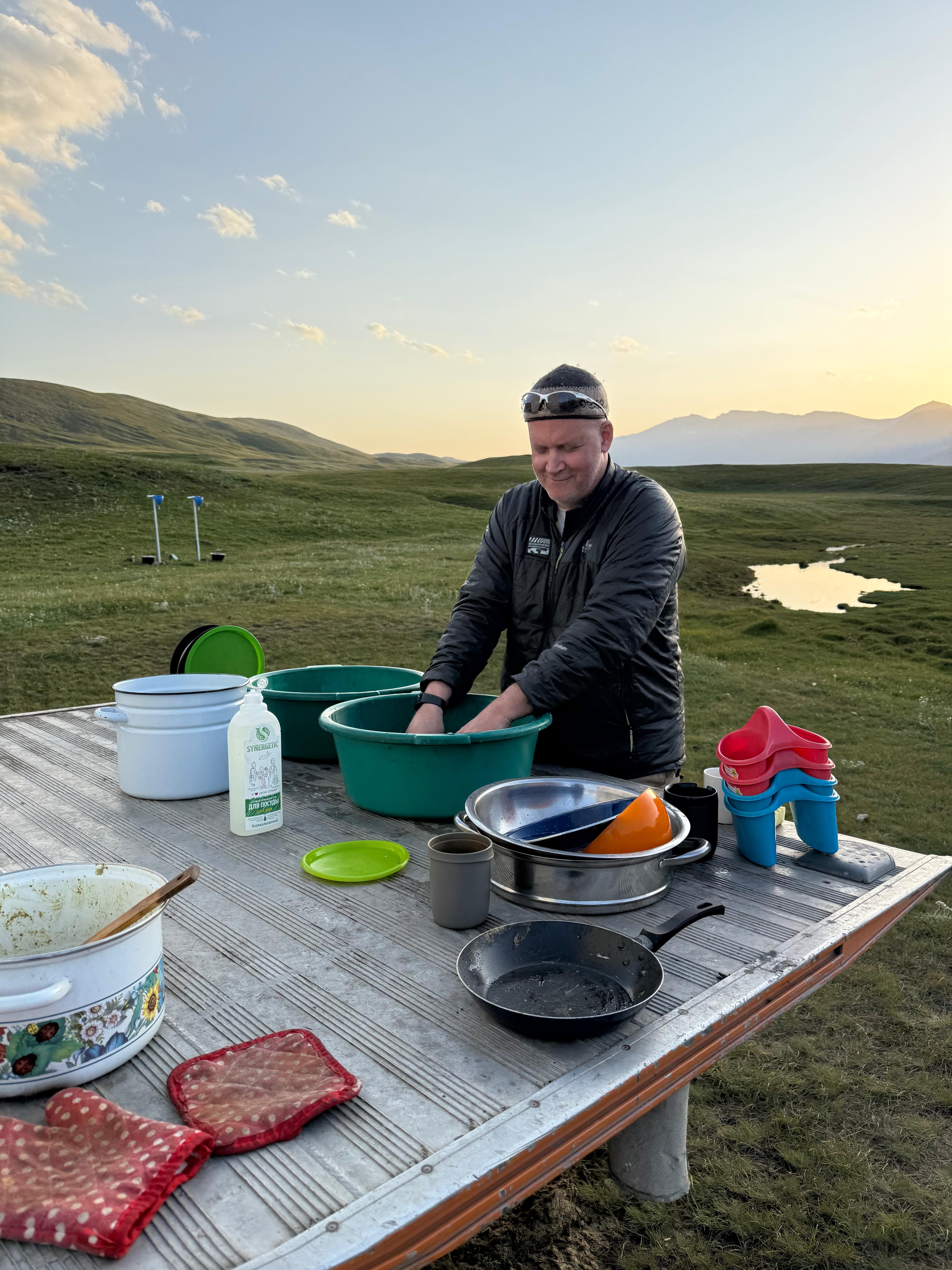
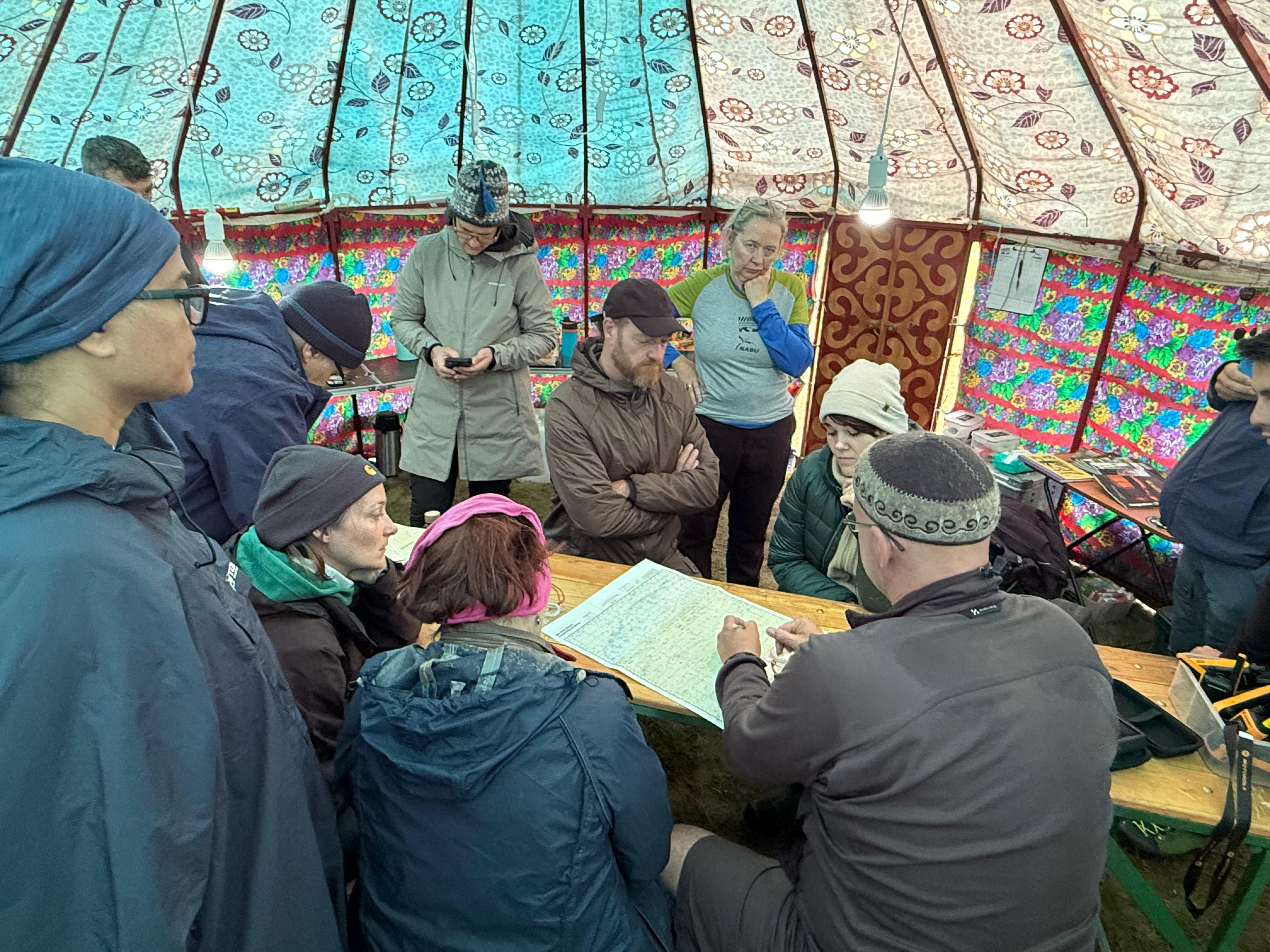
Cleaning, logging data, evening debriefs, fixing tents, maintaining vehicles and managing science equipment are all standard tasks that come with day-to-day expedition life.
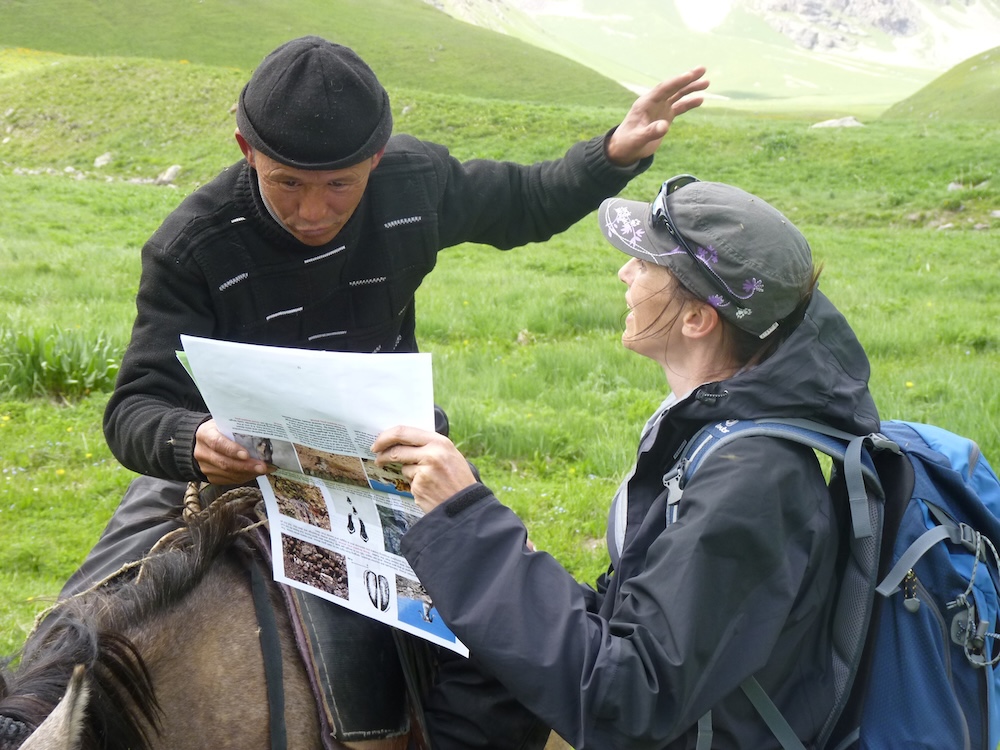
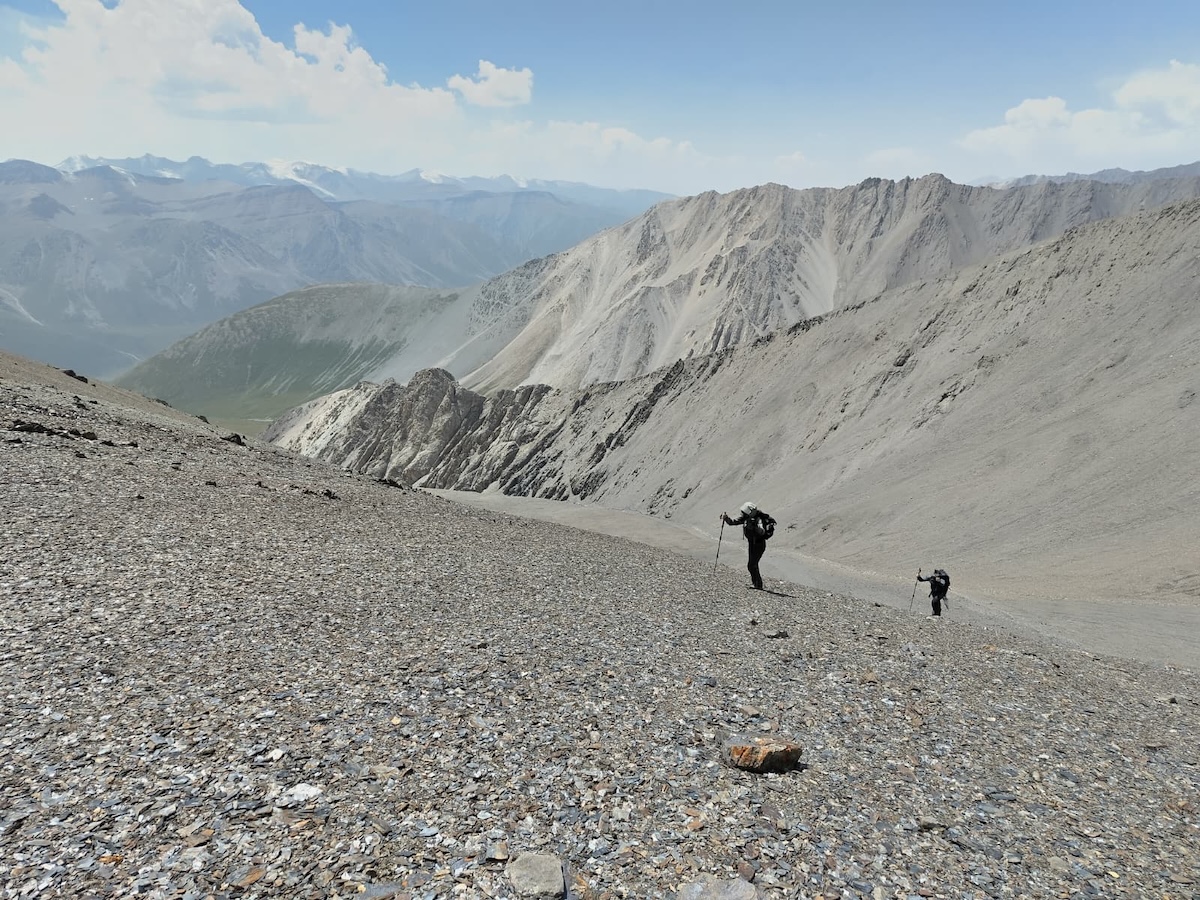
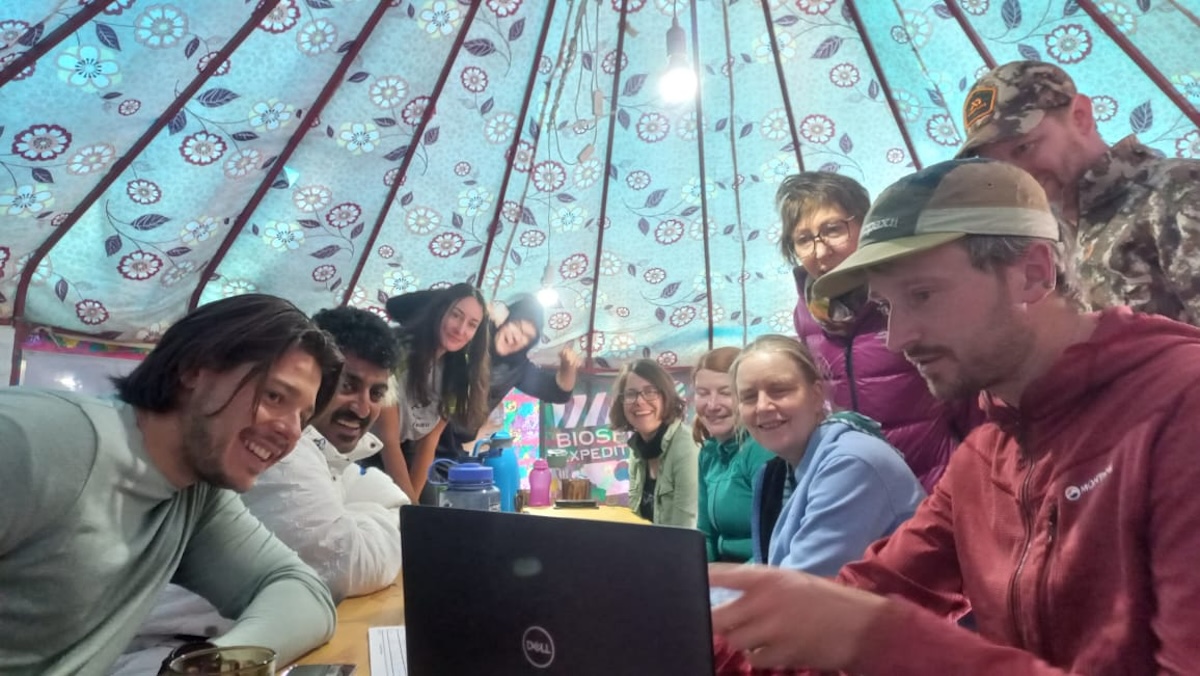
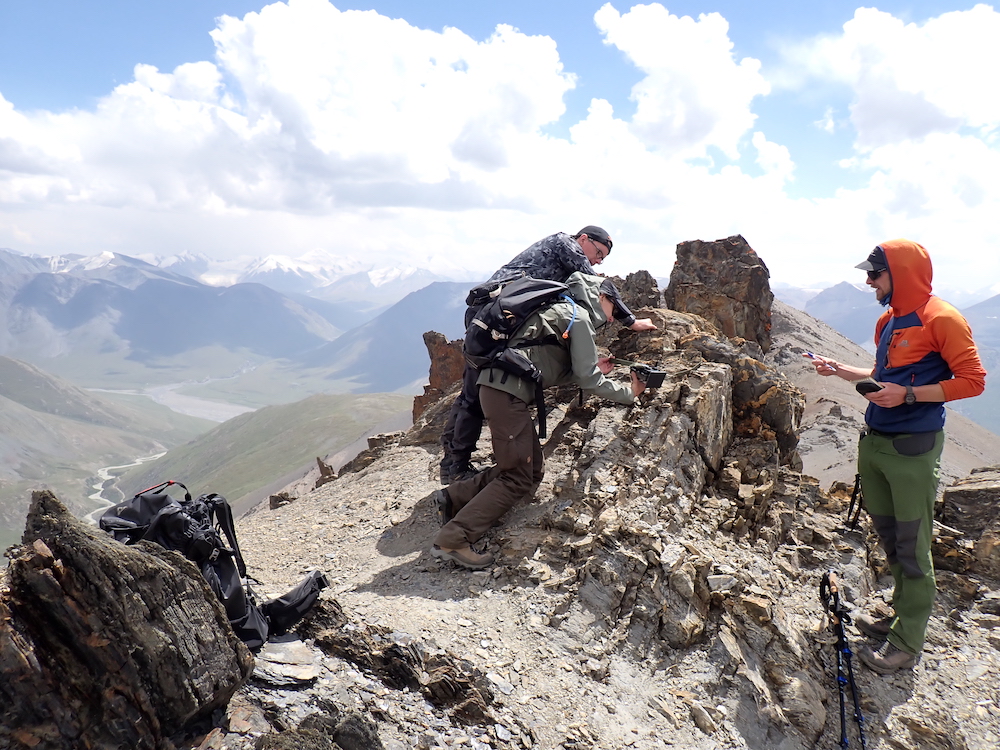
On a successful day, the team completed mammal cell surveys, gained a ridge to service a camera trap and sat down to talk with local herders about what it is like to live and work among these impressive mountains for several months of the year.

Snow leopards as indicators of intact wilderness
Snow leopards are found in locations across 12 countries and are an indicator of how wildlife is coping with the challenges of human encroachment, global warming etc.
Simply put, the presence of a snow leopard indicates an intact wilderness.
The first global forum on snow leopard and ecosystem protection was held in Kyrgyzstan’s capital, Bishkek in Oct 2013 (and Biosphere Expeditions was right there) during what was titled the ‘Bishkek Declaration on the conservation of Snow Leopard’, where a pledge was made by 12 countries to “ensure the survival” of the snow leopard. Now, 12 years on, ministers gathered once again in Bishkek to “reaffirm” their commitments to protecting the high mountain environments.



Thank you
Our snow leopard volunteer expedition would not be possible or successful without a great many people and partners.
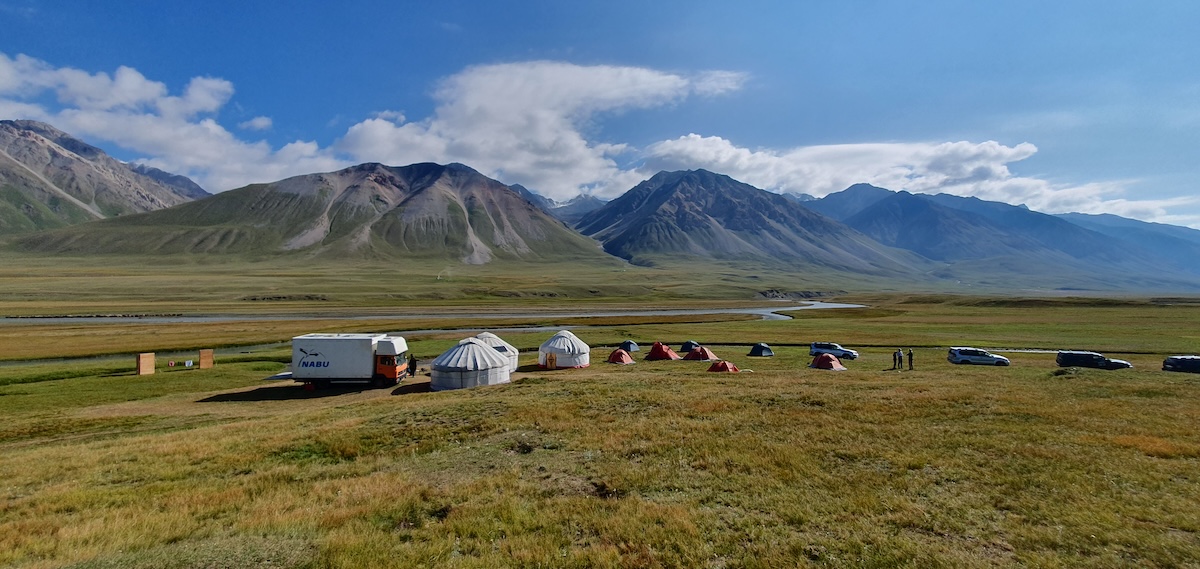
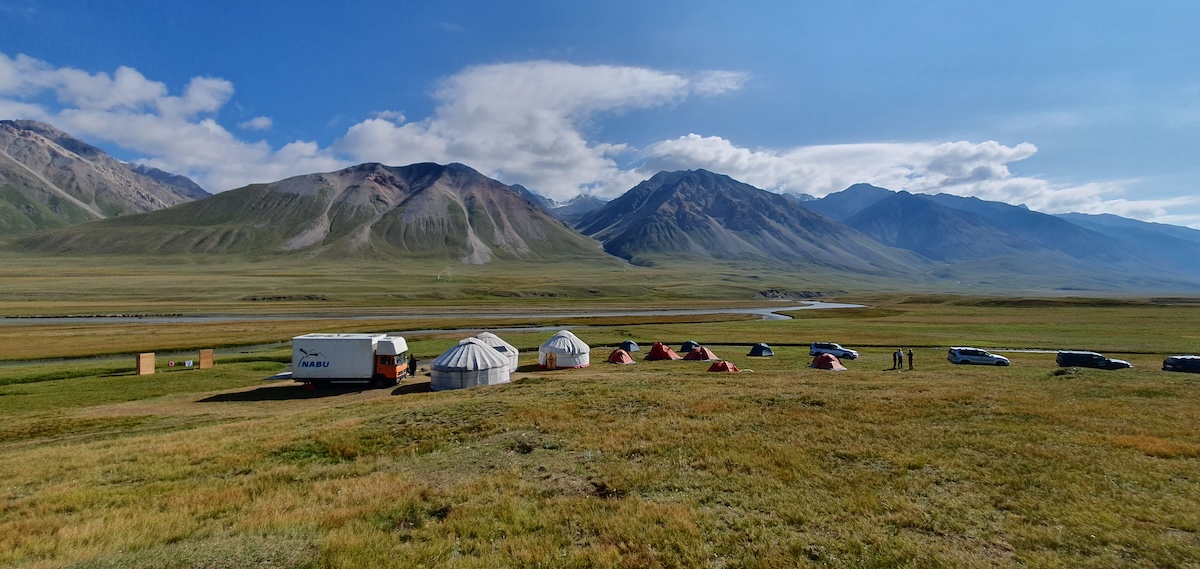
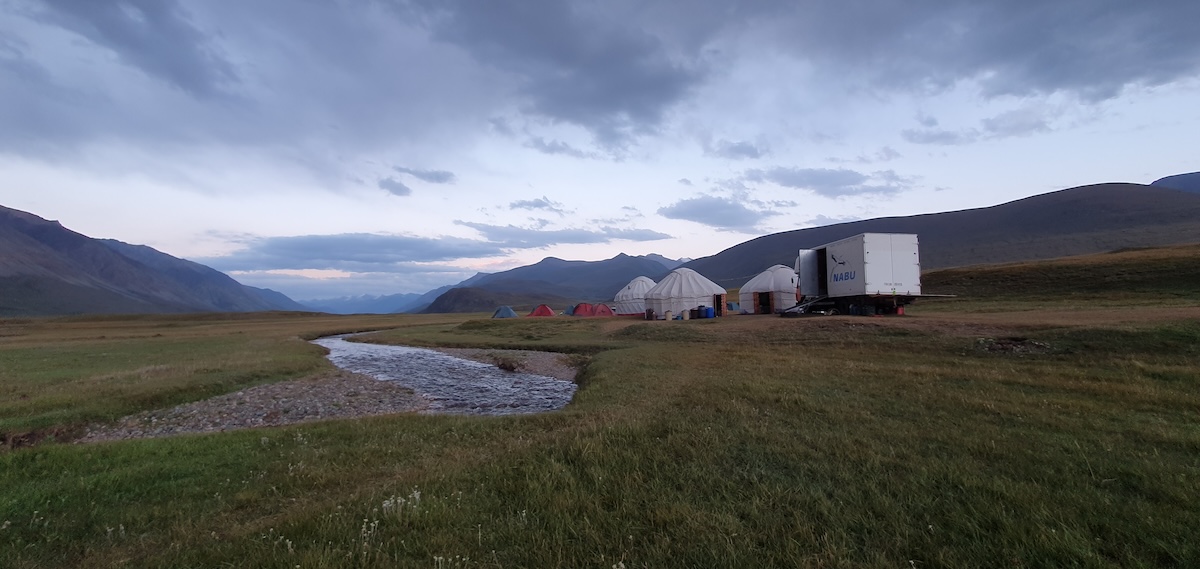
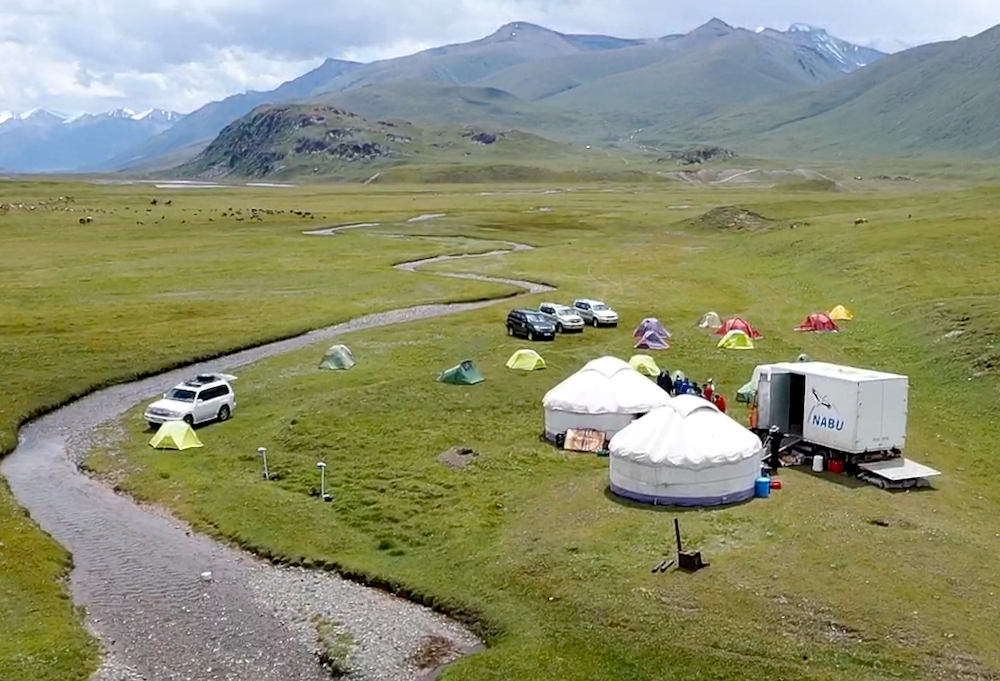
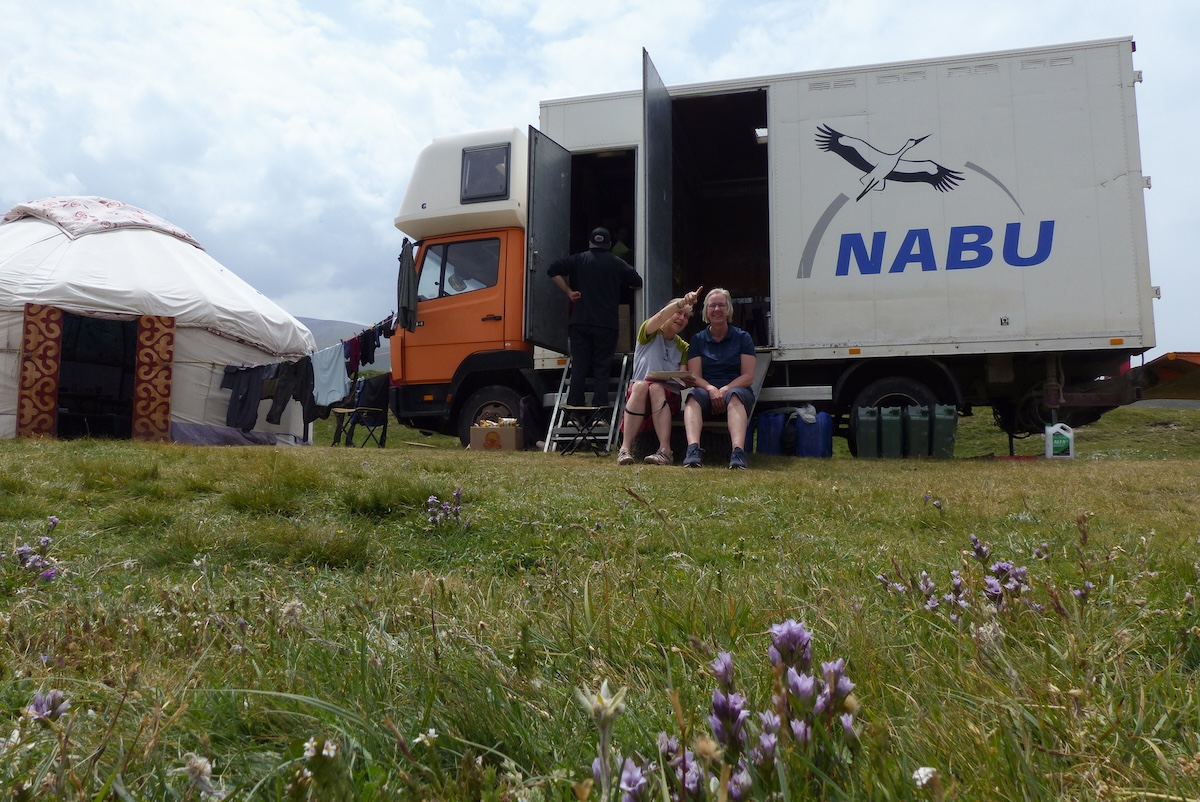
Thank you Almaz Alzhambaev for your trusty Toyota Land Cruisers and for offering advice and providing a prompt repair service whenever needed. Thank you also to NABU Kyrgyzstan, especially its head Tolkunbek Asykulov, for their contributions, including initial transport of equipment, helping to assemble base camp and for providing their lorry, which was our science room for the expedition. As this relationship draws to a conclusion, we wish NABU and the Grupa Bars (anti-poaching unit) all the best moving forward.
A sincere thank you to our expedition scientist, Emilbek Zholdoshbekov for the many hats you wear around camp; translator, storyteller, data supervisor, scat analyser and mountain climber. Thank you for your dedication, diligence and attention to detail ensuring the data we so laboriously collect for you can make a meaningful contribution.
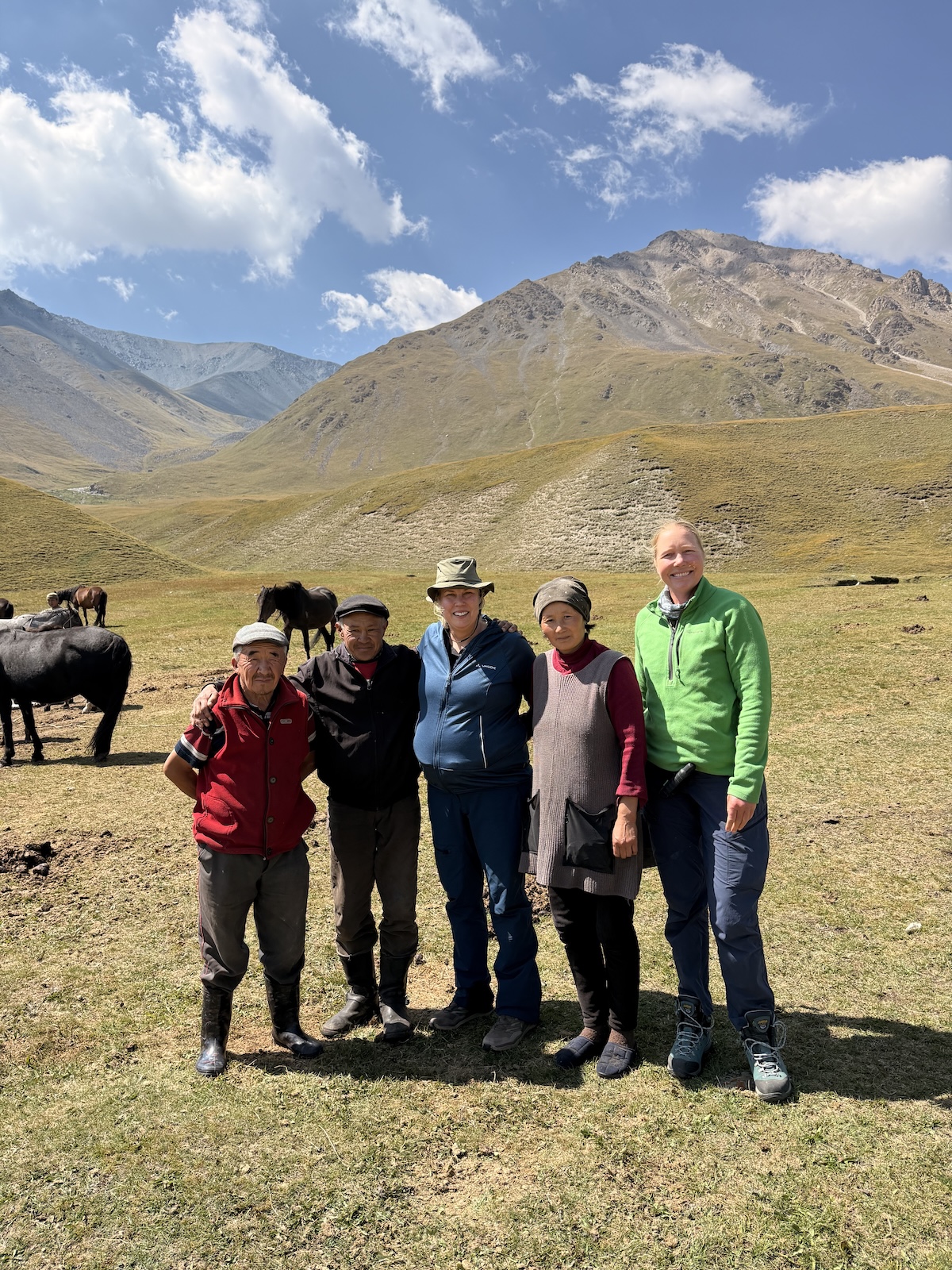
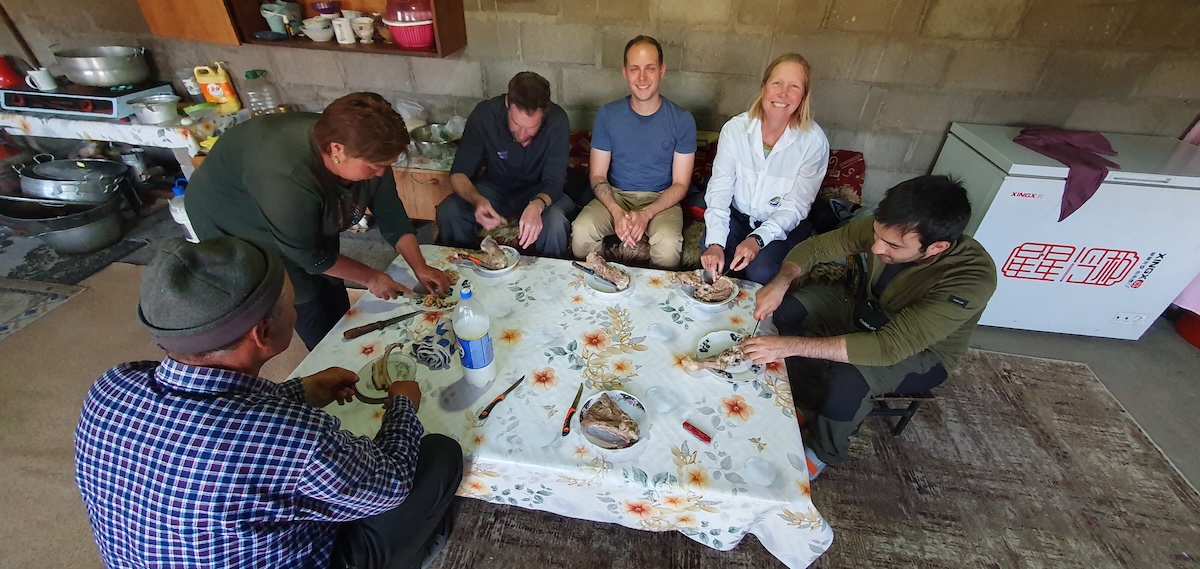
It is essential that I mention here all the local herders who helped out with many aspects of the expedition including, but not limited to, cooking vegetarian meals, providing fresh bread, transporting equipment, providing traditional gifts and always greeting us with a smile.
Among the local shepherds, our nearest were Taalai Mukanbetov and nearby brother Maksat Mukanbetov. Thank you Taalai for watching camp when we were away and Maksat for your sage advice and helping us to better understand the shepherd’s way of life in the valley.
To my co-leaders; Johnny Adams, Sofia Shamsunahar and Dr. Matthias Hammer, the founder and executive director of Biosphere Expeditions, who completed the initial setup and led our first group. Thank you all for your guidance in my induction – I was trained well and the groups were always in expert hands (and punctual), thank you!
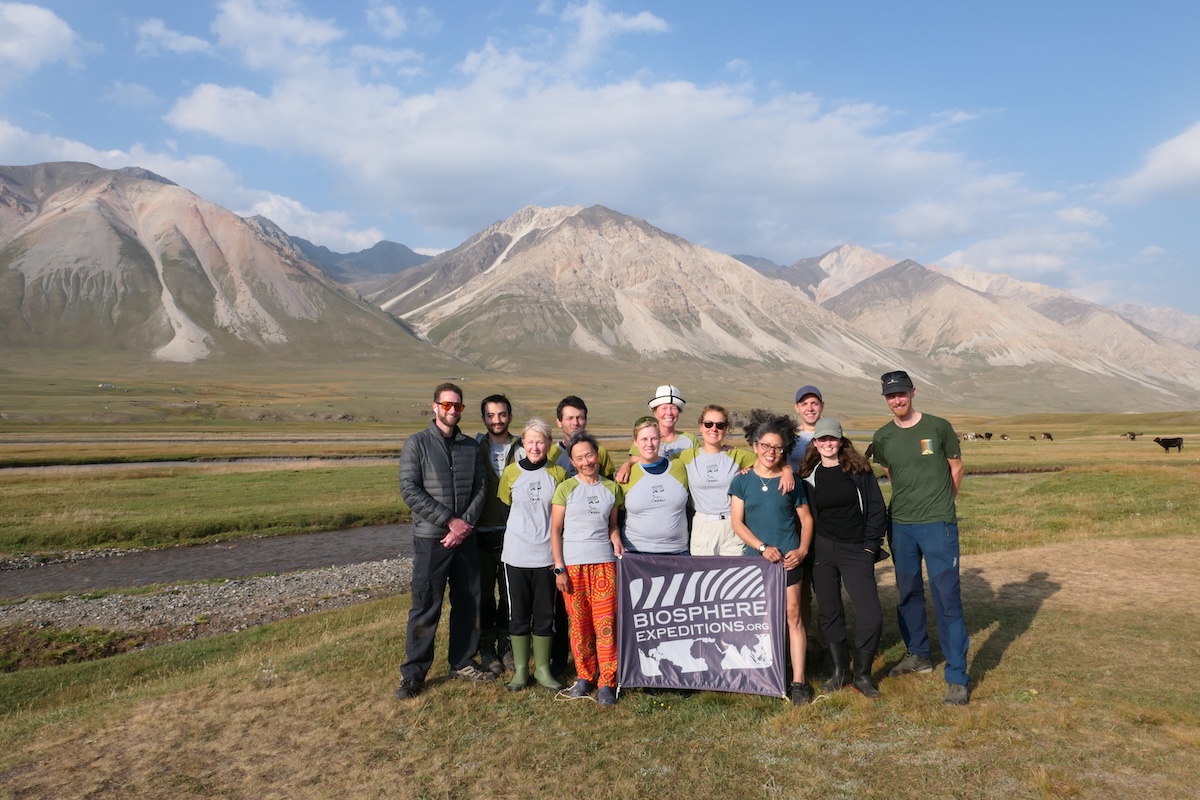
Most of all, to all of our participants/citizen scientists from all three groups, without your efforts and valuable contributions we would not have had such a successful expedition. Your effort as a team collecting these valuable data is the lifeblood of this expedition.
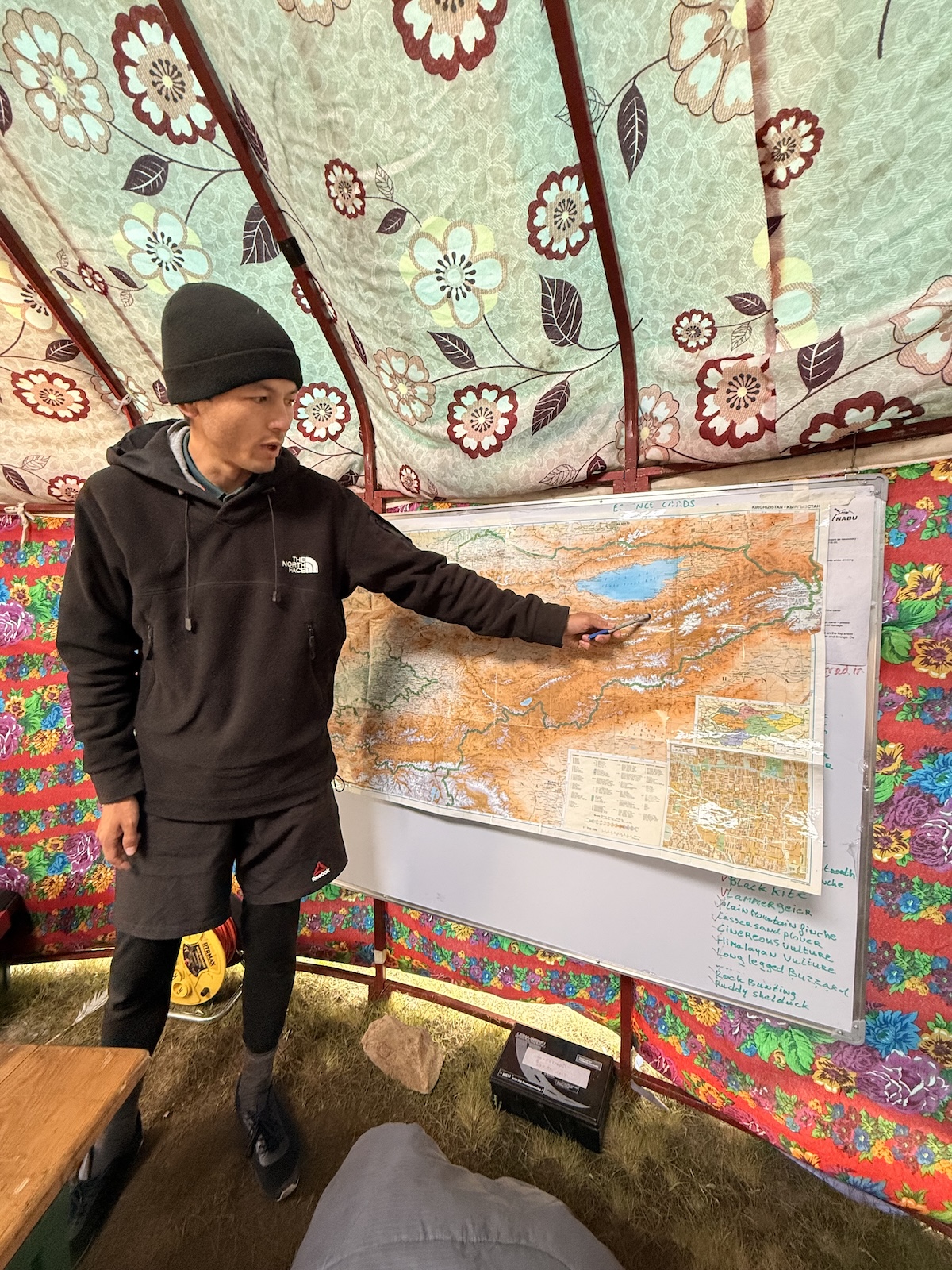


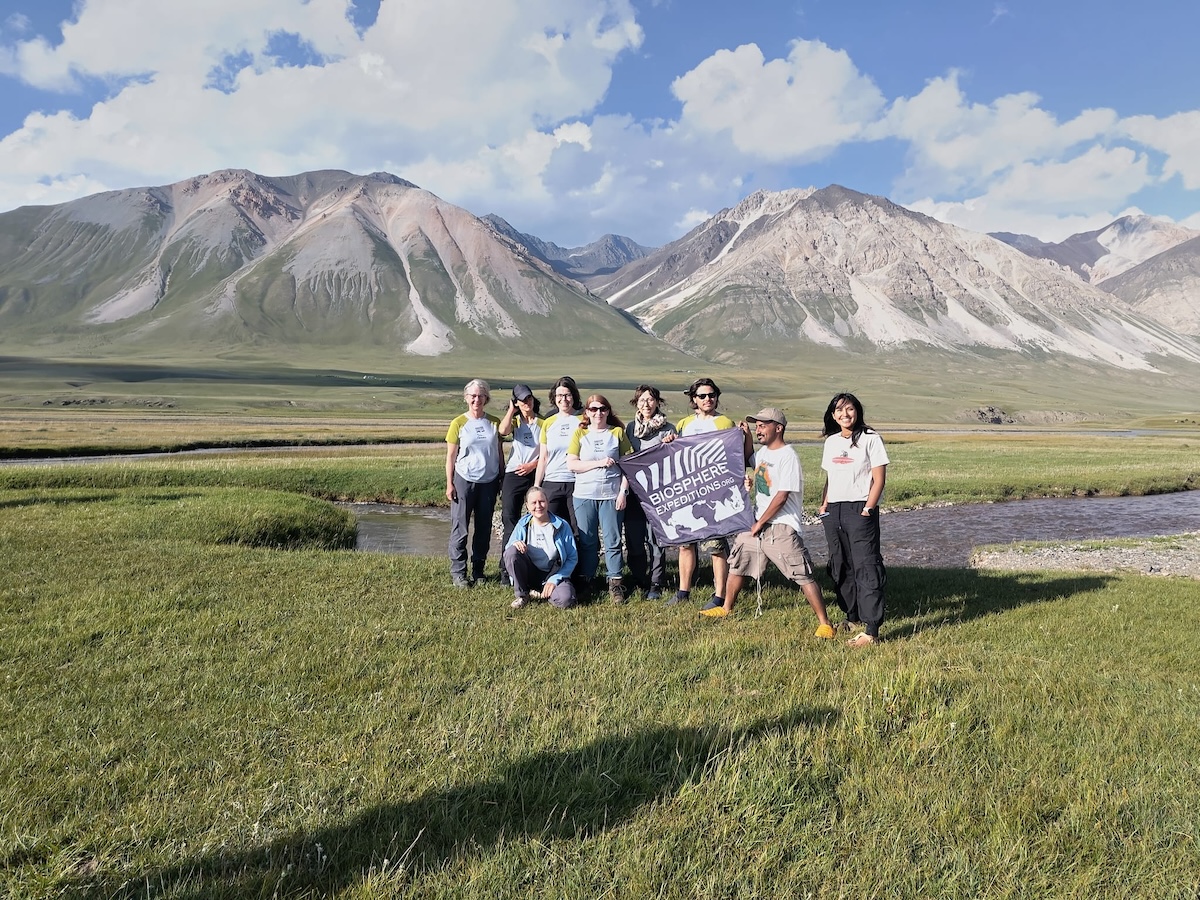
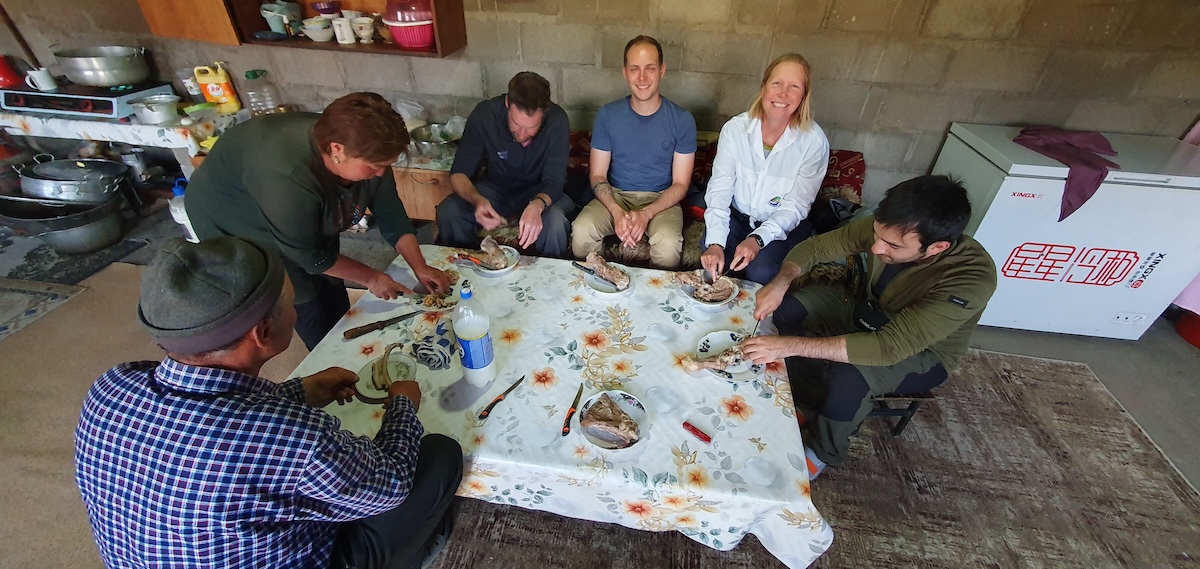
Now, with this short season drawing to a close, we begin immediately looking forward to the next expedition, and new partnerships.
And now begins the process of combing through the data and assembling a robust expedition report for 2025. We look forward to bringing these important and hard-earned data to both you and to the wider world of wildlife science in the hope that our contributions help improve the local situation, inspire and stop these enigmatic animals fading from our planet.
Author: Darran Keogh
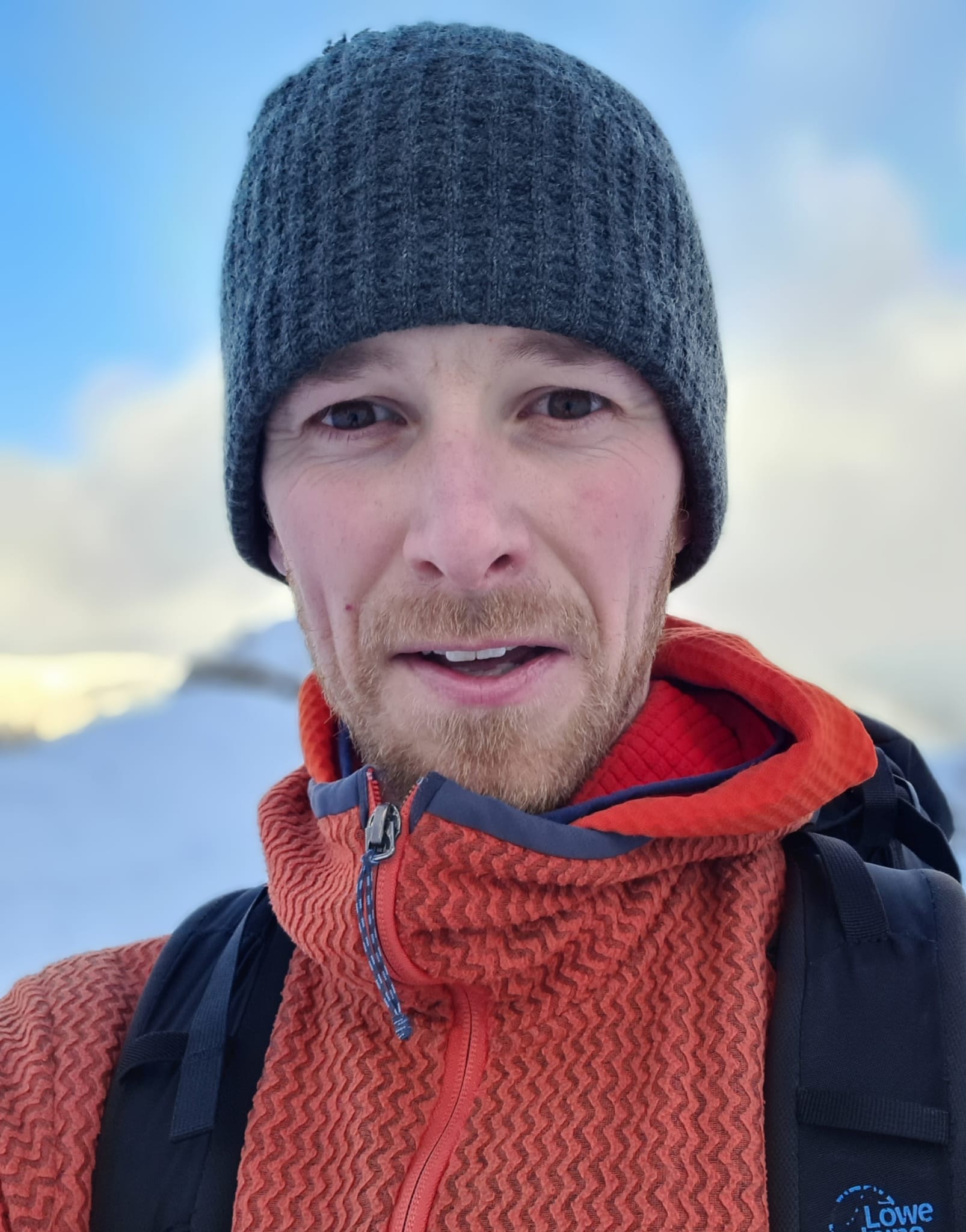
Expedition leader Darran Keogh grew up in Ireland and has spent much of his adult life travelling and working in the outdoor industry. He has a degree in Outdoor Education and Geography and is a qualified Mountain Leader and an International Mountain Leader Aspirant. An adventurous spirit has taken him to explore remote areas around the world and in recent years Europe’s great mountain ranges from a base in Chamonix Valley, France. Happiest sleeping under the stars, climbing, surfing or exploring snowy mountains, he is now based in Ireland once again, with his attention turned to conservation: Darren is a member of Ireland’s Governing Body for mountaineering’s Climate action group, has another degree in Climate, Sustainability and Environment and is a proud member of the Biosphere Expeditions team.
Video feedback:
Written feedback:
“It was a truly unique experience! So many snow leopards on the camera trap pictures, manul, ibex and snowcocks. I am thankful I could be part of this lovely bunch of people in my group. Also thanks to our wonderful group leaders Matthias, Johnny and Darran and of course Emil! Grateful for all the memories.”
Andrea, Germany, journal.
“Thank you for this experience! Thank you for restoring my faith in humanity. Hope to see you all again next year in Sweden”
Annalena, Germany, journal.
“Such a privilege to have been able to be part of this research, having been so ‘close’ to the snow leopard and all the other beautiful animals living here. What a scenic environment, a great group of people who all want to do something good and of course a top Biosphere team!”
Aurelie, Netherlands, journal
“We feel deeply grateful to have had the privilege of taking part in this expedition. We are thankful for every single person who invests their time and effort into trying to improve the situation for animals. We are especially grateful for the Biosphere team (Johnny, Darran, Sophia and Emil!!) and for all the like-minded people we’ve had the chance to meet here.”
Consti & Marjam, Germany, journal
“I said it many months ago on an email addressed to a group of people I had never met. And tonight more than ever, I fully stand behind those same words. For whatever this expedition meant to you, to me it meant the world and the core of why I exist. To protect my friends in the mountains. And to each one of you who came and sacrificed your time in helping with that cause, I am forever grateful and appreciative. Words can’t express. And it’s people like you that make this world, and this effort move forward. From the bottom of my heart, thank you and all the best in your personal journeys moving forward”
Jake, USA, WhatsApp group
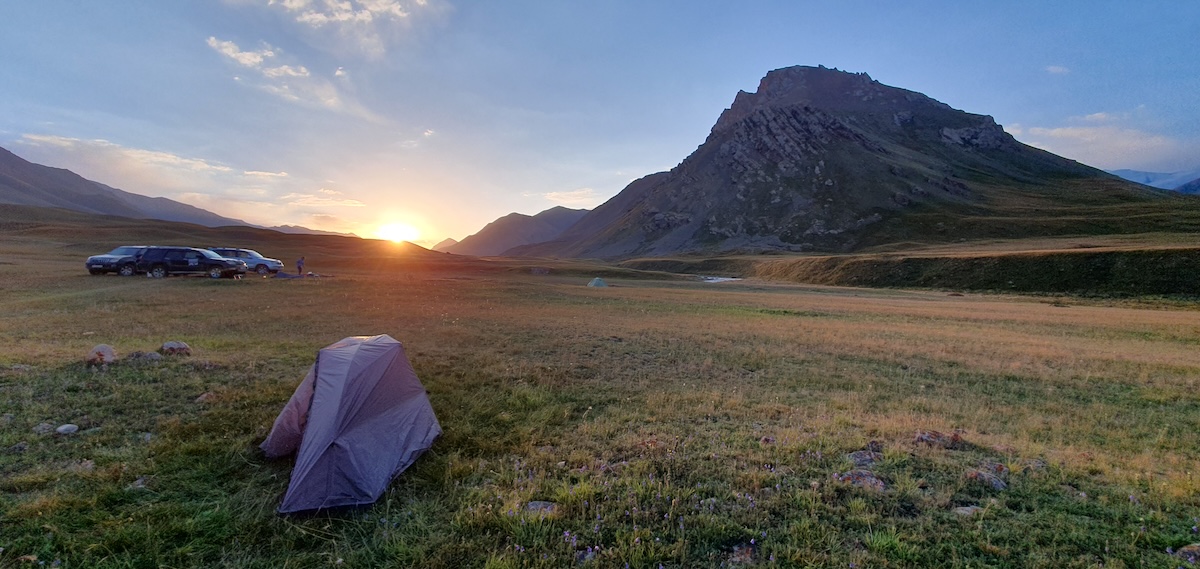
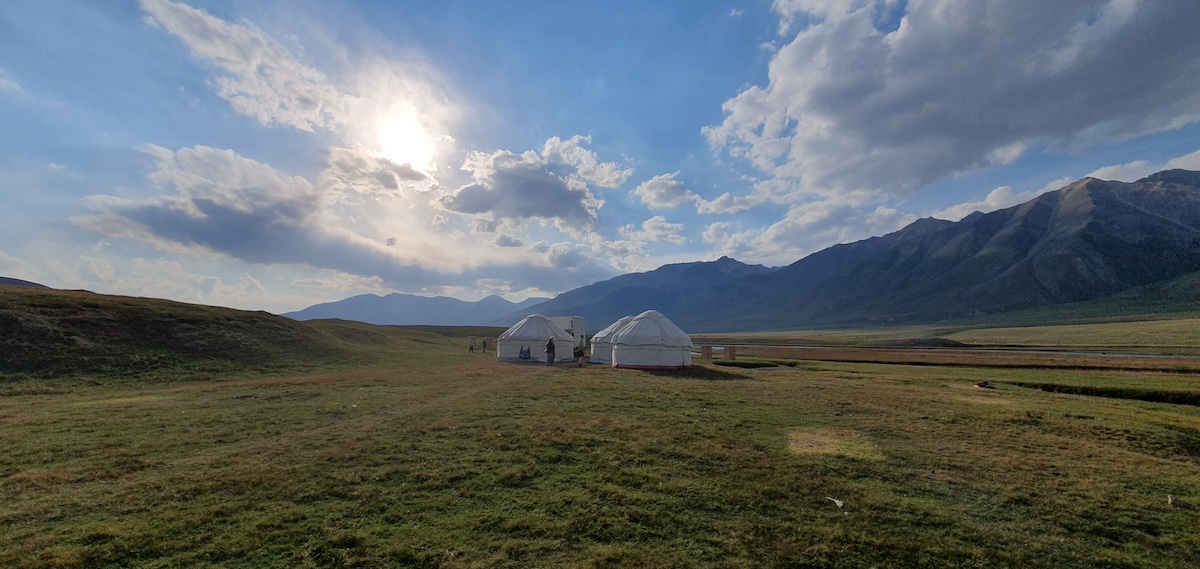
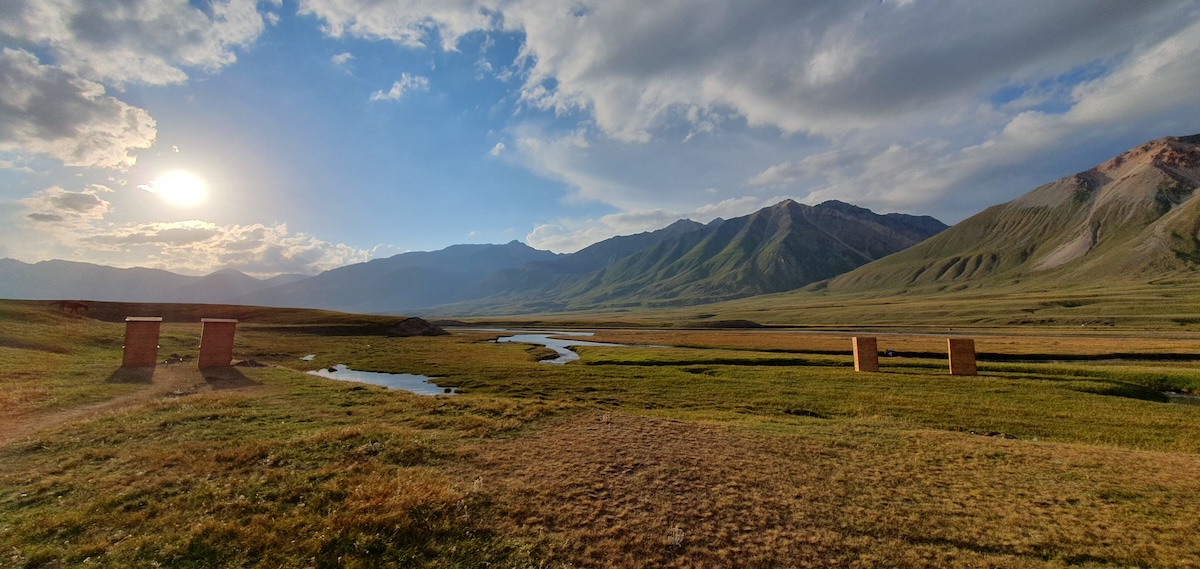
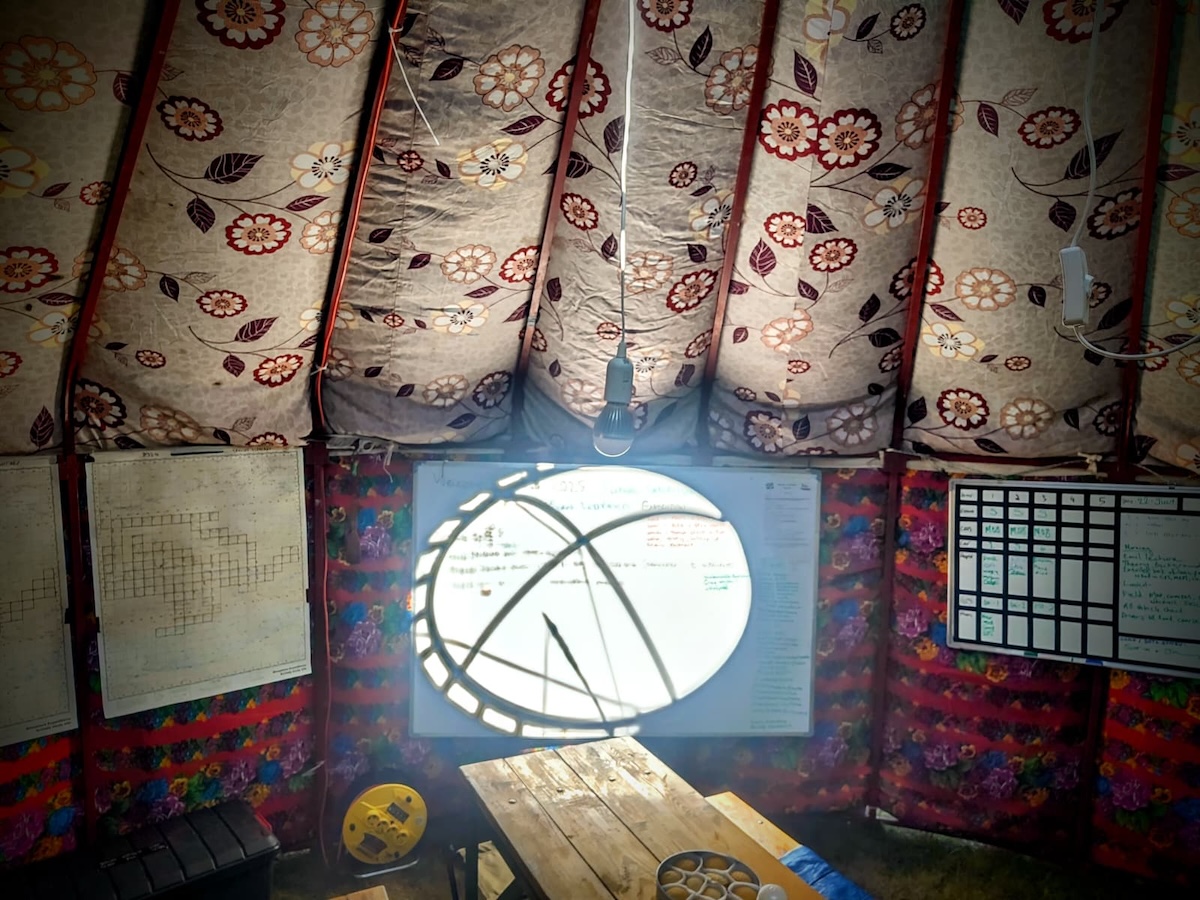
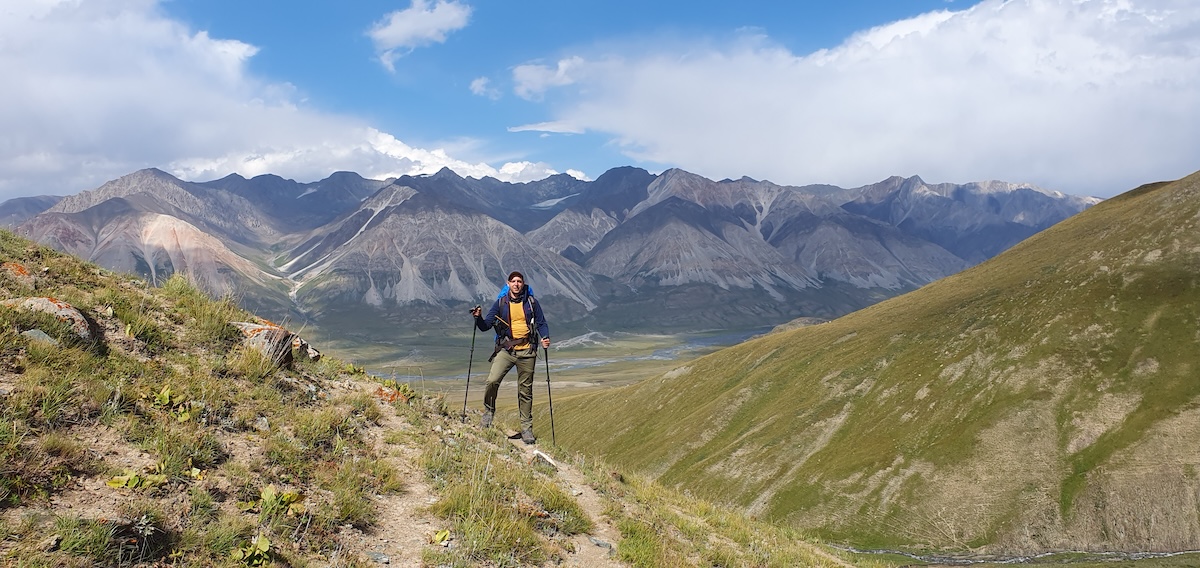
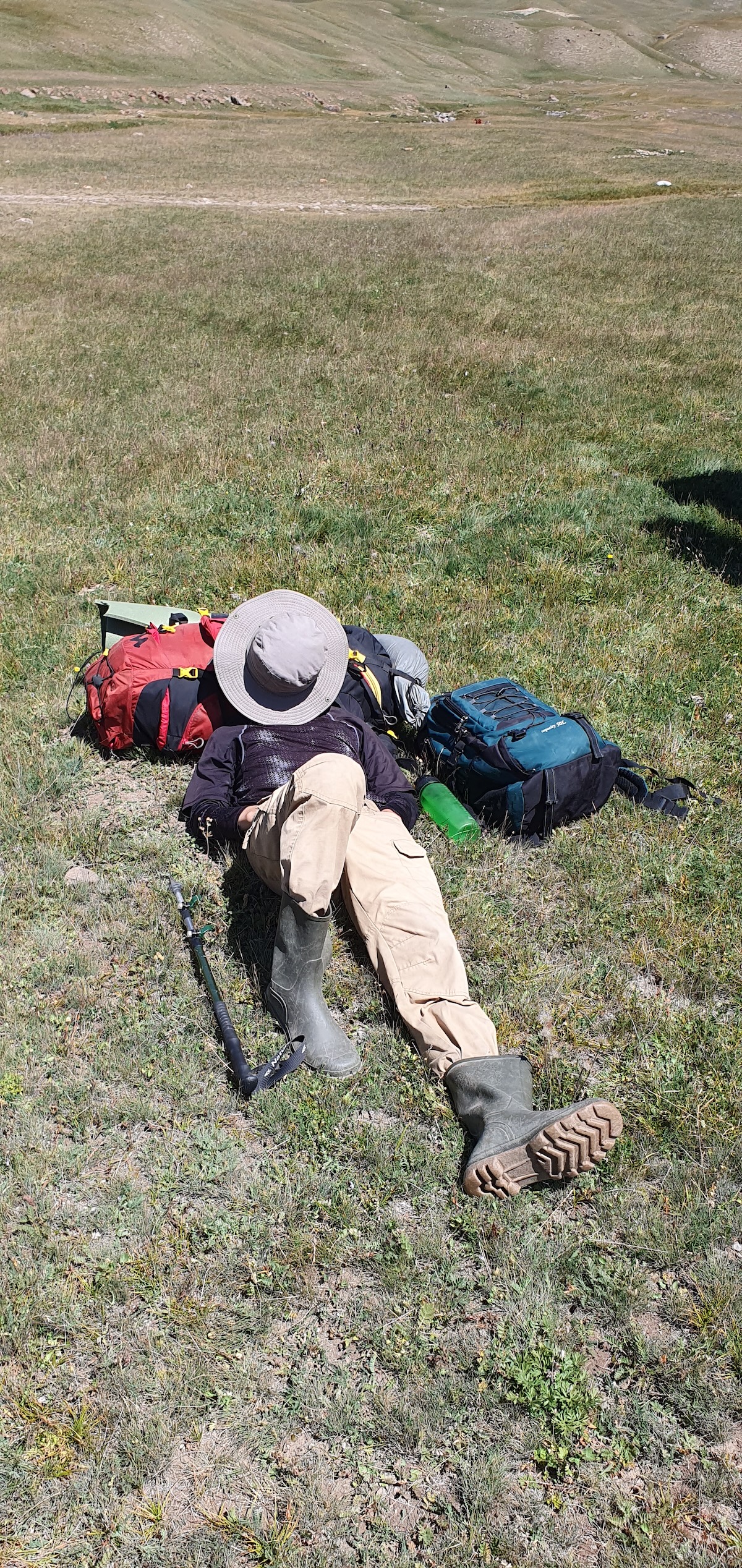
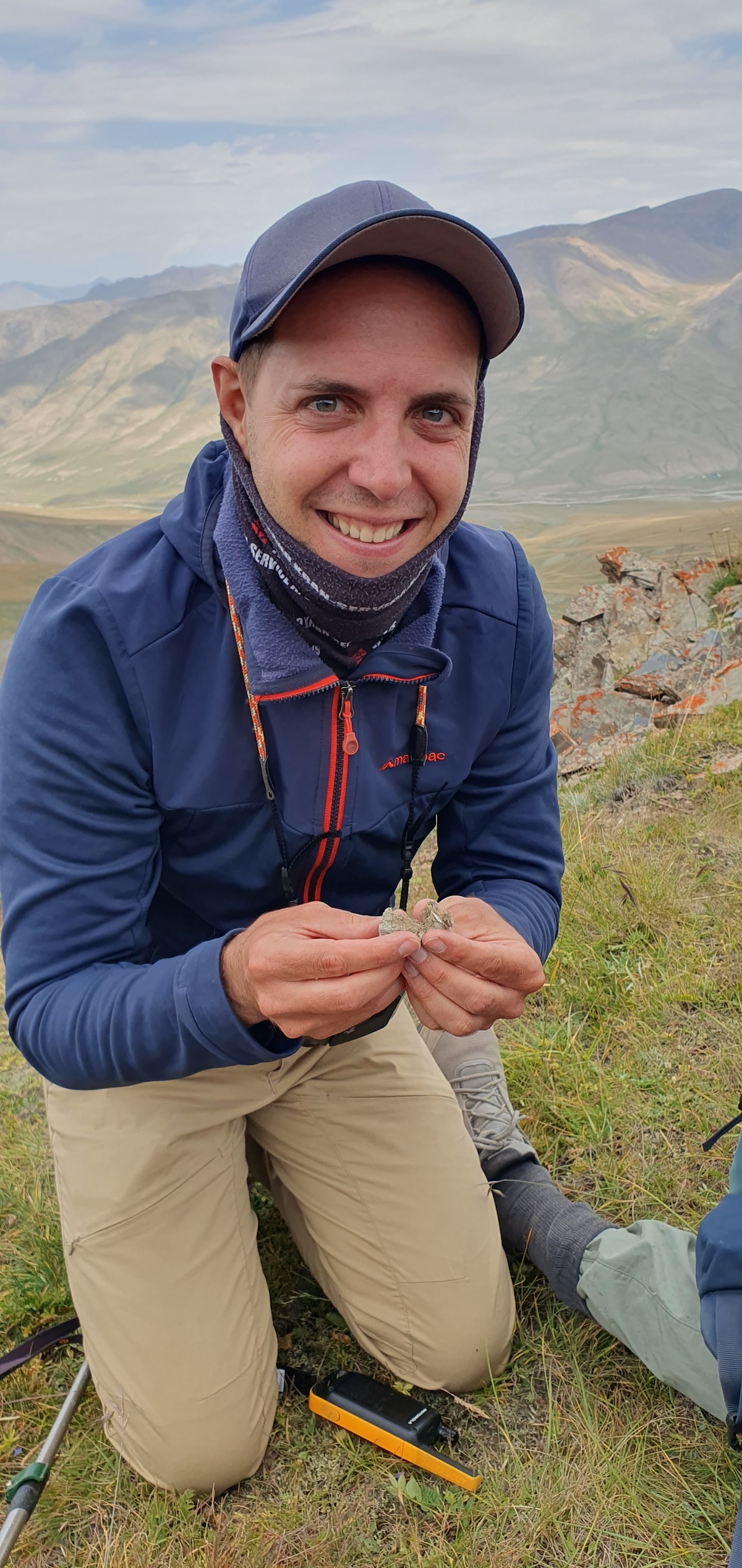
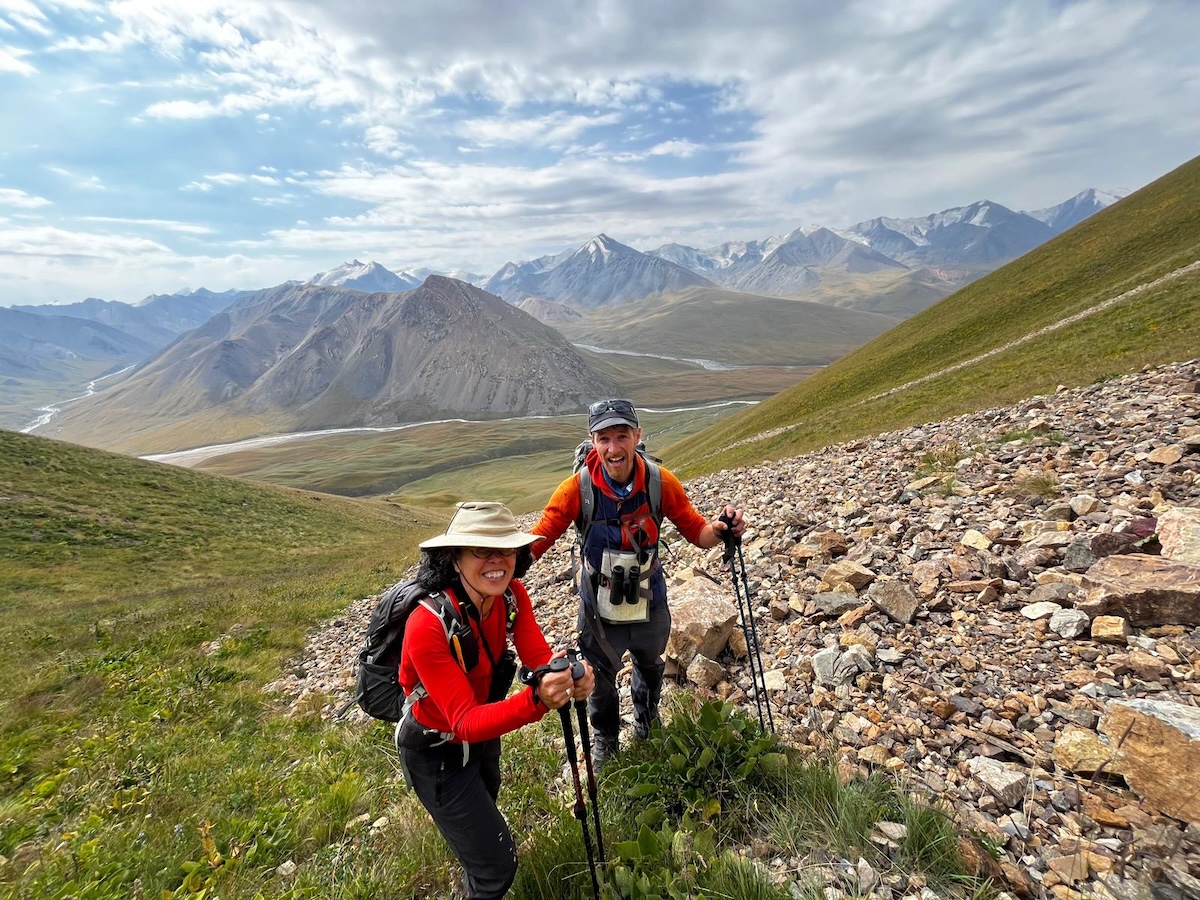
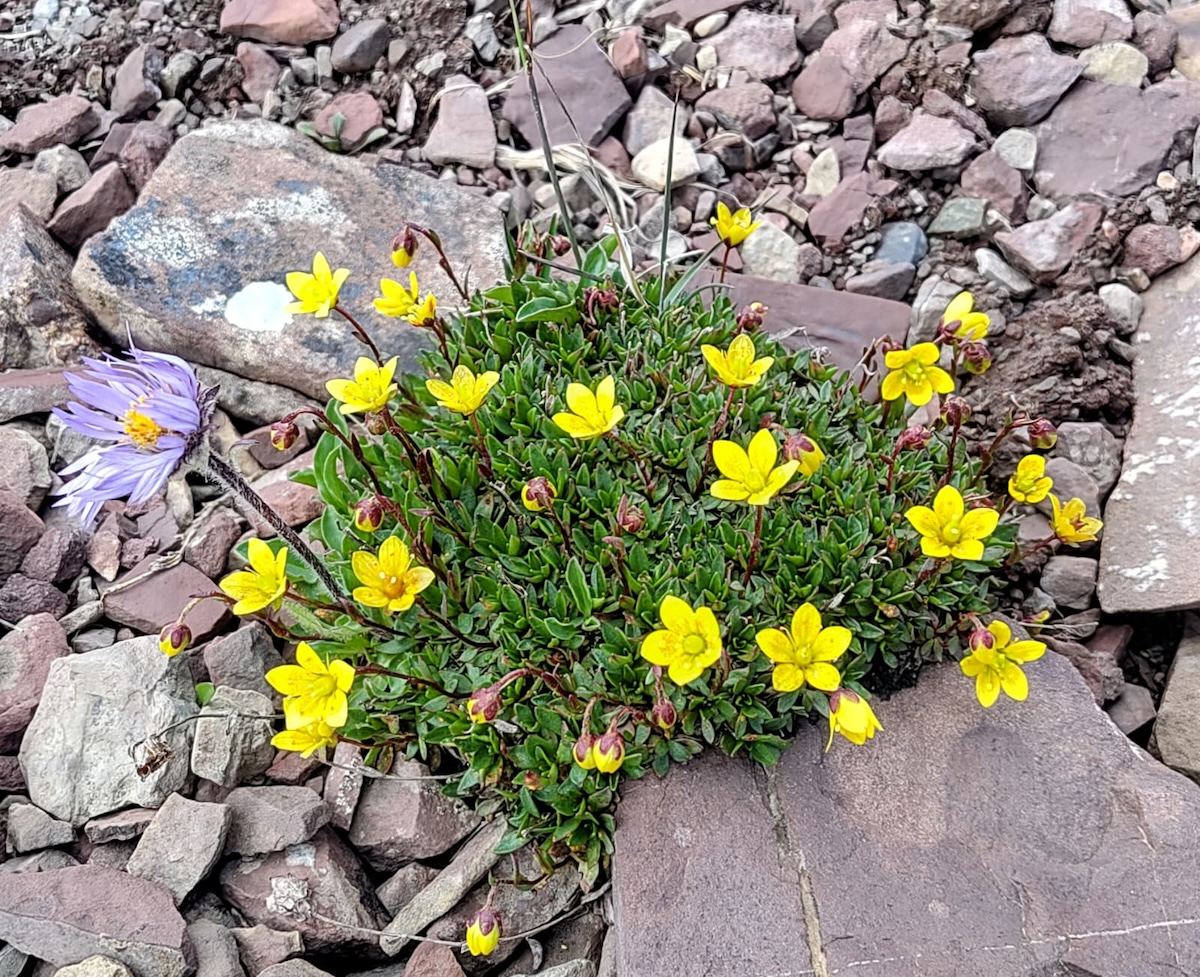
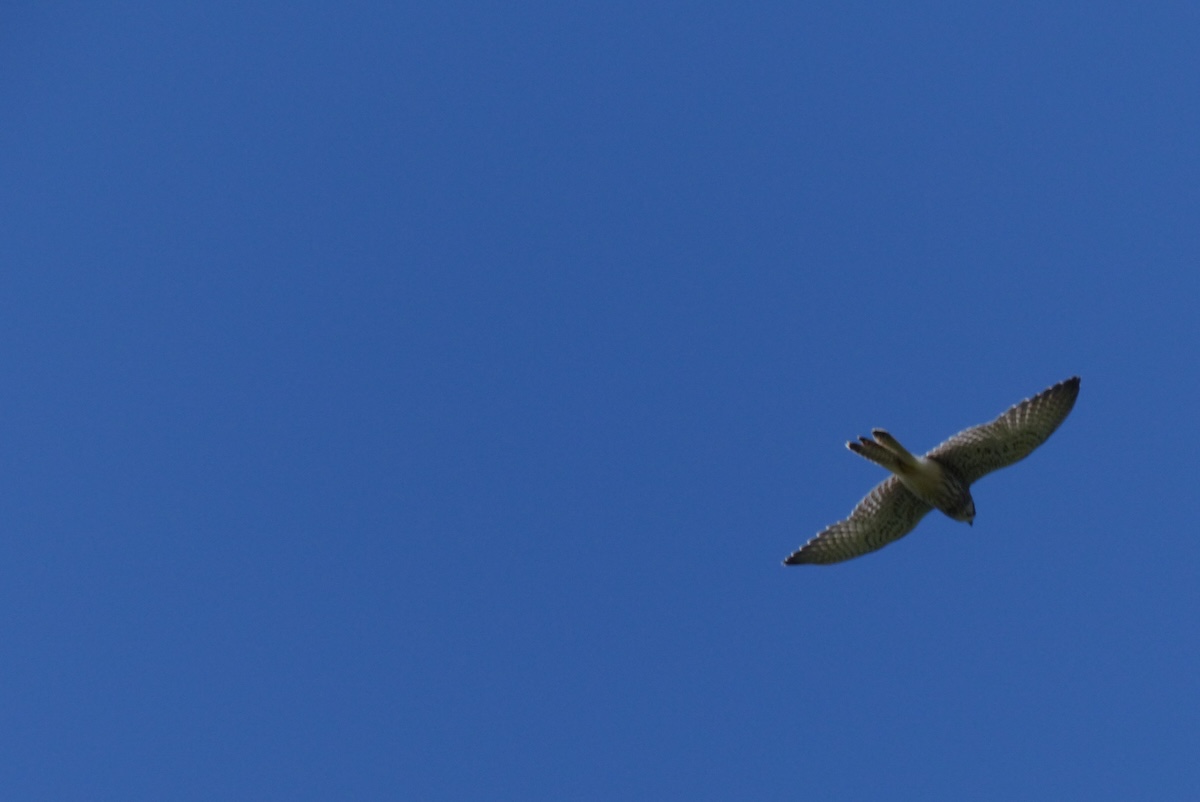
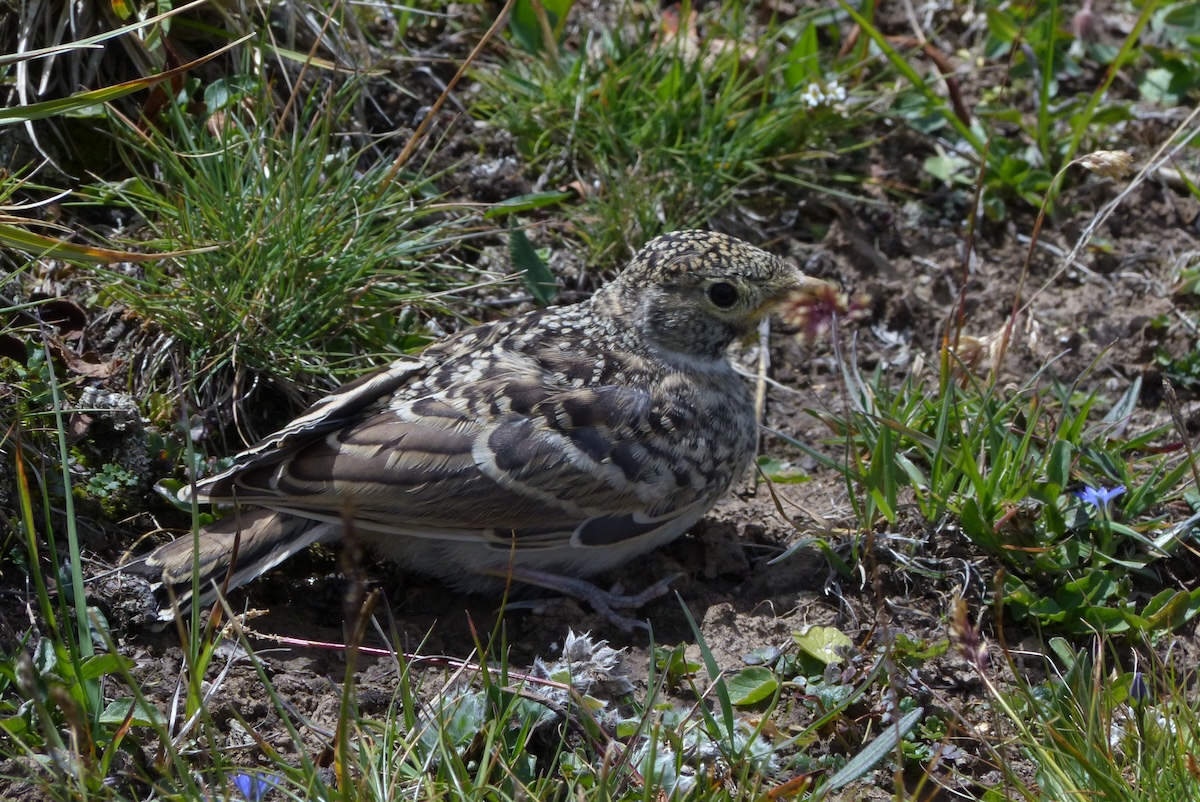
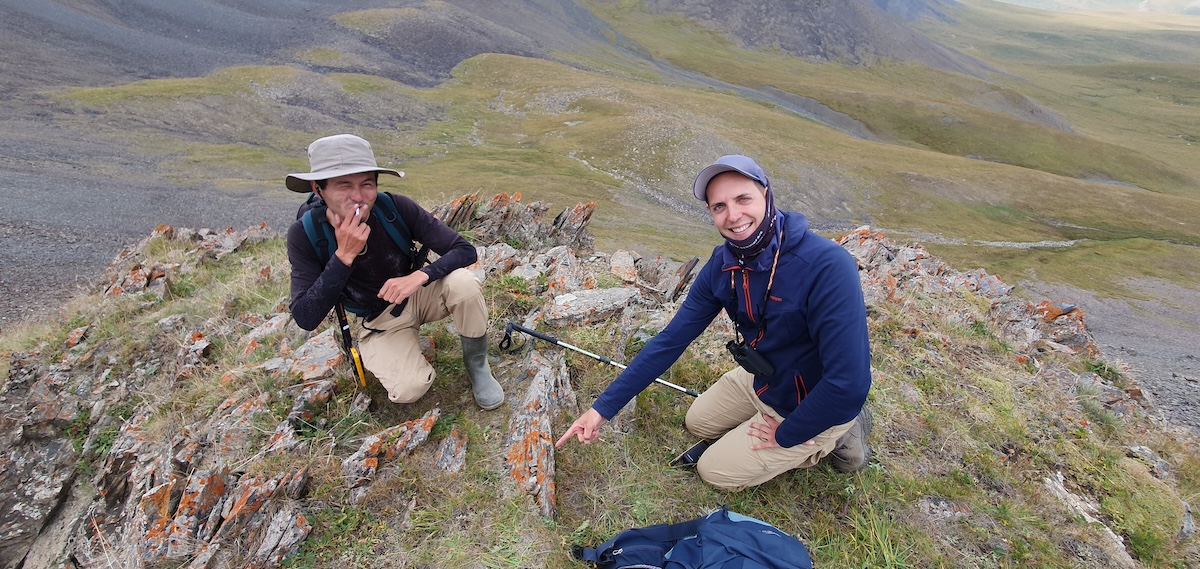
Photo archive:
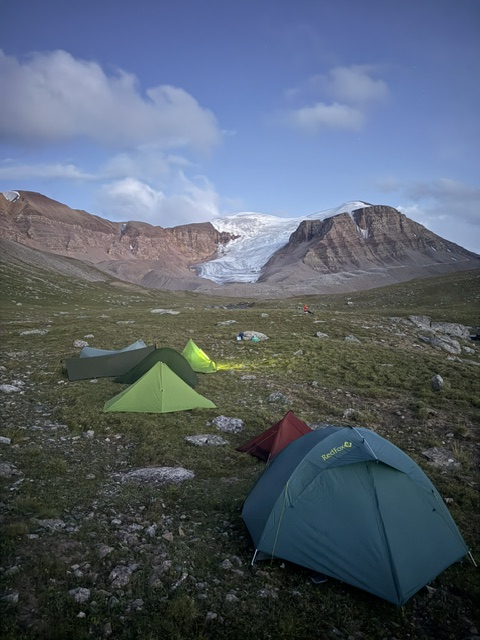










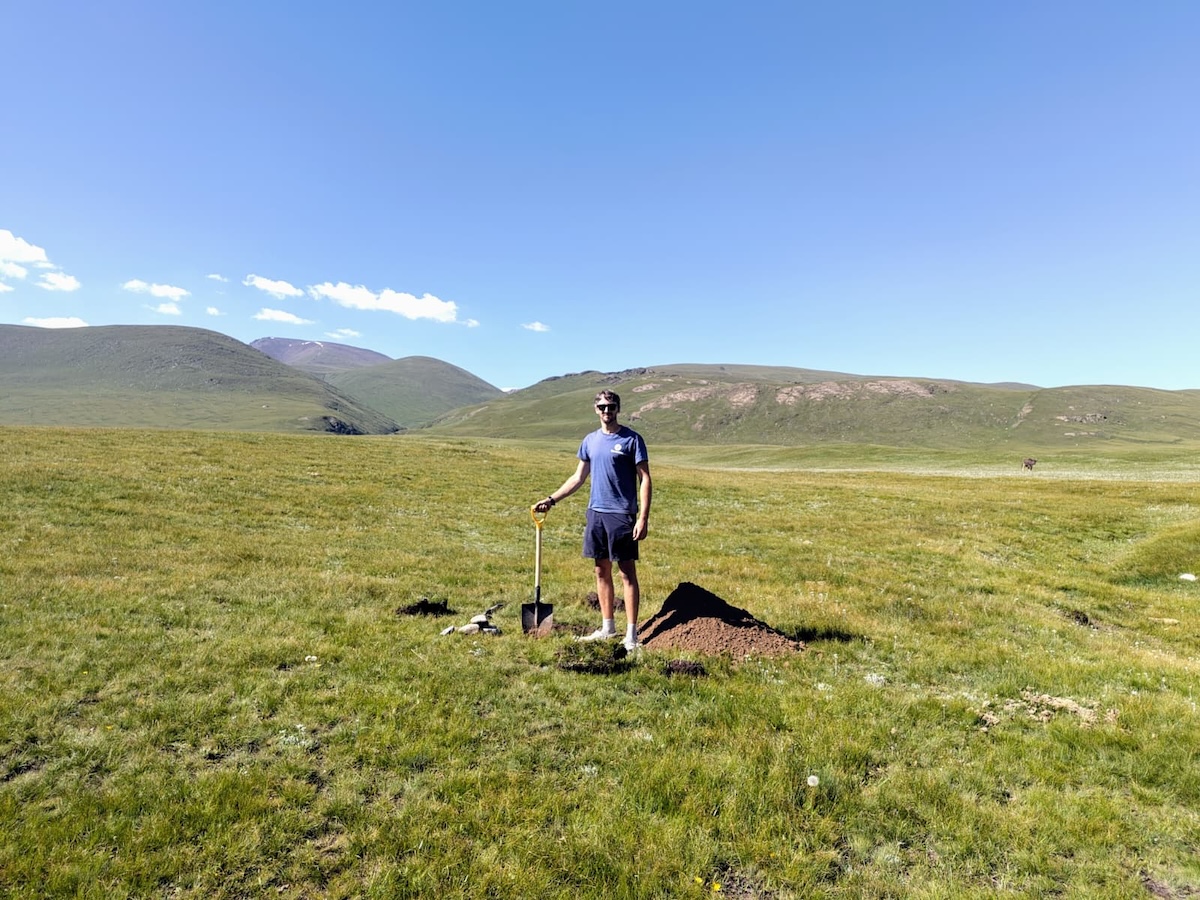
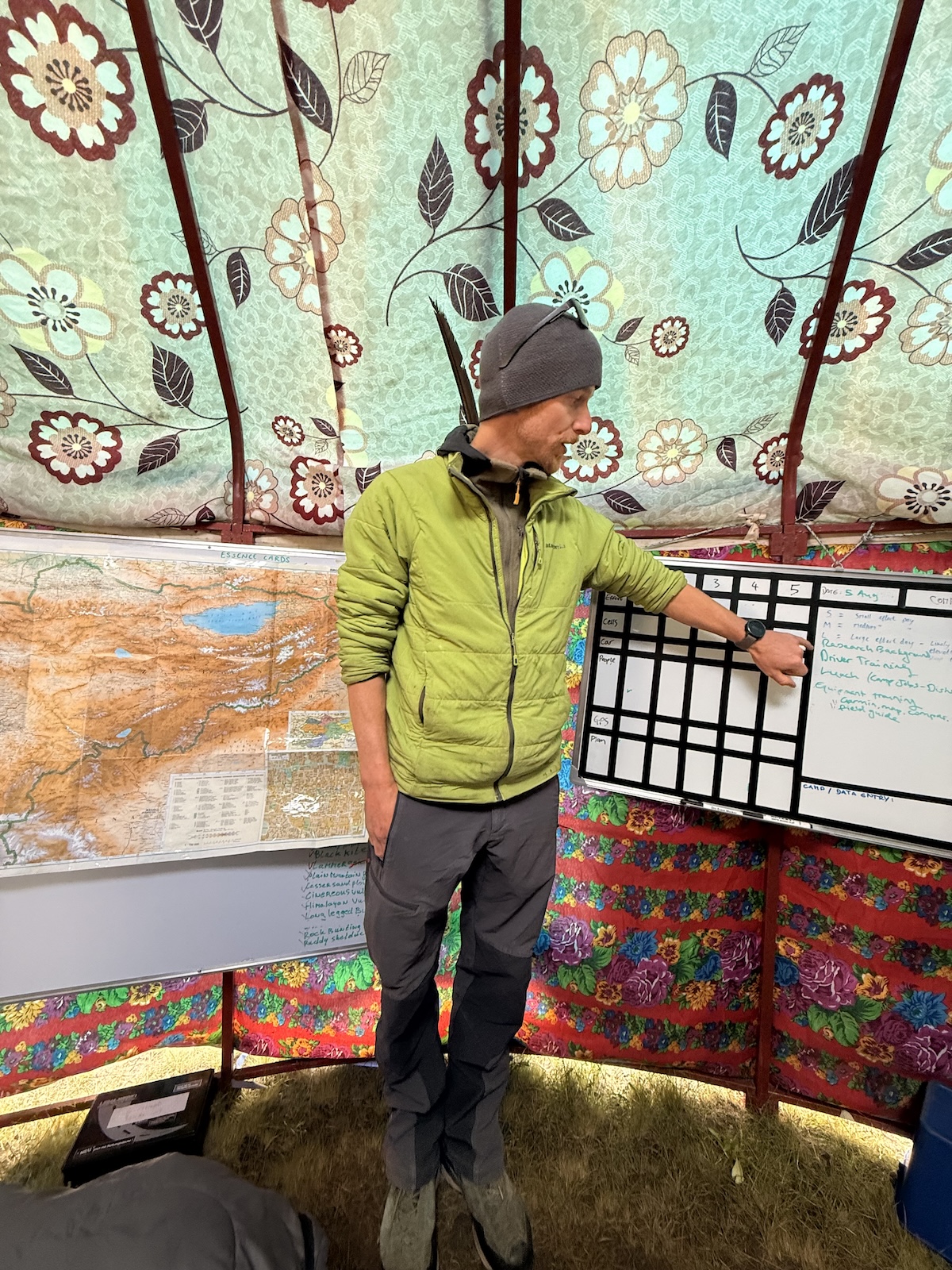
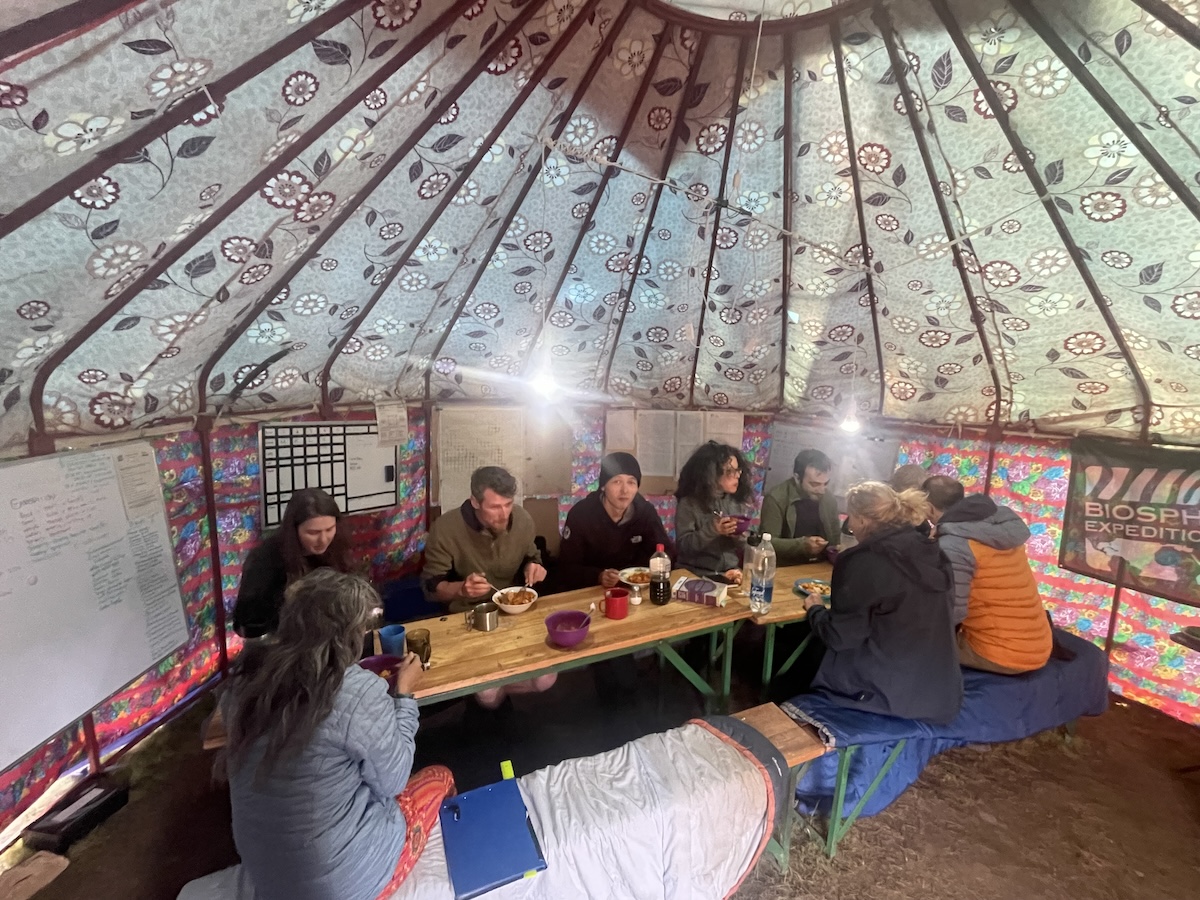
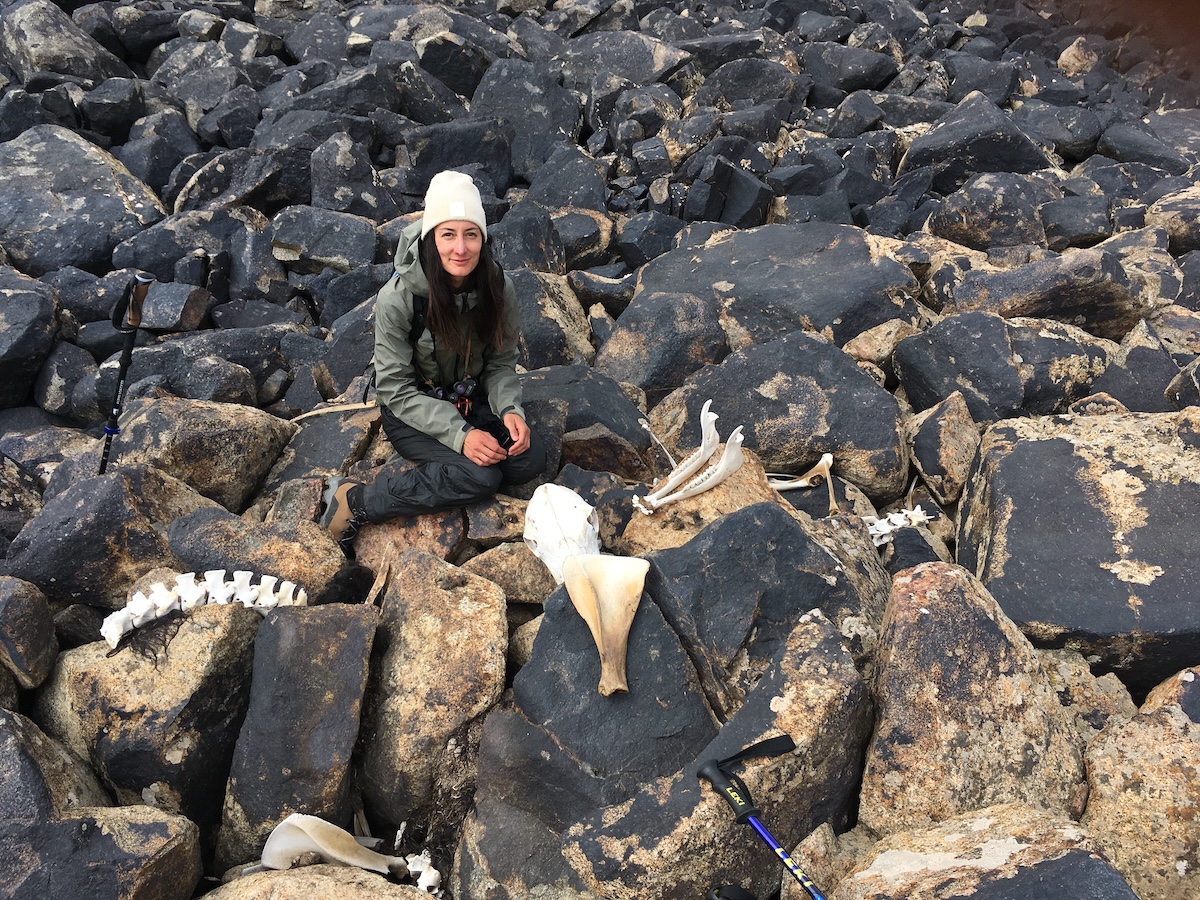


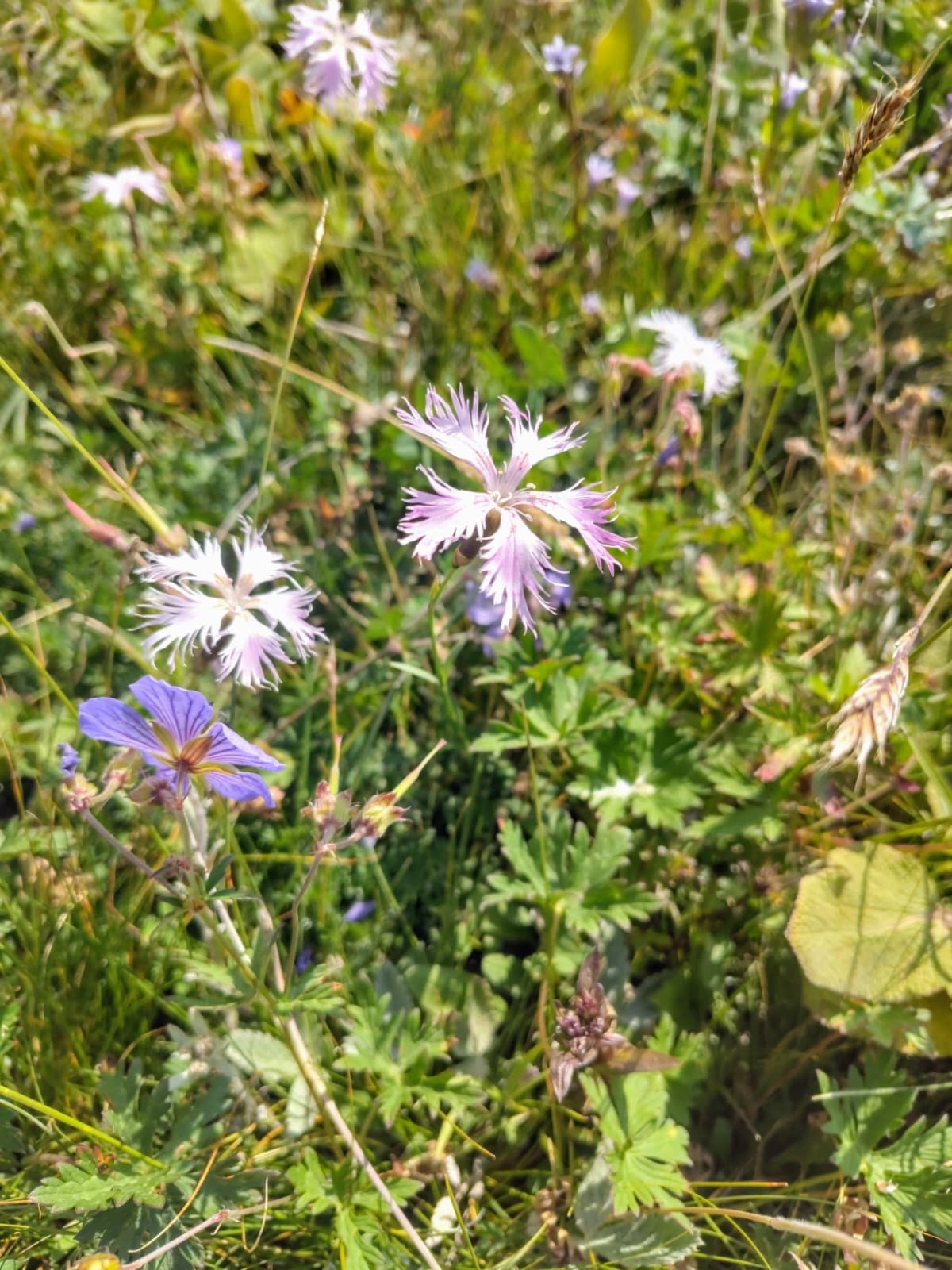
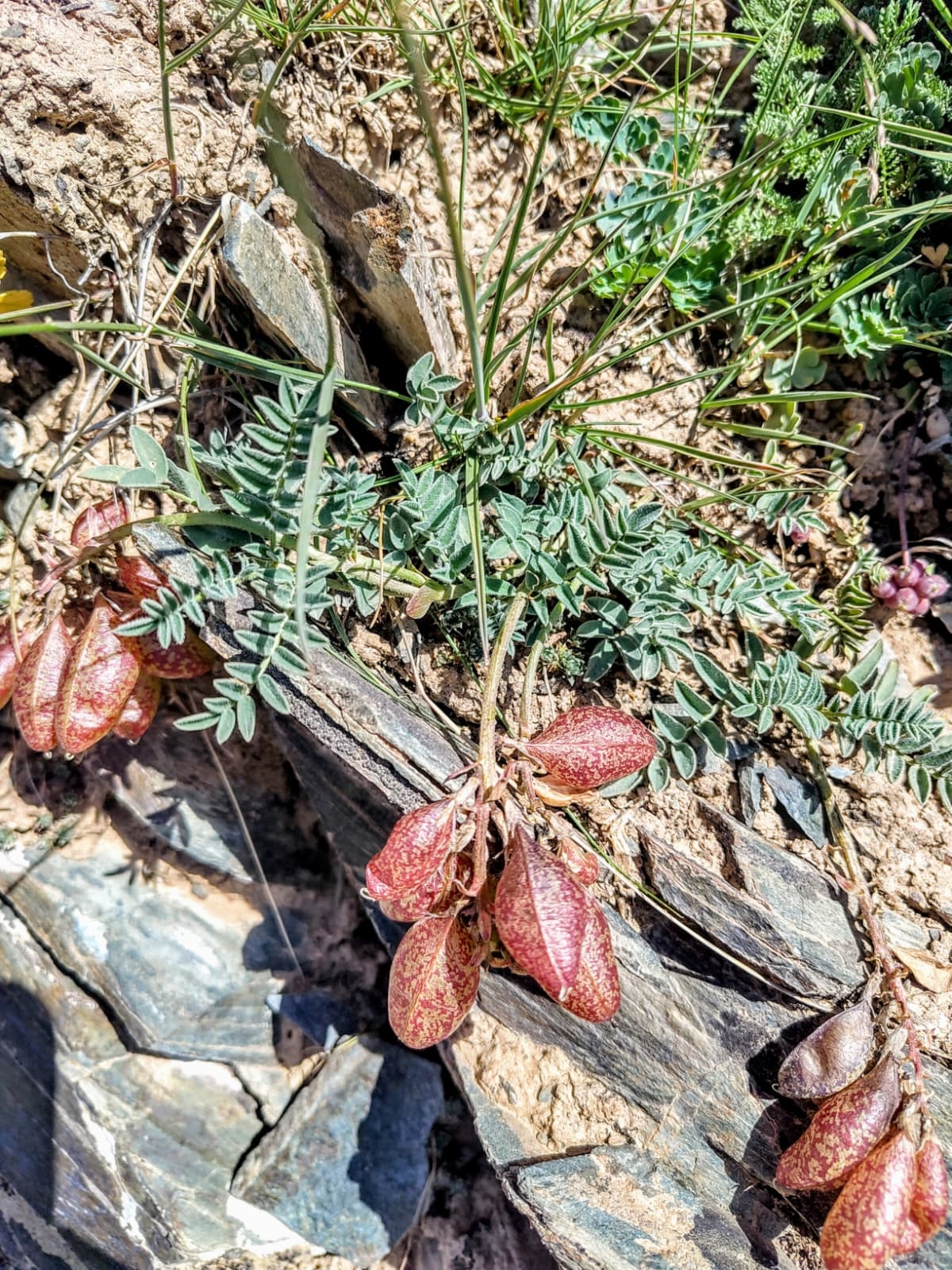
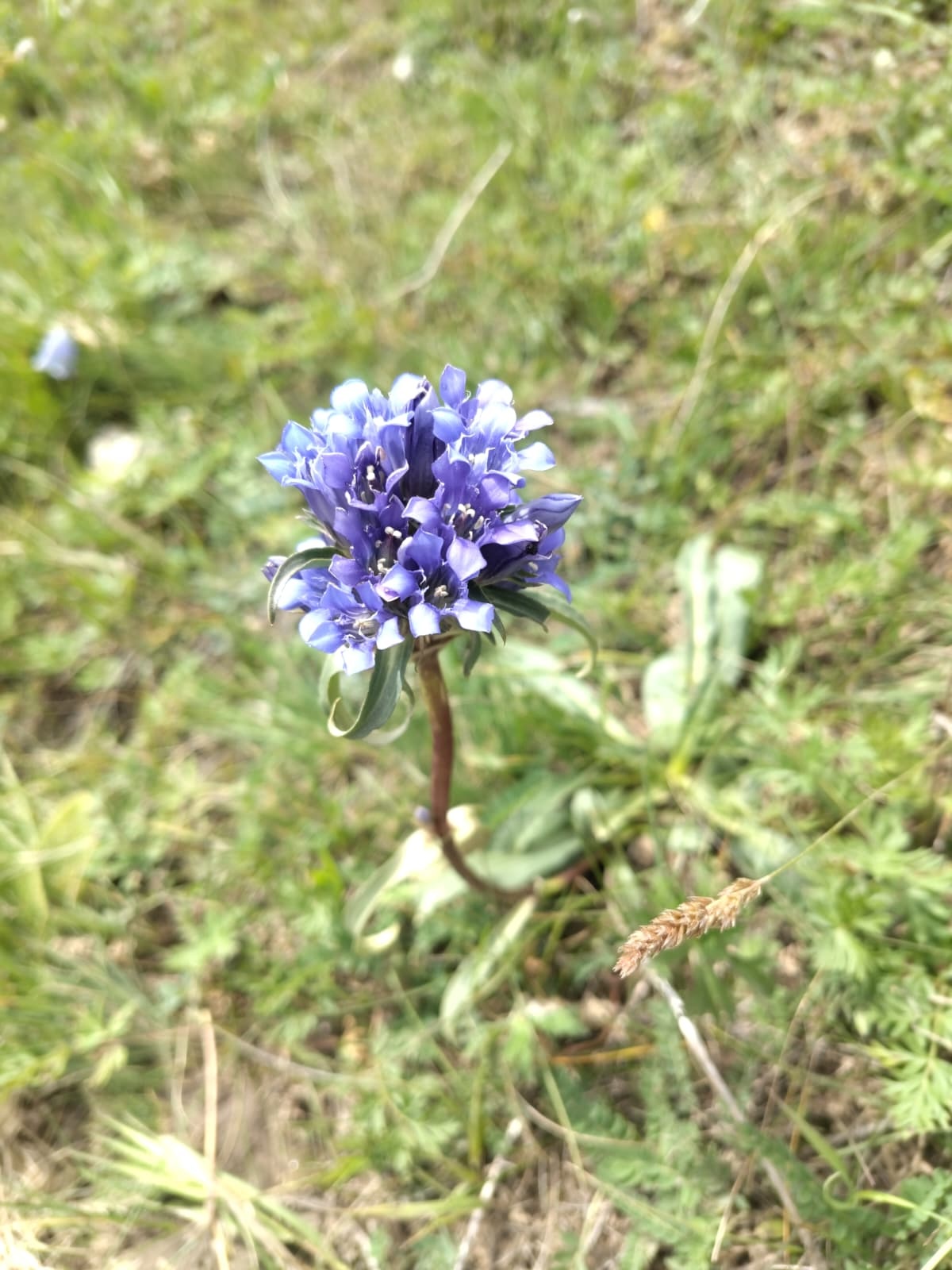
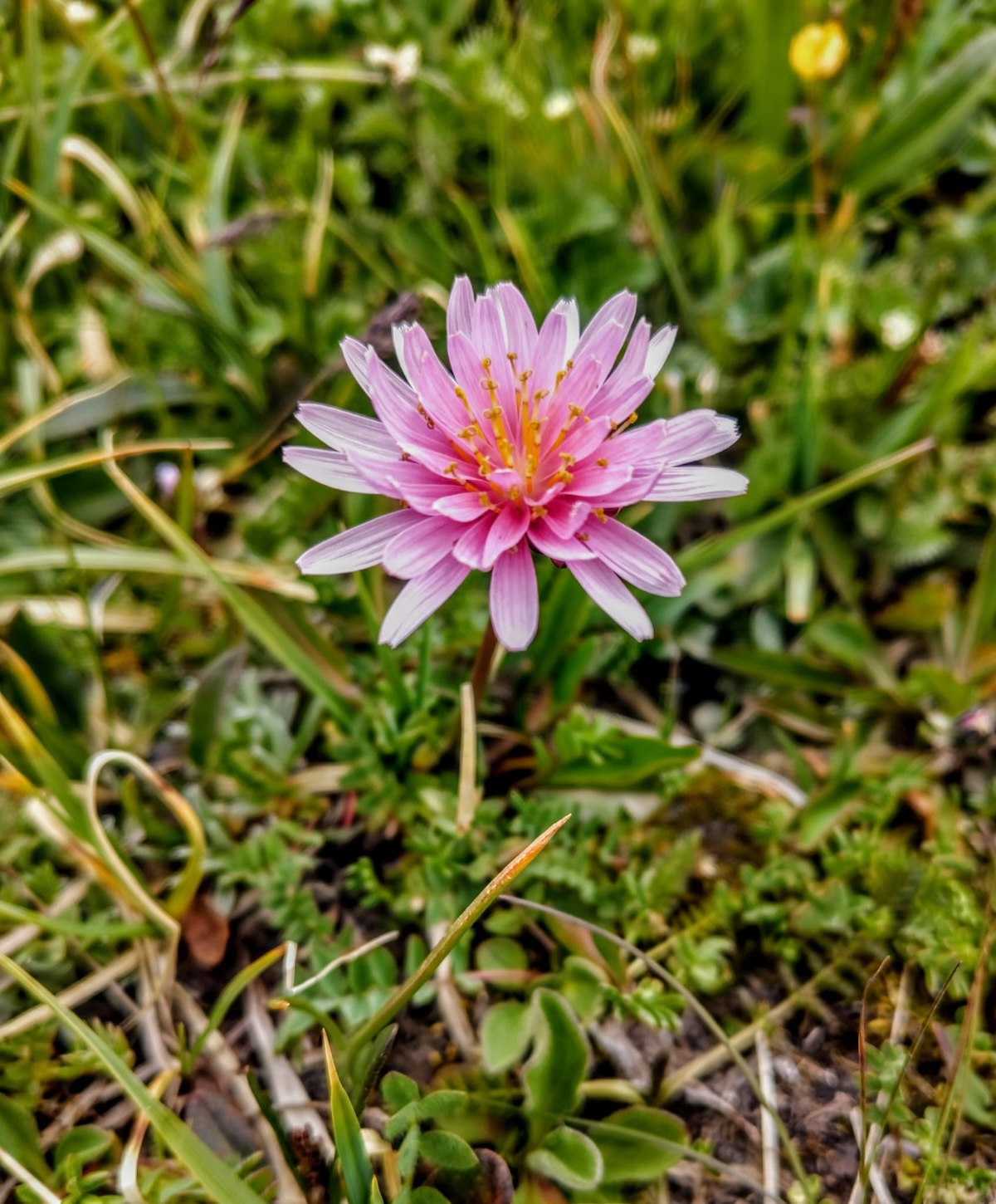


 Biosphere Expeditions: blogs from the frontline of wildlife conservation and the fight for a more sustainable planet
So great to see the results of another successful expedition, and such great camera trap photos.
Walter Macharg. Tien Shan 2022