


Some days, exhaustion feels deeper than the muscles or sleep you’ve lost. You can sleep, take a holiday, work out regularly, or binge-watch your favourite shows and still wake up feeling flat.
Burnout is rarely solved by rest alone. It’s emotional depletion, loss of motivation, and a sense that what you do no longer matters.
After the holidays or during any major life transition many people feel this more acutely. Returning to work, routines and obligations, or questioning what comes next, can feel surprisingly flat, even after a “restful” break. That’s because burnout is often about disconnection from purpose, not just physical fatigue.
Conservation volunteering provides purpose
For many who join a Biosphere Expeditions project, the shift doesn’t start with rest. It begins with purpose.
Volunteering expeditions with a clear focus on wildlife conservation provide structure, shared goals and opportunities for all skill levels to contribute meaningfully.
Waking early to help monitor wildlife, learning new skills, meeting new people. And, crucially, returning home with more than photos and a tan, but with a sense that your efforts have made a real difference.
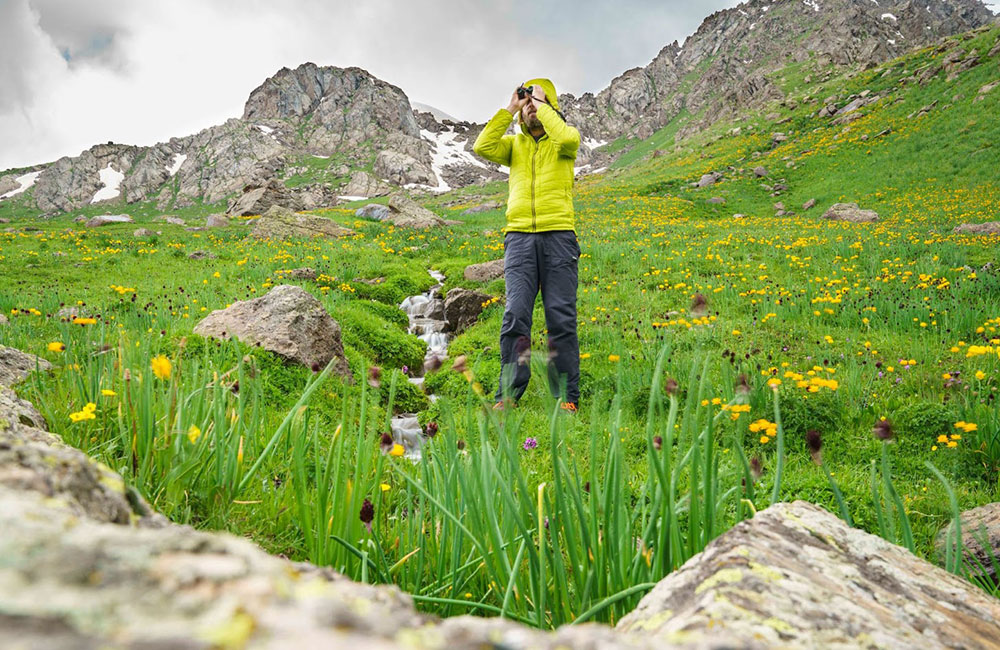
Burnout isn’t just exhaustion
Burnout isn’t only about being tired. Psychologists define it as a syndrome involving emotional exhaustion, cynicism and a reduced sense of personal accomplishment. People no longer feel effective, useful, or that their contribution matters. This pattern is particularly common after long careers where identity, structure and contribution have been central to daily life.
When people feel their work or daily life lacks meaning, motivation and engagement decline. Research shows that lower levels of perceived meaning and purpose are strongly associated with higher burnout, even when life seems “fine” on the surface.
In other words, physical rest alone cannot fully restore energy or motivation if people feel disconnected from what matters.
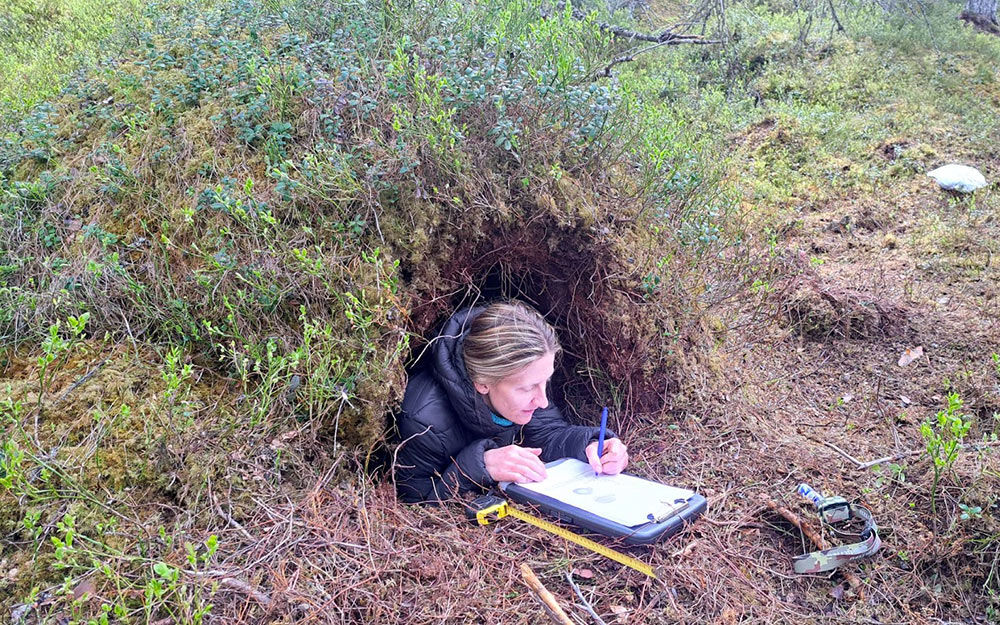
Why conservation work can help with burnout recovery
Rest restores energy, but purpose re-engages it. This is where conservation volunteering delivers. Contributing to something meaningful, whether recording wildlife, supporting a conservation project, or helping a team achieve a shared goal, helps re‑activate motivation, improve wellbeing and reduce burnout risk. And this is exactly what a wildlife conservation expedition can provide.
The right kind of challenge becomes energising rather than draining, especially when it’s an experience shared with others, time-bound and meaningful.
Research supports this. Studies show (here are 1, 2, 3 examples) that when people feel their work is meaningful, burnout symptoms decrease, and engagement and well-being improve.
Similarly, Dr Laurie Santos’ research through the Happiness Lab demonstrates that purposeful engagement significantly boosts life satisfaction and overall wellbeing, even more than rest alone.
Immersive, meaningful experiences combine:
- Tangible contribution to real outcomes
- Learning new skills in unfamiliar environments
- Collaboration toward shared goals
- Connection to something bigger than oneself
On all Biosphere Expeditions projects, participants are trained as citizen scientists and contribute directly to peer-reviewed research and long-term conservation monitoring programmes. Expedition data feeds directly into scientific reports and publications used by conservation practitioners.
When asked what stood out for her the most, Angelika Krimmel, an Expedition participant, didn’t hesitate:
‘Unforgettable nature, great teamwork, and the satisfaction that I contributed.’
Shaha Hashim, another participant also reported gaining a deeper sense of meaning after being on an expedition,
‘Being on expedition was incredible, a real revelation, that gave my life path an unexpected turn.’
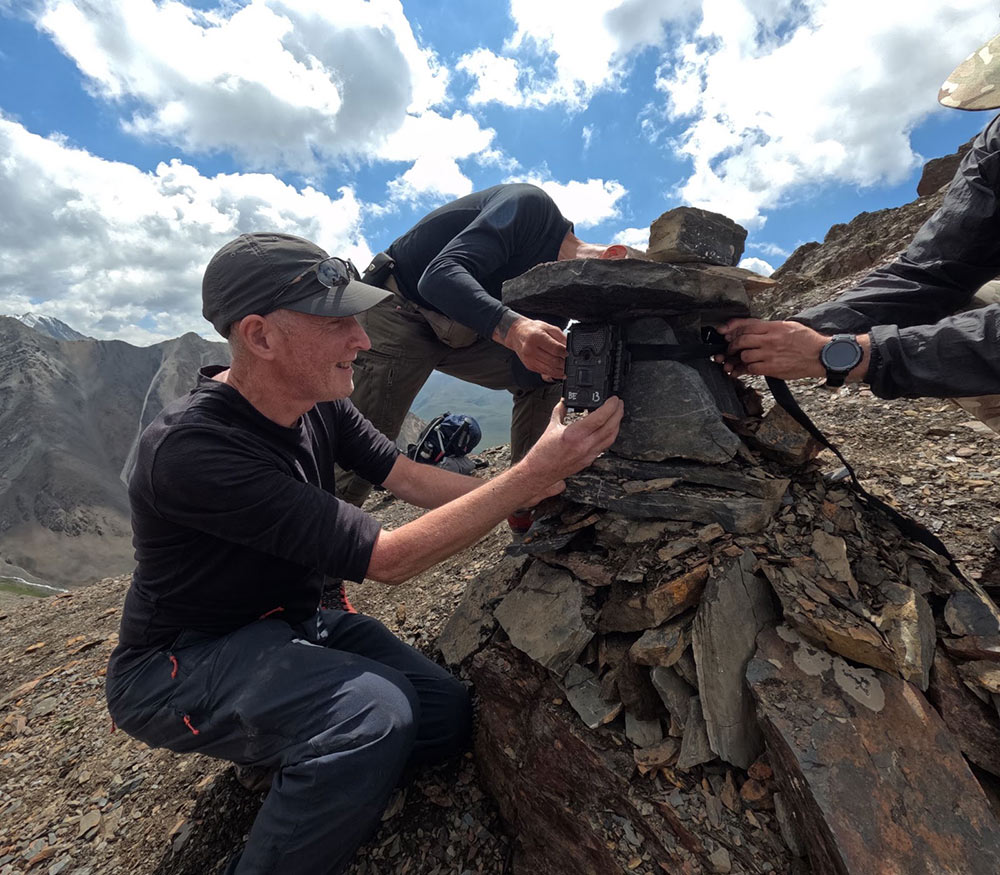
Real-world conservation outcomes from Biosphere Expeditions volunteering projects
- Brazil — Atlantic Rainforest (jaguar conservation): Recommendations by Biosphere Expeditions have been incorporated into national and state-level jaguar action plans, guiding long-term species protection.
- Costa Rica — Caribbean Coast (sea turtle conservation): Citizen science, nightly beach patrols and direct conservation action helped save up to 75% of sea turtle nests on Pacuare Beach each nesting season.
- Namibia — Large carnivore conservation (leopard conservation): Volunteer-supported fieldwork helped establish Namibia’s largest leopard research project, reducing human–wildlife conflict and significantly lowering the number of big cats killed.

Starting the year with purpose
The post-holiday blues are a perfect reminder: rest alone rarely resets motivation for long. If you’re feeling flat this January, consider how you can inject purpose into your routine.
Small steps such as helping a colleague or neighbour, starting a new project that matters, volunteering locally, or signing up for a conservation experience, can reconnect you.
Contributing can feel like more “work”, more organising, more effort and may push you outside of your comfort zone. But it can leave you feeling more engaged and connected to life.
Even short, purpose-driven experiences can leave you physically tired but mentally revitalised. That’s the type of energy that rest alone can’t provide.
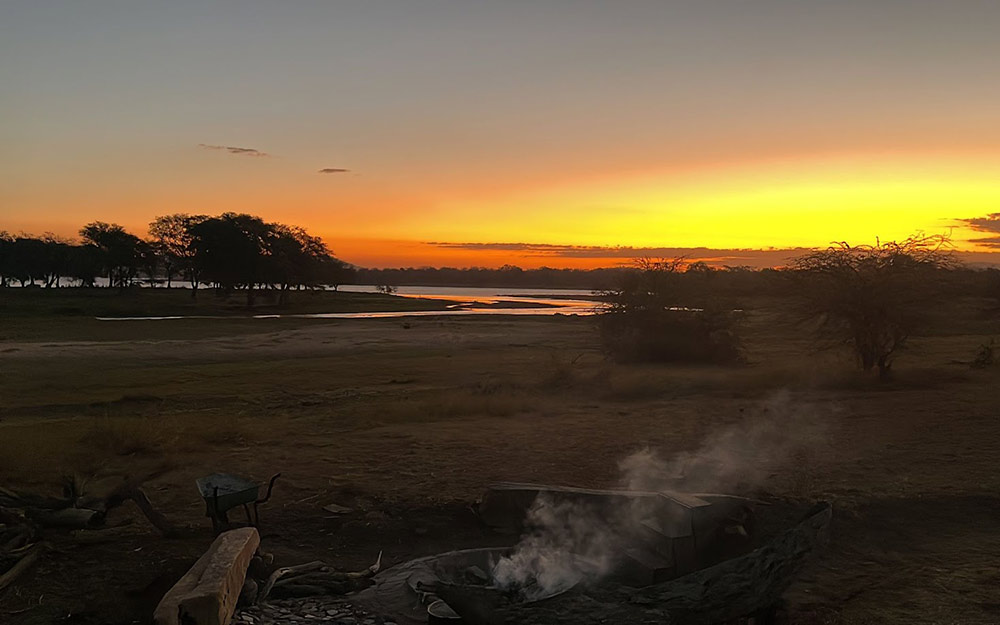
Author: Sophie Carty
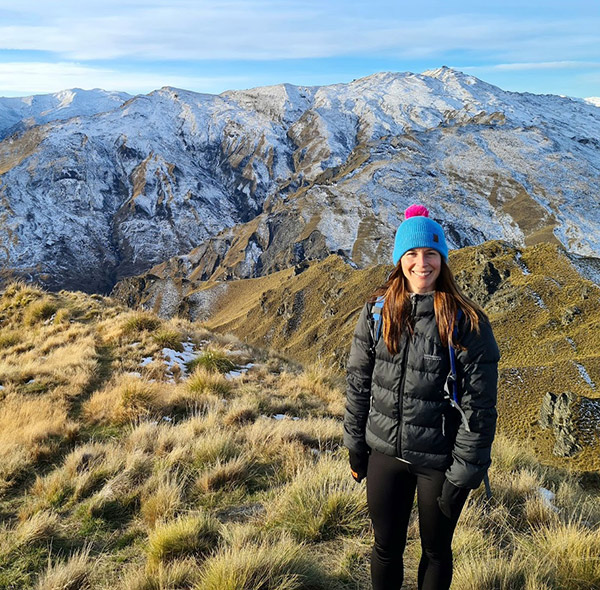
Sophie leads and coordinates projects that engage people with biodiversity and conservation in New Zealand. With a background in health and a love of nature, she works to inspire action for positive change in the environment and wellbeing. Sophie volunteers with Biosphere Expeditions and her local backyard predator trapping group, helping control invasive species such as rats and stoats.
 Biosphere Expeditions: blogs from the frontline of wildlife conservation and the fight for a more sustainable planet