
We are delighted to once again collaborate. with Dr. Alan Lee as the expedition scientist. After successful expeditions with him to the Peru Amazon from 2011 to 2016 and South Africa from 2015 to 2017, we will be back with him in his native South Africa on an expedition entitled “Much more than just leopards: Surveying biodiversity in the Cape Floral Kingdom of the fynbos mountains of South Africa.”

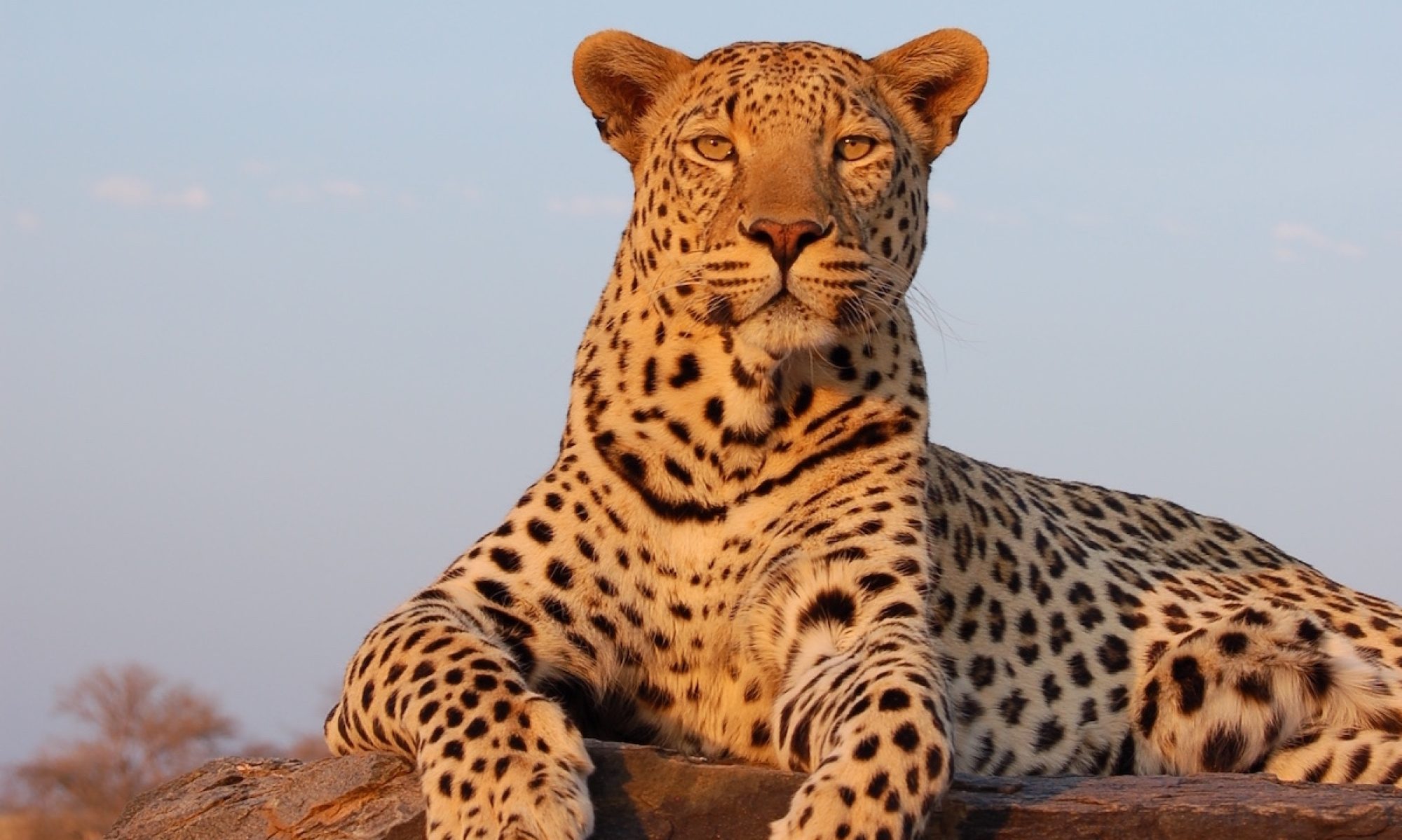
This expedition will focus on documenting biodiversity in the western Baviaanskloof wilderness area, with a particular focus on threatened and elusive Endangered mammals such as the riverine rabbit and Cape leopard, as well as birds and other fauna recorded through Coordinated Avifaunal Roadcount (CAR) transects. The work supports long-term monitoring obligations within the Cape Floral Kingdom (fynbos), a UNESCO World Heritage Site renowned for its exceptional biodiversity.

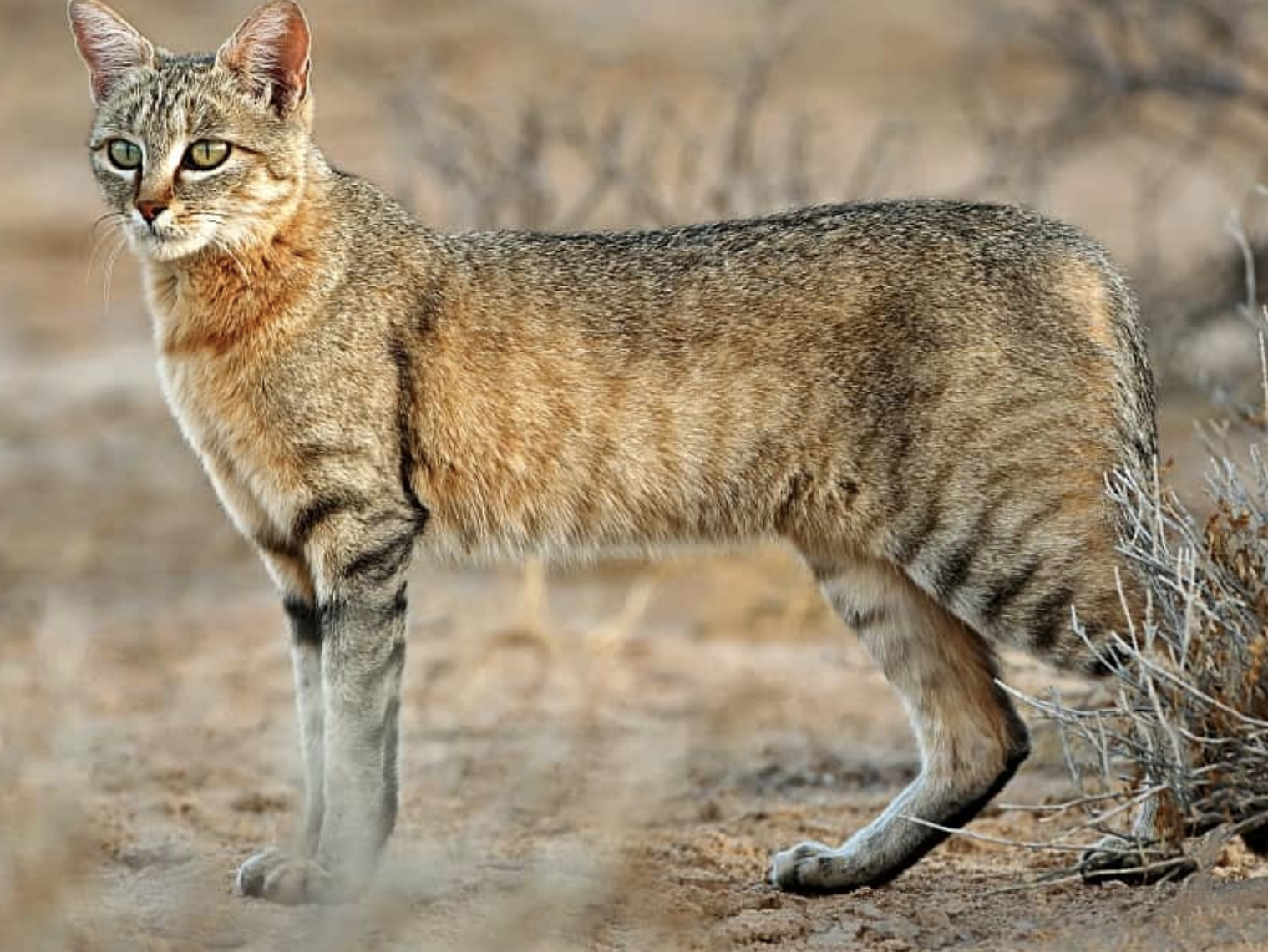
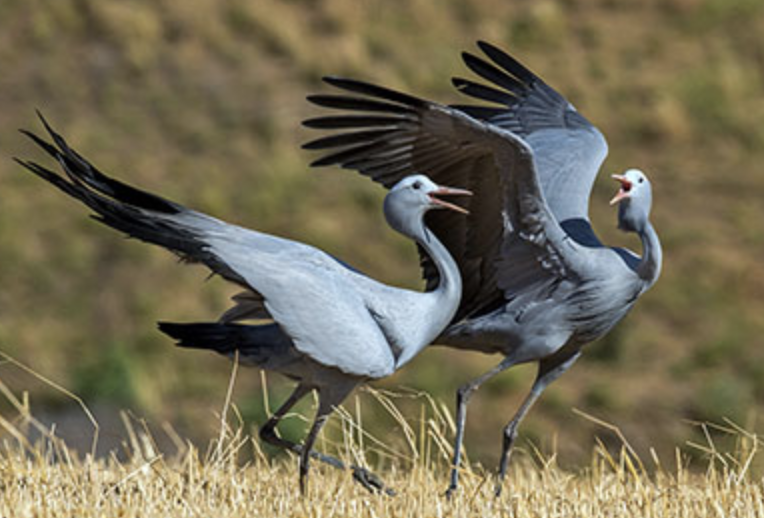
Study animals include riverine rabbit (Bunolagus monticularis), mountain reedbuck (Redunca fulvorufula), Cape leopard (Panthera pardus), caracal (Caracal caracal), African wildcat (Felis lybica), black-backed jackal (Canis mesomelas), Chacma baboon (Papio ursinus), leopard tortoise (Stigmochelys pardalis), angulate tortoise (Chersina angulata), tent tortoise (Psammobates tentorius), Ludwig’s bustard (Neotis ludwigii), blue crane (Anthropoides paradiseus) and many raptors and storks.



Activities for expeditioners will include camera trapping and surveys in cars and on foot, as well as data analysis and entry.


The expedition caters for all fitness levels. It is not physically demanding, as the majority of data collection takes place from vehicles and night-time spotlight surveys. A moderate level of mobility is still beneficial for optional walked transects over rocky or shrubland terrain.
The expedition base is a farm guesthouse in a remote part of the mountains with easy vehicle access to transect routes and direct proximity to the mosaic of habitats in which the expedition’s biodiversity monitoring takes place. Team members will share, on a twin bed basis, comfortable rooms with beds, linen and all modern amenities such as mains power, hot showers and WCs. There is also a communal building with a dining room and a lounge with sofas and a fireplace. All meals will be prepared for the team and special diets can be catered for by prior arrangement.

The weather in the Cape Floral Kingdom is classified as being in the Mediterranean climate zone. This means that it is generally dry and mild, but also that it can rain at any time of the year. Daytime temperatures are generally pleasant, but during the expedition months can range from hot (over 30oC) during the day to close to freezing during the night. A temperature change of over 20oC within 24 hours is not uncommon.
Dates, assembly point and expedition contribution. The inaugural expedition will take place from 14 – 27 November 2026. The assembly point is 09:00 on 14 November at the Protea Hotel Outeniqua in the centre of George, Western Cape. The expedition contribution is € 2890 per person, excluding travel to the assembly point.
Launch date and register your interest. This expedition will launch officially by the end of December and will take bookings from then on. You can register your interest now to be given the option of signing up to the expedition a few days before it launches officially.
 Biosphere Expeditions: blogs from the frontline of wildlife conservation and the fight for a more sustainable planet