
‘I wanted to have an impact on protecting nature,’ says Angelika Krimmel from Germany, reflecting on what drew her to her first expedition with Biosphere Expeditions.
That first experience was in 2016, studying whales and dolphins in the Azores. It wasn’t long before Angelika found herself coming back again and again – to Slovakia in 2017 to monitor lynx, bear and wolf; to Kyrgyzstan in 2019 and 2024 for snow leopard research; and to Kenya in 2023 for African biodiversity conservation.
Whales, paw prints and camera traps
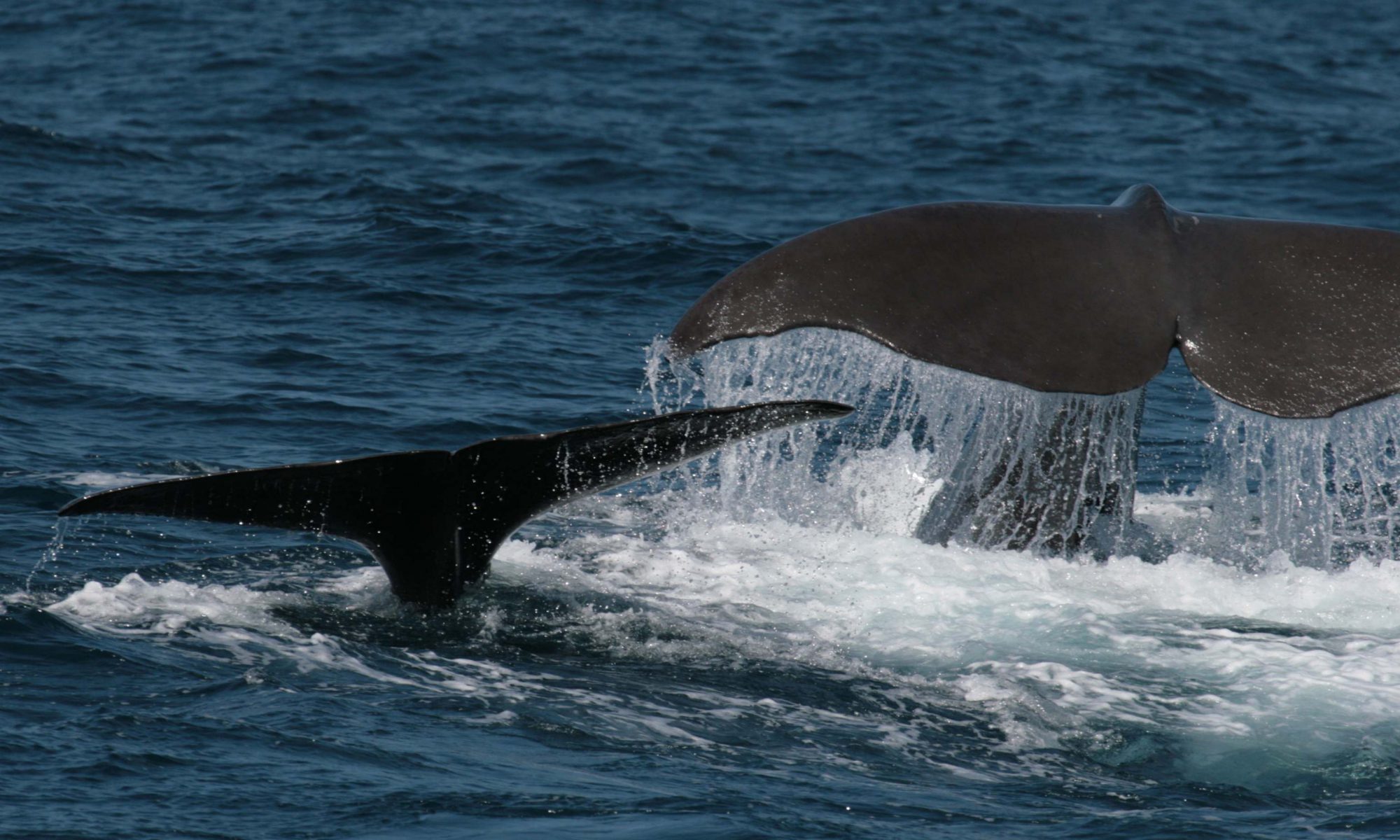
Each project offered something unforgettable. “After a week with the whales, you think nothing can top the first sight of one. But then a curious sperm whale swam alongside our boat, jumped three times and looked straight into our eyes. That look went directly to my heart.”

In Slovakia, Angelika remembers the awe – and slight fear – of discovering a huge bear paw print in the snow. ‘It had slipped trying to climb a slope and the claw marks were massive. Later, seeing a lynx on a camera trap was a thrill – my first time working with that technology.’

Predators at night
Kenya brought a more visceral connection to nature. ‘One night, just as I was falling asleep, I heard an animal screaming – it was being hunted. The next morning, we checked our camera traps and saw a female lion eating a wild boar. It was so close to our tents.’
What makes conservation work
Through these experiences, Angelika has come to appreciate the many layers of conservation work, including efforts of local people, scientists and fieldwork. ‘Don’t forget the local people’, she says. ‘The scientists must be really professional.’ She’s also learned how remote fieldwork can bring together very different personalities. ‘Being with people I would not have met otherwise, in remote situations, that’s part of the challenge and the growth.’

More than conservation – culture too
On her two Kyrgyzstan expeditions, the local community was a highlight both times. In 2019, the team was invited to watch Kok Boru — a traditional horseback game involving a goat carcass. ‘At the end, the meat was cooked and shared. Some of us were honoured with the goat’s eyes – I refused’, Angelika remembers with a smile.
In 2024, shepherds from nearby areas organised friendly ‘Olympic Games’ with the team, including tug-of-war and musical chairs. ‘We laughed so much, and they all won! The dinner afterward was delicious.’
Angelika also recalls meeting Emilbek, a Kyrgyz scientist. ‘He’s highly educated, knows history and nature, and has a great sense of black humour – especially about the communist past.’
The challenges are worth it for the impact you make
In Kyrgyzstan’s high altitudes, daily surveys were physically demanding, “but we had a job to do’, Angelika insists, ‘so we made it work’.
When asked what stands out the most, Angelika doesn’t hesitate: ‘Unforgettable nature, great teamwork, and the satisfaction that I contributed.’
Looking back, Angelika’s expeditions have not just changed where she travels, but how she experiences the world. ‘I don’t like cities any more’, she laughs. ‘My holiday destinations have completely changed.’ What changed most, though, was her way of seeing. ‘I loved nature before, but not as intensively as now. My understanding of how everything is connected has deepened so much.’
She still keeps in touch with a fellow participants, and when asked what her dream expedition would be? ‘Somewhere truly remote with a different culture – something along the lines of Kyrgyzstan.’
Her message for anyone considering becoming a citizen scientist with Biosphere Expeditions? ‘This experience is so overwhelming. You need to do this.’
You can find an overview of all upcoming expeditions here.