
Update from our Elephant conservation volunteer holiday Thailand
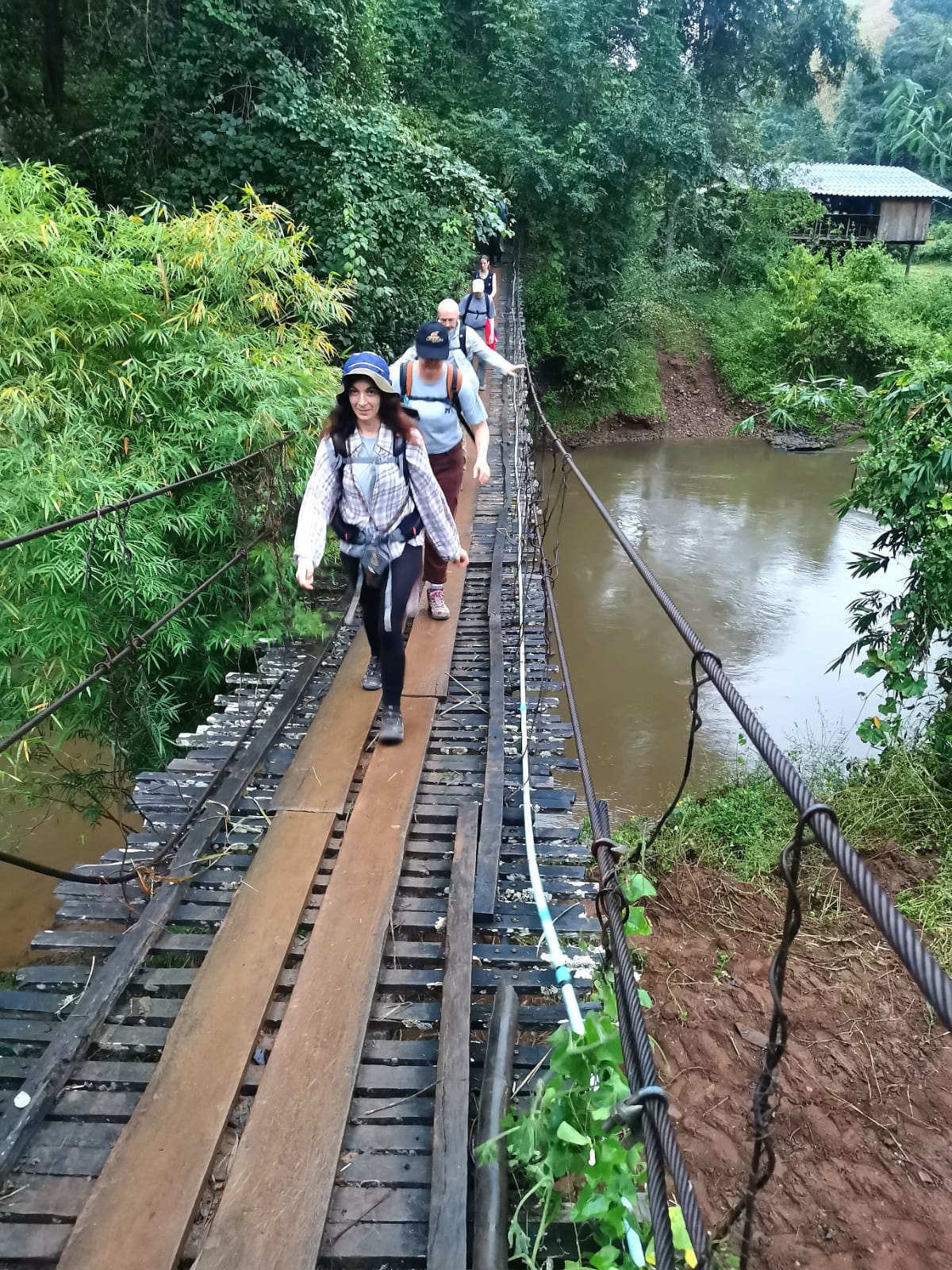
Our first two days of research have sped by. The core activity involves hiking out to where the six elephants that we are studying live and observing them for a few hours. Working on different methodologies, we record each animal’s behaviour, how the elephants associate with each other and what plants they eat.
On both our research days, the elephants have been foraging in a large sloping field of tall grass, rather than in the nearby forest. Our best vantage point to watch them is on the opposite side of the small valley. This has the added benefit of a large shelter we can stand under when it rains. It rained incessantly all day today, but with that shelter, use of umbrellas and the upbeat attitude of our small team of citizen scientists, our spirits were high.
We happily watched and recorded the elephants as they foraged, explored, dust-bathed and interacted with each other. The two younger females tend to hang out together along with the 18-month old calf. The two adult bulls usually stay apart although one of them (father to the calf) does readily join the trio. The old matriarch tends to keep herself to herself.
With some spare time this afternoon, we carried out an extra research task. The appealingly named ‘Biohike’ is a transect survey of insects contributing to a long-term study of biodiversity in the area near our base, including habitats affected by elephants, which have a significant and long-term ecological impact as they trample, break up and uproot the vegetation as they pass through.
This evening we will be eating dinner with our homestay hosts and tomorrow it’s back to watching and recording the elephants. The expedition team is doing well.




Update from our Thailand expedition working as an elephant conservation volunteer
 Biosphere Expeditions: blogs from the frontline of wildlife conservation and the fight for a more sustainable planet