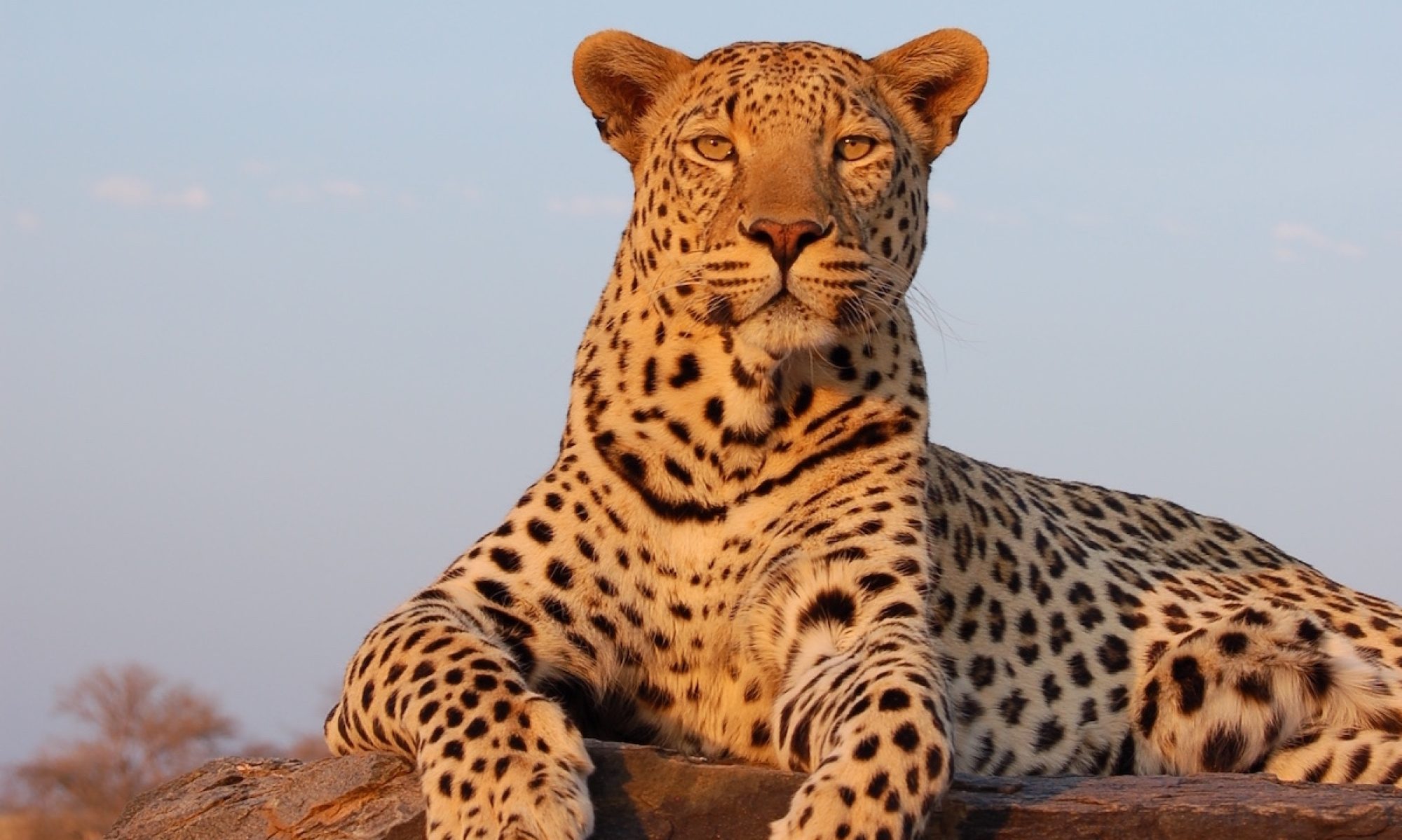

Update from our snow leopard volunteer project to the Tien Shan mountains of Kyrgyzstan
Our third and final Tien Shan group was full of enthusiasm and hard work. There was a real buzz around camp and everyone was motivated to get stuck in.
We have captured snow leopard on our camera traps a total of four times (total of 14 images captured) and sent back 13 scat samples to Germany to be DNA-tested whether they really are from the ghost cat. We have felt their presence and it is hard to imagine that they haven’t observed us from a distance.
We planned an overnight expedition with two of our 4x4s to the east side of the Jil Suu valley to survey a large swath of prime habitat, but we were stopped in our tracks at the first hurdle: A road that we drove just two weeks ago was now impassable due to heavy rain “redesigning” the numerous river crossings. We returned to basecamp and decided to turn our attention to the east side of the Burkhan valley instead.
Another expedition team spent two days hiking in the mountains with an overnight stay in the Archaly valley to the south of our basecamp. They were able to place camera traps at a promising 4000 m pass and we are excited to see the results next year.
We were invited to join the local shepherds at a type of mid-summer celebration where all families from the same area let their hair down for the day. They had set up yurts with mountains of food and a loudspeaker to dance to Kyrgyz techno music. We were greeted gleefully and invited to talk in front of the more than 100 people that had congregated in the Burkhan valley. The Grupa Bars addressed the crowd and talked about the work we are doing here followed by talks from the expedition leader, expedition scientist and citizen scientists. We expressed our gratitude to our neighbours for their welcoming nature during our stay in the valley and their constant assistance and co-operation.
On our second to last day, we ventured to a ridge line to place camera traps, where we had discovered evidence of snow leopard. On the steep hike up the grass slope we were fortunate to witness a large group of seven to eight ibex walking on the ridgeline far above us, their silhouettes unmistakable against the deep blue Tien Shan sky. As we approached the top of the ridge, we made an effort to limit our noise in case they were still around. Sure enought, there was a small plateau around 150 m below the ridge where there was a group of over 40 ibex resting, the largest group of ibex we have seen on this expedition. We were able to observe them for a few minutes before they were startled by something and fled across the rocky, precipitous hillside out of sight.
The 2024 has been extremely successful and our citizen scientists have collected a huge amount of data. We have surveyed over 130 cells amounting to a total area of 520 square kilometres (!), looking for signs of snow leopards and their prey and assessing biodivrsity. We have placed 17 camera traps in the mountains to capture photos until our return in 2025 and have sent 13 vials of potential snow leopard scat to Germany to be DNA tested. Thank you to everyone involved to make this possible: NABU and the Grupa Bars, our scientist Emil, our local helpers and friends in the study site, in Bishkek and around the world, and most of all our citizen scientists, whose input in labour and funding make this expedition possible in the first place. I take my hat off to you all for doing this. Thank you.
Johnny Adams
Expedition leader


Update from our Kyrgyzstan expedition to the Tien Shan mountains, volunteering in snow leopard conservation.
 Biosphere Expeditions: blogs from the frontline of wildlife conservation and the fight for a more sustainable planet
Wow! Really impressive!