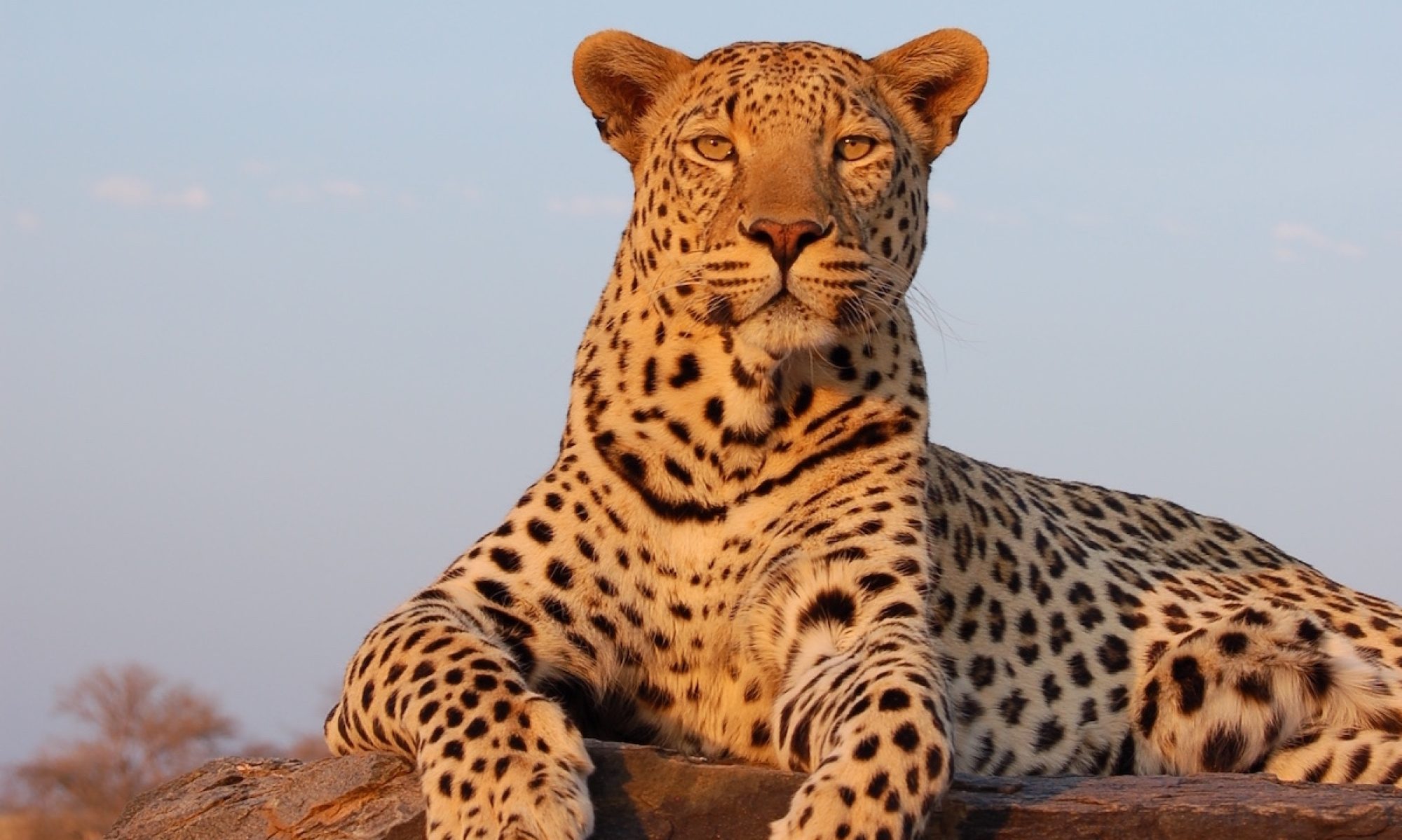

Update from our Sweden bear volunteer project
Biosphere Expeditions, working in collaboration with Björn & Vildmark (bear & wilderness), has completed its fourth citizen science research expedition in Dalarna province, Sweden, gathering field data on brown bears (Ursus arctos), contributing to the conservation of this iconic Scandinavian mammal.
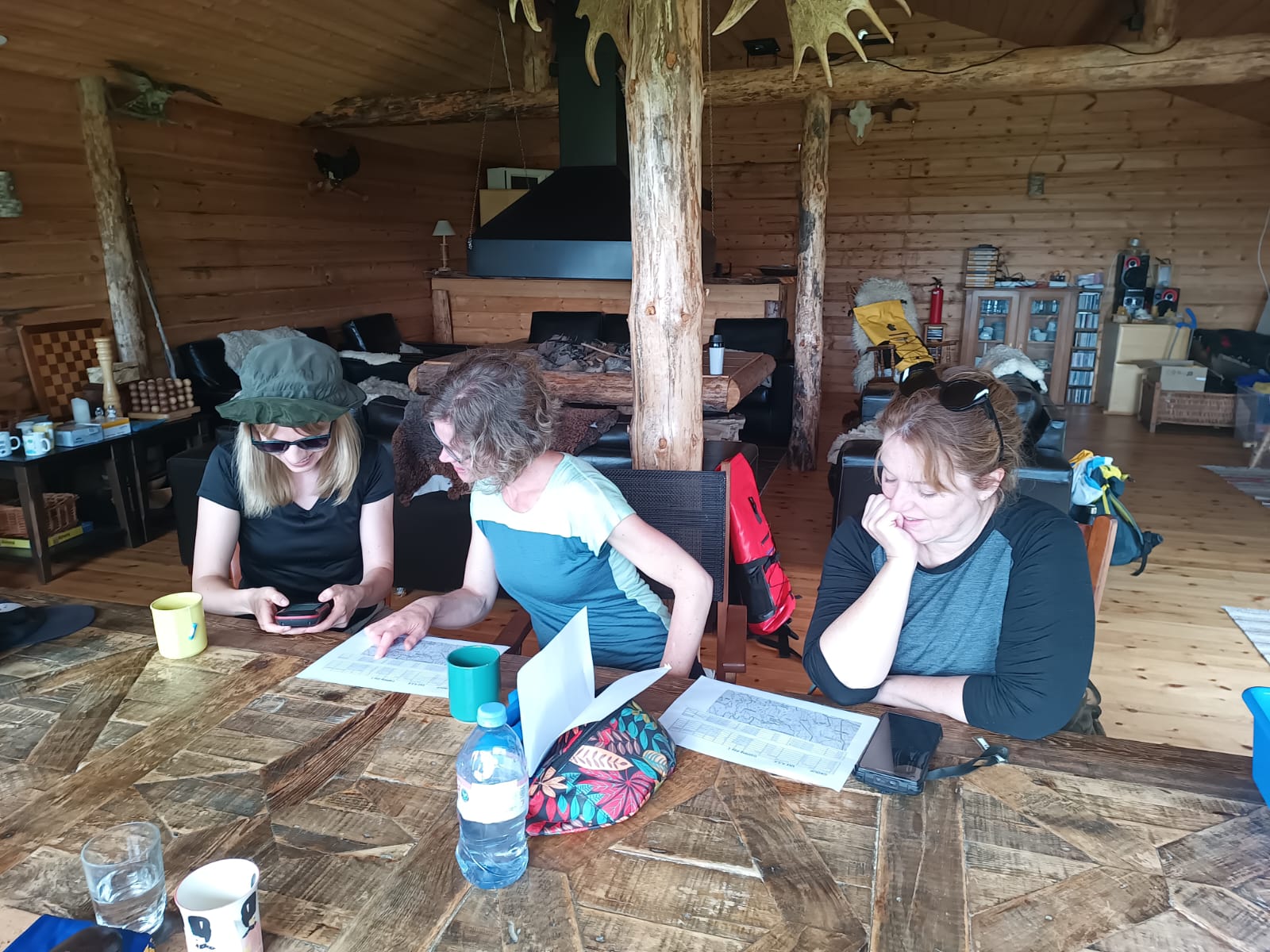
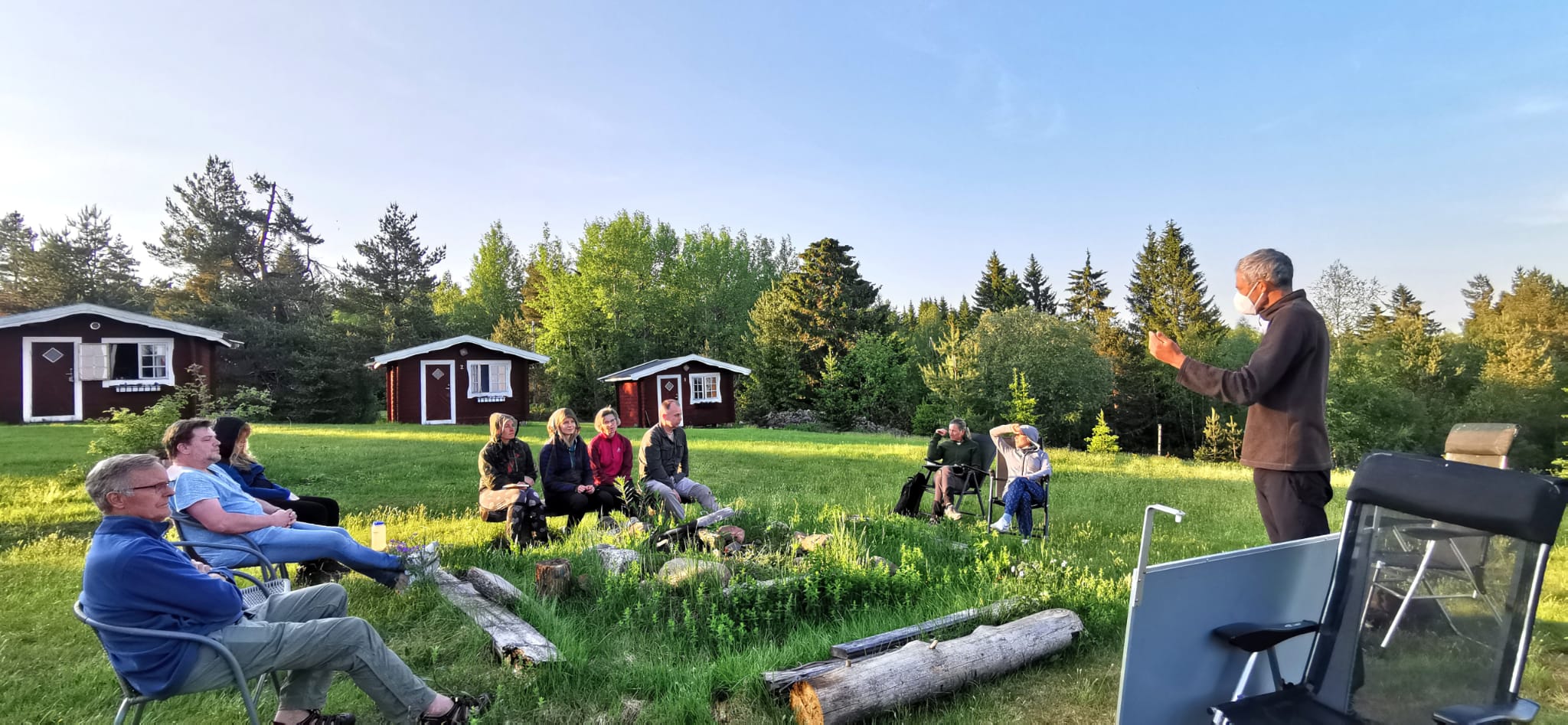
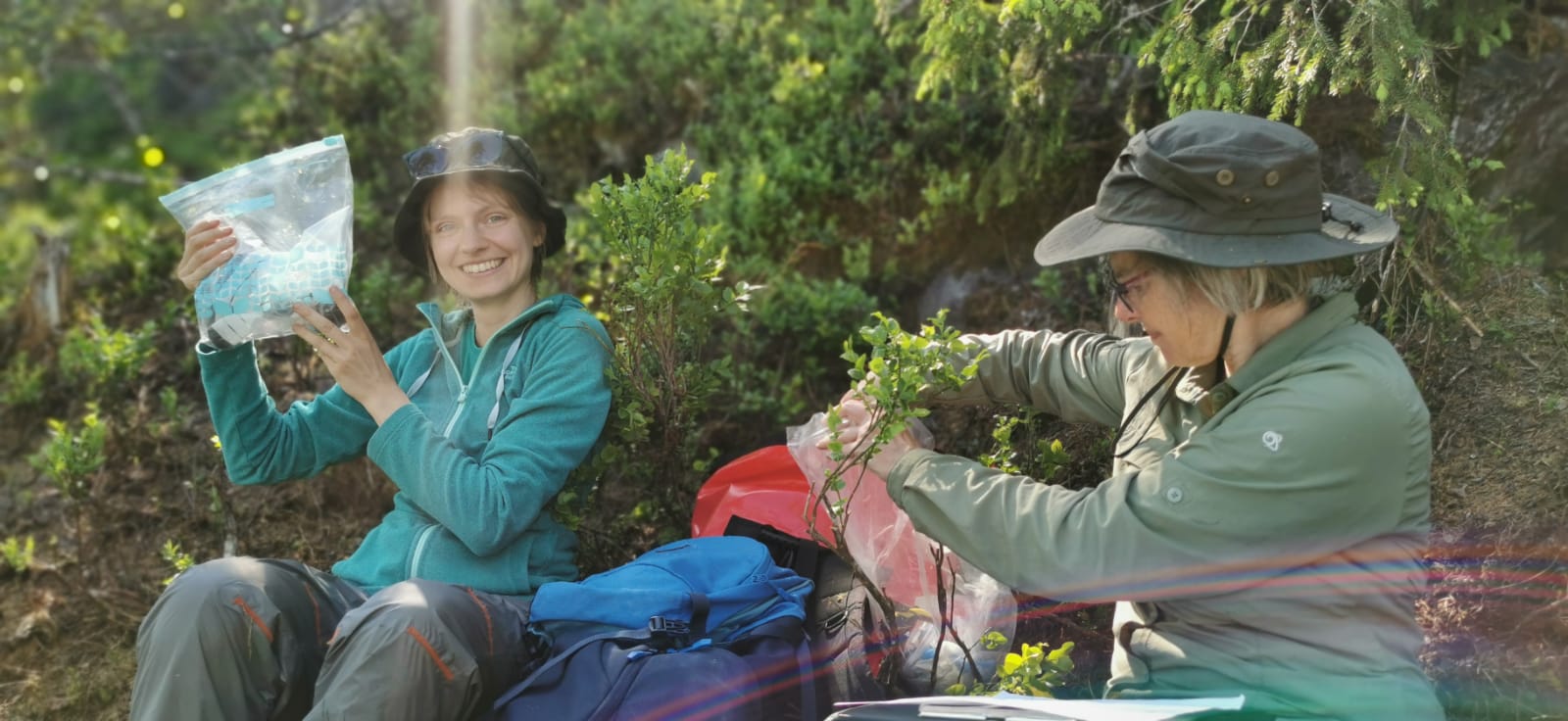
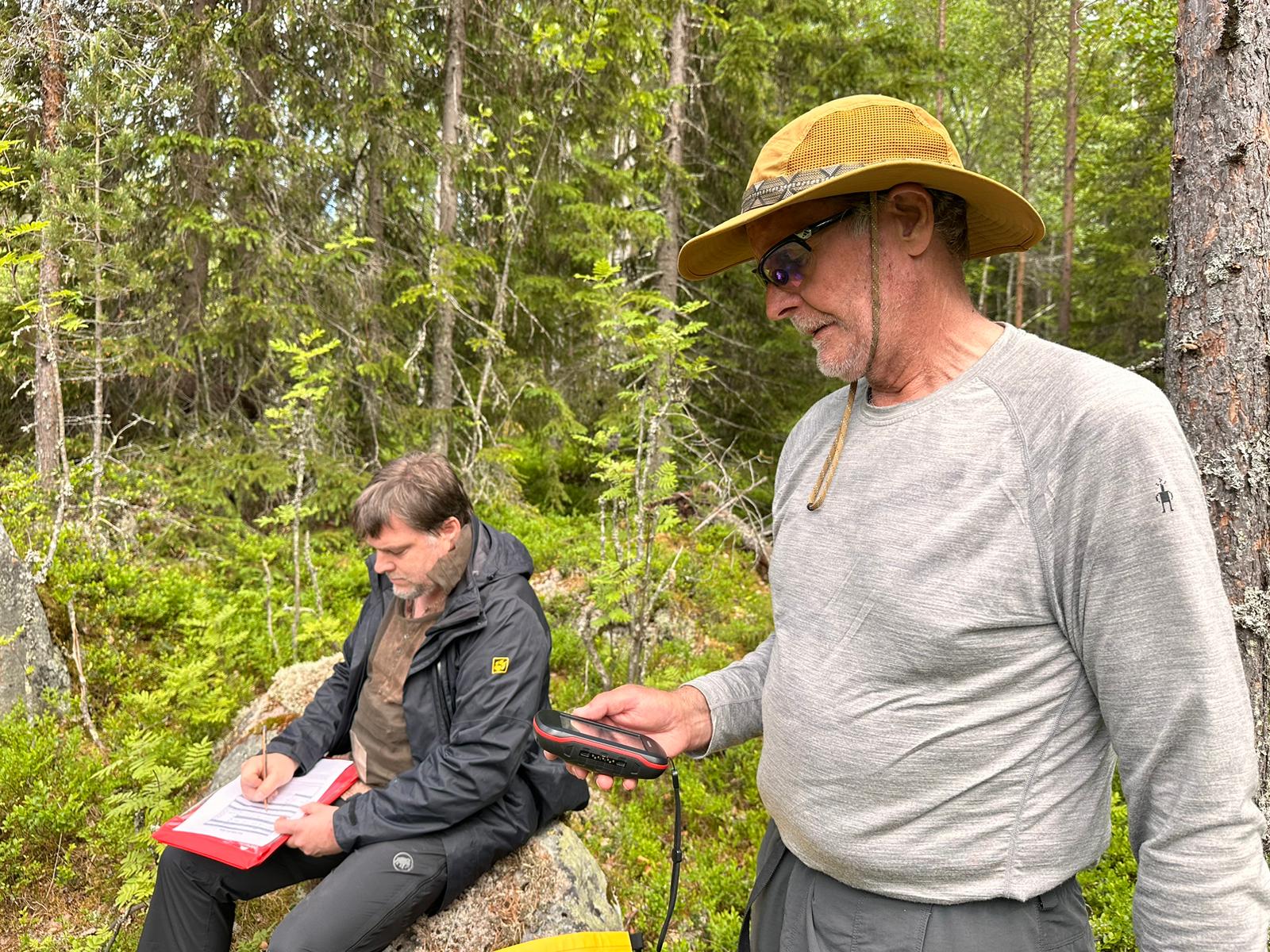
The expedition involves citizen scientists staying at a base camp and, after receiving relevant training, collecting data under the direction of the expedition scientist, Dr Andrea Friebe.
The data collected is used by the trans-national Scandinavian Brown Bear Research Project (SBBRP). Dr Friebe has worked in the SBBRP since 1998 and wrote her master thesis and dissertation about brown bear hibernation and ecology in Sweden. In 2001 she founded the company Björn & Vildmark, as an interface between bear research and information for the public and for managers.
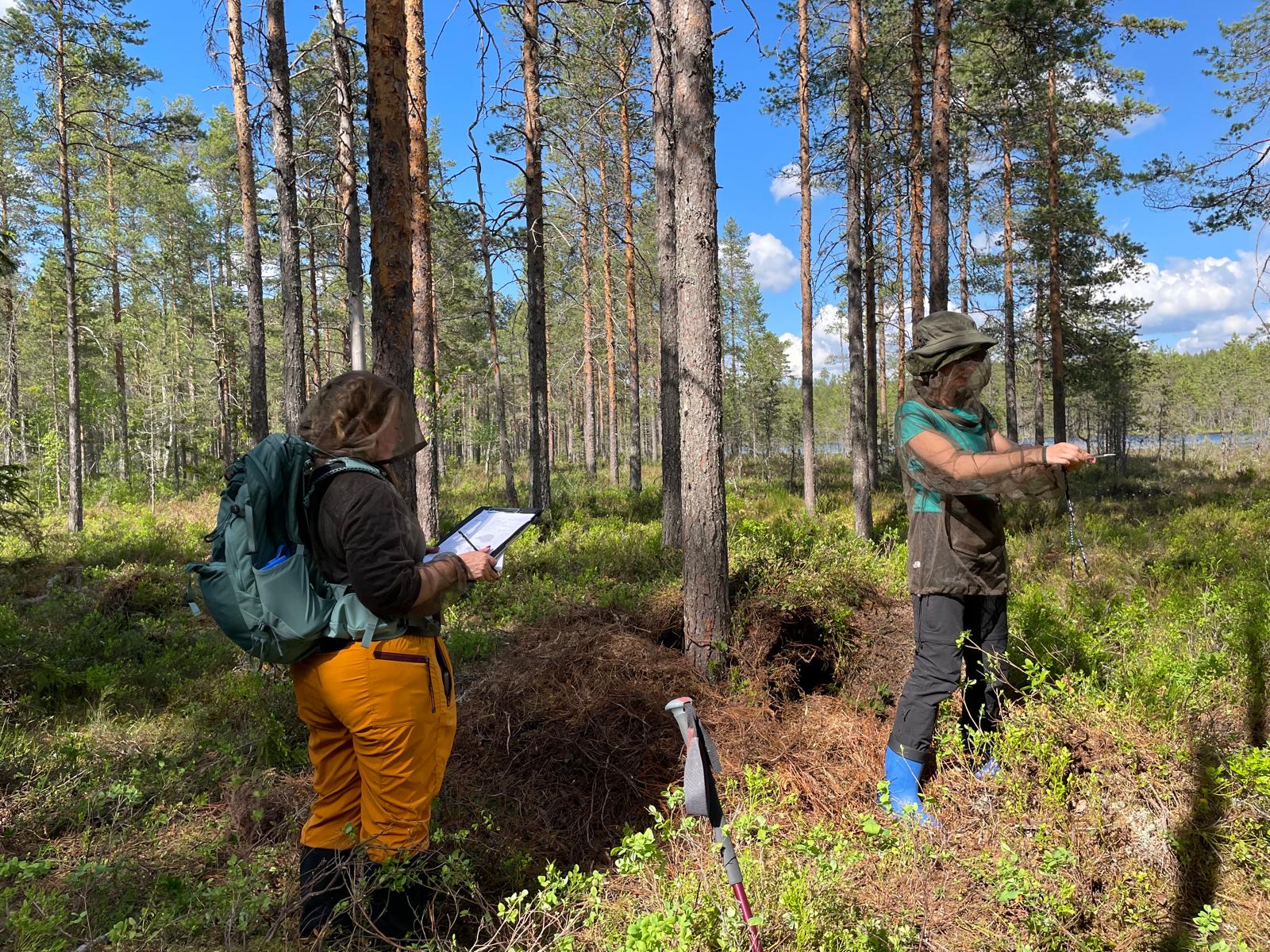
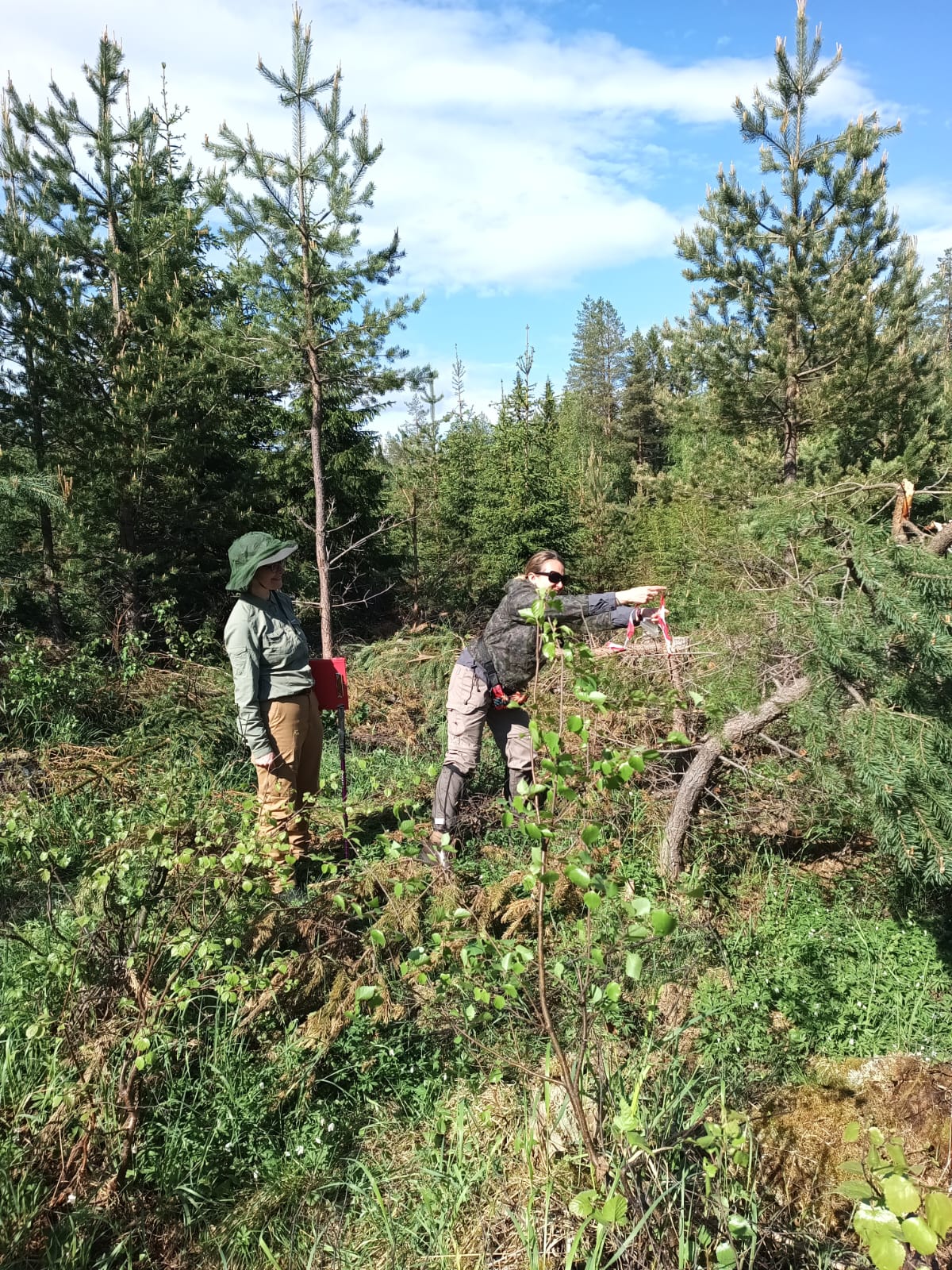
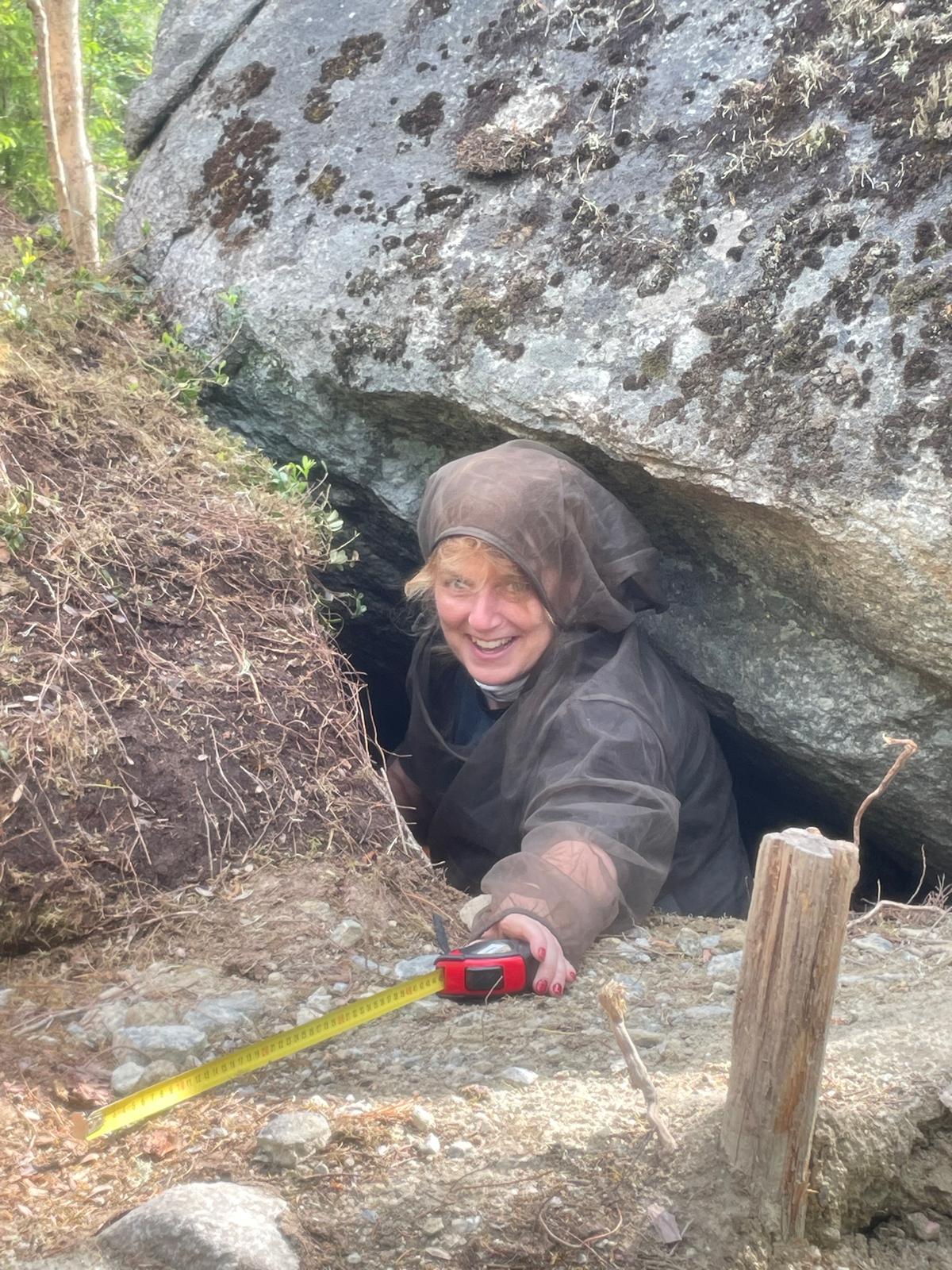
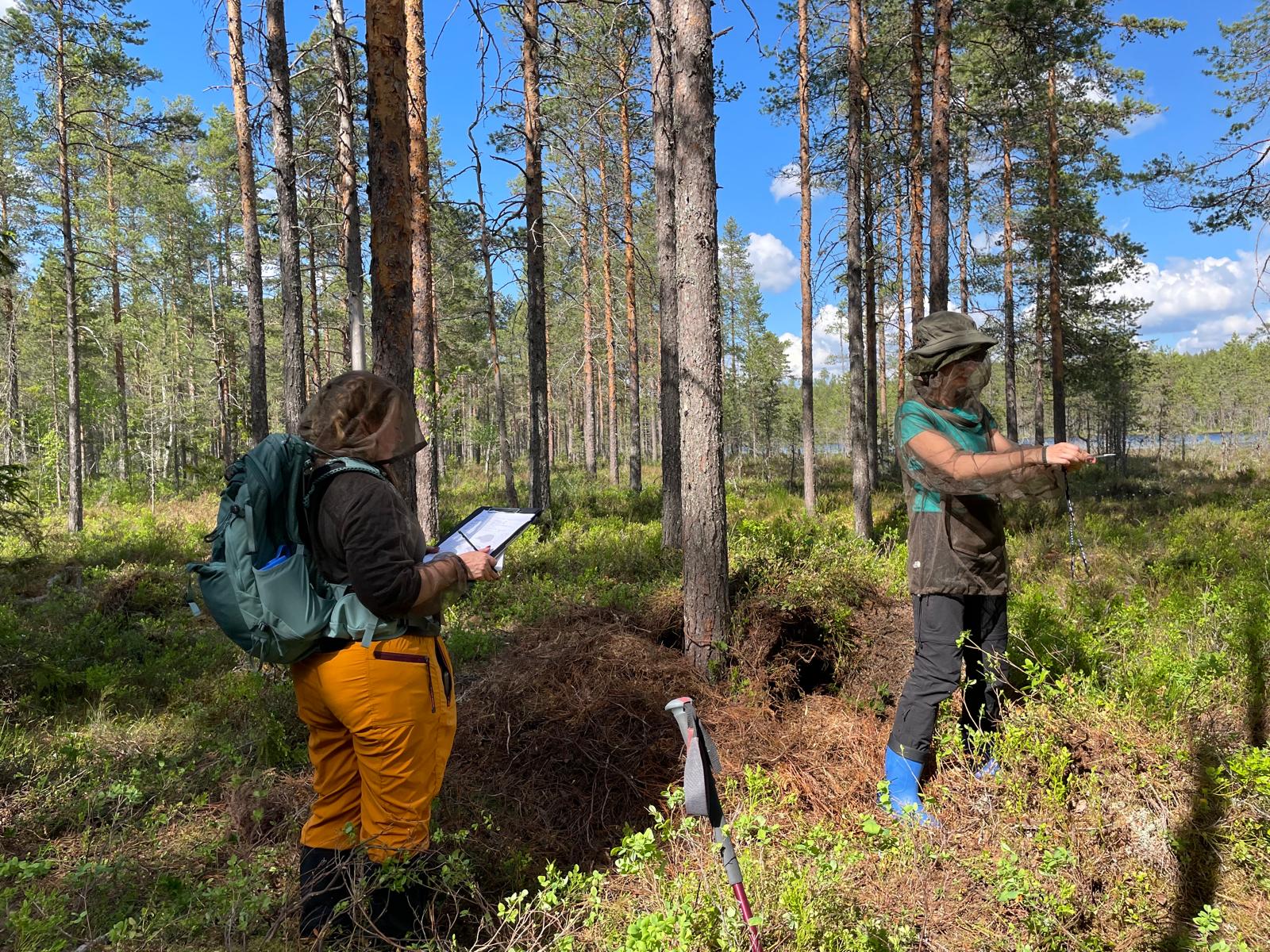
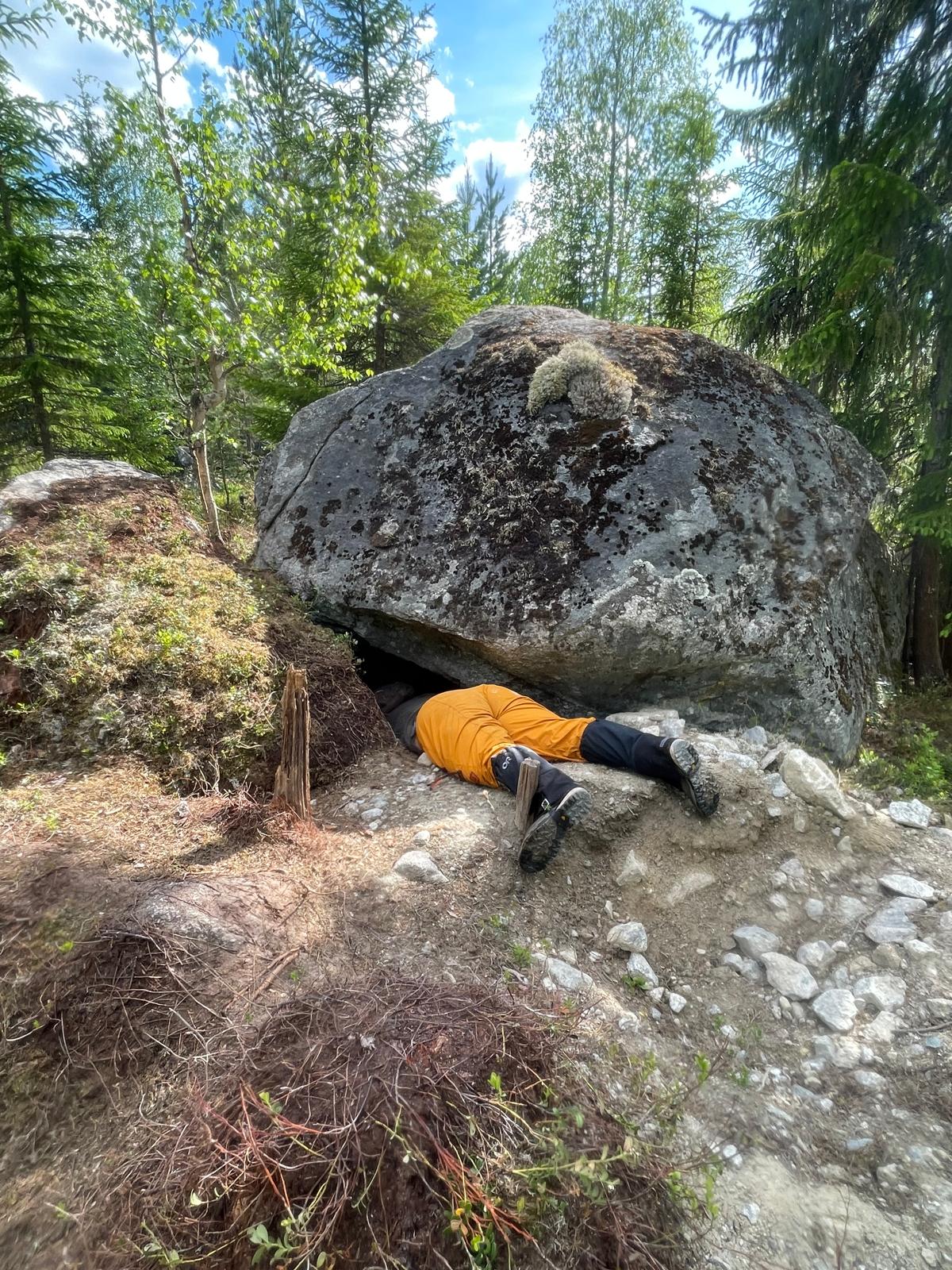
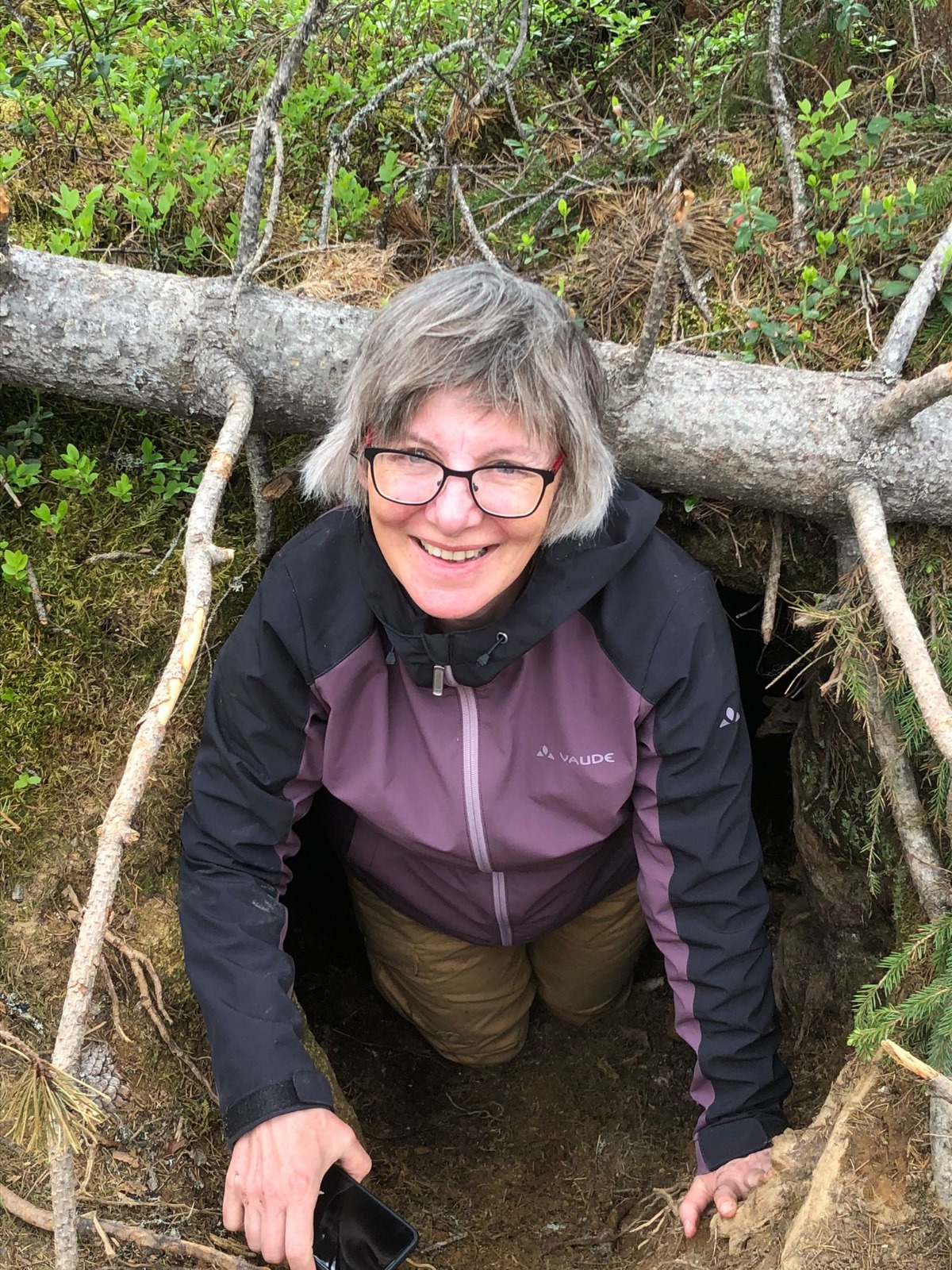
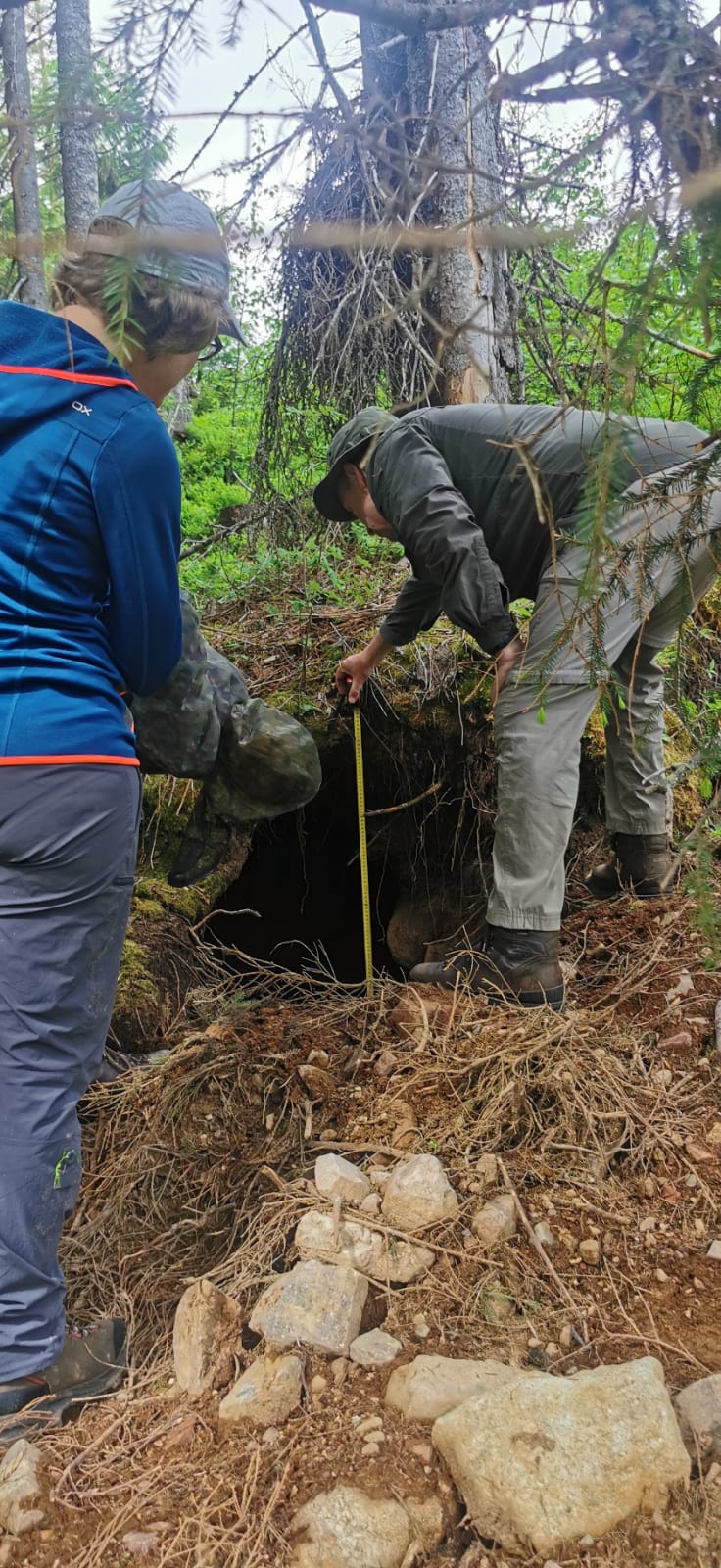
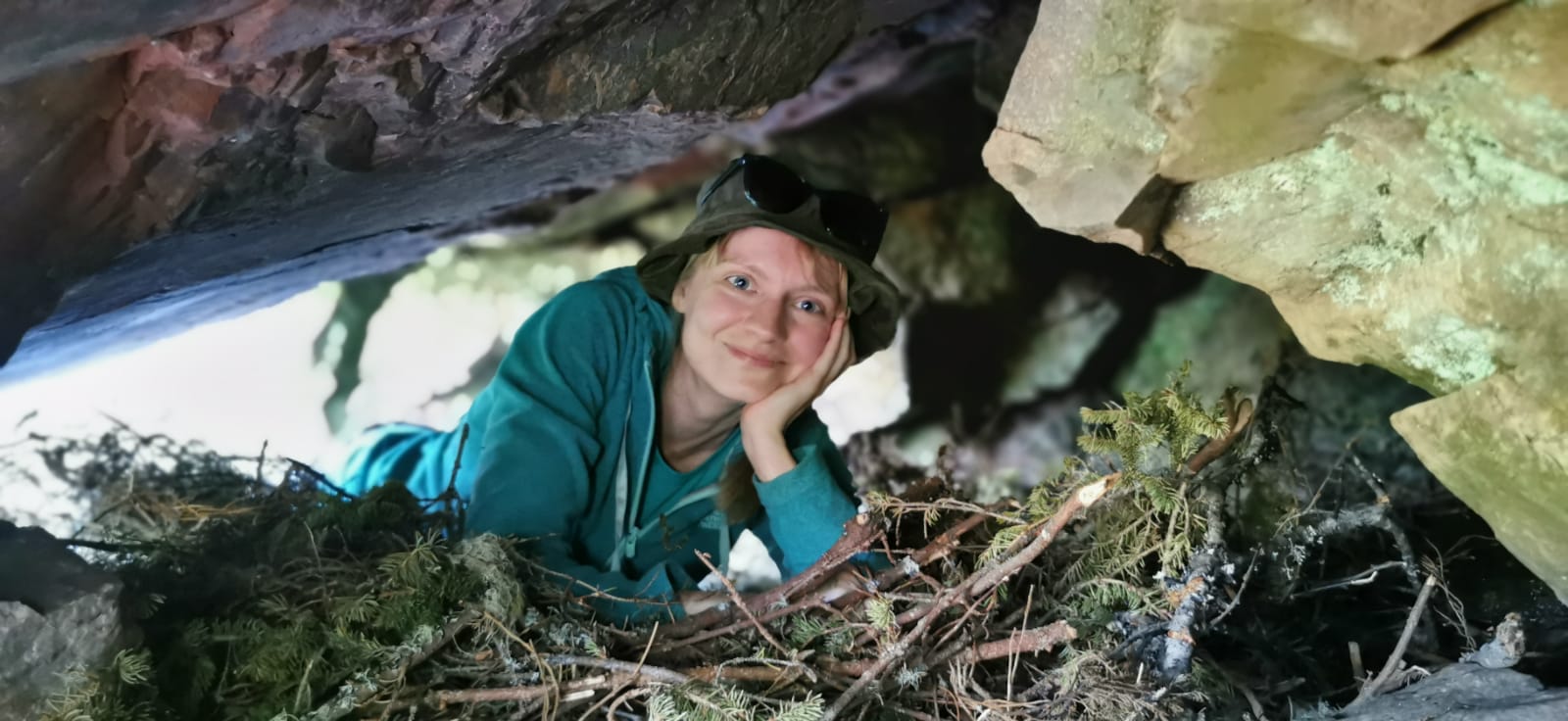
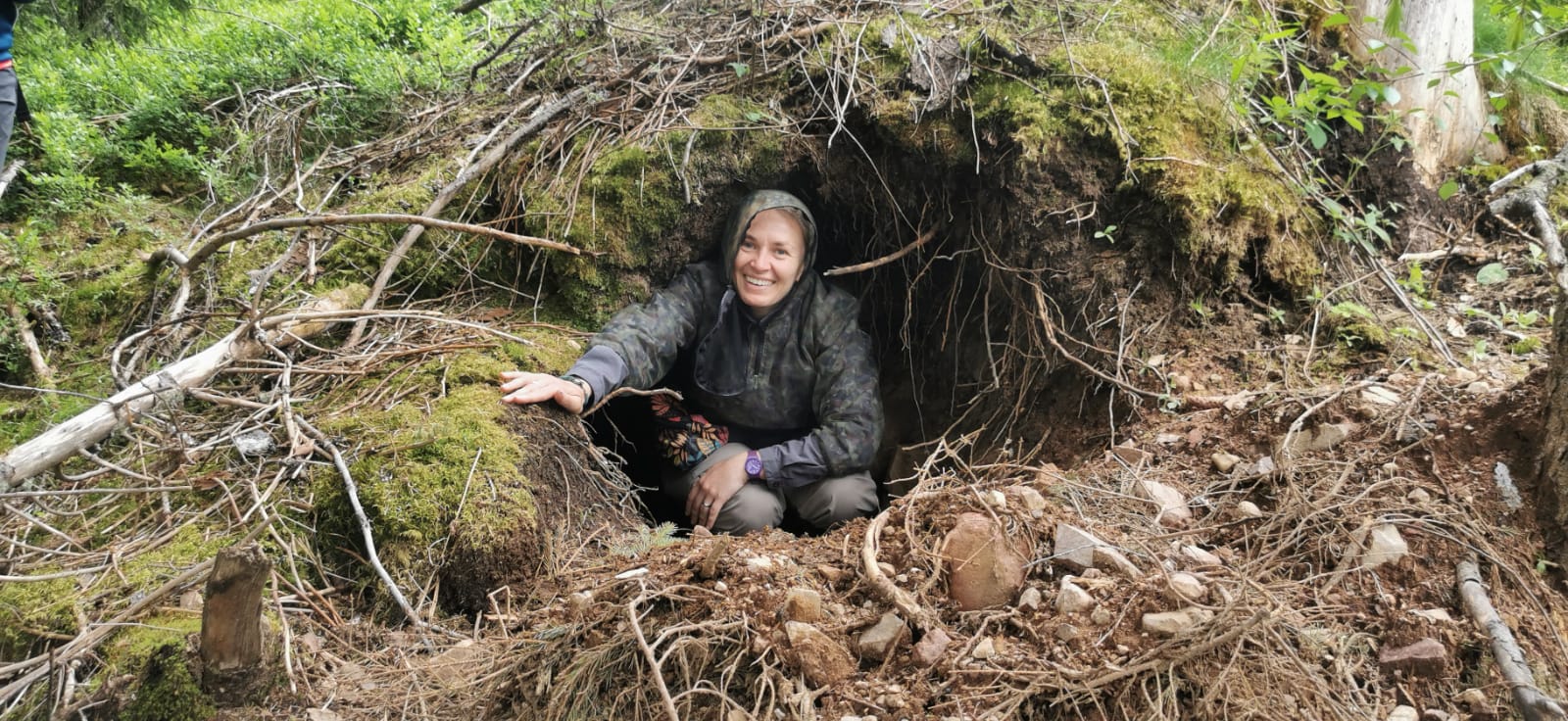
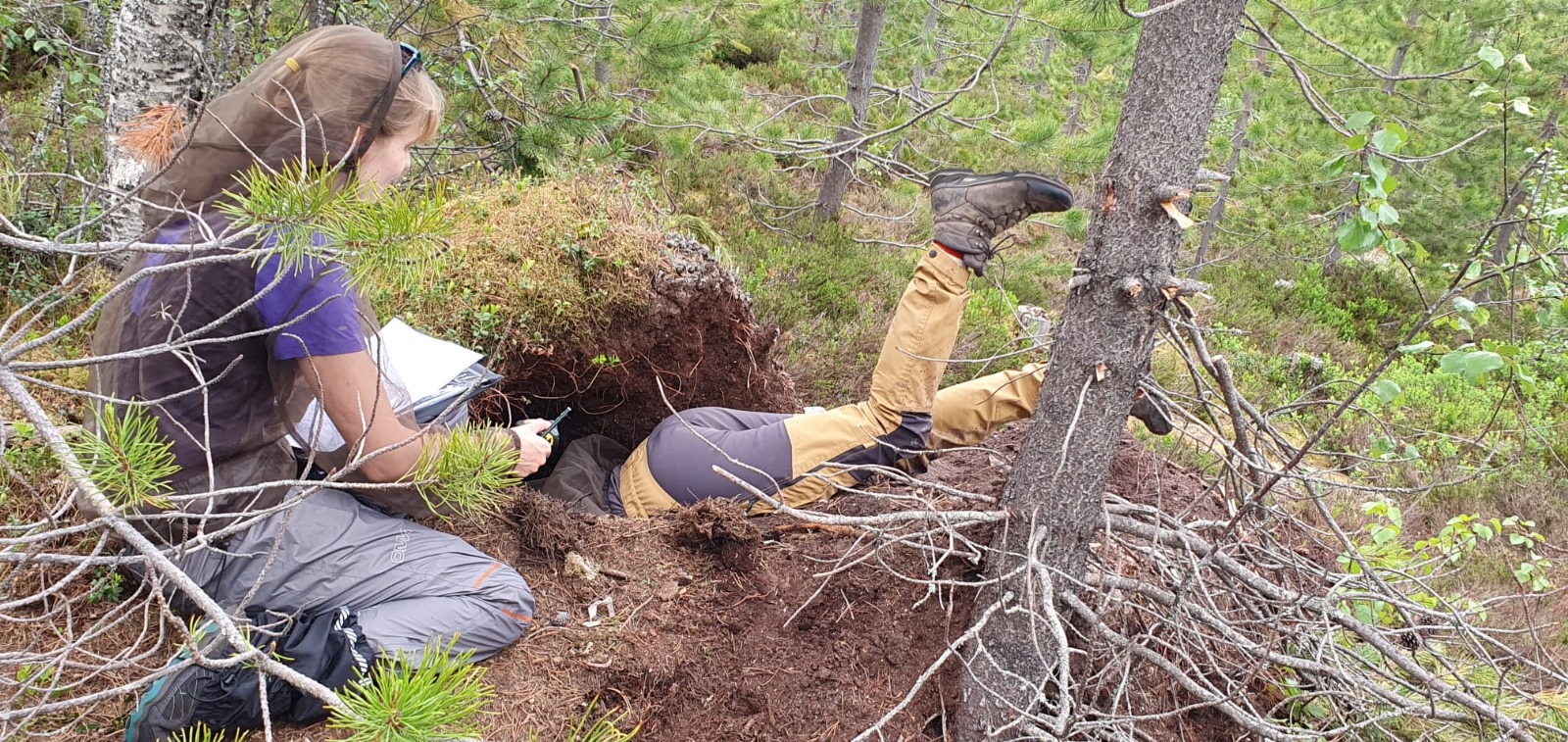
The main focus of the Biosphere Expeditions brown bear research expeditions is locating and surveying winter dens used by bears that have previously been fitted with tracking devices. Once the bears have left in spring, each winter den is then carefully measured by the citizen scientists and a wide range of data are collected relating to the type of den, the surrounding habitat and any evidence of cubs and/or bear scats at the den site.
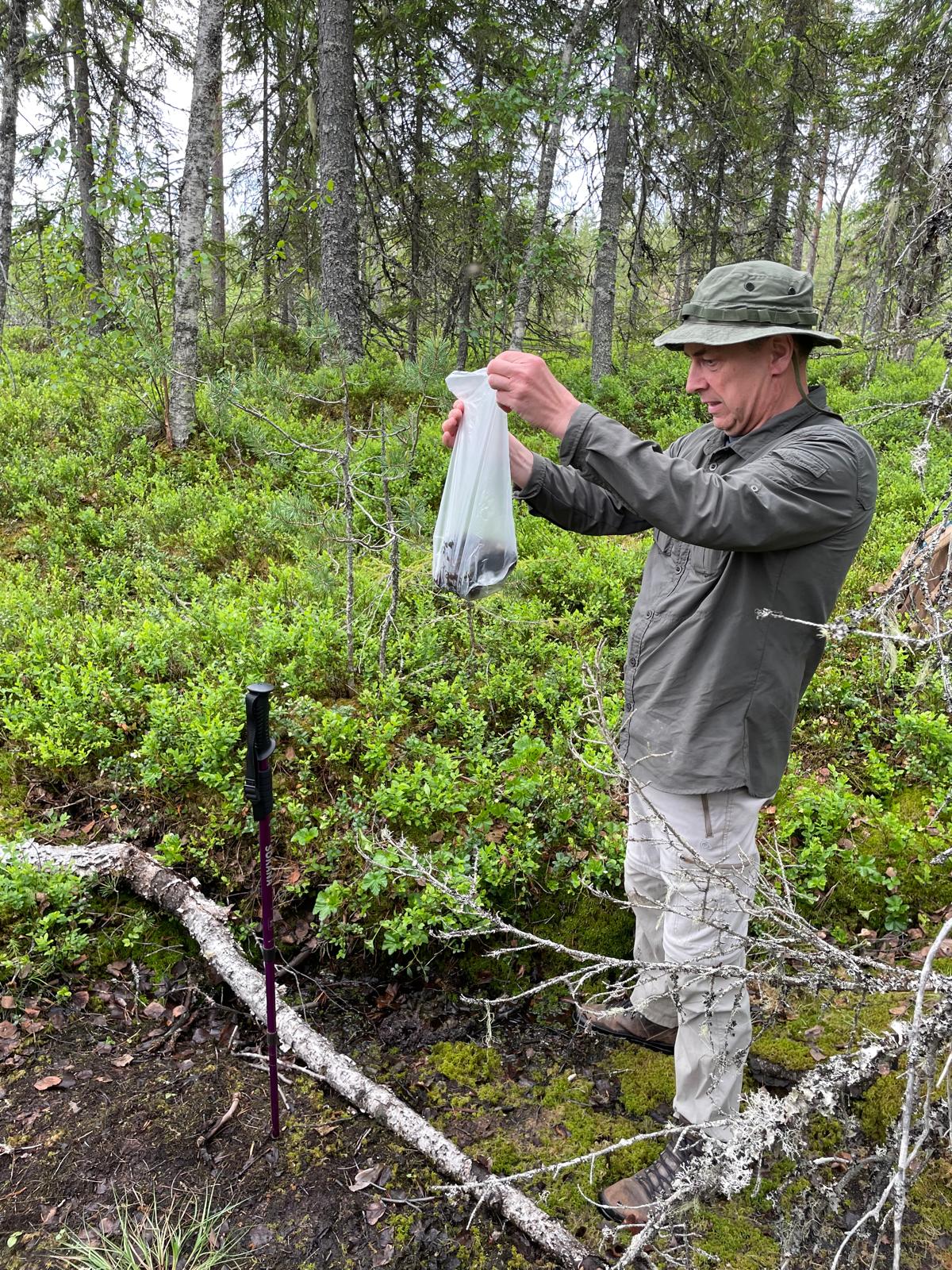
The expedition team also visits sites where bears had recently spent a significant amount of time, indicating a ‘day-bed’, or a potential kill or scavenging site. These sites also provide a high chance of finding bear scats. Samples of these scats are collected and later analysed to reveal bear diet as well as helping to identify the presence of cubs accompanying female bears.
The data gathered by the expeditions is used by the SBBRP as part of their long-term research programme following the lives of specific bears from birth to death, to gain insights into bear diet, weight development, patterns of movement, colonisation of new areas, choice of den, social behaviour, mortality and reproduction. Inter-species interaction with moose and domestic livestock have also been investigated, as well as the sensitivity of bears to human disturbance and human-bear conflict.
The purpose of this all this is to provide managers in Norway and Sweden with solid, fact-based knowledge to meet present and future challenges by managing the population of brown bears, which is both an important hunted species and a source of conflict, and whose management has been changing rapidly in recent years.
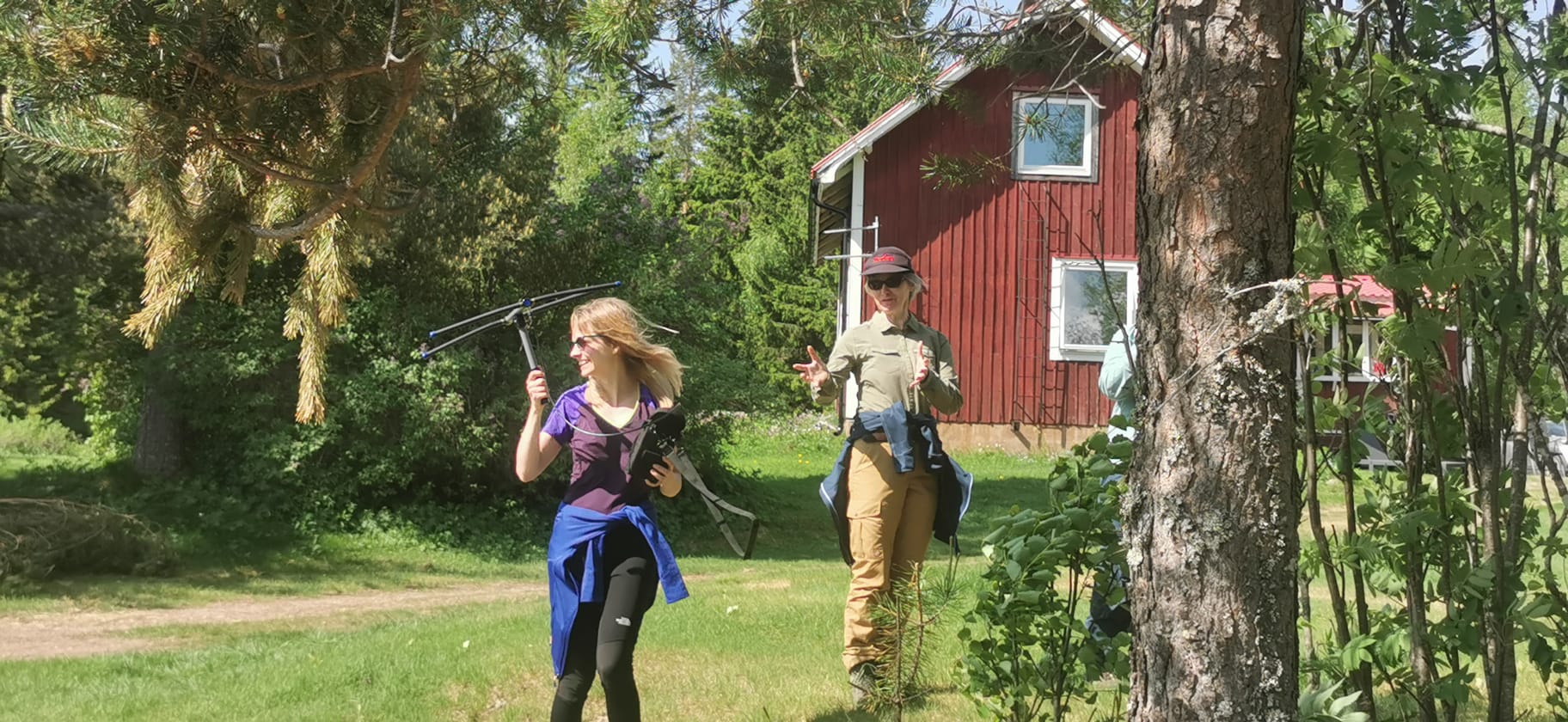
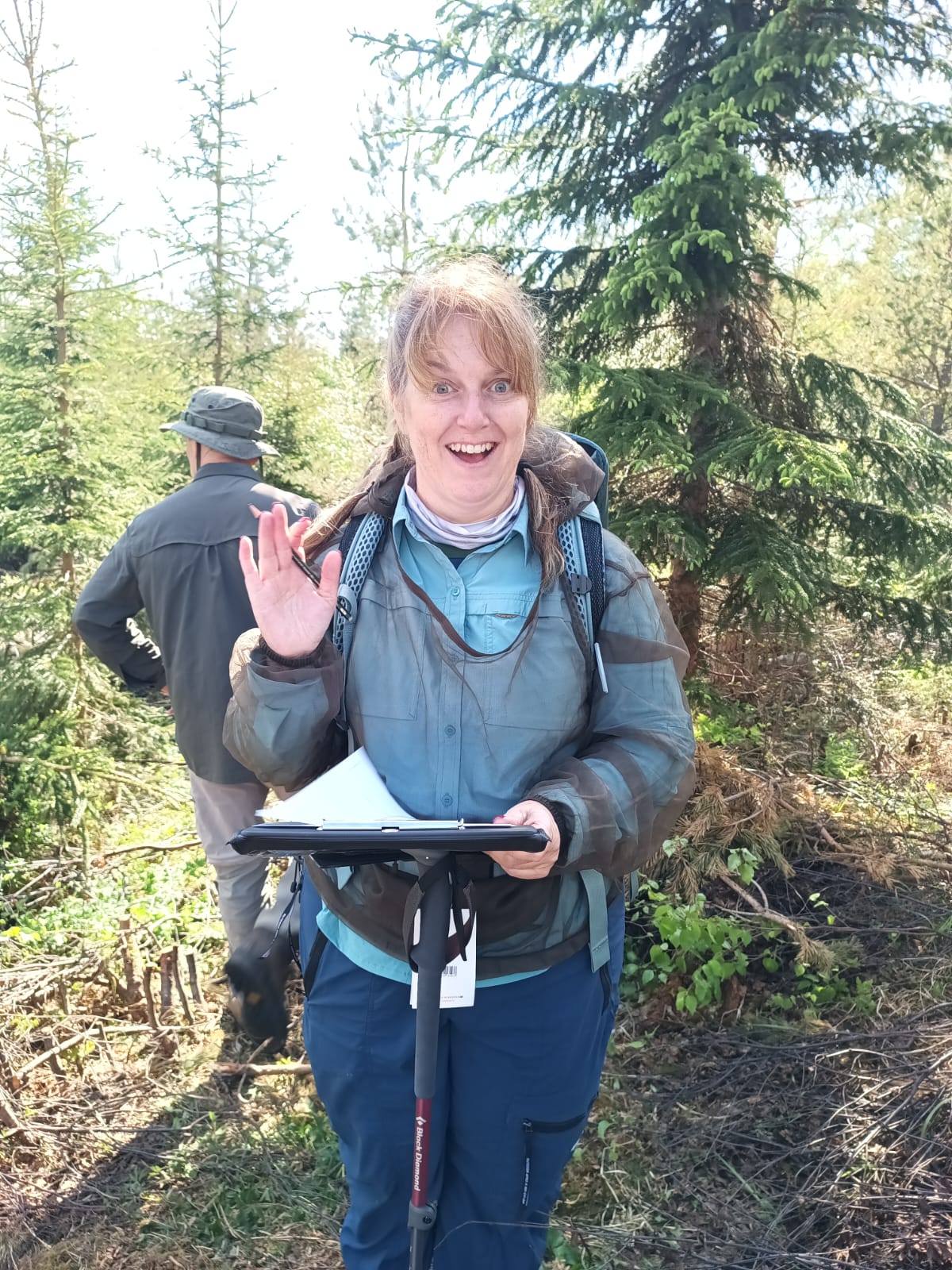
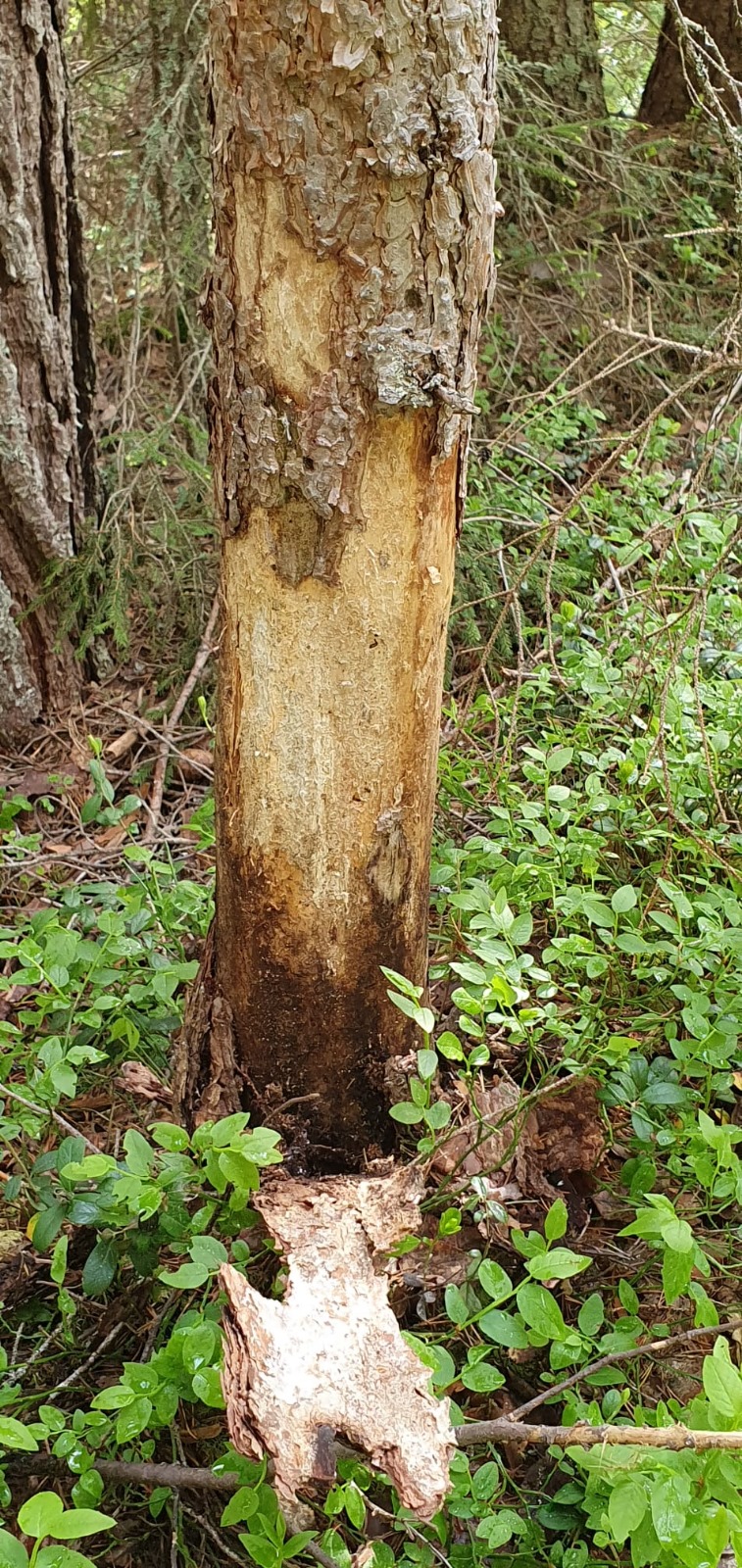
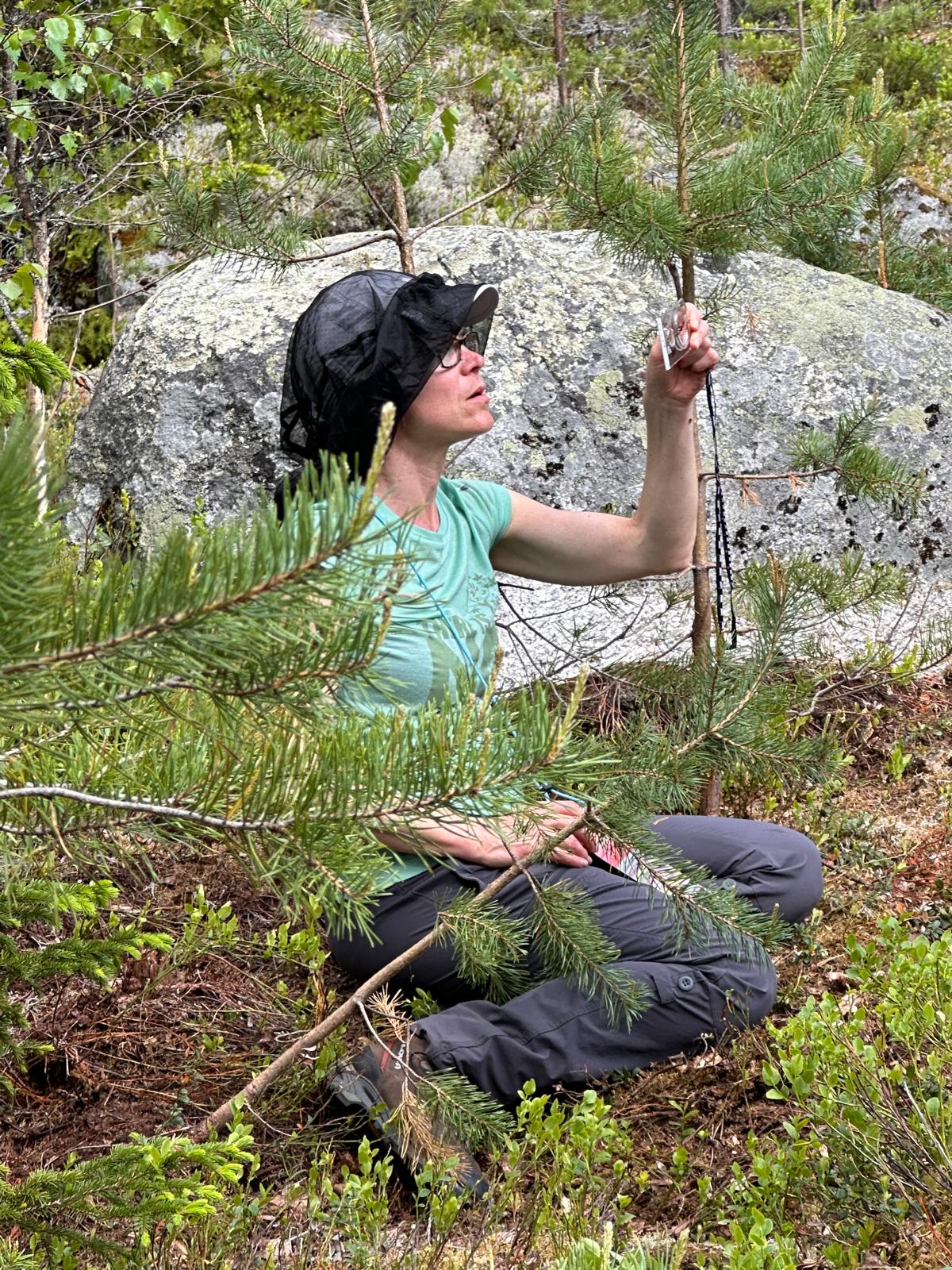
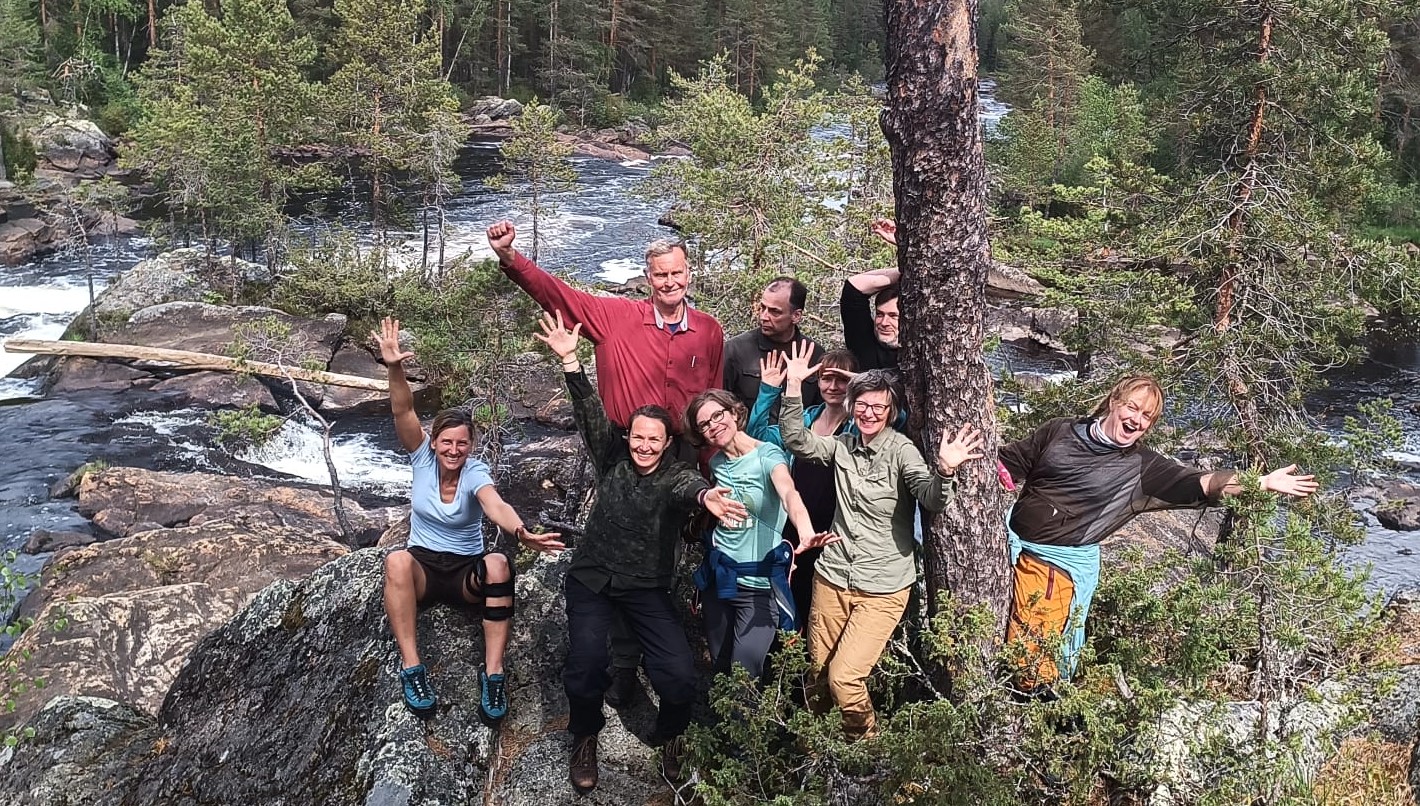
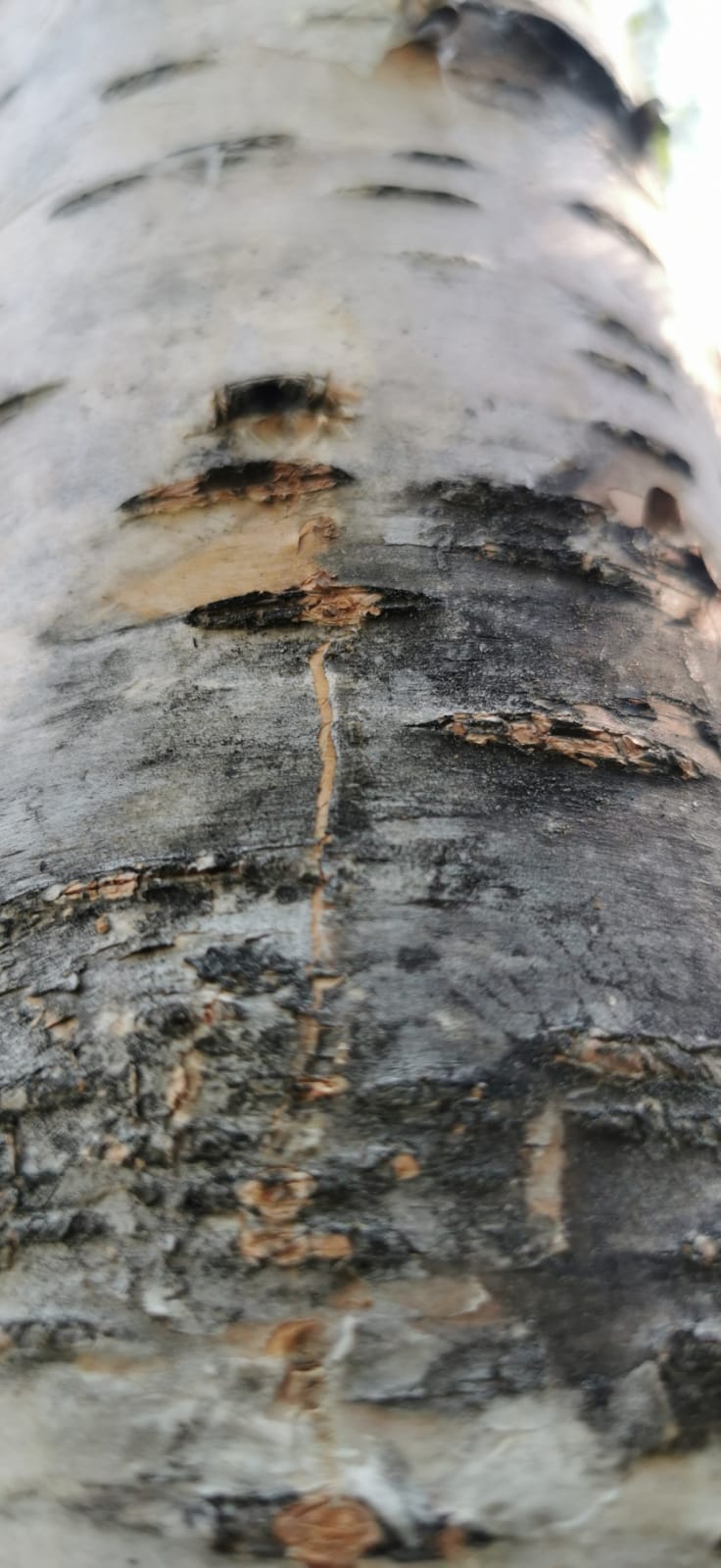
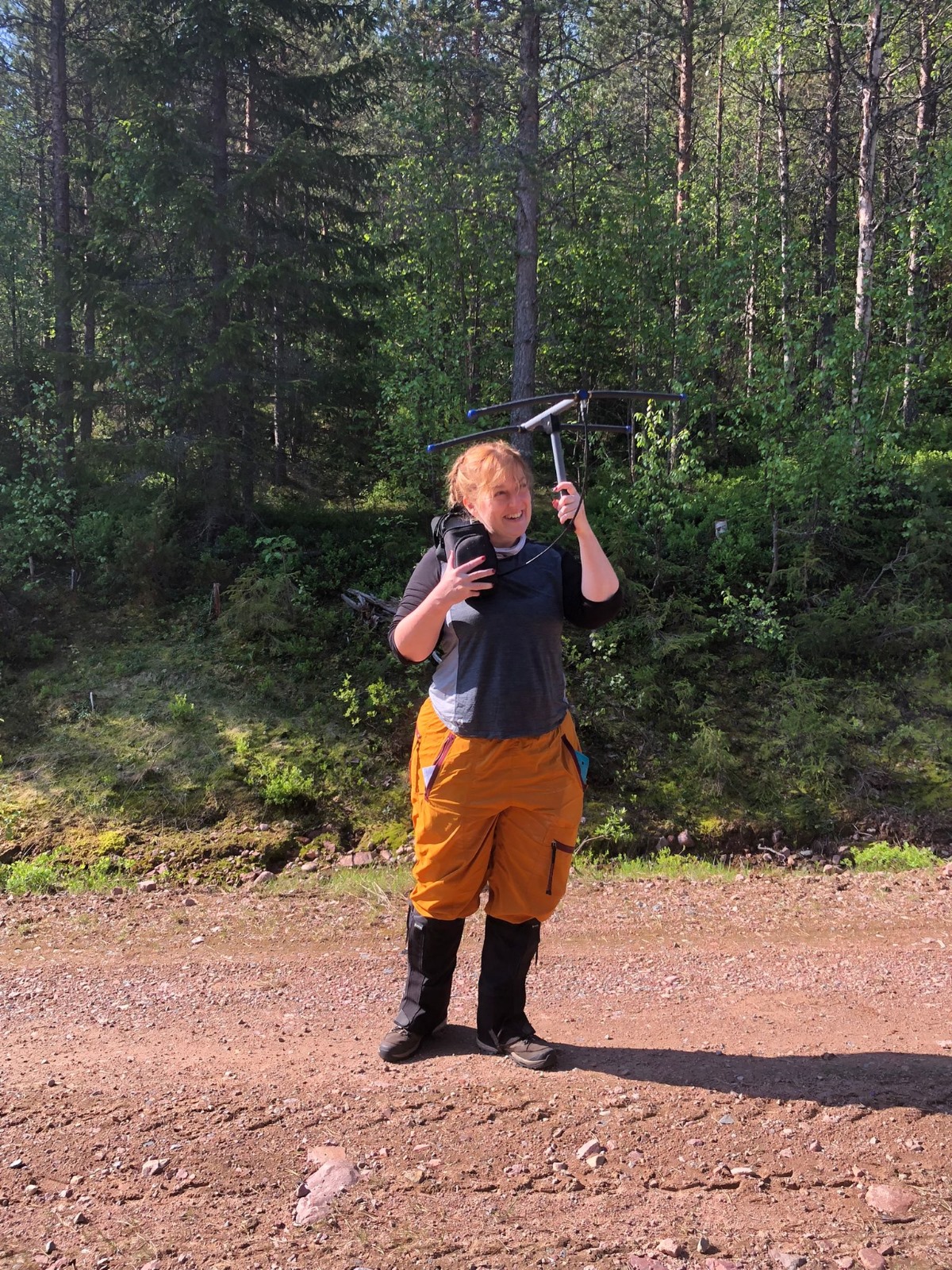
The 2024 expedition ran from 26 May to 4 June 2024, involving two days of practical training followed by seven days of research in the field carried out by nine citizen scientists from Germany, Spain, Poland, the UK and US. The expedition succeeded in locating and visiting 60 sites, including surveying 27 winter dens and collecting 56 samples of bear scats, three of which were ‘first scats of the season’ (especially valuable samples that can reveal a bear’s diet before and during hibernation). Other evidence of bear presence and behaviour recorded by the expedition included bear ‘day beds’, claw scratches on trees, footprints and the remains of prey carcasses, notably moose. The team also used directional radio antennae to reveal the live location of some bears.
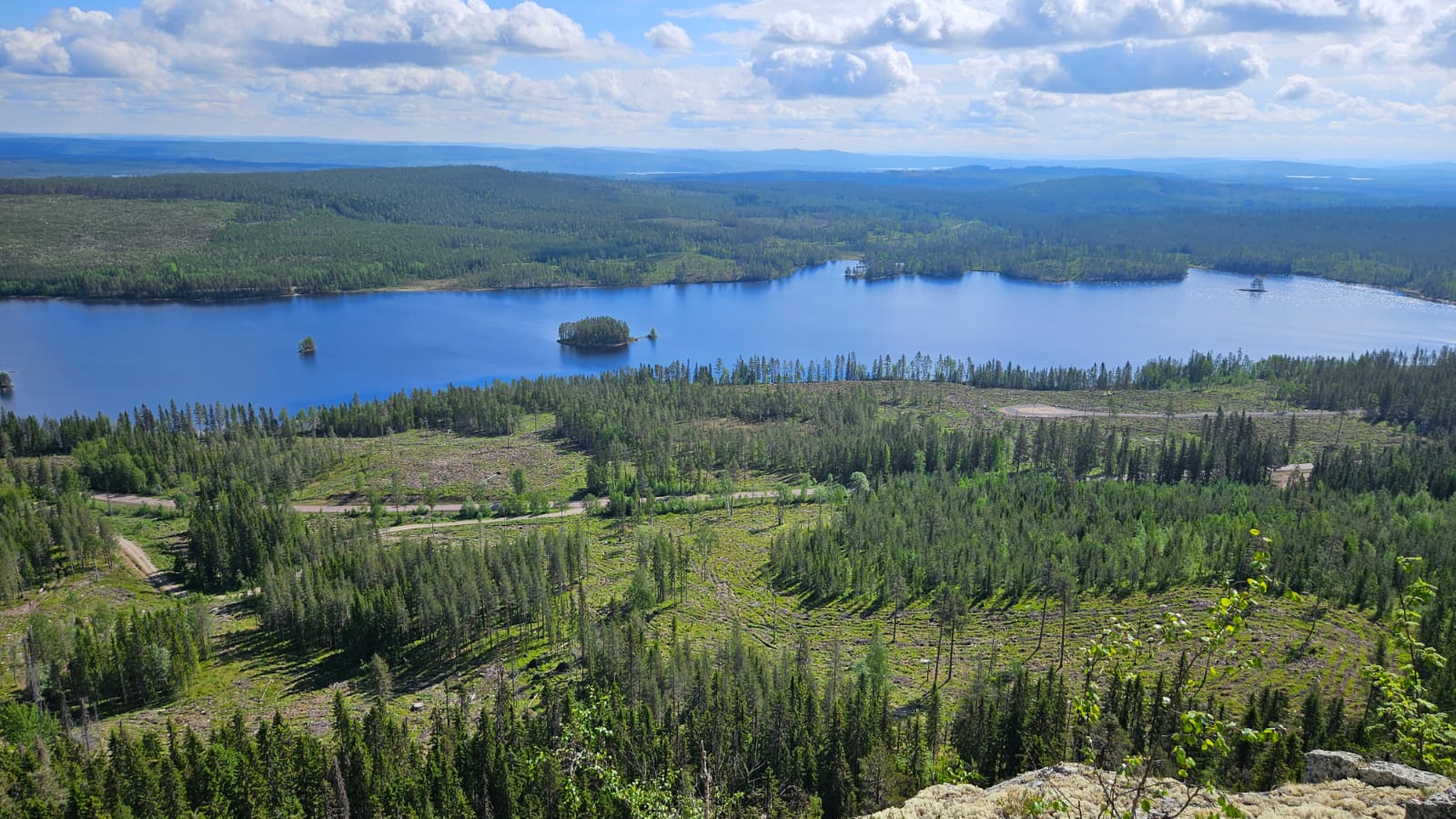
“The team did really well this year, working hard in unusually challenging conditions. They also had to deal with some tough hiking in rough wild terrain to find the dens. They all deserve a good rest following the expedition”, says expedition leader Roland Arniston with a wry smile.
Expedition scientist Dr Andrea Friebe was very pleased with the data collected. “I really appreciate the effort that the citizen scientists put into collect the data. I wouldn’t be able to obtain this long-term dataset on brown bears without them. Initial results show a changing pattern of the types of winter dens used by bears, including a trend of increasing use of basket dens by female bears, a type of den more usually favoured by large male bears.”
Andrea will carry out further analysis of the data collected on the expedition, to reveal more detailed results about bear dens, diet and demographics. An expedition report with all analyses and details will be published in due course
Biosphere Expeditions will to return to Sweden in 2025 to continue this valuable contribution to brown bear research and conservation in Scandinavia.
Citizen scientist testimonials:
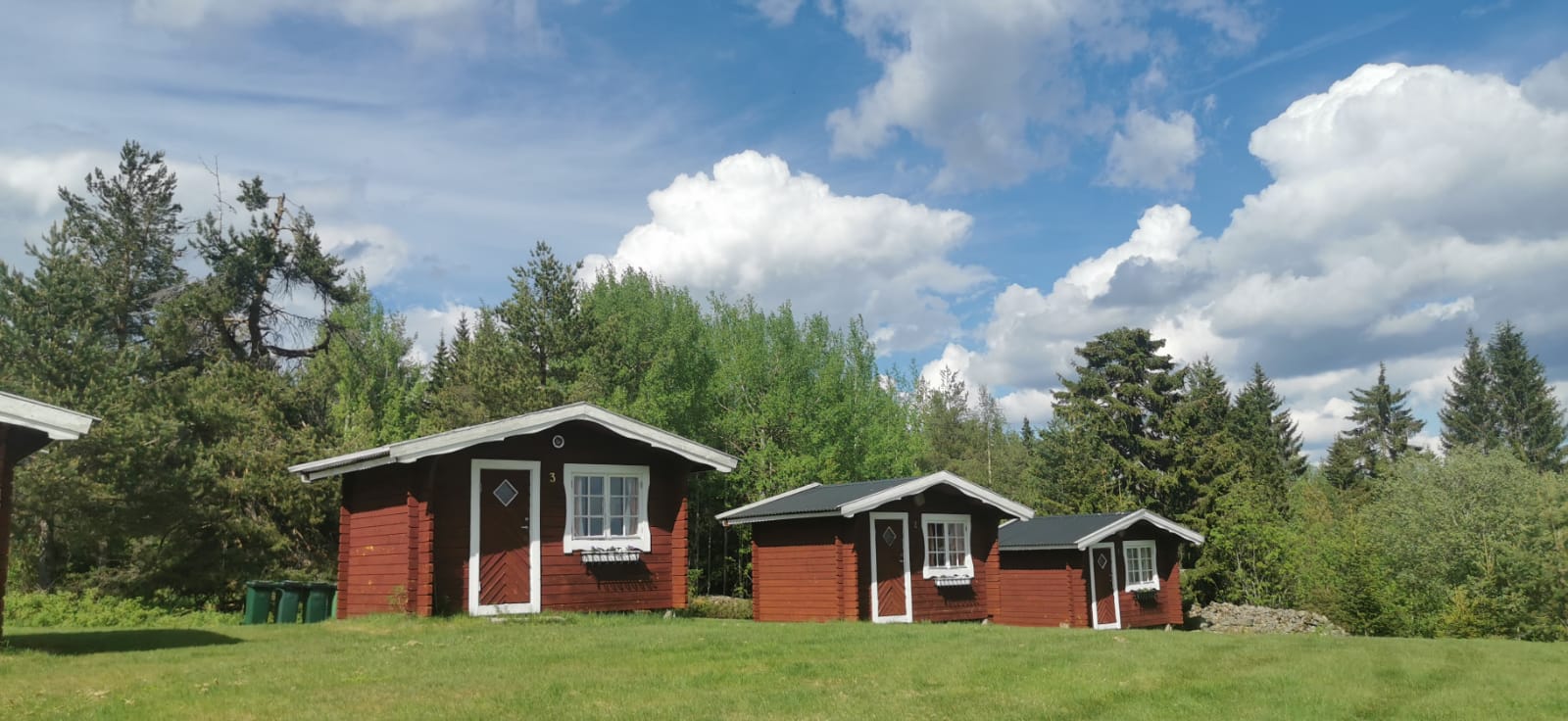
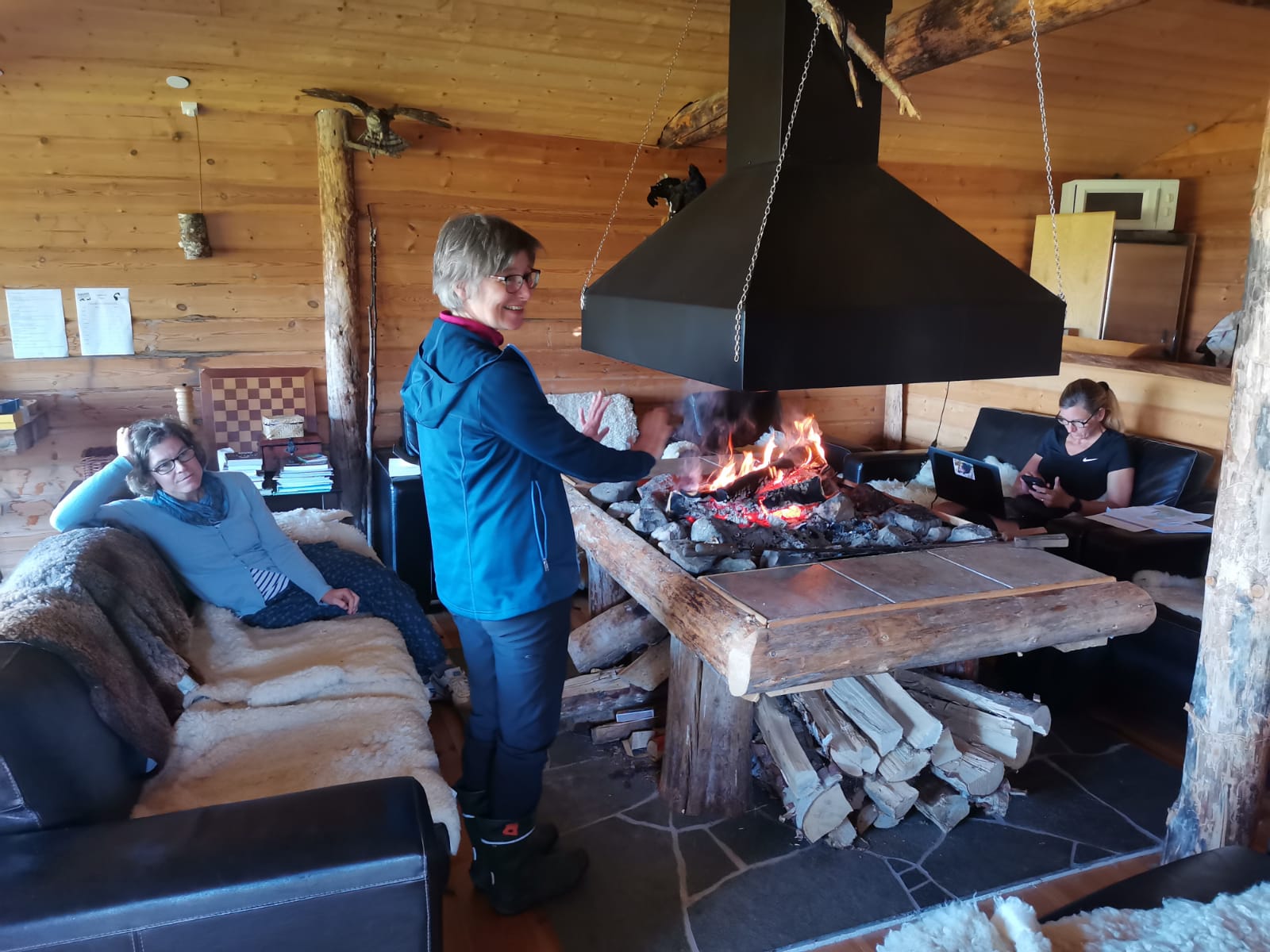
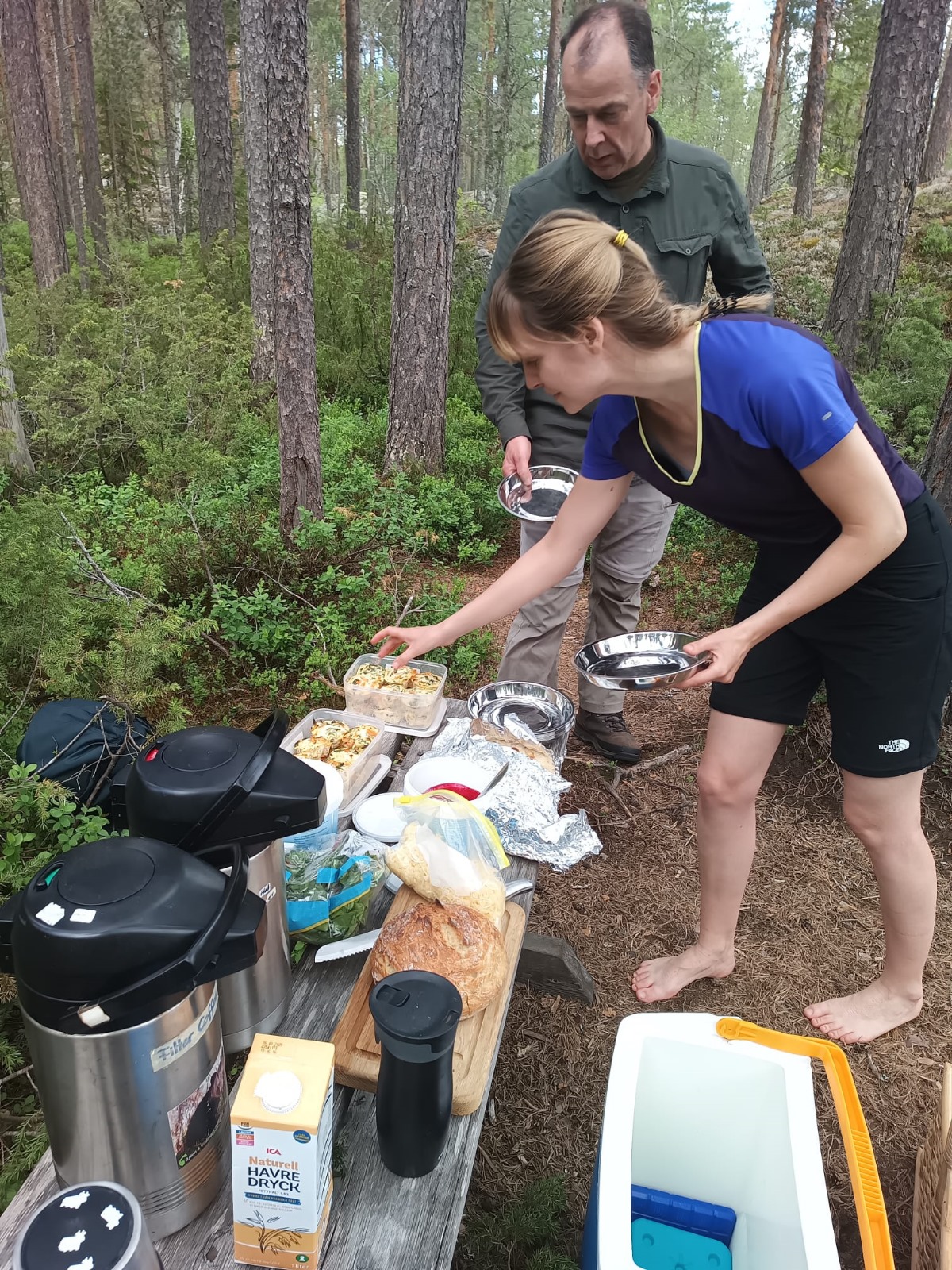
“The setting of base was beautiful, basic and comfortable. Andrea was amazing to work with. Loved the presentations. The food was EXCELLENT.”
Zoe G., UK.
“I enjoyed a really great experience, beautiful landscape, meeting very kind and interesting people. I am very happy that I got the chance to come here.”
Almut D., Germany.
“The food that Lousie cooked was VERY good. Andrea’s enthusiasm and expertise are an inspiration. I thought she was amazing and will follow her research. I loved the technical work and strengthening my technical skills.”
Kari V., USA.
“The local researcher is very excited about her work and her enthusiasm is contagious. The research felt worthwhile and finding bear dens was very satisfying. I enjoyed the full days.”
Maya G., Poland.
“I appreciated the opportunity to work closely with the project scientist and gain more knowledge of bear ecology and how they interact with the human population”
Thomas K., USA.
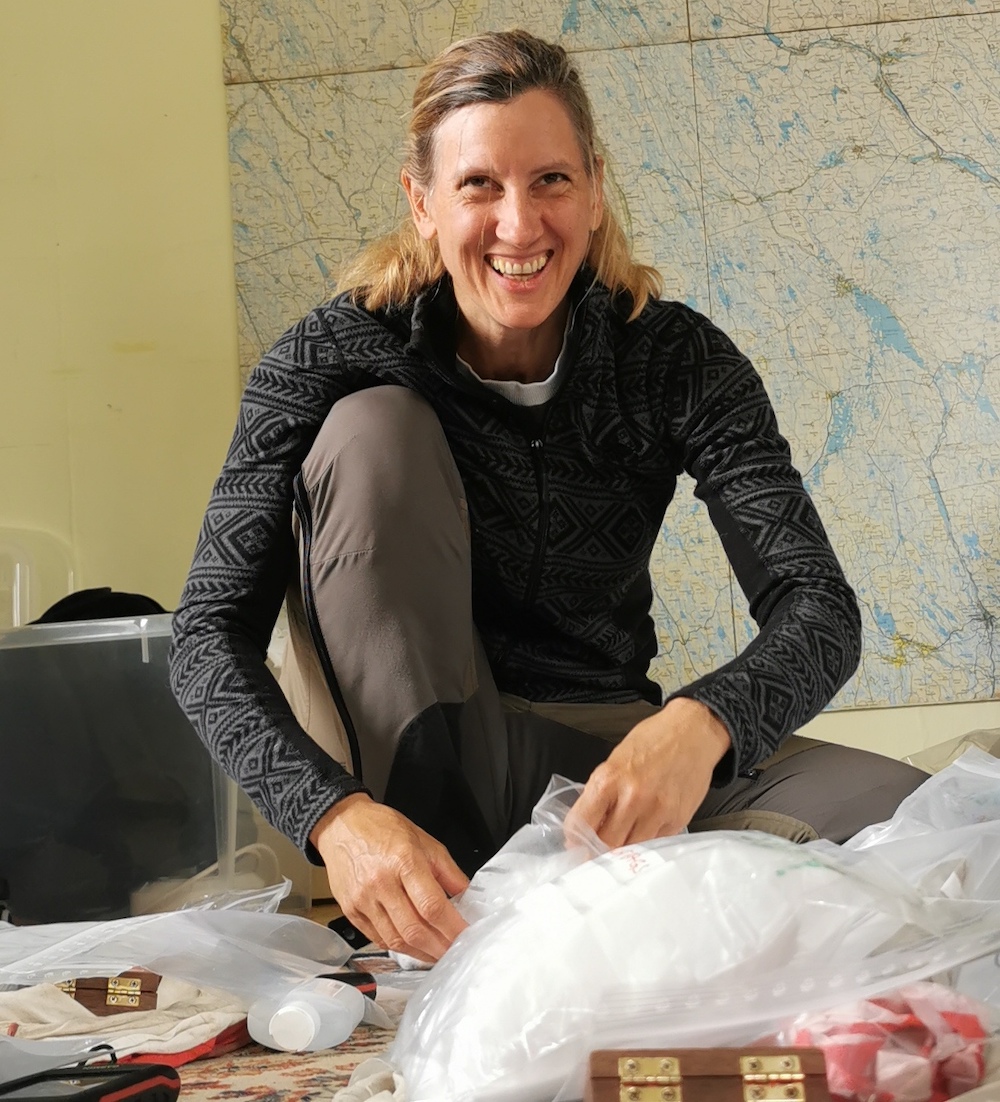
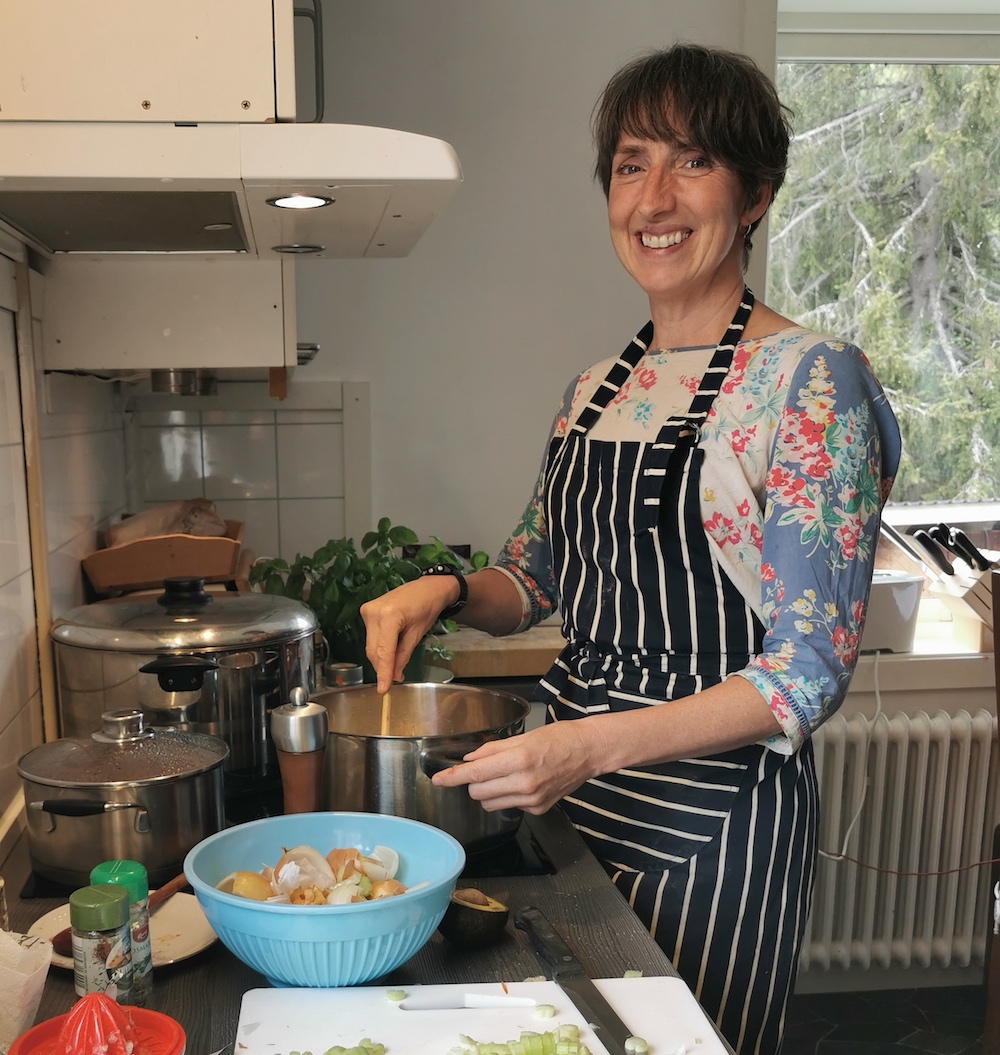
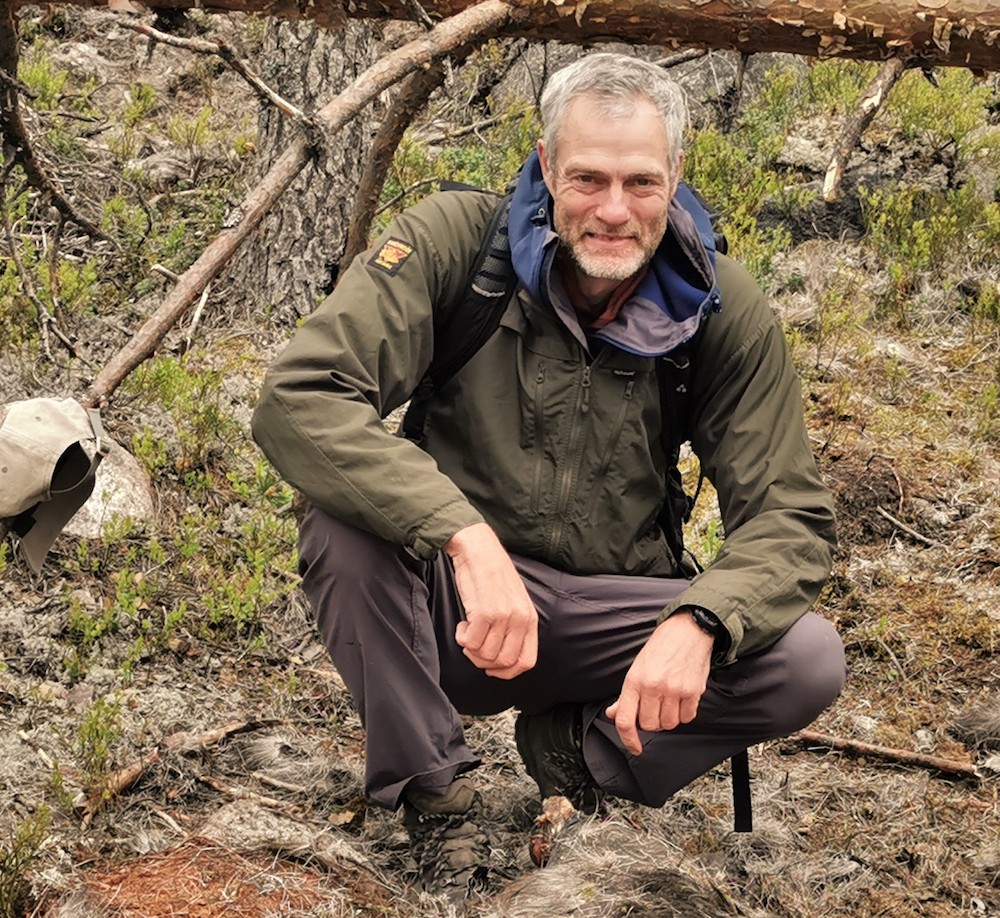
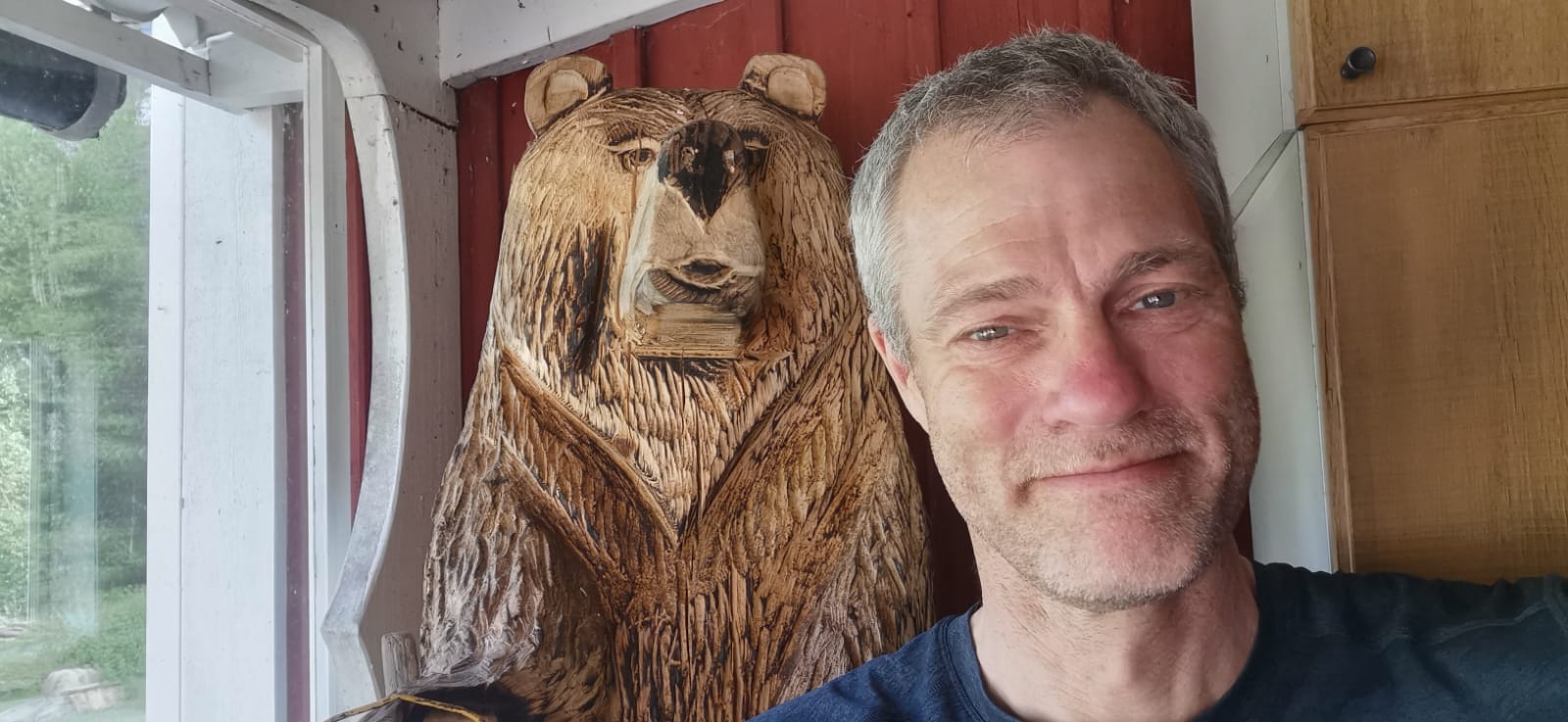
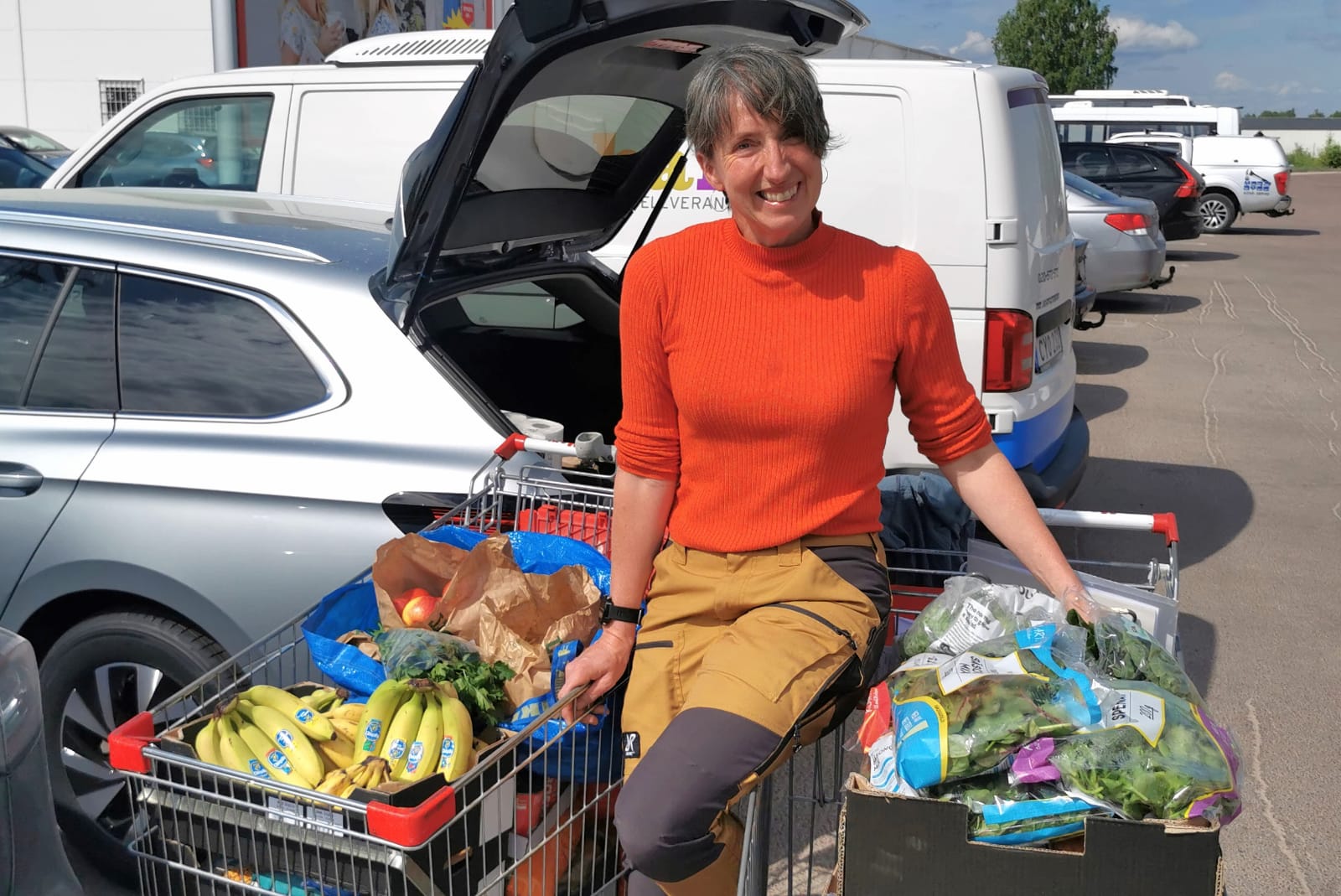
Expedition photos:




 Biosphere Expeditions: blogs from the frontline of wildlife conservation and the fight for a more sustainable planet