
Update from our marine conservation volunteering holiday in the Azores archipelago, working on whales, dolphins and turtles
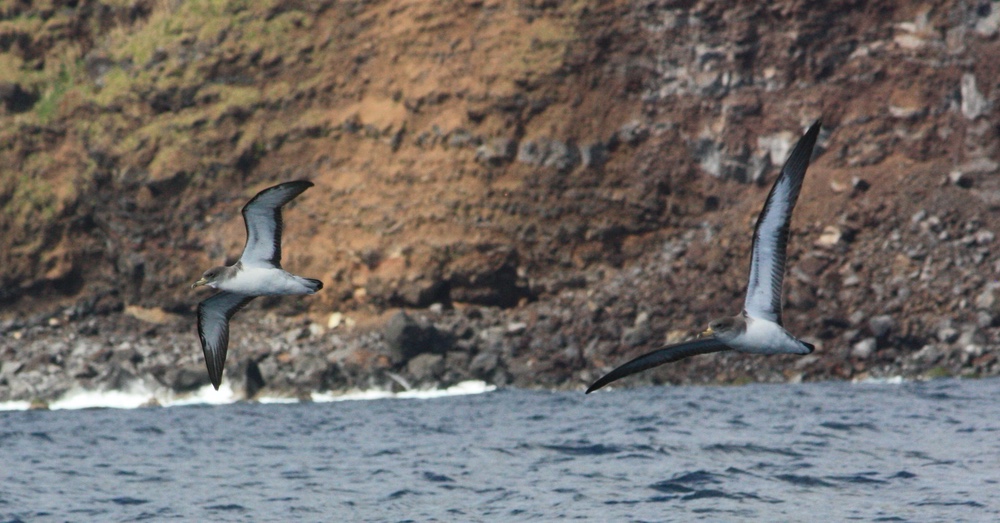
Biosphere Expeditions just completed their 18th expedition, now covering almost two decades of cetacean citizen science monitoring since 2004 in the Azores, a mid-Atlantic hotspot for marine megafauna with no fewer than 25 species. Cetacean data collection take a decade or longer to reveal meaningful patterns. Hence, the true value may not always be in the ‘here and now’, but be realised as future questions and challenges arise.
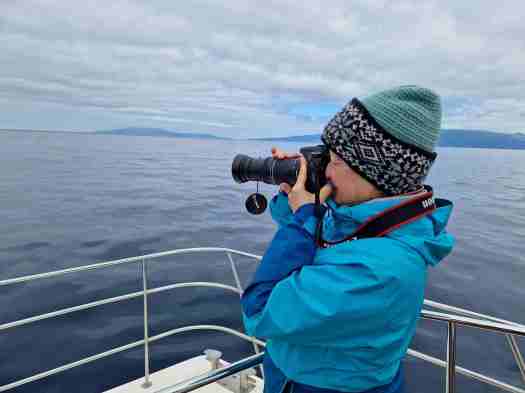
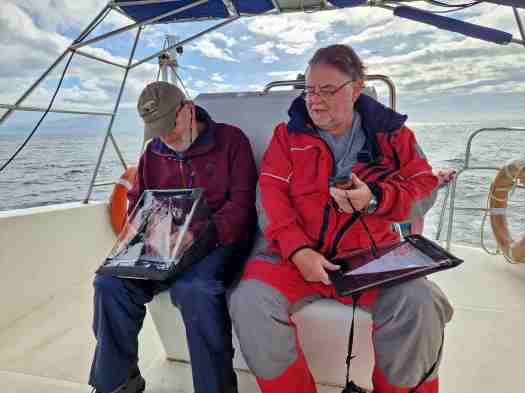
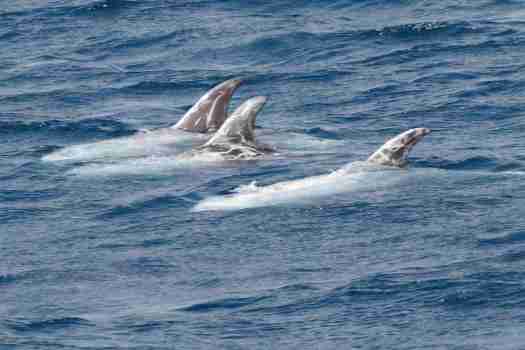
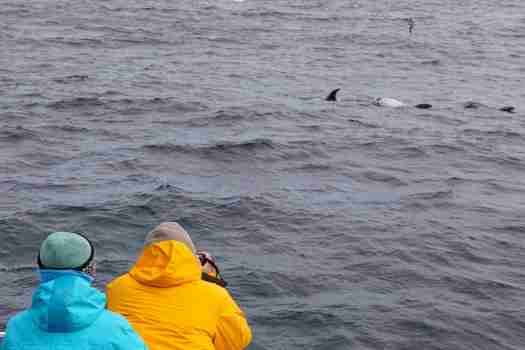
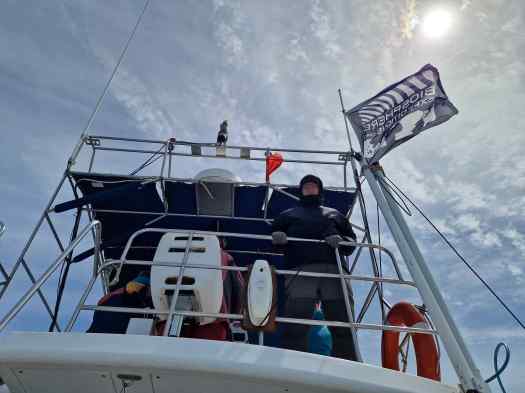
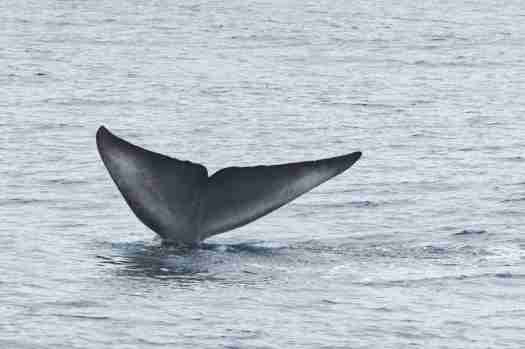
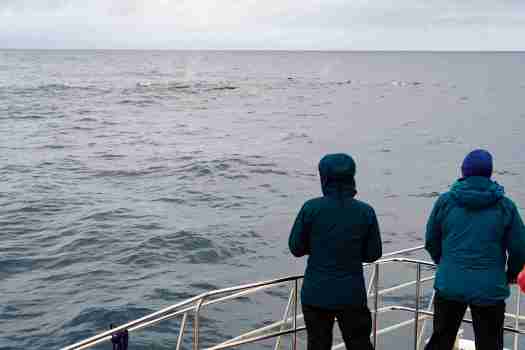
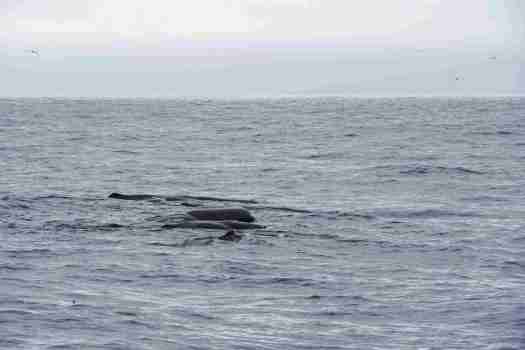
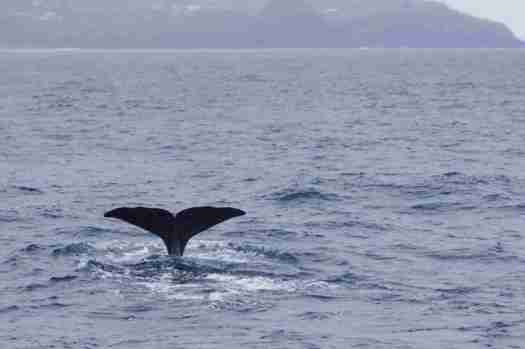
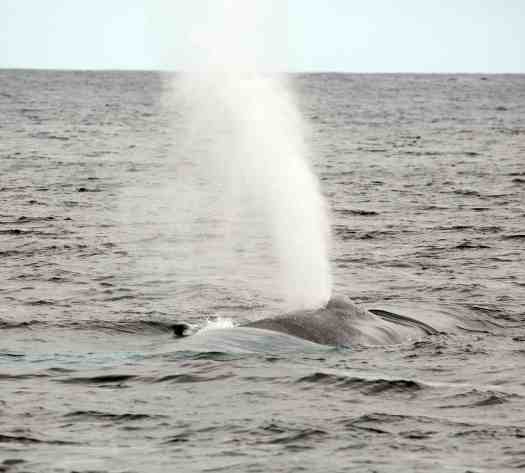
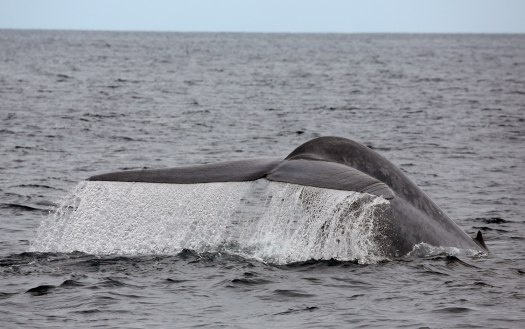
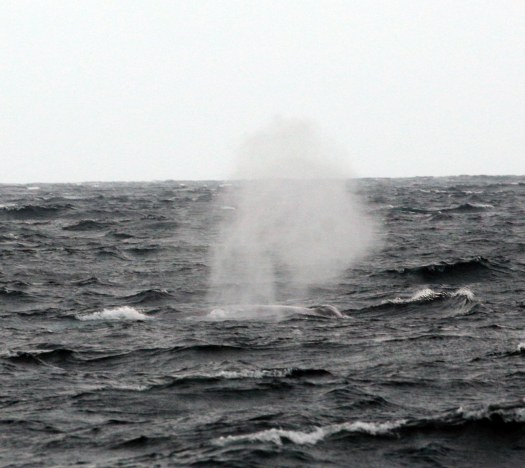
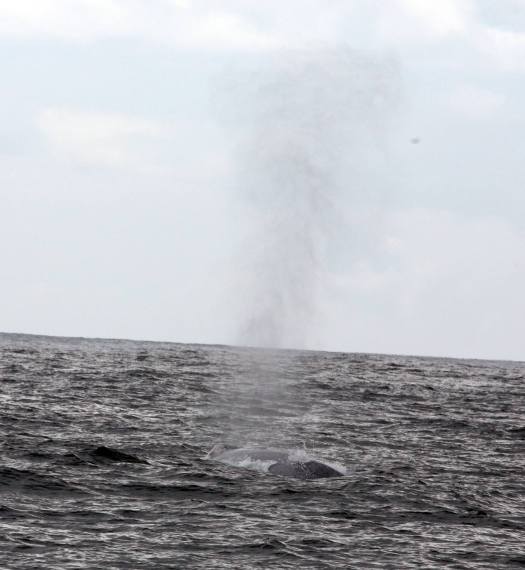
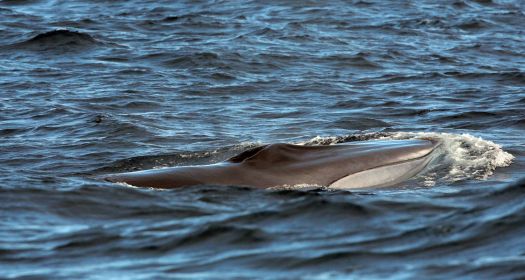
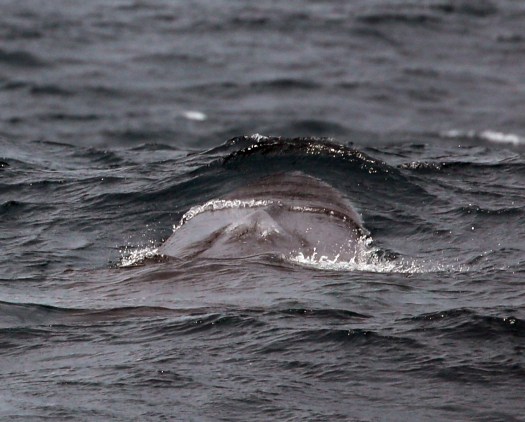
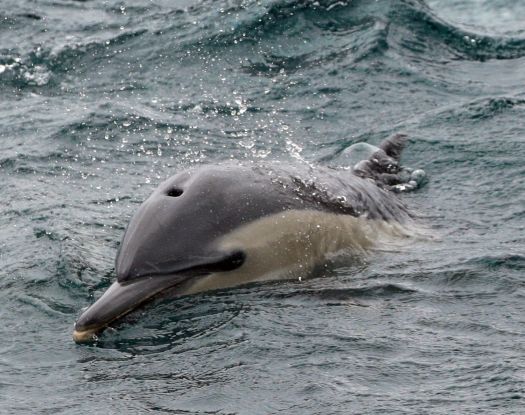
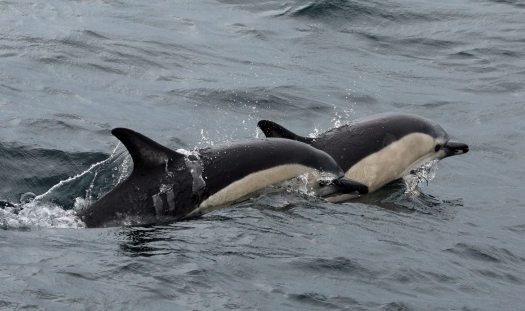
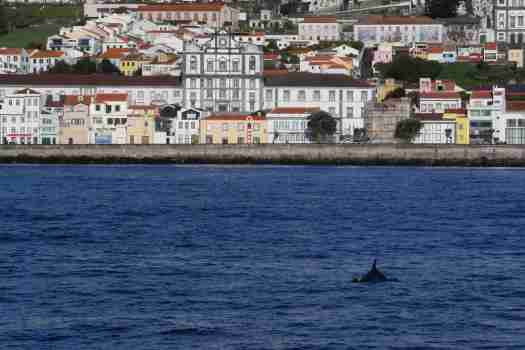
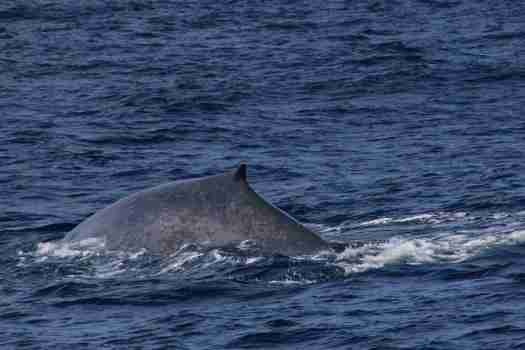
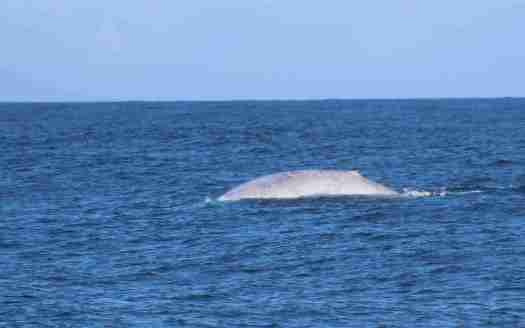
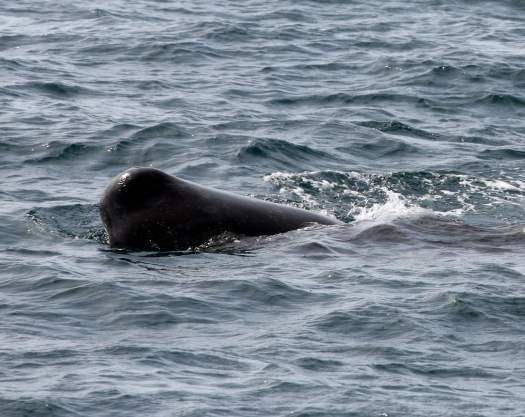
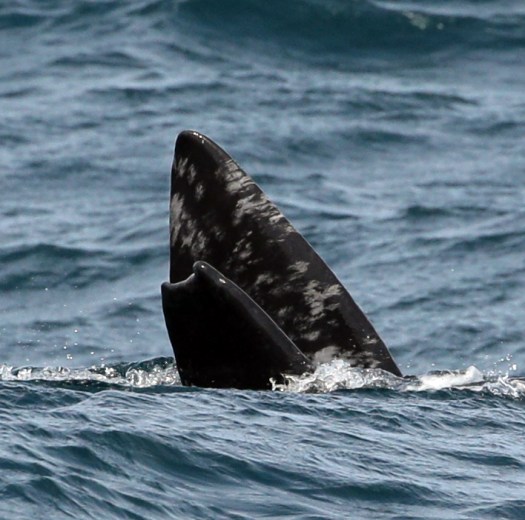
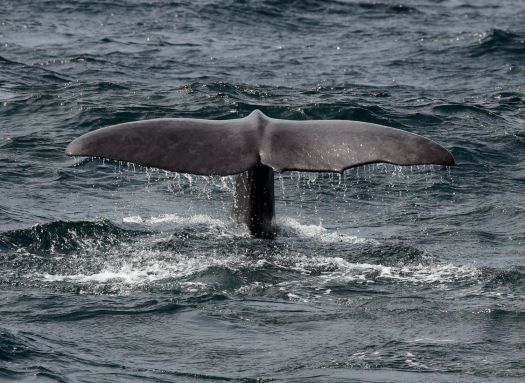
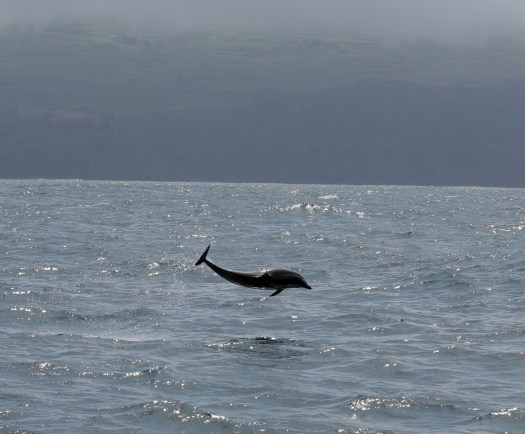
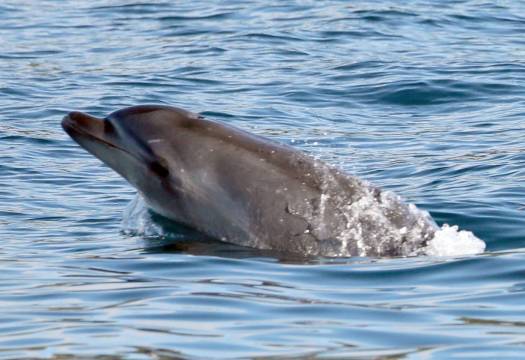
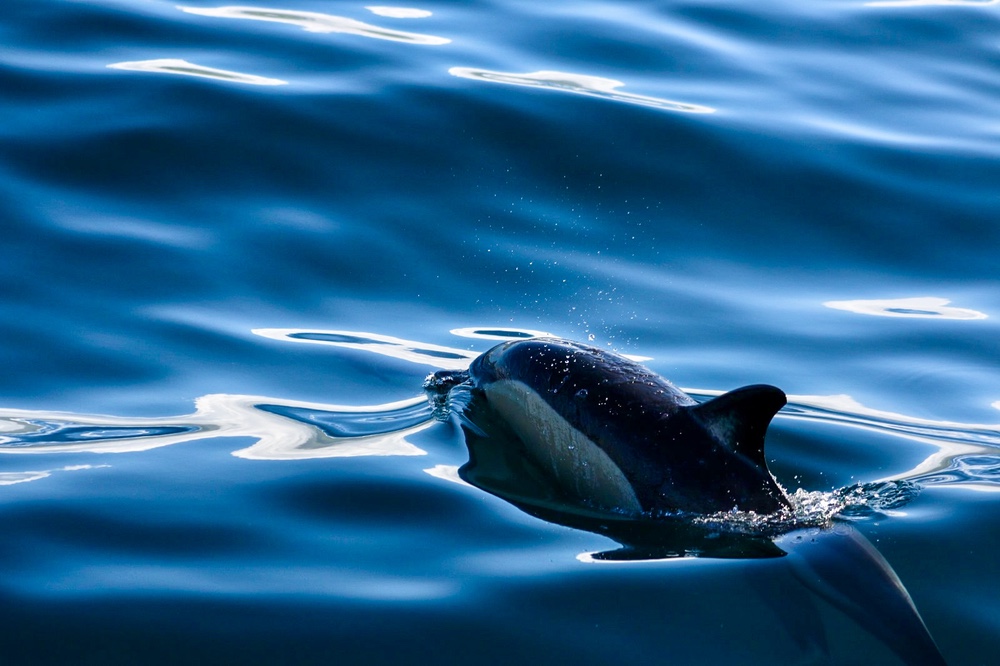
Twenty-nine expeditioners from ten countries, joined the 2024 expedition, completing 16 days out at sea, adding up to 86 sea hours while covering 1,500 km of ocean around Faial and Pico. Our search effort resulted in 92 encounters of nine different cetacean species. Sightings of common dolphins and sperm whales were most abundant. Common dolphin groups were smaller this year, a trend already observed in 2023. With regards to baleen whales, we had ten sightings of ‘feeding’ blue whales, seven of fin whales, one minke whale and one humpback whale. The resident bottlenose and Risso’s dolphins were also seen on several occasions.
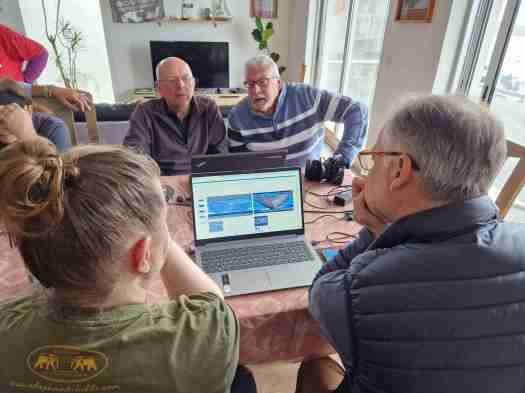
In total we confirmed some 20 positive IDs, including several re-sightings of sperm and blue whales. One of the sperm whales we sighted goes as far back as 1988, 35 years ago. Several blue whales observed were seen in previous years in the Azores, showing that they use the same migration route. Some individuals were recorded for the first time, again contributing to an ever-growing growing photo-catalogue and to our understanding of population dynamics. Many more whales have yet to be matched. Studying cetaceans takes patience and perseverance, one photo-ID shot at a time. Yet, these valuable data provide relevant insights into the spatio-temporal movements, migrations, numbers, group structures, and ecology of cetaceans, key to their long-term protection and conservation.
Feedback from the citizen scientists:
‘I was dreaming of seeing a blue whale. Not expecting to see one in four consecutive days!’
Jenny S., UK.
‘Well-organised, safe, learned a lot on marine conservation! Great team work and excellent accommodation. ‘
Skarlet-Ilieva M., UK.
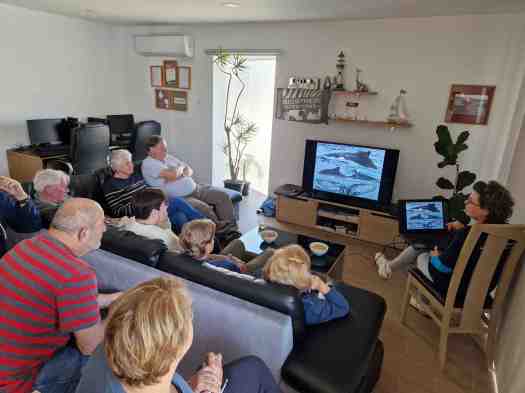
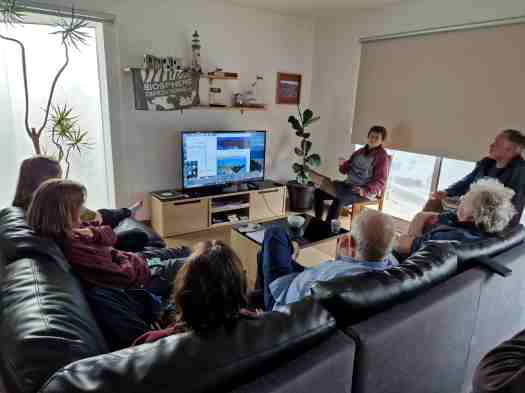
‘An, the expedition leader is exceptional. The breakdown of tasks was good and the daily briefings provided immediate feedback of results. Very well organised.’
Debbie R., Canada.
‘This is my sixth expedition research project and honestly reached the top of my list for so many reasons.’
Lisa C., USA.
‘The group dynamics, the expedition leader and scientist went over and beyond to make sure we had all we needed. ‘
Paulina B., Canada.






































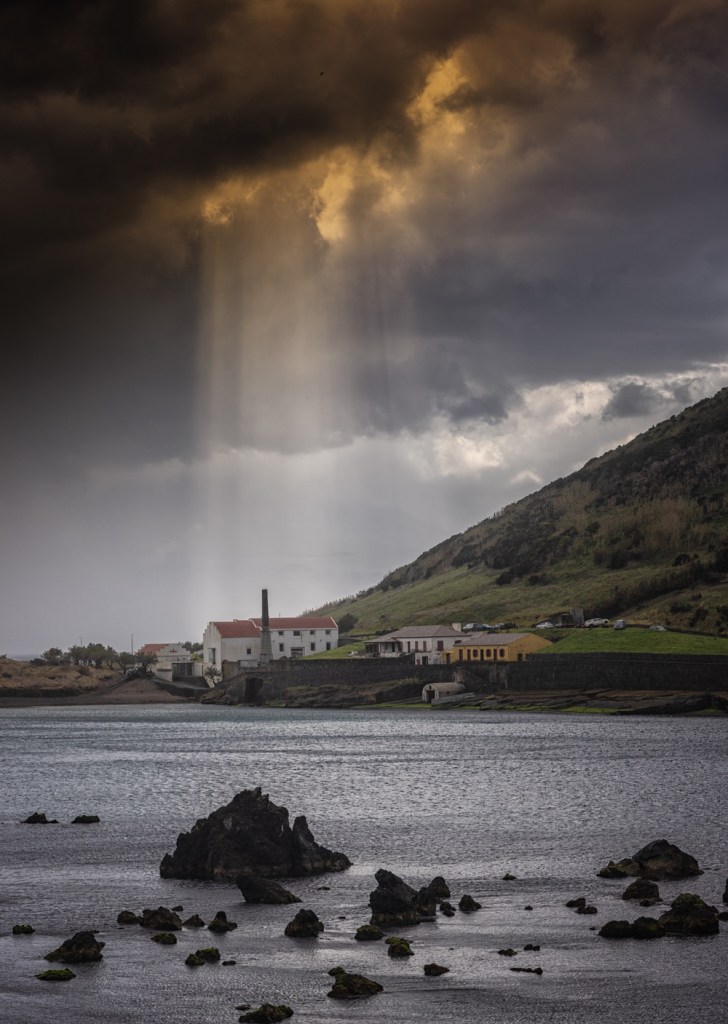

Update from our marine conservation volunteering holiday in the Azores archipelago, working on whales, dolphins and turtles
 Biosphere Expeditions: blogs from the frontline of wildlife conservation and the fight for a more sustainable planet