

Update from our Sweden bear volunteer project
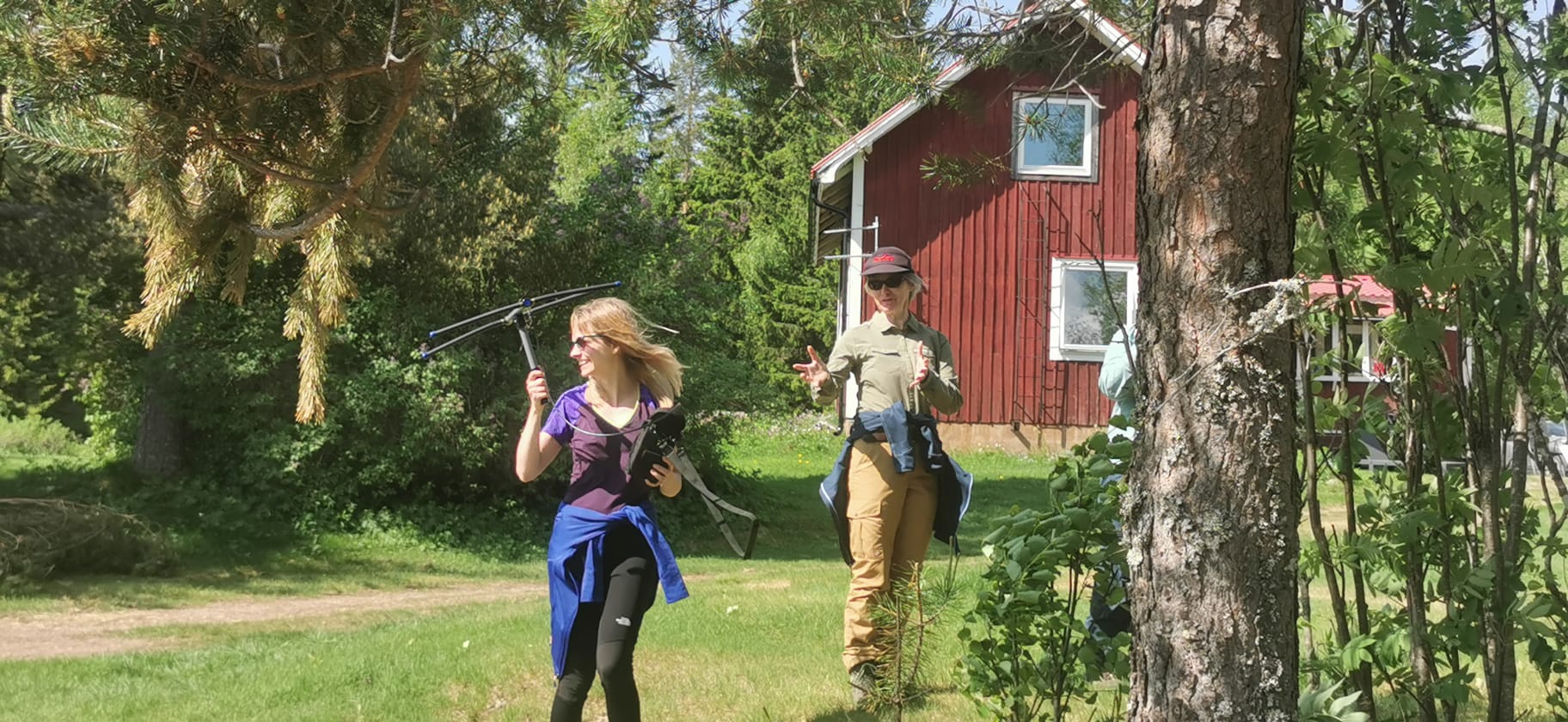
After two long days of training headed by Andrea and Gunther, the team have had a successful first day of field research, in three self-sufficient groups. The training was intense, with background lectures about why the research is so important for the protection of bears in this region, along with the detailed methodology we use to survey dens, find and collect bear scat and locate bears using radio telemetry. Andrea and Gunther also trained the team on how to use all the research kit – from the GPS units used to help locate the target dens, to the directional radio receivers used to triangulate the location of individual bears.
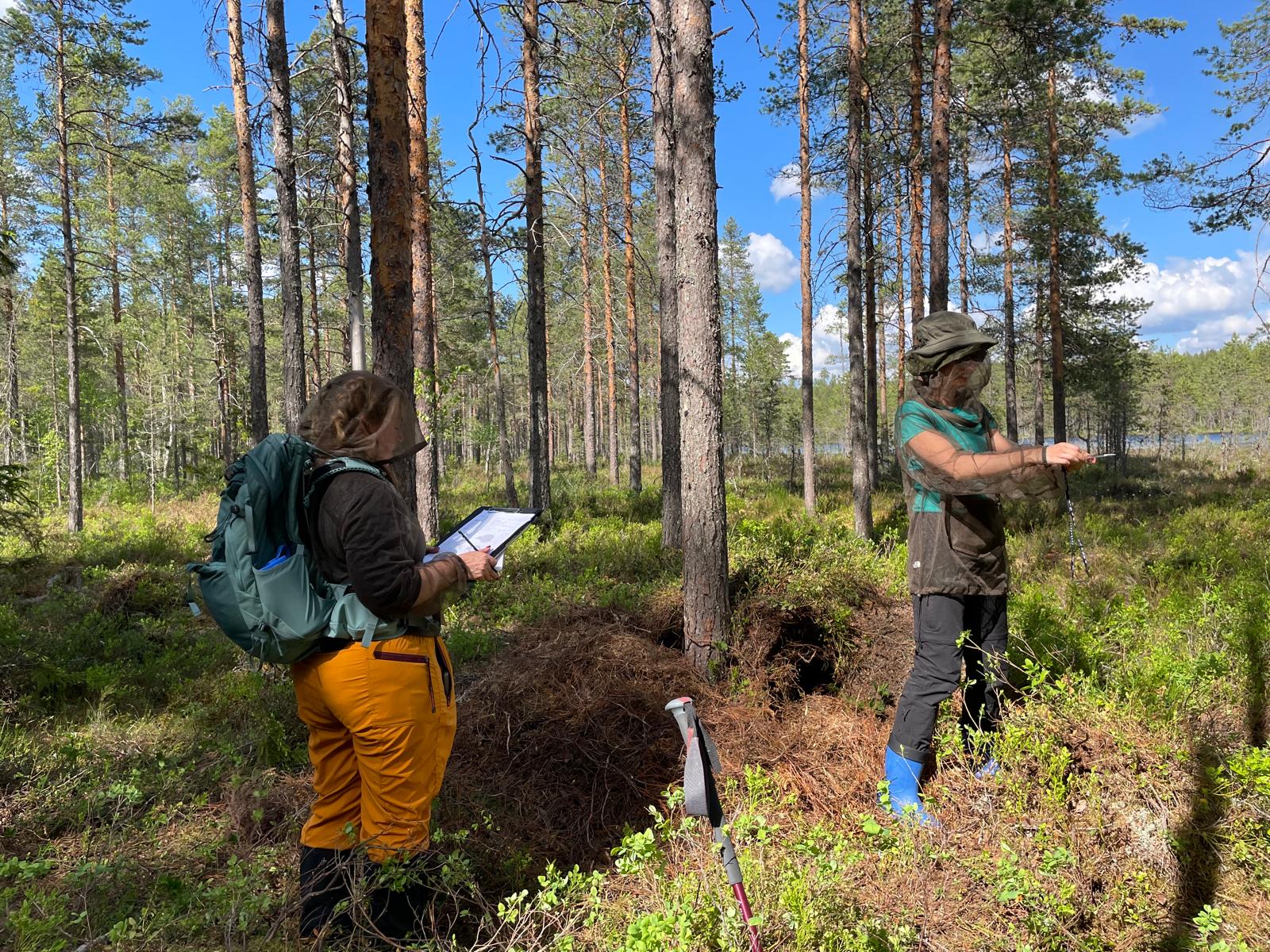
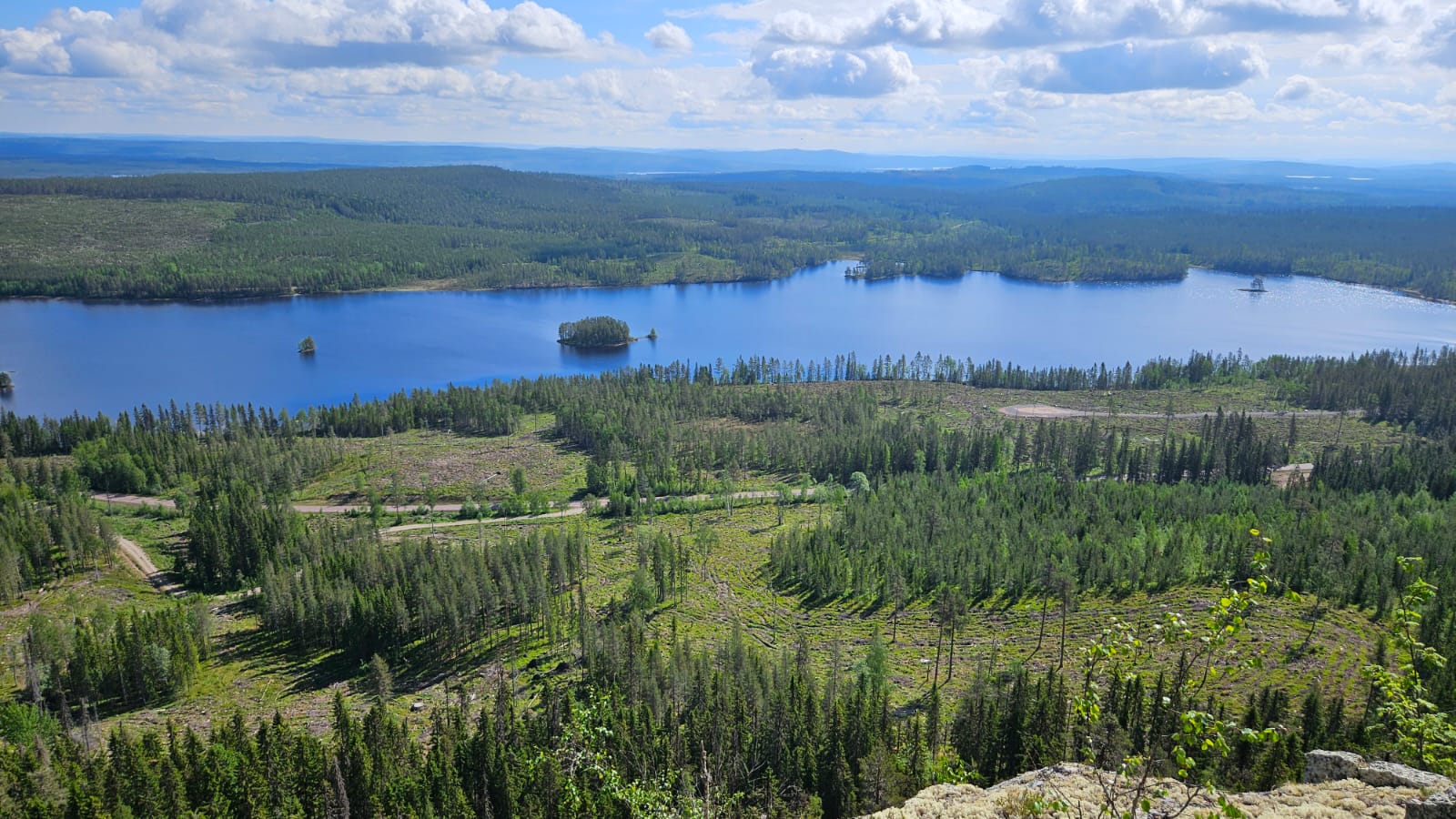
The working day starts with a briefing, giving each team a number of expected den sites and scat sites defined by GPS co-ordinates that need to be entered into the GPS units. The team have to work out where to drive to get close to their target locations – and from there the best route to hike through the wild landscape to get to their destination. How easy or otherwise this ‘hike and find’ task is varies a lot and thus our expeditioners have to be adaptable. The land can be pretty impenetrable, and the dens and scats can be very hidden.
The teams did well and had learned a lot from the training over the previous two days. On the first full research day, they discovered and recorded three bear dens, two ‘day beds’ and collected samples of seven bear scats. Another den was partly located: it was hidden somewhere on a series of cliffy ledges that was too steep to access safely. A possible revisit from a different direction was proposed for another day, so we may yet find and record this den too.
All in all, a successful day. Well done!




 Biosphere Expeditions: blogs from the frontline of wildlife conservation and the fight for a more sustainable planet