
Update from our marine conservation volunteering holiday in the Azores archipelago, working on whales, dolphins and turtles
We were unsure about heading out to sea on Saturday morning as strong winds enveloped the island. Fortunately, our experienced skipper Norberto had a plan. Passing the stormy channel between Faial and Pico on Pico’s southern side meant we were sheltered from the strong winds.
Our lookouts on board managed to spot a loggerhead turtle in the high waves. The vigia on Pico guided us to a blue whale, always a magnificent sighting.. When the blue whale searched for more turbulent waters we did not follow, opting instead for quieter waters closer to shore.
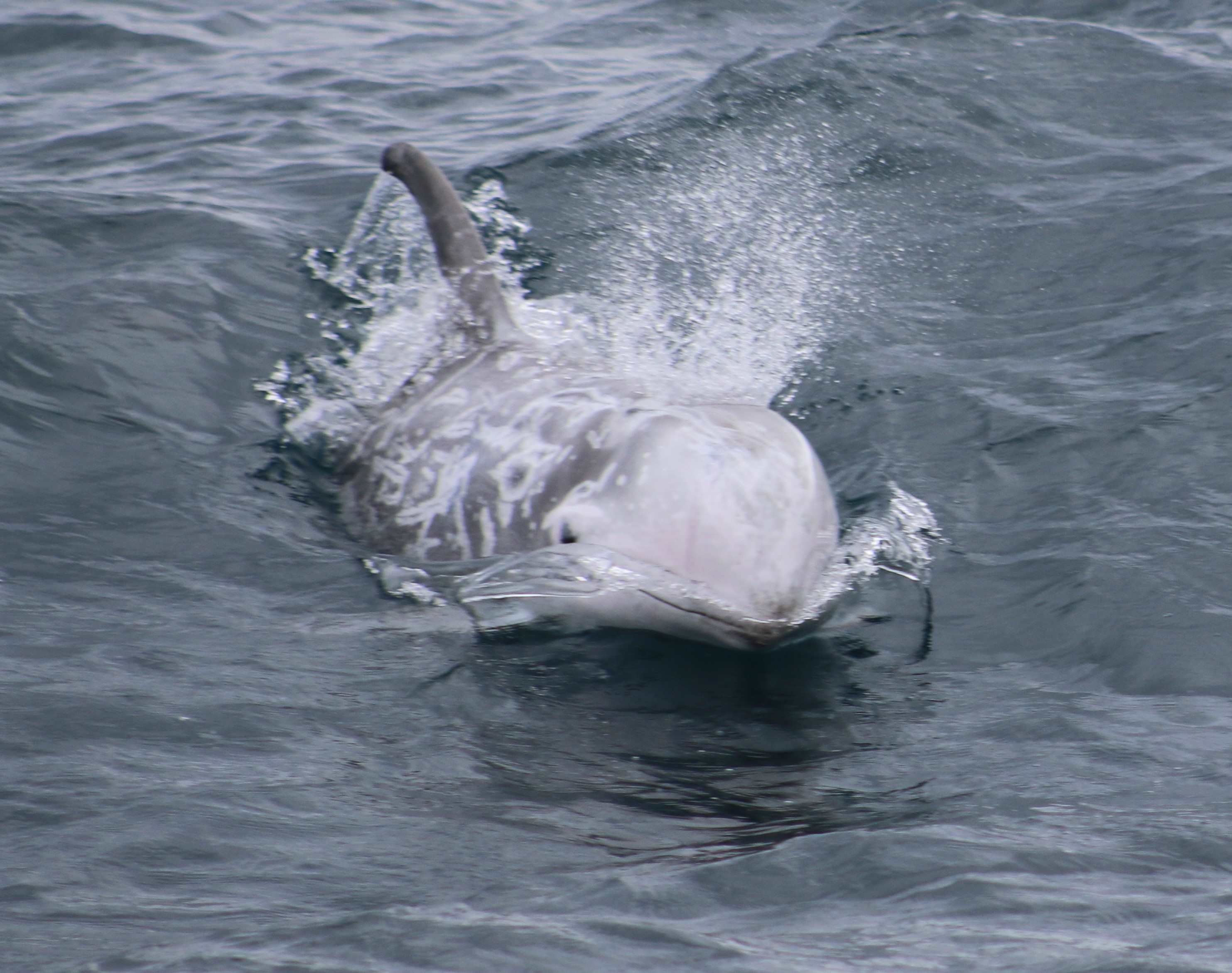
Common dolphins approached our boat to bowride and followed the catamaran for quite a while, until we spotted a group of Risso’s dolphins, much to the team’s delight. Their distinctive scars make them a good species for photo-ID. We soon realised we were actually observing a mixed group of Risso’s dolphins and common dolphins. Lisa commented that both species are not often seen together due to their different feeding habits, making it a special sighting. Risso’s feed at depth on cephalopods, whereas common dolphins feed mainly on small fish closer to the surface. We even spotted one lucky Risso’s dolphin that escaped a shark attack, with clear markings on the tail.
Regrettably the stormy conditions, not just around Faial but in the whole of Azores archipelago and beyond, didn’t improve, meaning the next three days were spent onshore..
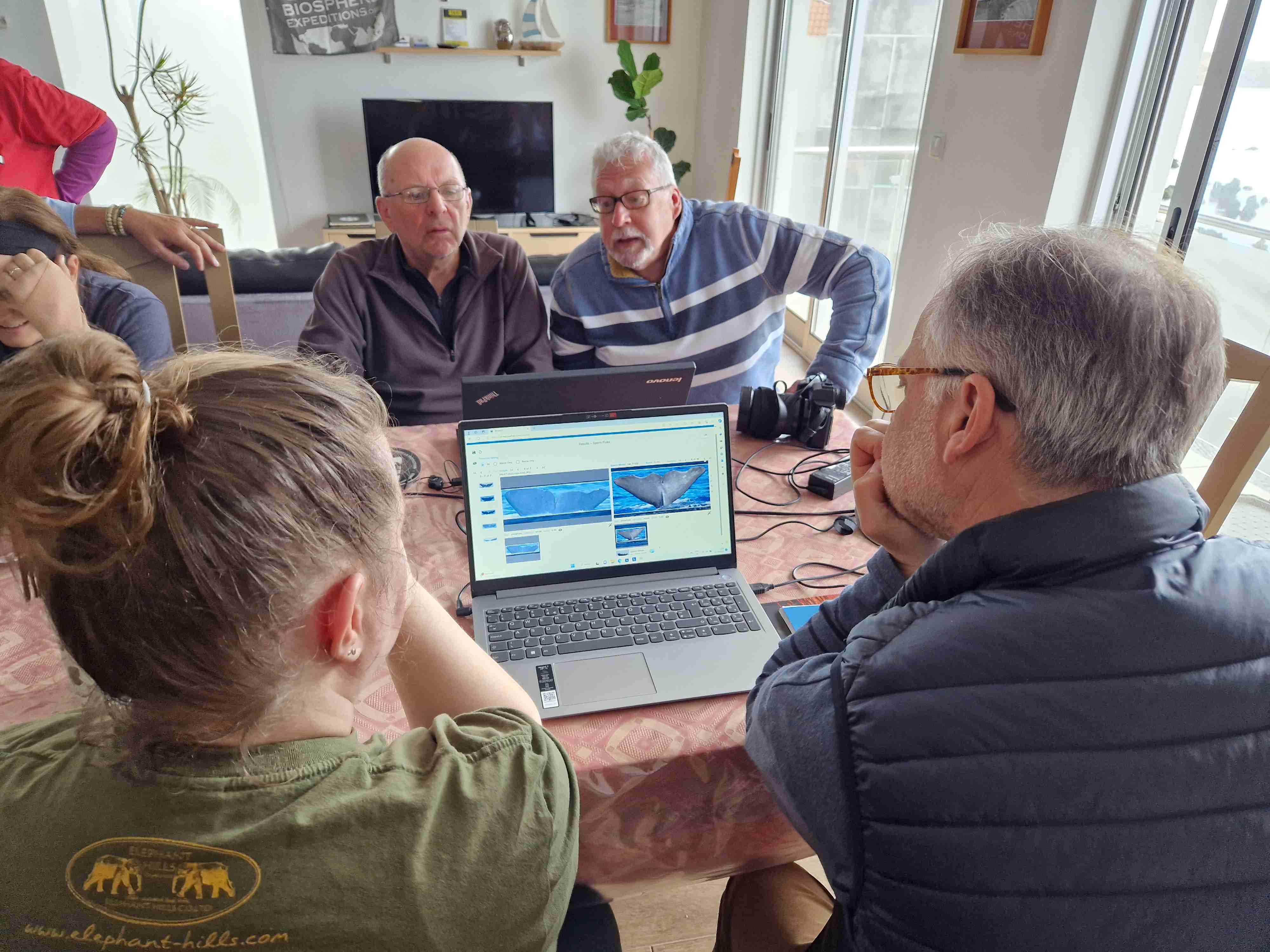
We spent Sunday relaxing and exploring the island’s highlights. On Monday everyone’s photo-ID sorting and matching skills were put to the test, with a day of organisation. On Tuesday, heavy rains forced us to take shelter in both the Porto Pim whaling station/ museum and the Capelinhos Volcano Interpretation Centre. We remain hopeful for two more survey sea days.





Update from our marine conservation volunteering holiday in the Azores archipelago, working on whales, dolphins and turtles
 Biosphere Expeditions: blogs from the frontline of wildlife conservation and the fight for a more sustainable planet