
Update from our Malawi expedition volunteering with elephants, hippo, cats, pangolins and African biodiversity
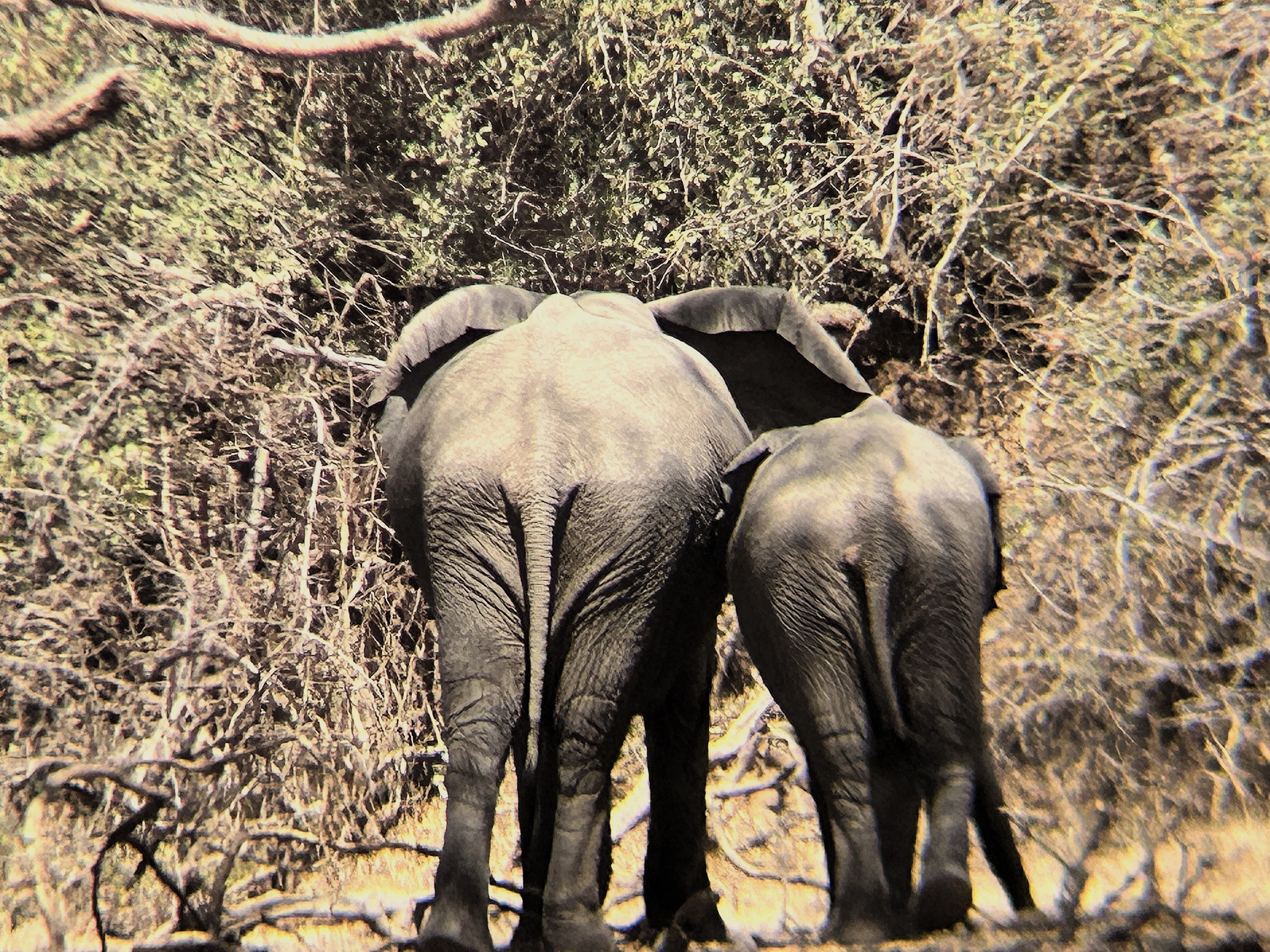
Following the drama and emotion of the attempted elephant rescue (see previous blog), our expedition has largely settled back down into its regular research tasks. We have completed several transects along the lake shore now, counting hippos: enough for Benni to get at least an estimate of hippo numbers, locations and demographics. Elephant surveys are more opportunistic and we find herds and loners all around our side of the lake, and often right in front of us at base camp. On one night, a small herd crossed very close to our camp fire (they seemed unconcerned) – and got very close to our tents. With all elephant sightings we do our utmost to record as much detail as possible about the herd, down to noting unique identifiers on individual animals – notches in ears, hairiness of tail and more. This takes time and concentration and works well when we have a few citizen scientists working together, with binoculars, clipboard and a handful of essential gadgets.
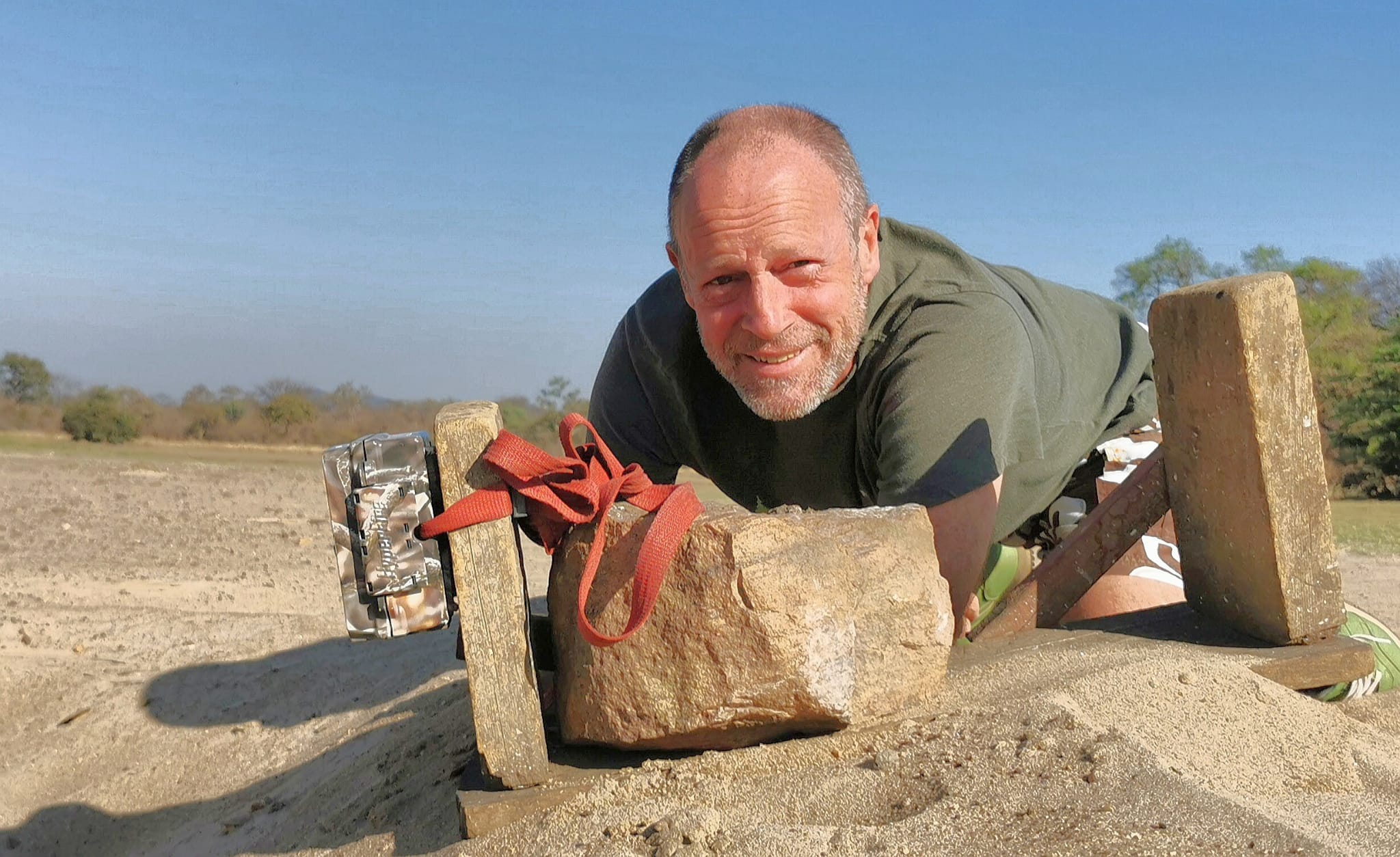
The camera traps have already given us some exciting results, along with live sightings of animals we encounter when we visit the camera traps at night. Last night, a large porcupine got a fright when it walked into the track ahead of us: we got a good view of its massive spines as it marched up the track until we turned the headlights off and it wandered off into the woodland. A moment later we spotted an eagle owl, a mouse gripped tight in its talons.
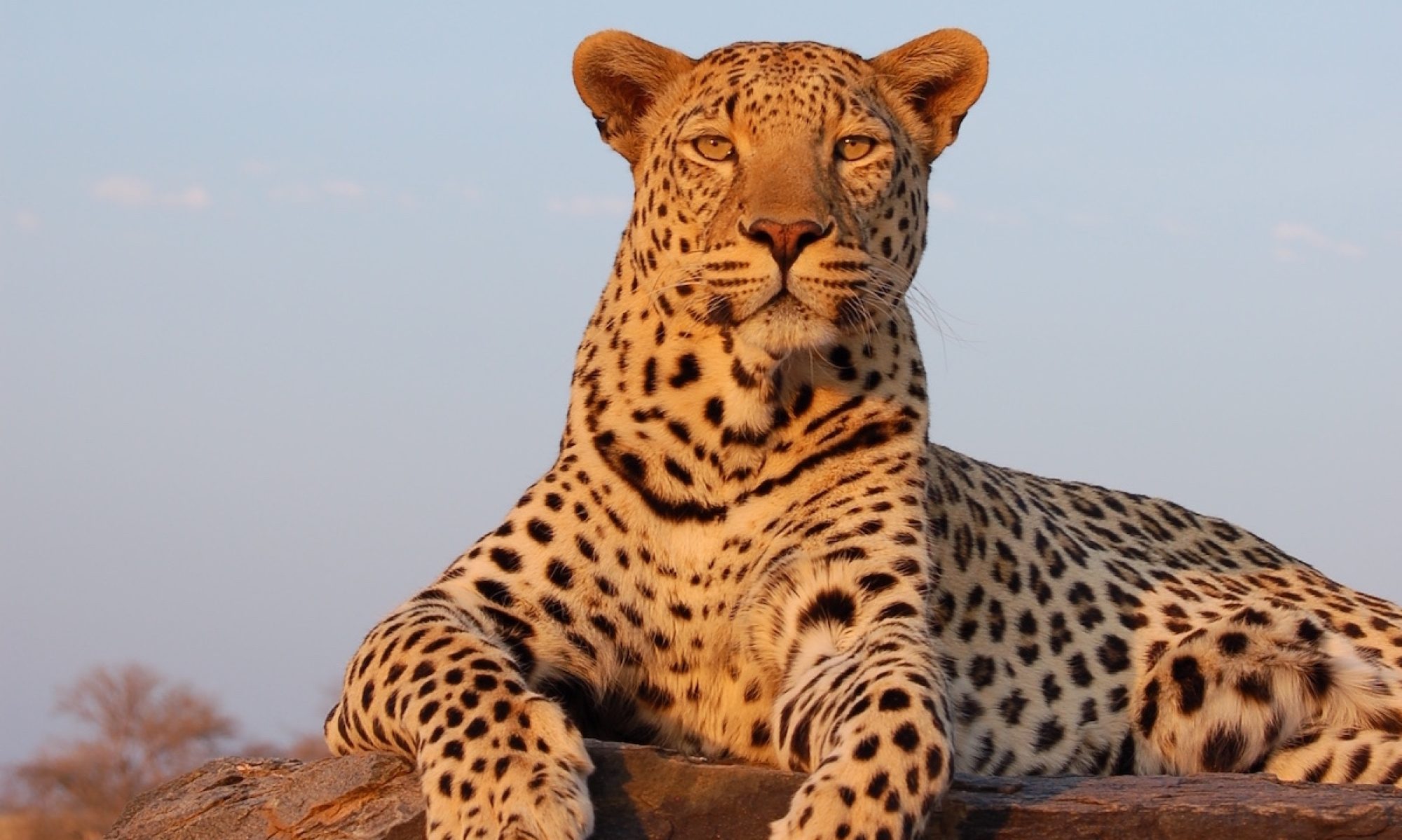
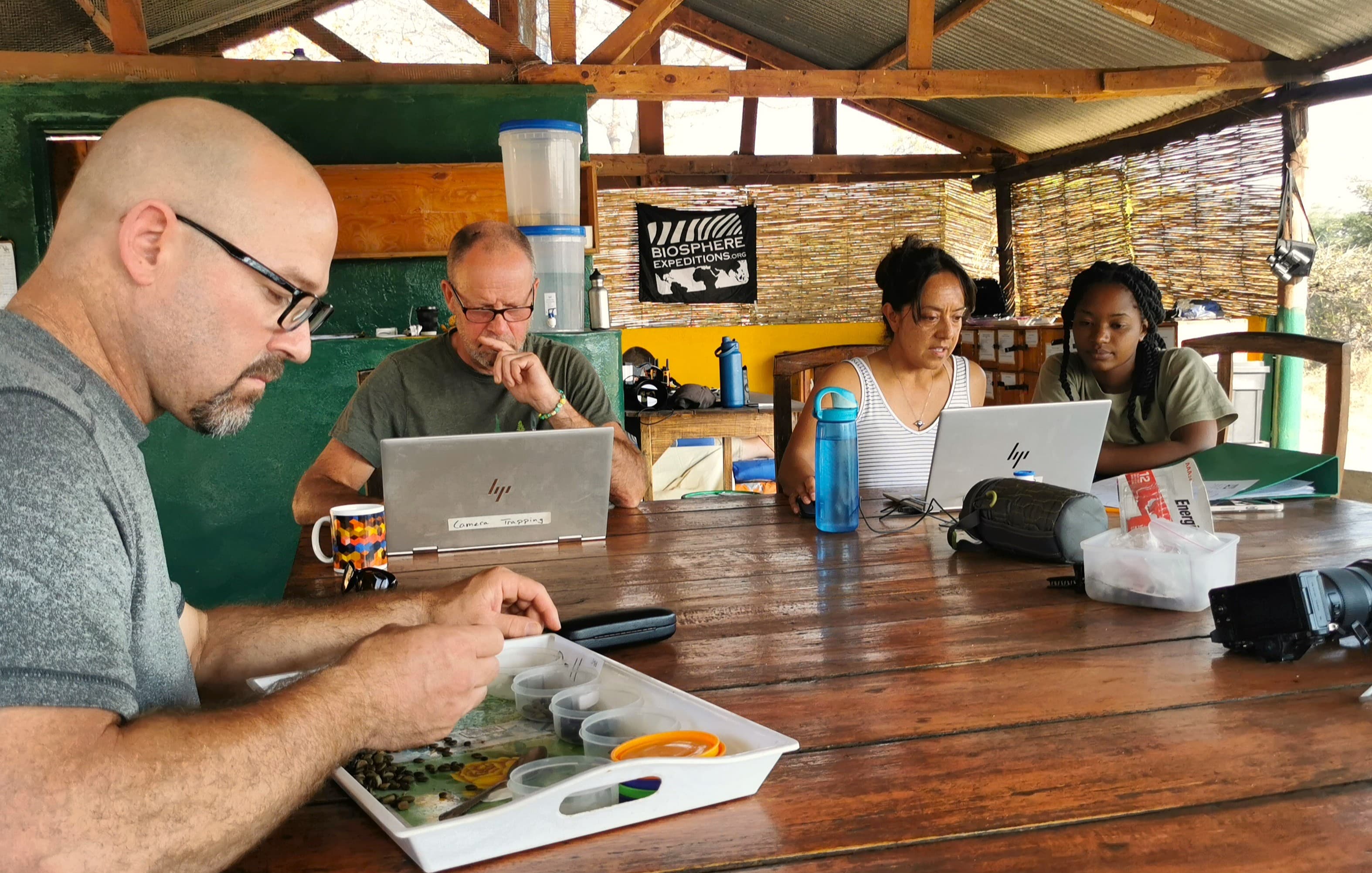
Analysing the camera trap images can be an emotional exercise: flicking through hundreds of photos of waving grass is worth it for the occasional bursts of excitement on discovering evidence of iconic animals. Hyaenas and leopards have been caught on camera alongside the more expected antelope, mongoose, civets and genets.
Tonight a small team will try and record further evidence of spotted hyaenas by playing audio recordings of various animals in distress: a known research technique that can persuade a nearby clan of hyaenas at least until they get close enough to be seen in our spotlights.
We still have a few more days of research before the end of the expedition. If we carry on as we have been doing, we will have a very good set of data and scientist Benni will be happy.





Update from our Malawi volunteer expedition including elephant volunteer Africa and lion volunteer Africa
 Biosphere Expeditions: blogs from the frontline of wildlife conservation and the fight for a more sustainable planet