
Update from our Malawi expedition volunteering with elephants, hippo, cats, pangolins and African biodiversity
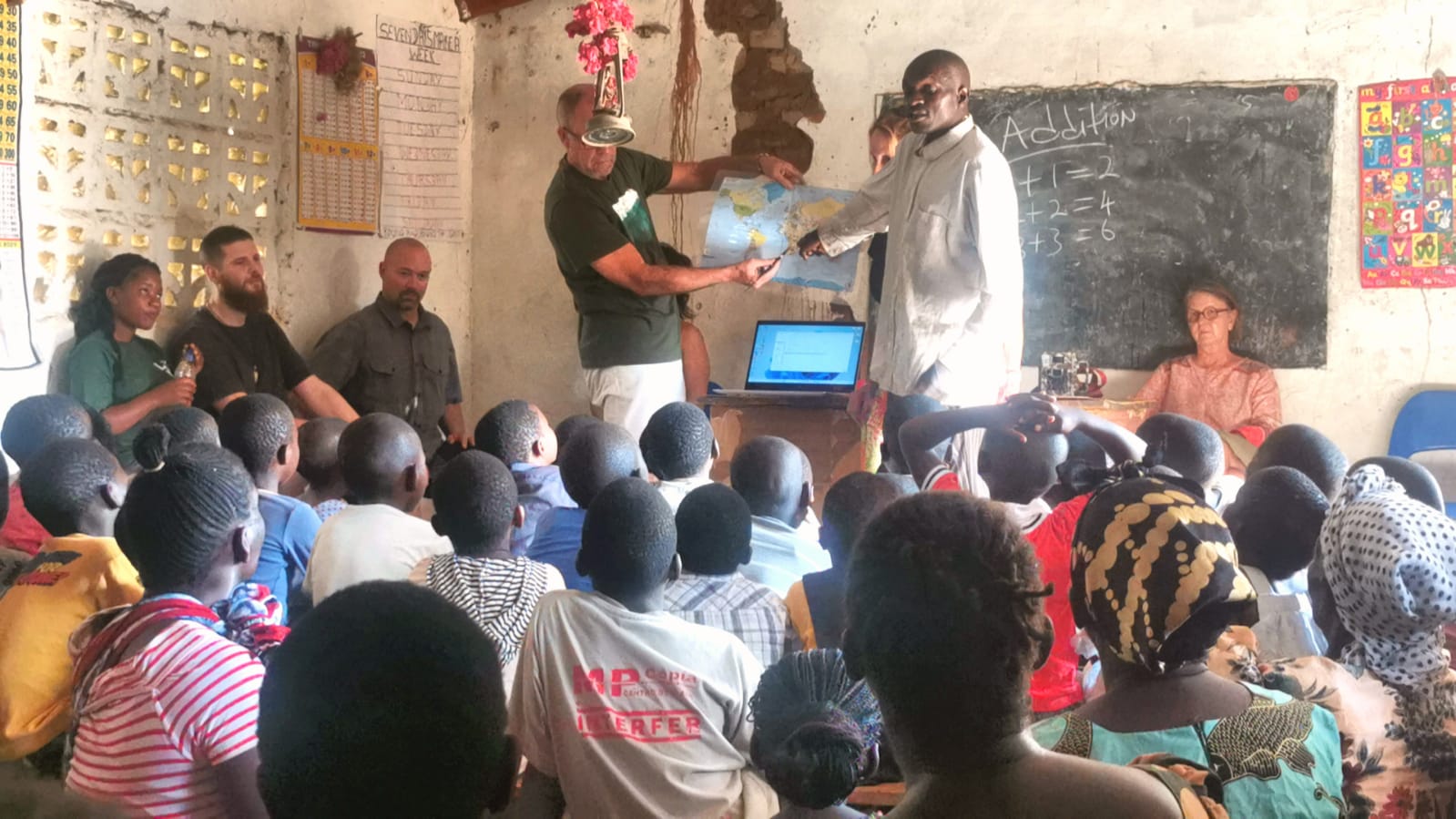
Our rest day was not as restful as expected. The expedition team visited a local primary school , as planned, to tell them why we are here in Vwaza. Due to the age of the children and the need for translation, we delivered a pretty basic but fun talk about wild animals and valuing wildlife, which the school children and teachers seemed to appreciate. To extend the cultural exchange, we were invited to watch one of the community’s regular dance performances in the school grounds, which inevitably, and to much laughter all round, we all ended up joining in.
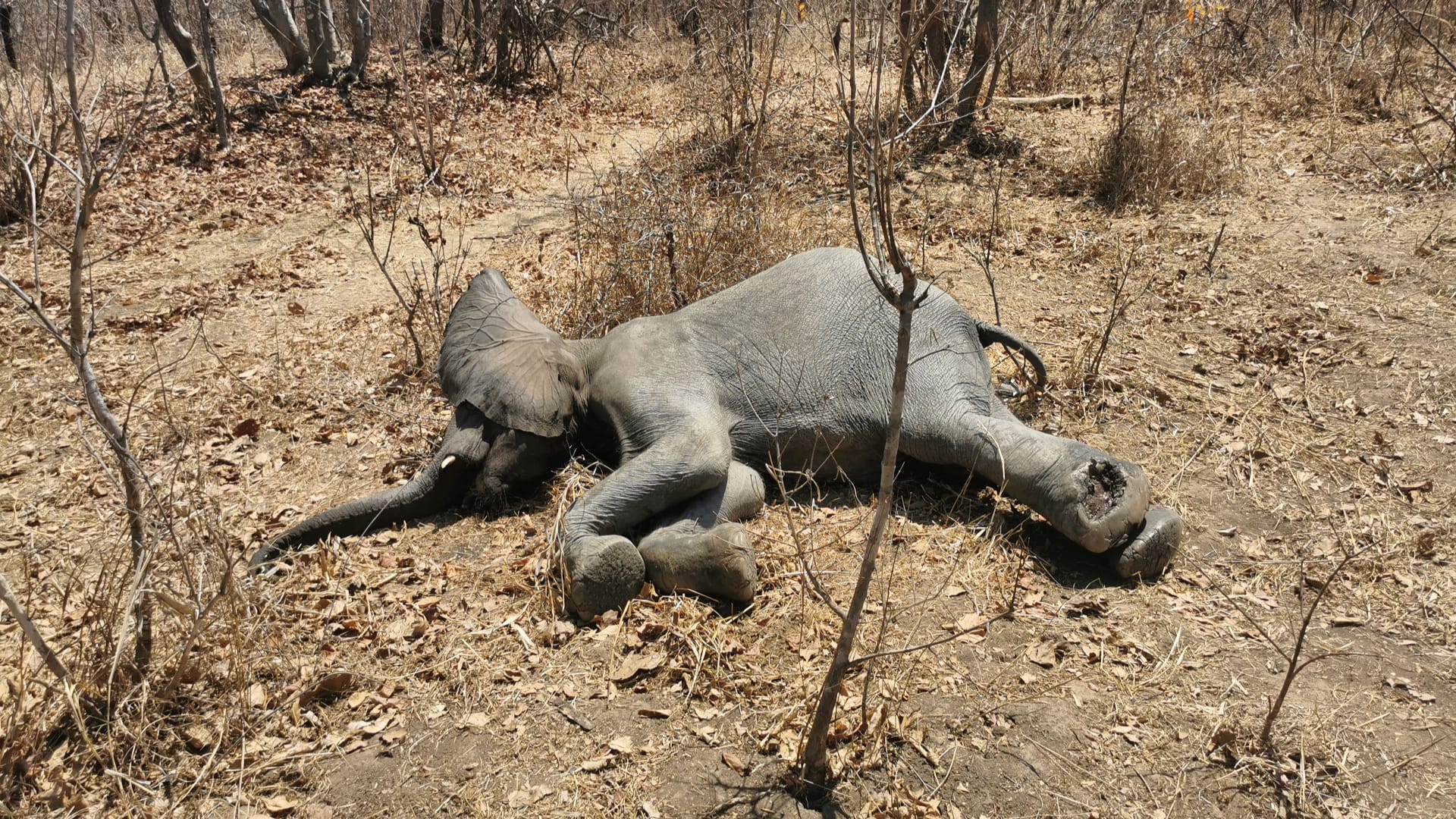
The rest day did not end there. We had had reports of a very lame young elephant seen in Vwaza, and one of our research teams had themselves spotted what looked like an injured juvenile, lying immobile on the ground next to its mother, but separated from the rest of its herd. A team of two LWT wildlife vets were dispatched from Lilongwe and leapt into action pretty much as soon as they arrived at Vwaza. Working with vets, and some local rangers, we made a plan to search the lakeside area to try and find the injured elephant (wounds caused possibly from being caught in a poachers snare, a common hazard for elephants) so that the vets could dart the youngster and its mother and inspect and treat any wounds. We searched until dark, and found a herd but no obvious sign of our target elephant.
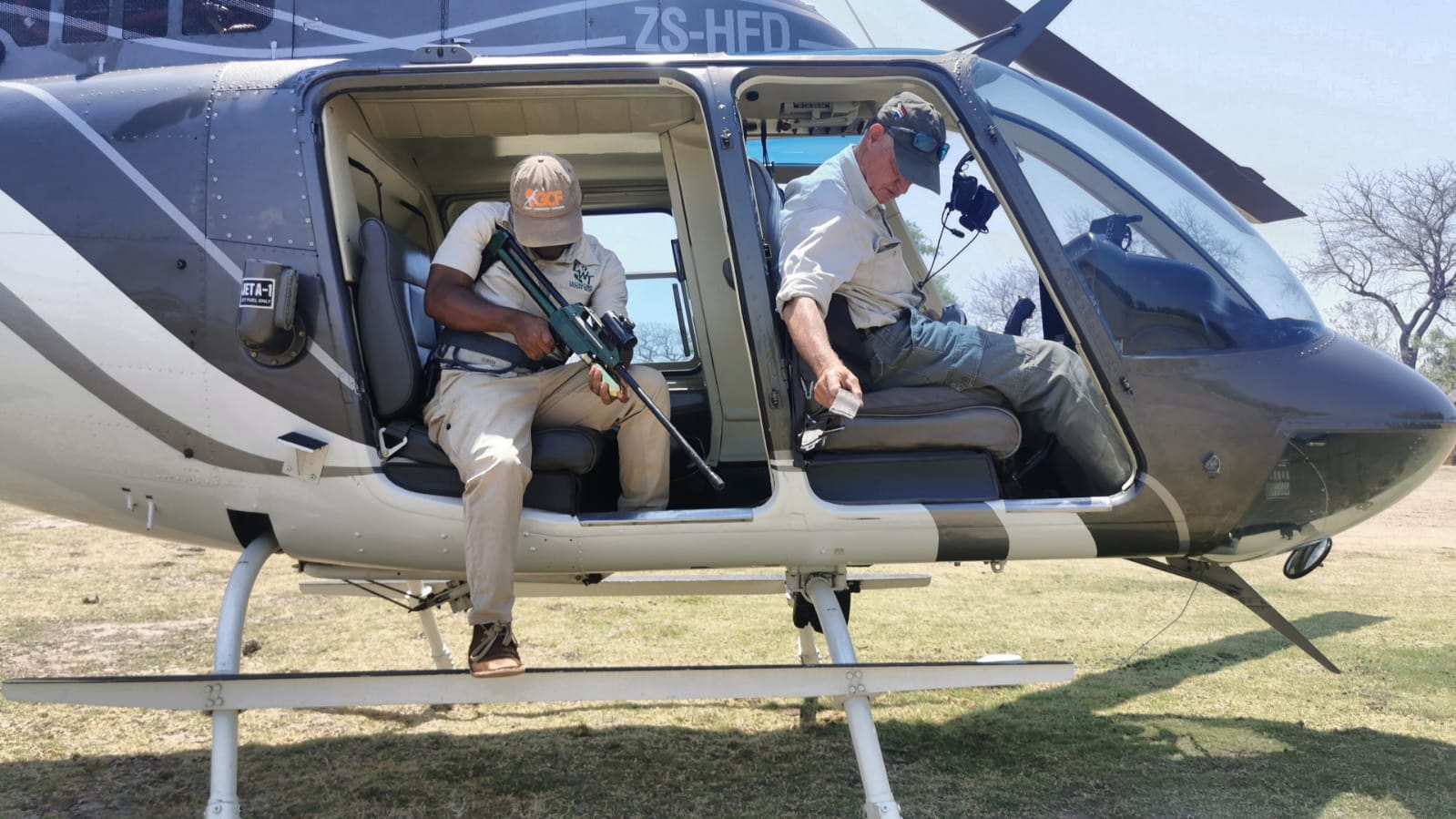
Our search continued at dawn the next day – with no more success – before the unexpected news that a helicopter was available locally and immediately for our use for this rescue mission. Things happened rapidly after that. The chopper pilot and the two vets flew on a search pattern, while the rest of us formed a ground crew in two 4x4s ready to help as needed. Within ten minutes, the helicopter team had located the injured elephant, separated it from its mother and successfully darted it. By the time we arrived on scene, the anaesthetised animal had been stabilised and checked by the vets. The young elephant had such a bad wound on one foot – and septicaemia caused by the injury – that the vets made the decision to euthanise it, to avoid a slow and inevitable death.
We humans were sad, but this is just one of the many jobs that need to be done in conservation and its endless quest to protect and support endangered wildlife.
As we always say: Expect Plans to Change. And now, its back to our regular research work, probably – but not definitely – without any further dramatic interruptions.





Update from our Malawi volunteer expedition including elephant volunteer Africa and lion volunteer Africa
 Biosphere Expeditions: blogs from the frontline of wildlife conservation and the fight for a more sustainable planet