
Update from our Maldives coral reef and whale shark expedition
Two days later and we have a boat load full of qualified Reef Check EcoDivers. Congratulations to everyone for passing the written and in-water exams and rising to the challenge.
Even our test survey dive yesterday was good enough to keep the data. Our scientist Jean-Luc was predictably pleased. A small miracle, as he is otherwise quite cantankerous :))
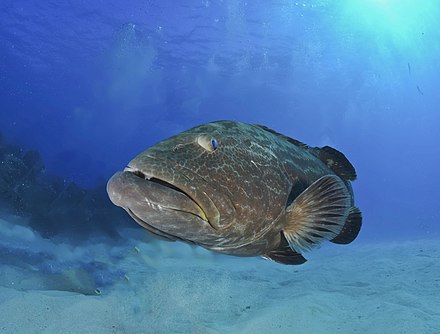
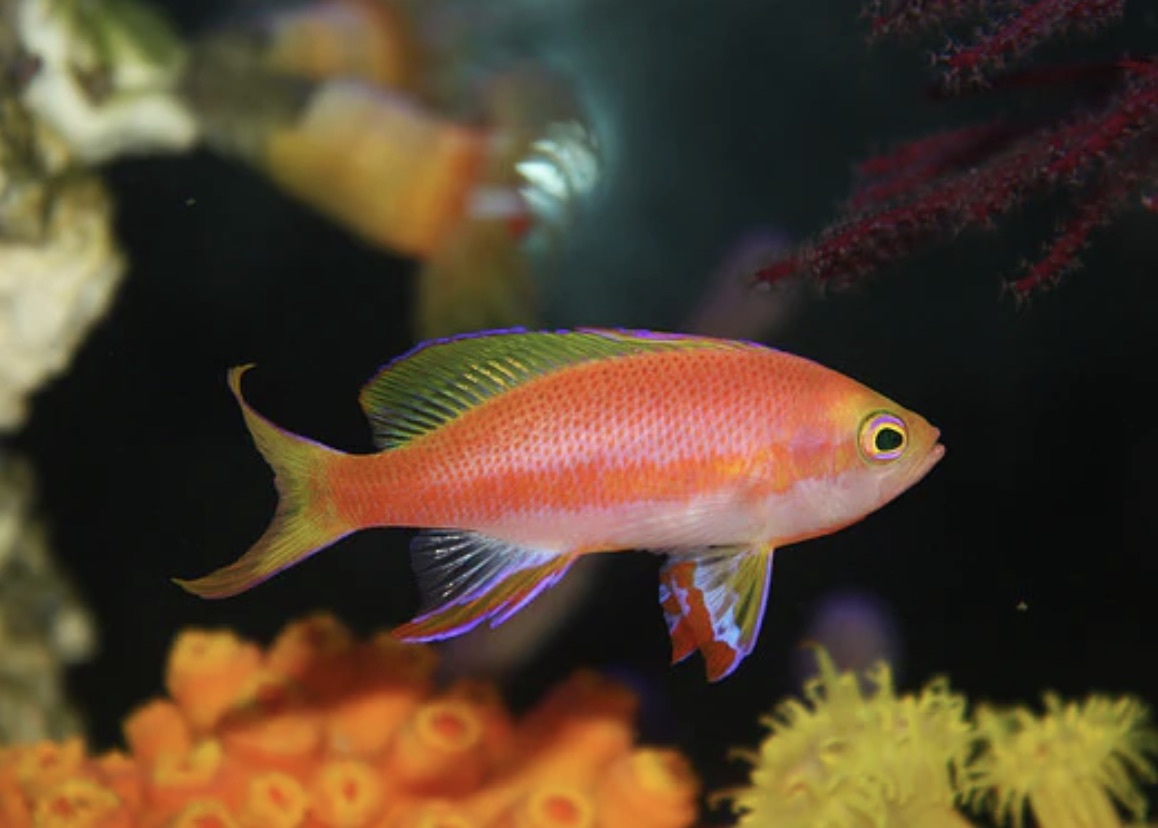
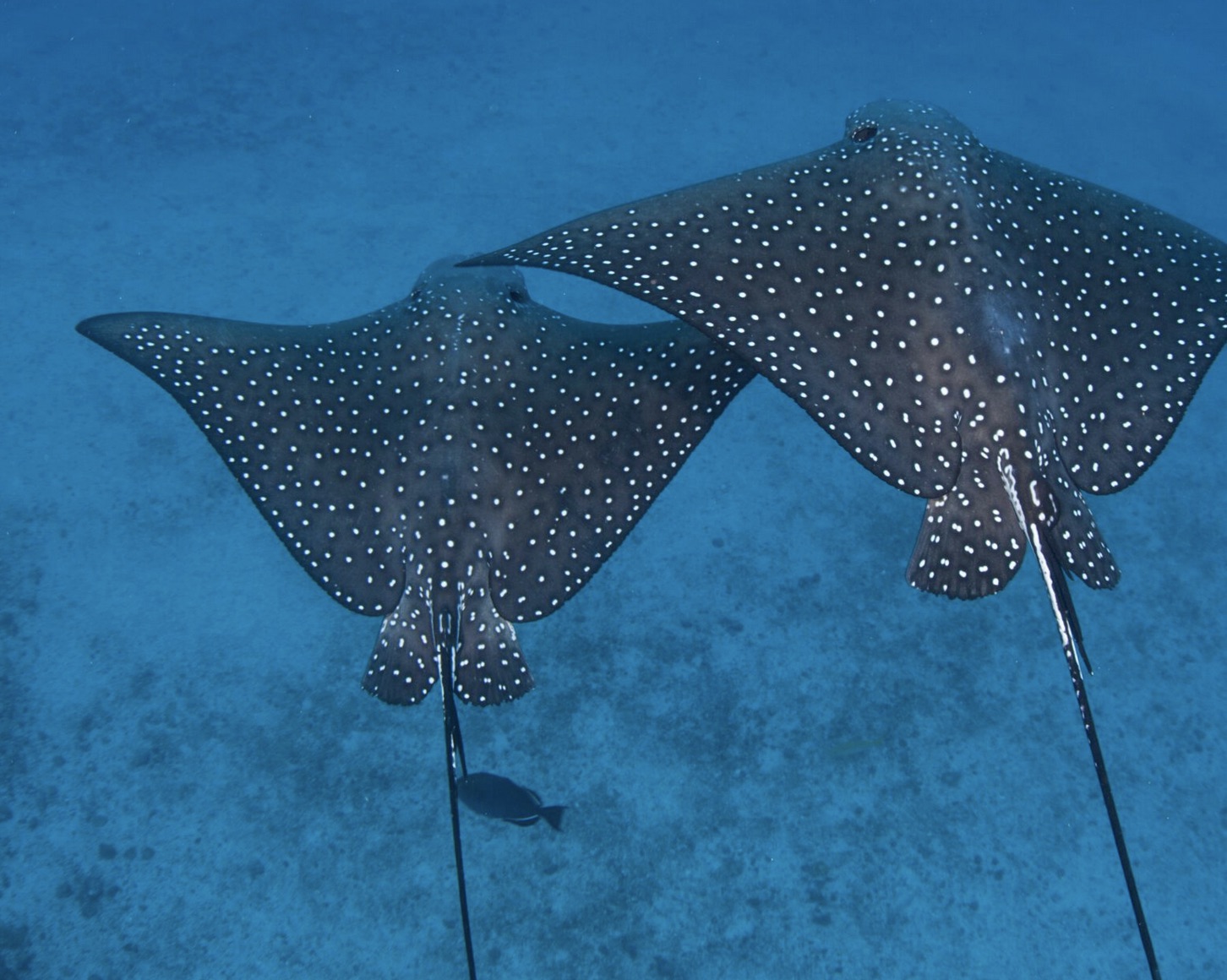
Today started with an early morning lazy dive at a well-known dive spot at Rasdhoo atoll. We saw lots of our indicator fish (grouper, snapper, butterflyfish, sweetlips, parrotfish, etc.), a graceful small school of eagle ray and a handful of sharks cruising a steep reef drop-off going deep down into the blue where us mere mortals with our heavy, noisy and clunky gear to survive in the water cannot go. Jacks cruised the blue too, slow and lazily, like a sheathed arrow, ready to dart at a moment’s notice when prey is near. Above us, unicornfishes amused themselves in our bubbles, below longnose butterflyfish picked away at corals in the reef garden. Resplendent anthias floated between the corals and did their name proud. Parrotfish munched and grated against the corals, their excrement the creator of those white sandy beaches that we associate with the dreamland we call the Maldives. A goatfish barbled its way along the sandy bottom in search of food. A Napoleon wrasse floated by in between us, curious as they are, but, alas, quite small (about our size) as their docile and inquisitive nature is their undoing in the face of the destroyer.
And because we destroy, our job is to research and protect where we can. What was it like 50 years ago, when the Maldives where in a pre-tourism slumber? How many hundreds of snapper would we have seen today, how how many sharks would have policed the blue, how big would that school of eagle rays have been? A whole university perhaps? It’s hard to know and hidden by shifting baselines. We know we are part of the problem and this is why collecting reliable data over many years, in our case over a decade now, is so important. But are we just documenting the inevitable decline? It’s hard to know. The first few days tell us that at least it does not seem to have become worse. But that is only a snapshot impression, an educated guess based on a few observations. That’s another reason why recording things in details is so important and why lazy dives such as this one are rare. Why waste your time being tourists when you can be citizen scientists instead?
So out we are again this morning, checking the reefs we all love.




Update from our Maldives volunteer expedition encompassing volunteer scuba diving, marine biology volunteering and marine volunteering
 Biosphere Expeditions: blogs from the frontline of wildlife conservation and the fight for a more sustainable planet
A lazy morning dive sounds wonderful. Enjoy 🙂