
Twenty-nine expeditioners from eight countries across the world joined the Azores expeditions in March and April 2023. This was the 17th edition in the Azores monitoring the movements, migrations, numbers, group structures and ecology of cetaceans.
Here’s a summary:
Whale watching can be done in a matter of hours, but monitoring cetaceans better to understand their spatial and temporal patterns and how they use of different areas of our oceans, takes years. Biosphere Expeditions has just completed their latest expedition in the Azores and is rapidly approaching two decades of monitoring, in an area of the Atlantic ocean. which is home to over 25 different cetacean species.
Cetacean data collection takes a decade or longer, to reveal meaningful patterns and therefore the value of our research cannot be quantified now, but it will uncountably be invaluable in the upcoming years.
Some feedback is more immediate. Images of sperm whales and blue whales taken this year, have already be matched to other locations in the Azores, and northern Europe. But many more whales have yet to be matched in our database, revealing the vast stretch of ocean they occupy around the Azores. Some individuals have been recorded for the first time this year, again contributing to our understanding of their population.
This year’s project still has a lot of data to process from over 179 cetacean encounters over 15 days at sea, sighting over 2,000 individuals. But some species are absent from this year’s research findings and dolphins have been found in lower numbers.
With the expedition fieldwork continuing in March, Lisa Steiner, the expedition scientist, an expert on sperm whales, expresses that “it has been great to extend the data collection beyond the normal tourism season and collect data on a range of species, across a broader time span. The value of this work is very significant as without Biosphere Expeditions we wouldn’t have documented the range of species, including several Sei, Humpback, Fin and Blue whales, since there are fewer tour boats out at this time of year”.
Being able to conduct field research during the ‘off-season’ reveals new information such as species being absent or present in lower or higher numbers compared to other years.
“The ability to collect such data is greatly enhanced by the annual contribution of Biosphere Expedition’s participants,” says Craig Turner (expedition leader), “and underlines the value of long-term data sets in illustrating the importance of the Azores for certain cetacean species.”
This data collection approach is being applied to other species of whale, along with dolphin species, such as bottlenose and Risso’s. The scale of the data collection both in terms of time and space serves to demonstrate the importance of the Azores for several cetacean species and highlights the importance of appropriate conservation management, to ensure these species continue to thrive not just in Azorean waters, but elsewhere in the wider Atlantic Ocean.
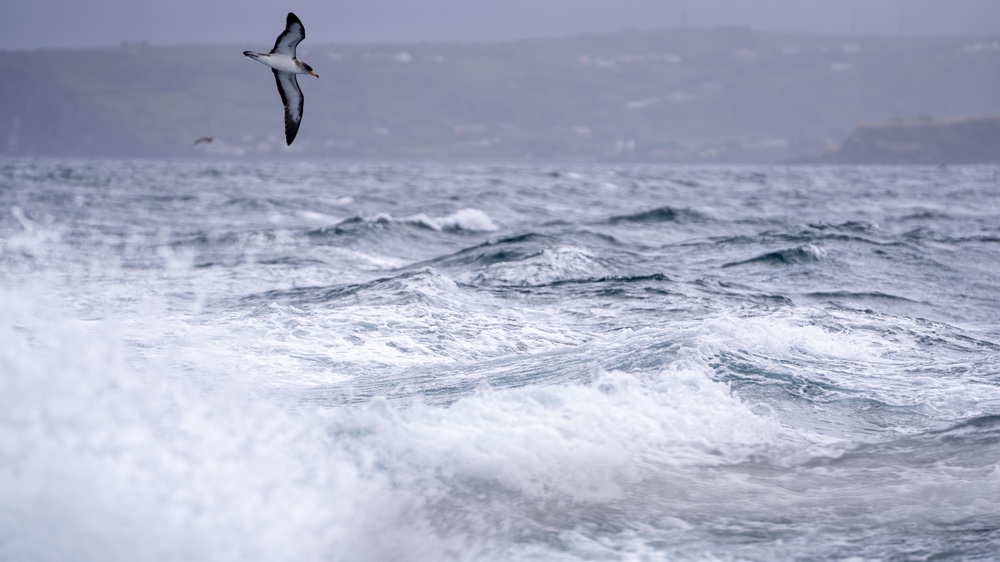
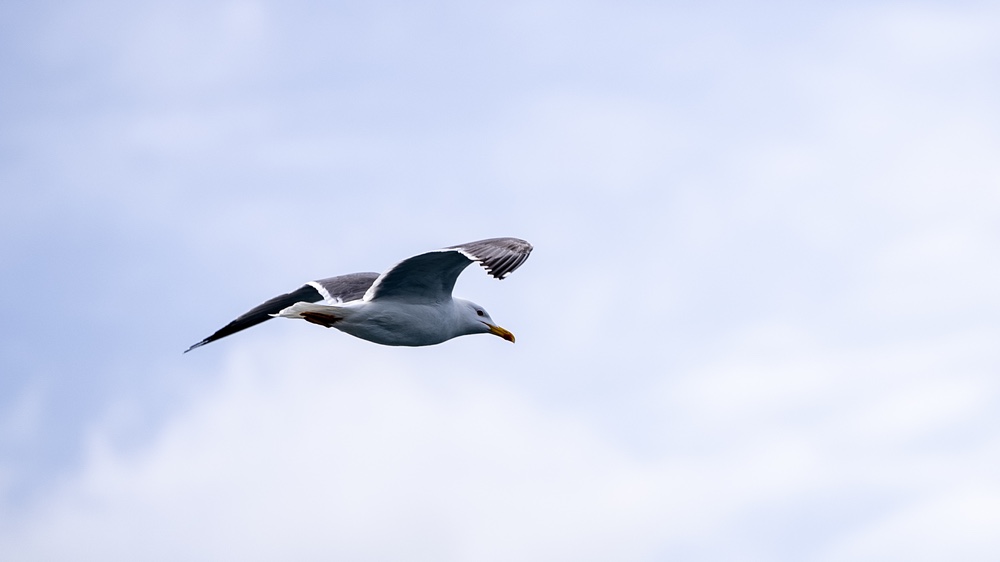
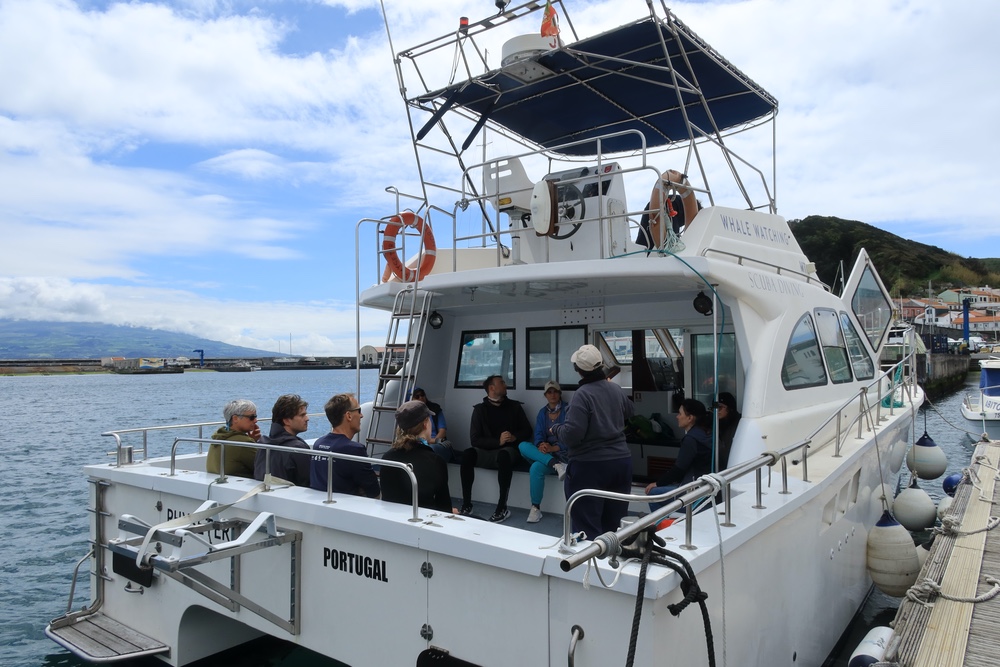
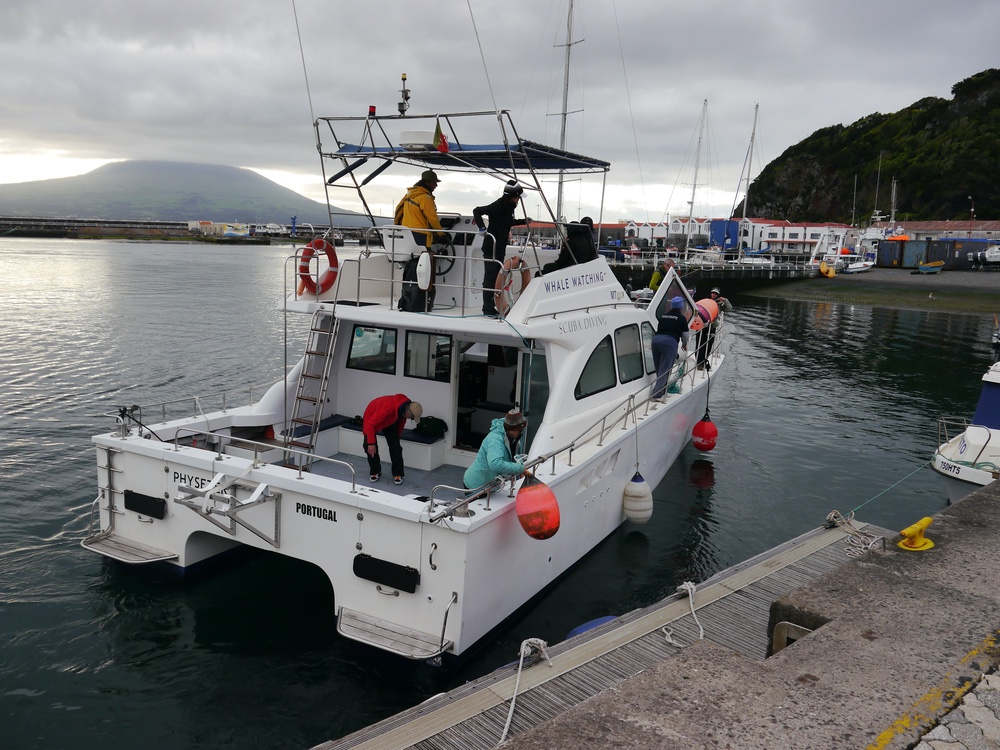
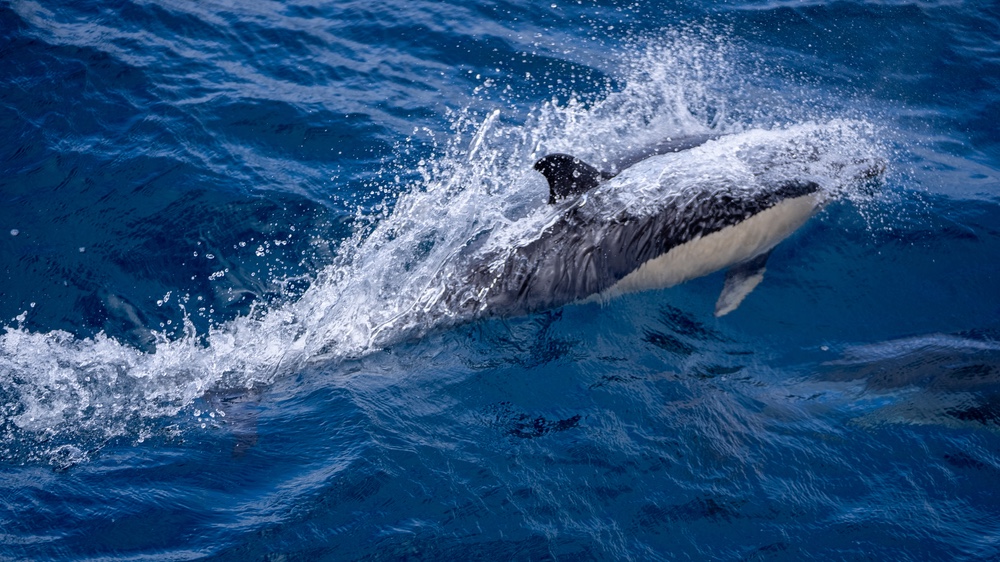
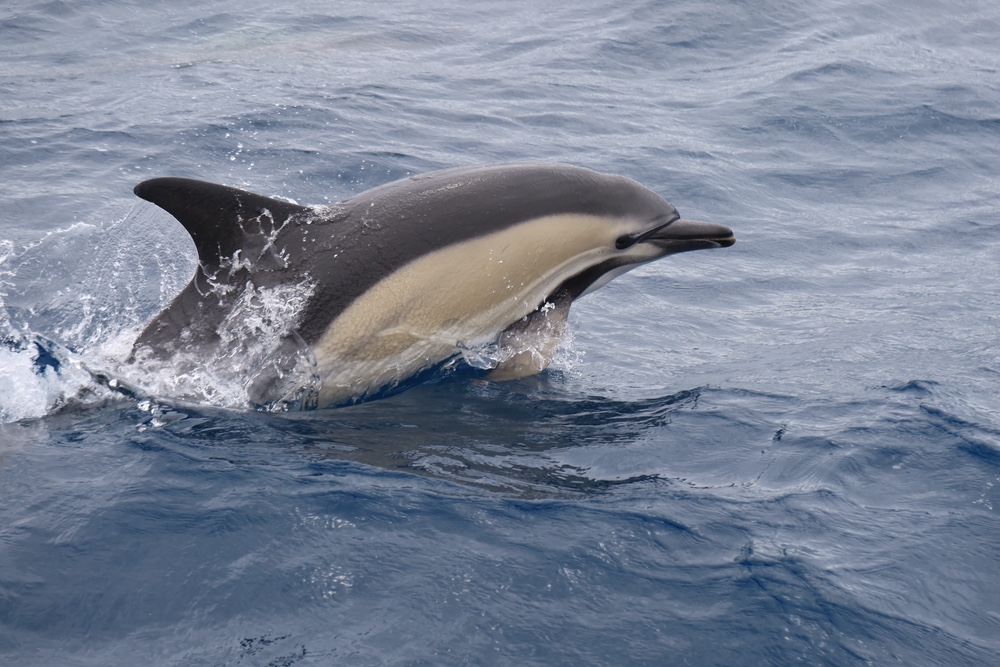
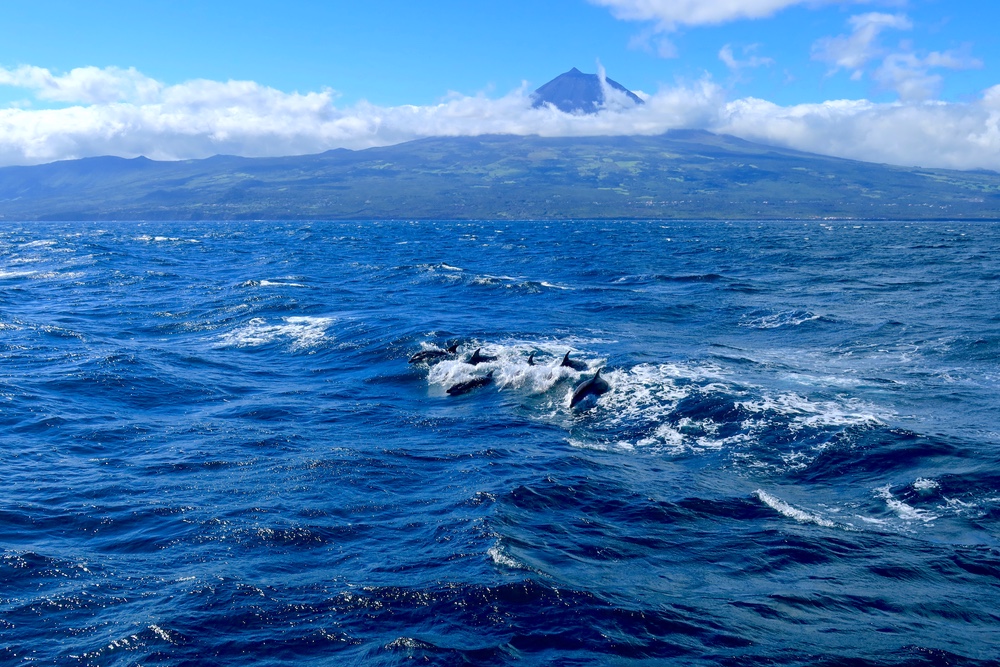
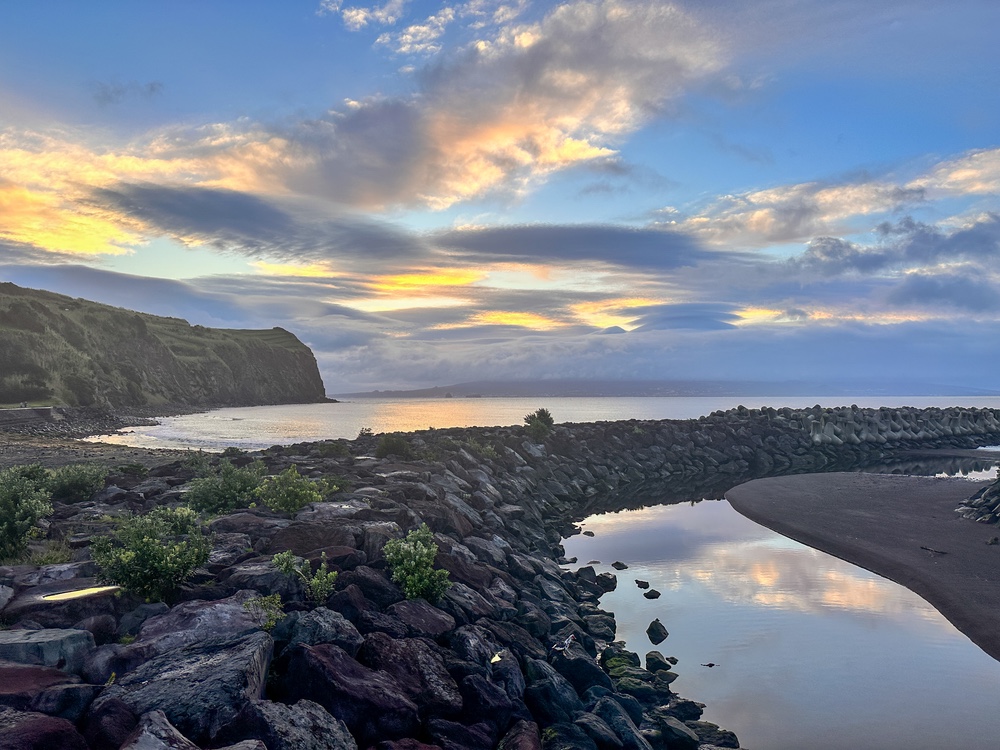
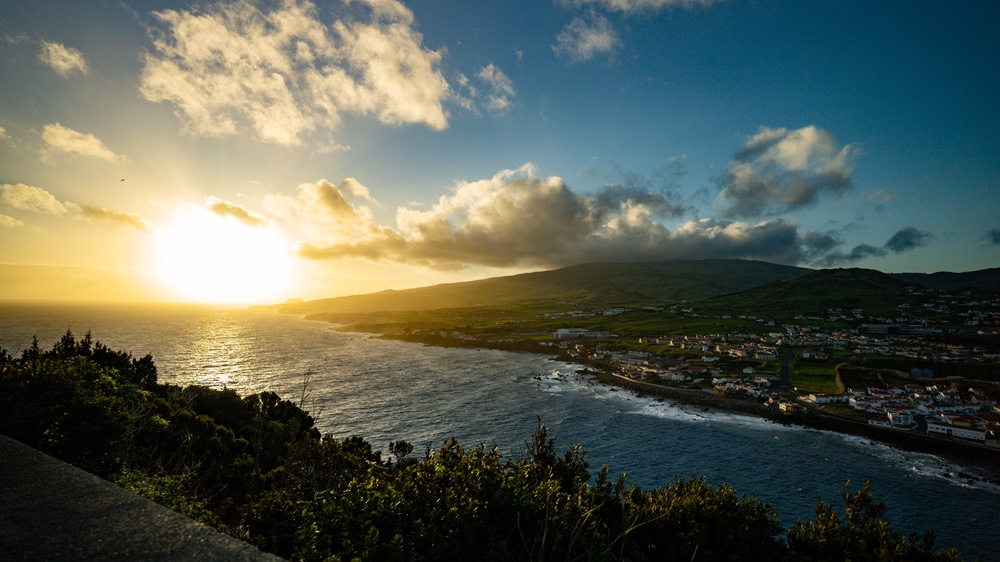
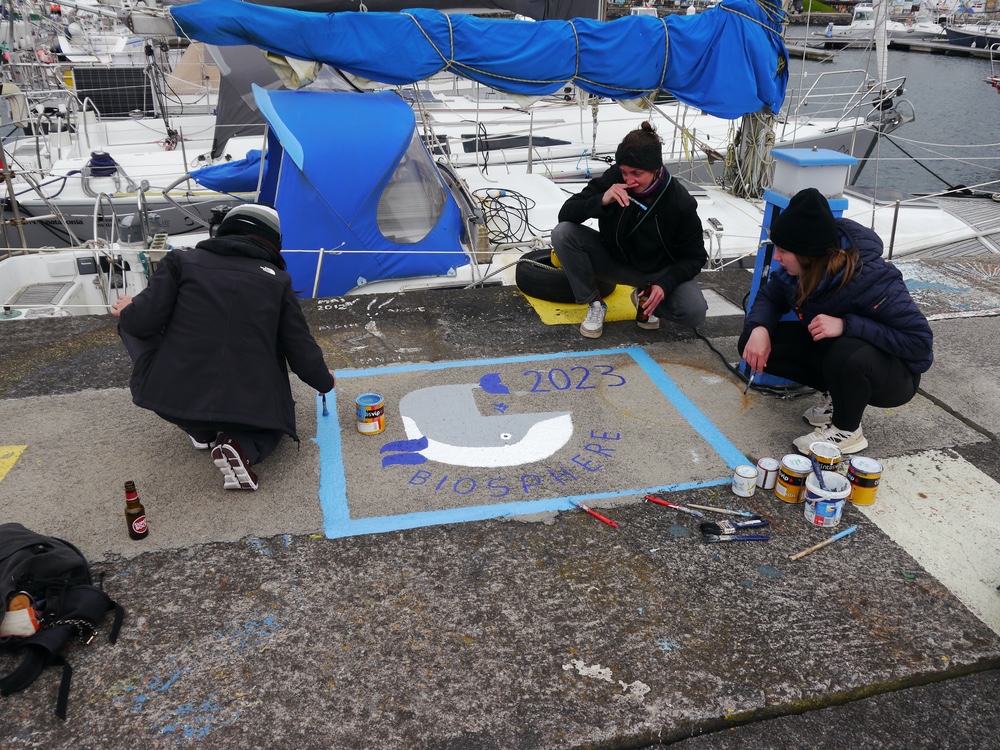
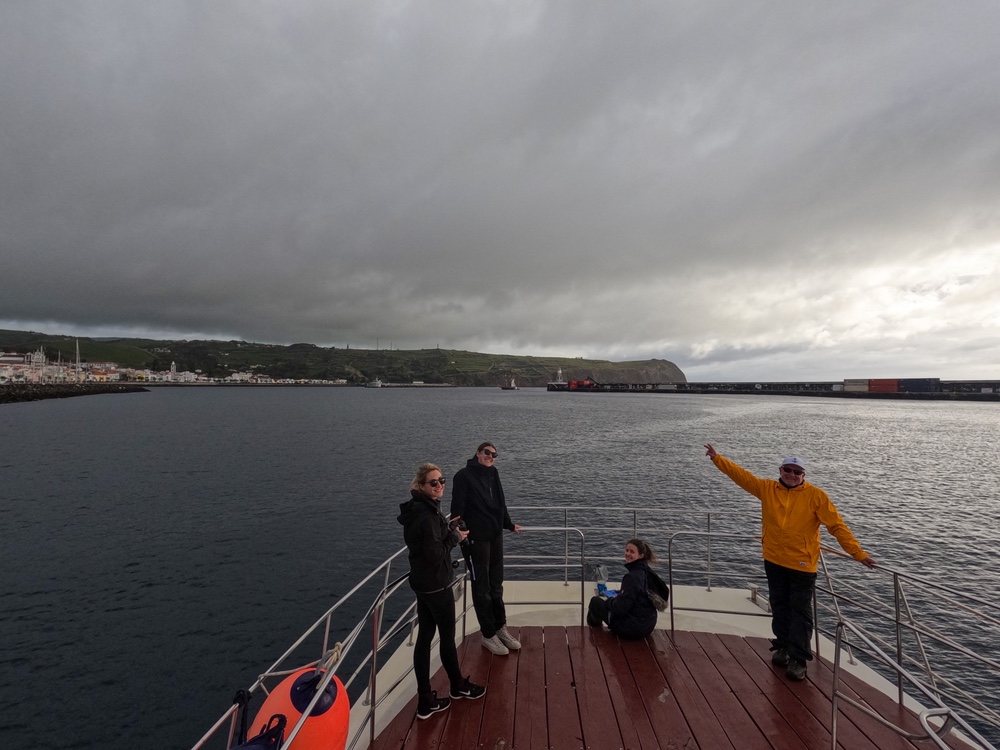
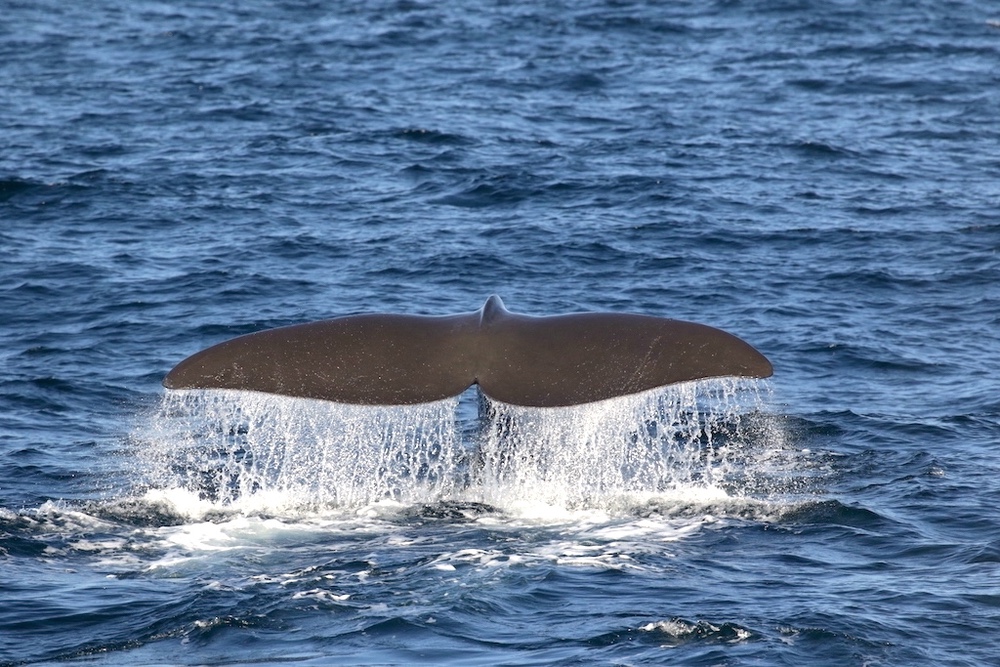
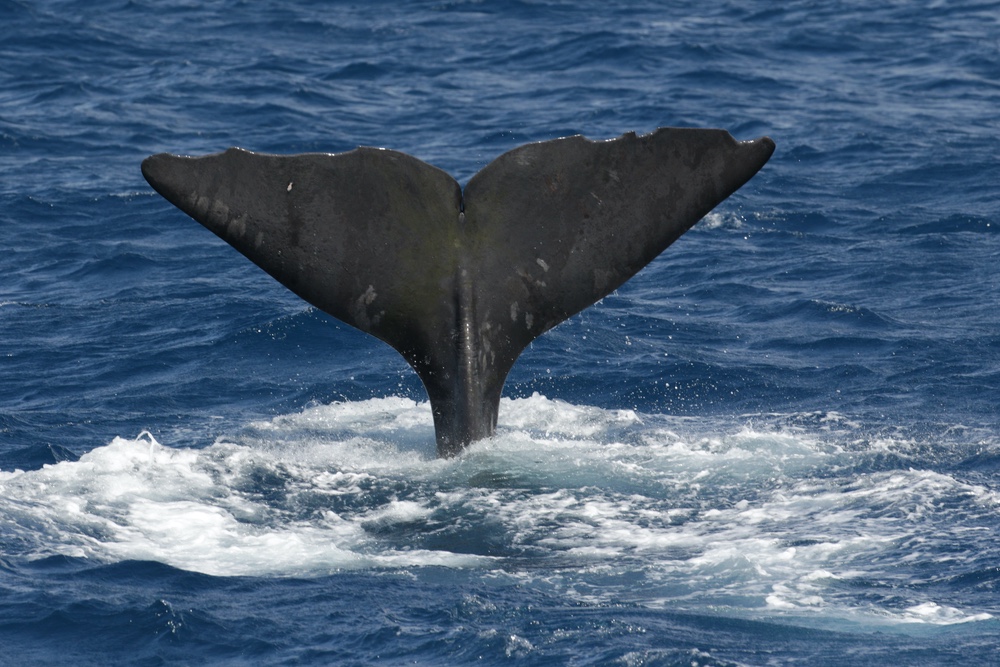
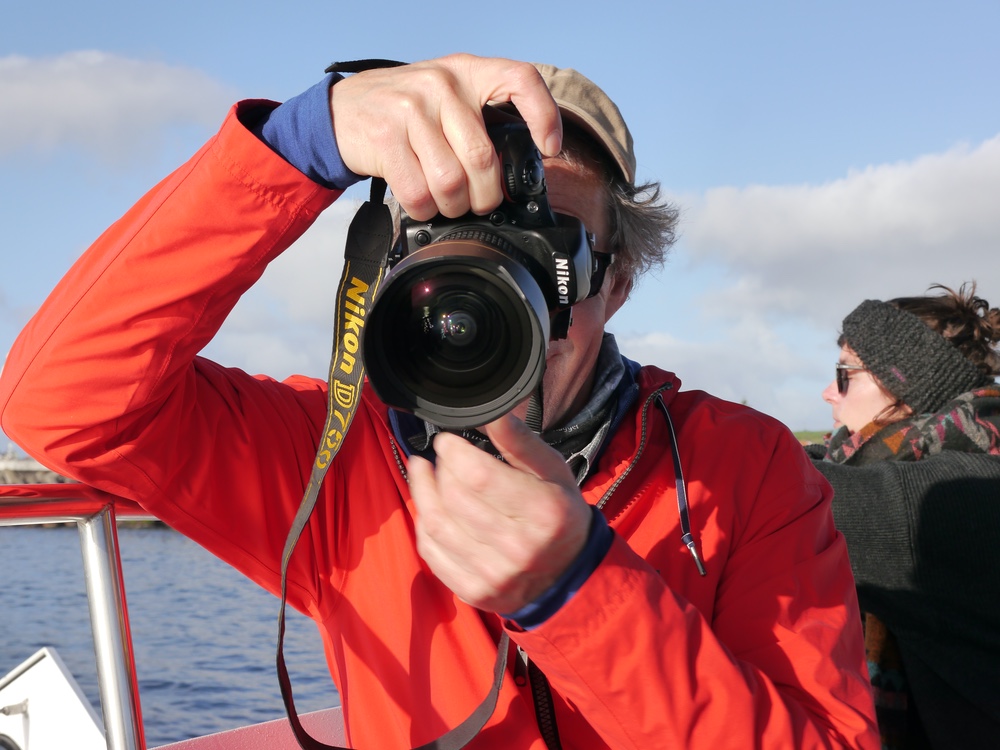
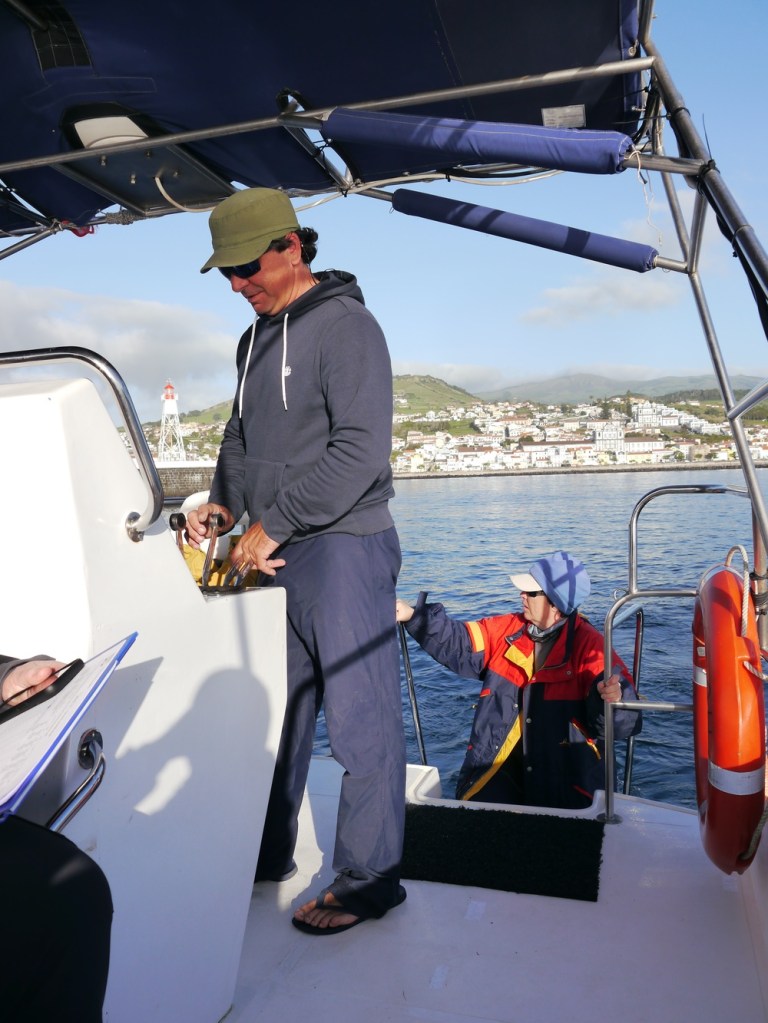
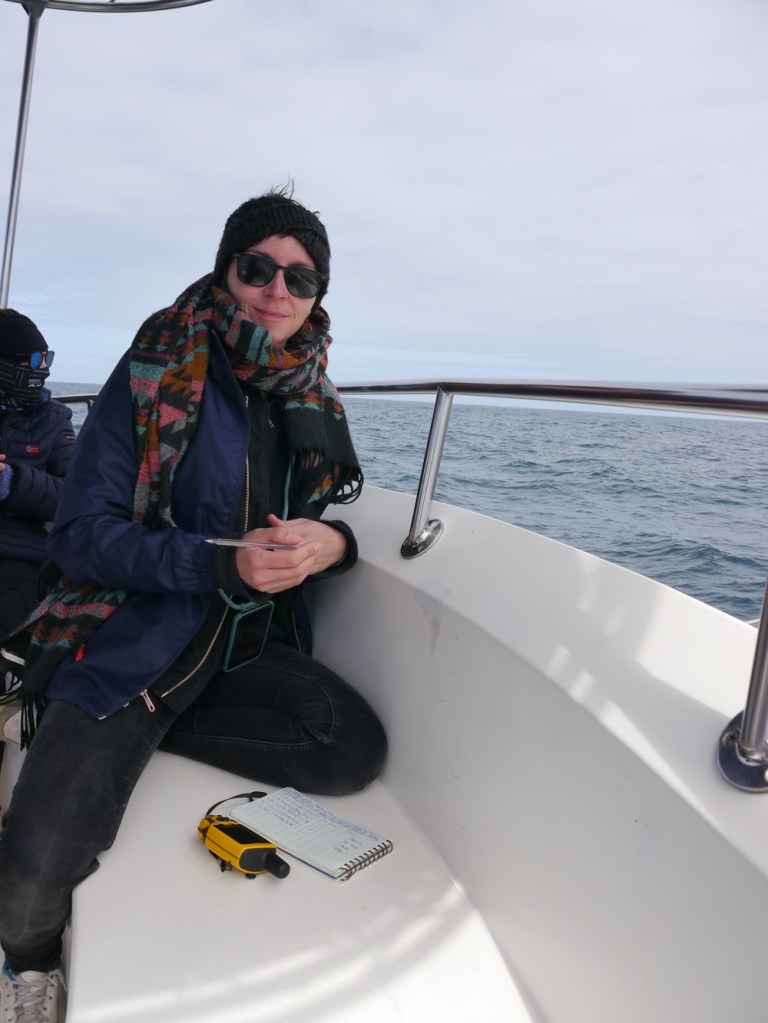
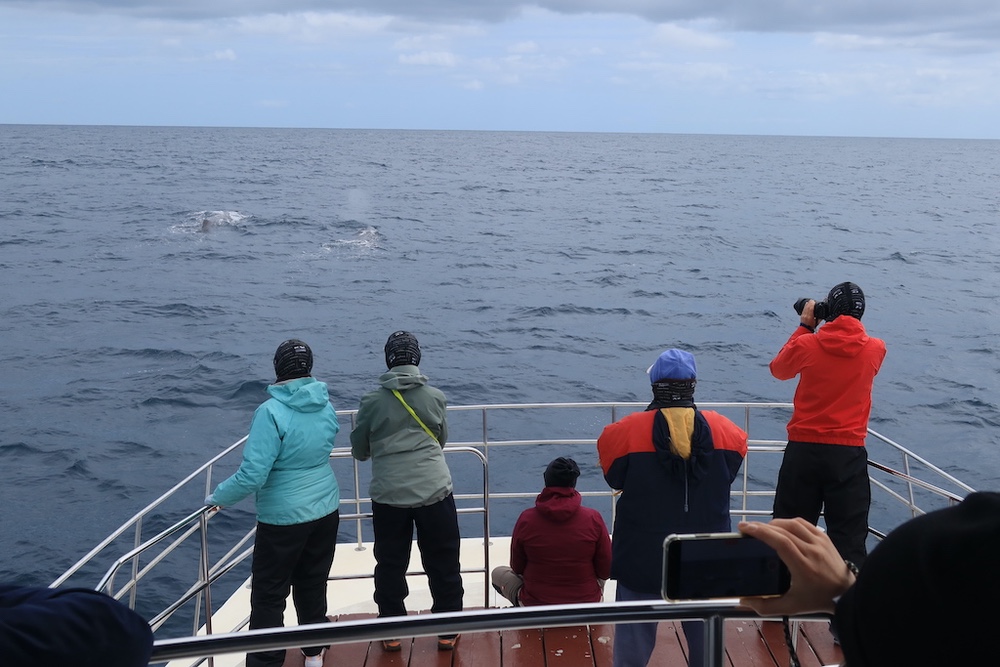
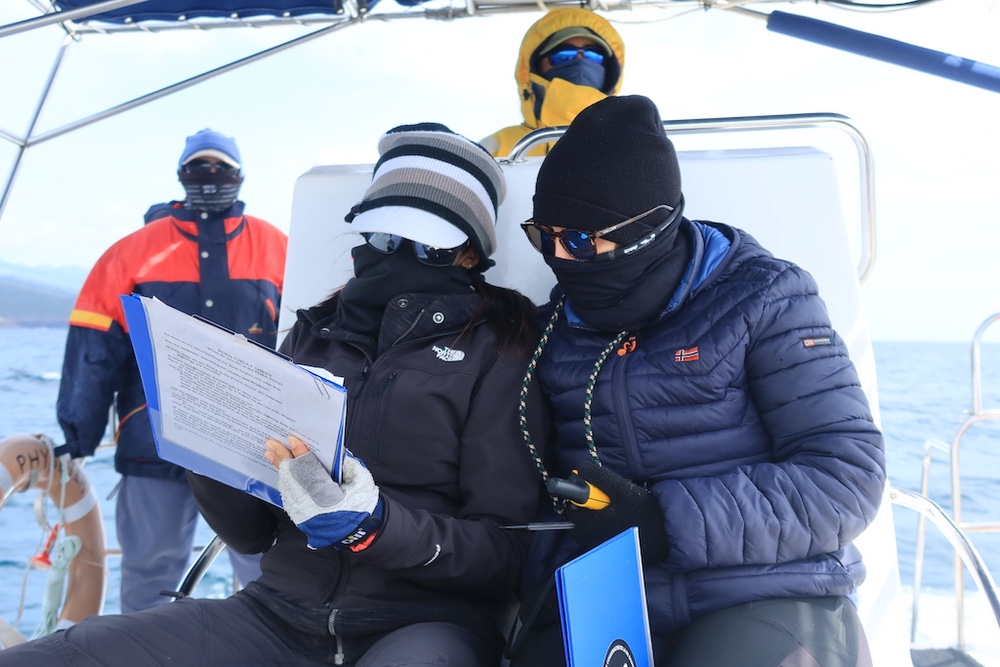
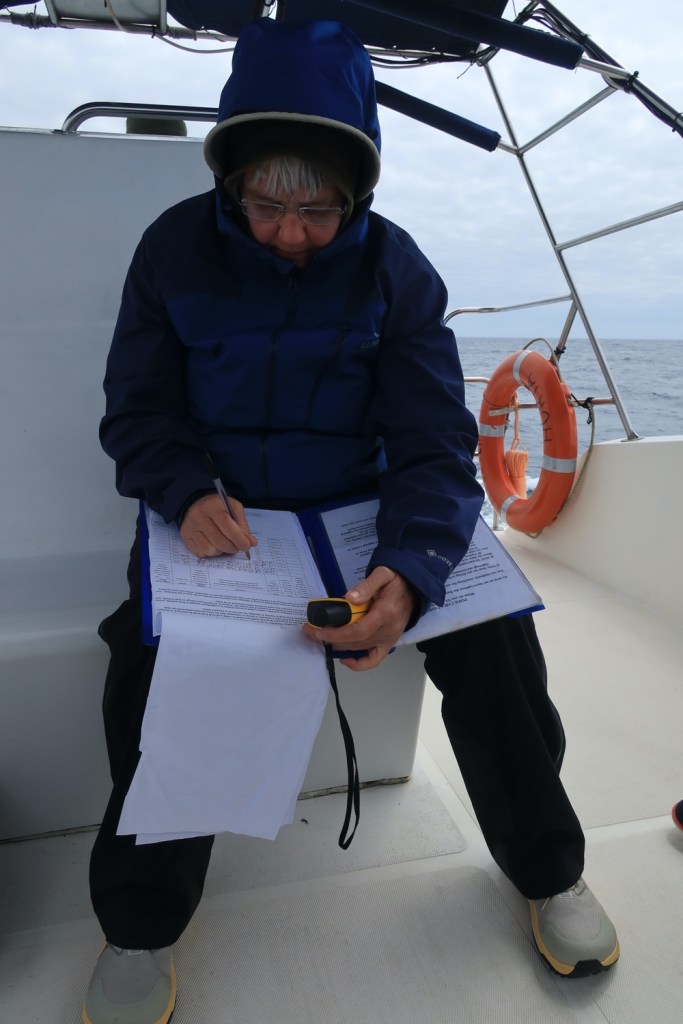
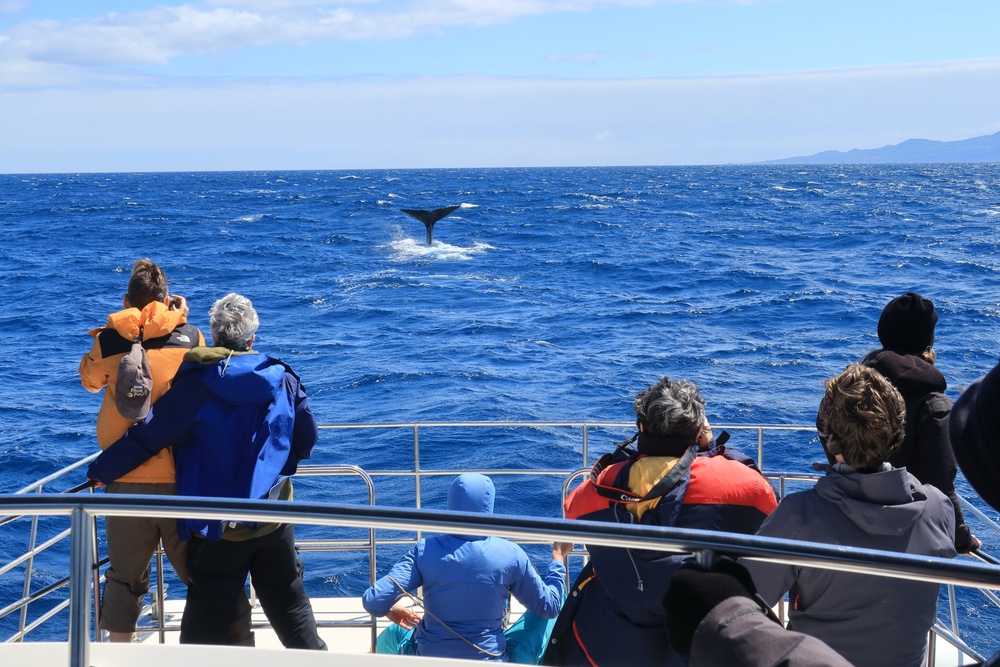
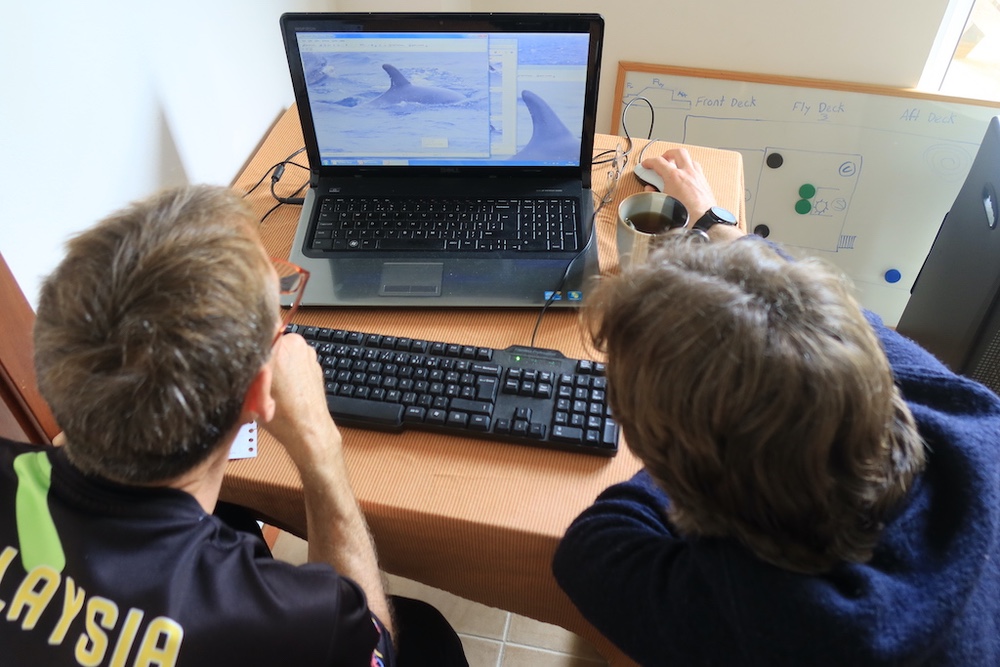
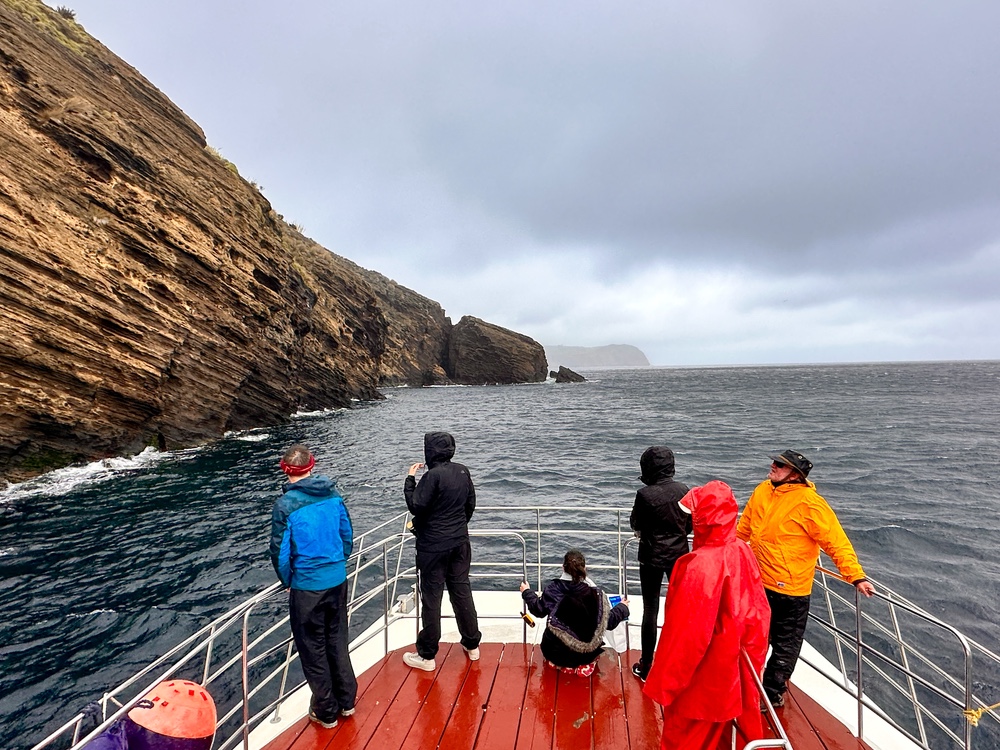
Some photo impressions of the expedition:












Vlog by Alice Ford:
 Biosphere Expeditions: blogs from the frontline of wildlife conservation and the fight for a more sustainable planet