From our Sumatran tiger conservation volunteering holiday in Indonesia

The research is now in full swing and we have already surveyed five 2×2 km cells in the buffer zone of the Rimbang Bailing Nature Reserve. We have been placing camera traps and looking for tiger prey species as well as signs of illegal logging and poaching. Half of the team went for an overnight trip, going for three hours by boat upriver, spending the night camping on the riverbank and surveying two cells. They came back with tales of steep hills and a great night out.

The team that stayed at base also surveyed one cell per day and visited two villages to conduct interviews with locals to help better understand the perception of tigers in the region. There seems to be a “not in my backyard” attitude with everyone believing tigers are good for Indonesia and the ecosystem, but fear is strong and as such they don’t want tigers close to where they live. In Tanjung Belit village we also visited the recycle shop, where women are turning used plastic packaging into beautiful bags. This is an initiative spearheaded by WWF, our local partner organisation.

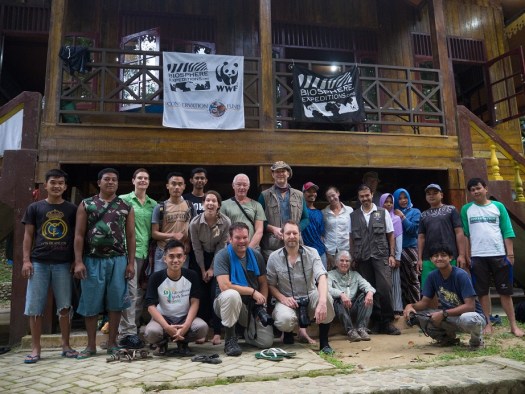
A group of school children from a nearby village came to visit the research station. Gia from WWF explained to the children and us about the Rimbang Baling Reserve and its ecosystem, highlighting the importance of the Subayang River system. Afterwards we got the opportunity to answer questions from the curious children and play games in honour of Global Tiger Day, which was on 29 July. Global Tiger Day was coined in 2010 in St Petersburgh, Russia, during a tiger summit there in an attempt to highlight dwindling tiger numbers worldwide. Peter from Austria summed the it up well: “It is so important for the children to know about their natural heritage and it is delightful to interact with them.”

This slideshow requires JavaScript.

From our snow leopard volunteering expedition in the Tien Shan mountains of Kyrgyzstan

Today is stormy with rain and snow, so we decided to take a trip to the zoology a museum on the other side of the Karakol pass in Doing Alysha, which is where I’m now writing from.

Meeting up with group 3 in Bishkek went perfectly. Now that the Karakol pass between our two valleys has been cleared of snow by group 2, it was possible to travel the shorter route to base camp from Bishkek. Once at base we unloaded groceries and got everyone settled in. Training on Tuesday held perfect weather again, so in an effort to keep traditions alive, we made sure that on our first day out for a survey, it rained. The weather cooperated all day till just after lunch when the clouds rolled in and the thunder started. Fortunately, the rain was only short-lived and everything dried up quickly for an all-round good survey. We have already, in only two survey days, collected information in 12 cells, seen one ibex (and lots of ibex sign), countless marmots, and plenty of birds, butterflies, and petroglyphs. Hoping for many more sunny survey days next week!

And the office tells me that the article by Matthias Gräub (group 1) in Swiss magazine “Tierwelt” (animal world) is now online on https://www.biosphere-expeditions.org/volunteeringinkyrgyzstan#press , alongside many others.

This slideshow requires JavaScript.

From our Sumatran tiger conservation volunteering holiday in Indonesia

The first group has arrived on site and we spent the first couple of days with training in the scientific methodology and use of equipment.

On Wednesday, armed with our new knowledge, we went into the jungle. First for a practice run getting used to the lay of the land and in the afternoon a few of us completed the first survey. Our intrepid team of four placed the expedition’s first camera trap and were frightened half to death by a two meter long monitor lizard that ran out right in front of us. We also spotted barking deer tracks along a creek. Barking deer is preferred prey species by the Sumatran tiger, but also by the local population who like to eat game meat. By surveying for the presence of tiger prey species, we get a good idea of the capacity for tigers in the reserve. Seeing tracks of barking deer is a good sign, indicating there is still prey for tigers in the area, despite competition from humans.

“This is so fantastic, we have already seen so many things! It is so beautiful here,” says Karen from Germany.

Tomorrow a team of six will go deeper into the woods for our first overnight trip surveying some of the more remote areas, while the rest of us will focus on survey sites closer to base.