From our snow leopard volunteering expedition in the Tien Shan mountains of Kyrgyzstan (http://www.biosphere-expeditions.org/tienshan)

Phil & I arrived in Bishkek on Sunday, where we were warmly welcomed by our partners on the ground at the NABU office and went straight to work. We fetched the expedition equipment, stored last year at the outskirts of Bishkek, together with Almaz and NABU staff. It was­ half a truck load of tents, the yurt, research and kitchen equipment, spare tyres and car boxes, water and fuel canisters, cookers, gas bottles, benches & tables, etc., etc.

truck at storage 3-7-16

In the afternoon we were invited to a meal with everyone.

NABU&BEstaff 3-7-16

Over the next couple of days we will be checking the equipment, writing shopping lists, going shopping for food and other supplies, and updating paperwork. Tomorrow will be the end of Ramadan, the Muslim fasting month, a public holiday of big celebration here in Kyrgyzstan. So we are hoping to find some Chinese shops open tomorrow morning, which means group 1 will be on Chinese food for a couple of weeks 😉

Volodya, our scientist, arrived this morning, completing the team. We had a meeting with Amadeus in the afternoon, talking through butterfly, birds & petroglyph data collection procedures using the newly created apps. Volodya was quite excited about how easy & quick data collection and processing could be, if modern technology does work out in the field. We will have old-fashioned pen & paper versions as back-ups too.

Tonight Emma kindly invited us to have dinner at her place. She cooked a delicious meal and made Phil & I eat an enormous amount of Tiramisu afterwards. In case any of you consider weight loss to be a possible side effect to the expedition, forget about it! 😉

Emma dinner 4-7-16


From our snow leopard volunteering expedition in the Tien Shan mountains of Kyrgyzstan 

From our snow leopard volunteering expedition in the Tien Shan mountains of Kyrgyzstan (http://www.biosphere-expeditions.org/tienshan)

Hello everyone and welcome to the Tien Shan 2016 expedition diary!

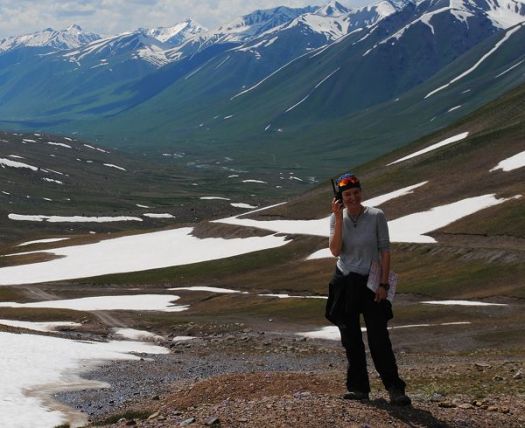
My name is Malika and I will be your expedition leader on the first group together with Phil. Phil will then take over leading groups 2 & 3 of this year’s snow leopard conservation expedition to the Tien Shan mountains of Kyrgyzstan.

Malika Fettak
Malika Fettak
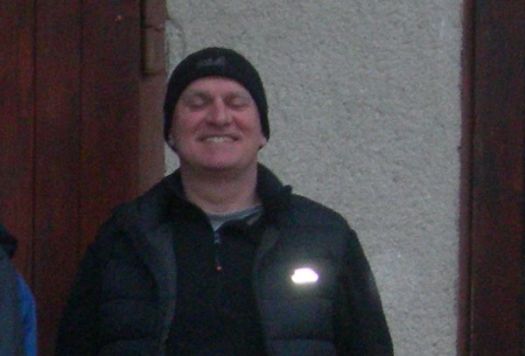
Phil Markey
Phil Markey

For the third time this Biosphere Expeditions project will be run in collaboration with NABU Kyrgyzstan and the ‘Gruppa Bars’ (snow leopard patrol), consisting of four Kyryzs NABU members of staff that work in snow leopard conservation all whole year round. Each group will be accompaigned by two Gruppa Bars members (and I’ll introduce you to everyone in due course). They will be our guides, mountain experts, spokespeople and link to the local herders.

Dr. Volodya Tytar, originally from the Ukraine, is the expedition scientist. He has been working on this snow leopard project for more than a decade from the very beginning in the Altai mountains of Russia, before the study site was moved to Kyrgyzstan in 2014. If you would like to read about last year’s results, the 2015 expedition report will be ready for downloading within the next few days. You’ll receive an e-mail notification soon! Older reports are on www.biosphere-expeditions.org/reports.

Dr. Volodya Tytar
Dr. Volodya Tytar

As in previous years, we will also have a couple of local placements on each group. They all have a specific interest in conservation, good knowledge of English and will help with communications in general and with conducting interviews at local herders’ yurts in particular.

So far so good. All staff involved are busy with organising things by e-mailing from our desks in Germany, the UK, Kiev and Bishkek, but we will all finally meet at the Bishkek NABU office on Sunday. So we will be about a week ahead of you, fetching base camp equipment from storage, checking and shopping for items that need to be replaced, buying supplies, etc. We will scout out a base camp location, set up camp, meet our cook Emma, shop for food (a lot) and make sure everything will be ready and in place for research work to commence when the first team arrives.

As regards the research work, have a look below, where methods and equipment are explained. The more you know now, the easier it will be for you during the first two training days, so do swot up, if you can. In addition to studying the dossier, have a look at the “Methods & equipment” playlist. The bits that are relevant to the expedition are first and foremost our cell survey methodology, followed by GPS, compass & map, Garmin etrex 20, PBLs, camera trapping and binoculars. Enjoy!

Finally, a word on some additional research we will be doing (that is not mentioned in the dossier): Amadeus, a local placement who joined the expedition in 2015, has created a ‘Butterflies of Kyrgyzstan’ app based on data that were collected last year. We will continue collecting butterfly data along the way on survey walks either by pen & paper or, much better, by putting data directly into the app. The app is available for downloading at WWW.DISCOVERNATURE.ORG.KG (Android version only). So, if you are planning to bring your personal Android smartphone, please consider downloading the app (how we will recharge all the phones in the absence of a convenient power plug is another matter ;). We will also be collecting data on birds that will contribute to creating a similar ‘Birds of Kyrgyzstan’ app in due course. Of course you will be trained on all of this during the introduction and training day!

That’s it for now. Once Phil and I have arrived in Bishkek we’ll be in touch again with our local phone numbers and some more updates from the ground.

Best wishes

Malika Fettak

Expedition leader

Continue reading “From our snow leopard volunteering expedition in the Tien Shan mountains of Kyrgyzstan (http://www.biosphere-expeditions.org/tienshan)”

From our Sumatran tiger conservation volunteering holiday in Indonesia (http://www.biosphere-expeditions.org/sumatra)

Hello and welcome to the Sumatra expedition diary

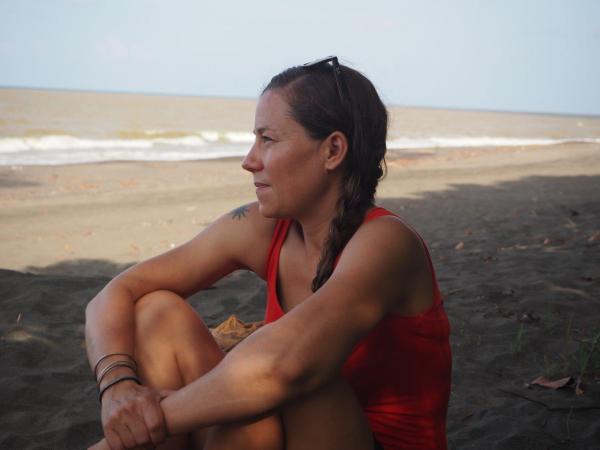
My name is Ida Vincent and I will be your expedition leader on this Biosphere Expeditions project, helping our local partner WWF Indonesia with their Sumatran tiger conservation.

Ida Vincent
Ida Vincent

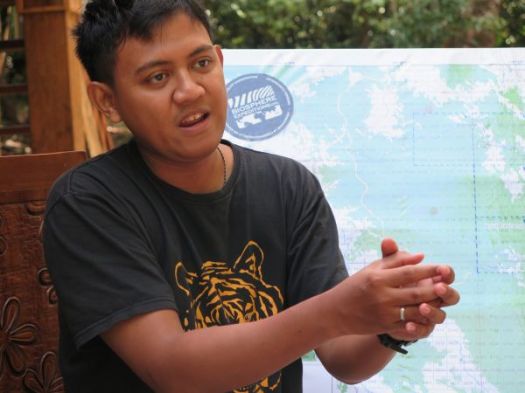
Our local scientists Febri and Ifran will train us in all aspects of the field work once we arrive at the Subayang Field Station and Dr. Matthias Hammer, executive director of Biosphere Expeditions, will also be joining us for the first few days, to help with getting set up.

Febri Anggriawan Widodo

I trust all your preparations are going well, and I look forward to meeting the first expedition team in just over two weeks on 17 July. I will be at hotel Red Planet for the 08:00 assembly. It is important that you are not late, as we have a busy day ahead of us transferring to the field station and starting the training, so we can get to work.

I’ll be about a week ahead of you and once I am in Pekanbaru on 11 July, I will be in touch again with my local mobile phone number and other updates from the field. I hope your preparations are going well and you are ready for an expedition experience, for this is what it’s going to be. For those of you still hoping for a tiger safari, please have a look at the expedition report from last year, available via www.biosphere-expeditions.org/reports 😉

Please do have another look through your dossier too and familiarise yourself with all the information and make sure you have all the necessary kit.

I look forward to working with you on this expedition.

Ida Vincent

Expedition Leader


As regards the research work, have a look below, where methods and equipment are explained. The more you know now, the easier it will be for you during the first two training days, so do swot up, if you can. In addition to studying the dossier, have a look at the “Methods & equipment” playlist. The bits that are relevant to the expedition are first and foremost our cell survey methodology, followed by GPS, compass & map, Garmin etrex 20, PBLs, camera trapping and binoculars. Enjoy!


From our Sumatran tiger conservation volunteering holiday with tigers in Sumatra, Indonesia

From our snow leopard volunteering expedition in the Tien Shan mountains of Kyrgyzstan (http://www.biosphere-expeditions.org/tienshan)

Trainings of trainers in Batken province

Rahat Yusubalieva was a placement programme recipient on the Tien Shan snow leopard expedition with Biosphere Expeditions from 22 June – 4 July 2015. In December 2015 Rahat shared her knowledge and experience as part of the environmental training sessions in the rural schools of Kyrgyzstan’ s Batken province, the most south-west and remote part of the country bordering on Tajikistan.

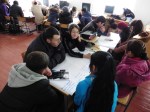
On 16 and 23 December 2015 trainings of trainers (TOT) sessions were conducted in the villages of Andarak and Iskra in Batken province. Participants included school students of grades 7 to 10, as well as teachers of biology and geography. The sessions focused on ecosystem conservation, management of water, forest, land and pasture resources in relation to climate change impacts. Participants discussed how local ecosystems have changed in the last two decades and how people can conserve them. The goal of the TOT was to inform local educational institutions on the current state of the environment, methods of conservation, and for local community members to reflect on how they are influencing their own environment, and to integrate their own observations and new scientific knowledge into the school curriculum.

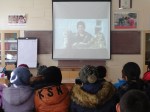
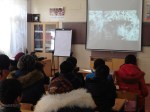
The TOT also covered the snow leopard, its habits, prey animals, threats to its survival, as well as the historical and cultural meaning of the snow leopard for the people of Kyrgyzstan. A documentary film “Irbis, legends of snow covered mountains” was shown and followed by a discussion. Participants were also informed on research findings by Biosphere Expeditions in West Karakol and Kyrgyzstan’s action plans for snow leopard conservation.

Residents of Andarak and Iskra villages depend on the resources of their mountain environment and Sarkent National Park, where people graze their animals and collect wood. Endangered species, which are under government protection also inhabit the park, including snow leopards. According to the director of Sarkent National Park, tracks of snow leopards are often seen in the park, as well as remains of mountain goats preyed on by snow leopards. However, due to the remoteness of the area and lack of finances, the park does not have equipment and camera traps to monitor them. Local people said that about a decade ago, a snow leopard’s pelt was found and the poachers were caught. Now hunting of mountain goats in the park is prohibited both for local and foreign hunters until 2017, when the moratorium is up for re-consideration.


Continue reading “From our snow leopard volunteering expedition in the Tien Shan mountains of Kyrgyzstan (http://www.biosphere-expeditions.org/tienshan)”

From our snow leopard volunteering expedition in the Tien Shan mountains of Kyrgyzstan (www.biosphere-expeditions.org/tienshan)


Thank you for sharing your pictures – here are some highlights:

Continue reading “From our snow leopard volunteering expedition in the Tien Shan mountains of Kyrgyzstan (www.biosphere-expeditions.org/tienshan)”

From our snow leopard volunteering expedition in the Tien Shan mountains of Kyrgyzstan (http://www.biosphere-expeditions.org/tienshan)

Snow leopard ground data and computer modelling

The two months long 2015 snow leopard expedition to the Tien Shan mountains of Kyrgyzstan ended on 8 August, with the last of three teams breaking camp. Biosphere Expeditions in collaboration with the local office of German NGO NABU (Naturschutzbund = Nature & Biodiversity Conservation Union) runs the snow leopard expedition annually with the aim of providing valuable scientific data to empower local authorities to make informed conservation decisions and take action based on hard data.

One of the highlights of this year’s results is the confirmation of snow leopard presence (in the form of tracks and scat) in the Kyrgyz Alatoo range. Three individual instances were recorded over the course of two months.

While this is exciting, especially for volunteer citizen scientists doing the ground work in the field, the project does not focus solely on the search of snow leopard sign, but also collects information on prey species. For example, mammals and birds that can reveal information on the biodiversity and health of the habitat as well as disturbances.

“It all adds to statistics and you also take into account the zeros”, explains field scientist Dr. Volodya Tytar. “If you check the camera trap and say – oh there is nothing – it is something! Because if it is a zero, which has been obtained, that also adds to the statistical database.”

When talking about how the data are used, Dr. Tytar mentions a new approach called ‘ecological niche modelling’ or ‘species distribution modelling’. This consists of the combination of readily available environmental digital information (for example temperature, moisture, vegetation, etc.) with ground data collected by volunteers. Computer software then combines the two to arrive at some sophisticated forecasting of wildlife distribution. It also identifies new areas that have not been surveyed yet, but that could be promising snow leopard habitat. “With modern computing methods a lot can be done”, Dr. Tytar adds, “but the bottleneck turns out to be that there are often very little ground data. So the data collected by our expeditioners in the field adds a fundamental missing piece of information to an existing digital information puzzle, enabling predictive analysis of species distribution even across non-surveyed areas – an exercise which would otherwise not be possible.”

Talking about the results of this year’s expedition, Dr. Tytar says that together with NABU, Biosphere Expeditions will be able to generate specific conclusions and recommendations about candidate areas for conservation status: “There are areas where we found fresh tracks of ibex in combination with minimum disturbances. Many of these areas are in very confined mountain locations with only one entrance, so they would be quite easy to protect by just having, say, a ranger station or a signboard and people patrolling the area. I think all this together in the future will work out in a network of protected areas, maybe including some kind of corridors as well. What we have been doing here significantly contributes to that kind of work”, concludes Dr. Tytar.

Listed as “Endangered” on the IUCN Red List, the snow leopard is threatened by poaching, retaliatory killings and habitat loss. It is estimated that fewer than 7,500 snow leopards remain in the wild. One goal formulated by an international snow leopard conference in Bishkek in 2014 was the 20/20 pledge – to protect 20 snow leopard landscapes that have over 100 breeding adults by 2020, and to promote sustainable development in areas where the species lives.
 

 Slideshow of the 2015 expedition:

This slideshow requires JavaScript.

Continue reading “From our snow leopard volunteering expedition in the Tien Shan mountains of Kyrgyzstan (http://www.biosphere-expeditions.org/tienshan)”

From our Sumatran tiger conservation volunteering holiday in Indonesia (http://www.biosphere-expeditions.org/sumatra)

The Sumatran tiger’s fight for survival

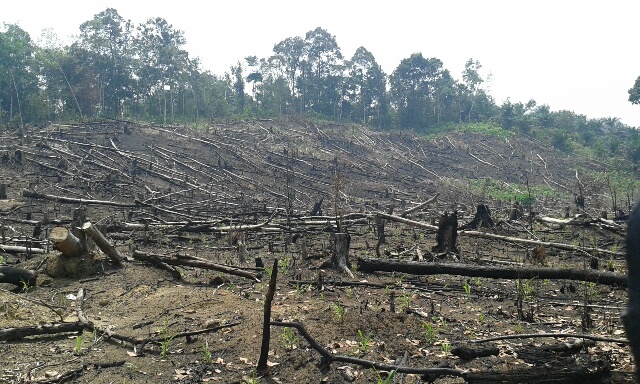
The Sumatran tiger’s habitat is threatened by illegal plantations and logging, forest fires, poaching, human encroachment and corruption. Listed as Critically Endangered on the IUCN Red List, and with as few as 400 estimated individuals left alive in the wild, it is facing a fight for its very existence.

Biosphere Expeditions has just finished its first year helping in the conservation of the Sumatran tiger in Rimbang Baling Wildlife Sanctuary. For twelve weeks, six separate teams of volunteers from across the globe covered 136 square kilometres to collect data for WWF scientist Febri Anggriawan Widodo, who has been managing a tiger research and monitoring team within the WWF Indonesia for the last three years.

Febri says that “the expedition’s research has provided a host of data critical for both the conservation of tigers and landscape management of Rimbang Baling Wildlife Sanctuary. With the help of our citizen science volunteers, we have collected information about mapping and the population distribution of tigers, co-predators and their prey, as well as some behavioural data. The expedition has also helped me to better understand the local community’s perspective on tigers, poaching and human-tiger conflict. We deployed camera traps and, during a total of 265 trap nights, captured hundreds of animal pictures including clouded leopard, leopard cat, Malayan sun bear, binturong, yellow-throated marten, pig-tailed macaque, long-tailed macaque, barking deer and wild pig. The Sunda clouded leopard (Neofelis diardi) is a co-predator of tigers that indicates Rimbang Baling is still home to five wild cat species based on previous surveys by WWF Indonesia. Also, we have camera-trapped potential prey of tigers such as wild pig (Sus scrofa), indicating that there is plenty of prey for tigers. Although no tiger pictures were captured, we have obtained tiger information via community interviews. There is good evidence that tigers still occupy the area with local people telling us about recent tiger signs around their plantation or in the deeper forest. None of this would have been possible without the help of my volunteer expedition team and I am very grateful for the assistance.”

With means of income few and far between and only three rangers available to cover a large area, blatant illegal activities such as logging, poaching and unlicensed plantations are evident throughout the more populated areas of the wildlife sanctuary, even if there are large swathes of remote forest – more than 70% – away from people left in the sanctuary. Nevertheless, a sea change is necessary in the populated areas and many villagers during interviews said they would welcome with alacrity alternative and legal means of generating income, for example through ecotourism. The consensus amongst the community was also that this would be highly beneficial for the next generation, who are the future of the area.

One such initiative has started already. The Batu Dinding Community Group was a crucial part of the expedition. It provided critical services such as boat and vehicle transport, food, cooks and local guides and other logistical support. Batu Dinding Community Group is an initiative set up by the WWF two and a half years ago to empower local people and provide alternative incomes through eco-tourism.

In addition to conducting surveys in the wildlife sanctuary, the expedition has also been active in local schools, delivering presentations to students and teachers about the tiger and its habitat, and what changes are needed if both are to survive. Febri adds that “it has been great to see our citizen science volunteers lead sessions and games with the students, expressing their joint passion for the rainforest across all language divides. A large factor in saving the tiger’s habitat is local education. With the head teachers backing us and the students themselves all keen for us build on this aspect of the project, we have had a very positive effect. We look forward to building on this next year.”

When asked at the end of the expedition “why just save the tiger?”, Febri responded “the tiger is like an umbrella. To save the tiger is to save its habitat. If you save the tiger all the other species survive too. If you save the tiger, you save the forest”.

Picture slideshow of the expedition:

This slideshow requires JavaScript.


From our Sumatran tiger conservation volunteering holiday with tigers in Sumatra, Indonesia
From our Sumatran tiger conservation volunteering holiday in Indonesia (http://www.biosphere-expeditions.org/sumatra)

All good things come to an end, and today we to said goodbye to everyone who has made this expedition possible and draw a close on the Sumatran tiger expedition for 2015.

With 265-camera trap nights behind us, there have been some interesting results from the cameras we have collected. Clouded leopard, leopard cat, Malayan sun bear, binturong, yellow-throated marten, pig-tailed macaque, long-tailed macaque, barking deer, wild pig, and other animals. But sadly the extent of human impact within the wildlife sanctuary is unrelenting. We have caught on film people trying to kick our cameras off trees, in one case stealing the camera. Catching birds to sell in the villages. On the retrieval of one camera, the whole area leading up to it was cut down in the two weeks the camera had been in place. The loggers had not noticed the camera as they dragged timber past the traps we had set for the animals.

As a result no pictures of tigers were taken this year, but there is other, more circumstantial evidence, that they are still close to the villages. But we do now have a much greater understanding of what is going on the area. And we have made some really good contacts in villages further into the reserve for setting up sub-bases next year to access the harder-to-reach areas, away from humans, to which the tigers will have retracted too. And in several interviews in the last slot of this year’s expedition, as we have pushed deeper and deeper into the reserve, we have been hearing more about tigers in the nearby area in the form of tracks, roars and sightings in the last two months.

Thank you to everybody involved this year from the WWF, Batu Dinding and to all the participants who have taken time off to help with this cause. There are too many of you to mention by name, but you know who you are. None of this could have happened without you. Year 1 was always going to be the trailblazing year. Thank you for being trailblazers and preparing the ground for others to come after you in the years to come.

We battled leeches, spiders and things that bite, extreme rain, no rain, drought, the frustrations of not getting close enough to our quarry, pushed boats over rocks, worn wet shoes everyday, had fantastic blisters to show for our efforts and counted every last pig track in a 136 square km area. We were welcomed by the community, worked with them, passed on our enthusiasm  about the enchanting rainforest just over the fence to countless school children, had our photos taken, made friends and were part of something amazing.

Very best wishes

Anthony & the Biosphere Expeditions team

1 2 3 4


From our Sumatran tiger conservation volunteering holiday with tigers in Sumatra, Indonesia

From our Sumatran tiger conservation volunteering holiday in Indonesia (http://www.biosphere-expeditions.org/sumatra)

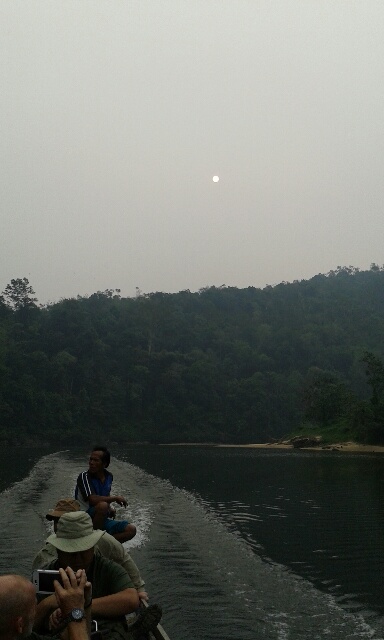
For the last couple of days, the sun has bearly made it through the smoke caused by all the slash and burn forest fires. Our expeditioners have been out in the haze collecting the cameras that slots 4 and 5 put in place.

20150819_124525_resized_1 20150901_074926_resized

We’ve caught sun bears, binturong, pig-tailed macaque and leopard cat to name but a few, but no tigers. We’ve also caught teenage boys catching birds in cages, a man kicking one of our cameras out of place (although we then got a troop of macaque we would have missed otherwise). Sadly, when we got to one trap area we found our camera had been stolen, along with the post it was chained to!

We’re off to a local high school now. So far we’ve had good success with the visits to the elementary schools, so are keen to speak to the older students.


From our Sumatran tiger conservation volunteering holiday with tigers in Sumatra, Indonesia

From our Sumatran tiger conservation volunteering holiday in Indonesia (http://www.biosphere-expeditions.org/sumatra)

Our last team for this year have set out on an overnight trip in the centre of Rimbang Baling Nature Reserve. They are camping in a village called Aur Kuning, several hours away by boat. We’re looking forward to hearing how it was tomorrow.

20150826_122410_resized

With the water still high, the rest of us have been out surveying stream beds. Yesterday we were walking with the water tapping on our chins as we held our bags above out heads making our way up a particularly wild part of the forest following the sand banks. We saw quite a few tracks and, delicately resting upon a boulder in middle of the stream, was a fresh scat that has been collected for analysis.

Today we came across a 700 m long wooden track for sliding timber from the hillside to the river to help with the illegal logging trade. Whilst it must have taken hundreds of trees to build, it was quite a remarkable feat of engineering.

20150828_110829_resized


From our Sumatran tiger conservation volunteering holiday with tigers in Sumatra, Indonesia