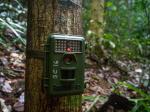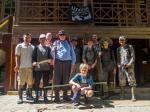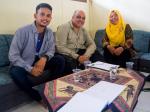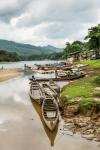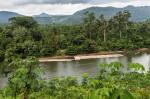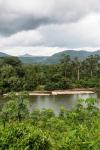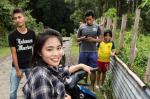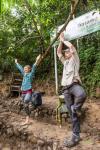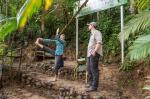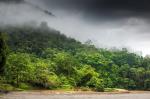
From our scuba diving conservation holiday with whale sharks and coral reefs of the Maldives (http://www.biosphere-expeditions.org/maldives)

Bleaching and crown of thorns wreak havoc on Maldives reefs – but is this a temporary blip?

Coral reefs have existed for around 300 million years. Today they are under severe threat and the island nation of the Maldives, whose economy and very existence is based on corals, is no exception. Biosphere Expeditions and the Marine Conservation Society report.

Both coral bleaching (where hot water stresses corals) and Crown of Thorns starfish can be considered ‘natural’ events. But when these events happen often and with increased severity, reef survival is threatened, and therefore the very survival of coral reef nations such as the Maldives.

Recent dive surveys by an international and Maldivian team of divers (Biosphere Expeditions, the Marine Conservation Society and Maldivian partners) have revealed a worrying reduction in the amount of Maldivian live coral over the past year. Healthy coral cover has been reduced to below 10% in more sheltered inner atoll reefs by bhe recent El Niño that has also devastated much of the Great Barrier Reef. El Niño hit the Maldives in May this year with two weeks of 32 degrees centigrade waters – at least 2 degrees above the ‘normal’ upper limit of 30 degrees. Outer reefs that are flushed with deeper, cooler water on a more regular basis have fared better (with an average of 25% live coral cover).

Dr Jean-Luc Solandt the Biosphere Expeditions programme scientist from the Marine Conservation Society says: “Our surveys showed a clear pattern, with reefs inside atolls being the worst affected.” Some of the reefs denuded by the warming have also been hit hard by Crown of Thorns starfish, which eat corals. Solandt continues: “Sadly, one of the reefs that was beautiful with upwards of 70% hard coral some four years ago have their remnant corals now being eaten by Crown of Thorns starfish. These coral-eating starfish have decimated the Great Barrier Reef through geological time, and have been affecting the Maldives for over two years now.”

Shaha Hashim, a Maldivian conservationist and linchpin for community-based survey and reef conservation efforts, took part in the expedition to and adds: “More stringent efforts to conserve and build up the resilience of these marine ecosystems are crucial for our survival as an island nation. Development planning and policies need to put a higher value on environmental impacts, which is the prerequisite for any social or economic harmony.”

Dr. Matthias Hammer, founder and executive director of Biosphere Expeditions, concludes: “We are very concerned for the people of the Maldives. Almost everything depends on healthy reefs: The economy, food, welfare, tourism income. If reefs are threatened, so is the very existence of the country and its social cohesion. We hope the reefs will recover, and whilst coral bleaching cannot be locally managed, fisheries, litter and pollution can be. We urge the government to use some of the income from the heavily consumptive tourism industry to pay back – to invest in the very survival of their islands and nation. Without investment from this sector, we believe the reefs will struggle to return.”

But there is a silver lining: “What gives us hope is that the last big bleaching even in 1998 was hotter, longer and more severe, and many reefs recovered good coral growth within seven years”, says Solandt. Hammer adds: “It is not all doom and gloom. Where officialdom is failing, civil society and committed Maldivians are stepping in. Ever since Biosphere Expeditions started running its annual research trip to the Maldives in 2011, it has educated and trained Maldivians in reef survey techniques as part of the Biosphere Expeditions’ placement programme. This culminated in the first-ever all-Maldivian reef survey in November 2014 and other community-based conservation initiatives since then, the latest in March 2016. Shaha Hasihim, for example, has taken part in several expeditions and is now training her compatriots in reef survey techniques and setting up community-based conservation programmes. So there is hope yet!”.

Biosphere Expeditions and the Marine Conservation Society have published a recommendations and action plan. They recommend – at a national scale:

1. Minimum and maximum landing sizes of reef fish within commercial fisheries (as recommended by the Darwin Grouper project).

2. Ensure that resorts only buy fish above breeding age (much of the data of the size of maturity of reef fish is available from http://www.fishbase.org). Any fish below the size of maturity should be refused by resort marine biologists and catering staff.

3. Enforce protection of grouper spawning grounds, as recommended by scientists under the Darwin Grouper project, and gazetted under Maldivian law.

4. Employ marine enforcement officers at resorts to patrol house reefs, and to make them ‘no take zones’.

5. Only allow ‘catch and release’ fishing for resort guests as a matter of Maldivian law, enforced by resorts themselves with their own marine enforcement officers.

6. Use the economic returns from the tourism sector, and fisheries sector to invest in a proper waste recycling system to avoid the dumping and burning of waste.

7. Ensure that each resort uses tertiary sewage systems to treat waste water.

8. Where possible, use renewable technologies to harness the power of the sun, tide and wind to support the large energy demands of the tourist sector.

9. Use national incentives, such as ‘greenest resort award’ and ‘best reef award’ for those resorts who manage their reefs and environmental impact well. Provide tax breaks for such resorts.


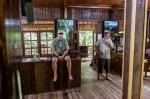
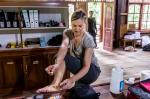
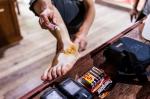
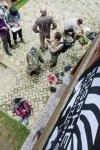
Here is a selection of pictures from this year’s expedition. Thank you to everyone who contributed.

Continue reading “From our scuba diving conservation holiday with whale sharks and coral reefs of the Maldives (http://www.biosphere-expeditions.org/maldives)”

From our Sumatran tiger conservation volunteering holiday in Indonesia (http://www.biosphere-expeditions.org/sumatra)

Here is now a selection of pictures from the 2016 expedition:


From our Sumatran tiger conservation volunteering holiday with tigers in Sumatra, Indonesia

From our working holiday volunteering with leopards, caracals and Cape biodiversity in South Africa (www.biosphere-expeditions.org/southafrica)

‘I Don’t Like Mondays’ (so went that infamous song), and when they begin under the cold clear skies of northern Scotland at 4.15 a.m., I’m inclined to agree.

However, this Monday is different, as I begin my migration to South Africa. By means of introduction, I am Craig Turner and I’ll be your expedition leader of the South Africa expedition this year. It is fantastic to be going back to this part of the world to work on this great project in a wonderful location. Below are some pictures of the location I took last year.

I am already on route, having packed my gear and left our croft in the sunny Highlands of northern Scotland. The serious travel continues on Wednesday. It will be great to be working with our project scientist, Dr. Alan Lee, again and it sounds like he has some exciting field work planned.

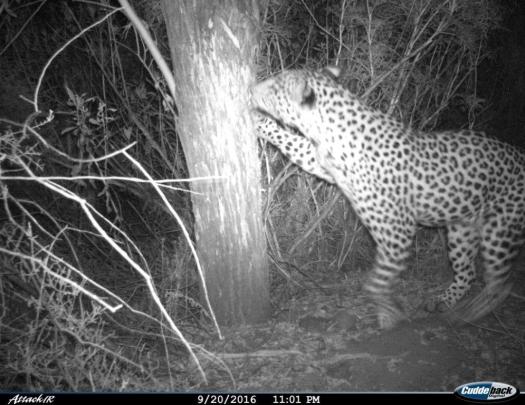
The signs are already good, as Alan has noticed scratch marks on a tree on the Baboon trail (not far from the guest house). At the end of August he decided to place a camera trap to try and identify the culprit. He presumed a bushpig or porcupine, but just a few days ago two incidents were captured on camera of a young male leopard, which we hope to catch and collar during this expedition!

leopard

We arrive a few days before you volunteers in order to set up the expedition. I say ‘we’, since I am also travelling from George with Melda and Gurli – our cooks. Melda was part of the team last year, so I know we will be well nourished. I’ll send around another message once I get on the ground in South Africa.

This reminds me to mention communications on the expedition. There’s very limited cellphone reception on the project base (a 10 min walk up a hill) via Vodacom, and equally limited internet connectivity. Hopefully you can resist the need for frequent international comms, and why not go off the grid for the expedition, and soak up the remote field experience.

I know you’ve all been eagerly reading your expedition materials and know to bring many layers of clothing and good boots! The weather can be a bit like four seasons in one day, so prepare for warm, cold, possibly wet and hopefully dry. Just like the weather in Scotland!

So with the local team in place, and other staff en route, all we are missing is you. It will be great to meet you all and soon we’ll be humming a very different tune, ‘Under African Skies’.

Safe travels…

Craig Turner
Expedition leader


From our working holiday volunteering with leopards, caracals and Cape biodiversity in South Africa.

Update from our conservation holiday volunteering with jaguars, pumas, ocelots, primates, macaws and other species in the Peru Amazon jungle (www.biosphere-expeditions.org/amazonia)

11 Sep – With the first team safely on their way home, and team two experiencing a smooth passage to the research station, all seemed to be going without a hitch, but when we arrived, we were shocked to hear the news that there had been a shooting!

The target had escaped unharmed, but the macaw colpa team were outraged!. A ‘peke peke’ (local boat) with four men on board, (later identified as being members of a semi-indigenous community one hour upstream), seeing a bountiful display of macaws on the colpa (claylick), took a shot at one of them. Alan and Dana stepped out of the hide and screamed at them to leave, and surprised by the unexpected audience, the boat made haste. What is unclear is whether they were hunting, or merely shooting for ‘sport’.

Macaw hunters?
Macaw hunters?

So Sunday saw the new team, Sandra, Jurgen and Etienne (all from Germany), complete their safety, navigation and transect training, whilst Rick, Pauline, Dana and Anh continued to monitor the macaw colpa and transects. With sightings of spider monkeys, howler monkeys, guans and red squirrels, plus a textbook morning at the colpa and some humming bird magic in the afternoon, it was a very satisfying day for all.

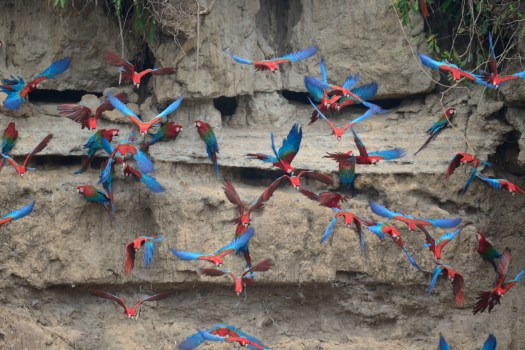
Monday (12 Sep) started at dawn with full colpa emersion for Jurgen, Etienne and Sandra with a seven-hour shift watching and recording the behaviour of the macaws. With multiple boats passing downriver and disturbing the already agitated birds, macaw numbers fluctuated from 70 to 0 and back again, and they did not regain the confidence to actually come onto the exposed colpa and feed on the mineral rich clay that makes up an essential part of their diet.

Macaws flying off the colpa

The other teams fared well, with sightings of collared peccary, a family of saddleback tamarin monkeys, black spider monkeys, and a troop of red howler monkeys with two babies on their backs.

The night transect for Jurgen and Etienne was most dramatic with the territorial call of a nearby jaguar echoing through the forest around them, not 100 m away!  They scanned the area with high beam torches as the hairs on the backs of their necks bristled, but although it was most certainly watching them, they could see only darkness.

Tuesday (13 Sep) held another spectacular display at the macaw colpa, this time with over 50 birds feeding, perhaps because they had been deprived the day before. There were over 80 birds at the site, and trying to record the squawking, flapping melee in scientific terms, was not an easy task for Sandra and Catherine. With the friaje (cold front), definitely over, temperatures are now rocketing up into the high thirties. Despite this, there were many sightings on the transects, but the most interesting was spotted by Anh and Aldo on the B transect, with juveniles of two different species of monkey (red howler and black spider monkey) playing together in the same tree whilst the adults sat and observed. With it being so hot, we decided to conduct our night survey on the river. In 2005 our scientist Alan Lee and the team had conducted caiman population surveys from the boat, so we thought it would be interesting to see how the data compared to current populations. We calculated that on average they had seen 10-14 caiman on a nightly basis, and were hoping, (though doubting), to see as many. As it turned out, we surpassed it four-fold, seeing over 40 caiman on the same stretch of river.  Admittedly about 25 of them were juveniles, but we were delighted to see the population faring so well.

On Wednesday (14 Sep) the teams began to bring in some of the camera traps, and we all enjoyed the sneak preview into the colpa, watching macaws and parrots eating copious amounts of mineral rich clay. It was a sweltering day in the jungle, but this only slowed down the humans, the animals were still very much in play – even the night monkeys were still out! Rick and Pauline took a wander off B transect onto the intersecting logging track and spotted two fresh cat prints in the mud. One was small, possibly an ocelot, but one bore all the hallmarks of a large jaguar!

At last the rains came and with it the frogs, so Etienne, Anh and Harry went out to the swamps on C transect to see what they could find, and came back with tales of seven different species of frog, three lizards, one green vine snake and a mouse opossum.

Thurs (15th Sept) The early morning colpa shift witnessed over 100 macaws, though they were kept from their feast of clay by a cheeky red howler monkey.  This was fortuitous for the second colpa team as it meant they also got to watch a spectacular feeding event (something that is often done and dusted by the time they get there), and took some excellent photos.  The weather had turned cold again, and apparently the mammals, like us, sought warmth, so there was not much action on the transects, although, as Alan said, “If you walk for long enough, you will always see monkeys and a red squirrel,” which they did!

On Friday (16 Sep) the sun came out again on our last day at Las Piedras. With the last transects completed, it was now time to collect the camera traps and process the data. With 74 km walked on transect (and many more on trail clearing and camera trap setting missions), there were 153 target species sighted, and again many more off transect including 16 groups of spider monkey, 11 groups of brown capuchin, 21 registered howler monkey events, 4 sightings of white-fronted capuchin monkey, 5 troops of squirrel monkey, 8 collared peccary, 1 puma on transect, but 11 tracks registered including ocelot, tapir, and of course, our jaguar tracks and calls. The data from the colpa show that in comparison with past expeditions, the macaw population is thriving, despite the worrying signs of extensive logging of their nesting trees occurring on the north side of the river. The reality may be somewhat masked though by the fact that macaws can live for up to 70 years, and the breeding stage does not begin until the birds have reached at least five years old, so continued monitoring is imperative to watch for any unusual patterns.

It has been an amazing week, and everyone has worked extremely hard, but if there were medals to give out (which there aren’t), Pauline and Rick would win an award for the most dedicated data enterers ever!

On Saturday (17 Sep), with the kit and equipment packed and ready to go and all the transport links planned and agreed in advance, what could possibly go wrong? The station has a boat, but due to our extensive luggage we needed another one, but it didn’t arrive. Chito did a sterling job ferrying us in two groups, avoiding sandbanks and rocking us off the ones we almost ran aground on, and we only left Lucerna an hour and a half late! Thank you all for a fantastic expedition, for working so well as a team and for your willingness to tackle any task. Thanks also to our fantastic chef Roy with his wonderful jungle recipies, for Brandy’s attention to detail, and Chito’s smiling face and excellent boat skills. Also to Pico and all the other staff who came and went doing their bit. And of course a big thank you to Juan Julio (JJ), the owner of Las Piedras. Until next time!  Hasta luego!

Best wishes

Catherine

This slideshow requires JavaScript.


Continue reading “Update from our conservation holiday volunteering with jaguars, pumas, ocelots, primates, macaws and other species in the Peru Amazon jungle (www.biosphere-expeditions.org/amazonia)”

Update from our conservation holiday volunteering with jaguars, pumas, ocelots, primates, macaws and other species in the Peru Amazon jungle (www.biosphere-expeditions.org/amazonia)

The first group is back from the jungle. We have been out of reach from when we left Puerto Maldonado last Sunday (4 September). While Alison (UK), Kat (UK), Sabine (Germany), Gabriele (Germany), Janelle (Australia) and Louise (Australia) are leaving after a week, Anh (France), Dana (USA), Pauline & Richard (USA) have stayed back at the Piedras Station together with Alan and Aldo. They will conduct more surveys over the weekend and then train slot 2 upon arrival together. But back now to what happened last week:

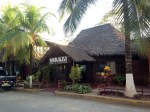
When I left base on Saturday (3 Sep) to pick up the team it was sunny & hot. During the four-hour journey the weather changed dramatically: rain started drizzling and turned into pouring rain when I arrived in Puerto. The next morning (4 Sep) all of team 1 assembled at the Wasai lobby was wearing boots, hats and jackets.

We were about to hop on the bus when the message was received that the dirt road to Lucerna had been closed due to bad weather. Juan Julio, our partner on the ground, did his best to reorganise transports and redirect boats. The pick-up point now had to be much further down the Las Piedras river, only a short bus ride away from town. It took some time to get the message through to Lucerna port and the boat drivers via radio – the only way of getting in touch. So we spent the morning at the Wasai lobby with introductions and the risk assessment talk before taking the bus to the boat landing spot. Quite optimistically we expected them to be there around 15:00 not considering low water levels. They finally arrived at 16:30 – too late for a return trip to Piedras Station.

The whole team spent another night at Wasai Lodge and finally got on the boats on Monday morning (5 Sep) together with loads of food, gas and other supplies. Seven hours later we arrived at the Piedras Biodiversity Station and were very warmly welcomed by Catherine and Alan. Rooms were assigned and the team went straight into training sessions. After dinner Alan took out some of the team for a night walk.

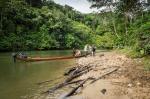
Boat to base
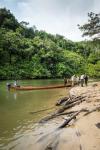
Boat to base

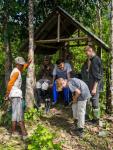
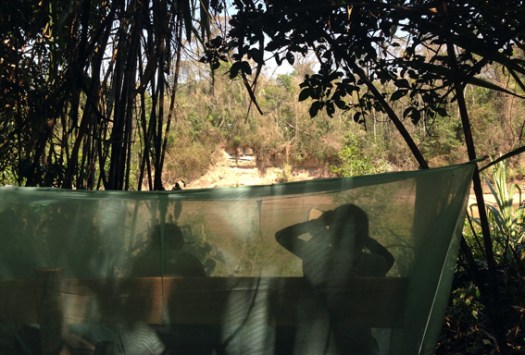
All of Tuesday (6 Sep) was spent with training, starting with a forest transect introduction walk split into two groups first thing in the morning. Later on the team crossed the river by boat to get to the colpa (clay lick) observation point. A comfortable hide was built during preparation including a bench, cushions and a mosquito net. After lunch everybody learned how to use the research equipment such as GPS, compass, rangefinder, camera traps, machete handling and sharpening. Two teams then went out again to set four more camera traps that Dana kindly had brought from the U.S. In between the practical lessons, Alan gave a couple of talks about the background of science and the history of Piedras Station & Biosphere Expeditions. After dinner another night walk was conducted.

Hide at the colpa
Hide at the colpa

Wednesday (7 Sep) was the first full survey day. Anh and Dana signed up for the early morning colpa shift starting at 5:30. The second shift (Gabriele and I) took over from 10:00 to 15:00. Janelle and Louise did a transect survey on the ‘Brazil nut’ trail led by Aldo. Alan, Catherine, Sabine, Kat and Alison formed a machete team with the aim of finding an old trail (the B trail) on the other side of the river and to clear it if possible for further transect work. The first shift of afternoon data entry was taken over by Pauline and Rick and two night transects led by Alan and Aldo were conducted after dinner by Gabi & Kat and Pauline & Richard.

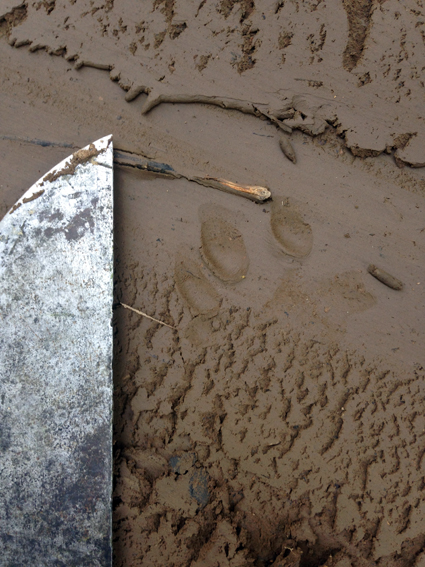
And what a first full survey day it was! Two direct sightings of puma! An adult puma was encountered on the Brazil nut trail no more than 20 – 30 metres away from the transect team and a cub was spotted when the B trail was cleared on the other side of the river.

Puma!
Puma!
Puma track
Puma track

We continued with the same work schedule on Thursday and Friday (8 & 9 Sep) with team members rotating through various activities. Except for the second colpa shift that was kindly provided with a packed lunch from our cook Roy, everyone returned to base for lunch. Some of us had a nap in the afternoon, others went out for a swim or a walk  the bulk of work was done in the early mornings when the chance of encountering the study species is best. The atmosphere in the forest is magic shortly after sunrise. Walking slowly and quietly along the transect trails we are transported into a world of strange sounds. The advanced skills and experience of Aldo and Alan were needed to filter the ones of interest before our eyes were able to spot the study species: monkeys of all kinds and and some specific bird species. The cats – jaguar, puma, ocelot are more active during the night.

On Thursday it was monkey day. Each team encountered quite a few different species during their transect walks including black spider monkey, red howler monkey, brown capuchin monkey, squirrel monkey, saddleback tamarin and titi monkey.

During the colpa observations the teams are busy with recording behaviour patterns of parrots and macaws. Hidden in the forest on the other side of the river hundreds of birds were seen, scanned and recorded in intervals of 5 minutes. It is quite a spectacle when suddenly dozens of red-and-green macaws fly off at the same time only to come back after a few minutes. The birds do all kinds of funny things such as playing, kissing, hanging from lianas head down and calling all the time. The sound reminded me of the squeeking of an old bicycle – hard to describe but definitely very loud. At some time during a five hour shift all of us were thinking: Shut up, please, only for a second! 😉

Highlights of the week were certainly for all of us the howler monkey wake-up calls every morning around 5:00 when some of us had already had breakfast, while others on later survey shifts still lay in their beds. But also the puma sightings for those who had been lucky enough to be at the right place at the right time. The camera traps caught more pumas during the night besides ocelot, peccary, deer, agouti and other small mammals.

The first slot ended with Aldo’s birthday party yesterday (Sat, 10 Sep) evening. We went to bed way after the standard bed time agreeing that the week has gone over to fast. Now it is time for me to hand over to Catherine, but not before thanking everyone who was involved with making this expedition another very special and successful event. Thank you for putting time, money and sweat into the project. The important conservation work couldn’t be done without you. I have very much enjoyed working with all of you: team members, staff and partners on the ground and I hope to see some of you again some day.

Team 2 is now also at Wasai and ready to go tomorrow morning (Sun, 11 Sep). Good luck to you all. I hope you enjoy your time as much as I and team 1 did, and that you are as successful.

Continue reading “Update from our conservation holiday volunteering with jaguars, pumas, ocelots, primates, macaws and other species in the Peru Amazon jungle (www.biosphere-expeditions.org/amazonia)”

Update from our conservation holiday volunteering with jaguars, pumas, ocelots, primates, macaws and other species in the Peru Amazon jungle (www.biosphere-expeditions.org/amazonia)

Catherine, Alan and Aldo have stayed at Piedras Biodiversity Station. I have returned to Puerto Maldonado today. The journey from base is about 3-4 hours including a 30 min. boat ride. The three of us left Puerto Maldonado by car on Thursday afternoon at 14:00, checked out a couple of medical posts on the way and arrived at base just before dusk at 18:00.

The Piedras Biodiversity Station is located on a plateau nestled in the jungle. The way up to the station from where the boat lands is a 600 m walk including two pretty steep sections. It took us a while and a few runs to bring all our luggage and the equipment boxes up the hill.

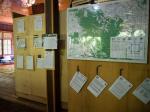
Over the years the unforgiving climate has left its marks on the station but it is still an amazing place to stay at and work from. The Piedras staff, Theo, Christan and Rolando were busy all day yesterday with cleaning and doing repairs while Alan went out checking trails, colpa sites and set a few camera traps. Catherine and I unpacked boxes, checked and prepared the research equipment such as the GPSs, rangefinders, etc. We’ve printed and laminated paperwork, maps, house rules and kit lists and set everything up at base. In the afternoon we checked out the colpa site together with Alan who cut down the vegetation that has overgrown the viewpoint. The mosquito netting will be installed together with the first team during training sessions. From the opposite side of the river it’ll be a great observation point.

Having discussed in detail schedules and activities, we are now all set for group 1 to arrive! I will do some last minute shopping in Puerto Maldonado today. At 8:00 tomorrow, I will meet team 1 at Wasai Lodge. Please come prepared for our journey to base: Wear proper shoes/boots for the way up to base (you must carry your own luggage) and have your rain gear/ponchos handy, just in case.

See you soon!


Continue reading “Update from our conservation holiday volunteering with jaguars, pumas, ocelots, primates, macaws and other species in the Peru Amazon jungle (www.biosphere-expeditions.org/amazonia)”

Update from our conservation holiday volunteering with jaguars, pumas, ocelots, primates, macaws and other species in the Peru Amazon jungle (www.biosphere-expeditions.org/amazonia)

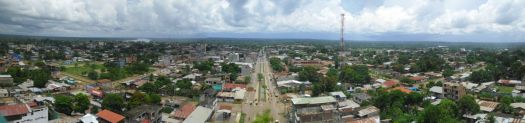
Catherine and I have arrived in Puerto Maldonado yesterday.

Puerto Maldonado
Puerto Maldonado

We came in on different flights, met at Wasai Lodge, had a quick shower and went straight into preparations. We met JJ, the owner of Piedras Biodiversitiy Station, in the afternoon and Aldo, who will be the second scientist on the expedition. JJ was involved in the project from the very beginning many years ago. Aldo was also part of the team and is actually a great success story of a local placement (see www.biosphere-expeditions.org/placements) turning into a guide and eventually a scientist, now coming full circle on the expedition. Well done Aldo!

Aldo
Aldo

First of all, it is sunny and warm (what a surprise! ;)), but in town it is not very humid right now. JJ said it gets chilly in the evening and, indeed, I took a jumper with me when we went shopping in the late afternoon. I did not have to use it, but JJ has told me that a friaje (see your dossier pages 11 and 16) occurred twice within the last couple of weeks, with temperatures dropping significantly. Please be prepared as per your dossier!

That’s it for now. I will be out of touch for the next couple of days, leaving as soon as Alan has arrived – and hopefully with him two more equipment boxes. I’ll be back on Saturday for an update and to meet team 1 on Sunday morning.

Continue reading “Update from our conservation holiday volunteering with jaguars, pumas, ocelots, primates, macaws and other species in the Peru Amazon jungle (www.biosphere-expeditions.org/amazonia)”

Update from our conservation holiday volunteering with jaguars, pumas, ocelots, primates, macaws and other species in the Peru Amazon jungle (www.biosphere-expeditions.org/amazonia)

Hello everyone and welcome to the Amazonia 2016 expedition diary!

My name is Malika (Fettak) and I will be your expedition leader on the first group and then Catherine (Edsell) will take over for group 2.

Malika Fettak
Malika Fettak
Catherine Edsell
Catherine Edsell

This year the project will return to where Biosphere Expeditions started off in Peru in 15 years ago: The Piedras Biodiversity Station in Madre de Dios region. The station, which was originally part-financed by us, sadly fell into disrepair in the past, but now has a new owner giving us the chance to come back for more research work.

Piedras Biodiversity Station

It will be a return to beginnings too for Dr. Alan (Lee), the expeditions’ head scientist, who gained his PhD in the Amazon and worked with our expeditions before moving back to his native country South Africa. For me, it will be leading the project for the fourth time and handing over to Catherine after the first week. We will also be working together with local staff I will introduce you to once I have met everyone personally on the ground.

Alan Lee
Alan Lee

We have been busy over the last few weeks preparing logistics, expedition kit, research equipment, paperwork, datasheets and the research manual. Innumerable e-mails have been exchanged between continents. Catherine, Alan & I will each bring a share of the equipment, some more equipment boxes stored in Lima will be picked up on the way. Flying in from different directions (UK, South Africa, Germany) we will meet on Wednesday in Puerto Maldonado – keep your fingers crossed that none of us gets stuck on the way! Our schedule on the ground is pretty tight. If things work out as planned we will go shopping on Wednesday afternoon in Puerto, proceed to Piedras Station on Thursday and set up base. I will return to Puerto Maldonado on Saturday for last minute shopping and meet team 1 on Sunday morning.

I hope your preparations are going well. Please don’t forget to bring a strong torch (600 lumens minimum) for night surveys!

I will be in touch again once I have arrived in Puerto.

That’s it for now – I’ll keep you updated!

Regards

Malika

Continue reading “Update from our conservation holiday volunteering with jaguars, pumas, ocelots, primates, macaws and other species in the Peru Amazon jungle (www.biosphere-expeditions.org/amazonia)”

From our Sumatran tiger conservation volunteering holiday in Indonesia (http://www.biosphere-expeditions.org/sumatra)

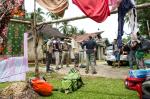
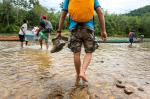
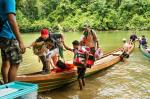
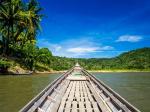
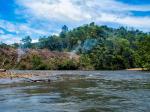
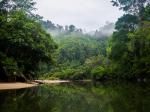
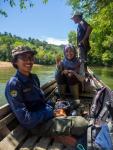
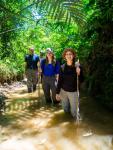
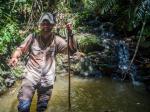
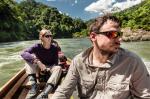
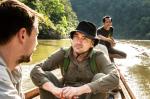
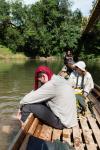
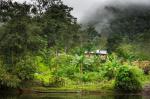
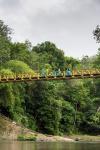
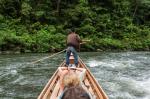
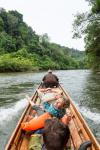
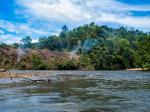
The 2016 expedition is wrapping up and we have just arrived back in Pekanbaru after 12 nights in the field. The second group enjoyed brilliant blue skies and endless sunshine throughout their stay in Rimbang Baling reserve. This was great for afternoon swims in the river and everyone’s skin has turned golden. However, the lack of torrential downpours that the first group experienced means the river level has been very low. Going upriver has been slow and a lot of hard work, we often had to get out of the boats and push them across shallow rocks or walk along the shore while the boat driver worked hard to get the boat up the shallow rapids. What a couple of weeks ago took an hour to travel took us over two hours. It meant long days and everyone worked hard to get back the camera traps and survey the rainforest.

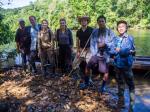
A second overnight group went to Aur Kuning to retrieve camera traps. They surveyed two areas the first day climbing to over 350 meters to retrieve the first camera and then another 260 meters for the second. “My favourite thing about the trip was sitting down on the second hill having a rest,” laughed Horry when they returned. “I really enjoyed spotting a tawny fish owl. It was unafraid and right next to us,” Peter said.

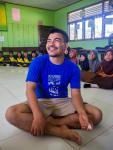
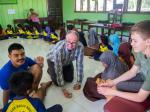
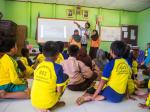
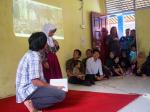
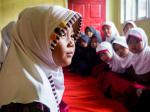
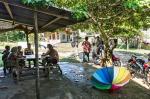
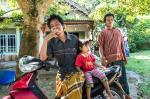
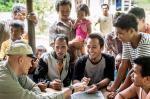
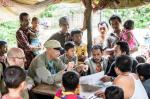
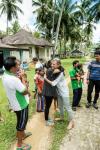
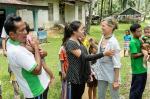
We also visited the school in Muara Bio village. This school only has eight pupils, but they were very attentive during Febri’s presentation about conservation and enjoyed the many games the group members played with them afterwards. The NASA pins Bob had brought from the US and the soft toy kangaroos Penny and John brought from Australia were particularly appreciated.
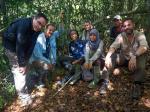
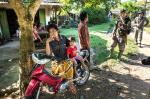
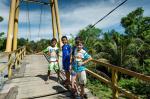
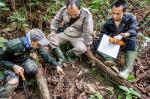
During the 2016 expedition we have surveyed sixteen cells, covering some 64 square kilometers. Most areas were surveyed twice, and seventeen camera traps were deployed. All areas surveyed showed presence of wild pigs, suggesting prey for tigers is common. Signs of illegal logging was also common within the reserve. Interviews with fifteen villagers along the Subayang river revealed that almost everyone is wary of tigers although most interviewees recognised that they are important and would help reduce the wild pig numbers as well as attracting tourists to the area. Despite the survey times being short and the high presence of humans in the study area, a large number of species including tiger prey were repeatedly recorded, pointing towards relatively good and intact habitat conditions in the areas of RB that were surveyed by the 2016 expedition.
I am now in Pekanbaru wrapping up and storing equipment with WWF until next year. Thank you to all our partners and participants for making this expedition a success. This project could not happen without your efforts and committment. Tigers are few and far between, as two years of our expedition work here have shown, and they need all they help they can get. If they are to survive, it will be in areas such as Rimbang Baling, where they can retreat into the farther reaches of a large reserve, away from humans and their logging, poaching and plantations. But with the support of the local people, it seems they could even return closer to the villages, where our research suggests there is a good prey base. Our work here is, amongst other things, to sway local attitudes in favour of tigers. And this kind of work is a generational game, so we are here to stay and look forward to many more years of working with WWF in tiger conservation in this beautiful corner of Sumatra. Thank you everyone for making this possible.


From our Sumatran tiger conservation volunteering holiday with tigers in Sumatra, Indonesia

From our Sumatran tiger conservation volunteering holiday in Indonesia (http://www.biosphere-expeditions.org/sumatra)

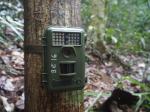
The new group 2 arrivals have settled into the daily routine of Subayang field station, waking up to the call of gibbons and the daily scientific survey work. We have also been collecting the camera traps that the previous group deployed two weeks ago. So far they have captured; mouse deer, barking deer, pig-tailed macaques, wild pigs, poachers and bird catchers.

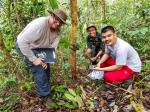
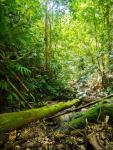
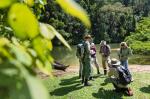
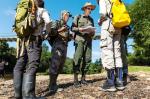
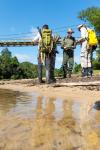
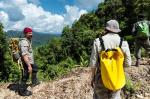
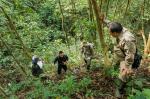
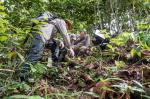
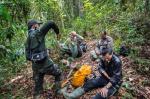
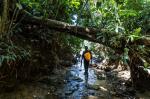
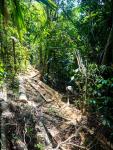
On Wednesday half of the group went to the village of Aur Kuning, three hours upriver from the station, to survey two areas we had not yet visited. One which was far into the jungle and they sure had some stories to tell upon their return. “There was no path, we had to cut our way through the jungle. It was very steep, and very very slippery,” says Brodie.
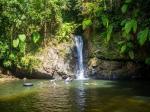
Ulva, one of the local placement participants, laughs as she tells us, “Everyone fell over many times on the slippery rocks and steep hills.”

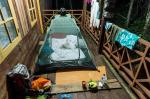
The group spent the night in the village of Aur Kuning, and by the sound of things they were very well looked after. “It was all very good. The food was good and the house we slept in was good too,” reports a tired but happy John.

The other half of the team stayed behind and surveyed areas closer to the station recording long-tailed macaques, wild pigs, sun bears, water buffalo and siamangs. We also saw signs of illegal logging and traps set by poachers to catch song birds. Song bird competitions are common in the towns and therefore so is the demand for wild song birds. Birds are judged on the length and beauty of their song and the owner takes home a price.

Today we are having a well-deserved day off. It is tough work surveying the densely forested and hilly terrain within the Rimbang Bailig Reserve. But a day’s rest and a refreshing swim in the waterfall should see us fit to get back into the rainforest again tomorrow….


From our Sumatran tiger conservation volunteering holiday with tigers in Sumatra, Indonesia