Award-winning, non-profit and ethical wildlife conservation volunteering. Advancing citizen science and conservation since 1999 – for nature, not profit.
Vera Menges was born and educated in Germany. After spending a couple of years abroad (UK & New Zealand), she graduated from the Westphalian Wilhelms-University Münster in Germany with a Bachelor’s Degree in Biology and from Edinburgh Napier University in Scotland with a Master’s Degree in Conservation and Management of Protected Areas. The latter was based on brown bear research in Sweden in collaboration with the Scandinavian Brown Bear Research Project. Since then, she has worked for the bear project as well as for a lynx/roe deer research project in the Bavarian Forest National Park, Germany. She is putting her skills and her passion for wildlife research and conservation towards pursuing a PhD in carnivore research as well as mitigating human-wildlife conflict by working at the big cat and elephant project in Namibia.
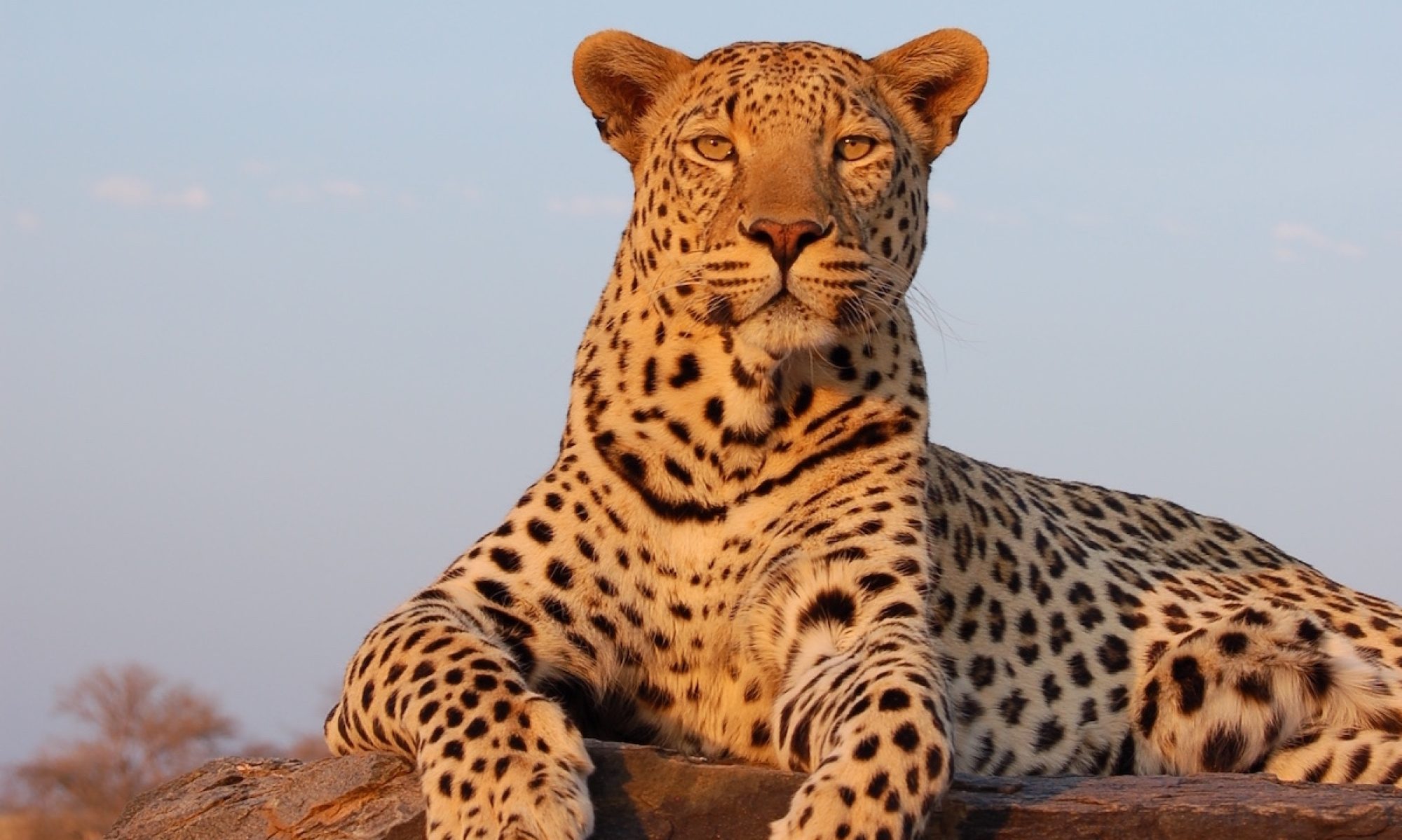
I have just hit the ground running in Namibia, arriving a few days ago and learning the ropes with people here on our Okambara study site. My flight with SAA to Windhoek was great, but their broccoli and beans vegetarian meal takes some getting used to. But brocolli and beans was followed by a leopard and two cheetahs within a couple of days. The leopard needed some attention from a vet and my colleagues here captured and collared two cheetahs just in time for my arrival – what a welcome to Africa and incredible piece of luck!
Cheetah in a box trap
Anyway, over the next three months, I will be sending you some irregular updates of my work here and the preparations for the expedition, starting in August. Watch this space and the links below.
Tomas has sent in some more results of our camera traps.
First from the wolf carcass camera where this year’s expedition found a dead deer (probably killed by a single wolf). Apparently there were a lot of pictures of foxes and pine martens, but in the middle of March a really big bear also started to check the carcass.
This slideshow requires JavaScript.
The other pictures are from traps placed on the ridge close to lake Blatne.There is a really nice example of a wolf hunting with first deer and two minutes later a wolf passing the trap. With your help we have found that this location is very good for camera-trapping wolves.
Snow leopards are critically endangered throughout their range. Threatened by poaching, retaliatory killings and habitat loss, there are only a few thousand left in the wild! We need your help to protect them and win a snow leopard conservation grant from EOCA (European Outdoor Conservation Association) through an online vote. With the help of this grant we will be able to give snow leopard conservation a powerful boost through research, community involvement and education, and by generating local income through nature-based tourism.
The more votes we receive, the more likely we are to win the conservation grant, so please share this message across your social networks and tell your friends to vote for snow leopards too.
The Altai’s snow leopards need all our help. Please vote now!
Biosphere Expeditions (www.biosphere-expeditions.org) is an international non-profit conservation organisation that has been working in snow leopard conservation in the Altai Republic for over a decade (www.biosphere-expeditions.org/altai). Our biggest achievement during that time was contributing to the declaration of a protected area for snow leopard. The work of not making it a paper park (these are protected areas that exist on paper, but are not enforced and therefore meaningless on the ground) has only just begun. We need your help to win the EOCA grant for this work.
Update:The vote organisers tell us we are in second place behind a very large organisation, so please help us achieve the unexpected, become David and beat Goliath! If you have not done so yet, then please vote now – it only takes a few seconds to support the Biosphere underdog and you do not have to register, pay or reveal your e-mail to vote.
Tomas tells us that the camera trap that we placed on 14 Feb has taken some excellent pictures of lynx between 16 and 17 Feb. Have a look at the brilliant short video
Well, for another year the Slovakia lynx, wolf and wildcat expedition is coming to a close :(. We have had a great time and it was sad to see slot two leave on the train to Bratislava this morning.
We covered a total of 280 km, a massive effort! Slot 1 covered 120 km and 24 cells, slot 2 covered 160 km and 19 cells. Over the two weeks we collected seven samples of wolf urine, one wolf hair sample and four lynx urine samples. We managed to track the movements of both wolf and lynx through two national parks, finding four definite lynx tracks and three wolf tracks. We have put camera traps on six carcasses and in four other locations. It is best not to disturb the camera trap areas for a while now, so Tomas will check them in a few weeks for results. Watch this space for updates from Tomas in due course.
We would like to thank everyone for the effort they have put in. Remember that without you, none of these data would be collected and no reports would get written up. Next to nothing about the wolf and lynx populations in the Veľká and Mala Fatra national parks was known until only a couple of years ago. With your help and through our long-term research, we are changing this slowly over the years with the ultimate aim of reducing human-wildlife conflict and to create a sustainble future for wolves, lynx, humans and other wildlife in this beautiful part of Slovakia.
Thank you also to our local friends and helpers Franitsek and others, as well as Swarovski Optik and Land Rover for their support of the expedition. It is great to have all of us pulling in one direction together.
Swarovski Optik in action
Land Rover in action
Thanks again, have a safe trip back and we hope to see you again sometime!
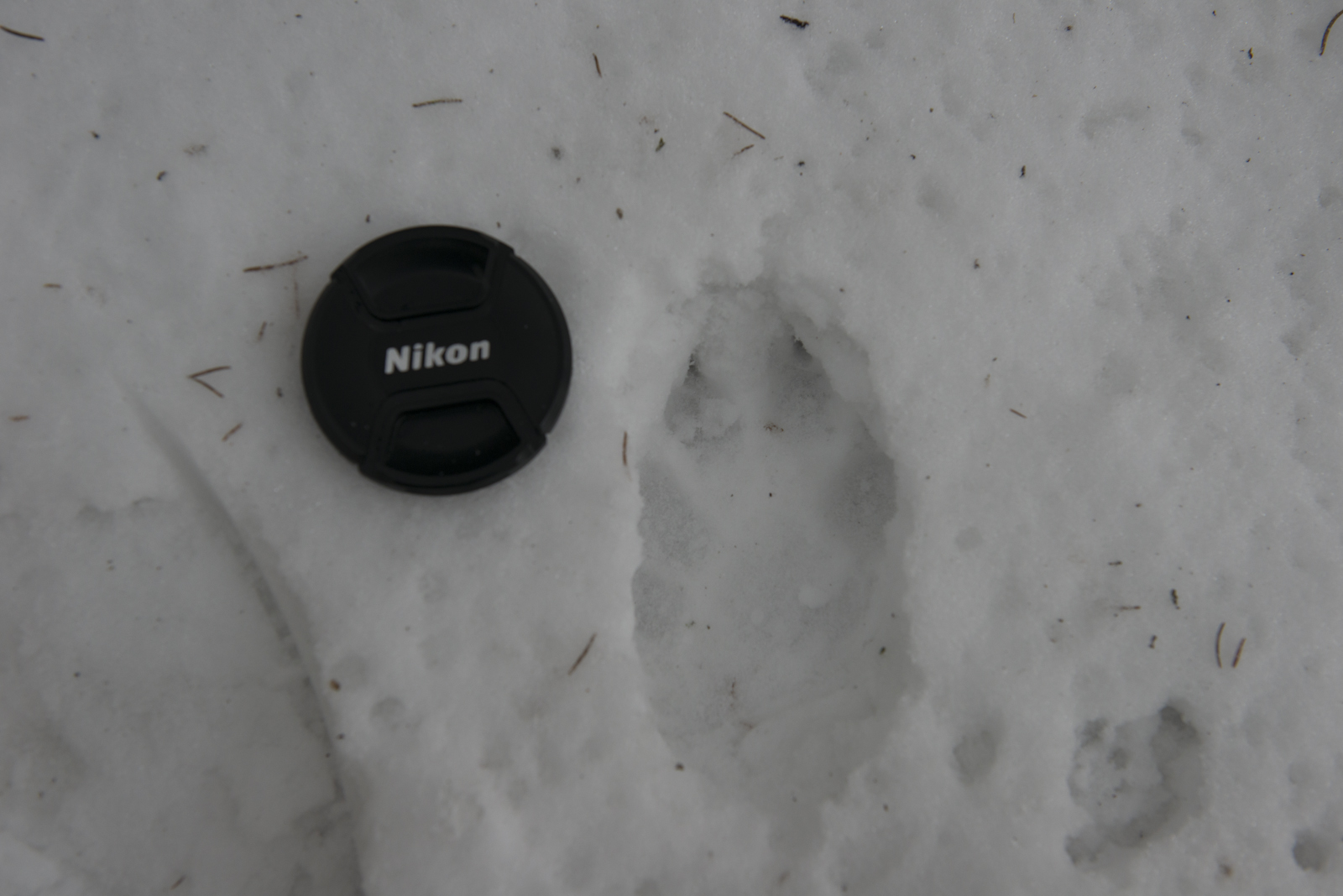
We are just about to head out on the last day of surveying. We all have tired legs, but we are ready for one last push! Yesterday was the most eventful day yet on the expedition with clear signs of lynx and wolf, as well as carcasses in the valleys. It seems the wolves are hungry after a week of difficult hunting in deep snow. Tomas’s group spent a gruelling day yesterday tracking a wolf pack through thick forest eventually finding a carcass lying beside as stream.
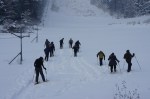
Training day. Everybody found their way around the GPS, compass and the snowshoes ready for this morning when we start again with data collection. Yesterday afternoon the whole team also went on a short survey in the national park to find its feet and check a camera trap. Later in the day we swung by a local village famous for its traditional Slovak rural buildings. Minus three was the maximum temperature yesterday and it is set to get colder. This is fine with us, considering our research efforts were hampered by rain last week.








 Biosphere Expeditions: blogs from the frontline of wildlife conservation and the fight for a more sustainable planet