Award-winning, non-profit and ethical wildlife conservation volunteering. Advancing citizen science and conservation since 1999 – for nature, not profit.
The Azores sits in the middle of North Atlantic ocean, but the weather and sea state can still restrict us to a relatively small area for surveys. This has been the case for the past few days.
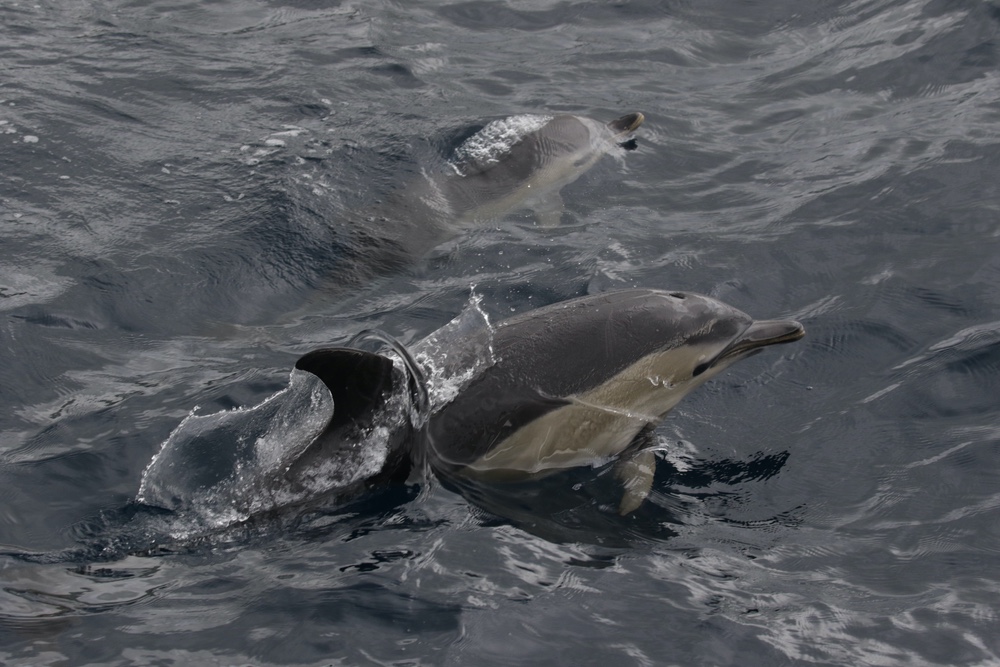
Following a shore day on Wednesday and a chance to explore the island of Faial, we headed out to sea, more in hope than expectation. We were initially rewarded with an extended common dolphin sighting, close to the south of Faial. This was followed by a second encounter, in the waters protected from the worst of the winds.
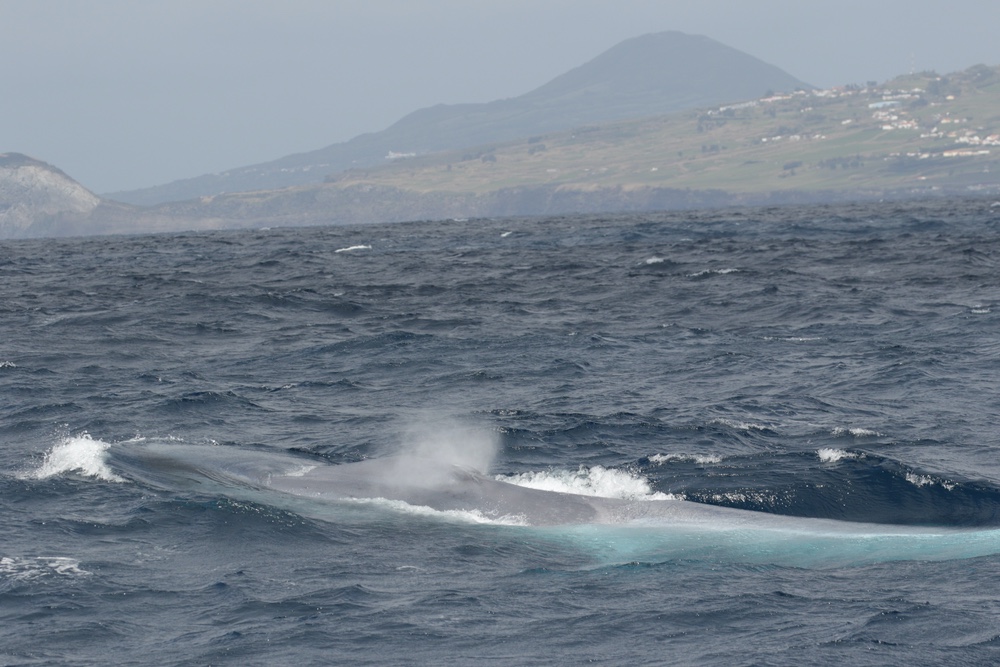
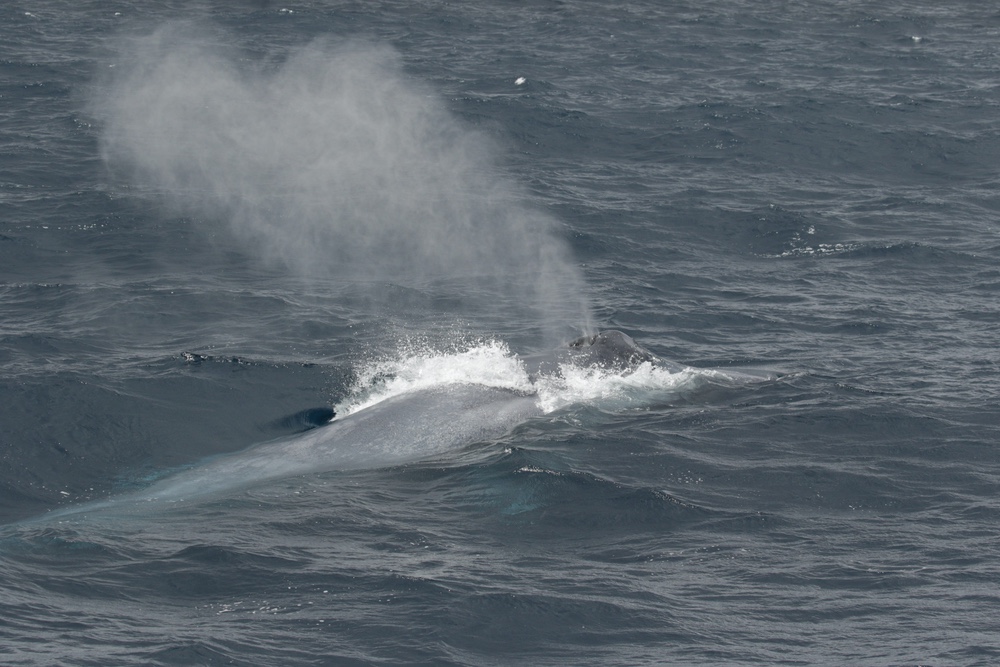
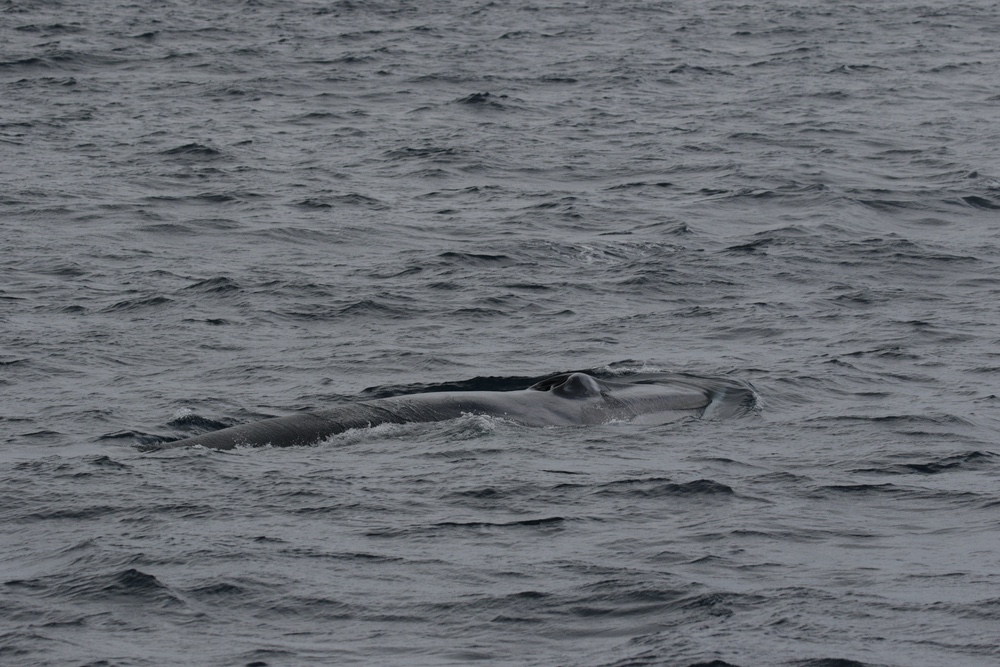
Our luck then improved further, with a ‘random’ blow sighted, which of course turned out to be yet another blue whale. And during the course of obtaining the required ID pictures (great job Pixy), a second blow was spotted, but heading into the worsening seas, so we gave no chase. Whilst waiting to photograph both sides of ‘our’ blue whale, we spotted a ‘strange’ looking, almost leucistic gull. With images circulated to bird groups, it transpired that it was an Icelandic gull – a rarer visitor to these waters, normally seen in very low numbers over winter.
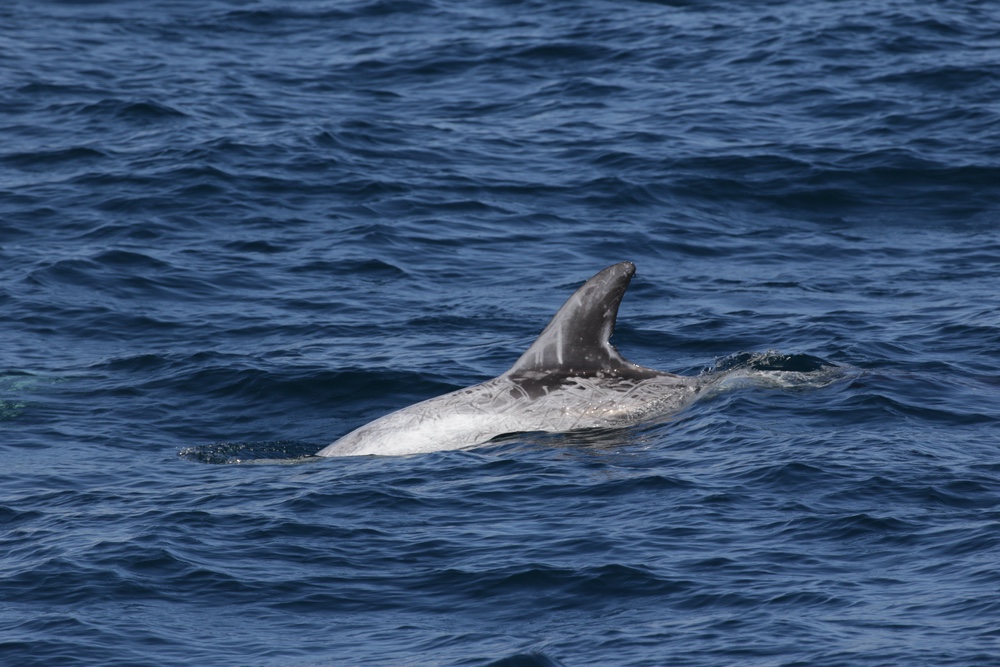
The day ended with an encounter with Risso’s dolphins not to far from home. The calmer waters meant a relaxed observation of four mums with calves. From the photos taken we could work out that one of the mums has been documented since 2006, so is likely to be over 20 years old. Well worth getting out on the boat.
Additionally, one of the blue whales recorded at the start of week was first recoded in 2001, and this is the sixth year it has been documented, but never previously so early in the year. We await news on some of our other sightings.
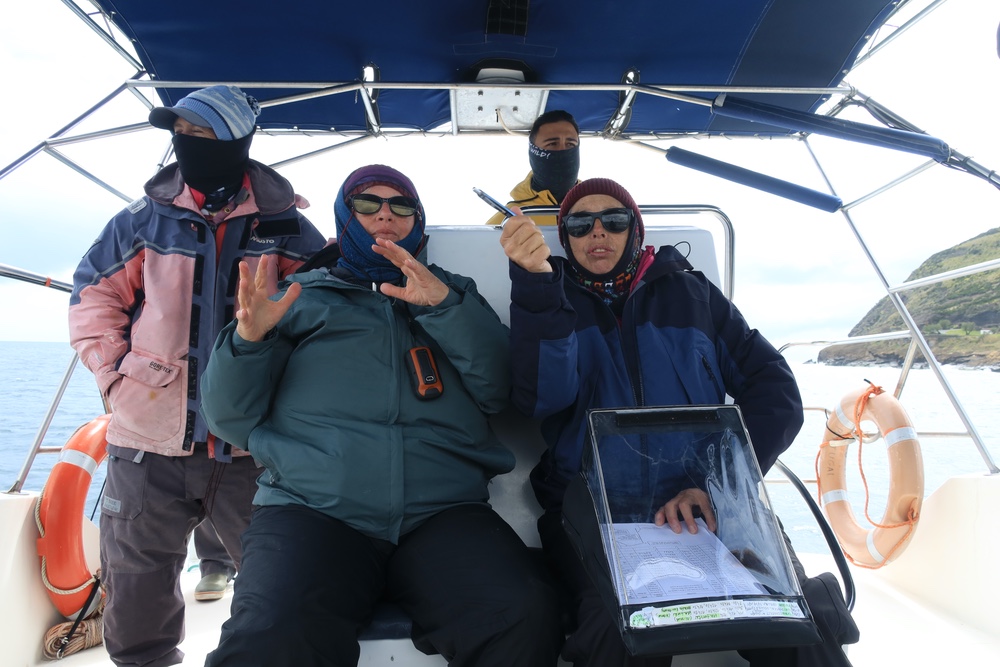
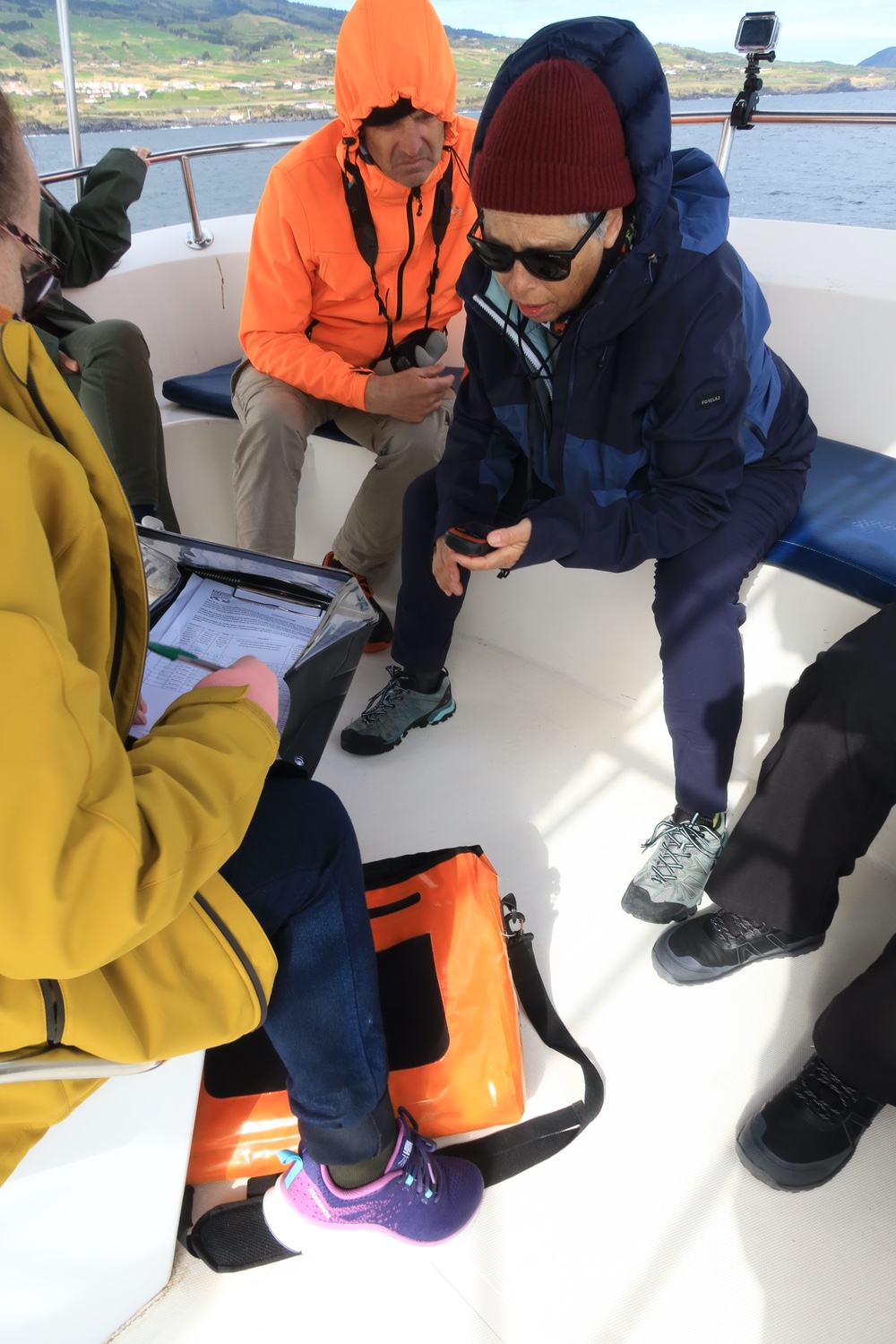
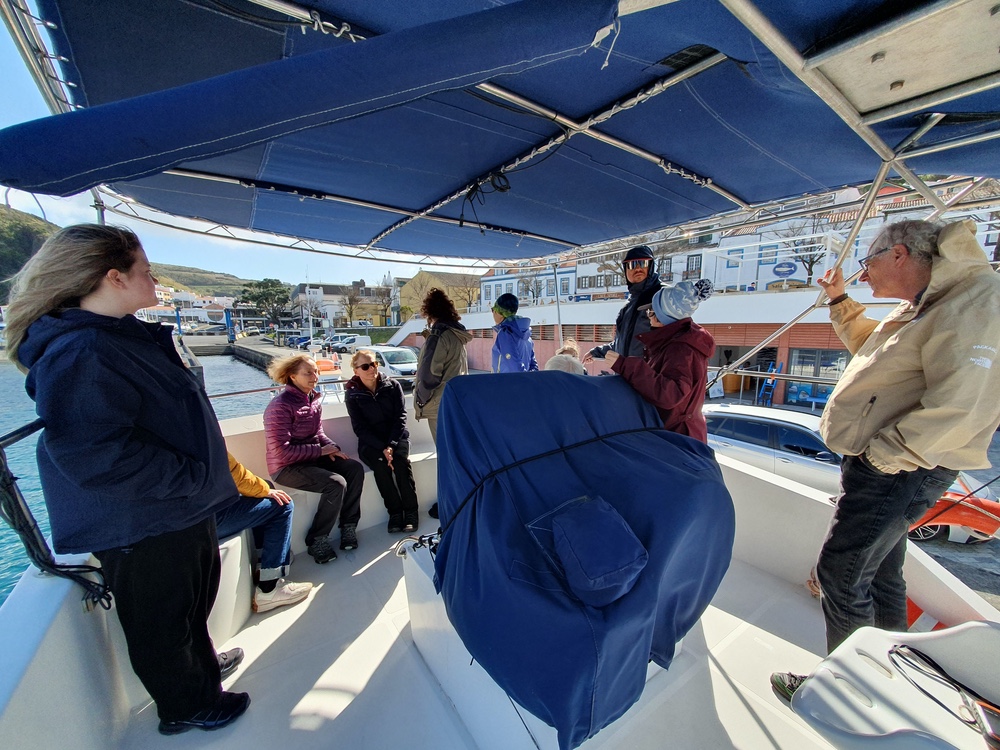
Having welcomed group 2 to the expedition, we quickly embarked on the project orientations, equipment briefings and scientific survey training. Fortunately, this all went to plan, so we could make the best of the available weather window, to get out on our survey vessel – Physeter.
This meant a longer than anticipated trip on Sunday, which resulted in some well-earned records. One of our team has been on the Azores expedition on two previous occasions, but had yet to see a ‘true whale’, despite being party to an orca sighting in 2019 (the largest member of the dolphin family). This record was soon broken with a fin whale sighting and followed up with more blue whale records. If at first you don’t succeed……..it is worth trying again and again. Congratulations Neil, a great way to ‘chalk up’ your first whales!
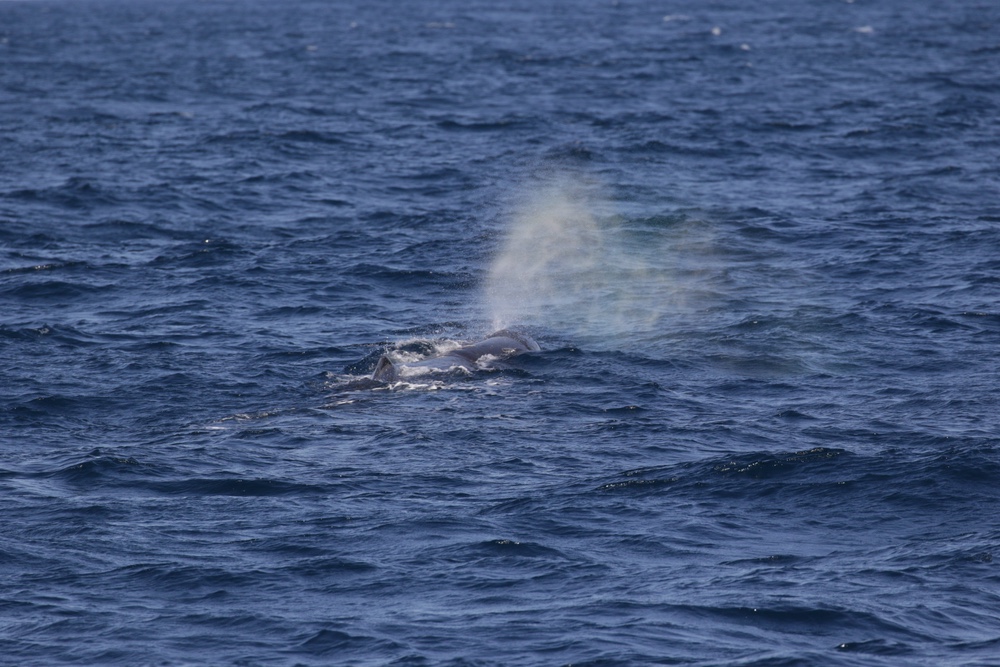
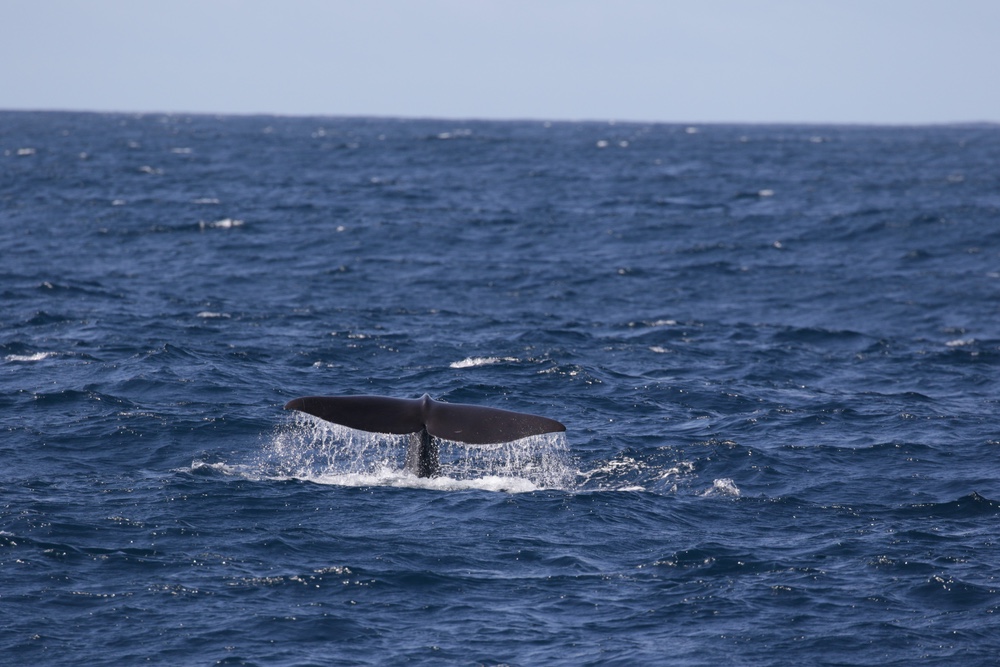
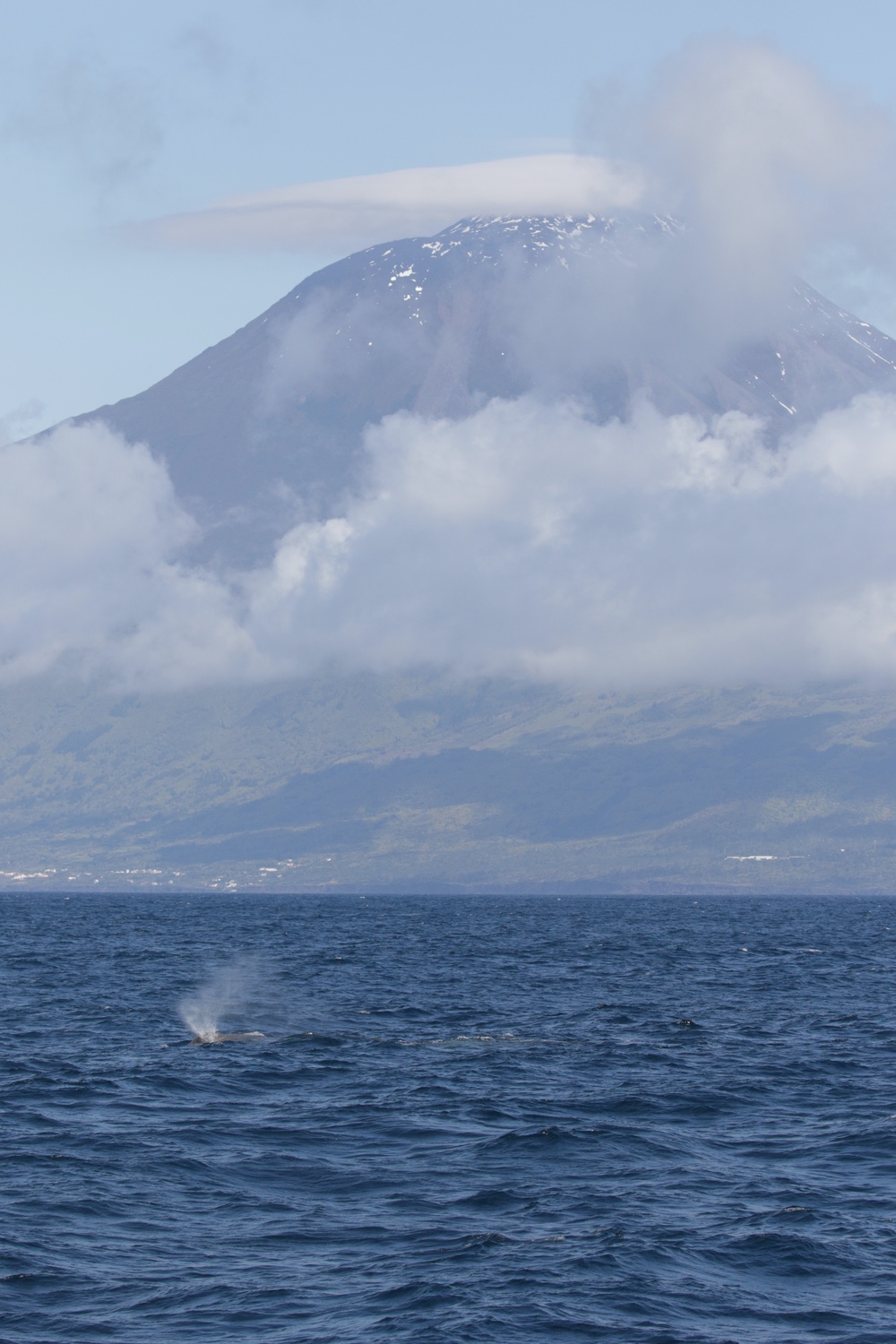
Our second day at sea also started with the now obligatory blue whale sighting. Yes, these magnificent beasts have now been spotted every day we have been at sea in 2025 – that may also be a record for the expedition. This was followed by a rather frustrating group of sperm whales, who seemed more interested in socialising with each other and not feeding. This means no diving and that means no fluke pictures with which we can identify individuals. Some common dolphins provided some intermittent entertainment, whilst we waited, and waited and waited. Of some 25-30 whales in an area south of Pico, we returned to port (after a wet and bumpy journey) with fluke pictures from only two. Kudos to Pedro (our skipper) for getting us back to port.
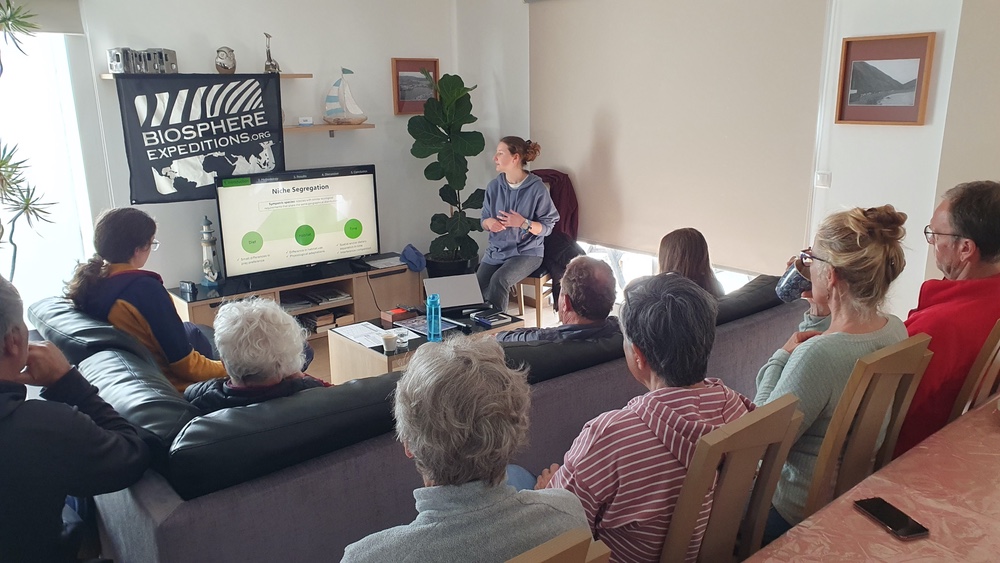
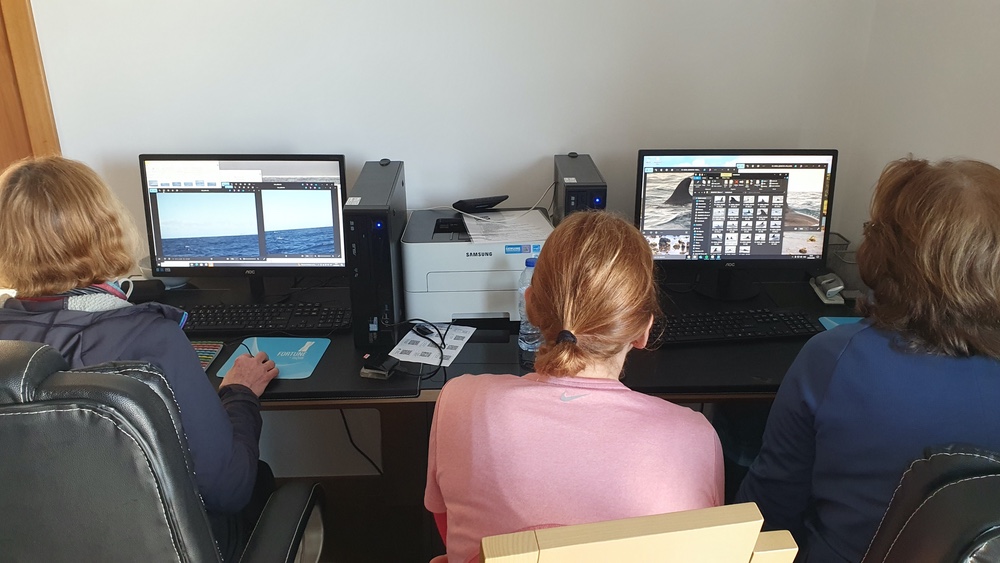
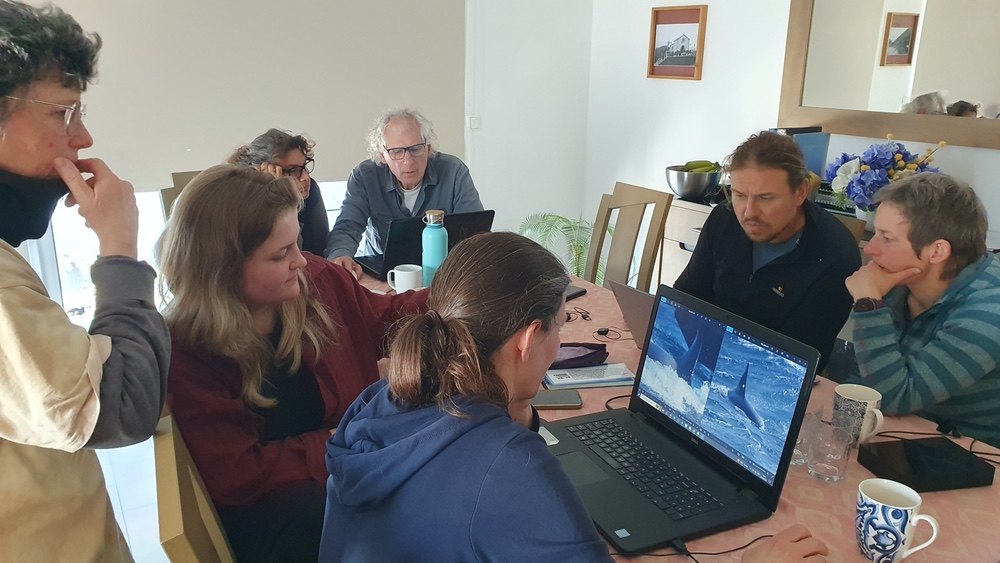
The Atlantic weather systems decided the next day would be on land. This not only gave us a chance to process some of the data from the previous days at sea, but also learn how the data can be used by others. Maria Ines (a Masters student from the University of the Azores) gave an excellent presentation of spatio-temporal dynamics of common dolphins and Atlantic spotted dolphins in the Azores, based largely on POPA (Programa de Observação para as Pescas do Açores = Observation Programme for the Fisheries of the Azores) data, which is also a key element of the expedition data collection. Understanding the importance of the Azores archipelago for these species is contingent on the availability of long-term data sets.
We look forward to more sightings and more data in the coming days.
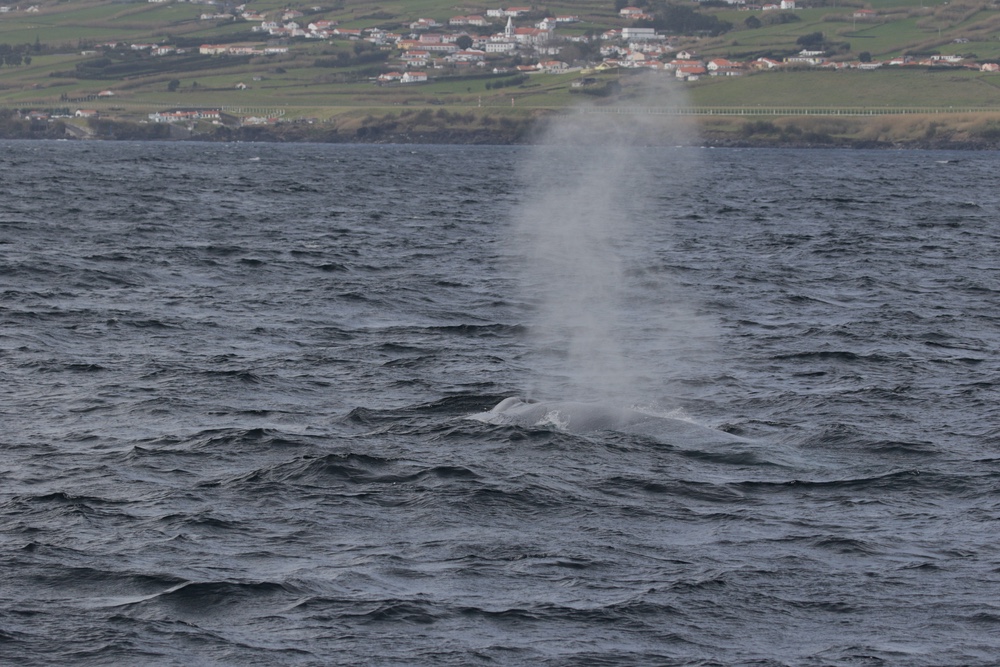
It has been a great effort by group 1, even if our last sea day was cut short by the increasing winds. Undeterred by the limited weather window we still managed another two blue whale encounters. That means blue whales have been located on every single day we have been at sea – staggering! The shorter day meant an opportunity for more data sorting and presentations from the local university, to give perspective on the power of our data.
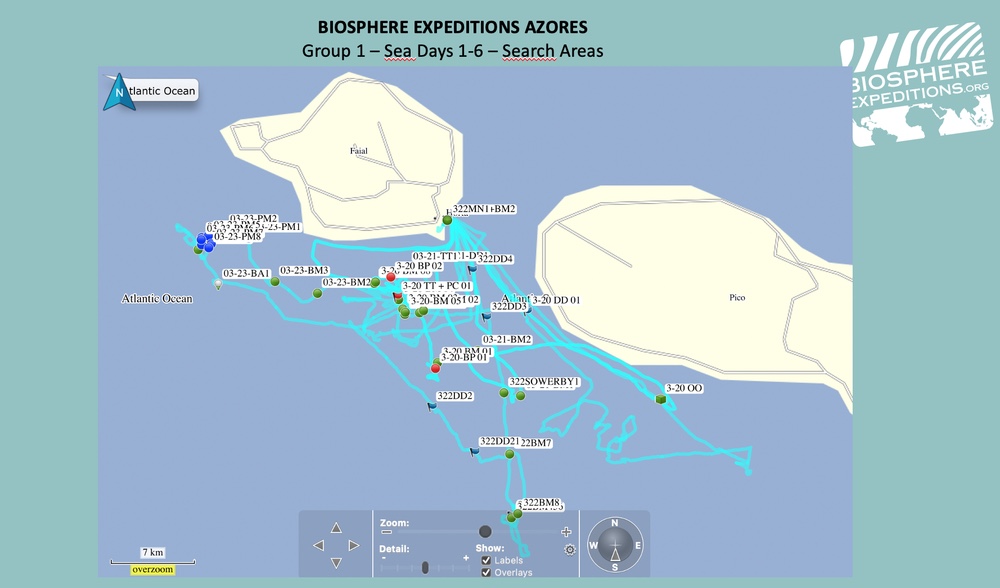
Such data collection requires effort, and over the past few days we’ve spent over 33 hours at sea, covered almost 500 km of surveys, resulting in just over of 50 cetacean encounters across 11 different species. We should also not forget our first loggerhead turtle for 2025, and multiple bird species that were also recorded. Not a bad data haul for this time of year.
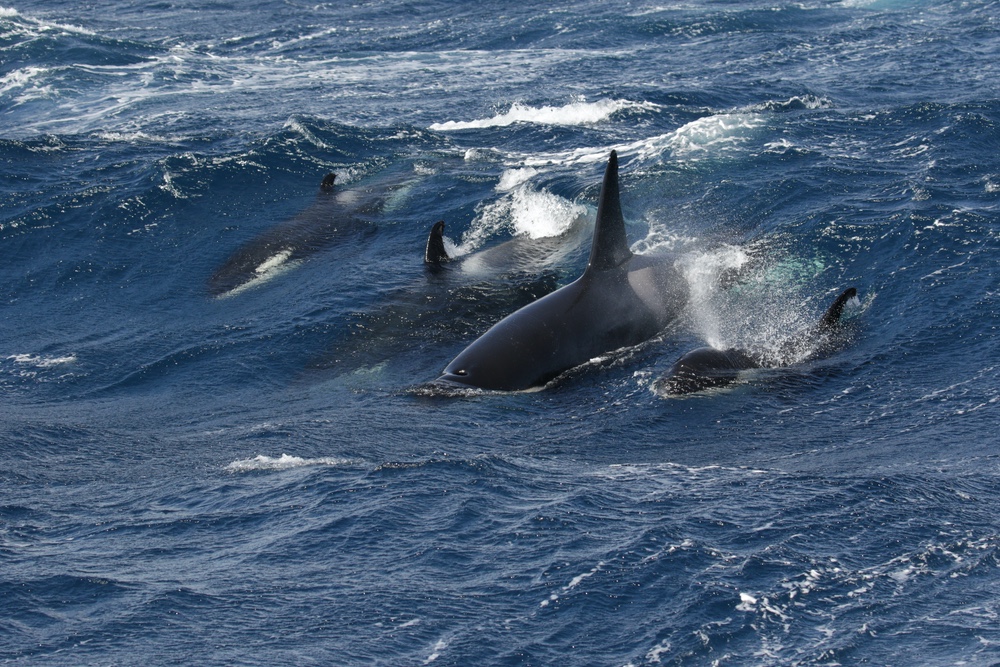
Safe to say, we already have a number of highlights. From rare species encounters to extremes of sea state, but surfing orcas will persist in the memories of many in the group. The dockside painting for 2025 has also been started, based on imagery from our own sightings. On the flip side, the realisation that our catering had been cancelled one night, an hour before dinner might give me a few more sleepless nights, but there is always plan B, C or D!
It’s been great to kick off the 2025 expedition with such a fantastic group who have shown textbook teamwork with endless effort and humour – you have been a joy to work and spend time with, thank you. But as we say farewell to group 1, we are now excited to meet and welcome group 2. Safe travels to you.
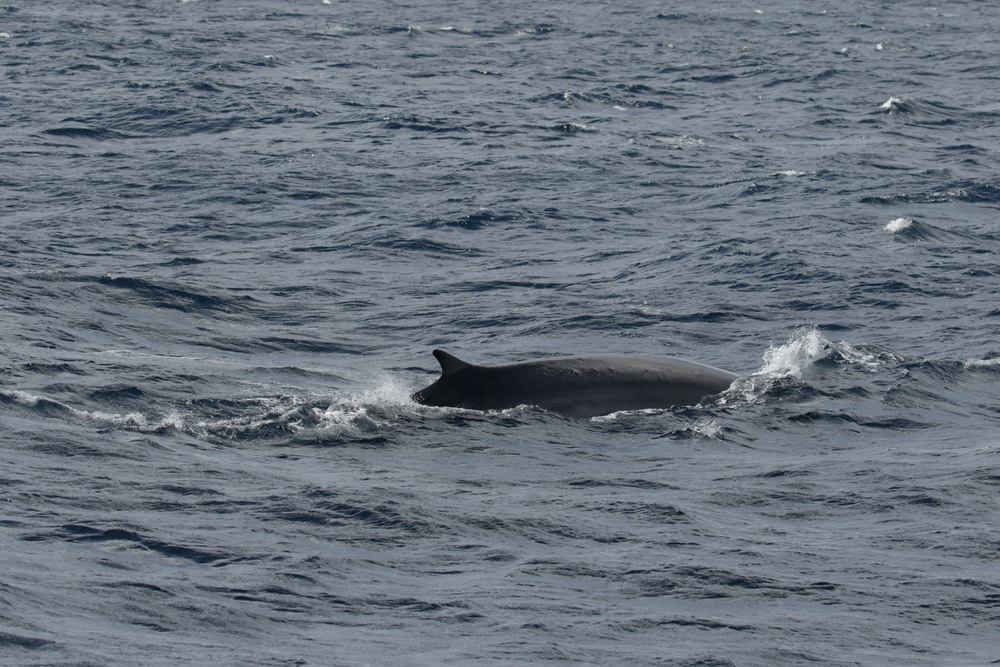
Our survey sightings have continued where we left off, and almost unbelievably the bar has been pushed even higher. Encounters with blue whales and fin whales have continued – Tim (and others) has been blown away by the fact that we are seeing the largest creature ever to exist, on a daily basis!
We have also managed to add a humpback whale encounter to the data set, but better was still to come. Returning to Horta on one of our survey days over the weekend, we had a ‘random’ encounter with a couple of Sowerby’s beaked whales. To paraphrase Lisa, you can count on one hand how many times beaked whales have been recorded on the past 18 expeditions.
However, there was even more to come, and Pedro, our ever-alert skipper, also spotted a minke whale. They are fast, relatively small, with low blows; so hard to find, and rank amongst the least recorded species in the Azores – a great sighting and fantastic data.
With the weather still on our side, our species list was to increase further still, with a group of non-cooperative sperm whales – i.e. they were socialising and not diving, so very limited fluke pictures for ‘matching’ purposes. More work to be done here. Whilst blue whale encounters seem to continue like clockwork, punctuated by more common dolphins and a fin whale. Monday saw the addition of Risso’s dolphins, following yet another random encounter to the south of Pico.
Recording cetaceans on most days at sea is what we hope for, but the realisation of new records and rare encounters is beyond all our expectations. Over the past ten years, I can’t remember a start to an expedition like this one. May the good weather and our good luck continue.
The expedition started a bit late as incoming flights were re-routed due to strong winds. The team – in true expedition style – took it all in its stride, with the normal project briefings, presentations and equipment training completed in the first couple of days. The inclement weather conditions have continued, meaning our first day at sea was delayed until Thursday.
This also coincided with Anne’s birthday, and when asked what she would like, she requested a blue whale! Unfortunately, the challenging conditions, rising to force 5-6, meant a brief encounter with common dolphins and a rare encounter with orcas. Not what anyone expected on the first day at sea – nor did we expect what followed.
Our next encounter was indeed a blue whale, followed by a fin whale, and so the afternoon continued … with multiple blue and fin whale encounters, with two blue whales fluking! This was punctuated by a large group of bottlenose dolphins and false killer whales. Well worth the effort, as the sea state meant just staying upright was an achievement. The team did fantastically on the data recording, and initial review of the imagery suggests at least four blue whale individuals were located – we will just have to wait on any ID matches.
So, apologies, Anne, for not delivering ‘a’ blue whale, but well worth the effort of the past few of days. Also huge thanks to the local vigias (lookouts) who assist us in finding many of our quarry. A fantastic start to the 2025 data collection and the bar has been set high!
My flight to Horta on Sunday was cancelled due to bad weather. An unplanned extra day in Lisbon followed and some rapid replanning of the expedition preparation began. Huge thanks to Lisa for stepping in and help organise what she could in my absence – though there is limit to what you can do from a laptop in Lisbon. The good news is I have finally arrived in the Azores, albeit much later than expected. No real harm done, but the next day or so will be busy getting everything back on track. But this is an expedition, so it is great to have a plan, but as important is a willingness to change it and adapt.
Strong winds whipping up the surge at Horta beach
The good news is our hosts at Monte Da Guia (Silvia and Mario), Lenita (our housekeeper) and Lisa have been preparing the expedition base for group 1’s imminent arrival, and I will continue this evening.
We now just hope that the weather and whales (and other target species!) are on our side and we can look forward to some great fieldwork (and data collection) over the next few days.
So safe (and hopefully uninterrupted) travels to those of you on group 1 still en route and we look forward to meeting you all on Tuesday morning.
It’s almost time to return to the Azores, which means it is also time for the initial introductions. I am Craig Turner and I’ll be your Expedition Leader on the Azores Expedition this year.
Craig Turner
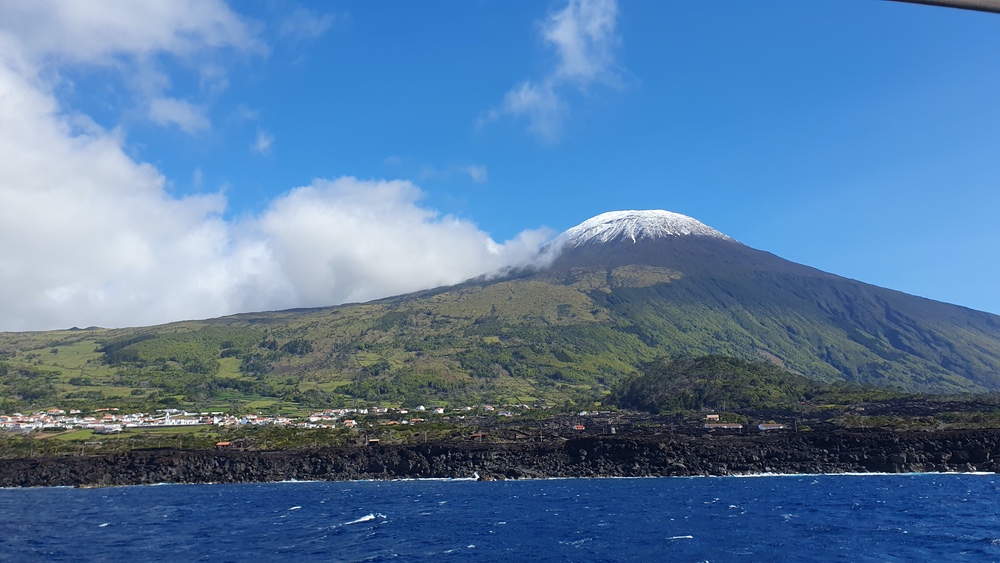
The Azores has an allure that keeps drawing me back, and I know I am not the only one returning this year. Who doesn’t want to live on a volcano, in the middle of an ocean, searching for a diverse array of charismatic species, including some of the biggest creatures to ever roam our planet! It is always great to be going back to the Azores. Whilst my home patch of water (Loch Ness) has its own monstrous appeal (and I spend a lot of time on it with the RNLI), the mid-Atlantic is vast, and despite this, we do have a better chance sighting the beasts that frequent the depths!
I am currently organising and packing my kit, checking that I have all I need for the next month – so don’t forget to check the project dossier.
It will be great to meet up with old friends and colleagues from previous years, not least, our scientist Lisa Steiner – it has now been over ten years since I first worked with Lisa. If you want to find cetaceans in the Azores, then as many know she is the person to find them. If you have seen the latest expedition report and Lisa’s publications, then you’ll know, not what to expect, but what we hope to record. Last year, you’ll note they had a variety of records – so you never can be too sure what ‘data’ we will collect. Dare I say it, blue whales have already been sighted! Just cross your fingers and do the relevant dance for good weather….
I arrive in Faial over the weekend, a couple of days before meeting the first group, in order to set up the expedition headquarters. I’ll send around another message once I get on the ground in Horta and confirm my local contact details.
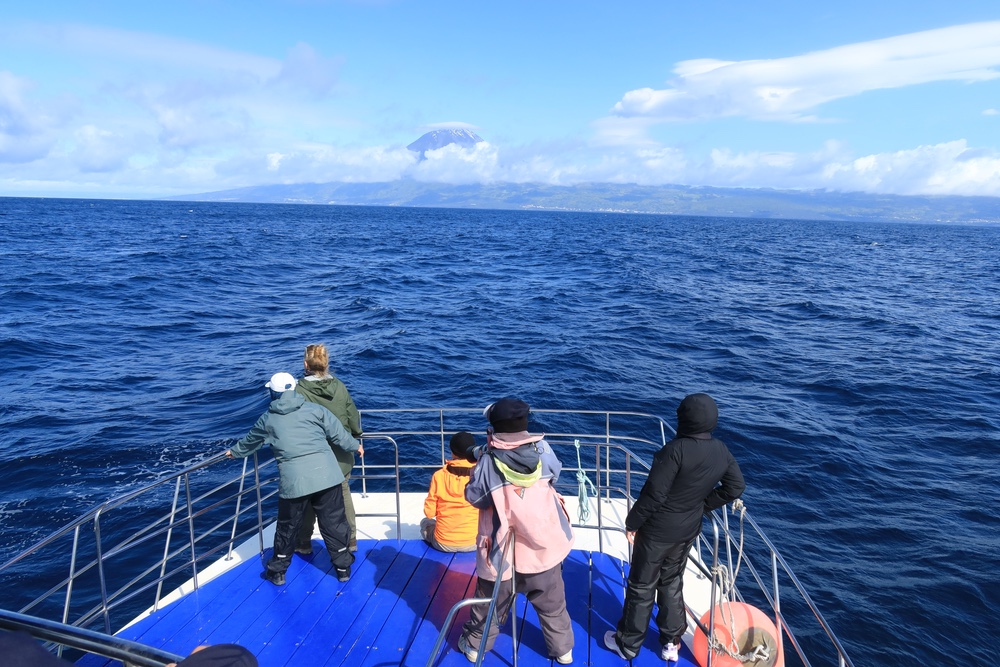
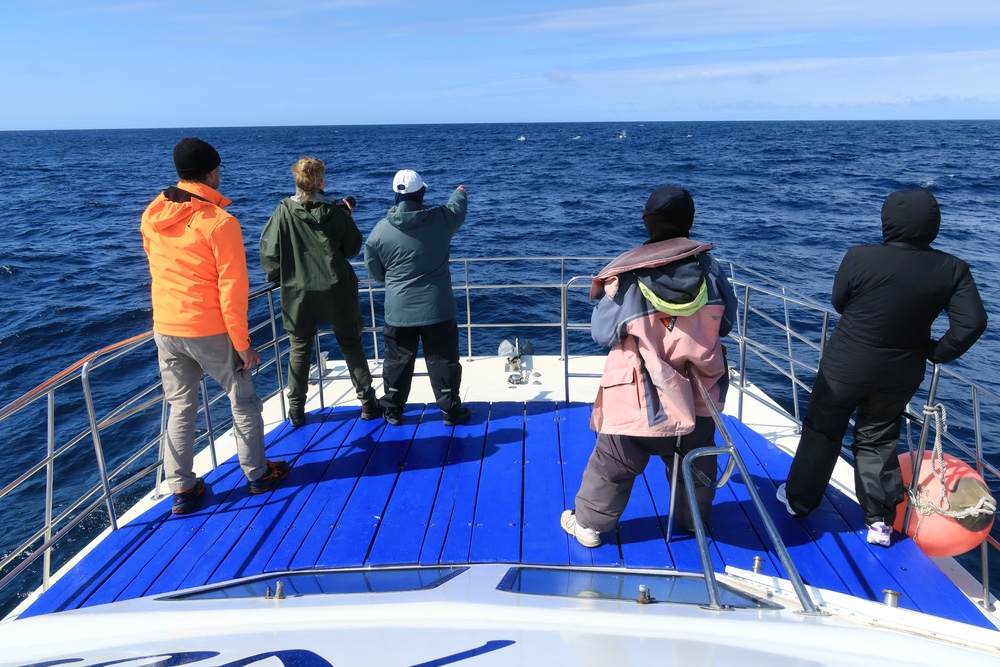
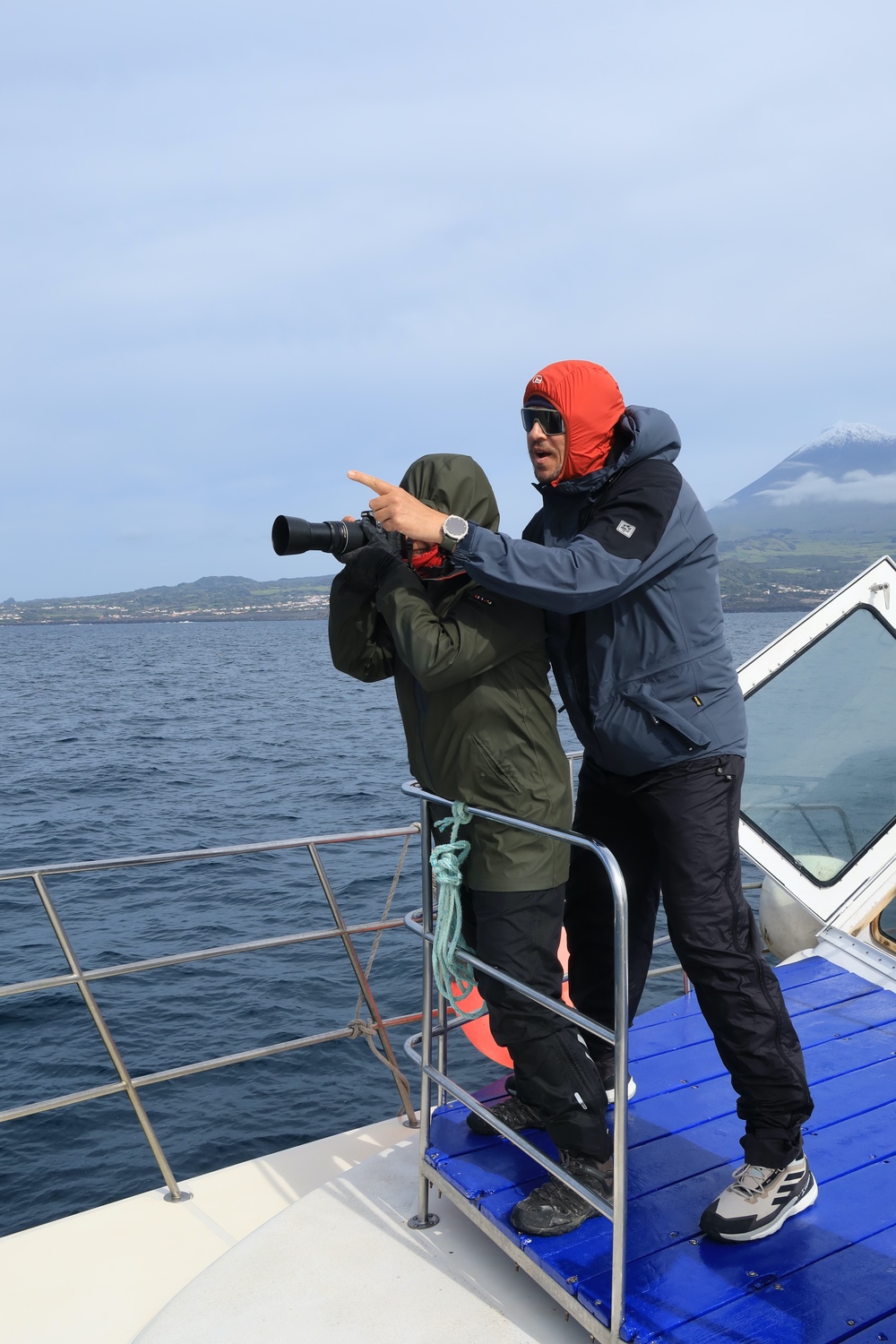
I hope you’ve all been eagerly reading your expedition materials and know to bring many layers of clothing. The weather is often very Scottish – so prepare for warm, cold, wet and dry – sometimes on the same day. Don’t forget your sunglasses or your waterproof trousers – you’ll thank me when you are stationed on the bow of the boat as a lookout and the weather is choppy (so also bring your motion sickness pills/patches – if you know you need them!) otherwise you’ll be feeding the fish!
So, with the local team in place, whale sightings already recorded by Lisa, all we are missing is you. It will be great to meet you all and I’ll send along another update very soon.
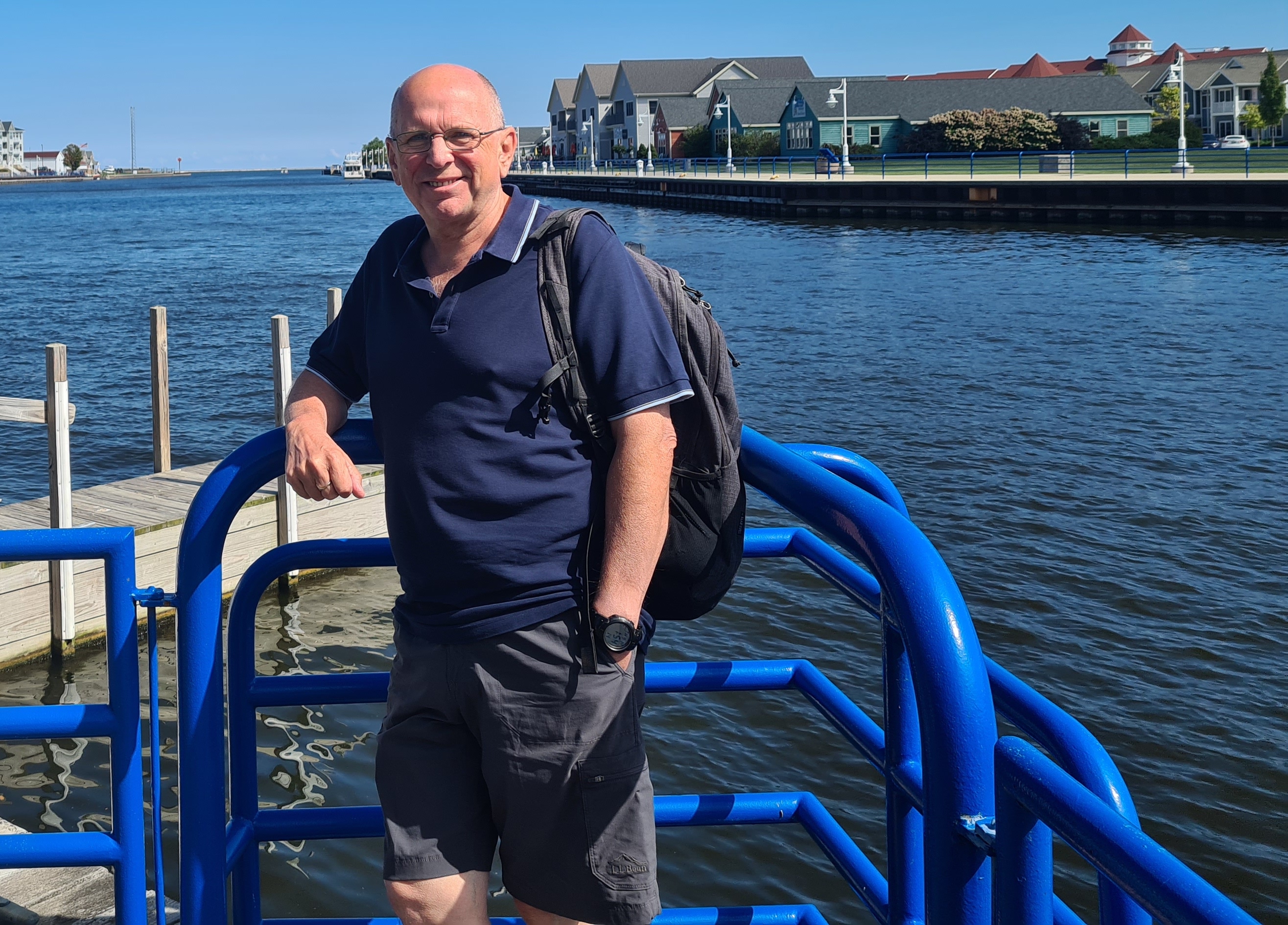
In his fifties, Neil Goodall felt the familiar urge to get away from it all and out into nature. Yet when he took the leap into expeditions, Neil discovered more than a new world – he found a new path, and a new lease of life.
Neil on expedition in 2018
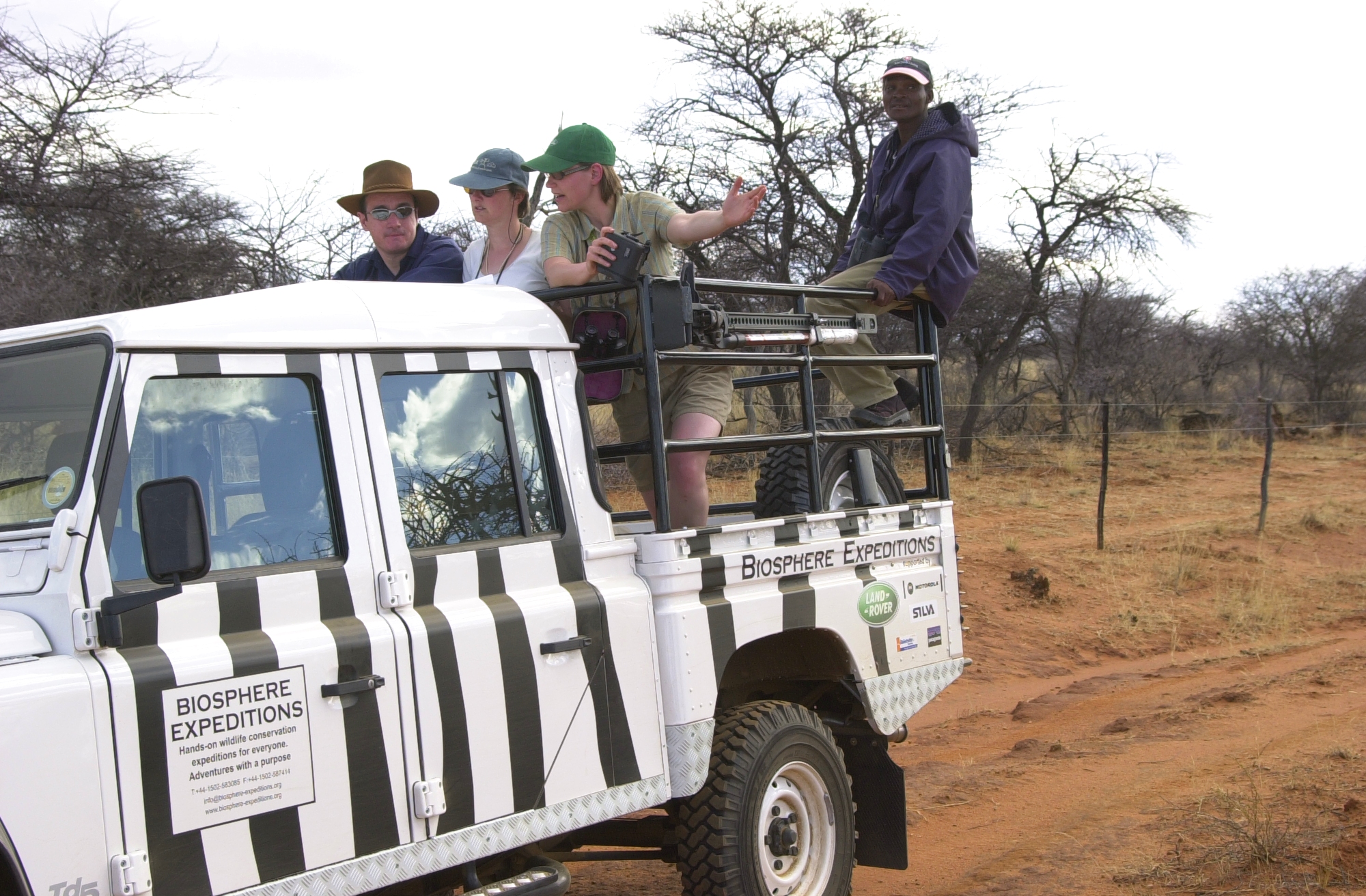
Neil Goodall never expected to find himself in an acacia bush.
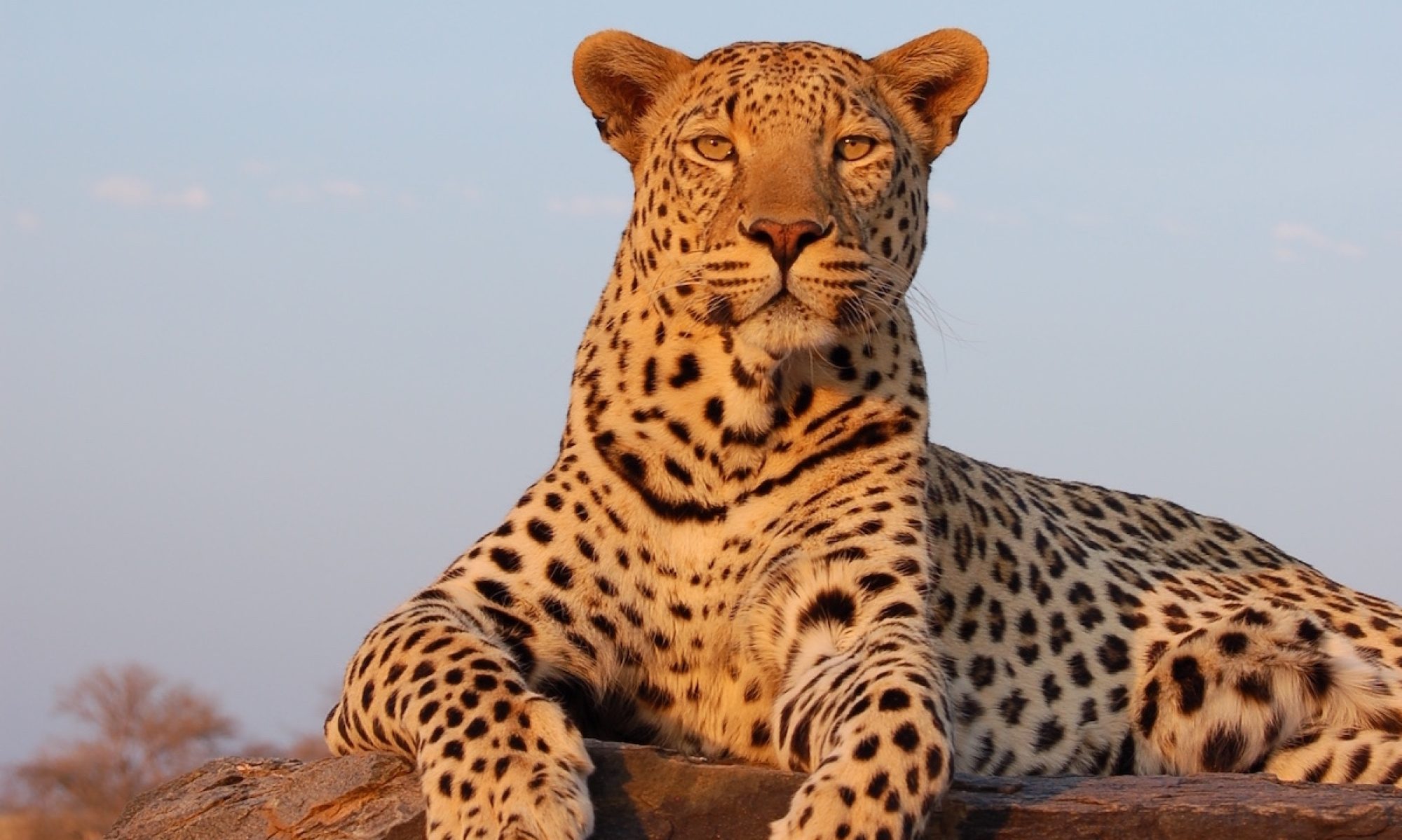
‘We were tracking leopards in Namibia, and had to set traps,’ Neil explains. ‘So I volunteered to crawl into the bush, and put the smelly carcass in the trap – and I thought, I’m an accountant!’
Setting a trap for leopards in Namibia
Since his first expedition in Namibia, Neil never looked back. Thailand, Malawi, Tien Shan: Neil traversed swamps, crossed deserts, and returned with a different perspective on life. ‘The contrast between this and working at my desk all day was just amazing. My colleagues couldn’t believe it. Gradually I became known as the Scat Hunter!’
Yet he wasn’t always an adventurer. Like many people, Neil found himself isolated from the natural world.
‘I always liked nature but never found the time for it,’ he says. ‘I was in my early 50s. Busy life. Two kids, family, and a very busy job – as a finance director for a public organisation.’
To get closer to wildlife, Neil followed what seemed to be the only option – safari, spending five days in the Serengeti.
‘Afterwards, I thought, I loved that, but a couple of things nagged me: you’re a tourist, you’re stuck in a vehicle, you can’t interact, and when you do see wildlife, they’re surrounded by tourist vehicles…it all felt a bit contrived.’
Signing up to be a citizen scientist with Biosphere Expeditions gave Neil the immersion in the natural world that he couldn’t reach in his everyday life – and then some.
‘It was everything that I’d hoped for: structured, but with a sense of liberation. We could go out into the wild, and as long as we did our tasks, we were free to do as we pleased. Wildebeest, giraffe, springbok – all close enough to smell them.’
Yet there was a crucial distinction. Neil wasn’t just close to the wildlife; his participation in the expedition enabled him to contribute to their conservation, shoulder to shoulder with dedicated scientists out in remote wilderness. On his first expedition, in Namibia, part of the project’s purpose was to change the narrative.
‘The farmers blamed the leopards for killing their livestock. Our work was helping to protect the cats. Collecting data, but properly in the wild – it’s such a purposeful interaction with wildlife.’
Part of what makes the expeditions so meaningful is because they’re not a holiday – they’re challenging, as Neil attests.
Neil (right) entering data with a fellow expeditioner in Malawi
‘It’s hard work,’ he agrees. ‘You’re up early, active from the off, but when you look back at the end of the day, shattered, you think – but what have I done? All day in nature, encounters with wildlife, collecting data with a team of people who were strangers a few days before. It’s hard, but it’s also one of the best things to experience because it connects with a lot of deep drivers that are rare to find in everyday life. But Biosphere Expeditions gives you confidence: you’re well briefed, well fed, and you know what you’re doing: solid foundations to go out of your comfort zone!’
And, like many expeditioners, Neil found himself not just out of his comfort zone, but far beyond it. His experiences across the world have been so out of the ordinary that they’ve changed how people see Neil as a person.
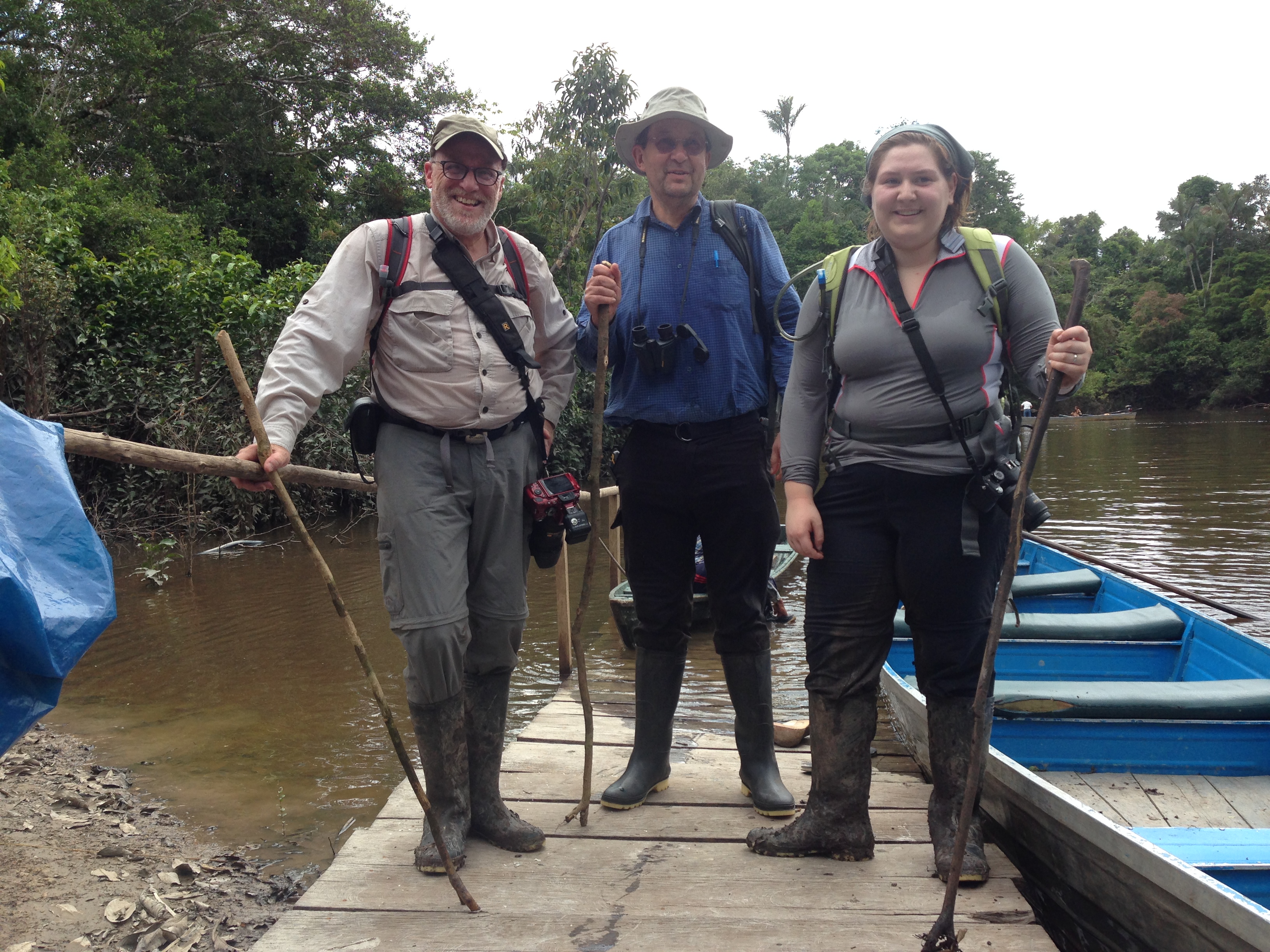
‘On my third expedition, I went to Peru – the first person in my family ever to go to South America. I found myself taking the boat from Iquitos down the Amazon, and I remember pinching myself – literally pinching myself – going, I’m on the Amazon. How!?’ Neil says, laughing. ‘People at work see me as the accountant. But it changes people’s perspective of you. They react ‘Wow, you did What!?’’
Neil (middle) with fellow expeditioners in Amazonia
Judging by his stories, this amazement is justified.
‘One night, in a remote region of Malawi,’ Neil begins, eyes lighting up in recollection, ‘We were observing a goat carcass to see if it attracted predators in the dark. We set a camera trap 10 miles from camp, but on the way back, we got stuck in the rutted road. Imagine: three of us, in the pitch black dark, somewhere in the middle of Malawi…and we had no choice but to get out of the car and push it out of the ruts. And you feel the danger,’ Neil admits. “We could radio for help, we knew we were safe, but it’s so far beyond everyday life. You come back and think: Wow!’
Ultimately, though, Neil’s experiences on expedition have given him more than just memories. They’ve given him new skills, opened new opportunities, and have made him an active protester for change. Inspired to put his new skills to use, he attend his first protest march – Restore Nature Now – in London in the summer, alongside 60,000 other nature lovers. Neil says, “I thank Biosphere Expeditions for giving me the confidence and the compulsion to protest for what I believe is a just cause, something I had not done before in my 68 years. And I will do the same again if the march is repeated.”
‘It changed my idea of what’s possible,’ Neil reflects. ‘I’ve always had it latent within me – but when are you going to get the chance, sitting in the office?’
Sixteen expeditions later, Neil the office accountant, has been transformed – and it hasn’t gone unnoticed. So who has Neil’s new sense of purpose influenced most? Neil bursts out laughing.
‘My sons – who see me as a boring old dad – they can’t believe what I’ve done!’
As biologists, Gary and Sandra Hogben have always been fascinated by the natural world. But when seeking a way to get stuck into some fieldwork, they began going on expeditions together. From tiptoeing past sleeping elephants to learning how to use the village water pump, it’s been an even richer journey than they’d imagined.
Sandra (left) and Gary Hogben (right) on their elephant expedition to Thailand in 2023.
Gary and Sandra never imagined they’d end up stranded on a dirt road in Malawi, miles from anywhere, bus broken down, no immediate way of moving. But that’s exactly where they found themselves. Rather than the struggle, however, they remember the laughter and camaraderie that came from taking responsibility for their own fate. ‘You’re really pushing yourself,’ Sandra says. ‘You learn your limits.’
Their story starts back in 2013, when the couple undertook their first expedition to Namibia. It proved a turning point in how they saw themselves—and their holidays. Both are biologists by training, but as Sandra notes, ‘It’s microbiology, not macro, so we wanted a broader perspective. Something that let us get back to what we used to do: proper fieldwork.’ A classic game drive wasn’t enough; they wanted hands-on involvement, real interaction with wildlife, and a sense they were contributing to something bigger.
So they signed up for a Biosphere Expeditions project in Namibia, discovering that expedition life is intense in ways they never anticipated. ‘I felt anxious about what I’d signed up for,’ Gary admits, recalling the dossier’s instructions on braving remote desert roads and uncertain conditions. But from the start, that same uncertainty became an addictive challenge. ‘I love to travel, but because of the climate crisis, I felt guilty,’ he says. ‘This wasn’t just a holiday though — it had a purpose, a way to give something back.’
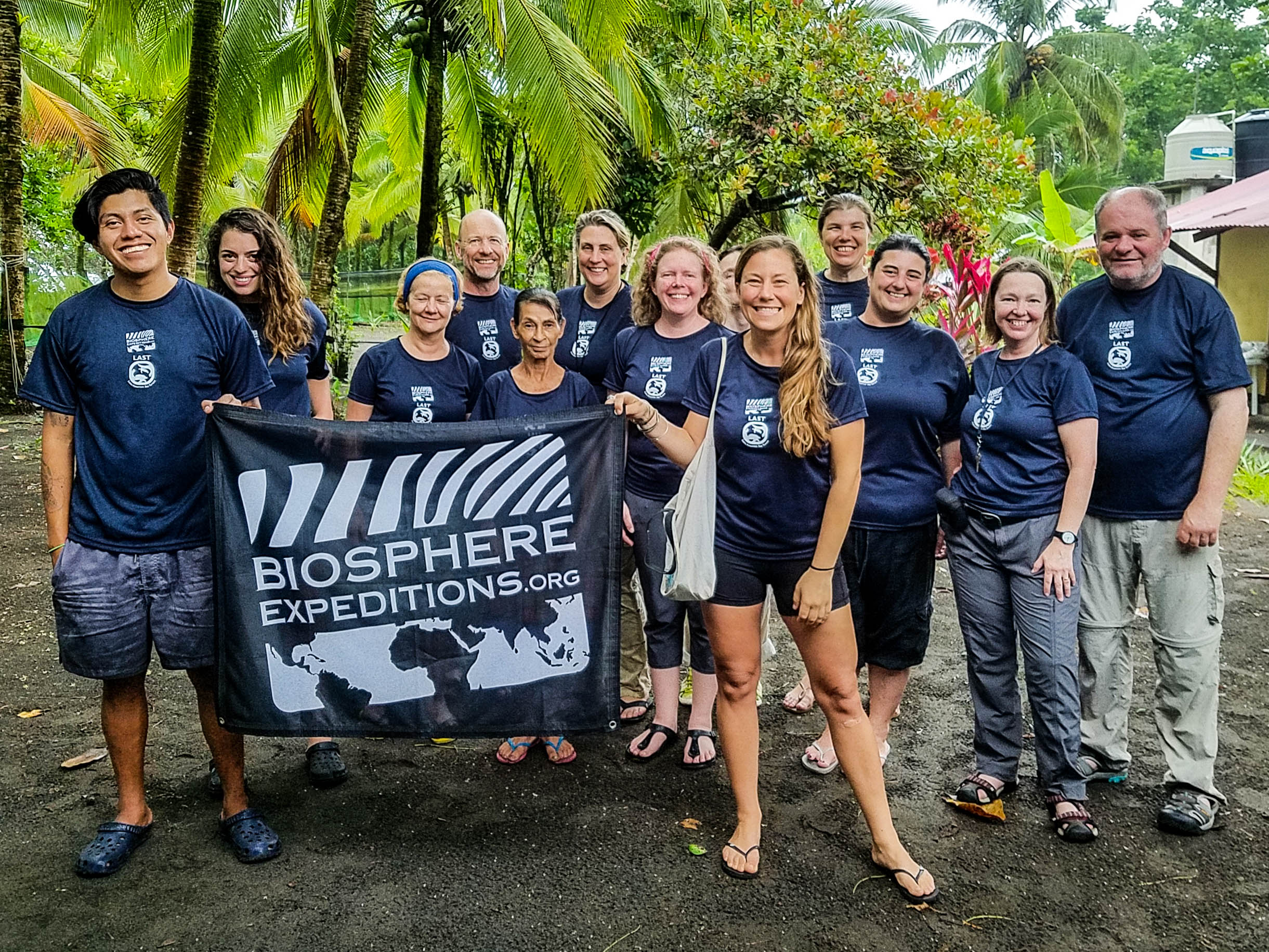
Over time, they ventured further: Malawi, Arabia, Costa Rica, Thailand — each place tested them physically and emotionally. They’ve dodged tsetse flies, tiptoed past elephants at night, and faced torrential storms checking on hatcheries every fifteen minutes. Yet for all the trials & tribulations, both speak with a sense of wonder. ‘You come back feeling that you’ve overcome a challenge,’ Sandra says. ‘And very glad to have done so.’
Gary & Sandra (from right) and their 2018 Costa Rica sea turtle expedition team.
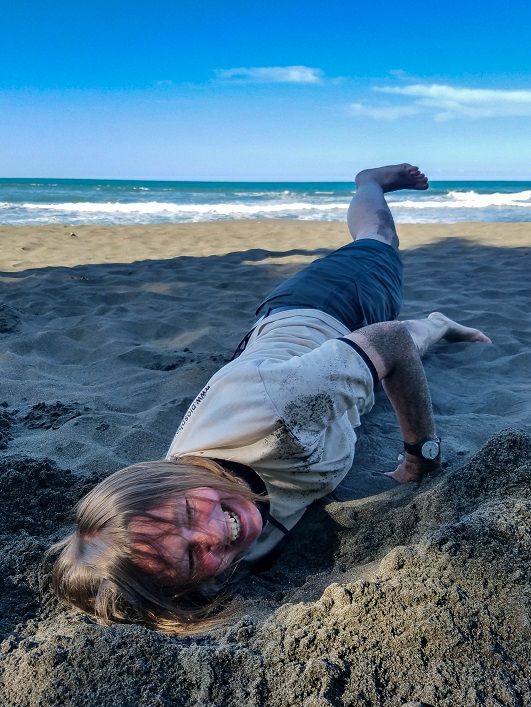
Sandra digging an incubation nest for leatherback turtle hatchlings
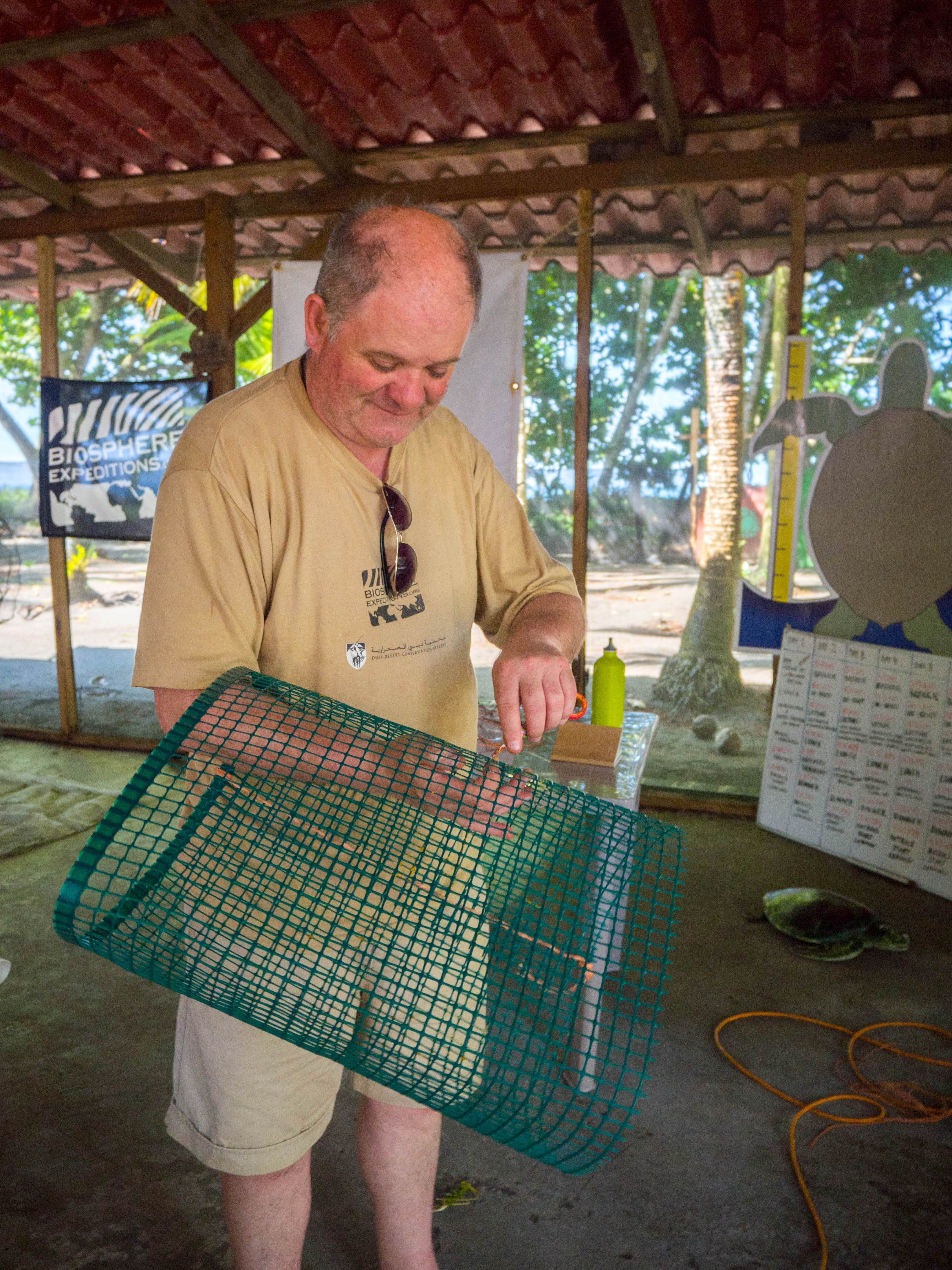
Gary constructing a protective basked for leatherback turtle hatchlings
Gary & Sandra on their 2018 Costa Rica experience
Meeting local communities helped them see their own routines in a new light. In Malawi, they learned to pump water from a village source, twenty liters at a time, or no shower. Back home, they realised their perspective had changed. ‘You see it a bit differently,’ Sandra reflects. ‘It shows you what’s possible.’ Gary now chairs a clean-water advisory group, inspired by the stark realities he encountered. ‘You’re right on the frontlines of conservation,’ he explains, ‘seeing the difference you’re making.’
Gary on his 2019 Malawi experience
Perhaps the biggest surprise has been the friendships they’ve forged. ‘We’ve stayed in touch with people from our first expedition,’ Sandra says. ‘Helen from Australia visited us in the UK, and Georg from Germany — like-minded folks who keep coming back for more.’
‘If someone asks whether they should do it, I always say: ‘Go for it. You won’t regret it,’’ Gary says. ‘I used to think being stuck between hippos and elephants was something you’d watch on TV. Now it’s part of our reality.’ And for both Gary and Sandra, that reality is far more compelling — and life-changing — than any other kind of holiday could ever be.
Tired of feeling passive, and yearning to get closer to nature, Martyn Roberts swapped safari holidays for expeditions – and learned as much about himself as he did about wildlife.
Martyn Roberts on the Azores whale & dolphin expedition in 2024
Martyn Roberts never forgot his first safari in South Africa – it left him wanting more. He loved the thrill of being close to wildlife — but as he put it, ‘I wanted to get hands-on. I wanted to make a difference, to do something more demanding that allowed me to express these beliefs, ideas and interests.’ Those hopes lingered until 2002, when a chance encounter led him to Biosphere Expeditions and a life-changing trip to Namibia.
At the time, Martyn had just come out of his first marriage and was ready for something new, something bold. His earlier safari was too short, too passive. So when he discovered Biosphere Expeditions and heard about an upcoming two-week project in Namibia, he took a leap of faith. ‘I wouldn’t call it the hard sell,’ Martyn says as he recalls his first conversation with Matthias, the expedition leader, ‘but he insisted that I join. It was an encounter with the unknown.’
For Martyn — who had always travelled with friends, family or a partner — heading off by himself to find the meeting point in Windhoek felt like a huge step. ‘Yes, it was the first time I’d travelled on my own,” he remembered. ‘I wasn’t overly worried, but I was apprehensive. What would it involve? It was a leap into the unknown.’
What he found in Namibia wasn’t at all what he’d expected. ‘The country itselt … just how wild and desolate it was,’ he marvels. ‘So much bigger than I expected. The cheetah was the species we worked with – I was a bit surprised how well it all ran!’ He still laughs about his first meeting with another big beast: Matthias, in a Windhoek café, when Martyn realised his expedition leader was nothing like the ‘old man with a big beard’ he’d imagined.
Gruelling hours, hard physical work and pushing comfort zones: Martyn discovered much more than animals alone. He and his team had to maintain vehicles, drive out into remote areas, check camera traps, and spend hours in hides. ‘Everyone was silent when Matthias asked who wanted to drive,’ Martyn says. ‘I stuck my hand up and said, ‘I’ll give it a go,’ driving people I’d never met, hours out of town, in a foreign country, at times when you’re tired can be challenging. But you do it.’
Martyn driving in Namibia in 2002
That first two-week expedition changed the course of Martyn’s life. He kept returning: Altai, Sumatra, Brazil, drawn back again and again. ‘As each expedition happened, you could sense a change,’ he explains. ‘I thought, ‘I like this. This is good. We’re giving a lot and getting a lot.’ And you could feel no one wanted to leave.’ Simply deciding to go – and accepting responsibility for getting himself to the rendezvous point, no matter how remote – was a challenge in its own right. But he relished it. ‘It’s the first test to see if you’re independent and can take responsibility.’
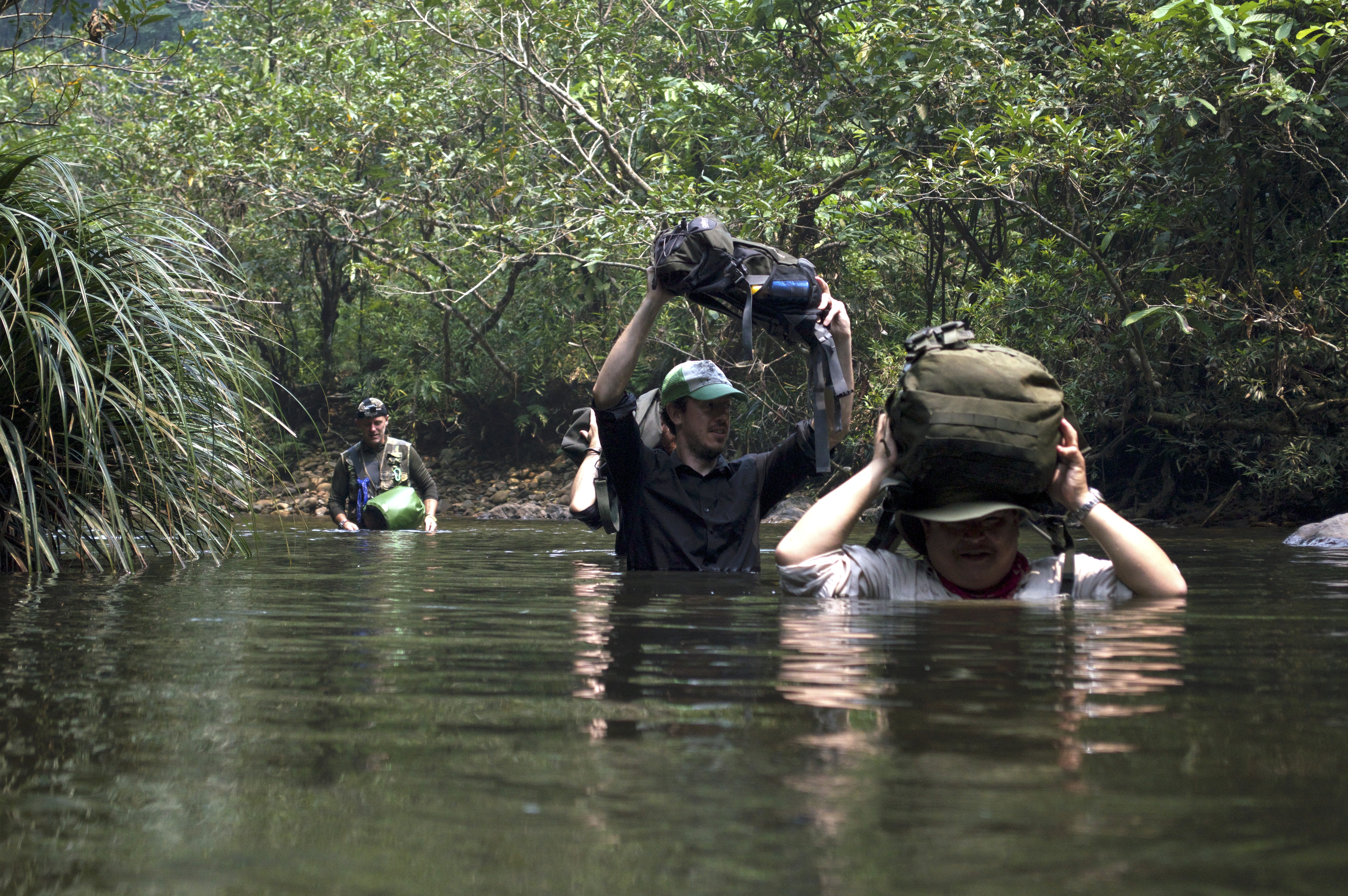
Of all the expedition he’s been on taken, Sumatra in 2015 stands out as a defining moment. Heat, humidity, dense jungles, the exhaustion of wading through waterlogged terrain – it tested him like nothing else. ‘We had base camps with WWF, rats in the night, someone set up a camera so we got rat TV every morning,’ he chuckles. ‘But the expedition work was seriously challenging. I approached the expedition leader talking about quitting – I was in my late 50s and finding it tough. A couple of days I didn’t go out because it was too hard, and I felt I was holding the group back. But I got back in the end!’ It’s a point of pride that he persevered. ‘Even with Wellington boots, boggy ground, up and down, thigh-deep in water … it was unpleasant. But I managed,’ he says. ‘It’s addictive. Can’t get there from here? You can, you can, because you’re part of a team.’
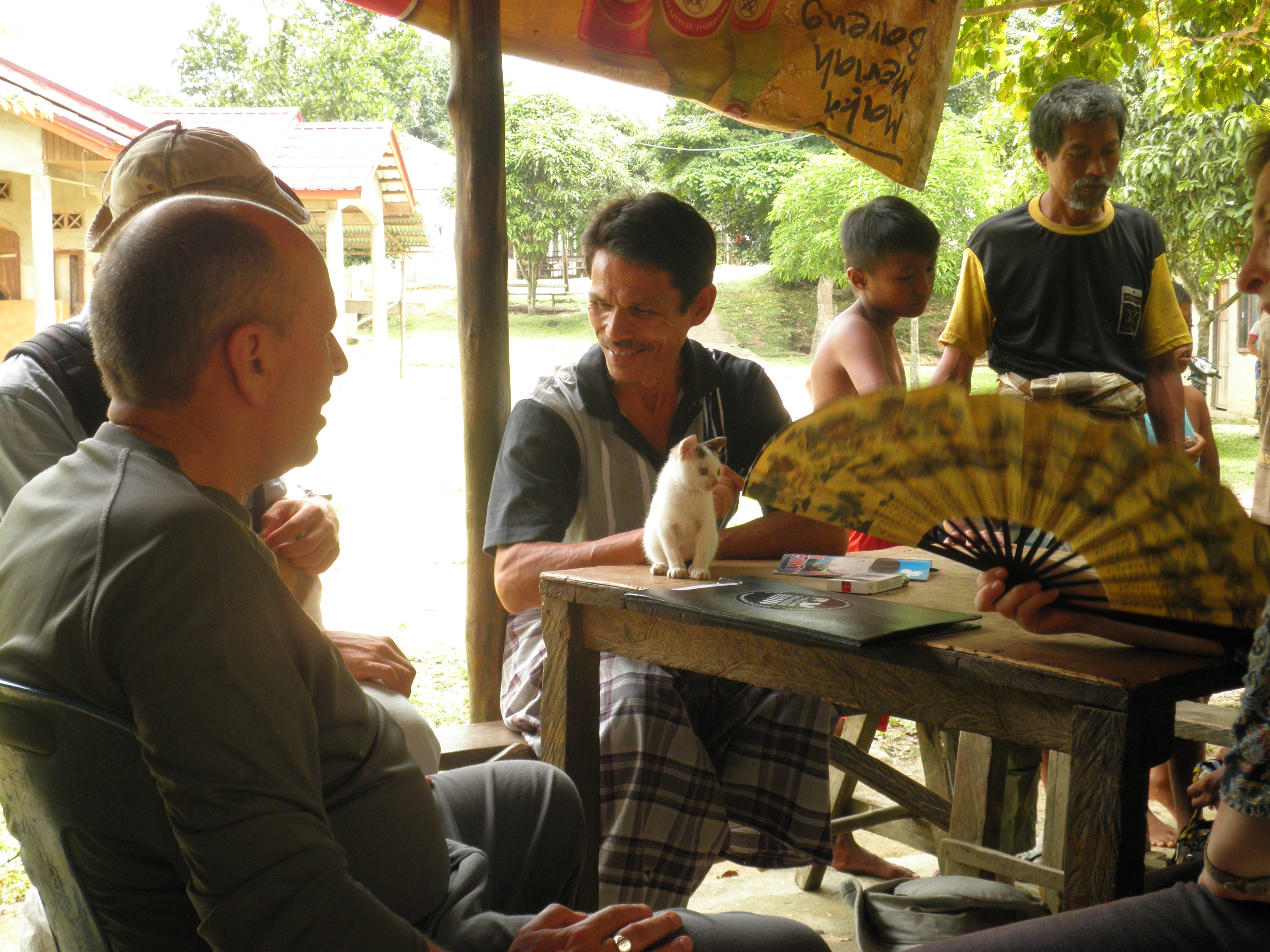
Tough expedition work in SumatraMartyn (foreground left) asking local people about tigers in Sumatra 2015
Returning home after each of these experiences has been its own kind of challenge. ‘It’s a bit like the post-holiday blues,’ Martyn admits. He’d come back buzzing with stories: Muddy boots, extraordinary wildlife encounters—but maintaining his passion at home wasn’t easy. Still, that energy proved infectious for friends who saw just how transformative the expeditions had been for him.
In time, Martyn also realised that his once ‘rose-tinted view’ of wildlife charities had grown more nuanced. “Before expeditions, I supported charities like WWF. You think everything runs smoothly. But then when you do it yourself, helping professionals, you realise how difficult it is, how many challenges you face — it’s not as easy as you might think,’ he muses. The fieldwork – hauling camera traps, trekking through punishing environments, collecting data – deepened his respect for conservationists. ‘I do it two weeks a year, and it’s made me realise money isn’t everything. Commitment, courage, consistency: that’s critical,’ he says.
Martyn’s convictions haven’t dimmed; they’ve evolved. His adventures have taken him across continents, from desert scrubs to humid jungles, always in search of something more meaningful than a fleeting holiday. Each expedition tested him in a new way. Each time, he rose to the challenge. Now, he can’t imagine who he’d be without those experiences – or the confidence they’ve given him. ‘For some people, this might be a one-off. But I realised I relish it,’ he says, bright-eyed with the memory. ‘It’s rare in life. You give a lot, but you get a lot back, and that changes you.’



























 Biosphere Expeditions: blogs from the frontline of wildlife conservation and the fight for a more sustainable planet