Award-winning, non-profit and ethical wildlife conservation volunteering. Advancing citizen science and conservation since 1999 – for nature, not profit.
Continuing the 2023 Tien Shan snow leopard expedition in our new study area meant an inexhaustible list of tasks for group 2, with new valleys to explore, camera traps to set and locals to build relationships with.
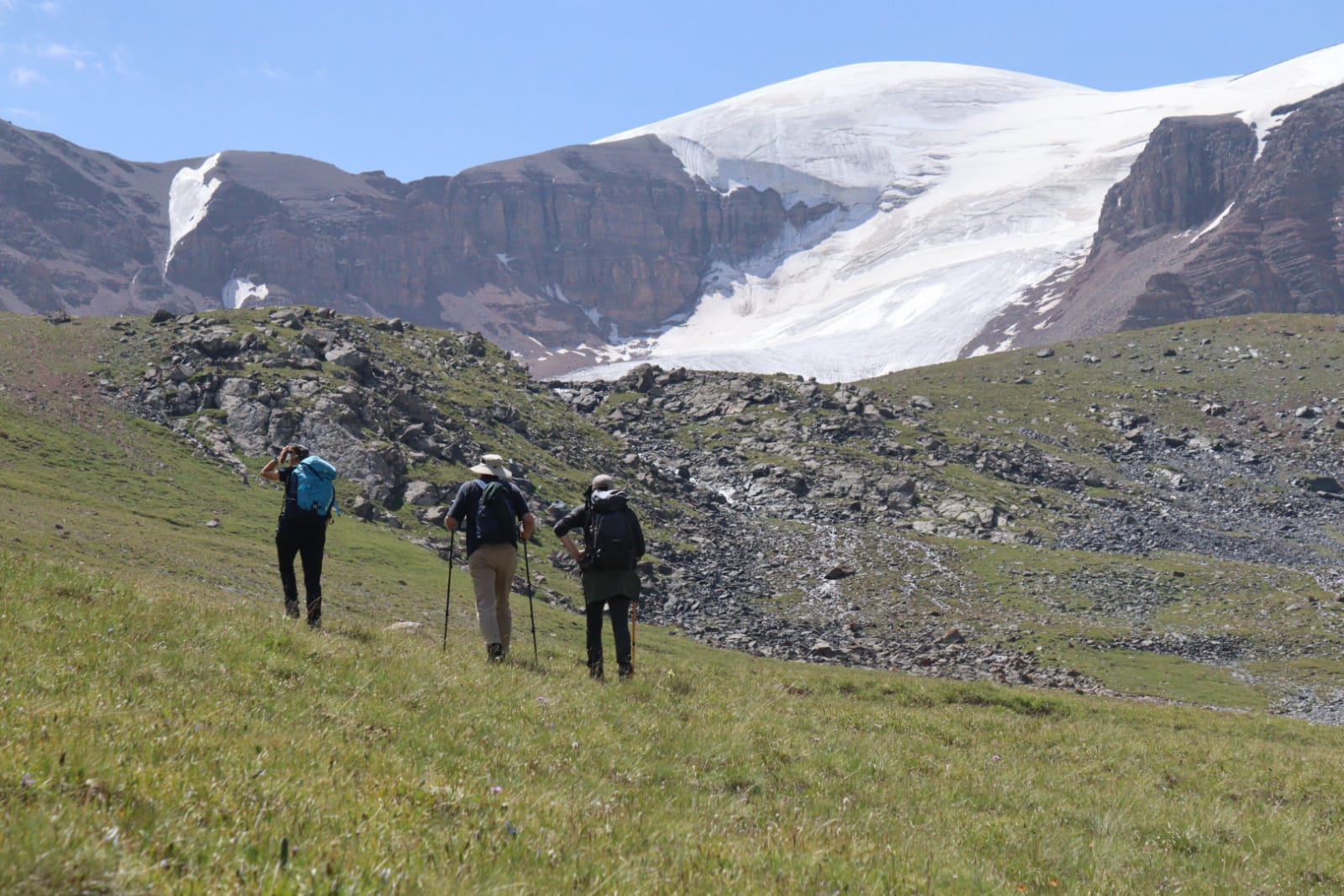
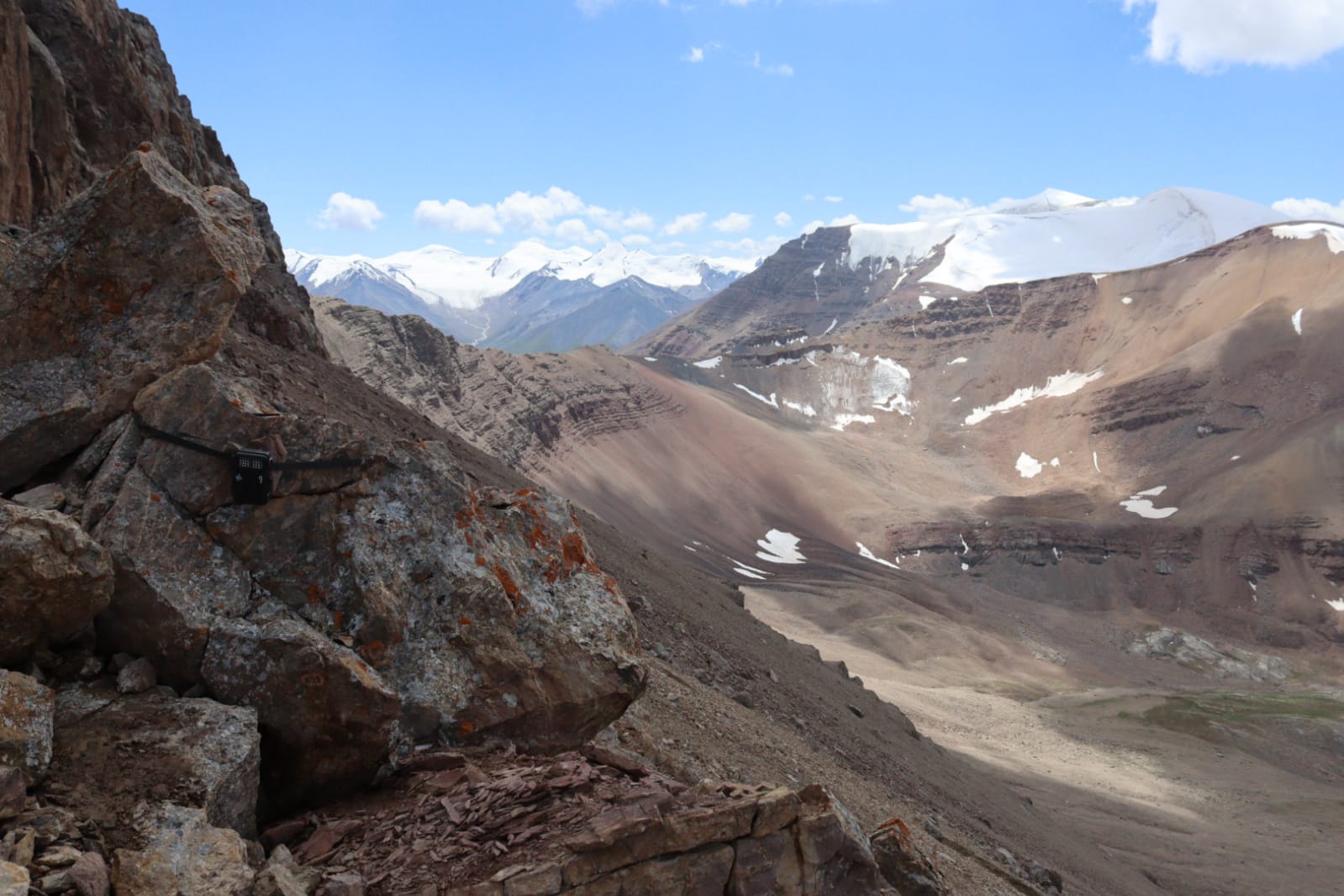
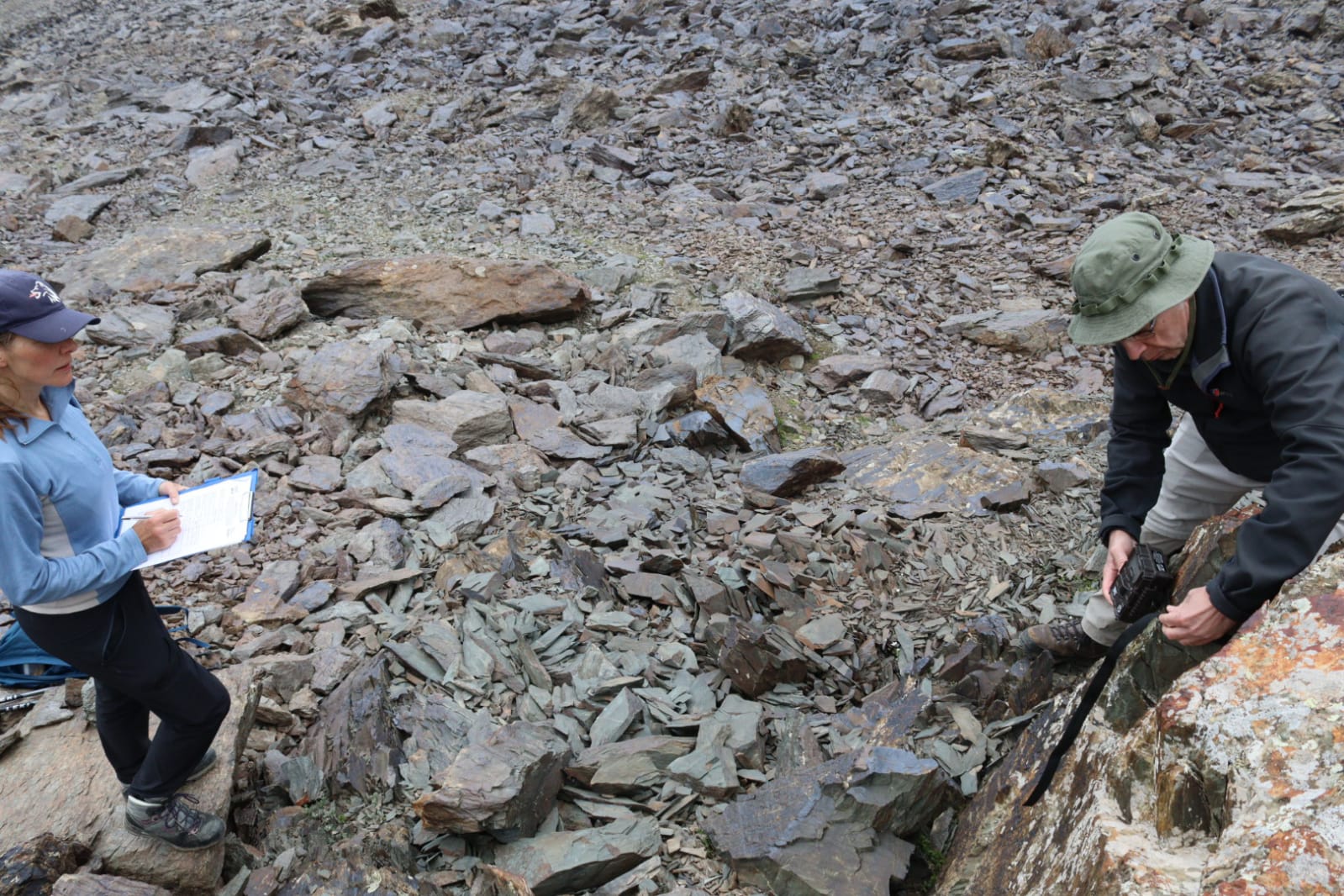
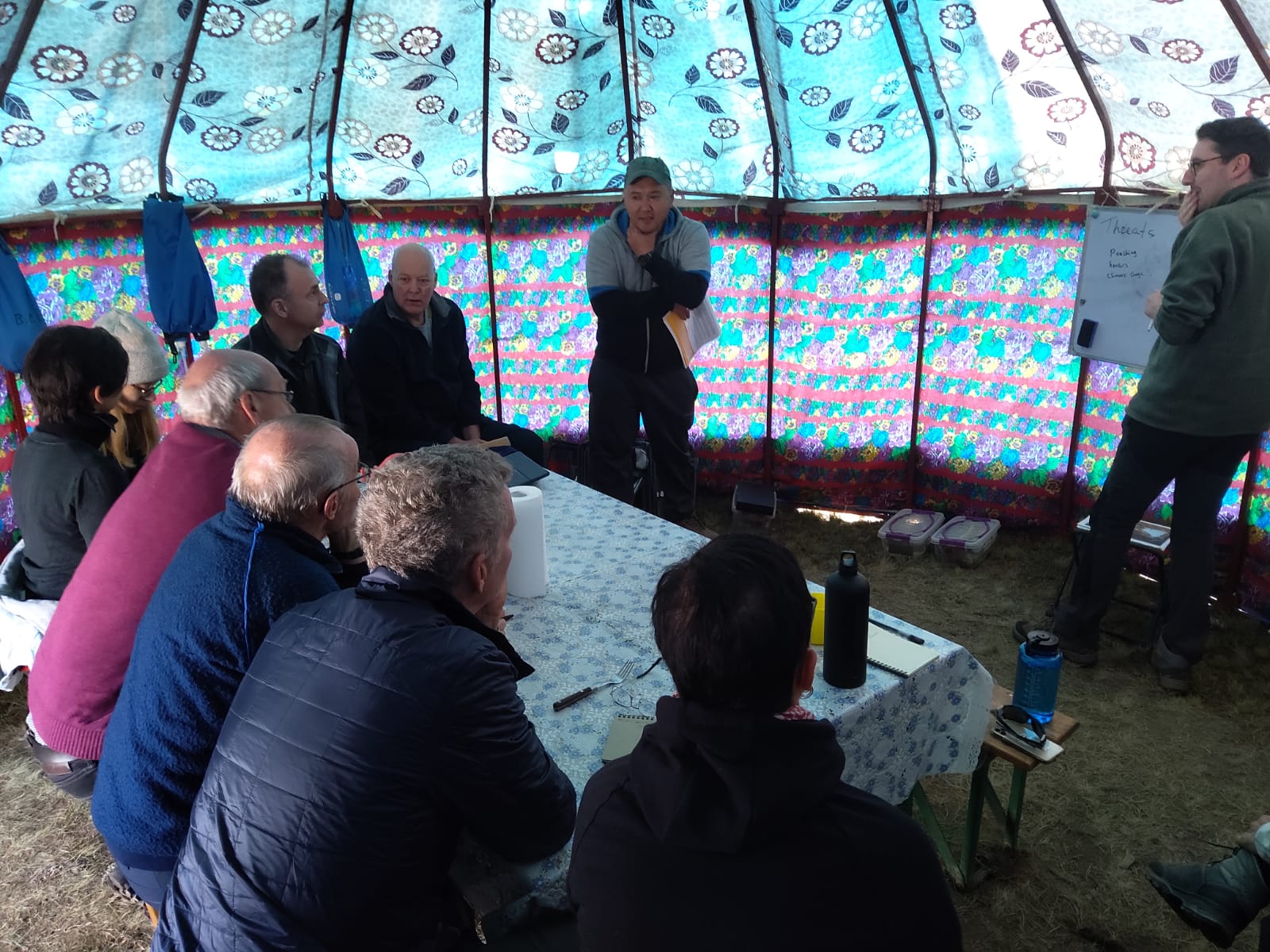
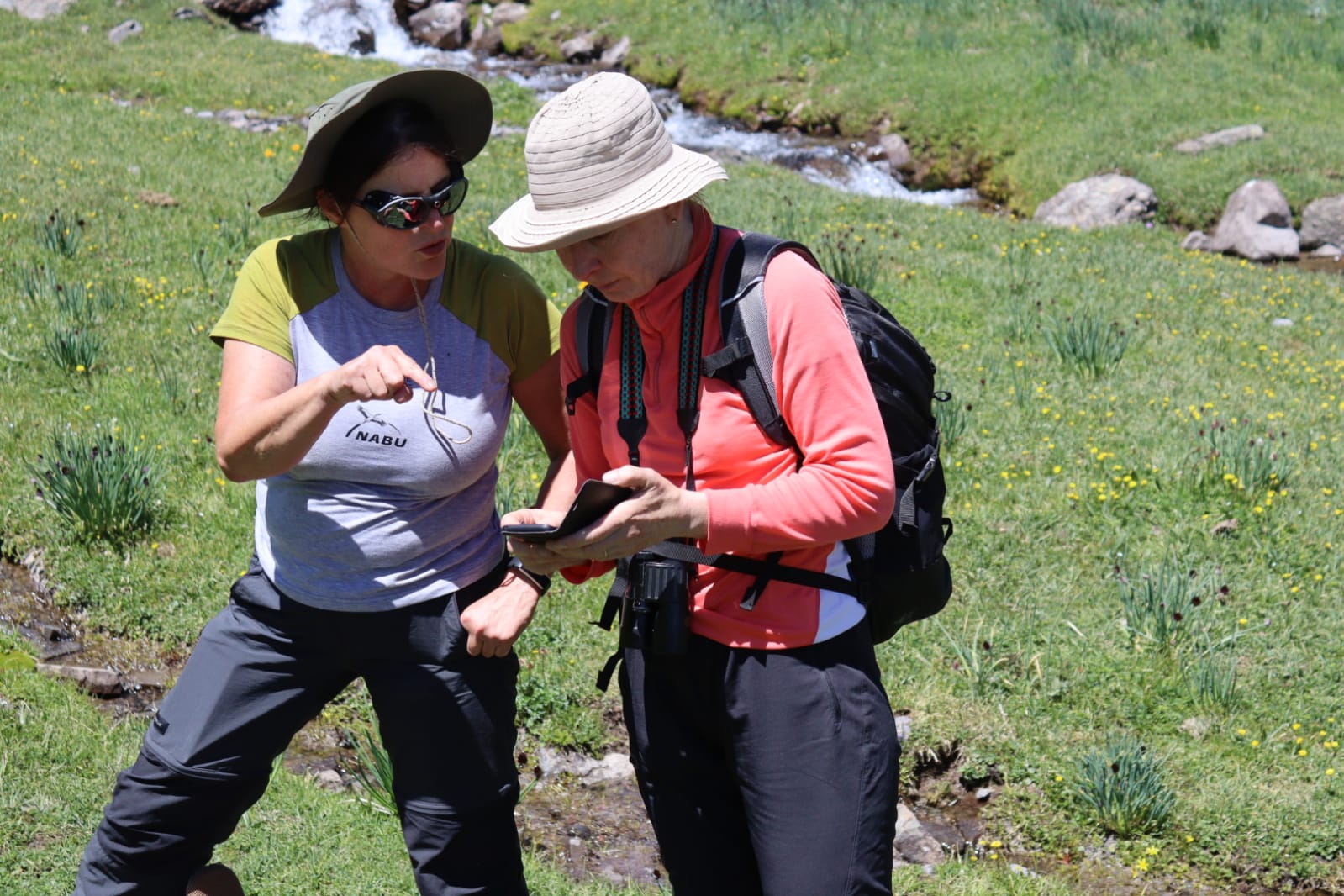
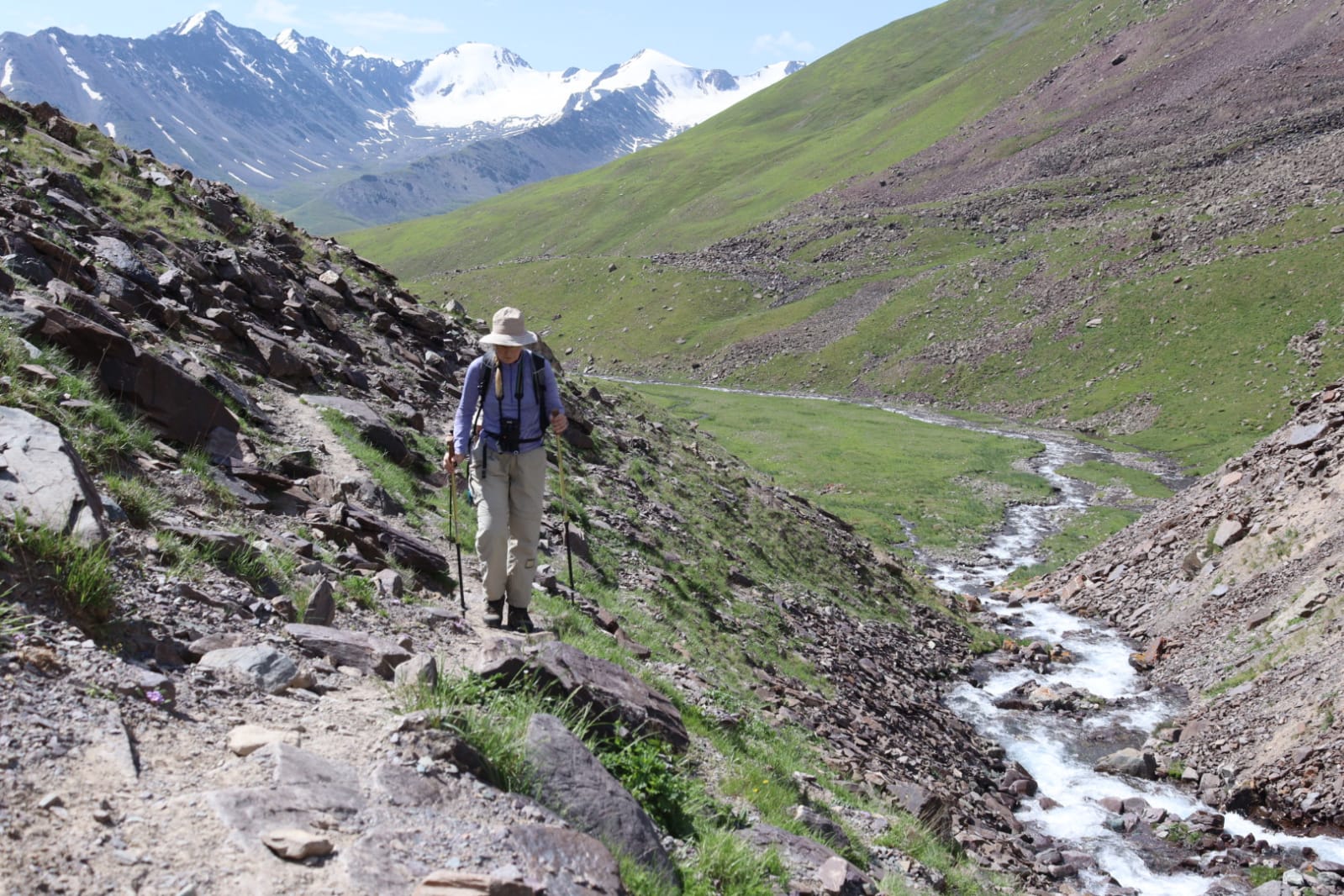
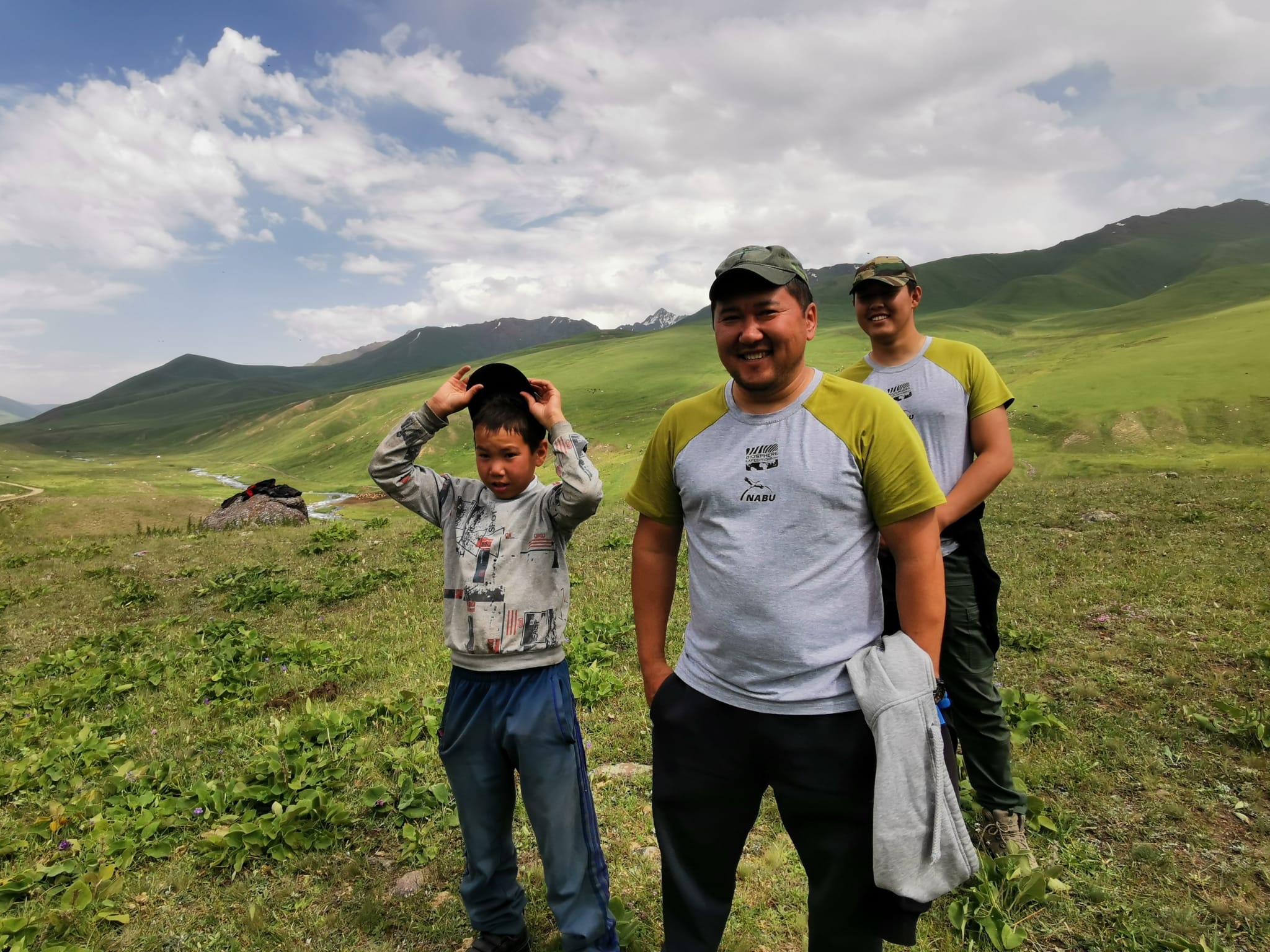
Surveying unexplored (by Biosphere Expeditions) valleys meant that group 2 had to start each day with a flexible mindset. The suggested survey route could be promising and turn into a nine hour mountain walk, or an impassable obstacle could mean the group is back at base camp by lunchtime. Initial evidence is very promising, with multiple signs of argali sheep (snow leopards prey), including remains and tracks. But, to achieve the goal of documenting snow leopards in this new study area, we need camera traps up in the mountains, working for us 24/7. Special mention to Isabelle, who was part of every team that reached the desired altitude for camera trap placements.
We look forward to seeing what evidence this hard work captures in the coming weeks. We also had teams working hard on interview questions and relationship building with local herders and their families. Thank you to Luke, Karl, Anastasia and Corinna for your dedicated work in designing and implementing interviews.
With group 2 wrapping up, I would like to thank everyone who participated for your hard work. We look forward to welcoming group 3 to these beautiful mountains. Please be prepared for training days followed by some long days in the mountains getting camera traps into prime snow leopard territory.
Group 1 started smoothly with everyone arriving on time to the meeting point in Bishkek. We then drove in convoy for seven hours to base camp arriving on schedule at 16:00.
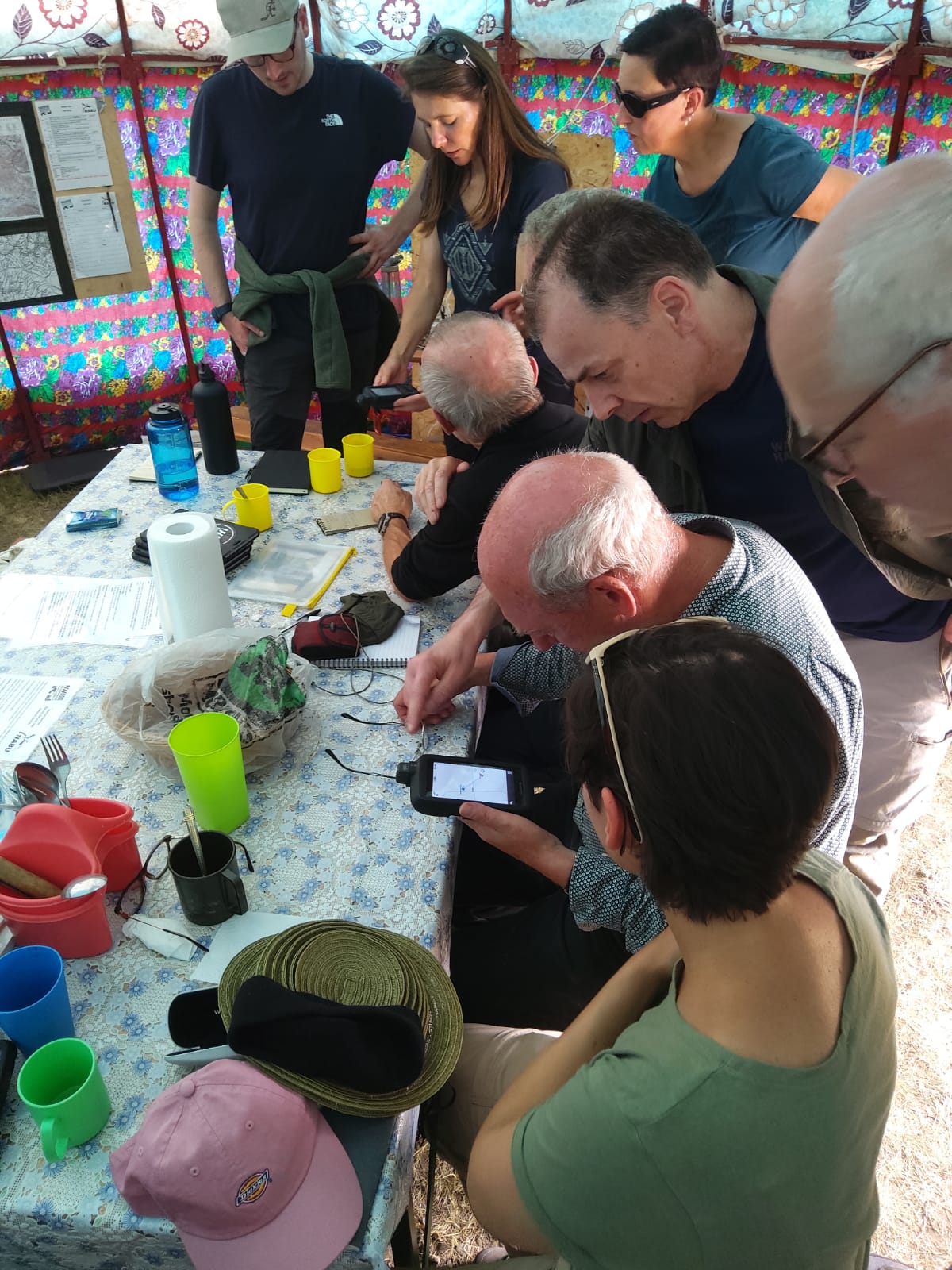
The next morning saw a busy day of training with lessons on scientific methods, GPS use and offroad driving at our old site. We’re here to wrap up our work in this valley. If you have read the 2022 expedition report, you know why. The biggest task for group 1 was collecting all the camera traps from the mountains, which involved some challenging days, as most of the cameras are placed above 3700 m. Well done Clodagh, Leonard and Simon for retrieving our highest and most hard to reach cameras.
In fact, the whole team did a sterling job retrieving most of the cameras within the first few days. We then had a day off with goodbye celebrations for the old valley and experienced some local culture before taking down base camp and loading up the cars and truck. There is a feeling of excitement for the opportunity to study a new valley where – to our knowledge – no snow leopard research has previously taken place.
So here we are, half way along the eight hour drive to our new location in Archaly valley, where the rest of our 2023 expedition will take place. Just enough time and signal to drop off this blog entry.
More news on the new location when we’re back in Bishkek for the changeover. Groups 2 & 3, be ready to go where few citizen scientists have gone before!
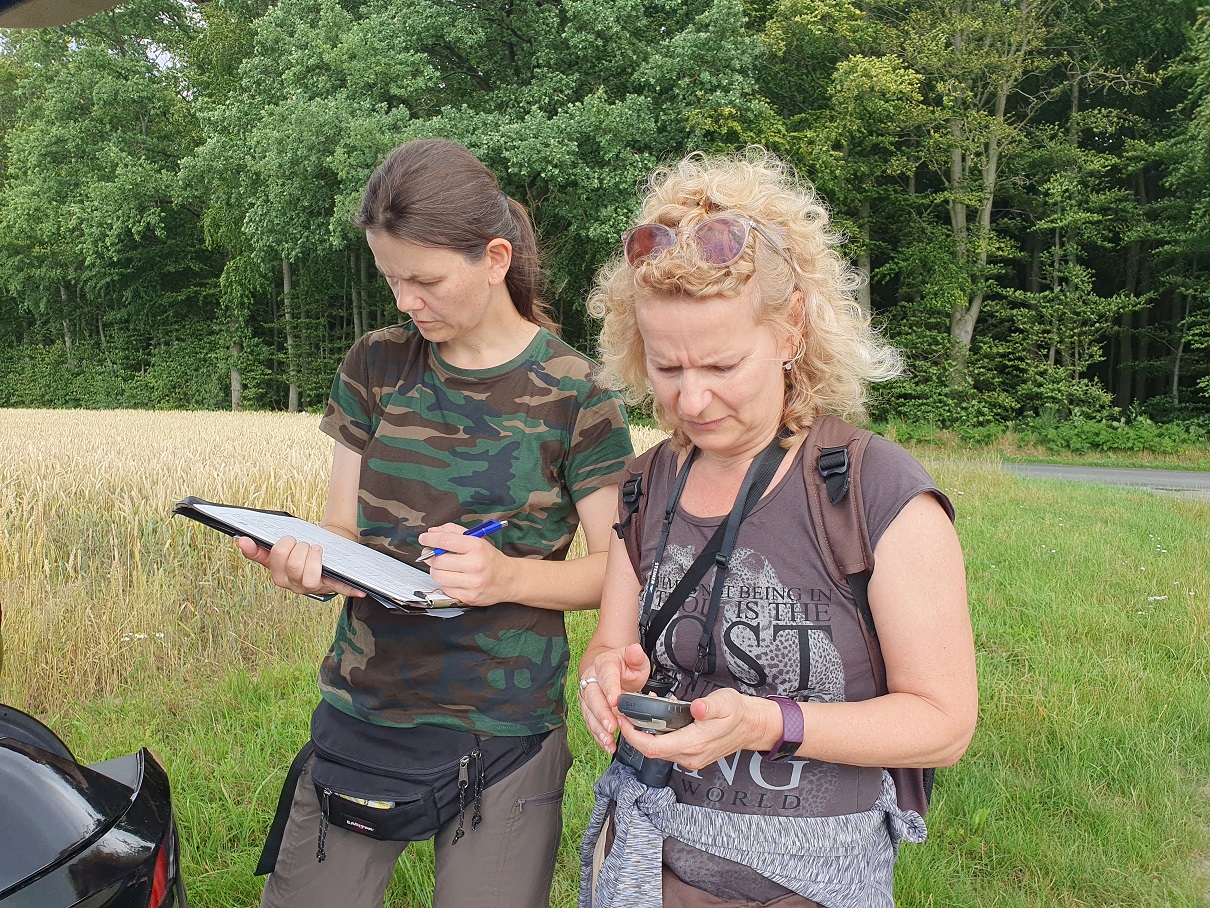
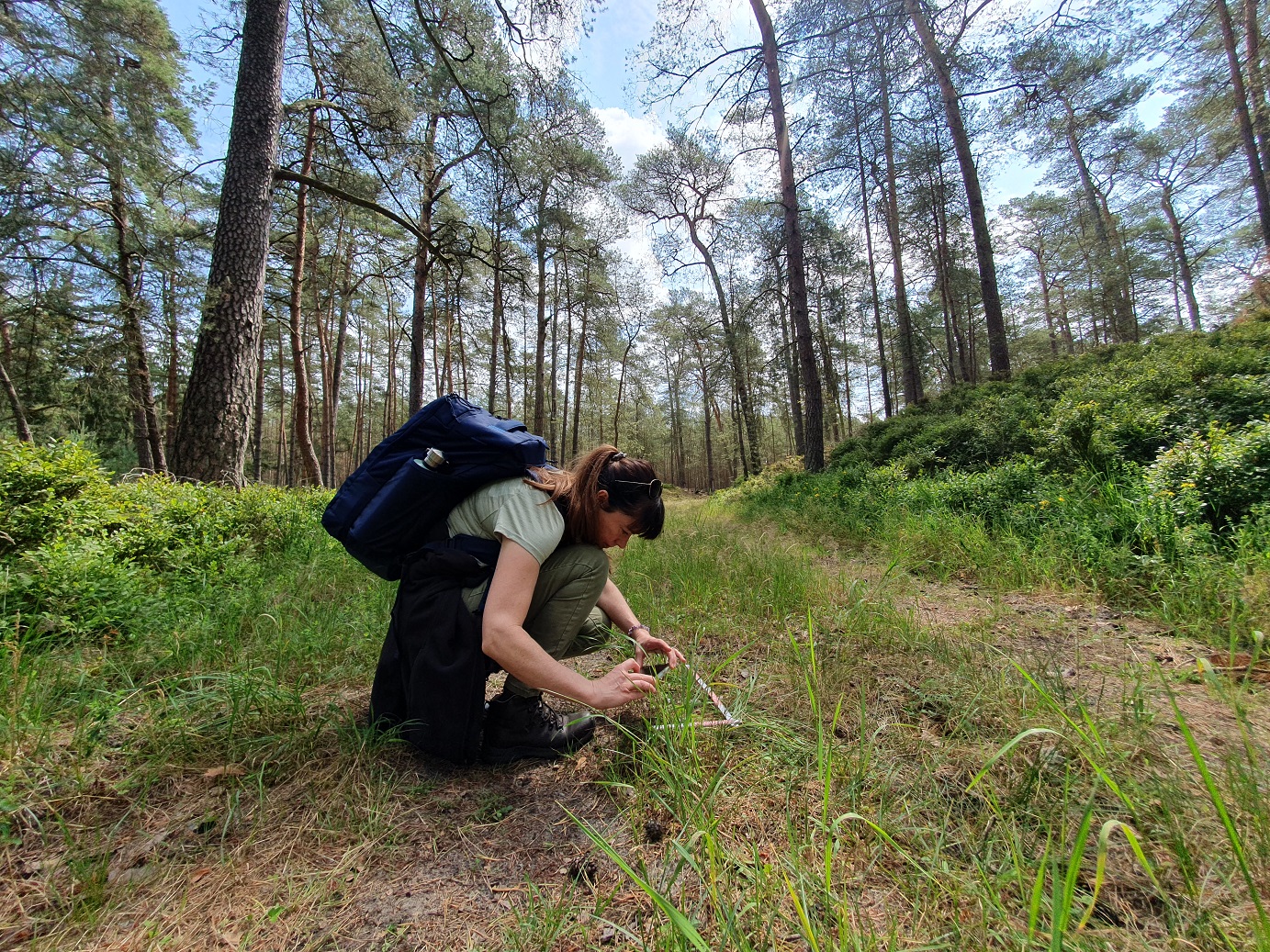
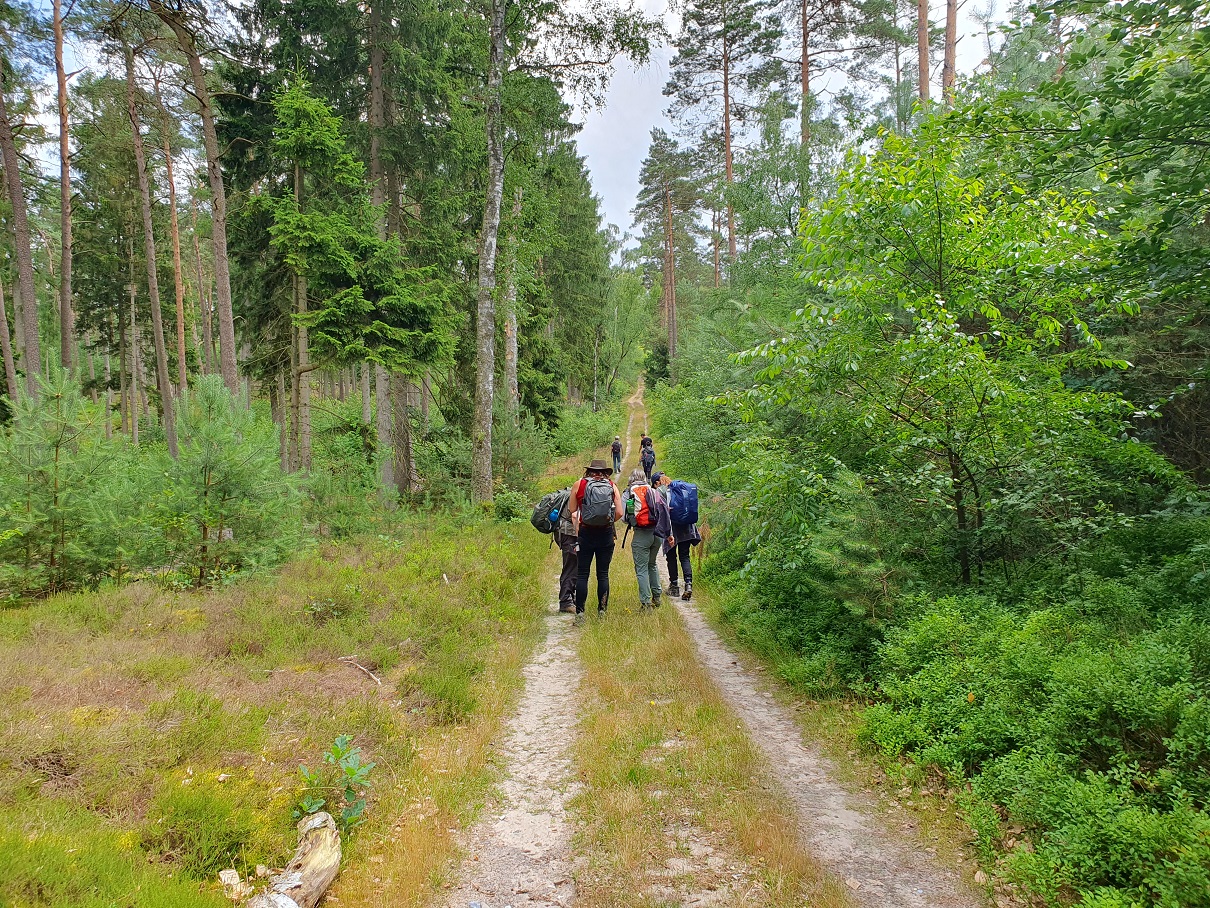
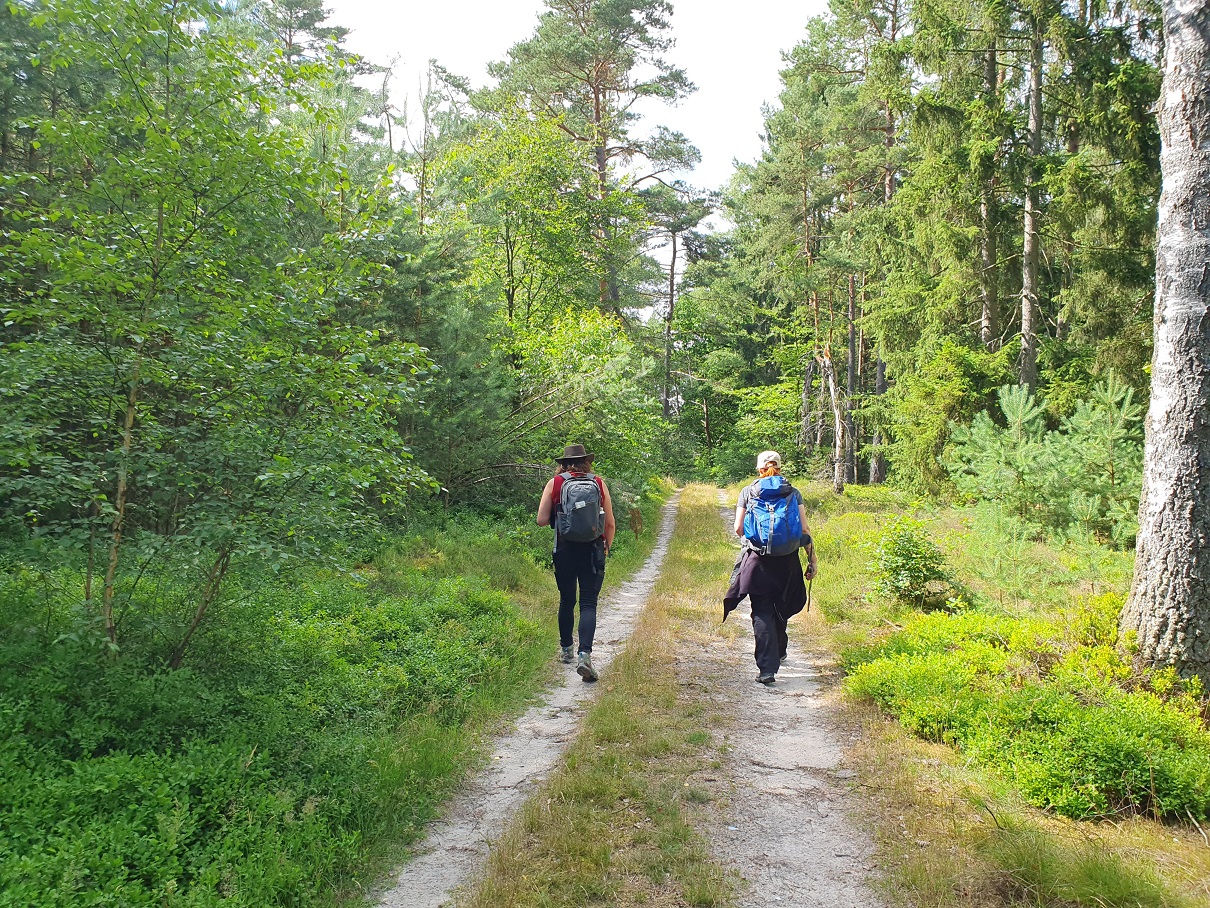
Our second team of expeditioners completed their wolf surveys on Thursday with a thunderstorm. As days went by, everyone managed to perfect their navigational skills. No easy task when the printed map, GPS and reality do not always match. The teams enjoyed walking across different wolf habitats, ranging from pine forests, through heath areas, over sand dunes and deciduous forests. It is a special feeling to walk in a large carnivore’s footprints while documenting evidence on their presence and ecology on what we call wolf highways.
This team’s effort, patience and dedication paid off resulting in a wealth of valuable data, confirming the importance of citizen science to add to monitoring efforts – or in many cases being the only source of monitoring data:
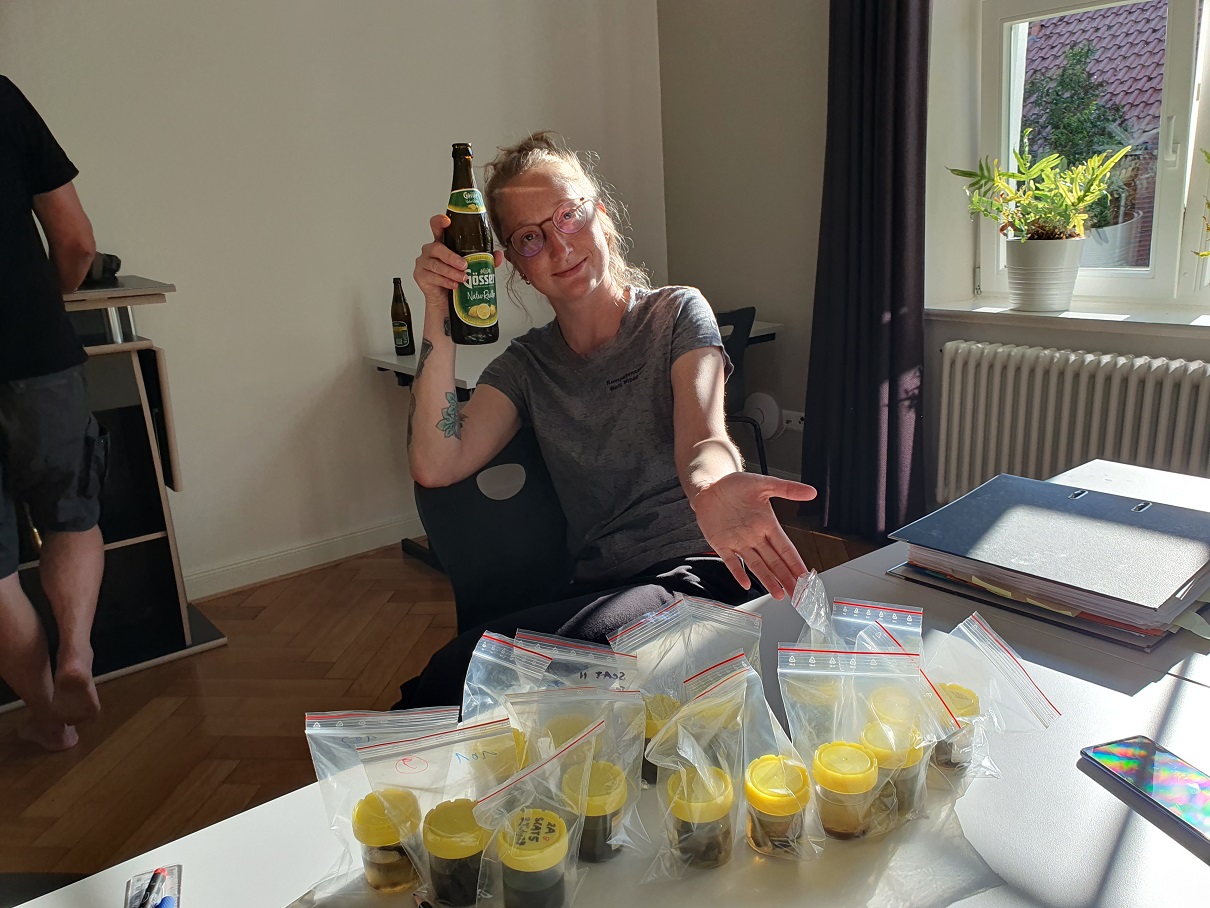
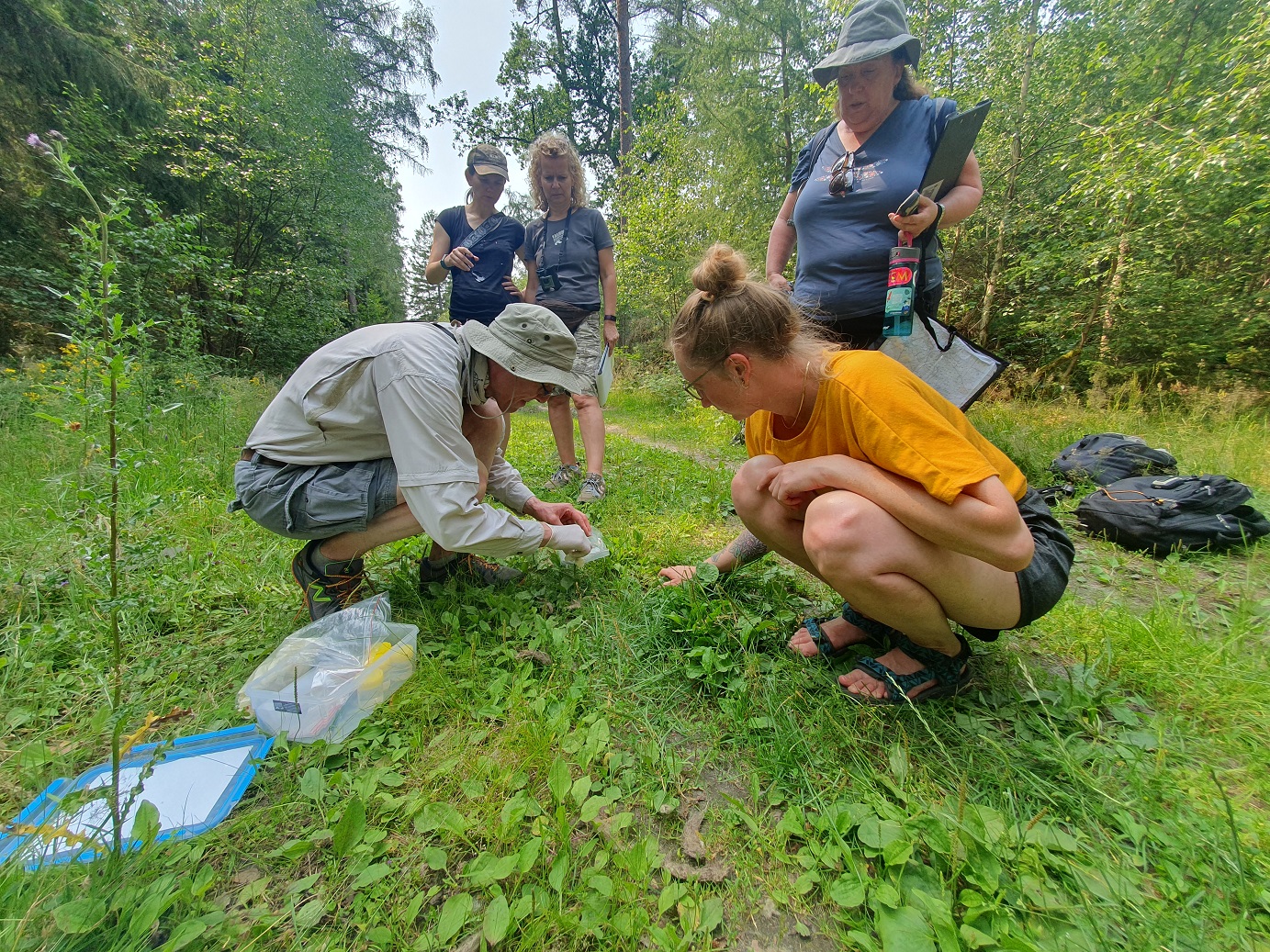
Over two groups and weeks, we walked nearly 800 km in 8 wolf territories, resulting in a total of 217 documented scats of which 155 were frozen for dietary and 15 suitable for DNA analysis. Especially with the fresh samples, it is quite thrilling to realise that less than 24 hours ago, this top predator was in the same spot as you were. Even if we do not easily get to see the wolves, we wonder whether they might be looking at us from within their forest hideaways.
This Friday we said farewell to our second and last group of the year. I am sure we will all miss the acrobatic flights of the swift colony around our base, the evenings sharing field experiences and laughs. You were a wonderful team, we wish you safe travels and thank you for your dedication. A special thank you also to Susanne and Jannis of Naturcampus for hosting us and the canteen team of SOS Bockum for the vegetarian food to keep us going. We thank everyone for making this expedition a great success and we hope to see you again in the future.
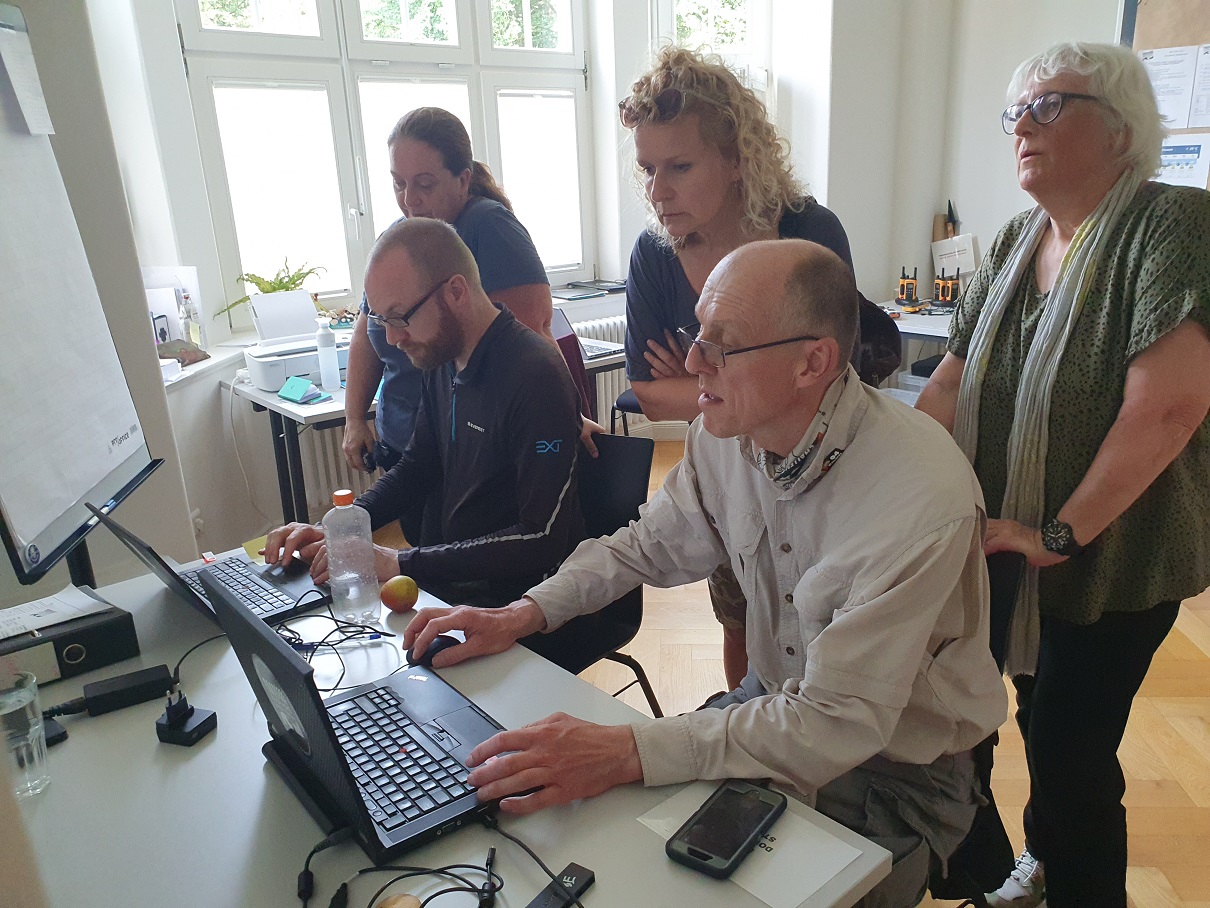
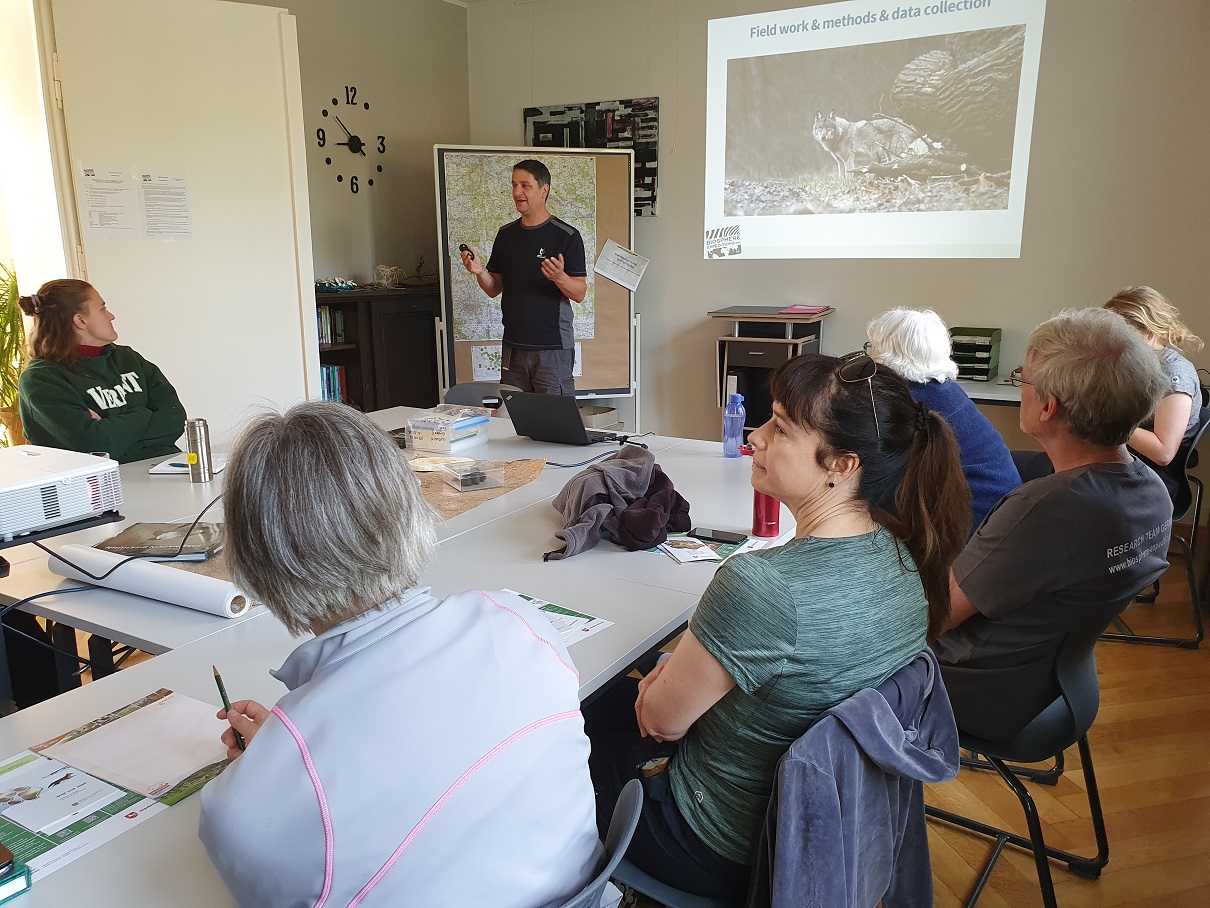
With our second team of expeditioners arrived the tropical weather. Temperatures exceeded 30 C, humidity levels increased and the night brought a thunderstorm. That clearly did not phase our newly arrived expeditioners, who were keen to get into action. After our usual pick-up in Bremen and guided tour in the Wolfcenter, we went into full training modus in our beautiful Bockum research base.
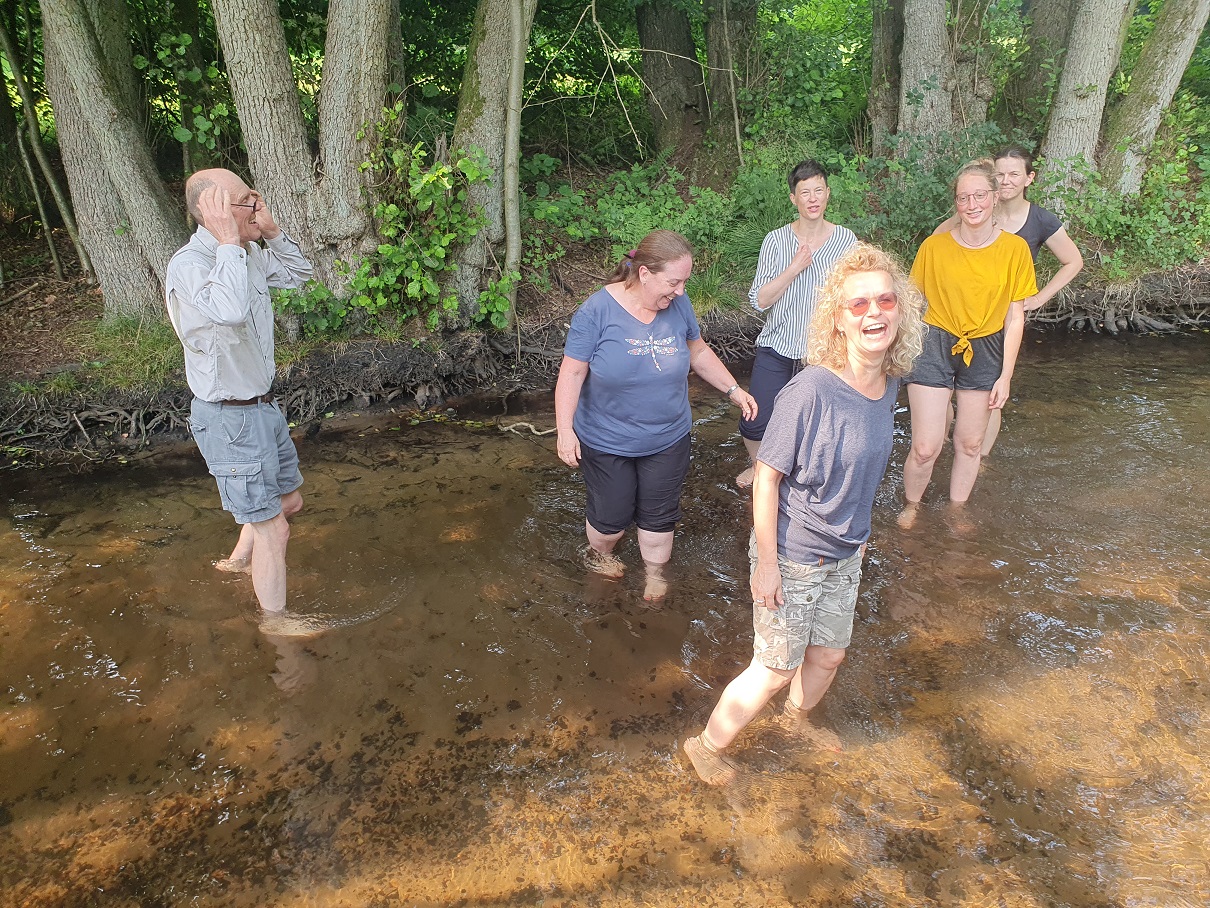
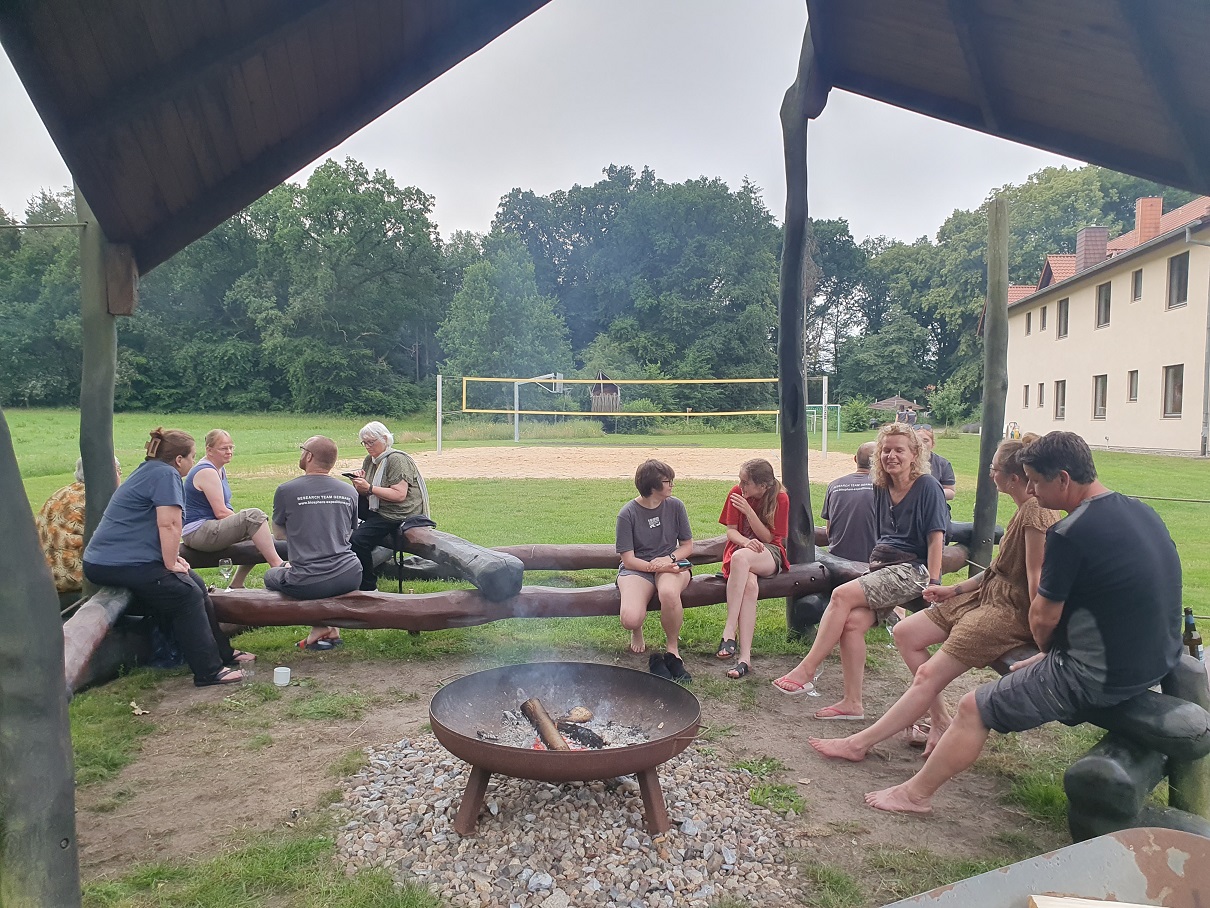
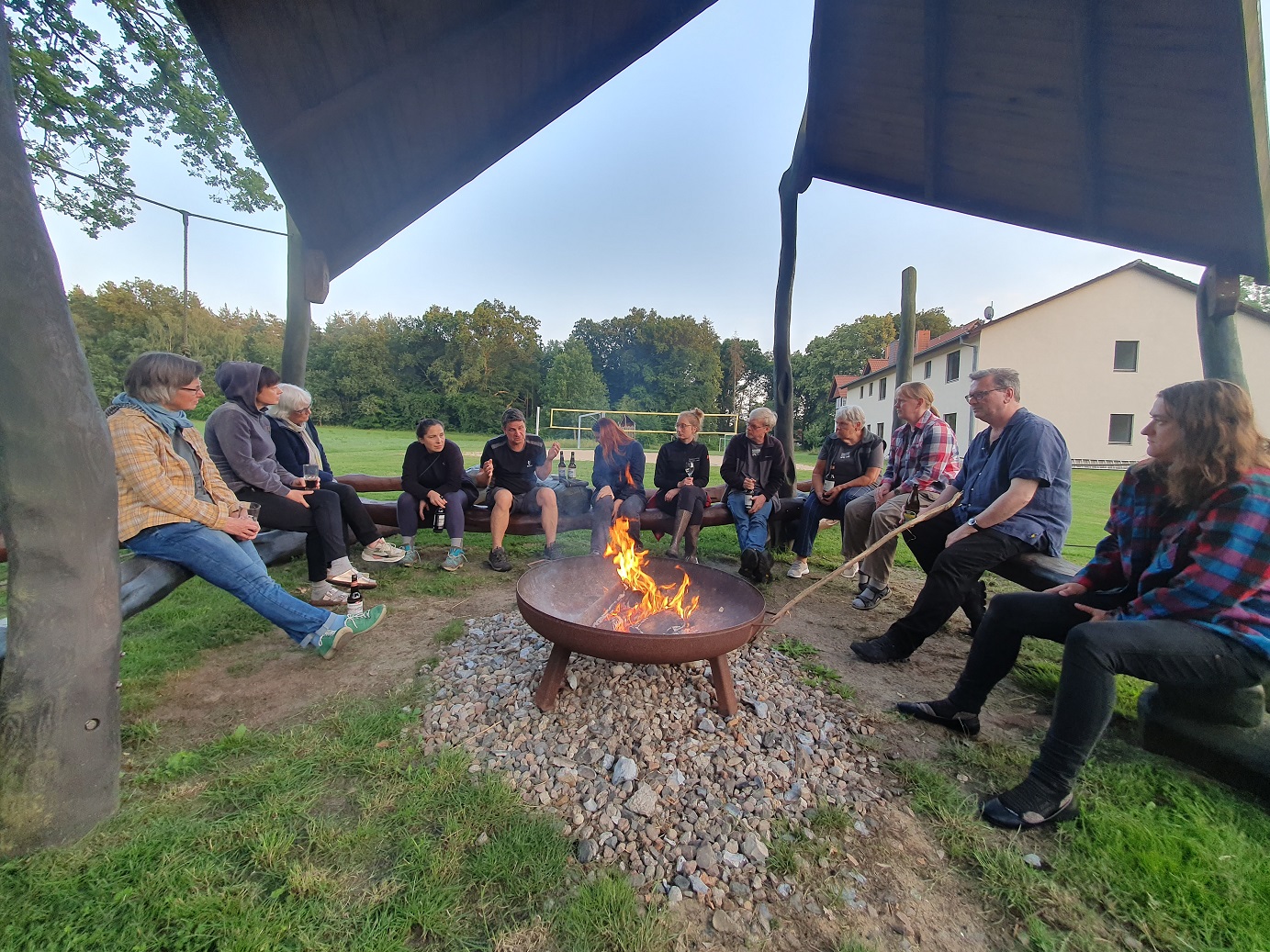
Sunday afternoon our try-out survey to test the newly acquired skills did not disappoint with no fewer than five recorded wolf scats. Wading in the stream Lopau on our return brought some well-deserved refreshment. Ending the day around the campfire with a nice drink allowed us to get to know each other better and exchange previous nature adventures.
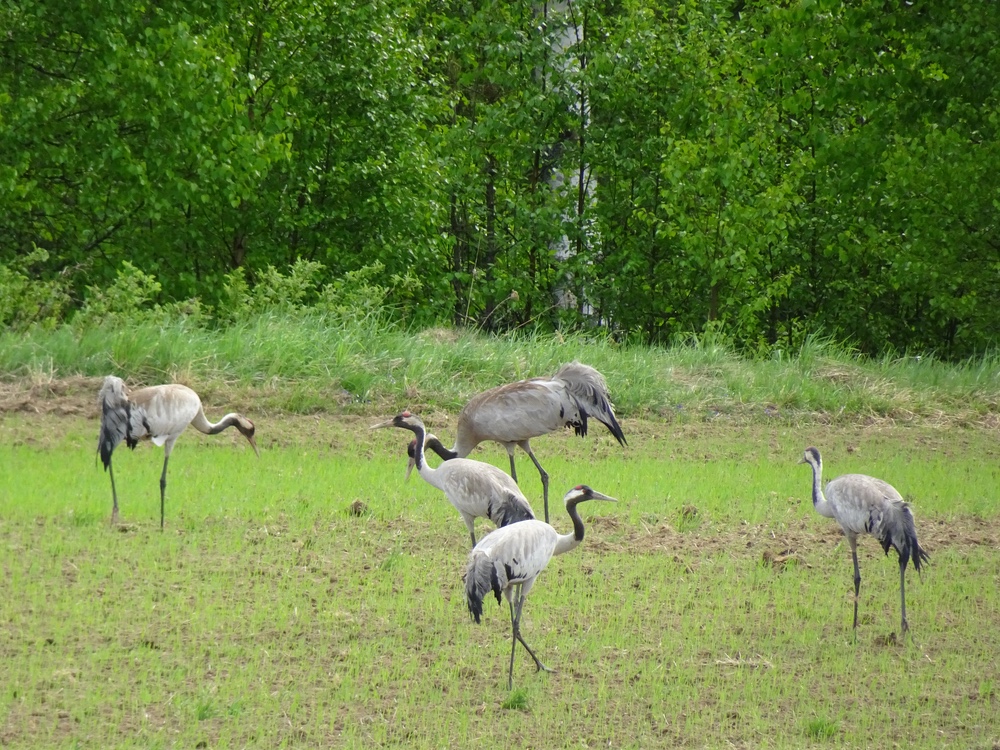
Monday we headed out to two nearby wolf territories, Breitenhees and Susing, and split up into six teams. As tends to happen, some teams only managed to cover 4 km due to a high amount of wolf evidence that had to be documented and sampled in their assigned areas, while other teams did as much as 15 km, covering a much larger area, but with no indication of any recent wolf presence, which is equally relevant data. In any case, it is hard not to enjoy the beautiful forests, the other wildlife sightings (red deer, wild board, cranes, red kite and marten) and this in great company. Tomorrow half of the team heads up north to survey Amt Neuhaus and Göhrde, while the other half continues their investigations here.
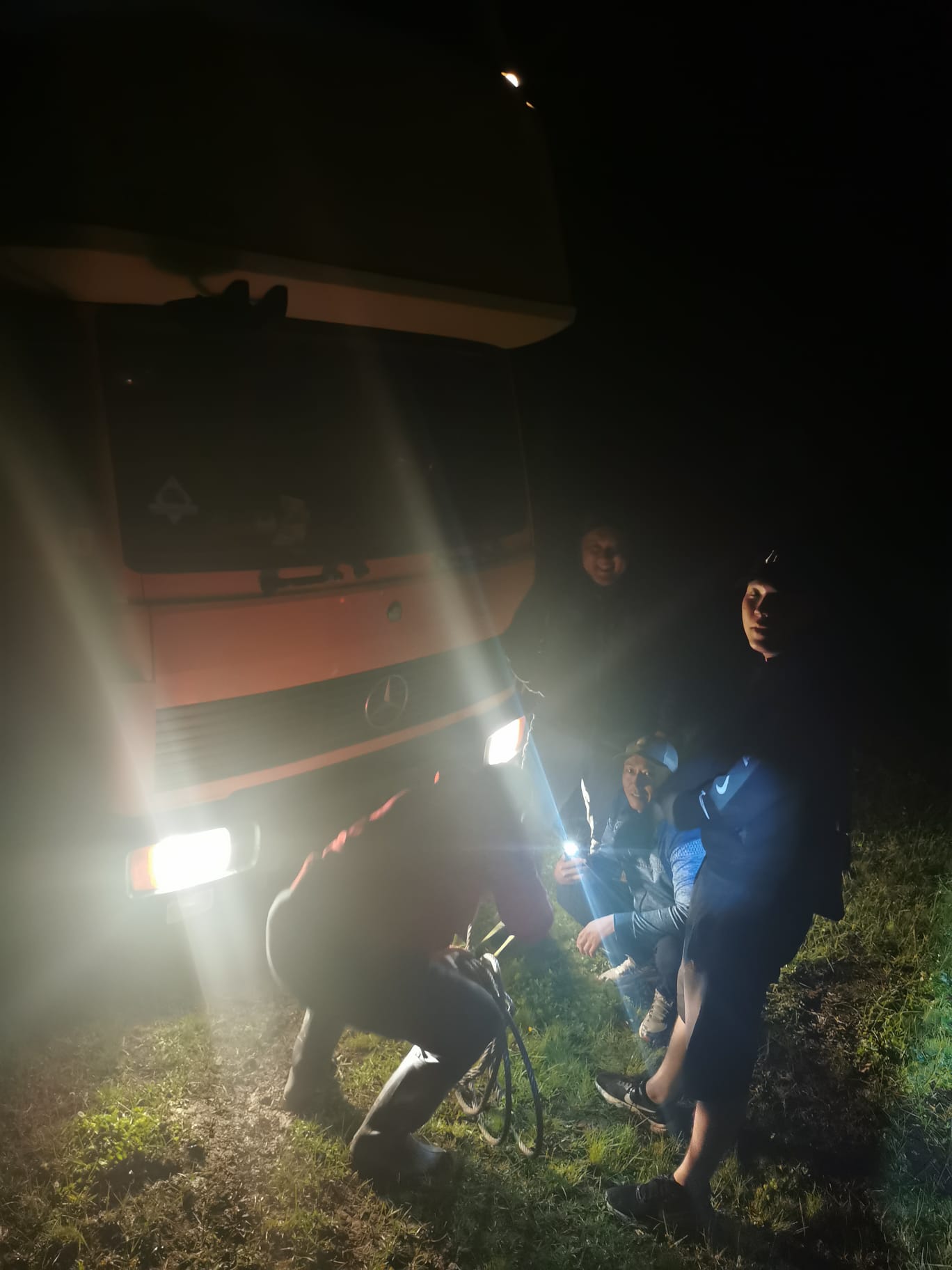
We set off on Thursday for our base camp location. After eight hours on the road we arrived as night was falling only to get our big truck stuck in soft ground. After a few failed attempts at freeing the truck from the mud, we decided to pitch our tents and try again in the morning.
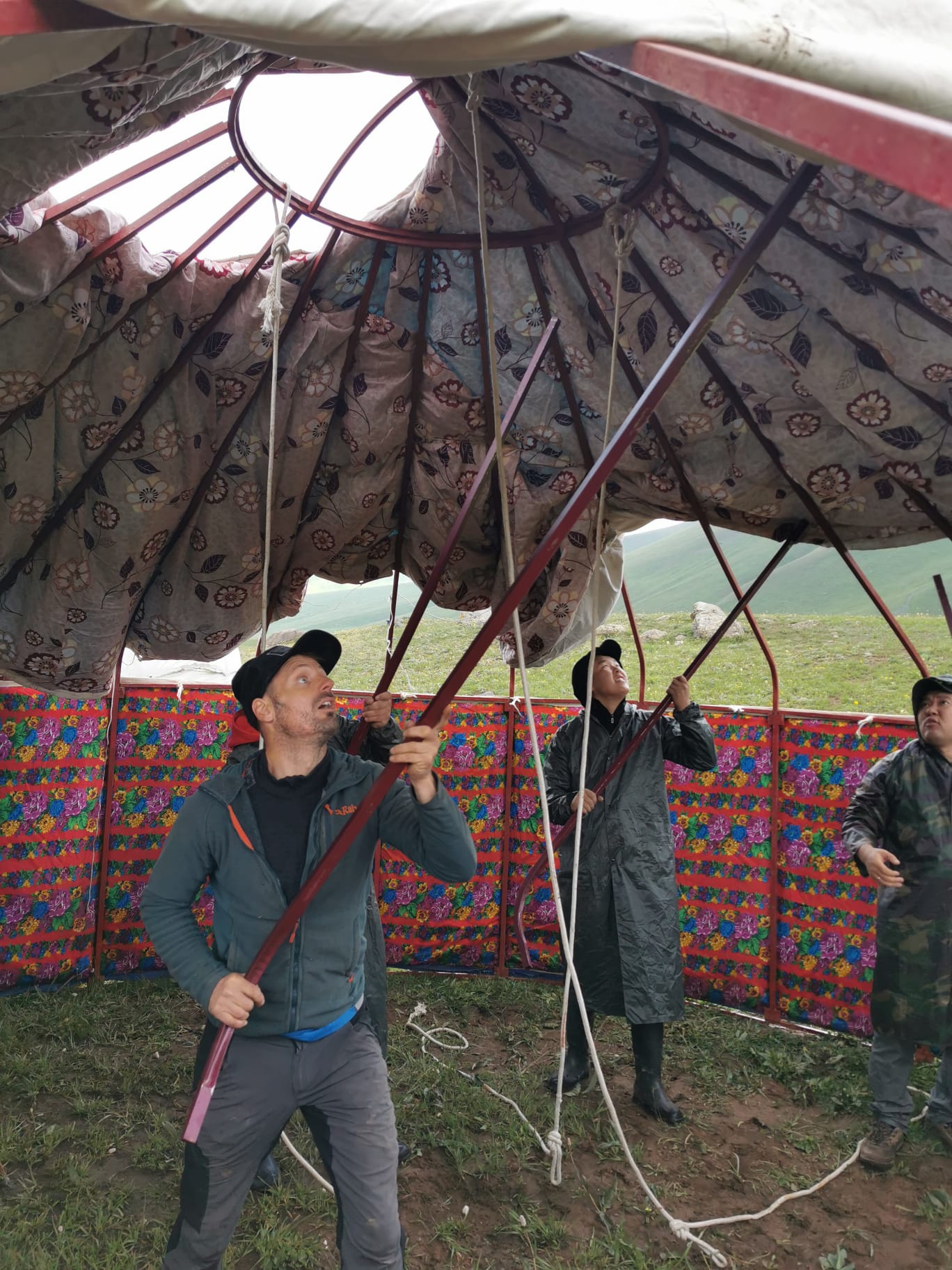
Sure enough the next day, Becca (ranger/guide) promptly freed the truck and it was all hands on deck setting up yurts, only breaking to reacquaint with old friends in the valley who paid a visit, they even mentioned having lost livestock to snow Leopards just weeks ago (more information needs to be gained with surveys) . Two days later, base camp was ready for the arrival of group 1.
On the way back, we went past another possible research site, Archaly valley, which looks good and promising, especially in light of what we wrote in the last expedition report, which we’re sure all expeditioners have read in preparation…. More on Archaly and our plans for this new site later.
Back in Bishkek, more last minute shopping before we met group 1 this morning for the long journey to base camp followed by plenty of learning in the first couple of days.
Four days of surveying have gone by quickly. Over almost 400 km in eight different wolf territories, everyone has become very skilled at detecting and documenting wolf evidence in the field. This year we explored some new sites, unsure what we will find there. While in certain areas an impressive amount of data could be collected, in others no evidence of wolf presence was found. While this is obviously less satisfying after a long day of hiking and concentration, those zeros are equally important to gain insight into the current movements of known packs.
We enjoyed exploring different forest types and were treated to other sightings as well: a fox on the trail, a group of wild boar whizzing by, a startled stone marten, red kites and buzzard flying over, lots of roe deer and the more impressive red deer with their large antlers. And there were always dung beetles around to keep us amused.
Group 1 has found 123 wolf scats, of which 89 were collected. Of these, seven will be analysed by DNA sequencing to help confirm who left them. We also found two long wolf tracks and heard pups and adults howling in the distance. Our scientist Lotte even had a very brief sighting! As expeditioner Carine said, “walking in the wolves’ tracks and documenting their ways of life, gives you a deeper connection to the species.”
Group 1 finished on Friday. We thank all of them for being committed to the task, for the excellent team spirit and and the fun times. Safe travels back home and we look forward to welcoming group 2 in Bremen on Saturday.
Here in Bishkek we’ve been continuing to meet staff who have been on expedition before. Many discussions are taking place about road conditions in the mountains, camera trap locations and servicing and expedition food.
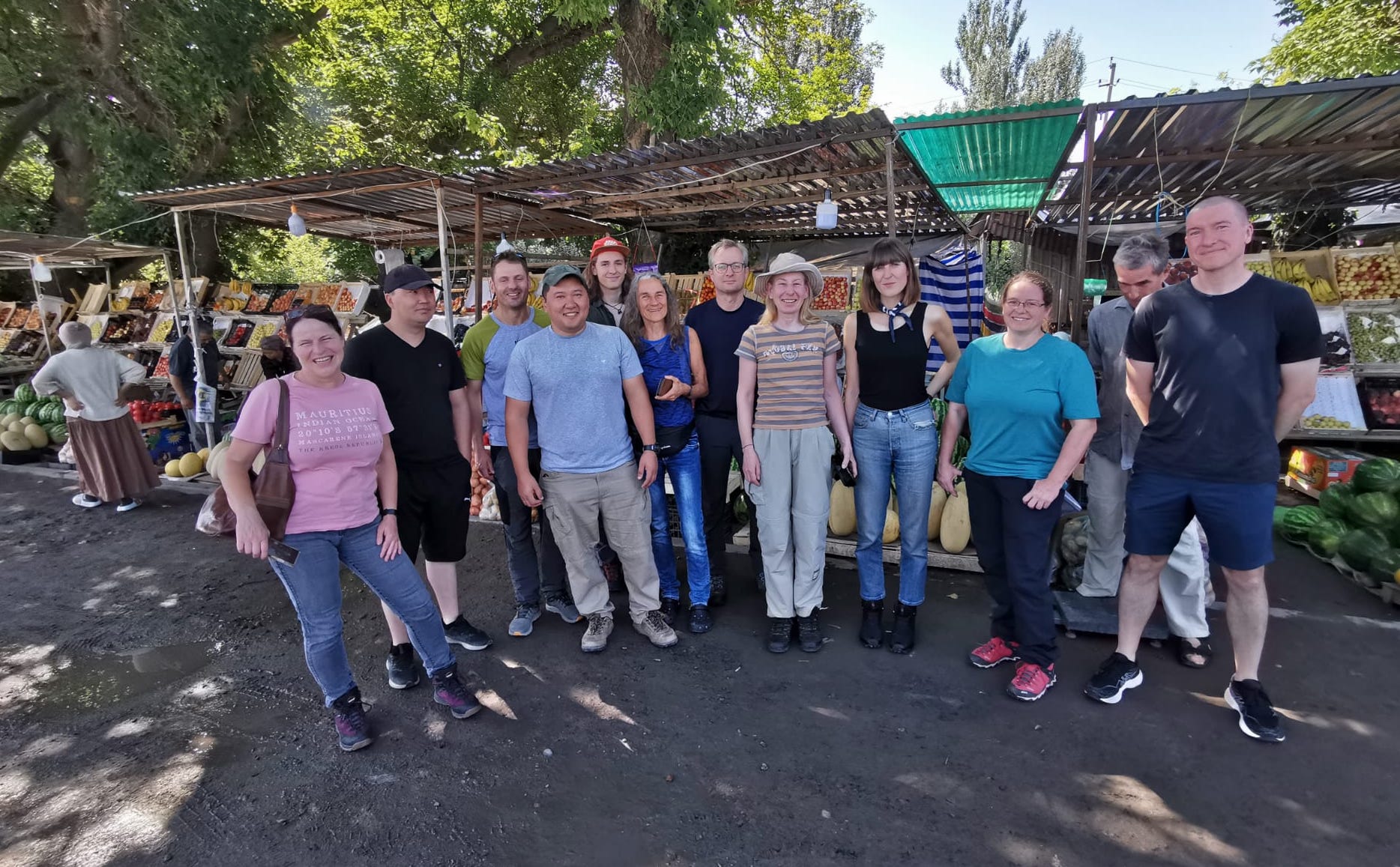
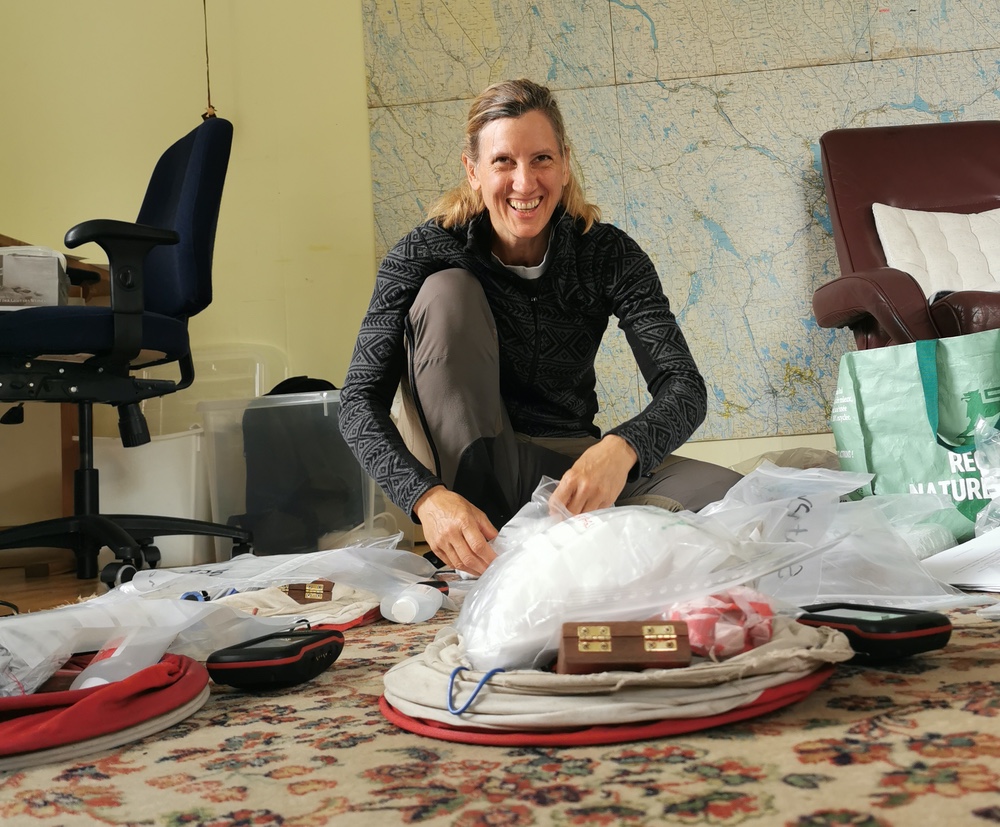
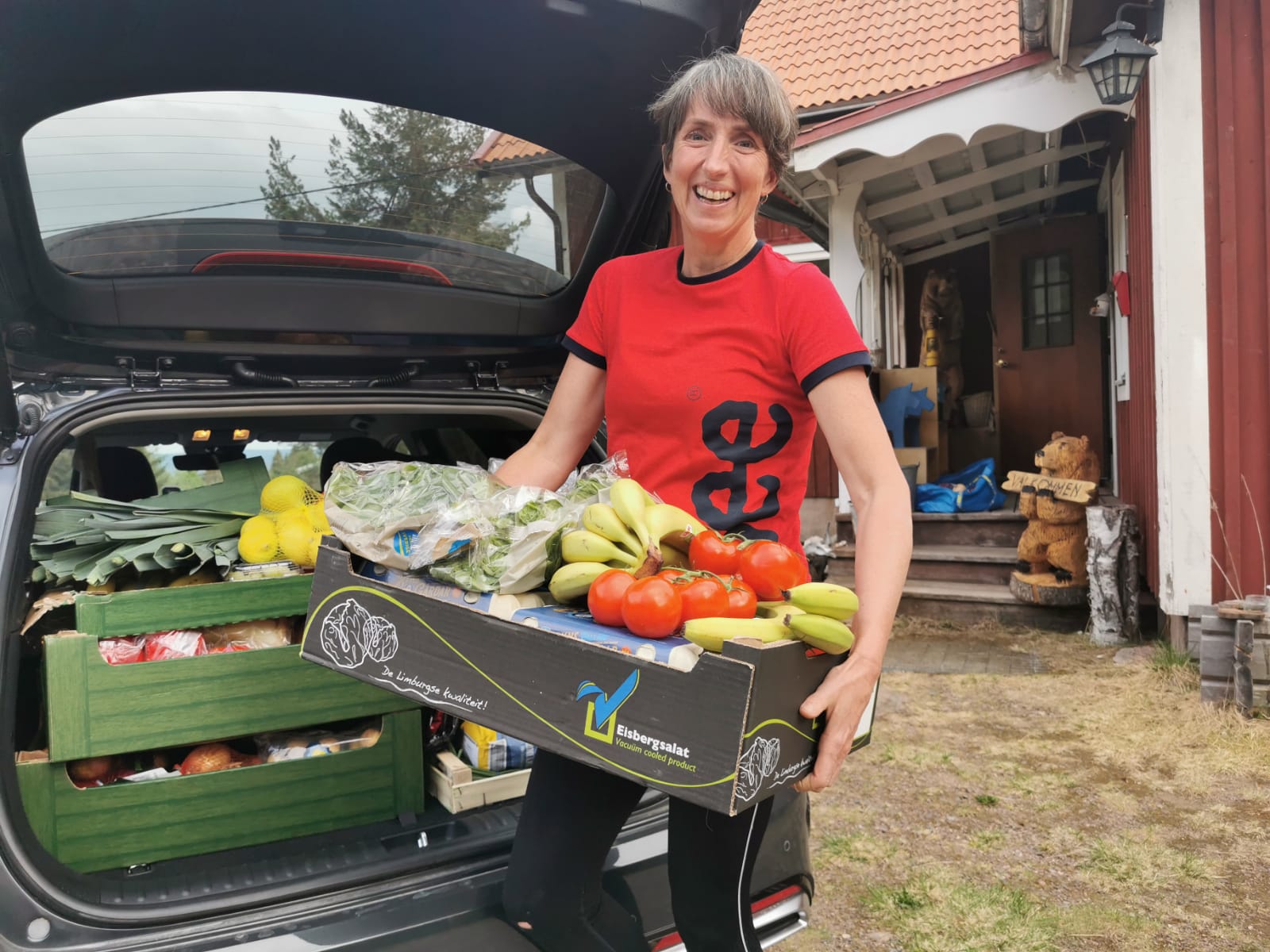
The expedition cook, Azamat, has prepared a meal plan (looks great). Today we’ve been at the local markets filling two 4x4s with groceries. We’ve also been testing equipment such as GPS units and radios.
This afternoon we’ll be loading everything into the lorry ready for an early departure tomorrow for the 6 hour drive to our base camp location. Once there, we’ll begin setting up. There’s no phone signal or internet in the valley, so we’ll report back on progress once we arrive back in Bishkek ready to meet group 1.
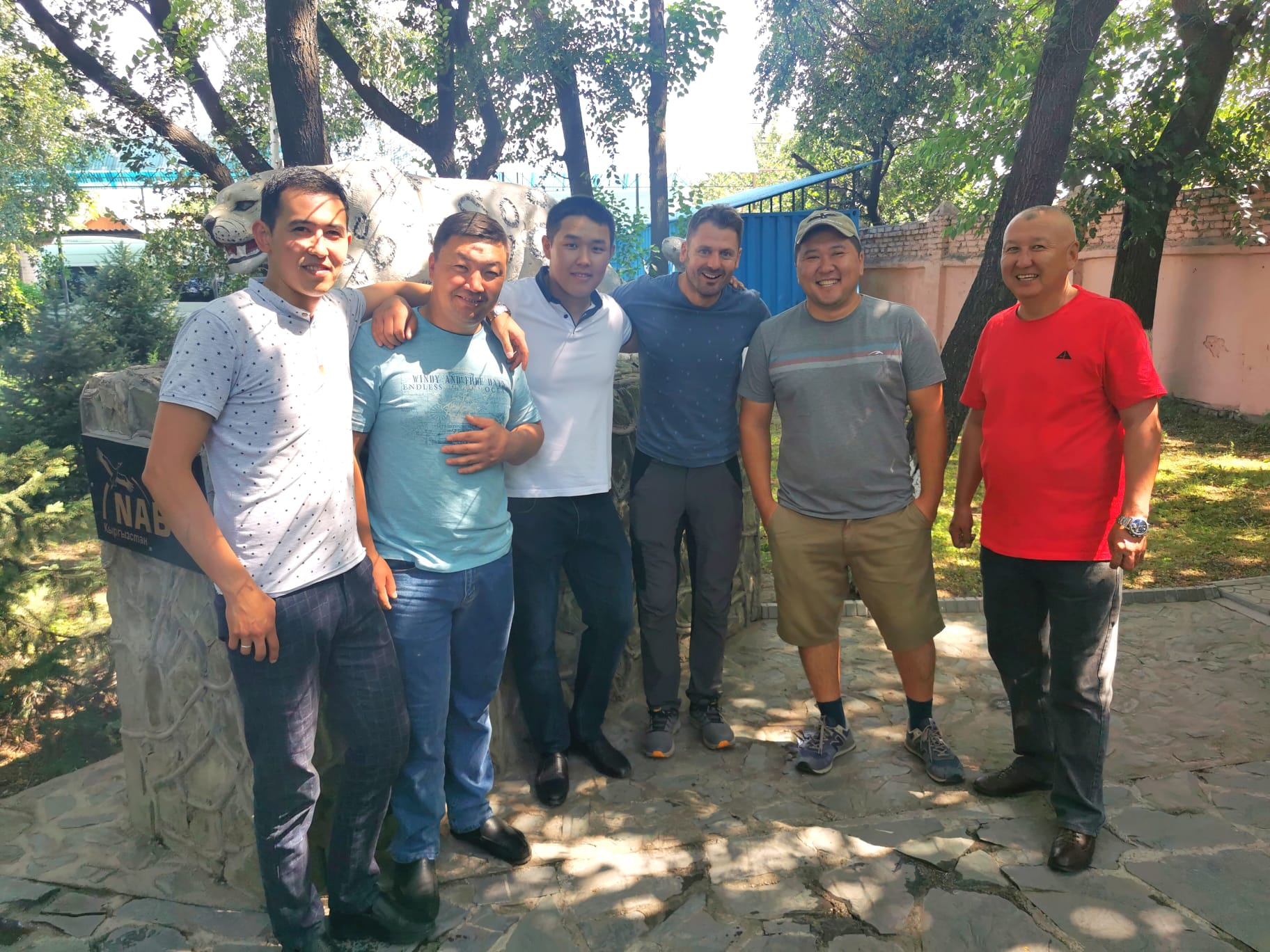
After collecting the 4x4s we headed straight to the NABU headquarters in Kyrgyzstan, where we assessed the state of the expedition equipment and met Taalai (our expedition scientist), Beka (ranger/guide), Ayan (ranger/guide) and Mirlan (ranger/guide) who will all be with us for either part or all of the expedition. There is a palpable sense of anticipation and excitement.
Soon we will load the equipment into the expedition lorry and leave for the Karakol valley to set up base camp ready for the arrival of group 1. For those of you joining us for that one, we hope your preparations are also well underway. Please don’t be fooled by the hot weather here is Bishkek, we are expecting cold nights in the mountains so make sure you pack accordingly (see your dossier!).
We’ll keep you updated on the progress of our preparations and we look forward to meeting group 1 soon.
This group 1 is from Europe, US and Australia, all keen to take part in wolf monitoring. Half of them are ‘veteran’ expeditioners, already familiar with Biosphere and the other half are motivated nature lovers keen to invest their free time and energy in a holiday with a purpose, being wolf conservation.
Our first stop was the Wolfcenter, to learn about wolf biology and see our quarry in the flesh, something that is extremely unlikely on this indirect research expedition.
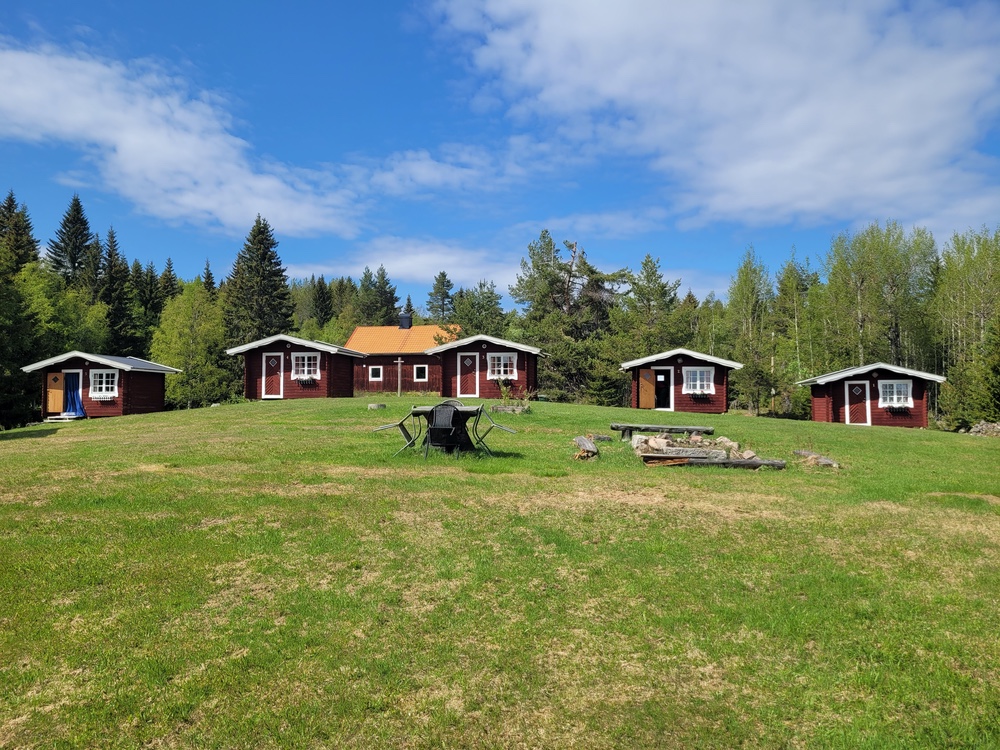
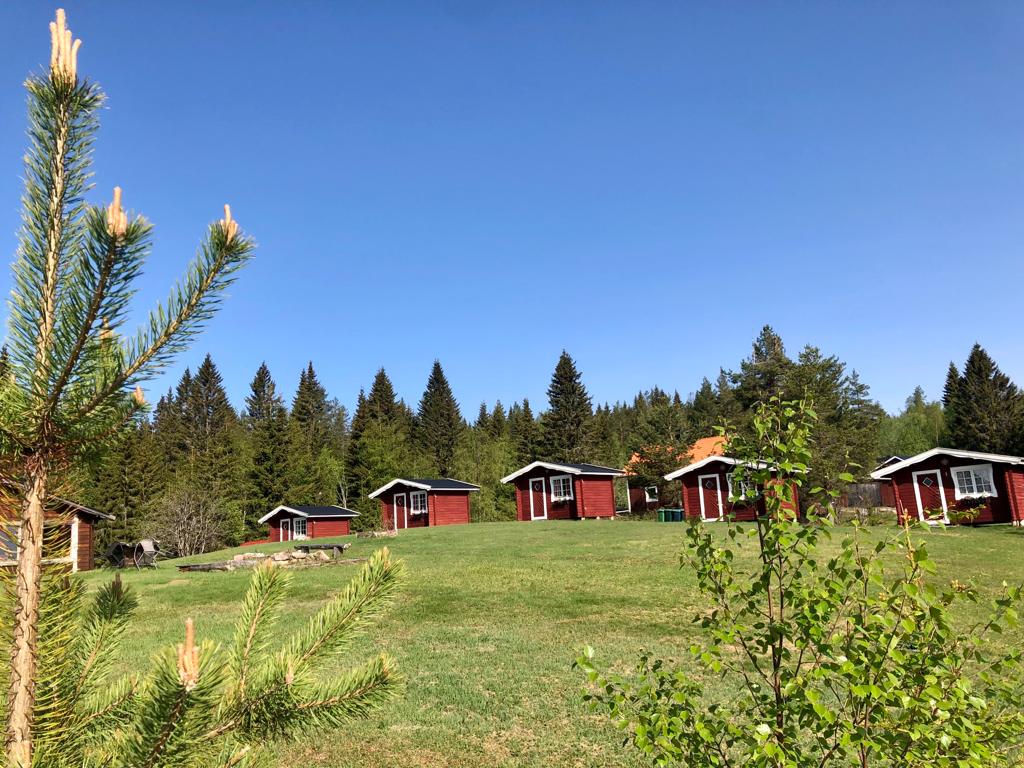
Our second stop was our new base at Bockum, a true green oasis of forests and meadows with lots of bird- and other wildlife around. Indeed the aread did not disappoint as we found no fewer than nine wolf scats in a 2.5 hour first training survey along only 5 km of forest paths, which must be a record! It makes base even more special realising wolves passed by so close by.
But before that first training survey there was lots of intensive, crash course instruction on everything wolf and how to research them through signs. After 1.5 days the team by Sunday afternoon was fully trained and ready to start the full-day monitoring surveys.
Stay tuned for updates to see what we will find on our paths!
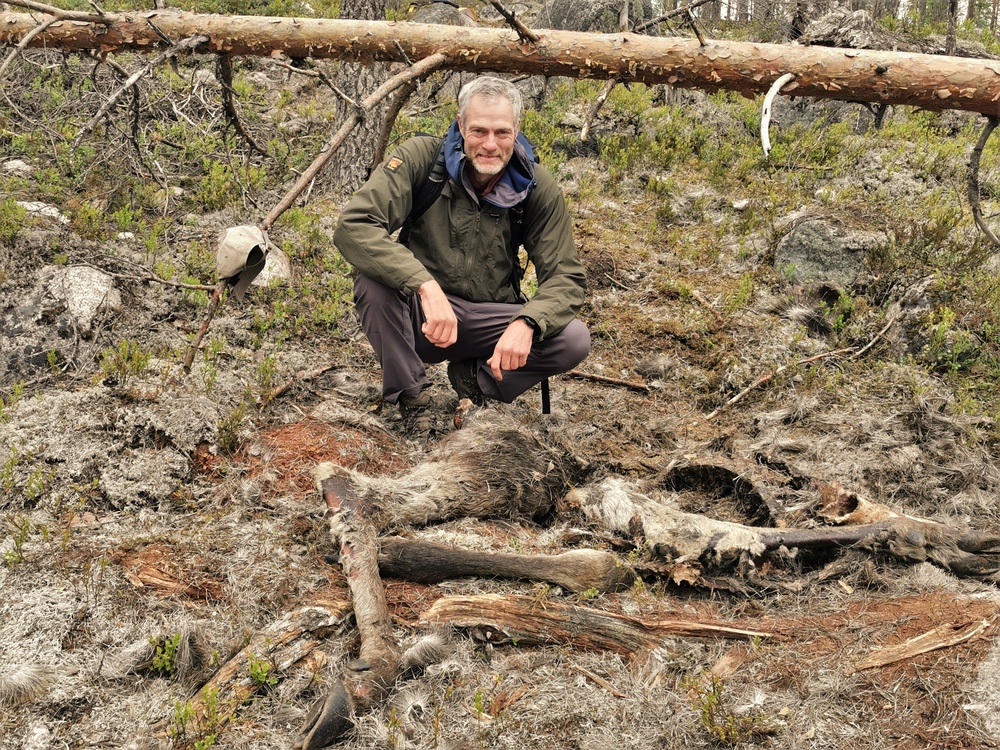
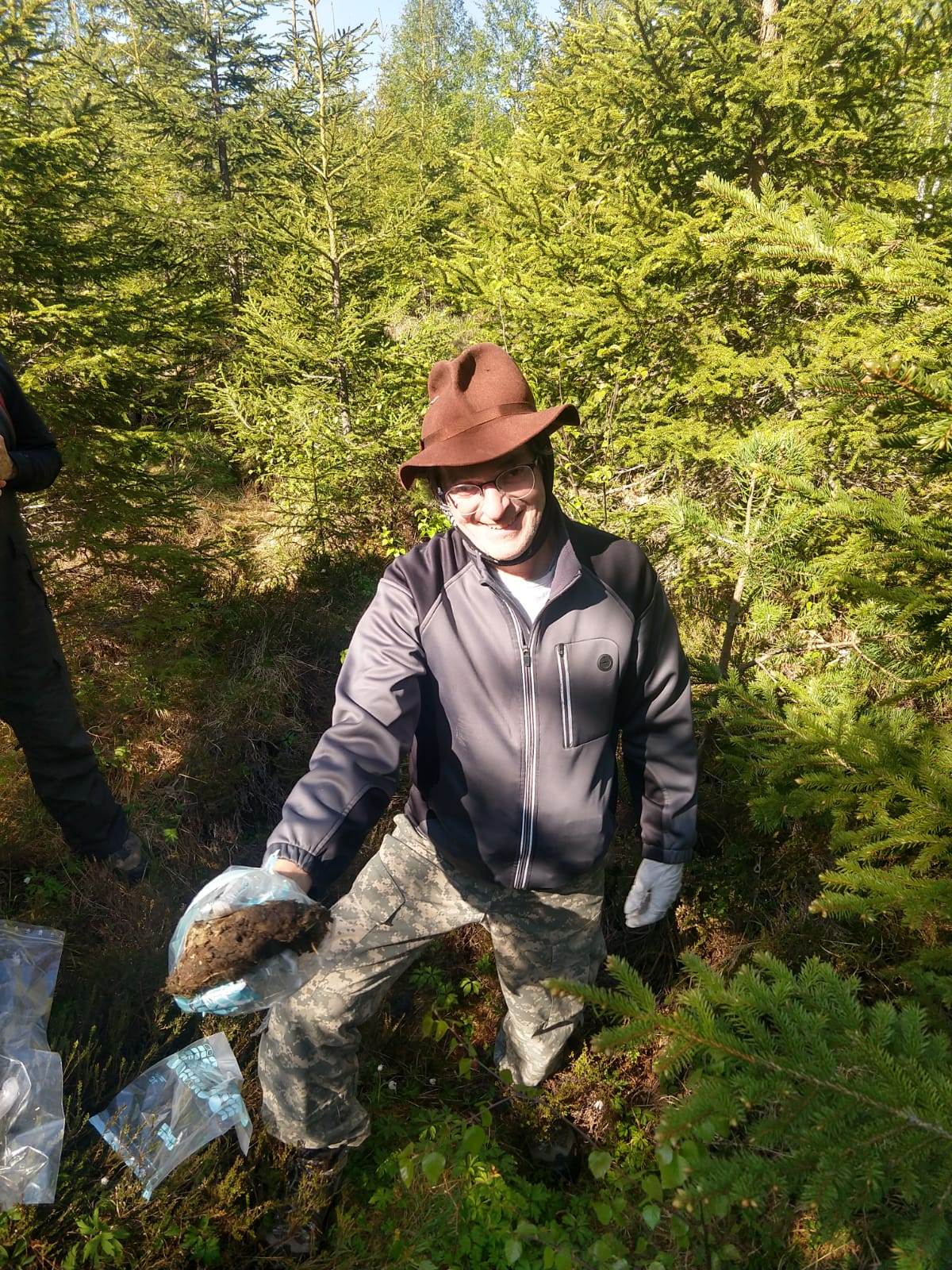
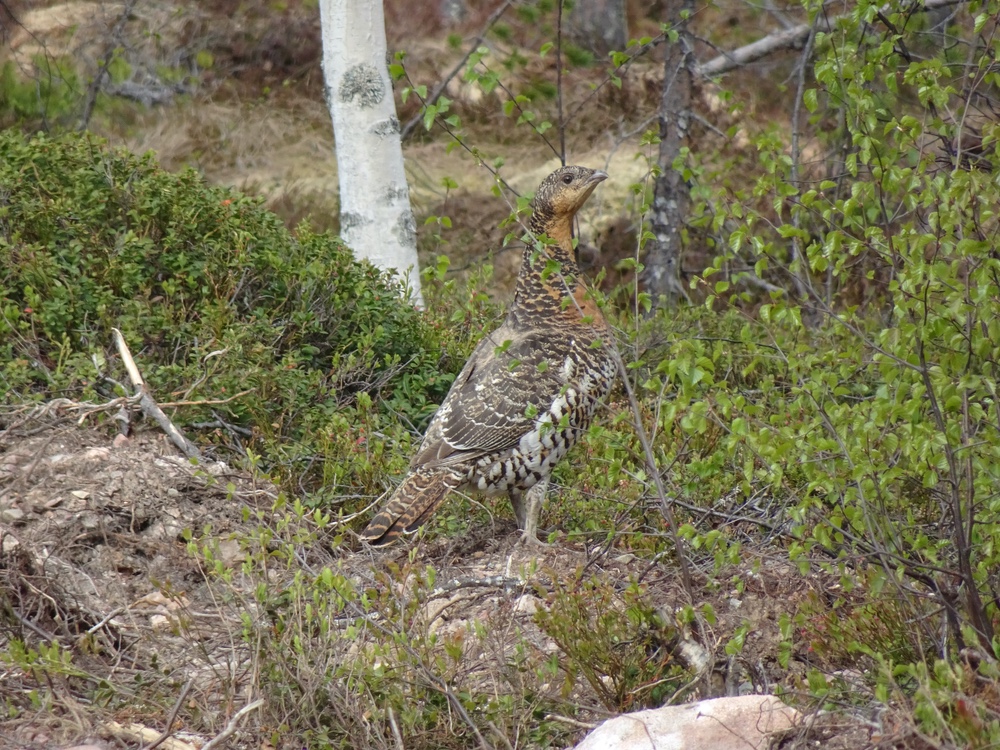
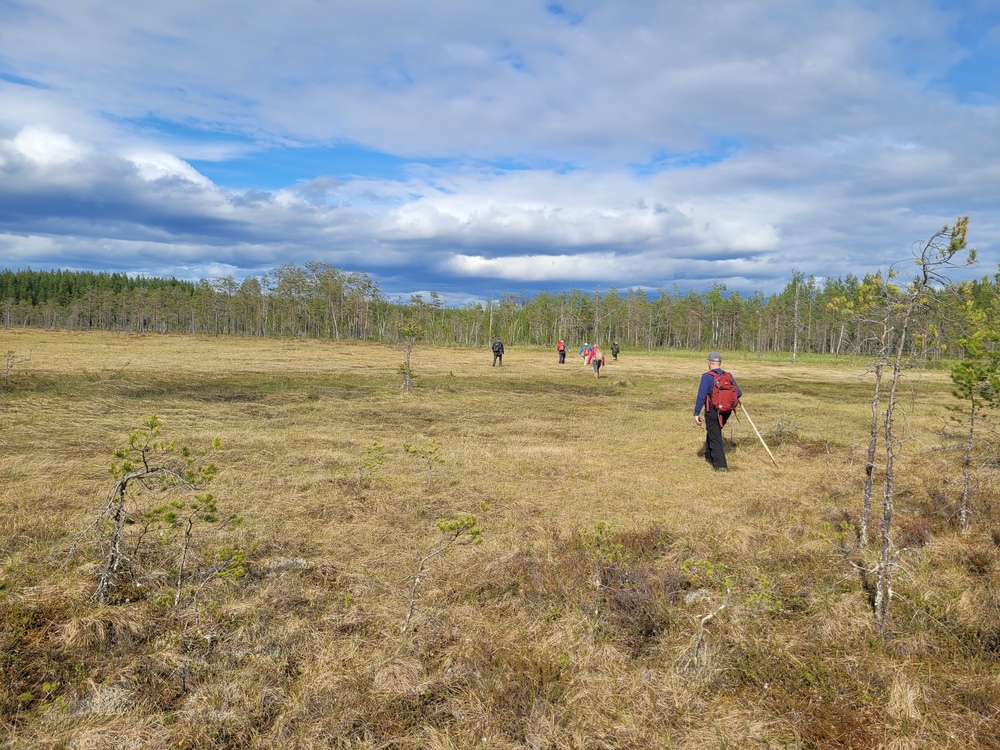
The inaugural expedition in 2019 visited 28 bear den sites and mapped 24, found 10 scats at 15 bear cluster sites, recovered a bear skeleton from a bog for further analysis, recovered a valuable transmitter, covered over 2,000 km of the study site, had two bear encounters and several with moose, capercaillie and other interesting wildlife, increased the scientist’s bear den database by between a third and a half, and in one short week gathered scats worth six weeks. The expedition scientist called the expedition’s contribution “invaluable”.
The post-Covid second and third expeditions (2022 and 2023) built on the successes of the first expedition by collecting a significant amount of up-to-date data on the bears’ winter dens, day bed sites and their scats. Following a review, the length of expeditions was increased from 2023 to maximise data collection time. This resulted in the 2023 expedition visiting 68 sites, including 38 winter dens and 35 scat collections, ten of which were ‘first scats of the season’ (especially valuable samples that can reveal what a bear has eaten before and during hibernation).
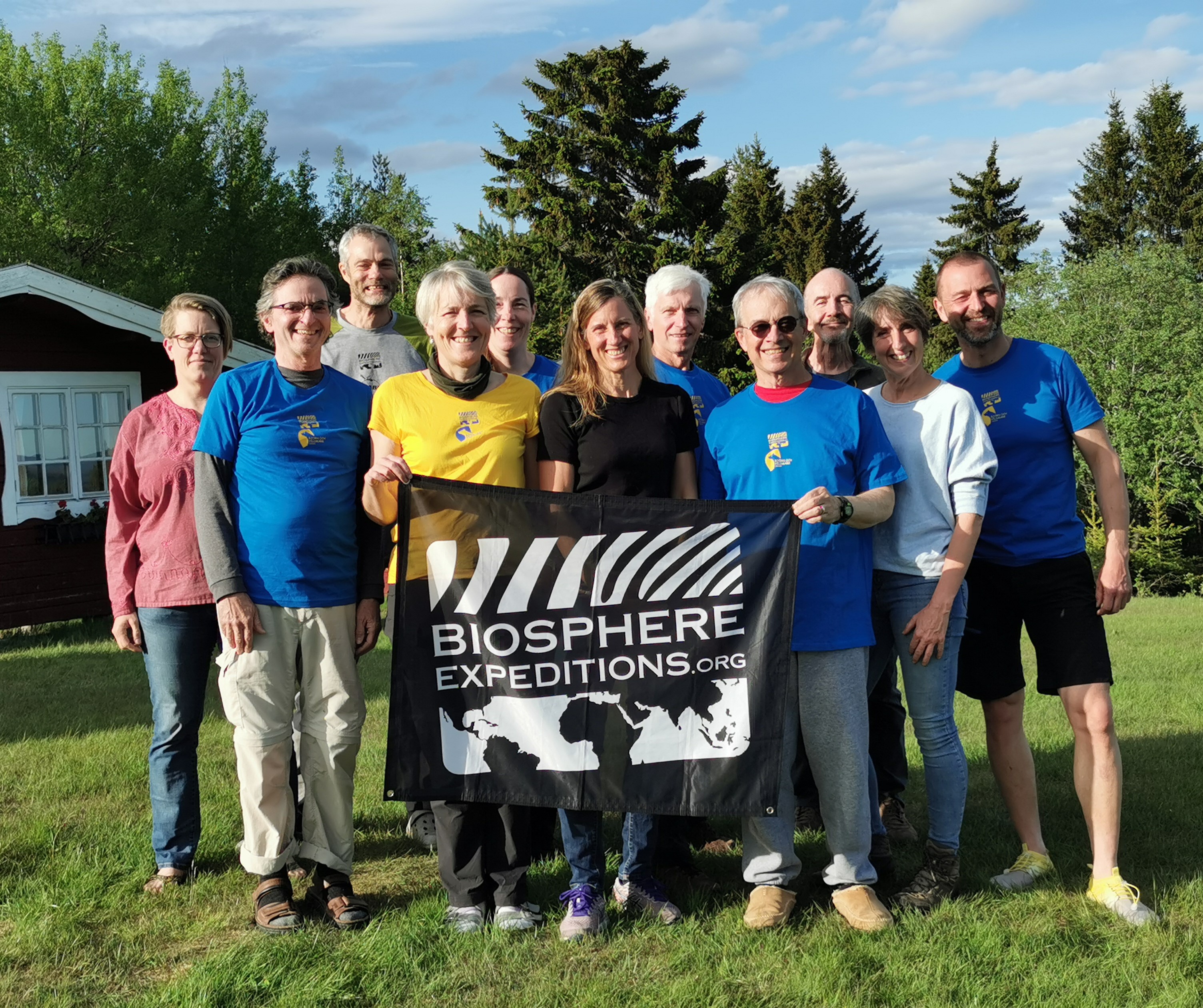
We thank all citizen scientists very much for their help. An expedition report has ben published once data were analysed and here is its abstract:
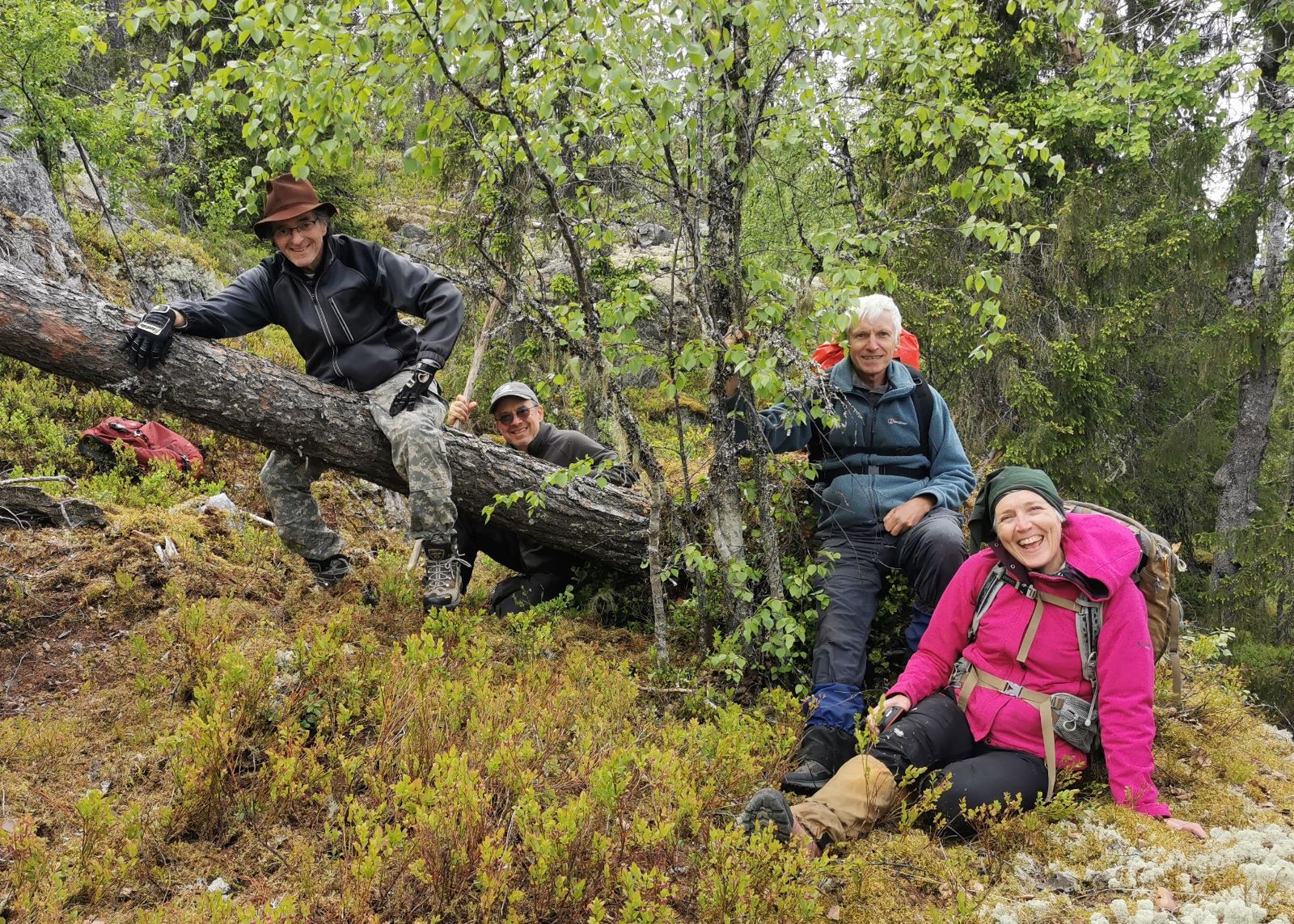
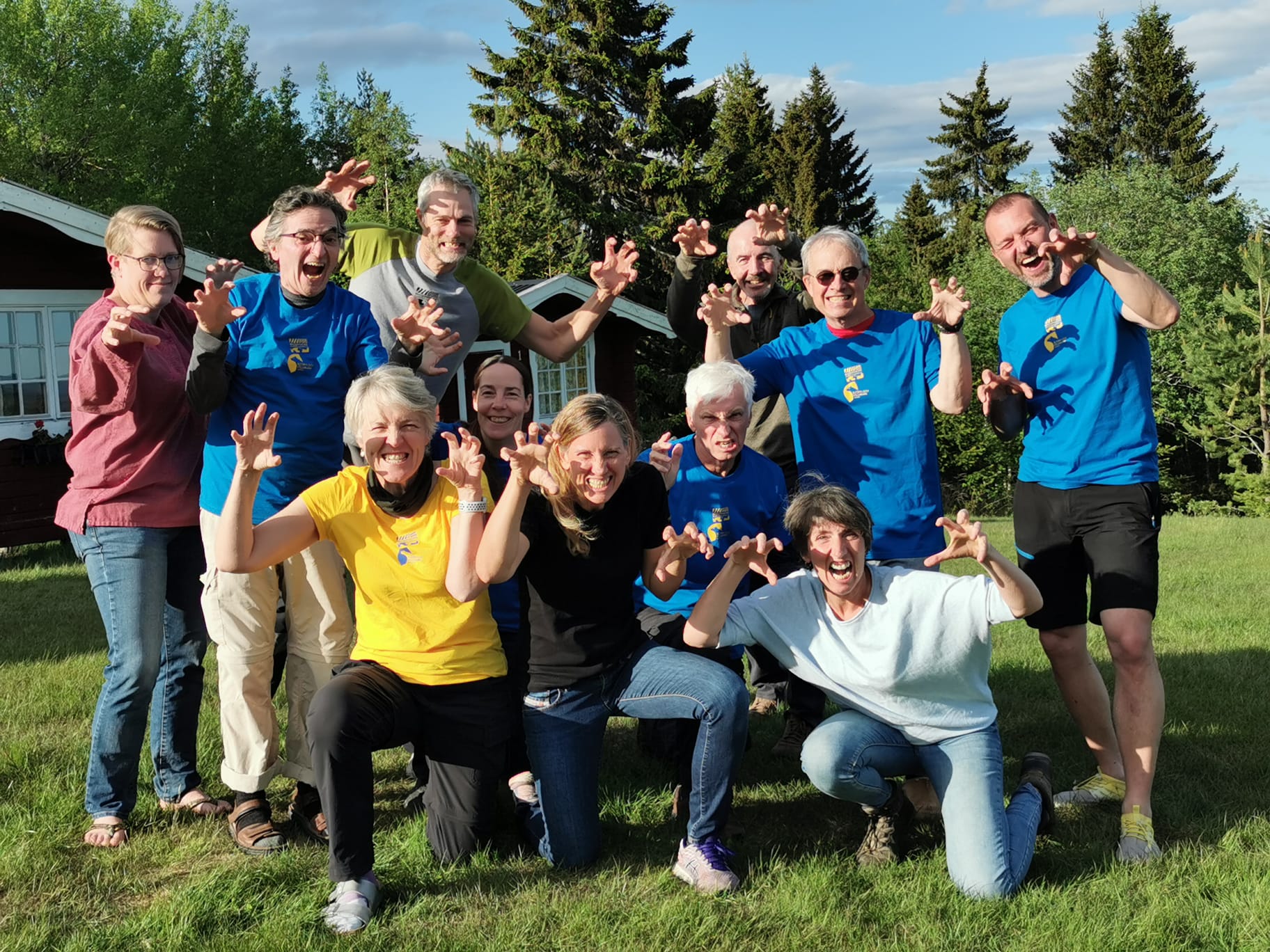
From 27 May to 4 June 2023, eight citizen scientists collected data on bear denning behaviour and feeding ecology by investigating the 2022/2023 hibernation season den sites of GPS-collared brown bears and by collecting fresh scats from day bed sites. 2023 was the third year of Biosphere Expeditions citizen scientists assisting the Scandinavian Brown Bear Research Project (SBBRP) after 2019 (followed by an enforced COVID-19-related break in 2020 and 2021) and 2022. It was the first year when field sampling was extended by two days to a total expedition length of ten days.
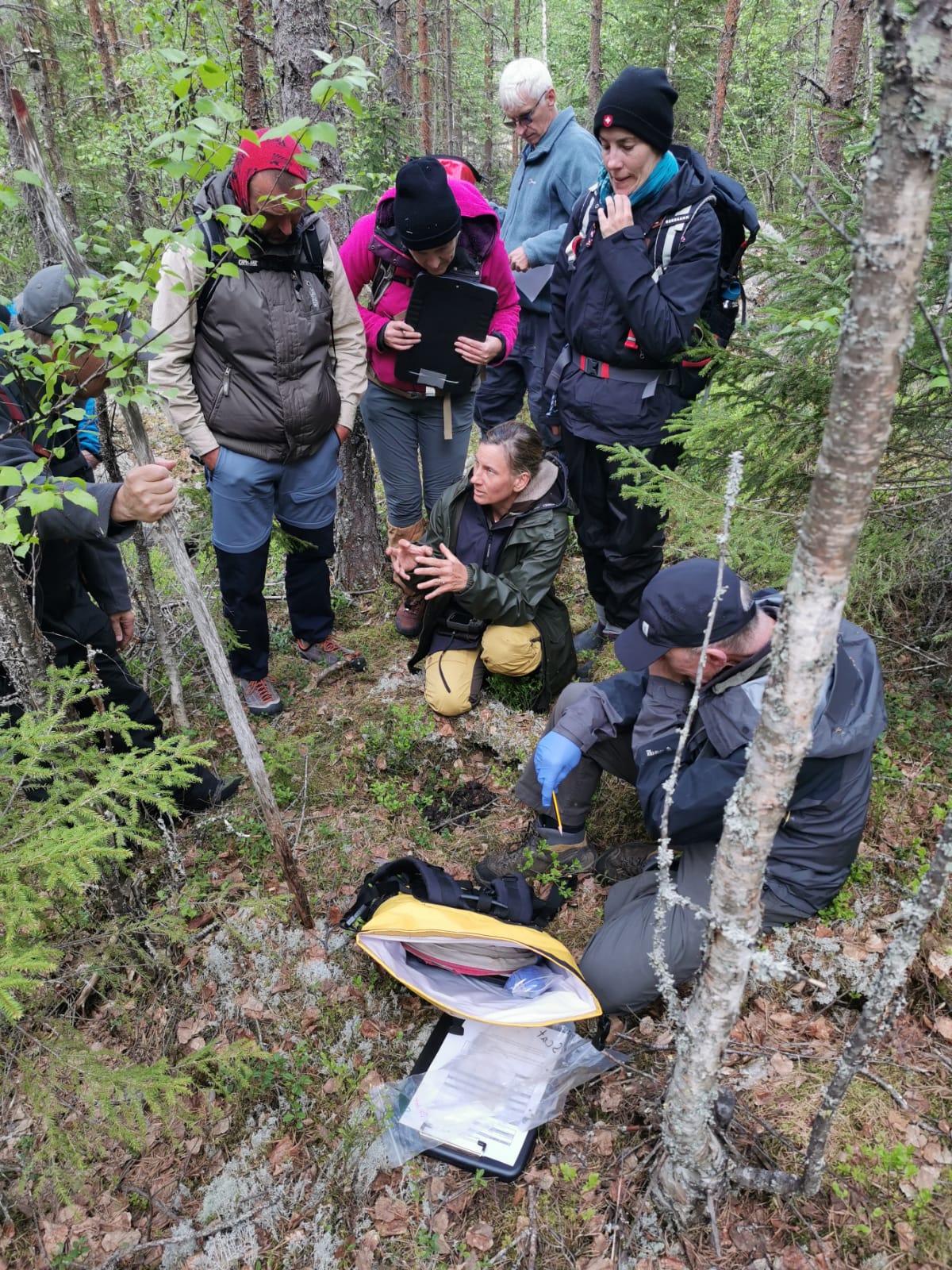
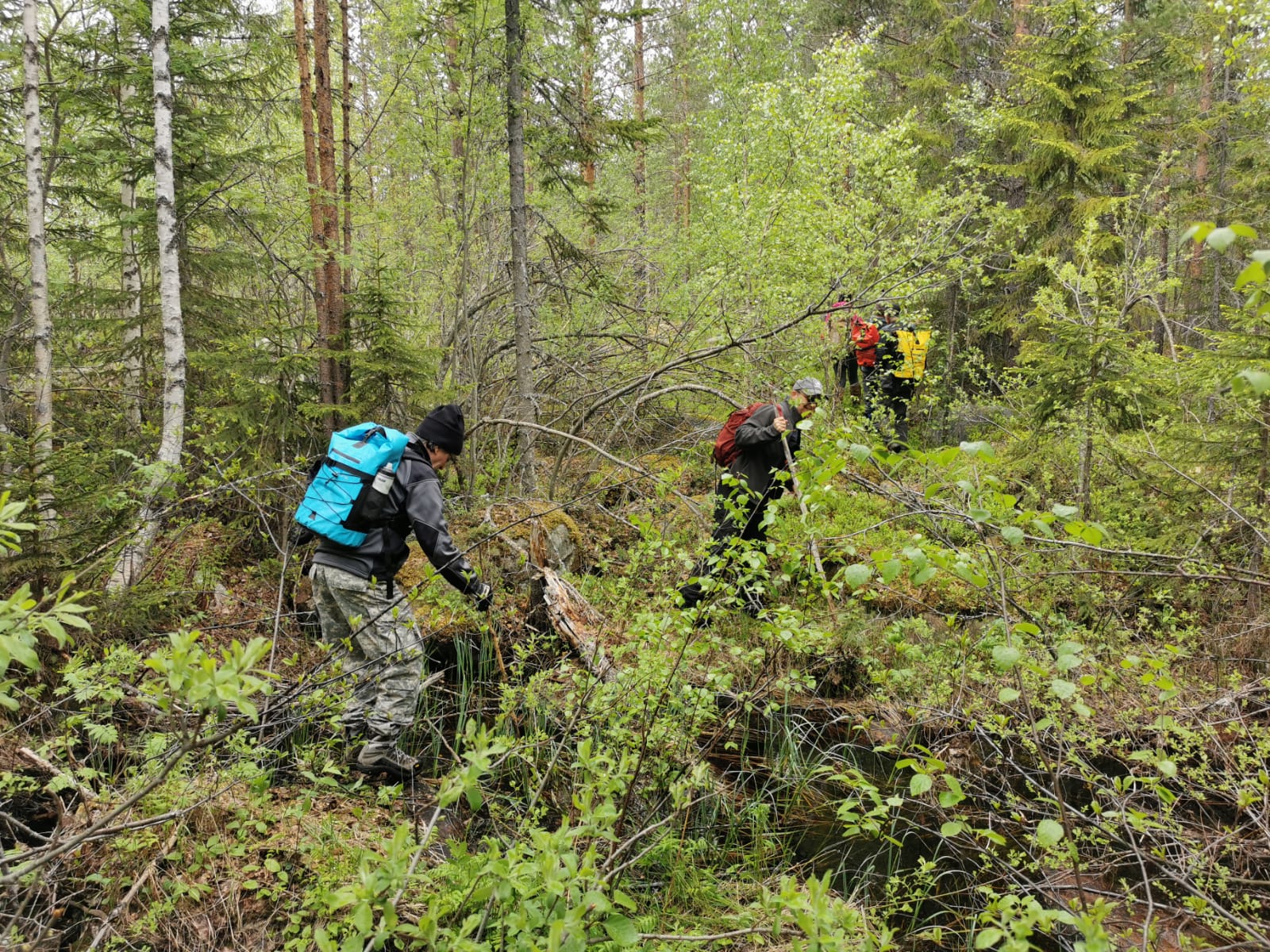
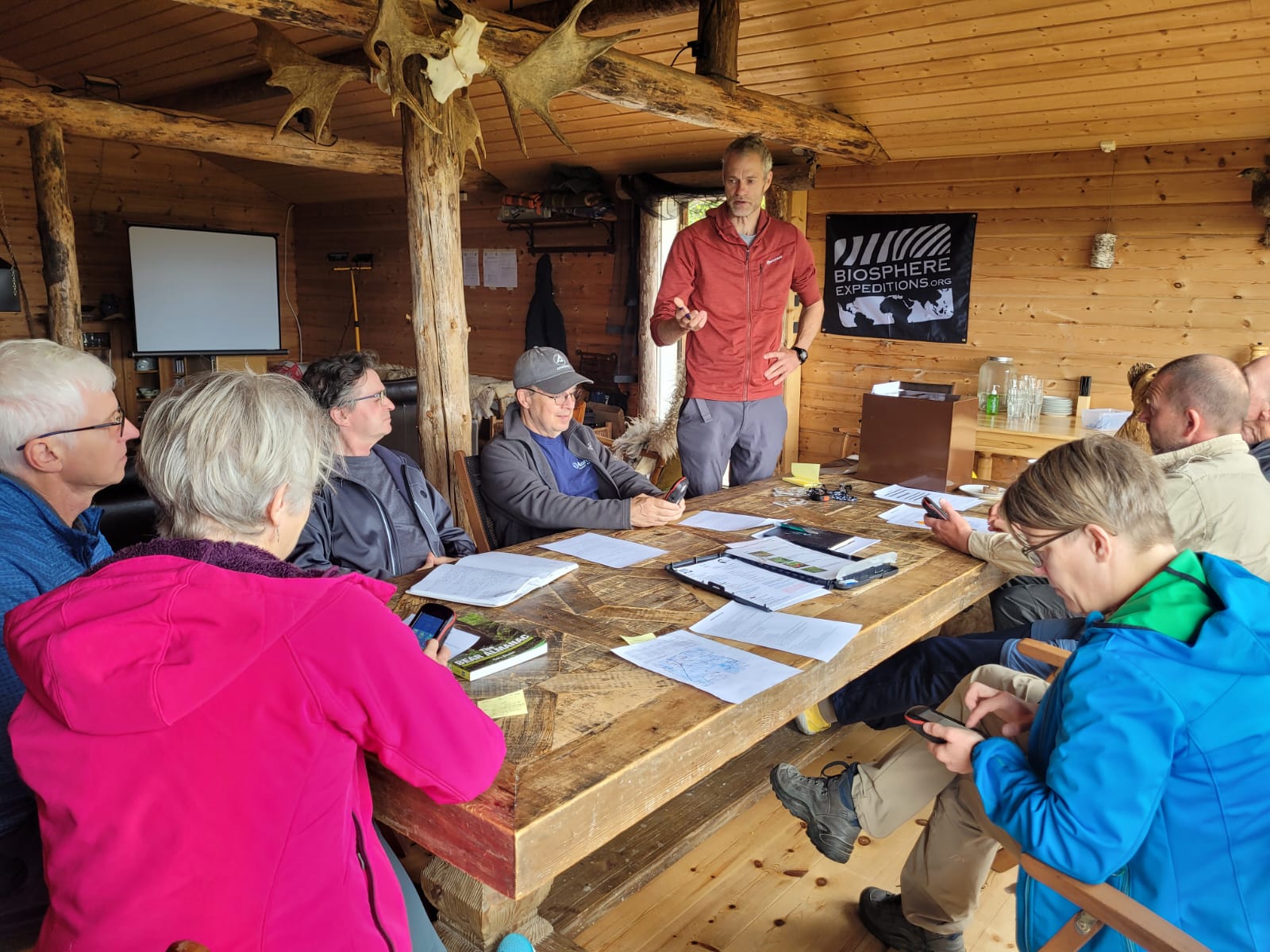
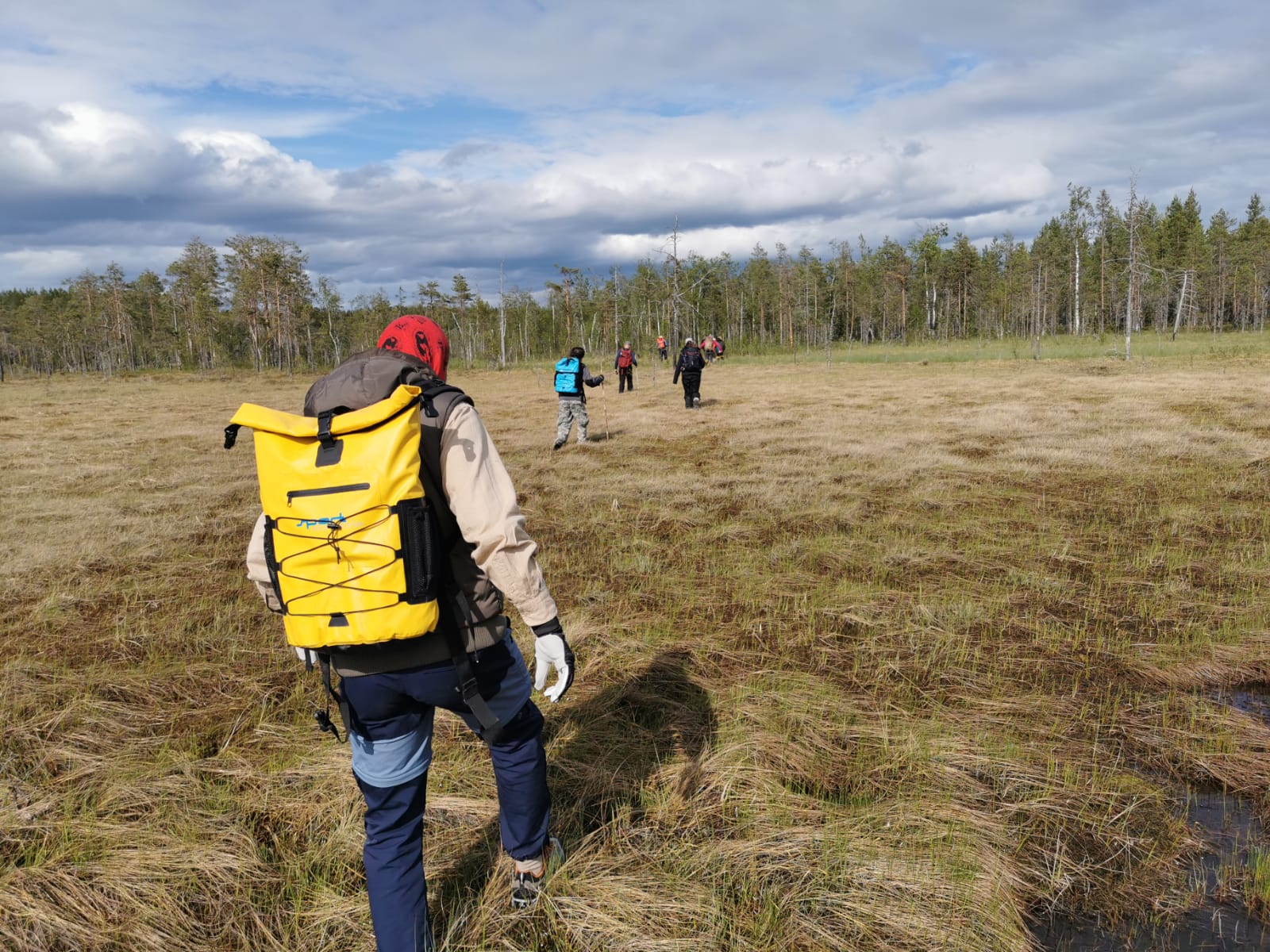
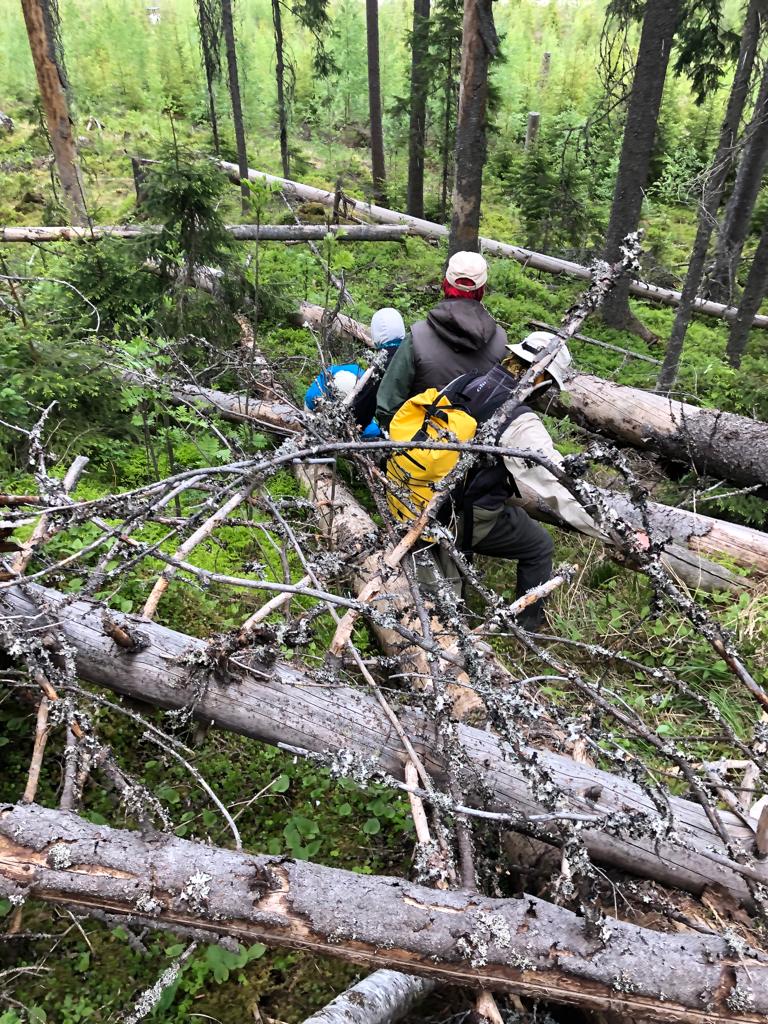
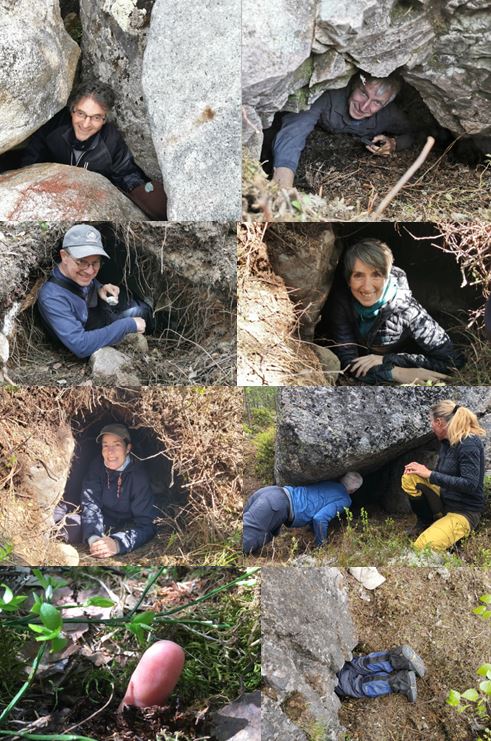
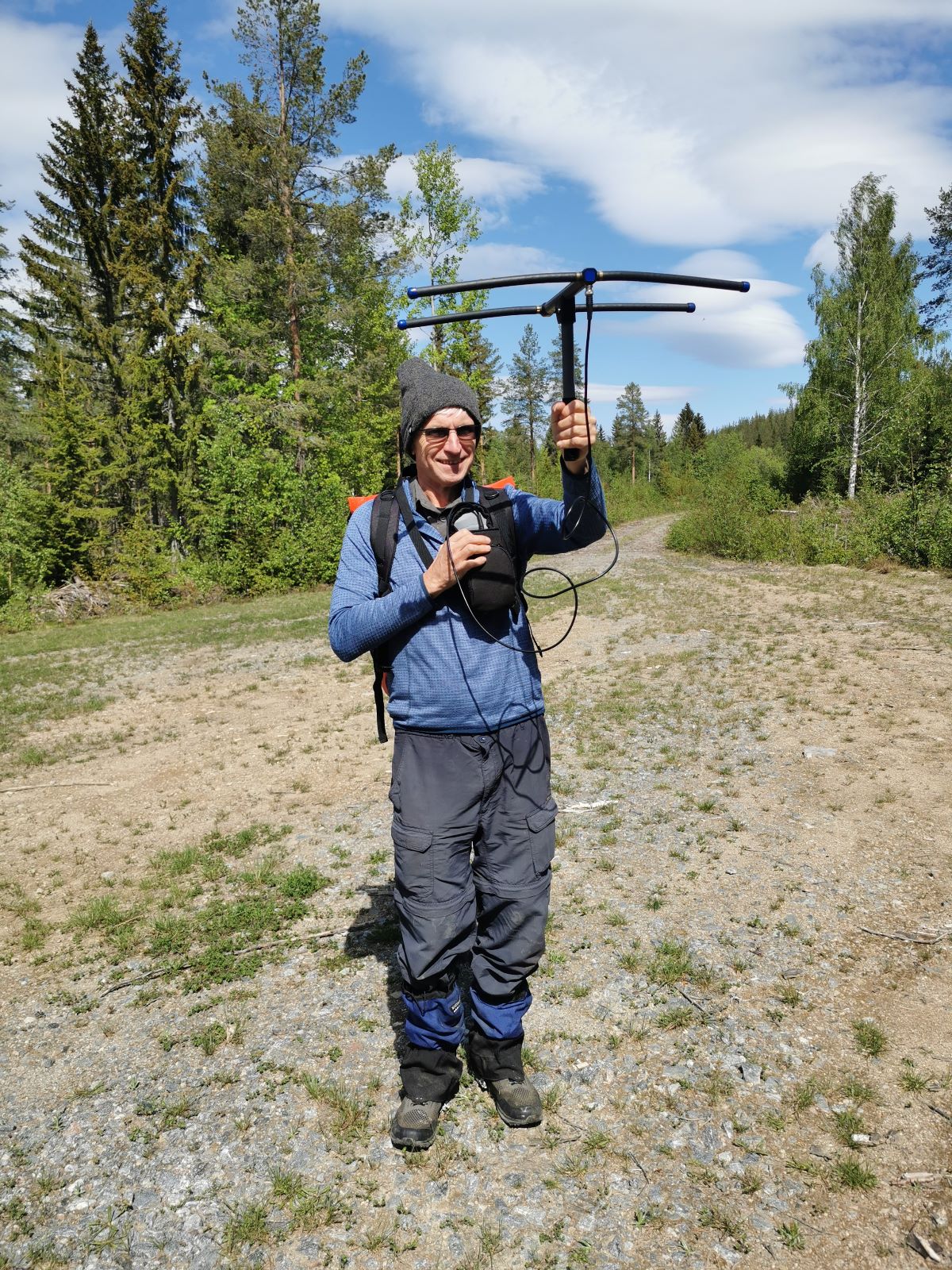
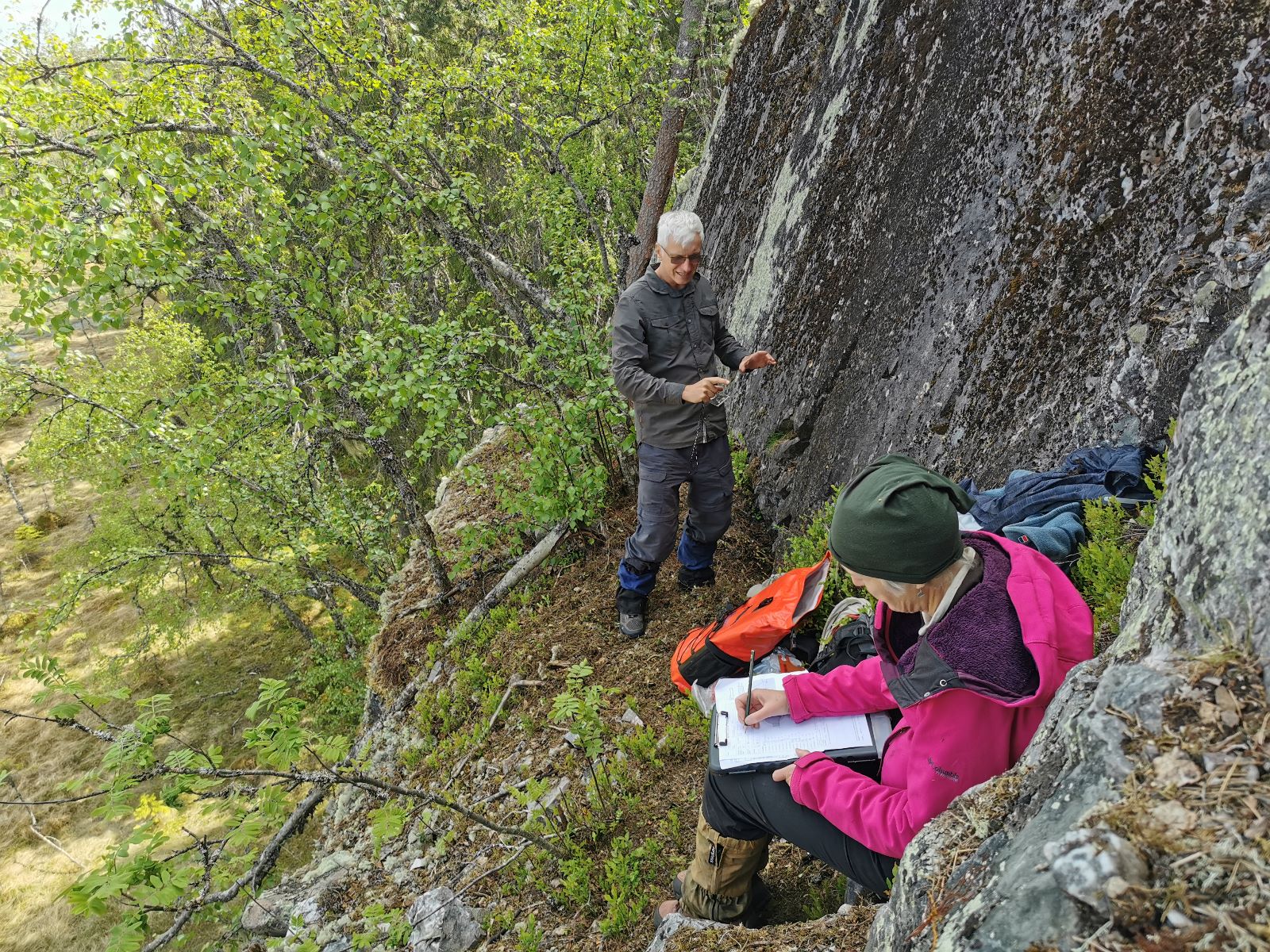
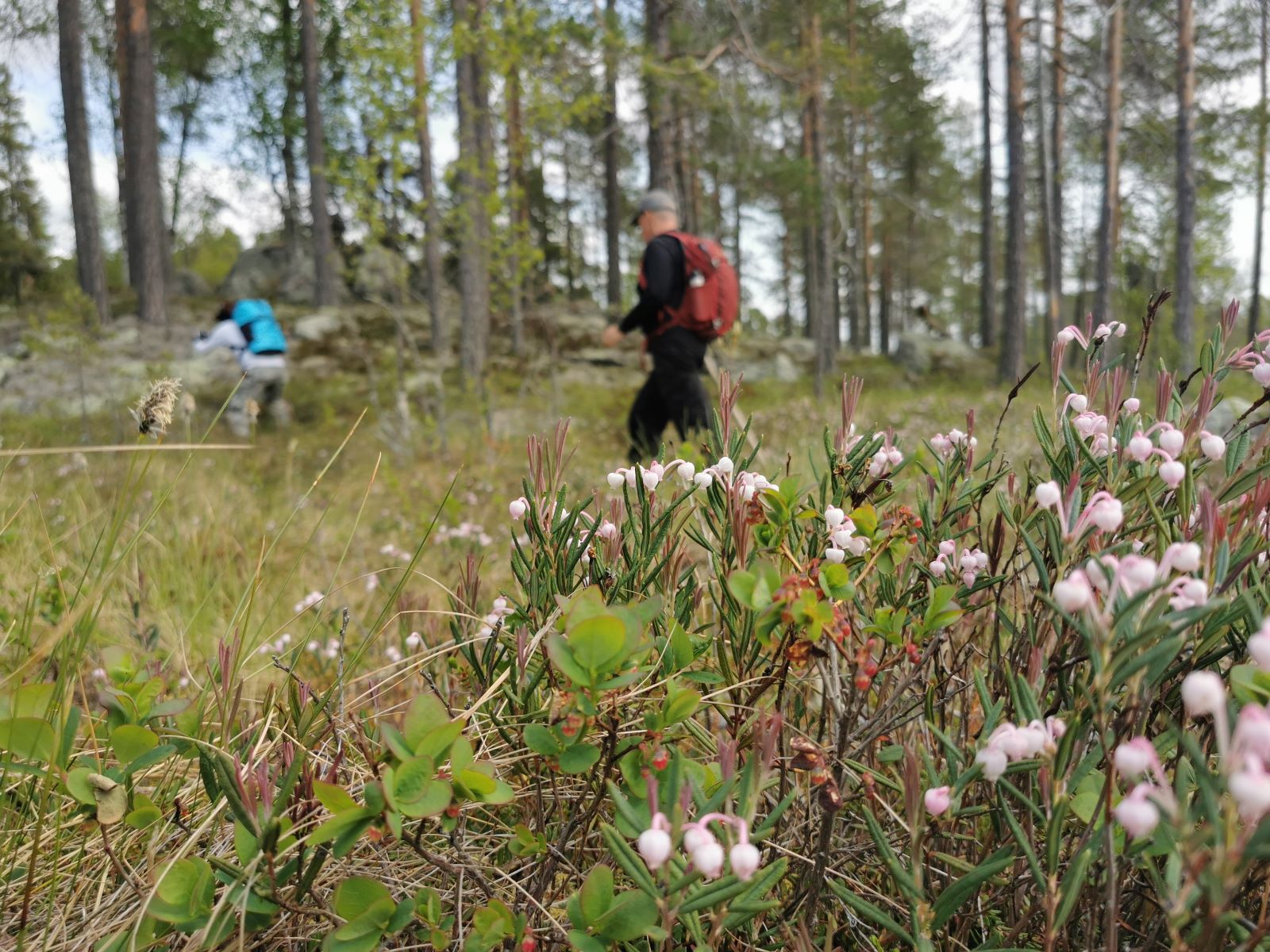
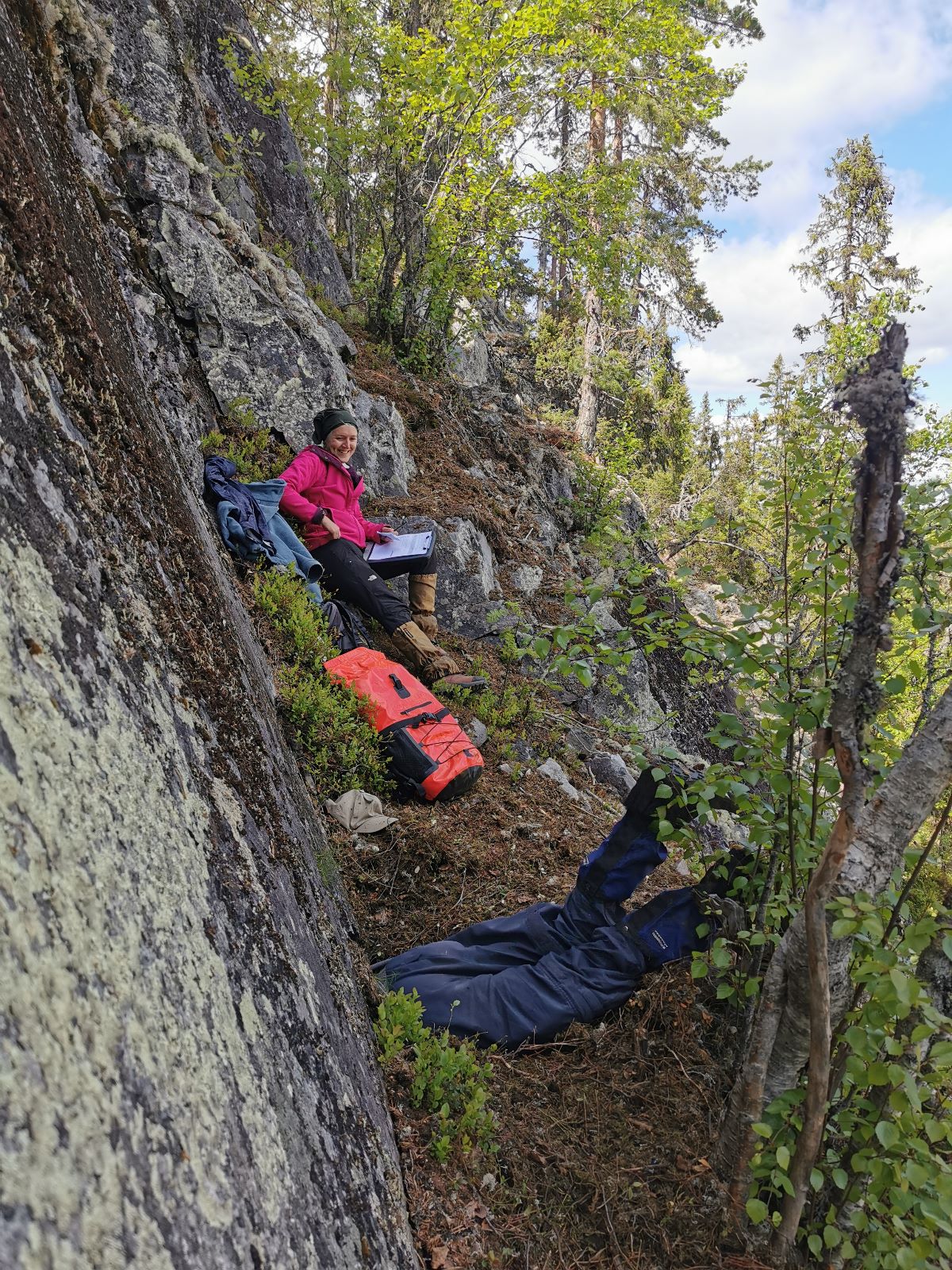
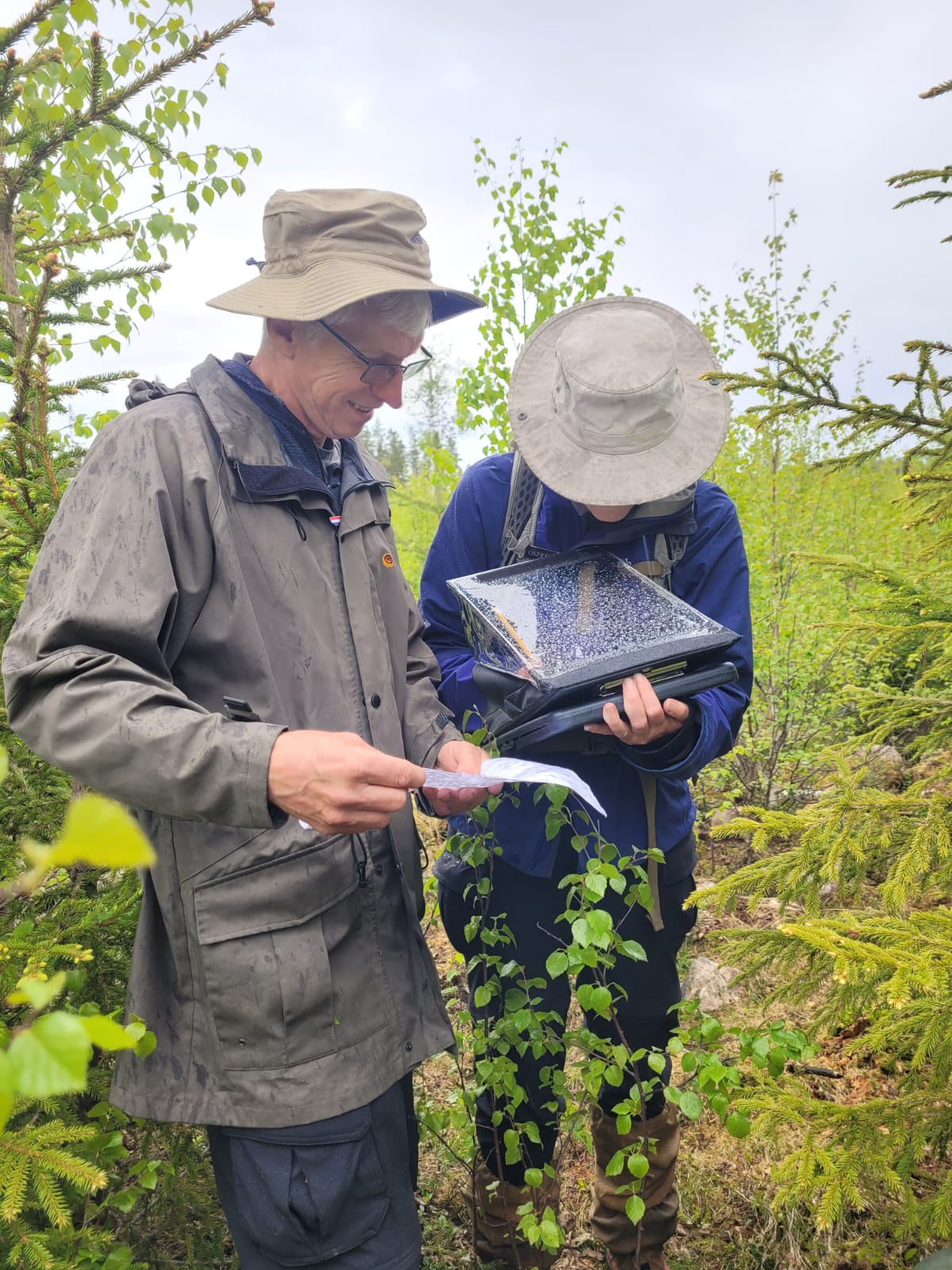
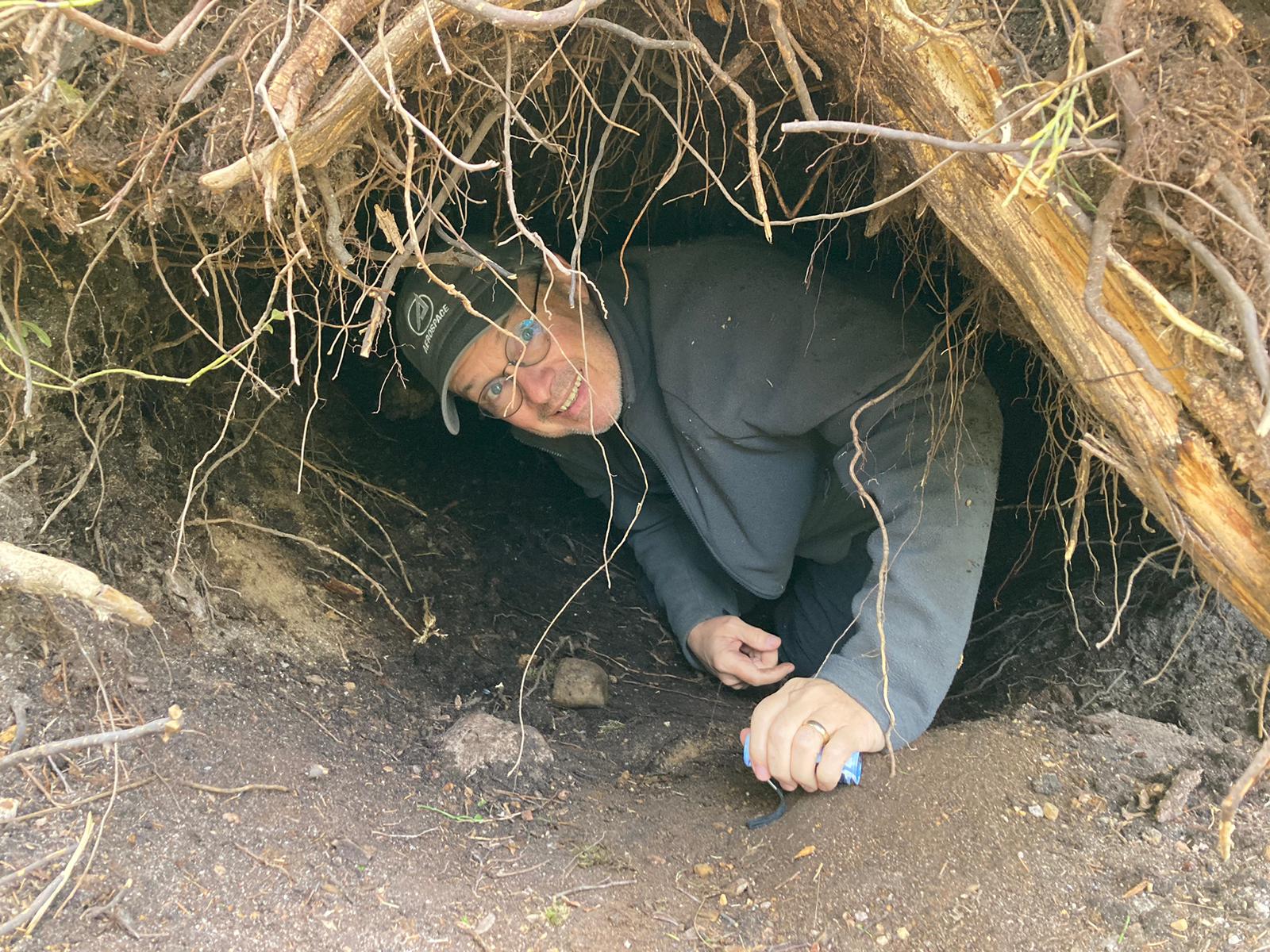
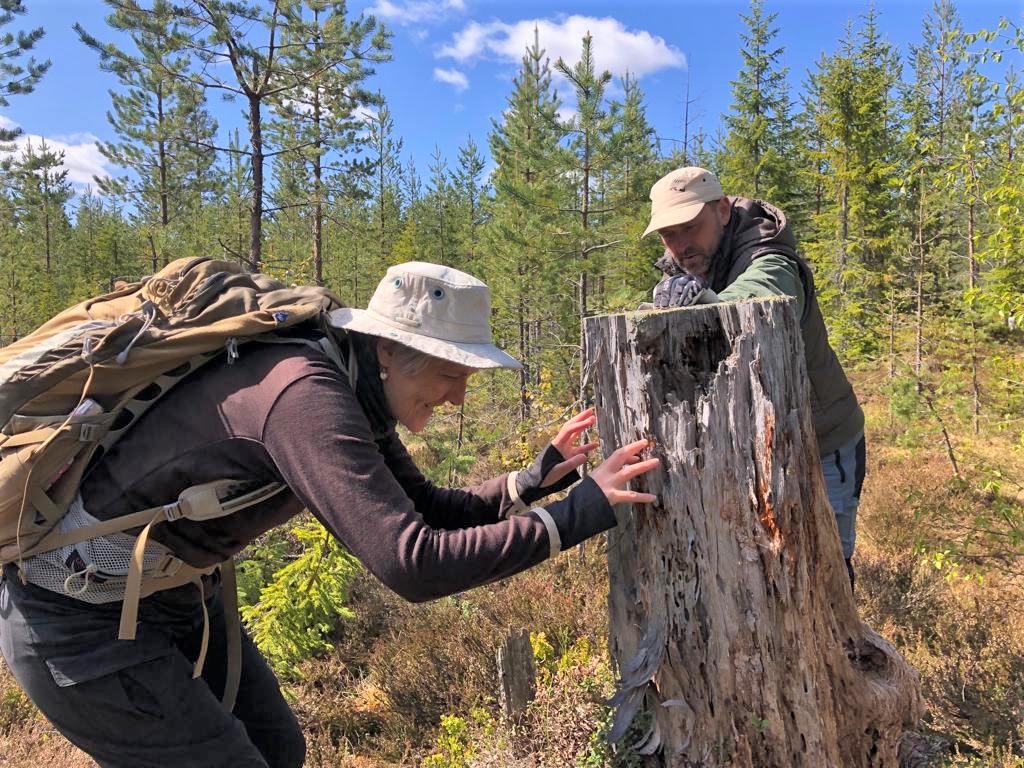
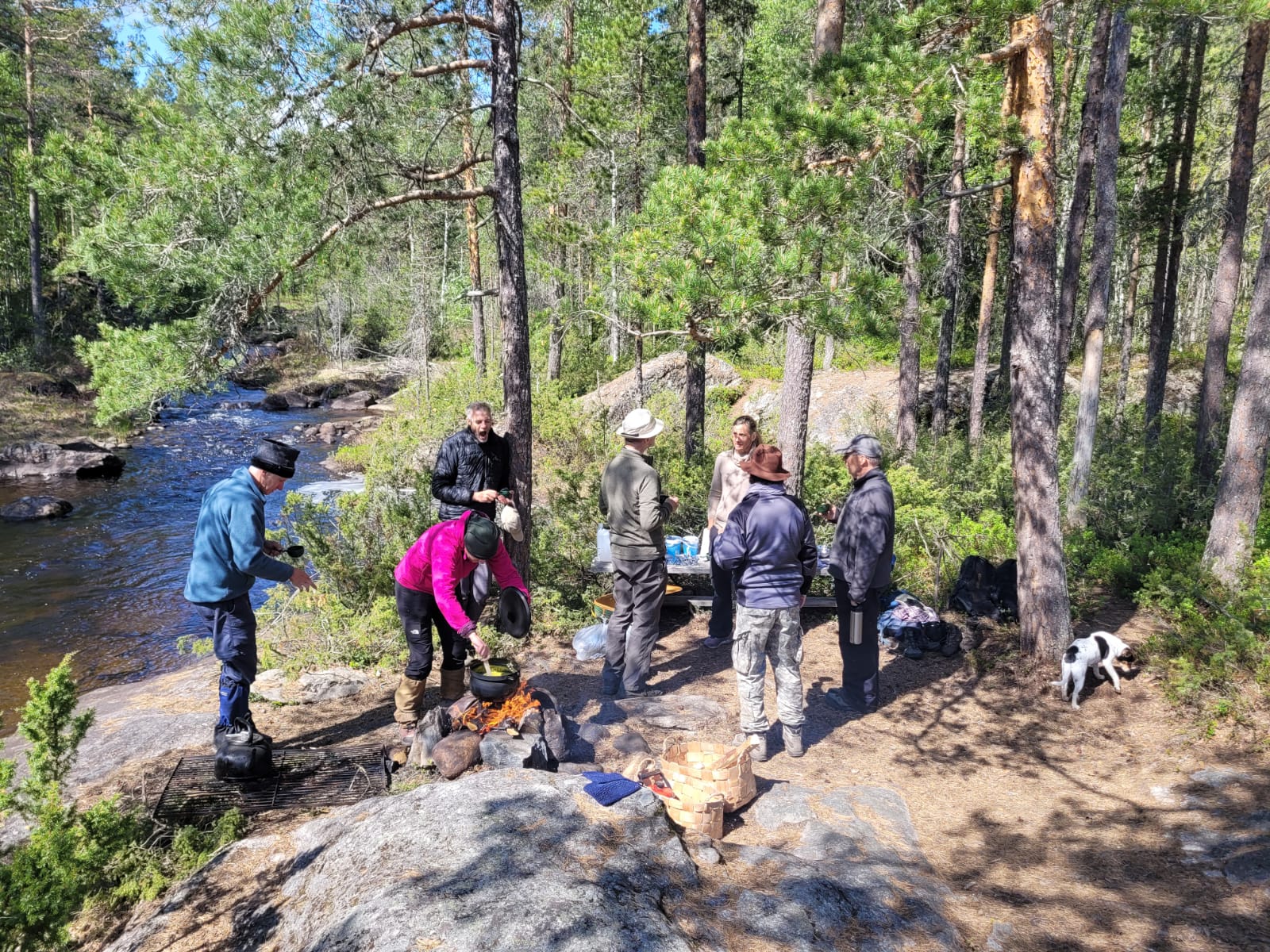
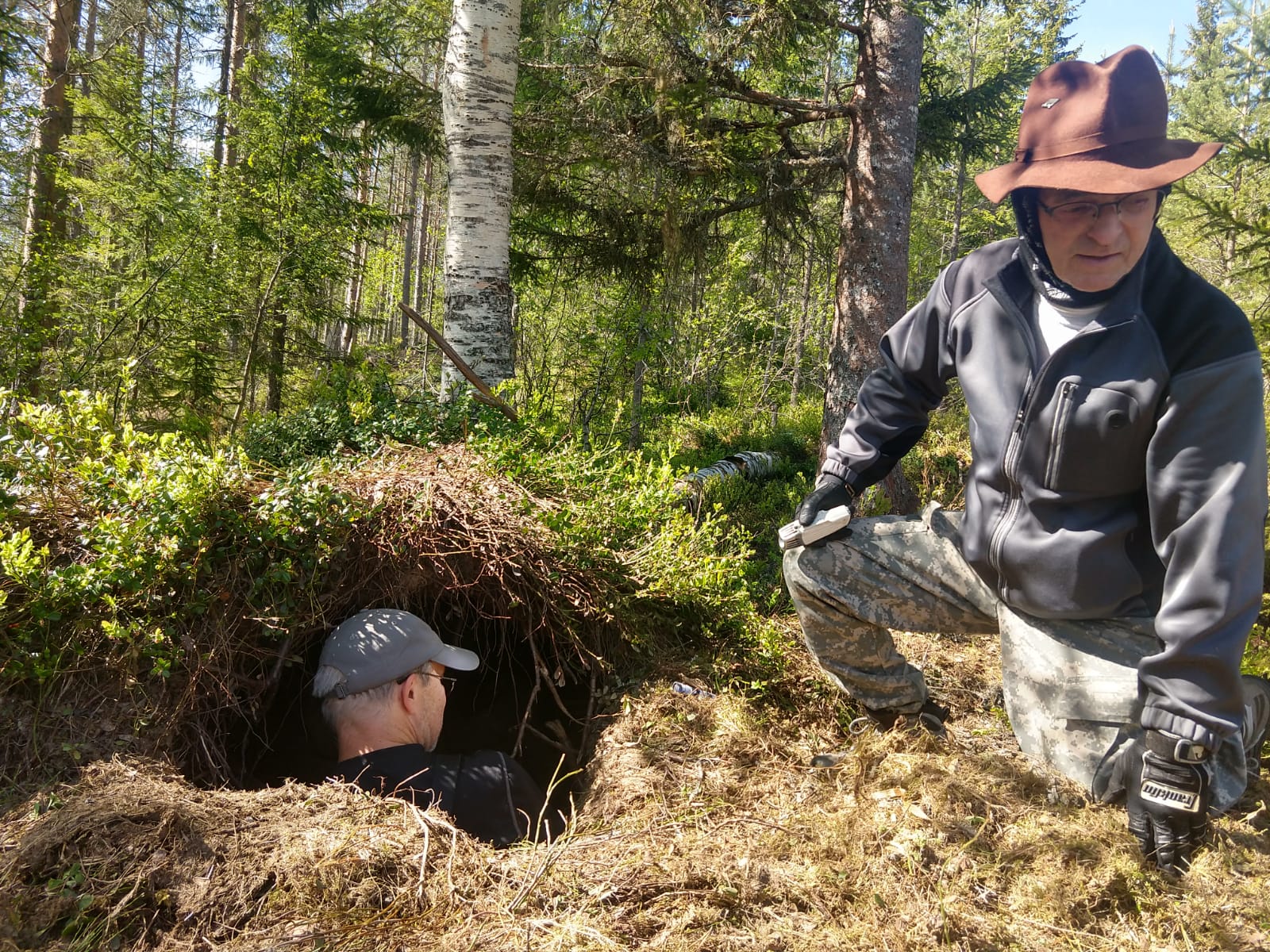
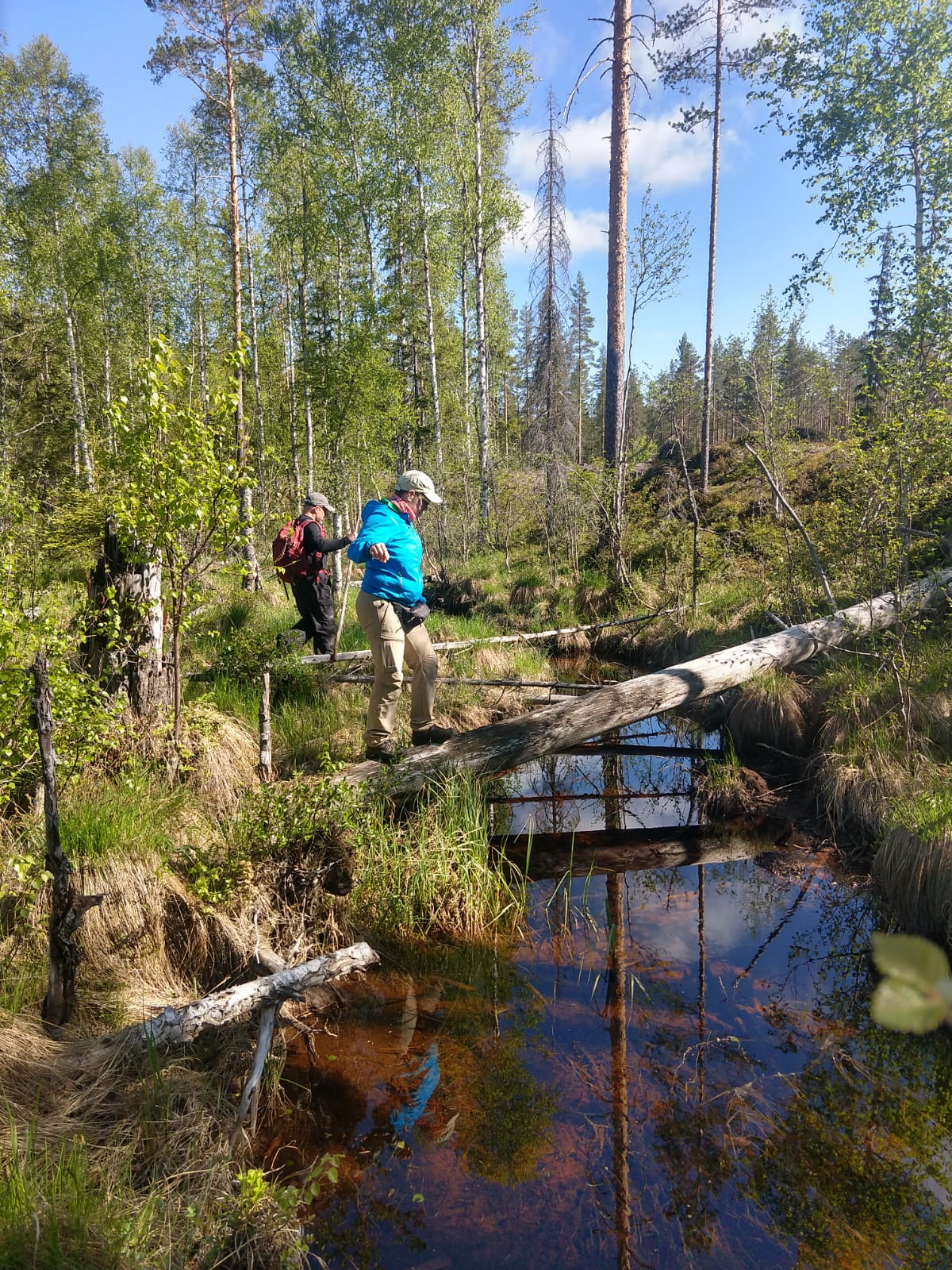
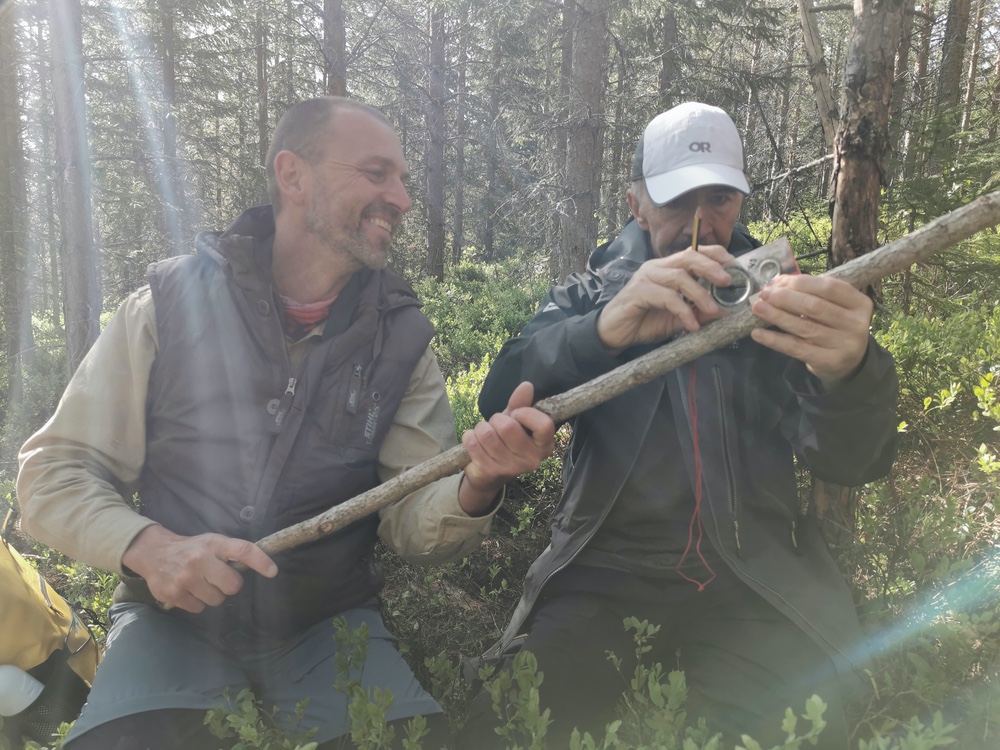
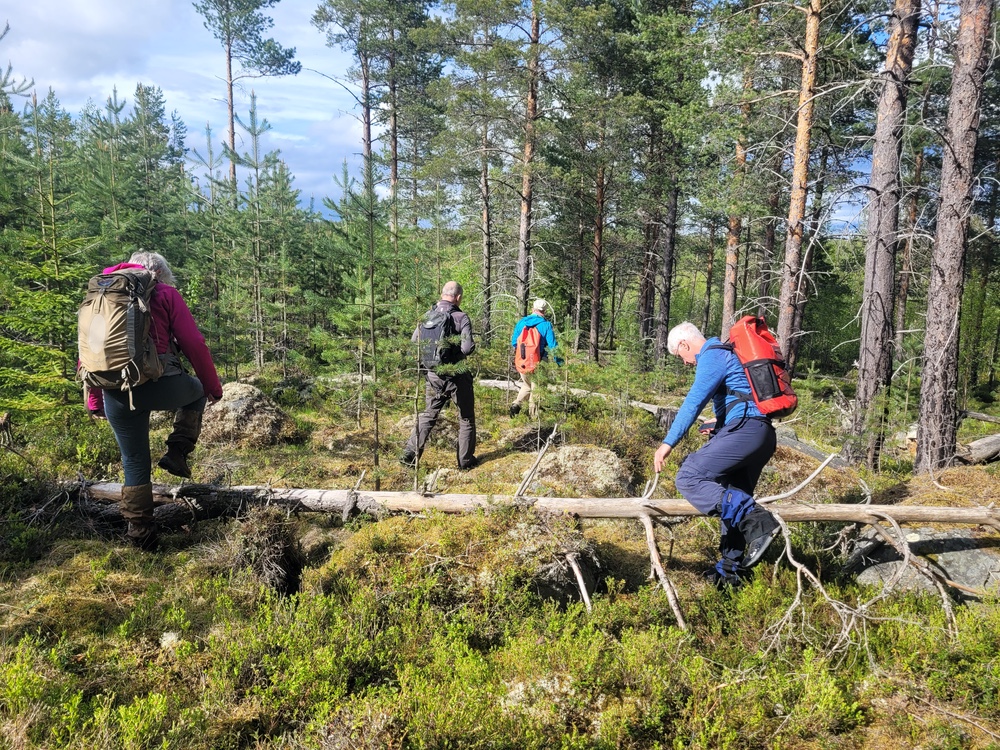
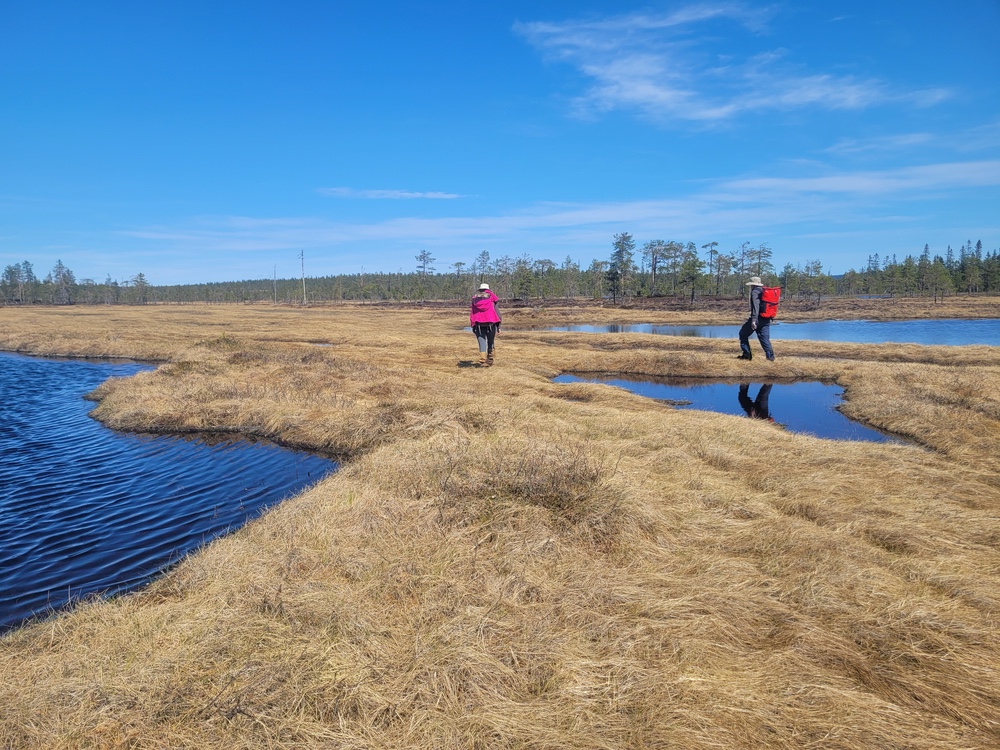
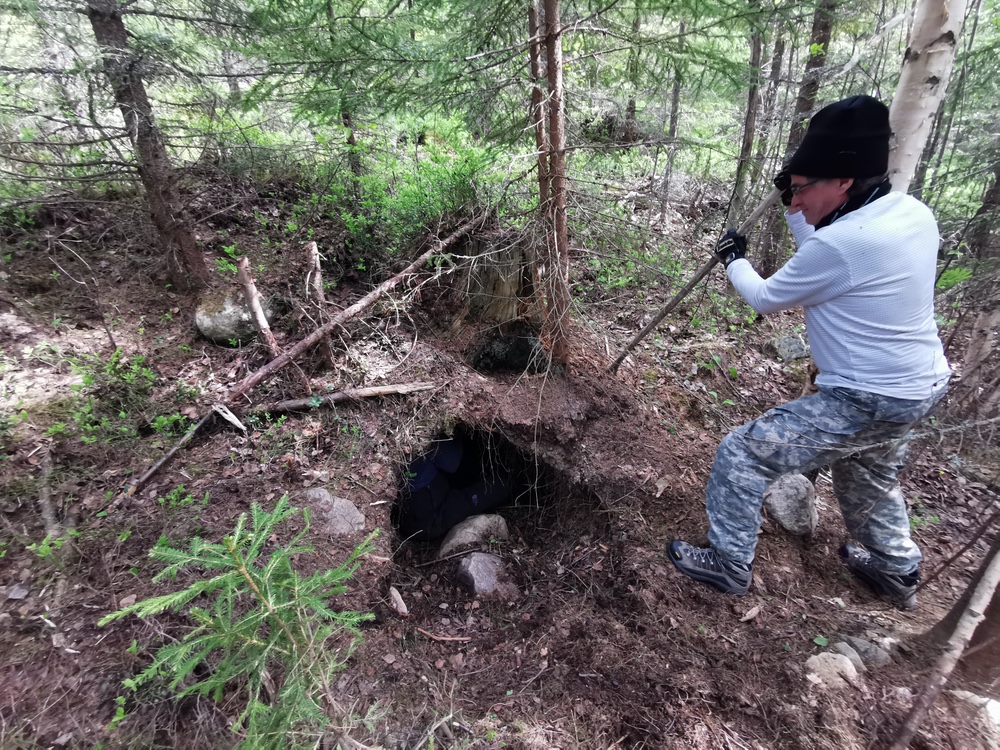
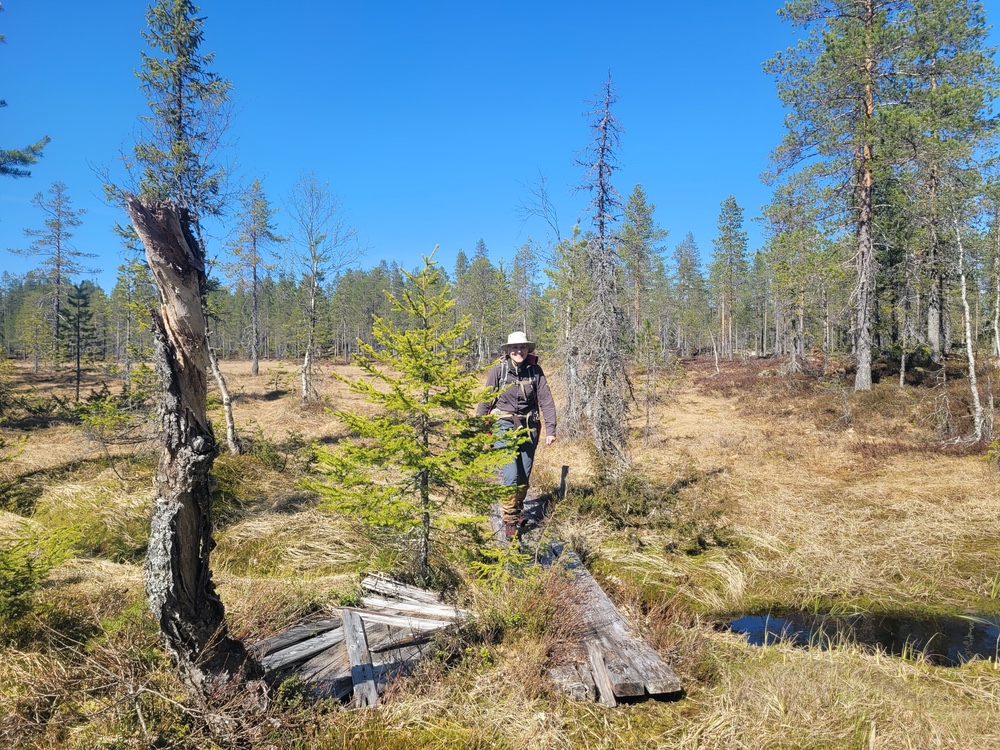
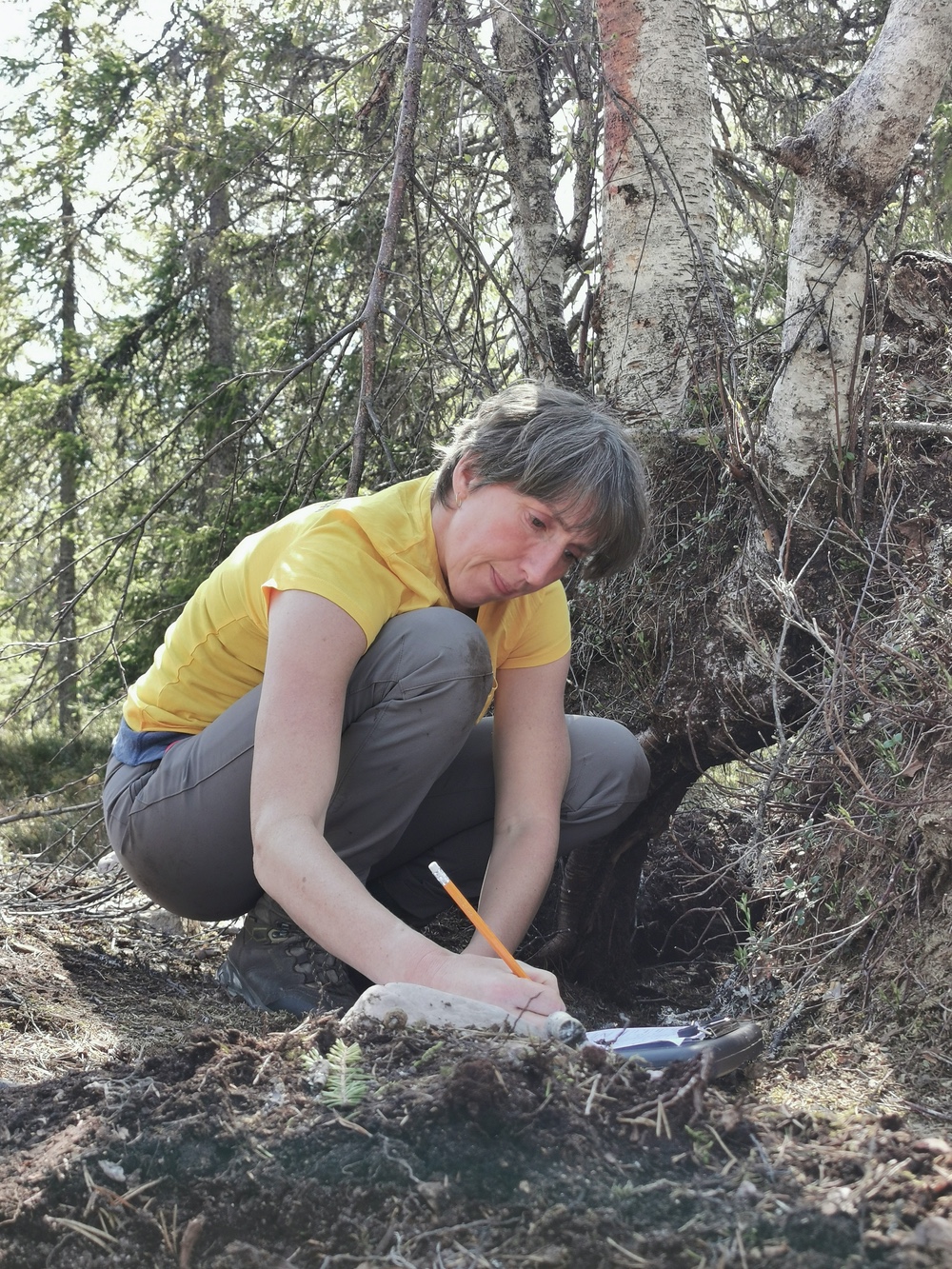
All field work was performed in the northern boreal forest zone in Dalarna and Gävleborg counties, south-central Sweden, which is the southern study area of the SBBRP. After two days of training, citizen scientists were divided into three to four sub-teams each day for seven days of field work. On field work days, citizen scientists were given locations where collar data suggested that bears had spent significant time either denning or around a kill site. Citizen scientists then went to those locations and defined den types (anthill den, soil den, rock den, basket den or uprooted tree den), recorded bed material thickness, size and content, as well as all tracks and signs around the den sites to elucidate whether a female had given birth to cubs during hibernation. All first scats after hibernation and hair samples found at those locations were also collected, and the habitat type around the den and the visibility of the den site were described.
In a very significant contribution to the SBBRP’s field work, the expedition visited 43 winter positions and investigated 37 dens of 30 bears, which represents about 75% of all winter positions that the SBBRP recorded in 2022. Previous expeditions investigated 34% (2019) and 50% (2022) of all winter positions recorded. The significant 2023 expedition increase is due to the extra two field days introduced with this expedition. Additionally, the expedition collected 100% of scat samples that the SBBRP normally collects during a research season. Previous expeditions collected 50% (2019) and 100% (2022).
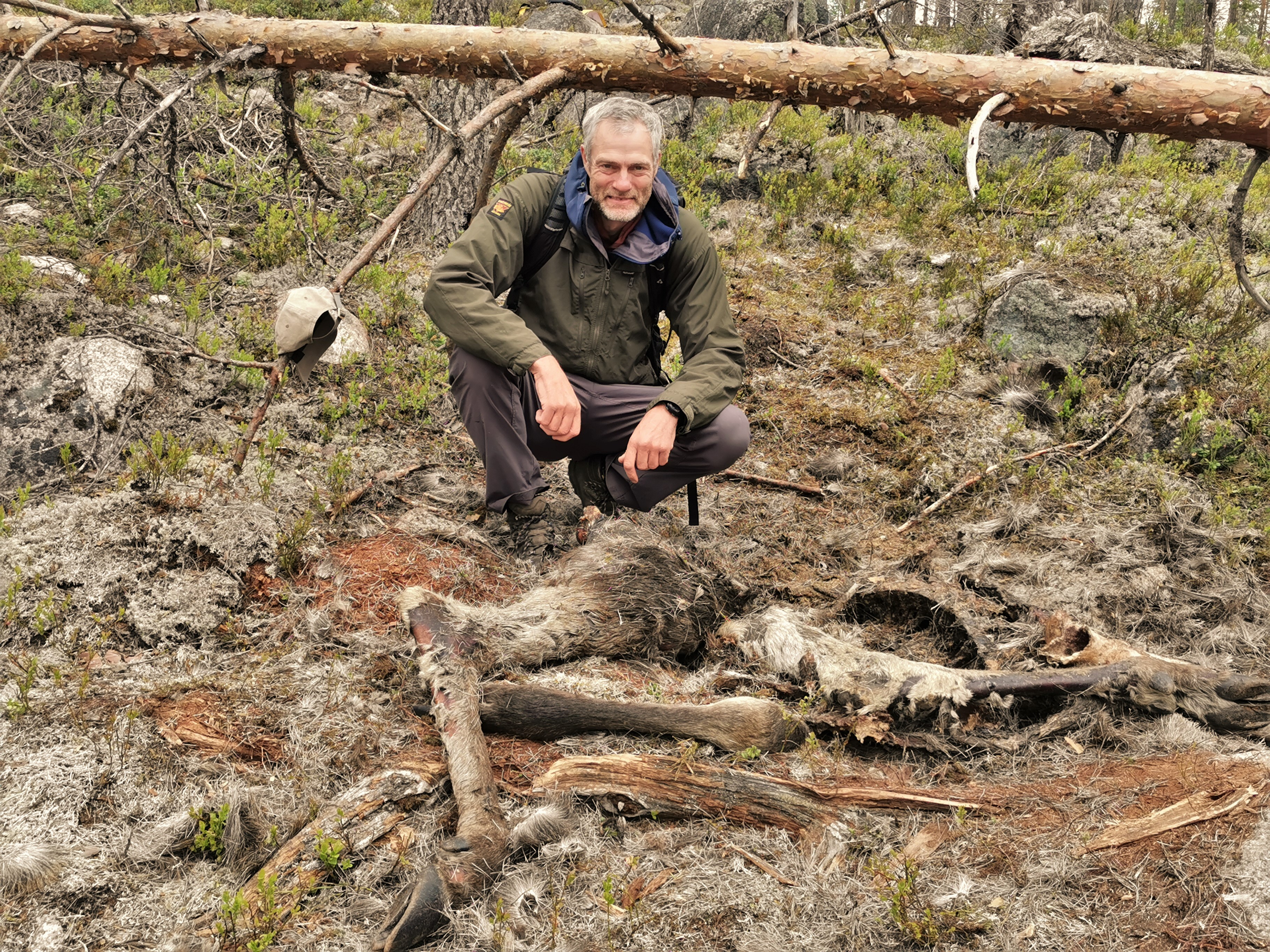
As in 2022, two bears shifted their dens at least once during the hibernation season. In total, the expedition found 37 dens; five soil dens, eleven anthill dens, four anthill/soil dens, seven stone/rock den, five dens under uprooted trees and five basket dens. Unusually again, as in 2022, one pregnant female that gave birth to three cubs during winter, and one female that hibernated together with dependent offspring spent the winter in basket dens. Normally basket dens are mainly used by large males.
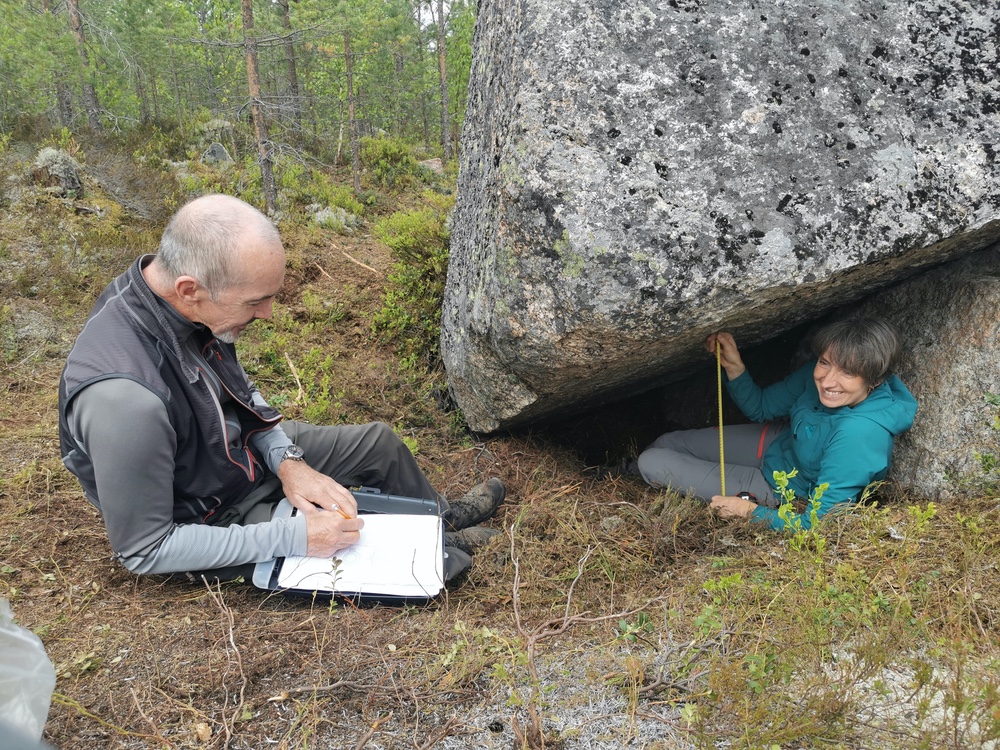
Excavated bear dens had an average outer length of 2.0 m, an outer width of 2.2 m, and an outer height of 0.7 m. The entrance on average comprised 16% of the open area. The inner length of the den was on average 1.4 m and the inner width was 1.3 m. The inner height of the dens was on average 0.7 m. Bears that hibernated in covered dens used mainly mosses (43%), field layer shrubs (21%) and branches (22%) as nest material, which reflected the composition of the field layer and ground layer that was present at the den site. However, bears that hibernated in open dens such as basket dens, preferred mosses (64%) followed by grass (17%); and field shrubs (17%) as nest material. The expedition found ten first post-hibernation bear scats at the den sites.
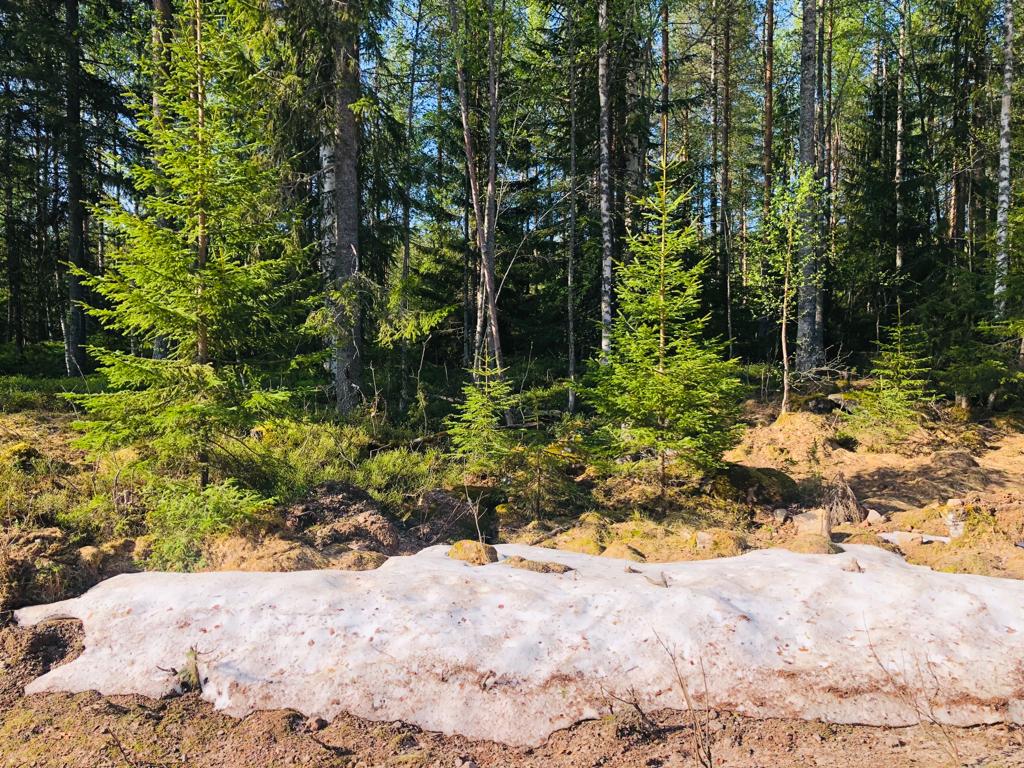
Twenty-seven bears selected their den sites in older forests, and three bears in younger forests. The habitat around the dens was dominated by spruce (Picea abies) 39%, scots pine (Pinus sylvestris) 36% and birch (Betula pendula, Betula pubescens) 26%.
The SBBRP is very thankful for Biosphere Expeditions’ significant annual data collection aiding its long-term study of brown bears. With the help of these data, three reports and publications are on course to be published within the next two years: (1) A global review of the factors influencing den types of brown bears, (2) a brown bear dietary specialisation Master thesis based on faecal samples and (3) a publication on the effect of den type on hibernation duration and reproductive success.
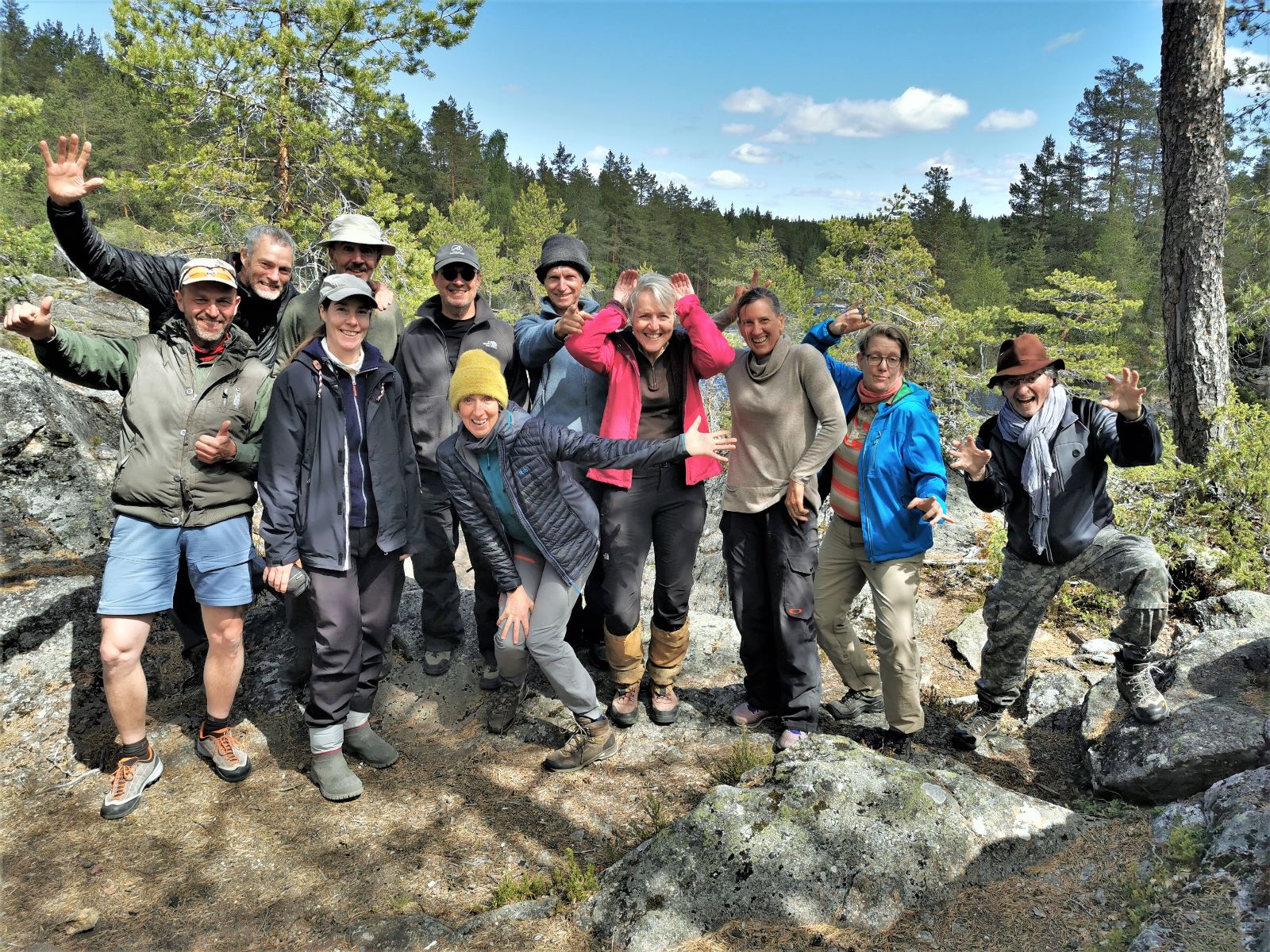
This rounds up this expedition and here are some feedback videos and a picture gallery of the expedition:

























 Biosphere Expeditions: blogs from the frontline of wildlife conservation and the fight for a more sustainable planet