Award-winning, non-profit and ethical wildlife conservation volunteering. Advancing citizen science and conservation since 1999 – for nature, not profit.
It’s time for the initial introductions. I am Craig Turner and I’ll be your Expedition Leader in the Azores this year. On the first group, I will also be joined by Henry Taylor (Expedition Leader in training). It is great to be going back to the Azores after a few years’ break and escape the ongoing Scottish winter – I‘ll be making tracks earlier than expected as more snow is forecast, which could otherwise hamper my journey to the airport!
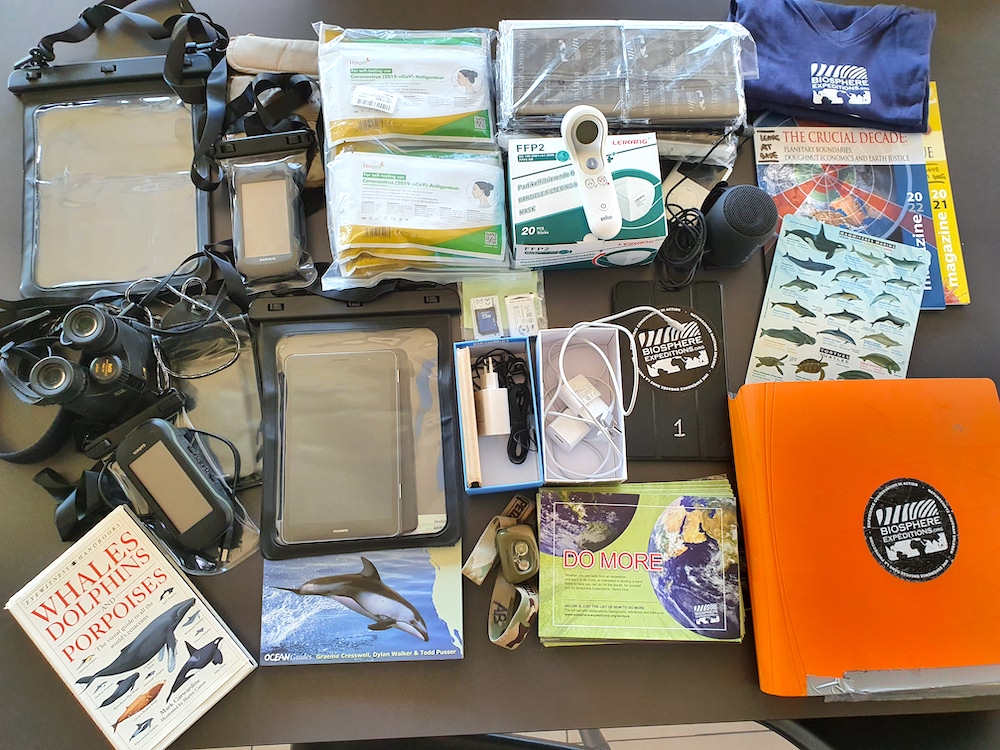
I am currently organising and packing my kit, checking that I have all I need for the next month – so don’t forget to check the project dossier. It will be great to meet up with old friends and colleagues from previous years, not least, our scientist Lisa Steiner. If you want to find cetaceans in the Azores, then she is the person to find them. If you have seen the latest project report and Lisa’s recent publications or the 2022 Azores expedition roundup, then you’ll know, not what to expect, but what we hope to record. Last year, you’ll note they had a variety of records – so you never can be too sure what ‘data’ we will collect. Just cross your fingers for good weather….
We arrive on Friday morning, a couple of days before we meet the first group, in order to set up the expedition headquarters. I’ll send around another message once I hit the ground in Horta and confirm my local contact details.
This reminds me to mention communications on the island. There’s cell/mobile reception on Faial in addition to internet via public hotpots and free WiFi in most cafes. Hopefully, you can resist the need for frequent international comms, and just soak up the experience of Atlantic island isolation.
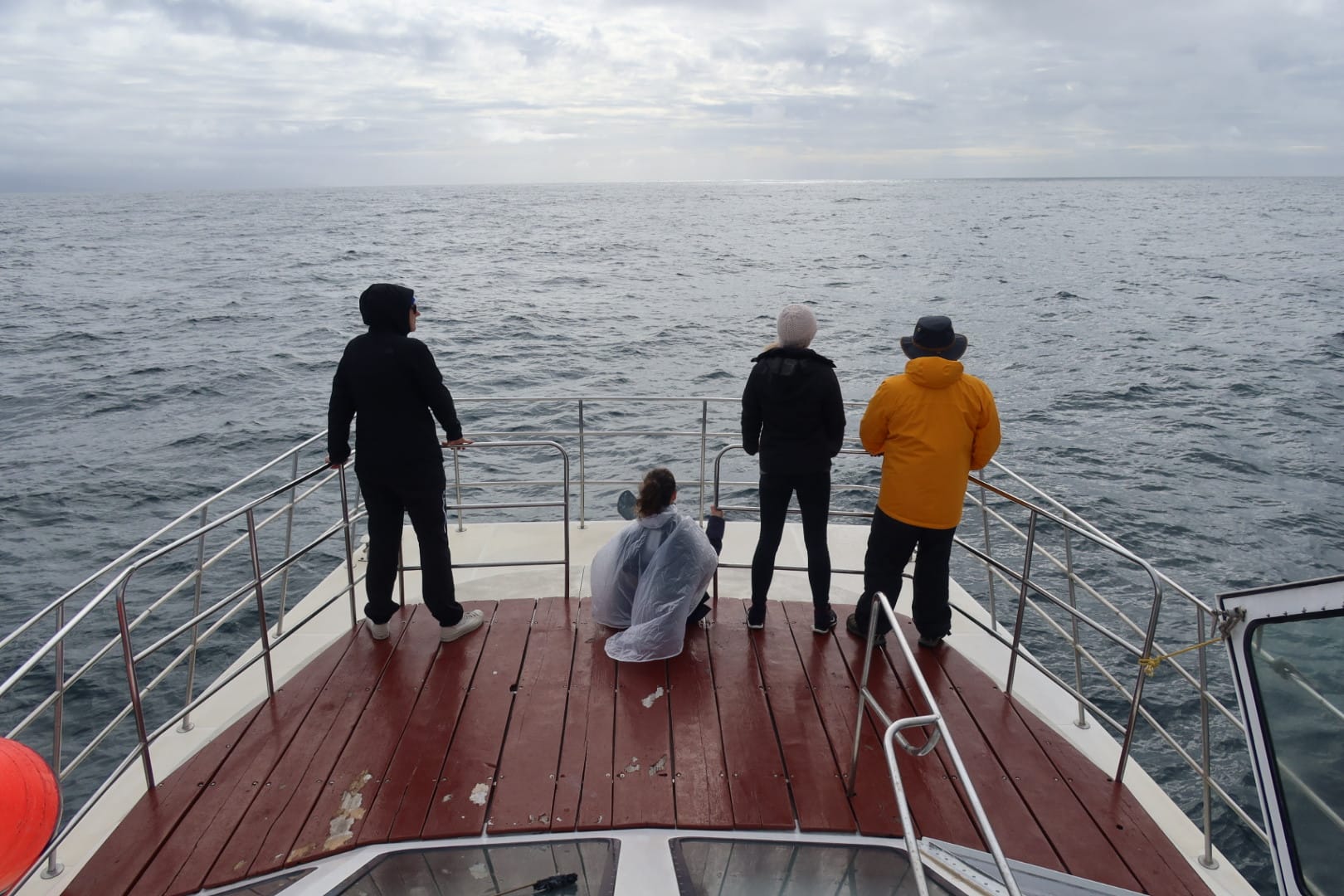
I hope you’ve all been eagerly reading your expedition materials and know to bring many layers of clothing. As to the weather, think Vivaldi ‘The Four Seasons”, so prepare for warm, cold, wet and dry – sometimes on the same day. Don’t forget your sunglasses or your waterproof trousers – you’ll thank me when you are stationed on the bow of the boat as a lookout and the weather is choppy (so also bring your motion sickness pills/patches – if you know you need them!).
So with the local team in place, whale sightings already logged by Lisa, all we are missing is you. It will be great to meet you all and I’ll send along another update very soon.
Group 3 have finished and made their way back home whilst Roland, Rebekah and I take a week’s break to prepare for the fourth and final Kenya group of 2023. Group 3 has worked tirelessly for the past two weeks and the data quality and quantity speak for themselves:
16,719 total animals recorded
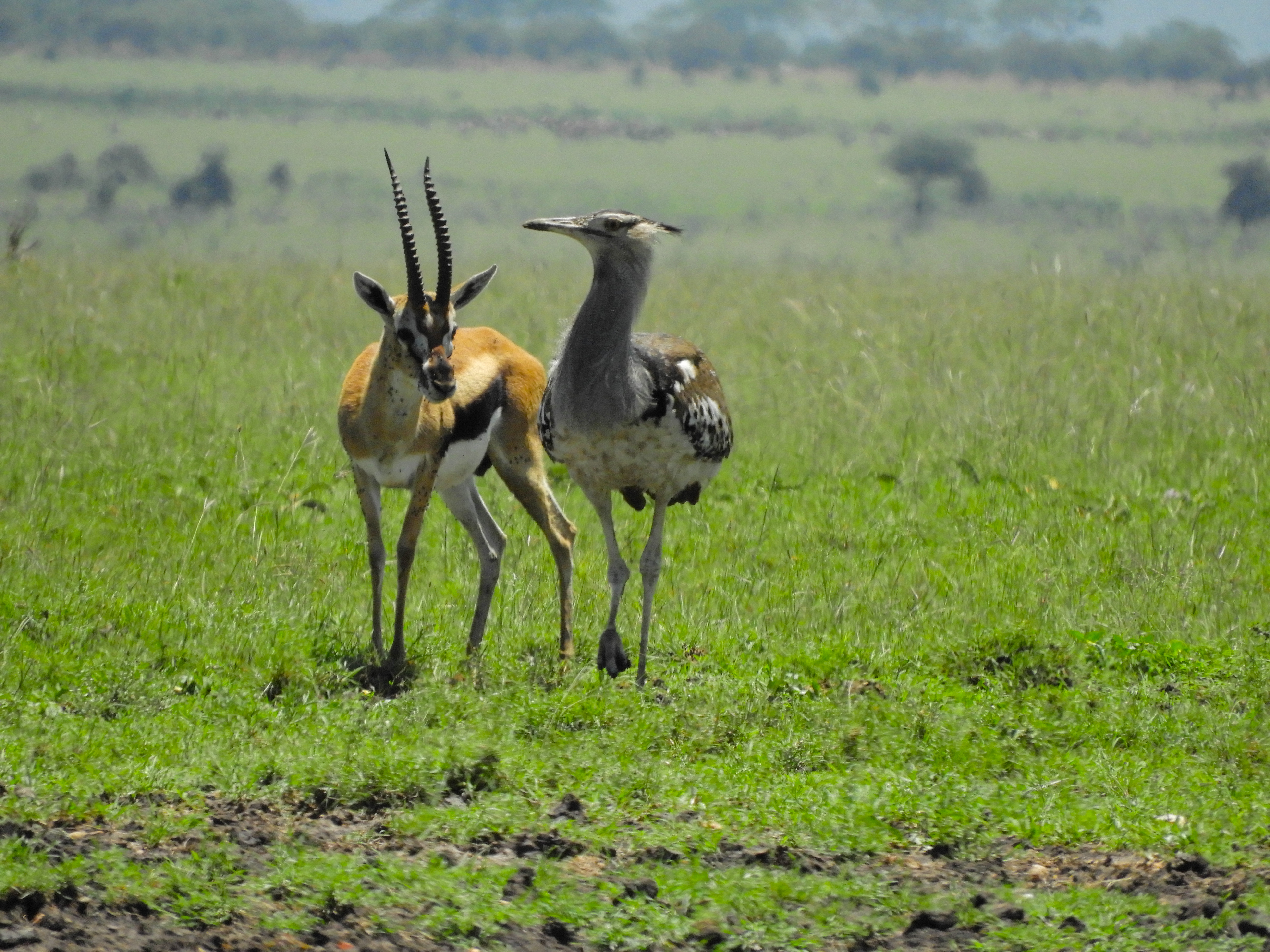
195 raptors and endangered birds recorded, including 6 secretary birds
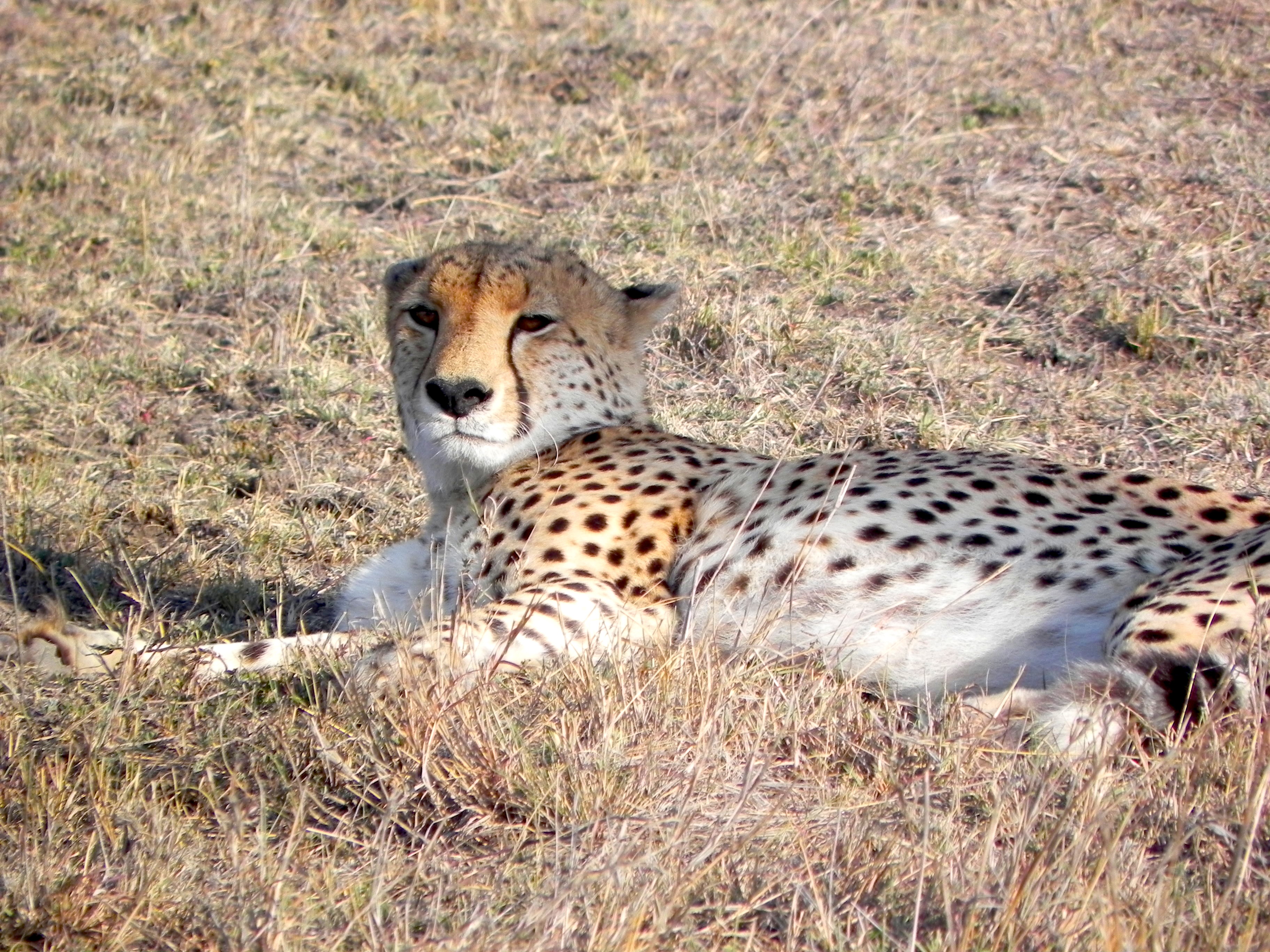
13,093 mammals recorded on 23 vehicle transects with a total distance of 311 km including sightings of lions, cheetahs and bush pigs
12 foot patrols completed recording
139 samples of scat and 65 of footprints
Two 14 hour waterhole observations with 3,121 observations in total, these sightings were predominantly domestic, as we establish baseline data for Mbokishi (also see the pie chart below, which paints a very clear picture of the difference between established and newly founded conservancies)
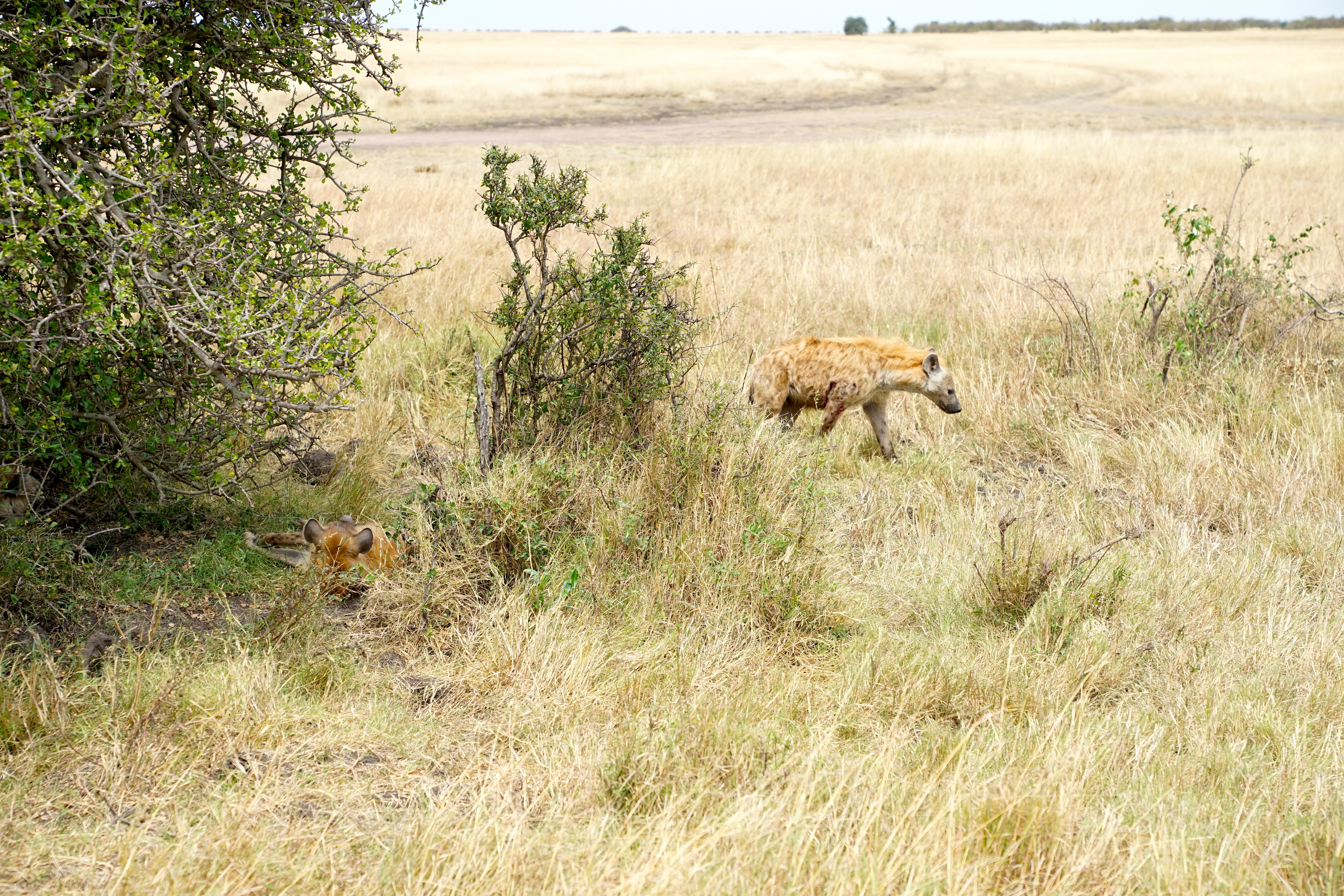
310 iconic species/ interesting animal activities recorded including a hyaena sleeping in a puddle in the middle of the road (!) and 6 ostriches
4,328 images captured by hotspot cameras that contained images of animals, including leopard, lion, giraffe and bush pig
Group 3 – we can’t thank you enough for the commitment and hours of hard work you have put into making this a success. Great to meet you all.
Group 4 – see you on Sunday at our assembly point in Nairobi. Please come prepared for wet weather, mud and long days!
For our third local school day, we arranged to work with a different school, this time from Munyas in Mbokishi conservancy. This is the first time that we have worked with a local school that is based within one of the conservancies and it’s a great opportunity to showcase the benefits of conservation locally and to have open discussion about human-wildlife conflict and fears relating to changes near their homes.
We started the day with a game drive. We drove through Mbokishi so we could witness the wildlife near to the school and then ventured into Enonkishu. The students were treated to sightings of wildebeest, giraffe, hippo, zebra, baboon, warthog and birds including secretary bird, tawny eagle and kingfisher. The game drive was a chance for us to demonstrate the difference that over 10 years of being a conservancy can make for wildlife.
Back at the expedition base, we played some games before local ranger Sikona joined us to give a talk to the students in order to foster relationships between the rangers and the students, as well as demonstrating the opportunities that conservation and ecotourism can offer. After dropping the students back at school and returning to base, we received a message of thanks from the school headmaster. He informed us that students were still excitedly talking about the animals and fun activities whilst the highlight for others was using a flush toilet for the first time! One of our citizen scientists brought a photo printer and gave the students their own individual photos to remember the day, which was also very popular.
We are now preparing to leave Enonkishu for a short break before returning with our final group 4. We hope your preparations are going smoothly and we will see you in Nairobi in just over a week.
Photo by Michael Hodgson PhotographyPhoto by Michael Hodgson PhotographyPhoto by Michael Hodgson PhotographyPhoto by Michael Hodgson PhotographyContinue reading “Kenya: School day 3”
The Kenya expedition is at full speed and the data are coming in thick and fast. The mornings start with crisp cool air, blue skies and the now familiar Kenyan dawn chorus. As the heat rises, clouds build through the day, usually culminating in a raucous mid-afternoon thunderstorm. The weather has settled into a pattern and so have we in group 3.
Biodiversity is one of the key features of the Maasai Mara, with its varied landscape, from grassy plains to forested areas, providing habitats for a diverse range of species including over 95 species of mammals and 500 species of birds. We have been busy mapping this biodiversity through vehicle transects, foot patrols and camera trapping. Group 3 have been fortunate to record cheetahs, lions, bush pigs, bat-eared foxes, elephants and mongoose amongst the usual ungulate crowd. We have some very keen birders that have been busy spotting and identifying birds for our raptor mapping project and we have had sightings of secretary birds, bateleurs, ostriches and an array of eagles and buzzards.
We have also had reports of animals dying without any clear sign of injury including three zebras in a 24 hour period. We have spoken to local people and rangers, but we don’t have a clear consensus on the cause yet. We have been busy setting up camera traps to collect more information.
As we enter the second week of group 3 we have a full and busy schedule ahead of us. We are continuing with our usual day-to-day data collecting alongside making plans for our local education day on Wednesday. So all well here and things going well.
Group 3 have arrived in the Mara, and with them – the rain! The past few weeks have been hot and dry with siestas becoming a necessity in the midday sun. The grass had become yellow and scorched from the heat and the plains were beginning to turn to dustbowls. We are excited to witness the transformation of this habitat and the changes in animal behaviour that go along with this. This change in the weather has happened in line with annual expectations, which is a blessing in these challenging and changing times for our planet, where disruption to weather patterns is the new norm.
We have been busy since arriving at base on Sunday with 4×4 driving, scientific equipment, navigation and project methodologies on the training agenda. The driver training and practice transects gave our new citizen scientists a taste of the local area and wildlife and there is a great buzz of excitement around camp at the moment. Everyone is eager to get out into the field and put these newly learned skills into practice.
Today saw our second expedition birthday, Isabelle has been demanding that we make elephants and lions appear, but this seems to be beyond even the Biosphere Expeditions and Wild Hub teams! We celebrated with a team dinner followed by birthday cake, this time the German contingent made up for the disappointment of last week with a rousing rendition of “Zum Geburtstag viel Glück” and the French delegation delighted us with “Joyeux Anniversare”. We finished the day with a screening of The Elephant Queen, a fitting end to the day with a poignant reminder of the importance of the stability of wet and dry seasons.
Group 2 have made their way to Nairobi for their onward travels. Thank you for your hard work and dedication over the past 12 days. Roland and Rebekah are happy with the quantity and quality of data that’s been collected and it has been a productive expedition. The methodologies that are now well established, along with the output from citizen scientists, has all contributed to this success.
Here are some headline data that outline the hours of hard work put in by group 2: 11,469 total animals recorded
184 raptors and endangered birds recorded including 70 tawny eagles
8331 mammals recorded on 23 vehicle transects with a total distance of 243 km including sightings of lions, cheetahs and elephants
7 foot patrols completed, recording 71 samples of scat and 38 of footprints
2 x 14 hour waterhole observations with 2617 observations in total – these sightings were predominantly domestic as we establish baseline data for Mbokishi
337 iconic species/interesting animal activity recorded including jackals hunting gazelle and cheetah feeding on impala – our first sighting of a honey badger was recorded whilst on a night drive
15,950 pictures captured by camera traps and many hours spent poring over the data led to records of bush pig, leopard, hyaena, vulture and white-tailed mongoose
Group 3 – rest up and enjoy the luxury in Nairobi before we get stuck into science work and long hours on Sunday!
The days in the Mara have been full of activity, the citizen scientists have been busy collecting data and scientist Roland has finally been able to see that there are a great and diverse range of animals here that exist in the real world and not just on spreadsheets. The Cybertracker app has been optimised and is now working well across the five different projects we are using for our animal mapping.
We have completed two waterhole observations of 14 hours each – the first had to be moved due to a lack of water (apparently this is an essential component when observing waterholes). The second observation was in Mbokishi – a new conservancy where the wildlife is yet to flourish. This apparent lack of wildlife led to some ”interesting” sightings from tired eyes – 113 ostriches? Baby crocodiles (actually tortoise)? These waterhole observations – although low in sightings – are vital in order to generate a baseline of data to show the progress being made here in the coming years.
Monday saw the first expedition birthday, we all joined together to sing happy birthday for Alistair and to share a delicious homemade cake. After the shameful refusal from the German contingent to sing “Zum Geburtstag viel Glück” to the birthday boy, the staff at the Wild Hub performed an entrancing song and dance for us all instead.
The weather has been hot and dry with temperatures reaching into the mid 30s and not a drop of rain for the past week. The ground is becoming sun-baked and yellow and we are all hoping for some relief to these conditions soon. The electricity and Wi-Fi have been temperamental, to put it nicely, but overall the expedition is running smoothly and we are working as a strong unit to continue with the essential science.
We have been reaping the rewards of the hard work put in over the past weeks with several successful hotspot camera trap placements. One camera trap was retrieved from a location that had been suggested by local rangers, where we captured genet, hippo, giraffe (lower half), baboon, hyaena, dik dik and civet.
In Mbokishi we discovered the carcass of a hyaena by the transect line. This hyaena was purported to have been killed by a lion – along with two cattle in the local area, although there was no evidence on the hyaena to suggest this to be the case. A camera trap was placed at this site and over the first night there were visits from white-tailed mongoose and jackal. We visited the site again the next day: the carcass was still there, in a worse state, in a cloud of flies and stench. We took the opportunity to add a second camera trap – set to record video – and we will see what interest the carcass attracts over the coming days and nights.
A camera trap set up at an elephant carcass saw a group of hyaena spend over three and a half hours working their way through the skeleton and remains. Hyaena are such vital part of the ecosystem and help to prevent the spread of disease and bacteria. Strangely, there were no other visitors for the next ten days.
We have also been hard at work servicing the permanent camera trap grids in Ol Chorro and Enonkishu and have so far serviced nine of these permanent cameras with over 3,000 images to sift through.
After what felt like an eternity in isolation, it is great to meet the new citizen scientists and get stuck into the work we are here to do. Roland stepped up to the plate admirably in my absence and is owed at least a few bottles of Tusker to say thank you. The staff at the Wild Hub, Rebekah and Stanlynn have also worked hard to keep things running smoothly and it is much appreciated. I will nominate you all for an O.B.E. (Order of Biosphere Expeditions) in Kaiser Hammer’s new year’s honours list.
We have picked up where group 1 left off and after two days of training have completed our first transects in Enonkishu with everyone taking turns at the different processes in order to gain experience. There were sightings of giraffe, zebra, hippo, buffalo, impala, gazelle, wildebeest and our first sighting of cheetah. Not bad for the first morning!
Back at the expedition base, we have had to introduce some new protocols due to the presence of lions in the area. A lioness killed a warthog in the garden of the manager’s house at base there were reports of a lion kill again last night. We are being cautious in our approach, however, it is worth noting that lions are not naturally aggressive towards humans in nature unless provoked, protecting their young or when food is scarce. There are no reports of young in the area and food is currently abundant, so with a little common sense, the risks are low.
We also placed three camera traps near by the warthog kill and Adam (one of the managers here) has edited a short video documenting the comings and goings of the local wildlife (see below).
Twenty-three expeditioners from ten countries across the world joined the Azores expeditions in March and April 2022, the first expedition to run since the start of the Covid pandemic. This was the 16th edition in the Azores monitoring the movements, migrations, numbers, group structures and ecology of cetaceans.
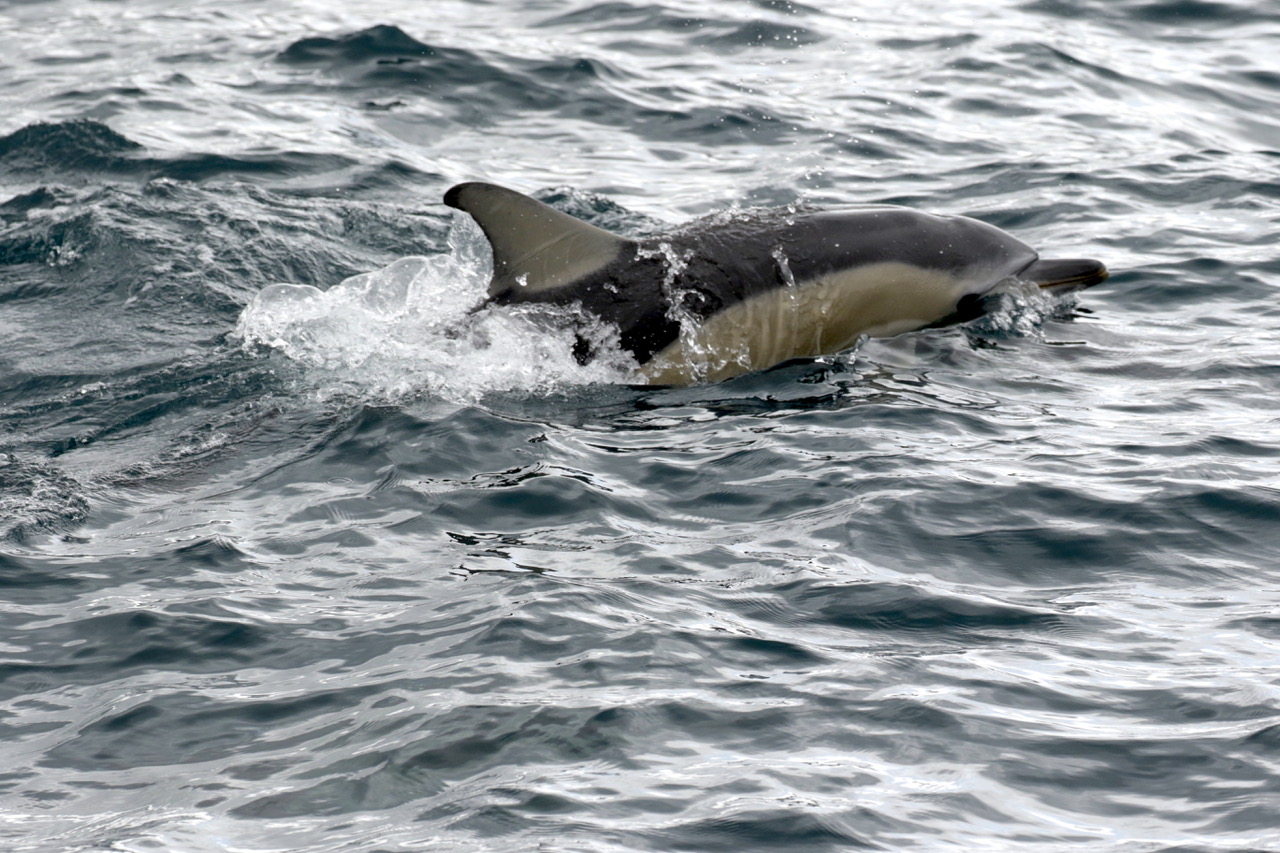
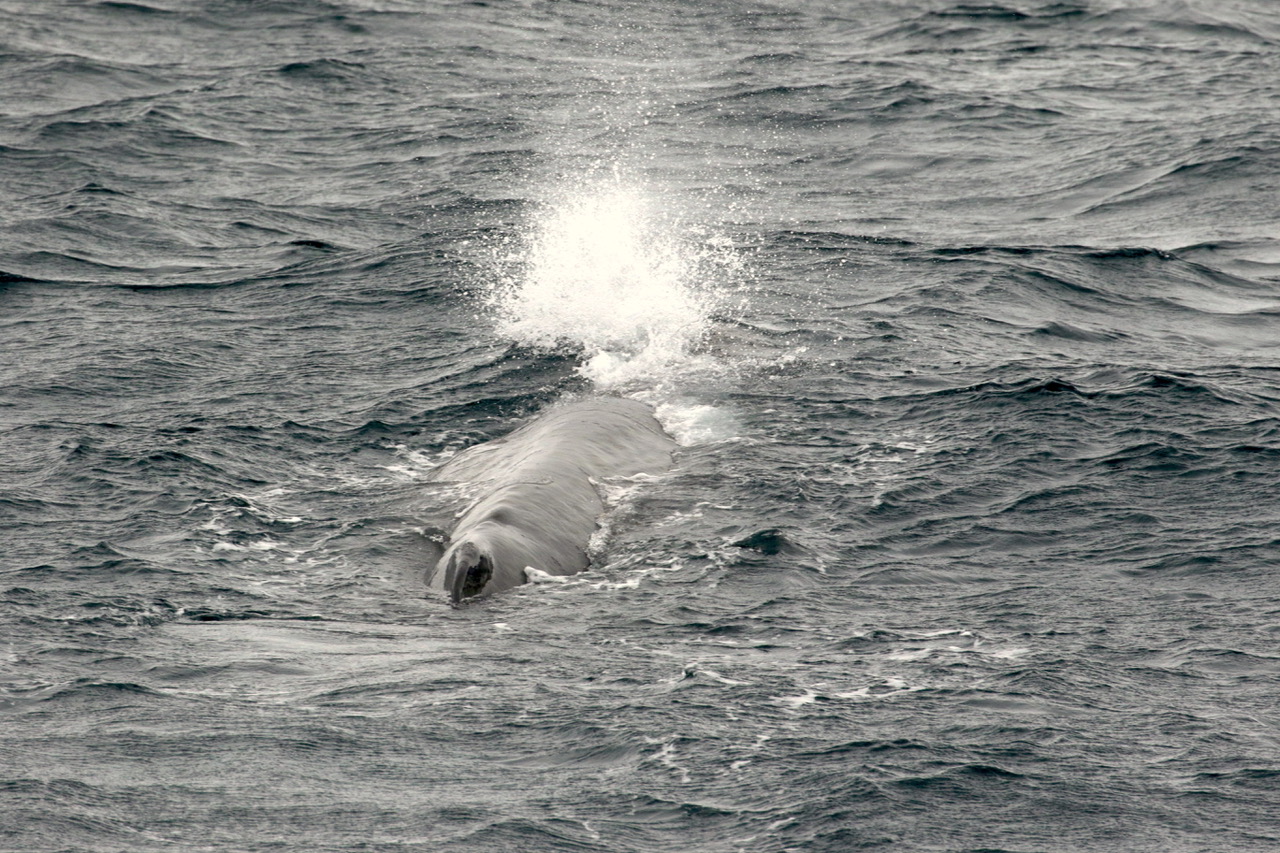
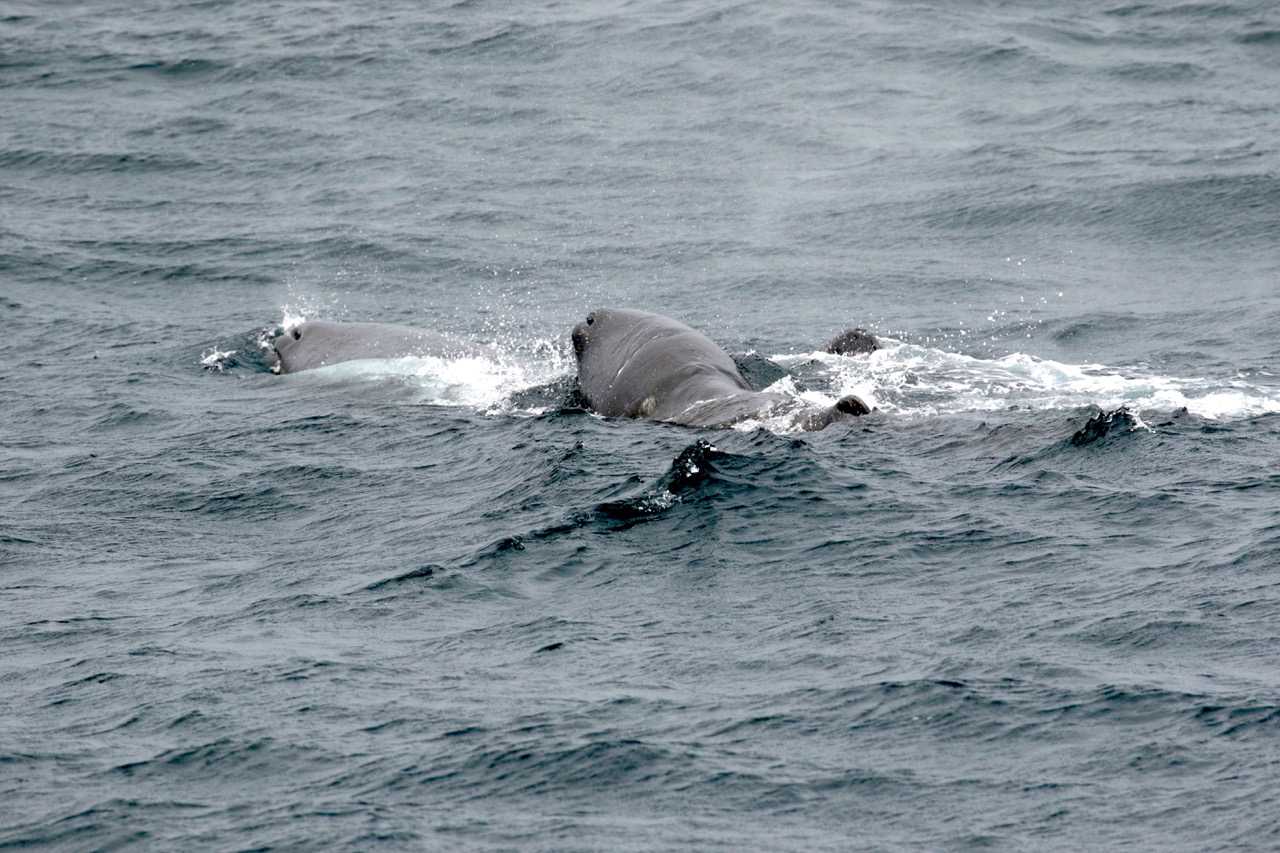
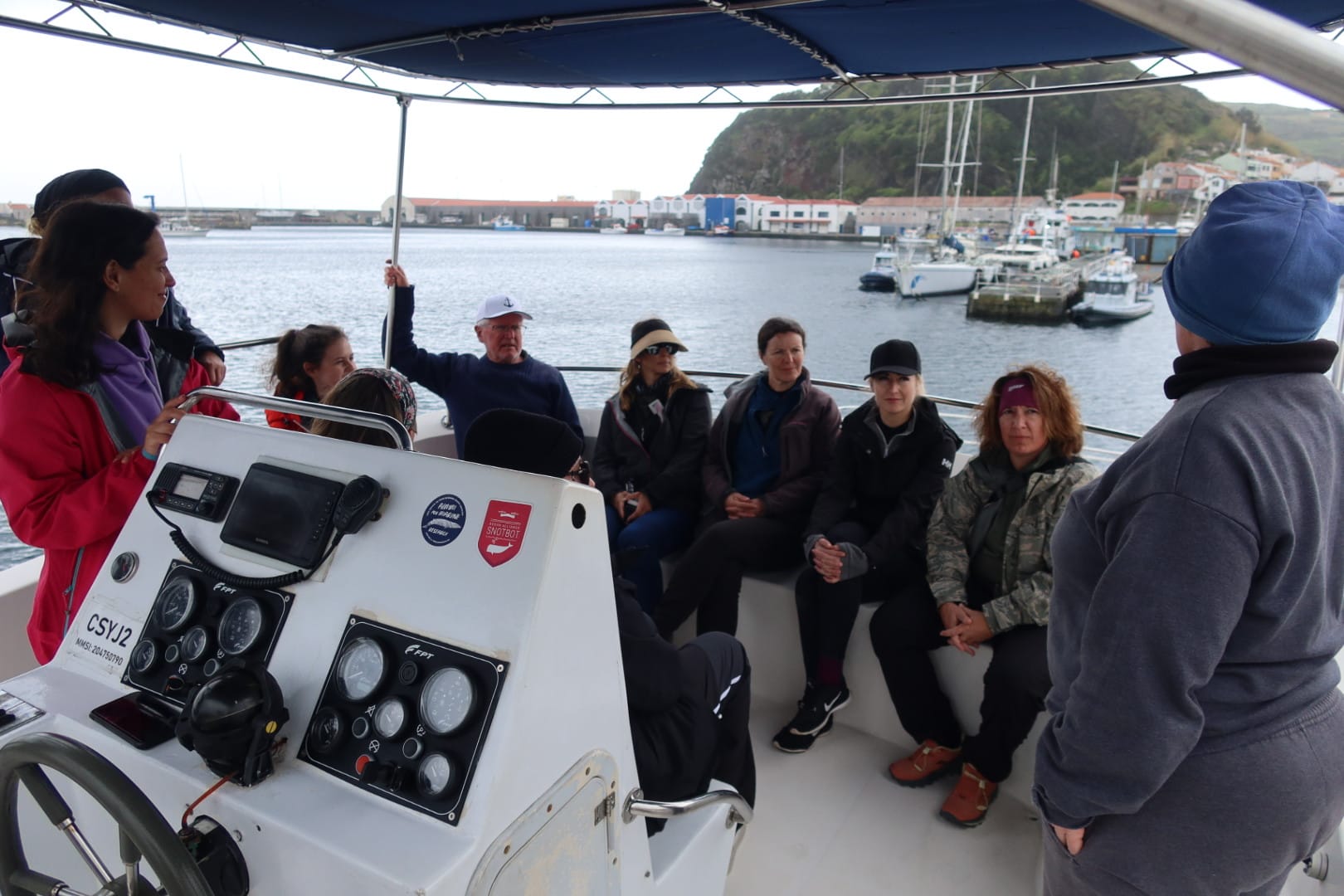
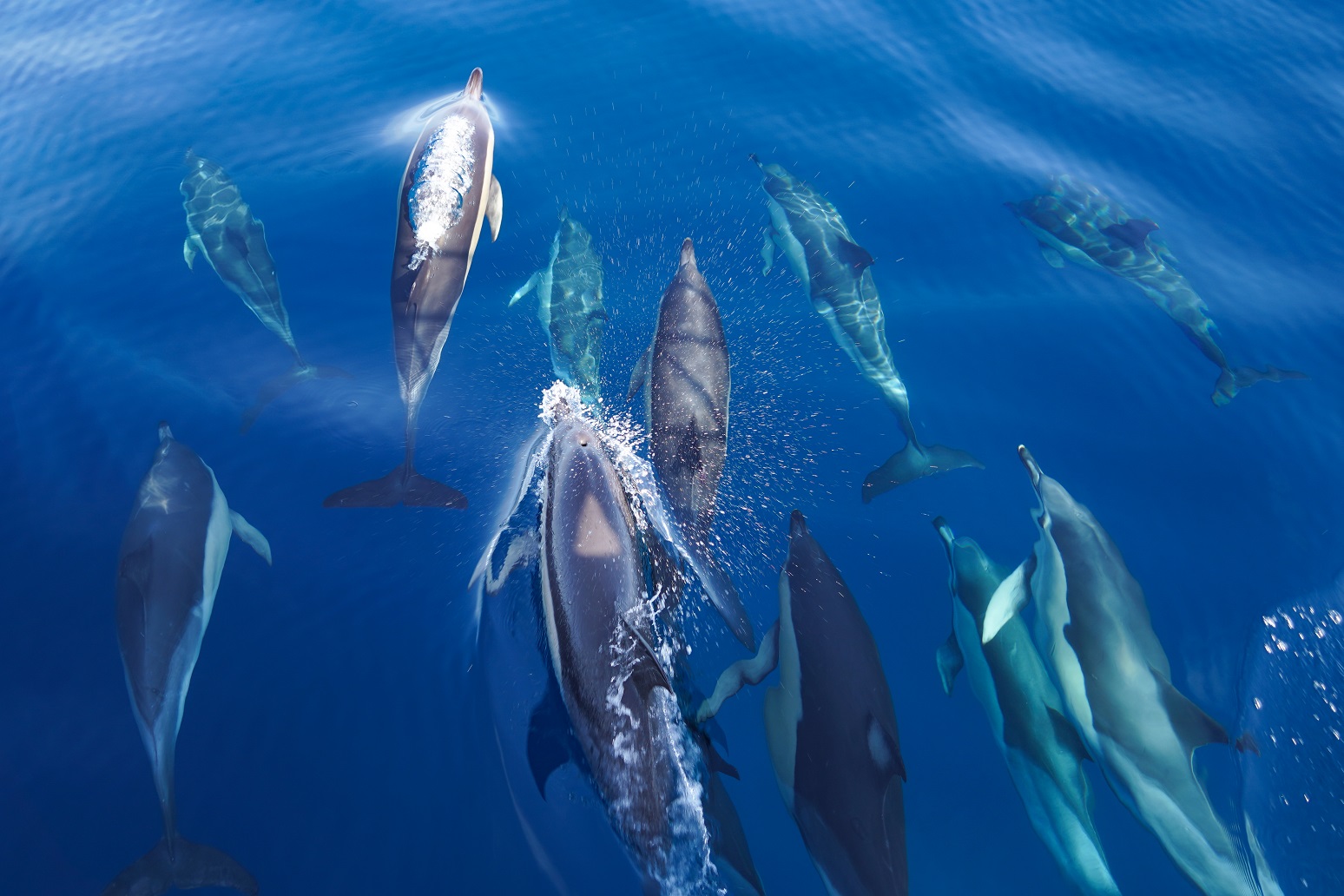
During this 16th expedition, citizen scientist participants spent 16 days out at sea, adding up to 100 sea-hours while covering 1674 km around the islands of Faial, Pico and Sao George in the central group of the Azores. The expedition’s search effort resulted in 127 sightings of 10 different cetacean species. In terms of abundance, the common dolphins come in first, while the iconic sperm whale was sighted on 59 occasions. Baleen whales are known to migrate through Azorean waters in spring, hence the timing of the expedition. The expedition recorded six humpback whales during three different encounters, one minke whale just outside Horta harbour and three majestic blue whales. As for dolphins, most of which are resident, the well-known bottlenose dolphins were spotted five times, Risso’s dolphins on four occasions and and striped dolphins twice. Of the larger toothed whales, the expedition witnessed a feasting bonanza of 75 false killer whales on tuna and even caught a glimpse of five elusive beaked whales.
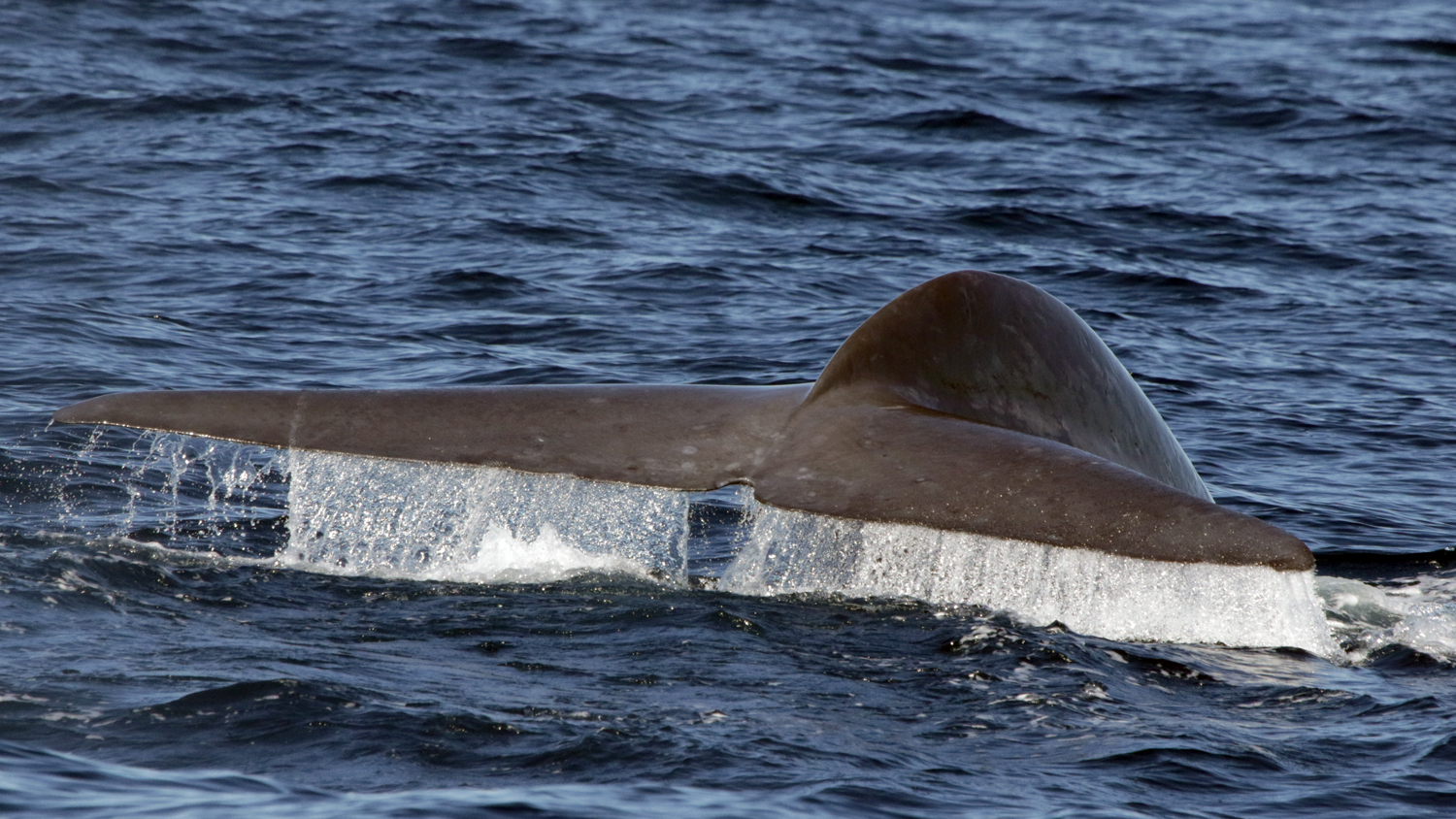
Cetaceans are no easy species to study, given that they spend most of their time under the water surface. Yet photographs of dorsal fins of dolphins and tails (flukes) of whales allow scientists to distinguish individuals. These can then be matched when photographed elsewhere along their migration route or as part of their movements within the Azores archipelago. Photo-IDs may sit for many years in a database before being matched, hence cetacean research and spatio-temporal monitoring requires long-term data collection and processing to reveal meaningful patterns – a perfect task for a citizen science expedition. In the long run – and conservation science is a long game – this gives relevant information on priority areas to protect to safeguard the many whale and dolphin species present in the Azores. Indeed the archipelago is considered a hotspot for both resident and migrating cetacean species.
Out of the total of 59 sperm whale sightings, the expedition managed to identify 44 individuals of which 18 (40%) were known individuals and 26 (60%) were new individuals of which fluke shots were added to the catalogue. Actually, one sighting of one individual was repeated within the expedition, sighted both on 28 March as well as 19 April. Within the known individuals, there are three well-known groups: the one of a whale called “Nr 19”, the group of “1598” and the group of “2808”, with calves of last year. The expedition also spotted a few males, one of which known is known as “Tiktok”, a male that seem to be more resident around the Azores archipelago, often sighted close to Sāo Miguel. This is rather unusual, as most males migrate to the Northern Atlantic for food, while the females are known to stick around. These data are precious to Lisa Steiner, the expedition scientist, an expert on sperm whales, having studied them for over 35 years in the Azores. As Lisa says “cetacean research progresses one fluke at a time”. It is remarkable how she has come to know some of these individuals very well and we witnessed her jumping up and down on the lower deck in joy after taking a fluke shot, saying “this is number 19, I’ve know her since 1987!”
As for the humpback whales, one of the North Atlantic researchers for the species confirmed that one fluke photographed by the expedition matched to an individual seen in October 2014 and in January 2015 in the Tromso – Andenes region in the North of Norway. Our most unique sighting was the one of a white humpback whale, named “Willow”. It is the only known 95% leucistic individual in the Northern Atlantic humpback population. Based on this feature and together with its fluke ID, the expedition was able to confirm that Willow has been seen in the breeding grounds of Guadeloupe in 2015, 2019, 2020, as well as in the feeding grounds of Spitzbergen even earlier, in 2012. A tissue sample had been taken there, indicating Willow is a male. “This story and unique encounter demonstrates how every single fluke photo adds pieces of the puzzle that make up the life history of these long-lived migrating baleen whales” says An Bollen, the expedition leader.
Regarding the blue whales, the two individuals seen travelling together by the expedition were re-sightings from the Azores. One was seen there in 2010 and the other one in 2006, 2010, 2014 and 2018, as confirmed by the researcher Richard Sears, showing that at least some individuals use the same migration routes.
Dorsal fin photos were sorted by citizen scientists and have been sent off to Karen Hartmann, Risso’s dolphin researcher and to other colleagues working on bottlenose dolphins and false killer whales. These species are considered resident around the archipelago and indeed the expedition recognised some individuals with distinctive dorsal fins in groups of varying sizes, so as more feedback comes in form the colleagues, it will also add to an increased understanding of these dolphin species.
This year the expedition collaborated closely with the University of the Azores by testing the beta version of the Monicet app, which was released just before the start of the expedition. The expedition team provided several recommendations, which were included in an improved version, released by the end of April 2022. The idea is to roll out the use of the Monicet App to all whale watching vessels in the Azores to enable data collection and sharing. The expedition is proud to be asissting with this.
The expedition also worked with more advanced GPS units, which allow it to generate maps and other visualisations of results and effort.
This sums up the 16th Azores edition, which is only possible thanks to an international team of citizen scientists Lisa Steiner us and dedicating their free time, energy, resources and enthusiasm to collecting data and contributing to the conservation of these fascinating animals. Biosphere Expeditions will be back in March 2023 to continue its citizen science programme and keep contributing to long-term cetacean monitoring.