Thailand: Rain

Update from our Elephant conservation volunteer holiday Thailand

After a lengthy journey from Barcelona via Chiang Mai I arrived. As we drove to Naklang the temperature eased off, which was a relief from the heat of the city. I was excited to see the new baby elephant in the jungle, and equally as excited to meet Kerry and Sombatโ€™s baby boy Ollie, who was a mere bump in her belly last year when I was last out here.ย 

For the next couple of days, we will be concentrating on getting everything set up for the team’s arrival. Jazmin will be meeting you at the Mecure hotel at 08:00 on Monday.ย 

If you are planning to buy a local SIM card while you are in country, the one that currently works in this area is โ€˜TrueMoveโ€™. And there are packages available that last for 15 days that cost THB 699.ย 

At the moment we are right in the middle of some very unseasonal rain, so please make sure that you have suitable clothing for very wet weather.ย 

We are looking forward to seeing you on Monday.ย 

Bridge in the village
Continue reading “Thailand: Rain”

Malawi: Round-up 2023

Update from our Malawi expedition volunteering with elephants, hippo, cats, pangolins and African biodiversity

Biosphere Expeditions have continued their long term partnership with Lilongwe Wildlife Trust (LWT), researching and monitoring wildlife populations in the Vwaza Marsh Wildlife Reserve in Malawi.

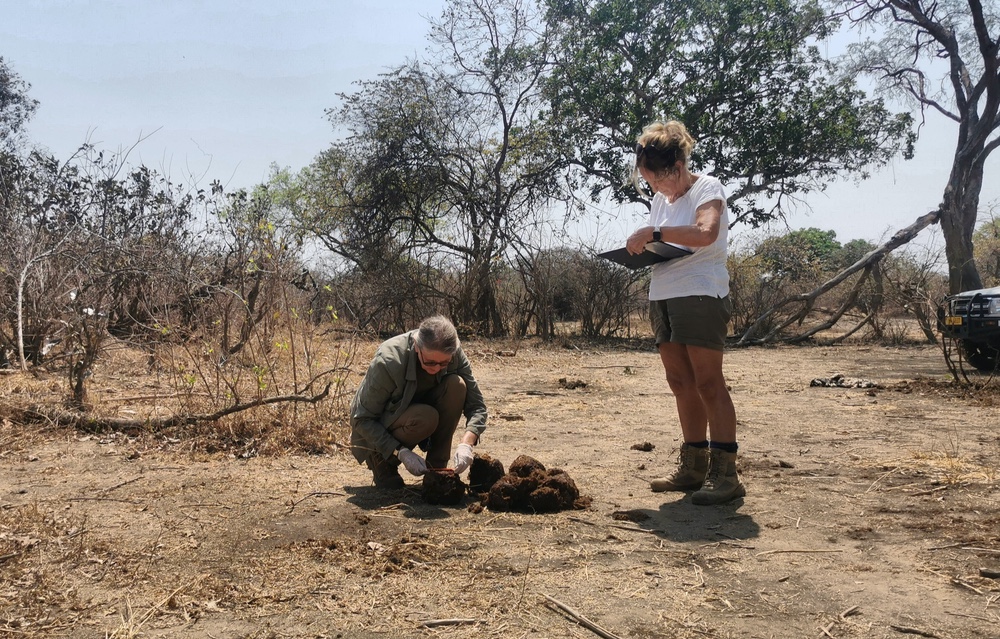
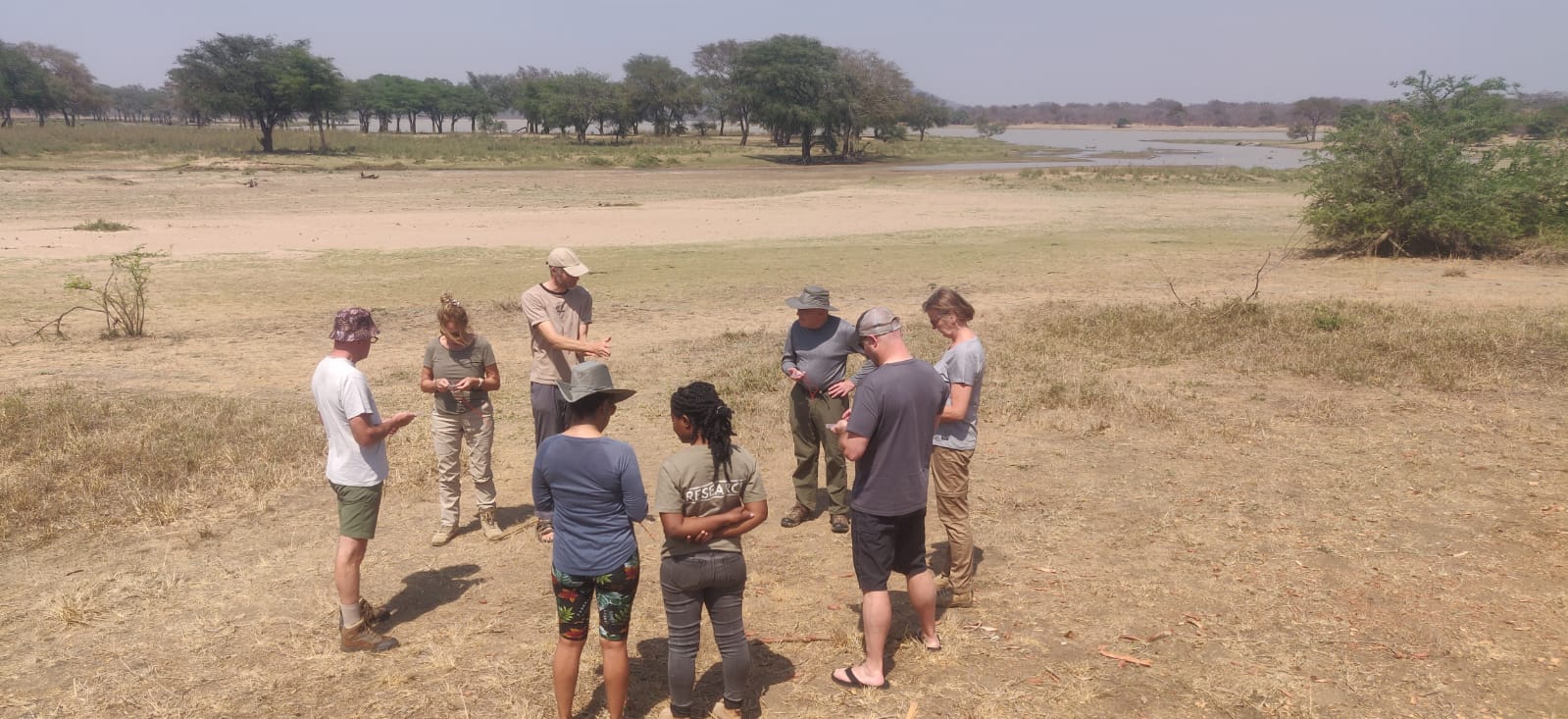
The two post-Covid expeditions in 2022 and 2023 have had a particular focus on elephants and hippos as well as camera trap surveys of other wild animals. Analysis of elephant dung was also carried out to assess whether elephants had been eating crops grown in fields outside the reserve. The 2022 expedition also included a project to identify invertebrates in different habitats, as potential food source for pangolins. The 2023 expedition began the process of identifying individual matriarch and adult bull elephants. Building this database of individual elephants will greatly help in mapping the demographics, movements and health of the elephant herds in Vwaza.

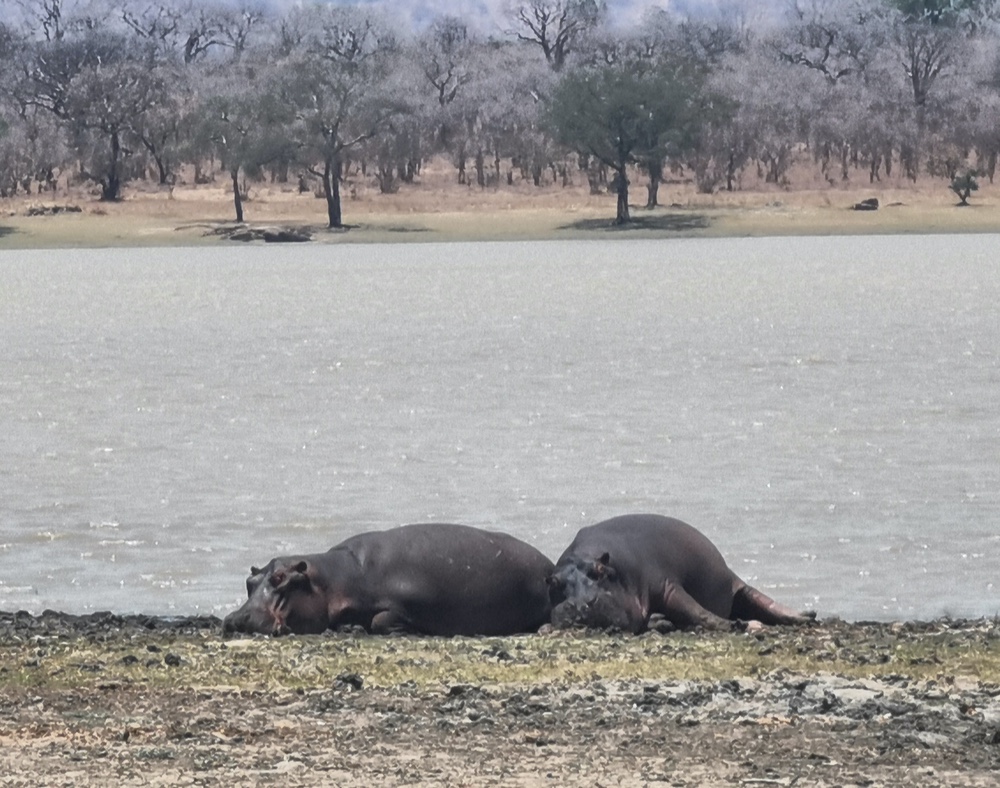
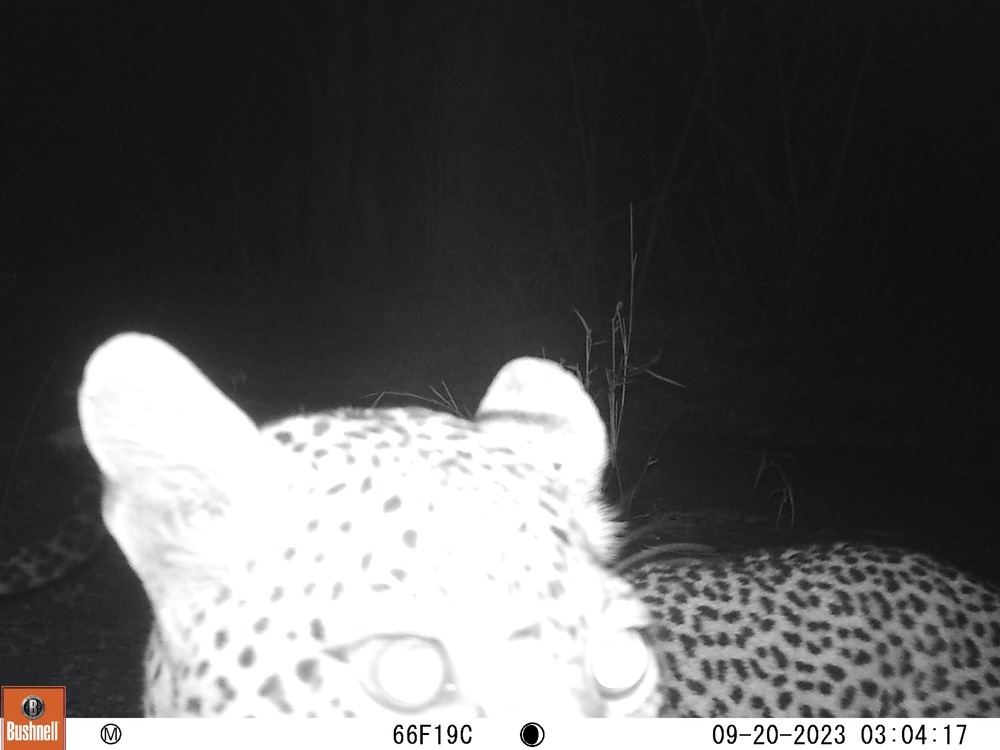
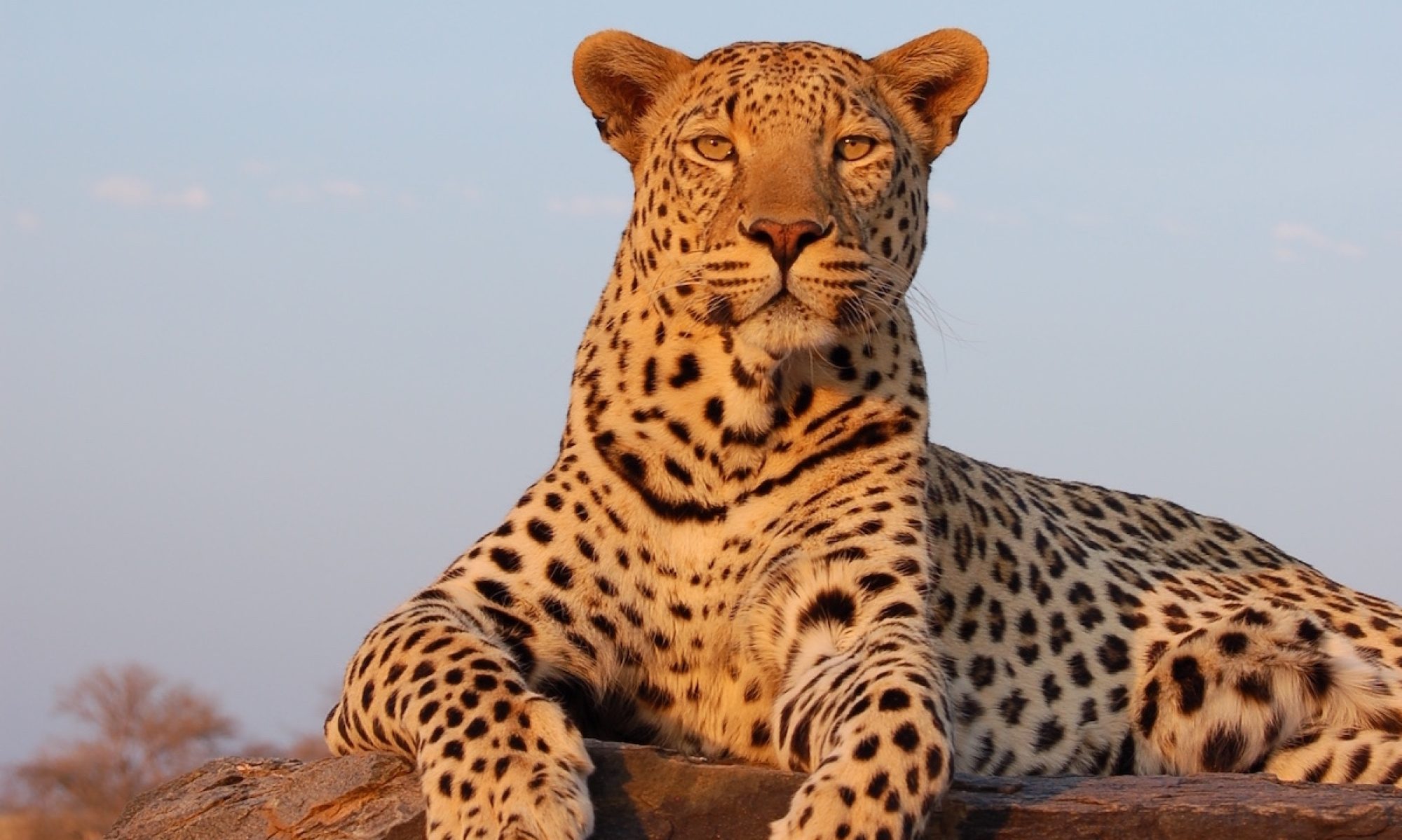
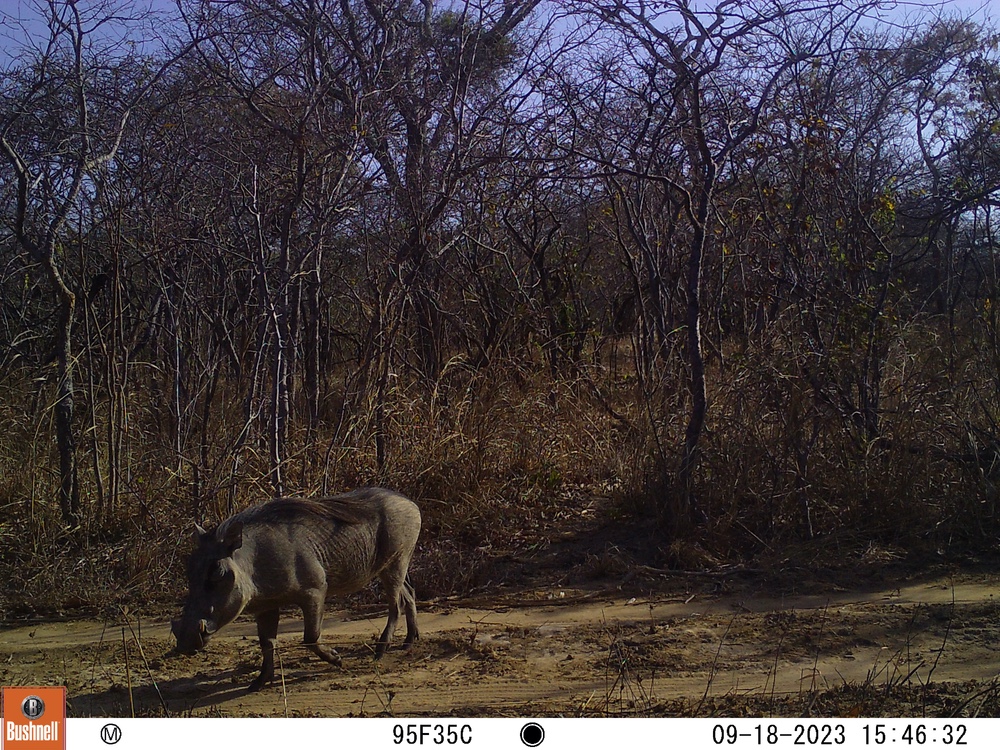
The 2022 and 2023 expeditions between them counted 676 elephants over 64 sightings, 1144 hippos over 10 complete lake-side transects and collected and analysed 66 elephant dung samples (yielding 3110 seeds). More than 80,000 camera trap images were analysed, giving evidence of notable species rarely seen directly, including leopards, honey badgers, hyaena and wild dogs. The 2023 expedition also created 16 ID profiles of individual bull and matriarch elephants.

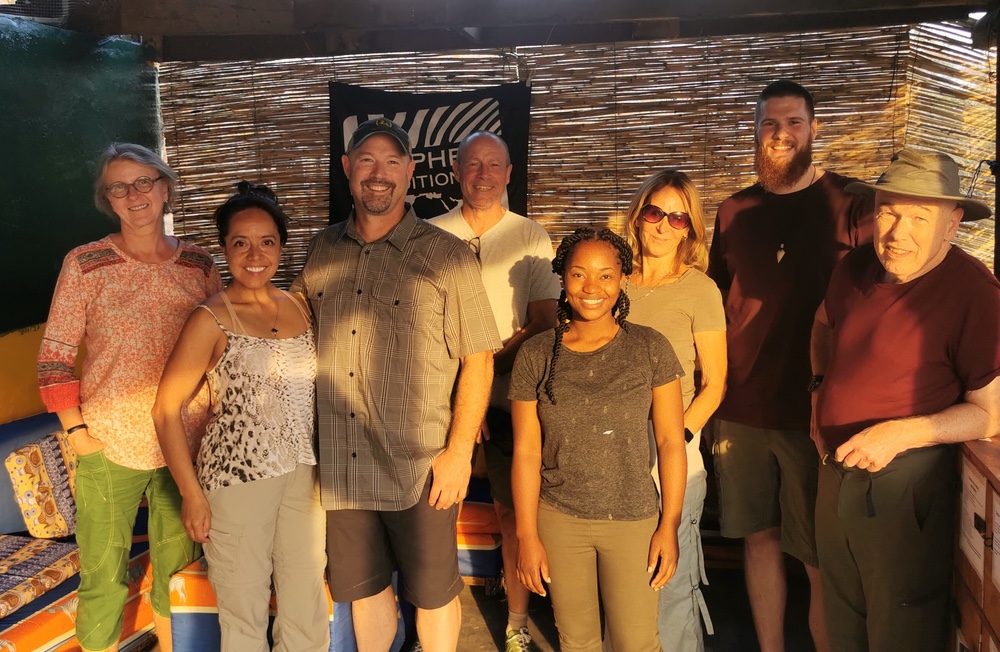
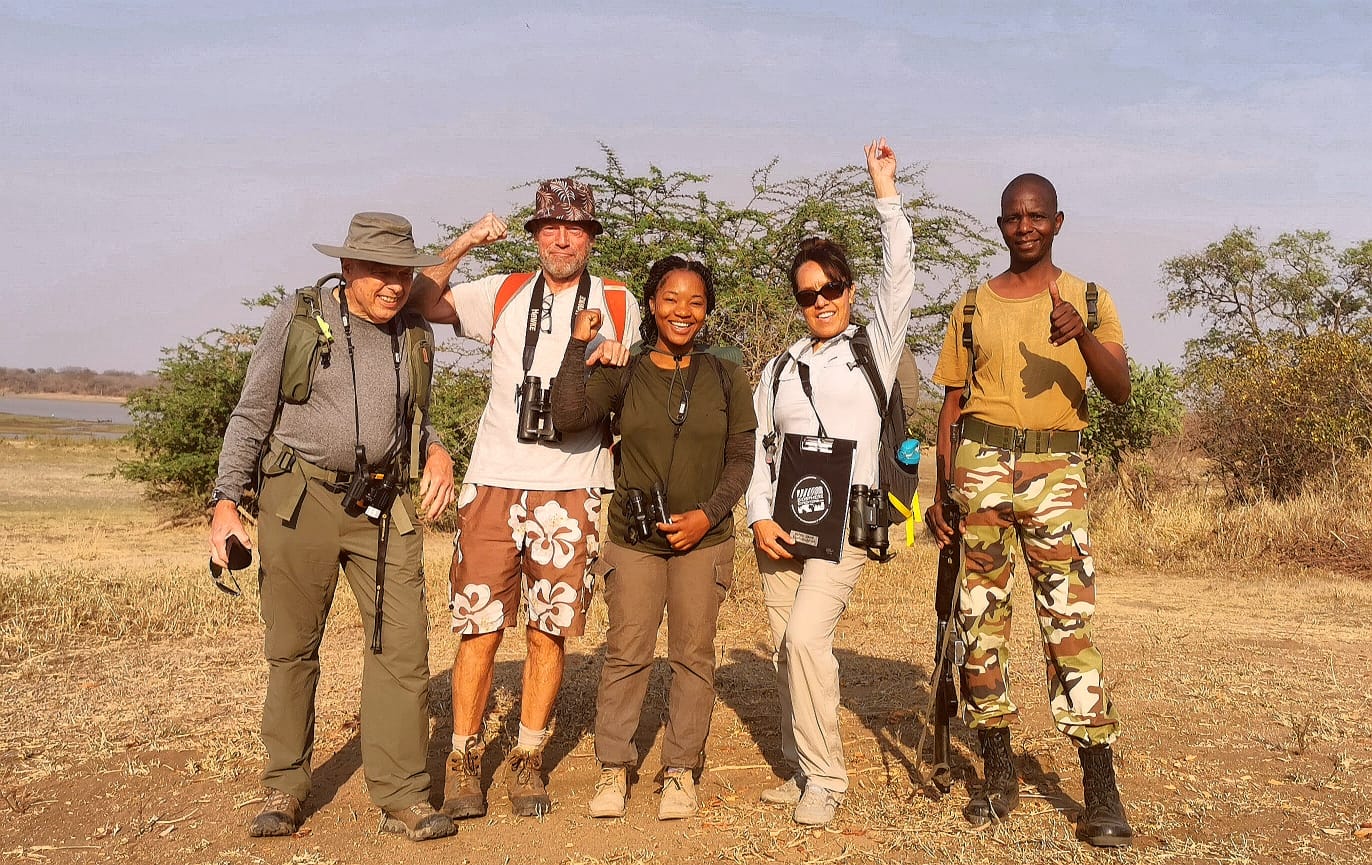
2023 expedition leader Roland Arnison, who also led the 2022 expedition, says โ€œour citizen scientist did really well. They were quick at learning from the research methodology training, worked well as a team, and were diligent and dedicated in carrying out the research tasks every day. I am very grateful to them.โ€
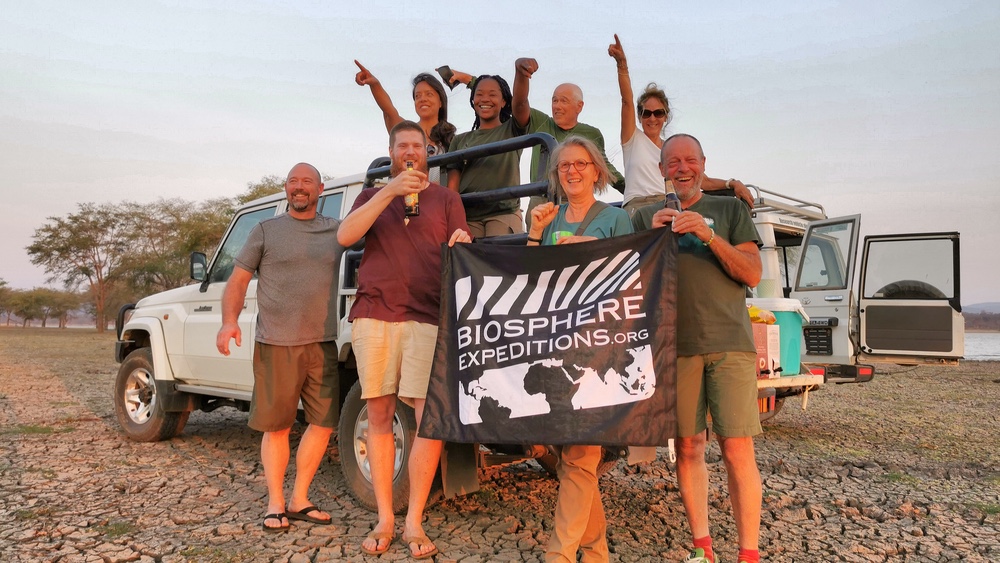
LWT’s field research coordinator, Benni Hintz, said, “Data are absolutely critical to conservation, which is why we were thrilled to partner with Biosphere Expeditions for another year of wildlife monitoring work in Vwaza Marsh Wildlife Reserve. Thanks to the efforts of Biosphere Expeditions’ citizen scientists we were able to expand our knowledge of the movement, health and composition of wildlife populations in the reserve – particularly elephants and hippos – and had a lot of fun along the way! We’re very grateful to everyone for their hard work during yet another successful expedition.โ€

Continue reading “Malawi: Round-up 2023”

Thailand: Getting ready

Update from our Elephant conservation volunteer holiday Thailand

Hello everyone, Anthony here. I am going to be your leader for the upcoming Thailand elephant expedition 2023, working alongside Kerri and the team at KSES.

Expedition team 2022 with Kerri (KSES head) second, Aislinn (expedition scientist) third and Anthony (expedition leader) fifth from right.

Iโ€™m currently assembling my kit in the middle of the living room in an uncharacteristically rainy Barcelona, excited to head back out to Mae Chaem and be reunited with the herd along with its newest arrival, Junior, born in June 2023.

A few points for you, team, prior to your arrival:

> Please make sure you change any large denomination notes into smaller ones in Chiang May as you may wish to buy some of the local crafts or have a cold drink in the evening.

> It’s been uncharacteristically rainy at the research site too, so make sure you bring waterproof clothing as well as gear to keep your smartphone and other electronics dry.

> Please download Kobo Collect onto your Android phone. If you are using an iPhone, you can use this workaround or you can use a project phone.
I hope your final preparations are going well and Iโ€™m looking forward to meeting you all in a few days time. I will update you with my telephone number, the weather and latest news once I arrive in Thailand.

Anthony Lyons
Expedition leader

Continue reading “Thailand: Getting ready”

Malawi: End

Update from our Malawi expedition volunteering with elephants, hippo, cats, pangolins and African biodiversity

The Biosphere Expeditions 2023 Malawi expedition has now come to an end โ€“ successfully. We had no more drama since the attempted elephant rescue, although we did notice a lack of elephant herds visiting us near base camp since then, but quite a few sightings of elephants very close to where the juvenile elephant died (tusks removed). This is perhaps not surprising: elephants are known to mourn their dead.
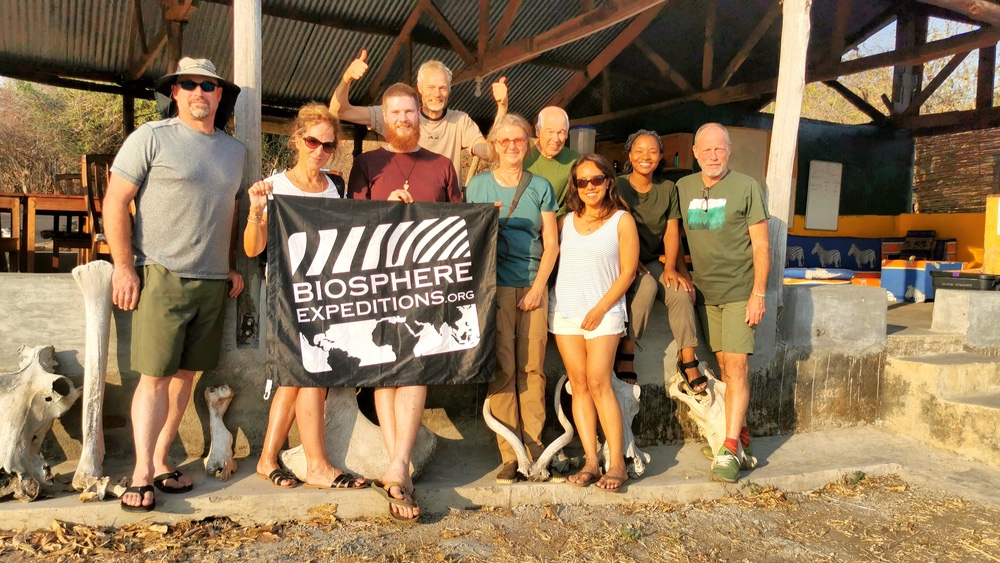
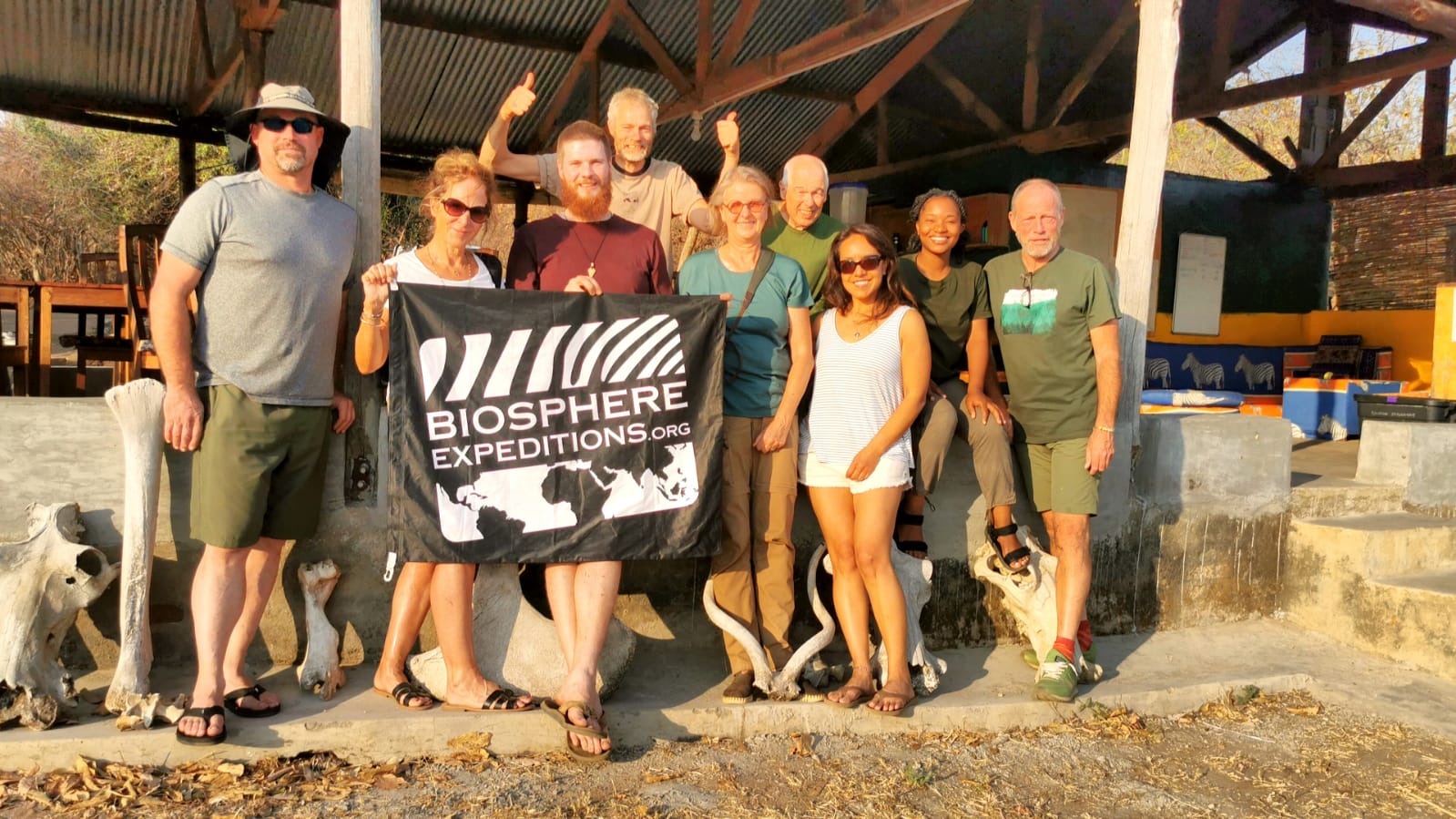
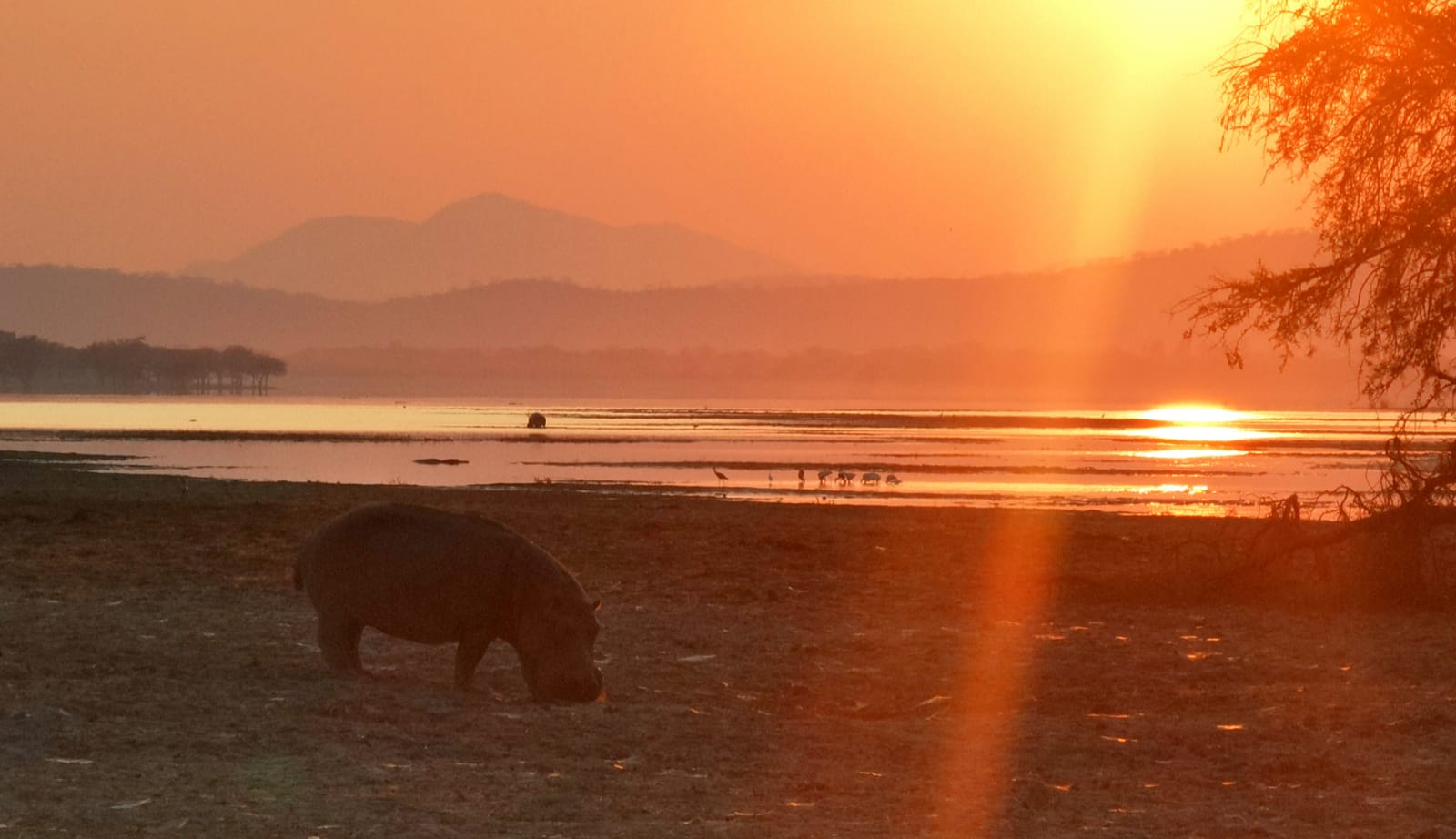
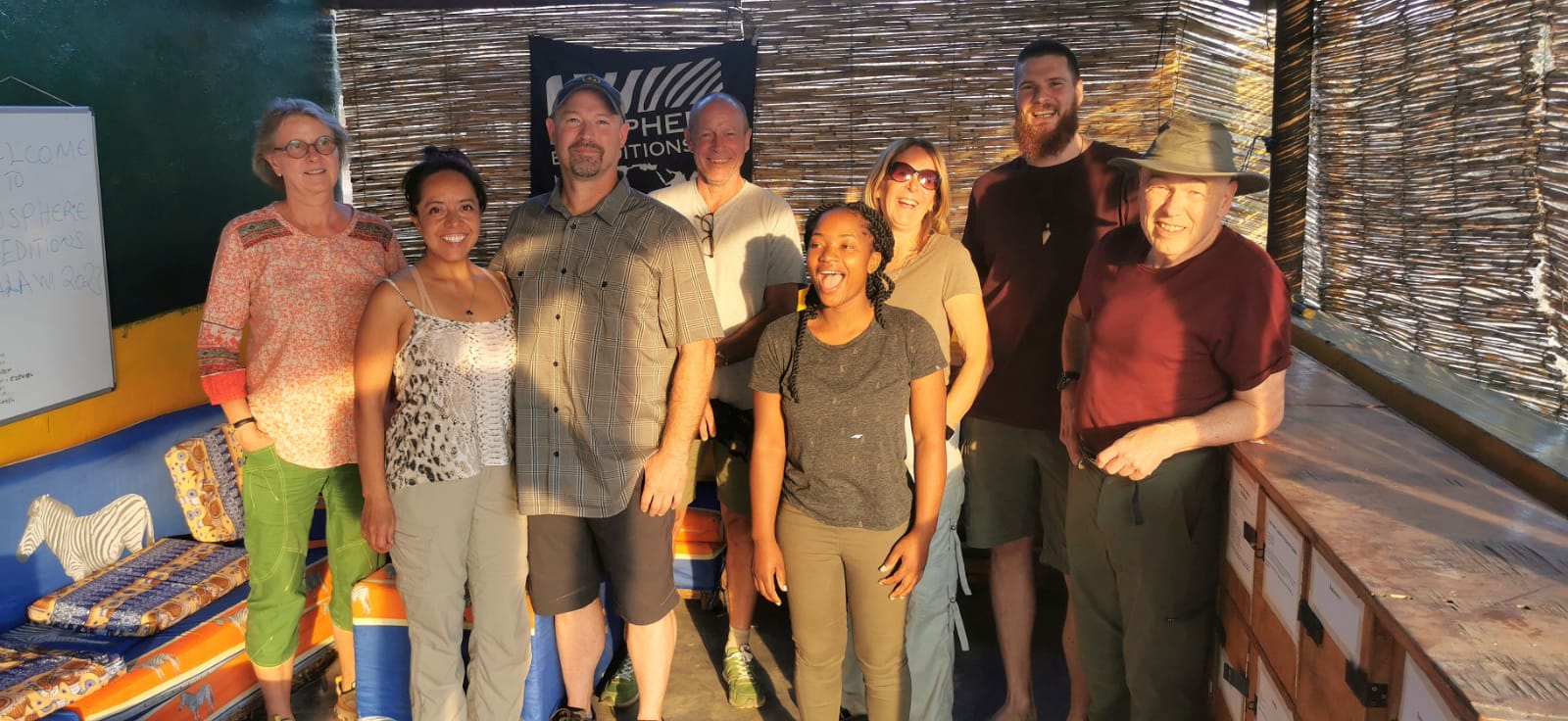
We continued our research tasks right up to the end of the expedition, saving time for a celebratory sundowner by the lake on our last night, with toasts made and many group photos taken as the shimmering red sun dropped below the trees.

Benni summarised what we had achieved over the expedition:

  • 218 elephants counted in 22 sightings
  • 16 ID profiles created for 10 matriarchs and 6 bulls 28 dung samples collected and processed, yielding 2134 seeds cleaned, dried and photographed
  • 446 hippos counted over 4 transects
  • 140 observations of 97 species recorded on the iNaturalist citizen science database
  • Over 43,000 camera trap pictures captured and analysed, from 18 camera traps, identifying 21 different species

This was an impressive achievement for a relatively small group of citizen scientists over a short period of time, very much a testament to the hard work and diligence of this team of experienced Biosphereans.

It has been a rewarding and successful expedition, and I am looking forward to seeing the research report in due course – and looking forward to doing it all over again next year.

Continue reading “Malawi: End”

Malawi: Research continues

Update from our Malawi expedition volunteering with elephants, hippo, cats, pangolins and African biodiversity

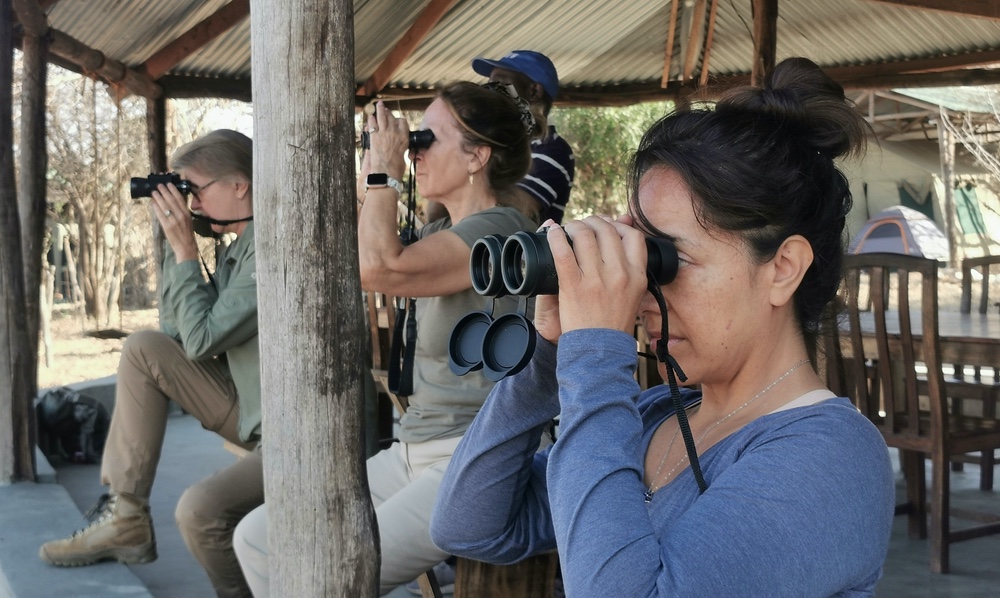
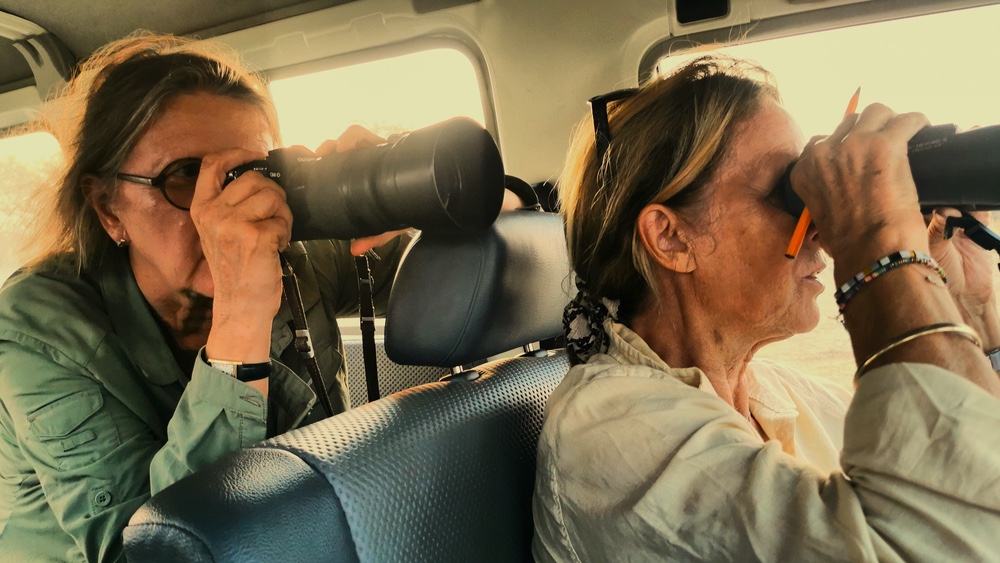
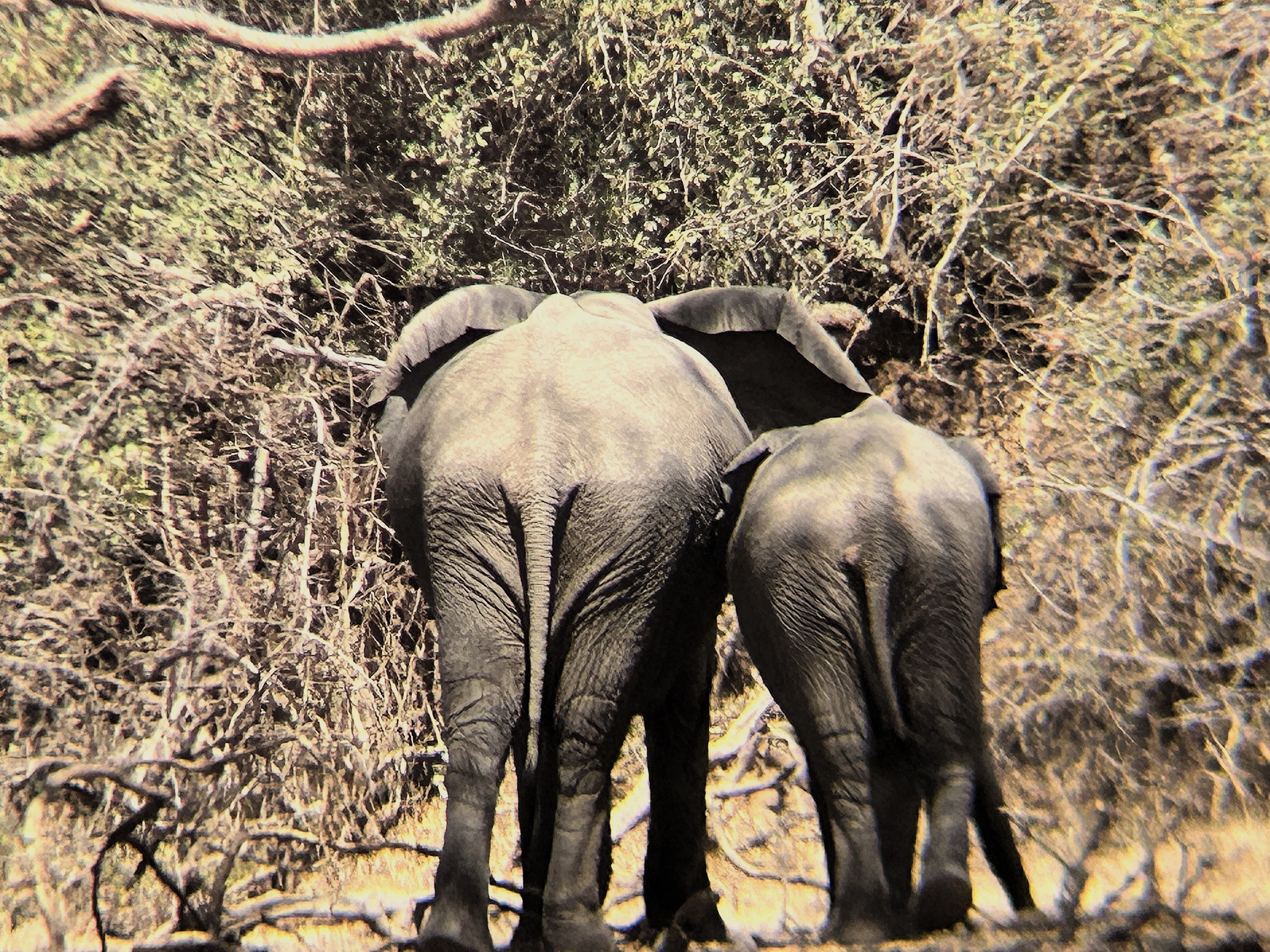
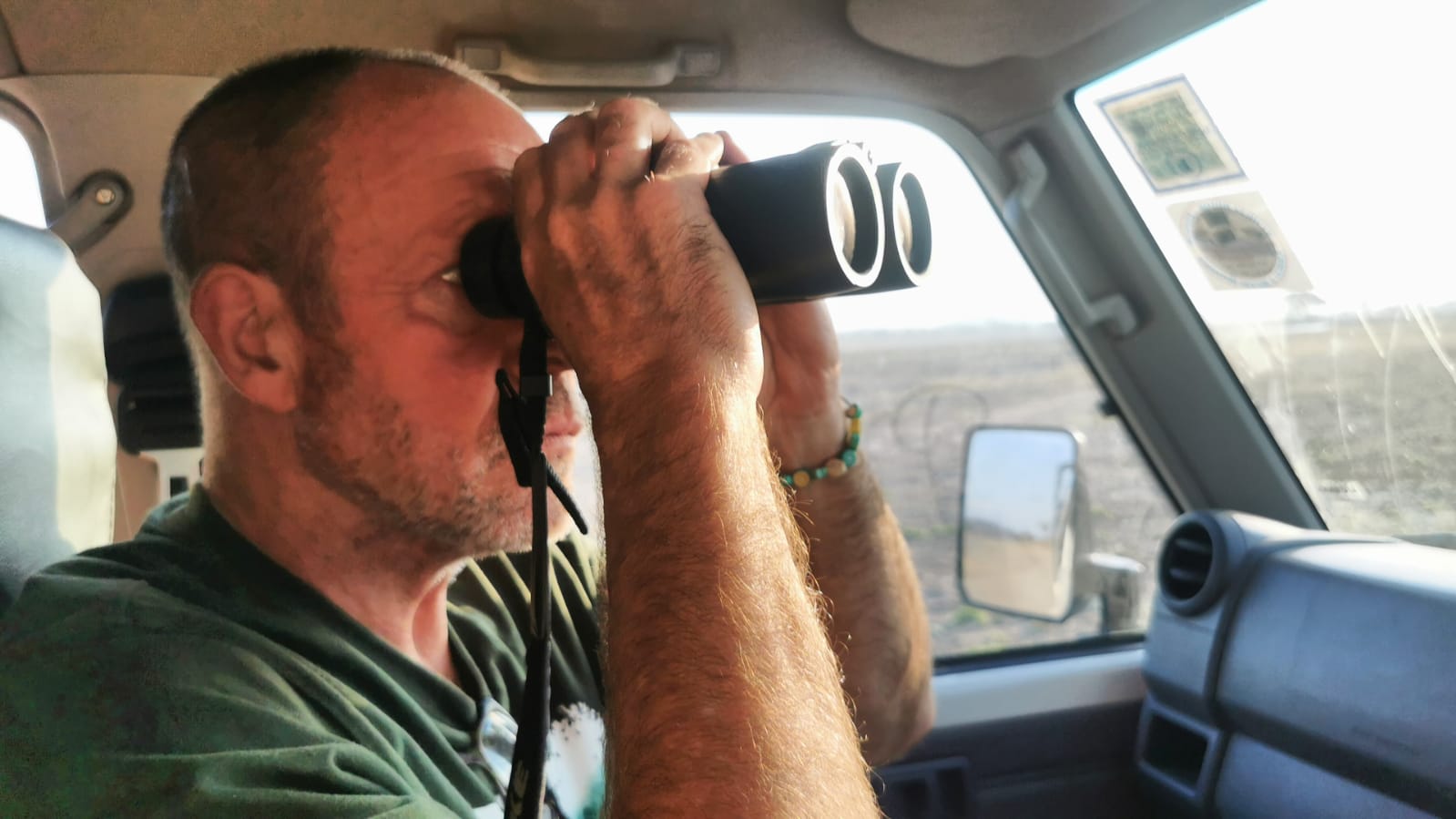
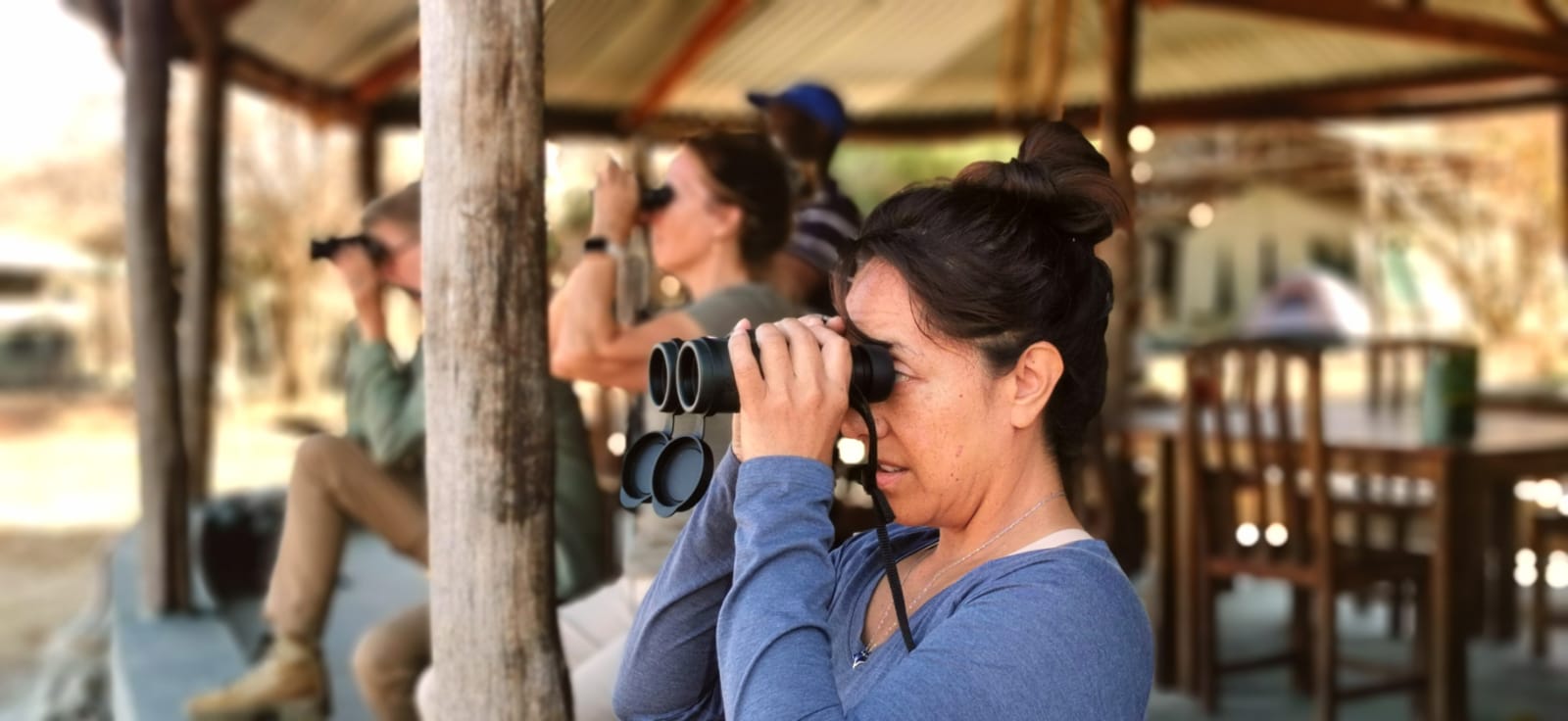
Following the drama and emotion of the attempted elephant rescue (see previous blog), our expedition has largely settled back down into its regular research tasks. We have completed several transects along the lake shore now, counting hippos: enough for Benni to get at least an estimate of hippo numbers, locations and demographics. Elephant surveys are more opportunistic and we find herds and loners all around our side of the lake, and often right in front of us at base camp. On one night, a small herd crossed very close to our camp fire (they seemed unconcerned) โ€“ and got very close to our tents. With all elephant sightings we do our utmost to record as much detail as possible about the herd, down to noting unique identifiers on individual animals โ€“ notches in ears, hairiness of tail and more. This takes time and concentration and works well when we have a few citizen scientists working together, with binoculars, clipboard and a handful of essential gadgets.

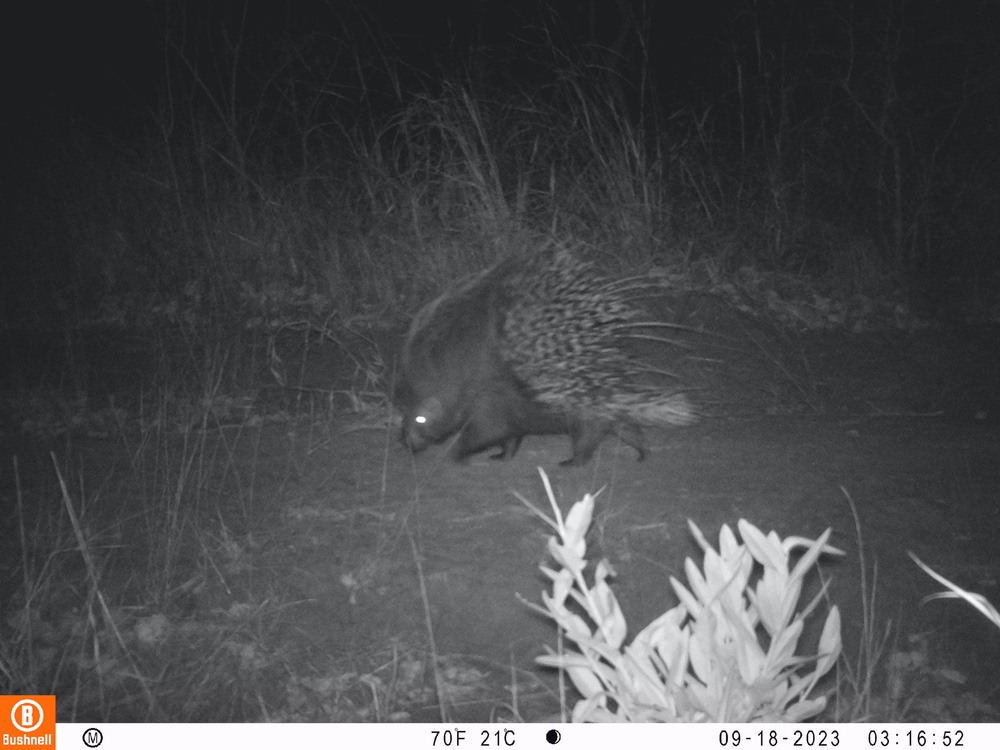
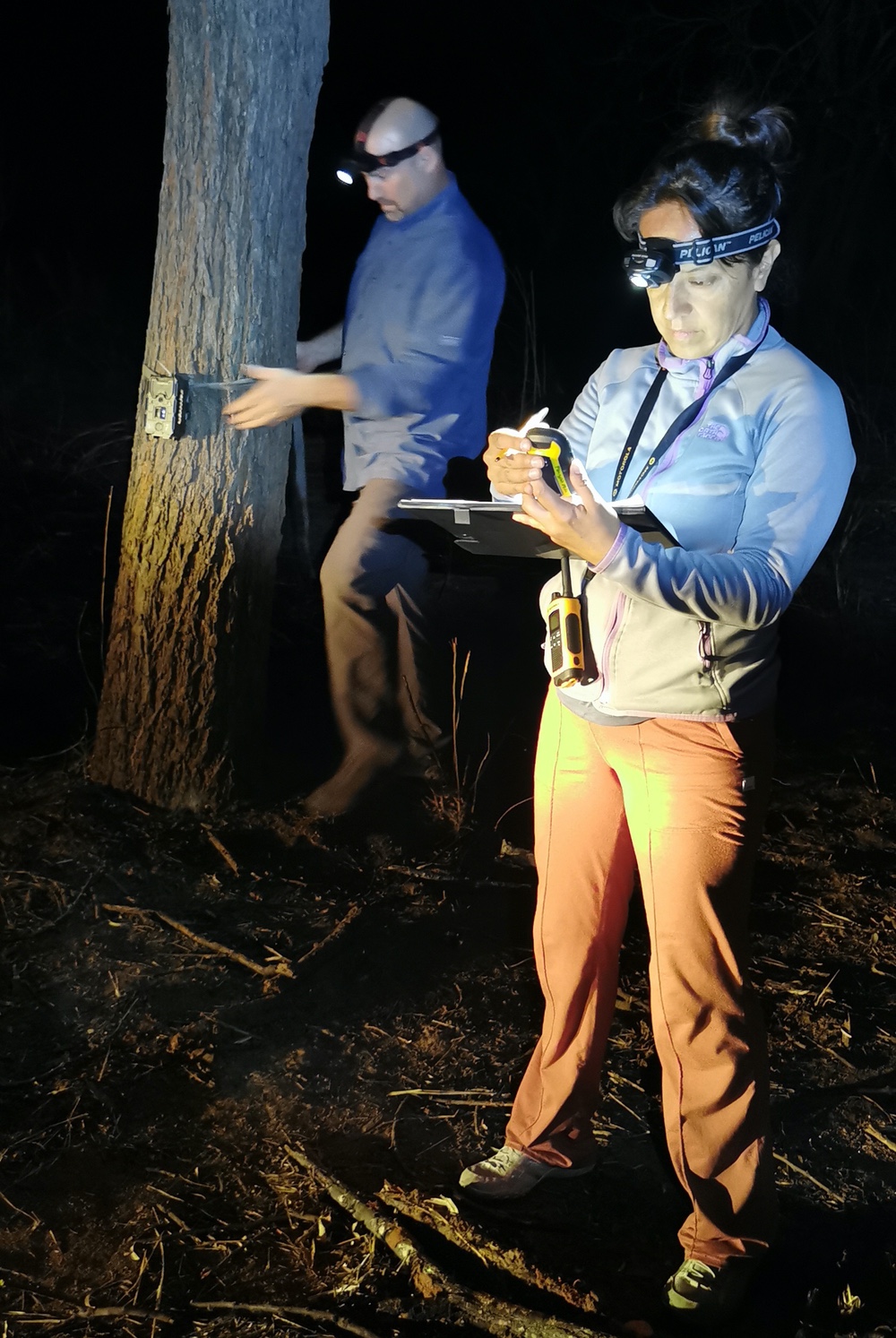
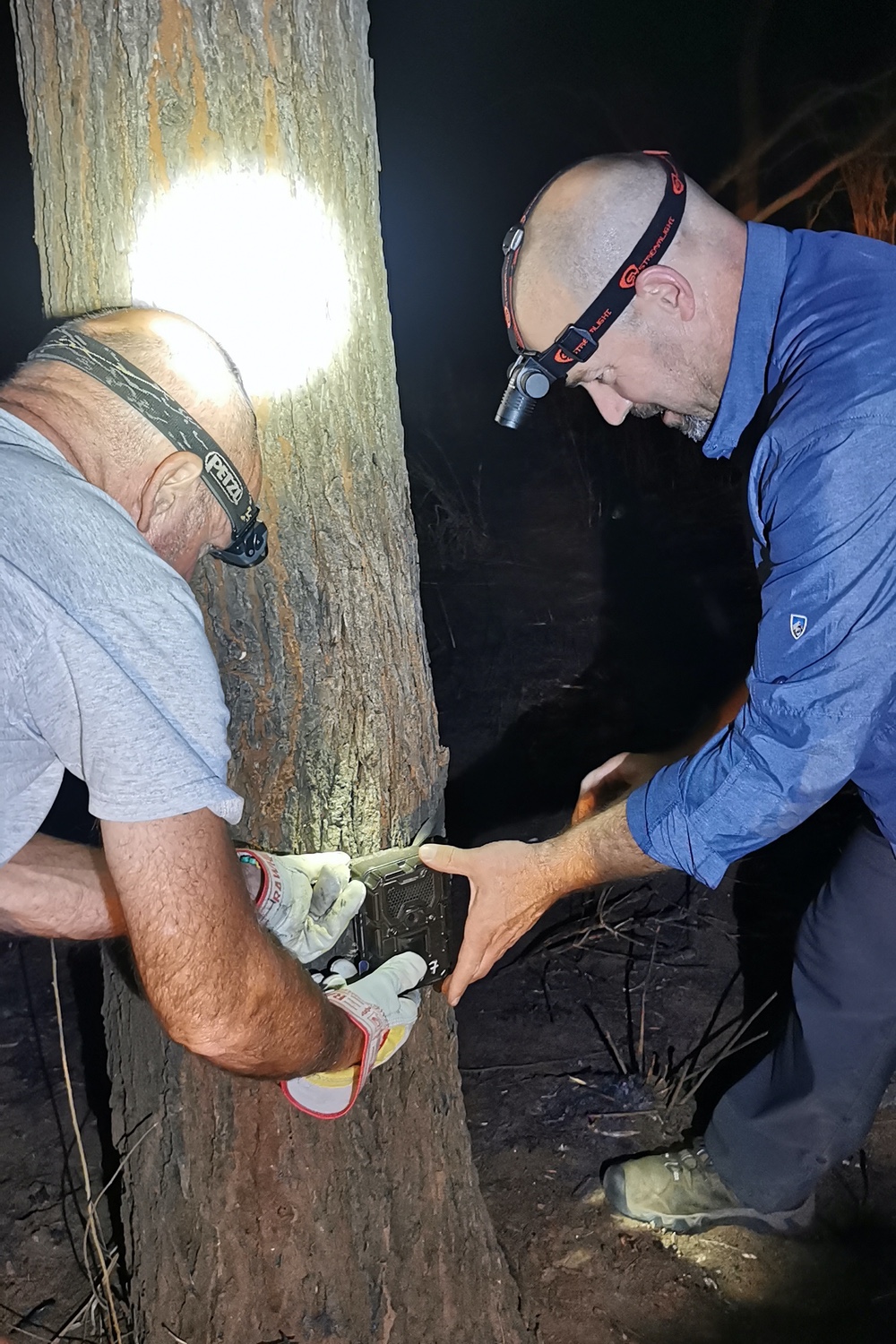
The camera traps have already given us some exciting results, along with live sightings of animals we encounter when we visit the camera traps at night. Last night, a large porcupine got a fright when it walked into the track ahead of us: we got a good view of its massive spines as it marched up the track until we turned the headlights off and it wandered off into the woodland. A moment later we spotted an eagle owl, a mouse gripped tight in its talons.

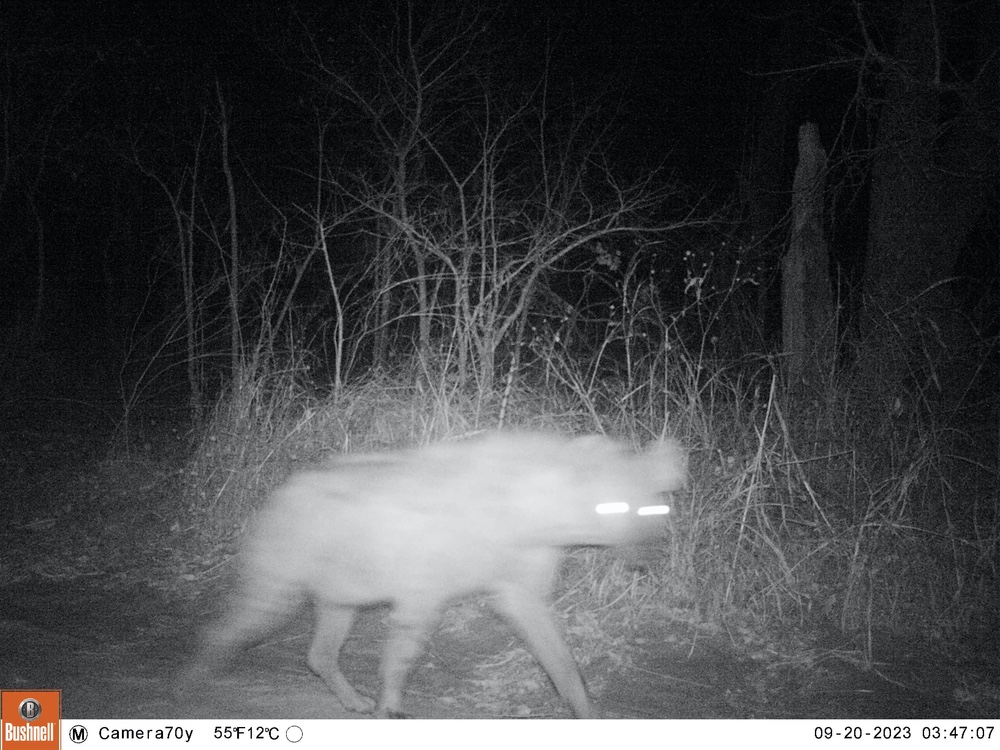
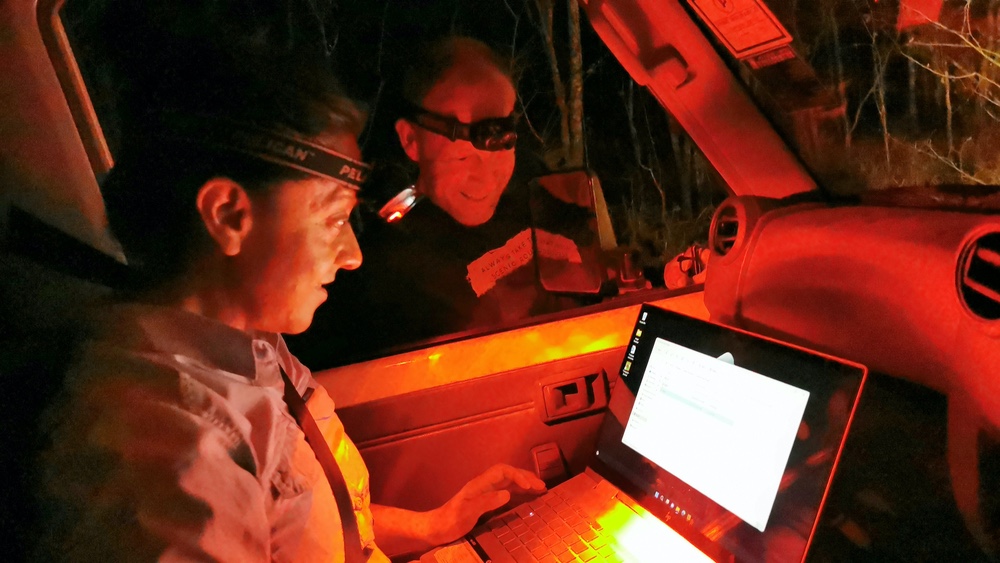
Analysing the camera trap images can be an emotional exercise: flicking through hundreds of photos of waving grass is worth it for the occasional bursts of excitement on discovering evidence of iconic animals. Hyaenas and leopards have been caught on camera alongside the more expected antelope, mongoose, civets and genets.

Tonight a small team will try and record further evidence of spotted hyaenas by playing audio recordings of various animals in distress: a known research technique that can persuade a nearby clan of hyaenas at least until they get close enough to be seen in our spotlights.

We still have a few more days of research before the end of the expedition. If we carry on as we have been doing, we will have a very good set of data and scientist Benni will be happy.

Continue reading “Malawi: Research continues”

Malawi: Elephant death

Update from our Malawi expedition volunteering with elephants, hippo, cats, pangolins and African biodiversity

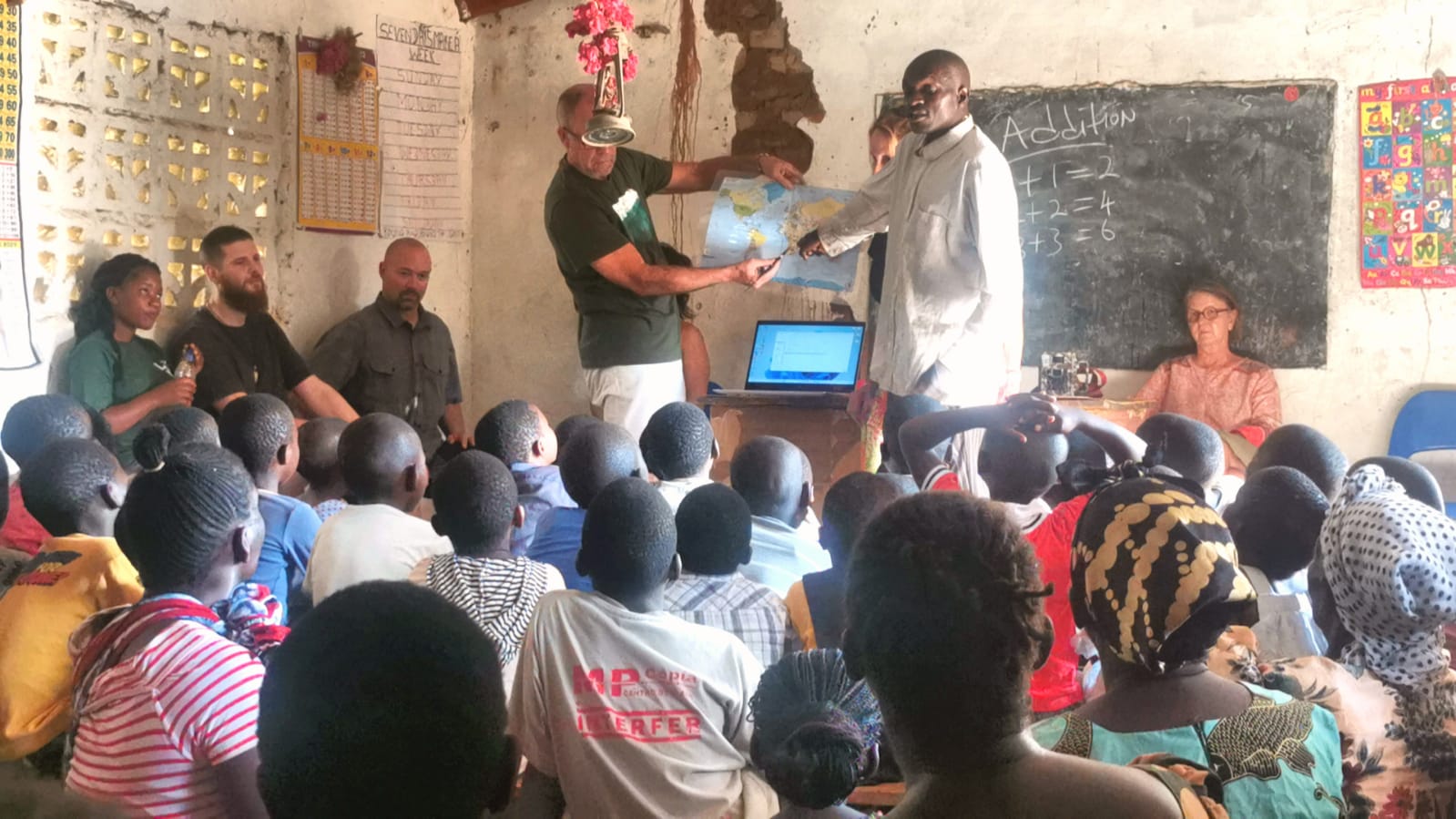
Our rest day was not as restful as expected. The expedition team visited a local primary school , as planned, to tell them why we are here in Vwaza. Due to the age of the children and the need for translation, we delivered a pretty basic but fun talk about wild animals and valuing wildlife, which the school children and teachers seemed to appreciate. To extend the cultural exchange, we were invited to watch one of the communityโ€™s regular dance performances in the school grounds, which inevitably, and to much laughter all round, we all ended up joining in.

The rest day did not end there. We had had reports of a very lame young elephant seen in Vwaza, and one of our research teams had themselves spotted what looked like an injured juvenile, lying immobile on the ground next to its mother, but separated from the rest of its herd. A team of two LWT wildlife vets were dispatched from Lilongwe and leapt into action pretty much as soon as they arrived at Vwaza. Working with vets, and some local rangers, we made a plan to search the lakeside area to try and find the injured elephant (wounds caused possibly from being caught in a poachers snare, a common hazard for elephants) so that the vets could dart the youngster and its mother and inspect and treat any wounds. We searched until dark, and found a herd but no obvious sign of our target elephant.

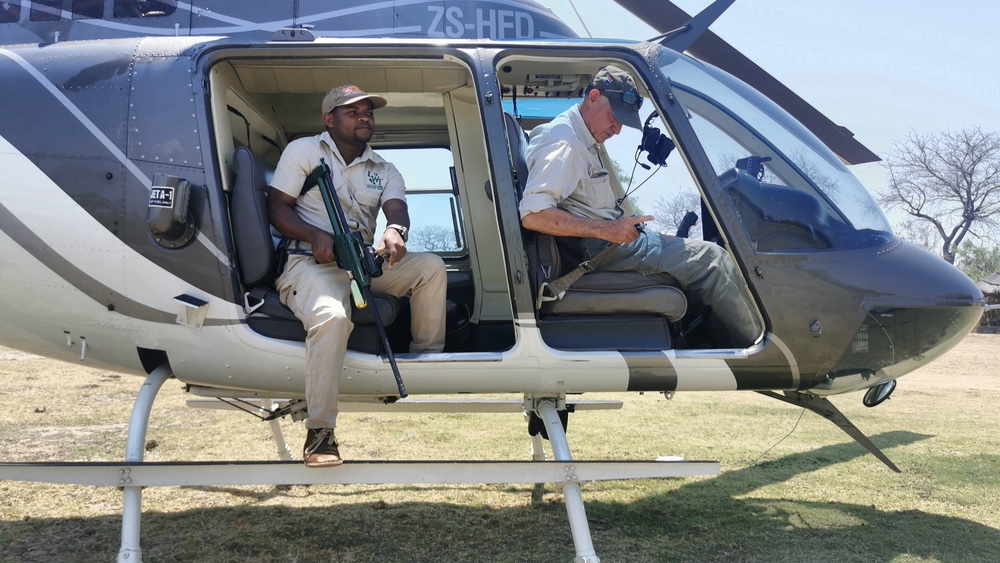
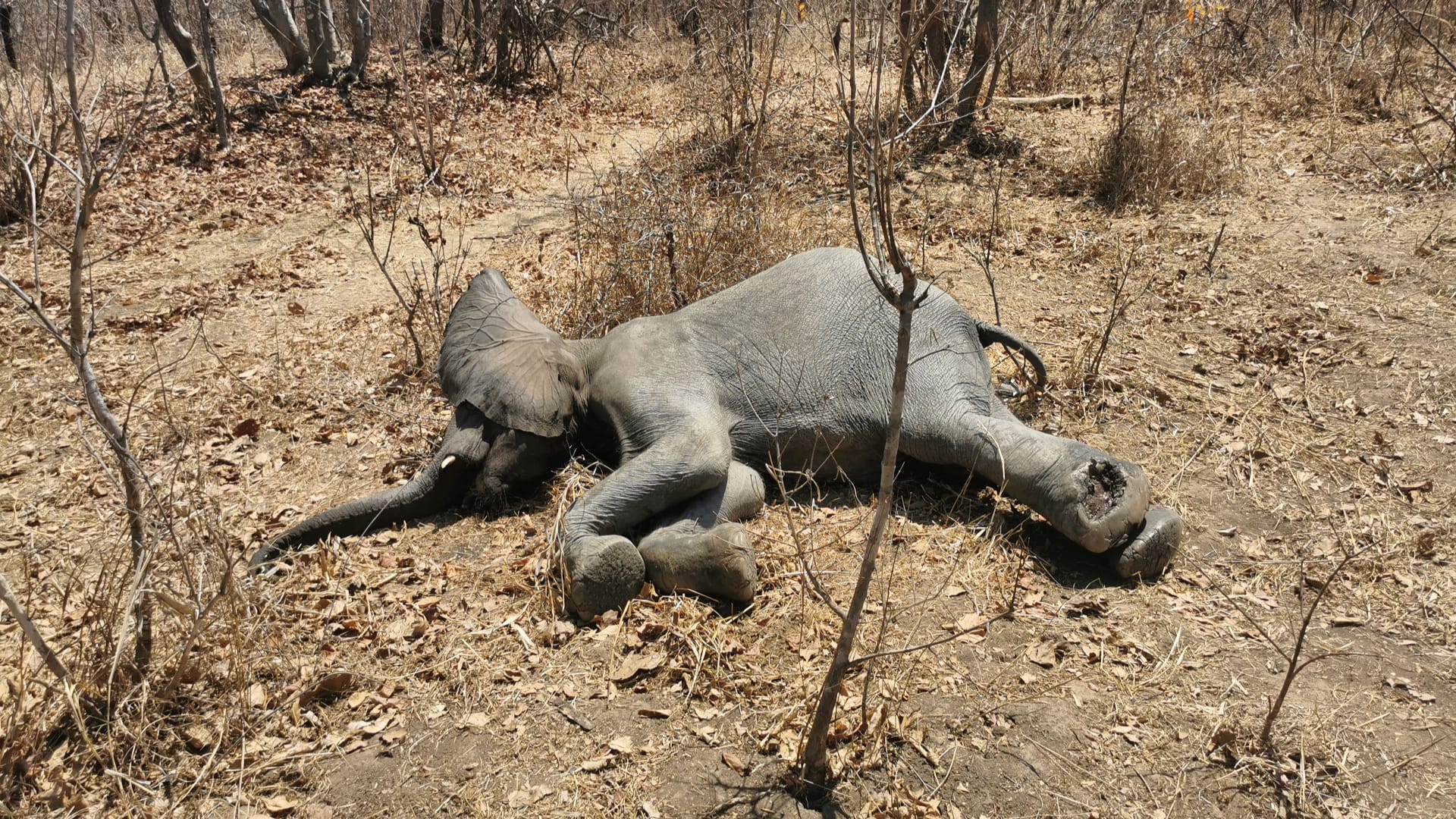
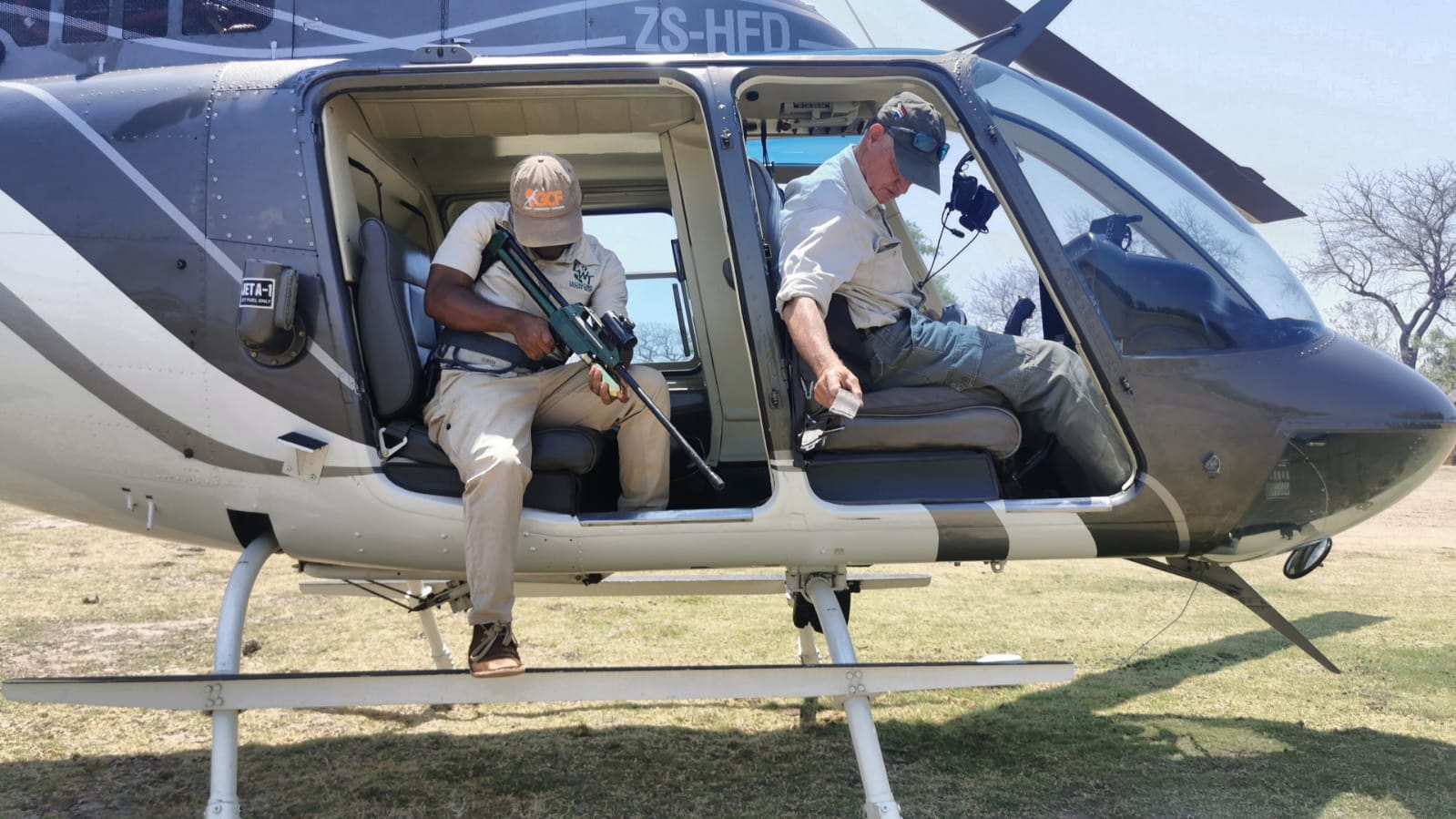
Our search continued at dawn the next day โ€“ with no more success – before the unexpected news that a helicopter was available locally and immediately for our use for this rescue mission. Things happened rapidly after that. The chopper pilot and the two vets flew on a search pattern, while the rest of us formed a ground crew in two 4x4s ready to help as needed. Within ten minutes, the helicopter team had located the injured elephant, separated it from its mother and successfully darted it. By the time we arrived on scene, the anaesthetised animal had been stabilised and checked by the vets. The young elephant had such a bad wound on one foot – and septicaemia caused by the injury โ€“ that the vets made the decision to euthanise it, to avoid a slow and inevitable death.

We humans were sad, but this is just one of the many jobs that need to be done in conservation and its endless quest to protect and support endangered wildlife.

As we always say: Expect Plans to Change. And now, its back to our regular research work, probably – but not definitely – without any further dramatic interruptions.

Continue reading “Malawi: Elephant death”

Malawi: Work

Update from our Malawi expedition volunteering with elephants, hippo, cats, pangolins and African biodiversity

Some of us were woken up in the small hours this morning by a strange sound. To me, it was the clattery rocky sound of a working quarry a few kilometres away (unexpected, at 03:00), but I was wrong. Getting up for a dawn drive at 05:00, the sound still jumping out of the darkness, I found some of the expeditioners conferring with the night guard and staring at a spot right in front of base camp, where, just visible in the murky light, was a huge herd of cape buffalo โ€“ maybe 100 of them, twitchy and in constant motion, hooves clattering and calling to each other. A new wildlife sound, for me, and one that I will not confuse with a distant quarry again.

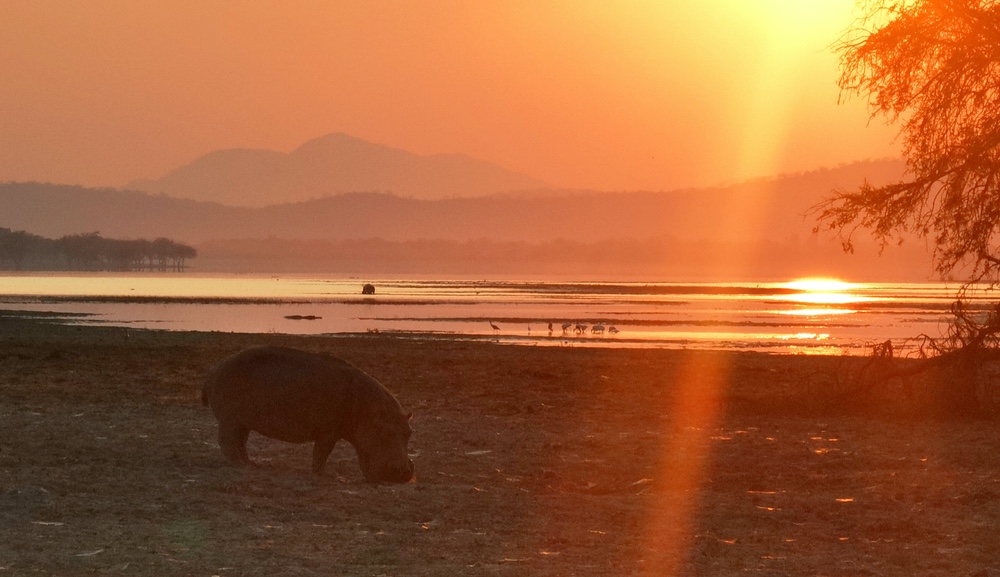
The herd drifted into the tall grass as we began our drive. After that we enjoyed the simple pleasures of watching and recording hippos, elephants, impala, kudu, vervet monkeys and more, aglow in the red dawn as the sun rose above the lake.

With the formal training now over, the team are had at work with the research tasks involved in this expedition and have already gathered useful data including on the training days. They have all been on other Biosphere Expeditions before and the experience shows.

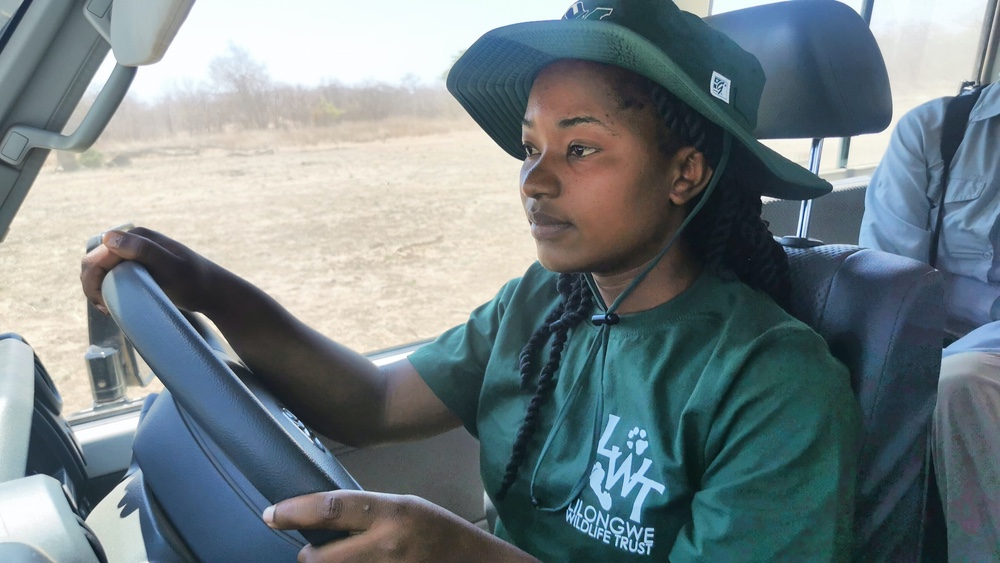
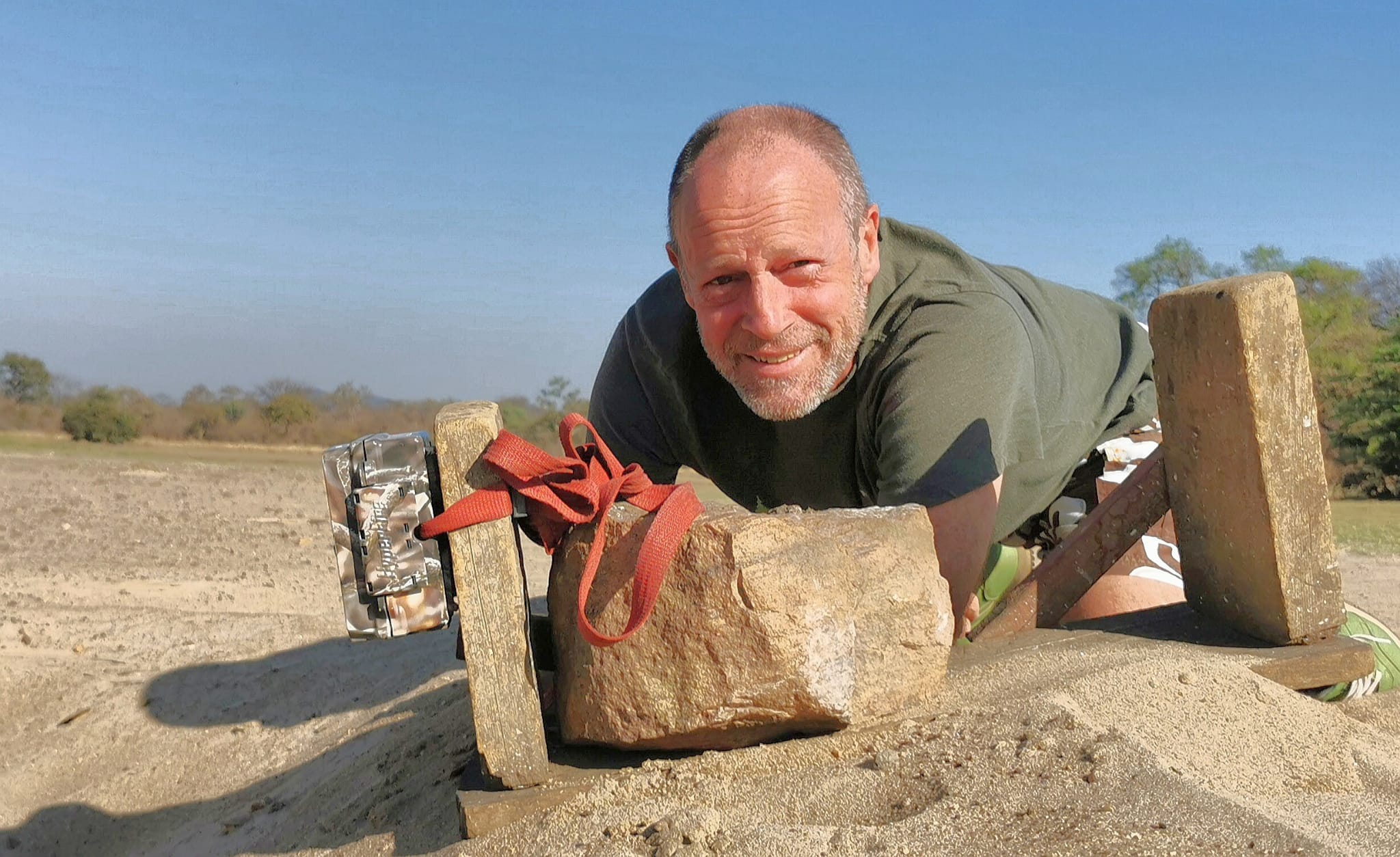
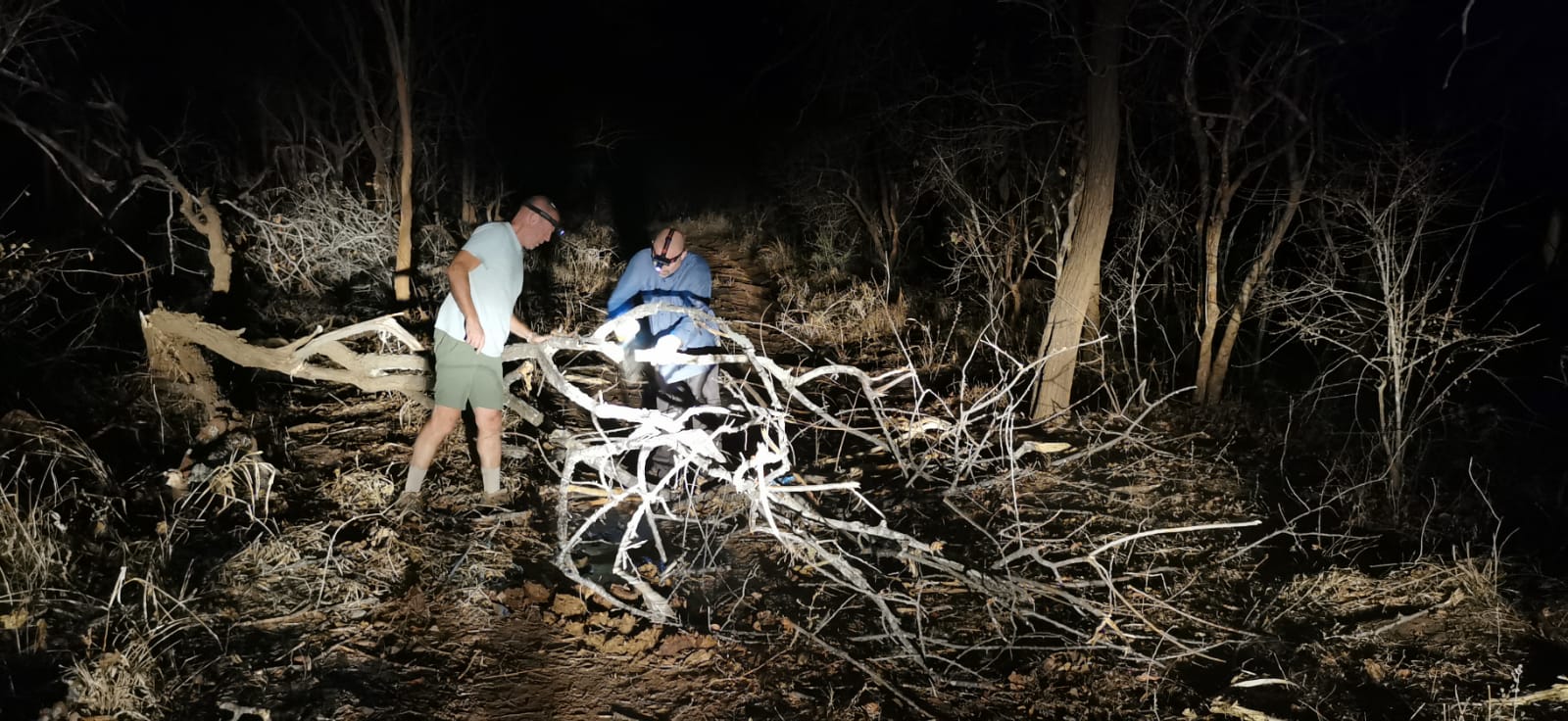
We are now settling into a mostly regular regime of hippo transects on foot and recording elephant herds and individual elephant IDs by car, by foot and often from base camp when the elephants wander across the river in front of us. We have also collected some good samples of elephant dung (scientist Benni is very particular about quality, and it is important to keep the scientist happy) and we have now placed all the camera traps, not without challenge: the vehicle track we use is often blocked by trees pushed over by browsing elephants and they need to be cleared with tools and muscle power if we canโ€™t drive around them.

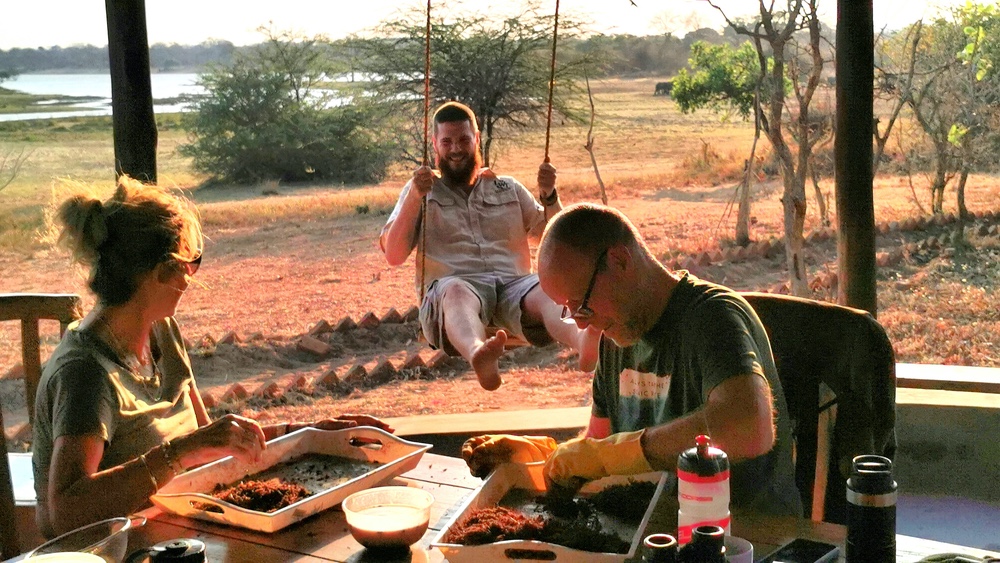
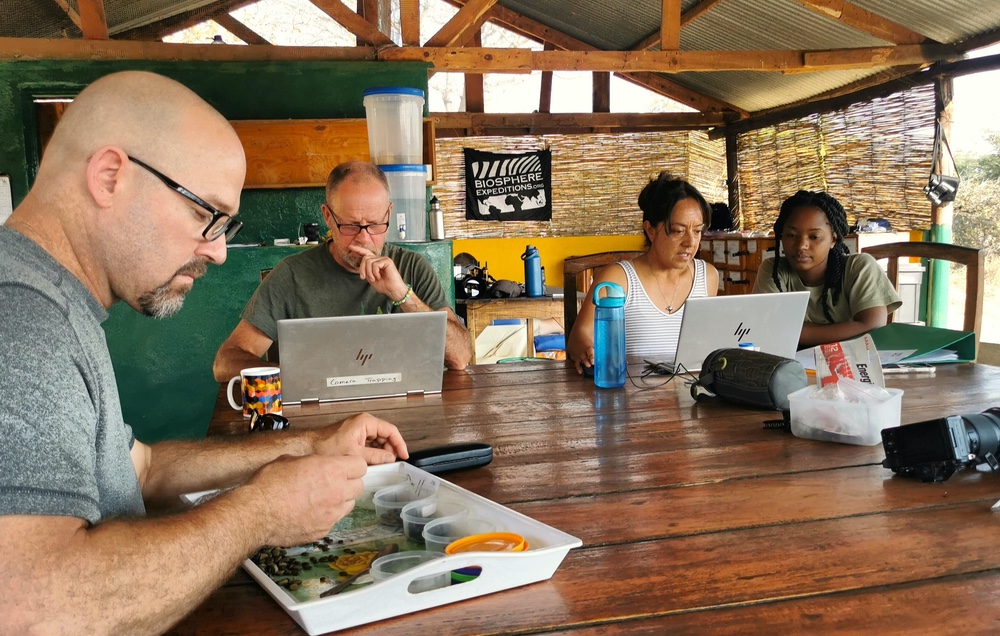
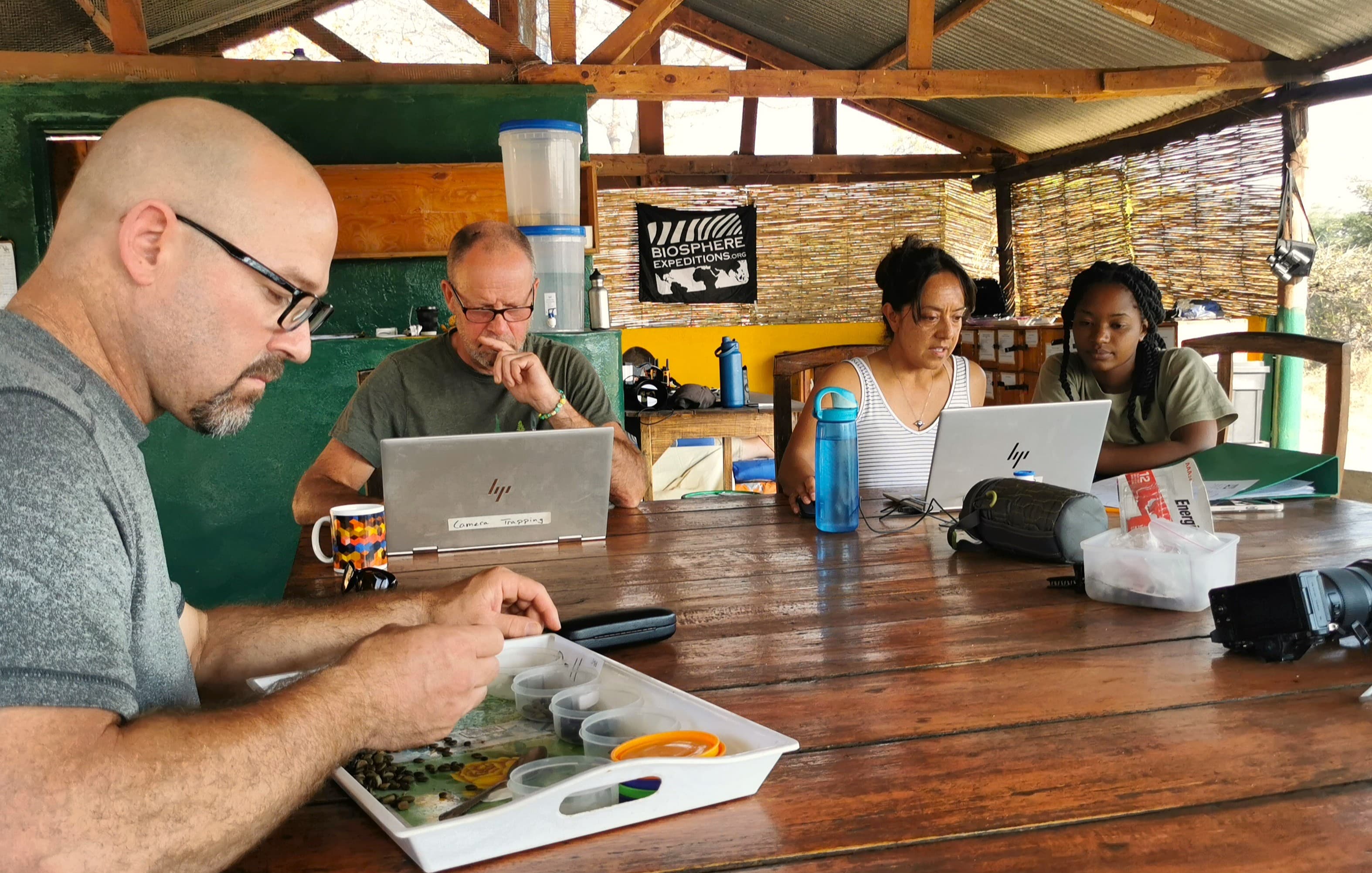
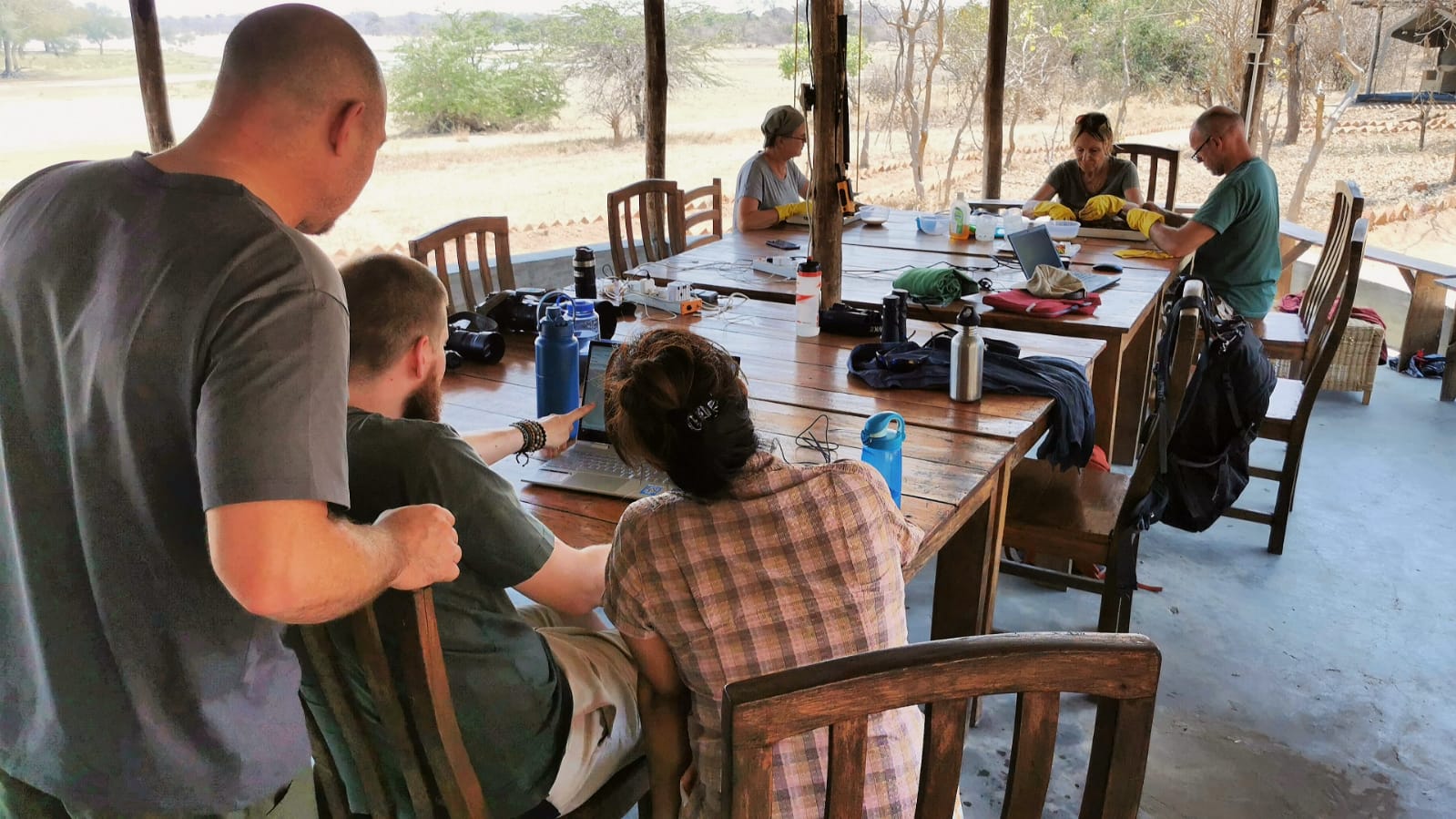
Our tasks from now on is to continue to gather data across all the research tasks and – during the hotter part of the day โ€“ sit in the comfort of base camp, processing elephant dung (to find any evidence of the elephants eating crops on local community land) , analysing camera trap images and entering data. We are doing well and the team is happy.

Continue reading “Malawi: Work”

Malawi: Start

Update from our Malawi expedition volunteering with elephants, hippo, cats, pangolins and African biodiversity

Sunday afternoon was peaceful at base camp in Vwaza. After a week of hard work and the usual endless practical challenges โ€“ water supply problems, missing kit, delayed delivery of new tents โ€“ we found that we were ready in good time. Even the unexpected news that our newly painted walls were not a sanctioned colour (sunny yellow: cheerful but apparently may be too bright for the wild animals) was resolved with minimum resentment or fuss by swiftly repainting in more wildlife-friendly British Racing Green.

The team arrived at base camp on Sunday evening, after a long drive from Lilongwe, on time, in good spirits and with everyone accounted for. This is always a moment of relief for the expedition leader. The team was also rewarded with the sight of a small family of elephants wandering across the riverside right in front of us under the warm evening sun.

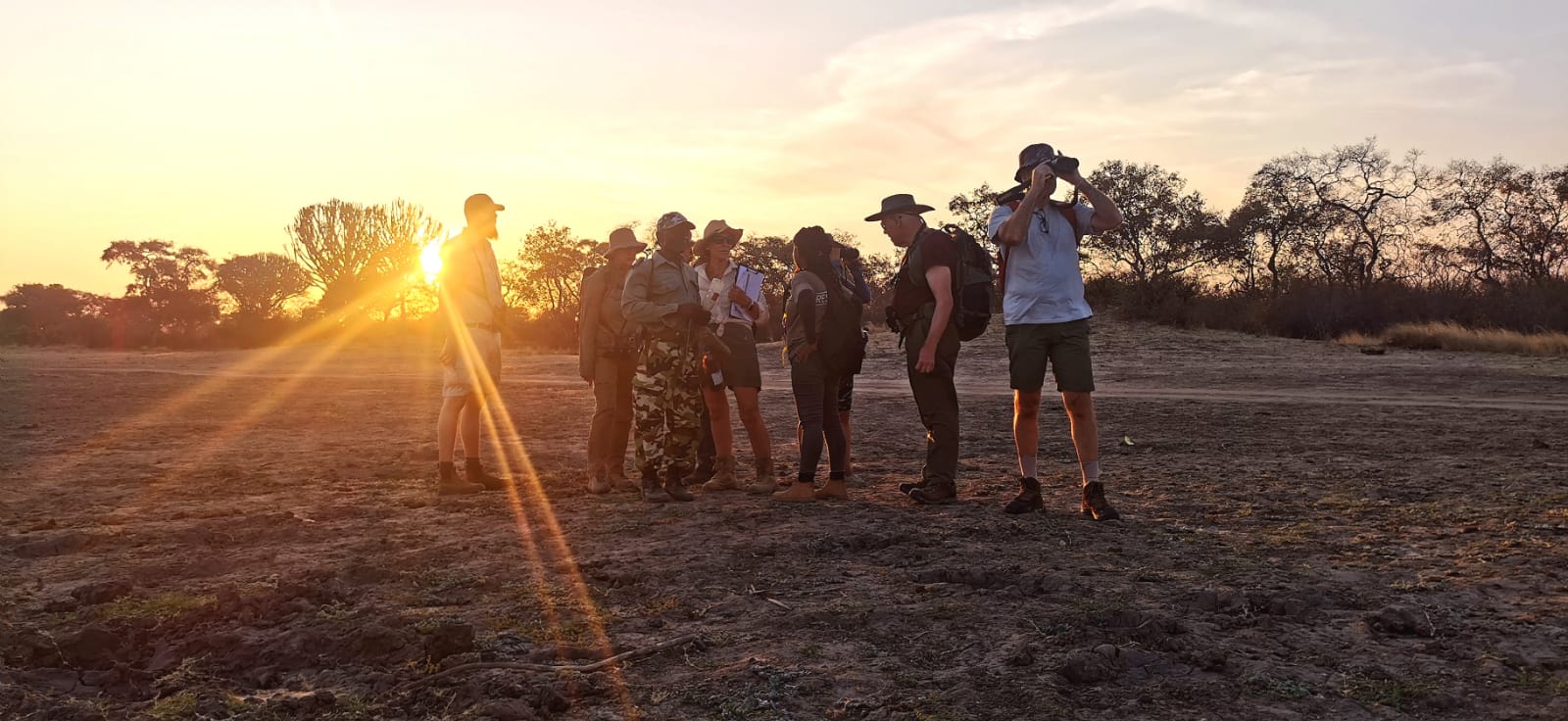
The first two days of the expedition are focussed on training in the research tasks that we will be doing, but the team were keen to get immersed in their new neighbourhood so Monday started early with a dawn โ€˜orientationโ€™ drive around the lake. As the sun rose, they spotted elephants, many antelope species, some hippo returning to the water from their nocturnal grazing and lots of birds.

The rest of Monday is now being taken up by a mixture of classroom lectures and practical training. So far, the expeditioners are lapping it up and are now experts in using a compass and a GPS device to locate themselves and avoid getting lost.

Continue reading “Malawi: Start”

Malawi: Busy base

Update from our Malawi expedition volunteering with elephants, hippo, cats, pangolins and African biodiversity

Base camp at Vwaza is full of activity. A team of people, led by Robert (LWTโ€™s chief of all things practical), has been busy for the last few days repairing and refurbishing the camp ready for our expedition, and they are working hard. Walls are being given a fresh coat of paint (cheerful yellow), the kitchen floor re-concreted, a new gas-powered fridge, termite-damaged wooden posts replaced and a thorough clean-out all round.

When the team finally stopped work last at night, the sounds of wildlife crept back in โ€“ the resonant grunt of a nearby Hippo, the raucous ugly call of the Hadida Ibis, the endless chirps of insects as a backdrop. The smell of wood smoke from the dying embers of the cooking fire pervades the camp as the night draws in.

The day begins early with the dawn chorus at 05:00, punctuated by the lyrical whistling call of the Tropical Booboo. A herd of Impala are silhouetted against the lake, standing alert under the thorn trees. A family of Baboons lurk on the edges of the camp, the bolder animals darting in closer in the hope of finding food. Against this backdrop, the builders are already starting work. As the day brightens, the baboons retreat into the bushes and the Impala, emboldened, wander into the sunlit riverside in front of base camp.

Continue reading “Malawi: Busy base”

Maldives: Addendum

Update from our Maldives coral reef and whale shark expedition

Here’s an e-mail by our scientist Jean-Luc to Reef Check Italy, who are working with us on a scientific paper. We thought you might like to see this as it contains a nice summary of what we found.

——————-

We visited North and South Ari reefs, last visited in 2018. I was so depressed by the inner reefs then that we moved operations in 2019 and 2022 (post Covid) to South Male’ and Vaavu atoll reefs, that appear healthier.

Conclusions from this year

Outer reefs of Ari haven’t changed much – just accumulated slightly more of the same coral cover since 2018 (Rasdhoo, Bathalaa and Dhigurah wall).

Inner reefs are showing three post-bleaching trajectories:

Trajectory 1

Acropora coral (previously dominant in Maldives reefs over geological time in shallow water environments) recolonise and dominate the shallowest reefs (to 5 m max), where bleaching had damaged them and where grazing is extensive (example site: Kuda falhu). We think (re)growth of any coral below 5 m is difficult in many central atoll reefs, because of extensive rubble fields of unconsolidated material drifting down the slope from previous bleaching, then storm events.

Trajectory 2

A shift to Porites rus (that can be branching and plating and massive in life-form) and Porites cylindrica and Pocillopora (probably P. verrucosa) in (mostly) shallow reefs. These three lifeforms are prevalent in Baros House reef (from a snorkel to the south of the resort), and from surveys in previous years in South Male’ inner reefs – at Beybe’s and Guraidhoo inner (see photos from previous reports of surveys in 2019 and 2022).

Trajectory 3

A phase shift in reefs from coral-dominated to Corallimorph-dominated (worrying). This is the case at Dega thilla. I have recorded in all my time in the Maldives two other reefs entirely dominated by this blanketing lifeform – one was Adhureys Rock way back in 2005. You have the data from that site I think. I think the other one was about 2011 or 2012 (from North Male’ I think – I’ll have to look these up).

So there is little variation in outer reefs, drops-offs, near channel reefs, but the above three trajectories in inner reefs does show this tremendous variation. I suppose there is another where things remain pretty much dead – with low coral cover, and not much else in terms of dominance. That would be expressed by Oshigali finolhu that we visited as our last site (an inner reef near to Dangheti Island, South Ari on the last day).

I hope these observations, and data are useful. As I said in the Wetransfer, we also have photo quadrats at all sites if your students want to analyse these in more detail.


Other achievements of the expedition include:

Since its inception in 2011, this expedition has thus far trained over 100 people in Reef Check surveying, including over 30 local Maldivians in techniques on how to monitor their reefs and set up community-based monitoring schemes. As a direct result of this, local NGO Reef Check Maldives was formed in 2017 and is now active in community-based reef conservation work and advocacy. Some of these community surveyors are now teaching Reef Check themselves, and are employed by government agencies and private consultancies to undertake management and surveillance. A colouring and educational booklet for local schools has also been produced and distributed around the country with the help of the local Ministry of Education. The expedition has also surveyed reefs that were impacted by the coral bleaching event of 1998, and identified recovery in most reefs prior to the 2016 bleaching event. Data on reefs and whale sharks are given to local and international NGOs, government and other decision-makers, who are planning on increasing the number and area of Maldives marine protected area (MPA)s. Our Reef Check data will form part of that picture when the government considers new MPA areas. Other achievements include: Post-bleaching assessment and scientific paper, assessment of fish populations inside and outside โ€˜MPAsโ€™, two masters theses with University of York, conference presentations (IMCC, Washington 2009 & ECRS, 2017), four resorts trained in Reef Check, one of which is now undertaking its own Reef Check and hosting coral rehab work, two dive centres (Vaavu atoll, Fulidhu and Baros) trained in Reef Check, award-winning Maldivian expedition placement (Shaha Hashim) now employed by Blue Marine Foundation grouper project at Addhu atoll, national Reef Check Coordinator (Hassan Baybe) at โ€˜Save the Beachโ€™, Vilingili.

Continue reading “Maldives: Addendum”