Update from our Arabian desert expedition / working holiday volunteering with oryx and wildcats in the United Arab Emirates (www.biosphere-expeditions.org/arabia)

Overall we have had a very successful week in the desert and Steve the scientist is really happy with the data we have collected; particularly gazing at oryx bottoms to score their body condition while they are feeding – and of course the fox jackpot. Each individual oryx of twelve herds has been scored and the team members will all bring back hundreds of photos of oryx backsides! Six months ago the feed was increased due to the poor condition of the oryx. Our preliminary results of the expedition show that they are now generally very healthy and well fed.

Health oryx (and their bottoms)

Last night we enjoyed dressing up for an evening at the bar of the Al Maha Resort with drinks (and desserts!) It was well after bedtime by the time we returned to camp (at 22:15), so we had an extra long lie-in until 07:00 this morning : ) It seems like we had only just set up camp when it was time to break it down again.

A big thank to everyone on the team – so much can be achieved in such a short time with so many eyes and ears. Research like this would not be possible without your contribution!

Eyes & ears
Eyes & ears

Another thank you goes to Starwood Group for supporting conservation by making sure we were well fed (like the oryx).

Safe travels to everyone for their onward journeys, we will be on our way back home on Monday and will be in touch with a link for everyone to share their photos. Hope to see you again some time somewhere!

Malika and Kate

Team 2014
Team 2014

Continue reading “Update from our Arabian desert expedition / working holiday volunteering with oryx and wildcats in the United Arab Emirates (www.biosphere-expeditions.org/arabia)”

Update from our Arabian desert expedition / working holiday volunteering with oryx and wildcats in the United Arab Emirates (www.biosphere-expeditions.org/arabia)

What day is it again today? Western timings have lost their meaning out here in the desert. It is day four of our expedition and everyone has passed an intensive training regime on the research equipment, data sheets and dune driving.

Training
Training session

Apart from the Biosphere Expeditions participants, a number of rangers from our partner Al Maha resort also attended our training sessions to get an insight into conservation work on Sunday.

Al Maha rangers with expedition scientist Steve Bell (left) and expedition leader Malika Fettak (right)

On Monday, we set ten live and nine camera traps, started the health assessment of Arabian oryx through body condition scoring and our vegetation survey of the DDCR within our 2×2 km quadrants.

Oryx body scoring
Oryx body scoring

Tuesday we hit the jackpot, a lucky day not only for our scientist Steve. Why? Because we caught a sand fox in one of the traps! These tiny big-eared foxes are one of the rarest species in the area. A maximum number of twenty are estimated to be present inside the Dubai Desert Conservation reserve, an area of 227 square kilometres! Its mass is no more than 2 kg. We captured an adult male of 2+ years. Tricia, Branko, Yvonne and Martin were the lucky team members attending the procedure of sedating, measuring and micro-chipping him.

Sand fox in the live trap
Measuring the sedated sand fox
Taking a blood sample from the sedated sand fox

Of course, the catch was the story of the day today when sat around the campfire for the daily review. Trevor, together with Kate and Branko comprising today¹s northern team, reported excitedly about “his” bird encounters and how he finally got to see three Macqueen bustards in the wild. Thrilled as he was he even tried to communicate in Arabic with some farm workers showing around a self made drawing of an eagle owl in order to find out whether they might have seen one. Spotting an Arabian red fox made Mark¹s day – another lucky encounter on a survey walk through the sand dues, even though he keeps on saying that he is not a good wildlife spotter 😉

Around the campfire in the evening

Everyone has settled well into base camp, experienced refreshing showers in the afternoon, freshly cooked vegetarian dishes for dinner and early breakfast at 6:00. Work starts as the sun rises at around 7:00. The weather has improved and there has been no rain for the last couple of days. But after the rain, the desert is bathed in oranges and reds at sunset and the dunes reveal their full beauty in the early morning hours shortly after sunrise. It’s a magical place we are working in!

Continue reading “Update from our Arabian desert expedition / working holiday volunteering with oryx and wildcats in the United Arab Emirates (www.biosphere-expeditions.org/arabia)”

Update from our Arabian desert expedition / working holiday volunteering with oryx and wildcats in the United Arab Emirates (www.biosphere-expeditions.org/arabia)

The sun has returned to the DDCR and looking at the long-term forecast it is pretty good apart from the chance of some showers over the weekend. We have replaced the old worn-out tents with new fully waterproof ones so there will be no worries about kit getting wet.

It has been really busy in camp today with the DDCR staff fitting solar electrics, Steve the scientist moving in and sorting out camera traps and the cook setting up the kitchen all at the same time. Our cook for the week works at the Al Maha Resort (who are supporting the expedition by providing all our food and the cook) and he specialises in vegetarian menus.

From now on vehicles will not be allowed in the area where you can see them on the photo and camp will become more peaceful. We have been unpacking and checking all the equipment today – only a few days to go now…

camp2

This morning there were lots of oryx tracks about 10 m from my tent where a group had passed during the night, so they are obviously not concerned by our presence. After the rain on Tuesday the wildlife is looking freshly washed and the sand tracks around the reserve are a little easier to drive on.

Tomorrow we will be doing last minute preparations and we look forward to meeting the team at 08:00 on Saturday morning!

Continue reading “Update from our Arabian desert expedition / working holiday volunteering with oryx and wildcats in the United Arab Emirates (www.biosphere-expeditions.org/arabia)”

Update from our Arabian desert expedition / working holiday volunteering with oryx and wildcats in the United Arab Emirates (www.biosphere-expeditions.org/arabia)

Malika and I (Kate – assistant leader) have now been in the Dubai Desert Conservation Reserve (DDCR) for two days unpacking and sorting out all the gear and equipment and setting up camp. The photo of camp was taken yesterday soon after we got here – it will look a little different when we are properly set up ready for the team’s arrival.

Arabia camp

Malika was surprised to see that the view from camp had changed dramatically since last year; Sheik Mohammed (the Chairman of the Reserve and Ruler of Dubai) has a long-term vision, which includes planting native tree species at various sites throughout the DDCR, one of which has been chosen just to the north of our camp. It is really good to see conservation in action and the site has been busy with DDCR staff for the last couple of days putting in the final few trees and some irrigation, but they should be finished by the weekend. We will learn more about this from the DDCR staff in our briefings about the work here.

We have already seen quite a number of the study species and had a few Arabian gazelles wander curiously up to camp to check us out. There is also a group of oryx in the area near to camp that we have seen each day.

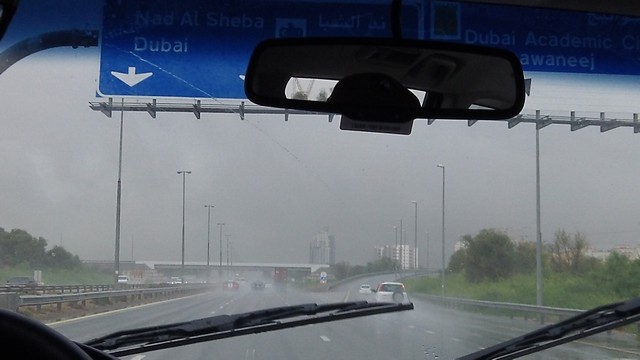
We have also been privileged to experience the first rain this area has experienced for over five months! I took the second photo this morning on our way to go shopping to replace worn out kit – a good way of avoiding the heavy rain showers. In case we are fortunate enough to experience this rare event again remember to pack a waterproof!

driving to Dubai

Continue reading “Update from our Arabian desert expedition / working holiday volunteering with oryx and wildcats in the United Arab Emirates (www.biosphere-expeditions.org/arabia)”

Update from our Arabian desert expedition / working holiday volunteering with oryx and wildcats in the United Arab Emirates (www.biosphere-expeditions.org/arabia)

Hello everyone and welcome to the first diary entry for Biosphere Expeditions’ 2014 Arabia desert expedition. My name is Malika Fettak and I will be your expedition leader.

mf

I am about to leave Germany, arriving in Dubai a few days ahead of you to get things organised on the ground. Kate Fox, my assistant leader, will be flying in from the UK to shadow me as expedition leader in training. All going well we should meet at Dubai airport tonight, spend a night at the Premier Inn in Silicon Oasis (our meeting point), take over one of the expedition 4×4 vehicles on Monday morning and then proceed to the DDCR. There we will meet our partners on the ground Greg Simkins, Steven Bell and Pete Rosenschoon from the DDCR and start setting up base camp, organise a cook, food, equipment, you name it.

But enough of that for now. I¹ll send some pictures once Kate and I get there. Start getting ready for lots of sand, sun and some tough work with Steve, Pete, Greg, Kate and I. We are all looking forward to working with us for a week in the desert! Have a look below for what awaits.

Safe travels and see you in Dubai!

Malika Fettak
Expedition leader

Continue reading “Update from our Arabian desert expedition / working holiday volunteering with oryx and wildcats in the United Arab Emirates (www.biosphere-expeditions.org/arabia)”

Update from our working holiday volunteering with leopards, elephants and cheetahs in Namibia, Africa (http://www.biosphere-expeditions.org/namibia).

Monday and Wednesday the waterhole teams worked on building shade net structures for the waterholes. Both teams really came together and came up with ingenious designs that could attach to and then detach from the hides so that they could be used at more than one hide. So for all you previous expedition team members, that means one more thing to bring to the waterhole! But I think everyone who volunteered in the last slots will agree it was necessary.

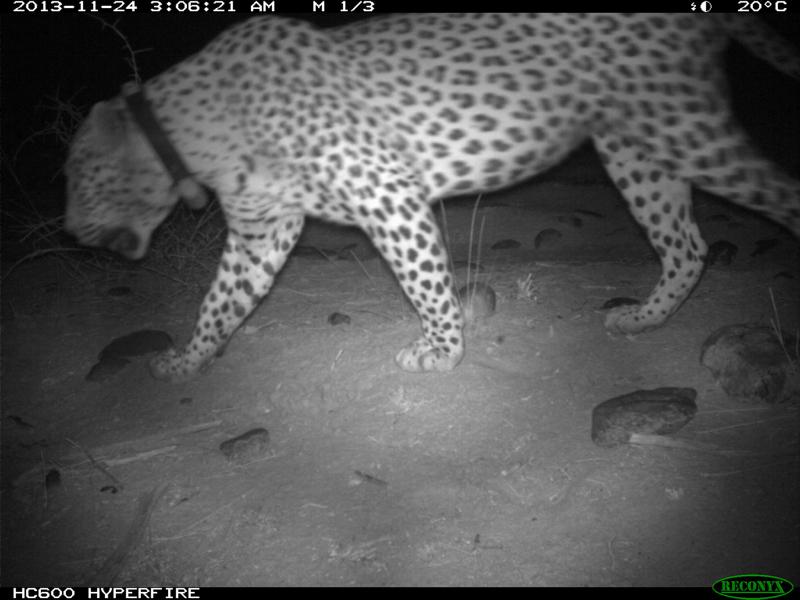
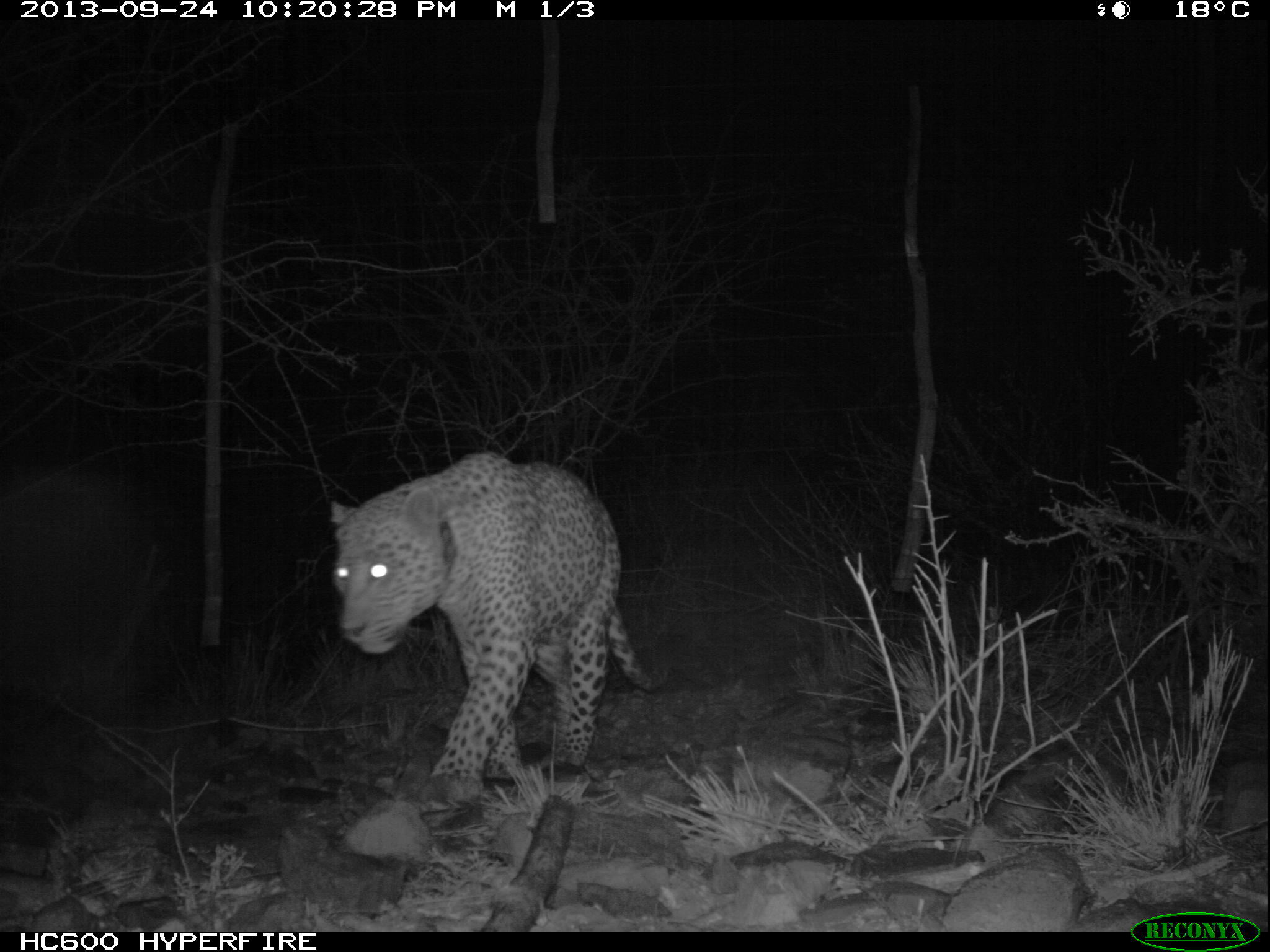
Wednesday we picked up the camera trap pictures and got a couple of nice pictures of L055. We also caught an oryx in the act of slipping under the fence…amazing how those animals can fold themselves up and get through a warthog-sized hole in the fence!

IMG_0067

IMG_0109

Friday morning Vera picked up the pictures from the new camera trap location, and yes! We caught the aardwolf on the camera.

IMG_2837

Our pictures over the last few months have gone up on the blog https://biosphereexpeditions.wordpress.com/category/expedition-blogs/namibia-2013/. A selection of photos and/or diary entries has also appeared on www.facebook.com/biosphere.expeditions1 | https://plus.google.com/103347005009999707934/posts | http://pinterest.com/biosphereexped/.

Our final team 7 for this year is gone now, and that wraps up our Namibia expedition for 2013. A huge thank you to everyone who helped this year. It was great to meet you all and work alongside you. Your hard work, flexibility, and willingness to get dirty and help out has amassed a mountain of data for Vera. Thanks to you we also captured and collared three leopards, one brown hyaena, and took samples from four honey badgers. Vera’s scientific report on the expedition will be published in a few months.

Team 7
Team 7

Safe travels team 7 and all the best to all of you Namibia expeditioners 2013. Perhaps we’ll meet again some day, somewhere on this beautiful planet of ours.

Alisa Clickenger
Expedition leader

Continue reading “Update from our working holiday volunteering with leopards, elephants and cheetahs in Namibia, Africa (http://www.biosphere-expeditions.org/namibia).”

Update from our working holiday volunteering with leopards, elephants and cheetahs in Namibia, Africa (http://www.biosphere-expeditions.org/namibia).

We’ve had a little rain, which is so badly needed and completely unexpected that we all went outside and danced in it. I’m not sure if the pictures do it justice, but I took a picture just to prove to the prior teams that it happened. Valerie took a “Rhinos and Rainbows” picture while still out in the field.

Friday was vehicle game count and the overall numbers were quite low. Perhaps that was due to the rain the night before.

Team 7 got a real “day off” on Saturday; the first Saturday in a few groups where we did not catch a predator in a trap. The team, however, was super keen on data entry, so they set up shop for the entire morning.

Sunday we moved the Lodge East trap to where camera trap 15 was located (for the previous volunteers that is behind the lodge up in the mountains—at the junction of the roads to Olifantposten and Kuduposten). Evidently it was here that Team 7 changed my nickname for Vera (Madam Scientist) to their own (Mad Scientist), purportedly for being very focused in the placement and setup of the box trap.

Like Vera’s new jewelry? (She was testing its transmitting capabilities.)

IMG_2788

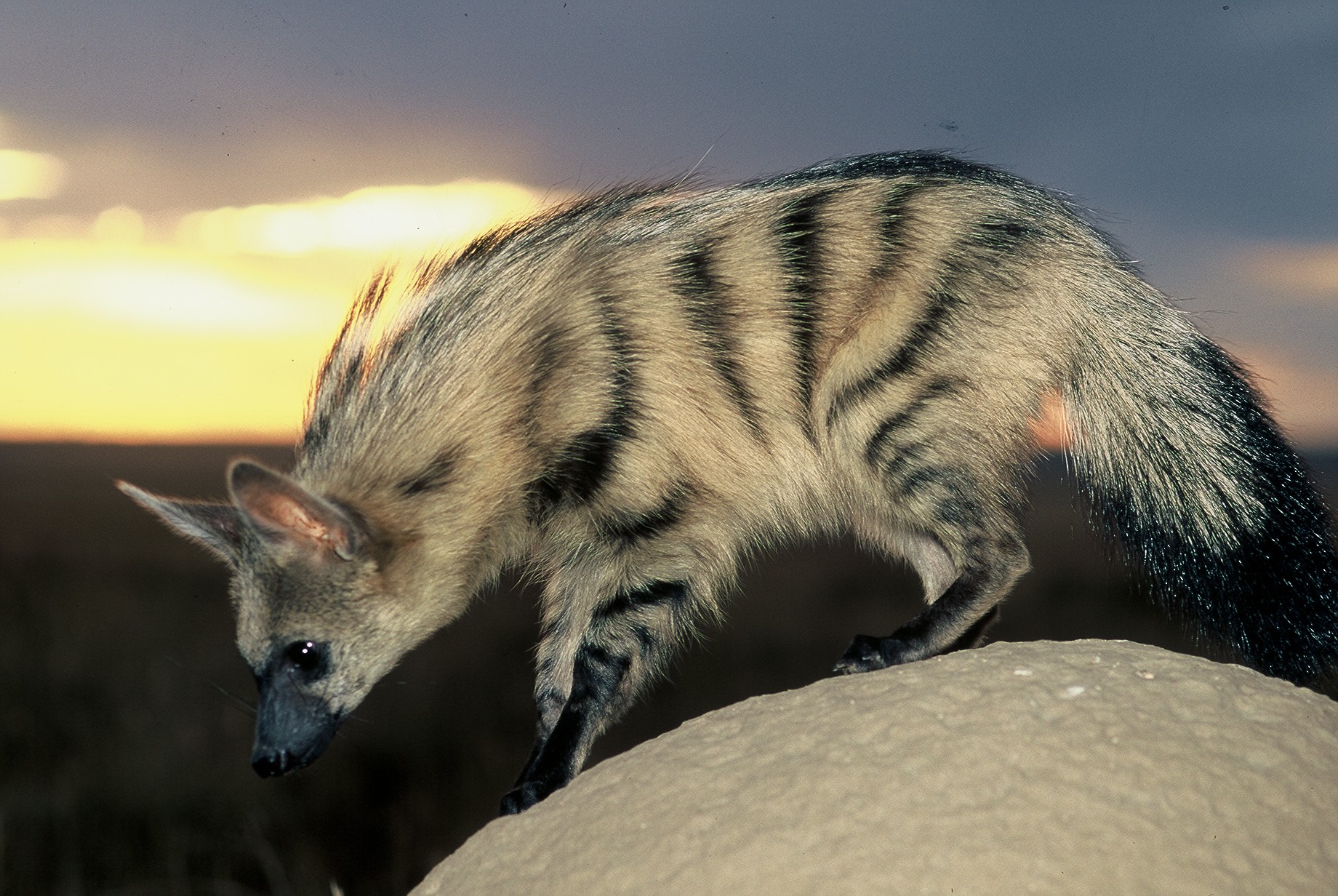
Sunday’s team also saw our first aardwolf. Never heard of one? They hadn’t either—they just knew it was an unusual sighting. What is an aardwolf? Picture a miniature striped hyaena with a long mane and bushy tail. They feed almost exclusively on harvester termites, and are one of the most specialized carnivores. They are solitary, nocturnal, and are thought to locate the termites more by hearing than by smell. Vera was delighted and now we’re off to set another camera trap at the hole where the team first saw it.

aardwolf

Continue reading “Update from our working holiday volunteering with leopards, elephants and cheetahs in Namibia, Africa (http://www.biosphere-expeditions.org/namibia).”

Update from our working holiday volunteering with leopards, elephants and cheetahs in Namibia, Africa (http://www.biosphere-expeditions.org/namibia).

We had a week’s break after the last group, and now Team 7 is on the ground at Okambara. The group has been trained in box trap operations, elephant surveys, waterhole counts, navigation around the farm, and now we’re focusing on perfecting the box trap setups so we catch one final leopard. While we’ve had a great run and collared three leopards already, we’ve seen plenty more uncollared ones on the camera traps…so we know our work is not yet done.

This slideshow requires JavaScript.

Yesterday our water hole team of Wayne, Barbara, Seema and Carole built a shade net structure at Gustavposten; one we hope to replicate and erect at the other water holes.

Yesterday’s morning elephant team of Morgan, Ann, Eva and Ritva had a very (non) exciting encounter with the “bad boy” elephant (the teenage male bull that sometimes causes trouble on the farm.) We encountered him tearing into and eating a shrub pretty close to the road, and evidently we weren’t very exciting companions for him because after lifting his trunk to sniff and check us out, he promptly went over to a bush and laid down! Then it was his turn to be (non) exciting, because we got to watch him snooze for a full hour and a half. Right on cue, seconds after we wrapped up the observation period, he leapt up, shook himself off, and sauntered further into the bush and out of sight. The first groups of volunteers will remember very different encounters with the elephants – at the beginning of the season they were very wary of us. Now, they are mostly non plussed, and just go about their business and ignore us. Good news, because that means we are now observing their natural behaviours.

The rhinos are getting more accustomed to us as well. In the last two days all teams have encountered the rhinos near Sandposten. The rhinos now care so little for us that they hardly move out of the roadway! They just stand and stare at us, and go back to eating. We’re now able to get so close to them that we can hear them breathing and chewing!

Continue reading “Update from our working holiday volunteering with leopards, elephants and cheetahs in Namibia, Africa (http://www.biosphere-expeditions.org/namibia).”

Update from our working holiday volunteering with leopards, elephants and cheetahs in Namibia, Africa (http://www.biosphere-expeditions.org/namibia).

Our seventh and last group for 2014 is about to start. While you wait, here are a few pictures of your tools of the trade, from your fingers to maps to GPS and binoculars, as of Sunday…

Continue reading “Update from our working holiday volunteering with leopards, elephants and cheetahs in Namibia, Africa (http://www.biosphere-expeditions.org/namibia).”

Update from our working holiday volunteering with leopards, elephants and cheetahs in Namibia, Africa (http://www.biosphere-expeditions.org/namibia).

Team 6 caught another honey badger in the lodge east trap, and this one we released because the IZW veterinarian was too busy with other tasks to come to immobilise the animal and take samples. The rest of the week was business as usual—box traps, elephants, tracks & scats, and waterholes in the mornings, and box traps, waterholes, and elephants in the afternoons. Anh, Prasadu and Gabi’s names were drawn to help Vera investigate several clusters, which is a new activity.

Team 6
Team 6

What are clusters? Every 3-4 weeks Vera’s colleague flies over the study area and downloads the information off all the animal collars in the field. Vera gets the data and can see the activity of each animal. When an animal spends a significant amount of time in one area, or comes back to an area repeatedly over a period of a few days, it shows up as a cluster in the data. Vera then goes out into the field and investigates the area looking for evidence of activity, scat, kills, and other useful information. Her study area is much larger than Okambara, yet we had two such clusters on the farm and so she took volunteers out to investigate.

One animal (L051) spent all day in one location, but the site revealed none of its secrets. The second cluster they investigated belonged to L055, the leopard Team 6 collared upon their arrival, where the animal had come back repeatedly over a three day period. That site revealed two kills – one older and unidentifiable animal (Vera took hair samples back to the lab to determine the species) and a newer young oryx.

L051
L051

Normally the timing does not work out quite so well – collar an animal and then have the ability not only to see its movements in the next slot, but also then be able actually to track its movements in the field within the same two week expedition. Don’t worry previous team members – when Vera publishes her final report on the expedition, she will also include data on the movements of “our” animals.

Thanks Team 6 for all your hard work, and for your flexibility throughout the expedition, and for the rain you brought complete with the double rainbow!

_G8Q1578

Continue reading “Update from our working holiday volunteering with leopards, elephants and cheetahs in Namibia, Africa (http://www.biosphere-expeditions.org/namibia).”