Award-winning, non-profit and ethical wildlife conservation volunteering. Advancing citizen science and conservation since 1999 – for nature, not profit.
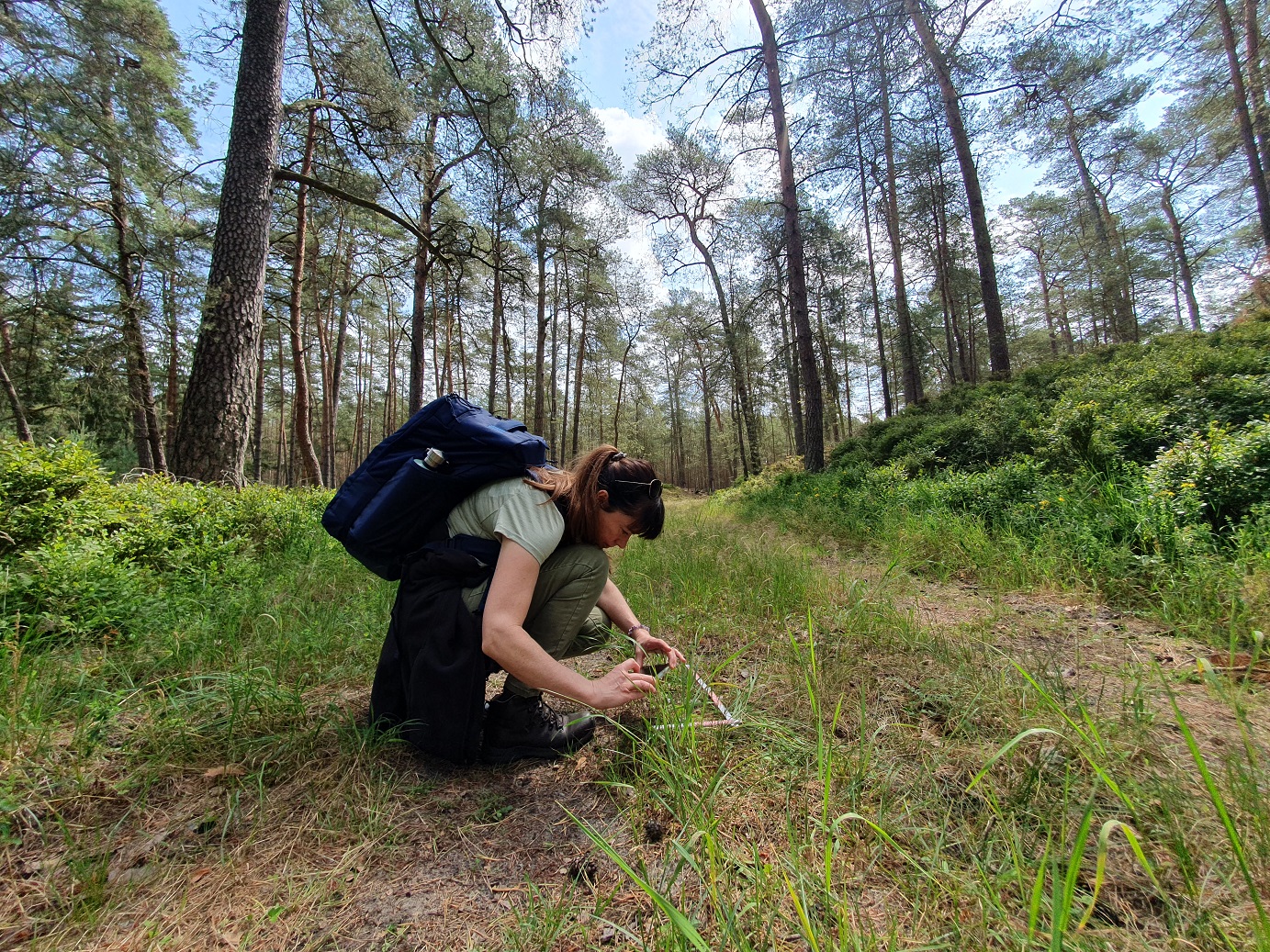
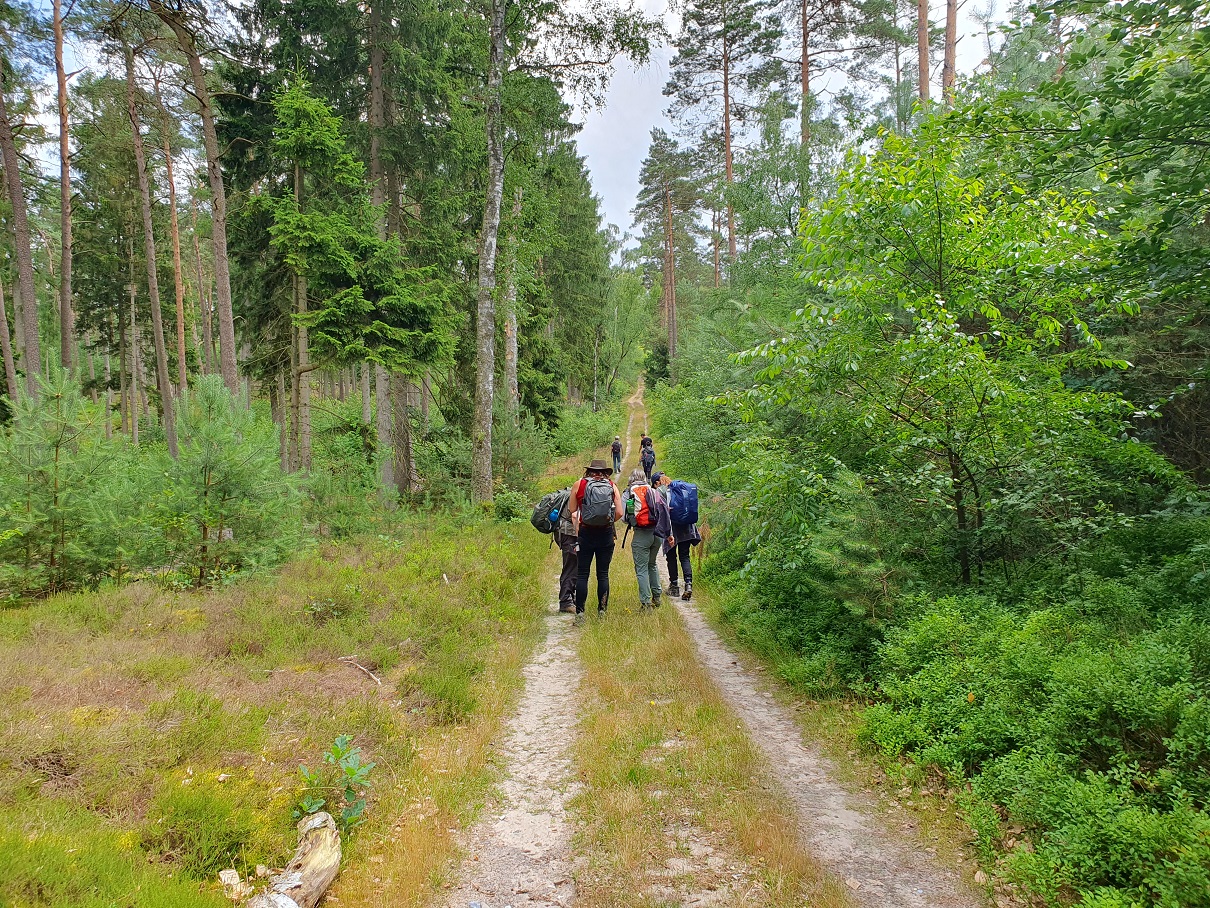
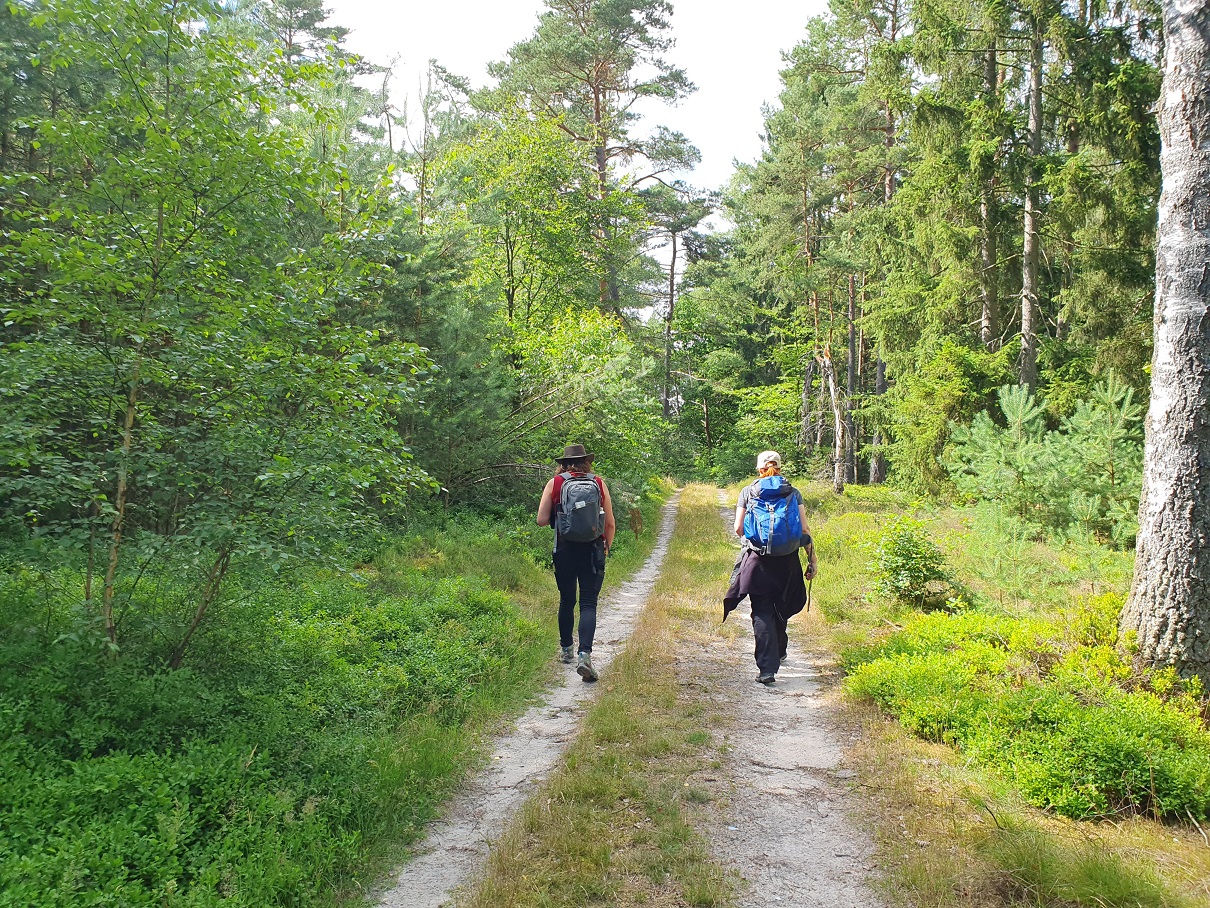
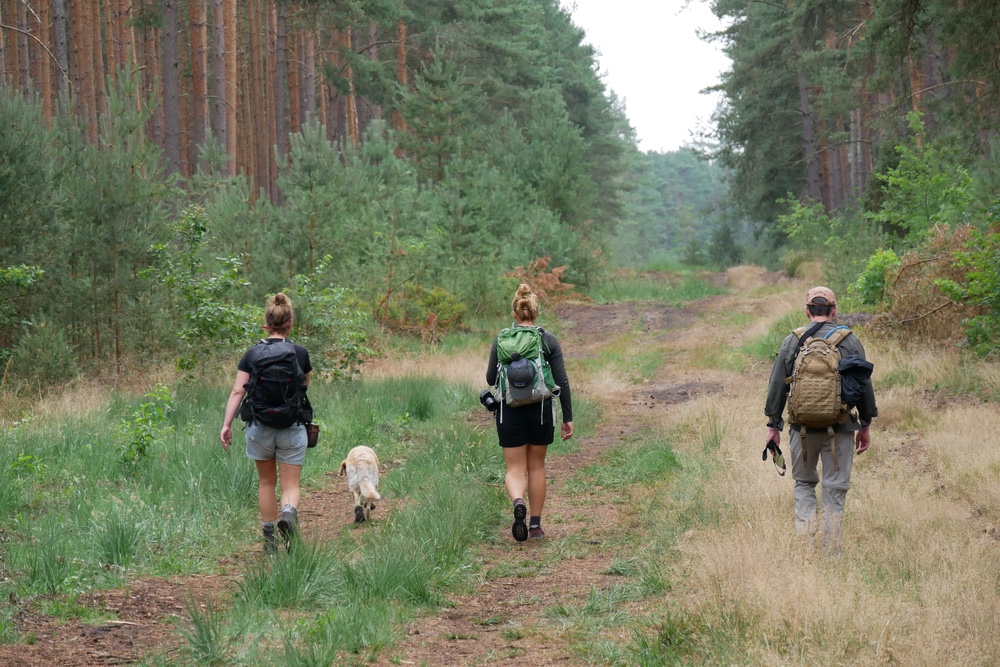
Four days of surveying have gone by quickly. Over almost 400 km in eight different wolf territories, everyone has become very skilled at detecting and documenting wolf evidence in the field. This year we explored some new sites, unsure what we will find there. While in certain areas an impressive amount of data could be collected, in others no evidence of wolf presence was found. While this is obviously less satisfying after a long day of hiking and concentration, those zeros are equally important to gain insight into the current movements of known packs.
We enjoyed exploring different forest types and were treated to other sightings as well: a fox on the trail, a group of wild boar whizzing by, a startled stone marten, red kites and buzzard flying over, lots of roe deer and the more impressive red deer with their large antlers. And there were always dung beetles around to keep us amused.
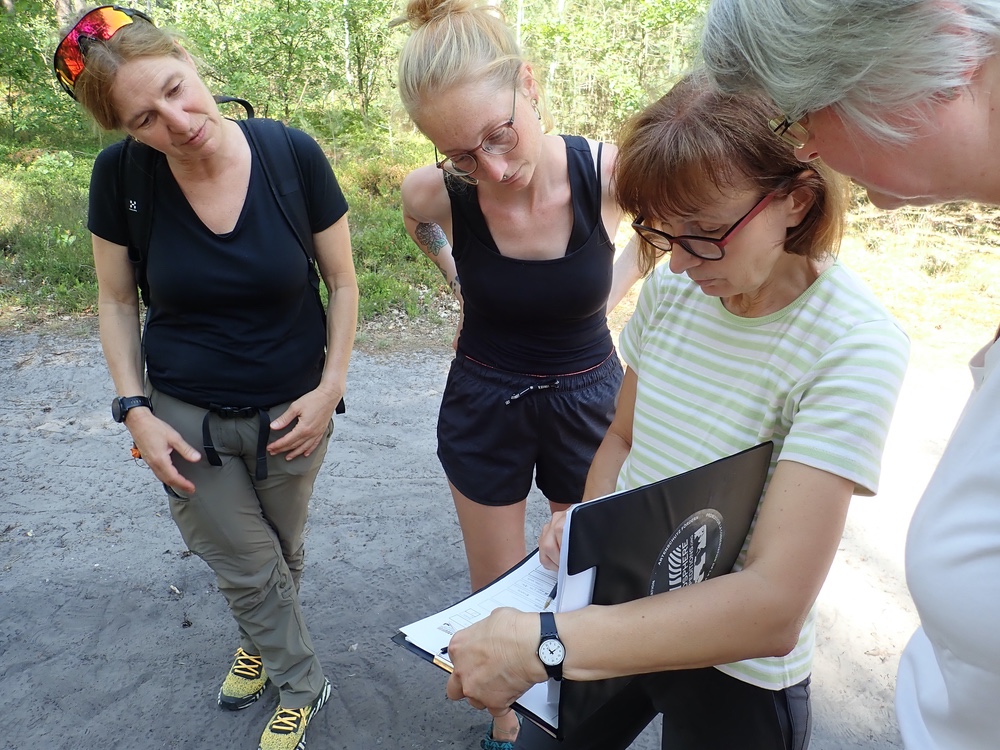
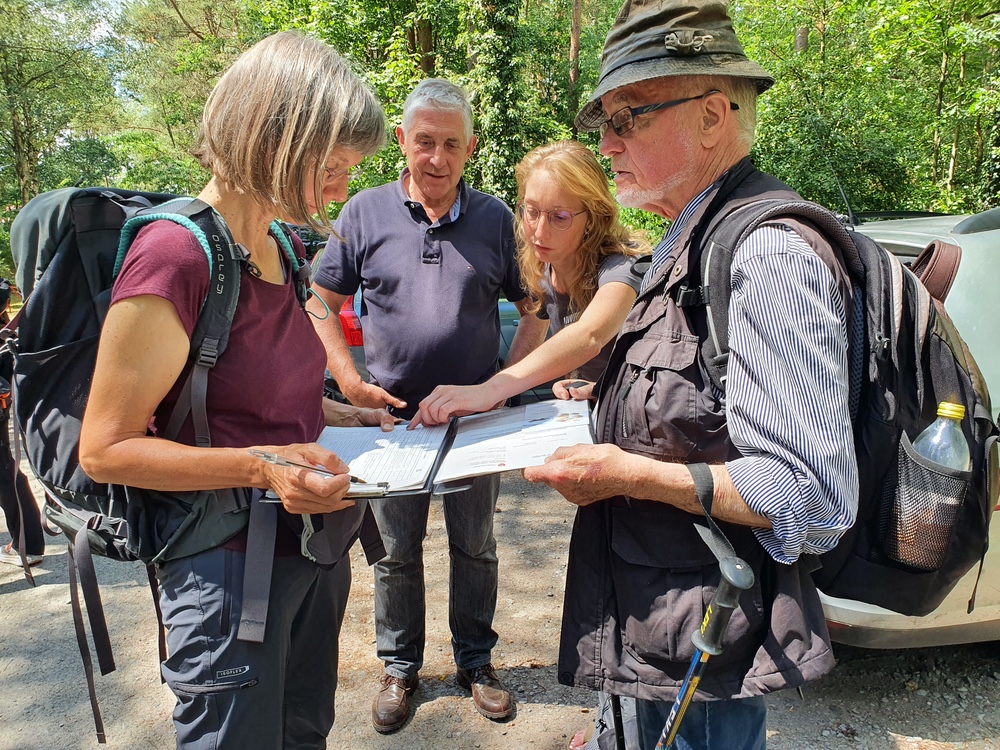
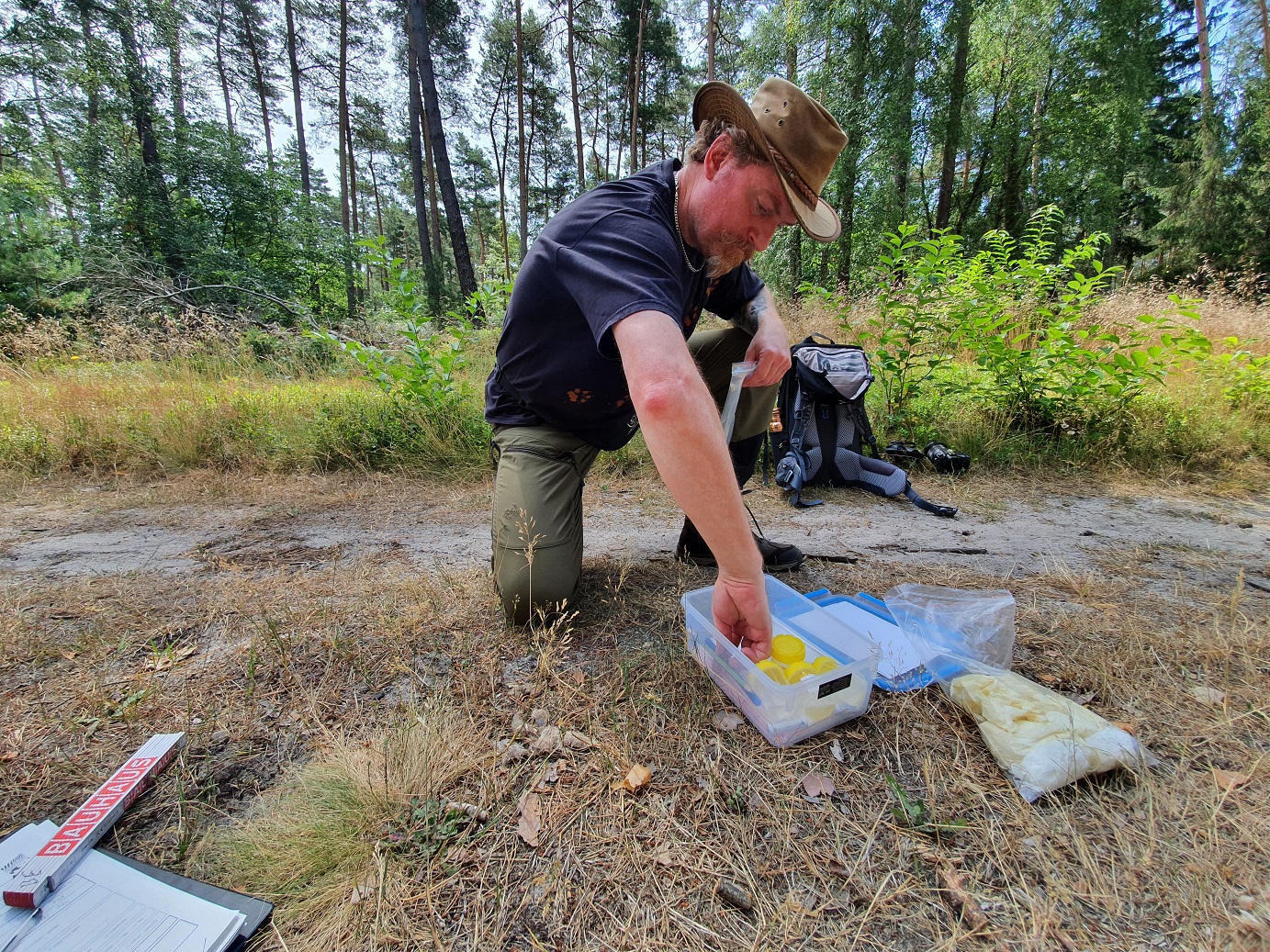
Group 1 has found 123 wolf scats, of which 89 were collected. Of these, seven will be analysed by DNA sequencing to help confirm who left them. We also found two long wolf tracks and heard pups and adults howling in the distance. Our scientist Lotte even had a very brief sighting! As expeditioner Carine said, “walking in the wolves’ tracks and documenting their ways of life, gives you a deeper connection to the species.”
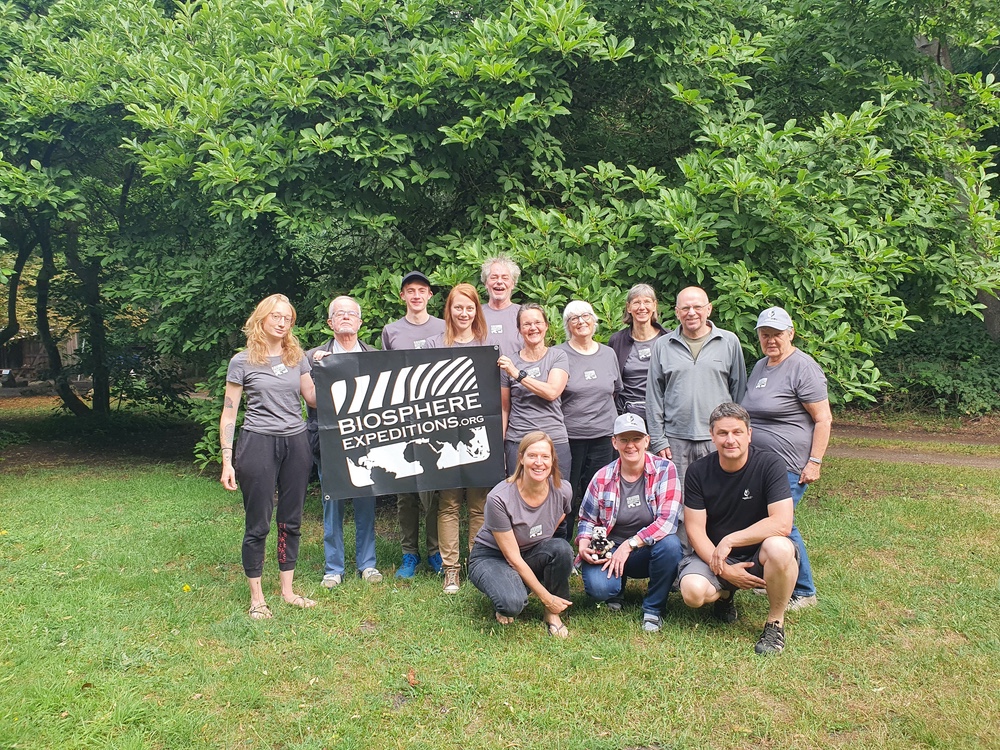
Group 1 finished on Friday. We thank all of them for being committed to the task, for the excellent team spirit and and the fun times. Safe travels back home and we look forward to welcoming group 2 in Bremen on Saturday.
This group 1 is from Europe, US and Australia, all keen to take part in wolf monitoring. Half of them are ‘veteran’ expeditioners, already familiar with Biosphere and the other half are motivated nature lovers keen to invest their free time and energy in a holiday with a purpose, being wolf conservation.
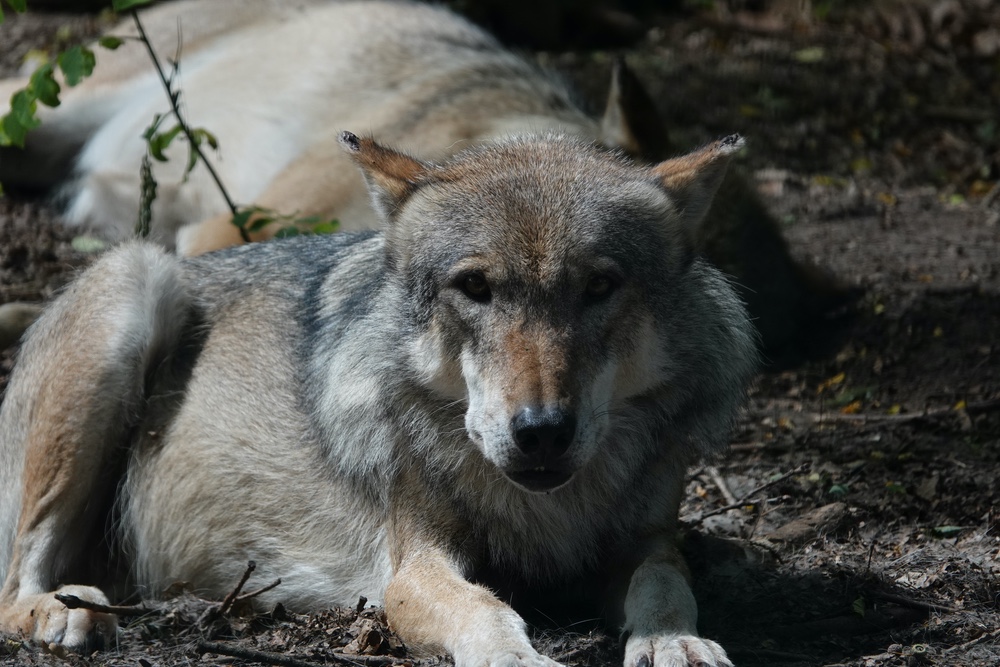
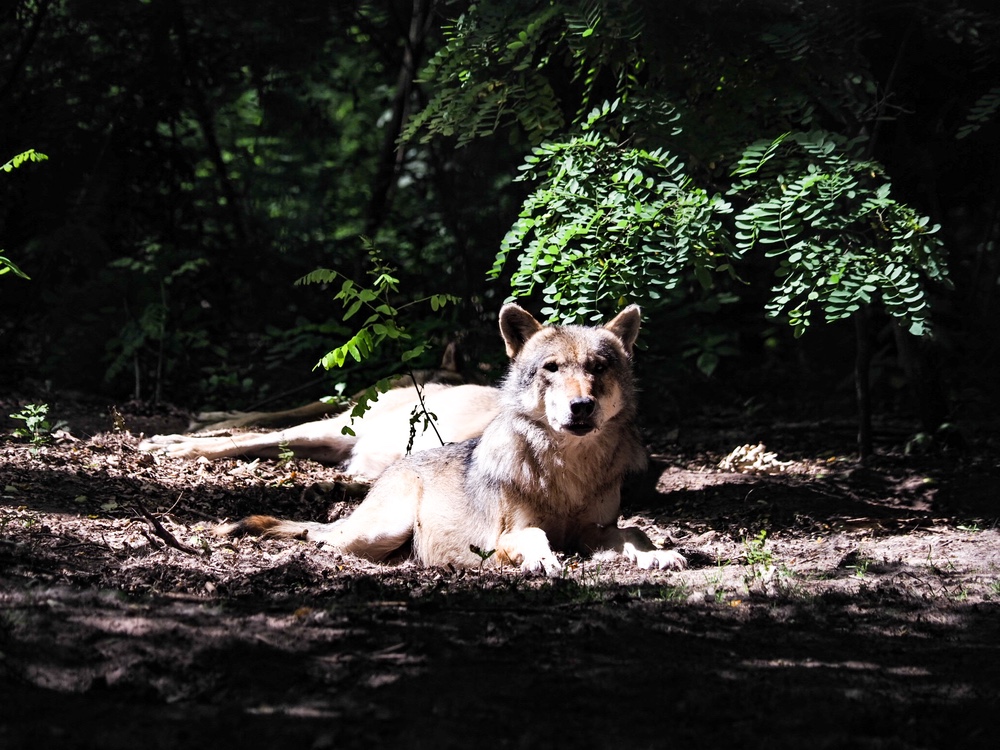
Our first stop was the Wolfcenter, to learn about wolf biology and see our quarry in the flesh, something that is extremely unlikely on this indirect research expedition.
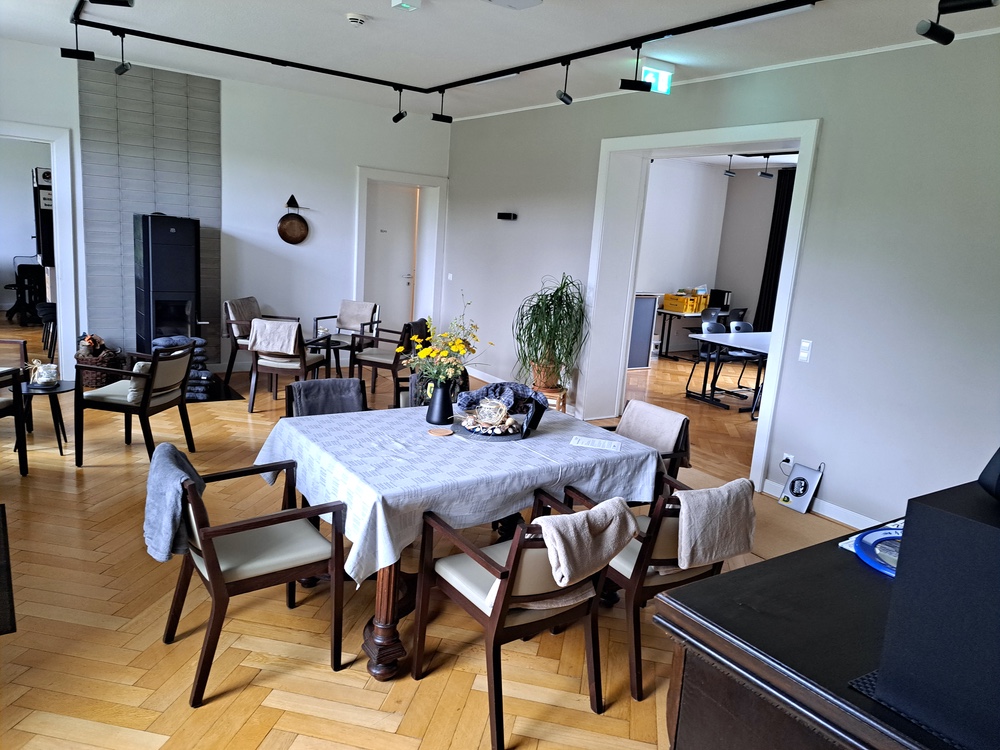
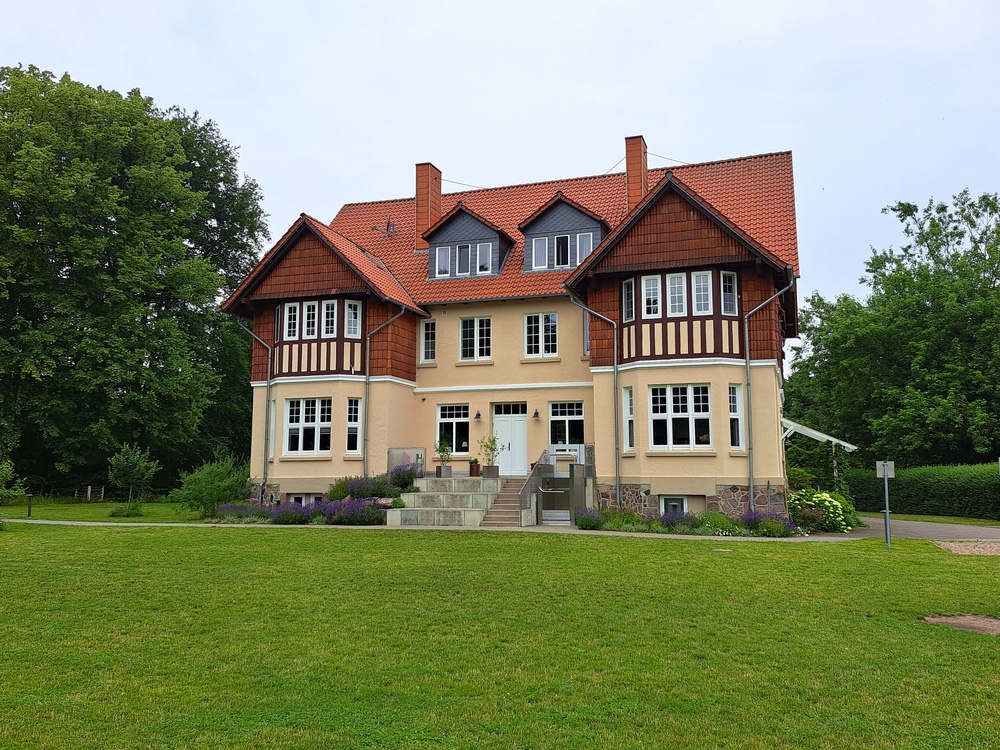
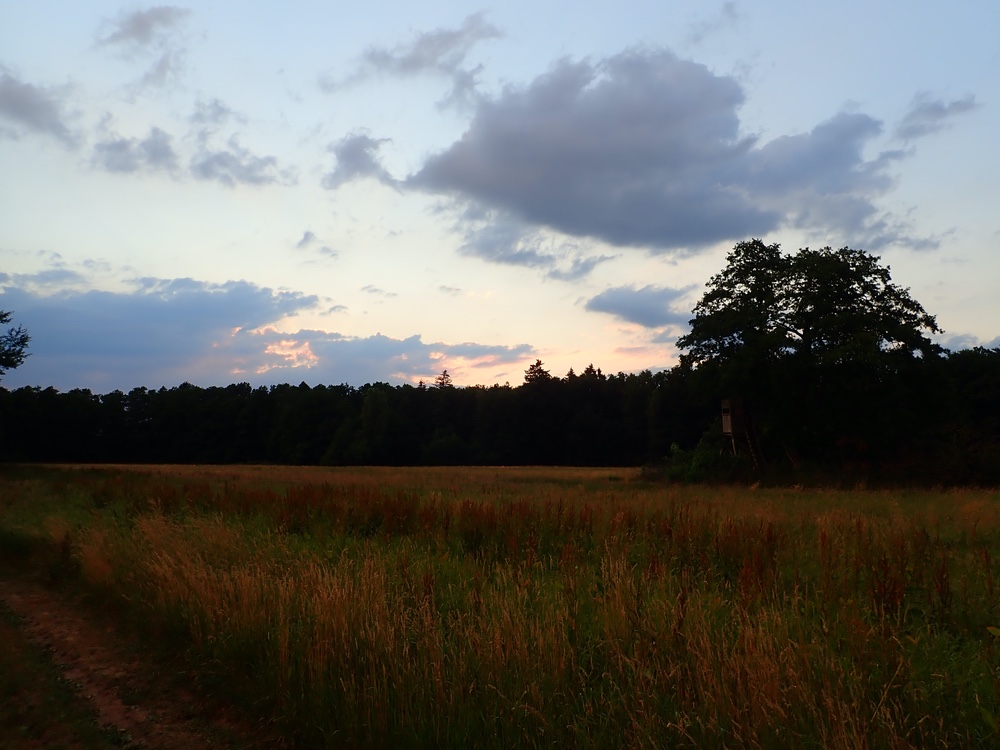
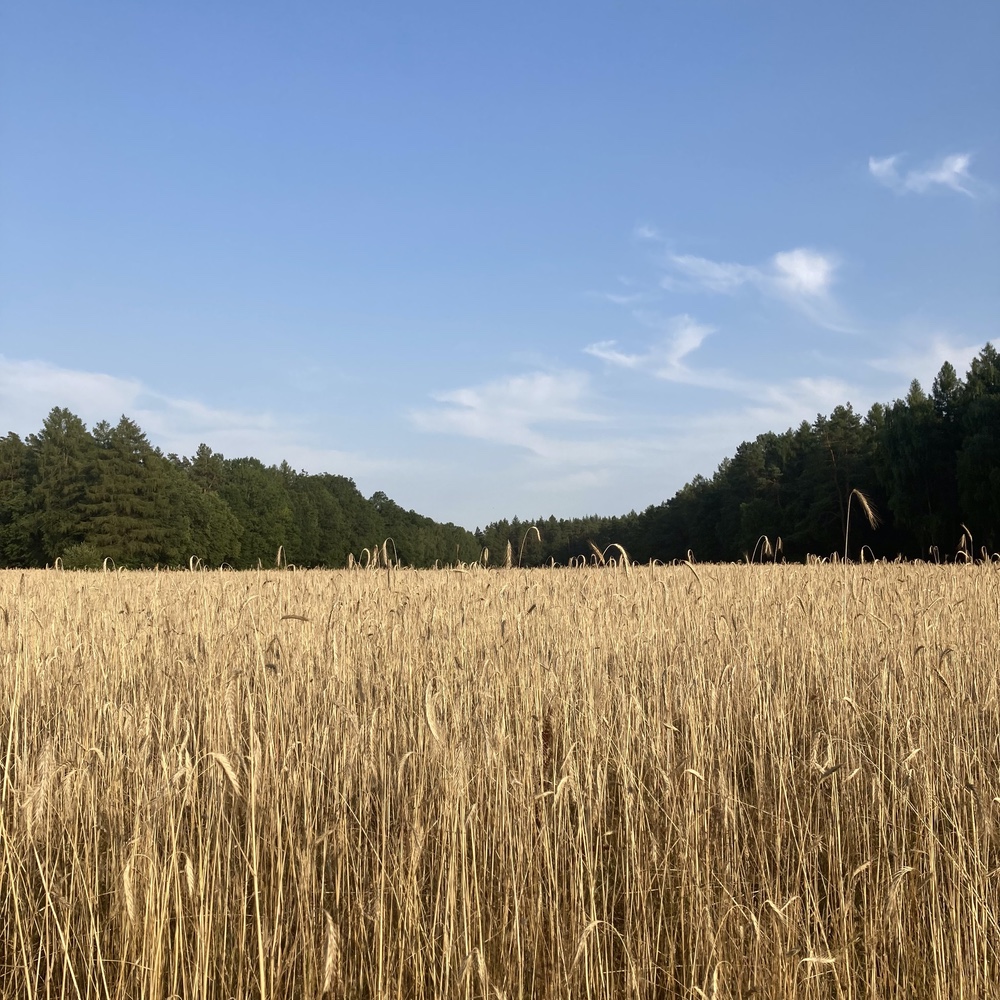
Our second stop was our new base at Bockum, a true green oasis of forests and meadows with lots of bird- and other wildlife around. Indeed the aread did not disappoint as we found no fewer than nine wolf scats in a 2.5 hour first training survey along only 5 km of forest paths, which must be a record! It makes base even more special realising wolves passed by so close by.
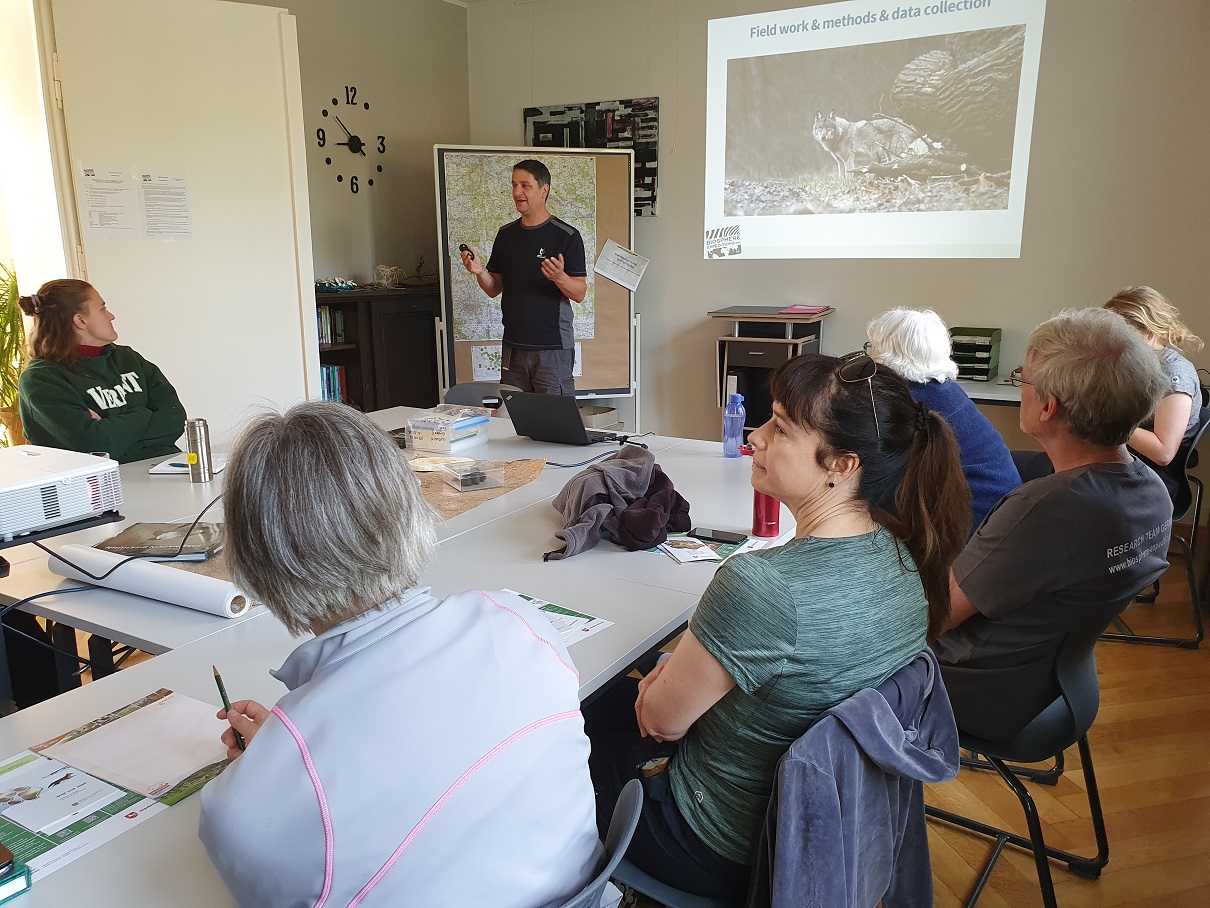
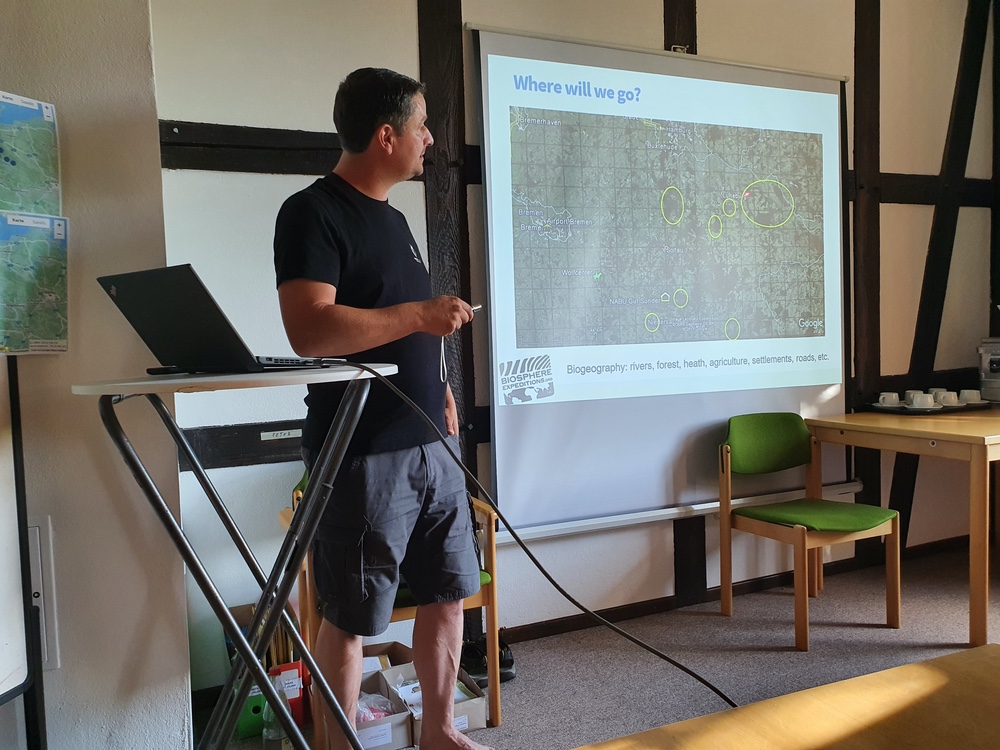
But before that first training survey there was lots of intensive, crash course instruction on everything wolf and how to research them through signs. After 1.5 days the team by Sunday afternoon was fully trained and ready to start the full-day monitoring surveys.
Stay tuned for updates to see what we will find on our paths!
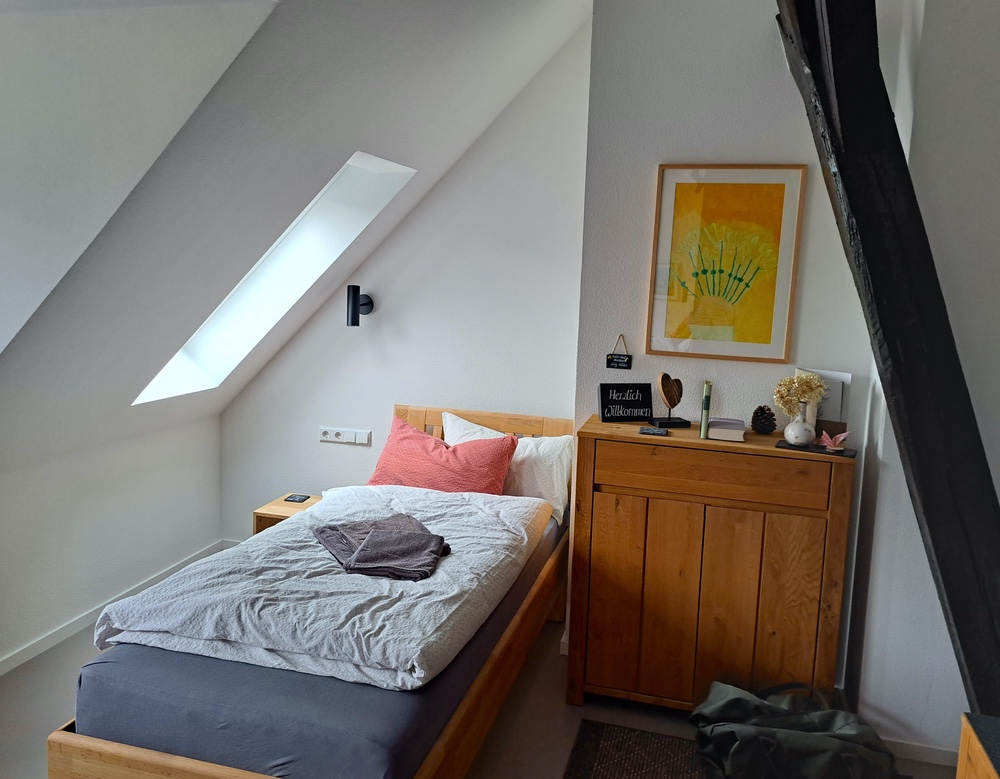
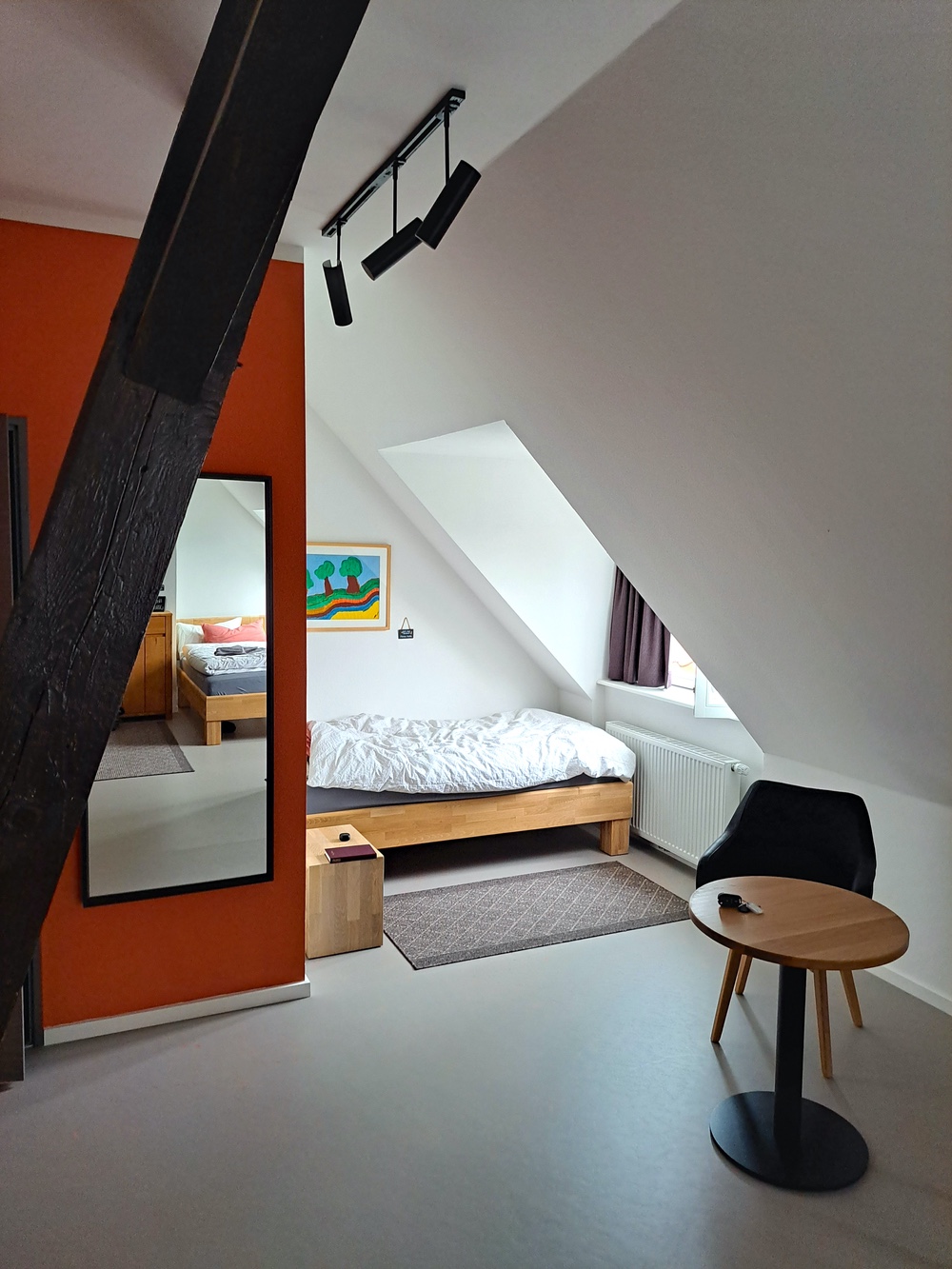
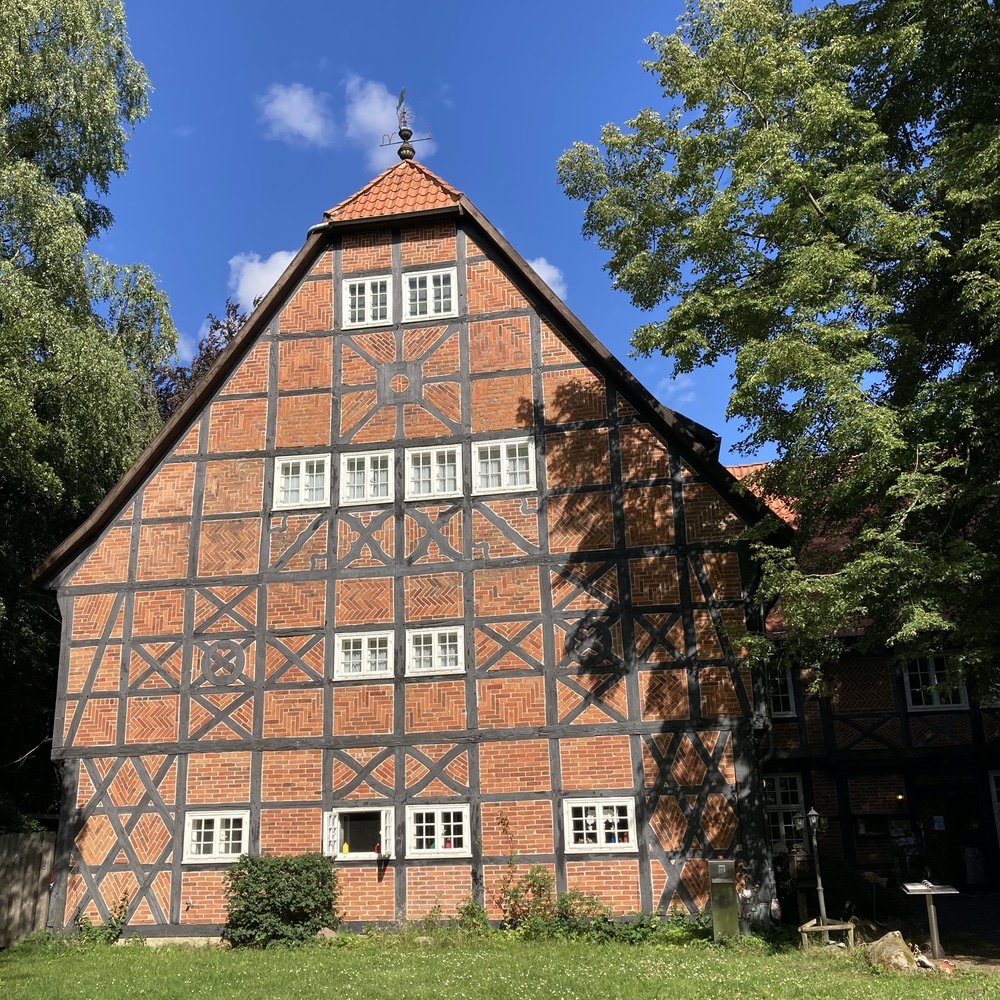
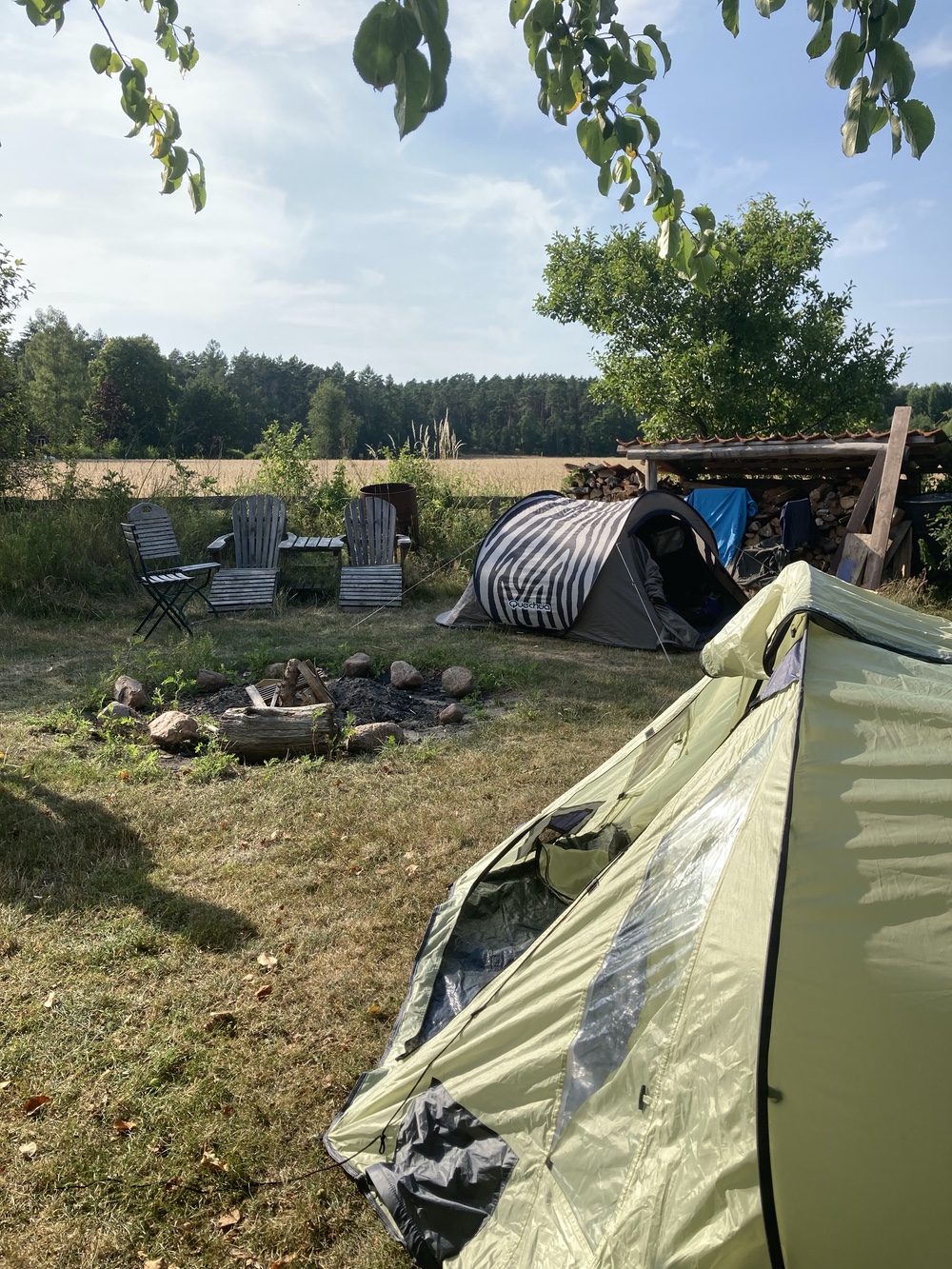
We’ve arrived at our new Bockum base and it’s beautiful. Thank you to Peter for finding it.
The advance party comprises An (expedition leader), Pat (A* expeditioner), Peter (scientist) and Matthias (we’re not sure and just for the day).
It’s overcast and muggy with a mixed outlook for the next few days.
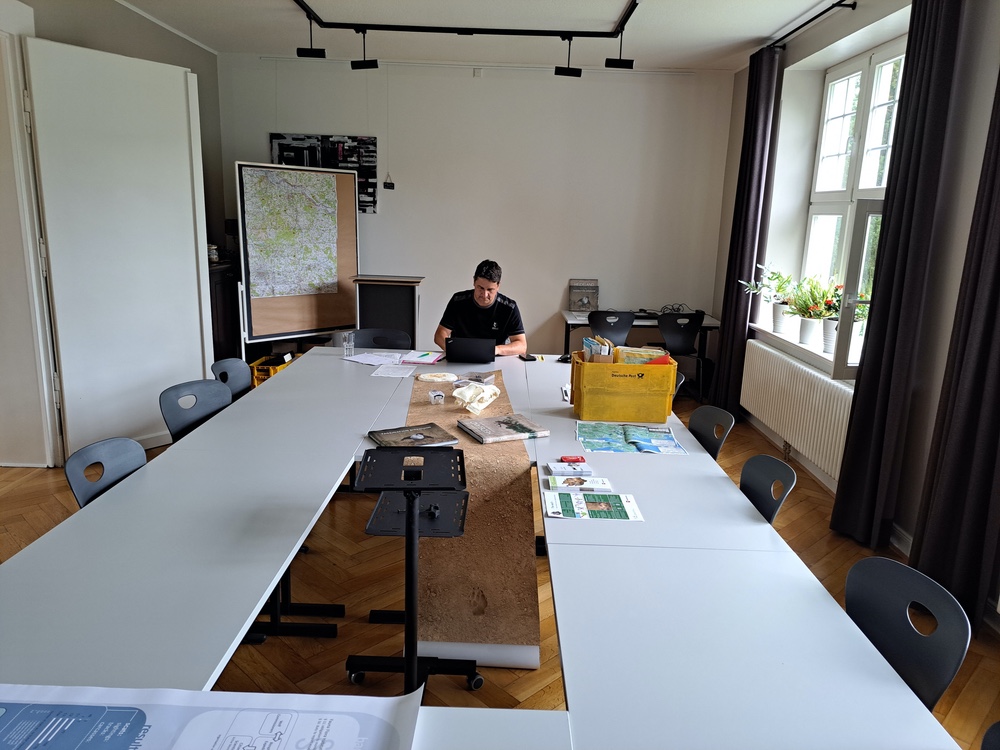
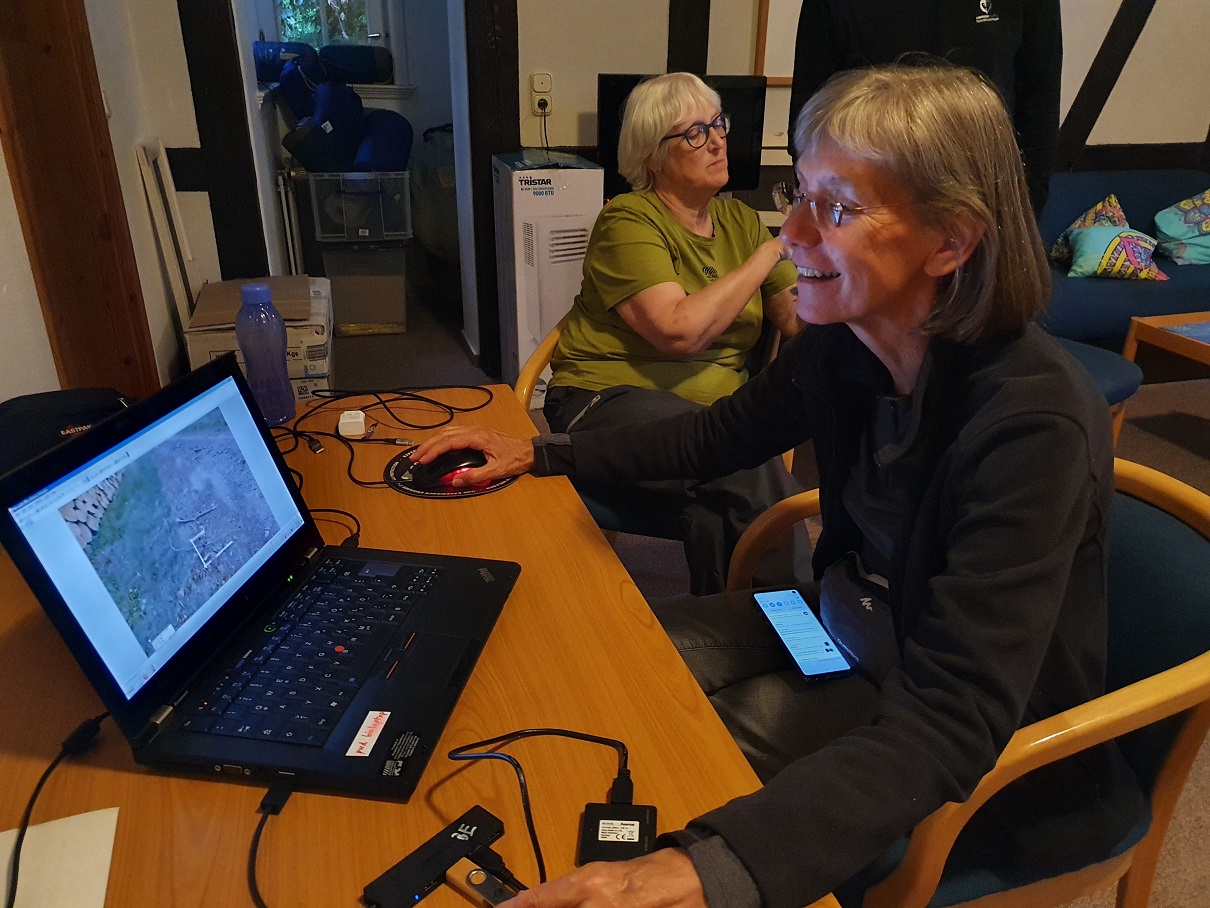
So here we are unpacking, preparing, printing, sorting, organising and generally doing all the things that are needed to make an expedition a success. From Saturday, we are expecting you to pull your weight 😉
We are approaching the start of the 2023 Germany wolf expedition and I am getting into expedition mode. My name is An and I will be your expedition leader for this fifth edition of the Biosphere Expeditions wolf monitoring programme in Lower Saxony.
I just read the report with the 2020/2022 expeditions’ results (you should make sure you read at least the abstract of the 2020/2022 report; it’s a good idea to also read the 2022 diary, or at least the round-up). It’s truly motivating to see what a great boost and relevant contribution the Biosphere Expeditions teams make to the annual state monitoring efforts on the wolf populations. Not just in terms of quantity, but also great quality of data. I am certain this year’s teams will be no different and live up to the challenge. No to worry, the 1.5 days of intense training will equip you with all the knowledge and skills you need to get out in the field.
As for me, I have almost finished packing up my gear and am getting ready to go. Tomorrow morning I will get a lift from Pat, a wolf expeditioner of the first hour. We leave from Belgium and will make our way up to Bockum and our new expedition base. There we will meet our host Suzanne and our Executive Director Matthias, who will help set up in the coming days. It will also be great to be reunited with our expedition scientists, Peter and Lotte, our wolf experts, who have been busy preparing.
The weather forecast looks good with temperatures around 20°C for the first few days. Make sure to pack clothing for all weather conditions and foresee at least 2 liters of water a day to stay hydrated. Lots more relevant tips you can find in the packing list in your dossier. Make sure you read it before you depart.
I wish you safe travels and look forward meeting our first group of expeditioners on Saturday 1st July here.
After a 2-year Covid break, it was truly rewarding to run this 4th edition of the Lower Saxony wolf expedition again in 2022 with a total of 24 expeditioners from seven different countries for three weeks. The final numbers of all groups sum up a truly impressive effort: all teams covered 837 km in nine wolf territories, sampling a total of 190 wolf scats. 132 samples were frozen for dietary analyses and 15 samples will be sent to the lab for DNA analysis. We also recorded one wolf sighting during group 1 and recorded a 300+ meter track of an adult wolf with (probably) two pups.
Very rare chance wolf encounter during the expedition
During the Covid pandemic, wolf monitoring went through a lull in data collection, so the new and sizeable set of data collected by the expedition will be crucial for an up-to-date picture of current wolf presence in the study area. Expedition data have just been entered into the German wolf monitoring database by our expedition scientists. Biosphere Expeditions’ contribution from 2017 to today now exceeds 650 data entries, underlining the importance of citizen science for wolf monitoring and conservation.
What makes this expedition truly unique is the variety of wolf stakeholders we have interacted with: inspiring wolf ambassadors, the committed state wolf bureau team, beautiful Kenners Landlust advance expedition base, the showcase Wolfcenter, our amazing scientists and fascinating wildlife detection dog Molly. We also learnt about how humans and wolves can coexist in a densely populated and highly developed landscape like Germany.
The wolf has returned to Germany to stay and it is a credit to Germany that the country is making it work, the inevitable trials and tribulations aside. We are proud to say that our expedition plays a significant role in making this so and we thank everyone for making this year a great success. We hope to see many of you again in the future.
Feedback from the participating citizen scientists:
I am full of impressions from this week. I have learned a lot about the wolf monitoring and in the future I will walk through the woods in a different way: eyes to the ground, slow pace and taking in the scent to check for wolf evidence. Thanks for a great expedition week together. Sandra S., Germany
I never thought I would be so happy and proud to find no fewer than 18 piles of scats in one day. A new record on the wolf monitoring expedition for our team. Thanks so much for the experience. Aniek L., Netherlands
This was a great experience for me – learned a lot about wolves, even if I did not get to see one, but still it was very interesting to do this expedition. Paul R., Netherlands
As always another great experience with Biosphere Expeditions. Never thought looking for scat could be so enjoyable and rewarding. Martyn R., UK
This was my first expedition, and it really fulfilled my expectations. I greatly enjoyed it, learned a lot from the different presentations on the controversial topic of human-wolf coexistence. I am looking into the bear expedition in Sweden for my next expedition… Veronika E., Germany
Thursday was our last day of field monitoring. For a final time our intrepid wolf volunteers put on their hiking boots and scanned the trails, adding more data to our already sizeable database. After the hot temperatures, the night brought lots of rain and with it much cooler temperatures.
Friday morning, we said goodbye to our third group. We thank also this great team for their effort and enthusiasm in contributing to citizen science and wolf conservation. They hiked no less than 218 km in hot weather and managed to find a total of 38 scats.
Finding scats, especially the fresh ones, remains a task that requires a lot of patience as you need to be in the right place at the right time. The wolves occupy very large territories and are rarely observed, but somehow, we all experienced their presence while doing this work.
After a 2-year Covid break, it was truly rewarding to run this 4th edition of the Biosphere Wolf Expedition in Lower Saxony again in 2022 with a total of 24 expeditioners from 7 different countries for 3 weeks. The final numbers of all groups sum up a truly impressive effort: all teams covered 837 km in nine wolf territories during which a total of 190 wolf scats were sampled. 132 samples were frozen for dietary analyses and 15 samples will be send to the lab for DNA analysis. We also recorded one wolf sighting during group 1 and recorded a 300+ meter track of an adult wolf with (probably) two pups.
During the Covid pandemic, wolf monitoring went through a data depression, so the new and sizeable set of data collected by our wolf expedition will be crucial for an up to date picture of current wolf presence in the study area. Expedition data have just been entered into the German wolf monitoring database by our expedition scientists. Biosphere Expeditions’ contribution from 2017 to today now exceeds 650 data entries, underlining the importance of citizen science for wolf monitoring and conservation.
What makes this expedition truly unique is the variety of wolf stakeholders we interacted with: inspiring wolf ambassadors, the committed Wolfsbüro team, beautiful Kenners Landlust advance expedition base, the showcase Wolfcenter, our amazing scientists and fascinating wildlife detection dog Molly. We also learnt about how humans and wolves can coexist in a densely populated and highly developed place like Germany. For this mighty predator has come back to stay and it is a credit to Germany that the country is making it work, the inevitable trials and tribulations aside. We are proud to say that our expedition plays a significant role in making this so and we thank everyone for making this year a great success. We hope to see many of you again in the future.
Last but not least, a very big thank you to our wonderful hosts at the Herrenhaus Gut Sunder. You truly made us feel at home here and after long days out in the field it was rewarding to get treated to an impressive variety of vegetarian menus. Vielen Dank Anja, Ilka, Claudia, Kirsten and all the others!
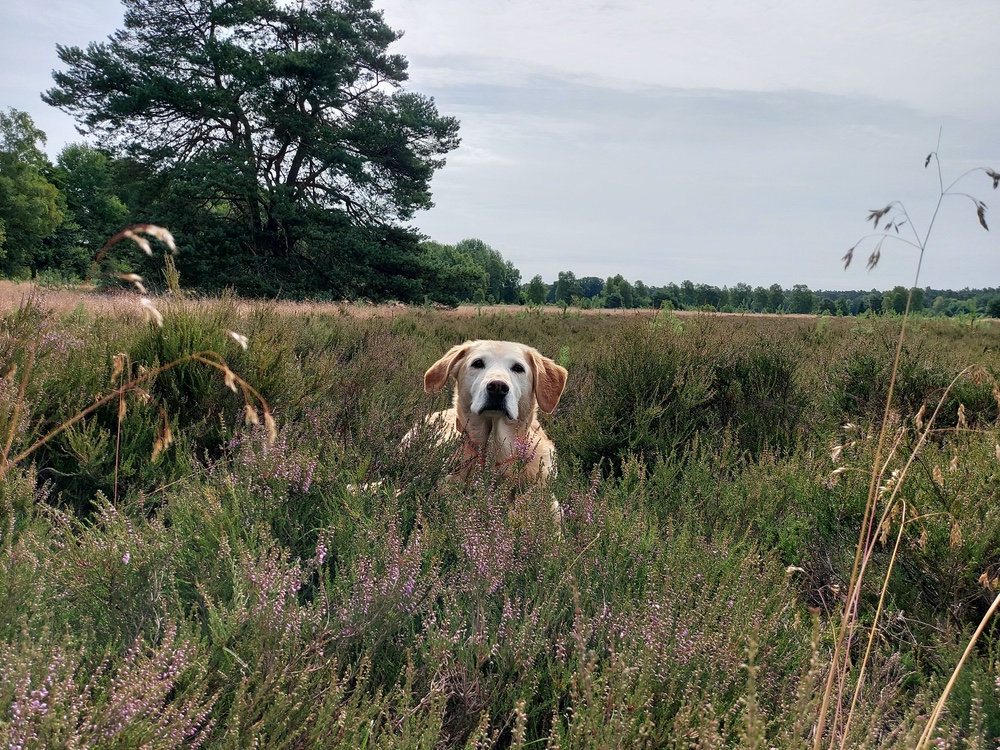
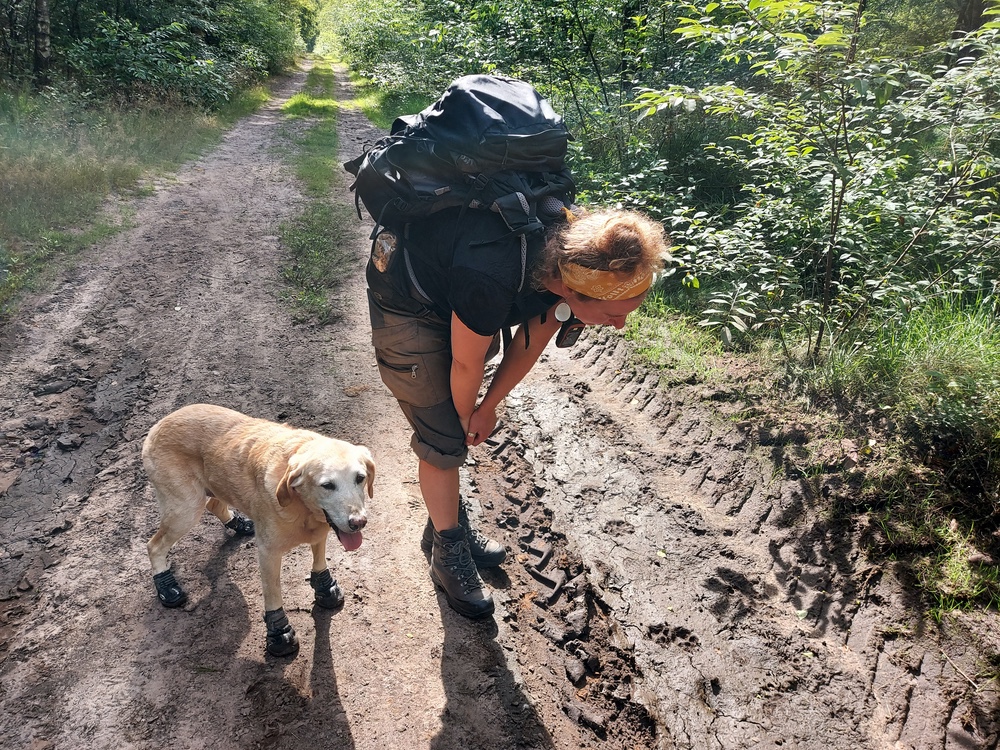
Monday brought a unique addition to our wolf volunteer team: Lea and her labrador Molly, a wildlife detection dog trained to find wolf and golden jackal evidence with her exquisite nose. The Schneverdingen team saw Molly in action in the field, while they braved the rather busy nudist trail on this hot day. Also teams Wietze and Ringelah brought back home wolf evidence, clearly demonstrating all newly trained wolf citizen scientists were up to the task.
On Tuesday our hardcore expeditioners braved up to 35°C during their hikes, but they were unphased and continued the monitoring with enthusiasm and dedication. The overnight team scanned the Amt Neuhaus wolf territory and again found much older evidence. The Ebstorf teams got lucky as they found two fresh scats, suitable for DNA analysis, not that far from the area where group 1 had its sighting. It will be interesting to see what the lab results will tell us about this territory.
With temperatures up to 39°C on Wednesday, we had to shift gears. In Göhrde that meant early morning monitoring between 5 a.m. until 10 a.m. It was clear that chances to spot wildlife in the early, cooler hours of the day are greater and working conditions less sweltering. We saw several roe deer, hares and four adult wild boar with no fewer than eleven piglets that made their way through the forest understory. Meanwhile at Gut Sunder the team visited the nearby wolf-proof fence of the livestock protection project in the morning.
Wednesday afternoon we decided to stay indoors to escape the heath and process photos, GPS tracks and take a rest.
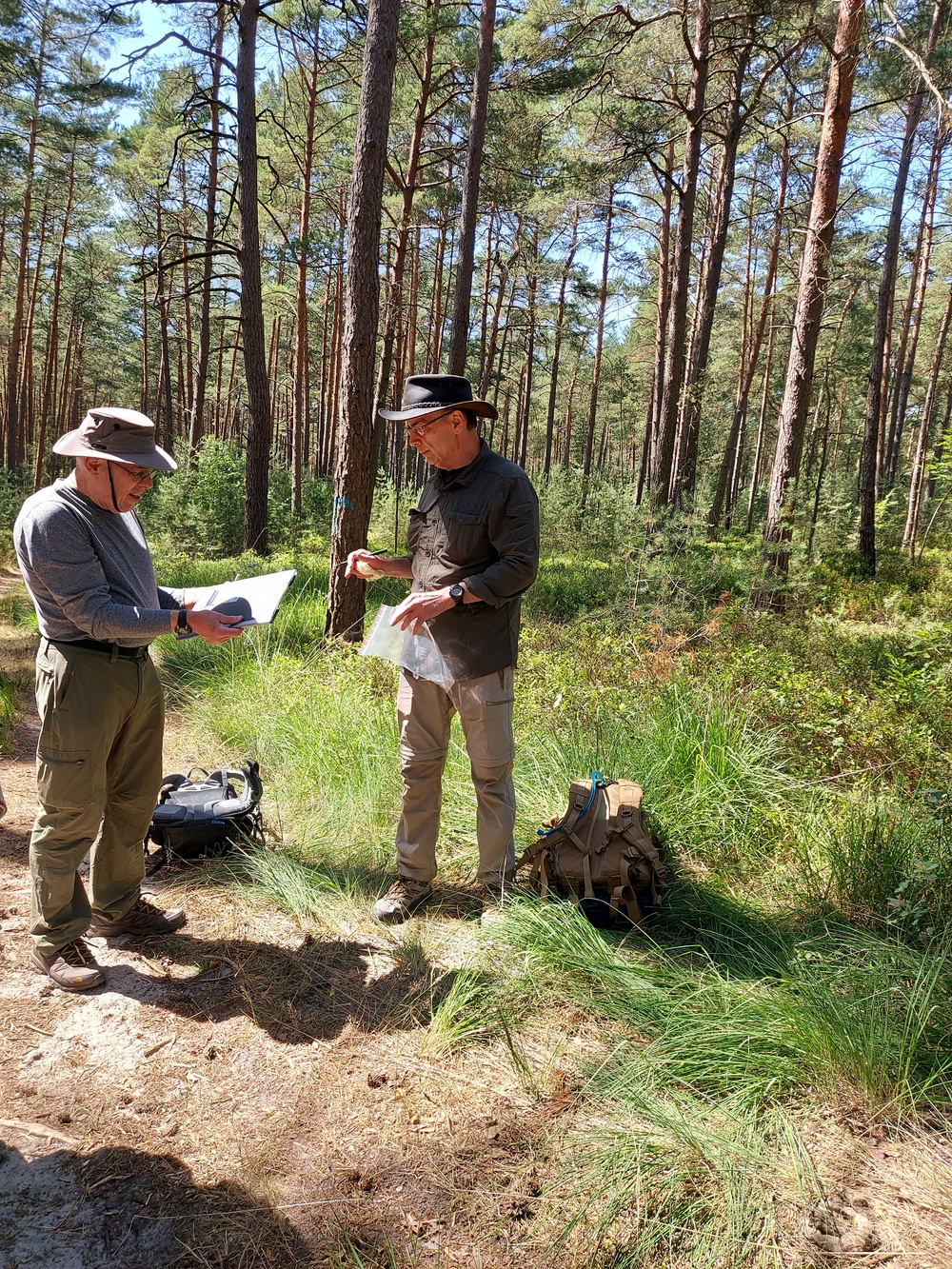
Andreas samplingBen scanningCaitlin & Michael restingCaitlin scanningLea, Molly & Stefania surveyingPlanning a surveyMolly and her quarryOvernight camp at GhördeContinue reading “Germany : Last few days”
This Saturday we welcomed our third and final group of Germany wolf volunteers travelling from the US, Australia, UK, the Netherlands and Germany to the beautiful expedition base of Gut Sunder in Lower Saxony. The usual training visit to the Wolfcentre allowed our expeditioners to take a closer look at our target species, the European grey wolf.
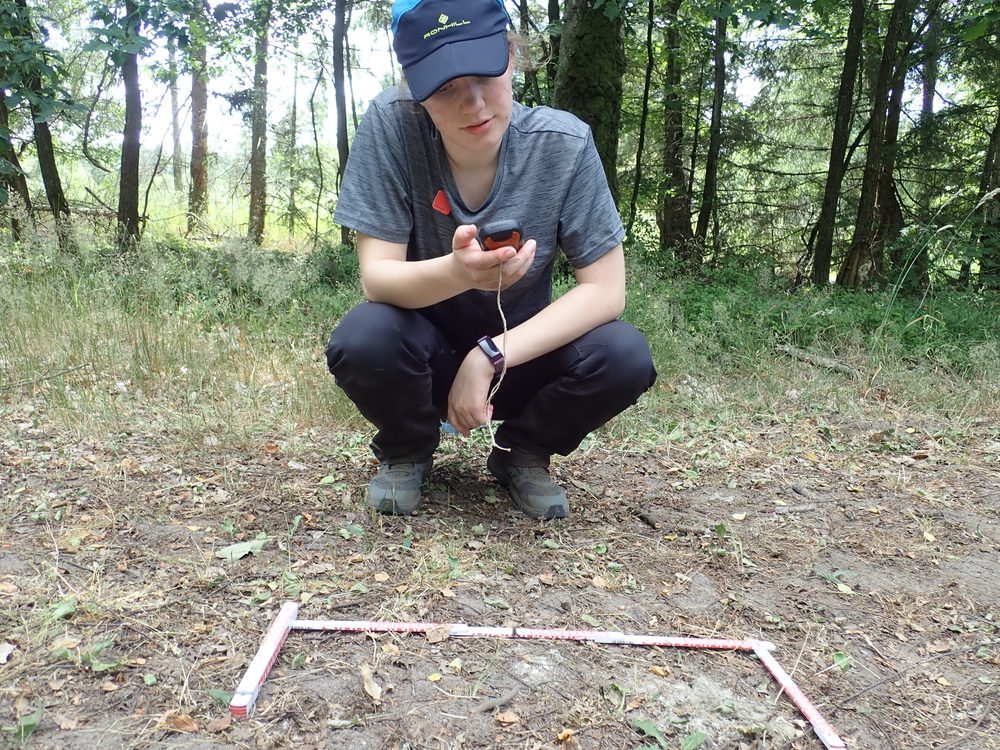
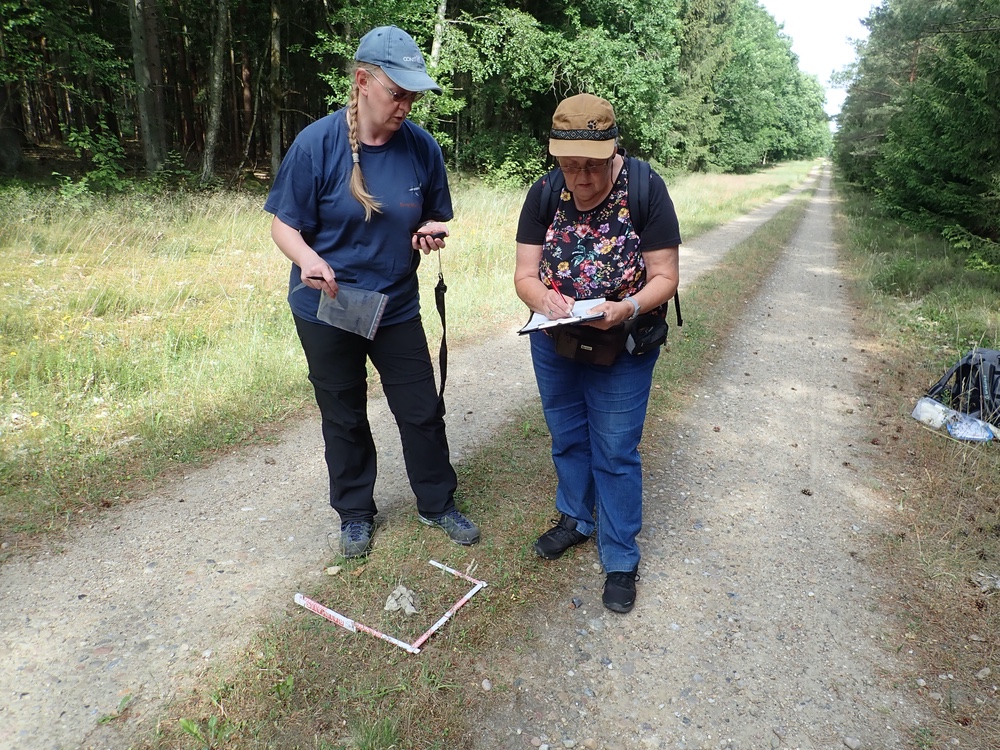
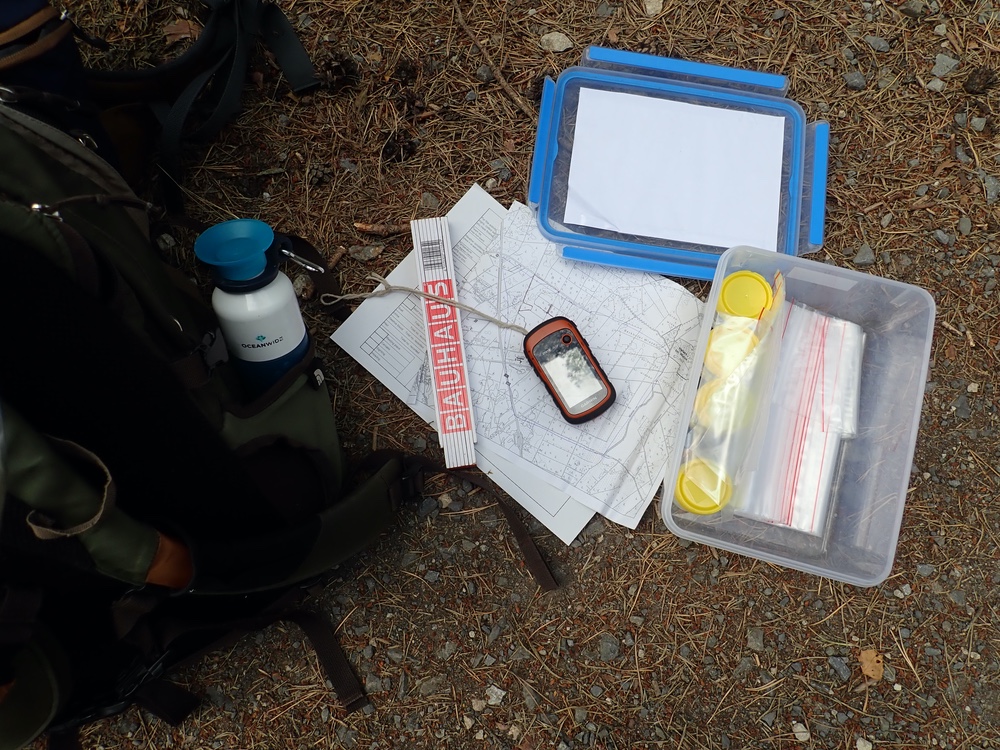
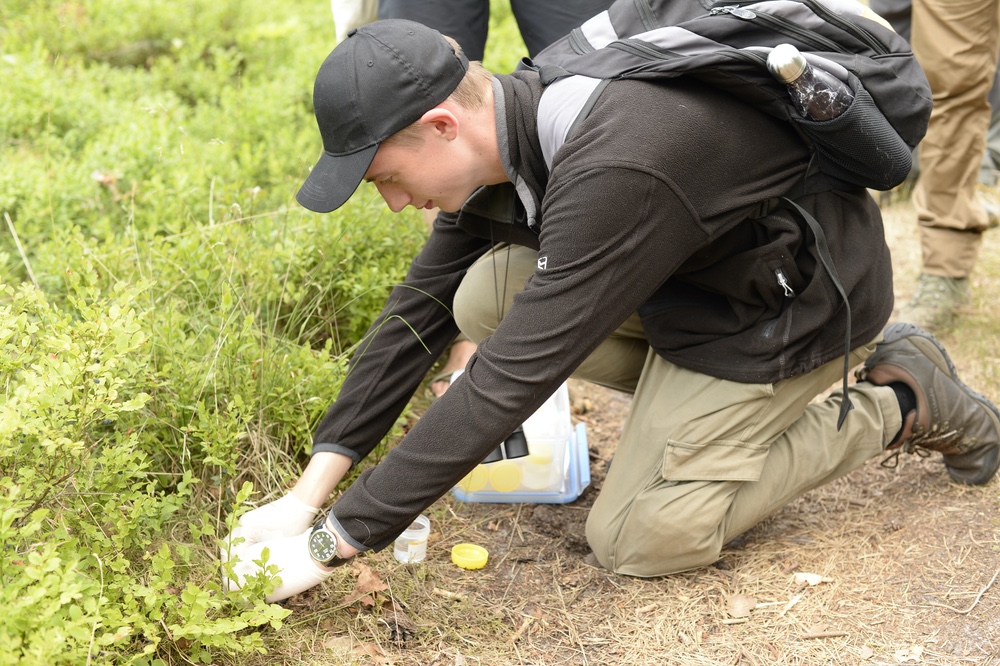
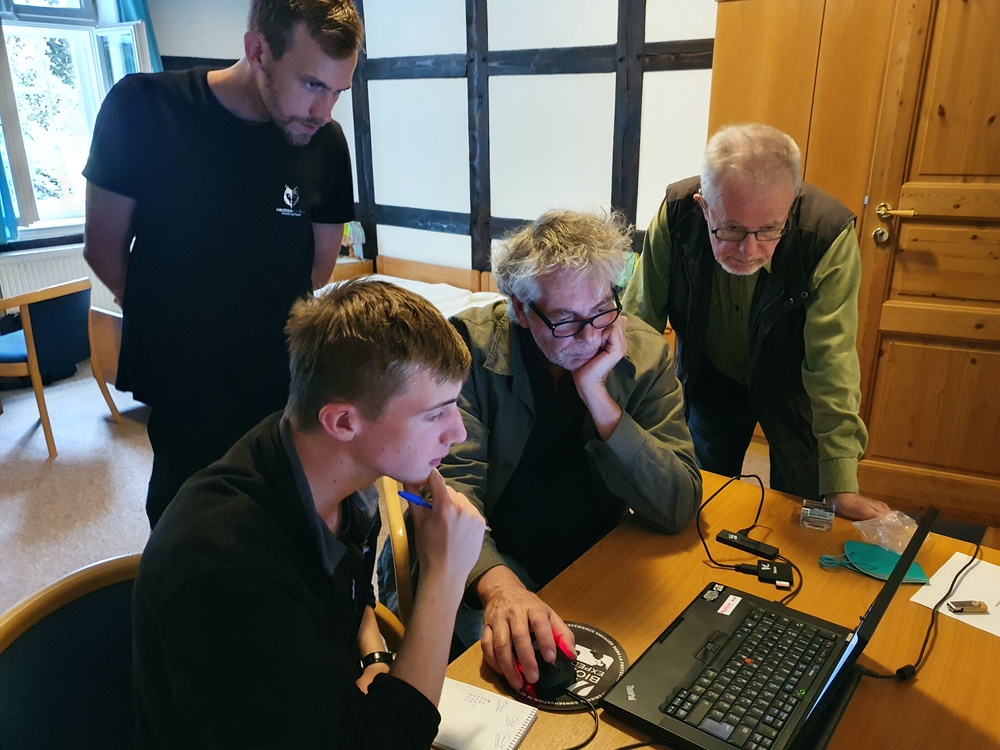
Once arrived at expedition base, the team went into full training mode learning about wolf monitoring and how to collect and record evidence of wolf presence in accordance with to the standardised state data collection protocol protocol. The GPS devices now no longer hold secrets for the team.
On Sunday afternoon we went out for a trial hike nearby to test our newly-gained skills and find our bearings in the pine forests and heath. Sure enough Michael found the first wolf evidence which was meticulously documented by the entire team. We were also treated to some first sightings of local wildlife. Ben, who is a regular Biosphere Expeditioner, spotted the first roe deer, Kathrin saw some cranes during her early morning run and while testing our GPSs, two grass snakes and a common toad crossed our path.
While looking for wolf evidence, we heard and saw several ravens flying over. They are known as allies of the wolf and alert the wolves to potential prey to then get a share of the reward after a successful hunt. Before dinner, Theo Grüntjens, one of the first wolf commissioners of Lower Saxony and an excellent photographer, shared with us his experiences, gorgeous images and incredible footage of the local wolf pack in his region, which without a doubt is the second best to a close encounter with the species. We ended the evening with a nice dinner and lively debate on how to promote coexistence between wolves, shepherds, farmers and hunters. An inspirational day and everyone is ready for full-on wolf monitoring in the coming days.
Thursday was the last day of wolf monitoring for group 2. While the sun has been our faithful companion through all surveys thus far, it was our first day in the rain and mud. It was a refreshing last hike and the motivation of all teams was high to bring back more wolf sign from the territories of Walle, Wietze and Ebstorf.
In Walle we came back empty-handed, in Wietze more fresh scats were found in the same area as several days ago and in Ebstorf also multiple scats were documented and collected. Each survey counts regardless of its outcome for in science the zeros are as important as the ones. Every kilometre walked by our wolf citizen scientists is valuable and would not have been covered if it was not for this dedicated annual wolf conservation expedition. Wolf evidence or the lack thereof gives relevant up-to-date real-time information on wolf presence or absence. With highly mobile predators that have home ranges up to 100-200 square kilometres per pack, it is only normal that it takes several monitoring days and multiple 10 by 10 km grids surveyed in the same territory before we can narrow down the core area of a wolf pack, which can of course also shift over time.
On Friday morning our expedition scientist Peter summed up the results of this intense but rewarding week: A total of 327 km were surveyed, covering 13 grids in nine wolf territories. Our wolf volunteers’ efforts resulted in a total of 69 scats, of which 52 were kept for further validation and dietary analyses. Out of these 52, seven fresh samples are being considered for DNA analysis, of which some might be from wolf pups. These are only preliminary results as the findings will be validated by other experts first too.
Many thanks to all for your efforts, enthusiasm and good sense of humour during this week of true team work. We also had one special sighting during this group: Sylvia’s surprise appearance in her wolf Halloween outfit that put smiles on everyone’s faces. It was nice to hear that several of our citizen scientists are keen to walk paths near their homes to see if they can find wolf evidence there as well. Keep up the good work!
Our expedition now takes a one week break to start afresh Saturday week when we welcome our third and final Biosphere Germany team of 2022.
On Monday the teams set out for a full day of wolf monitoring. You are never sure what the day will bring. One team walked 17 km in beautiful surroundings, but found nothing wolf-related. Others collected a few old signs. The lucky ones came across fresh signs of wolves.
It was Lotte and Carl’s turn to get lucky in the Wietze territory: they found a 346 m long track of clear footprints of an adult wolf accompanied by at least two pups. They also collected what appeared to be a fresh pup scat nearby, thus definitely new for the DNA database.
On Tuesday half of the team left for an overnight trip up into the northern part of Lower Saxony to monitor the Amt Neuhaus and Göhrde wolf territories. Closer to the expedition base, the other half of our wolf volunteer team covered over 35 km in the Ebstorf wolf territory.
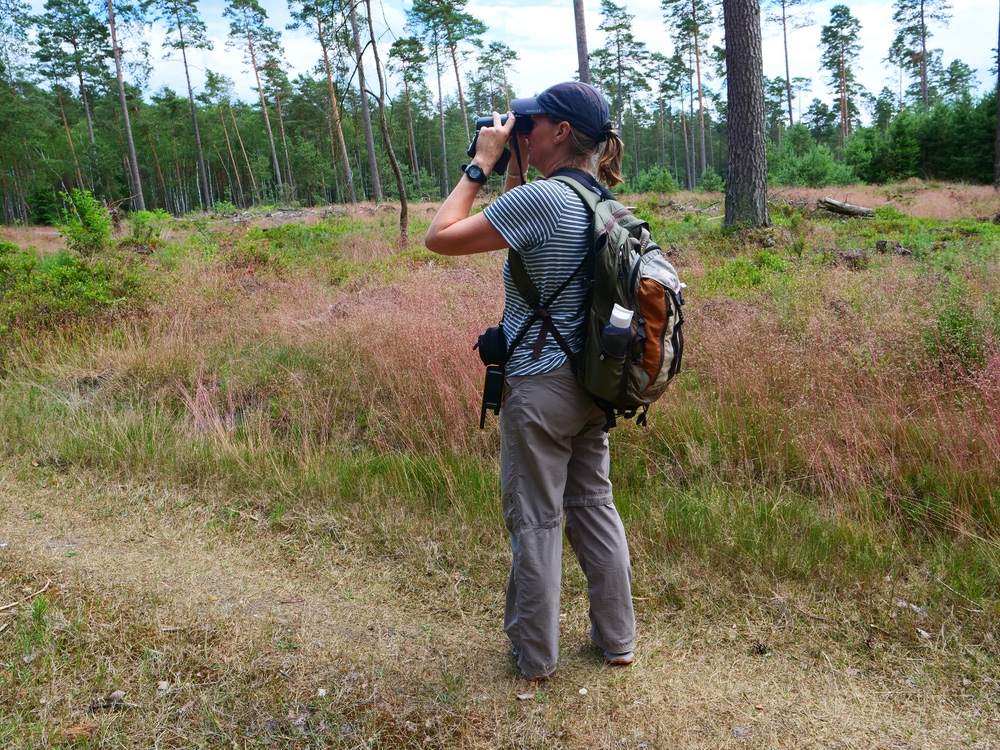
With the special sighting of previous week in this area in mind, hopes were high and there was a lot of scanning crossroads and landscapes with binoculars, hoping to get a glimpse of our target species off in the distance, but sadly no wolf appearance this time. Nevertheless, our efforts were rewarded with a total of 19 wolf scats.
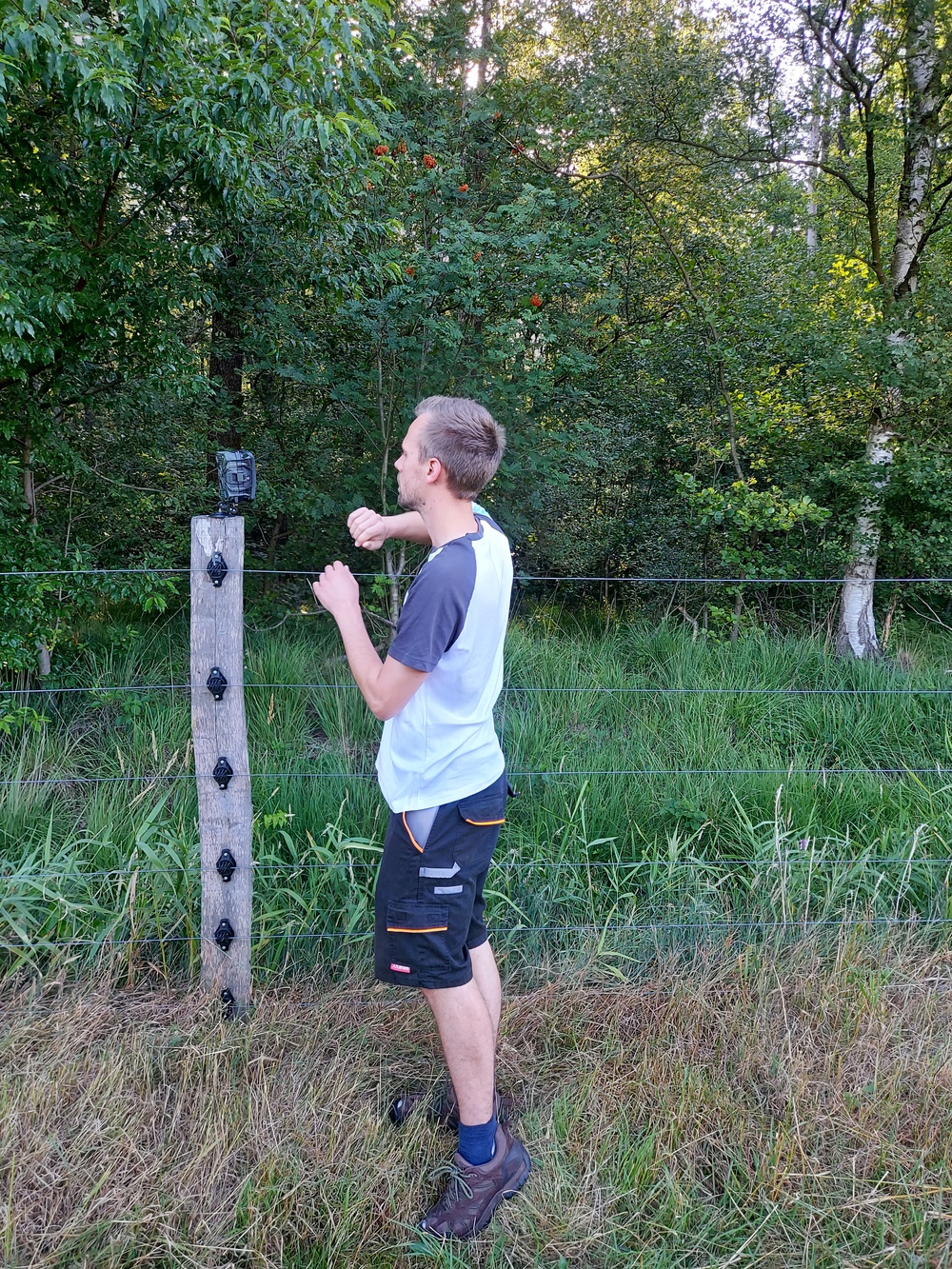
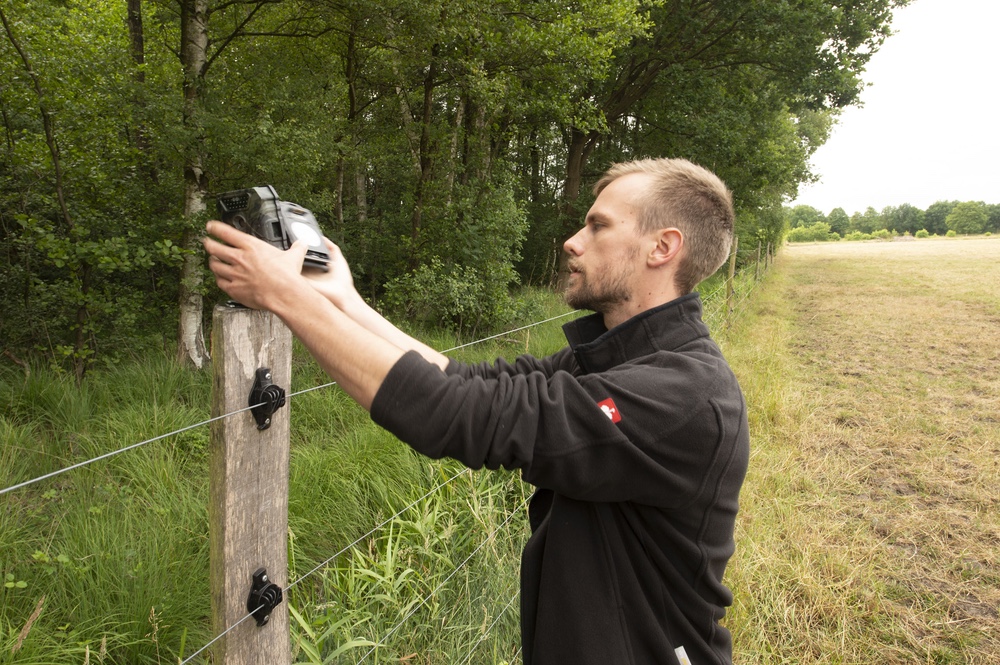
On Wednesday morning Timo presented the livestock protection project and we visited the wolf-proof fence of a cattle farmer nearby. Some argue these fences keep all wildlife out and not just wolf and wild boar. Camera traps were put in place during the project and show these fences have no impact on local wildlife other than wolves. During our expedition further data on this are being collected. While on site, we saw a pine martin come out of the forest into the pasture. Going through the images of the eight camera traps, we found evidence of a fox returning to the site on three consecutive days, several hare grazing during the day and night and even a mighty white-tailed eagle relaxing on one of the fence poles.
It was nice to be reunited on Thursday evening with our other friends and hear about their overnight wolf expedition in the north. In Amt Neuhaus the team had a close roe deer encounter and their perseverance in scanning trails was tested by an abundance of mosquitoes and horseflies. The trio Aniek, Martin & Pat now hold the record for the highest number of wolf signs found in one single day in the Lucie territory with no fewer than 19 scats. Very impressive work and good spotting skills. The team’s hard work was rewarded with some local ice cream.
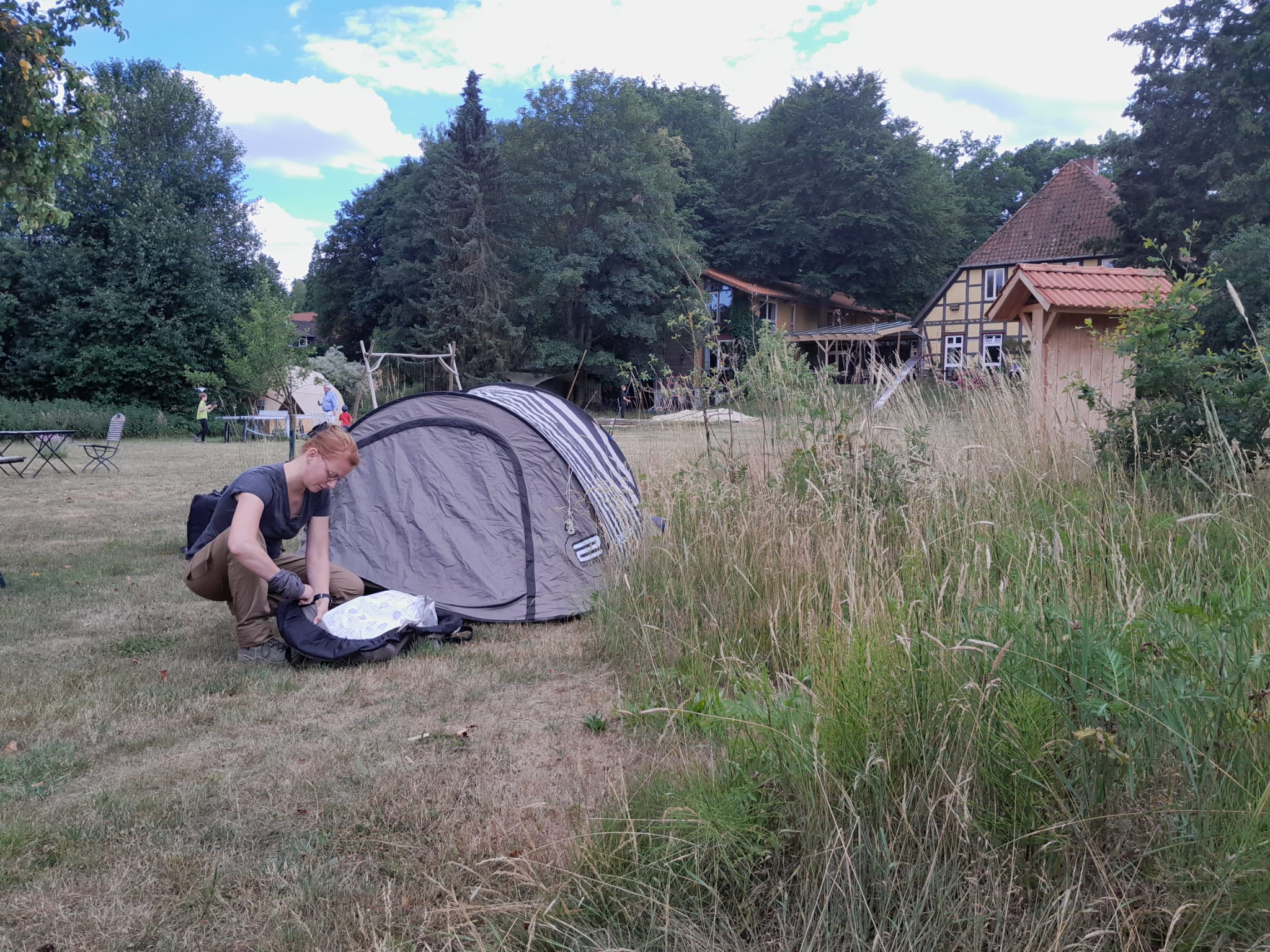
Organising findingsMonitoring in Amt NeuhausAnalysing camera trap dataCamp of the overnight expeditionCrossing a river to a new survey siteIce cream reward!Camera-trapping at a wolf-proof fenceContinue reading “Germany : Overnight excursions and more”





























































 Biosphere Expeditions: blogs from the frontline of wildlife conservation and the fight for a more sustainable planet