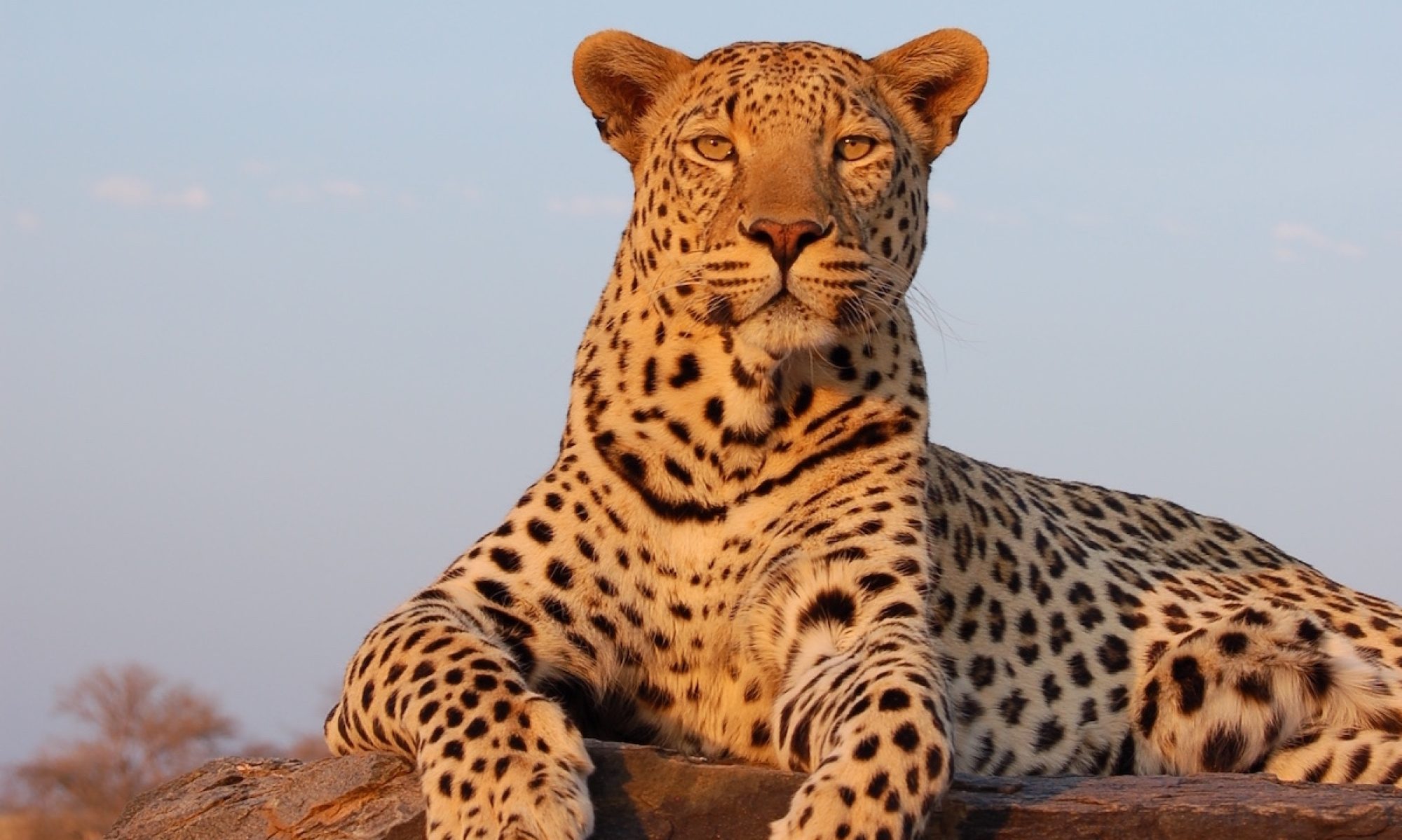
From our desert expedition volunteering with oryx and wildcats in Arabia (http://www.biosphere-expeditions.org/arabia)

Everyone arrived safely two days ago at base camp located within the Dubai Desert Conservation Reserve. The convoy of four cars stopped at the DDCR’s brand-new office where Steven Bell, the expedition scientist, gave a presentation about the history of the reserve, study animals and conservation work before the convoy headed out into the desert. After setting up tents and lunch, the rest of Saturday was spent with talks, risk-assessment, training on research equipment, live- and camera traps, data sheets and expedition vehicles. More training on GPSs – a vital tool for all field work – was done the next morning as was the off-road driving training. So far so good.

The North (Sandra & Gary, Mary and Judith from the UK, Susanna & Lloyd from the US), Central (Margit and Sigrun from Germany) and South (Caroline and her two daughters Lea and Janna, U.A.E. residents and Tariq from Jordan) teams accompanied by Steve, David and I then went out to set all traps (10 camera, 12 live and 16 rodent traps). Designated areas stored in the GPSs must be found, as well as proper spots to place and bait the traps – a very busy day. The South group came across a lappet-faced vulture, the Central group found a small silver snake and everyone finally made it back to base in the late afternoon. Of course Arabian oryx and the smaller gazelles are all around, flitting through the dunes or majestically standing in the sand, reminiscent of Arabia as it once was or of Africa as it still is in some parts of the savannah wilderness. For the daily review we sat around the fireplace, had dinner straight after and went to bed early.

The weather has been very pleasant: sunny, 23 degrees C, with temperatures not dropping below 10 degrees at night. For dinner we are spoiled by a great variety of delicious food & salad plus dessert such as chocolate cake! 😉  Writing this I am at the DDCR office while everyone is out doing surveys. Soon I will be picked up to be taken back to base camp, away from any internet or phone connection. I’ll keep you updated.

This slideshow requires JavaScript.

Continue reading “From our desert expedition volunteering with oryx and wildcats in Arabia (http://www.biosphere-expeditions.org/arabia)”

From our desert expedition volunteering with oryx and wildcats in Arabia (http://www.biosphere-expeditions.org/arabia)

Only 36 hours have passed since we’ve arrived in Dubai. Stephen, our expedition scientist, David and I met up yesterday morning, picked up some supplies in town and then made our way to the desert. With two huge Ford off-road expedition vehicles, we drove to the storage room within the reserve to load up our camp equipment: tents, tables, chairs, carpets, cushions, gas cooker, cooler boxes  – just to name a few items. Thanks to the DDCR staff the main “big” and kitchen tents were already set up and in place for us to move in. We’ve been busy with organising camp, checking research equipment, going through data sheets and paperwork, etc., etc. It feels like we’ve been here for much longer than 36 hours 😉

We have been shopping a bit already, but tomorrow is going to be the big shopping day – we’ve put together a looong list – as always.

The weather is really pleasant. In the mid 20s C during the day, dropping to high 10s during the night, some scattered cloud, but otherwise blue skies.

That’s it for the moment, we’ll be in touch again soon.

Continue reading “From our desert expedition volunteering with oryx and wildcats in Arabia (http://www.biosphere-expeditions.org/arabia)”

From our desert expedition volunteering with oryx and wildcats in Arabia (http://www.biosphere-expeditions.org/arabia)

This is the first (quick) diary entry for the Arabia desert expedition starting on 9 January. My name is Malika Fettak, I am a senior member of the Biosphere Expeditions staff and I will be leading the expedition. Also with us will be David Moore as an expedition leader in training.

Right now we are about to board our planes Dubai (David from France and I from Germany). David and I will meet up in Dubai tomorrow morning and then go straight into preparations. Quite a few things need to be organised before the team’s arrival: Food supplies, setting up the expedition base campsite, preparing the equipment, cars and paperwork, etc., etc. I’ll be in touch again once I have arrived on the ground and my local SIM card is confirmed as working still.

Meanwhile, our expedition scientists Stephen Bell of the Dubai Desert Conservation Reserve is getting ready at his end too. He’s picked up some cars that cannot be missed in the desert – see below ;), kindly provided by Ford Middle East, who has also supported our expeditions in the region for many years via its Conservation and Environmental grants programme.

Ford

Further support, logistics and otherwise, comes from Platinum Heritage and Al Maha. Thank you to all three of them; their support is much appreciated.

Now all we need is the team. Safe travels and I’ll see you in the desert soon.

Malika Fettak
Expedition leader

Continue reading “From our desert expedition volunteering with oryx and wildcats in Arabia (http://www.biosphere-expeditions.org/arabia)”

Update from our volunteer vacation / conservation holiday protecting whales, dolphins and turtles around the Azores archipelago (www.biosphere-expeditions.org/azores)

Sunday was finally a sunny day with calm seas and almost no wind. The first time this week!

The lookout on Pico Island had spotted some blows of sperm whales in the south. So accompanied by a school of common dolphins, we headed out. Pico’s summit was cloudless and gave a beautiful background to the calm sea.

The sperm whales surprised us and kept us busy the whole day counting their blow rates, taking ID photographs of their flukes and milling around while waiting for them to resurface after their deep dives – up to 45 minutes.

Two beautiful loggerhead turtles were seen, but they dived away before we could even get close to catch them for tagging.

Finally Blue Monday and with it the last day of the expedition arrived. I am not about to break into the New Order classic but these two words perfectly summed up the.

The first whale of the day was blue, and so was the second, and then the third. By midday it was already a remarkable day. However, three fin whales, at least four sperms whales and three more…yes, three more blue whales followed. Six blues in one day…it was one hell of a finale to the expedition.

And the best was saved until last, as our very last sighting was a fluking blue whale. Oh, and I almost forgot to mention the synchronised double fluking sperm whales earlier in the afternoon.

This was a fine reward for our team. Patience was tested over the last few days, with difficult sea conditions, challenging weather and sightings not always easy to come by!

This slideshow requires JavaScript.

But today the whale gods smiled on us. After a tense first hour, the sightings just didn’t stop, all day. This is the great thing about expeditions; they will always test you and then reward you in ways you don’t expect.

So we ended as we started, with blue whales. Yes this is great data, but also a humbling experience. Sharing the same piece of ocean with the largest creature that has ever graced our planet, can’t fail to stir the emotions.

So huge thanks to both teams, our scientist, Lisa, my two assistant leaders (Anthony & Chris) and our skippers (Nuno & Gyro). It has been a great expedition and we look forward to doing it all again next year.

So long

Craig Turner
Expedition leader


Update from our volunteer vacation / conservation holiday protecting whales, dolphins and turtles around the Azores archipelago

Update from our volunteer vacation / conservation holiday protecting whales, dolphins and turtles around the Azores archipelago (www.biosphere-expeditions.org/azores)

It may be the weekend but that is of no relevance to us. We have been back out to sea, and despite the seemingly ever present swell and winds, the team are happiest on the boat (mostly!).

Our main pursuit was tracking a couple of sperm whales, who periodically disappeared between the wave sets. Persistence does, however, pay off, and we were rewarded with a double fluke. Our other records of the day were common dolphins.

This slideshow requires JavaScript.

Working on the Azores project gives you a new sense of perspective on your reality, when seeing a couple of sperm whales and some common dolphins seems like a below average day…maybe only in a data collection sense.

Our slightly earlier return to the harbour, did give the team a chance to leave their lasting mark on Horta – completing the Biosphere Expeditions harbour painting (started by the first group). It seems tradition that every boat crew coming in or out of this harbour leaves a painting to mark their presence, and every surface is covered by a range of talents!

With our art completed, it is back to the science on Sunday.


Update from our volunteer vacation / conservation holiday protecting whales, dolphins and turtles around the Azores archipelago

Update from our volunteer vacation / conservation holiday protecting whales, dolphins and turtles around the Azores archipelago (www.biosphere-expeditions.org/azores)

We have been reluctant land lubbers for the past three days but that routine has now been broken. Today we returned to the sea. The weather is not ideal – winds too strong and waves too high. This all makes sighting cetaceans harder than normal. Such are the joys of fieldwork!

With our movements restricted to the calmer waters of the channel between the islands of Pico and Faial, the sum of the reward for the day’s efforts was a few encounters with small groups of common dolphins.

This slideshow requires JavaScript.

The conditions did also give us chance to enjoy some of the aerial acrobats, such as the Cory’s shearwaters, who are one of the targets for the bird surveys. Our feathered friends can get over-looked on ‘busier’ days, but they still form an important component of the surveys.

So a better than being stranded on land all day day. Birds + dolphins = data, which also means a happy team.

We’ll just have to try again tomorrow and hope our perseverance is rewarded.


Update from our volunteer vacation / conservation holiday protecting whales, dolphins and turtles around the Azores archipelago

Update from our volunteer vacation / conservation holiday protecting whales, dolphins and turtles around the Azores archipelago (www.biosphere-expeditions.org/azores)

Bad weather has stopped play. High winds, rain and large waves have temporarily halted our progress on the water.

Consequently, Tuesday presented the opportunity for most of the team to explore Horta and Faial – by foot, bike, moped and car! On Wednesday, the team were back at the scientific ‘coal face’ sorting data, organising photographs and matching images.

This slideshow requires JavaScript.

The great news is we have ‘matches’. At least four (possibly five) matches of sperm whales, identified from their fluke images taken by slot 1 on the 14th April this year. These individuals were previously recorded on multiple occasions as far back as 2004, when Biosphere Expeditions first worked in the Azores. It is great when all the hard work pays off and you can link the data points collected between the different expeditions.

So whilst we would have preferred to celebrate Earth Day out on the water, documenting new encounters with false killer whales, bottlenose dolphins and sperm whales, the team were able to join some data dots and complete another piece of the cetacean puzzle.

Our only whale of the day came in the form of a birthday cake for John – Happy Birthday.


Update from our volunteer vacation / conservation holiday protecting whales, dolphins and turtles around the Azores archipelago

Update from our volunteer vacation / conservation holiday protecting whales, dolphins and turtles around the Azores archipelago (www.biosphere-expeditions.org/azores)

Chris, Craig’s assistant for group 2, here this time:

Blue skies, calm sea…the second day seemed promising. Fears of churning stomachs were replaced with optimism as we took off in search of the cetaceans. The question is would they be more co-operative than on Sunday?

With no information from our lookouts, it looked like the flip of a coin would decide where to go. We headed to the south of Faial, where noone was looking. Some common dolphins made a good start, surfing our bow wave. Bob got the chance to do his job with the hydrophone, in the hope to hear some ‘metronomic clicking’, which would lead us to some sperm whales. Unfortunately these toothed whales were silent, but the dolphins were singing.

With wind from the southeast, we trailed west and suddenly the shout came: “Bloooowww”. Four fin whales travelling south of Faial were kind enough to show us some of their impressive white lower jaw, blow holes and dorsal fins – identification shots were bagged. Some bottlenose dolphins also gave us a fleeting encounter.

This slideshow requires JavaScript.

The faint clicking of the hydrophone suggested the sperm whales were out there, but our efforts to find them were interrupted when we suddenly ran into a school of 150 striped dolphins, jumping and racing along. Not a common sight here; and all were happy to be the first Biosphere Expeditions group this year to encounter these beautiful animals.

A sperm whale finally revealed its location by breaching with a huge splash in the far distance. Our pursuit was thwarted by rougher seas, but not before being waved goodbye by a sperm whale’s fluke. Random sightings of these mammals are rare, so also capturing the photo ID was a bonus.

While closing our circle around the island of Faial we encountered another single fin whale passing to the north. As the wind strengthened, it was time to head for the harbour. The data scores were better than yesterday, with more encounters and species. Our only zero was on the turtle front – the first time the expedition has failed to record one this year.

More to come…


Update from our volunteer vacation / conservation holiday protecting whales, dolphins and turtles around the Azores archipelago

Update from our volunteer vacation / conservation holiday protecting whales, dolphins and turtles around the Azores archipelago (www.biosphere-expeditions.org/azores)

After a whistle-stop weekend of introductions, briefings and training sessions, our new team were probably not expecting fish food and ‘rock ‘n’ roll’, as they set foot onto the Physeter – our research vessel.

The whales were playing ‘hard to get’, and the dolphins were a ‘no show’ for whole afternoon at sea. We eventually tracked down two fin whales, whose constant diving made them even harder to locate in the rise and fall of the large swell. As the boat pitched, rocked and rolled, any romantic notions of cetacean watching in calm sun-kissed seas quickly evaporated from the minds of many – replaced with the nauseous reality.

This slideshow requires JavaScript.

Momentary distraction and the highlight of the day came in the form of a captured loggerhead turtle. This sizeable specimen was tagged (in the hope of recording future movements), vital statistics taken and returned to its ocean home.

So a tough first day ’at the office’ with cetaceans hard to find, but the silver-lining was the first turtle tagging of this year’s expedition…and the fish also got fed (more than once)!

Expeditions are about taking the rough with the smooth, and hopefully we’ll get the latter soon…

In the meantime an article about our work on the Azores has appeared in a major Portuguese newspaper http://observador.pt/2015/04/19/vida-selvagem-mergulha-nos-acores/ and we hear that supremely dim Pippa Middleton reports having eaten whale meat http://www.wildlifeextra.com/go/news/Pippa-Middleton-whale.html#cr….


Update from our volunteer vacation / conservation holiday protecting whales, dolphins and turtles around the Azores archipelago

Update from our volunteer vacation / conservation holiday protecting whales, dolphins and turtles around the Azores archipelago (www.biosphere-expeditions.org/azores)

So our first slot of 2015 in the Azores has come to an end, and it only seems like yesterday that we started.

It is amazing what you can pack into just a few days when you try. We’ve been lucky to encounter four species of dolphin – Risso’s, common, bottlenose and false killer whales. The last three numbered in their hundreds over our five survey days.

And as for the whales…. the blue whale was a great way to kick-start the surveys – any day you encounter the largest species that has roamed our planet, has to be a good day. We’ve had breaching humpbacks and sperm whales, and several encounters with the elegant fin whales.

This slideshow requires JavaScript.

The team also broke a record, documenting the highest number of loggerhead turtles by any Biosphere Expeditions team, and we also completed the set with a leatherback turtle record.

A great team, all doing a fantastic job, and all the encounters equate to vital data. What more do you want from a week at ‘work’?

Safe travels and enjoy a well-earned rest.

Until next time….

Craig & Anthony


Update from our volunteer vacation / conservation holiday protecting whales, dolphins and turtles around the Azores archipelago