Award-winning, non-profit and ethical wildlife conservation volunteering. Advancing citizen science and conservation since 1999 – for nature, not profit.
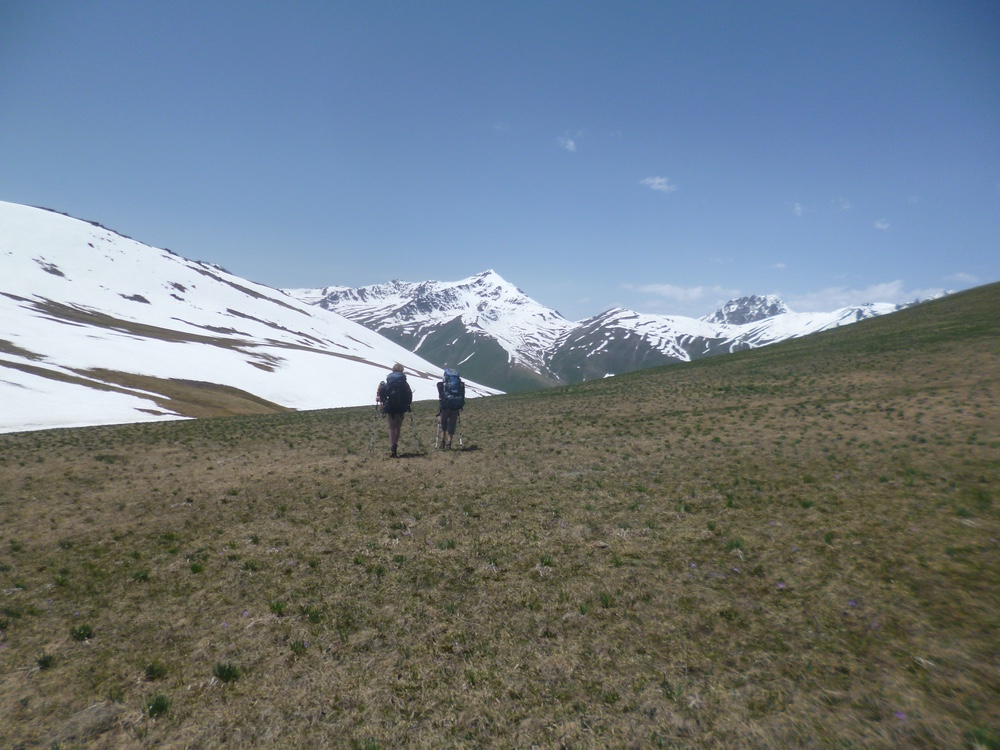
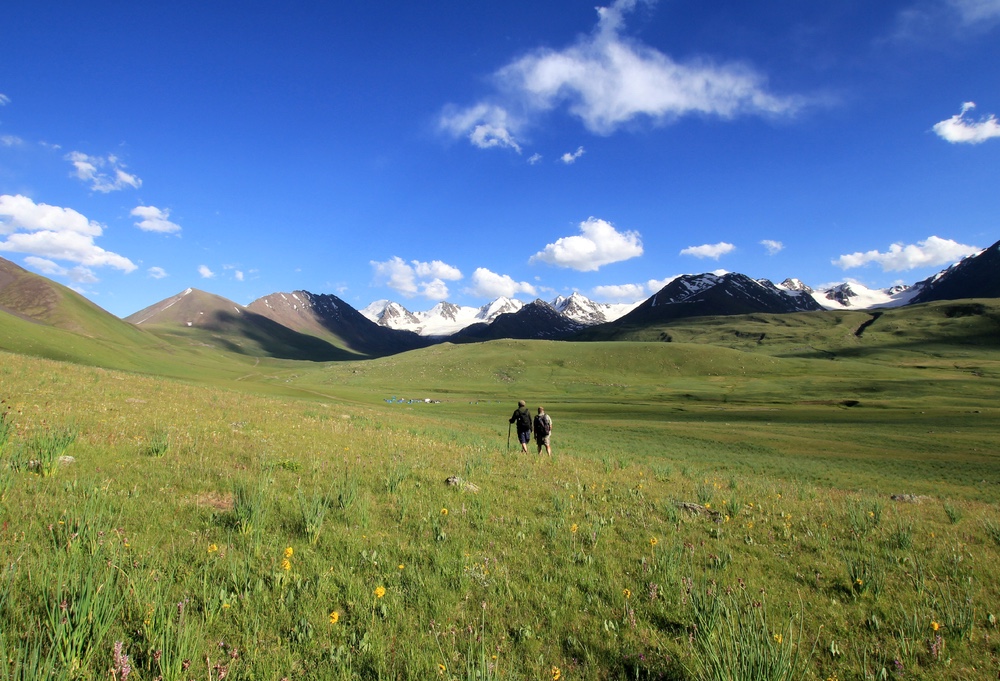
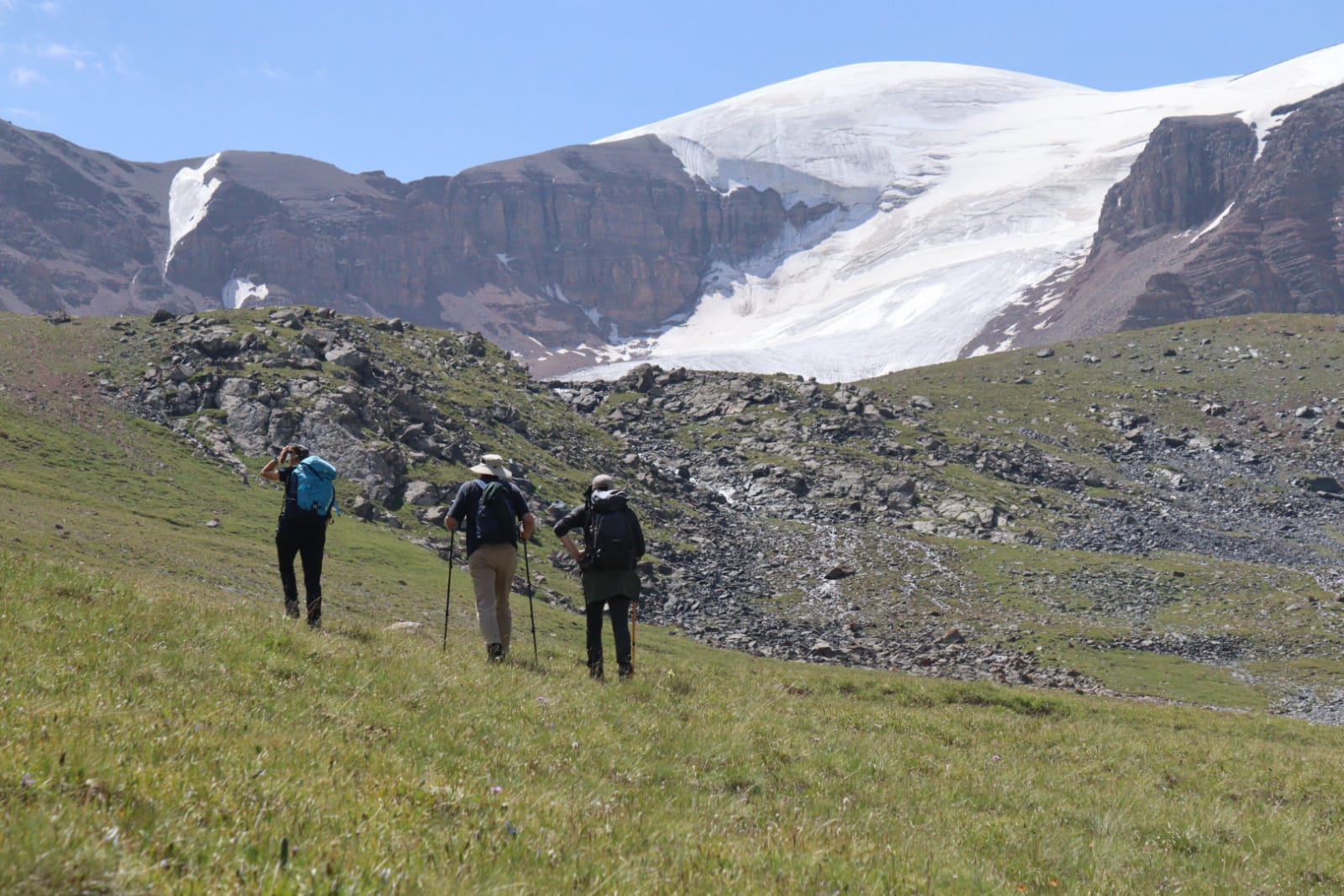
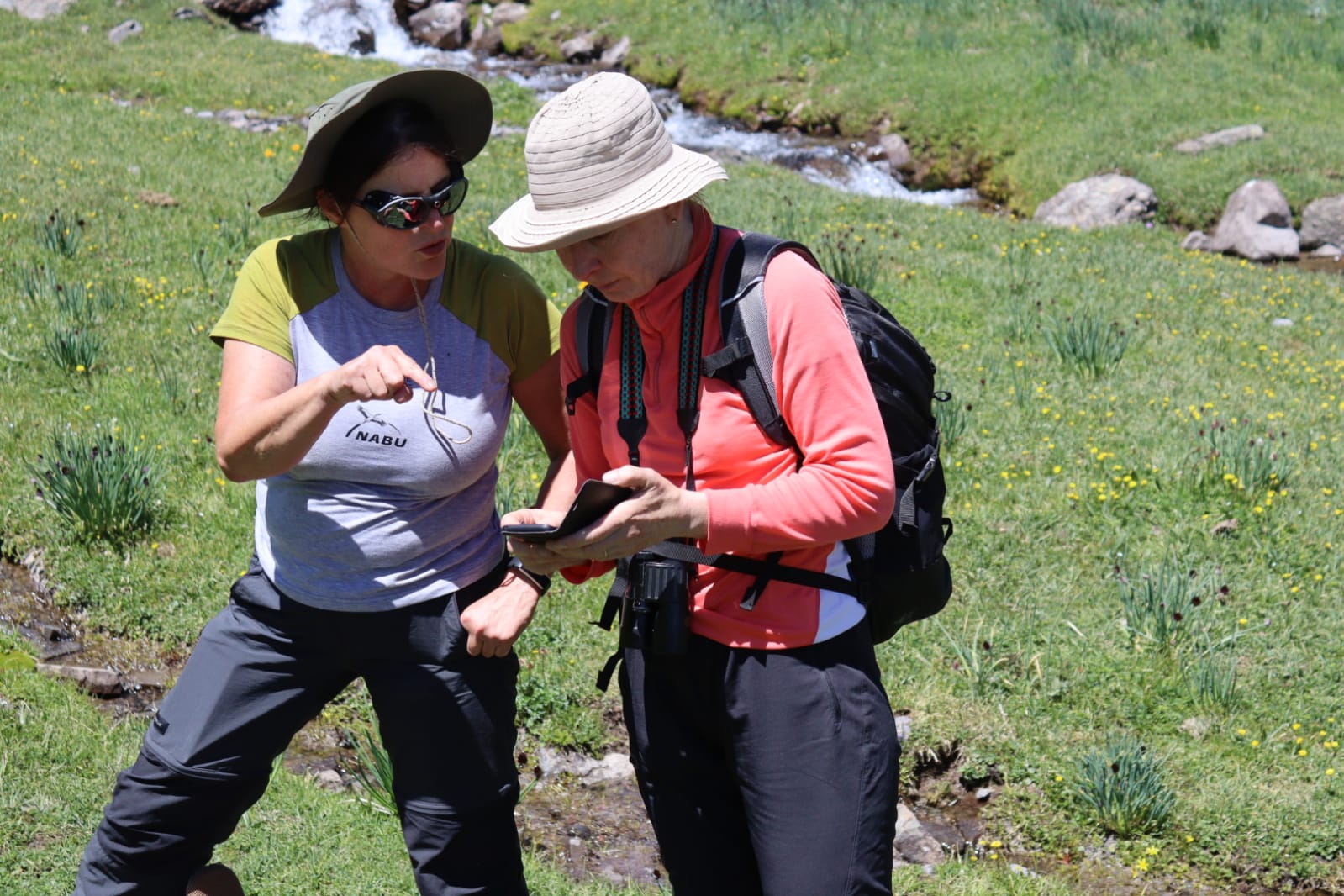
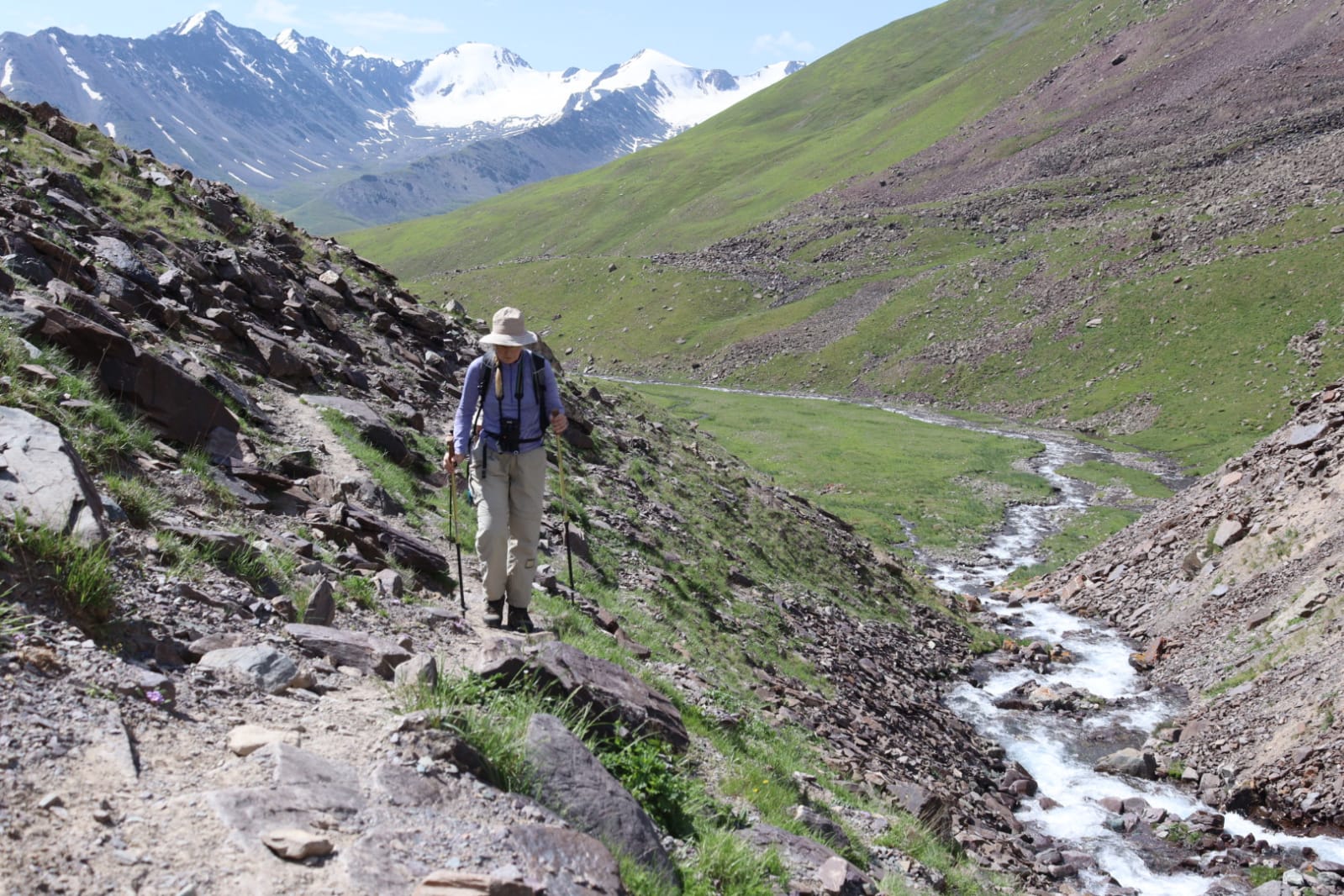
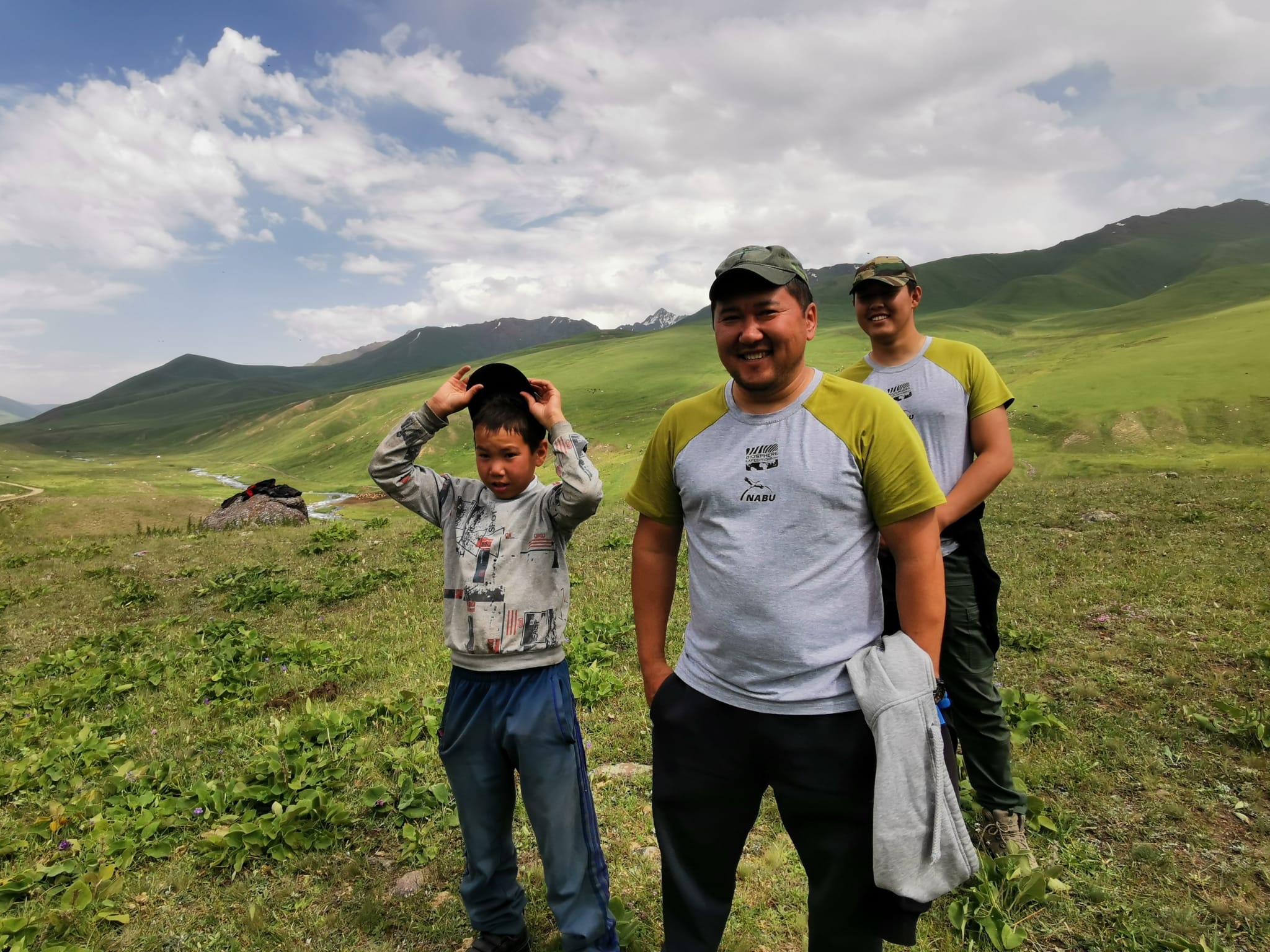
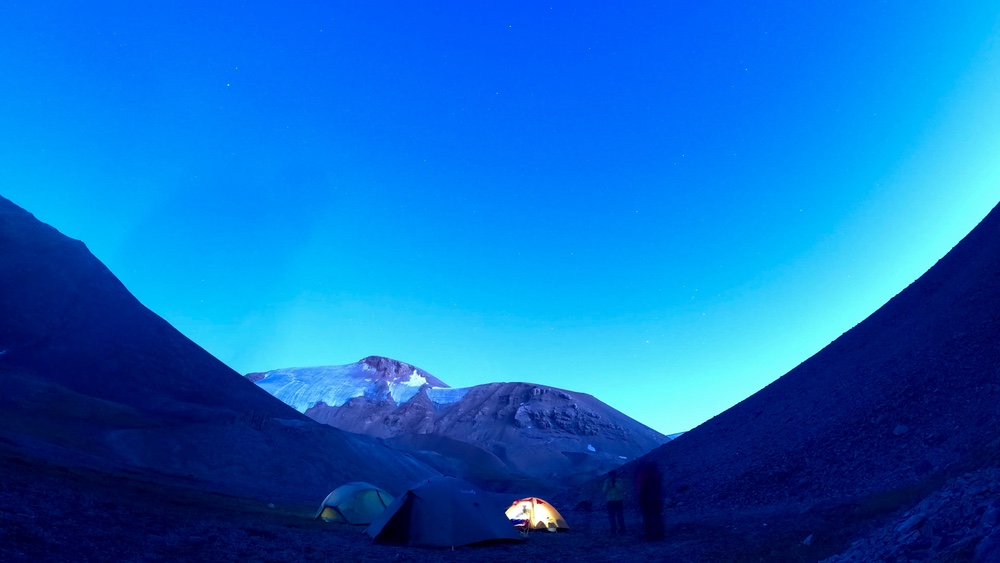
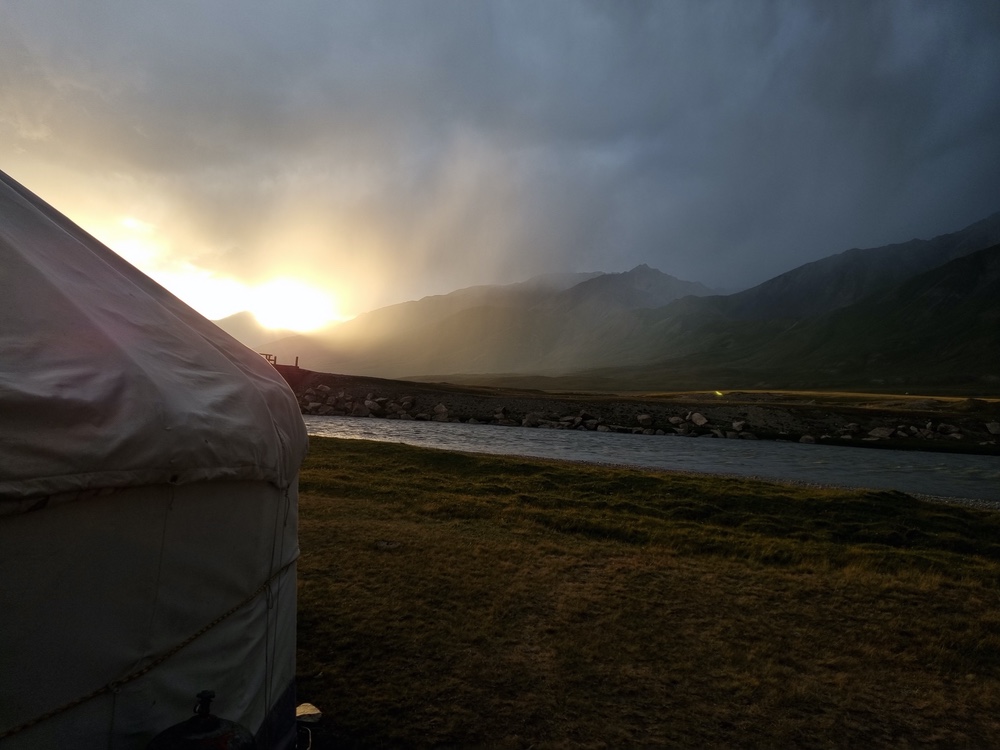
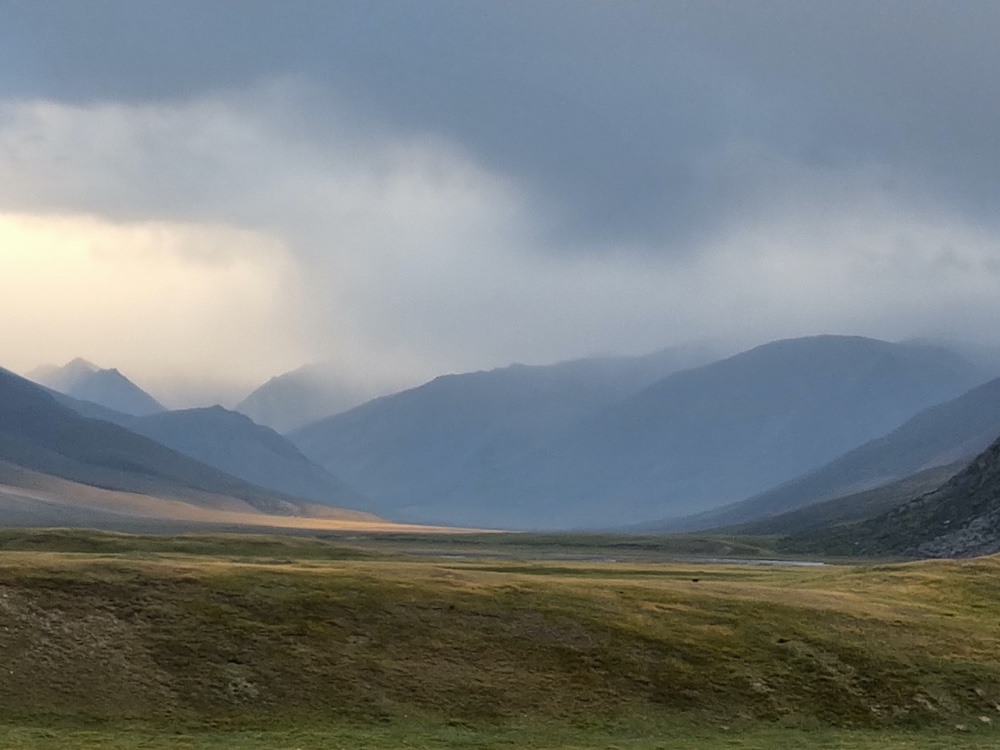
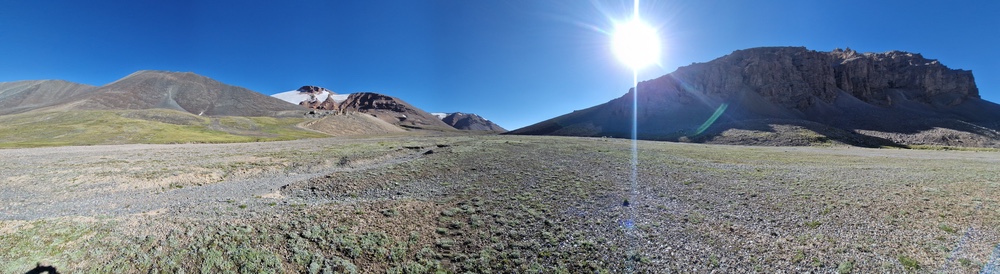
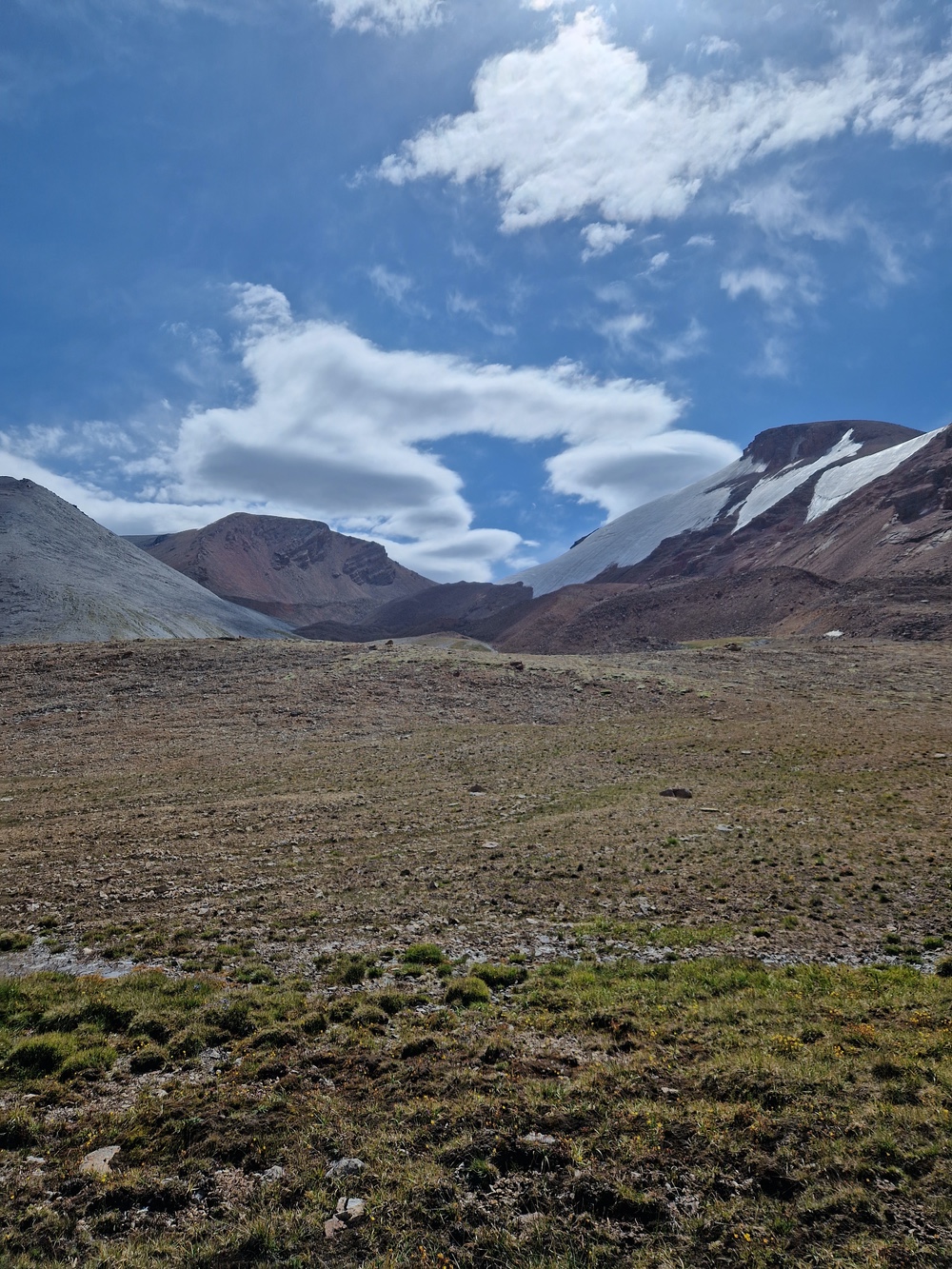
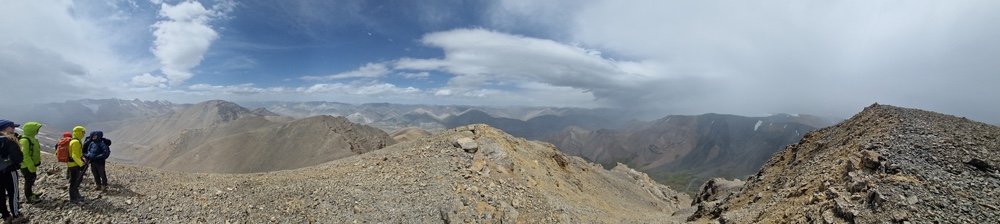
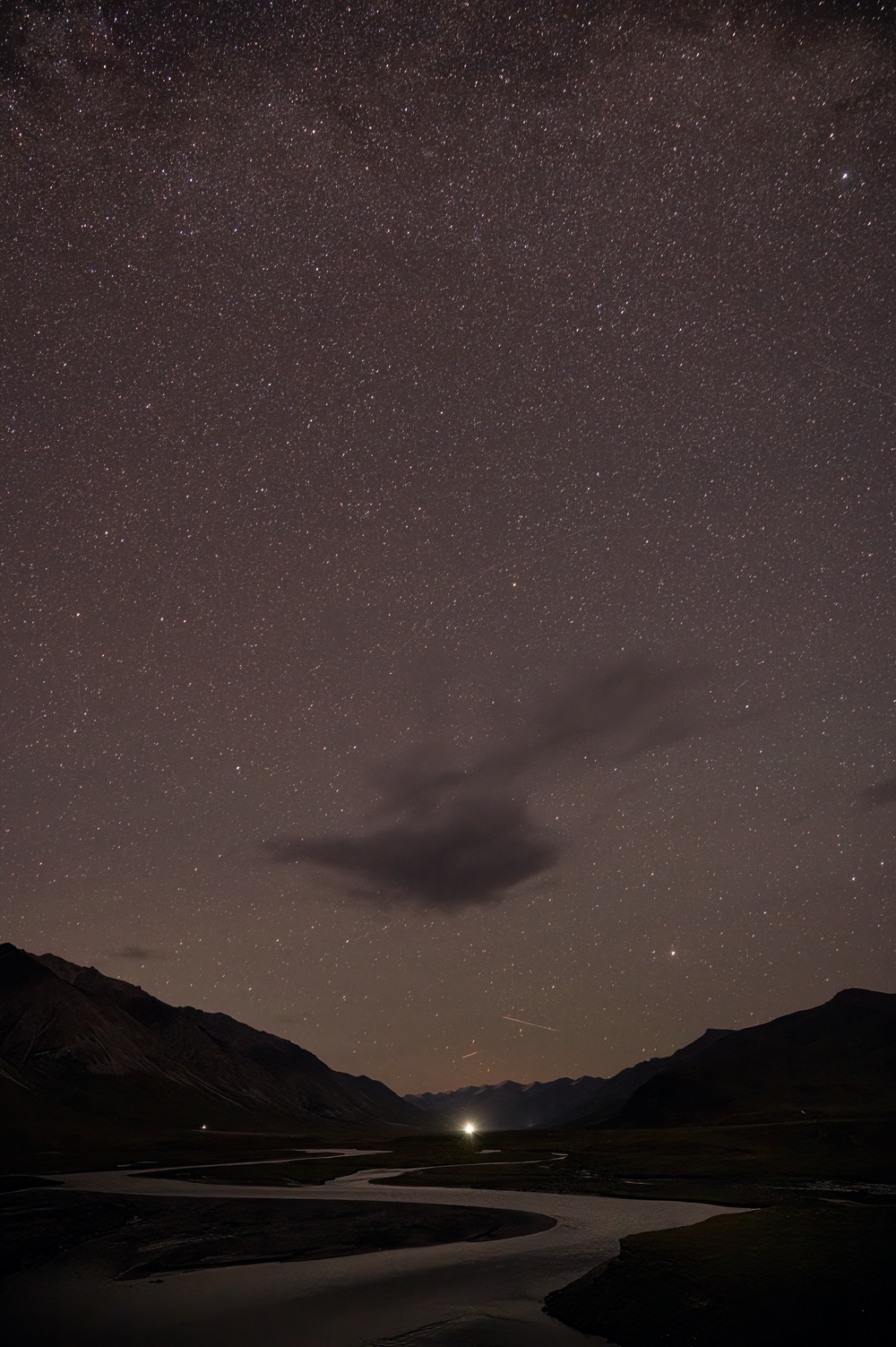
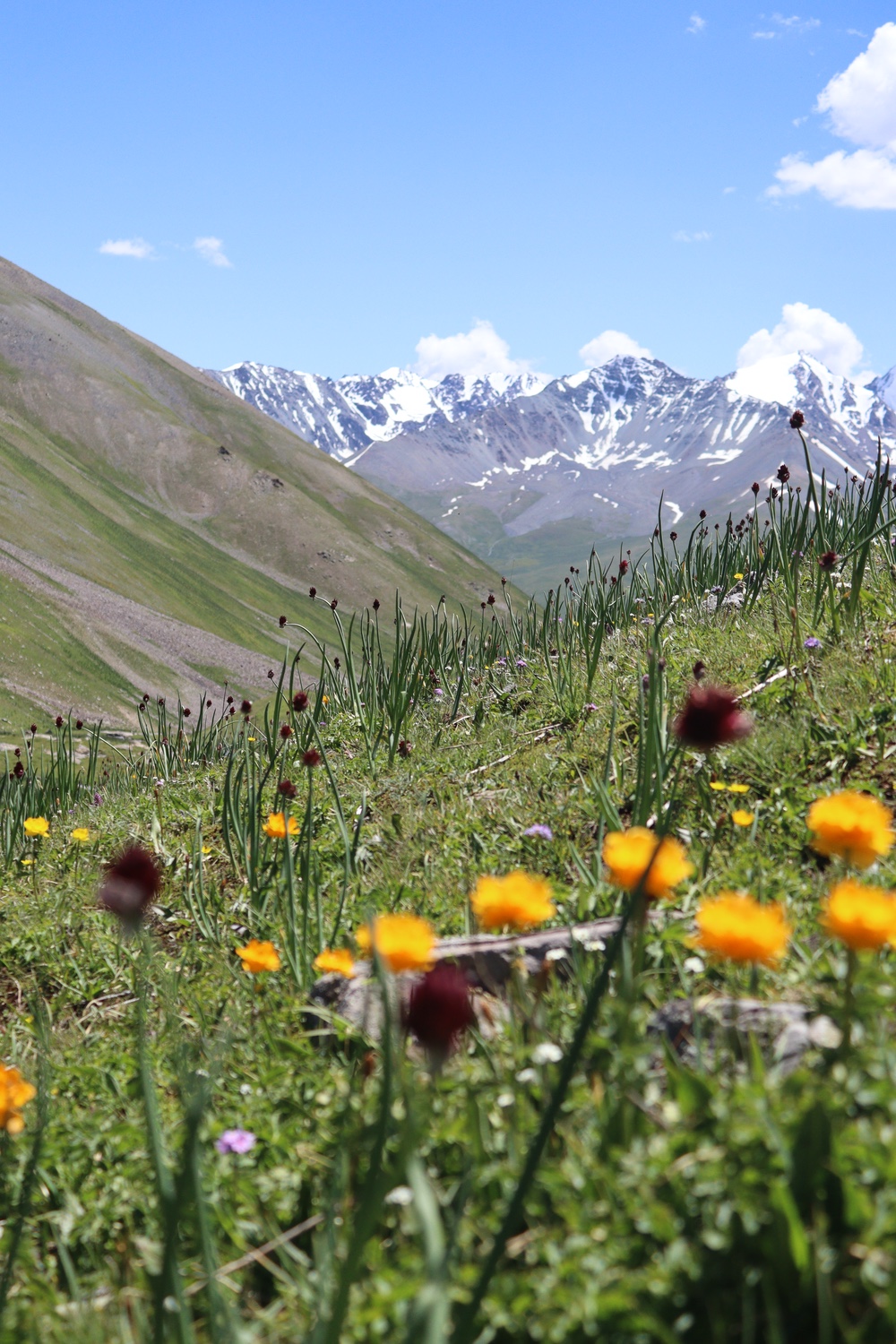
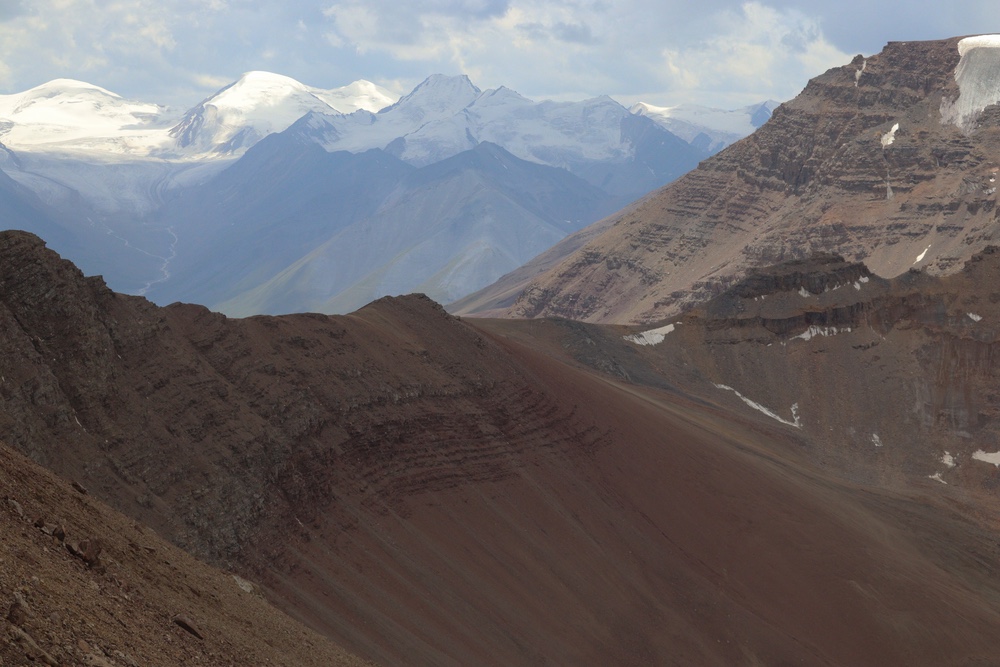
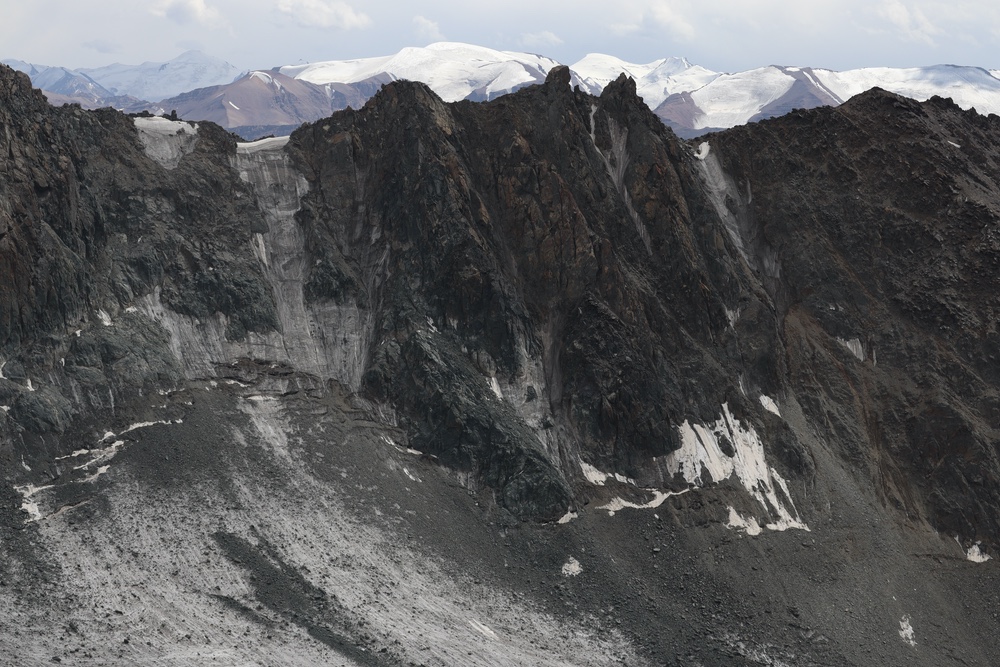
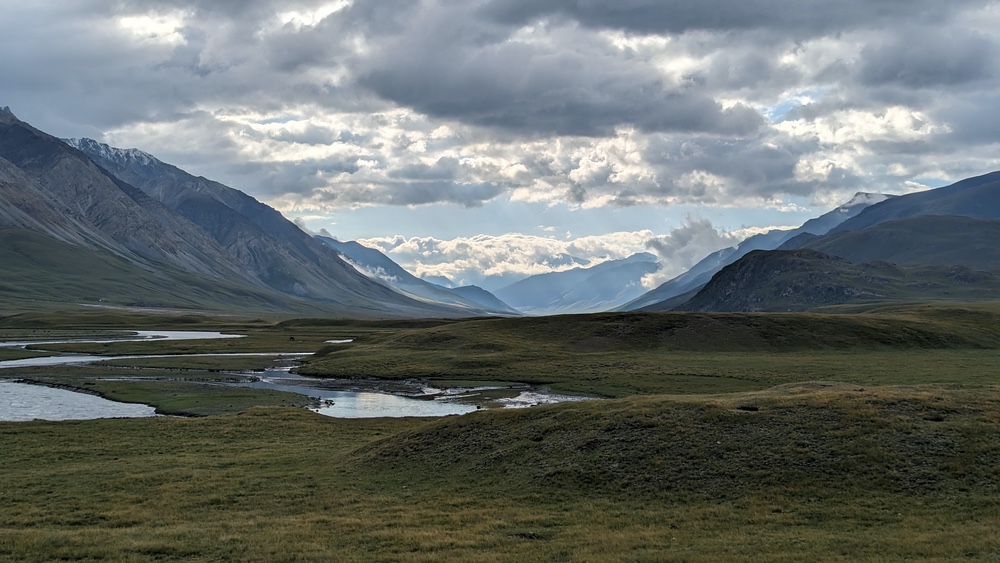
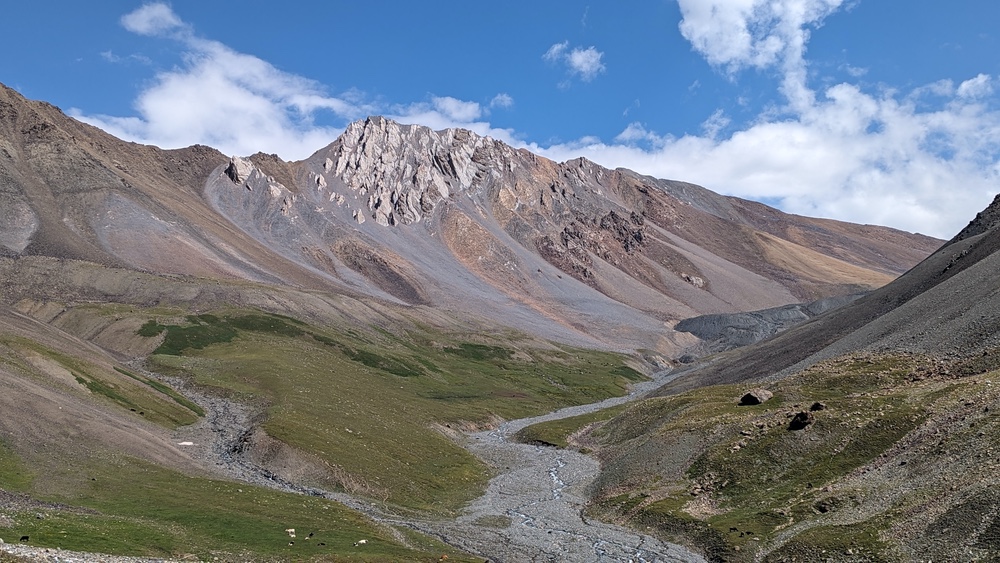
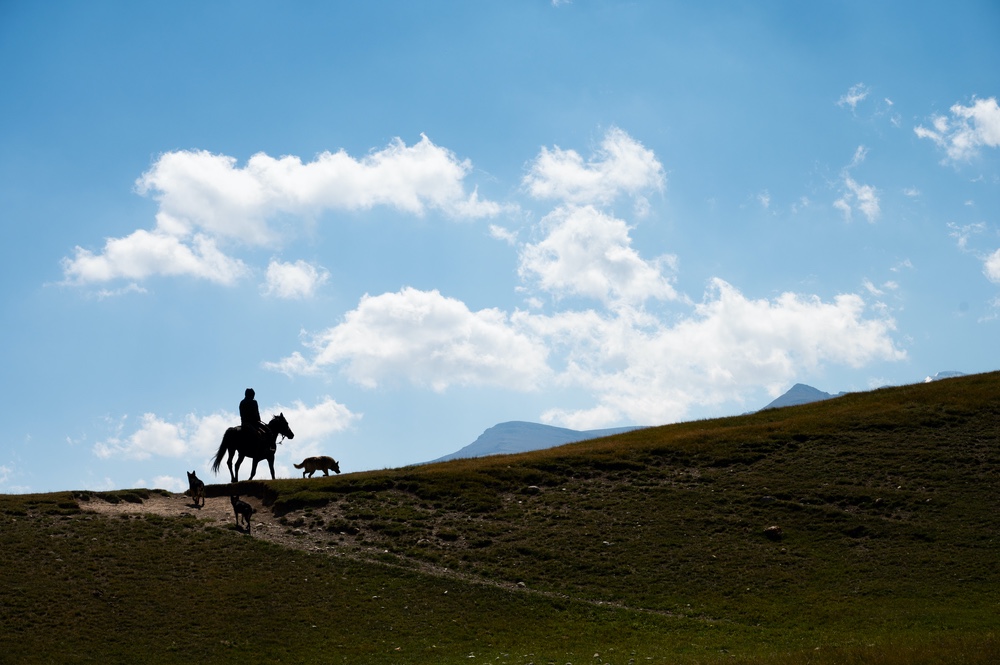
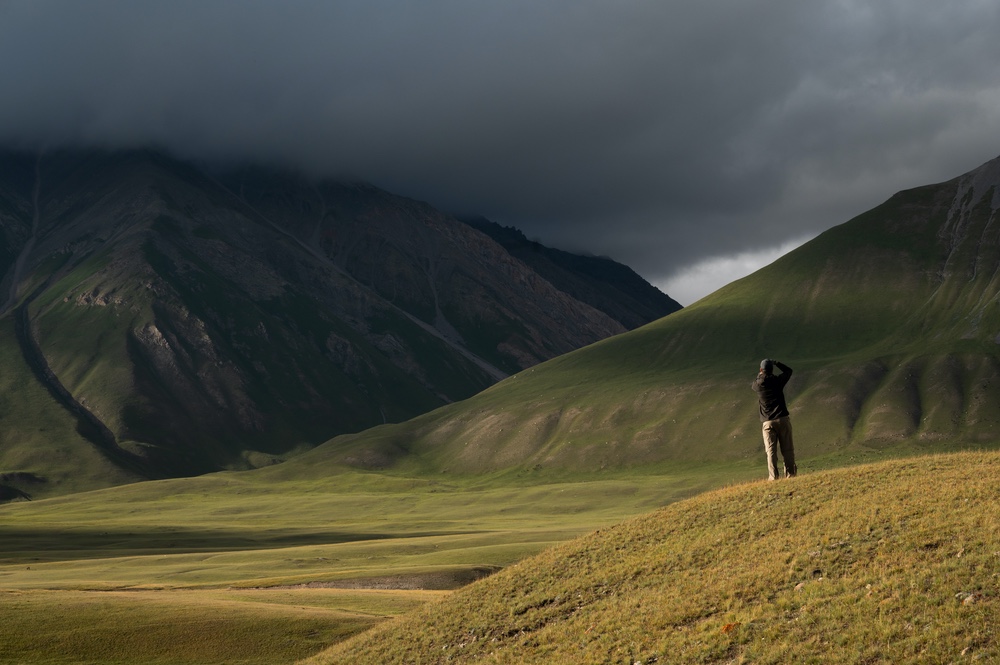
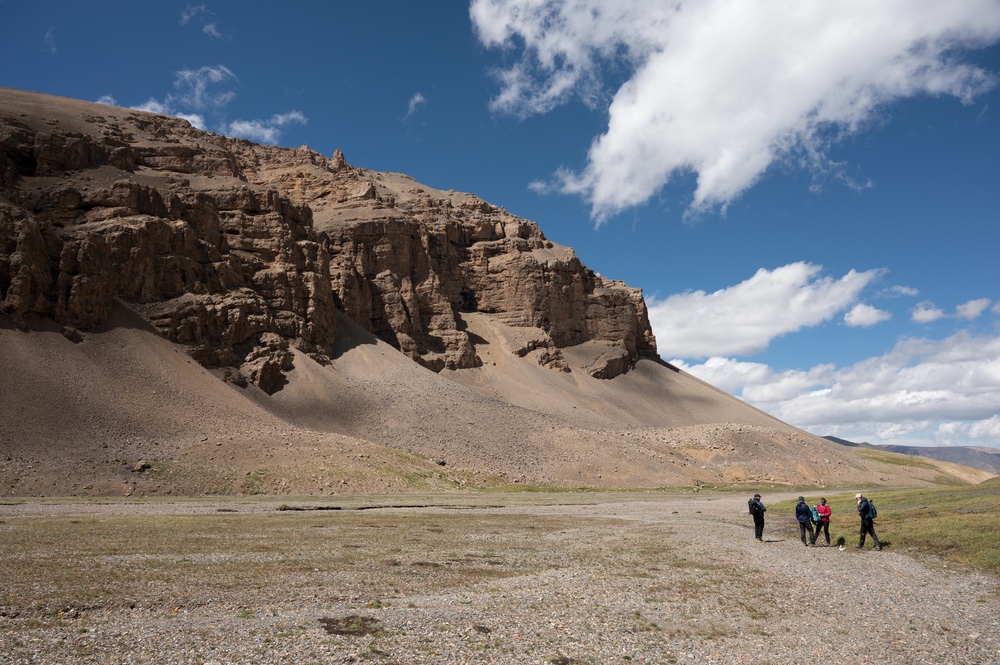
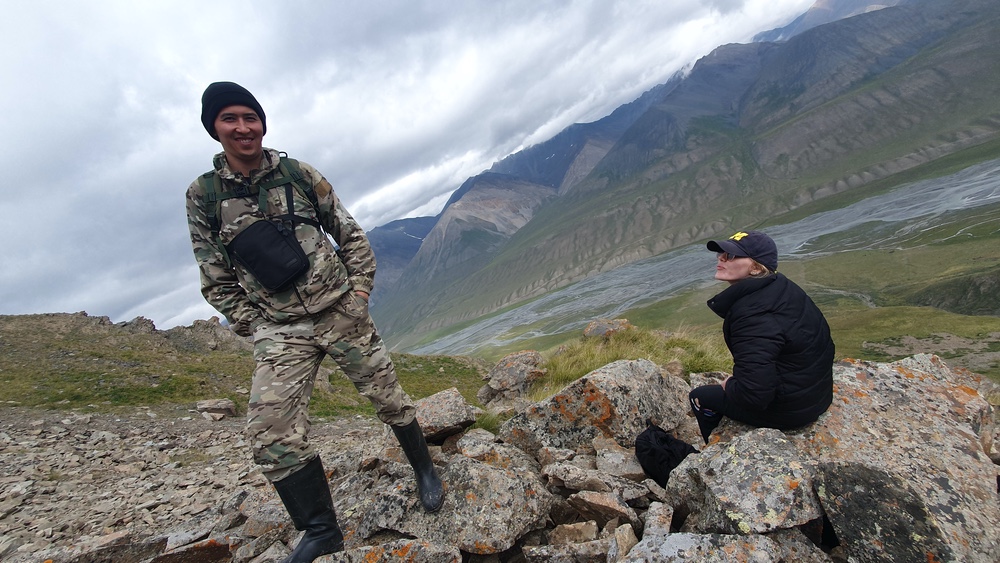
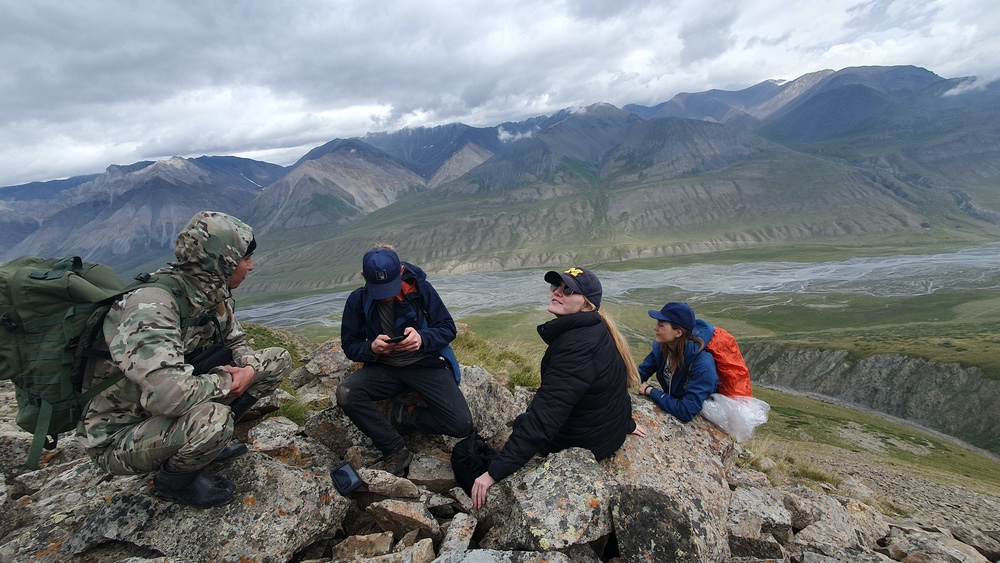
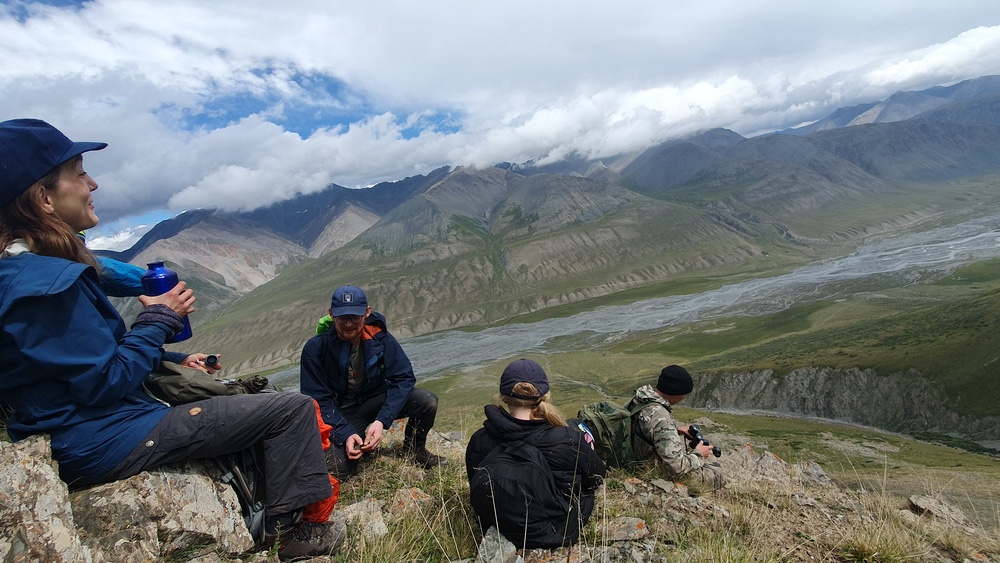
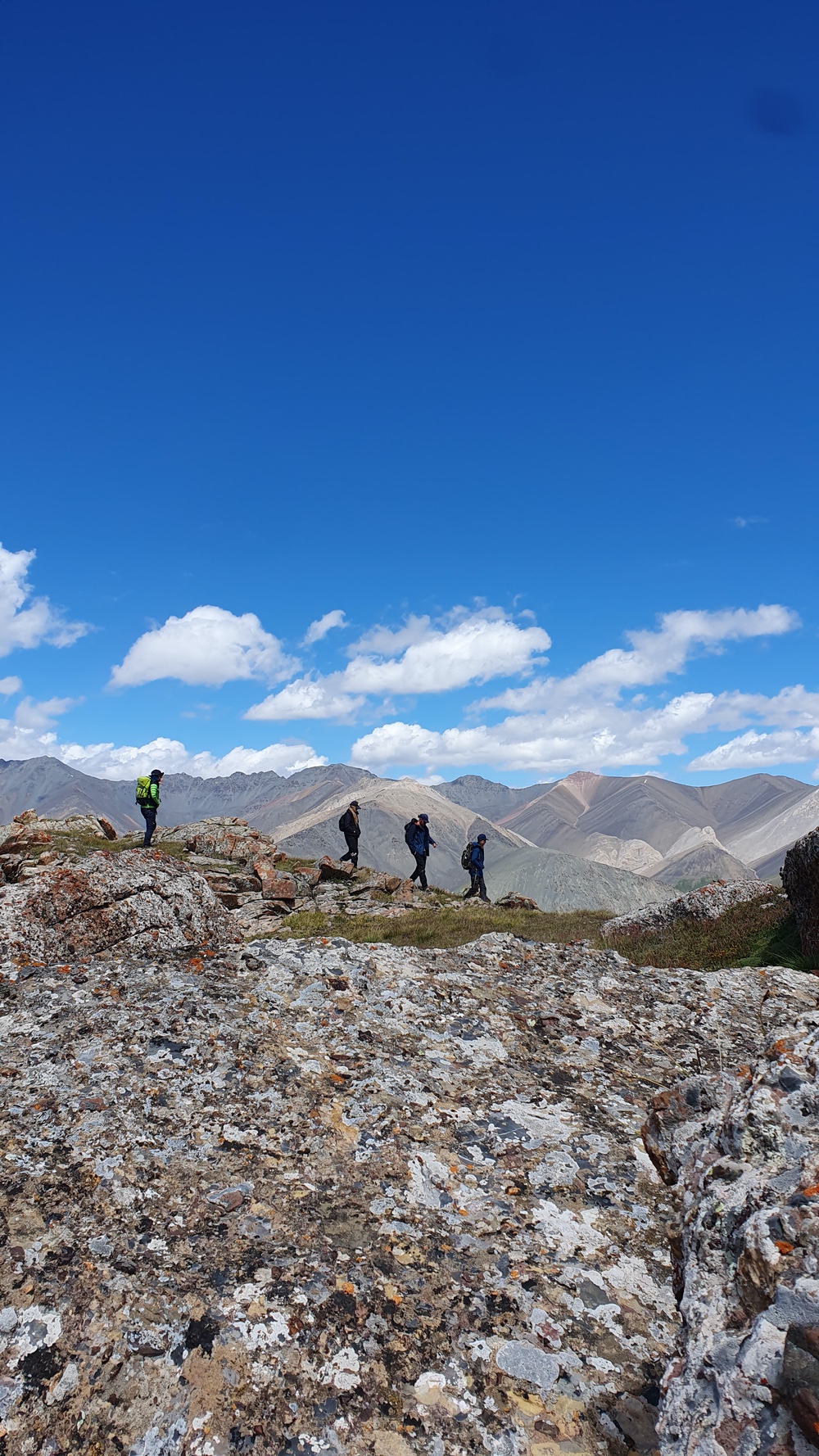
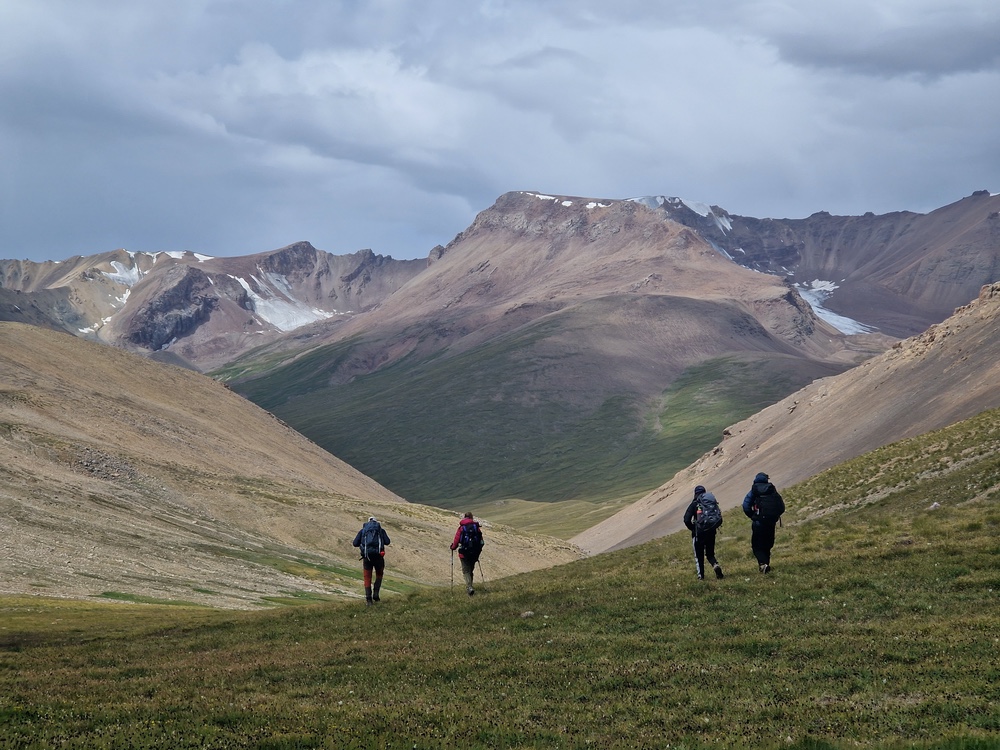
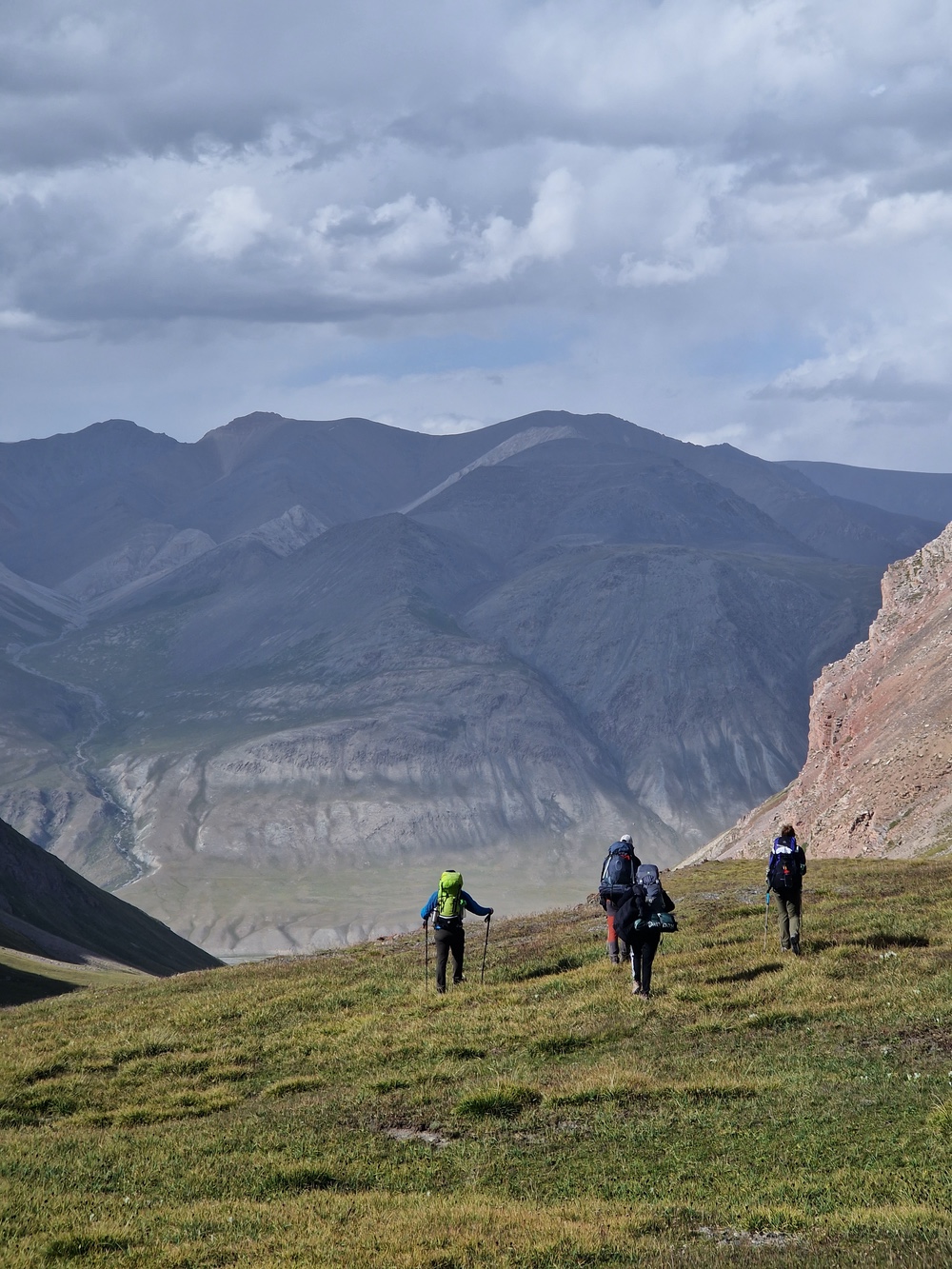
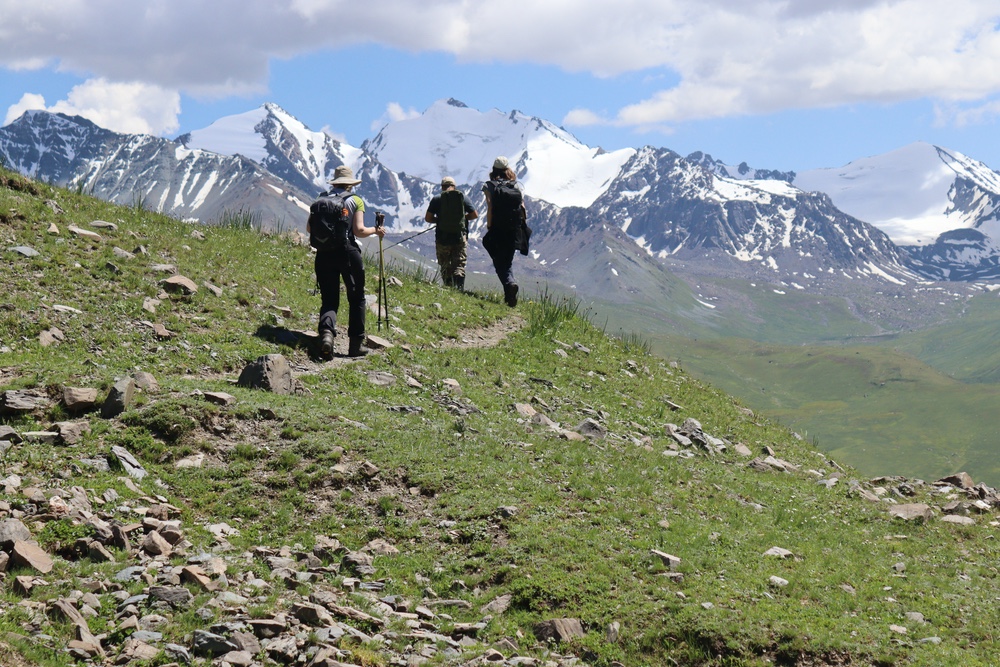
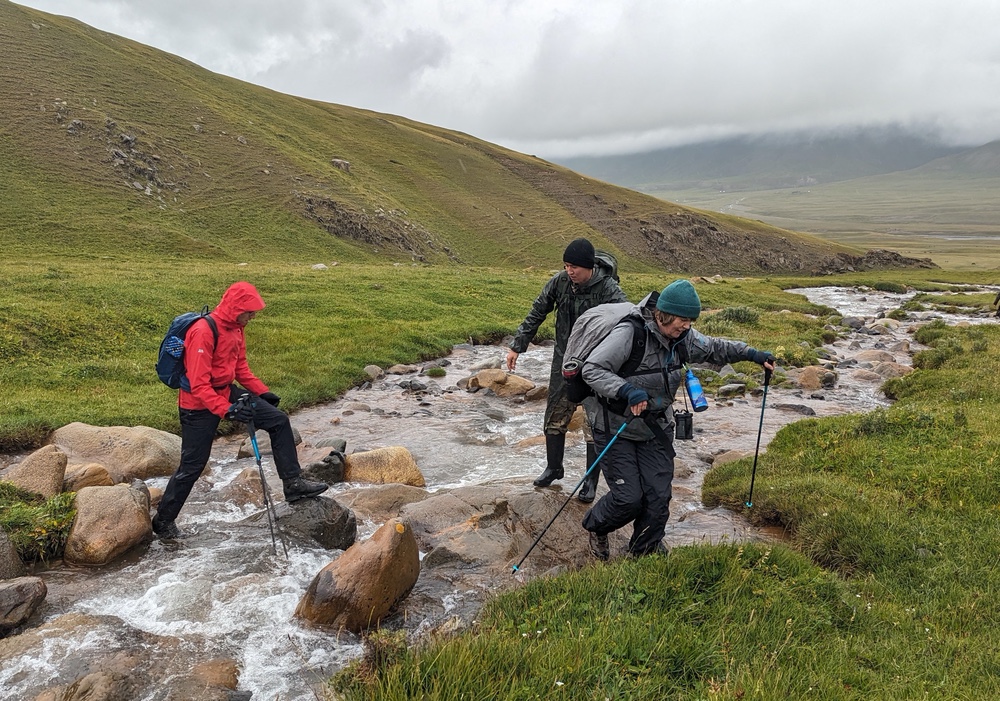
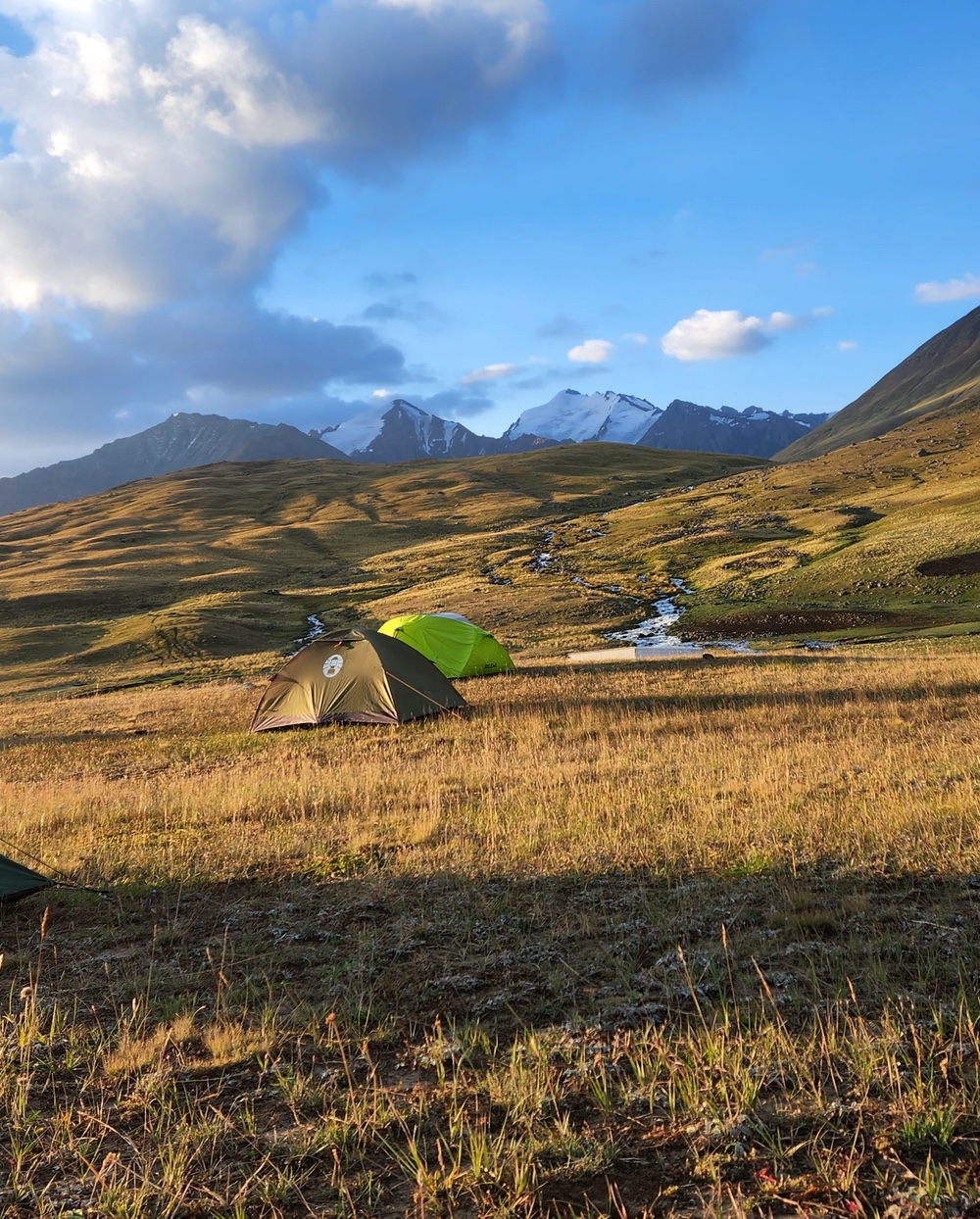
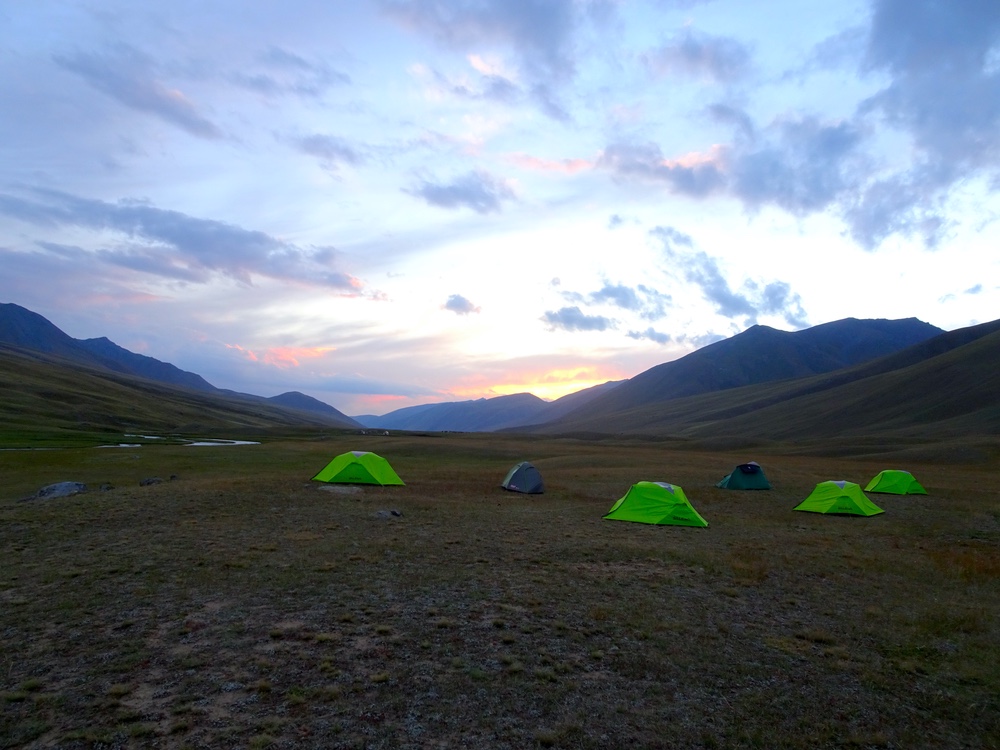
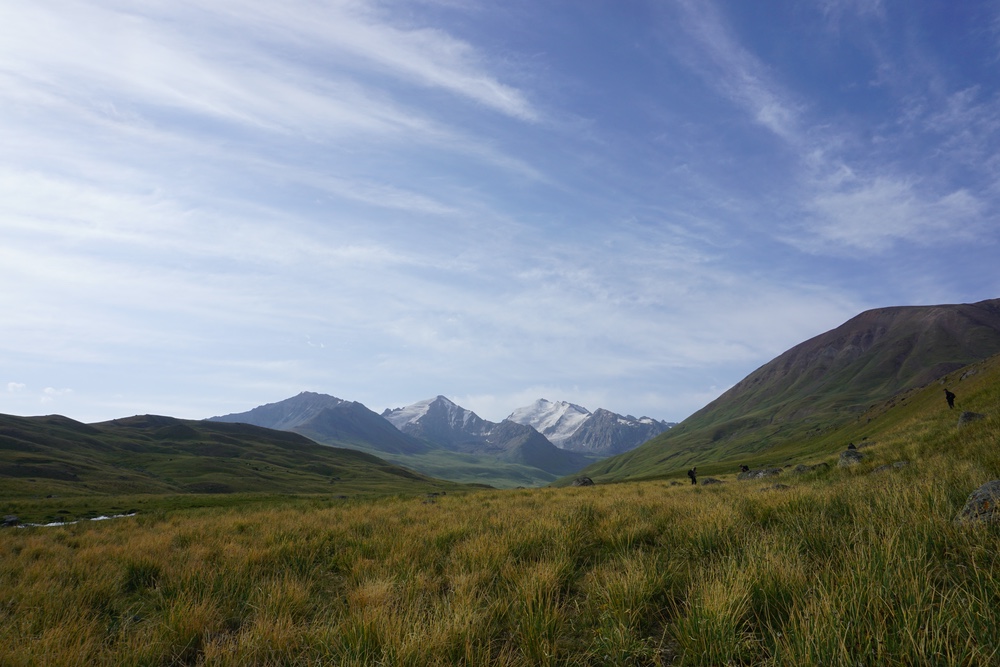
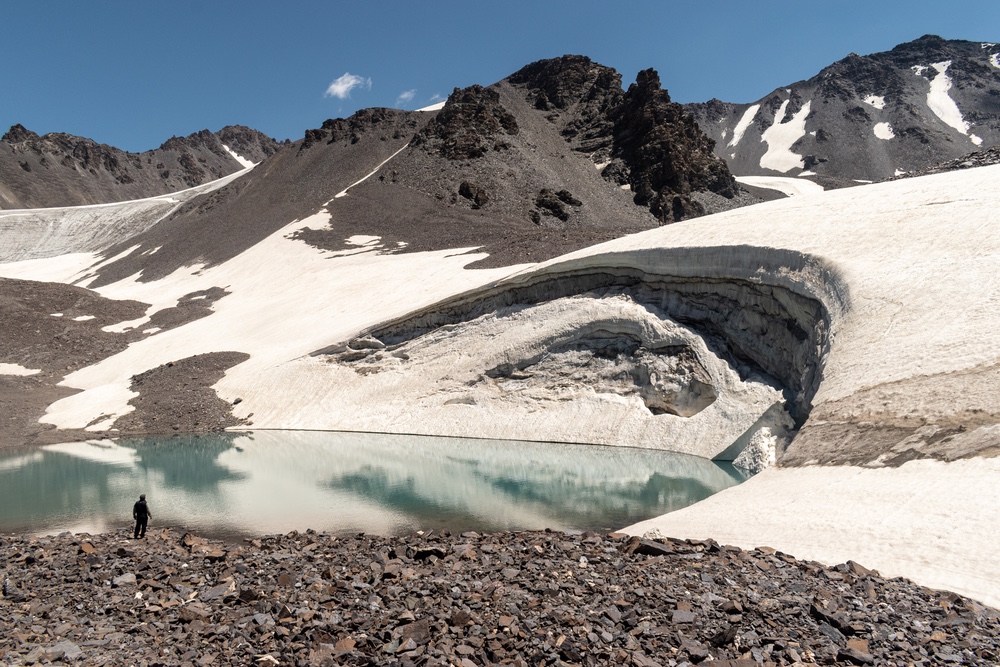
Here’s an update from half-way through group 3, mostly text with some generic pictures. This is because we have fancy GPSs that can send messages (but not pictures) via satellite from our remote, internet- and mobile-free base camp, which is a welcome distraction from distractions in itself….
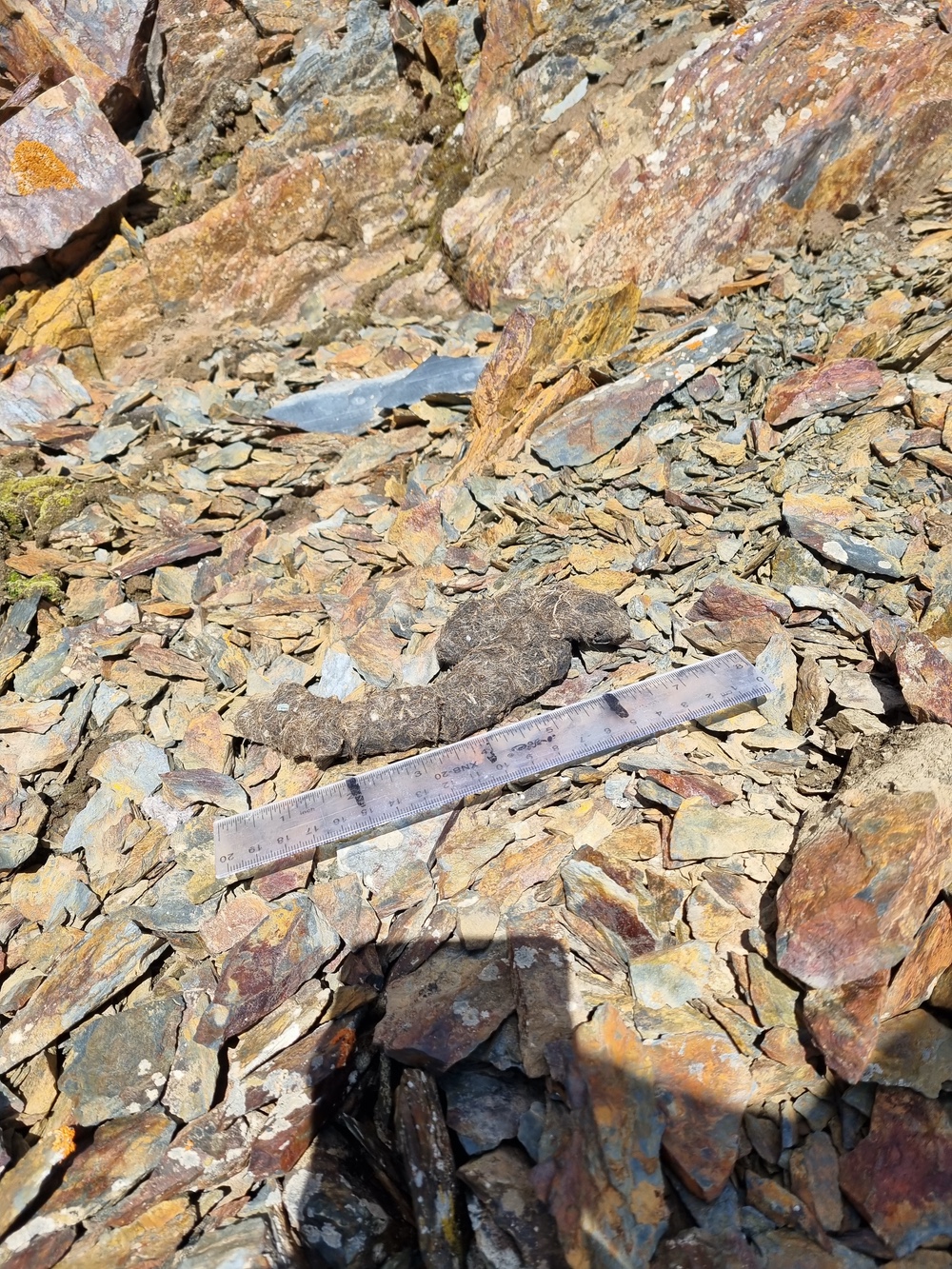
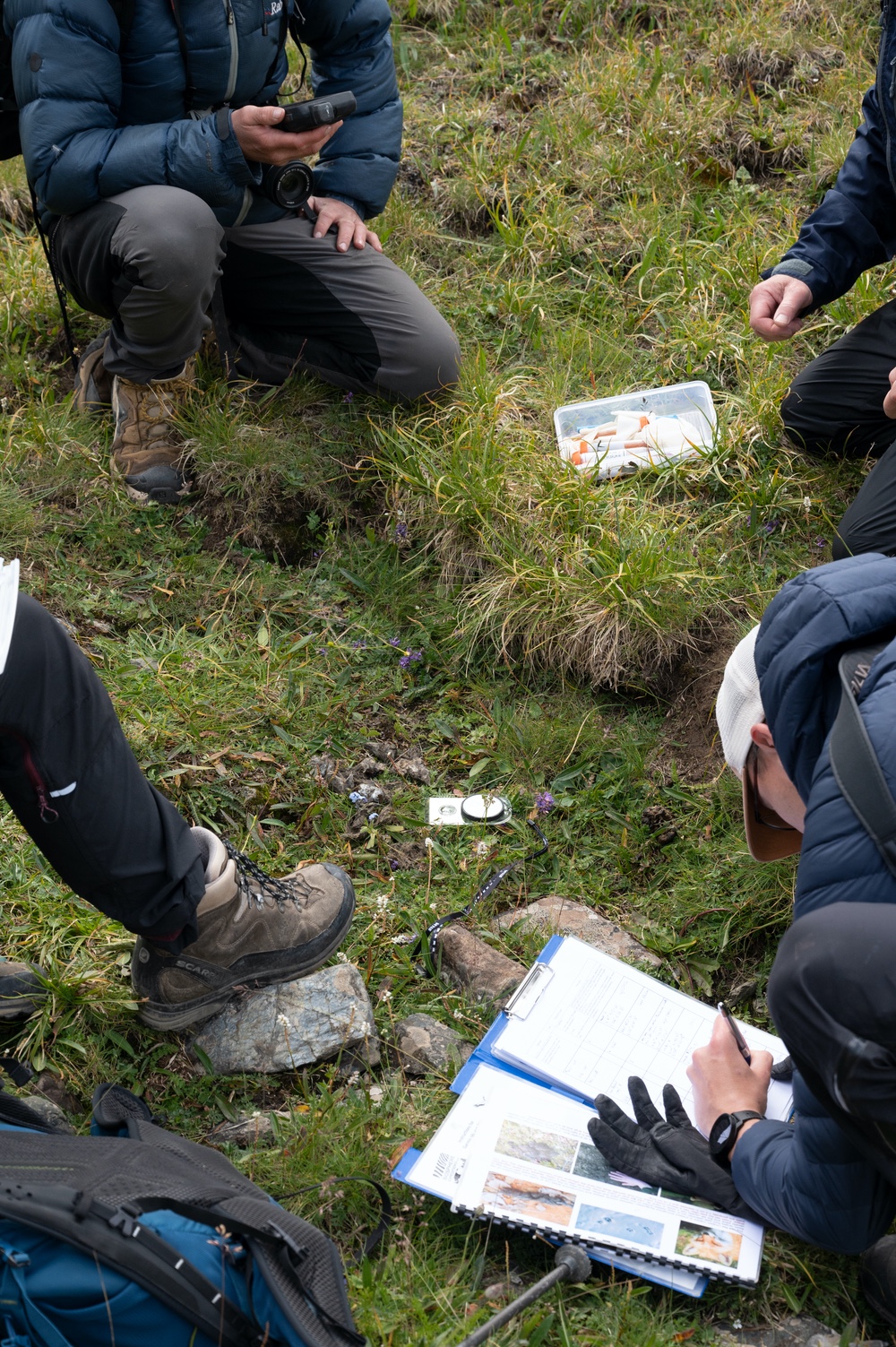
Things are going well with a strong group 3. Our new location is delivering. We’ve had multiple ibex sightings and also what we think is evidence of snow leopard (tracks and scats). Tracks are notoriously unreliable with a high misidentification rate, so this is not strong evidence yet for our science nerd minds. Scat will be, once its DNA has been analysed. In itself scat has a 50% misidentification rate by sight, but once snow leopard DNA has been show to be present, then it’s a 100% proof. What the people in the lab look for – if you are interested – is intestinal cells on the surface of the scat that are deposited there as the scat moves through the cat’s gut. The scat itself is composed of what has been eaten.
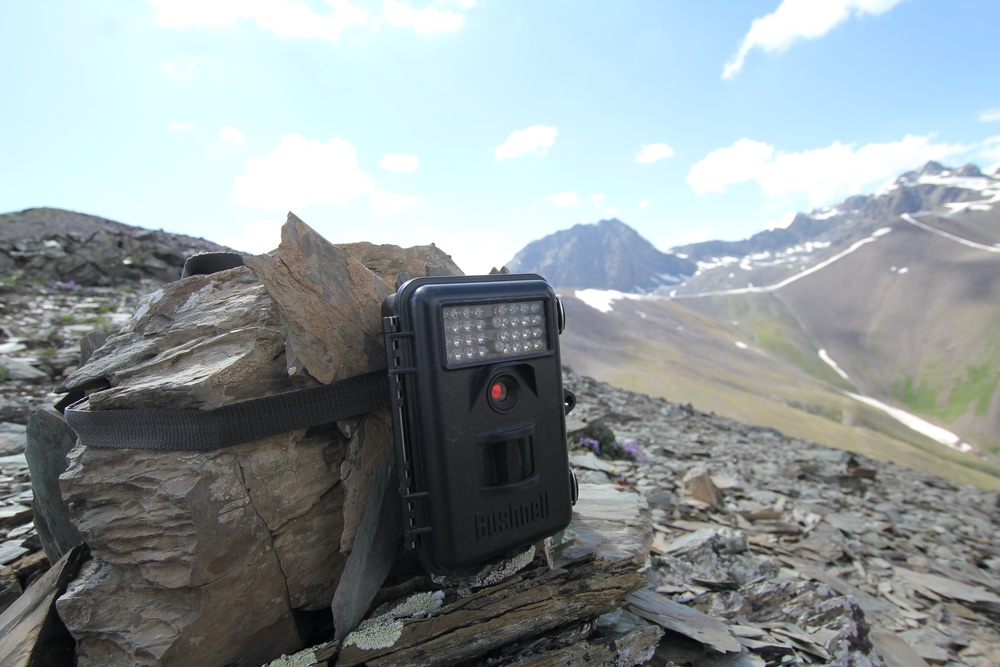
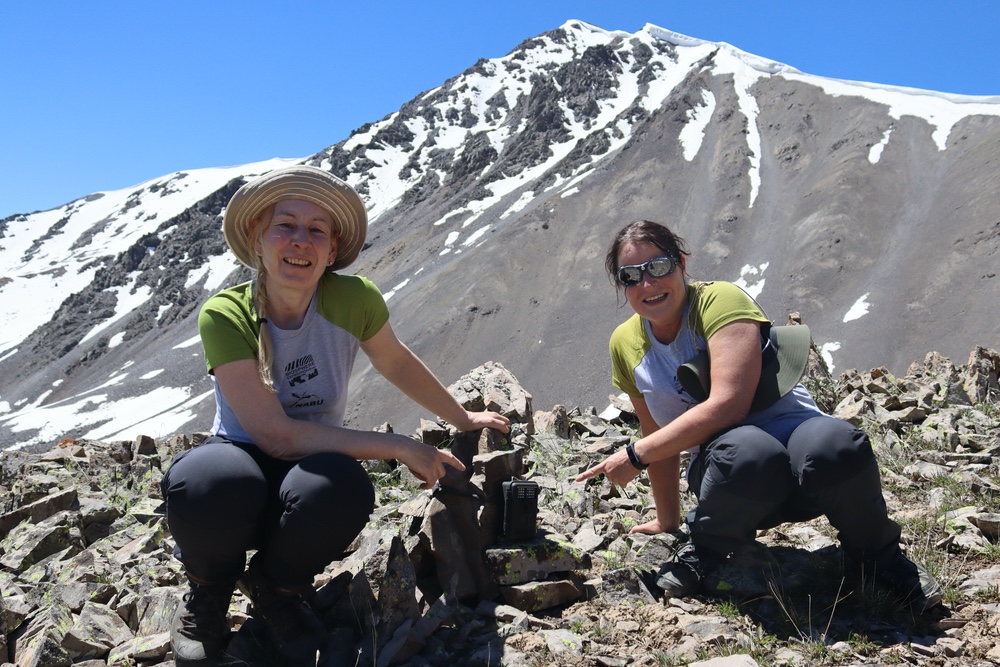
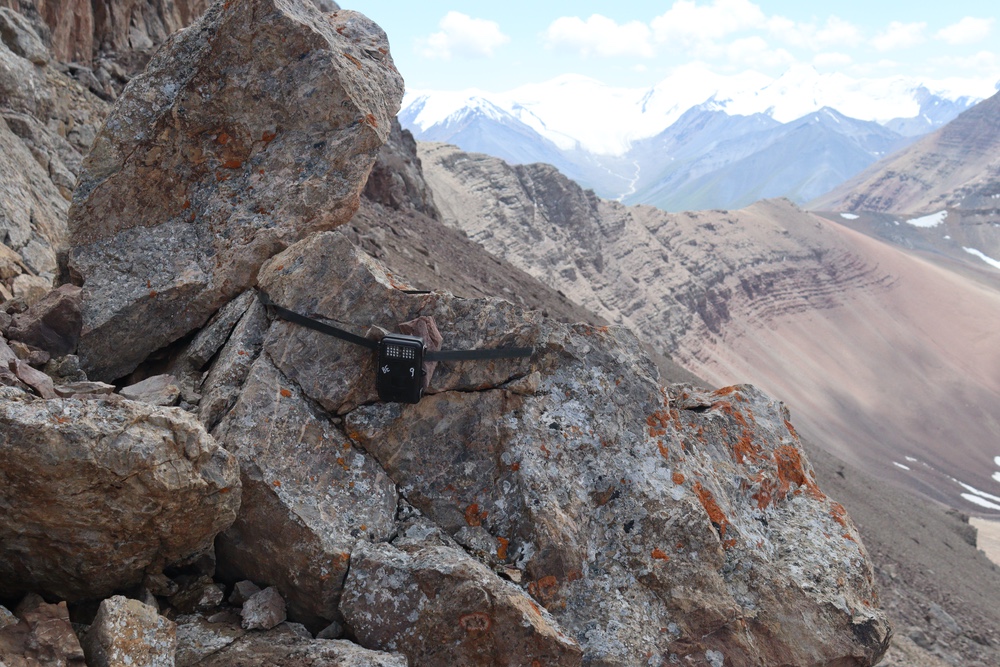
We are pushing to get all camera traps out by the end of the expedition. This is hard work, but group 3 are up to the task.
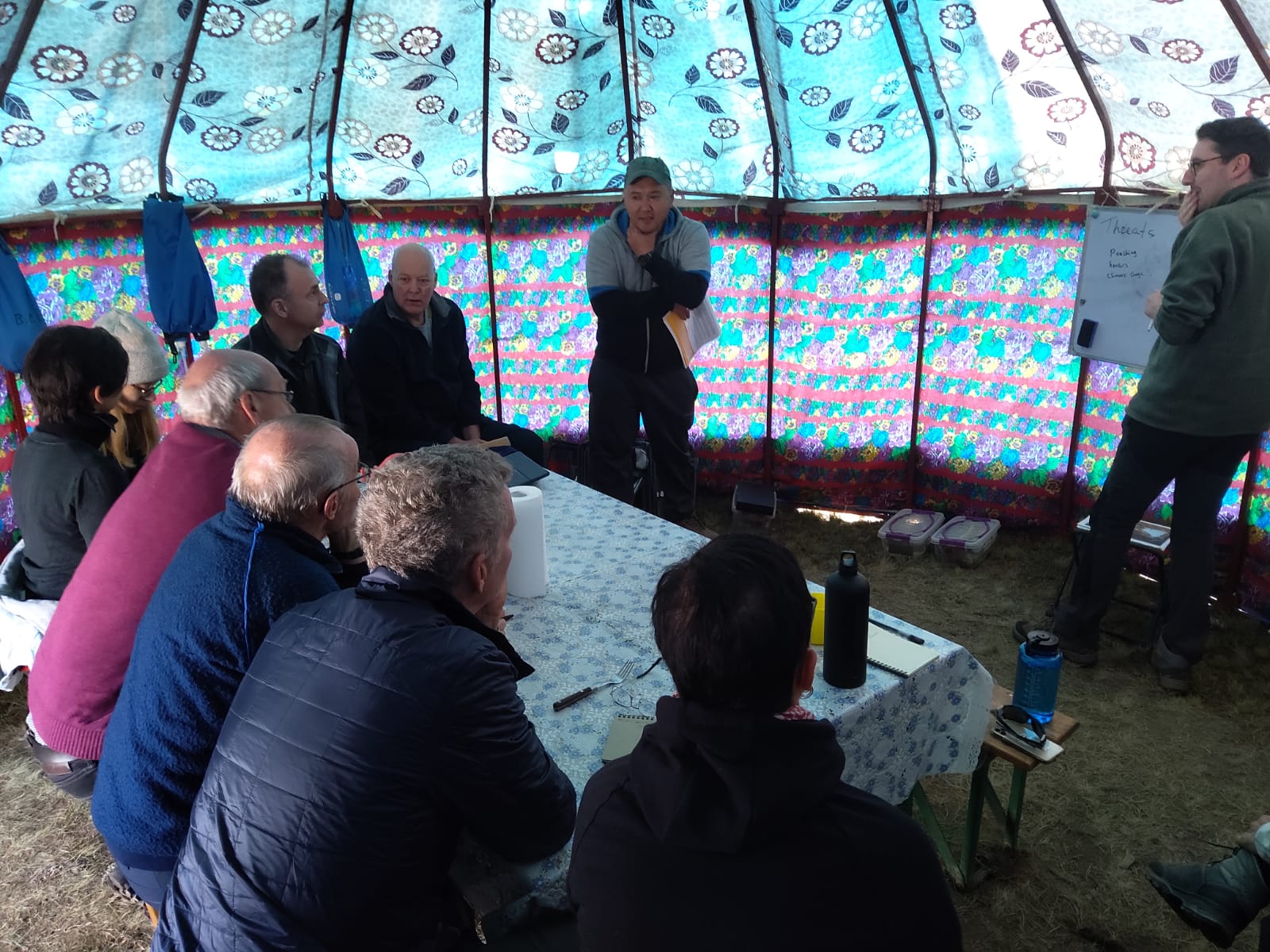
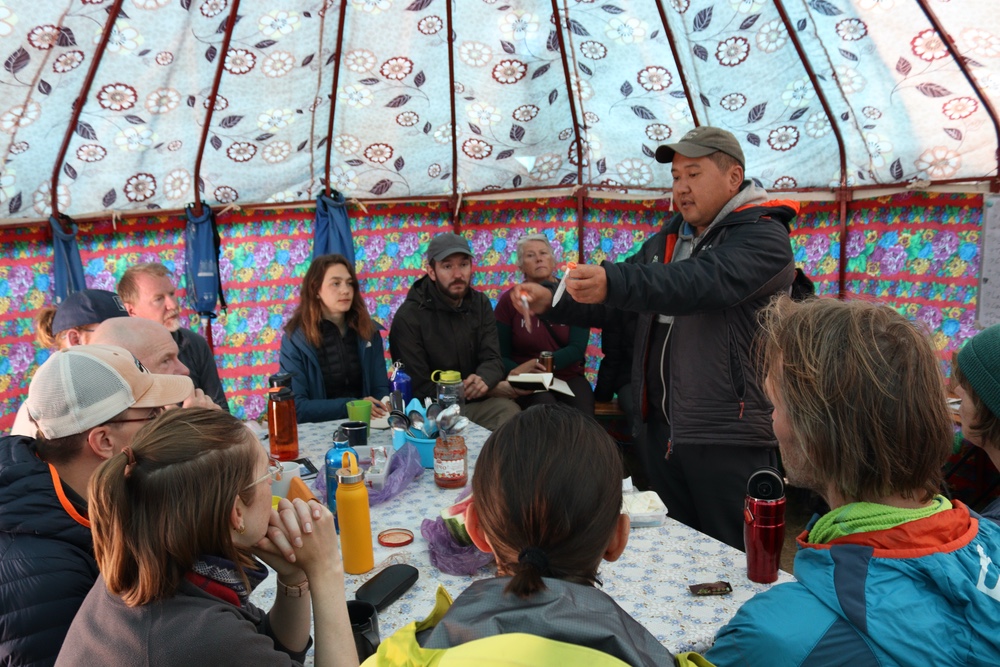
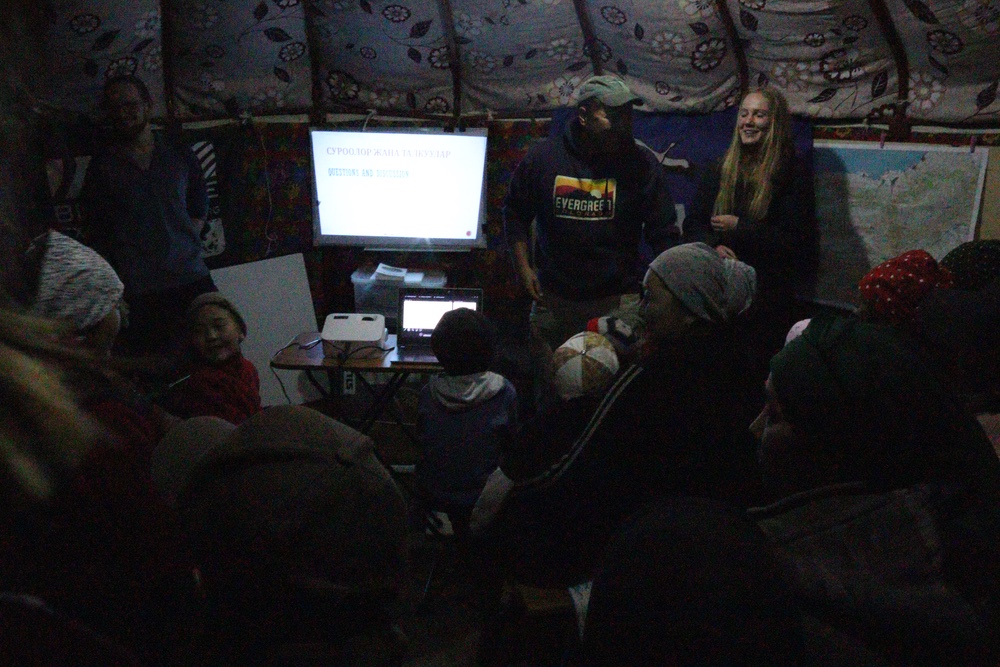
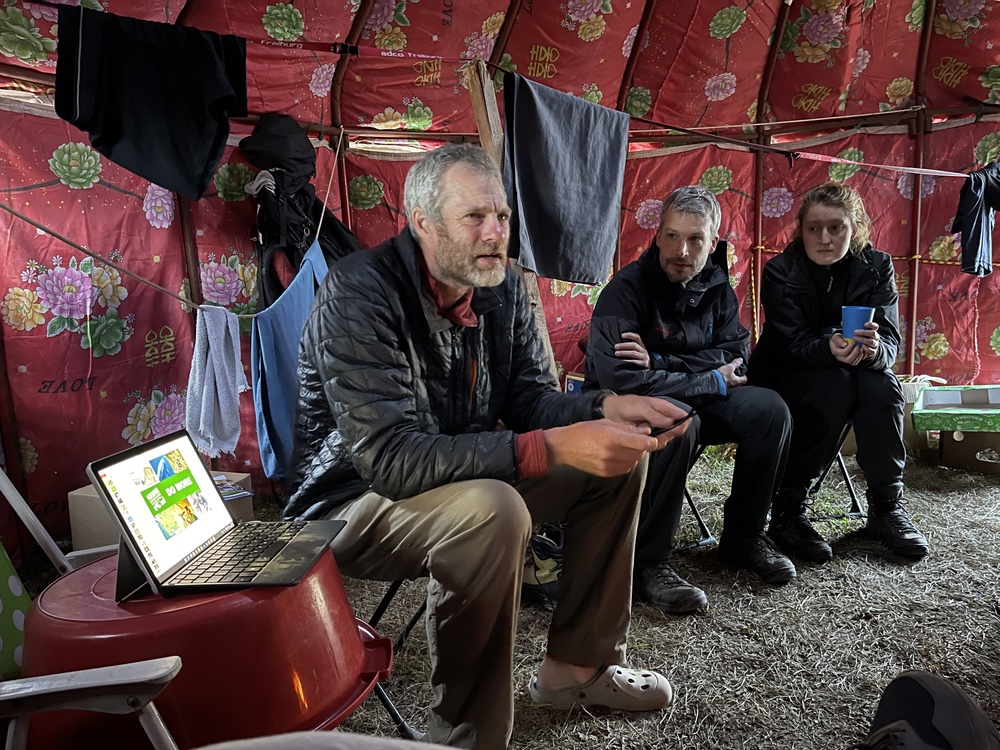
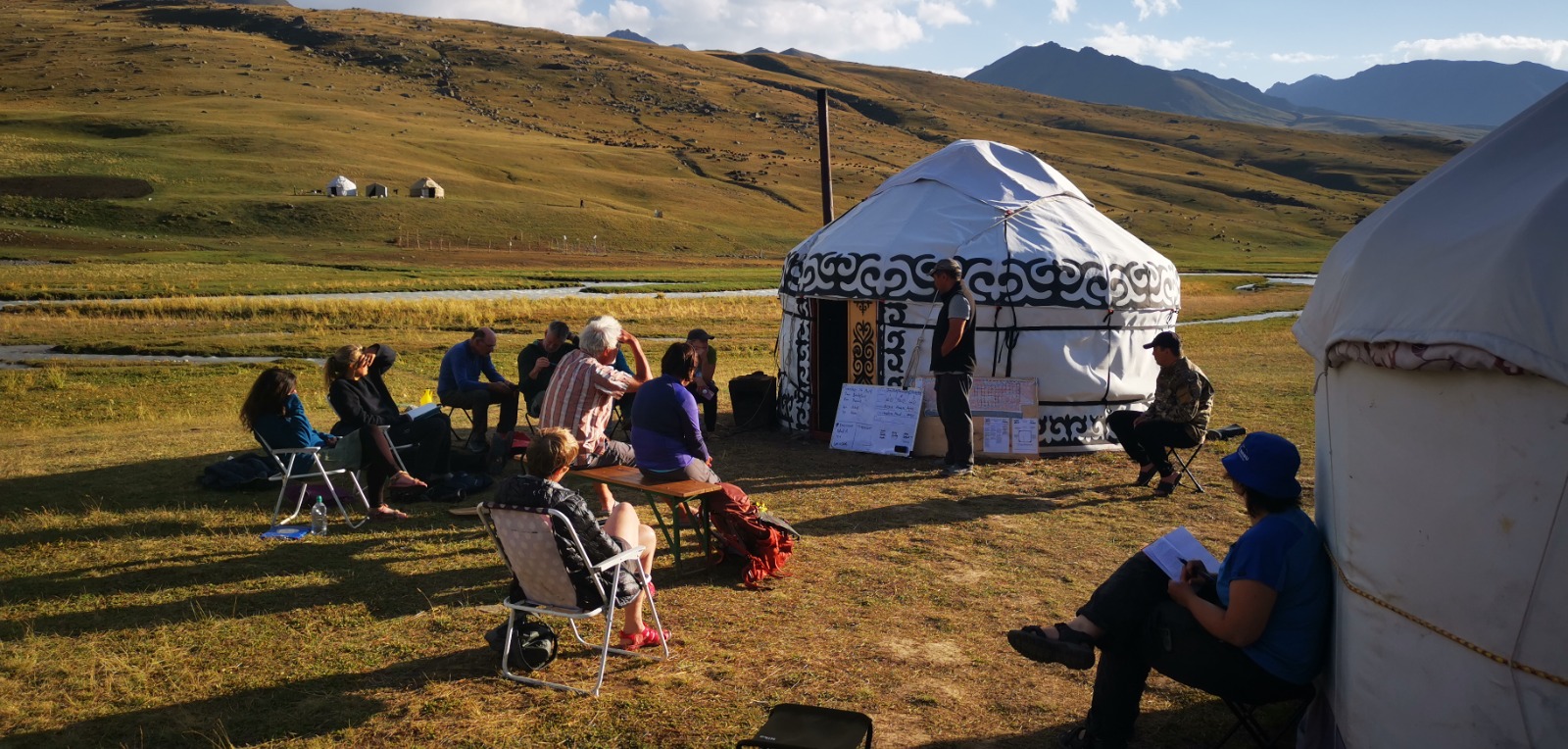
We will also deliver a presentation about what the heck we are doing in their valley to our local herding neighbours. Hopefully this will be a great ice breaker and the start of a good working relationship.
Continuing the 2023 Tien Shan snow leopard expedition in our new study area meant an inexhaustible list of tasks for group 2, with new valleys to explore, camera traps to set and locals to build relationships with.
Surveying unexplored (by Biosphere Expeditions) valleys meant that group 2 had to start each day with a flexible mindset. The suggested survey route could be promising and turn into a nine hour mountain walk, or an impassable obstacle could mean the group is back at base camp by lunchtime. Initial evidence is very promising, with multiple signs of argali sheep (snow leopards prey), including remains and tracks. But, to achieve the goal of documenting snow leopards in this new study area, we need camera traps up in the mountains, working for us 24/7. Special mention to Isabelle, who was part of every team that reached the desired altitude for camera trap placements.
We look forward to seeing what evidence this hard work captures in the coming weeks. We also had teams working hard on interview questions and relationship building with local herders and their families. Thank you to Luke, Karl, Anastasia and Corinna for your dedicated work in designing and implementing interviews.
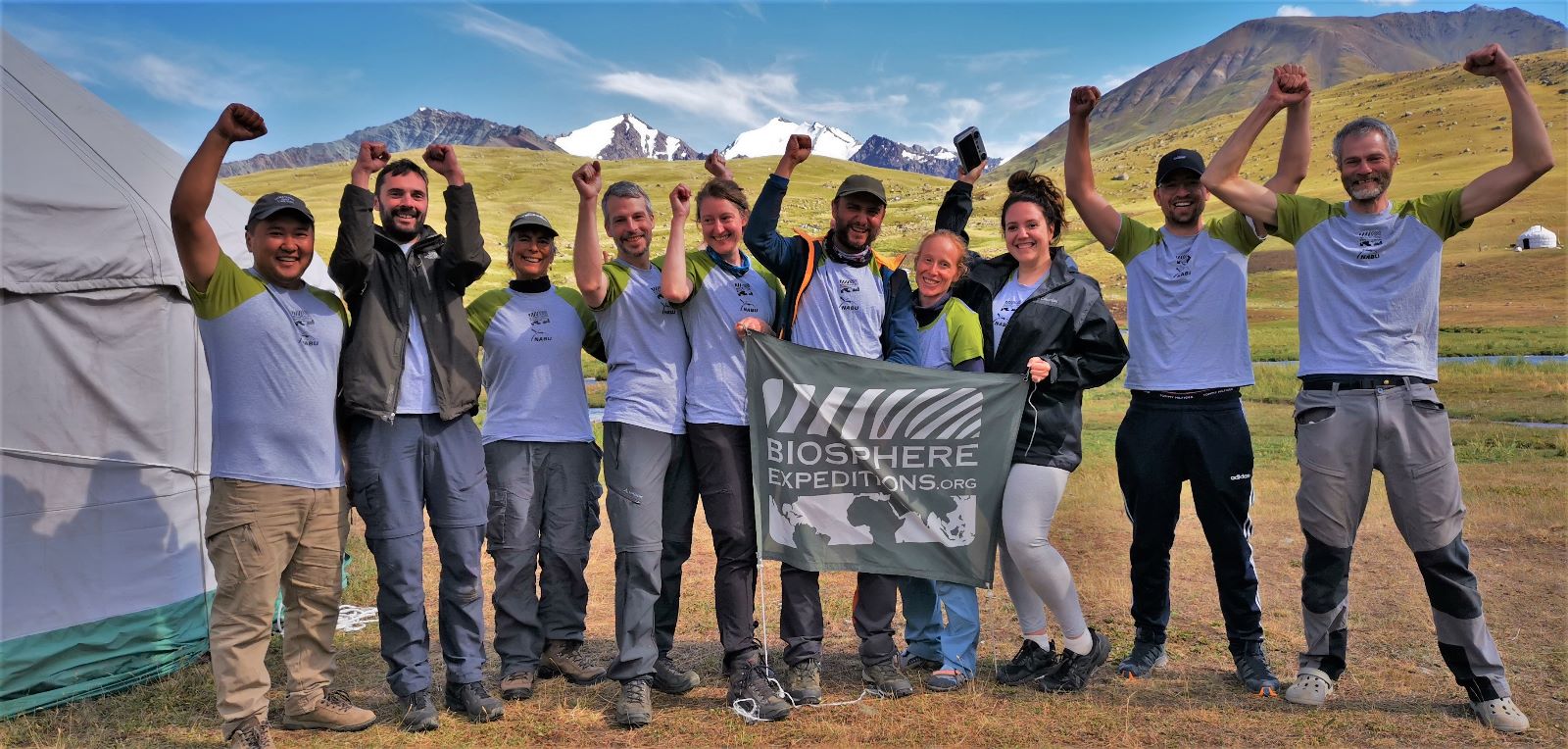
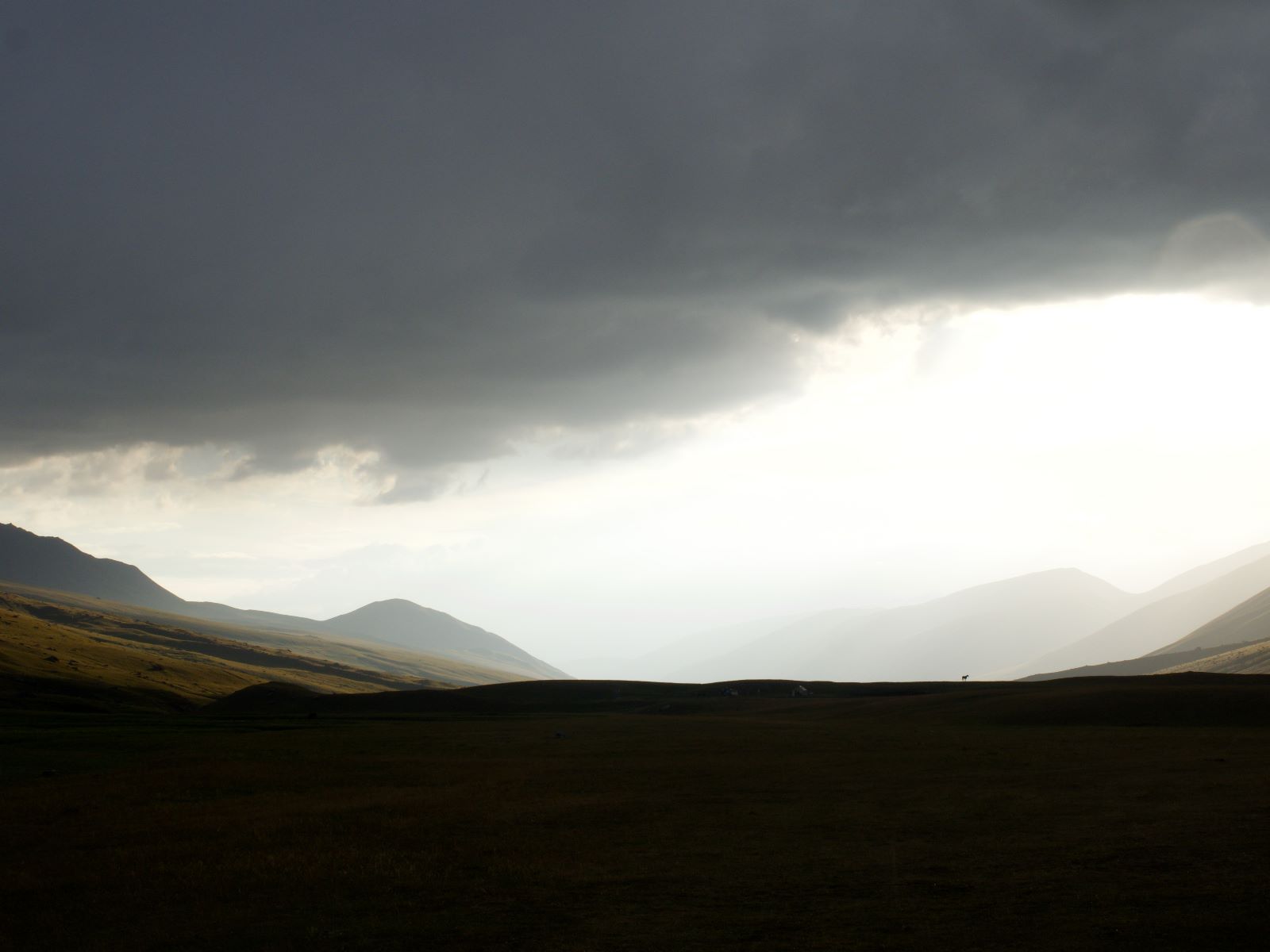
With group 2 wrapping up, I would like to thank everyone who participated for your hard work. We look forward to welcoming group 3 to these beautiful mountains. Please be prepared for training days followed by some long days in the mountains getting camera traps into prime snow leopard territory.
Group 1 started smoothly with everyone arriving on time to the meeting point in Bishkek. We then drove in convoy for seven hours to base camp arriving on schedule at 16:00.
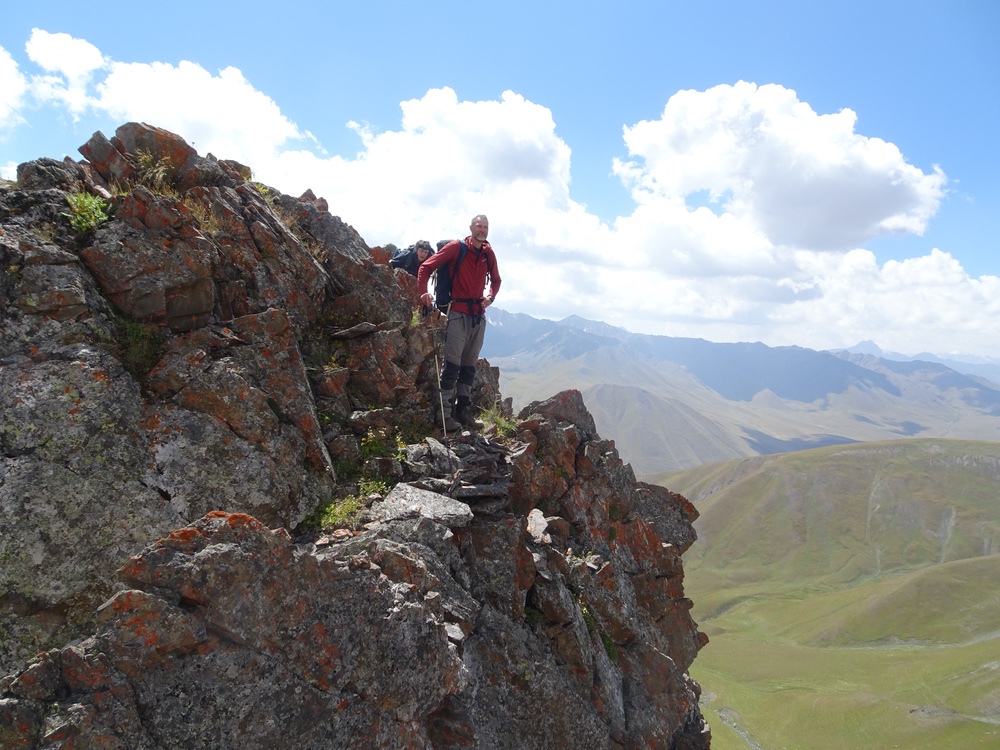
The next morning saw a busy day of training with lessons on scientific methods, GPS use and offroad driving at our old site. We’re here to wrap up our work in this valley. If you have read the 2022 expedition report, you know why. The biggest task for group 1 was collecting all the camera traps from the mountains, which involved some challenging days, as most of the cameras are placed above 3700 m. Well done Clodagh, Leonard and Simon for retrieving our highest and most hard to reach cameras.
In fact, the whole team did a sterling job retrieving most of the cameras within the first few days. We then had a day off with goodbye celebrations for the old valley and experienced some local culture before taking down base camp and loading up the cars and truck. There is a feeling of excitement for the opportunity to study a new valley where – to our knowledge – no snow leopard research has previously taken place.
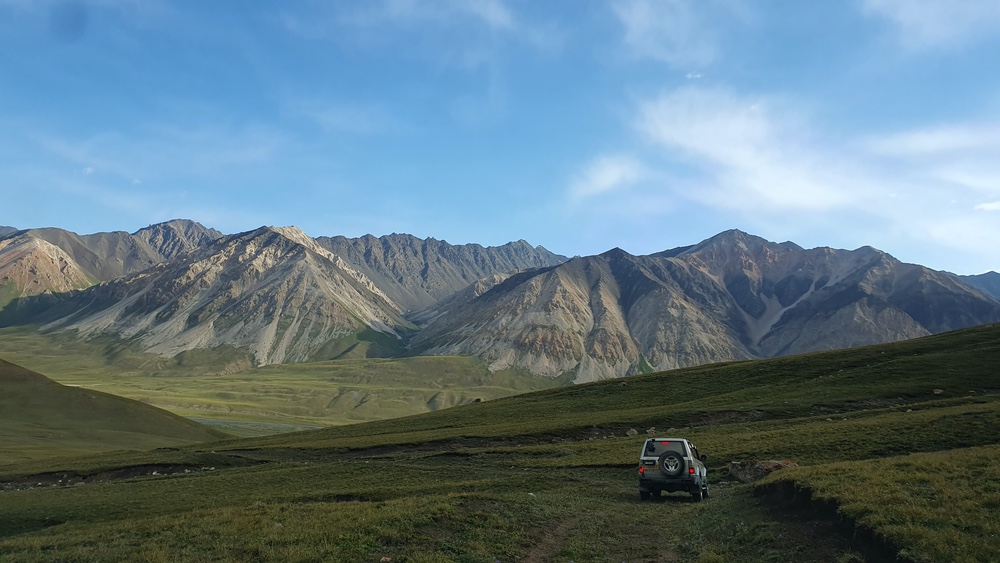
So here we are, half way along the eight hour drive to our new location in Archaly valley, where the rest of our 2023 expedition will take place. Just enough time and signal to drop off this blog entry.
More news on the new location when we’re back in Bishkek for the changeover. Groups 2 & 3, be ready to go where few citizen scientists have gone before!
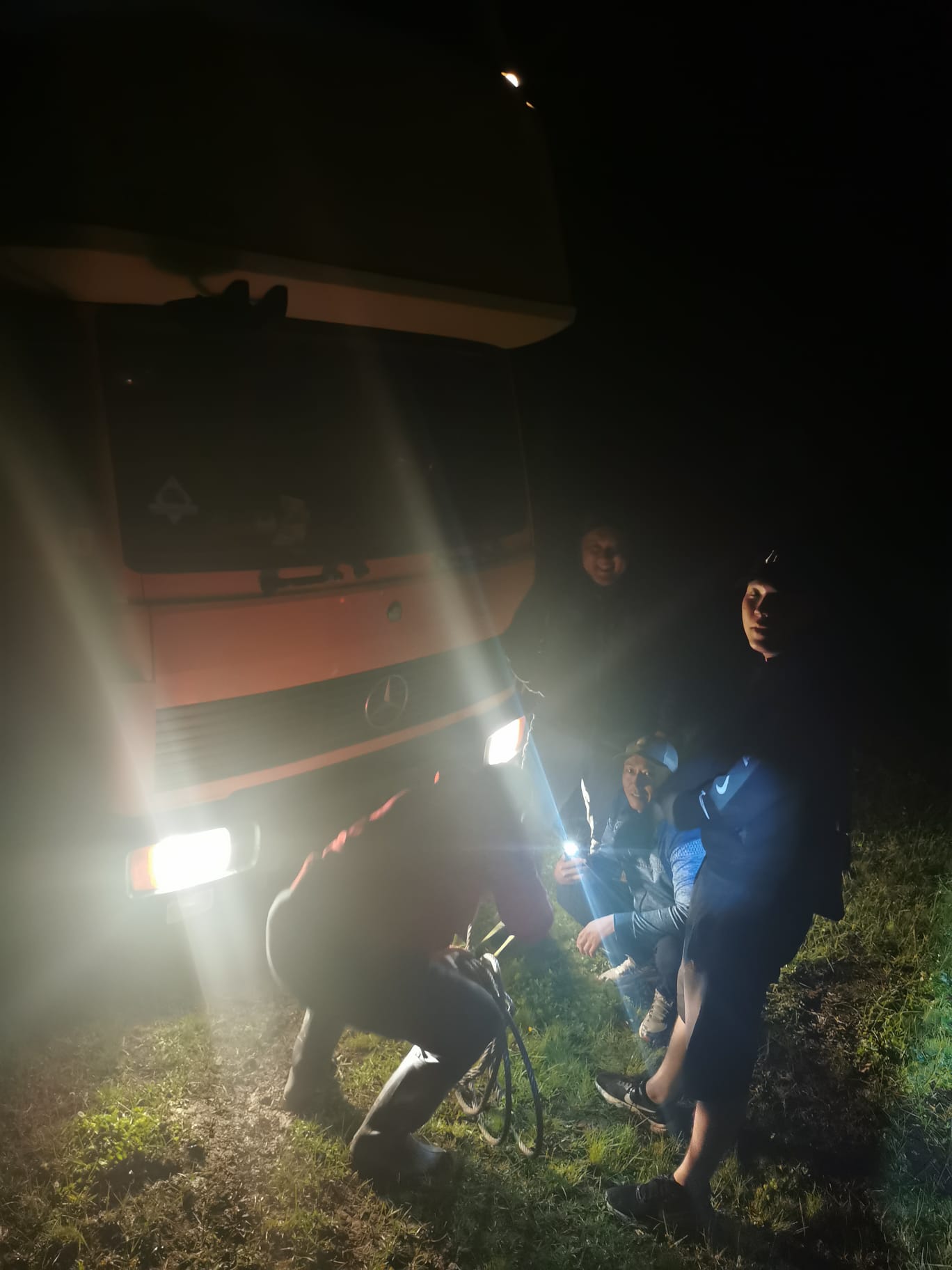
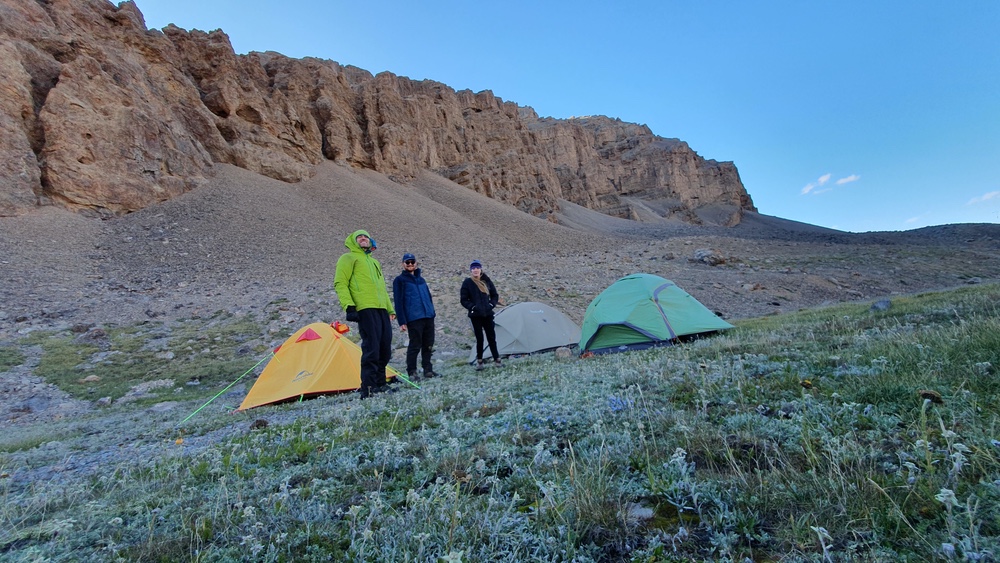
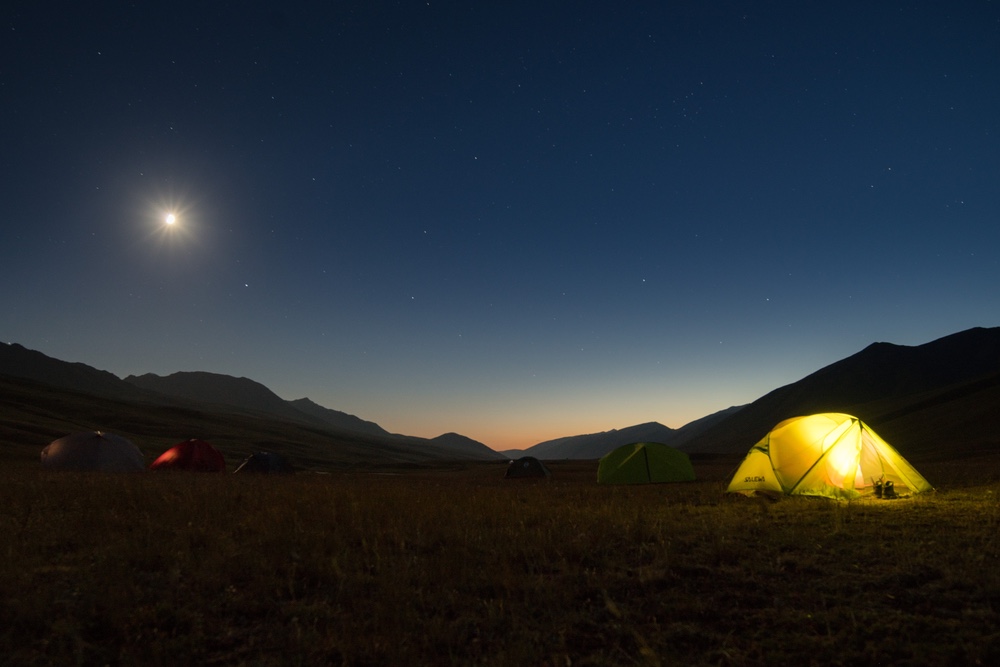
We set off on Thursday for our base camp location. After eight hours on the road we arrived as night was falling only to get our big truck stuck in soft ground. After a few failed attempts at freeing the truck from the mud, we decided to pitch our tents and try again in the morning.
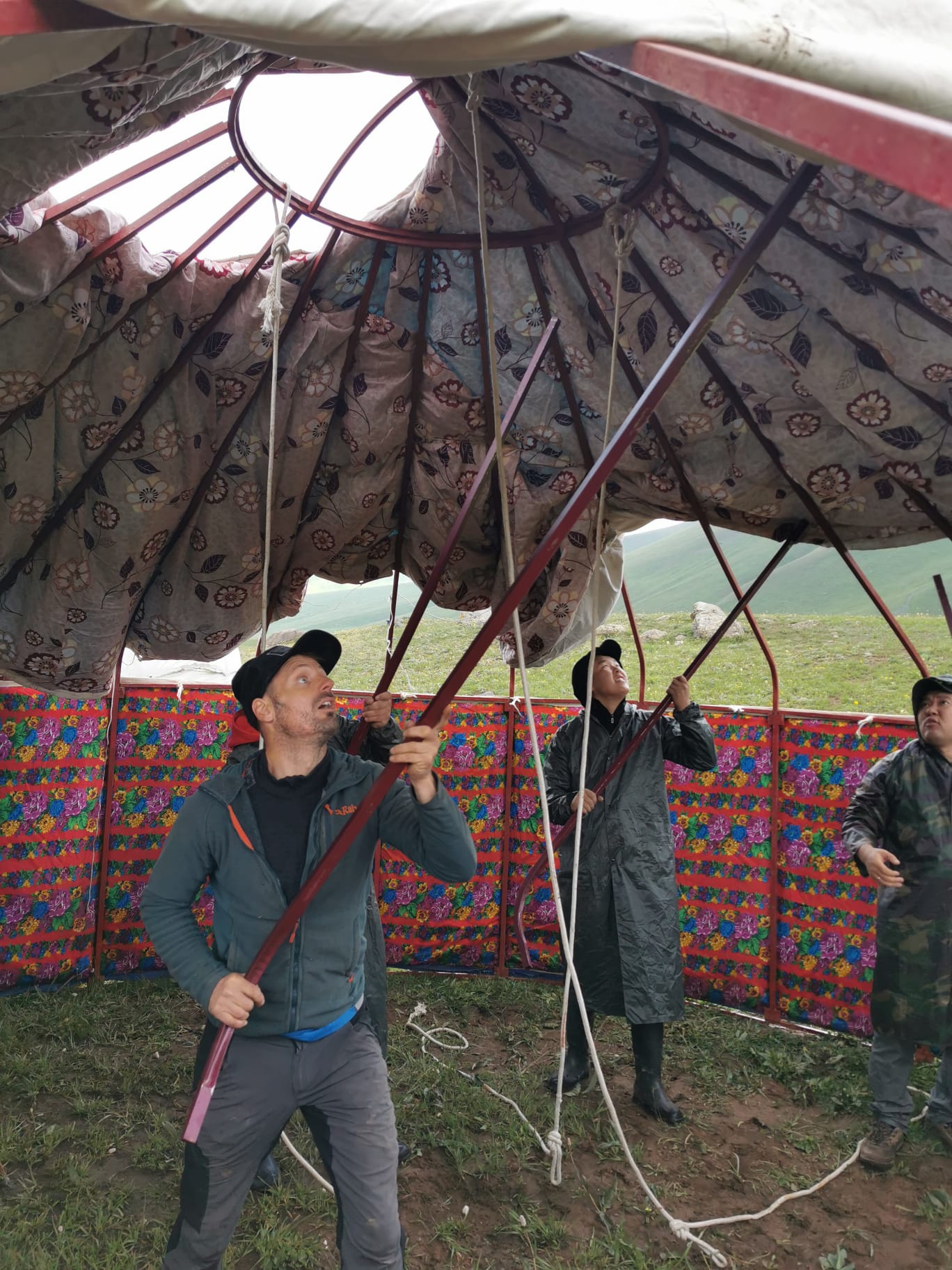
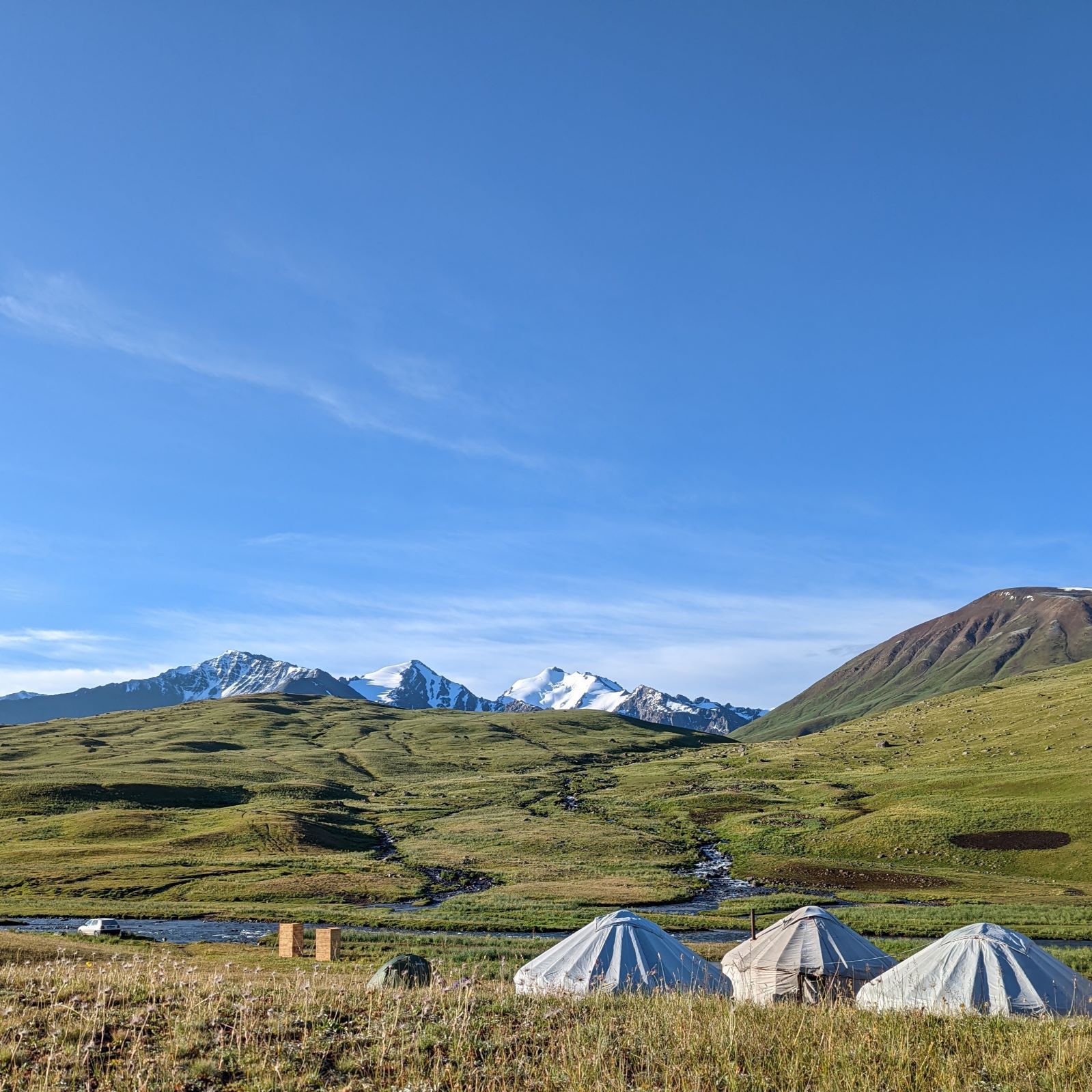
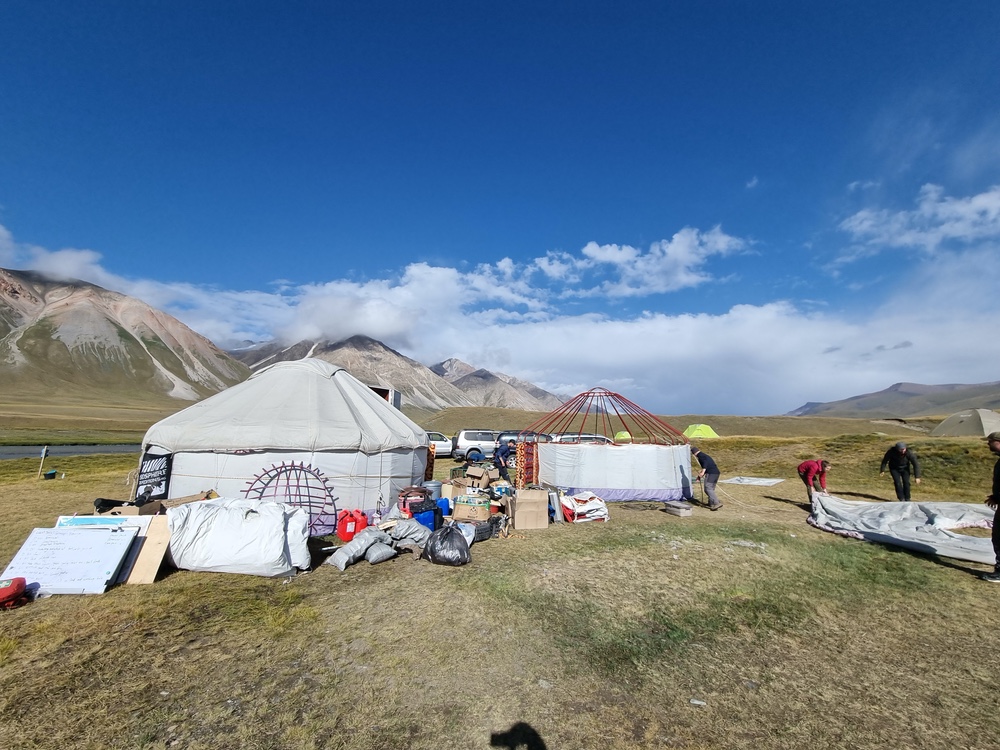
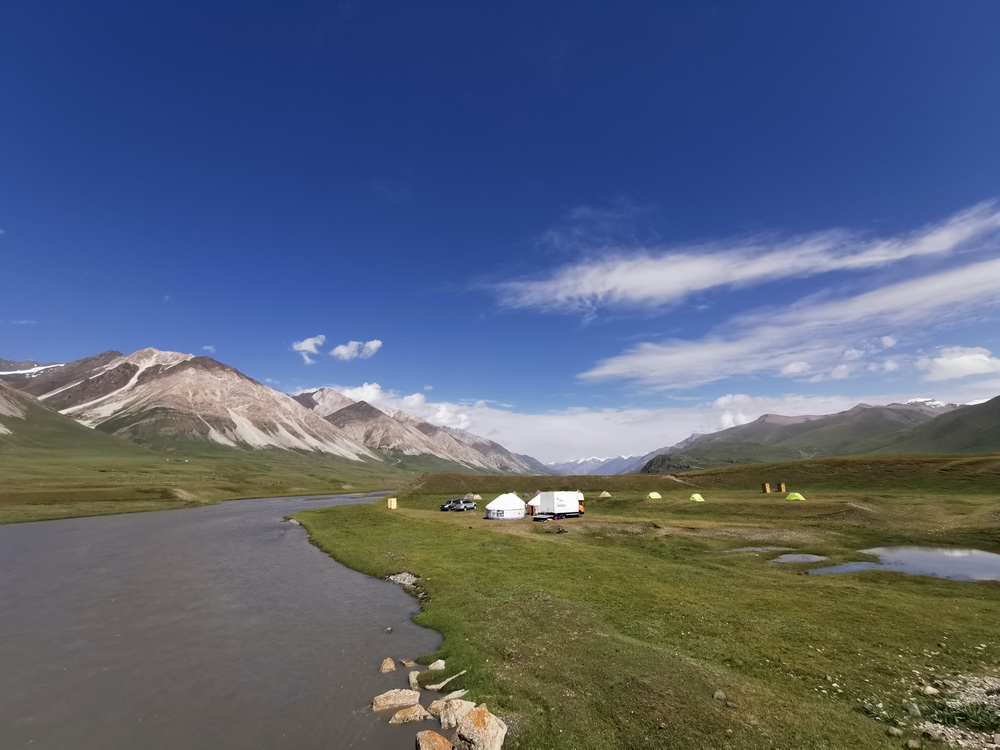
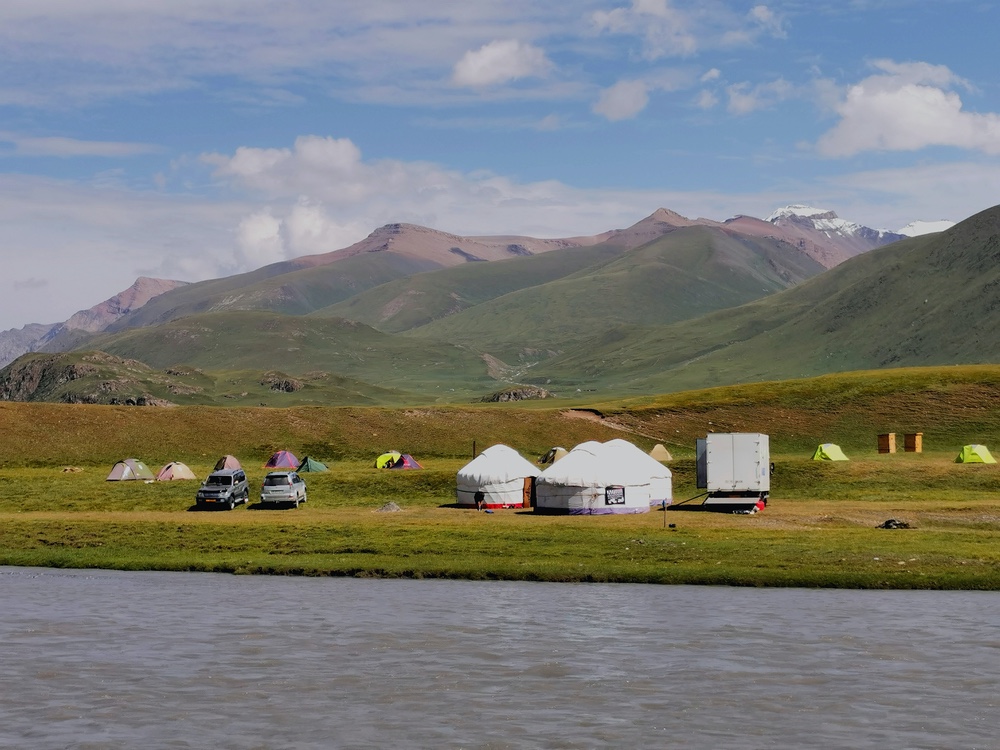
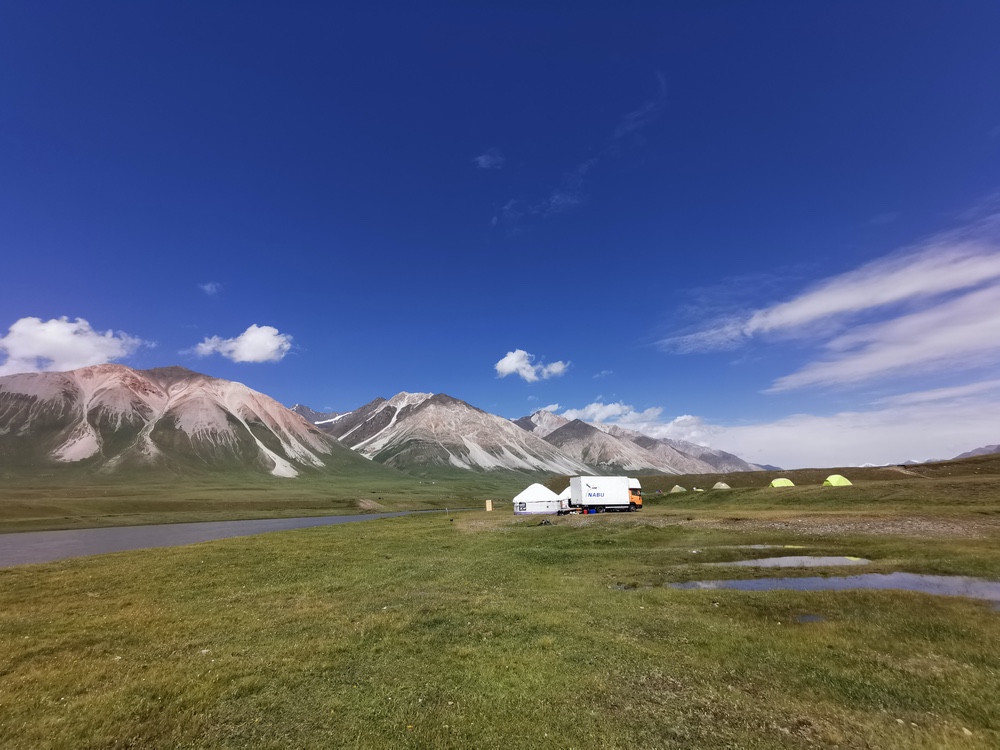
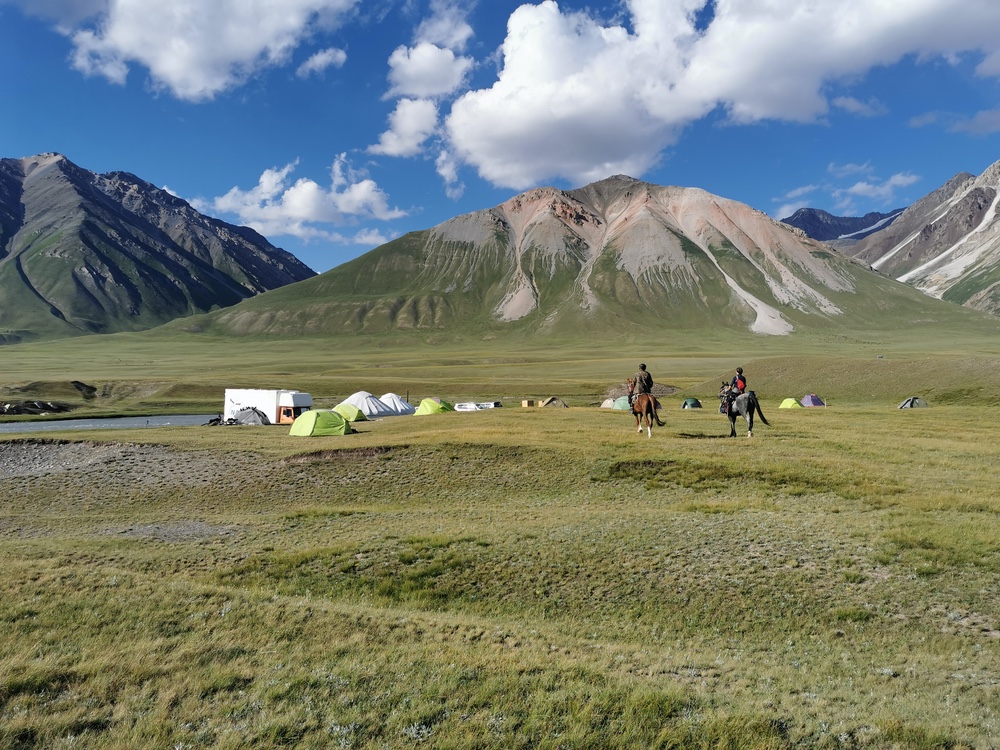
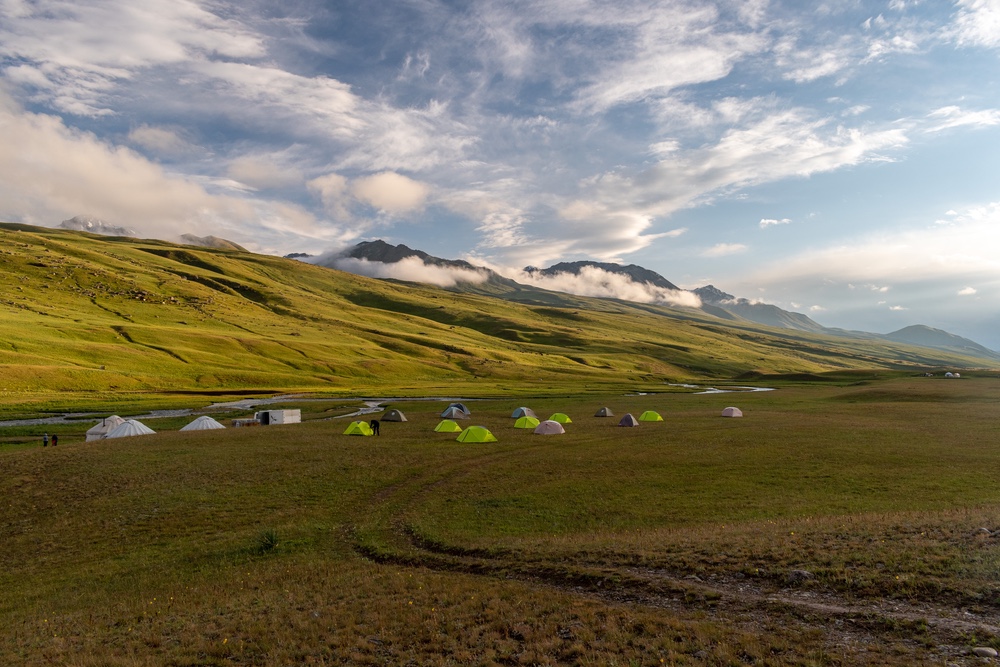
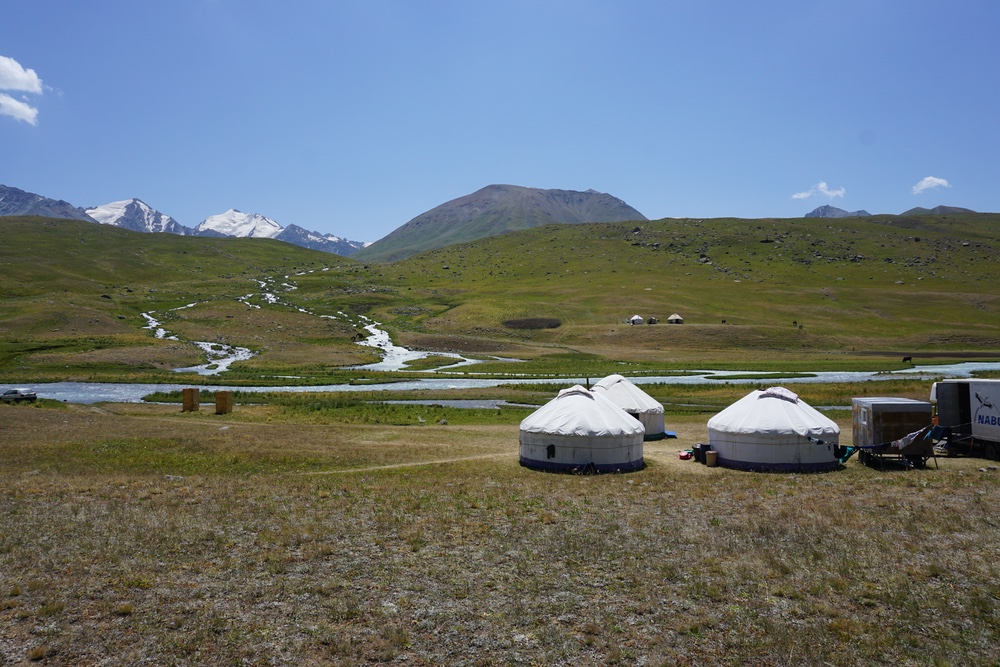
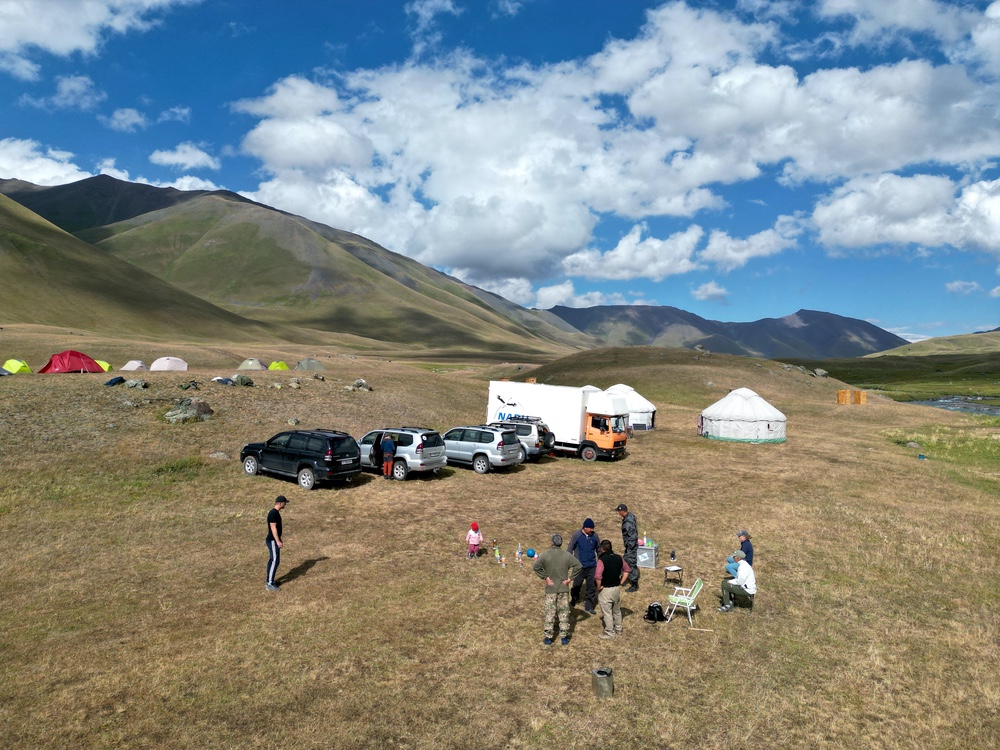
Sure enough the next day, Becca (ranger/guide) promptly freed the truck and it was all hands on deck setting up yurts, only breaking to reacquaint with old friends in the valley who paid a visit, they even mentioned having lost livestock to snow Leopards just weeks ago (more information needs to be gained with surveys) . Two days later, base camp was ready for the arrival of group 1.
On the way back, we went past another possible research site, Archaly valley, which looks good and promising, especially in light of what we wrote in the last expedition report, which we’re sure all expeditioners have read in preparation…. More on Archaly and our plans for this new site later.
Back in Bishkek, more last minute shopping before we met group 1 this morning for the long journey to base camp followed by plenty of learning in the first couple of days.
Here in Bishkek we’ve been continuing to meet staff who have been on expedition before. Many discussions are taking place about road conditions in the mountains, camera trap locations and servicing and expedition food.
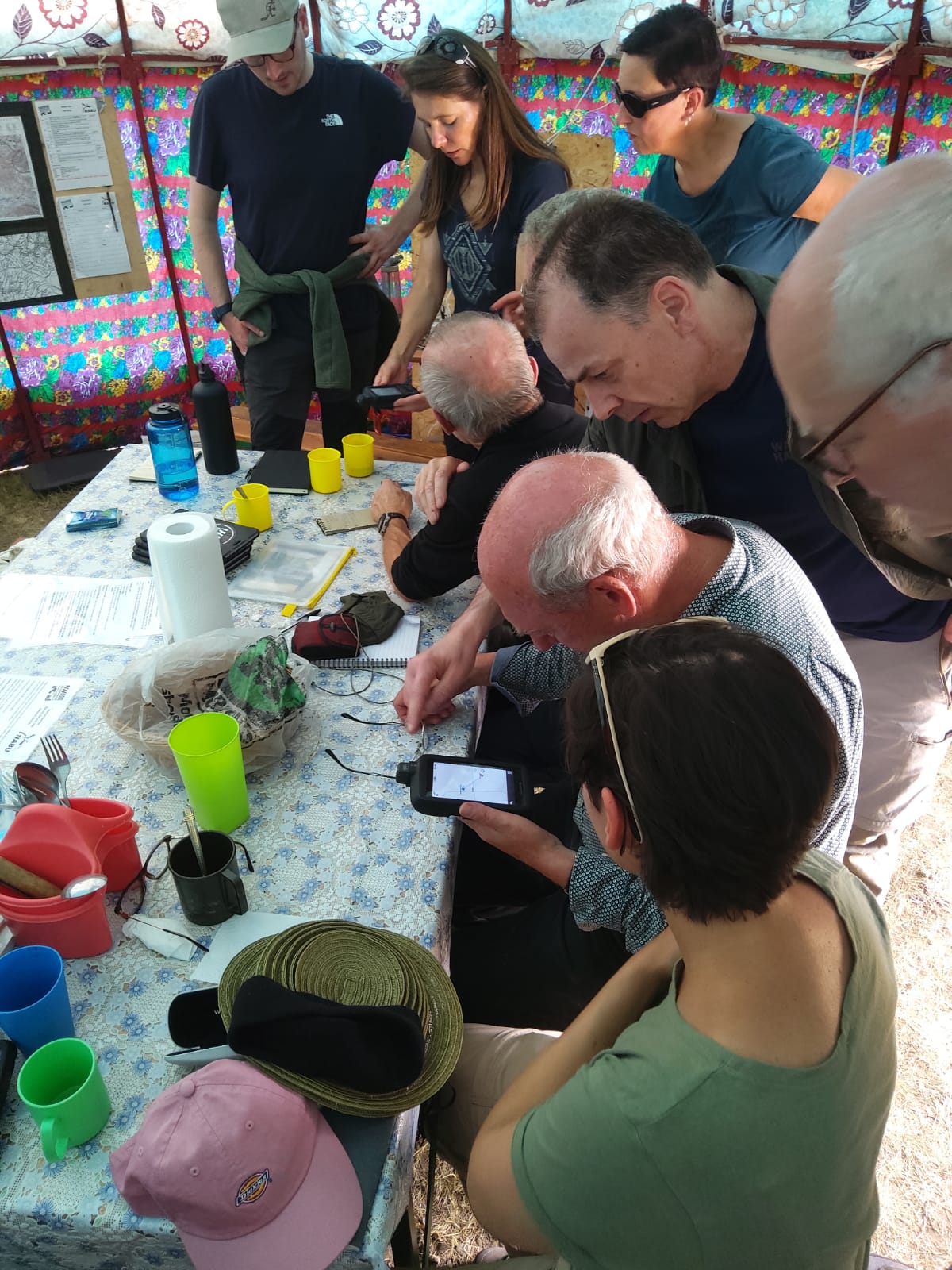
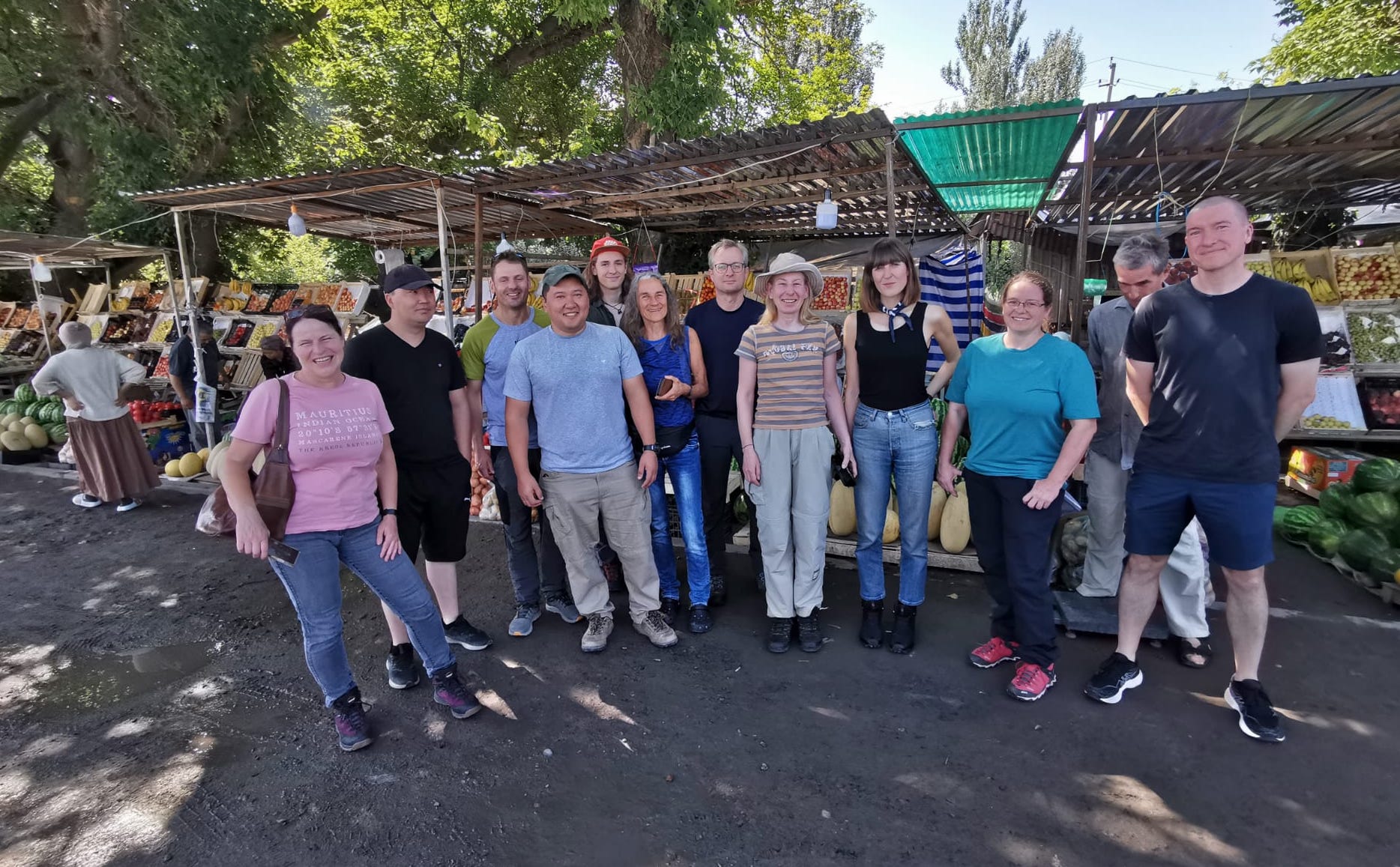
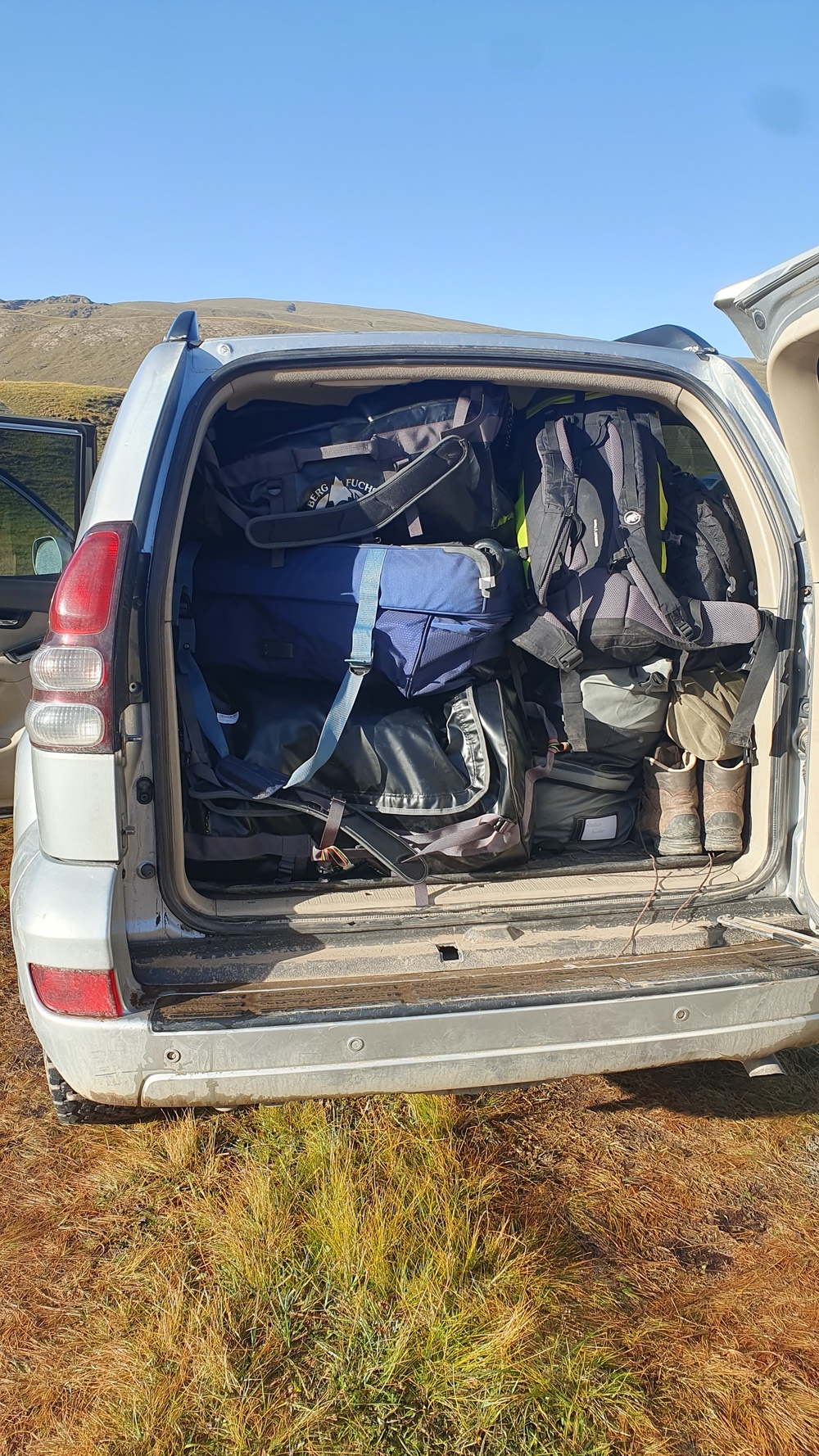
The expedition cook, Azamat, has prepared a meal plan (looks great). Today we’ve been at the local markets filling two 4x4s with groceries. We’ve also been testing equipment such as GPS units and radios.
This afternoon we’ll be loading everything into the lorry ready for an early departure tomorrow for the 6 hour drive to our base camp location. Once there, we’ll begin setting up. There’s no phone signal or internet in the valley, so we’ll report back on progress once we arrive back in Bishkek ready to meet group 1.
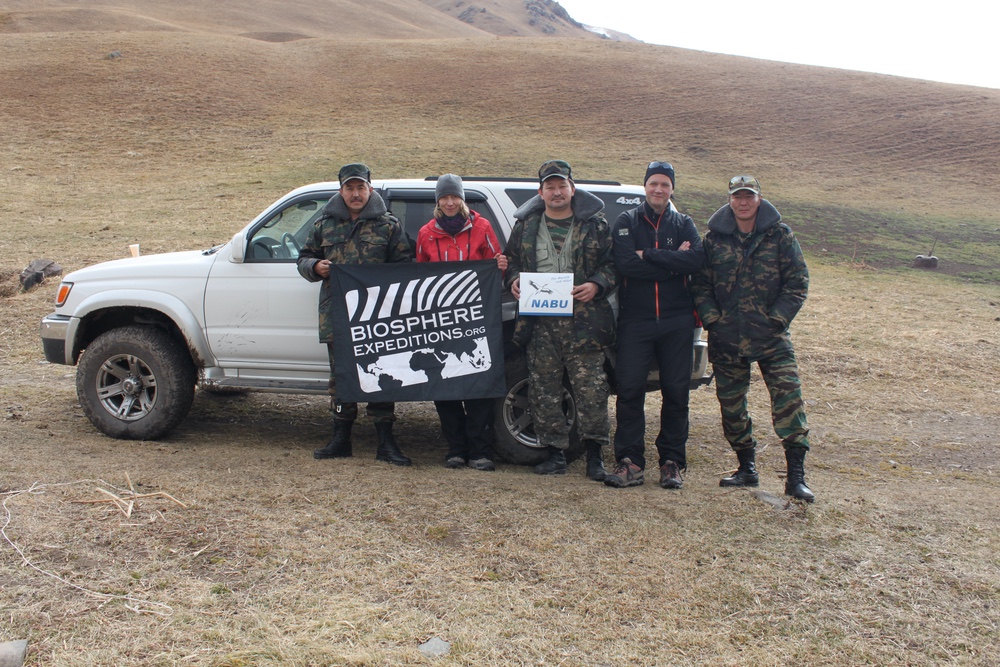
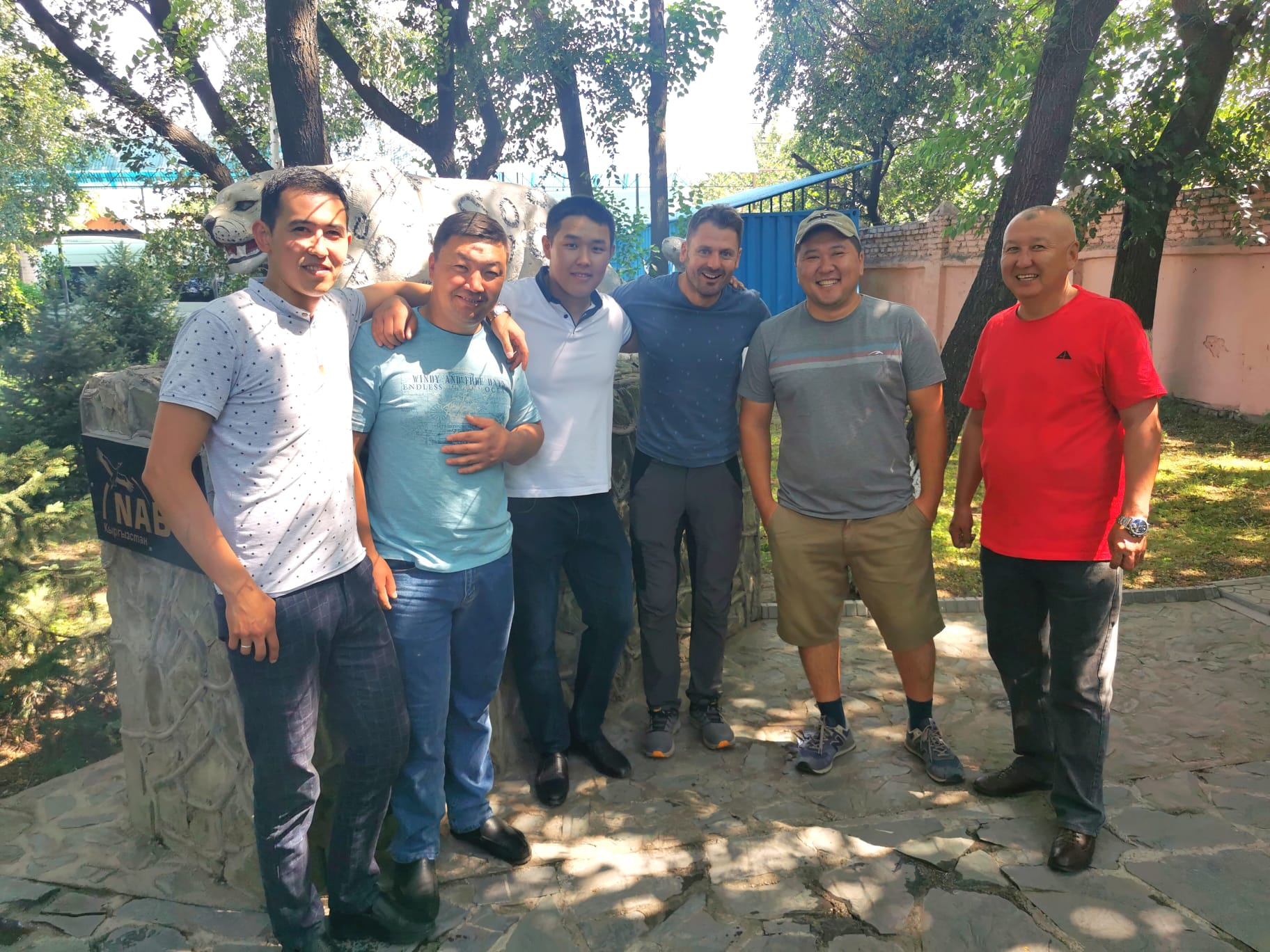
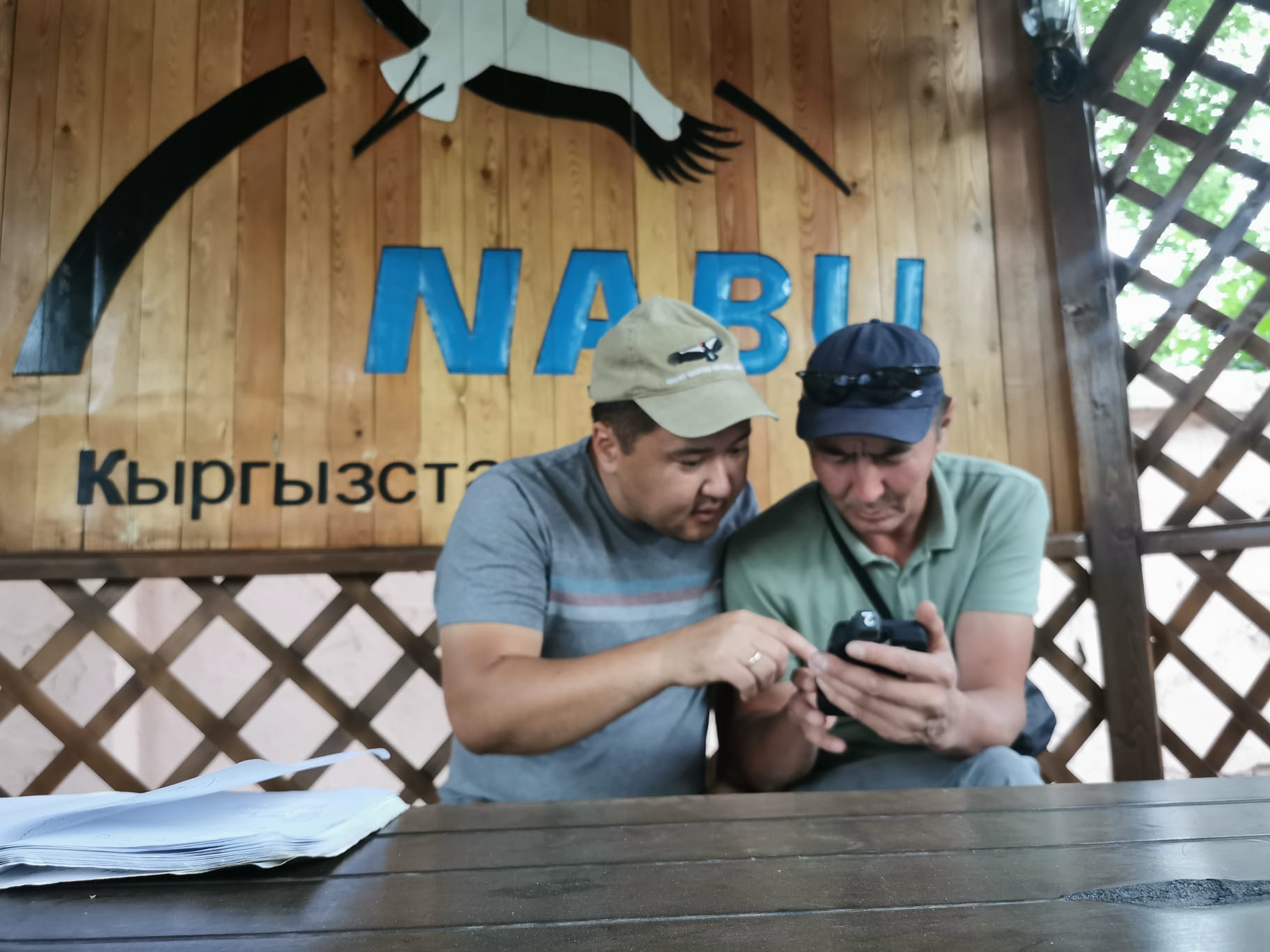
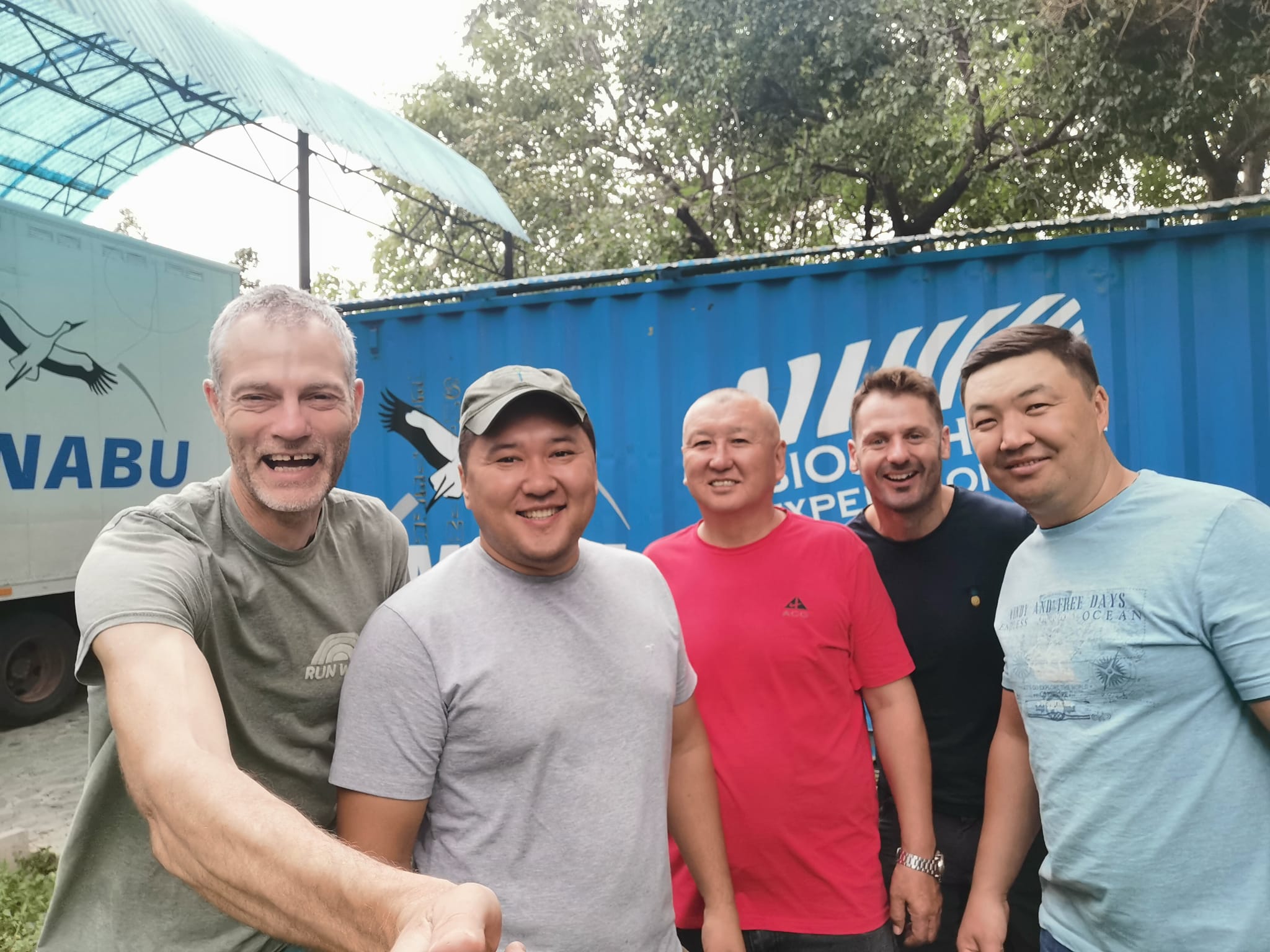
After collecting the 4x4s we headed straight to the NABU headquarters in Kyrgyzstan, where we assessed the state of the expedition equipment and met Taalai (our expedition scientist), Beka (ranger/guide), Ayan (ranger/guide) and Mirlan (ranger/guide) who will all be with us for either part or all of the expedition. There is a palpable sense of anticipation and excitement.
Soon we will load the equipment into the expedition lorry and leave for the Karakol valley to set up base camp ready for the arrival of group 1. For those of you joining us for that one, we hope your preparations are also well underway. Please don’t be fooled by the hot weather here is Bishkek, we are expecting cold nights in the mountains so make sure you pack accordingly (see your dossier!).
We’ll keep you updated on the progress of our preparations and we look forward to meeting group 1 soon.
Reading the research report for last year’s Biosphere Expedition to Tien Shan reminded me of the importance of our research into snow leopards and the success of the 2022 expedition. I am looking forward to be returning to Tien Shan for the 2023 expedition, run in partnership with the conservation organisation NABU. The expedition start is fast approaching.
This is Roland, the expedition leader for group 1. I will be accompanied by Henry who will learn the ropes with group 1 and then take over as expedition leader for groups 2 and 3. Henry and I will be flying out to Kyrgyzstan soon to prepare for the expedition on the ground. We will join Taalai, our Kyrgyz expedition scientist, who also led the research on last year’s expedition, as well as some rangers from the NABU anti-poaching patrol and our new expedition cook, Azamat.
We are feeling ready. We have checked all the equipment, resupplying as needed. We have replaced the yurt and tents that were spectacularly destroyed by the storm at base camp last year. Other new equipment and supplies have been bought in Kyrgyzstan and in the UK: Henry and I will be travelling with large bags. We will set up base camp next week, ready for the arrival of group 1 on 10 July.
For those of you who are coming out this year, I hope you are as excited about the expedition as I am. If the expedition is like last year, it will be rewarding, memorable – and hard work! Get ready for good days with a lot of walking in the hills.
Some reminders:
> Study the kit list in your dossier and make sure you have all the essential items on it
> Trekking poles are also very useful; collapsible ones especially so
> Make sure you read at least the abstract of the 2022 report; it’s a good idea to also read the 2022 diary, or at least the round-up
> Make sure you bring a copy of the field guide with you
More diary entries to follow before then. In the meantime, here are some photos from last years’ expedition, to whet your appetite.
Biosphere Expeditions has this year completed its first snow leopard expedition to the mountains surrounding the Archaly valley, in Kyrgyzstan’s Tien Shan mountain range. Expedition scientist Taalai Mambetov describes the goals for the inaugural year in this location as “our primary focus was to identify indicator species, track argali sheep and ibex, and gather evidence of the elusive snow leopard”. If successful, the expedition would be the first to scientifically document snow leopards in the Archaly valley.
Biosphere Expeditions in collaboration with NABU started the 2023 snow leopard expedition by moving base camp 135 miles from the Karakol valley (home to the expedition since 2014) to the Archaly valley. The new location was selected for its potential prime snow Leopard habitat and the fact that no snow Leopard research has previously been conducted there.
The only way to prove the presence of one of the world’s rarest and most elusive predators is either with a photo or with DNA evidence. With a new and updated scientific methodology to accompany the new survey area, the 2023 expedition had a trailblazing feel to it. Citizen scientist Tobias Müller from Germany commented that “it was great to discover new promising areas”. Surveys saw groups venturing into the mountains recording snow leopard signs, their prey and livestock numbers, while walking routes that will be walked again as transects by future expeditions.
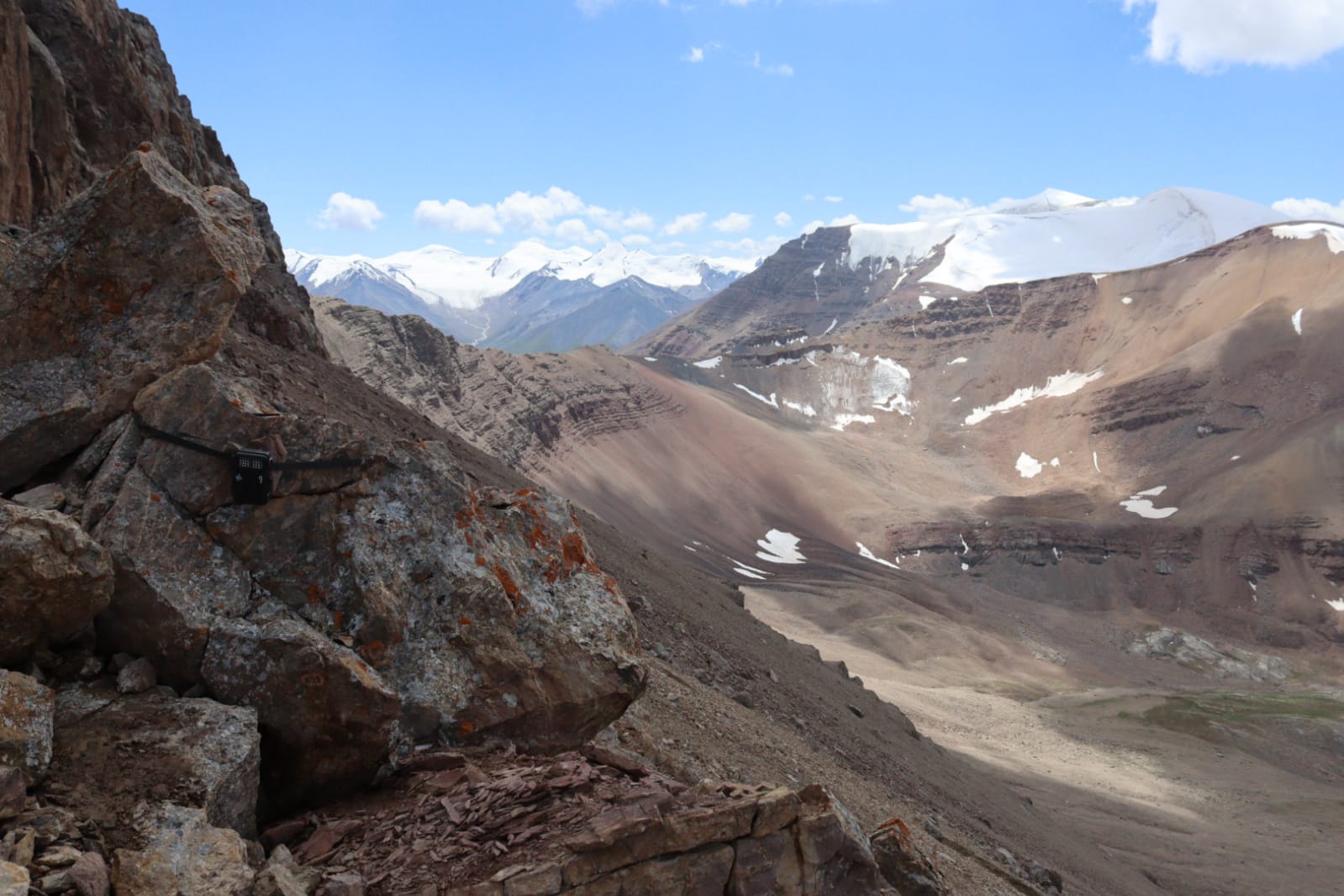
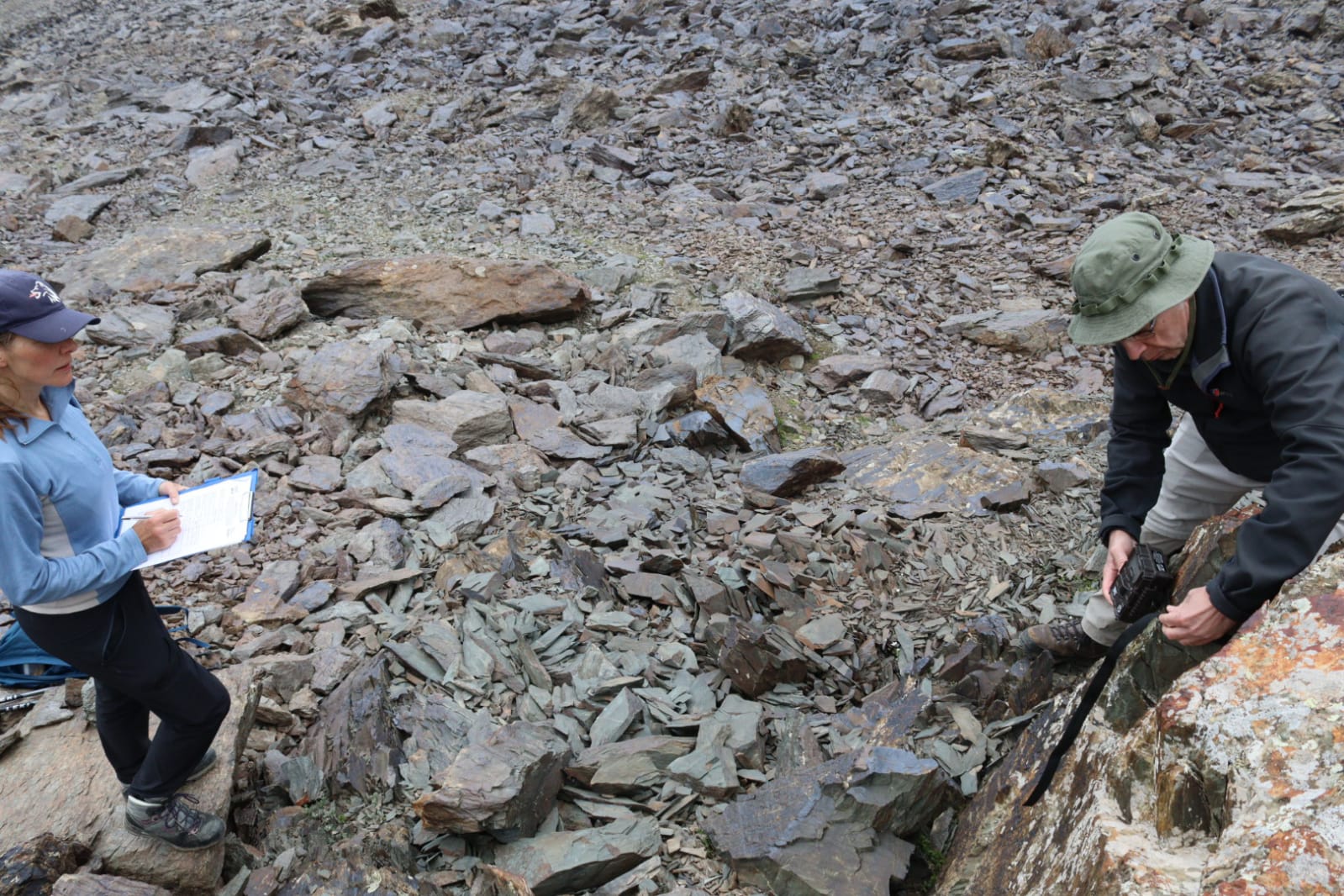
The team placed 20 camera traps between altitude of 3700 m and 4150 m, and collected 12 potential snow leopard scats throughout the expedition. The scats will be sent for DNA testing and the camera traps will be collected at the beginning of the 2024 expedition.
Taalai’s initial thoughts on the 2023 expedition and the new study area are positive: “Our expedition was a pioneer venture into previously unresearched terrain, yielding significant findings regarding indicator species, tracks of argarli and ibex, and evidence of snow leopard. These findings hold promise for the future of wildlife research and conservation efforts in this remote and ecologically valuable region”.
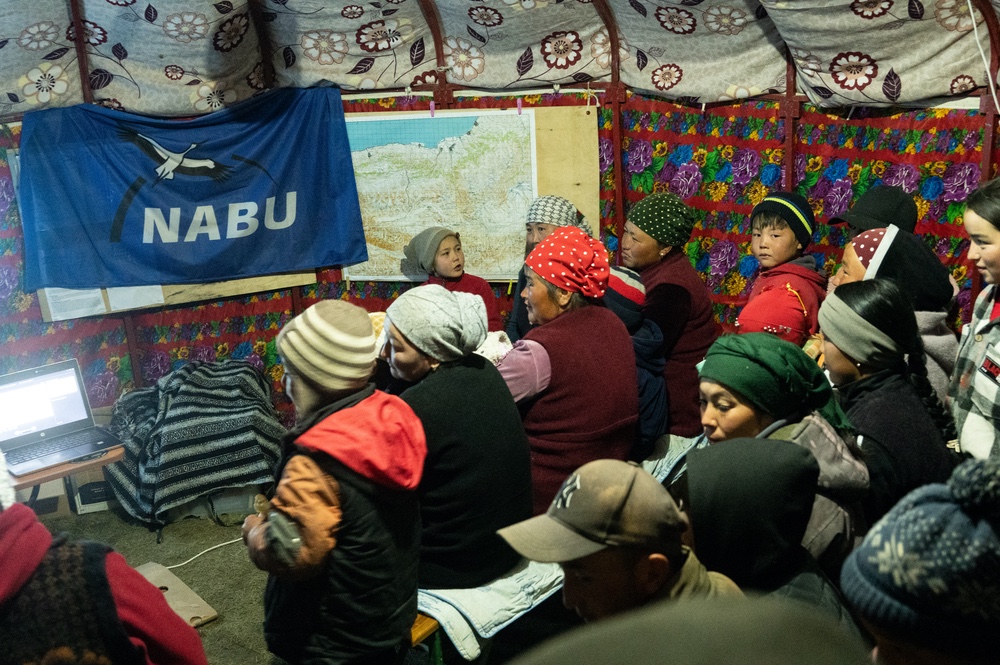
Another important task in the Archaly valley was to build positive connections with the local community who use the valley to graze livestock during the summer. This year the expedition concluded with a well-received event that introduced Biosphere Expeditions, NABU and the research in the area. Going forward, the expedition will look for ways to engage the local community in a collaborative and constructive manner. Camera trap servicing teams and alternative livelihoods capacity-building are both potential projects for the coming years.
Little is known about the snow leopard population in this area, so in the coming years the expedition hopes to shed more light on the population dynamics and highlight the importance of protecting this ecosystem. Taalai’s final thoughts were: “The Archaly valley presents a valuable opportunity for research focused on snow leopard conservation and the establishment of a sustainable community-based protection programme. By conducting research, addressing human-wildlife conflicts and engaging local communities, there is a strong potential to protect this wild area while benefiting both wildlife and people. Biosphere Expeditions’ citizen science projects serve as a collaborative force, uniting the passion and expertise of professional, citizen scientists and and the community alike”.
Three consecutive groups of citizen scientists contributed to the Biosphere Expeditions Tien Shan Snow Leopard research expedition in 2022, run in partnership with NABU in Kyrgyzstan. The expedition continued the research carried out by Biosphere Expeditions and NABU since 2015 into the elusive snow leopard Panthera uncia in the Karakol Valley in the Tien Shan mountains of Kyrgyzstan.
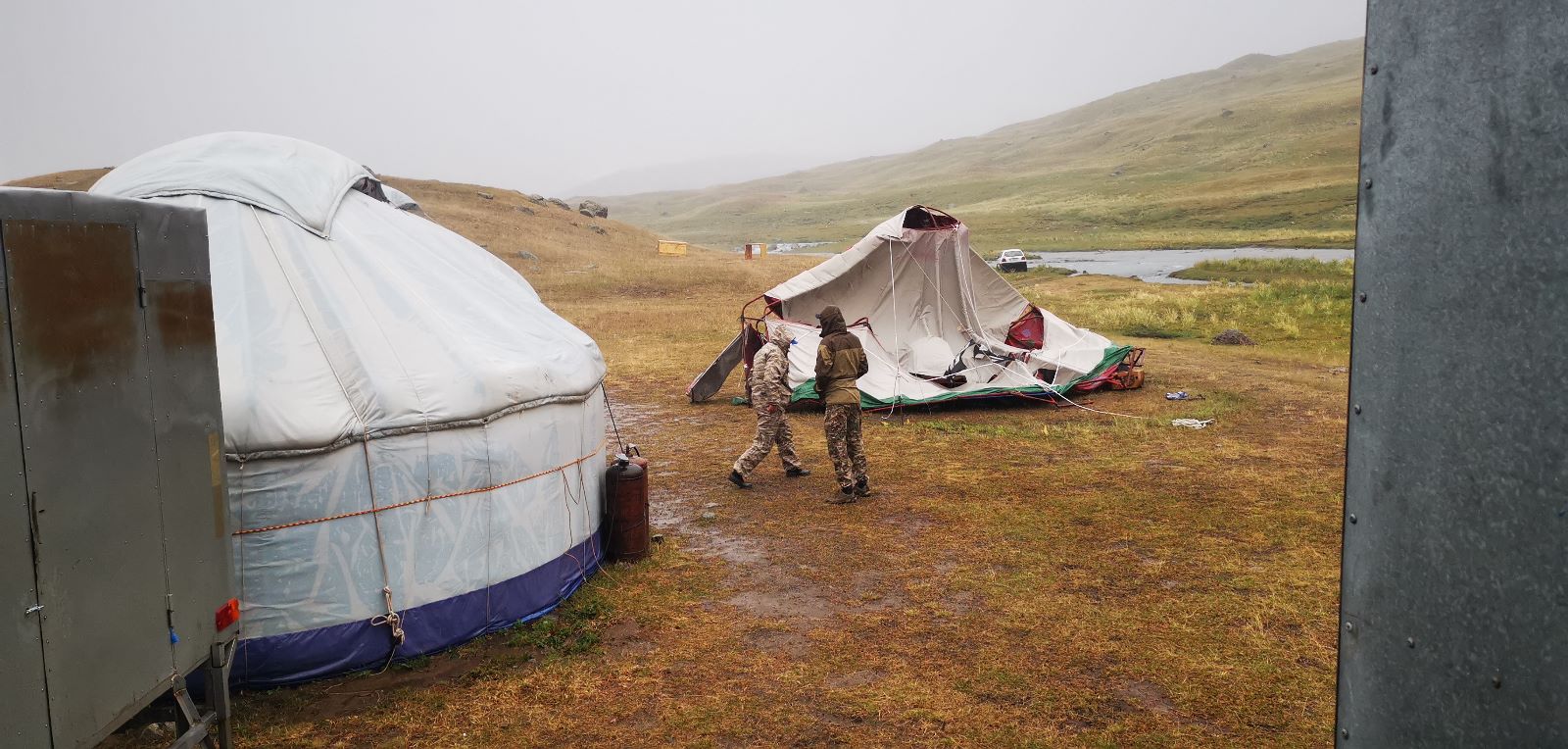
The 2022 expedition survived a number of Covid cases (all contained through practical contagion control measures) and a storm that destroyed a yurt and several tents at base camp, to successfully collect a considerable amount of data on snow leopards and their prey species in the Karakol valley.
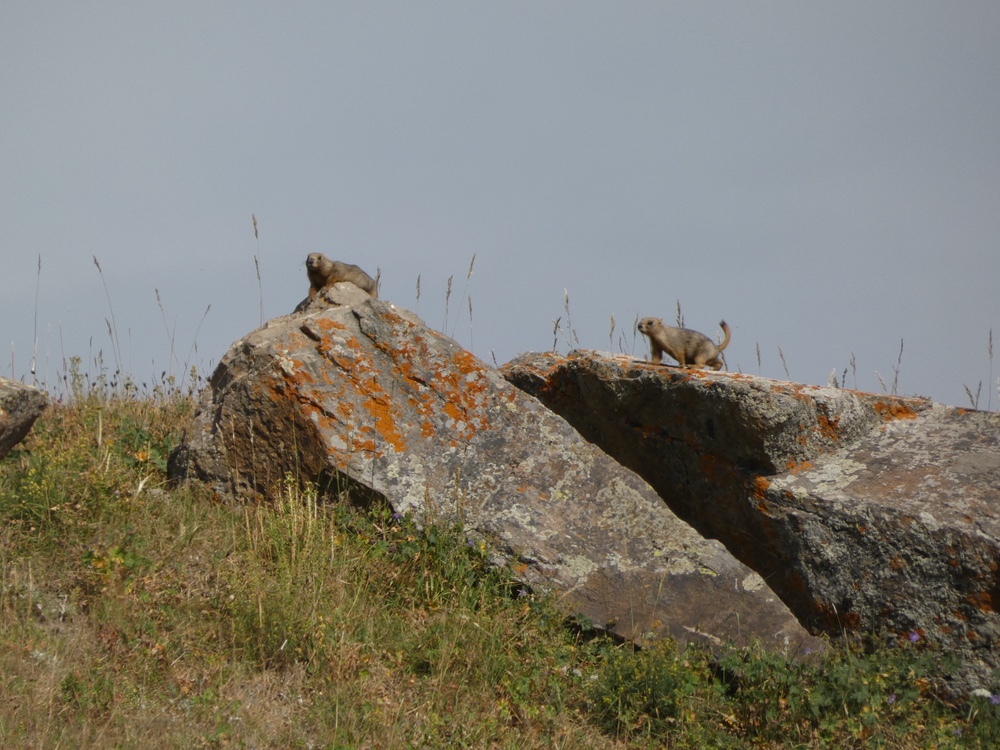
The 2022 expedition ran between 11 July and 20 August 2022 and was supported by an experienced ranger as well as members of the NABU anti-poaching patrol, Gruppa Bars. The core research task comprised a number of small teams surveying different parts of the Karakol valley and its side valleys, up to an altitude of 4000 metres, recording any signs of the snow leopard or its main prey species – ibex, argali sheep, Himalayan snowcock and marmots. The types of signs that were searched for included direct sightings or audible calls of the animals, footprints, scat and fur. In each case, the location of the sign was recorded.
The expedition recorded many sightings of marmots and occasional sightings of ibex and snowcock. Three potential snow leopard footprints and five potential snow leopard scats were found and recorded. Samples of the scats were collected for later DNA analysis, which revealed that one of the scats was from a snow leopard.
Camera traps were placed in twenty six locations around the high side valleys, for different periods of time, as a research tool to provide evidence of the presence of snow leopards and other animals. Twelve of these cameras had been placed and checked earlier by the Community Camera Monitoring Trap Group (CCTMG) established by Biosphere Expeditions. The CCTMG is a small team of local people, trained in the use of camera traps, who are responsible for the camera traps in locations around the Karakol Valley in the periods between each expedition. By the end of the 2022 expedition, 15 camera traps were left in place for the CCTMG to service until the 2023 expedition.
The camera traps recorded two instances of snow leopards (one of which was a snow leopard passing the camera during the expedition period, the other was from the previous autumn). Camera trap images during the expedition also included ibex (eight times), marmots (five times) and snowcock (15 times).
The 2022 expedition also interviewed eleven local shepherds and their families to ascertain their attitudes to the snow leopards and about eco-tourism and its potential for generating further income for local people. These interviews revealed a substantially positive response from the local people towards the snow leopard and an enthusiasm for hosting tourists as an additional income stream to livestock herding.
The expedition provided clear evidence of snow leopard presence, through camera trap images and scat. Along with the results of previous expeditions, the 2022 expedition demonstrated a stable and healthy prey base for the snow leopard in the Karakol Valley and a positive attitude amongst local herders towards the snow leopard and the idea of hosting ecotourism in the valley. Seventy percent of the shepherds interviewed by the expedition expressed their willingness to consider a complete transition to alternative income sources, if it could rival or come close to their main earnings from livestock herding.
However, some conclusions from the research paint a more worrying outlook for snow leopard conservation in this region. In particular, no evidence of Argali sheep was found in 2022 compared to signs of this prey species in previous years. The high grazing pressure from livestock kept in the Karakol valley every summer, with especially high numbers observed in 2022, almost certainly threatens the success of ibex and argali sheep, key snow leopard prey species, through resource competition.
Overall, the 2022 expedition achieved its research objectives. Expedition leader, Roland Arnison, said “This was a highly successful expedition – our first since the end of the Covid lockdowns, and a very welcome return to the Karakol valley for Biosphere Expeditions. Our citizen scientists worked hard to collect a substantial amount of data over a huge area – we surveyed a total of 304 square kilometers of mountain terrain and recorded 156 signs of animals of interest. Excitingly, we had several direct sightings of ibex in the mountains and conclusive evidence of snow leopard in some locations.”
Nobody could accuse this snow leopard volunteer expedition of being dull, and the interesting times have continued with the third and final group for this year.
Group 3 started dramatically with a mountain storm erupting without warning within hours of the team arriving at base camp. 30 minutes of high winds destroyed one of our three yurts and many of our tents, necessitating two prompt actions – a hasty arrangement to hire a yurt from a local shepherd and a long drive back to Bishkek for expedition leader Roland to buy some more tents. Both missions were completed successfully. Then expedition leader Roland tested positive for Covid. Leading an expedition while self-isolating proved to be a novel experience, but group 3 was a strong and dependable team and the expedition continued largely as planned. Another expeditioner then also tested positive for Covid a day after Roland, but thanks to the implementation of our Covid protocol, the spread stopped there.
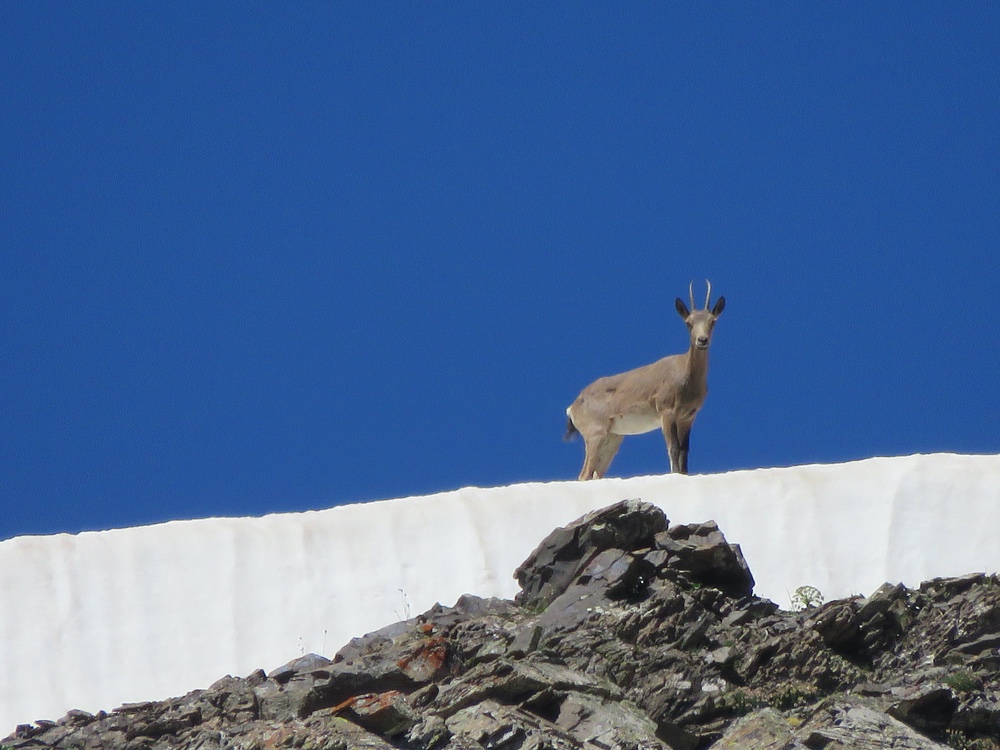
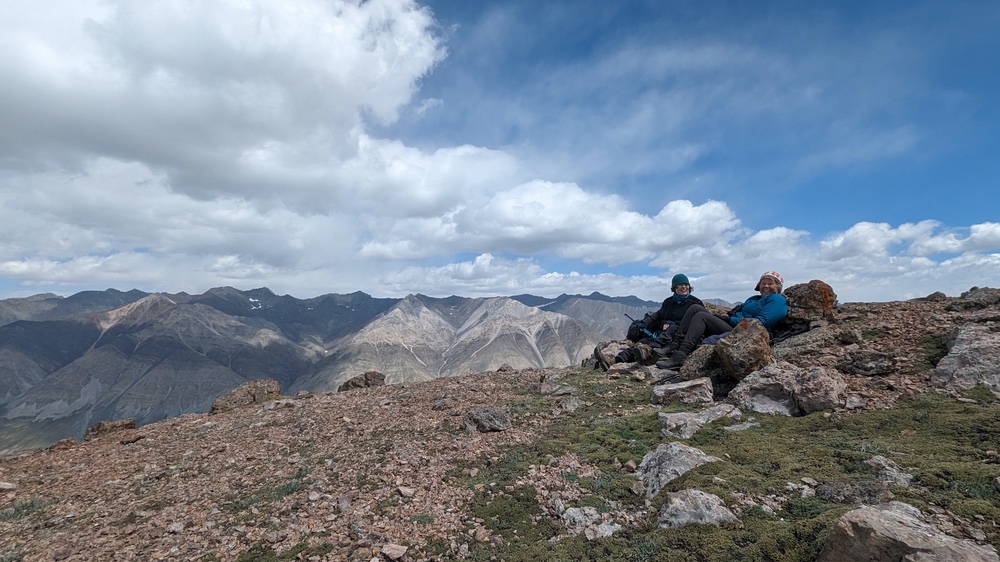
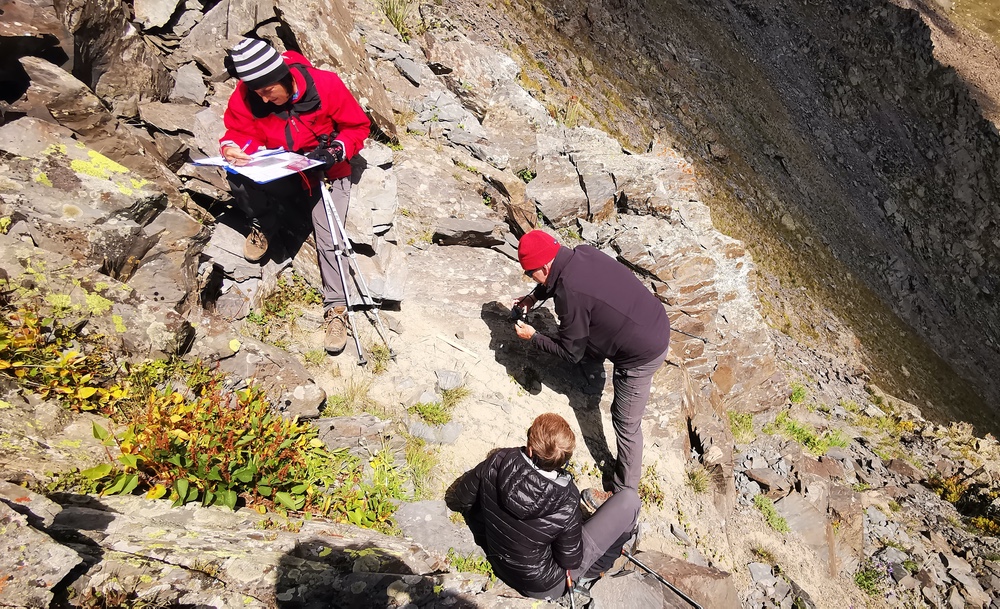
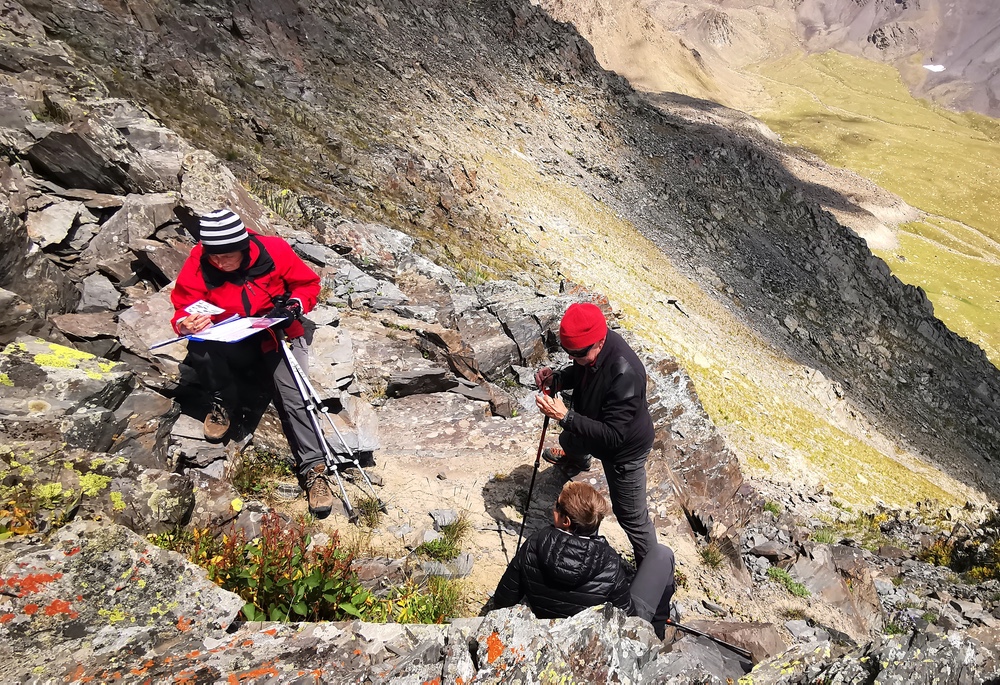
Despite these setbacks and some challenging weather in the first few days, the expedition team pulled out the stops and achieved some good scientific research over the two weeks. We visited most of the camera traps already located in the mountains, to replace SD cards and to retain, move or bring back each camera. We surveyed many 2×2 km cells – many of them covering new valleys we had not visited before. We saw ibex, high up on ridges. We discovered many instances of ibex footprints and scat and – excitingly – some snow leopard footprints too. We also found large carnivore scat on a few occasions.
It is not easy to directly tell whether such scats are from snow leopard, wolf or even lynx, but the location and neighbouring clues often help. Wolf predation of livestock is common here – much more than with snow leopard who favour ibex as their main prey and we came across a few horse and cow carcasses and accompanying wolf scat on at least one occasion. Even more excitingly, we found likely snow leopard scat a couple of times and we have a total of six potential snow leopard scats from the three groups, ready to send off for DNA analysis to confirm their identity.
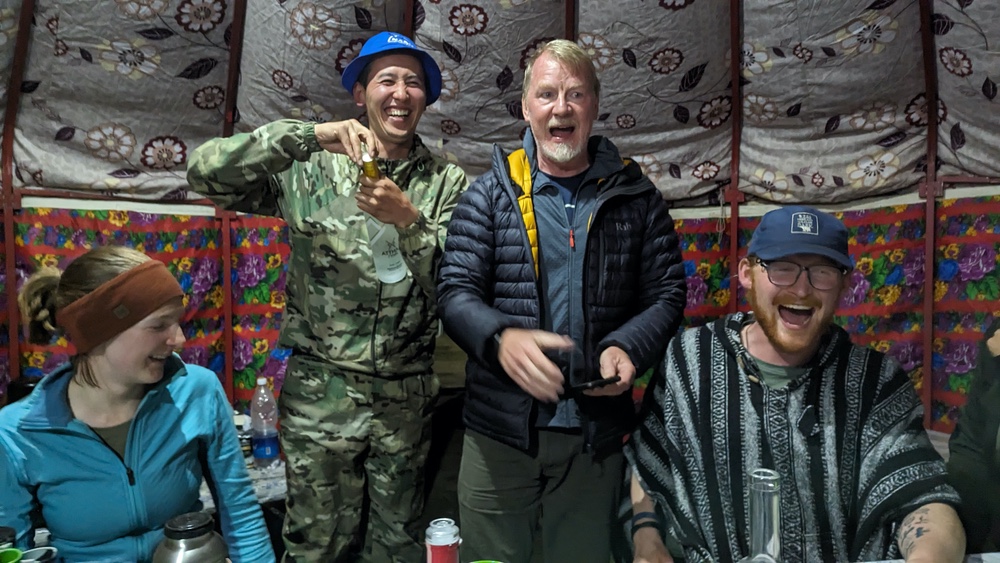
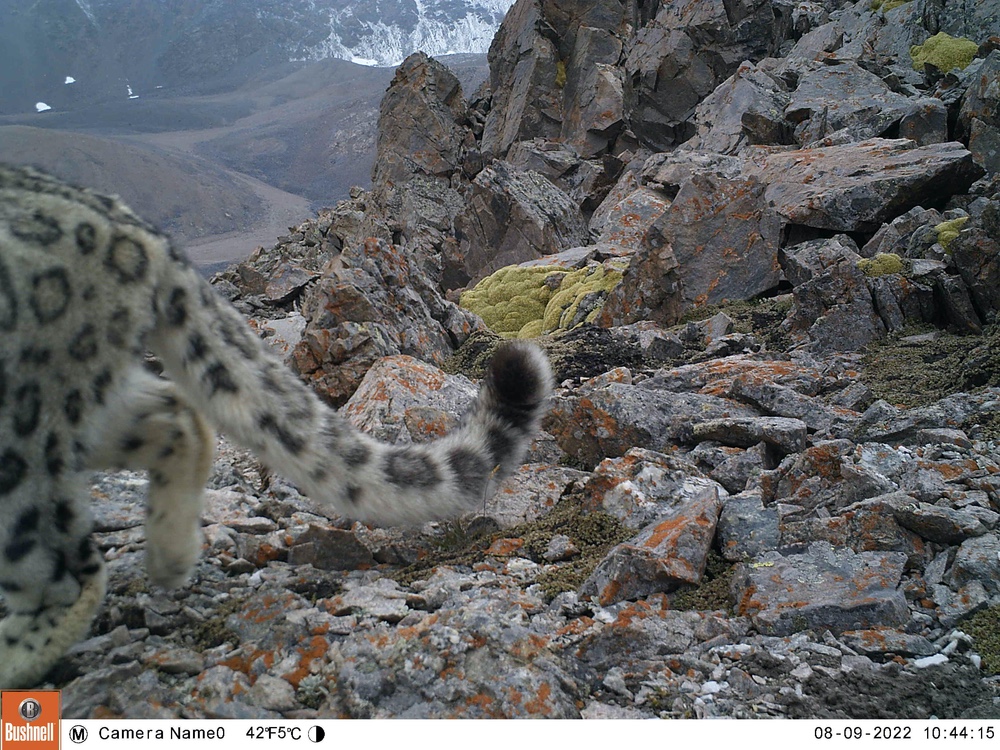
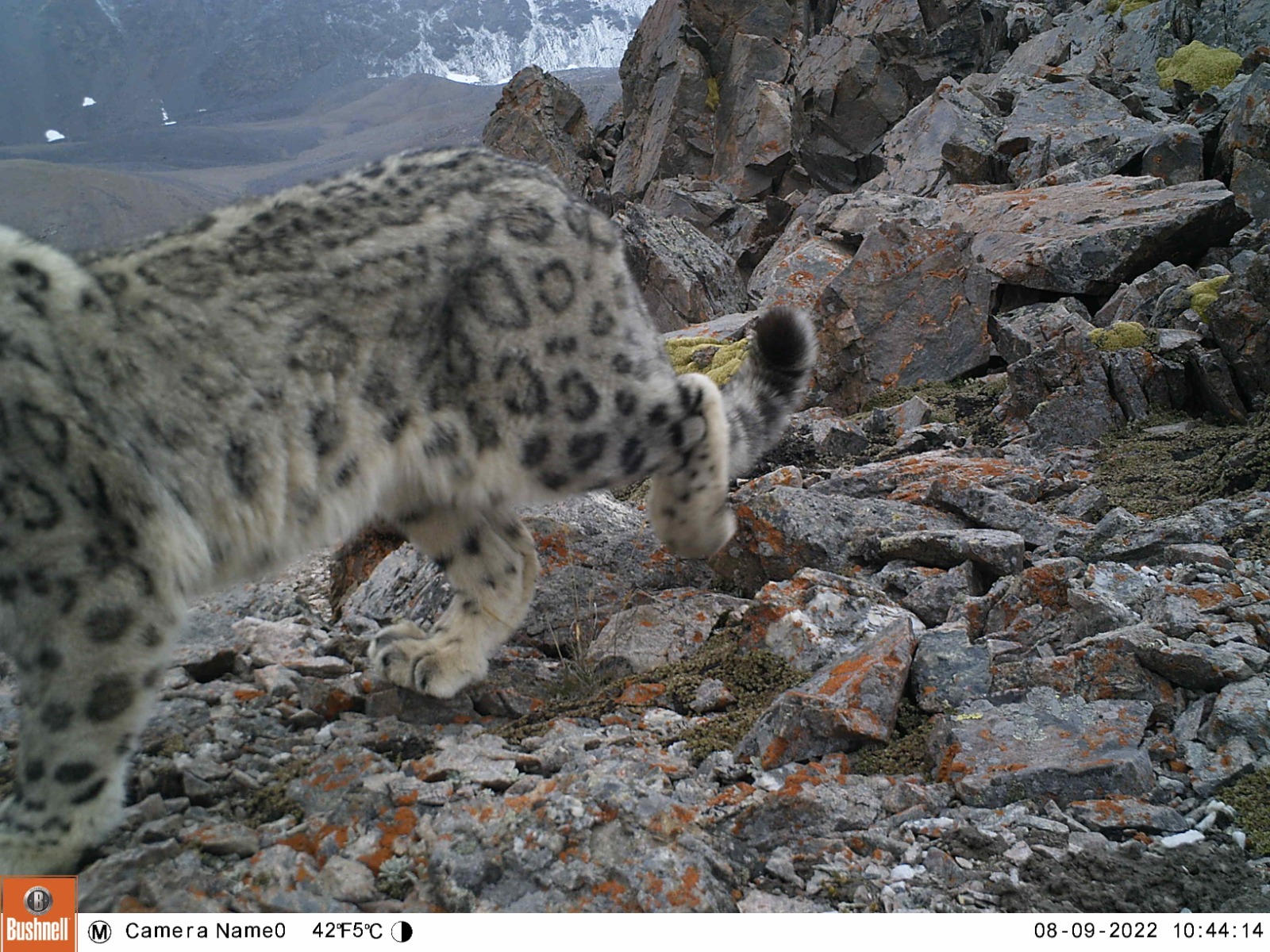
Group 3 also had the task of checking the camera traps that were put up by the previous two groups. All the camera traps were placed in strategic locations, often on high ridges, where we have found good evidence of ibex at least. Some of these cameras have captured good photos of ibex and snowcock, amongst other snow leopard prey animals. And two images of cameras have given us images of snow leopards – just a few days old in each case. This revelation never fails to being much excitement and celebration at our debrief sessions each evening.
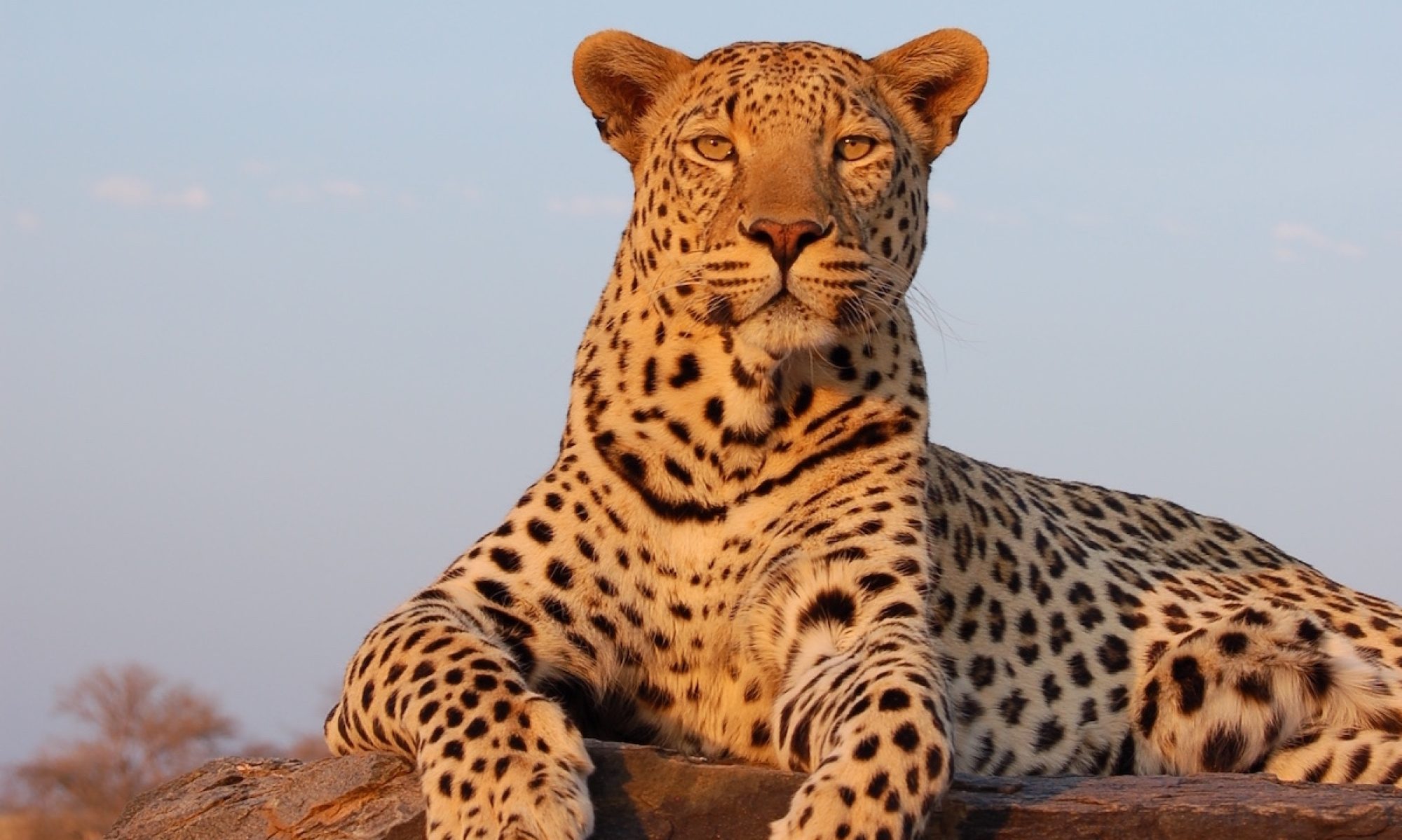
Snow leopard image
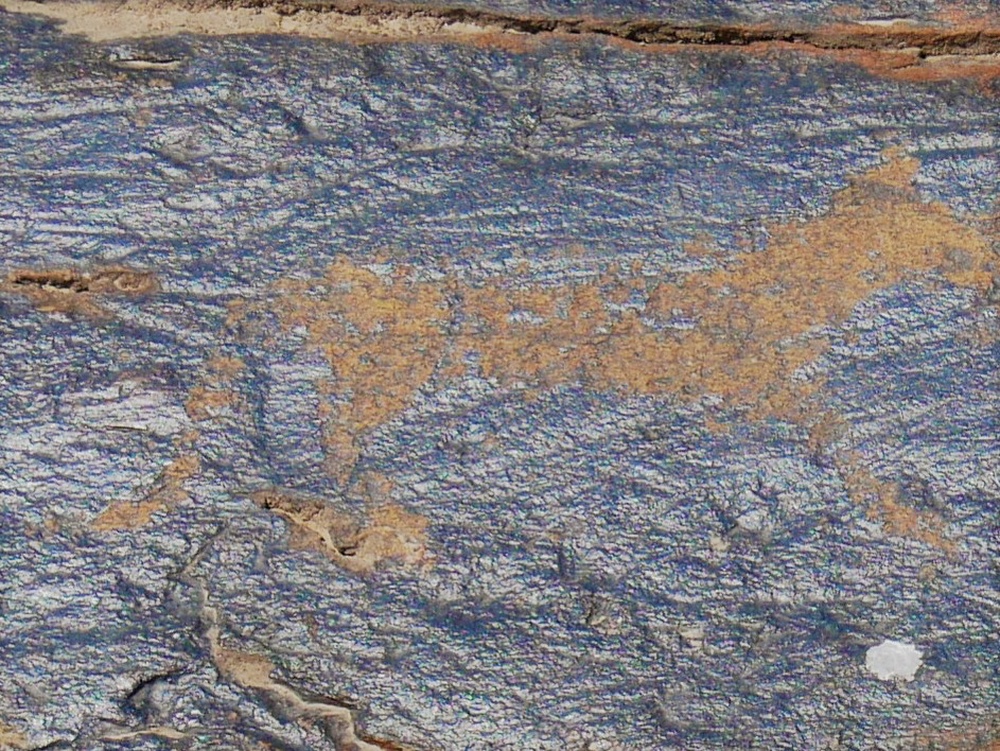
Alongside our surveys of snow leopards and their prey, we naturally look out for any other interesting wildlife and other finds. We are always accompanied by buzzards, eagles and vultures. And often we come across petroglyphs, which are common in this valley but no less intriguing because of it. These are rock carving line pictures, depicting local animals, made many thousands of years ago in some cases. Most of the petroglyphs show recognizable animals (but some are not at all obvious and invite imaginative interpretation). Simple line drawings of ibex are especially common and we have also seen carvings of Argali sheep, camels, dogs –and occasionally snow leopards.
Ibex petroglyphSnow leopard petroglyph
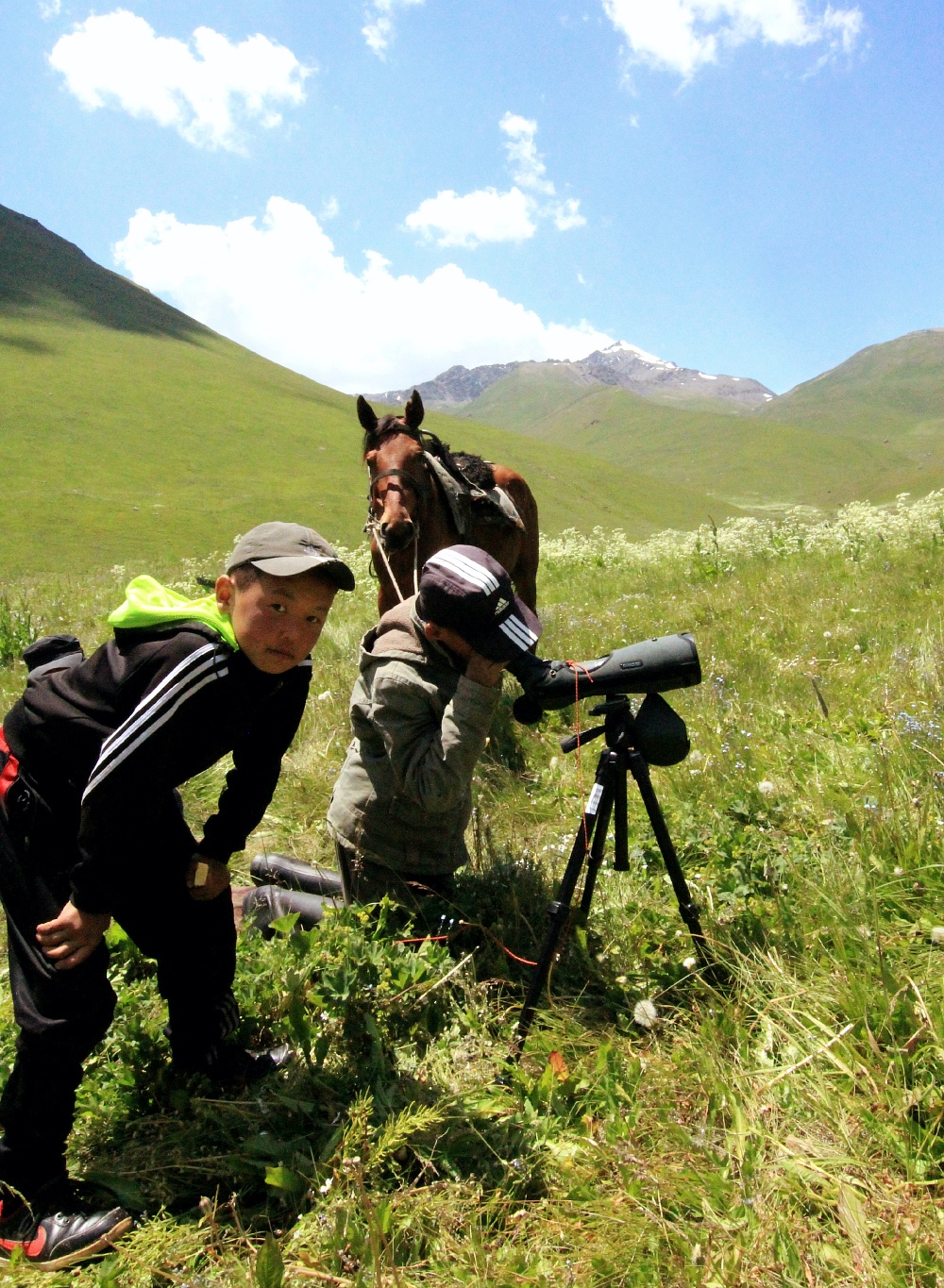
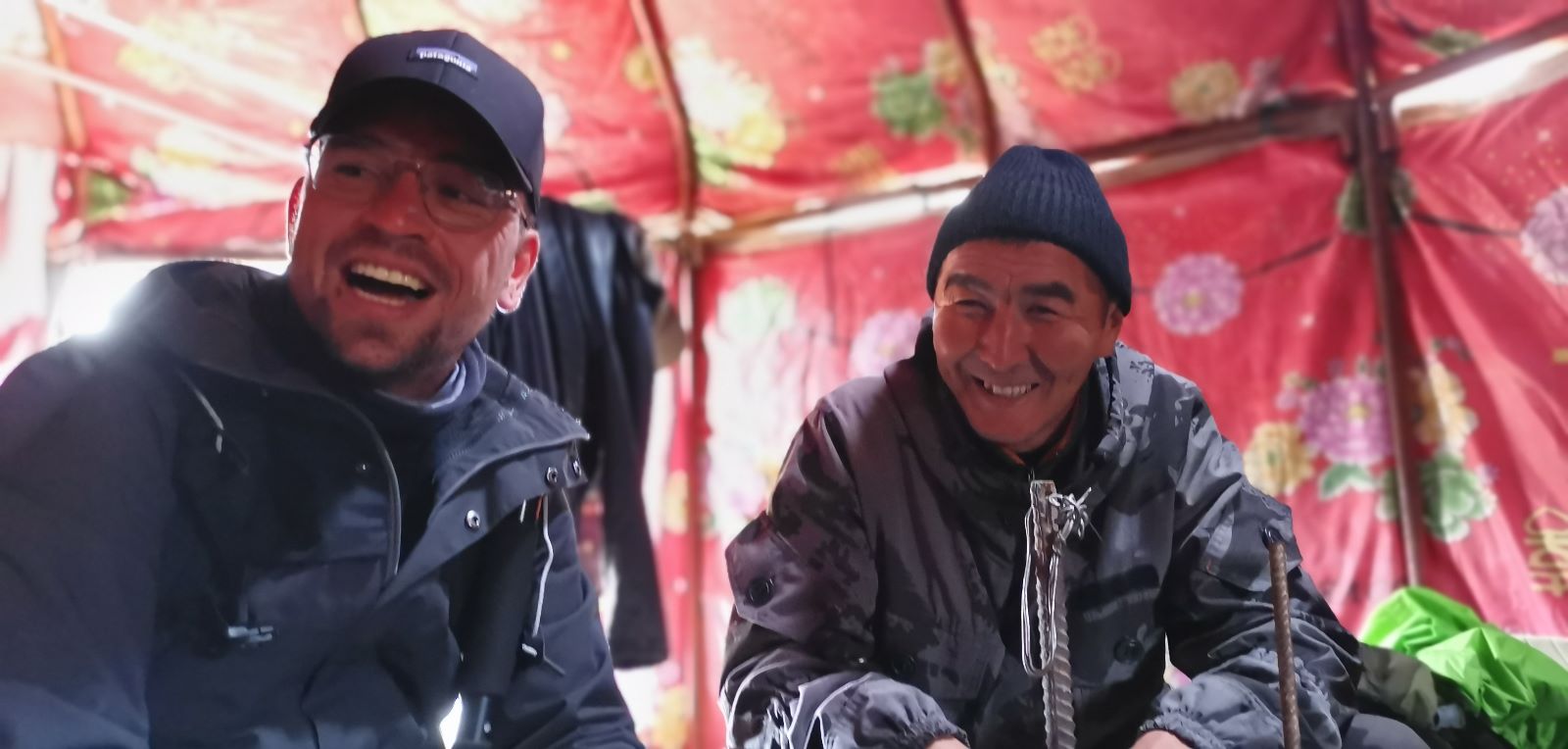
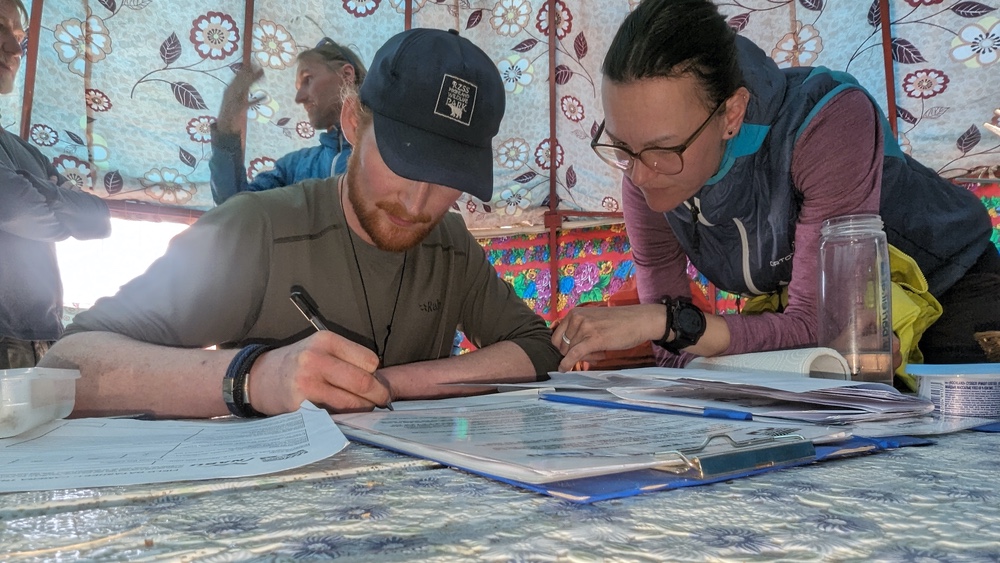
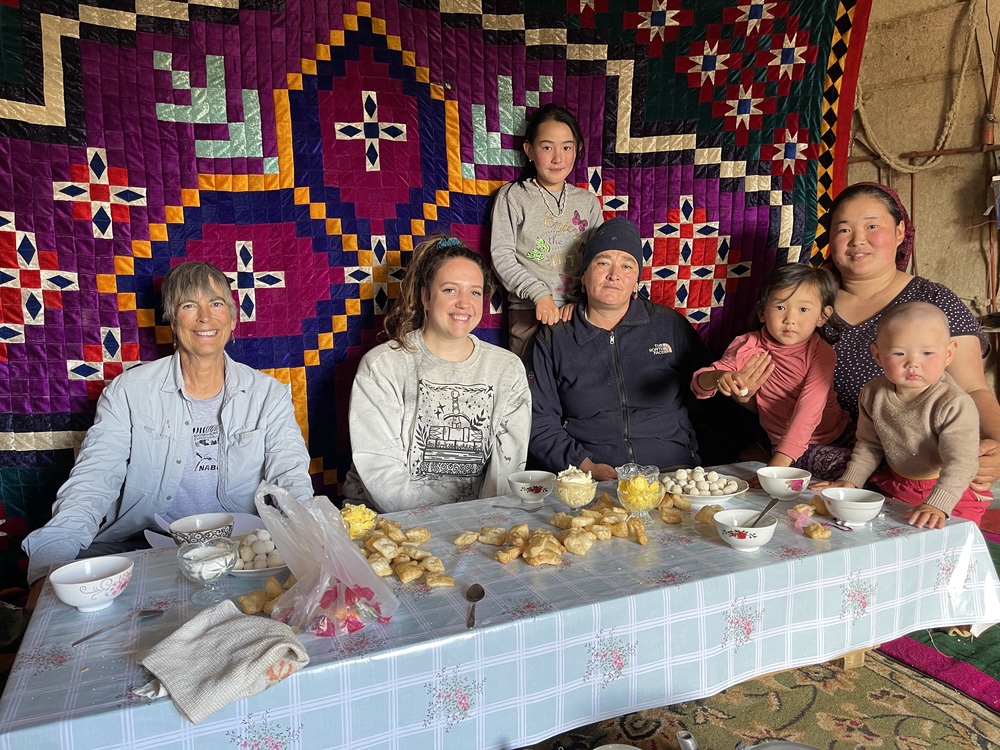
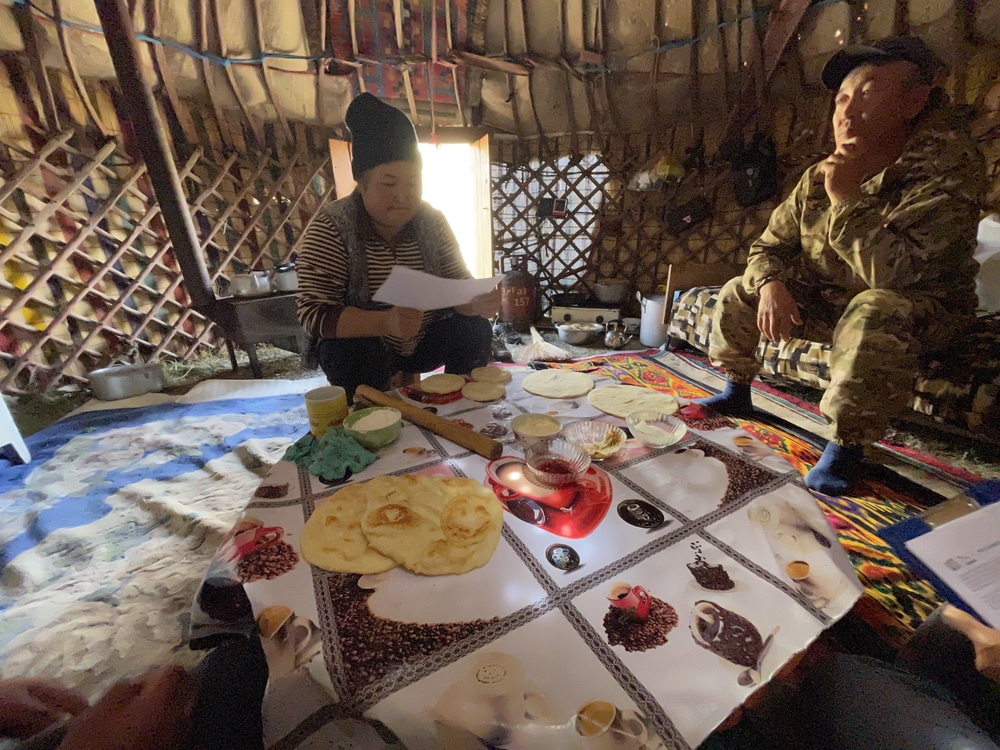
In group 3 we have also continued our social research into attitudes to the opportunities of eco-tourism amongst the local shepherd families. This involves visiting our neighbours up and down the valley, in their yurts and tents, always being received with great hospitality and courtesy. With our multilingual Kyrgyz scientist Dr Taalai Mambetov acting as interpreter, our expeditioners interview the shepherds, loosely following a prepared series of questions, but largely enjoying a free-flowing conversation. The interviews gave us a good insight into the realities of shepherding life in the upper Suussamyr Valley – and a strong appetite to host adventurous tourists here in the future.
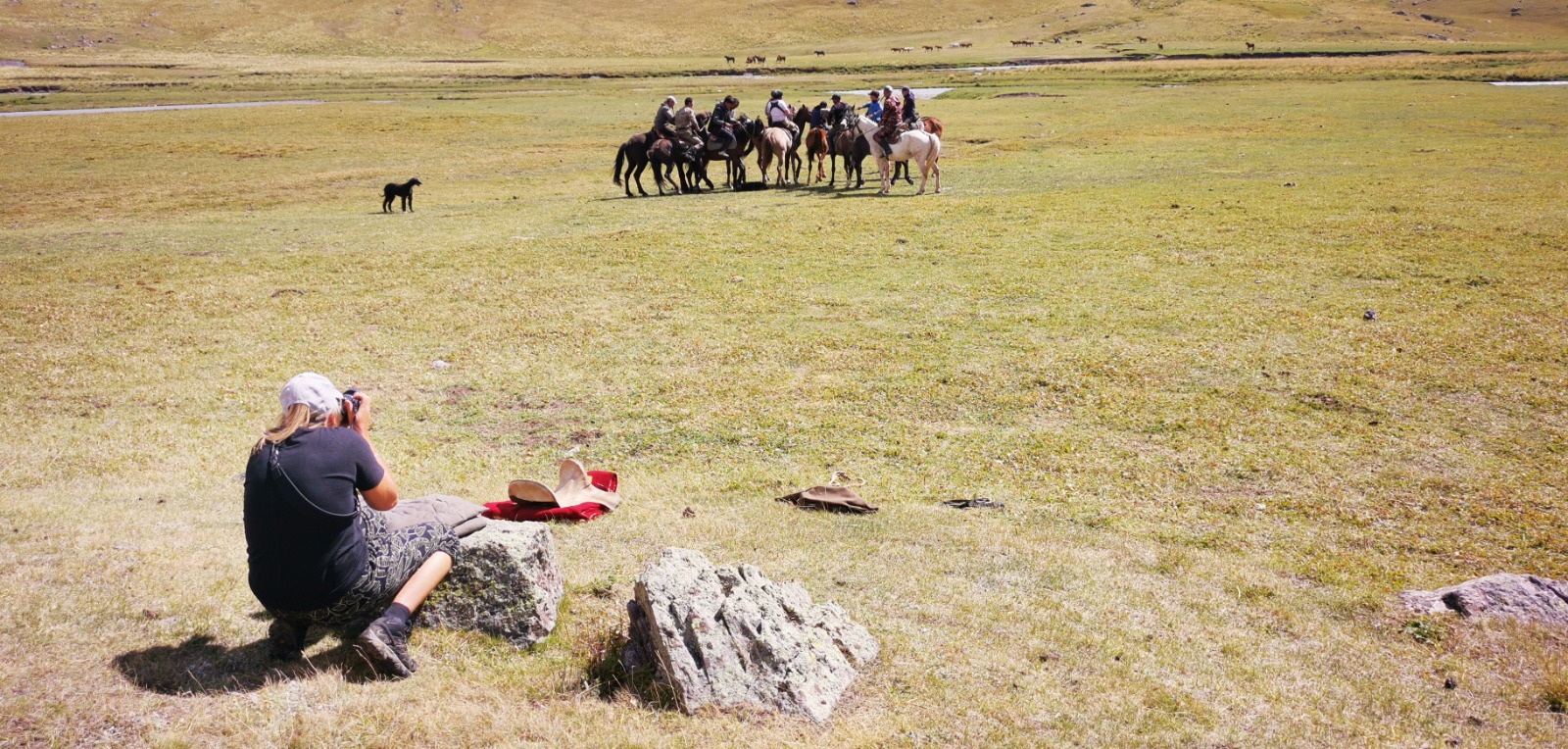
The 2022 Tien Shan snow leopard expedition has brought some memorable challenges but was ultimately very successful, with a total of 30 expeditioners achieving an impressive amount of citizen science over six weeks in Suussamyr Valley: We have surveyed seventy six 2×2 km cells, many more than once, collected six samples of likely snow leopard scat ready for DNA analysis, discovered three sets of photos of snow leopards on camera traps, found snow leopard footprints, seen herds of ibex on mountain ridges on several occasions and we have interviewed twelve local shepherd families. And alongside all this, we have immersed ourselves in the wild mountain environment, scrambled up rocky ridges, seen a lot of local wildlife, discovered ancient and intriguing rock art, watched crazy games of ulak (the national sport of Kyrgyzstan, with horse riders fighting over a goat carcass, in a mad chaos of hooves and mud) and made new friends.
As one expeditioner reflected – “A once in a lifetime experience! This was a great way to deep dive into a country, push yourself outside your comfort zone and save some wildlife. The science we do here may not seem like much on a single day, but it adds up and contributes to a wonderful research project.”
So I end this diary by thanking all expeditioners, whose time and funds make this expedition possible, our partner NABU Kyrgyzstan and its snow leopard rangers, our head ranger Aman and his wife Gulia, our amazing cook, our expedition scientist Dr. Taalai Mambetov and everyone else who helps to make this expedition a success. Thank you all. You all contribute to making this expedition what it is.
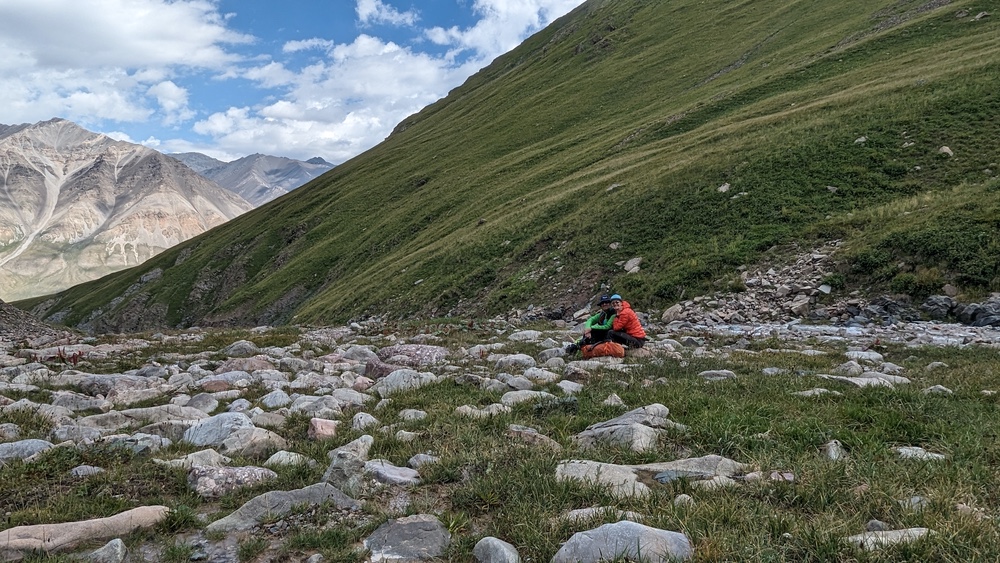
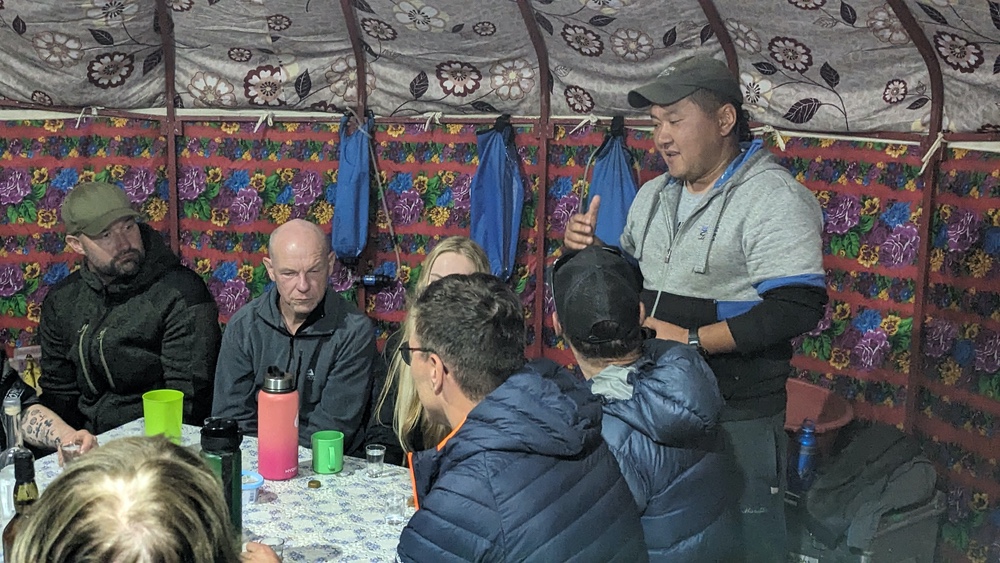
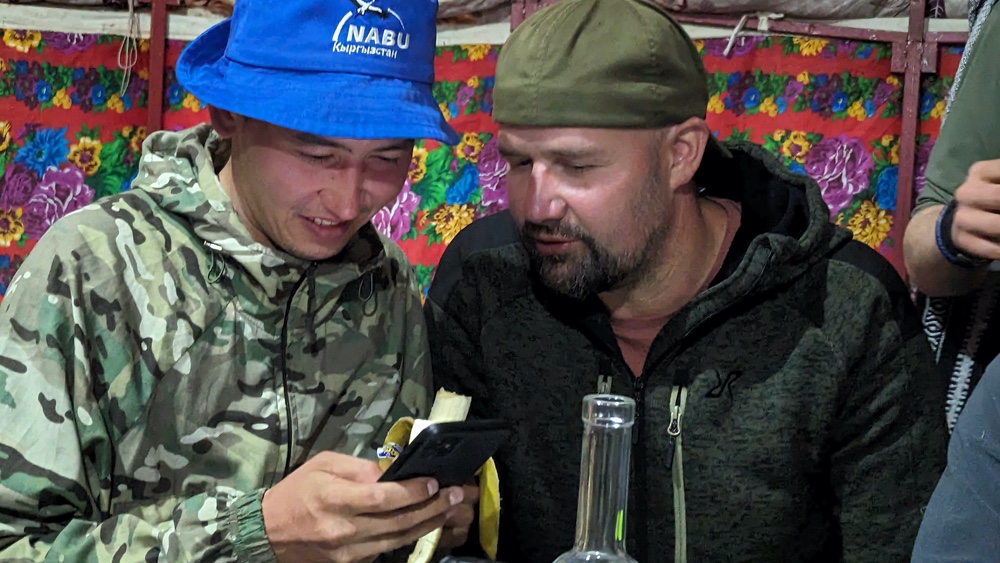
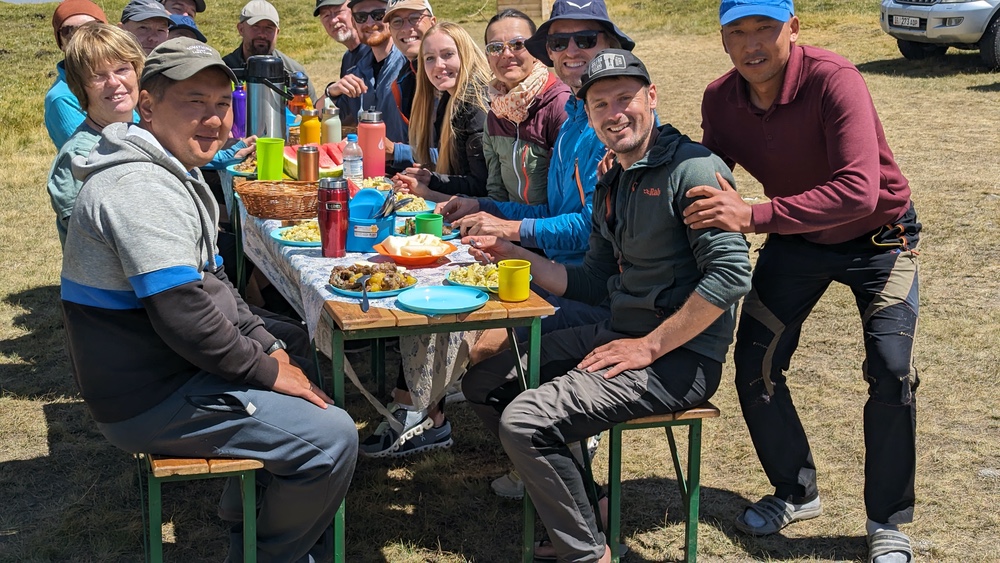
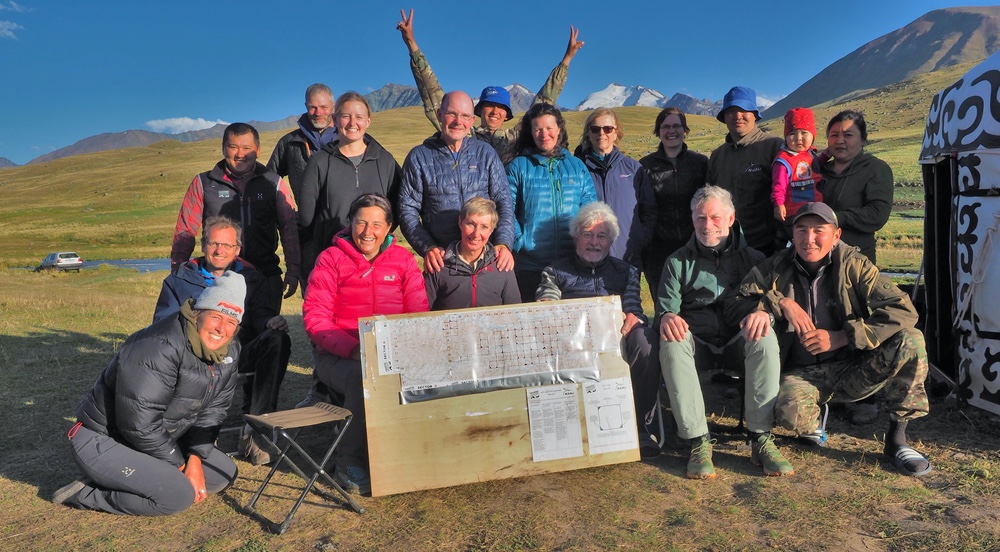
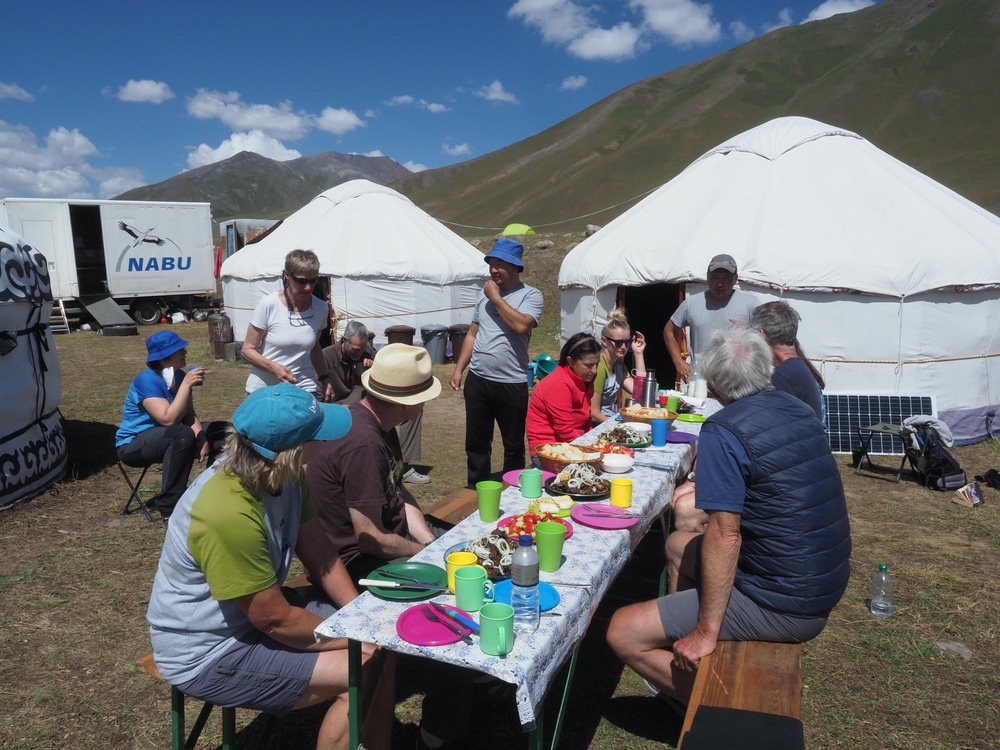
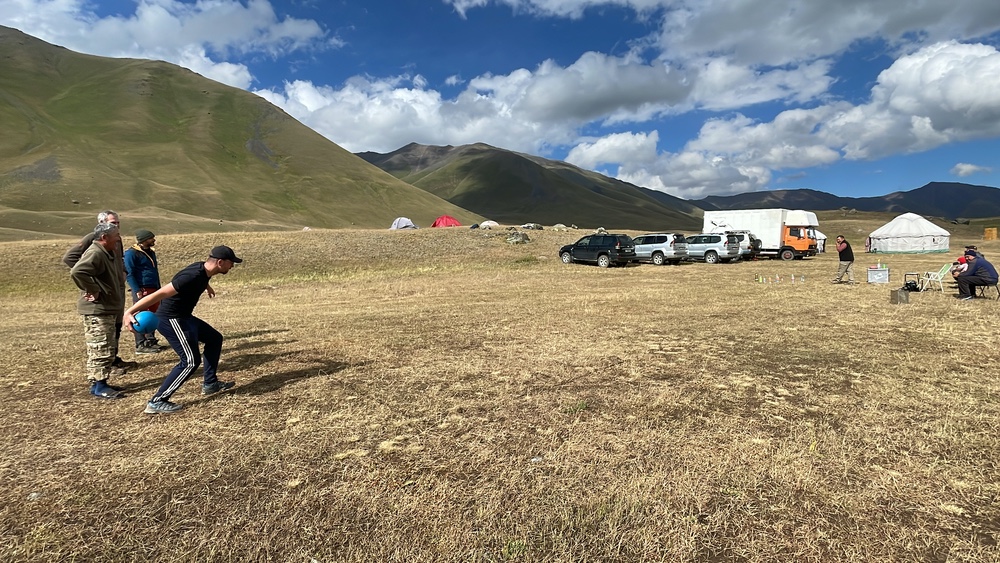
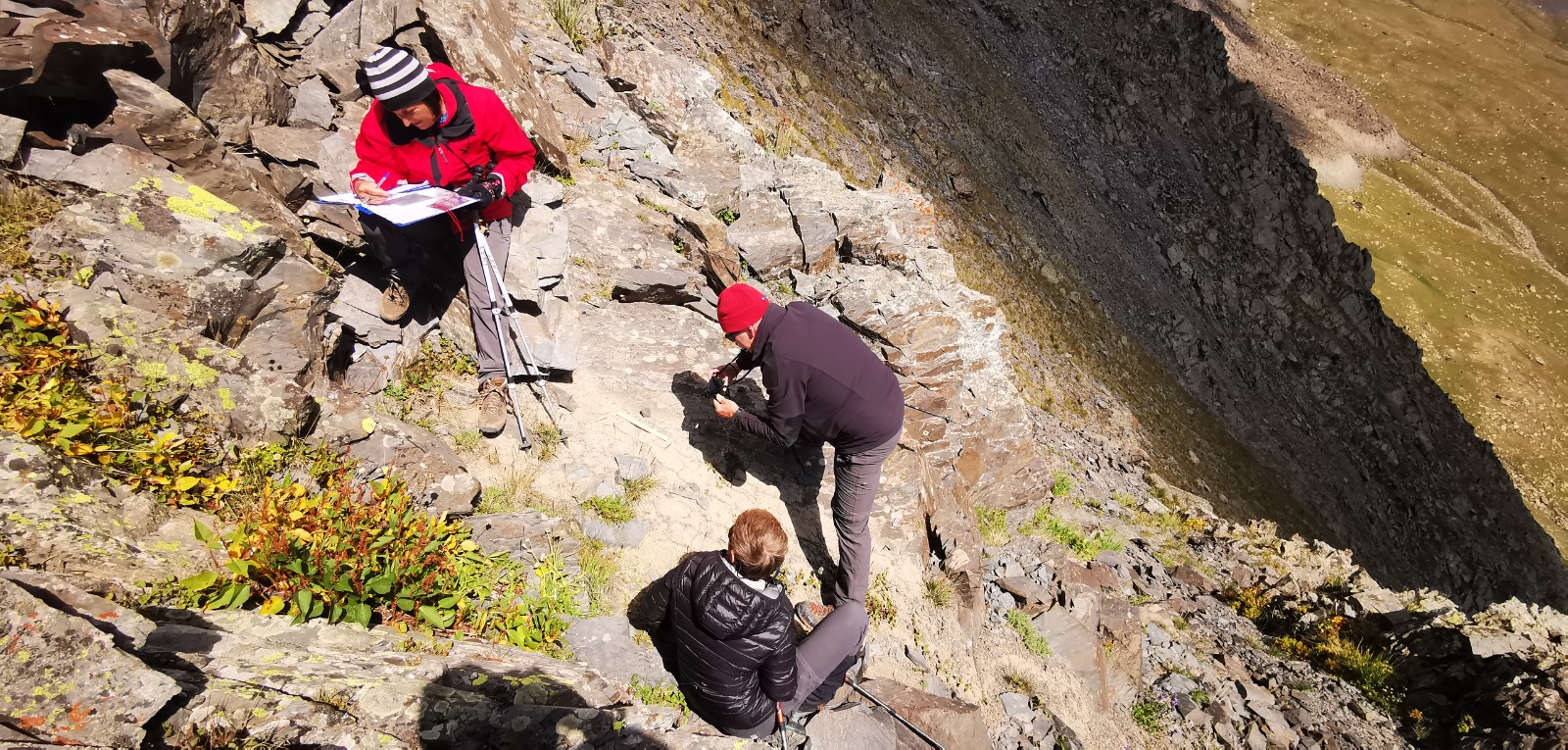
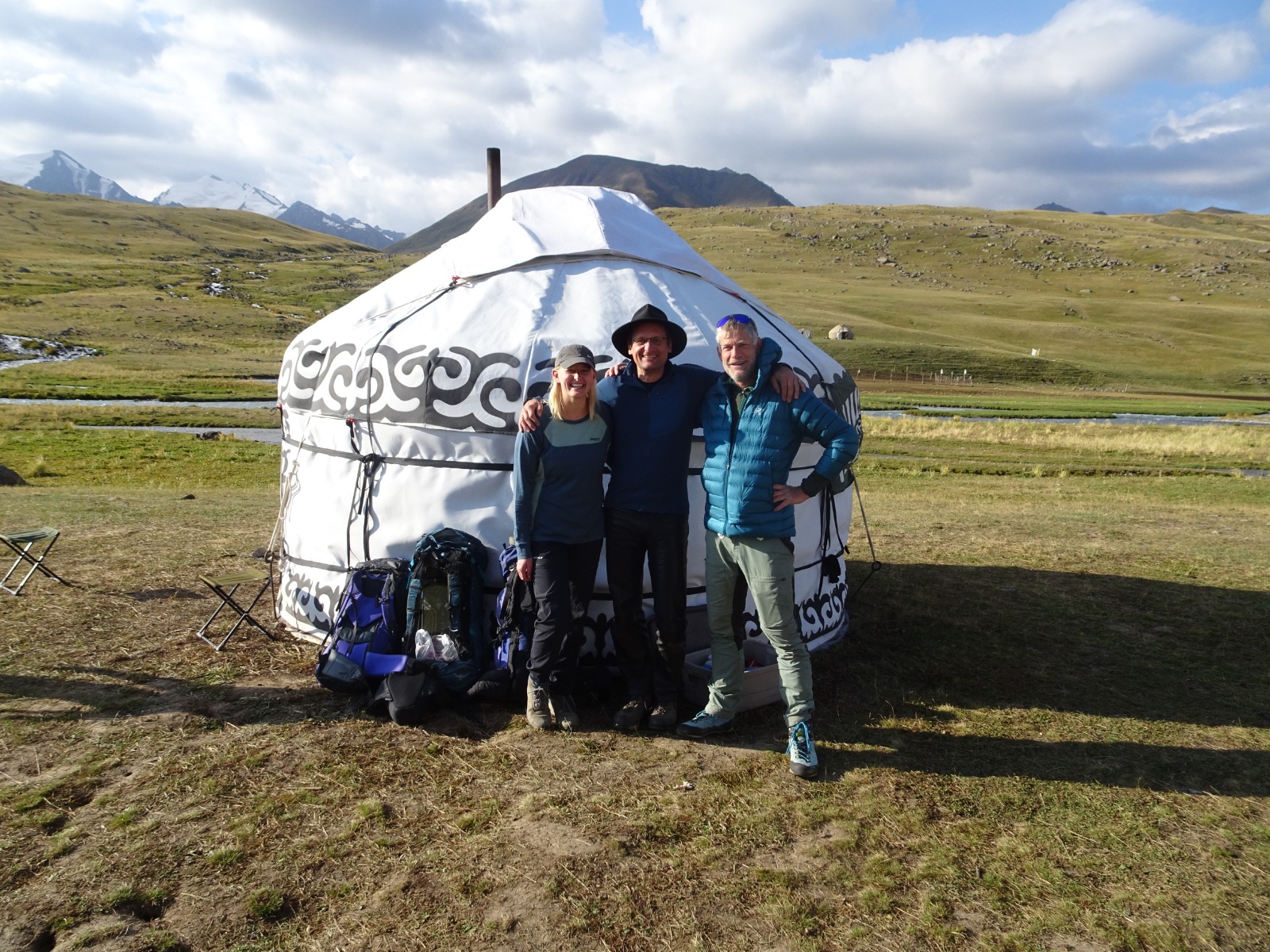
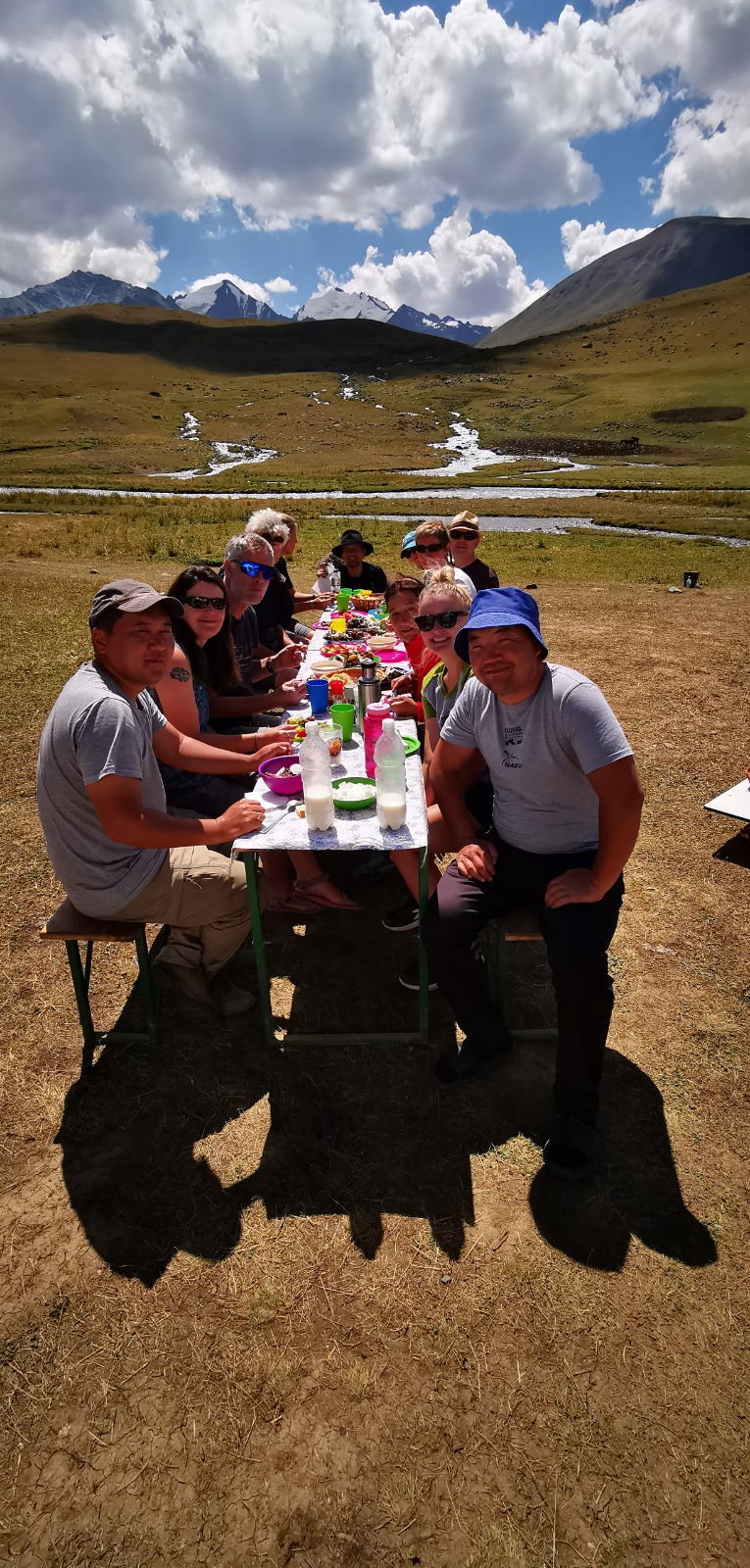
Group 3Karin, Walter and Sarah recording evidence of ibex footprintsHaley & AmanEnd of workday briefingHaley, Lars and Irving outside the hired drying yurtA game of ulak about to startEnd of expedition dinnerEnd of expedition dinnerDismantling base camp


















































































 Biosphere Expeditions: blogs from the frontline of wildlife conservation and the fight for a more sustainable planet