Azores : Round-up 2025

Update from our marine conservation volunteering holiday in the Azores archipelago, working on whales, dolphins and turtles

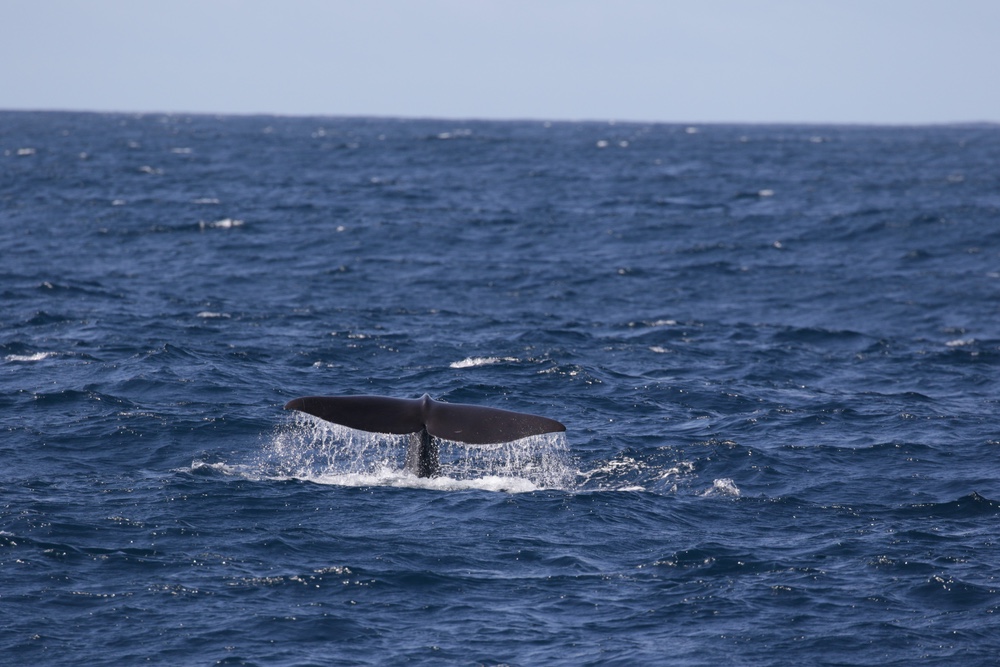
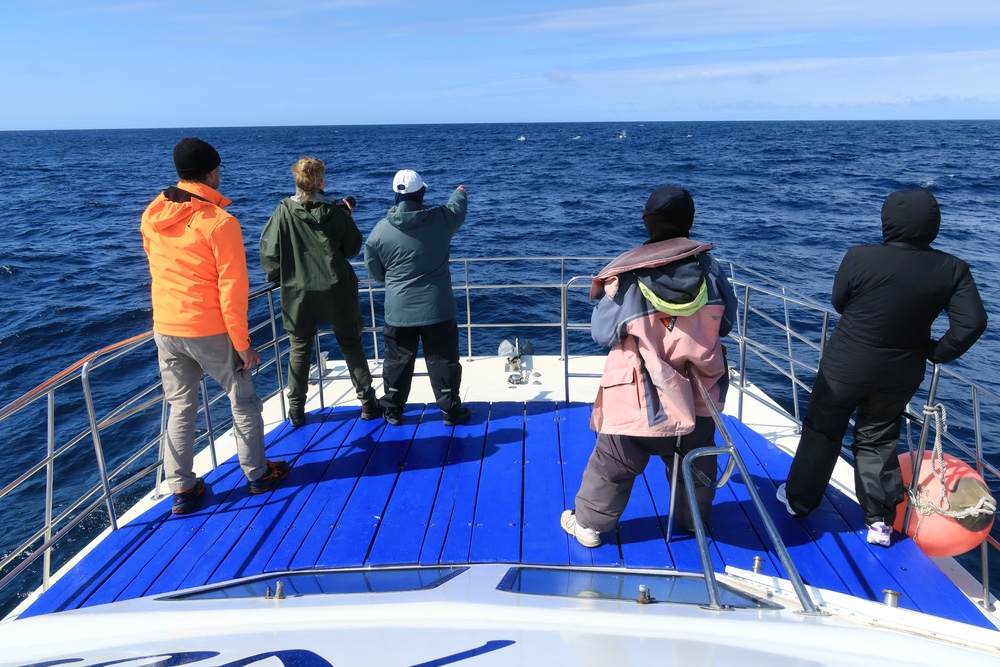
Whale watching can be undertaken in a matter of hours, but monitoring cetaceans to better understand their spatial and temporal use of different areas of our oceans โ€“ takes years. Biosphere Expeditions has just completed their latest expedition in the Azores, and is rapidly approaching two decades of monitoring, in an area of the Atlantic Ocean supporting over 25 different cetacean species.

Cetacean research questions cannot often be addressed (with any certainty) in a month or a single year. Data collection may take a decade or longer, to reveal meaningful patterns and this is the case with the cetaceans of the Azores. The true value may not always be in the โ€˜here and nowโ€™, but be realized as future questions or challenges arise. Such a data bank will only accrue value over time.

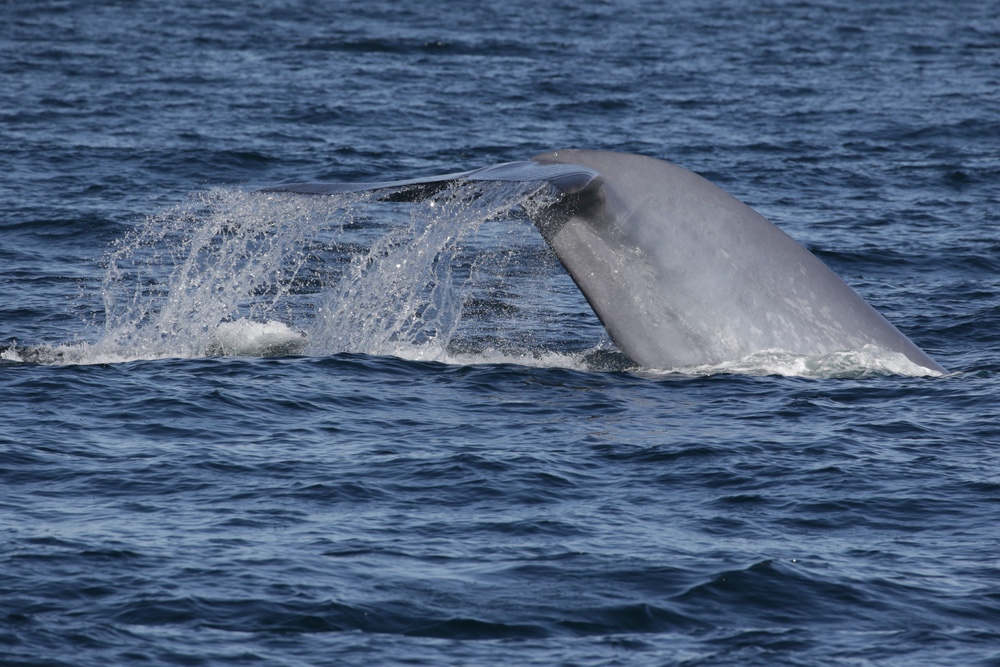
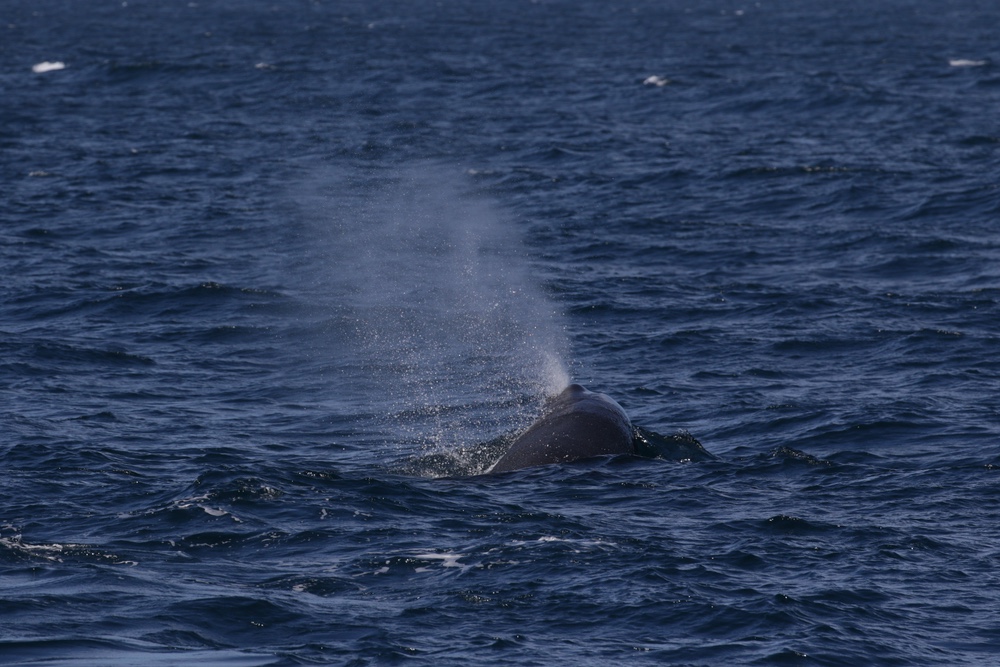
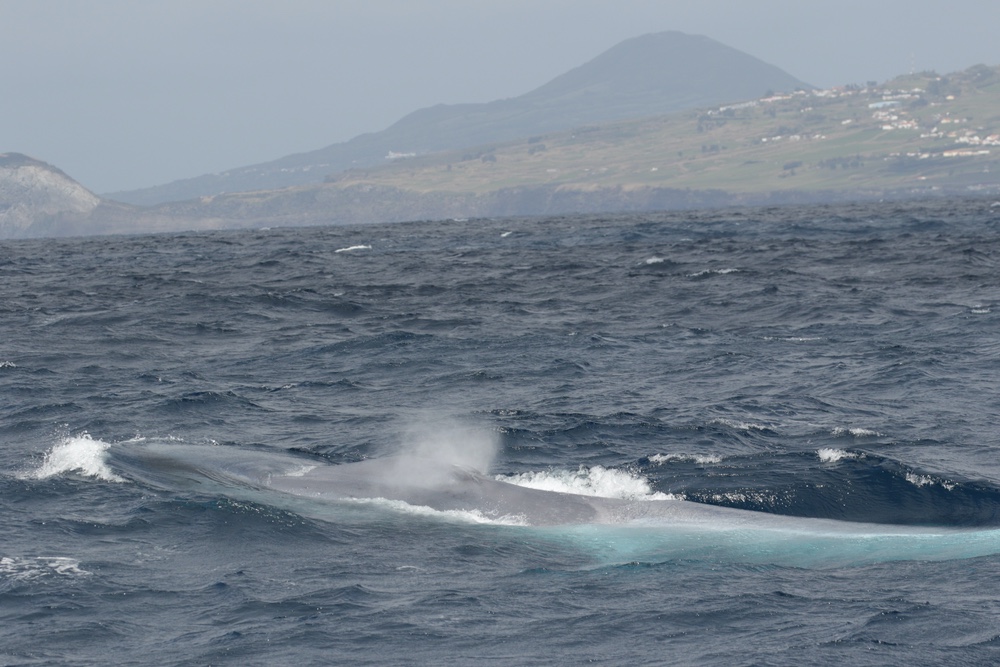
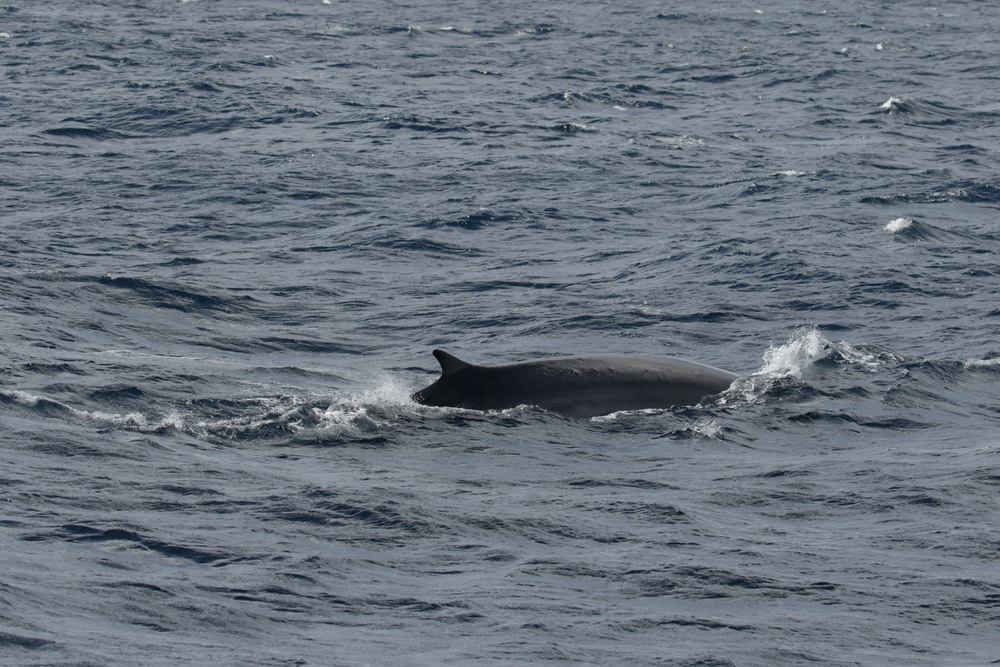
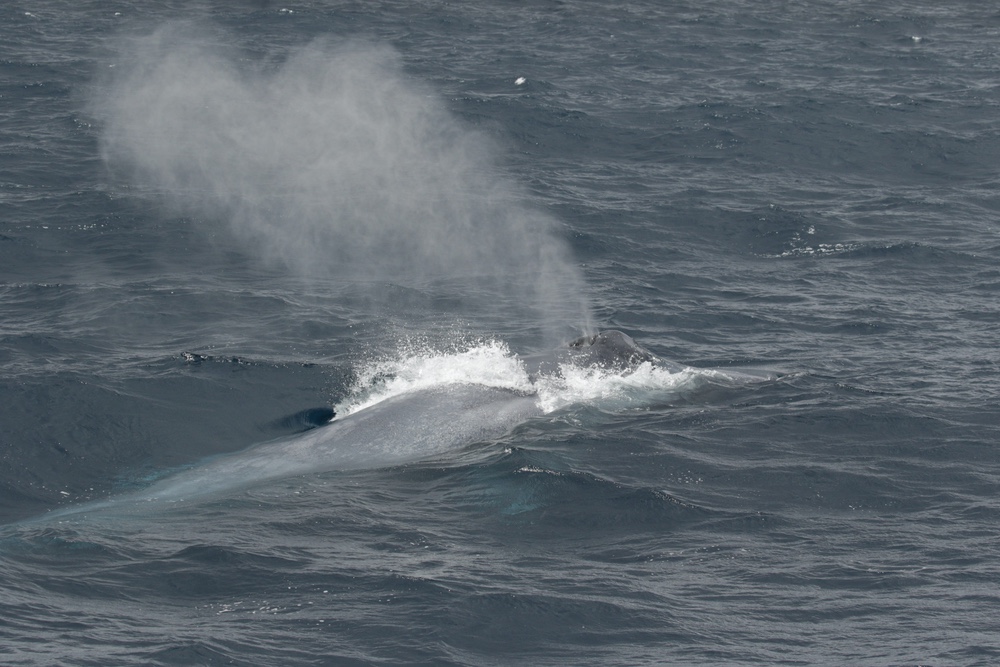
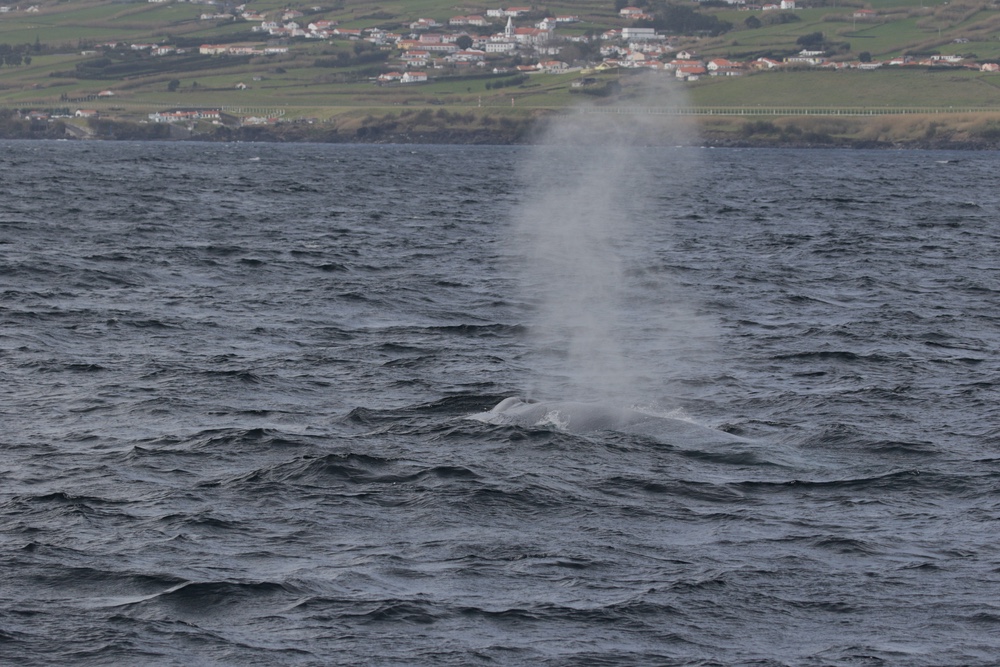
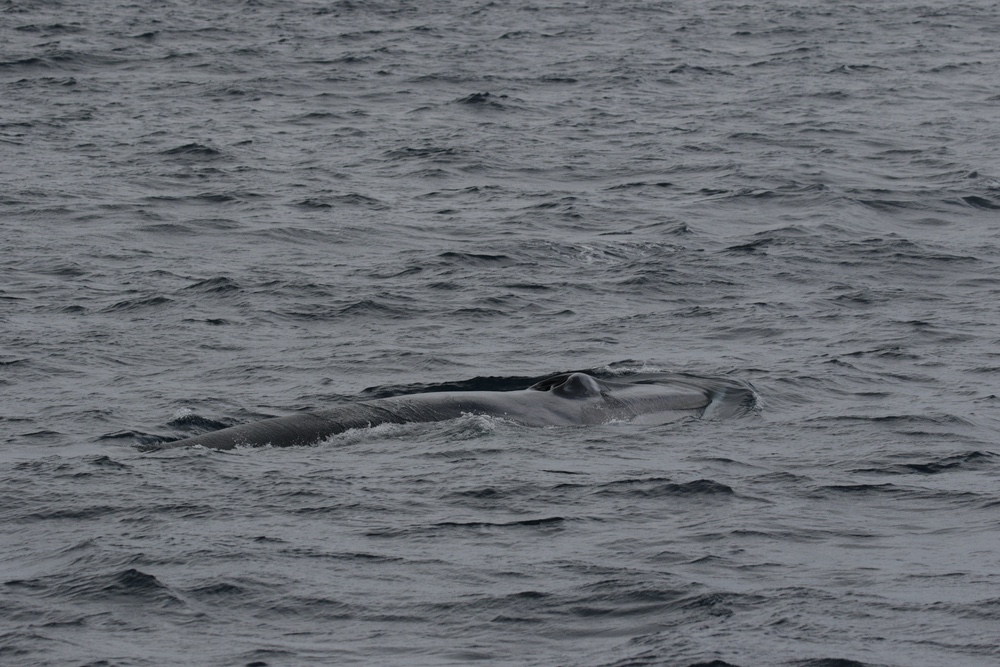
Some feedback is more immediate. Images of sperm whales and blue whales taken this year, have already be matched to other locations in the Azores, and northern Europe, across more than two decades. Some blue whales have not only been matched but never been recoded so early in previous years. yut many more whales have still yet to be matched, revealing range of their movements and importance of different parts of the oceans. Some individuals have only been recorded for the first time, again contributing to our understanding of population dynamics.

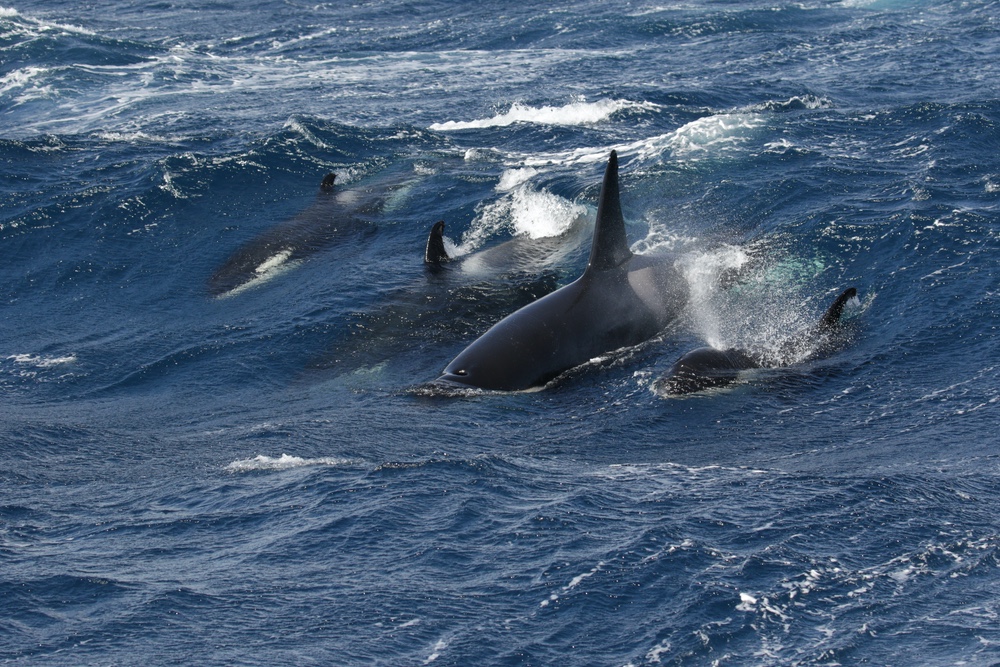
This yearโ€™s project still has a lot of data to process, from over 125 cetacean encounters over 15 days at sea, sighting over 1500 individuals. But some species are absent from this yearโ€™s research findings (e.g Sei whales) and dolphins have been found in lower numbers. On the upside, a few rarer records were noted such as orca, minke and Sowerbyโ€™s beaked whale.

With the expedition fieldwork continuing to commence in March, โ€œit has also been great to extend the data collection beyond the normal tourism seasonโ€, says expedition scientist Lisa Steiner, โ€œand collect data on a range of species, across a broader time span. The value of this work is huge as we wouldnโ€™t have documented the range of species, including several sei, humpback, fin and blue whales, since there are fewer tour boats out at this time of yearโ€.

Understanding spatial and temporal patterns of so many cetaceans is key to their long-term protection and conservation. And undertaking field research when others are not often at sea reveals new information such as species being absent or present in lower or higher numbers compared to other years.

โ€œThe ability to collect such data is greatly enhanced by the annual contribution of the Biosphere Expeditions citizen scientistsโ€, says expedition leader Craig Turner, โ€œand underlines the value of long-term data sets in illustrating the importance of the Azores for many cetacean speciesโ€.

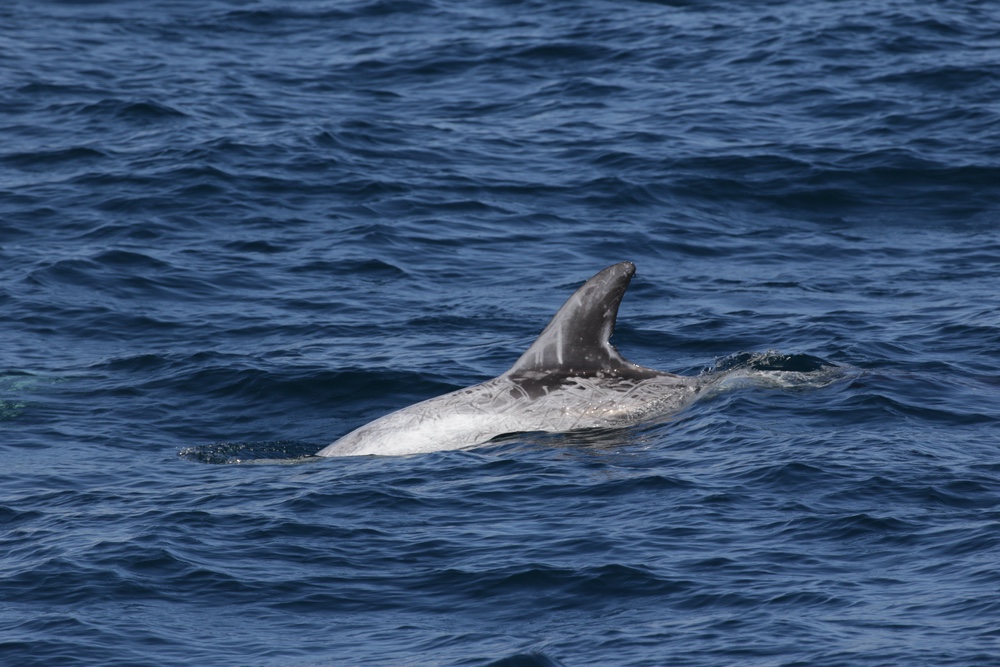
This data-collection approach is being applied to other species of whale, along with dolphin species, such as bottlenose and Rissoโ€™s. The scale of the data collection both in terms of time and space serves to demonstrate the importance of the Azores for several cetacean species. And highlights the importance of appropriate conservation management, to ensure these species continue to thrive not just in Azorean waters, but elsewhere in the wider Atlantic Ocean.


Citizen scientist feedback:

The expeditions was very well organised. Craig & Lisa work very well together and you could tell they enjoy what they do. They cope very well when plans change, flights are delayed, weather changes etc . Amazing
Nicola B, Switzerland.

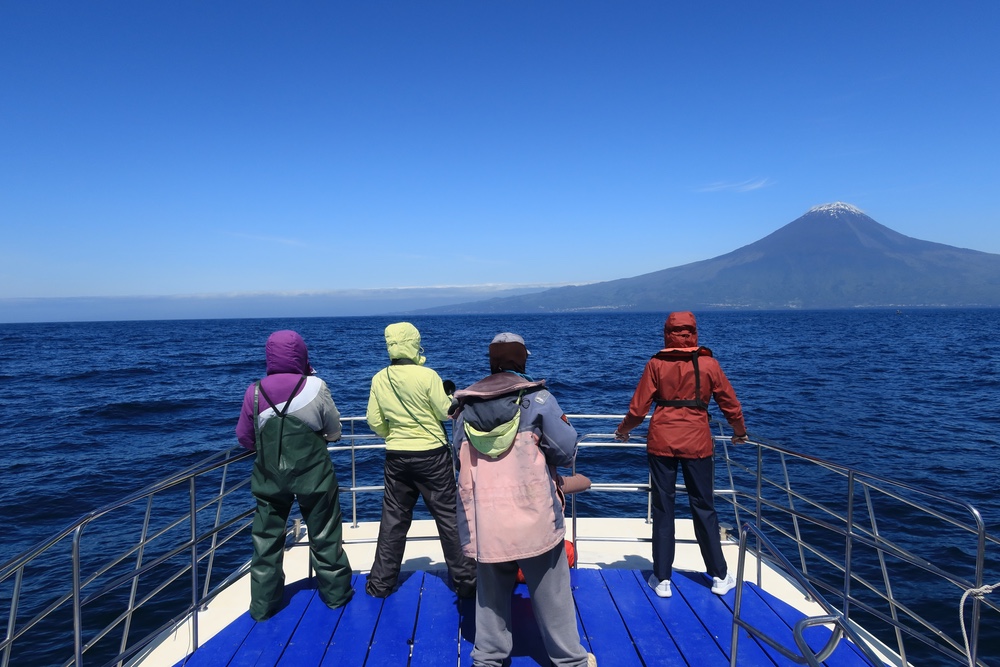
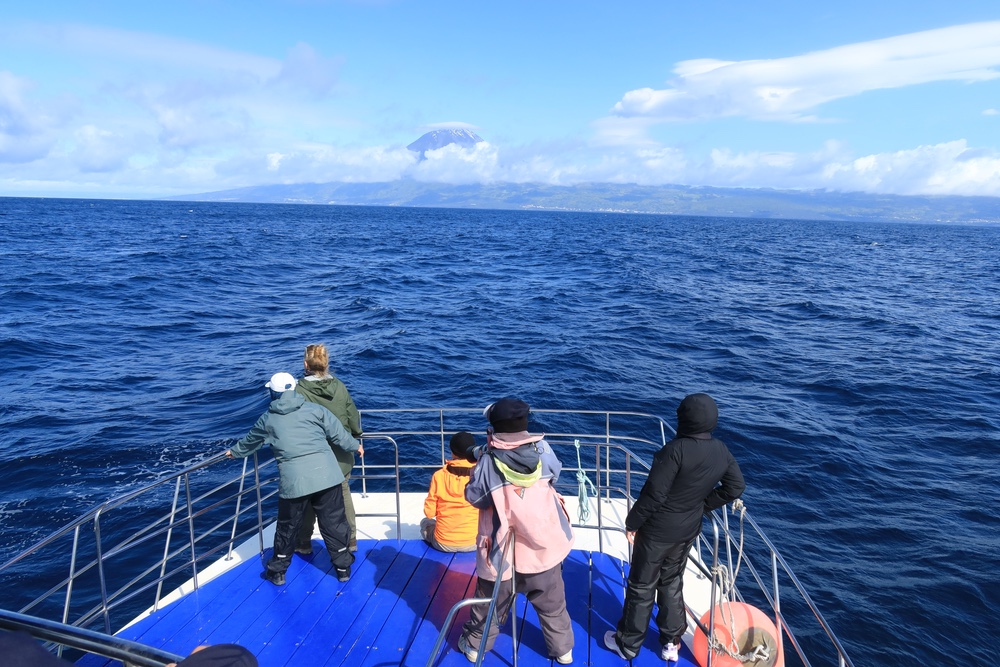
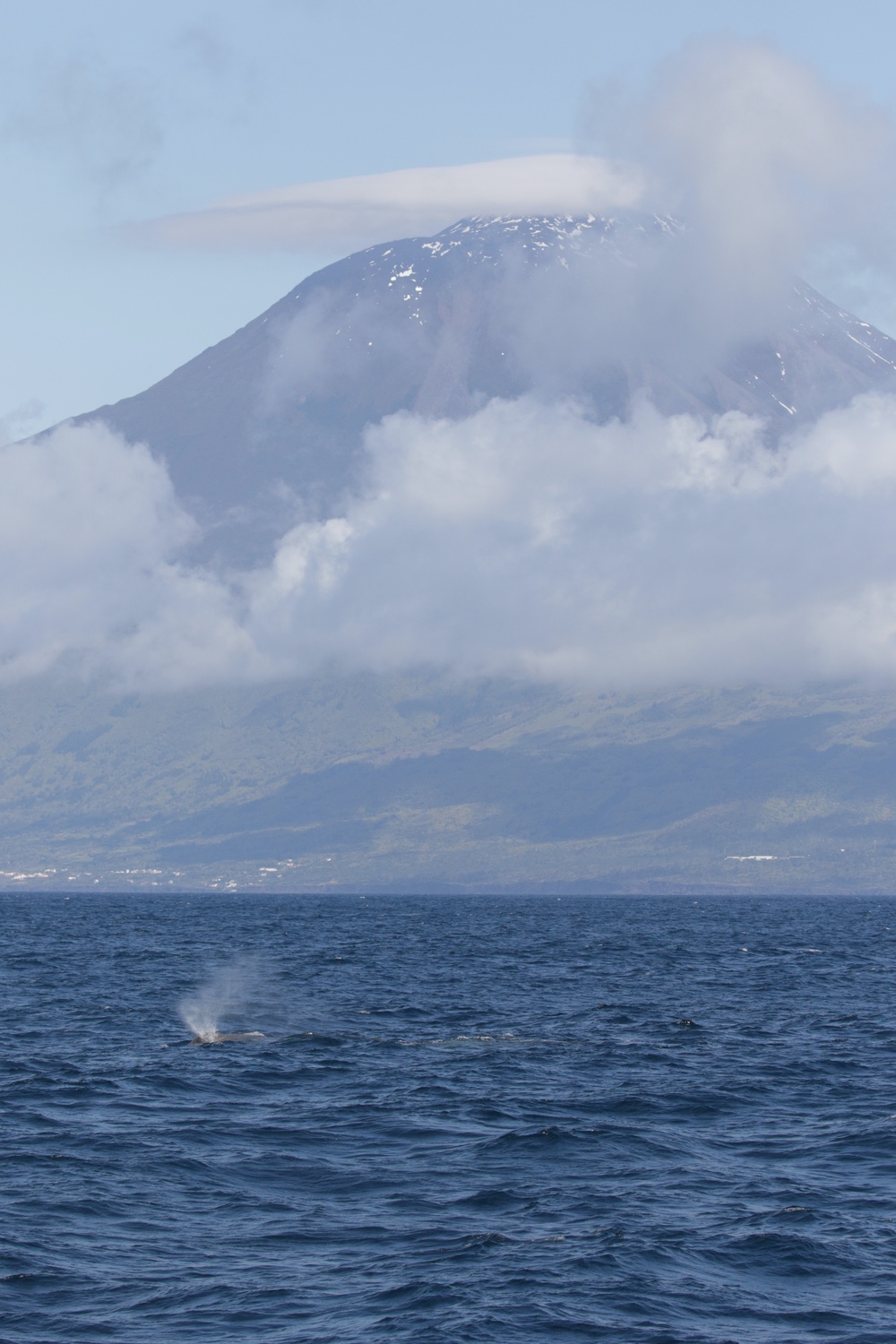
Our first day on the boat (also my birthday) I will never forget. I wished for a blue whale and I think we had six sightings that day (plus seven orcas!). Seeing the blow, seeing it just at the water surface and the beautiful turquoise colour before it dives. It was an experience way beyond what I expected. Accommodation was excellent. We were so lucky to have a view over the seas and Pico beyond. Great positive atmosphere of all the group members
Anne Clarke, UK.

The group dynamic was excellent and the leader really helped to create this. The expectations were handled well and we knew flexibility (weather etc) needed. So no frustrations or disappointments. Meals etc were excellent, science presentations very informative.
Peter S., Canada.

We found everything to be very well organised. A big compliment to our expedition leader Craig โ€“ what a wonderful guy โ€“ he kept everything going and the spirits up ; and to Lisa, our great scientist from whom we learned a lot. Loved the lectures from the Portuguese scientists who came to explain about their work on cetaceans. Loved to listen to Lisa who shared her unbelievable knowledge with us.
Gitta V., Netherlands.

This was a wonderful experience for me. Lisa & Craig are top notch organisers and kept things flowing. Briefing every day after outings and evenings were perfect. Selections of vegetarian options was excellent for me
Mita P., USA.

Continue reading “Azores : Round-up 2025”

Azores : People, place, project

Update from our marine conservation volunteering holiday in the Azores archipelago, working on whales, dolphins and turtles

Thatโ€™s all folks. It is time for final diary entry. The end of the expedition is suddenly upon us, and five weeks seems to have flown by, with the international team now gone. Before I wrap the expedition, let me first recap the last few days:

Our final day at sea presented yet more great sightings. Most notably was another fin whale and not one, but two more humpbacks โ€“ one far easier to photograph than the other, but still a favourite amongst many. Add to this, more sperm whales, common and bottlenose dolphins and it was another great data haul. Sea conditions and our continued search for more sightings put us close to Capelinhos โ€“ the most recent volcano to erupt in the Azores โ€“ at the west end of Faial. This presented an opportunity for another first in 2025 โ€“ a circumnavigation of Faial โ€“ as the seas were easier to navigate to the north. Our 2025 data collection ended with our final loggerhead turtle.

This ocean-based tour of the island gave the group a better feel of where to visit on their day off โ€“ with many heading back to Capelinhos. But on our last day we were thwarted at the final hurdle, in our effort to go to sea, by bad weather, but this presented another opportunity to sort more data. Not how we would wish to end, but you canโ€™t argue with the Atlantic Ocean – just accept that plans may often change. So that concluded our data collection and sorting, on another really successful expedition in the Azores.

This year weโ€™ve again documented an impressive array of records that without Biosphere Expeditions, would not have been collected. Here are just some of our highlights. We have

  • deployed three teams into the field, comprising 8 different nations, spanning multiple decades
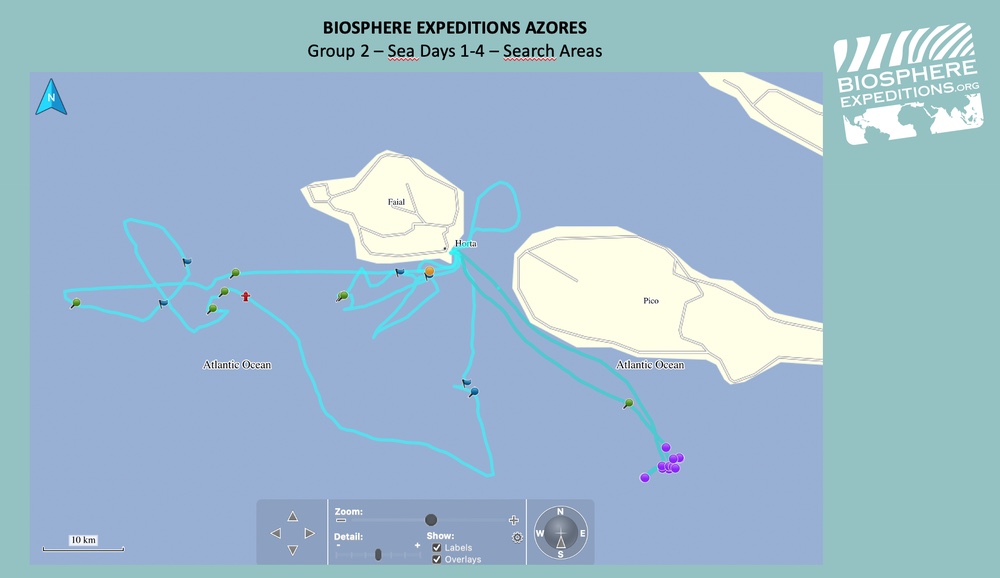
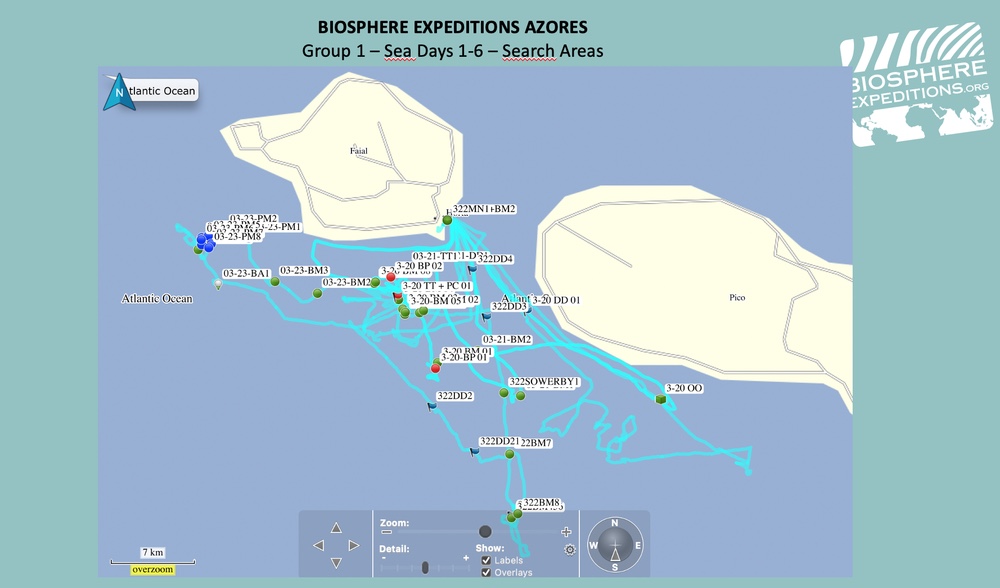
  • completed in excess of 84 hours of surveys, covering over 1400 km of the ocean
  • collected data on at least eleven different cetacean species (six whale and five
    dolphin species), one turtle species and numerous birds
  • encountered more than 125 cetaceans,
  • confirmed some positive whale IDs, and several re-sights, but also have
    numerous new flukes โ€“ i.e. individuals never recorded before


Data in isolation can be a bit โ€˜dryโ€™, and lack context, as field research rarely gives us instant results (though fluke matches are coming through) or fast answers to our bigger questions. But weโ€™ve collected another great baseline of data and the full results will become clearer in the expedition report. The power of this simple field data builds over time, as has been illustrated by our excellent invited speakers (thank you, to all).

Whilst we comb the see and learn about the cetaceans and contribute to the ongoing data collection on this project (19 years and counting), it is not always all about the project. What also makes the project so special is the people. So let me initially offer some thanks. First off, to our three groups, who stepped up to the daily challenge of data collection to achieve our goals of better understanding the spatial and temporal distributions of the cetaceans and turtles of the Azores. Youโ€™ve not only all contributed to advancing this knowledge and making this expedition a success โ€“ you have also been great fun to work with and not given the expedition leader too much stress!

We also thank the wider Biosphere Expeditions team, as this project canโ€™t happen without the unseen preparation, often months before we even set foot on a boat. I also extend thanks to all in Horta who have supported us, particularly Norberto Divers, the lookouts and our various caterers โ€“ whose food has more than sustained us! We also extend our thanks to our hosts (Silvia & Mario) and the project base, of course to Lenita (our housekeeper) who ensured we were more than comfortable. I (like many) can also not forget our skippers (โ€˜Picoโ€™ Pedro & Pedro 2), who not only took us to sea, but ensured the team knew the sea state, wind direction, cetacean locations and always got us back to port safely โ€“ thank you gentlemen. Finally, our collective thanks go to Lisa. A constant force for knowledge and our leader in all things scientific. It is always a privilege to share in your world of cetacean fieldwork.

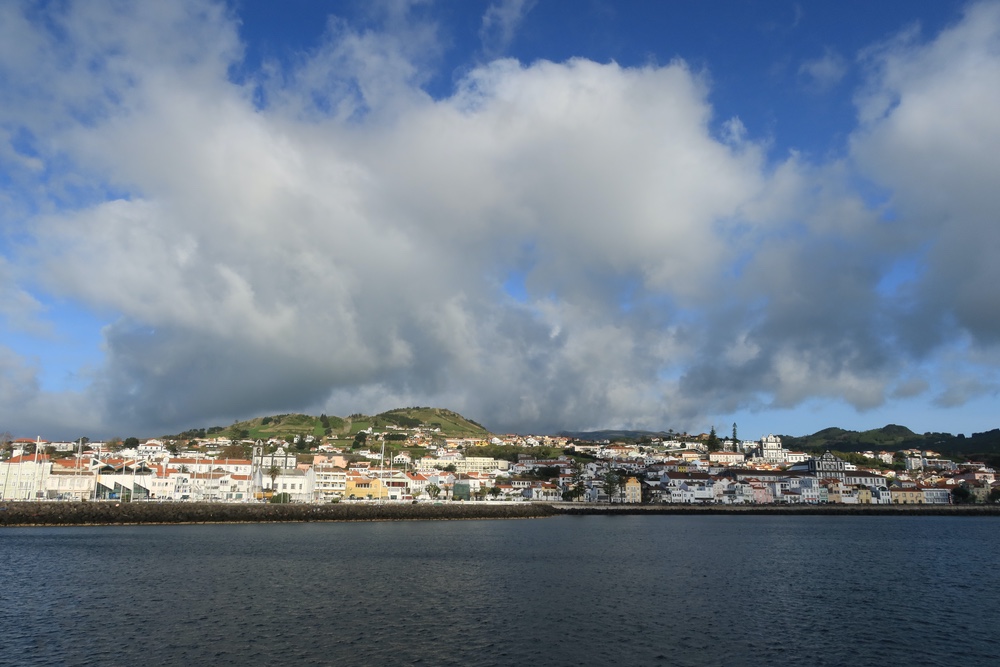
We have also had the great privilege of briefly experiencing life in Azores. As I mentioned in my very first diary entry (if you remember!), who doesnโ€™t want to live on a volcano, in the middle of an ocean, searching for a diverse array of charismatic cetaceans. The allure of this fascinating archipelago is strong, and I donโ€™t doubt that some of us will return, in the not too distant future โ€“ there are many reasons to come back.

For me personally it has been great to have the opportunity to return to the Azores, work on the project, in this wonderful place and meet old and make new friends. It has been a blast, but all good things come to end and now I too must make my way home. Time to head to my place in Scotland, catch up with my own family and see what projects we take on next.

Thank you.

Continue reading “Azores : People, place, project”

Azores : New direction

Update from our marine conservation volunteering holiday in the Azores archipelago, working on whales, dolphins and turtles

The early part of the week brought a change in the winds, and a change of direction for our surveys. We initially headed north to follow up a report of a humpback whale in the area. This was our first time north of Faial this year, and heading into a north-westerly wind and building waves made the search harder than we wanted, but the humpback was finally located โ€“ a favourite species for many.

Staying with it brought more challenges, and having briefly lost it, the team spotted what we initially thought were the characteristic white pectoral fins in the waves, but this turned out to be a random sighting of Rissoโ€™s dolphins โ€“ doing their best to distract us. They achieved this briefly before the humpback was re-found and ID photos secured.

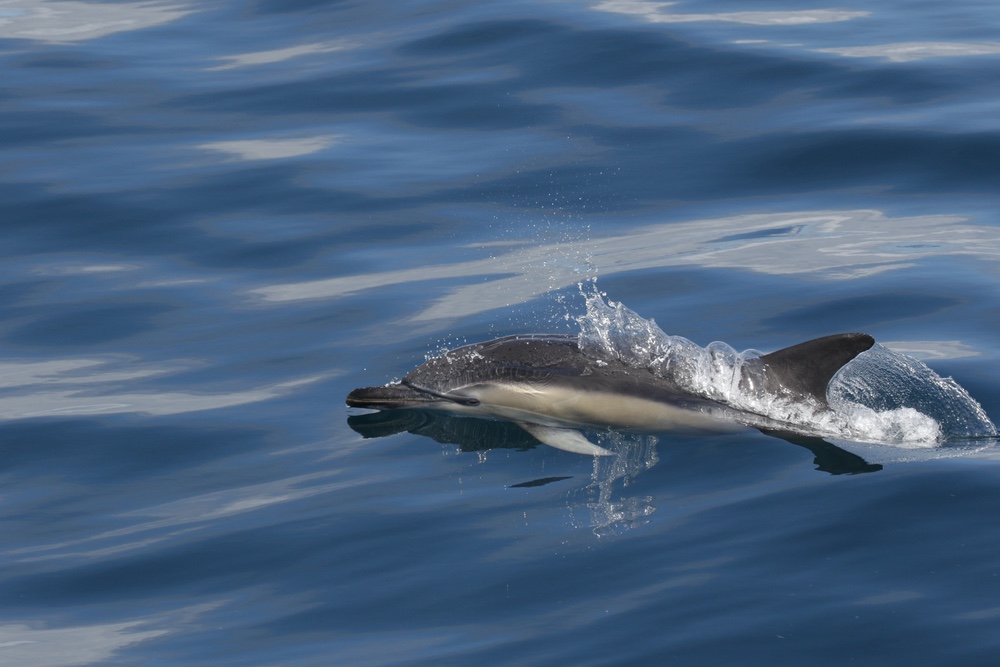
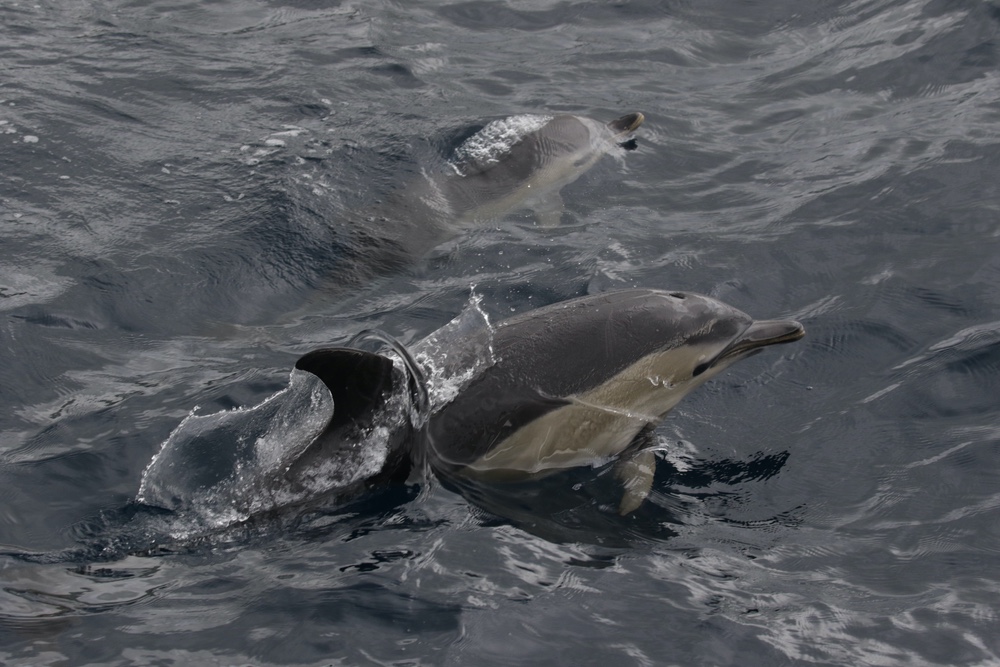
Subsequent surveys and sightings brought more dolphins in the form of common and bottlenose, the latter being less frequently sighted, but have now been located by all three expedition groups. So more dorsal fin ID images to process and catalogue.

We also spent a day south of Pico (very familiar territory) tracking sperm whales. It is still surprisingly easy to lose these magnificent beasts, as they can dive for 45 minutes. This gave us an excuse to deploy our hydrophone โ€“ a sophisticated underwater microphone โ€“ so we can listen in on the underwater world, and hopefully locate sperm whales and other species. It wasnโ€™t as effective as we hoped, but our lookouts were able to locate more whales โ€“ with โ€˜eyes all aroundโ€™.

Using the hydrophone kit was timely, as we welcomed Sarah Kather for dinner. She studied sperm whale vocalisations for her Masterโ€™s Thesis (at the University of the Azores) and gave a fascinating insight into the importance of sound-based communication (and noise pollution) for various cetacean species.

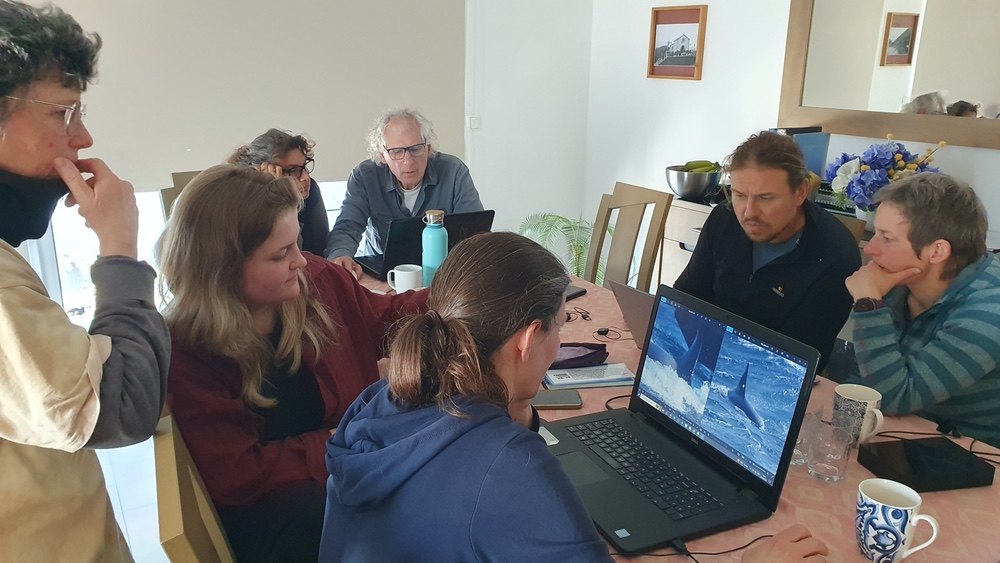
Amongst all this, Lisa also managed to match some of the sperm whale flukes documented from our earlier sightings, showing three individual females had been repeatedly recorded up to ten times over a sixteen year period. This further highlights the importance of the Azores to this species.

Fingers crossed for our final days on the 2025 expedition.

Continue reading “Azores : New direction”

Azores : Azure expeditions

Update from our marine conservation volunteering holiday in the Azores archipelago, working on whales, dolphins and turtles

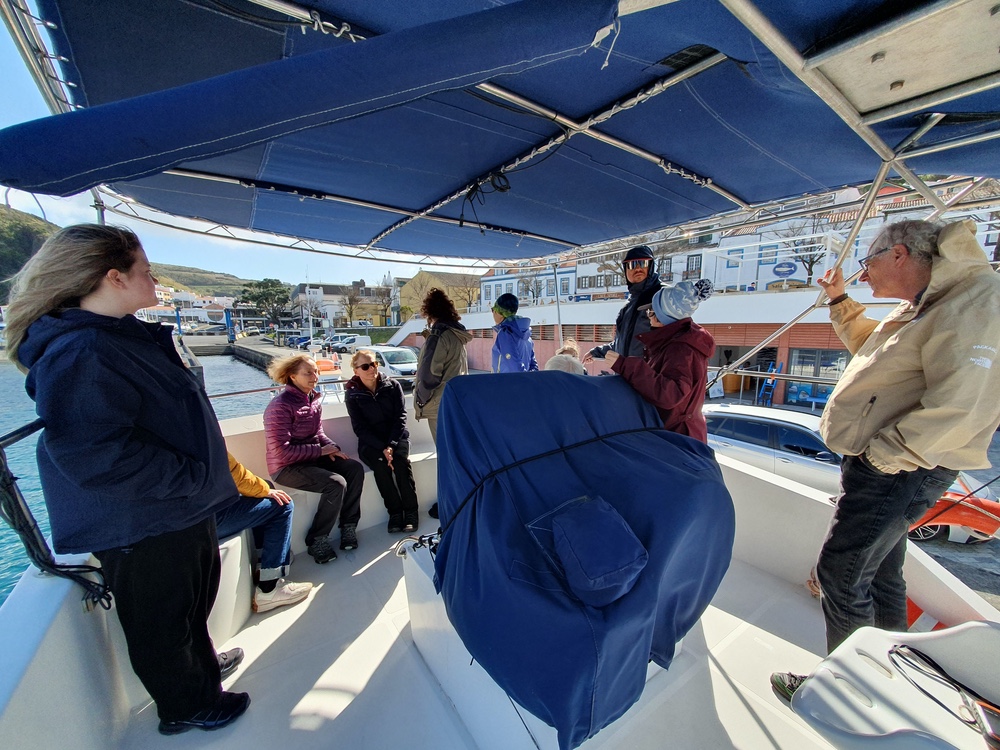
We have commenced the third and final part of the 2025 Azores expedition. It is great to have another diverse and enthusiastic group. With the welcomes, greetings, briefings and training sessions out of the way, we were all keen to get out to sea. Again, the weather made us wait a day, but used the day with more training and science presentations.

Our first day at sea was a triumph. Starting almost where we had left off โ€“ with a blue whale. That means blue whales have been seen on all but one day at sea this year โ€“ which is incredible. Next were a large group of sperm whales, who again were not the most cooperative, with very few fluking โ€“ so limited ID data, but a great job by the team for keeping up with all the sperm whale sightings. Add in some common dolphins, a loggerhead turtle, and this was a great start.

But our day was not done, it ended almost as it began, with another blue whale sighting, but this turned out to be a pair of blue whales โ€“ a first for this year. I am beginning to think we should rebrand to the Azure Expedition!

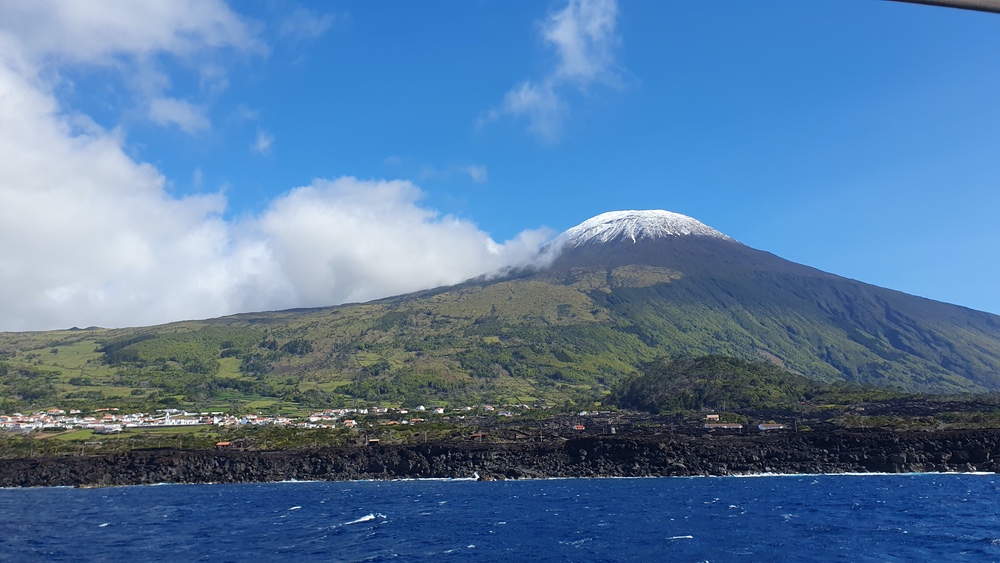
Our second sea day was less frenetic, but had a common theme โ€“ blue whales. We also recorded a large male sperm whale and common dolphins as we travelled along the south of Pico, using the volcano as a shield from the prevailing winds and thus take advantage of the calm-ish waters.

It has been a good start to the last leg, and here’s hoping our luck continues.

Continue reading “Azores : Azure expeditions”

Azores : Whatever the weather

Update from our marine conservation volunteering holiday in the Azores archipelago, working on whales, dolphins and turtles

In the words of Crowded House, it feels like weโ€™ve been โ€˜walking round the room singing stormy weatherโ€™, as the seas have put on quite a show. This has also curtailed our boat time but not put a full stop to data collection or image processing โ€“ there are always things to do on the expedition โ€“ whatever the weather!

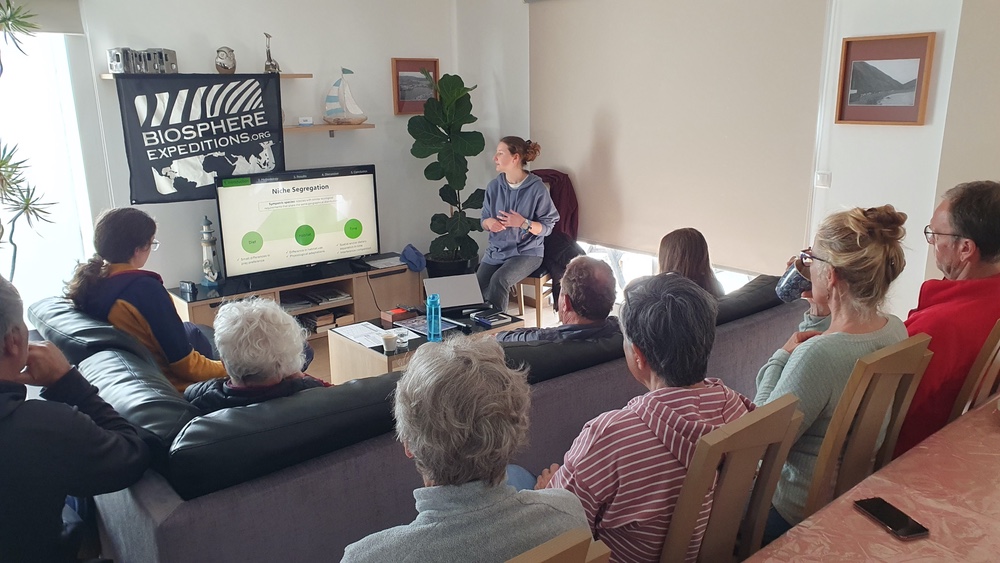
Indeed the worst of the sea conditions provided an opportunity for a day off and time spent exploring Faial, and enjoying the visual spectacle of the mid-Atlantic. It also gave an opportunity to process more data, and the chance for another talk; this time from Clรกudia Oliveira from the Azores Whale Lab on the role of photo-identification and bioacoustics for sperm whale studies. Again, illustrating the power of data collection such as ours.

Over the past few days, we have travelled almost 400 km over four days at sea. The group has been able to add vital cetacean data to this yearโ€™s haul, add a new bird species, and the numbers of encounters and individuals have also increased. A great effort by another great group.

So, as we bid group 2 farewell, we now welcome group 3; and we hope you bring the luck with the whales and the โ€˜weather with youโ€™.

Safe travels all.

Continue reading “Azores : Whatever the weather”

Azores : Restricted area

Update from our marine conservation volunteering holiday in the Azores archipelago, working on whales, dolphins and turtles

The Azores sits in the middle of North Atlantic ocean, but the weather and sea state can still restrict us to a relatively small area for surveys. This has been the case for the past few days.

Following a shore day on Wednesday and a chance to explore the island of Faial, we headed out to sea, more in hope than expectation. We were initially rewarded with an extended common dolphin sighting, close to the south of Faial. This was followed by a second encounter, in the waters protected from the worst of the winds.

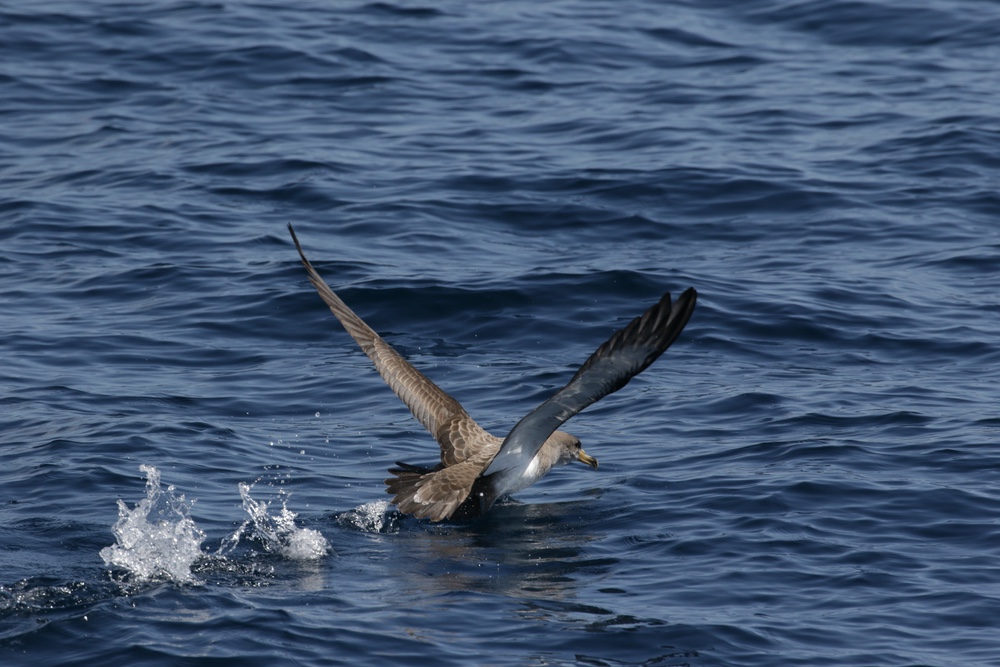
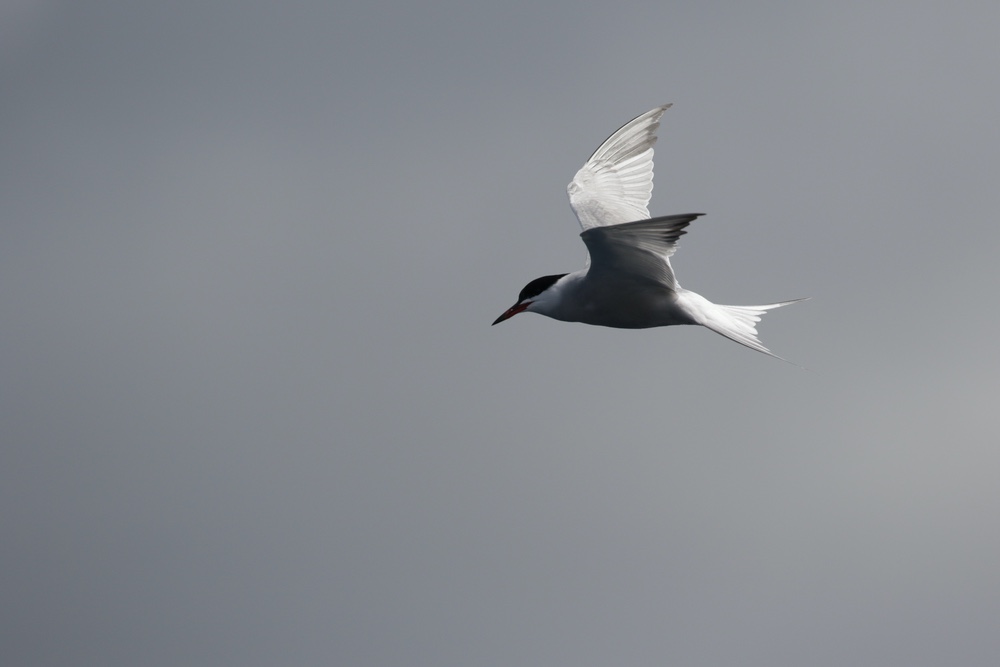
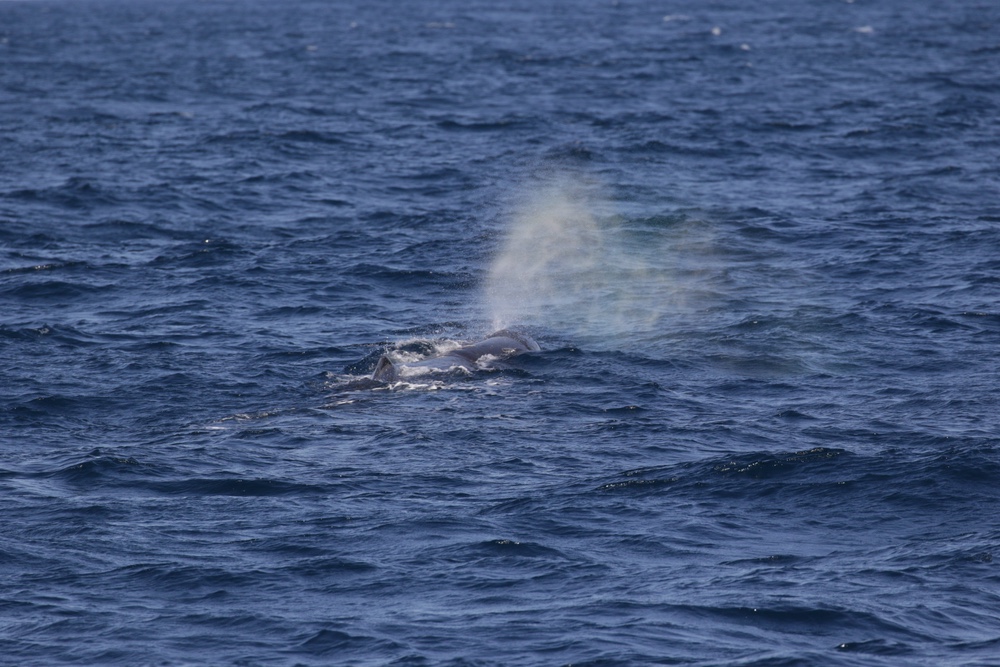
Our luck then improved further, with a โ€˜randomโ€™ blow sighted, which of course turned out to be yet another blue whale. And during the course of obtaining the required ID pictures (great job Pixy), a second blow was spotted, but heading into the worsening seas, so we gave no chase. Whilst waiting to photograph both sides of โ€˜ourโ€™ blue whale, we spotted a โ€˜strangeโ€™ looking, almost leucistic gull. With images circulated to bird groups, it transpired that it was an Icelandic gull – a rarer visitor to these waters, normally seen in very low numbers over winter.

The day ended with an encounter with Rissoโ€™s dolphins not to far from home. The calmer waters meant a relaxed observation of four mums with calves. From the photos taken we could work out that one of the mums has been documented since 2006, so is likely to be over 20 years old. Well worth getting out on the boat.

Additionally, one of the blue whales recorded at the start of week was first recoded in 2001, and this is the sixth year it has been documented, but never previously so early in the year. We await news on some of our other sightings.

Continue reading “Azores : Restricted area”

Azores : Perseverance rewarded

Update from our marine conservation volunteering holiday in the Azores archipelago, working on whales, dolphins and turtles

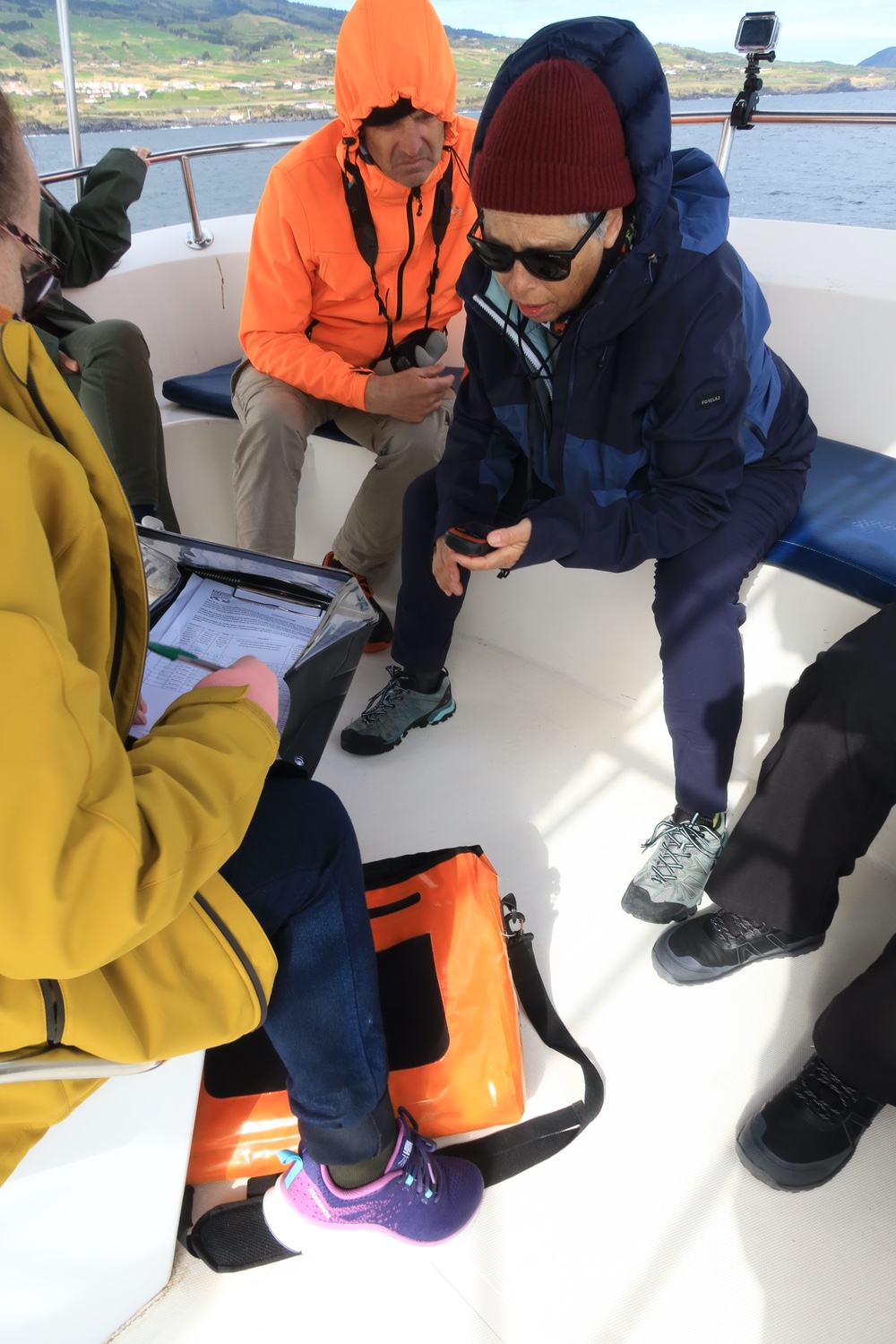
Having welcomed group 2 to the expedition, we quickly embarked on the project orientations, equipment briefings and scientific survey training. Fortunately, this all went to plan, so we could make the best of the available weather window, to get out on our survey vessel โ€“ Physeter.

This meant a longer than anticipated trip on Sunday, which resulted in some well-earned records. One of our team has been on the Azores expedition on two previous occasions, but had yet to see a โ€˜true whaleโ€™, despite being party to an orca sighting in 2019 (the largest member of the dolphin family). This record was soon broken with a fin whale sighting and followed up with more blue whale records. If at first you donโ€™t succeedโ€ฆโ€ฆ..it is worth trying again and again. Congratulations Neil, a great way to โ€˜chalk upโ€™ your first whales!

Our second day at sea also started with the now obligatory blue whale sighting. Yes, these magnificent beasts have now been spotted every day we have been at sea in 2025 โ€“ that may also be a record for the expedition. This was followed by a rather frustrating group of sperm whales, who seemed more interested in socialising with each other and not feeding. This means no diving and that means no fluke pictures with which we can identify individuals. Some common dolphins provided some intermittent entertainment, whilst we waited, and waited and waited. Of some 25-30 whales in an area south of Pico, we returned to port (after a wet and bumpy journey) with fluke pictures from only two. Kudos to Pedro (our skipper) for getting us back to port.

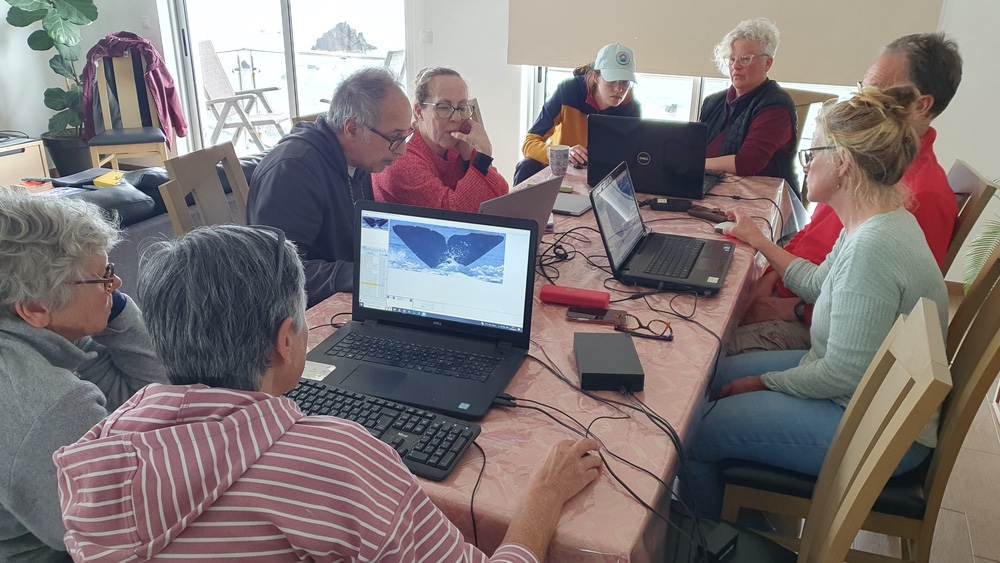
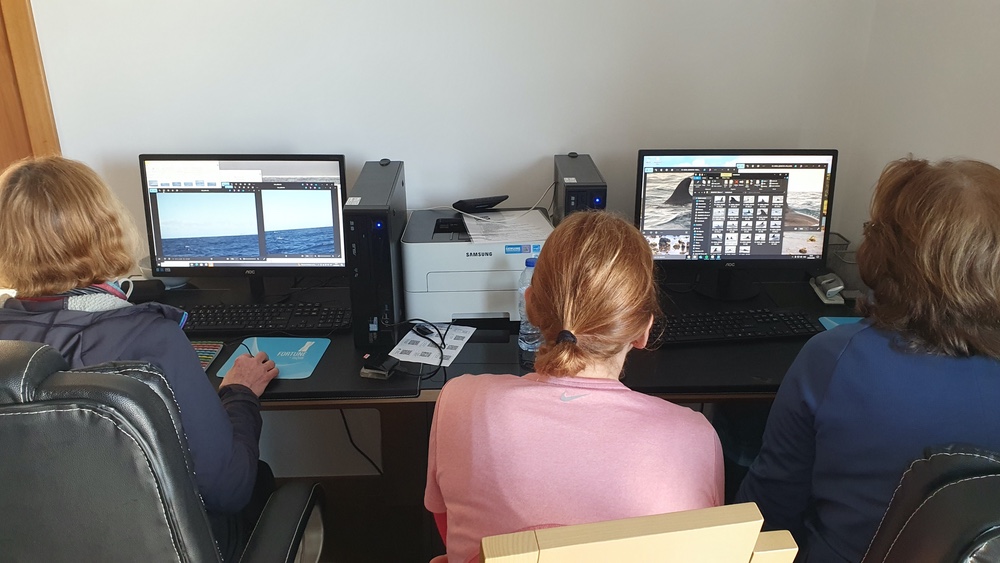
The Atlantic weather systems decided the next day would be on land. This not only gave us a chance to process some of the data from the previous days at sea, but also learn how the data can be used by others. Maria Ines (a Masters student from the University of the Azores) gave an excellent presentation of spatio-temporal dynamics of common dolphins and Atlantic spotted dolphins in the Azores, based largely on POPA (Programa de Observaรงรฃo para as Pescas do Aรงores = Observation Programme for the Fisheries of the Azores) data, which is also a key element of the expedition data collection. Understanding the importance of the Azores archipelago for these species is contingent on the availability of long-term data sets.

We look forward to more sightings and more data in the coming days.

Continue reading “Azores : Perseverance rewarded”

Azores : More

Update from our marine conservation volunteering holiday in the Azores archipelago, working on whales, dolphins and turtles

It has been a great effort by group 1, even if our last sea day was cut short by the increasing winds. Undeterred by the limited weather window we still managed another two blue whale encounters. That means blue whales have been located on every single day we have been at sea โ€“ staggering! The shorter day meant an opportunity for more data sorting and presentations from the local university, to give perspective on the power of our data.

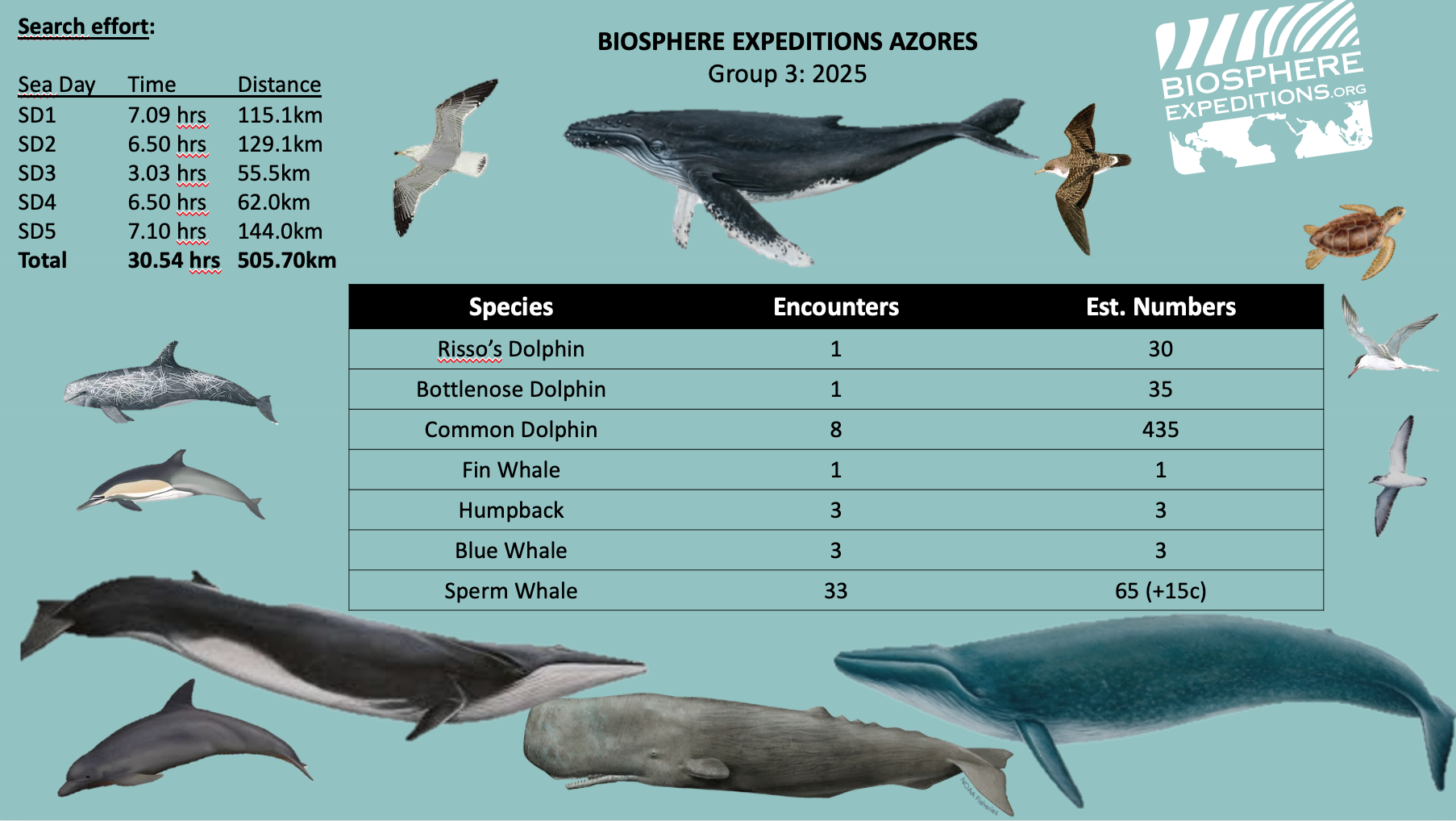
Such data collection requires effort, and over the past few days weโ€™ve spent over 33 hours at sea, covered almost 500 km of surveys, resulting in just over of 50 cetacean encounters across 11 different species. We should also not forget our first loggerhead turtle for 2025, and multiple bird species that were also recorded. Not a bad data haul for this time of year.

Safe to say, we already have a number of highlights. From rare species encounters to extremes of sea state, but surfing orcas will persist in the memories of many in the group. The dockside painting for 2025 has also been started, based on imagery from our own sightings. On the flip side, the realisation that our catering had been cancelled one night, an hour before dinner might give me a few more sleepless nights, but there is always plan B, C or D!

Itโ€™s been great to kick off the 2025 expedition with such a fantastic group who have shown textbook teamwork with endless effort and humour โ€“ you have been a joy to work and spend time with, thank you. But as we say farewell to group 1, we are now excited to meet and welcome group 2. Safe travels to you.

Continue reading “Azores : More”

Azores : Sightings galore

Update from our marine conservation volunteering holiday in the Azores archipelago, working on whales, dolphins and turtles

Our survey sightings have continued where we left off, and almost unbelievably the bar has been pushed even higher. Encounters with blue whales and fin whales have continued โ€“ Tim (and others) has been blown away by the fact that we are seeing the largest creature ever to exist, on a daily basis!

We have also managed to add a humpback whale encounter to the data set, but better was still to come. Returning to Horta on one of our survey days over the weekend, we had a โ€˜randomโ€™ encounter with a couple of Sowerbyโ€™s beaked whales. To paraphrase Lisa, you can count on one hand how many times beaked whales have been recorded on the past 18 expeditions.

However, there was even more to come, and Pedro, our ever-alert skipper, also spotted a minke whale. They are fast, relatively small, with low blows; so hard to find, and rank amongst the least recorded species in the Azores โ€“ a great sighting and fantastic data.

With the weather still on our side, our species list was to increase further still, with a group of non-cooperative sperm whales โ€“ i.e. they were socialising and not diving, so very limited fluke pictures for โ€˜matchingโ€™ purposes. More work to be done here. Whilst blue whale encounters seem to continue like clockwork, punctuated by more common dolphins and a fin whale. Monday saw the addition of Rissoโ€™s dolphins, following yet another random encounter to the south of Pico.

Recording cetaceans on most days at sea is what we hope for, but the realisation of new records and rare encounters is beyond all our expectations. Over the past ten years, I canโ€™t remember a start to an expedition like this one. May the good weather and our good luck continue.

Continue reading “Azores : Sightings galore”

Azores : Blue birthday

Update from our marine conservation volunteering holiday in the Azores archipelago, working on whales, dolphins and turtles

The expedition started a bit late as incoming flights were re-routed due to strong winds. The team – in true expedition style – took it all in its stride, with the normal project briefings, presentations and equipment training completed in the first couple of days. The inclement weather conditions have continued, meaning our first day at sea was delayed until Thursday.

This also coincided with Anneโ€™s birthday, and when asked what she would like, she requested a blue whale! Unfortunately, the challenging conditions, rising to force 5-6, meant a brief encounter with common dolphins and a rare encounter with orcas. Not what anyone expected on the first day at sea โ€“ nor did we expect what followed.

Our next encounter was indeed a blue whale, followed by a fin whale, and so the afternoon continued … with multiple blue and fin whale encounters, with two blue whales fluking! This was punctuated by a large group of bottlenose dolphins and false killer whales. Well worth the effort, as the sea state meant just staying upright was an achievement. The team did fantastically on the data recording, and initial review of the imagery suggests at least four blue whale individuals were located โ€“ we will just have to wait on any ID matches.

So, apologies, Anne, for not delivering โ€˜aโ€™ blue whale, but well worth the effort of the past few of days. Also huge thanks to the local vigias (lookouts) who assist us in finding many of our quarry. A fantastic start to the 2025 data collection and the bar has been set high!

Continue reading “Azores : Blue birthday”