Bürgerwissenschaftler leisten wichtigen Beitrag zum Wolfsmonitoring in Niedersachsen während sich die Jagddebatte verschärft

Medienmitteilung – 27. January 2026
(Version auf Englisch)

Wolf (c) Christiane Flechtner

Die von Biosphere Expeditions durchgeführte Wolfsschutz-Expedition 2025 hat erneut einen wichtigen Beitrag zum offiziellen Wolf-Monitoring-Programm in Niedersachsen geleistet. Die seit 2017 jährlich stattfindenden Bürgerwissenschafts-Expeditionen sammeln weiterhin Daten, die in manchen Jahren die jährliche Datenmenge im Bundesland Niedersachsen verdoppelt haben.

Vom 5. bis 18. Juli 2025 untersuchten 19 Bürgerwissenschaftler mehrere Wolfsgebiete und legten dabei in zehn Erhebungstagen mehr als 650 Kilometer zurück.

Continue reading “Bürgerwissenschaftler leisten wichtigen Beitrag zum Wolfsmonitoring in Niedersachsen während sich die Jagddebatte verschärft”

Citizen scientists make significant contribution to wolf monitoring in Lower Saxony (Germany) as hunting debate intensifies

Media release – 27 January 2026
(Version in German)

Wolf (c) Christiane Flechtner

The 2025 wolf conservation expedition run by Biosphere Expeditions has again made a major contribution to Germany’s official wolf monitoring programme. The annual citizen expeditions, which have been running since 2017, continue to collect data that in some years accounted for up to half of all annual wolf scat samples in the state of Lower Saxony.

From 5–18 July 2025, nineteen citizen scientists surveyed multiple wolf territories, covering more than 650 kilometres in ten survey days.

Continue reading “Citizen scientists make significant contribution to wolf monitoring in Lower Saxony (Germany) as hunting debate intensifies”

2025 wrap-up: Biosphere Expeditions in the Maldives – 14 years of coral reef conservation

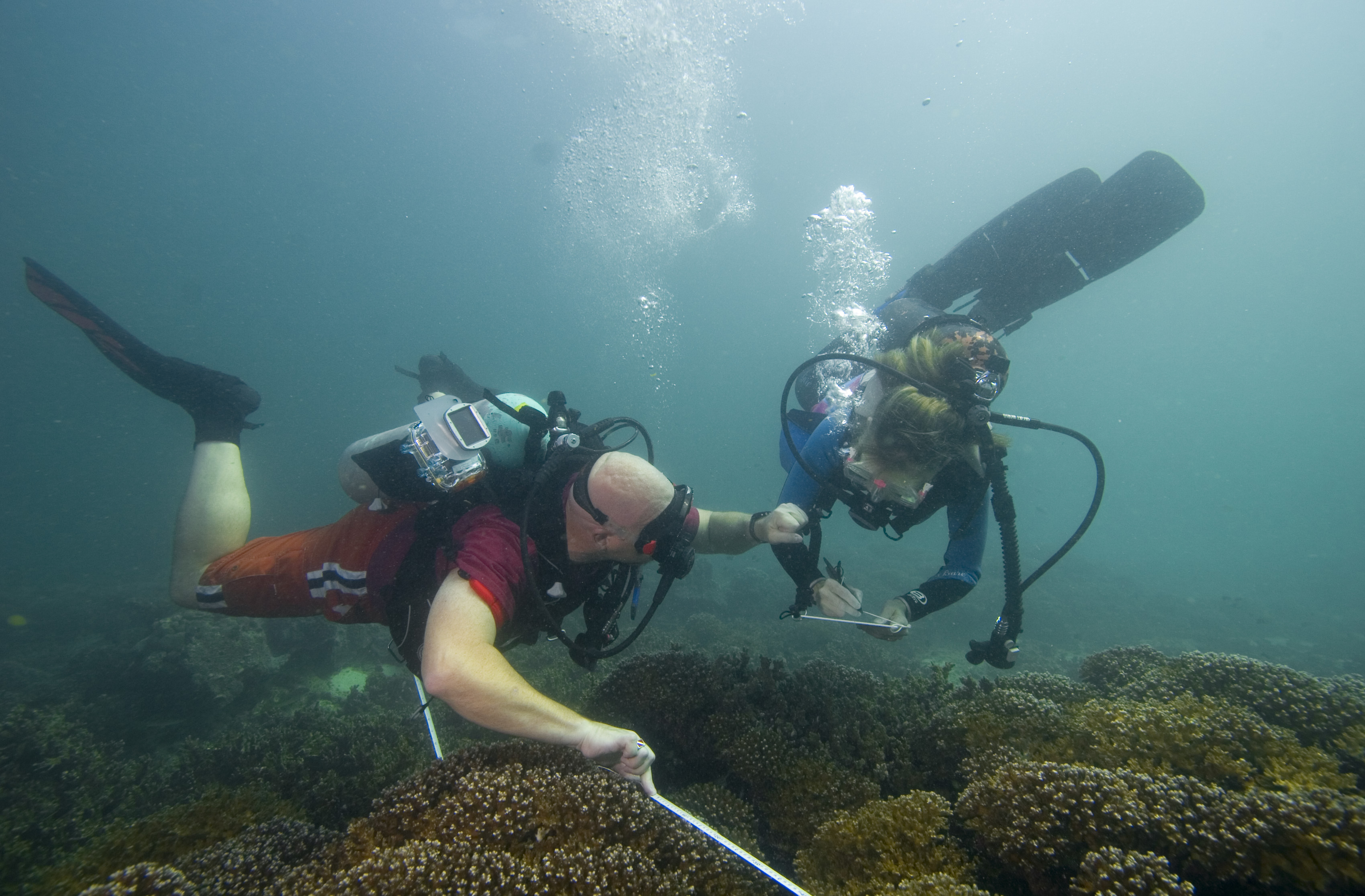
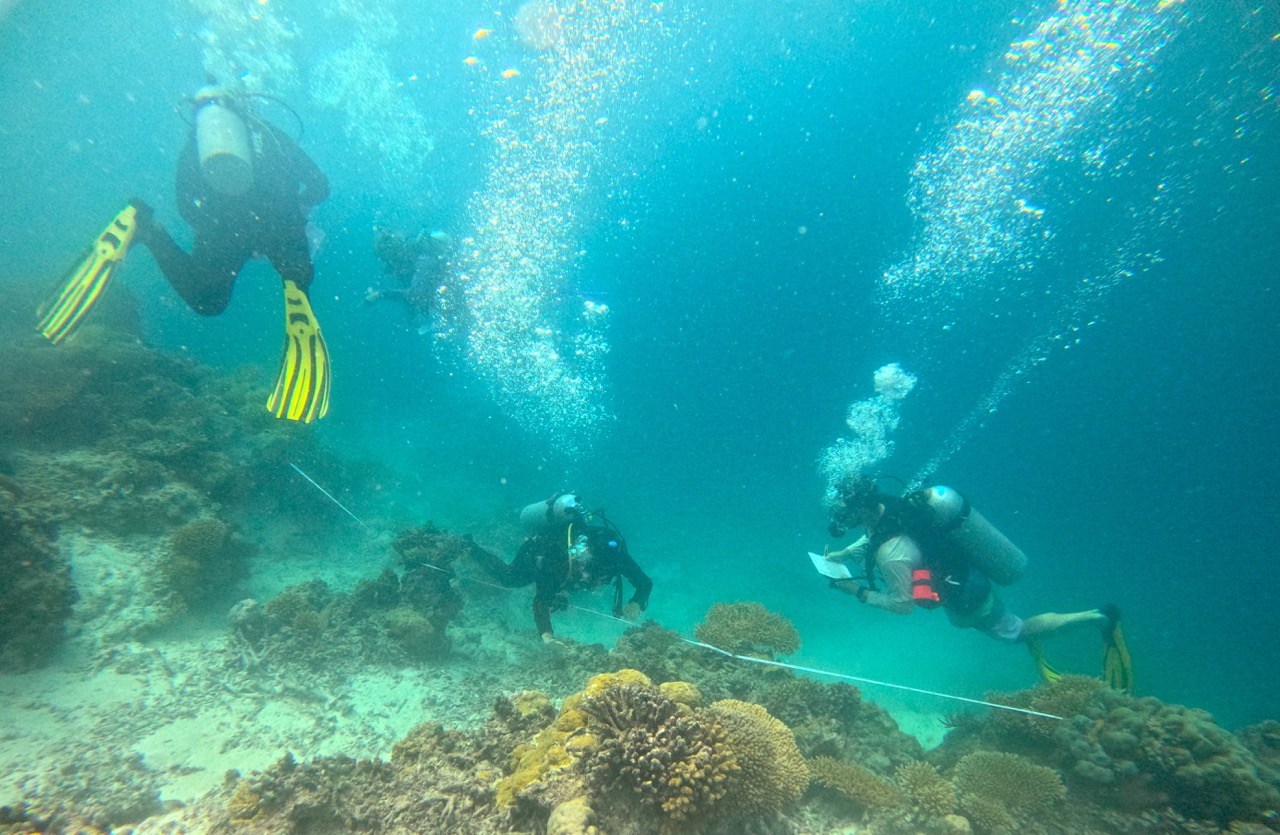
Four divers, a reef and a white transect tape
A team surveying a reef along a 100 m transect tape

In 2025, Biosphere Expeditions continued its long-standing citizen-science project in the Maldives, focusing on coral reef health through hands-on volunteer expeditions. Since 2011, these marine surveys have been an important constant of local reef conservation, blending scientific rigour, citizen science and immersive adventure.

The 2025 expedition brought together diverse teams of volunteers and scientists aboard a liveaboard vessel, each group contributing to Reef Check-standard surveys across multiple atolls. These surveys involve underwater assessments of coral cover, fish populations and other ecological indicators to track reef health across time.

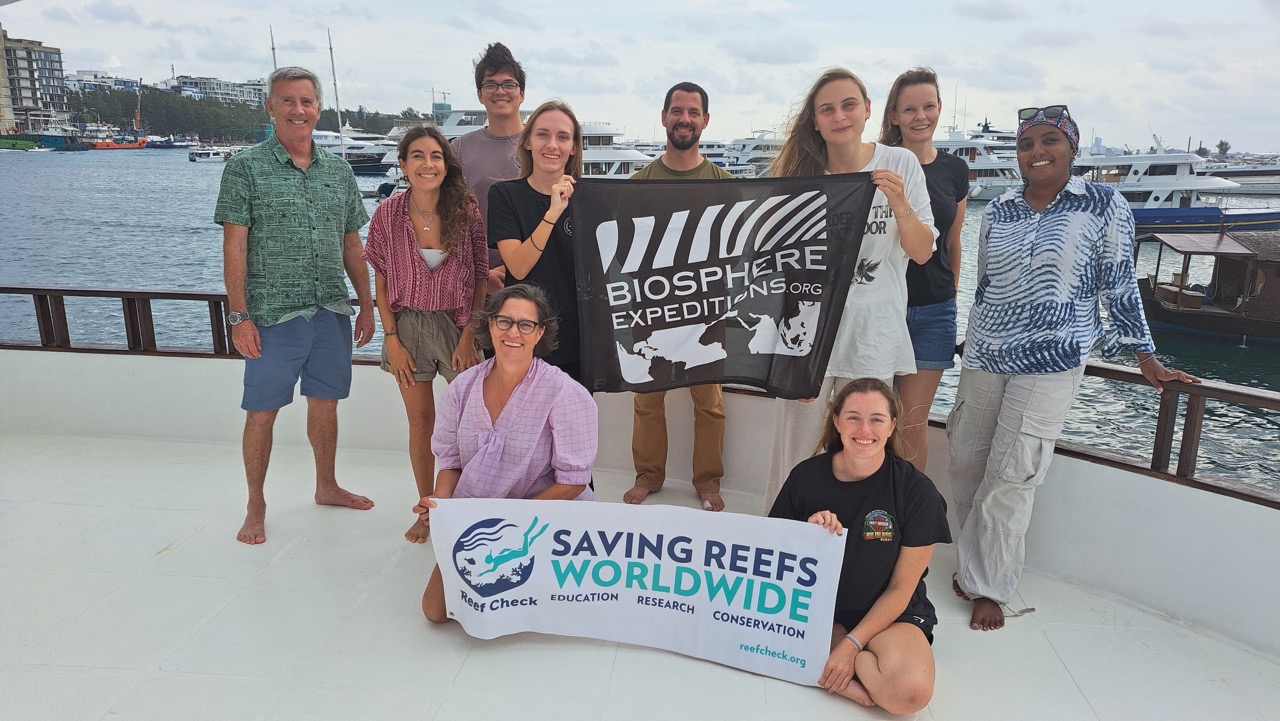
A group of people standing on the top deck of a boat
One of the expedition teams

Long-term monitoring reveals trends: Outer reefs doing well, inner reefs in slow decline

A special emphasis on revisiting long-term monitoring sites allows Biosphere Expeditions to build multi-year datasets that reveal trends in reef resilience and degradation. The expedition’s work has resulted in annual scientific reports and many publications in the literature

During the 2025 expedition, citizen scientists surveyed 11 reefs and documented a mixed picture of reef conditions: some sites showed stable or improving coral cover, especially on ocean-fed outer reefs, while inner lagoon sites, more exposed to warming and stress, continued to struggle. 

Resilient outer reefs in Ari atoll had maintained levels of coral cover and had reasonably good reef fish populations with 50 – 60% hard coral cover on the deeper surveys (6 – 10 m depth). Some reef sites within atolls showed a further recovery for hard coral cover since the 2016 mass coral bleaching, reaching 40 – 50% cover on more shallow sites (3 – 5 m depth). However, other inner reefs continue to show a ‘phase-shift’ to a non-coral dominated status with opportunistic / fast-growing benthic fauna such as the coralliomorph Discosoma smothering the reef surface at one site (Dega Thila) and currently preventing the re-establishment of corals and other benthic groups.

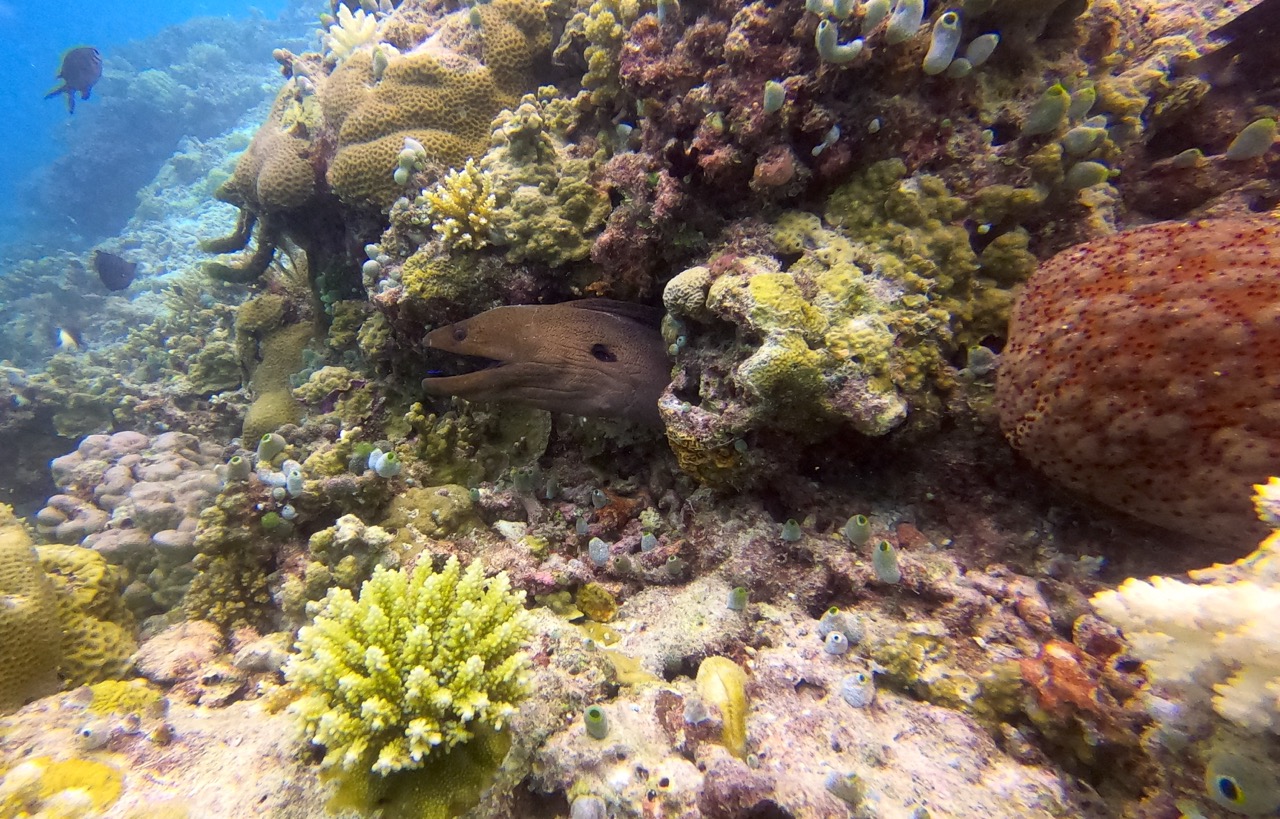
A colourful reef with a moray eel hiding inside
A healthy outer reef
Continue reading “2025 wrap-up: Biosphere Expeditions in the Maldives – 14 years of coral reef conservation”

2025 wrap-up: Multi-disciplinary citizen science expedition to Vwaza Marsh Wildlife Reserve (Malawi) studying elephants, hippos & others

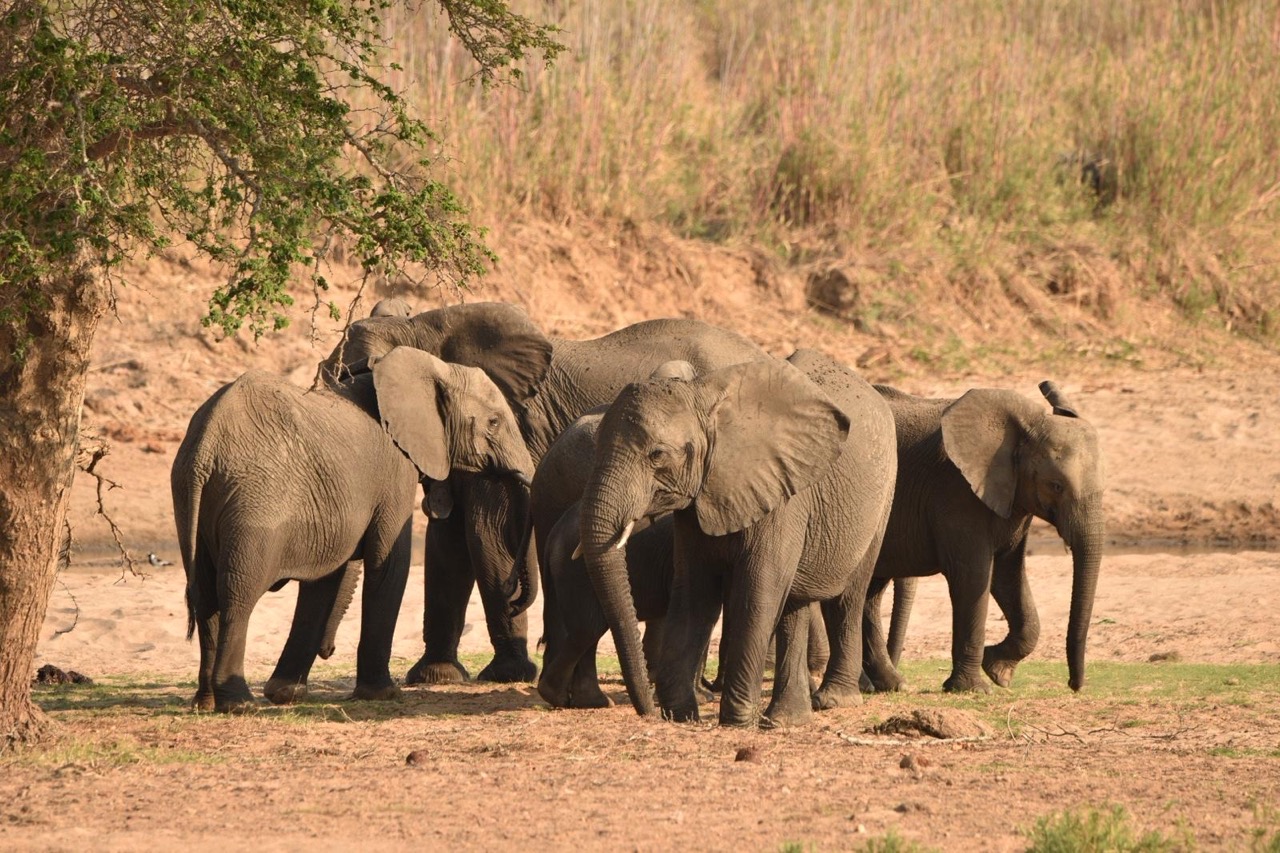
A group of elephants stands close to each other in a dry plain
Elephants at Vwaza Marsh Wildlife Reserve, Malawi

Biosphere Expeditions has completed another successful Africa volunteer expedition in Malawi, gathering long-term research data on biodiversity in one of the country’s least-studied wildlife reserves.

Conservation expedition to Vwaza Marsh Wildlife Reserve

Working closely with Malawi’s Lilongwe Wildlife Trust (LWT), the volunteer expedition team spent two weeks at Vwaza Marsh Wildlife Reserve, researching the populations of elephants and hippos around Lake Kazuni, along with surveys of other mammals and birds, using camera traps and direct observation.

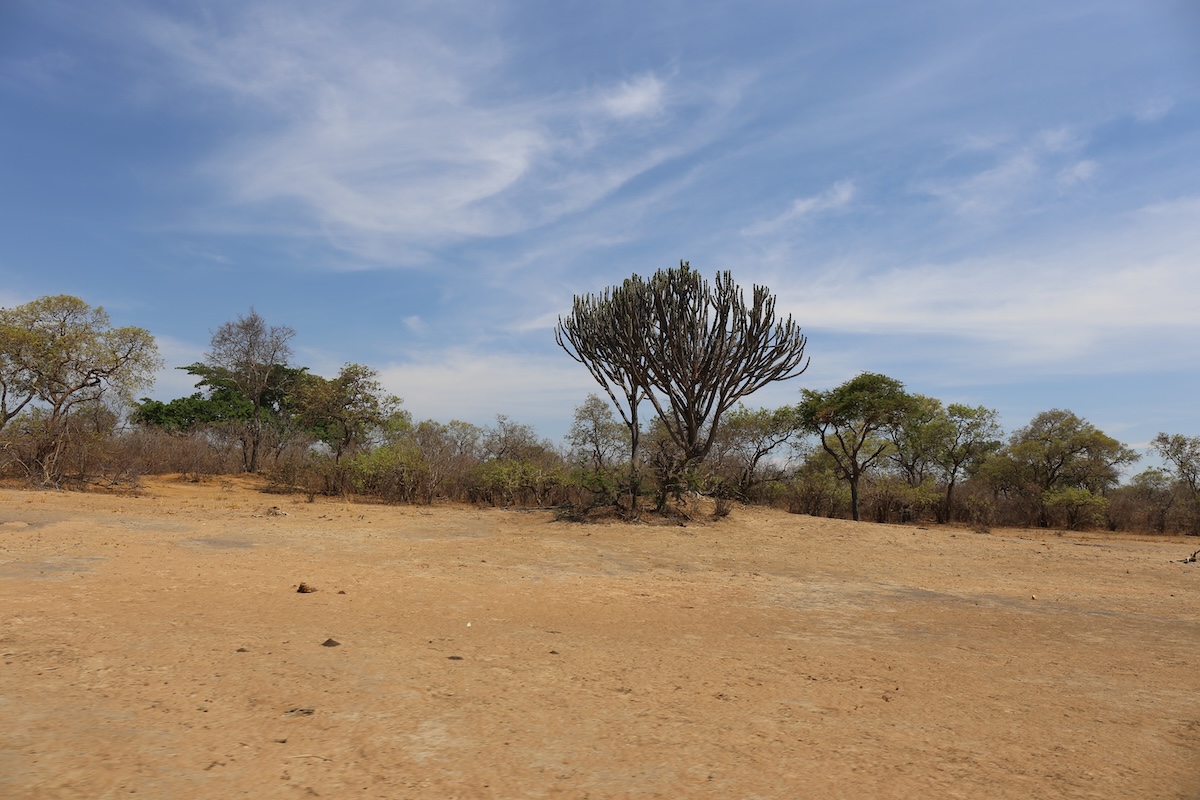
Blue sky, trees and dry soil in a hot environment
Mopane woodlands and a lake floodplain at Vwaza Marsh Wildlife Reserve, Malawi
Continue reading “2025 wrap-up: Multi-disciplinary citizen science expedition to Vwaza Marsh Wildlife Reserve (Malawi) studying elephants, hippos & others”

2025 round-up: Citizen science wolf volunteering project in Germany delivers again

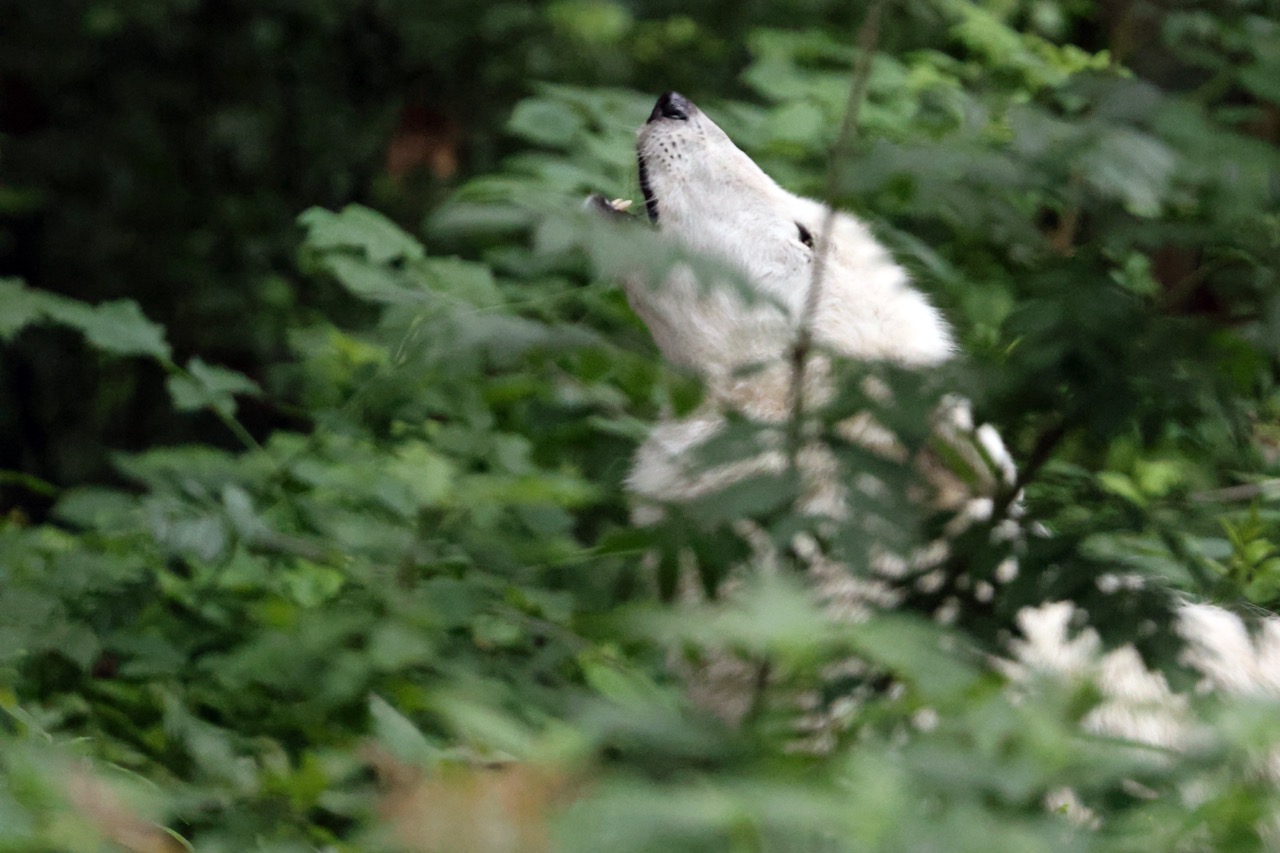
A white wolf howling in the woods in Germany
A white wolf howling in the woods in Germany (c) Christiane Flechtner

The 2025 Biosphere Expeditions wolf conservation project in Lower Saxony, Germany has once again made a significant contribution to state wolf monitoring efforts. It collected 79 scat samples, 13 of which are “good and fresh enough” – says expedition scientist Charlotte Steinberg – for DNA analysis, and all of which will be studied for remains of prey animals.

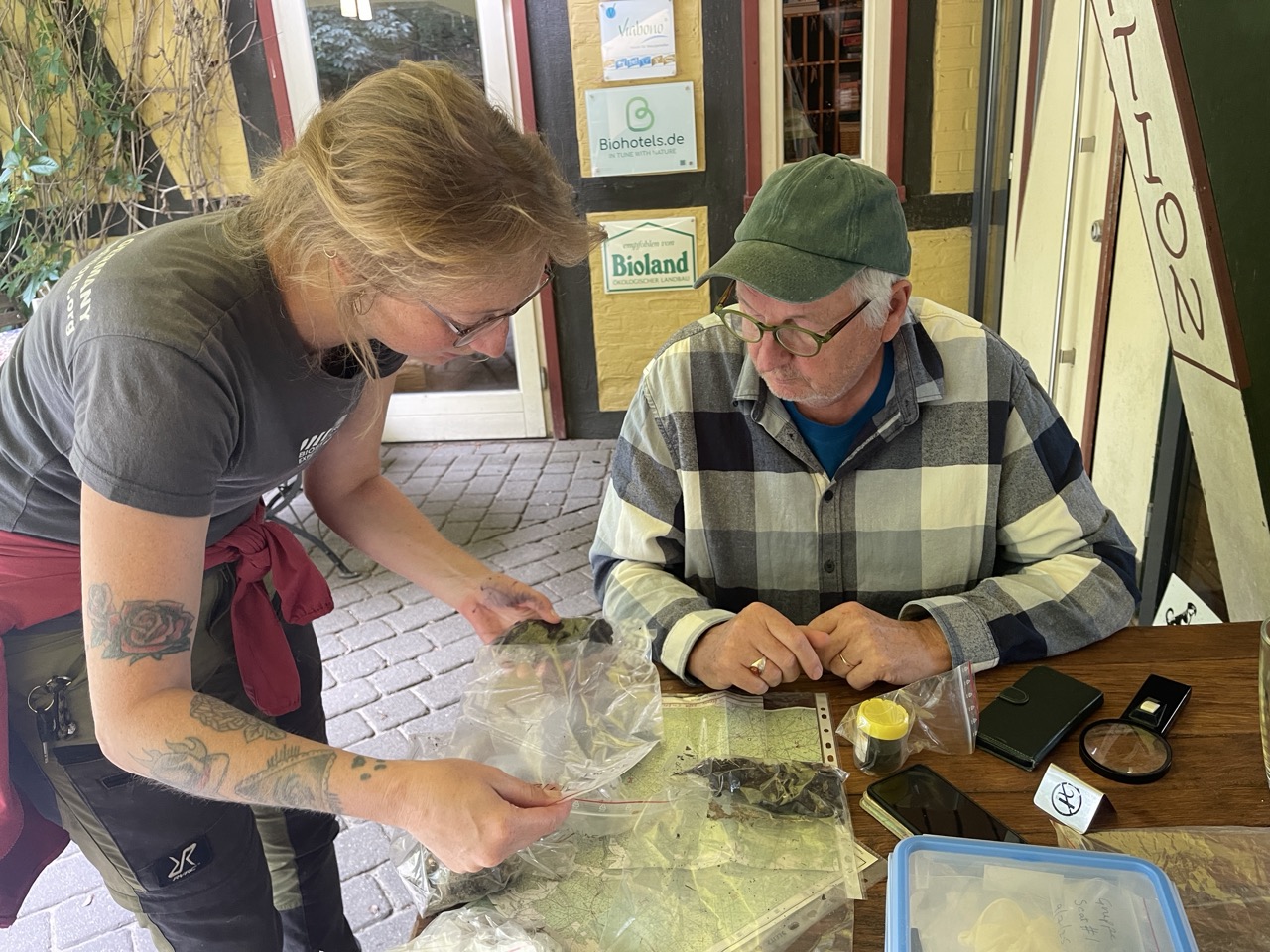
Two people looking at bagged wolf scat samples.
Expedition scientist Charlotte Steinberg (left) assessing scat samples with local wolf ambassador Kenny Kenner.

The wolf expedition in 2025

From 5 to 18 July 2025, nineteen citizen scientists gathered wolf evidence in support of the state’s official wolf monitoring programme. Some participants came from Germany and its neighbouring countries, as well as the UK and Spain, but there were also participants from North America, Australia, Oman and Brazil.

A group of people standing in front of a house
One of the two 2025 expedition teams
Continue reading “2025 round-up: Citizen science wolf volunteering project in Germany delivers again”

2025 round-up: Mountain ghost takes centre stage at snow leopard expedition

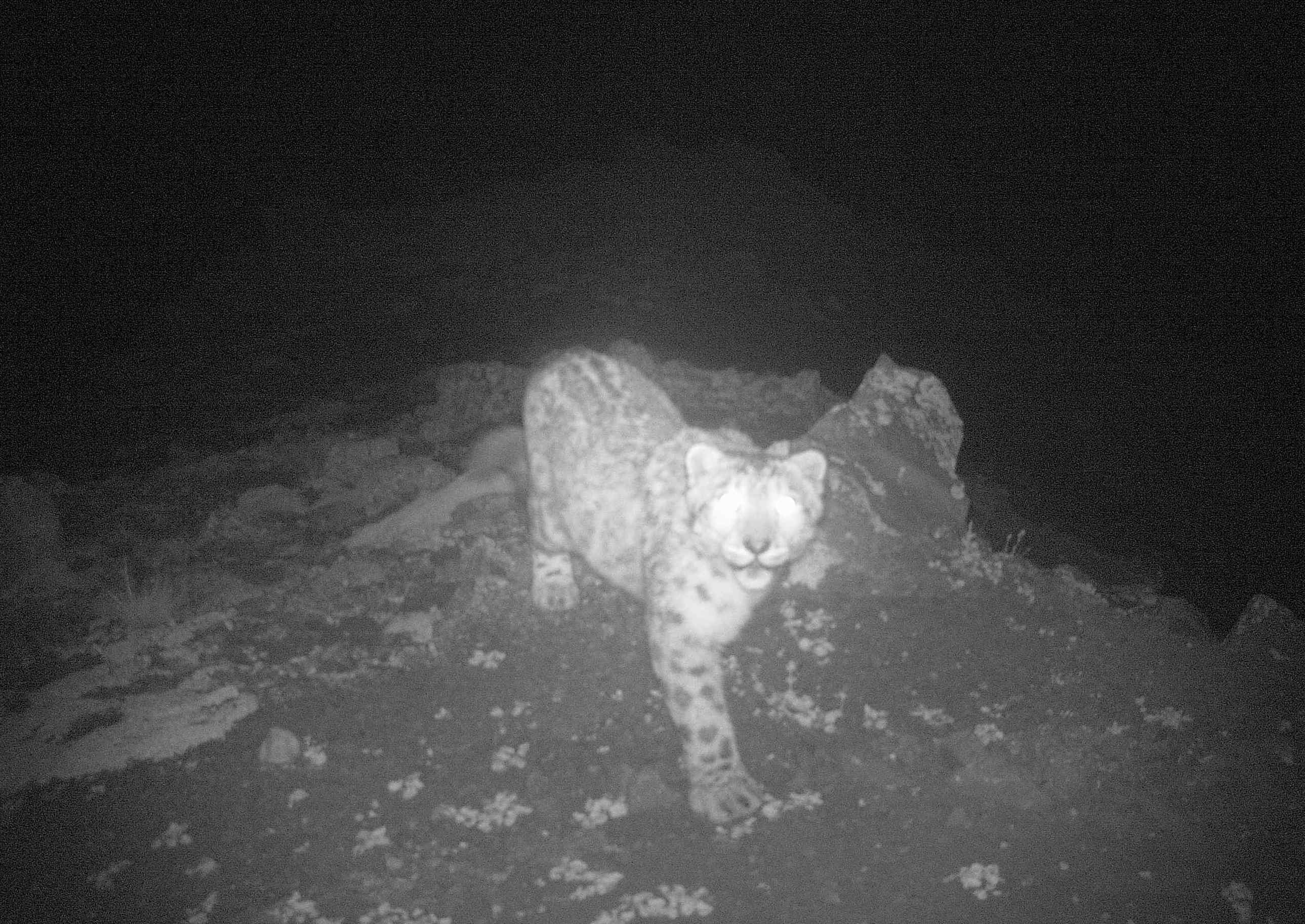
A snow leopard on a ridge caught by a camera trap in black and white
The mountain ghost caught on camera trap on a Biosphere Expeditions snow leopard conservation expedition

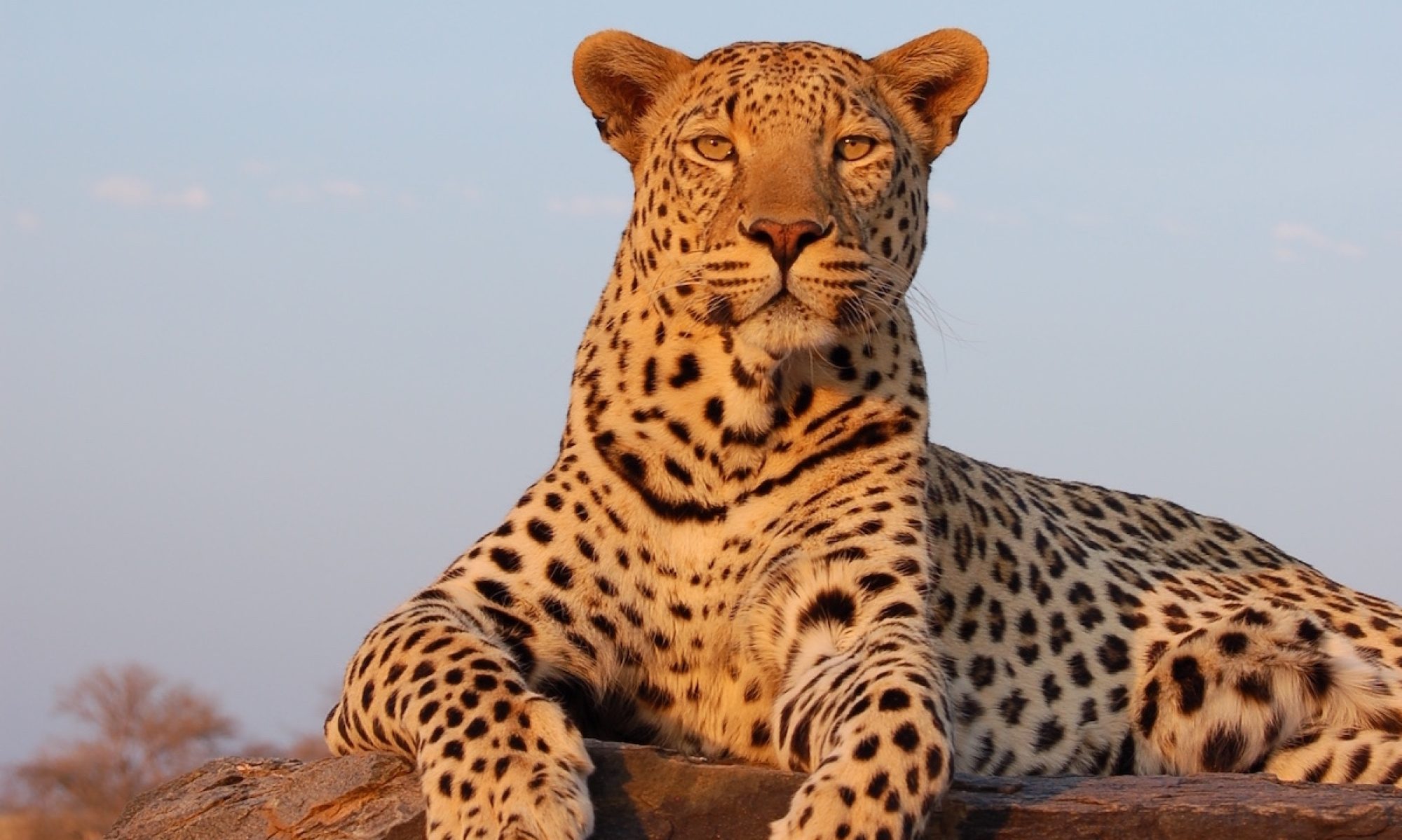
The snow leopard (Panthera uncia) is an iconic large cat native to the mountain ranges of Central and South Asia. It is listed as Vulnerable on the IUCN Red List because the global population is estimated to number fewer than 10,000 mature individuals and is expected to decline by about 10% by 2040.

Working in snow leopard conservation since 2003

Biosphere Expeditions has worked in snow leopard conservation since 2003. This makes it one of the longest-running initiatives organised by Biosphere Expeditions and one of the most extended research projects on snow leopards ever conducted.

Initially, expeditions were based in the Altai mountain range in Russia from 2003 to 2011, where we utilised sign rates and sightings for species recordings to confirm snow leopard presence, which contributed to the establishment of Saylyugemsky National Park – just one of many achievements that Biosphere Expeditions has racked up over the years.

Continue reading “2025 round-up: Mountain ghost takes centre stage at snow leopard expedition”

Rest alone isn’t enough: How conservation volunteering can aid burnout recovery

A scuba diver swimming above a coral reef with a tape measure showing between the coral
Diving and contributing to protecting some of the most beautiful reefs in the world as a way to aid burnout recovery.

Some days, exhaustion feels deeper than the muscles or sleep you’ve lost. You can sleep, take a holiday, work out regularly, or binge-watch your favourite shows and still wake up feeling flat. 

Burnout is rarely solved by rest alone. It’s emotional depletion, loss of motivation, and a sense that what you do no longer matters.

After the holidays or during any major life transition many people feel this more acutely. Returning to work, routines and obligations, or questioning what comes next, can feel surprisingly flat, even after a “restful” break. That’s because burnout is often about disconnection from purpose, not just physical fatigue.

Conservation volunteering provides purpose

For many who join a Biosphere Expeditions project, the shift doesn’t start with rest. It begins with purpose.

Volunteering expeditions with a clear focus on wildlife conservation provide structure, shared goals and opportunities for all skill levels to contribute meaningfully. 

Continue reading “Rest alone isn’t enough: How conservation volunteering can aid burnout recovery”

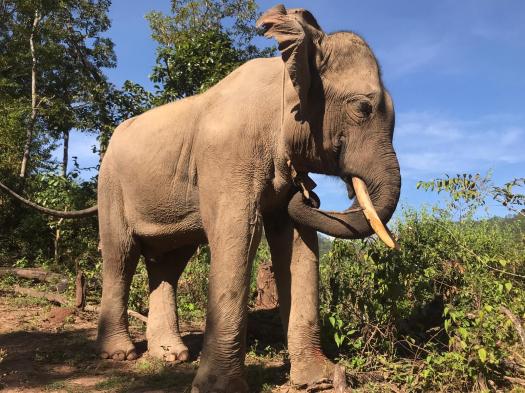
Thailand: Elephants all over the study site

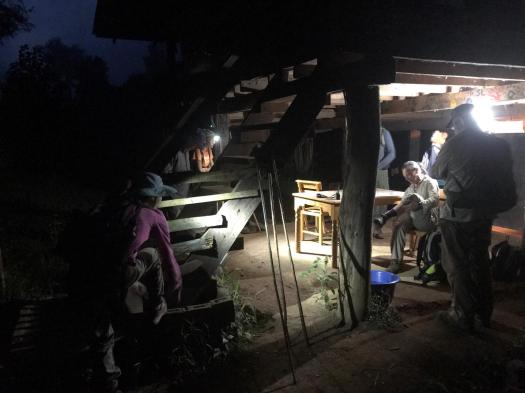
The weather is hot during the day now. We like the sun, but we are sweating for science also. In the early mornings we walk by the local families huddled around their fireplaces. For most of us a long sleeve shirt is plenty.

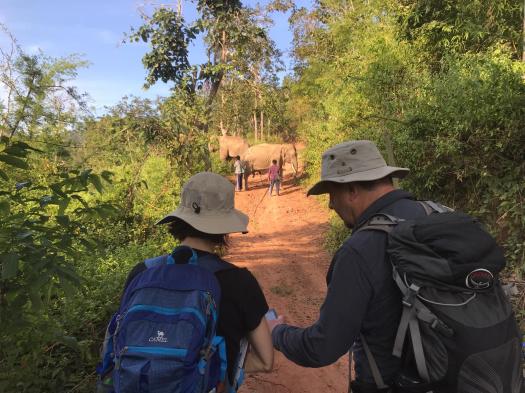
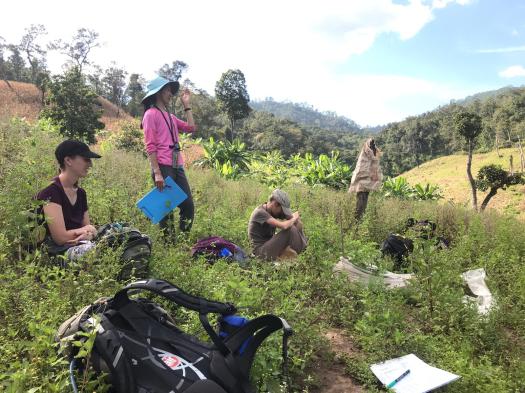
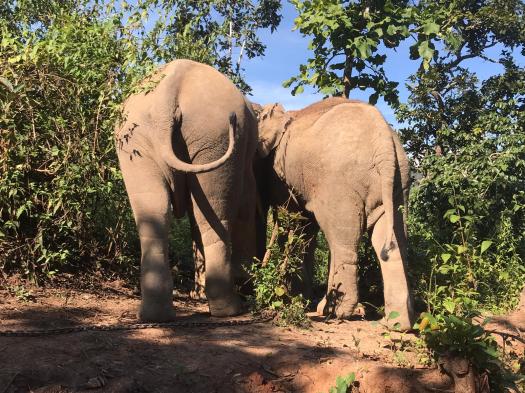
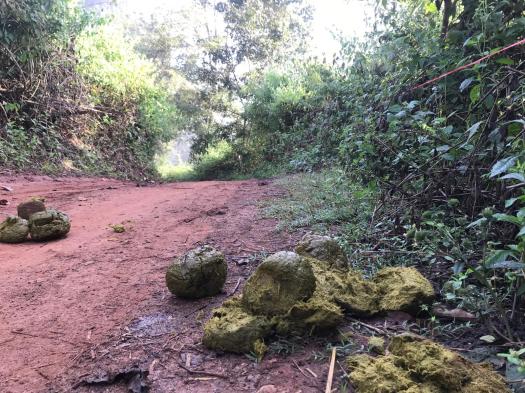
We spent Friday & Saturday surveying in the afternoon, when all elephants have been very active. The two females and the toddler stuck together most of the time as usual and were followed by quite a few of us watching their every movement and recording activities and social behaviour every five minutes. Every elephant has their personal data logger and two more citizen scientists record association data of the herd. Until Saturday the males stayed away, roaming on their own but still followed by us citizen scientists.

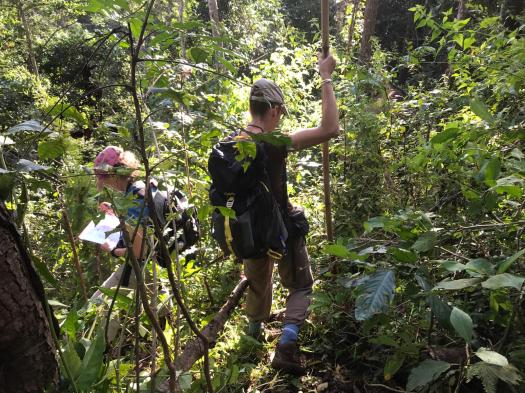
We’ve been walking a lot up and down hills, along the main path, to the river, back into dense undergrowth, etc., etc.. With elephant toddler Gen Thong around it never gets boring, anyway. He likes testing the boundaries and is always up for game.

On Saturday & Sunday we found Boon Rott and Dodo together for the first time since we started our surveys. It was great to see them getting along well, Dodo following Boon Rott. He is the newest member of the herd and in the process of slowly settling in. It will take some more time for him to get his bearings and there is a lot to learn from his mate about his new environment. We saw them mud-bathing together and displaying social behaviour – they must like each other.

Apart from surveying elephants, some of the team took the chance to participate in community activities in the afternoon of our early survey days on Thursday and Sunday. Kunsang learnt some traditional weaving skills and her scarf should be finished by the time we leave. Others went for a Thai massage to the lower village to experience a blind man’s magic hands. He is said to be unique in what he is doing – I can certainly attest to this.

We have one survey day left tomorrow (Monday). Keep your fingers crossed that all five elephants will decide to spend some time in one group. That’s our hope at least, but they have their own minds 😉
Thailand: Collecting data

The team has completed the second elephant survey day. Introductions, presentations and lectures on the science, the history of the elephants to be surveyed, the equipment, safety and living with the local people were followed by a half day of practical training in the field on Tuesday. Data collection started on Wednesday and will continue until Monday, working towards the goal of completing two full sets of survey hours between 08:00 and 16:00. That means that the schedule will change from day to day, some days starting at 06:00 others at 08:00.

We left base at 08:00 on Wednesday for the 4.5 km hike to find the elephants. Too-Meh, the herd’s grandmother (57 years), her daughter Mae-Doom (23 years) and Gentong, Too-Meh’s grandson (6 years) were  together near the river. They foraged most of the time and took a bath in the river later on. Right at lunchtime, one of the male elephants, Boon-Rott (13 years) joined them, so that almost the whole team was reunited for lunch. The third male elephant, Dodo (Gentong’s brother, 13 years) decided to roam around solitary. A team of two citizen scientists followed him up and down steep hills and even further away from where the rest of the herd enjoyed each other’s company. It was a very good first survey day – easy for some, more challenging for others, though.

Today (Thursday) we went for the first out of two early shifts. Leaving base before sunrise, we very much enjoyed the 90 min walk along the river watching the sun come up and slowly dissolving the mist. For the first time during this week the sky was clear blue and the sun pushed the temperature up and over thirty degrees. Keep your fingers crossed that we won’t get any more rain!

We celebrated Neil’s birthday on Wednesday evening. Talia prepared a delicious homemade cake, which was presented after dinner. Thank you, Talia, for doing so, and thank you, Neil, for sharing it with us!

Thailand: Training

Everyone arrived safely at base today. Our team of ten citizen scientists from Brazil, Germany, the UK and US moved into their homes after lunch. Today was full-on introduction and training, stuffed with information before we go out tomorrow (Tuesday) morning for a practical data collection training walk.