Update from our marine conservation volunteering holiday in the Azores archipelago, working on whales, dolphins and turtles
That’s all folks. It is time for final diary entry. The end of the expedition is suddenly upon us, and five weeks seems to have flown by, with the international team now gone. Before I wrap the expedition, let me first recap the last few days:
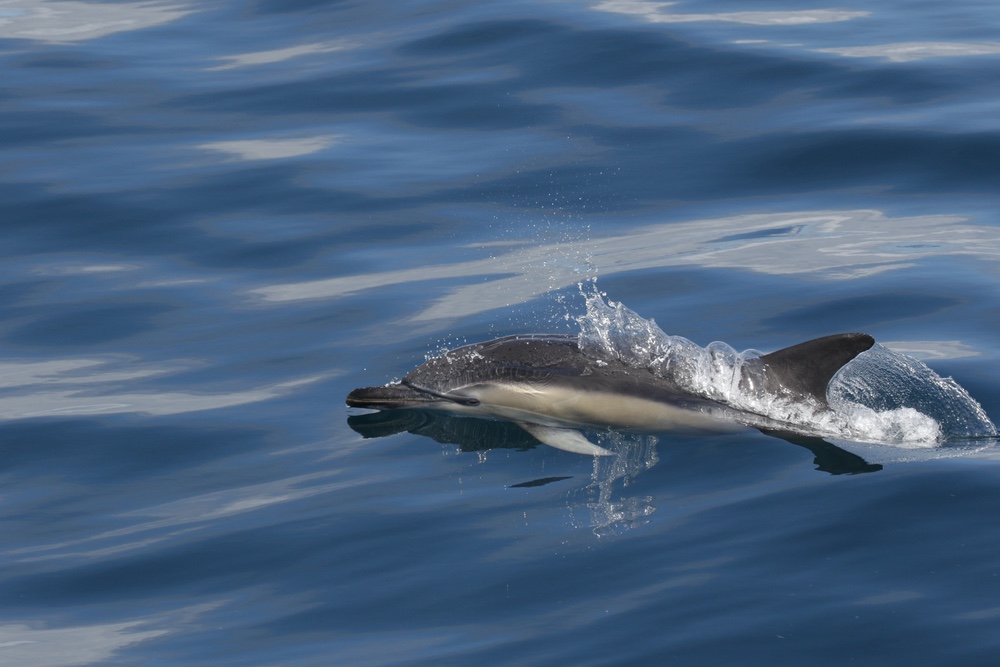
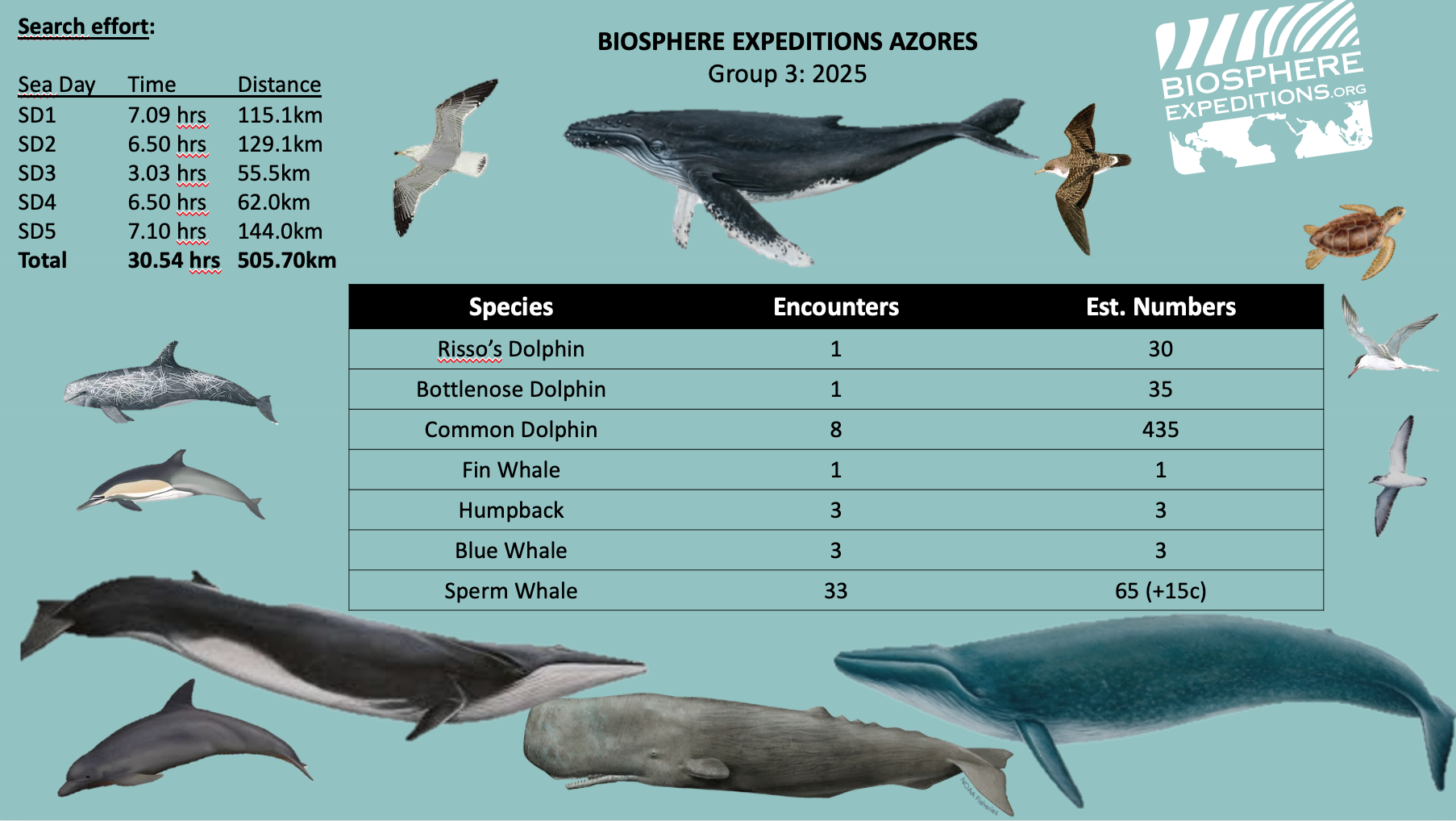
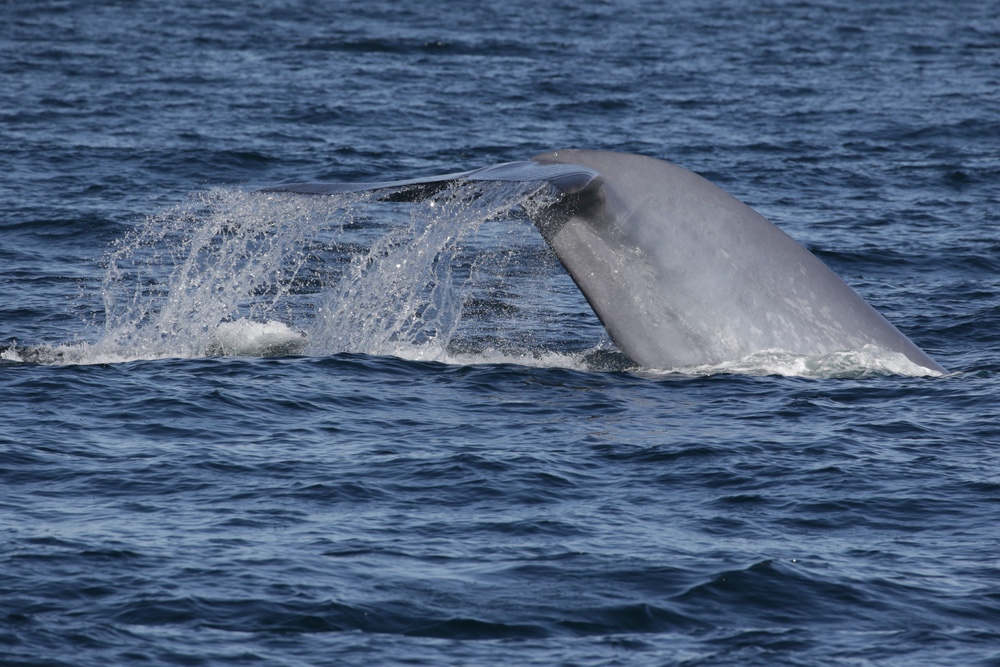
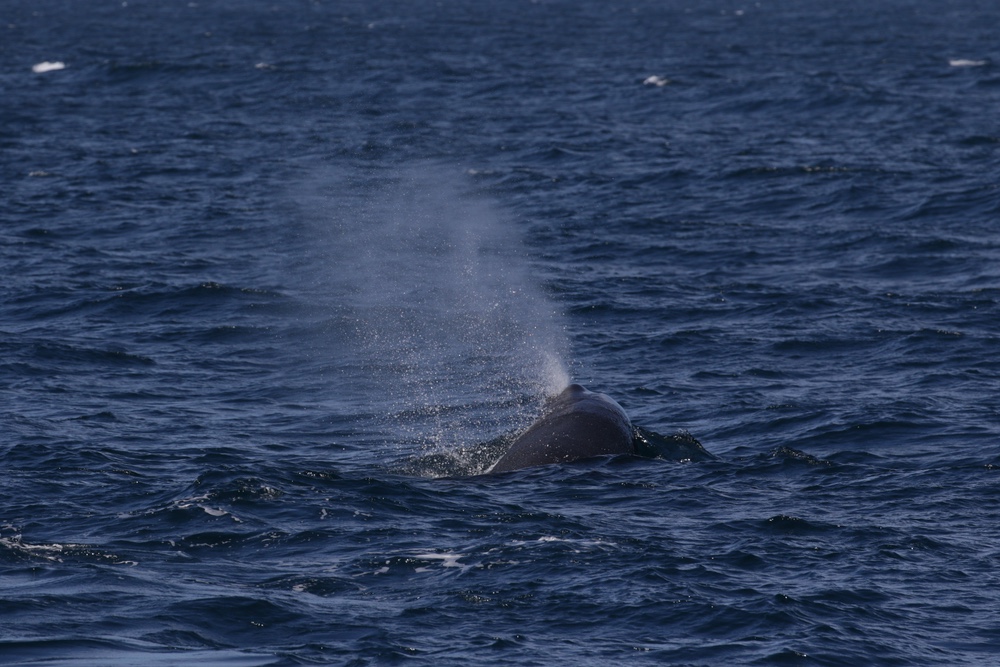
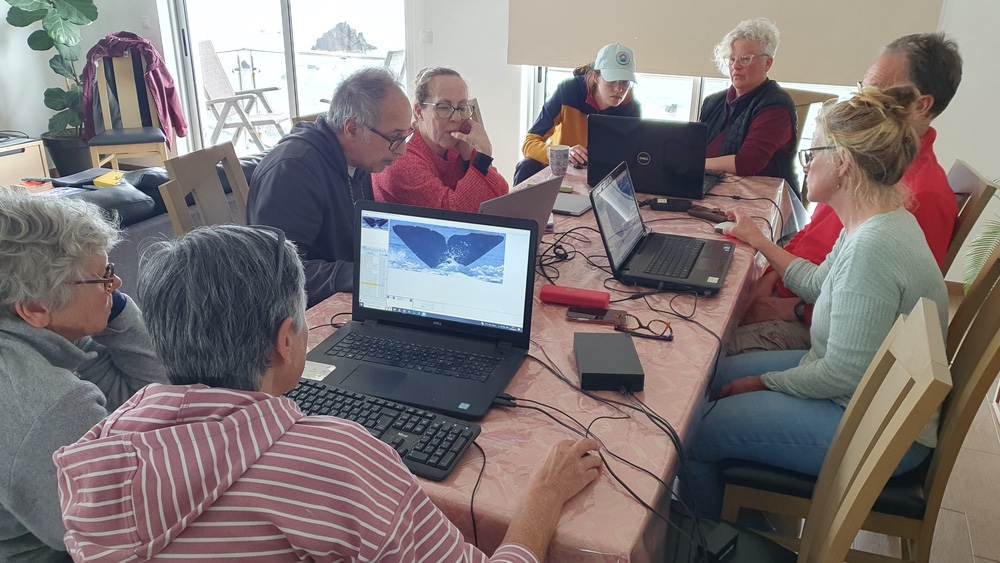
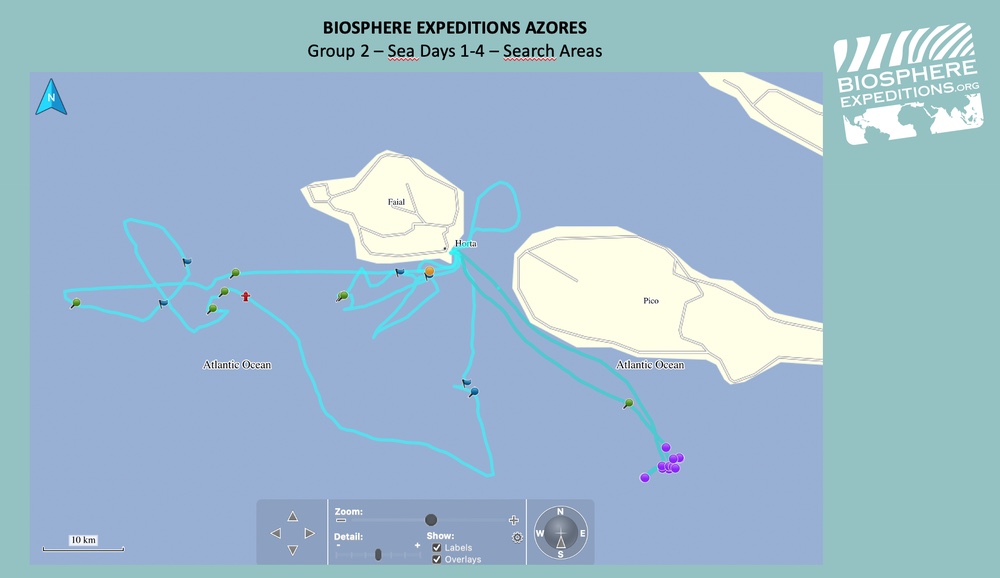
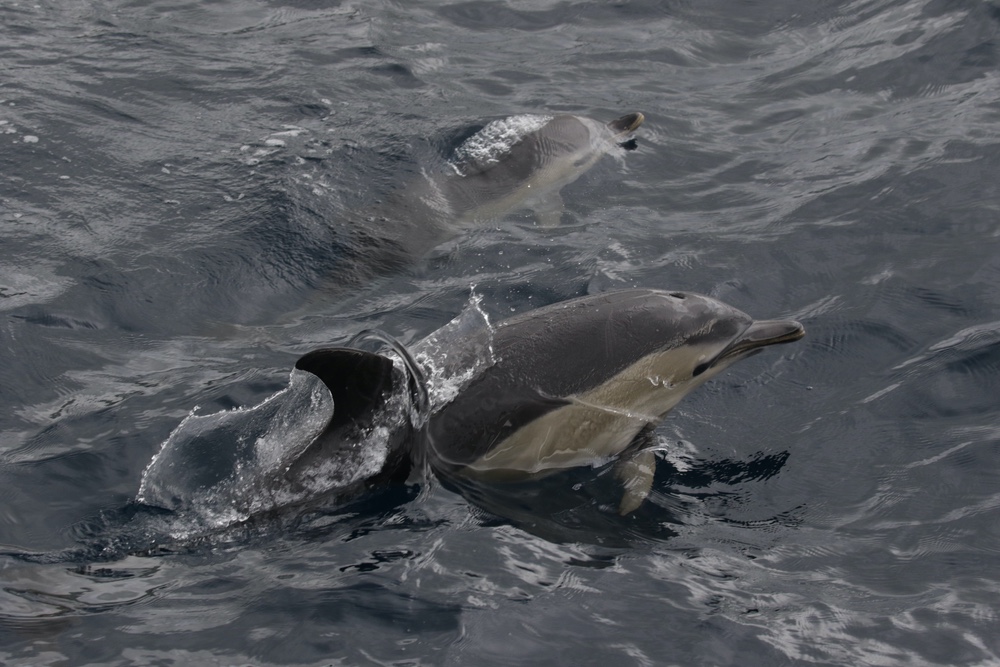
Our final day at sea presented yet more great sightings. Most notably was another fin whale and not one, but two more humpbacks – one far easier to photograph than the other, but still a favourite amongst many. Add to this, more sperm whales, common and bottlenose dolphins and it was another great data haul. Sea conditions and our continued search for more sightings put us close to Capelinhos – the most recent volcano to erupt in the Azores – at the west end of Faial. This presented an opportunity for another first in 2025 – a circumnavigation of Faial – as the seas were easier to navigate to the north. Our 2025 data collection ended with our final loggerhead turtle.
This ocean-based tour of the island gave the group a better feel of where to visit on their day off – with many heading back to Capelinhos. But on our last day we were thwarted at the final hurdle, in our effort to go to sea, by bad weather, but this presented another opportunity to sort more data. Not how we would wish to end, but you can’t argue with the Atlantic Ocean – just accept that plans may often change. So that concluded our data collection and sorting, on another really successful expedition in the Azores.
This year we’ve again documented an impressive array of records that without Biosphere Expeditions, would not have been collected. Here are just some of our highlights. We have
- deployed three teams into the field, comprising 8 different nations, spanning multiple decades
- completed in excess of 84 hours of surveys, covering over 1400 km of the ocean
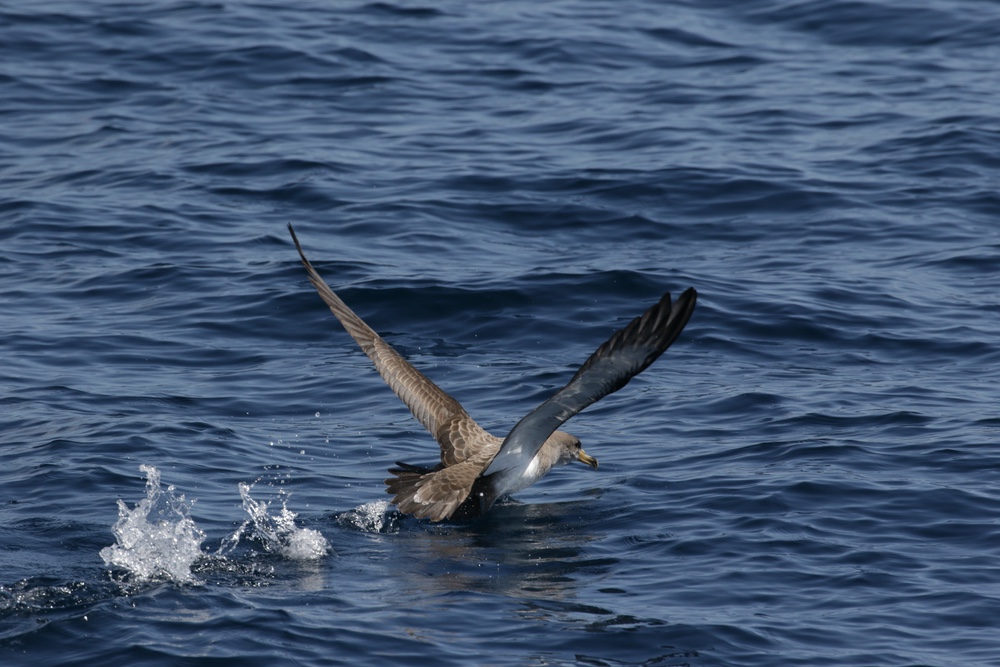
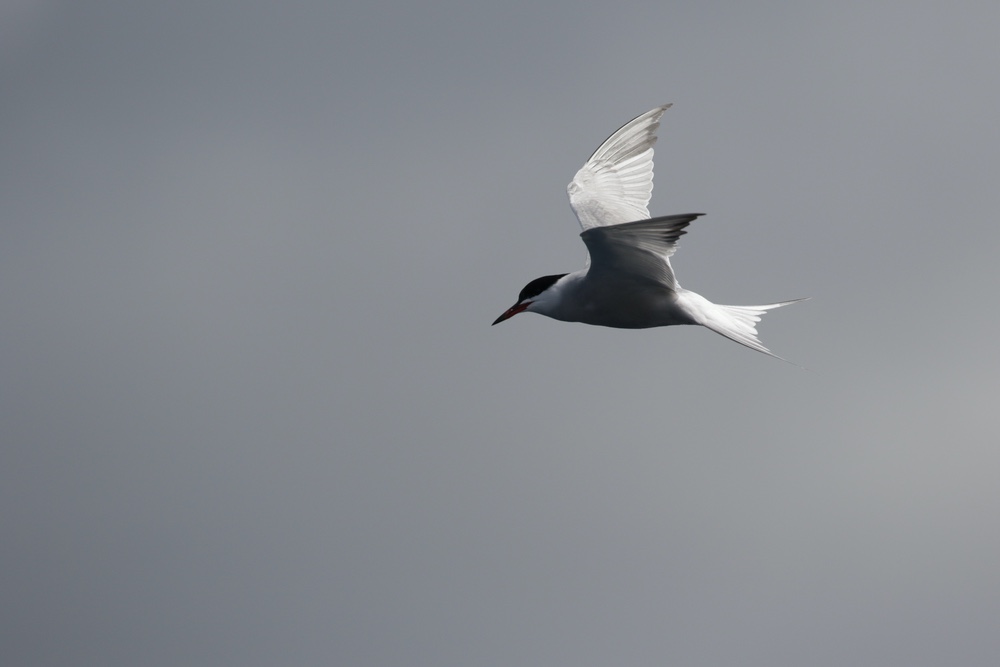
- collected data on at least eleven different cetacean species (six whale and five
dolphin species), one turtle species and numerous birds
- encountered more than 125 cetaceans,
- confirmed some positive whale IDs, and several re-sights, but also have
numerous new flukes – i.e. individuals never recorded before
Data in isolation can be a bit ‘dry’, and lack context, as field research rarely gives us instant results (though fluke matches are coming through) or fast answers to our bigger questions. But we’ve collected another great baseline of data and the full results will become clearer in the expedition report. The power of this simple field data builds over time, as has been illustrated by our excellent invited speakers (thank you, to all).
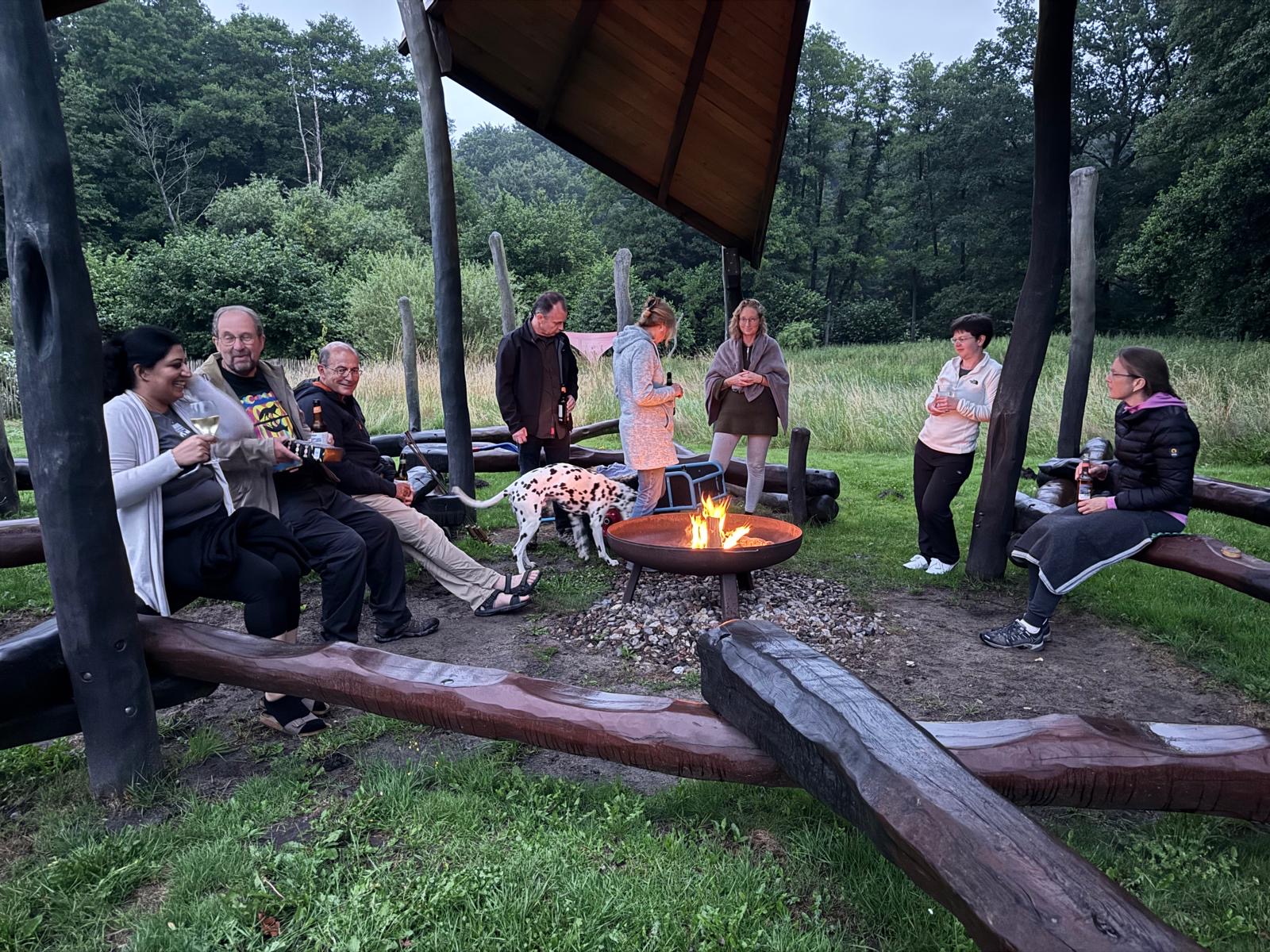
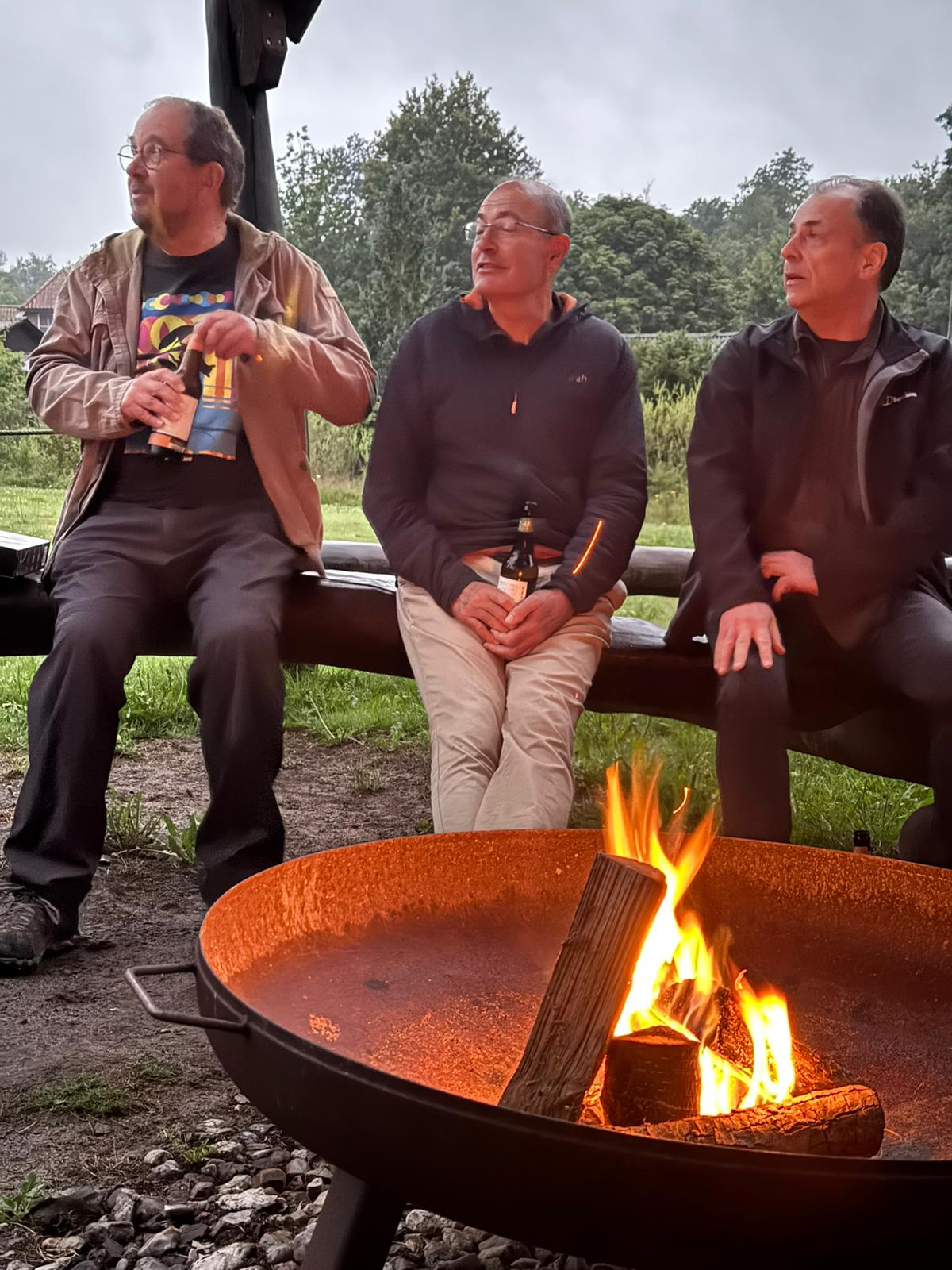
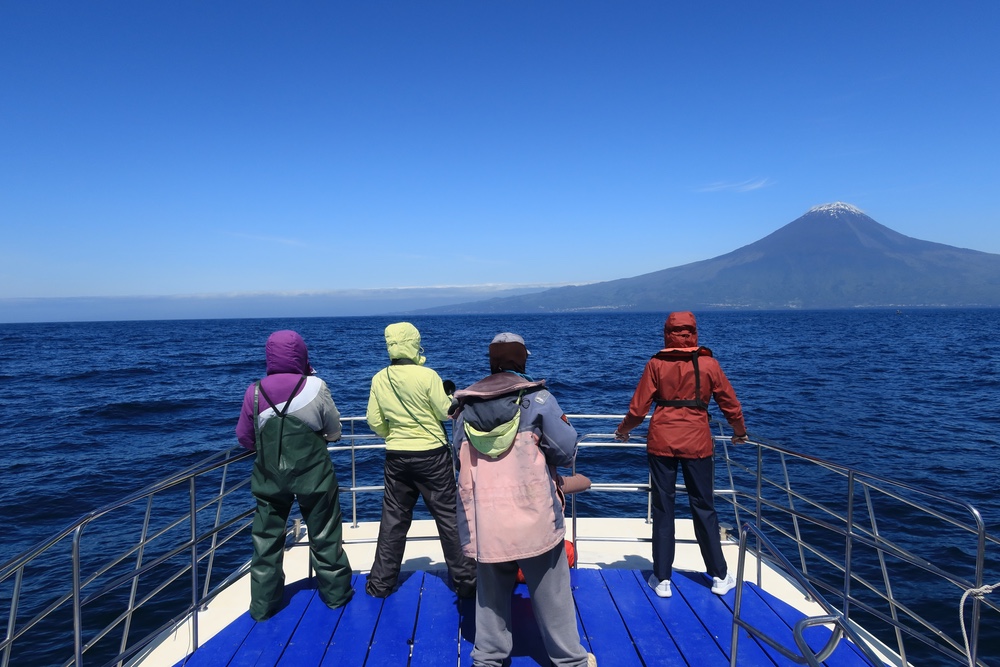
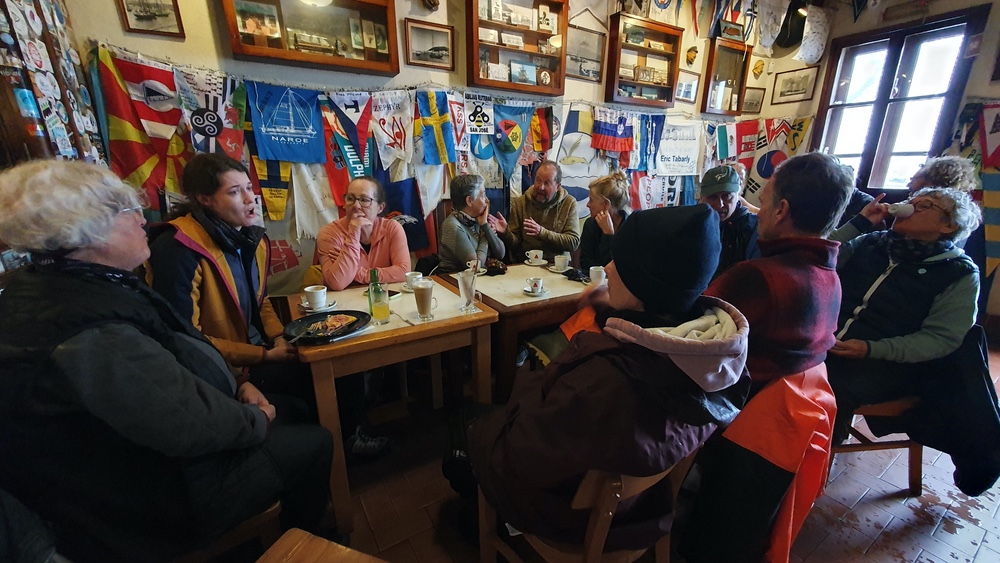
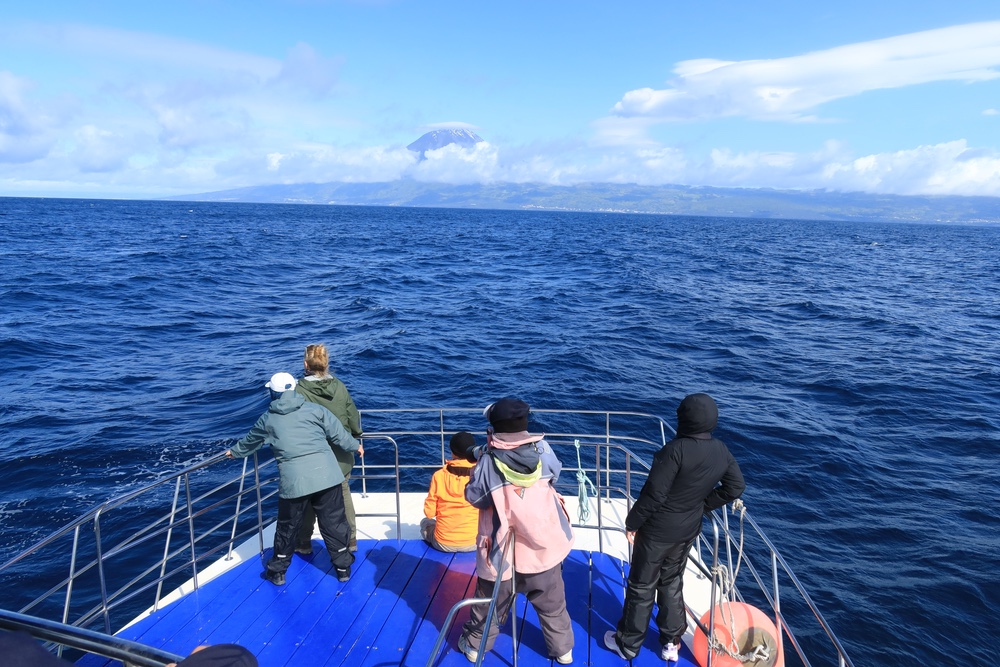
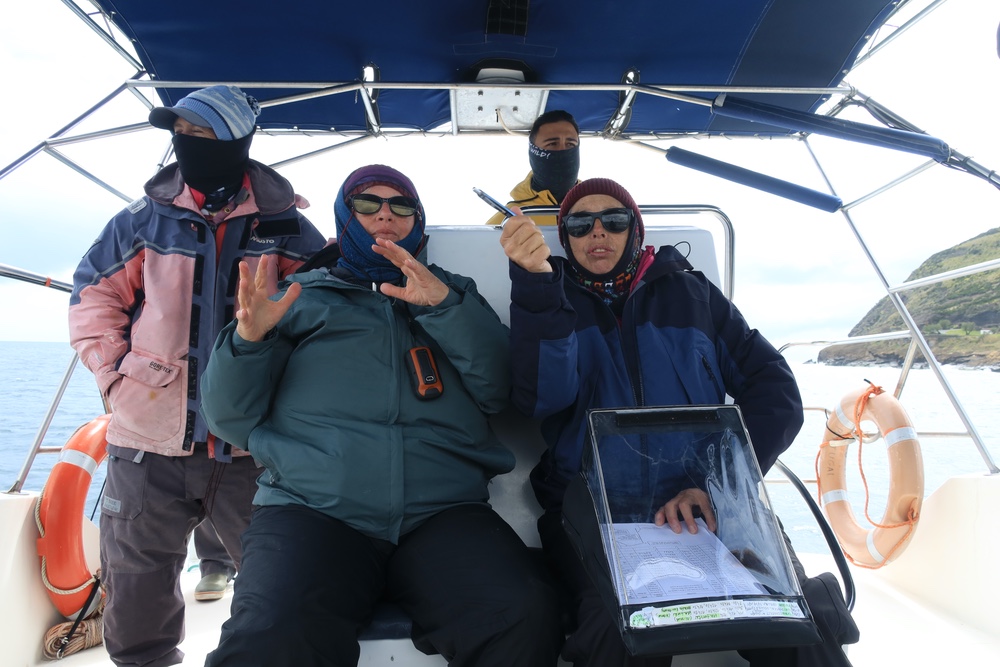
Whilst we comb the see and learn about the cetaceans and contribute to the ongoing data collection on this project (19 years and counting), it is not always all about the project. What also makes the project so special is the people. So let me initially offer some thanks. First off, to our three groups, who stepped up to the daily challenge of data collection to achieve our goals of better understanding the spatial and temporal distributions of the cetaceans and turtles of the Azores. You’ve not only all contributed to advancing this knowledge and making this expedition a success – you have also been great fun to work with and not given the expedition leader too much stress!
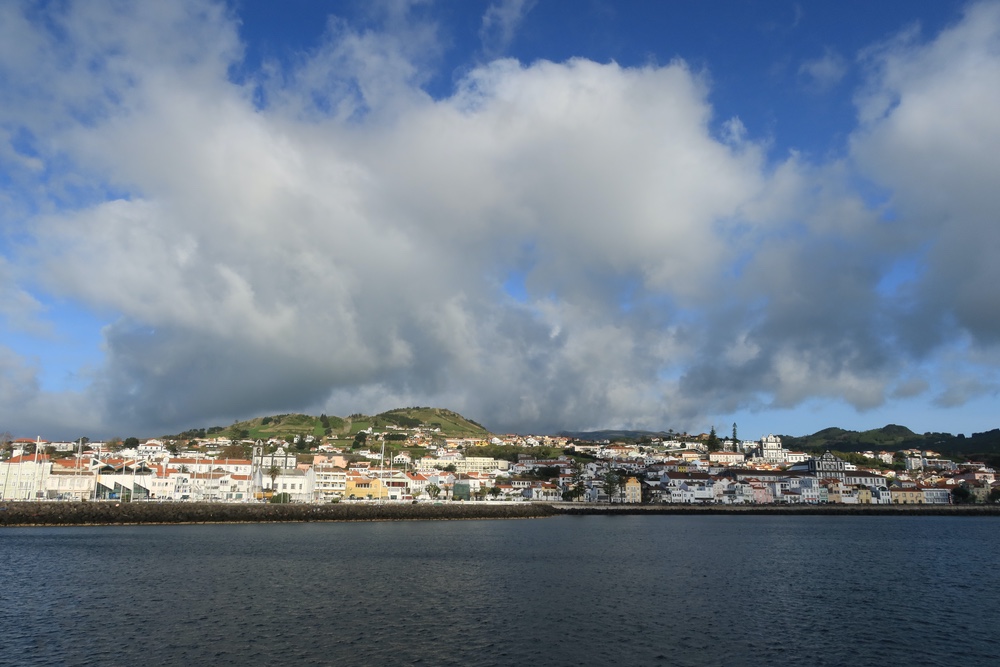
We also thank the wider Biosphere Expeditions team, as this project can’t happen without the unseen preparation, often months before we even set foot on a boat. I also extend thanks to all in Horta who have supported us, particularly Norberto Divers, the lookouts and our various caterers – whose food has more than sustained us! We also extend our thanks to our hosts (Silvia & Mario) and the project base, of course to Lenita (our housekeeper) who ensured we were more than comfortable. I (like many) can also not forget our skippers (‘Pico’ Pedro & Pedro 2), who not only took us to sea, but ensured the team knew the sea state, wind direction, cetacean locations and always got us back to port safely – thank you gentlemen. Finally, our collective thanks go to Lisa. A constant force for knowledge and our leader in all things scientific. It is always a privilege to share in your world of cetacean fieldwork.
We have also had the great privilege of briefly experiencing life in Azores. As I mentioned in my very first diary entry (if you remember!), who doesn’t want to live on a volcano, in the middle of an ocean, searching for a diverse array of charismatic cetaceans. The allure of this fascinating archipelago is strong, and I don’t doubt that some of us will return, in the not too distant future – there are many reasons to come back.
For me personally it has been great to have the opportunity to return to the Azores, work on the project, in this wonderful place and meet old and make new friends. It has been a blast, but all good things come to end and now I too must make my way home. Time to head to my place in Scotland, catch up with my own family and see what projects we take on next.
Thank you.
Continue reading “Azores : People, place, project”























 Biosphere Expeditions: blogs from the frontline of wildlife conservation and the fight for a more sustainable planet