Award-winning, non-profit and ethical wildlife conservation volunteering. Advancing citizen science and conservation since 1999 – for nature, not profit.
The Biosphere Expeditions 2023 Malawi expedition has now come to an end – successfully. We had no more drama since the attempted elephant rescue, although we did notice a lack of elephant herds visiting us near base camp since then, but quite a few sightings of elephants very close to where the juvenile elephant died (tusks removed). This is perhaps not surprising: elephants are known to mourn their dead.
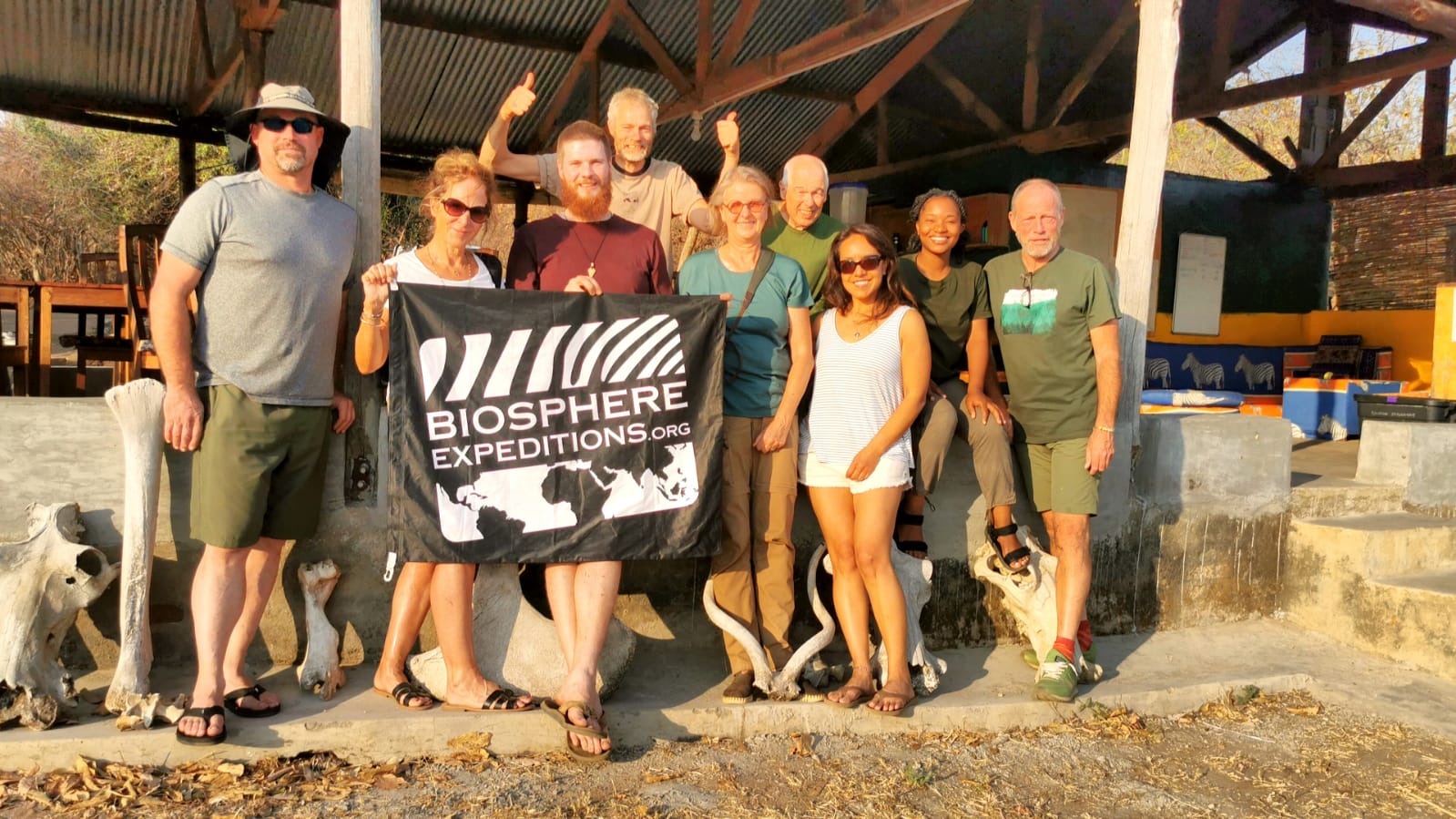
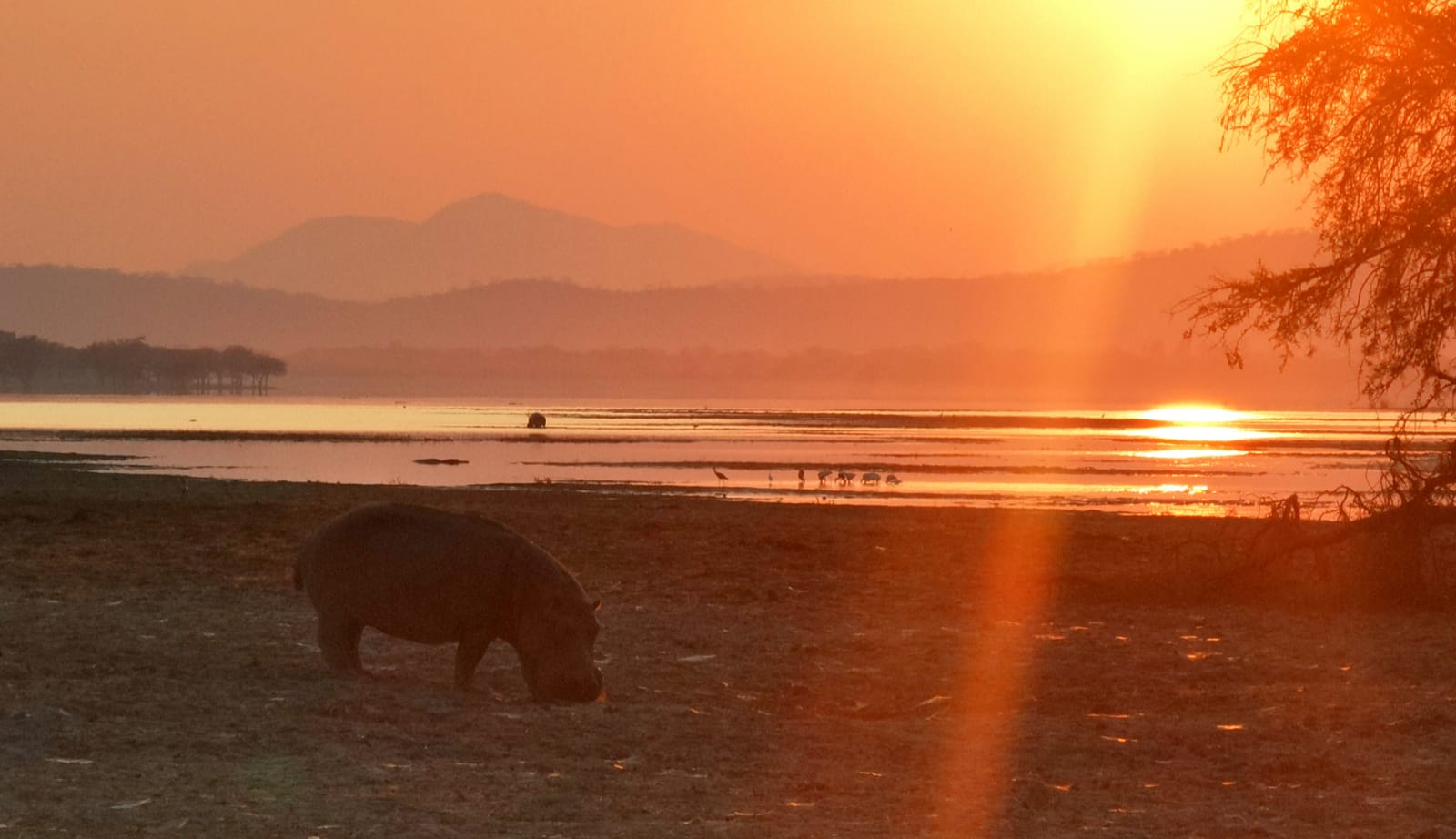
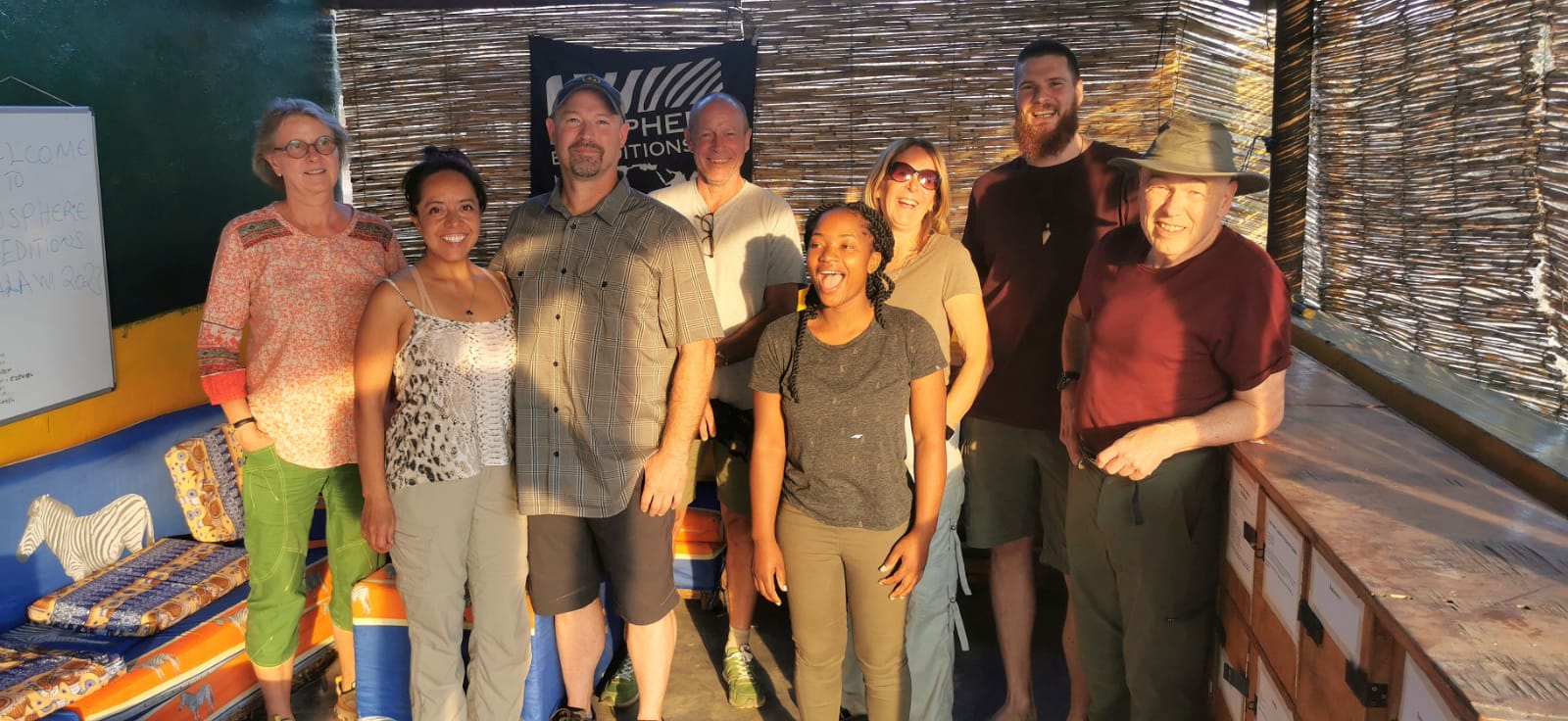
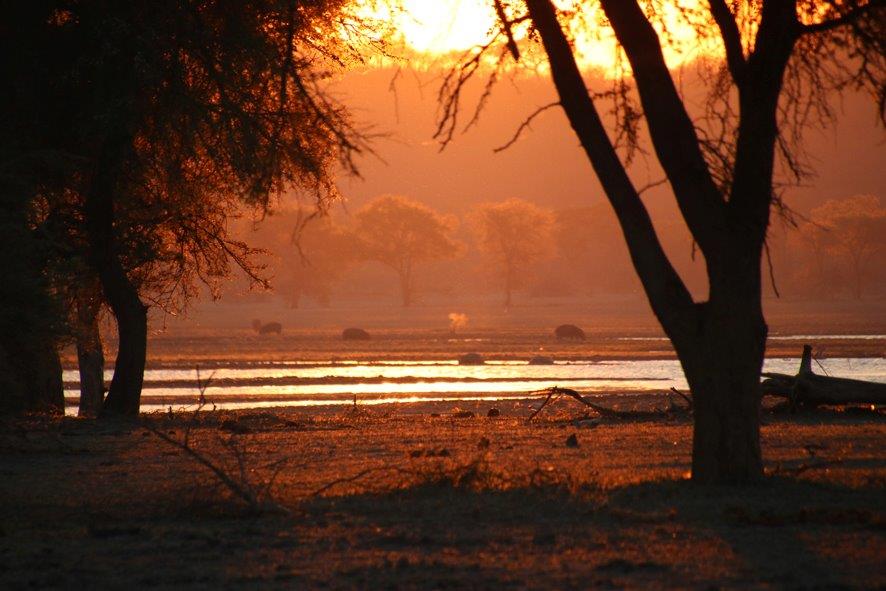
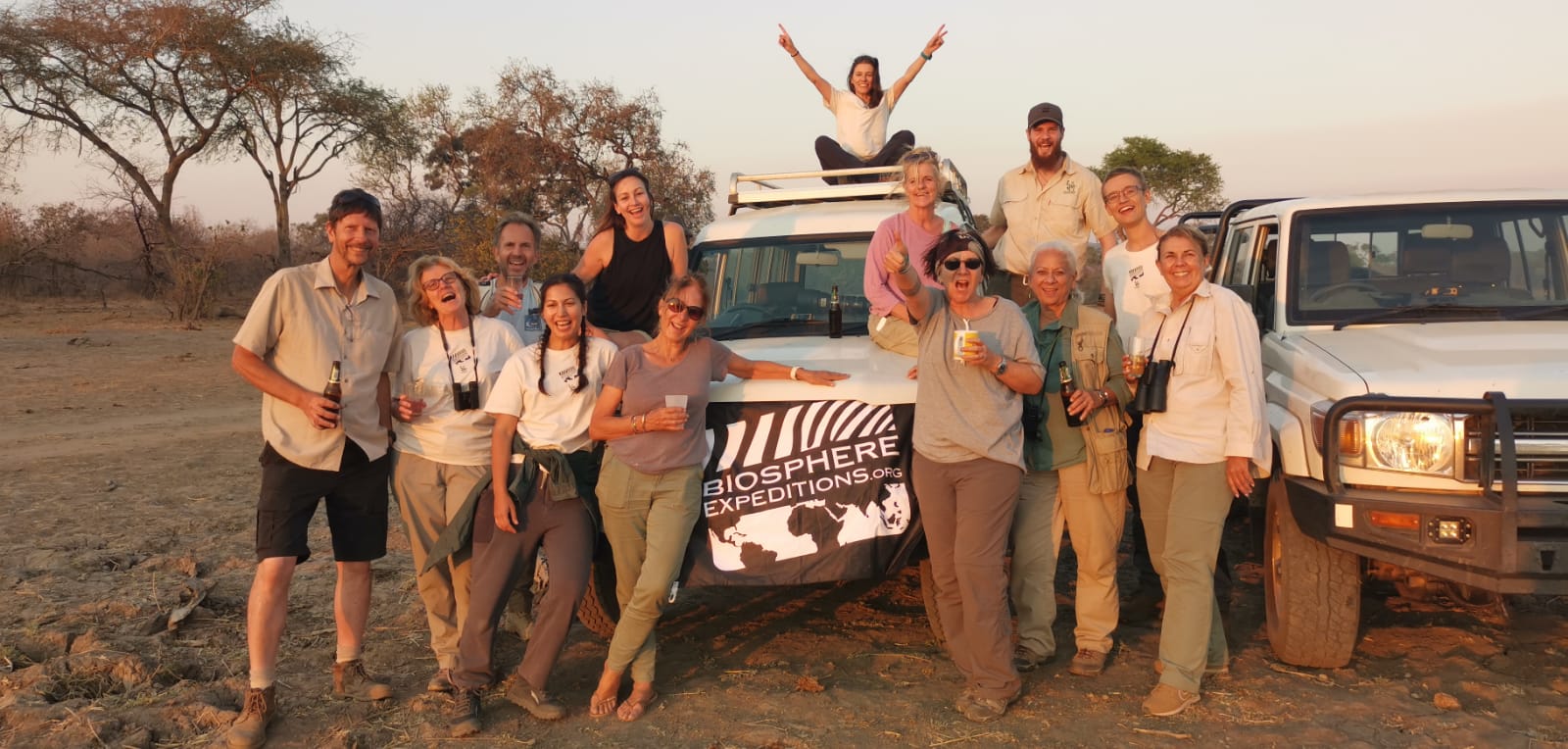
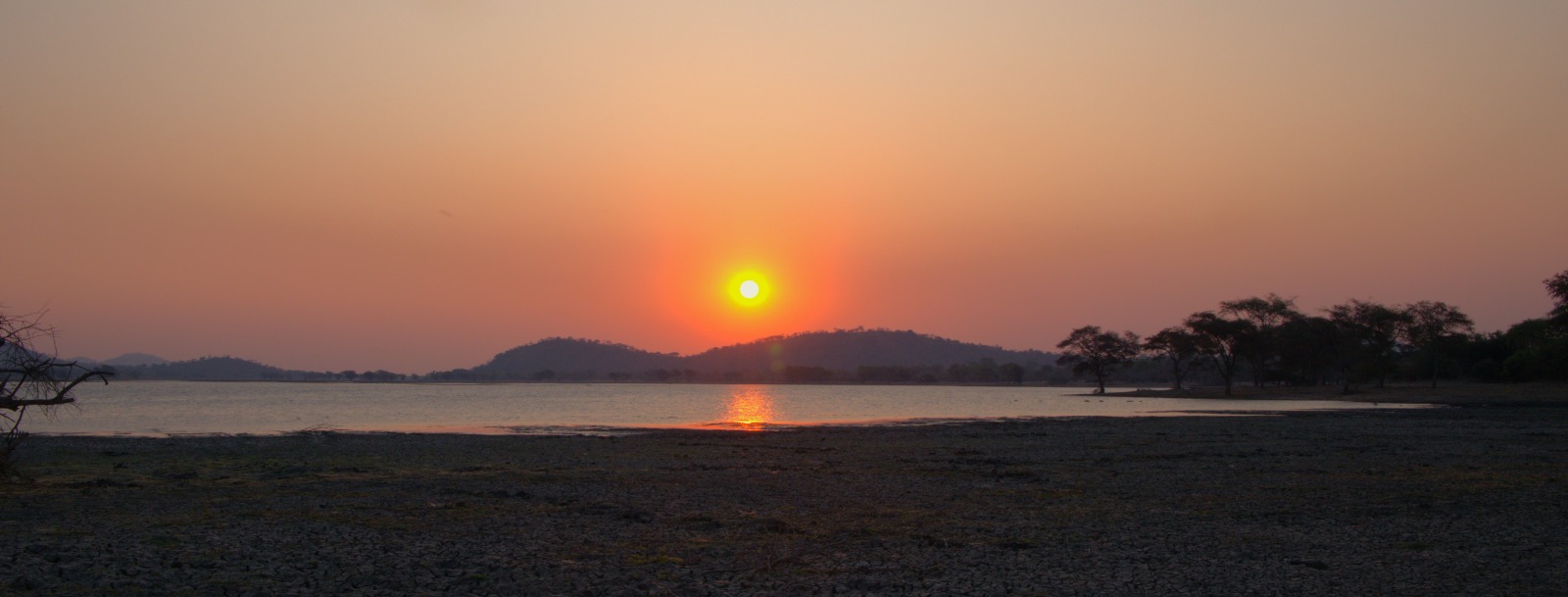
We continued our research tasks right up to the end of the expedition, saving time for a celebratory sundowner by the lake on our last night, with toasts made and many group photos taken as the shimmering red sun dropped below the trees.
Benni summarised what we had achieved over the expedition:
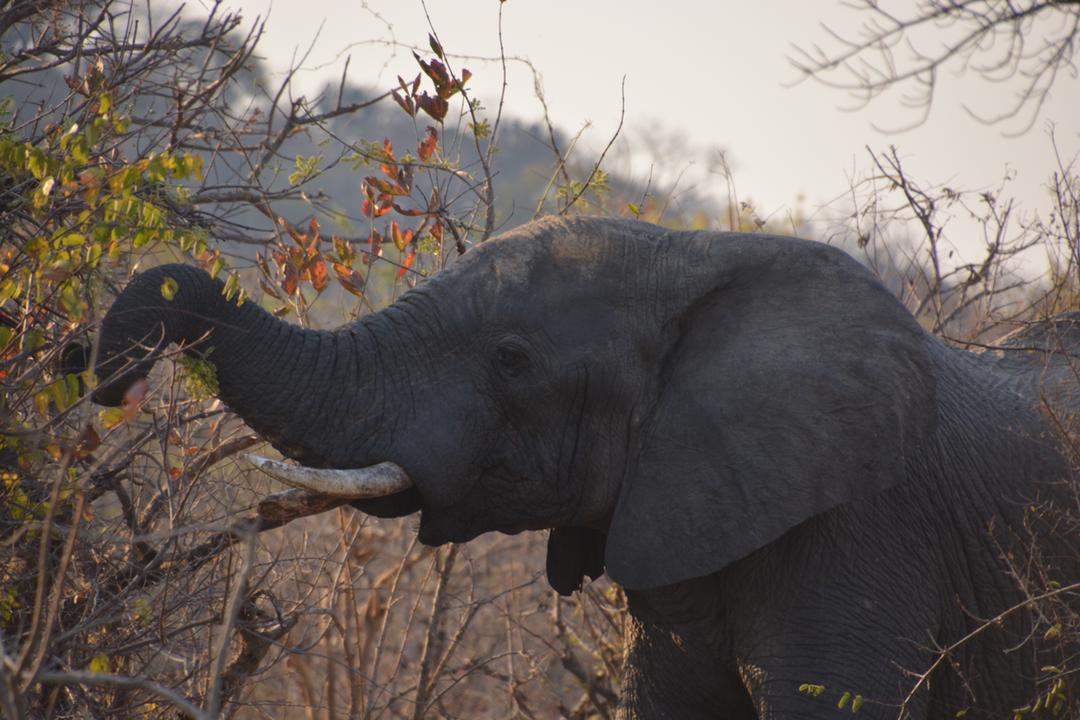
218 elephants counted in 22 sightings
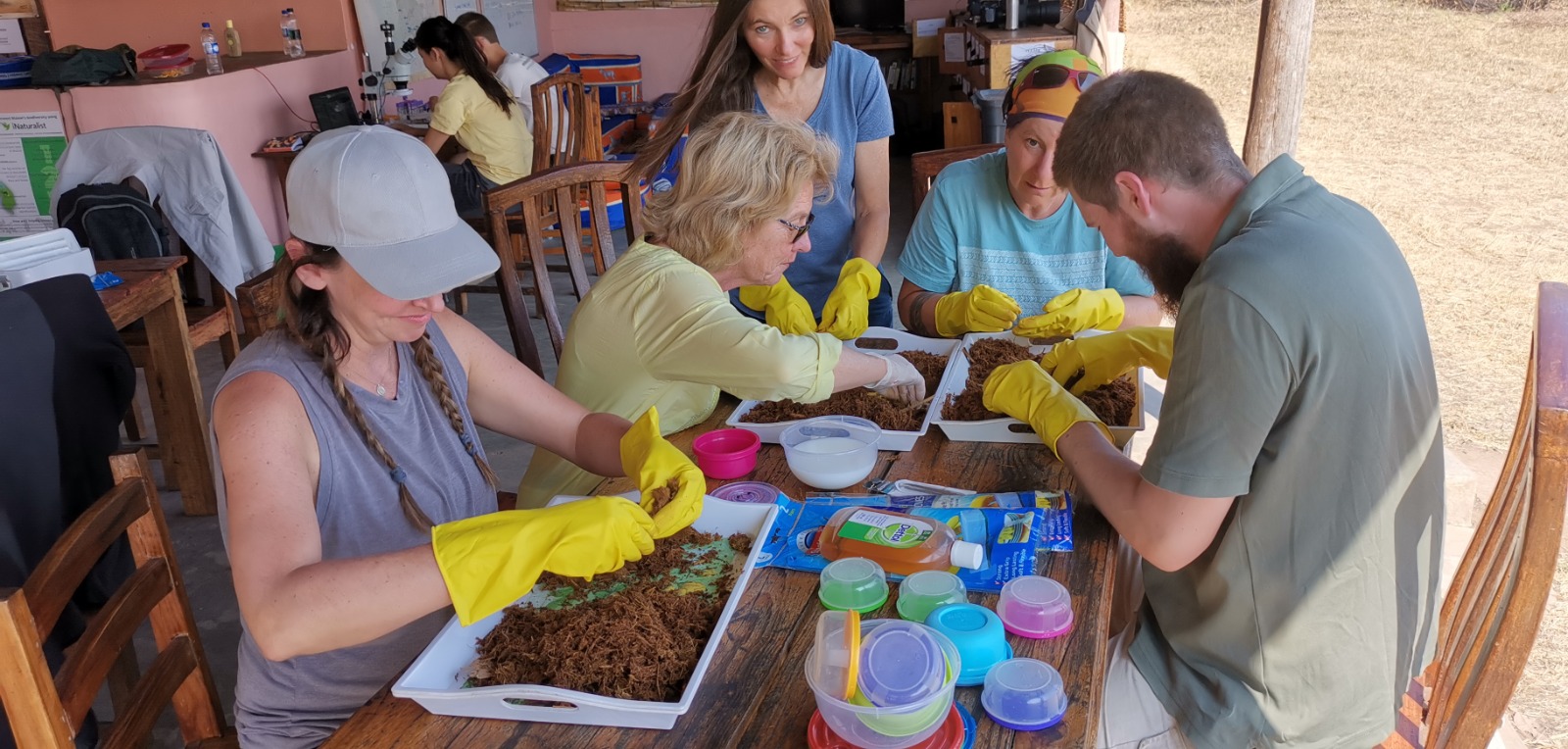
16 ID profiles created for 10 matriarchs and 6 bulls 28 dung samples collected and processed, yielding 2134 seeds cleaned, dried and photographed
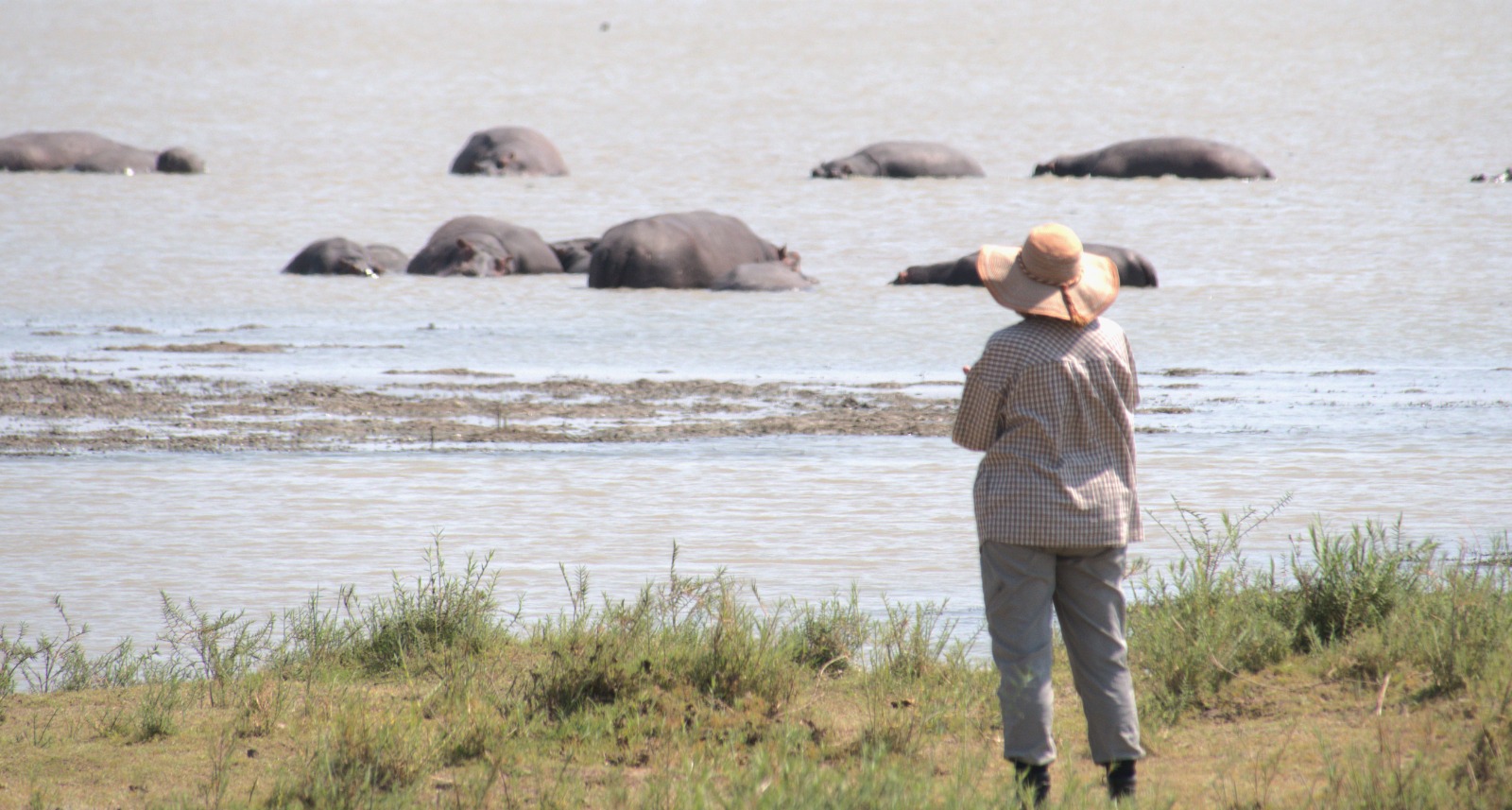
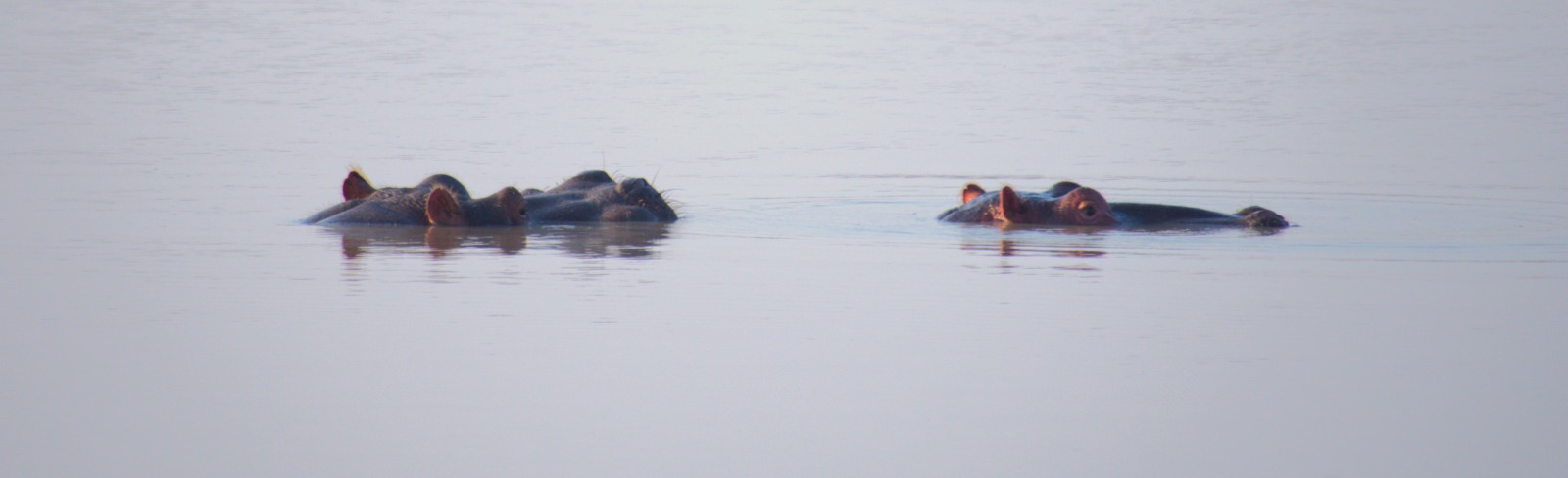
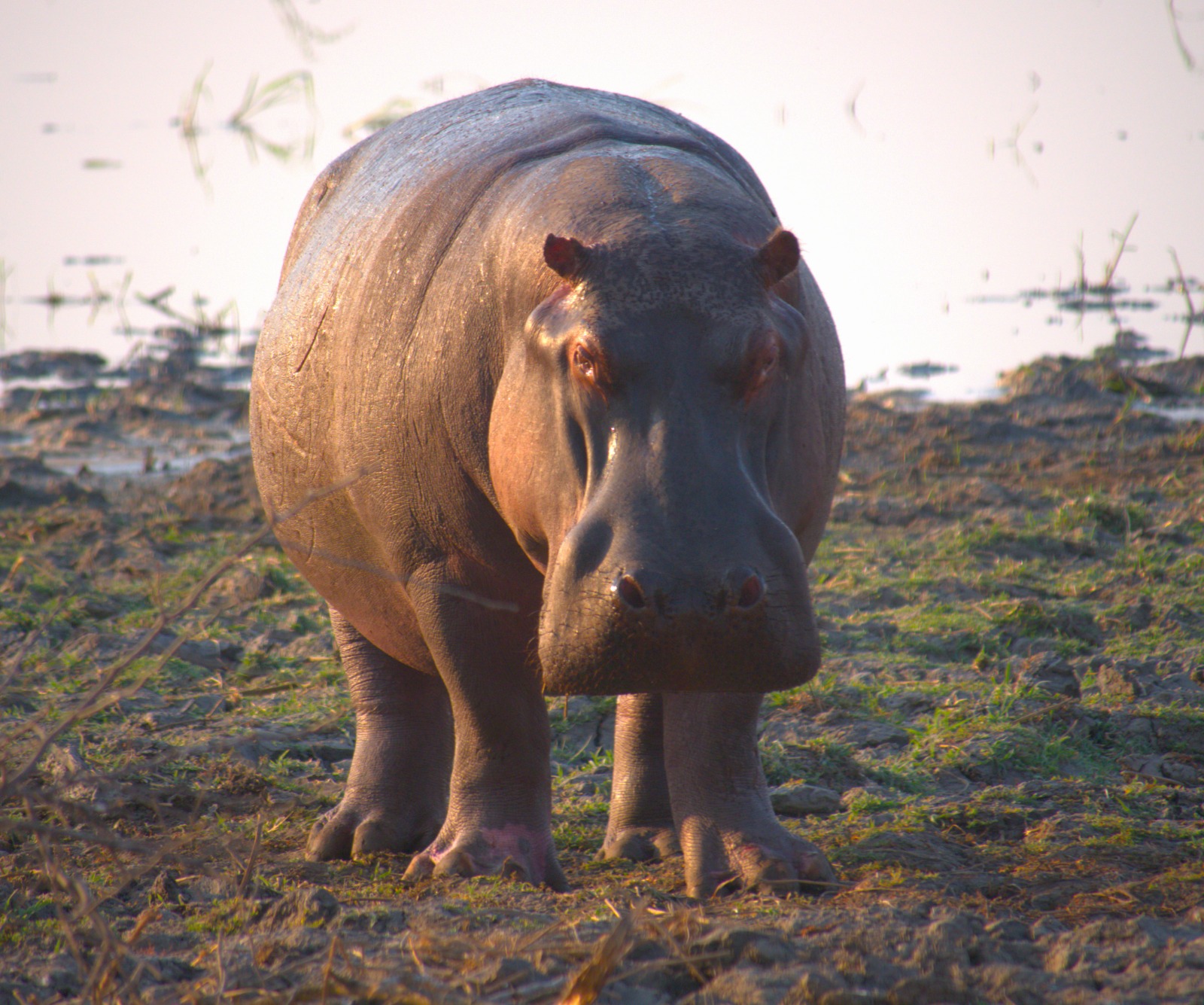
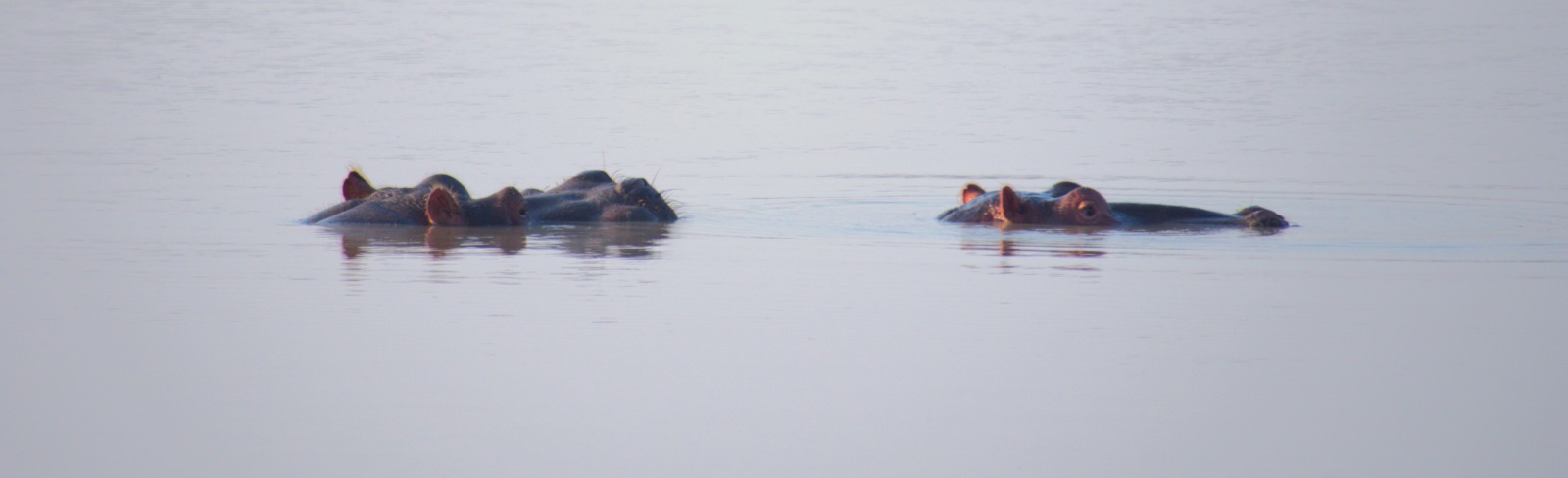
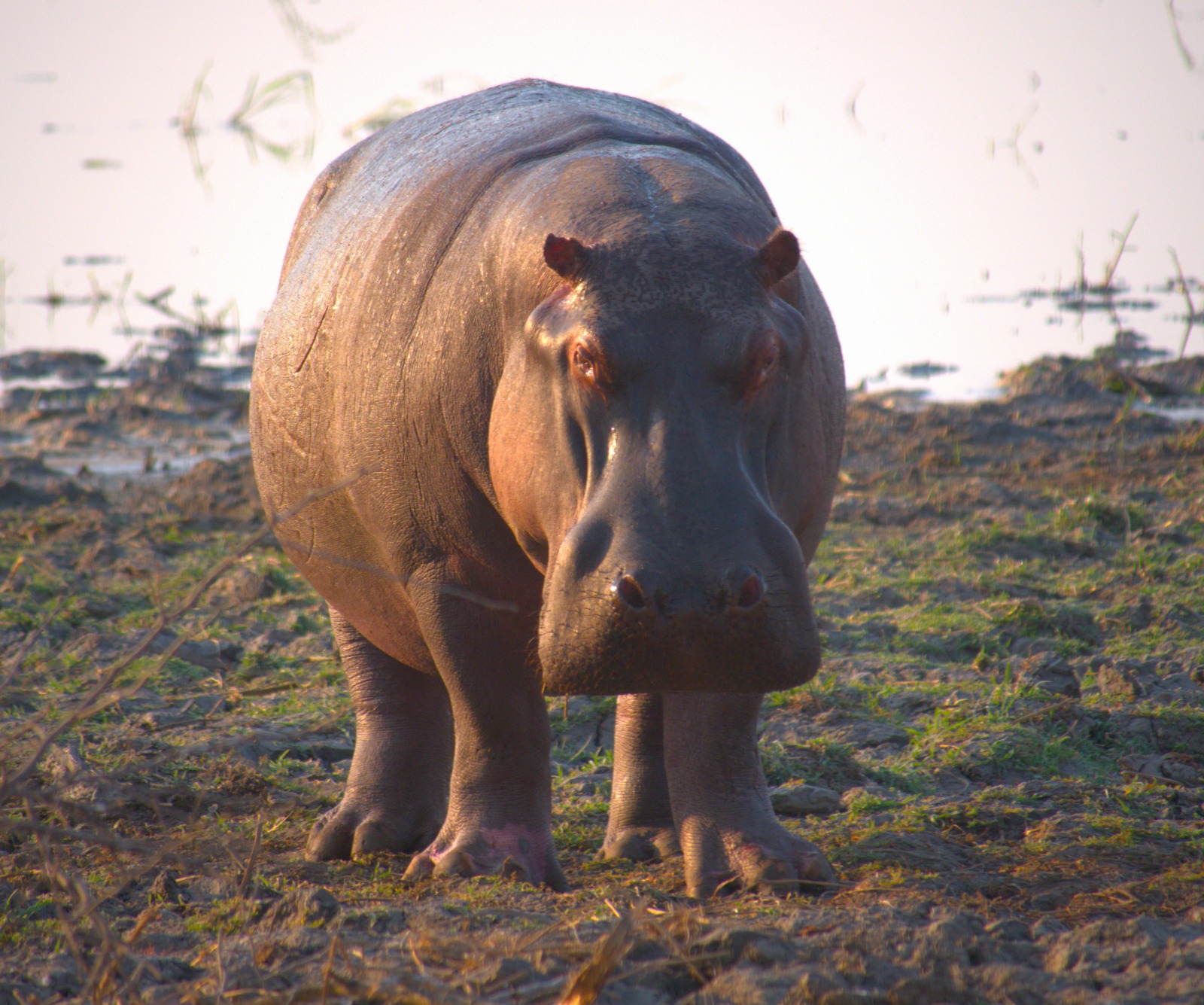
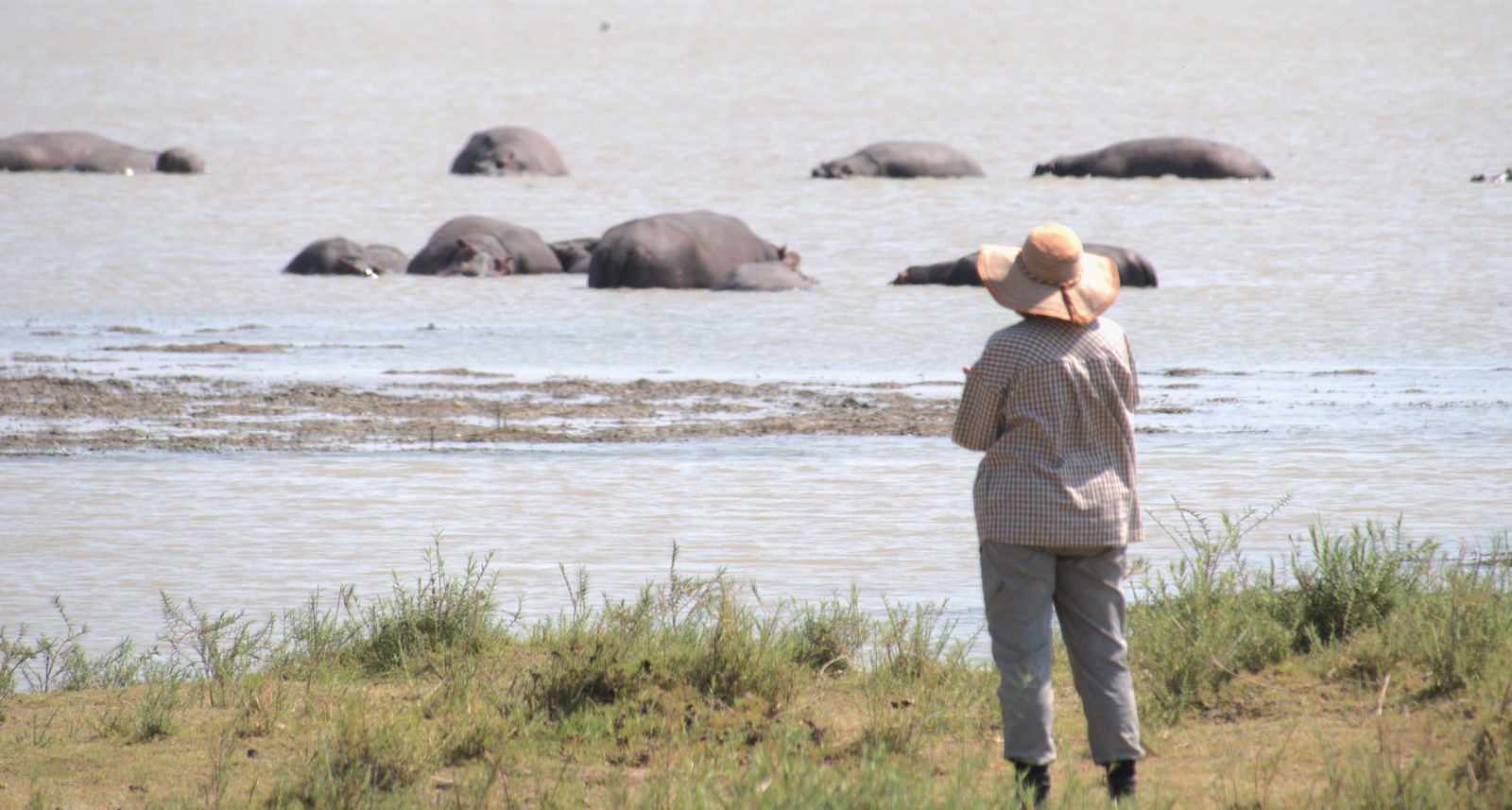
446 hippos counted over 4 transects
140 observations of 97 species recorded on the iNaturalist citizen science database
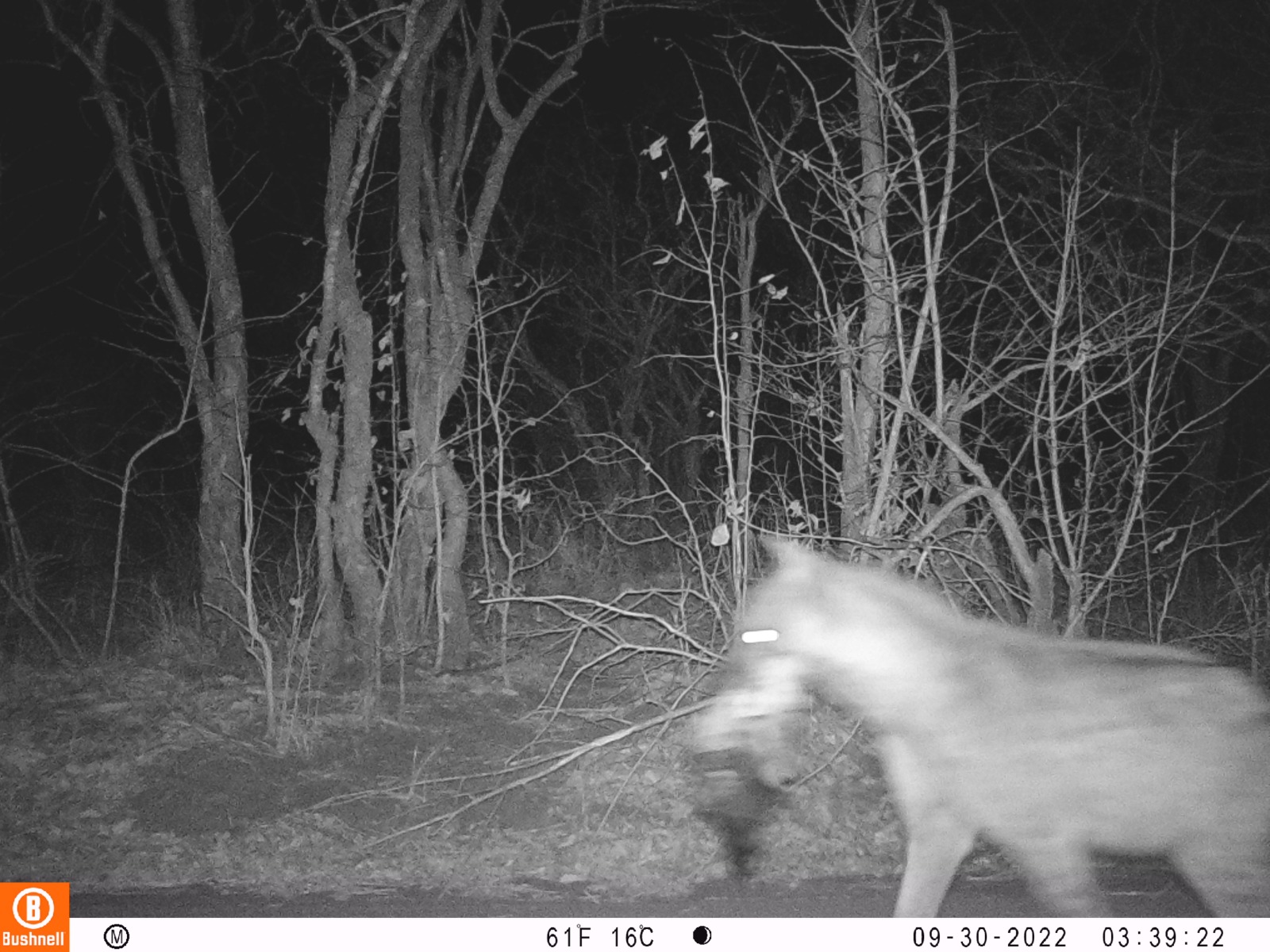
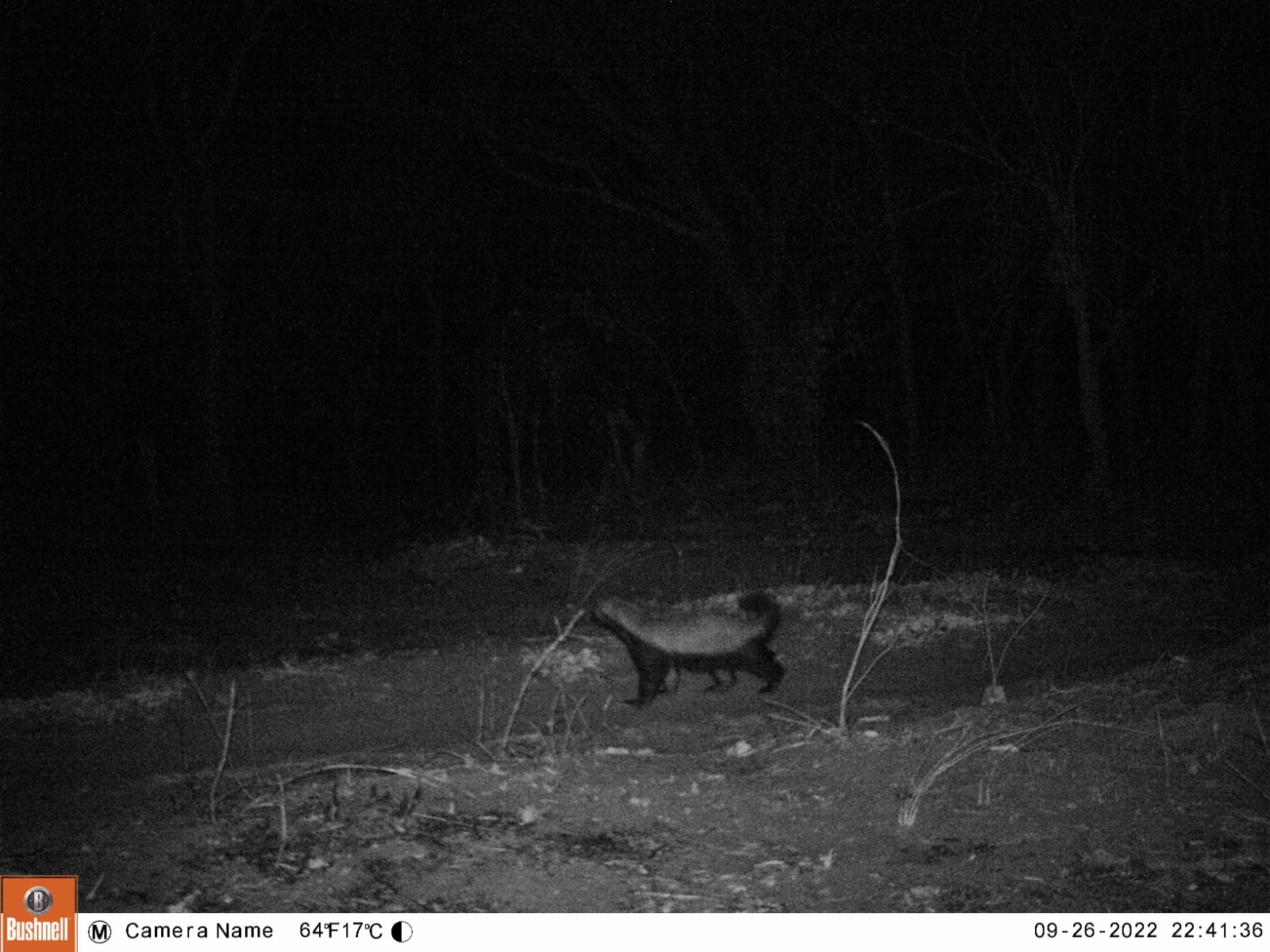
Over 43,000 camera trap pictures captured and analysed, from 18 camera traps, identifying 21 different species
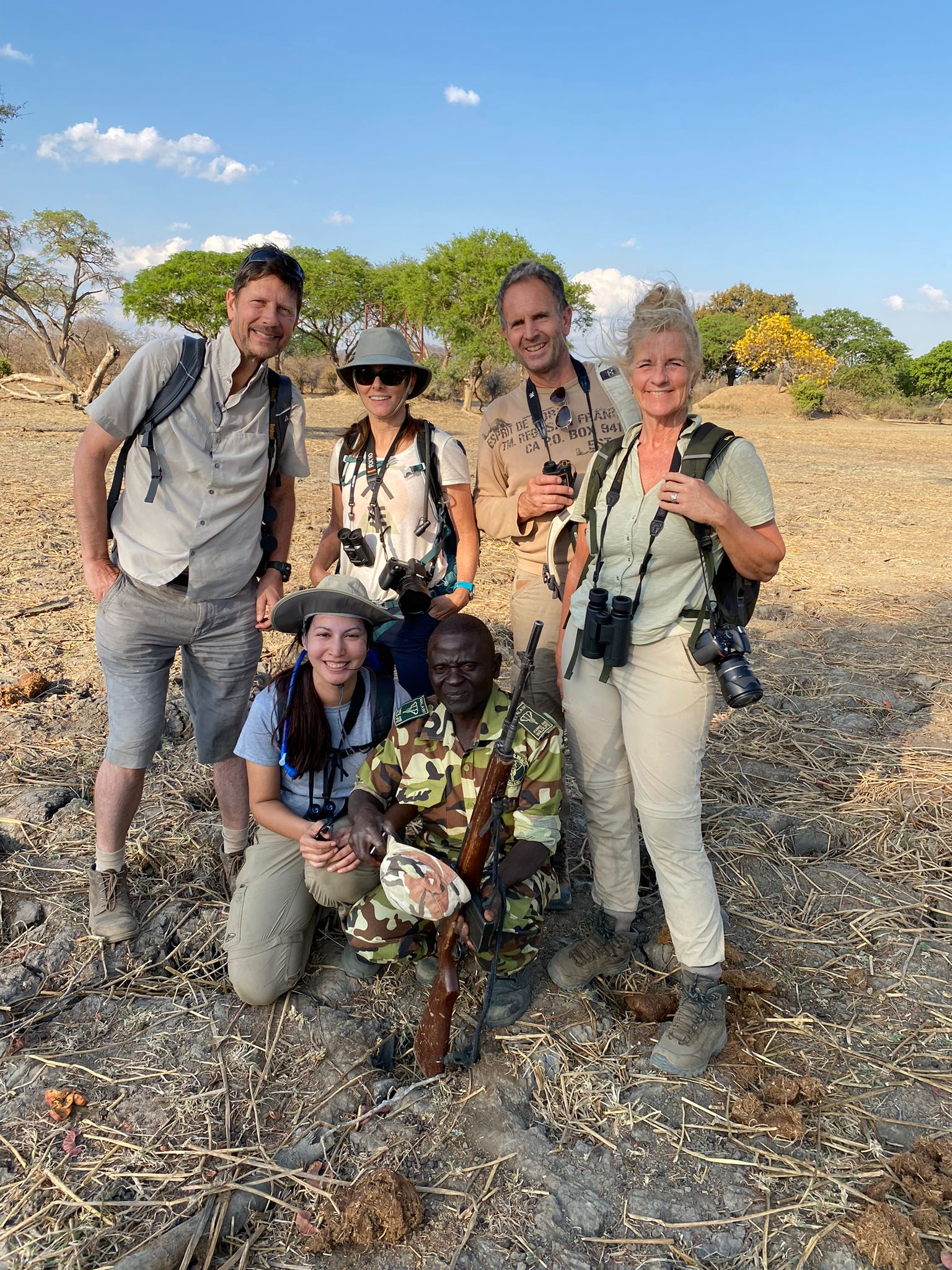
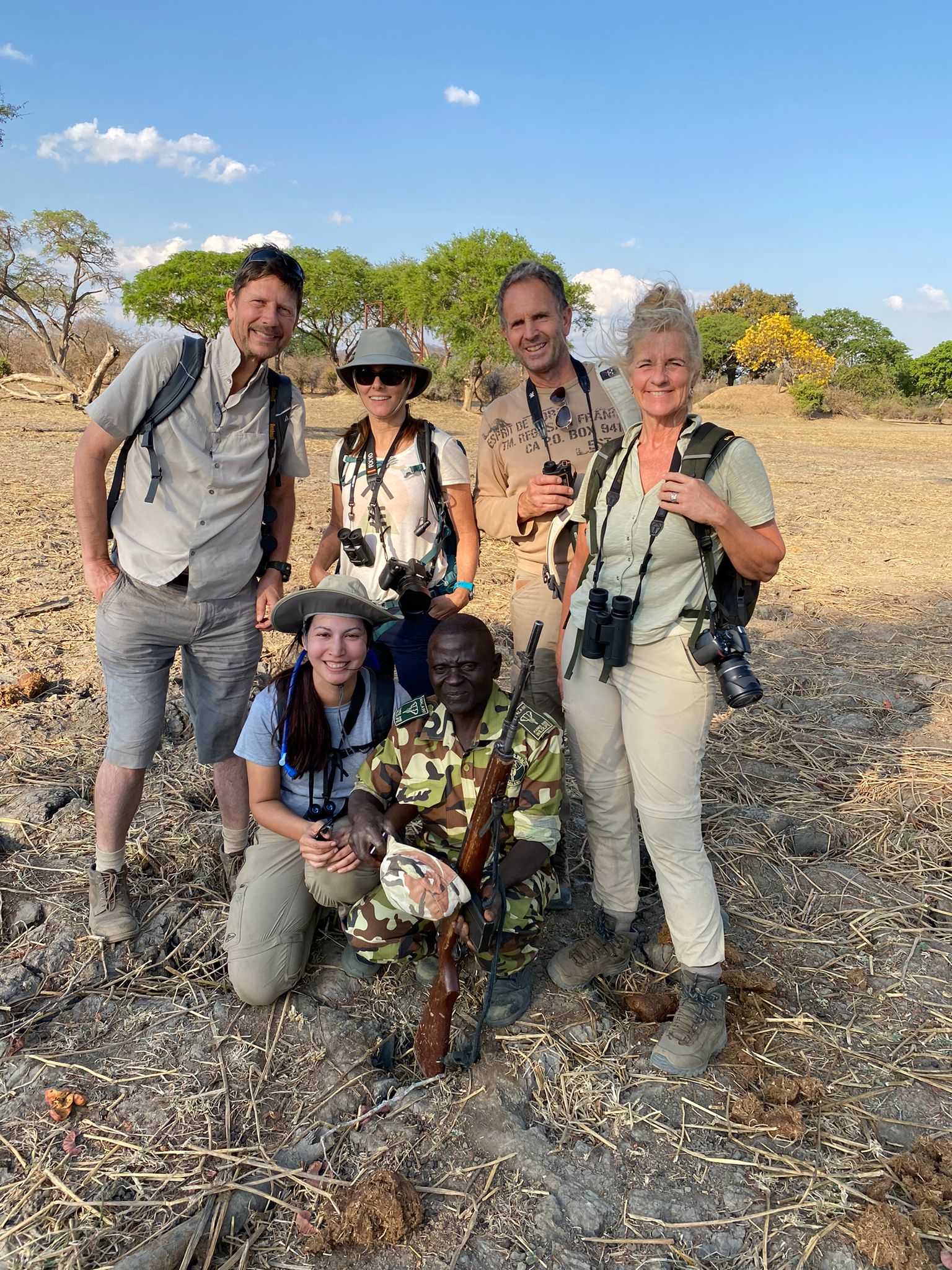
This was an impressive achievement for a relatively small group of citizen scientists over a short period of time, very much a testament to the hard work and diligence of this team of experienced Biosphereans.
It has been a rewarding and successful expedition, and I am looking forward to seeing the research report in due course – and looking forward to doing it all over again next year.
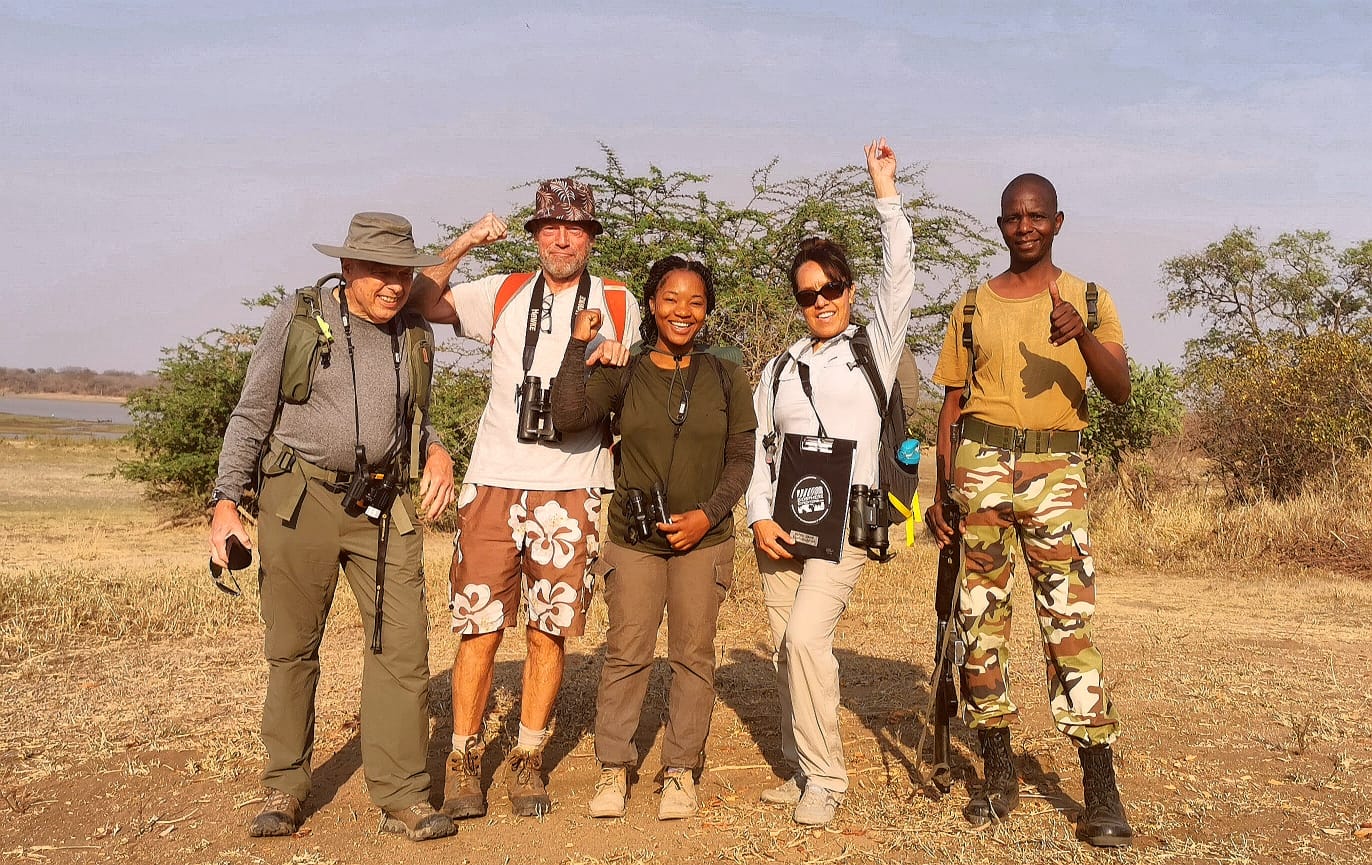
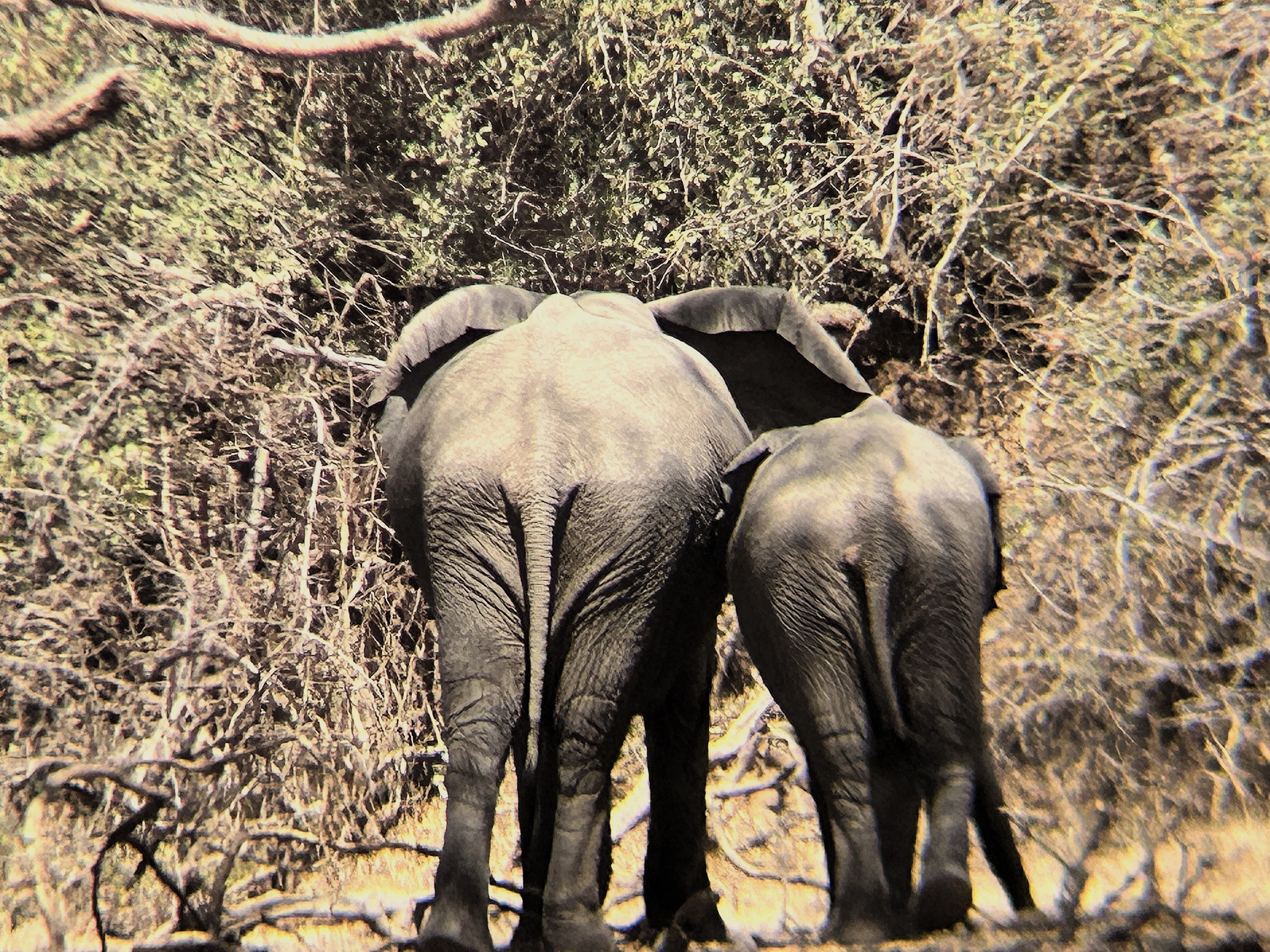
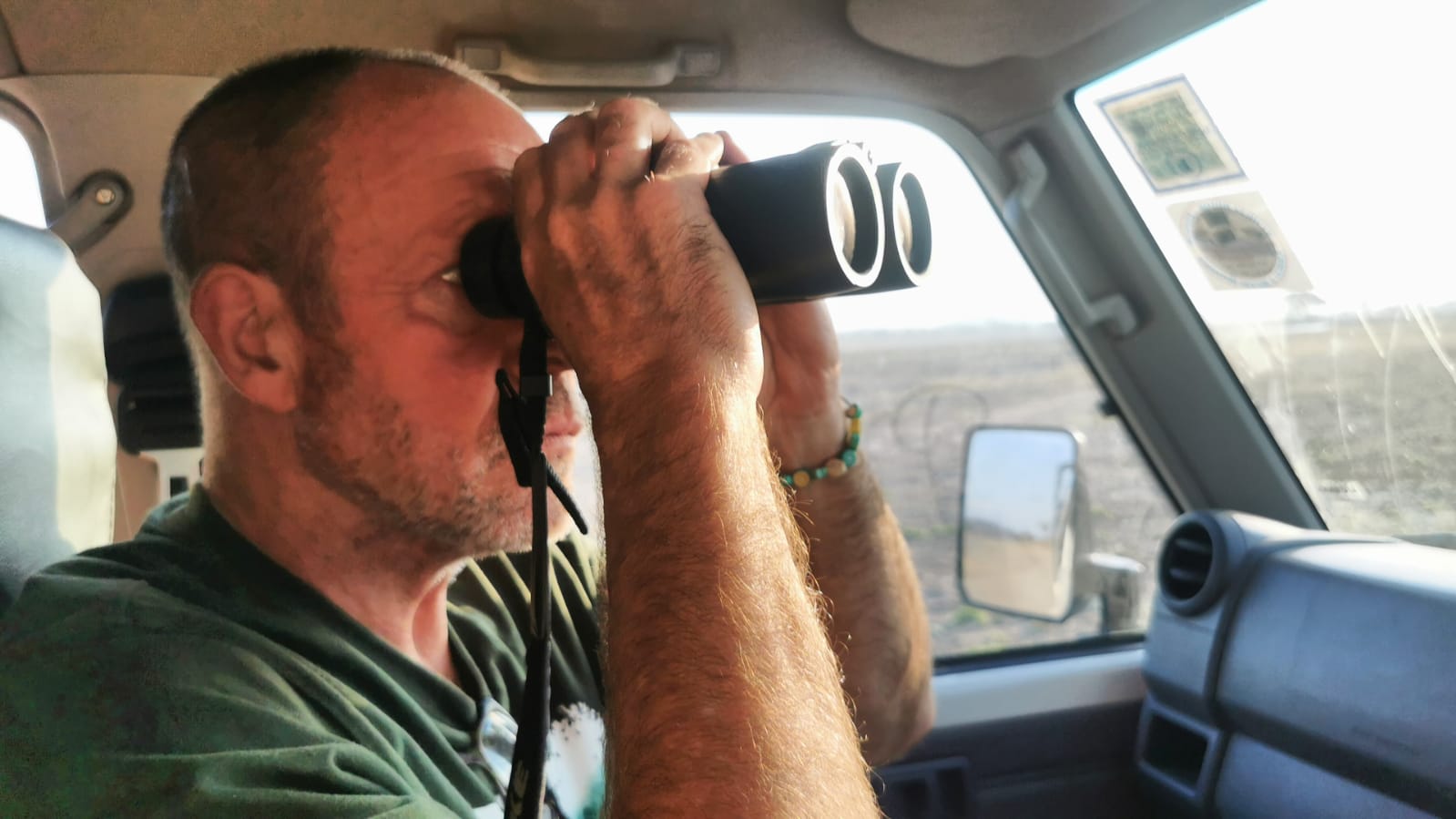
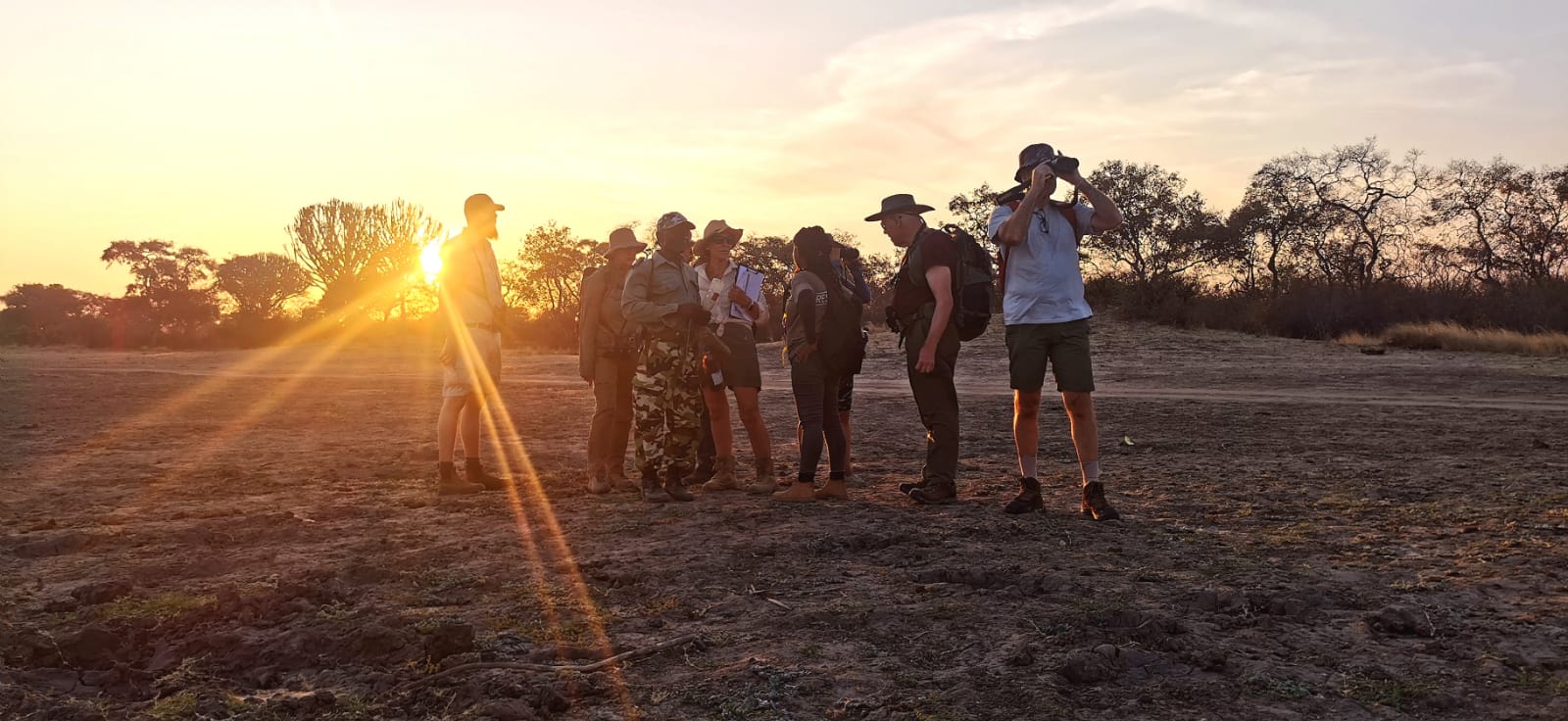
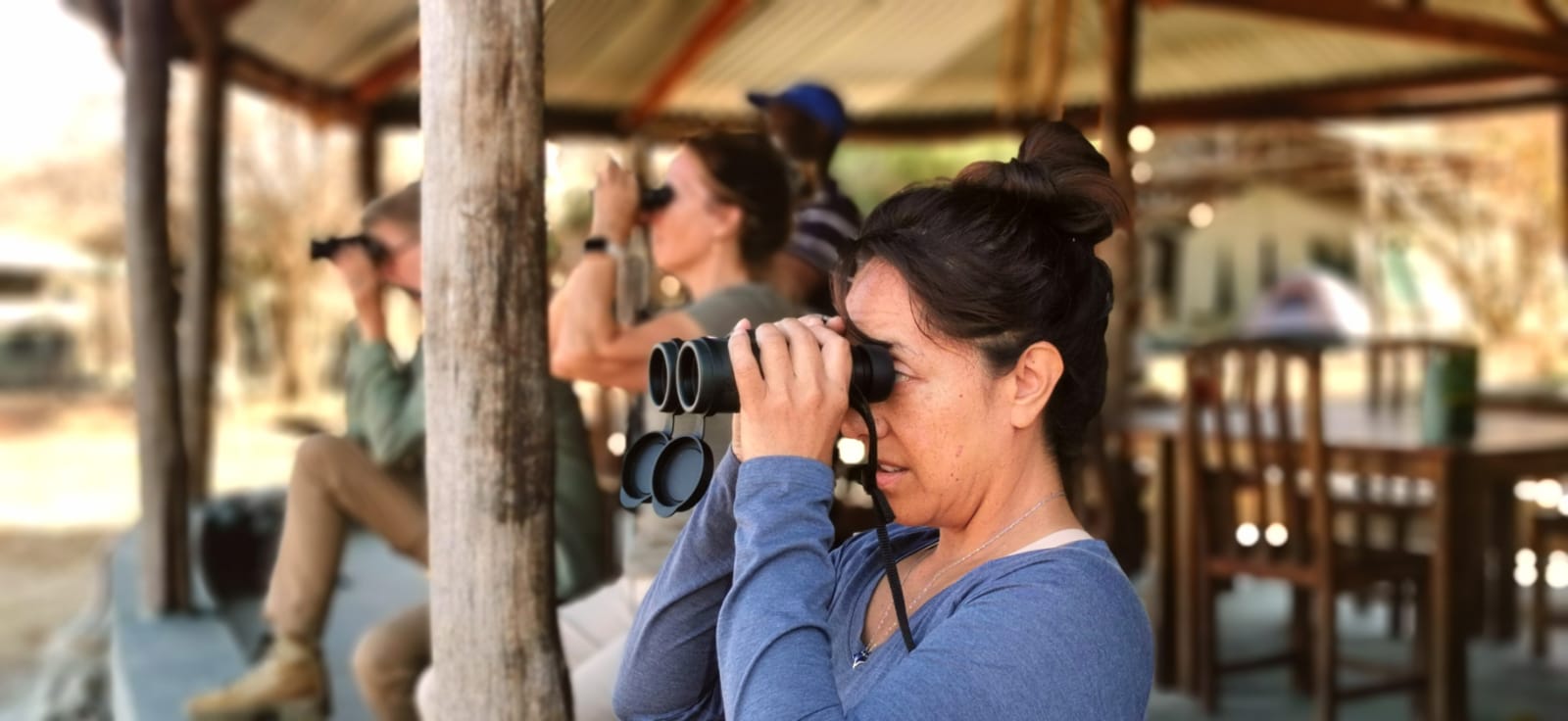
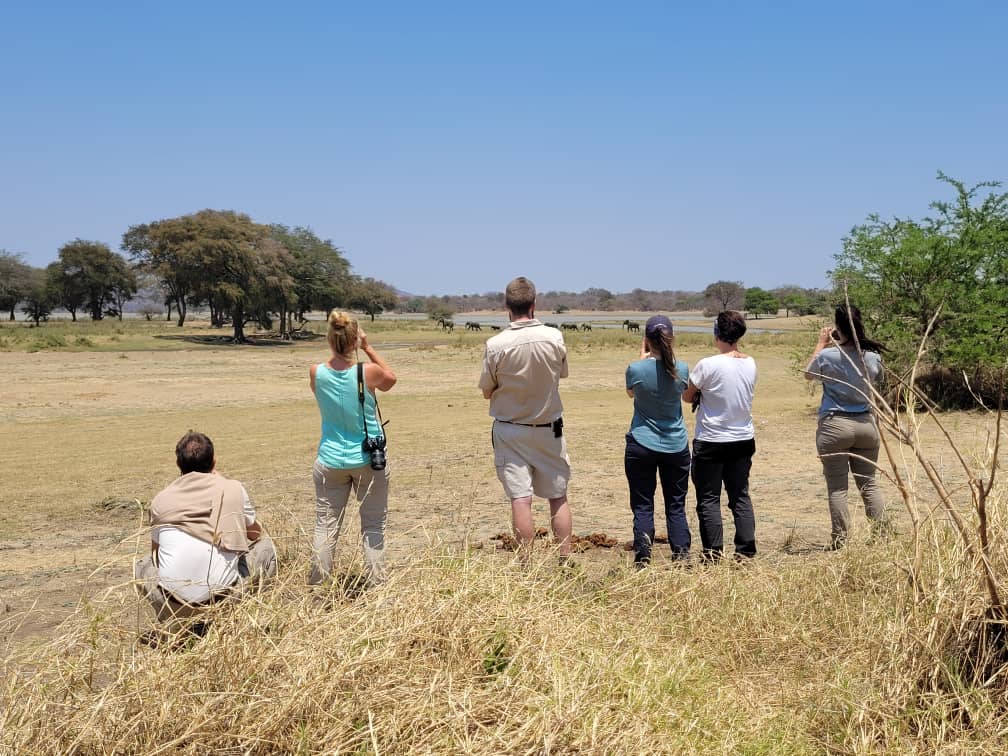
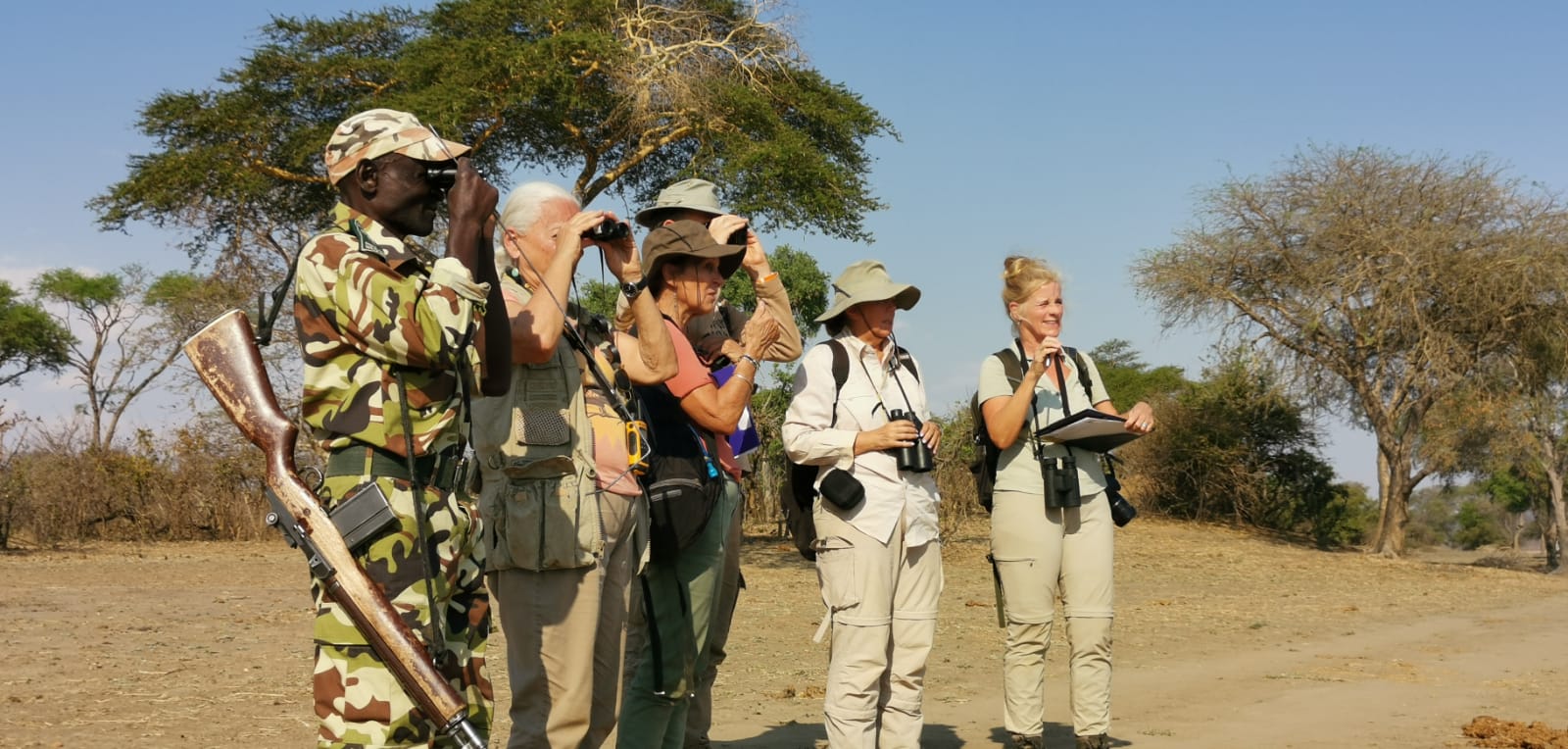
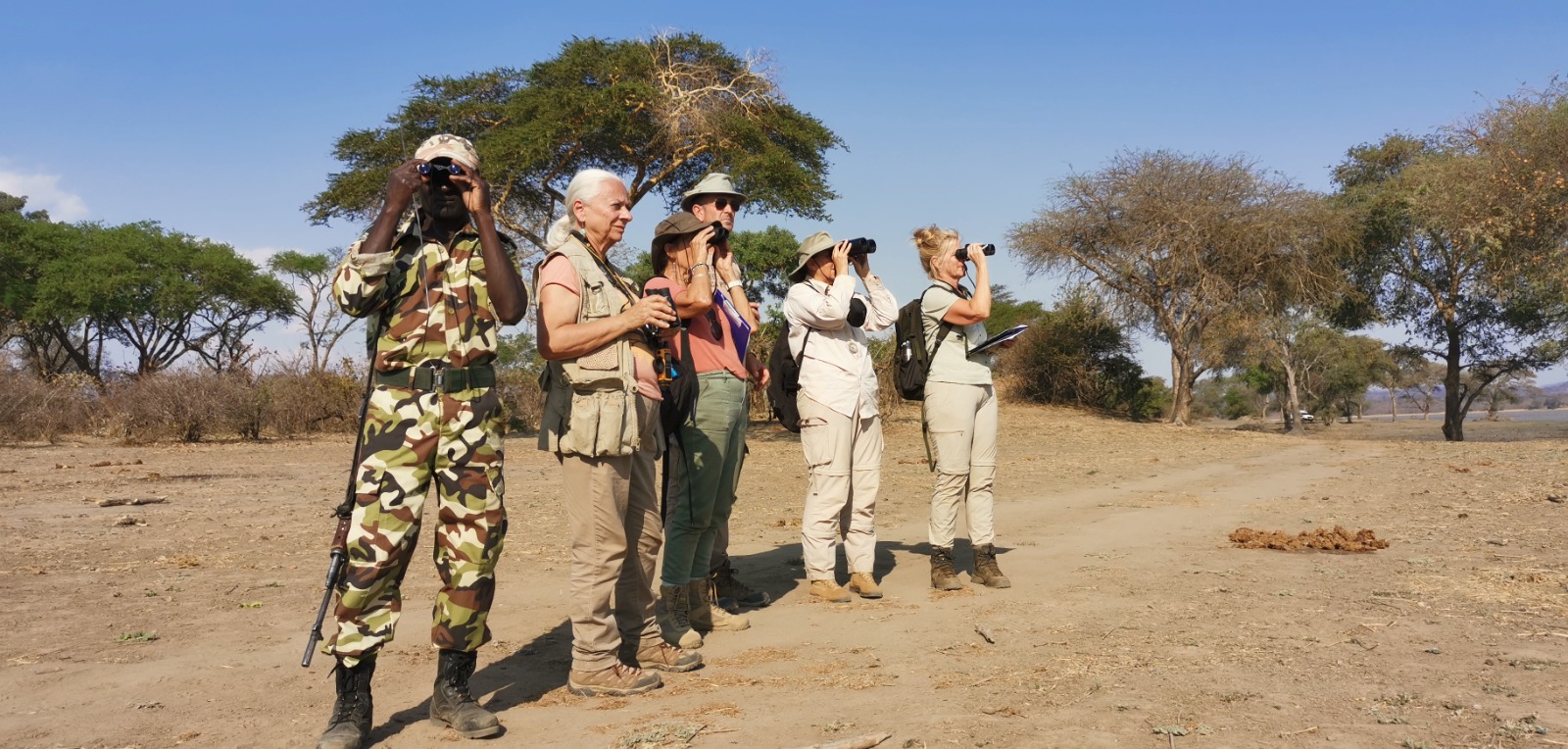
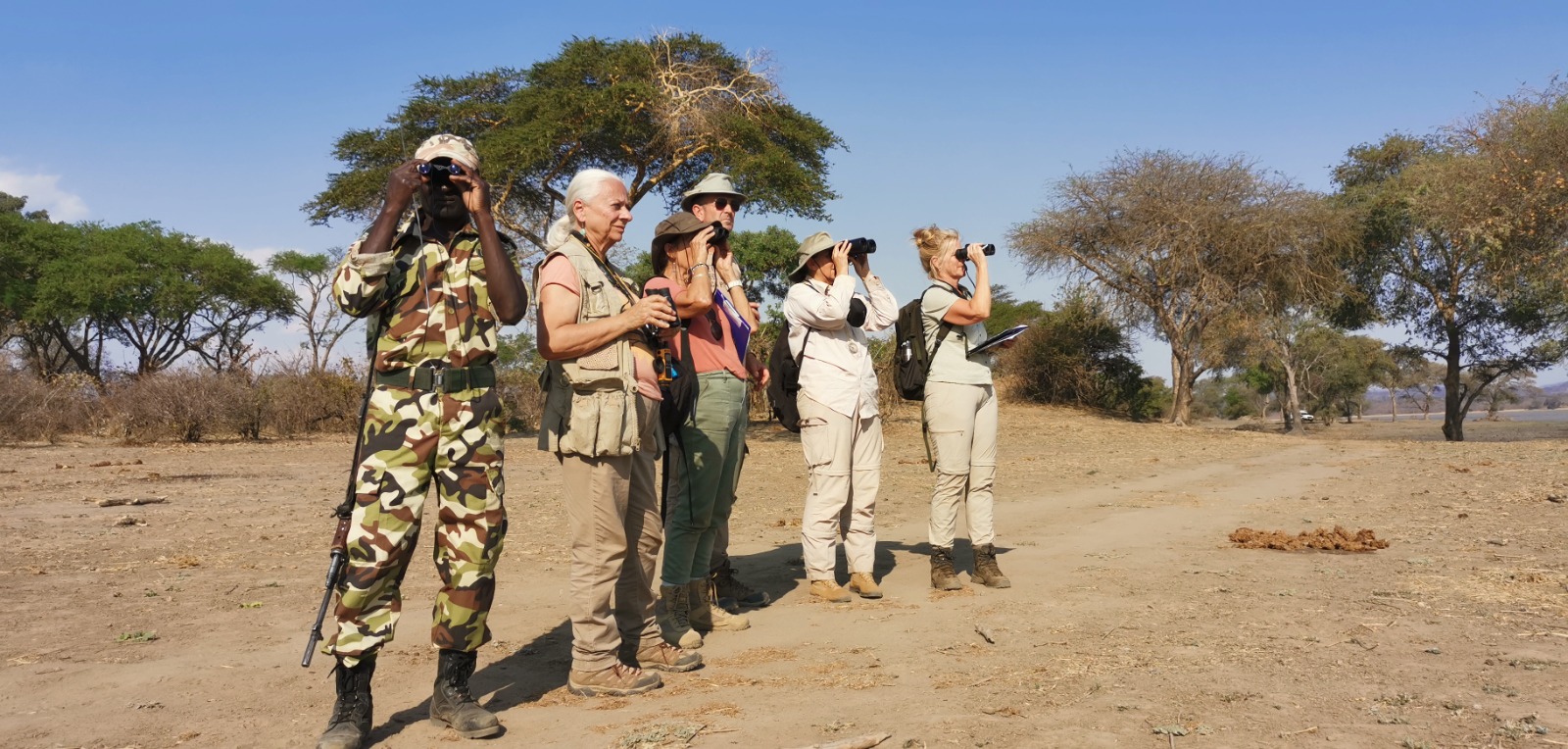
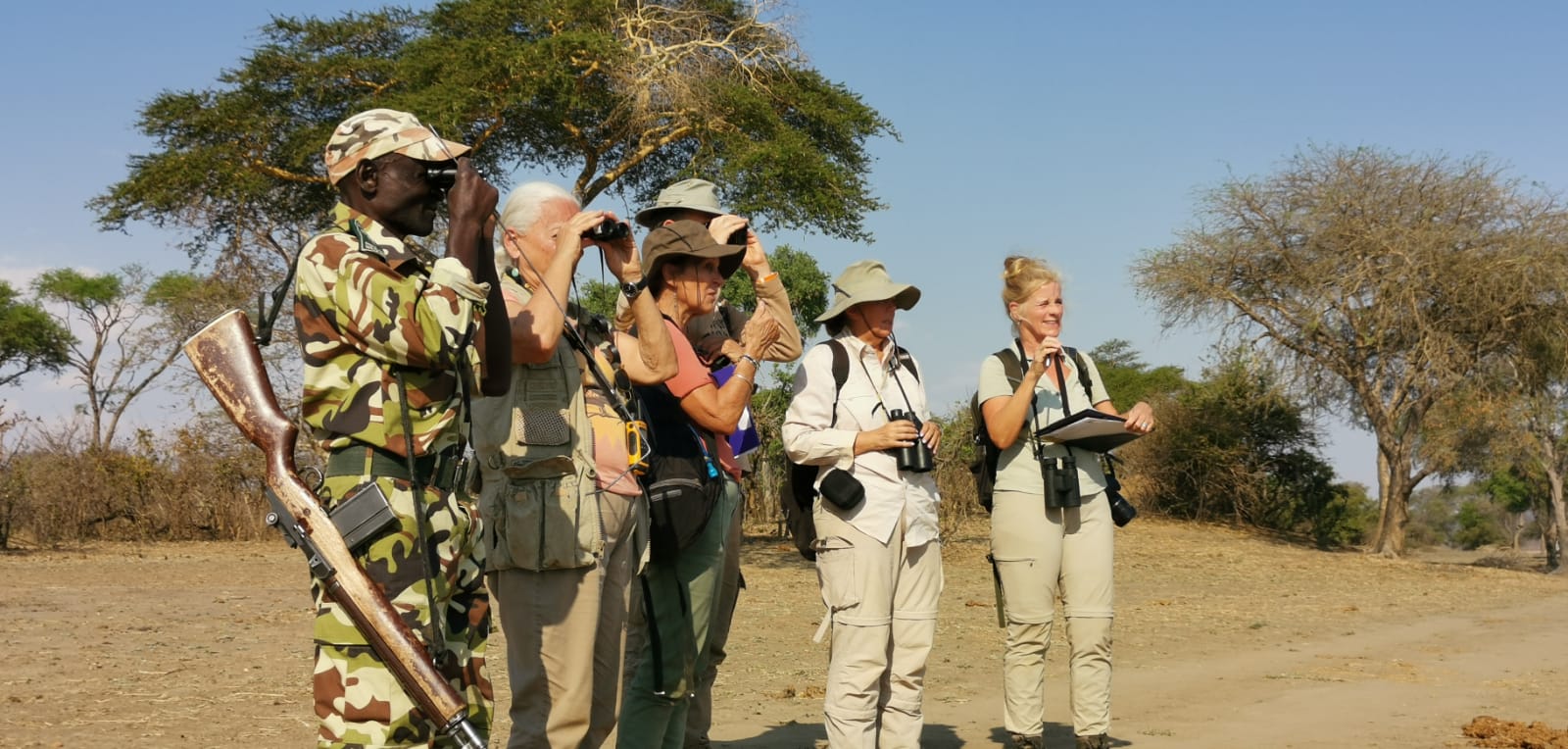
Following the drama and emotion of the attempted elephant rescue (see previous blog), our expedition has largely settled back down into its regular research tasks. We have completed several transects along the lake shore now, counting hippos: enough for Benni to get at least an estimate of hippo numbers, locations and demographics. Elephant surveys are more opportunistic and we find herds and loners all around our side of the lake, and often right in front of us at base camp. On one night, a small herd crossed very close to our camp fire (they seemed unconcerned) – and got very close to our tents. With all elephant sightings we do our utmost to record as much detail as possible about the herd, down to noting unique identifiers on individual animals – notches in ears, hairiness of tail and more. This takes time and concentration and works well when we have a few citizen scientists working together, with binoculars, clipboard and a handful of essential gadgets.
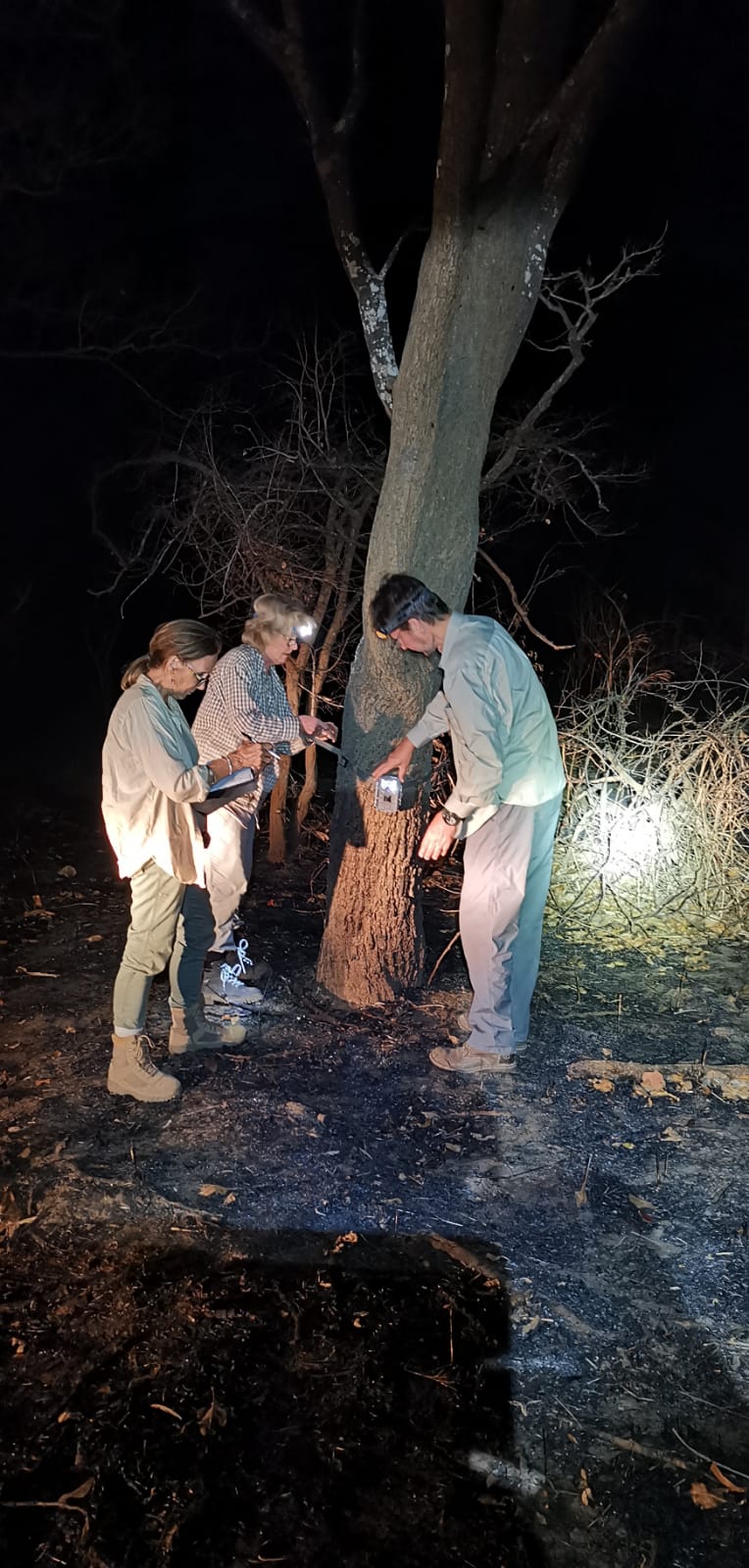
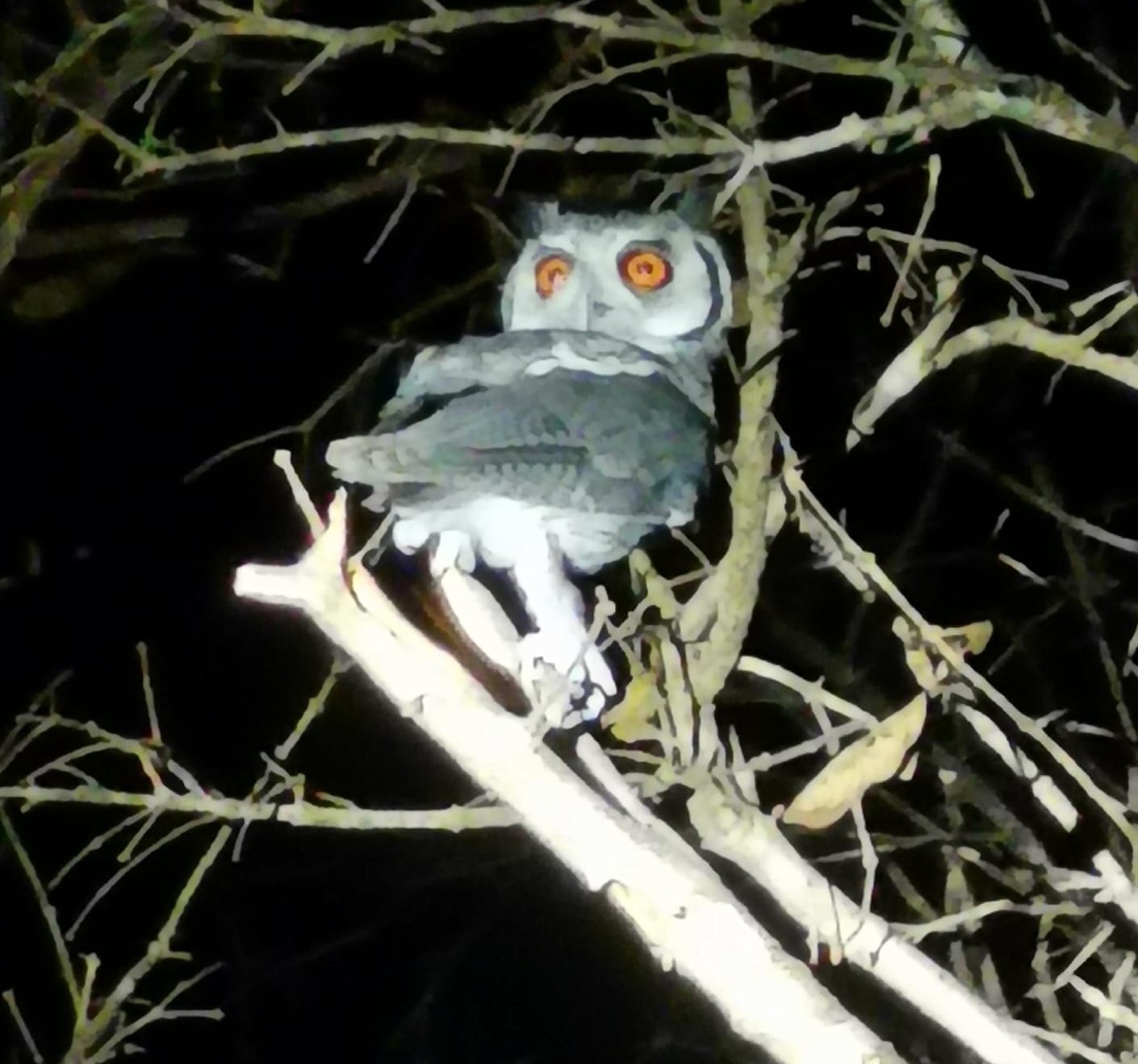
The camera traps have already given us some exciting results, along with live sightings of animals we encounter when we visit the camera traps at night. Last night, a large porcupine got a fright when it walked into the track ahead of us: we got a good view of its massive spines as it marched up the track until we turned the headlights off and it wandered off into the woodland. A moment later we spotted an eagle owl, a mouse gripped tight in its talons.
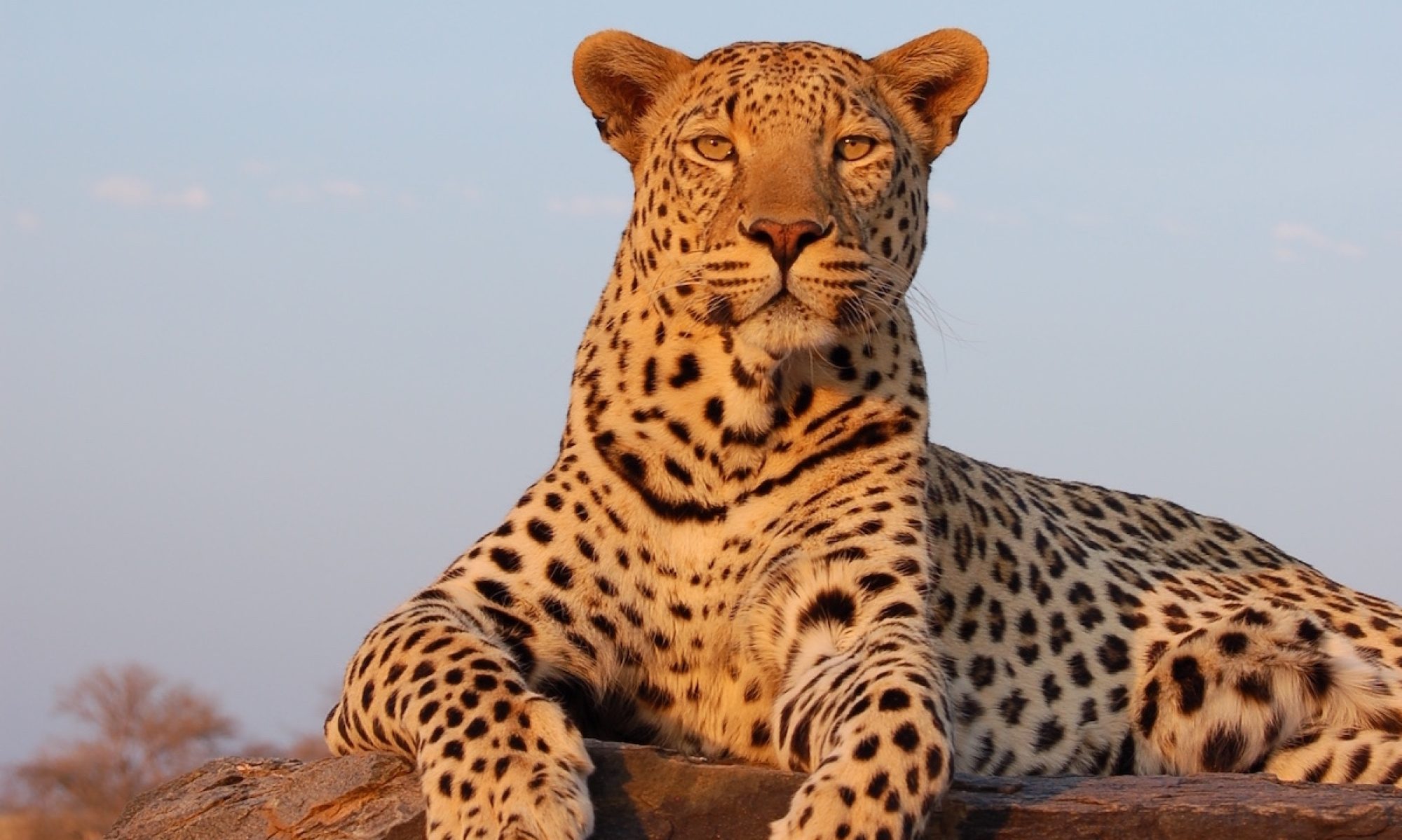
Analysing the camera trap images can be an emotional exercise: flicking through hundreds of photos of waving grass is worth it for the occasional bursts of excitement on discovering evidence of iconic animals. Hyaenas and leopards have been caught on camera alongside the more expected antelope, mongoose, civets and genets.
Tonight a small team will try and record further evidence of spotted hyaenas by playing audio recordings of various animals in distress: a known research technique that can persuade a nearby clan of hyaenas at least until they get close enough to be seen in our spotlights.
We still have a few more days of research before the end of the expedition. If we carry on as we have been doing, we will have a very good set of data and scientist Benni will be happy.
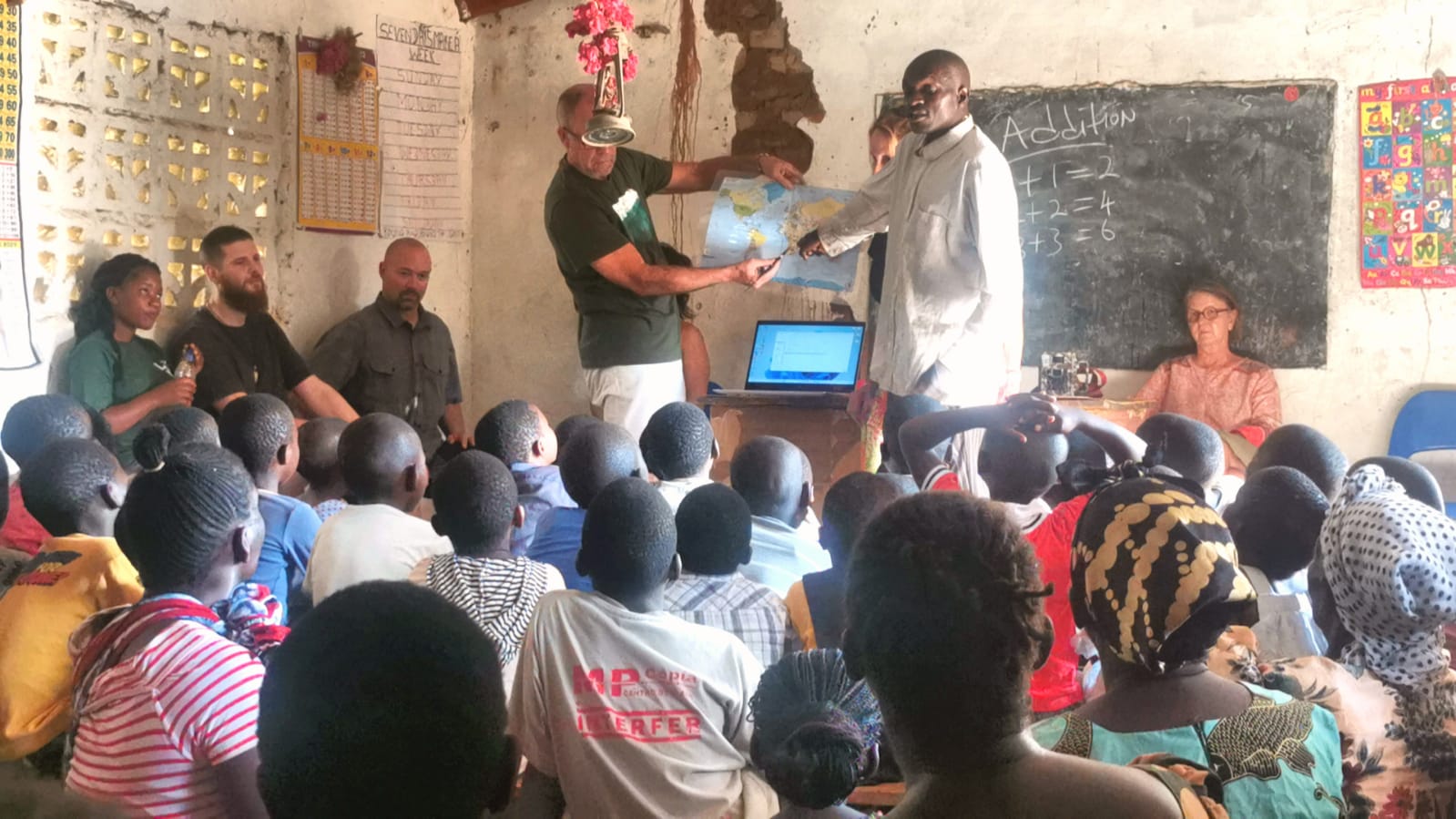
Our rest day was not as restful as expected. The expedition team visited a local primary school , as planned, to tell them why we are here in Vwaza. Due to the age of the children and the need for translation, we delivered a pretty basic but fun talk about wild animals and valuing wildlife, which the school children and teachers seemed to appreciate. To extend the cultural exchange, we were invited to watch one of the community’s regular dance performances in the school grounds, which inevitably, and to much laughter all round, we all ended up joining in.
The rest day did not end there. We had had reports of a very lame young elephant seen in Vwaza, and one of our research teams had themselves spotted what looked like an injured juvenile, lying immobile on the ground next to its mother, but separated from the rest of its herd. A team of two LWT wildlife vets were dispatched from Lilongwe and leapt into action pretty much as soon as they arrived at Vwaza. Working with vets, and some local rangers, we made a plan to search the lakeside area to try and find the injured elephant (wounds caused possibly from being caught in a poachers snare, a common hazard for elephants) so that the vets could dart the youngster and its mother and inspect and treat any wounds. We searched until dark, and found a herd but no obvious sign of our target elephant.
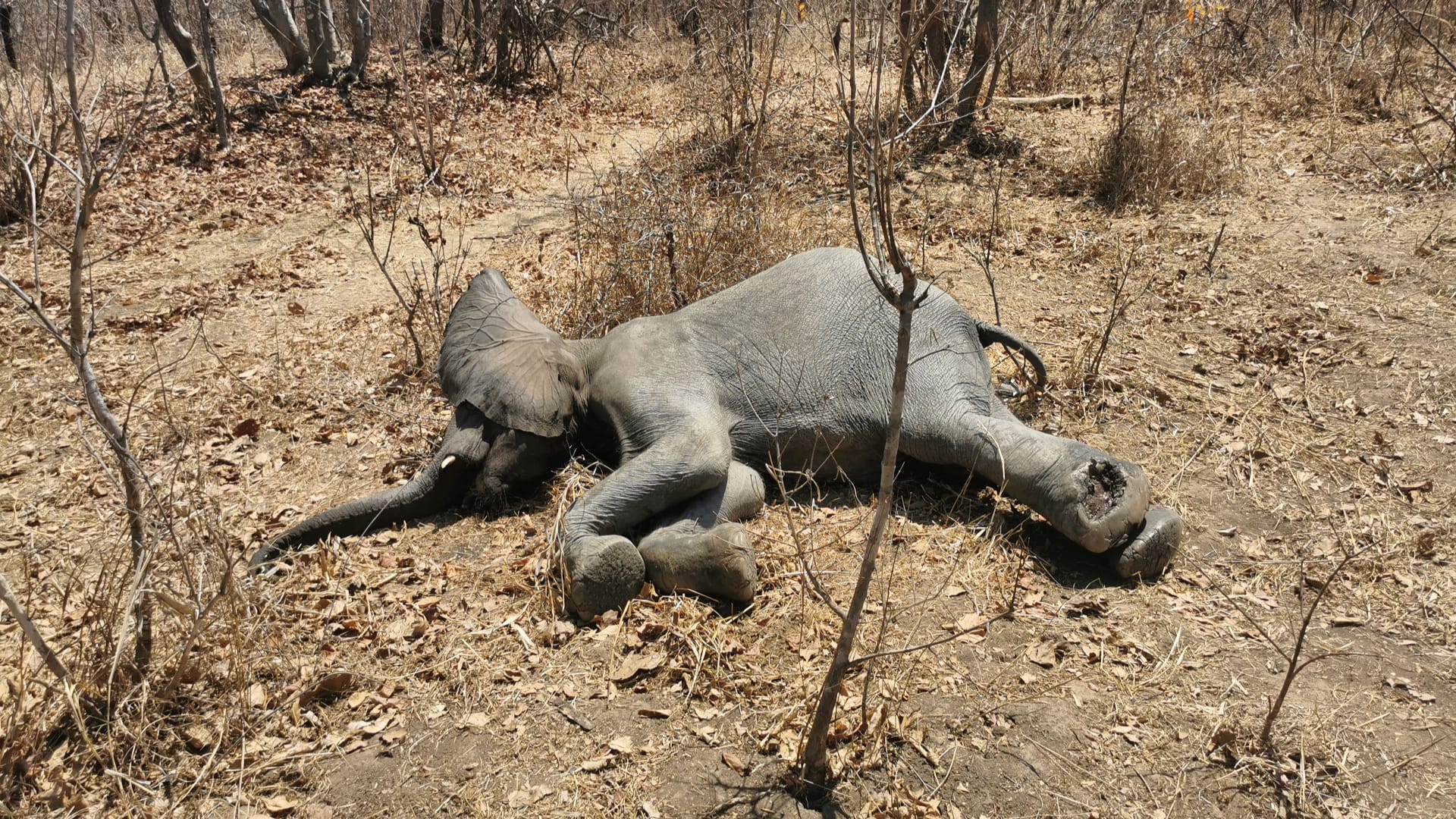
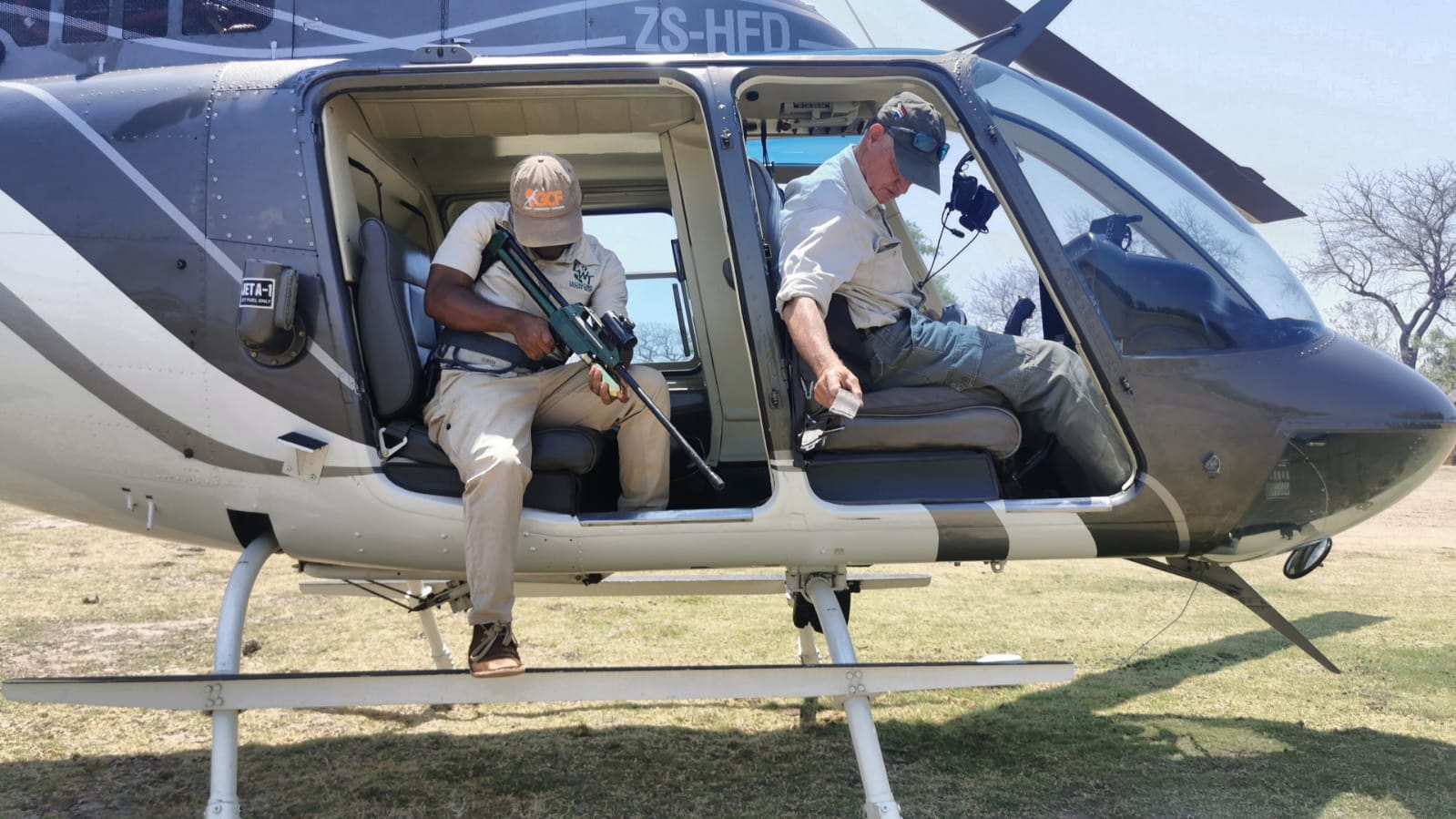
Our search continued at dawn the next day – with no more success – before the unexpected news that a helicopter was available locally and immediately for our use for this rescue mission. Things happened rapidly after that. The chopper pilot and the two vets flew on a search pattern, while the rest of us formed a ground crew in two 4x4s ready to help as needed. Within ten minutes, the helicopter team had located the injured elephant, separated it from its mother and successfully darted it. By the time we arrived on scene, the anaesthetised animal had been stabilised and checked by the vets. The young elephant had such a bad wound on one foot – and septicaemia caused by the injury – that the vets made the decision to euthanise it, to avoid a slow and inevitable death.
We humans were sad, but this is just one of the many jobs that need to be done in conservation and its endless quest to protect and support endangered wildlife.
As we always say: Expect Plans to Change. And now, its back to our regular research work, probably – but not definitely – without any further dramatic interruptions.
Some of us were woken up in the small hours this morning by a strange sound. To me, it was the clattery rocky sound of a working quarry a few kilometres away (unexpected, at 03:00), but I was wrong. Getting up for a dawn drive at 05:00, the sound still jumping out of the darkness, I found some of the expeditioners conferring with the night guard and staring at a spot right in front of base camp, where, just visible in the murky light, was a huge herd of cape buffalo – maybe 100 of them, twitchy and in constant motion, hooves clattering and calling to each other. A new wildlife sound, for me, and one that I will not confuse with a distant quarry again.
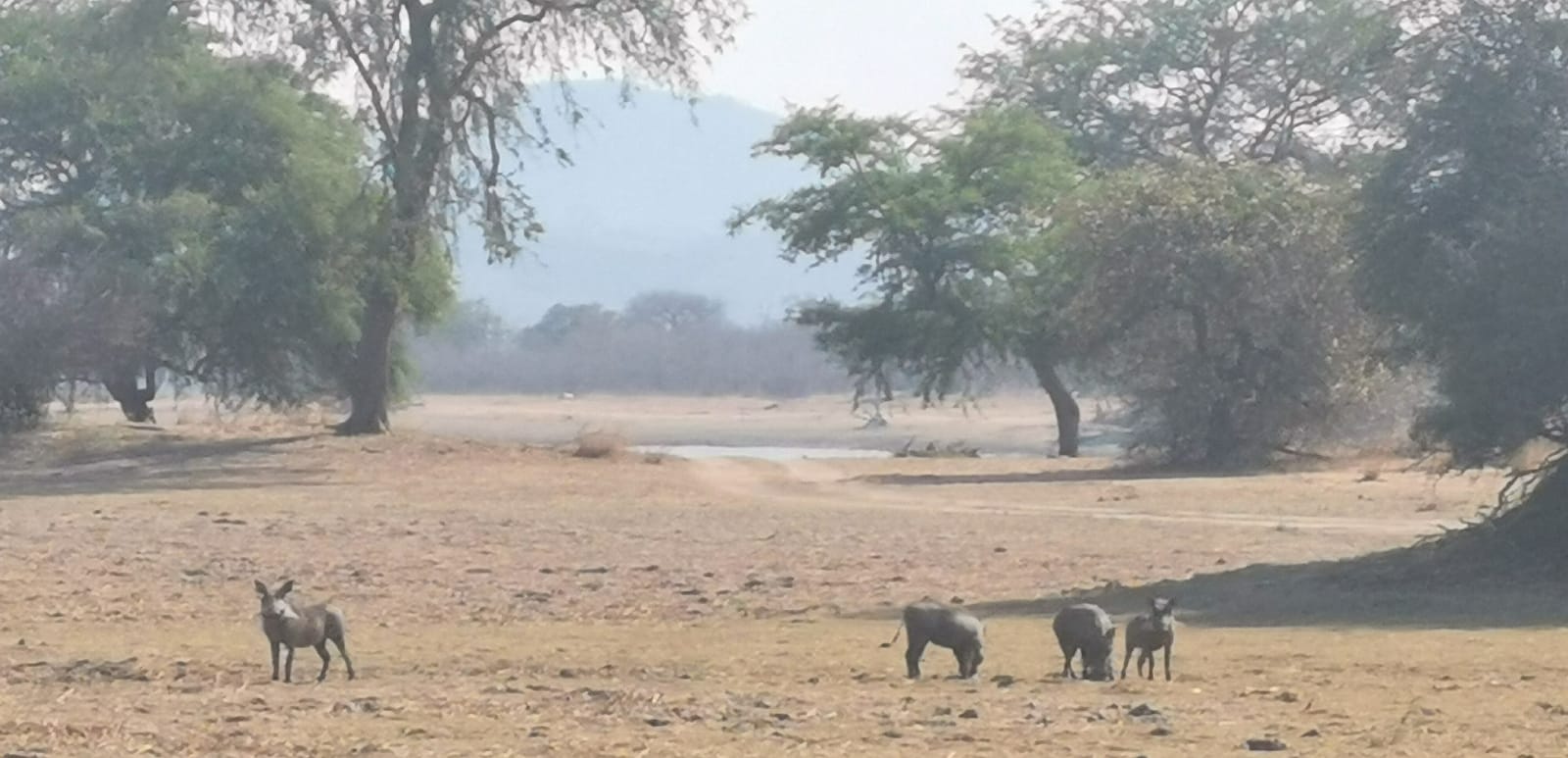
The herd drifted into the tall grass as we began our drive. After that we enjoyed the simple pleasures of watching and recording hippos, elephants, impala, kudu, vervet monkeys and more, aglow in the red dawn as the sun rose above the lake.
With the formal training now over, the team are had at work with the research tasks involved in this expedition and have already gathered useful data including on the training days. They have all been on other Biosphere Expeditions before and the experience shows.
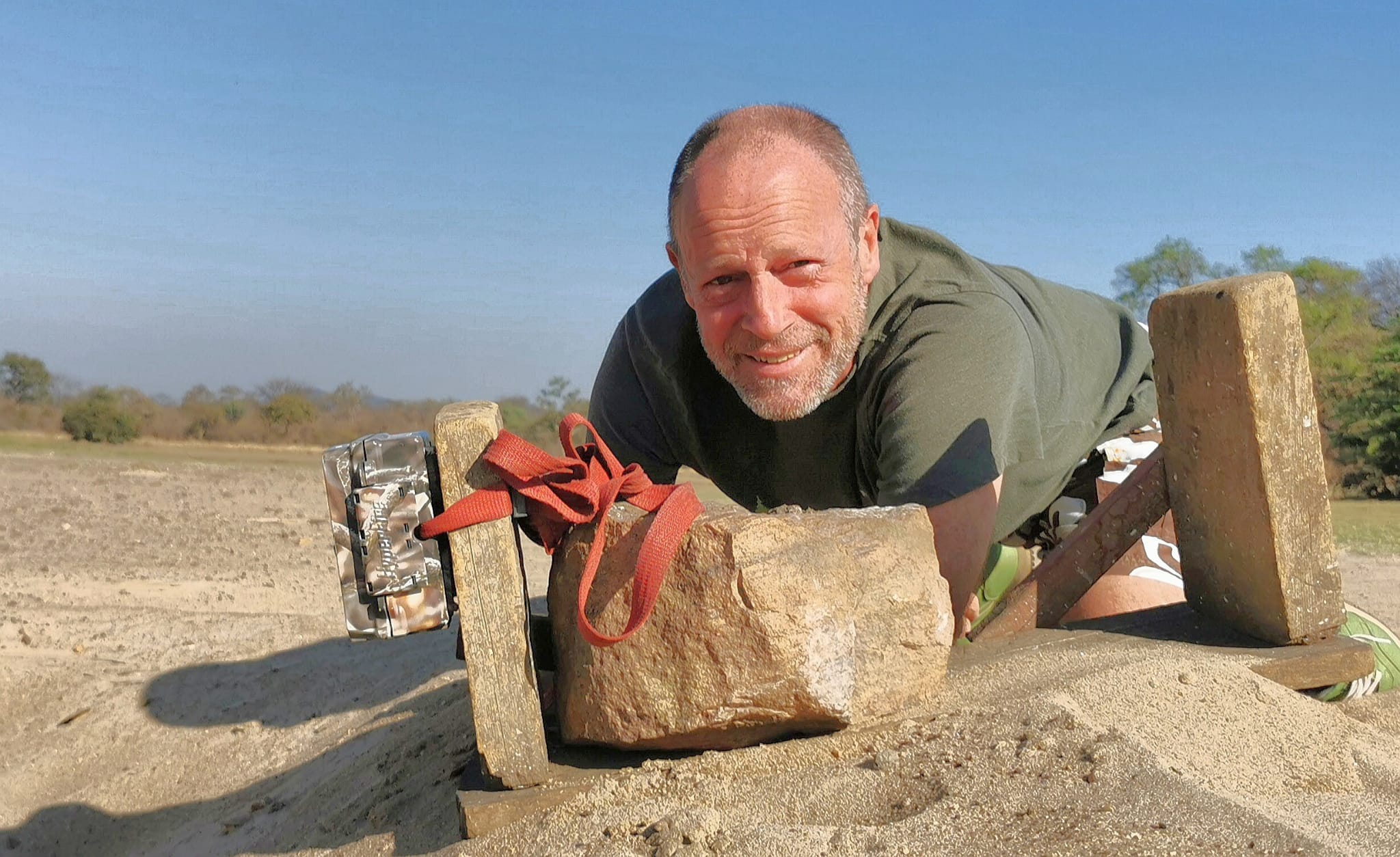
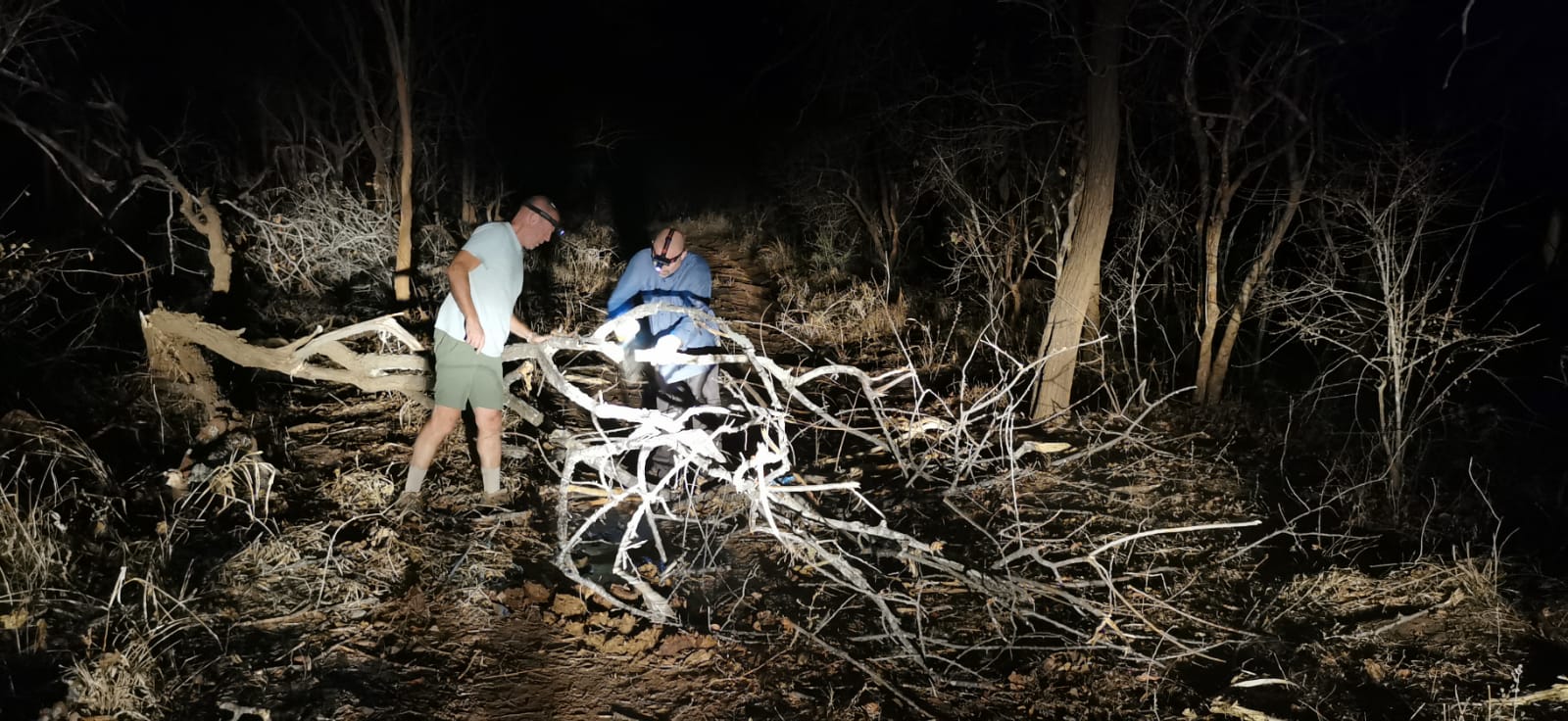
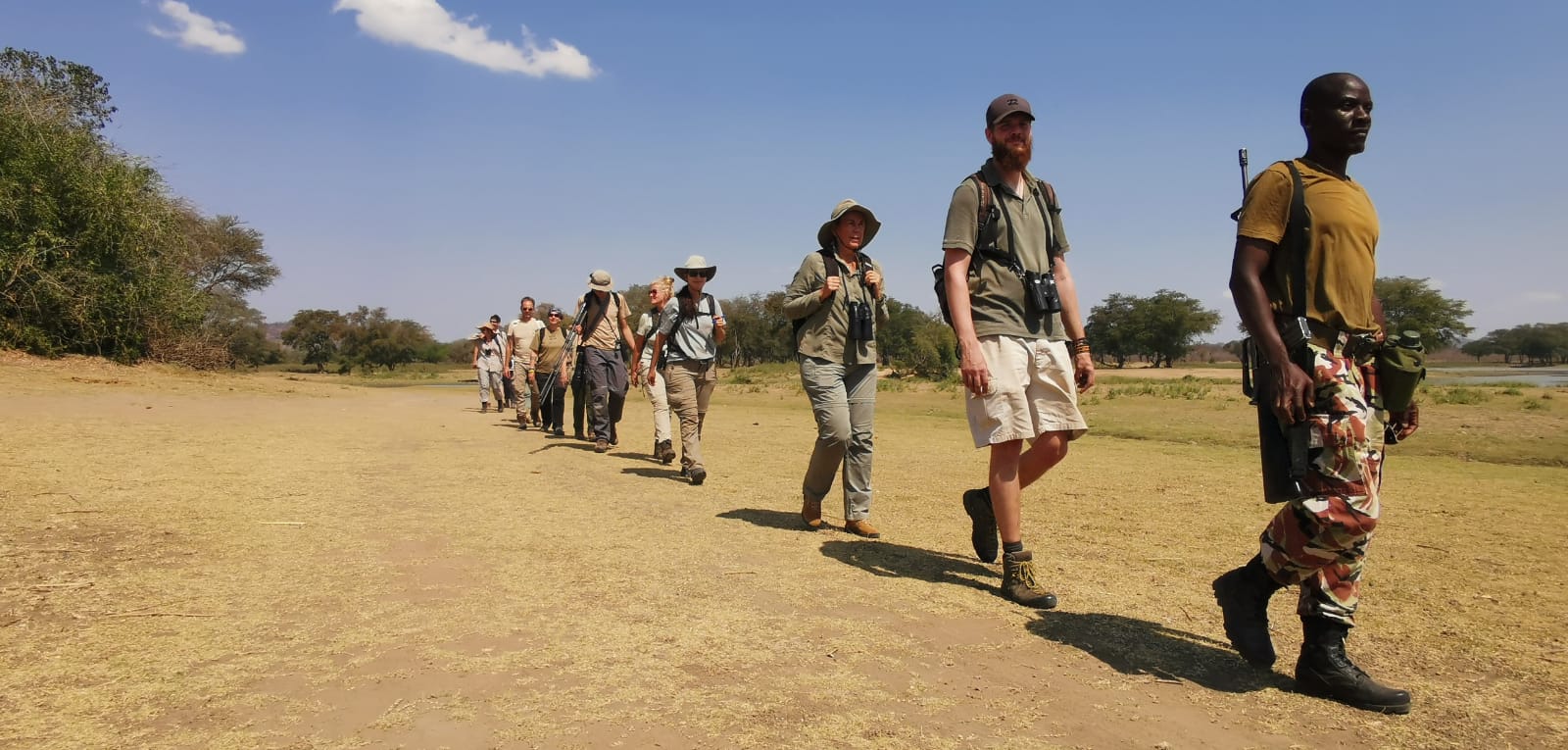
We are now settling into a mostly regular regime of hippo transects on foot and recording elephant herds and individual elephant IDs by car, by foot and often from base camp when the elephants wander across the river in front of us. We have also collected some good samples of elephant dung (scientist Benni is very particular about quality, and it is important to keep the scientist happy) and we have now placed all the camera traps, not without challenge: the vehicle track we use is often blocked by trees pushed over by browsing elephants and they need to be cleared with tools and muscle power if we can’t drive around them.
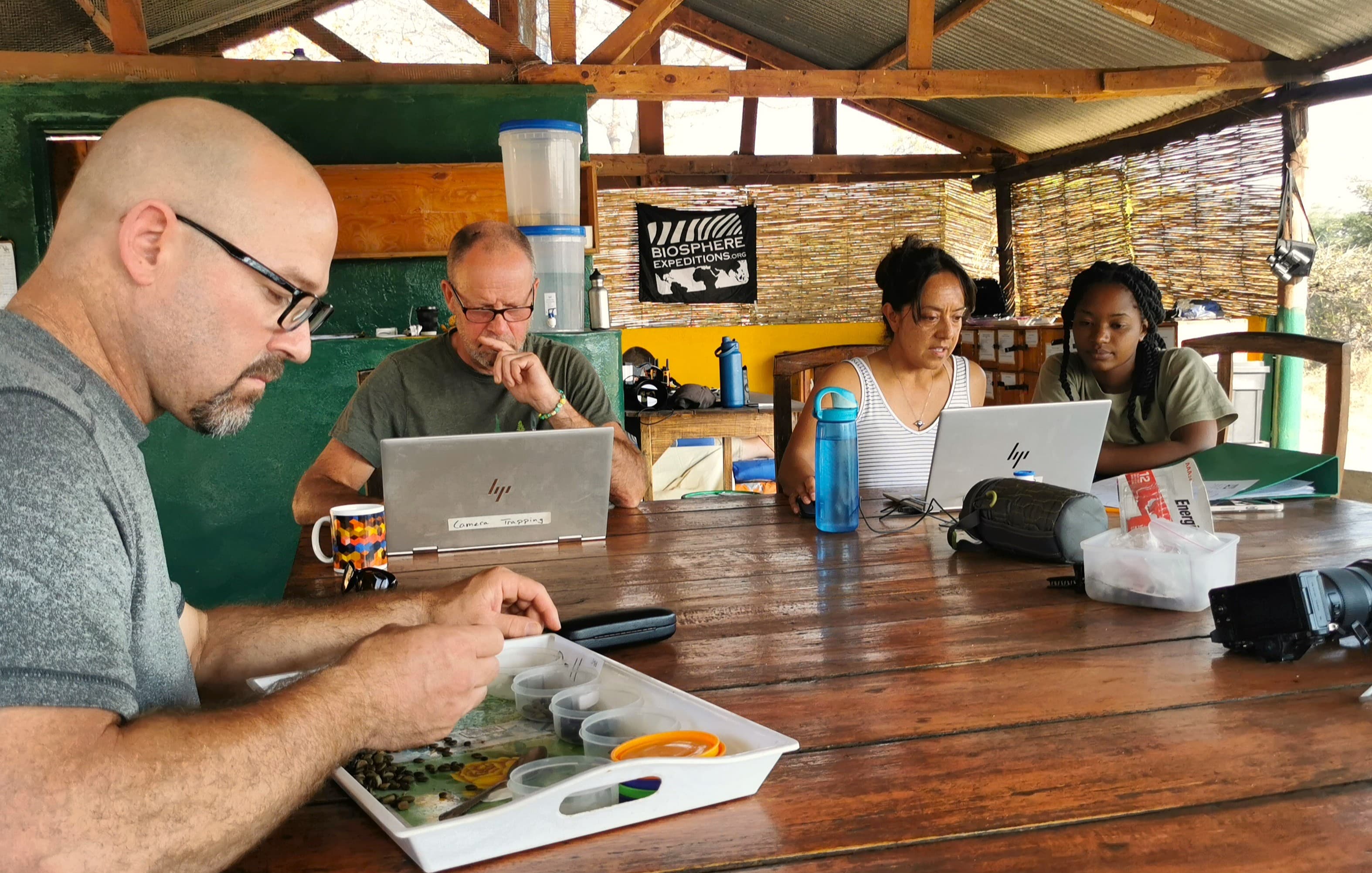
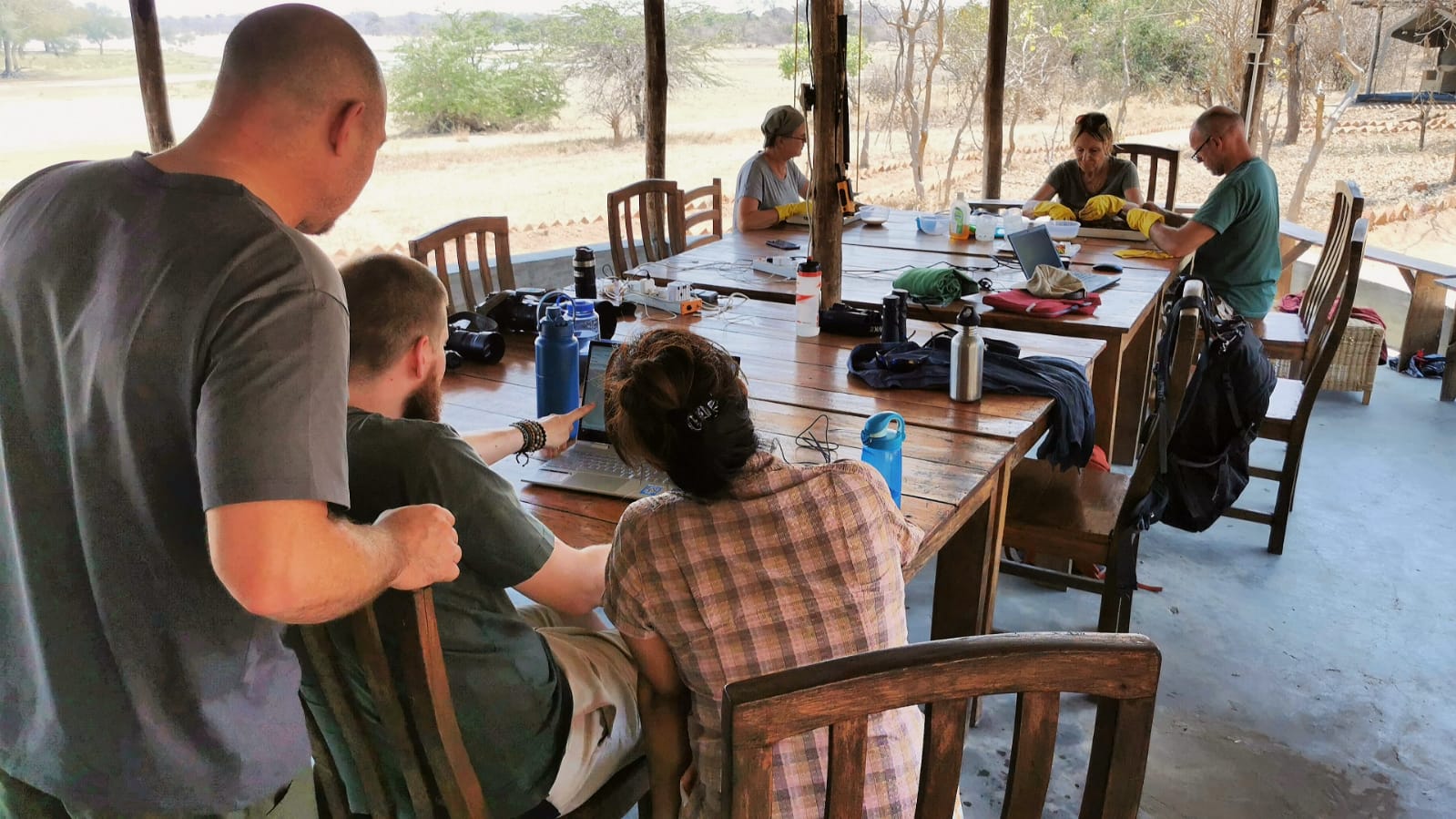
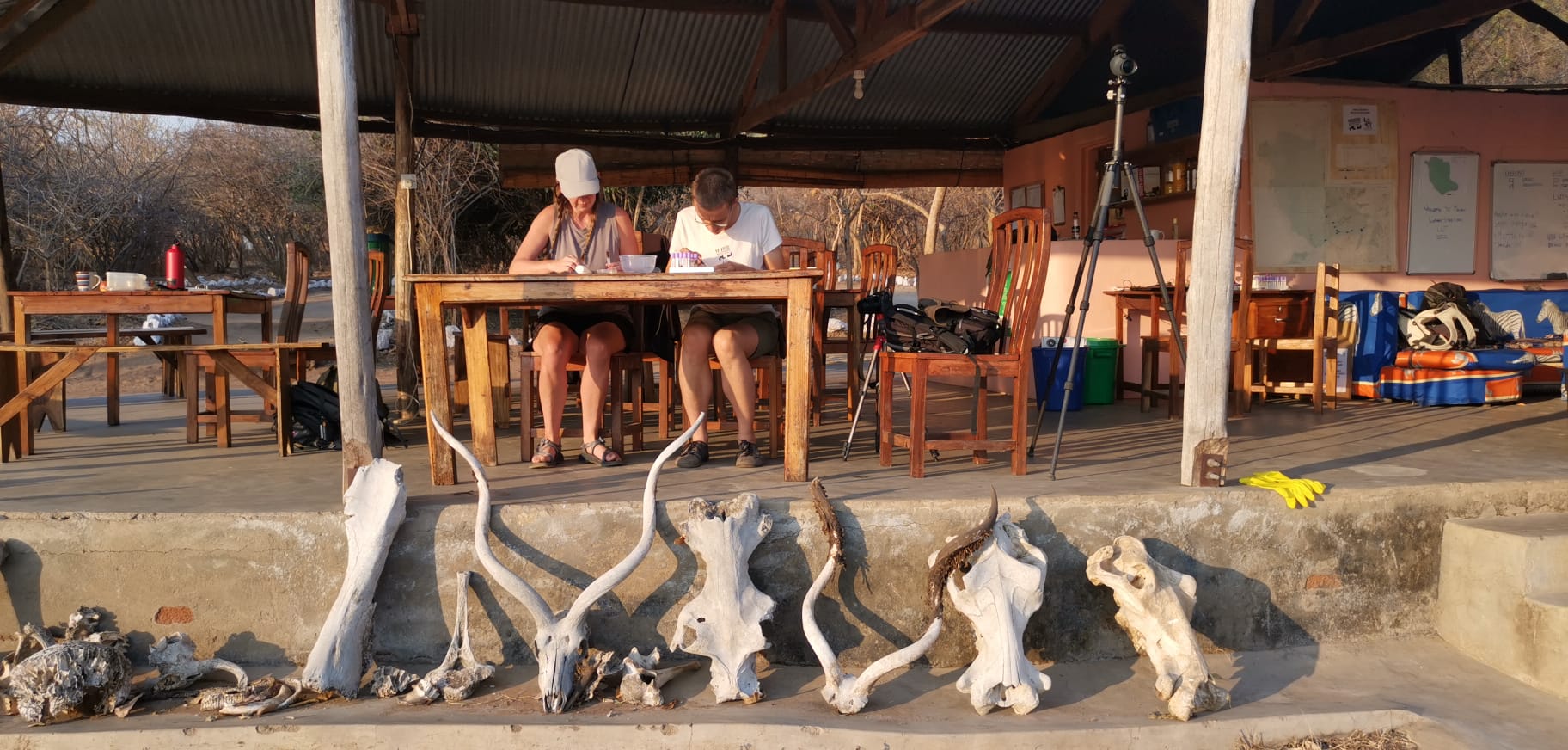
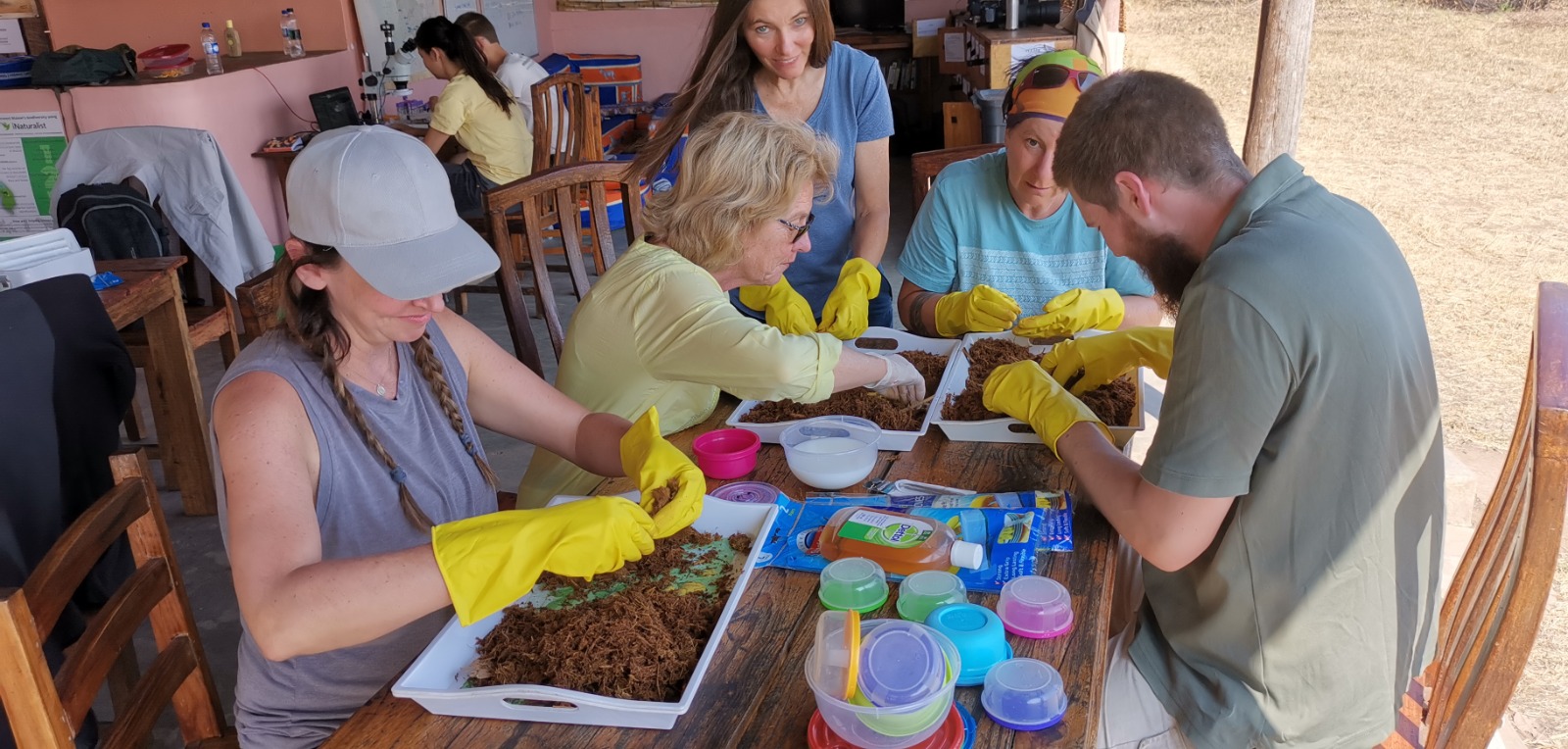
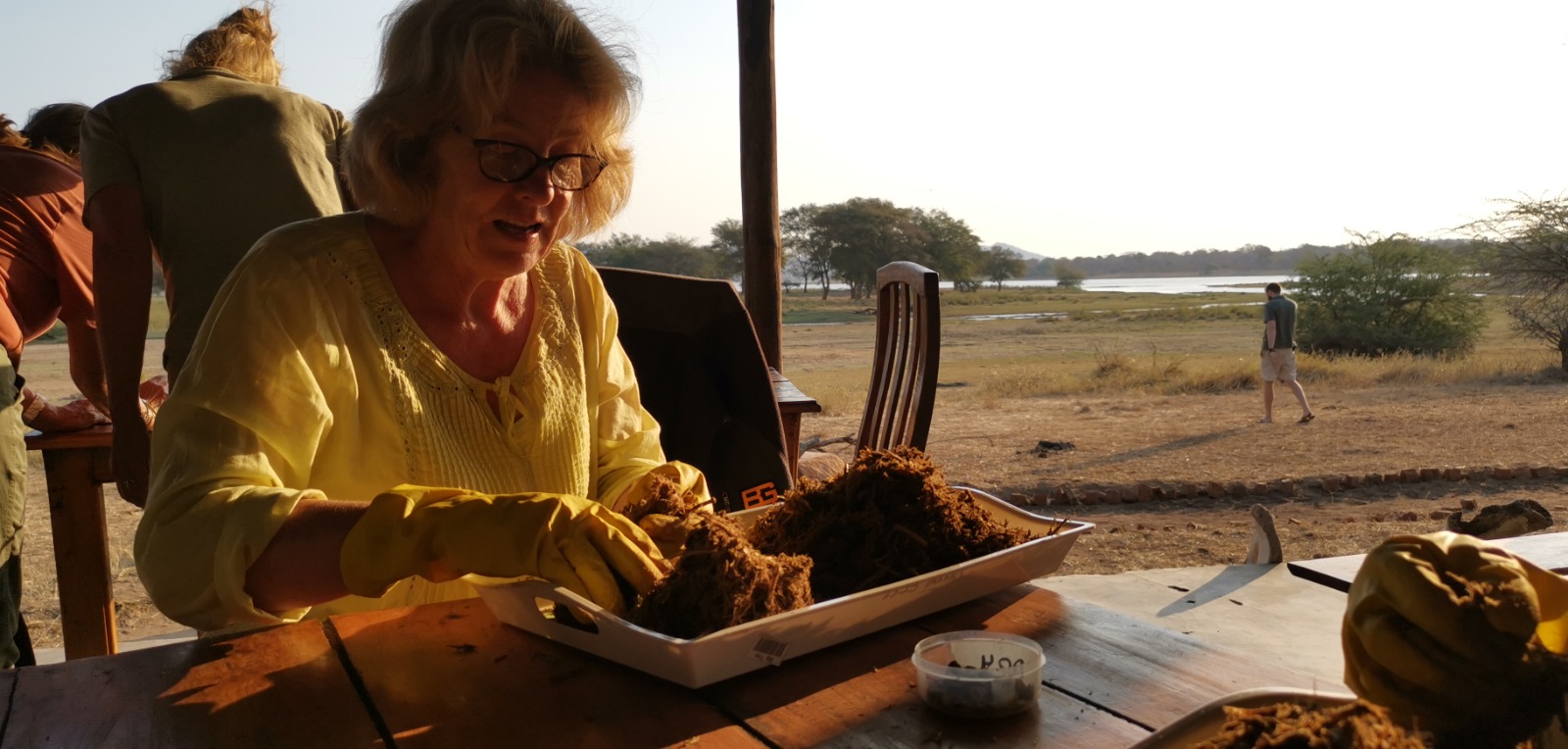
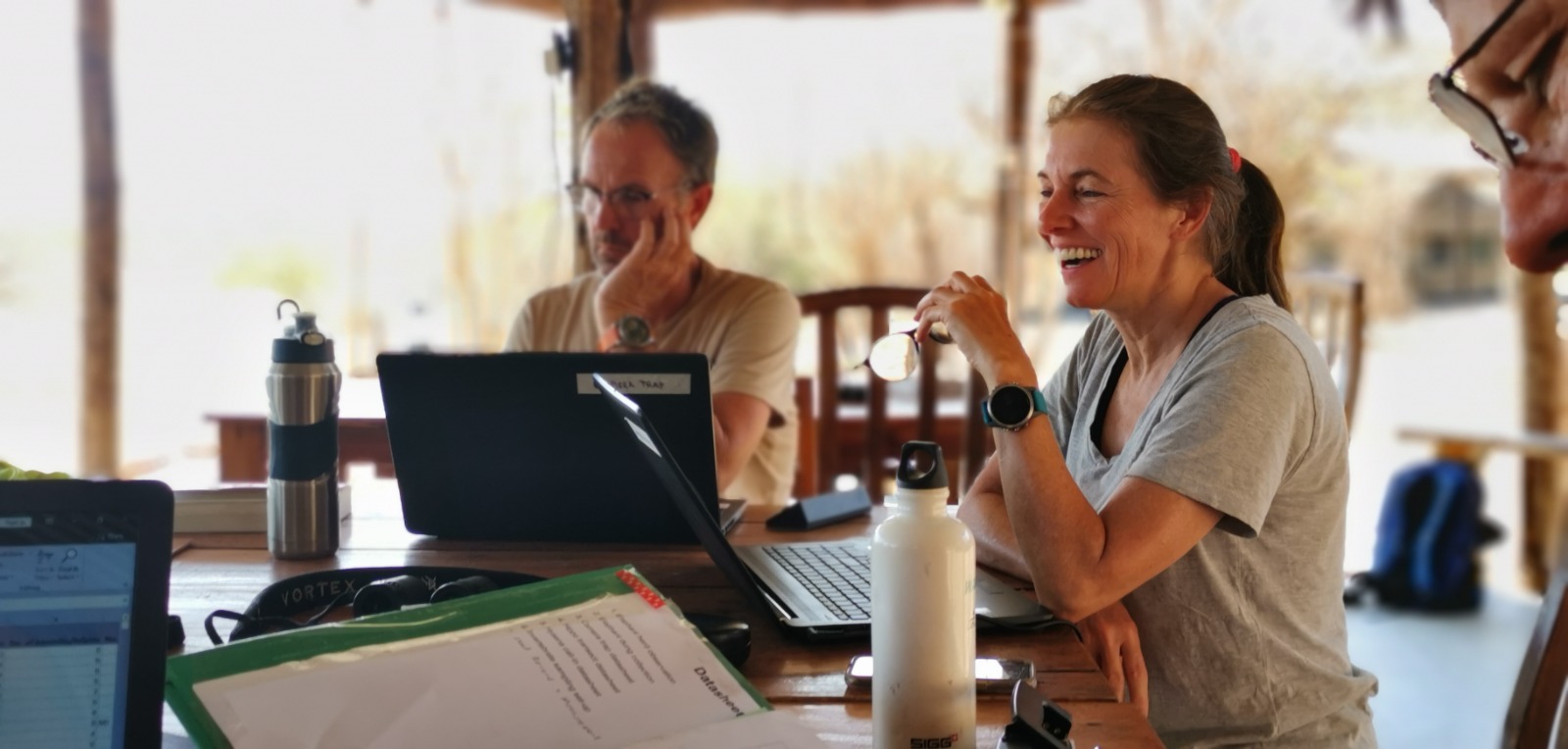
Our tasks from now on is to continue to gather data across all the research tasks and – during the hotter part of the day – sit in the comfort of base camp, processing elephant dung (to find any evidence of the elephants eating crops on local community land) , analysing camera trap images and entering data. We are doing well and the team is happy.
Sunday afternoon was peaceful at base camp in Vwaza. After a week of hard work and the usual endless practical challenges – water supply problems, missing kit, delayed delivery of new tents – we found that we were ready in good time. Even the unexpected news that our newly painted walls were not a sanctioned colour (sunny yellow: cheerful but apparently may be too bright for the wild animals) was resolved with minimum resentment or fuss by swiftly repainting in more wildlife-friendly British Racing Green.
The team arrived at base camp on Sunday evening, after a long drive from Lilongwe, on time, in good spirits and with everyone accounted for. This is always a moment of relief for the expedition leader. The team was also rewarded with the sight of a small family of elephants wandering across the riverside right in front of us under the warm evening sun.
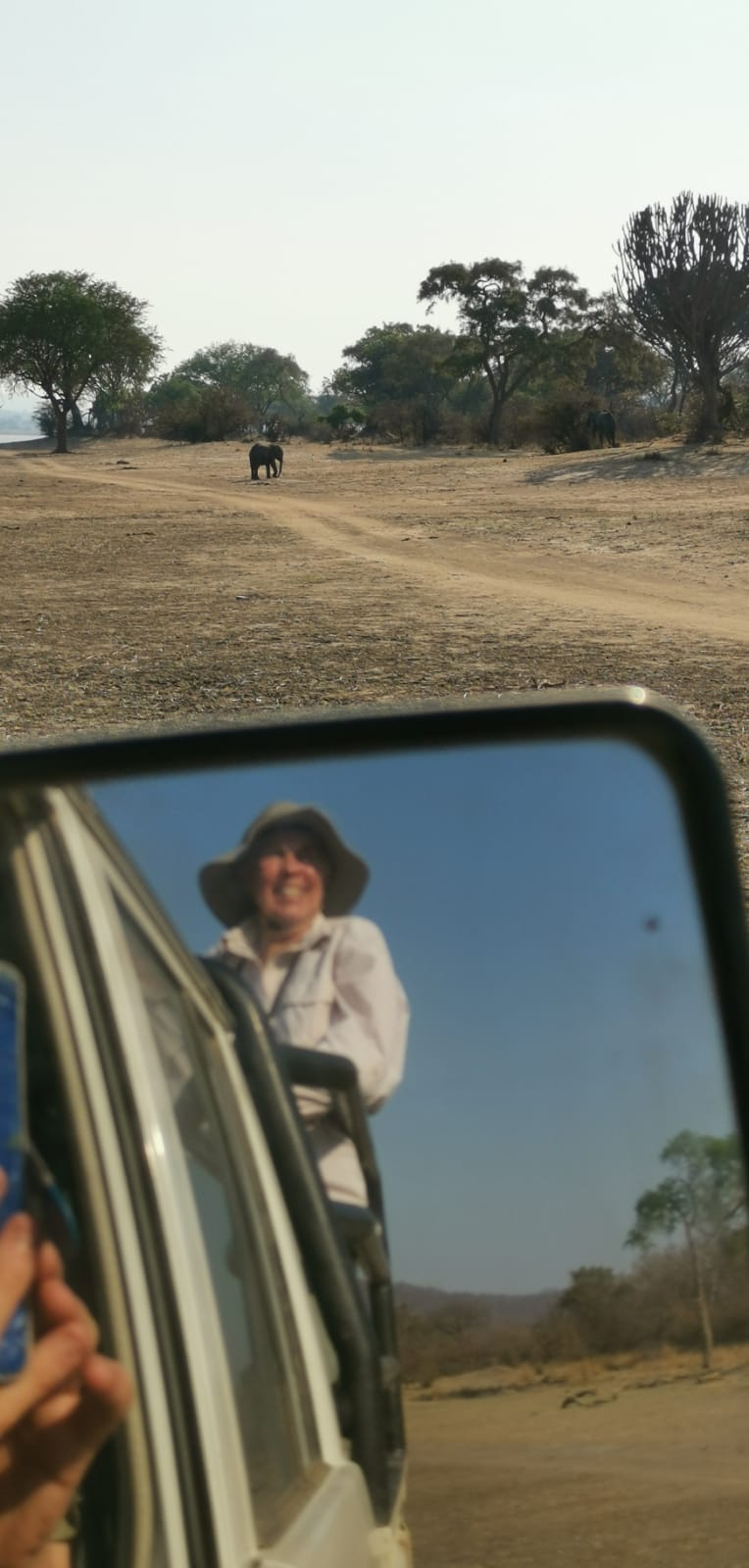
The first two days of the expedition are focussed on training in the research tasks that we will be doing, but the team were keen to get immersed in their new neighbourhood so Monday started early with a dawn ‘orientation’ drive around the lake. As the sun rose, they spotted elephants, many antelope species, some hippo returning to the water from their nocturnal grazing and lots of birds.
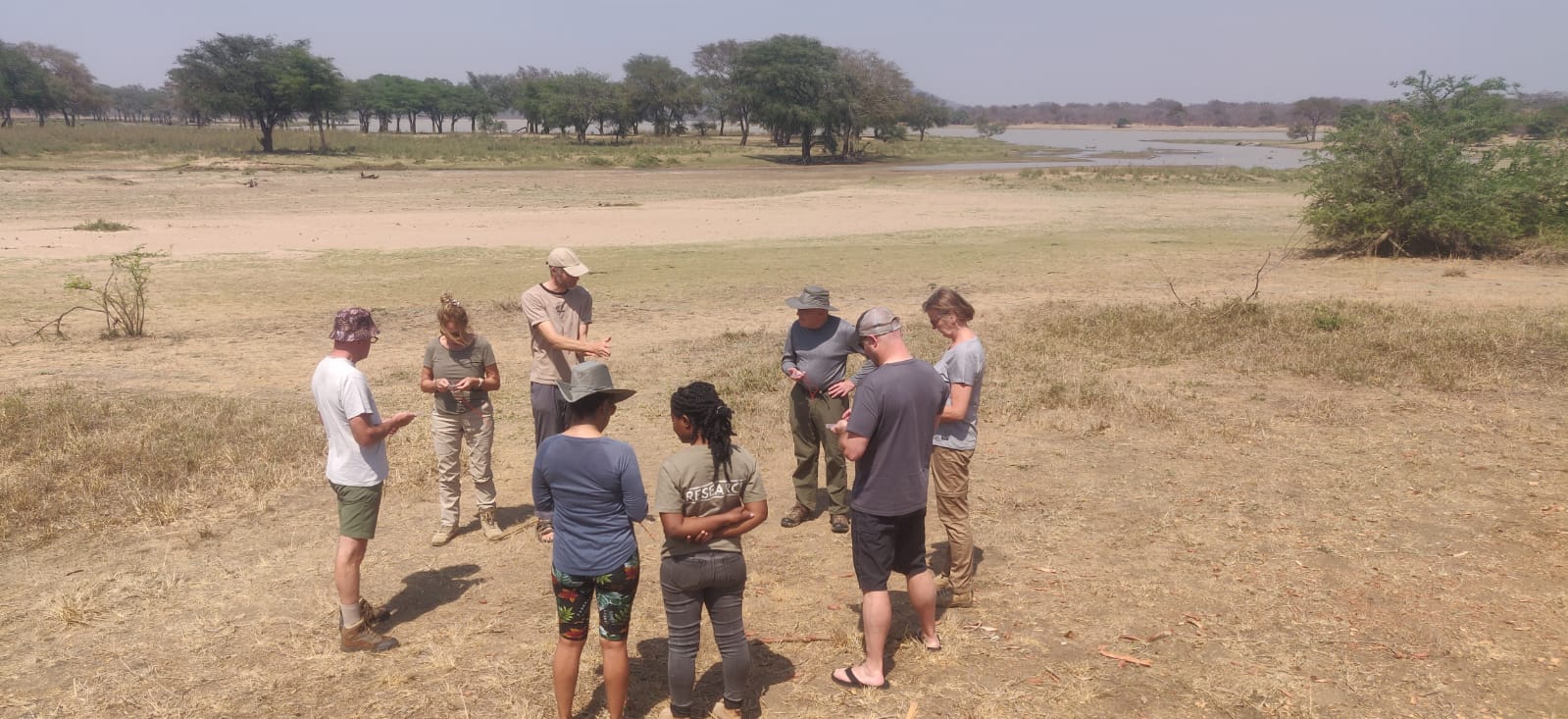
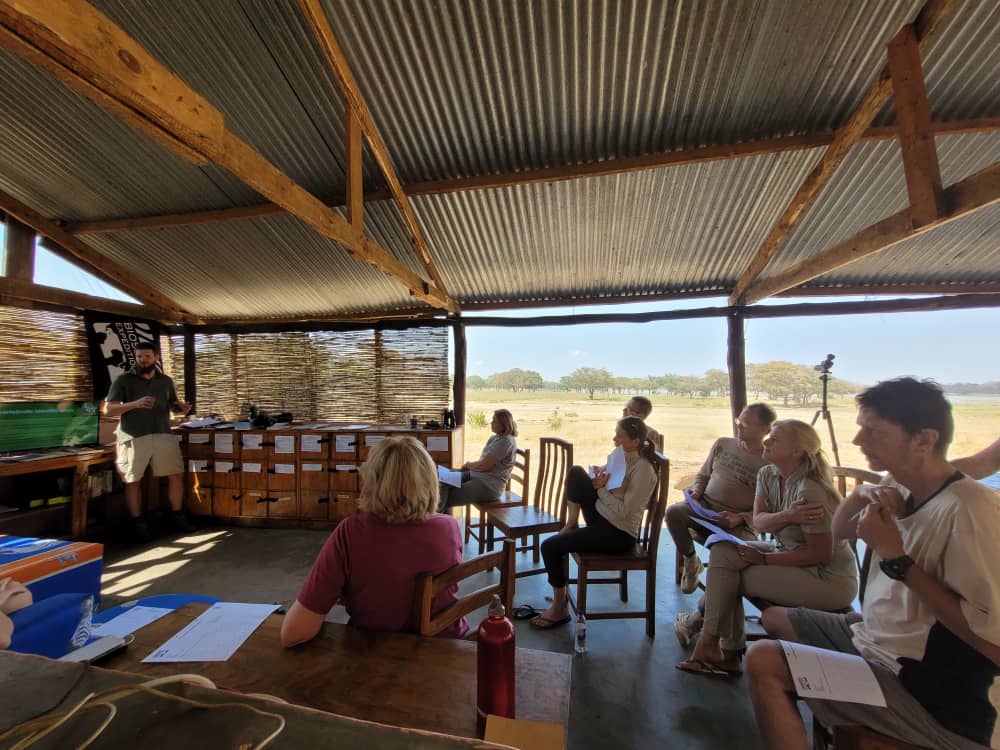
The rest of Monday is now being taken up by a mixture of classroom lectures and practical training. So far, the expeditioners are lapping it up and are now experts in using a compass and a GPS device to locate themselves and avoid getting lost.
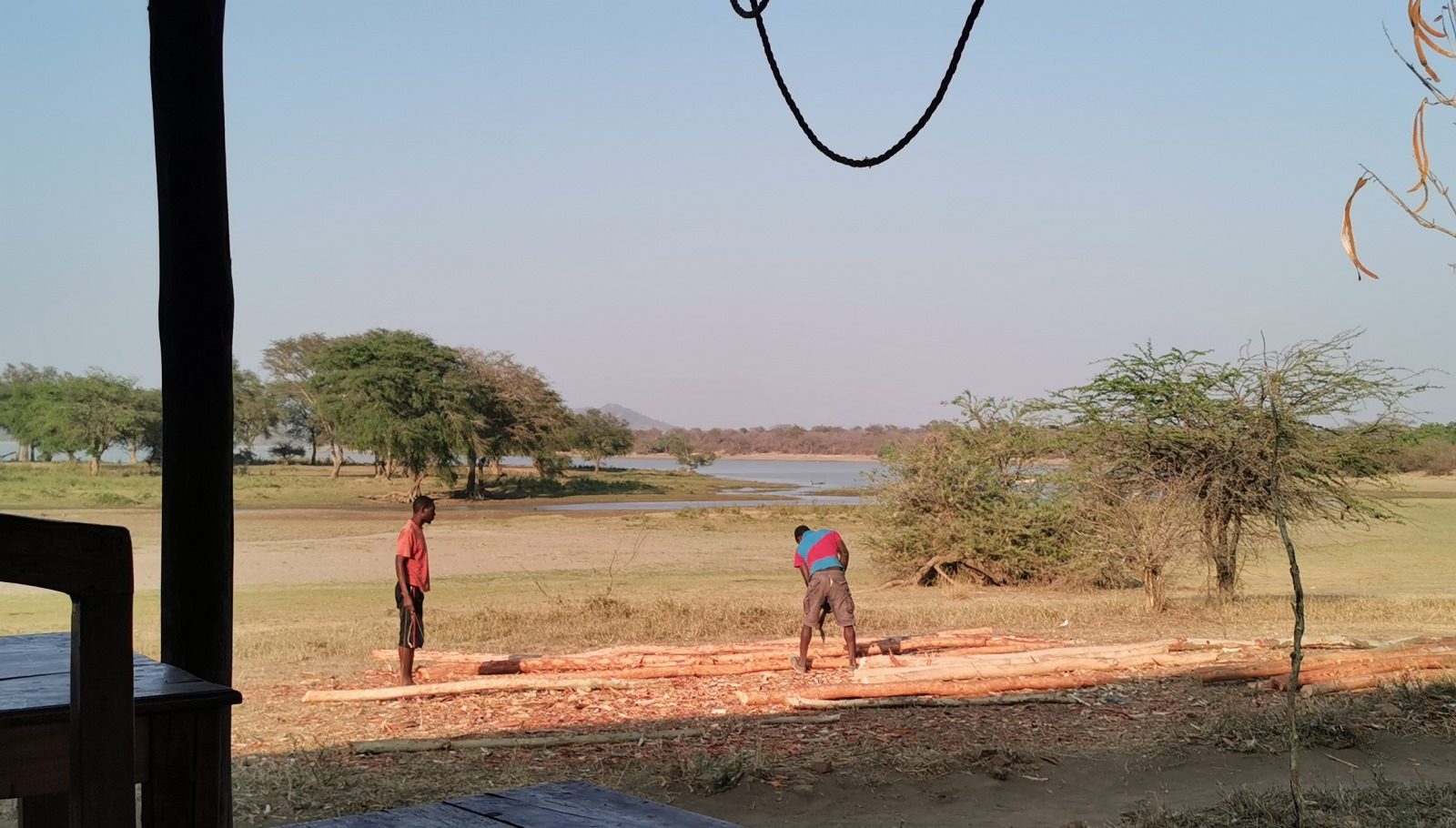
Base camp at Vwaza is full of activity. A team of people, led by Robert (LWT’s chief of all things practical), has been busy for the last few days repairing and refurbishing the camp ready for our expedition, and they are working hard. Walls are being given a fresh coat of paint (cheerful yellow), the kitchen floor re-concreted, a new gas-powered fridge, termite-damaged wooden posts replaced and a thorough clean-out all round.
When the team finally stopped work last at night, the sounds of wildlife crept back in – the resonant grunt of a nearby Hippo, the raucous ugly call of the Hadida Ibis, the endless chirps of insects as a backdrop. The smell of wood smoke from the dying embers of the cooking fire pervades the camp as the night draws in.
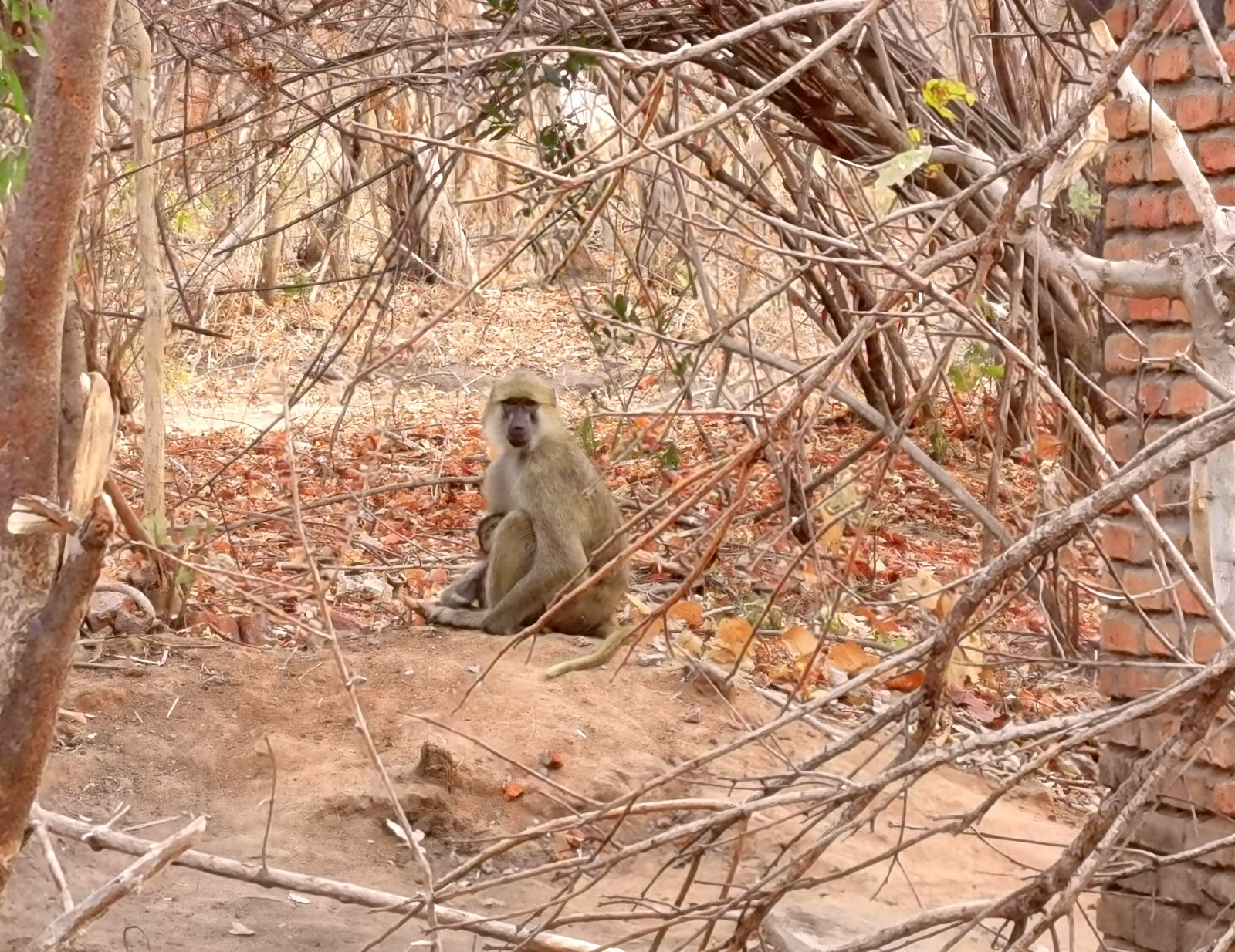
The day begins early with the dawn chorus at 05:00, punctuated by the lyrical whistling call of the Tropical Booboo. A herd of Impala are silhouetted against the lake, standing alert under the thorn trees. A family of Baboons lurk on the edges of the camp, the bolder animals darting in closer in the hope of finding food. Against this backdrop, the builders are already starting work. As the day brightens, the baboons retreat into the bushes and the Impala, emboldened, wander into the sunlit riverside in front of base camp.
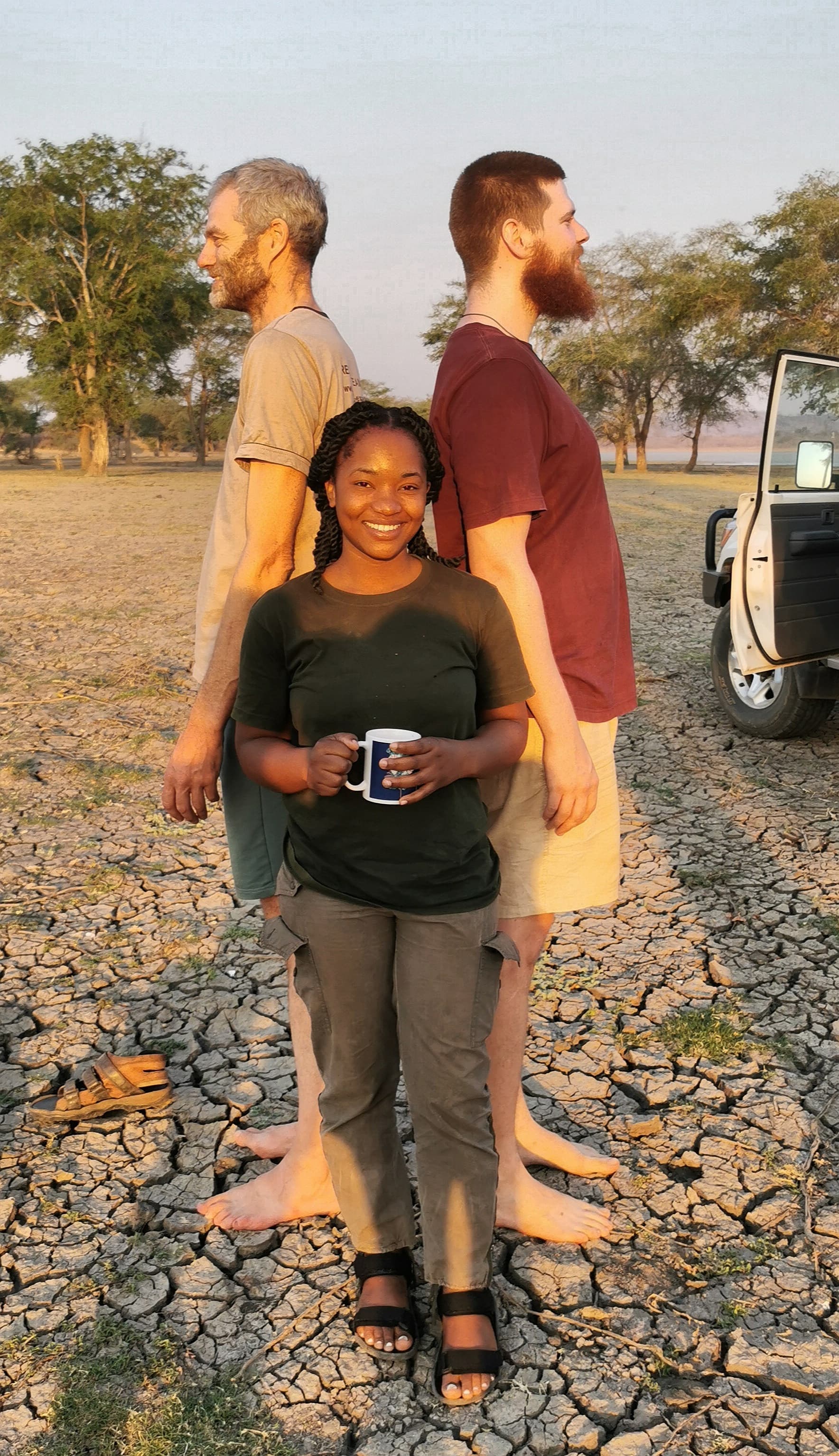
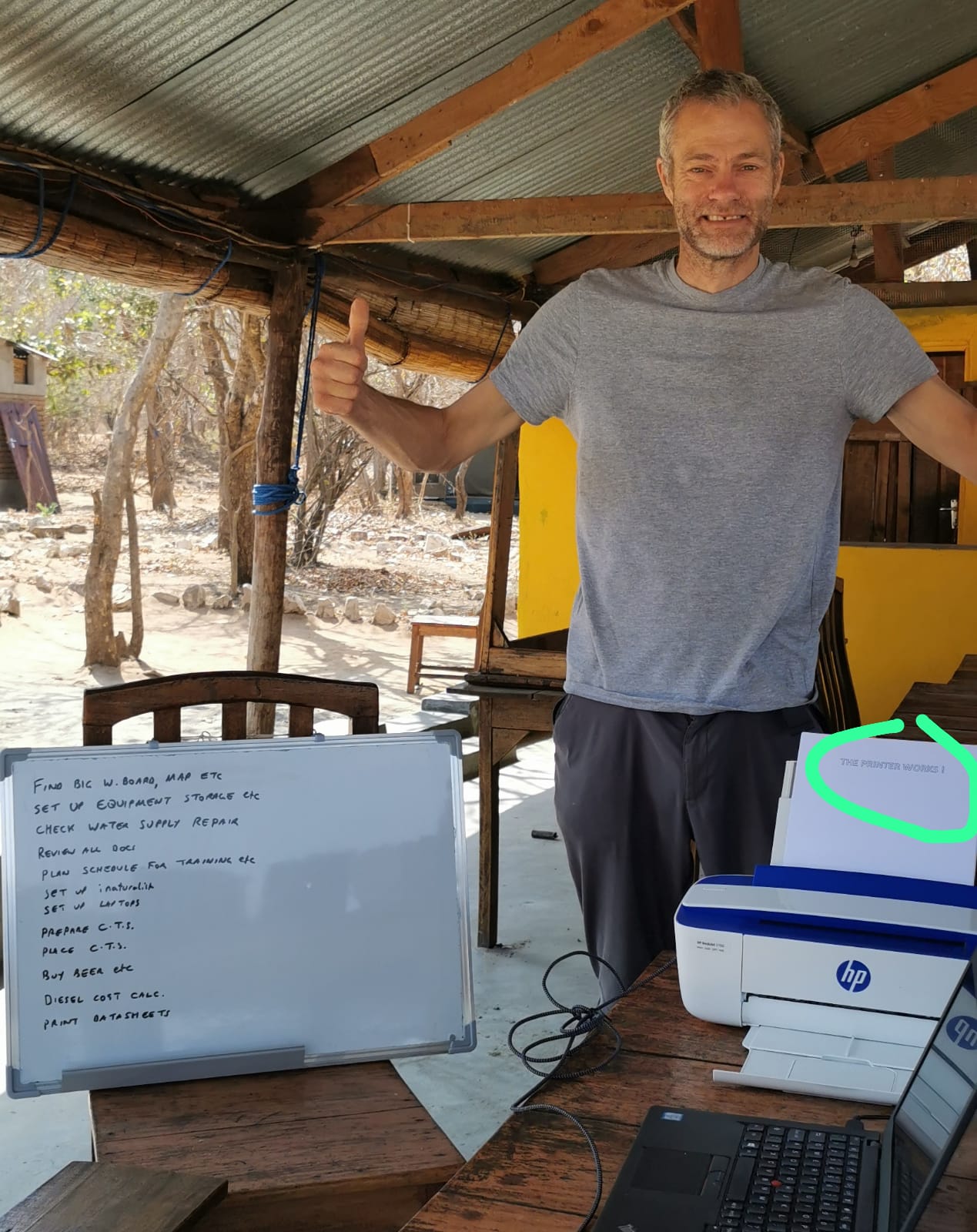
This is Roland Arnison, the expedition leader for the 2023 Malawi expedition. I have just arrived in Malawi – I am delighted to be returning to lead this expedition again, along with Lilongwe Wildlife Trust (LWT) lead scientist Benni Hintz. We will also be joined by research assistant Chimwemwe Kalulu from LWT and expedition chef Luka.
Form left: Luka, Roland and Benni
I will spend a short time in Lilongwe for last preparations and supplies before heading up to base camp in Vwaza Marsh Wildlife Reserve with Benni to get everything set up there ready for the arrival of the main team of citizen scientists on 17 Sep .
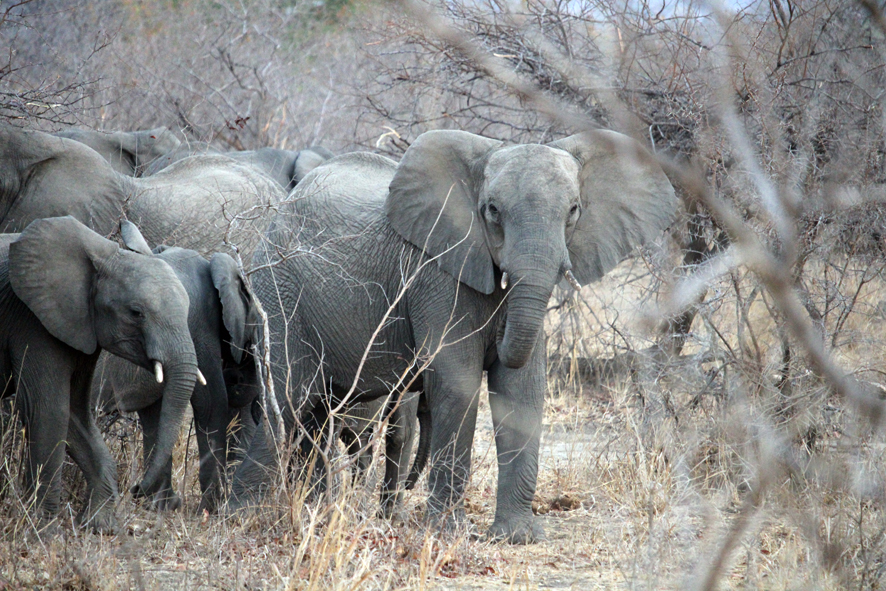
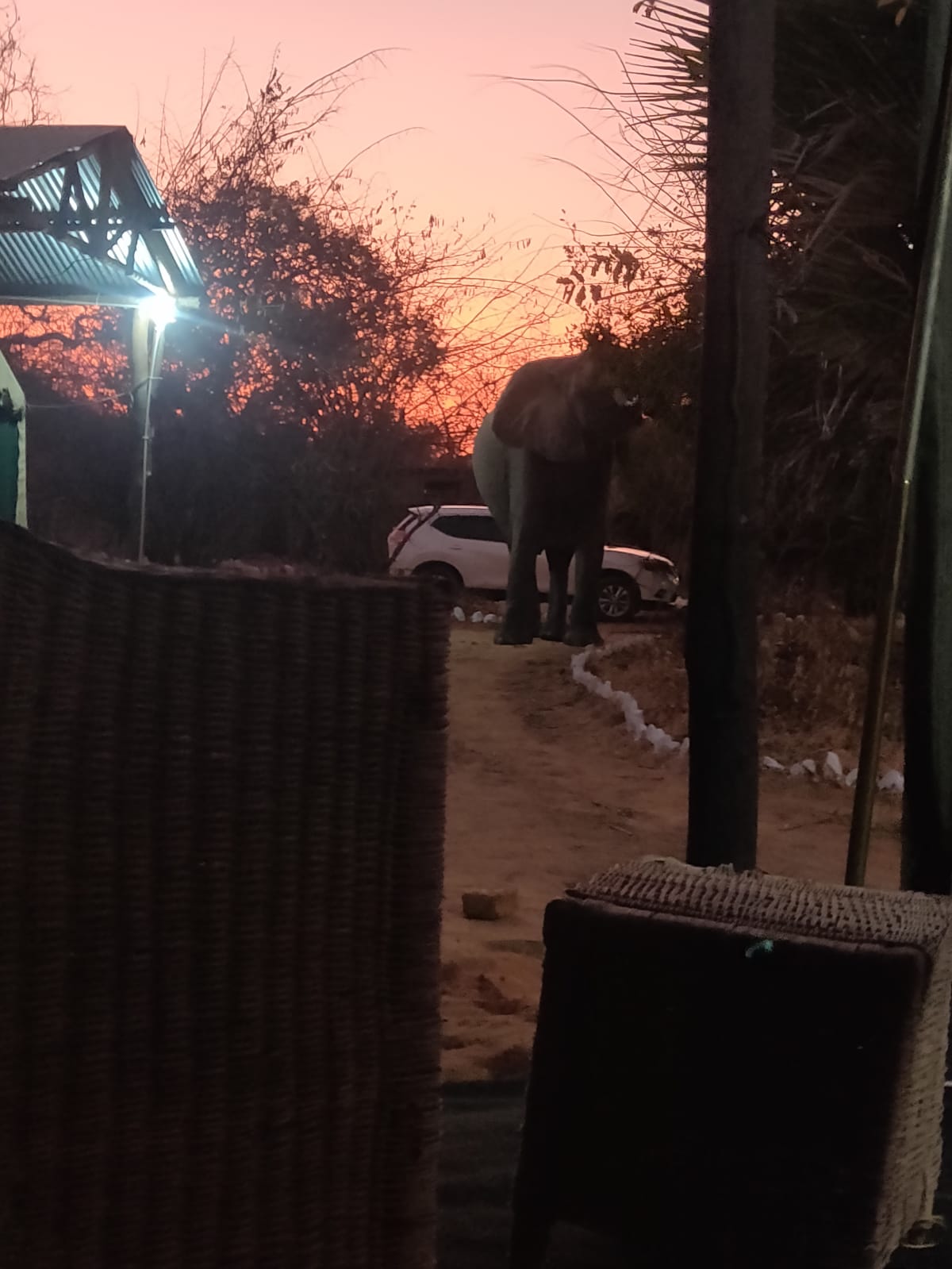
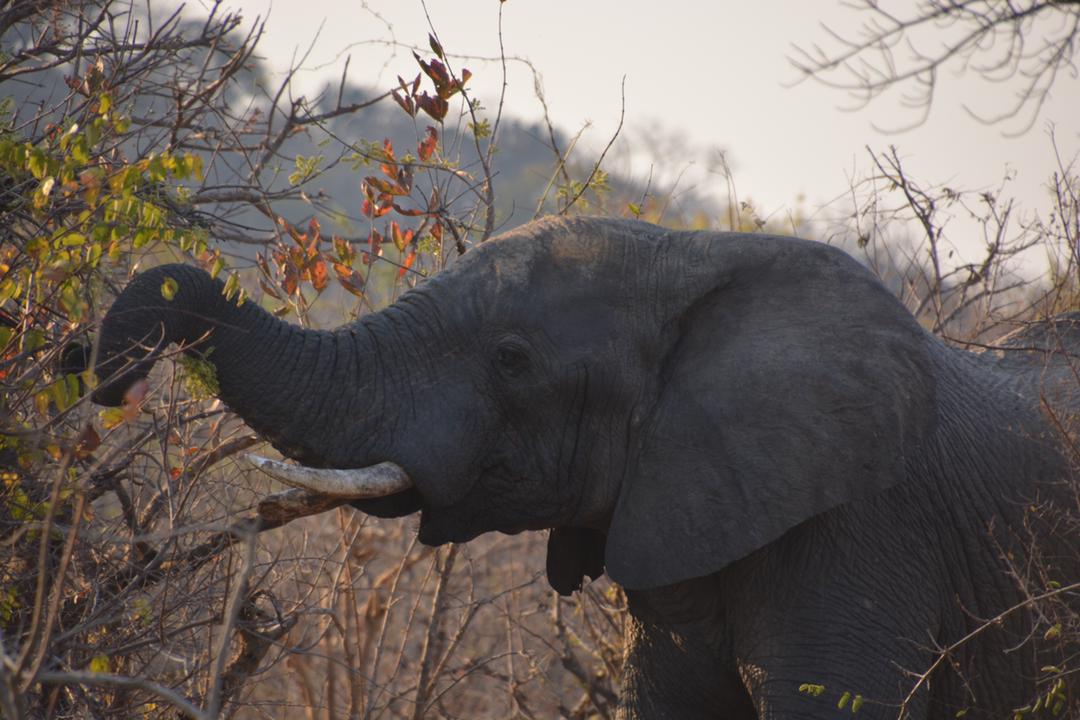
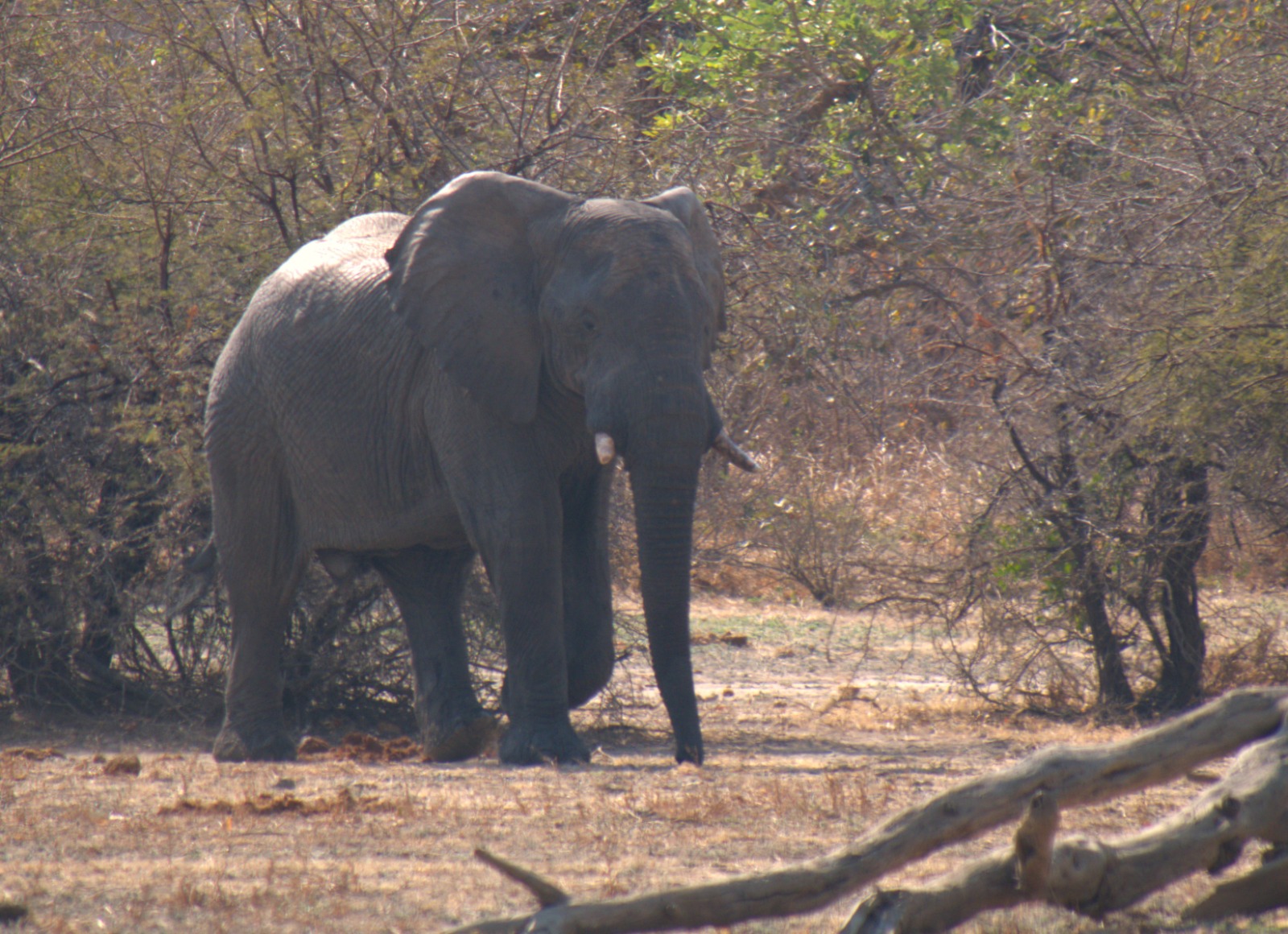
On this expedition we will see elephants – lots of them – which is useful as these are one of our research targets for the expedition to assess their population changes and potential conflict with humans. Although we will explore the south part of the Wildlife Reserve, at the edge of the lake, to look for elephants, we can expect to spot many of them from the comfort of the base camp: in previous years the elephants regularly walked across the lakeside right in front of us (and occasionally wandered through base camp at night).
Our research tasks will also involve counting hippos (easy to spot, less simple to count) and hyaenas (difficult to find, but we have a technique) and using camera traps for recording other wild animals. It will be a busy, but hopefully very rewarding expedition. Please make sure you swot up on the methodology using the field guide we sent you and bring a copy with you into the field.
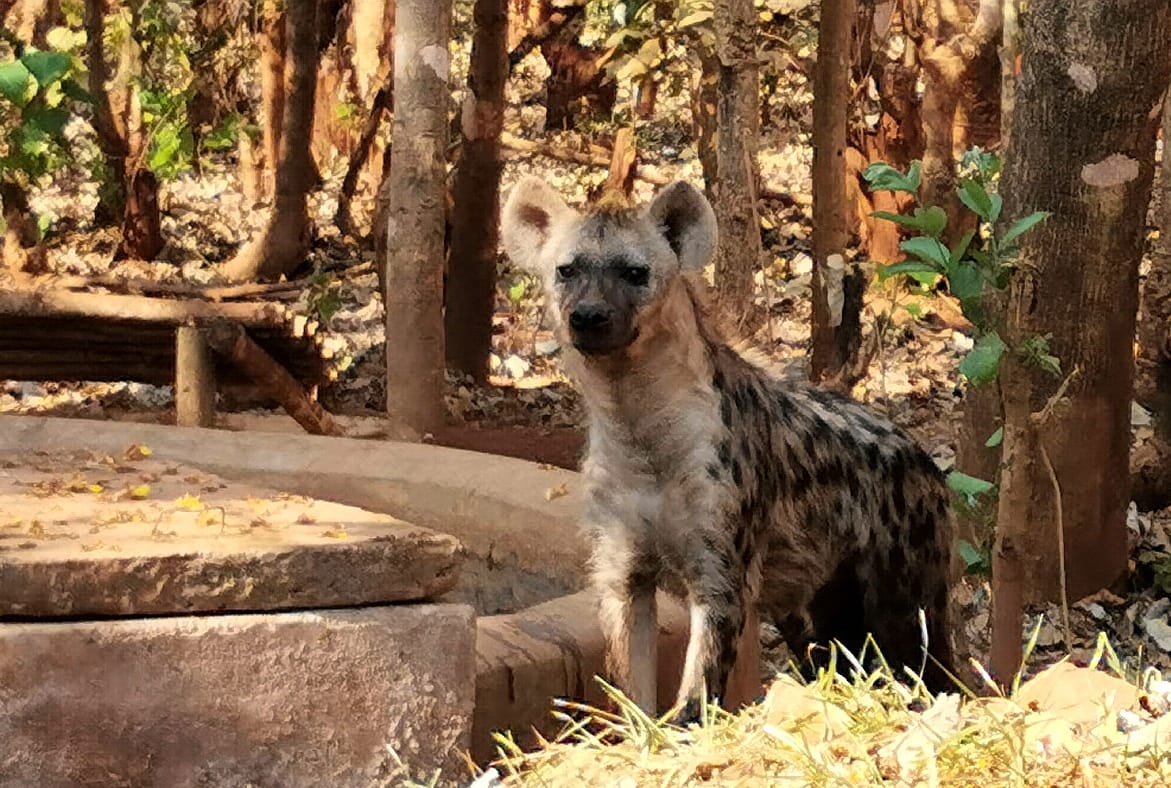
Within hours of arriving in Malawi I have already encountered yellow baboons and a hyaena at LWT’s wildlife centre in Lilongwe – a wonderful welcome.
I will send another diary entry and more photos when I arrive at base camp in a couple of days.
Biosphere Expeditions citizen scientists supported Lilongwe Wildlife Trust (LWT) research projects for a third time in 2022, between 25 September and 7 October, conducting the following research activities:
Elephant herd sightings and dung sampling: In recent years, human-elephant conflict has become an increasing threat to people’s livelihoods, but also for the local elephant population. A new fence was constructed in 2021 along the southern and eastern boundaries of Vwaza Marsh Wildlife Reserve (VMWR), aiming to keep elephants within the reserve and reduce conflict. Elephant herd sightings were conducted around Lake Kazuni and resulted in 42 observations of family herds or single bulls. 49% of all elephants observed were in the age categories younger than 16, suggesting a stable population recruitment. For future expeditions, identification of matriarchs would be beneficial to monitor herd compositions and natality and mortality rates within herds. Dung samples were collected ad lib to assess if there were any cultivated food items contained in them, which would indicate that elephants still managed to venture into community land. No cultivated food items were found in 38 collected dung samples.
Hippo transects: VMWR is the only protected area in Malawi’s northern region to host a stable hippo population. However, no consistent monitoring of their populations is being done. As Lake Kazuni and the adjacent South Rukuru River are the only perennial water sources in the reserve, the majority of the population should be concentrated there. Transects of the northern shore of the lake were completed six times and resulted in a total of 698 hippos counted, with a maximum of 120 during two of the transects, which serves as a conservative population estimate. Compared to previous years, the maximum count has decreased substantially (from 338 in 2018 and 169 in 2019), suggesting a population decline. Future expeditions should keep monitoring the hippo population to recognise population crashes.Camera trapping:
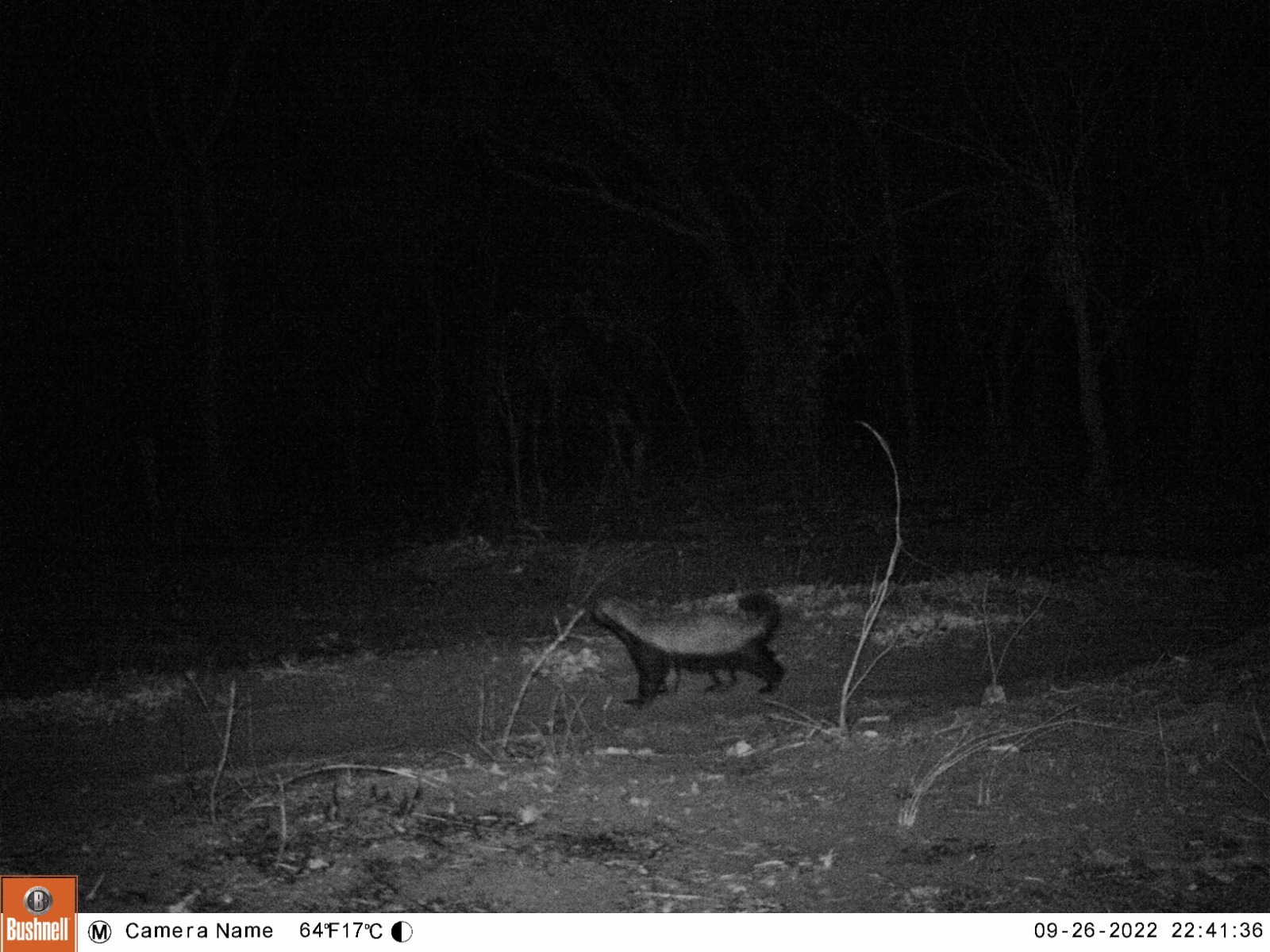
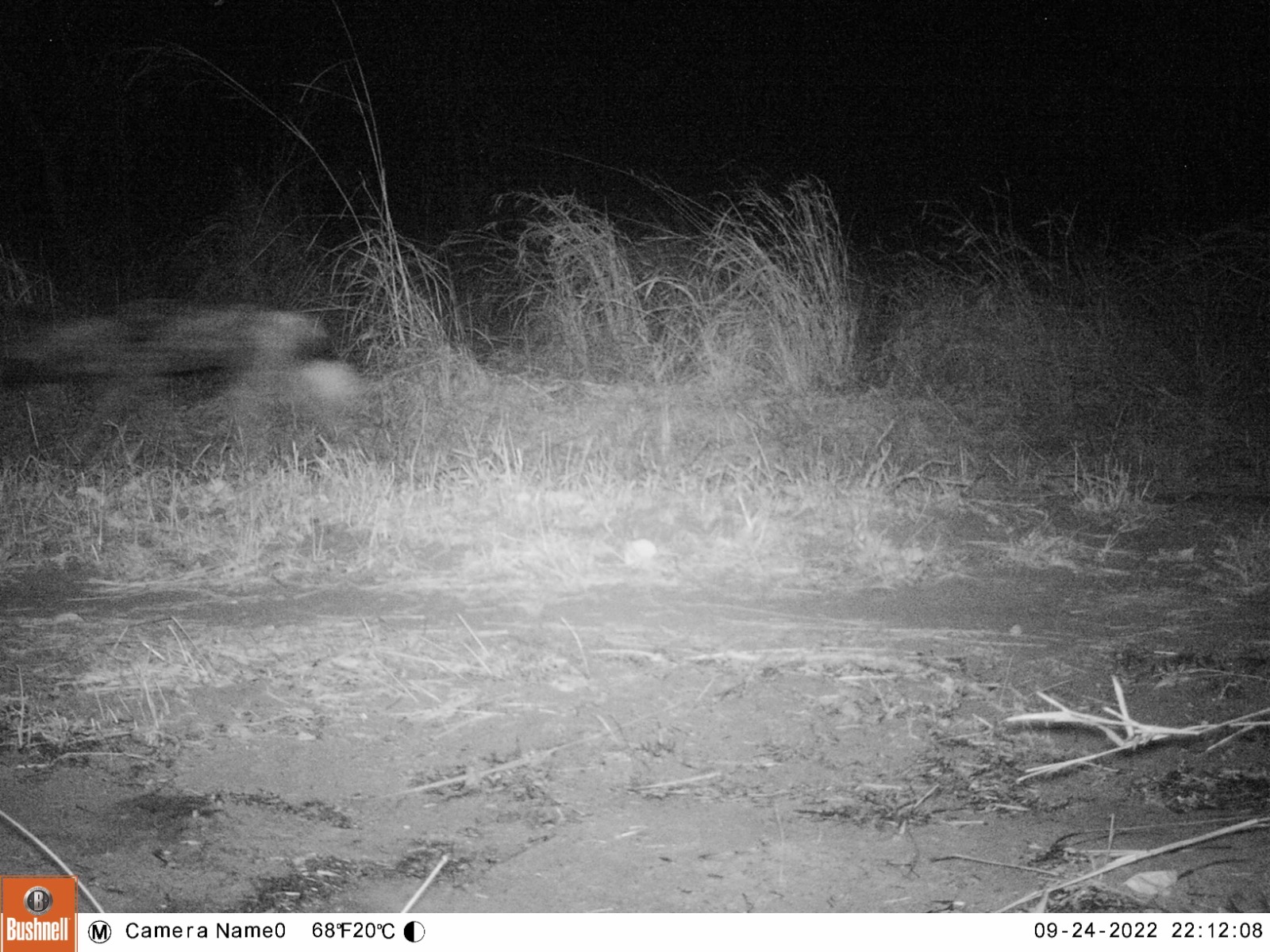
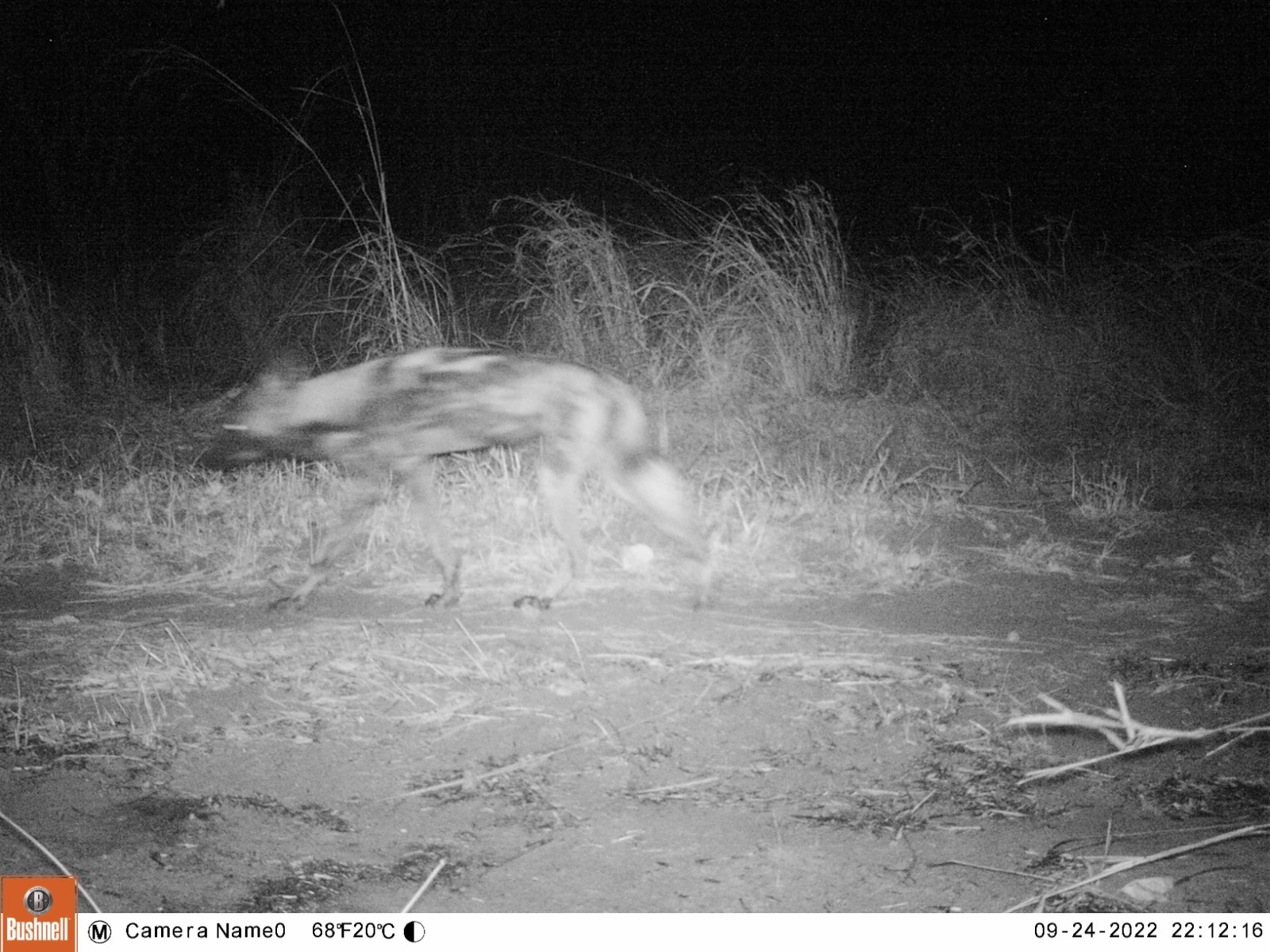
Camera trapping is used worldwide as a non-intrusive remote monitoring method, particularly for elusive and cryptic species that are difficult to monitor through older, more conventional methods. 14 camera traps were deployed along roads in the southern area of the reserve, and an additional 3 at baited sites. 447 pictures with animals from 26 different species were recorded. Compared to previous expeditions, 3 new species were recorded: African wild dog, Selous’s mongoose and Sharpe’s grysbok. Four individual wild dogs were identified, which likely formed a dispersal group. African wild dogs had not been seen in VMWR in 20 years, substantiating the value of camera traps for monitoring.
Invertebrate sampling: VMWR is being considered as a release site for pangolins rehabilitated by the LWT. Pangolins depend on ants as a food source. However, no data on ant composition inside the reserve was available. A grid of baited pitfall invertebrate traps was set up in two representative habitat types: woodland and floodplains. Seven different ant species were identified during the sampling. Capture rates of these species did not significantly differ between habitats. During a previous research project, the LWT aimed to identify preferred ant species for pangolins, three of which were also identified in VMWR. Among other invertebrates captured, nine different taxonomic orders were represented.
Hyaena call-ins: Spotted hyaenas are the most abundant and widespread large carnivore in Africa. However, their conservation status is often overlooked. Despite this, they can influence other species’ populations and can serve as indicators of ecosystem health. Call-ins via audio playback to attract animals are a commonly used method to estimate hyaena populations. Three call-in events were conducted at baited sites and camera traps deployed to monitor hyaena activity after departure. No hyaenas were observed during the call-ins, nor were vocalisations in response to the call-ins recorded. The next expedition will try again, with an adapted methodology.
iNaturalist: iNaturalist is an online platform and application compiling evidence-based observations of organisms globally, making the data publicly accessible to researchers. Participants of the expedition uploaded 397 observations of 138 different species. A large proportion of observations was added from pictures taken during the invertebrate sampling project.
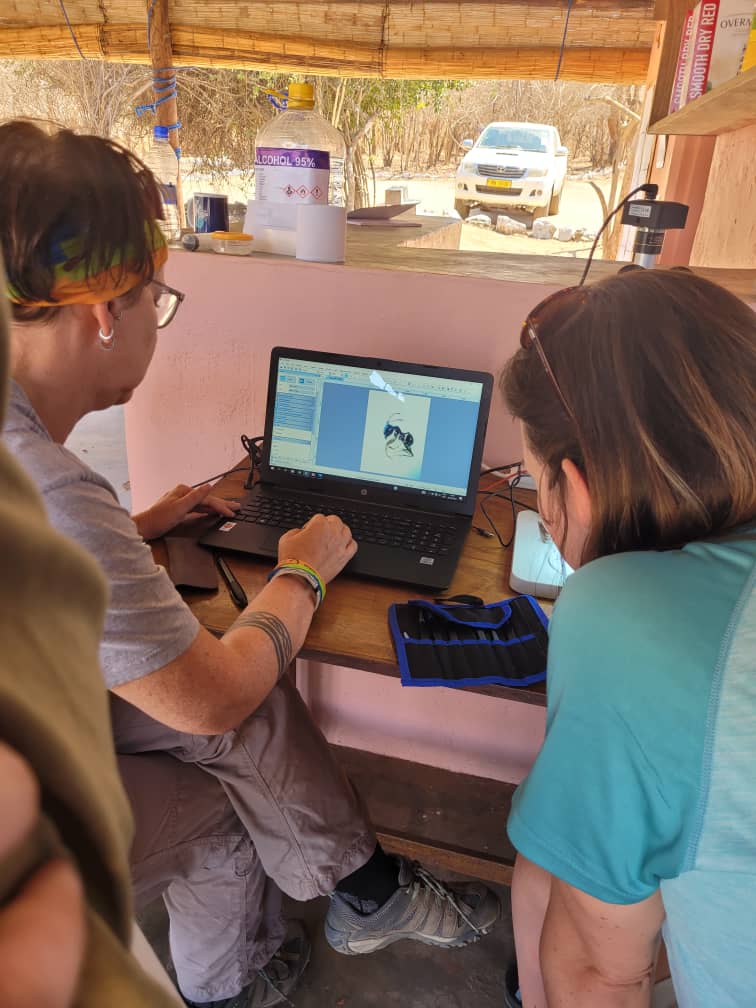
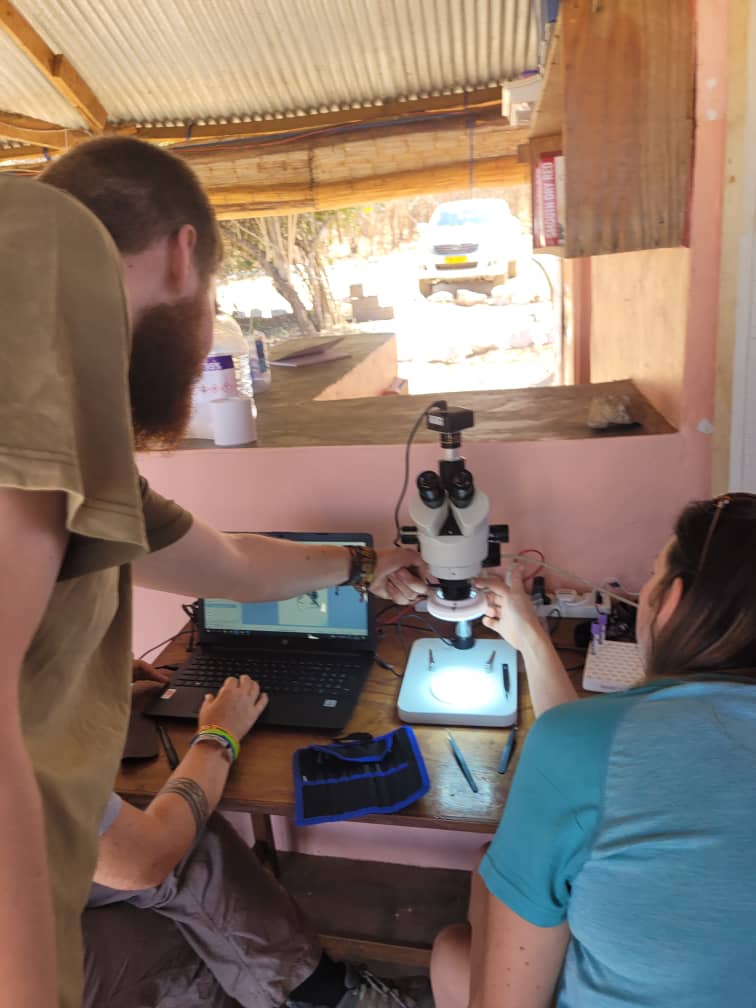
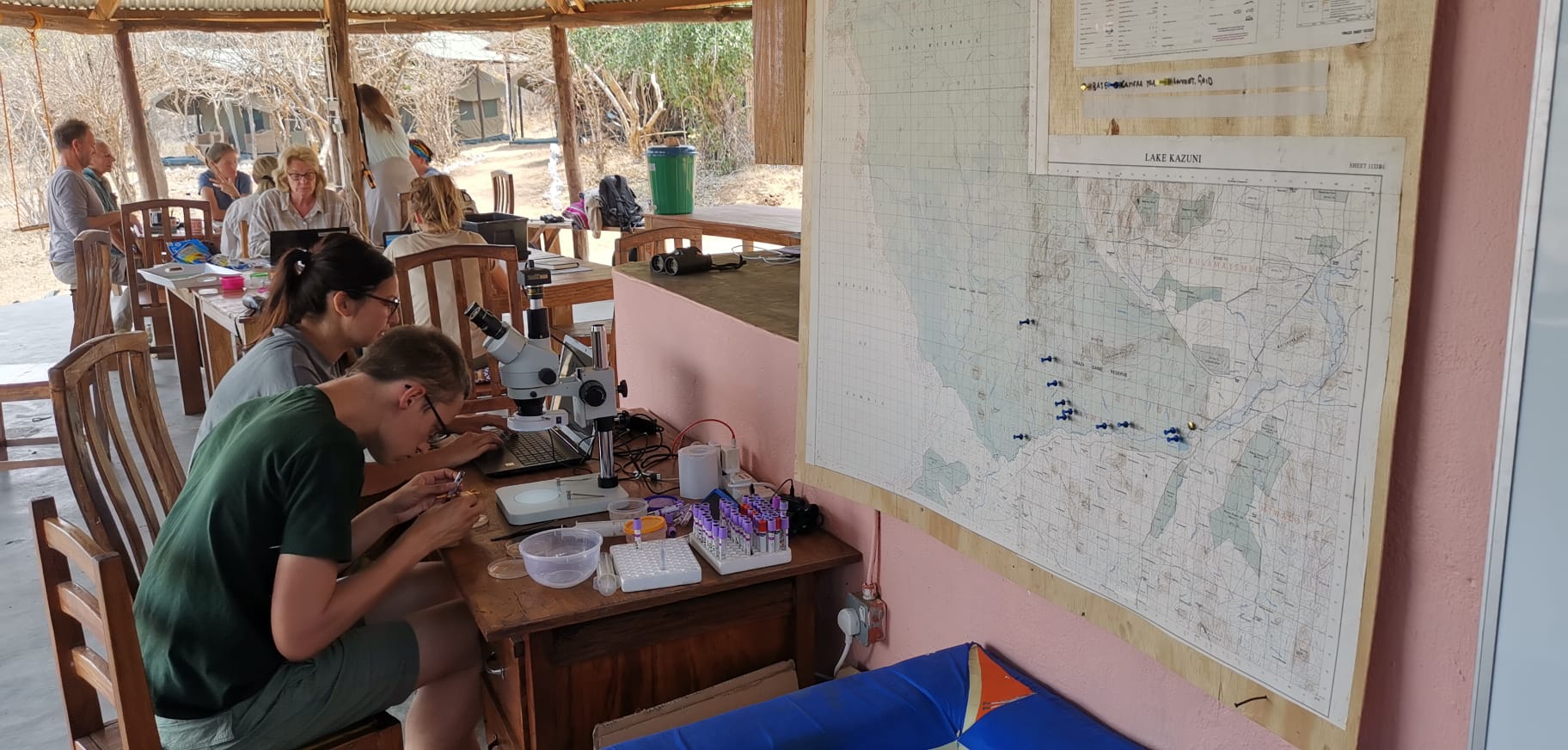
The team peacefully sitting in base camp checking camera trap images, studying ants under a microscope and sifting through fresh elephant dung were interrupted a moment ago by the VHF radio. LWT staff member Pili, leading the rest of the Biosphere team on a lakeside transect walk to count hippos, was calling for a rescue. The small group of our citizen scientists had been trapped by a herd of elephants on the floodplain. With good experience of elephant behaviour, Pili kept the team safe without problems, but they were blocked from walking back to camp by the elephants. At base camp, Benni and a couple of helpers jumped into a vehicle and set off to intercept and evacuate our trapped and intrepid citizen scientists. Not quite an everyday experience, but still, very much the kind of thing that can happen on an expedition that deserves its name.
The Malawi 2022 biodiversity expedition is in its last days, but there is no sign of it winding down. If anything, the team is operating at its best now: after initial training and many days of experience, the expedition is a well-oiled machine, with animal observations, sample collection & analysis, as well as data entry all being carried out with speed, efficiency and a smidgin of pride.
Each day starts with a dawn drive along the lakeside to look for elephants. Nobody has told the elephants this and so we have rarely spotted them at this time of day, but those of us happy to get up at 05:00 are rewarded with the sights and sounds of Malawian wildlife in the warm light of sunrise. All the team are up for breakfast at 07:00 and after that we split into research groups doing different research tasks for the day.
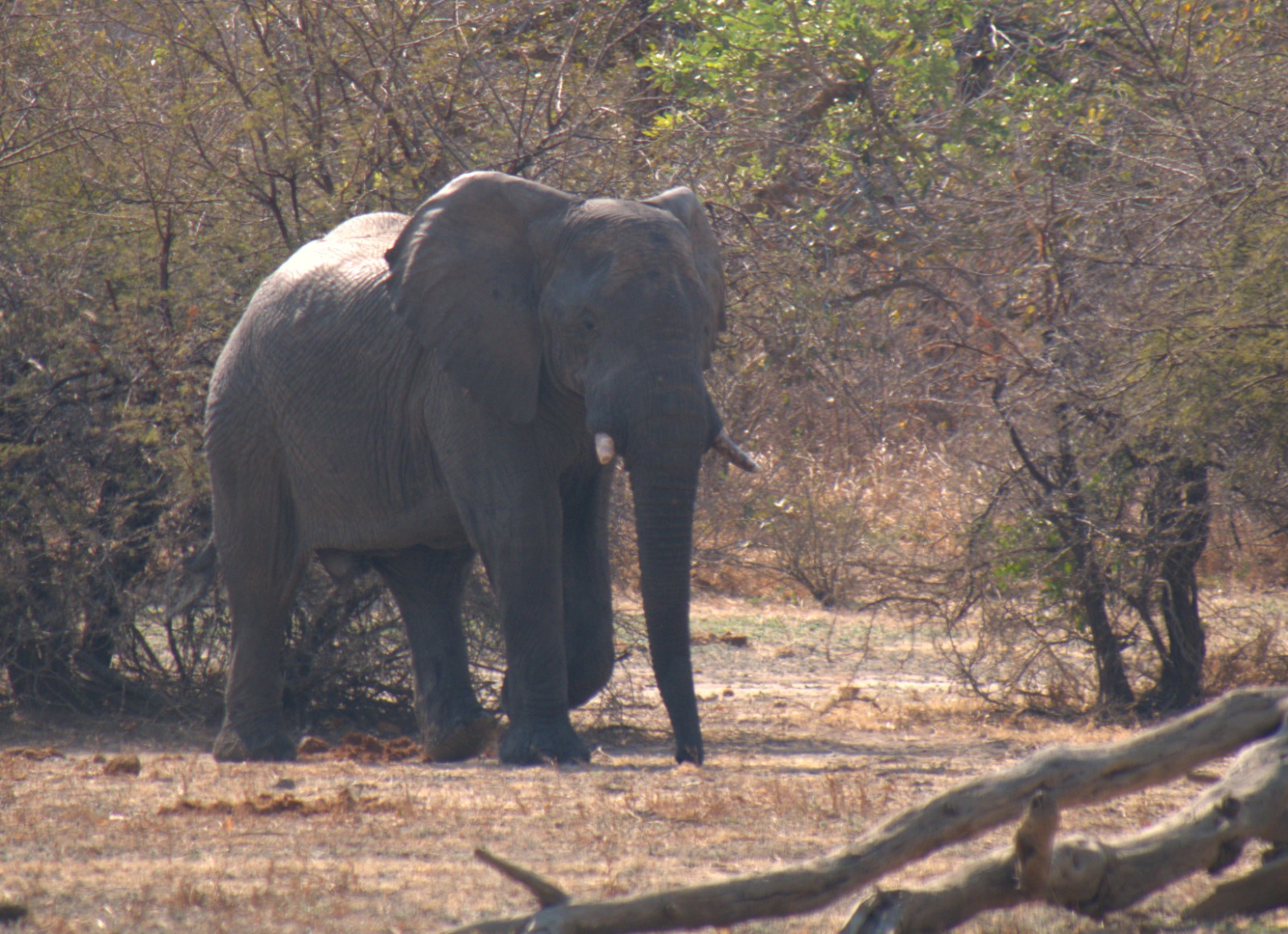
Driving and walking to observe elephants and hippos (and recording herd / pod size and composition) is a daily task. The hippos are easier to count: they tend to stay, semi-submerged in the muddy lake all day. The elephants come and go according to their own schedules and it is always a delight to come across them (sometimes they come across us, first, see above). We see matriarch-led family herds of up to 12 regularly, as well as solo or small groups of bull elephants alone or following a family herd at a distance. Yesterday, our afternoon elephant count team found a super-herd of more than 100 elephants milling about between the lake and the woodland. This could be as much as a third of all of the elephant population of the Vwaza Marsh Reserve and was clearly a thrilling encounter for those of us lucky enough to witness it. As with all our elephant sightings, the experience of watching these animals interact with each other (and with us) is endlessly absorbing and wonderful. So much so that we have to dig deep to find the discipline to do our job of recording what we see.
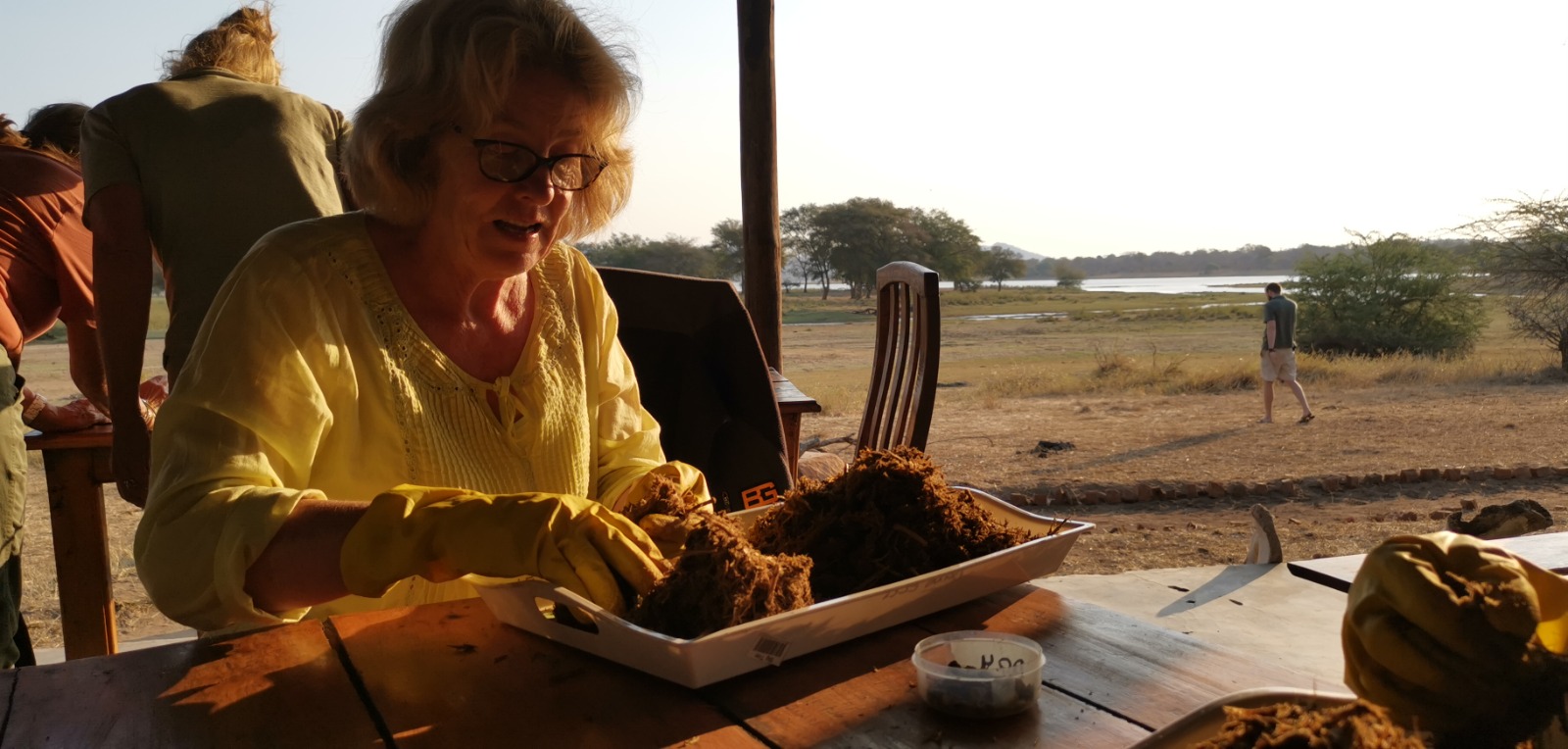
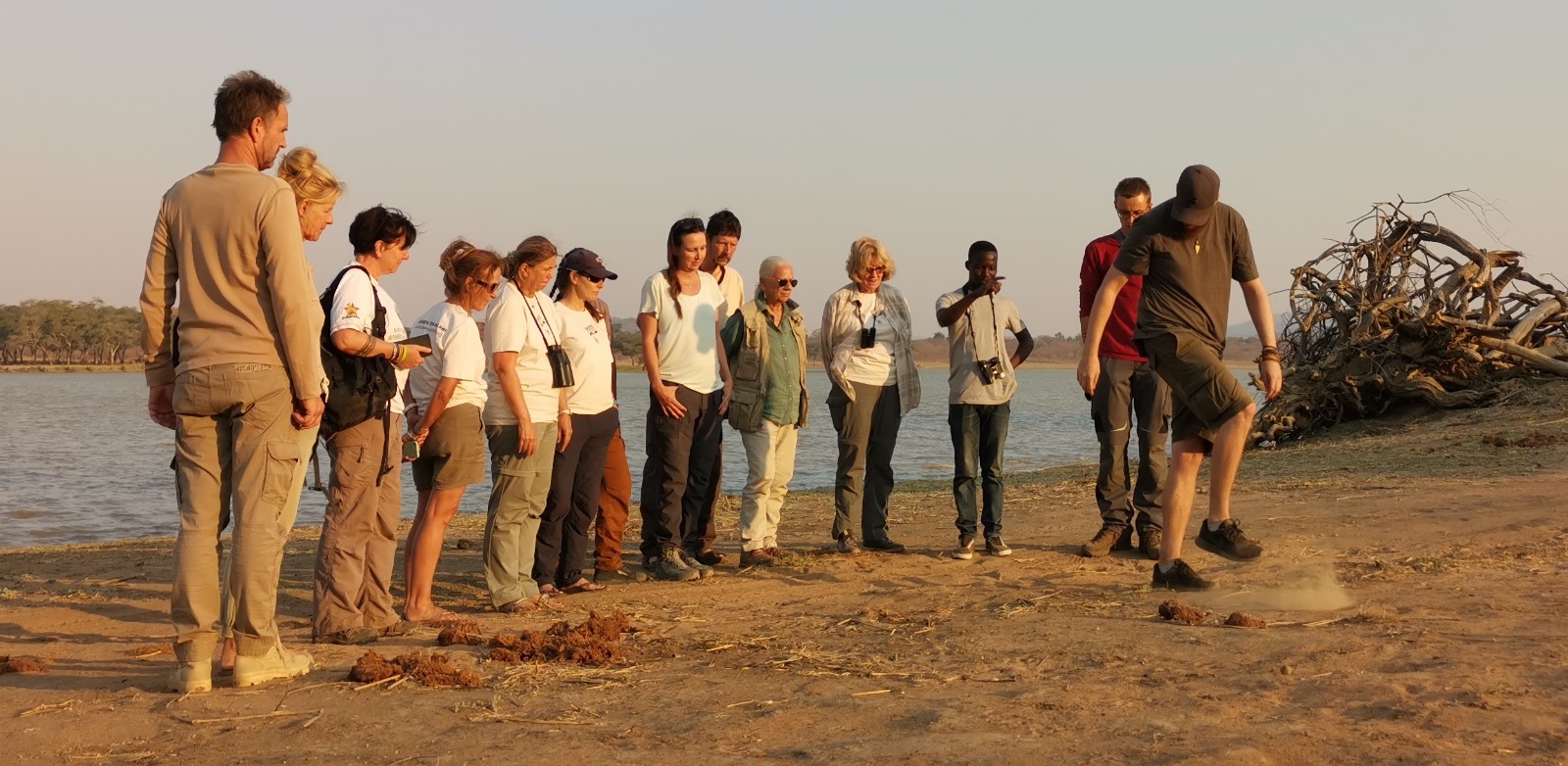
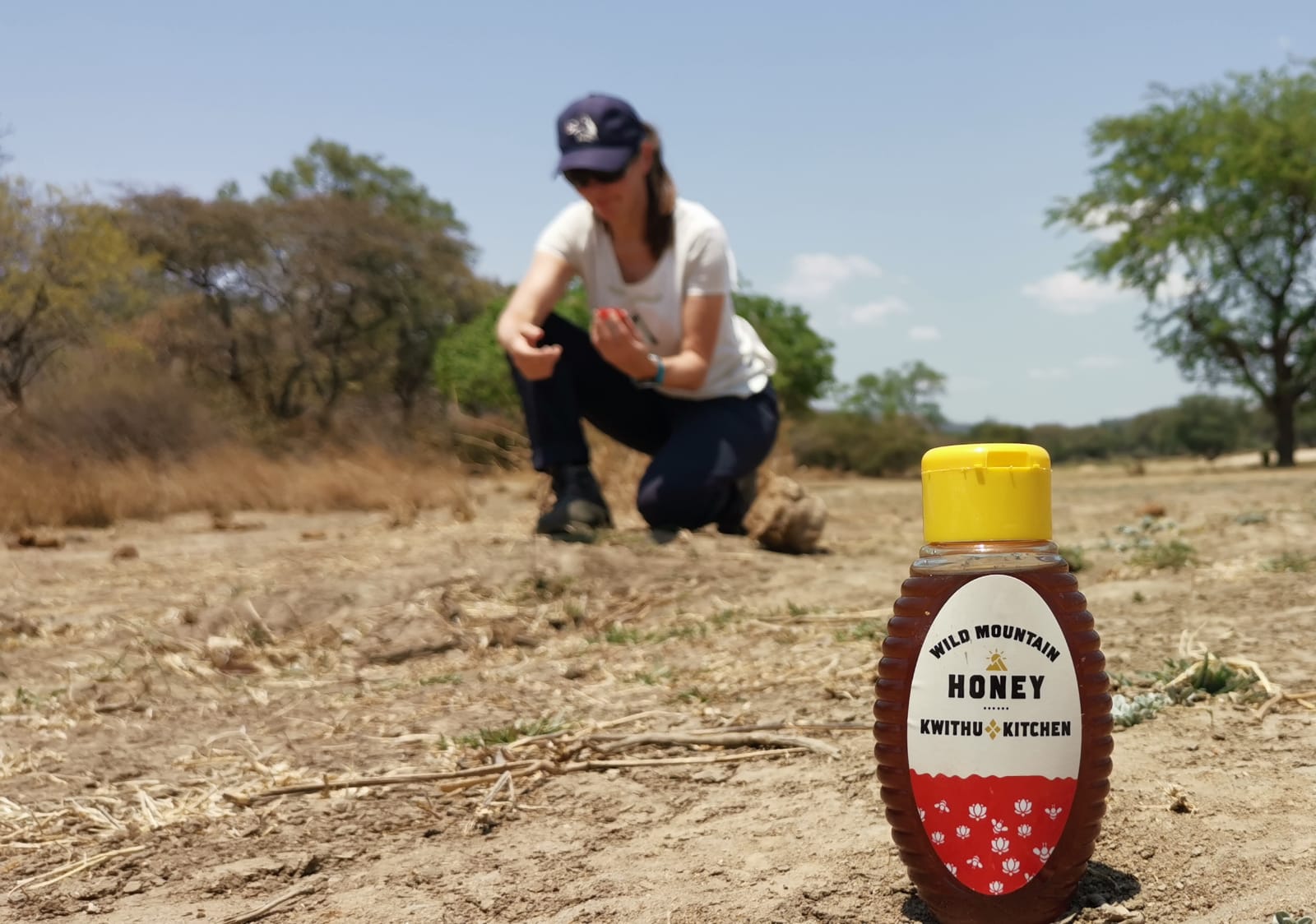
We also collect elephant dung. This is more fun and useful than it sounds. Measuring the diameter of fresh dung boli gives an analog of elephant age (we have a look-up table for this) and the contents of the dung, once sifted, cleaned, dried and analysed, tell us what the elephant has been eating. Our findings so far suggest that the elephants are not eating crops that are grown outside the nature reserve and so giving us a (tentative) happy conclusion that the reserve fence is doing its job and that human-elephant conflict is decreasing.
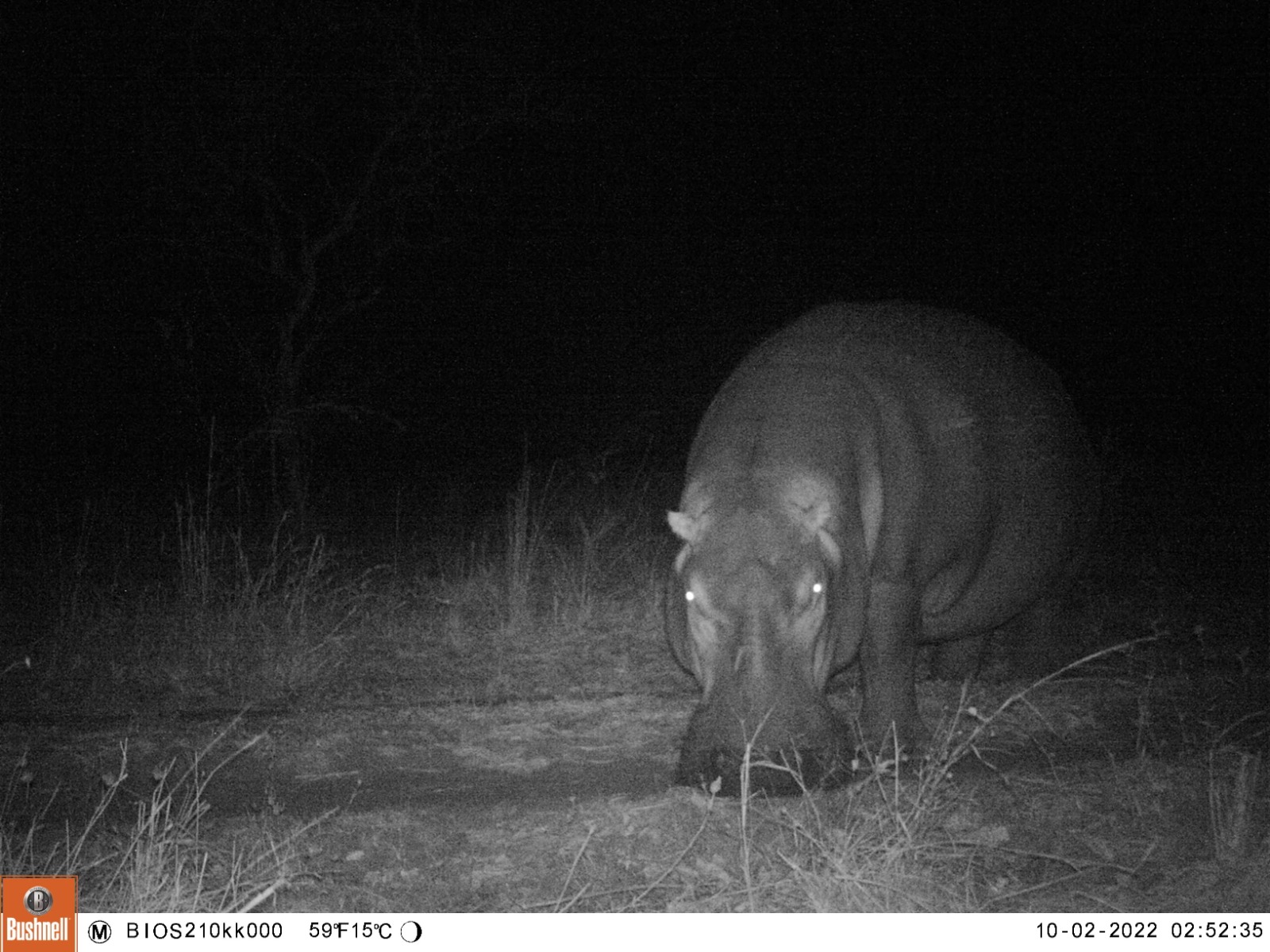
We have also collected the first set of photos from our 16 camera traps set up at strategic locations around our part of the reserve, giving us some evidence of the range of animals living here. Many of them are well known and expected, but it is no less thrilling to find images of hippos, elephants and antelope caught on camera, usually at night. Occasional photos of something more notable tend to bring about a shriek of excitement from whoever is sitting at a laptop diligently checking and cataloguing all the camera trap images. Our first haul of camera trap images have revealed good images of leopards, hyaenas, buffalo and porcupine.
We also look for animals at night, using spotlights from the back of a pickup, and in the daytime simply by looking around – and have been rewarded with sightings of crocodiles and a monitor lizard by the lake, a multitude of birds from eagles to canaries (alongside the ubiquitous screech of the Hadida ibis) and many pairs of eyes shining back at us at night. We have seen genets, mongooses and a couple of civets this ay. Pairs of eyes in the trees at night that suddenly jump a startling long distance are usually bushbabies, who can also entertain us with unnerving shrieks in the dark.
All in all the expedition team are doing brilliantly – they are very good at doing all of the research tasks (including sorting through countless ants on a petri dish to establish the potential good Pangolin diet). There is wistful talk around the campfire at sunset, about wanting to stay on for another week. And now, the rescue team has returned (the right number of people I note with some relief), all in good spirits with a story to tell and photos to share and the expedition continues.
As I write this, sitting in the cool of the dining area at base camp, some of our Malawi citizen scientists are watching – and counting – a large herd of elephants drinking at the lakeshore, another team is out on a hippo count walk and others are peering at and photographing ants through a microscope, sifting samples of elephant dung for seeds and logging camera trap photos. It is a happy, calm and efficient scene! The Malawi 2022 biodiversity expedition team is up to the task – following a few days of settling in, training and practice, they are getting on the research tasks with notable competence and conviction.
The elephant herd analysis is important project for the conservation scientists at LWT to understand and monitor herd composition and health. The hippo count, similarly, is needed to measure changes in hippo population over time. The ant research is all about working out which habitats provide the most suitable ants for pangolins (a highly endangered and much trafficked rare animal that is a frustratingly fussy eater). The elephant dung analysis will tell the scientists the extent of cultivated crops in the elephants’ diet: there is very real conflict between the elephants here and the communities that live in the adjacent land. The dung analysis will reveal whether the new fence between the reserve and the cultivated land is doing its job or not.
And in between all these research tasks, we have been enjoying spotting – or being bothered by – the local wildlife. Elephants and hippos are seen daily, with an almost regular visit by elephants herds walking across the river in front of base camp every afternoon. We have also had elephants calmly wandering through base camp at night, tearing at branches for food and not threatening us at all, so long as we just watch and enjoy. There are clearly many wild animals exploring around our camp every night, judging by the grunts, snuffles and shrieks heard in the small hours. Surely not all of these sounds come from the expedition team’s tents. Last night we heard hyaenas calling to each other. Our night drives and camera traps have also revealed a diversity of nocturnal animals – bush babies, genets, civets, owls and porcupines and more. Baboons are a constant, but fascinating nuisance at base camp and have to be chased away from our buffet breakfasts.
We have had some minor inconveniences – delayed baggage transfer, vehicle tracks blocked by trees pushed over by elephants, baboons stealing our food – but the expedition is going superbly so far and we expect to continue to hard work collecting good field data and enjoying the ever-changing encounters with wild animals, for the rest of this Malawi African wildlife volunteer expedition.





































































 Biosphere Expeditions: blogs from the frontline of wildlife conservation and the fight for a more sustainable planet