Volunteering Abroad for Wildlife Conservation: What Should You Expect?

4 people looking at a herd of elephants at sunset
Elephants right outside our camp while volunteering in Malawi

Are you thinking about volunteering abroad and interested in wildlife conservation?

Whether you want to help monitor whales, survey coral reefs, or support wildlife researchers in remote national parks, these volunteer projects offer the chance to contribute to real conservation work while experiencing a destination in a much deeper way.

But, volunteering abroad is very different from a typical holiday.

In this article I’ll walk you through what wildlife volunteering actually involves, what daily life looks like, and how to know if it’s the right fit for you.

Continue reading “Volunteering Abroad for Wildlife Conservation: What Should You Expect?”

South Africa: Expedition with Dr Alan Lee returning in 2026

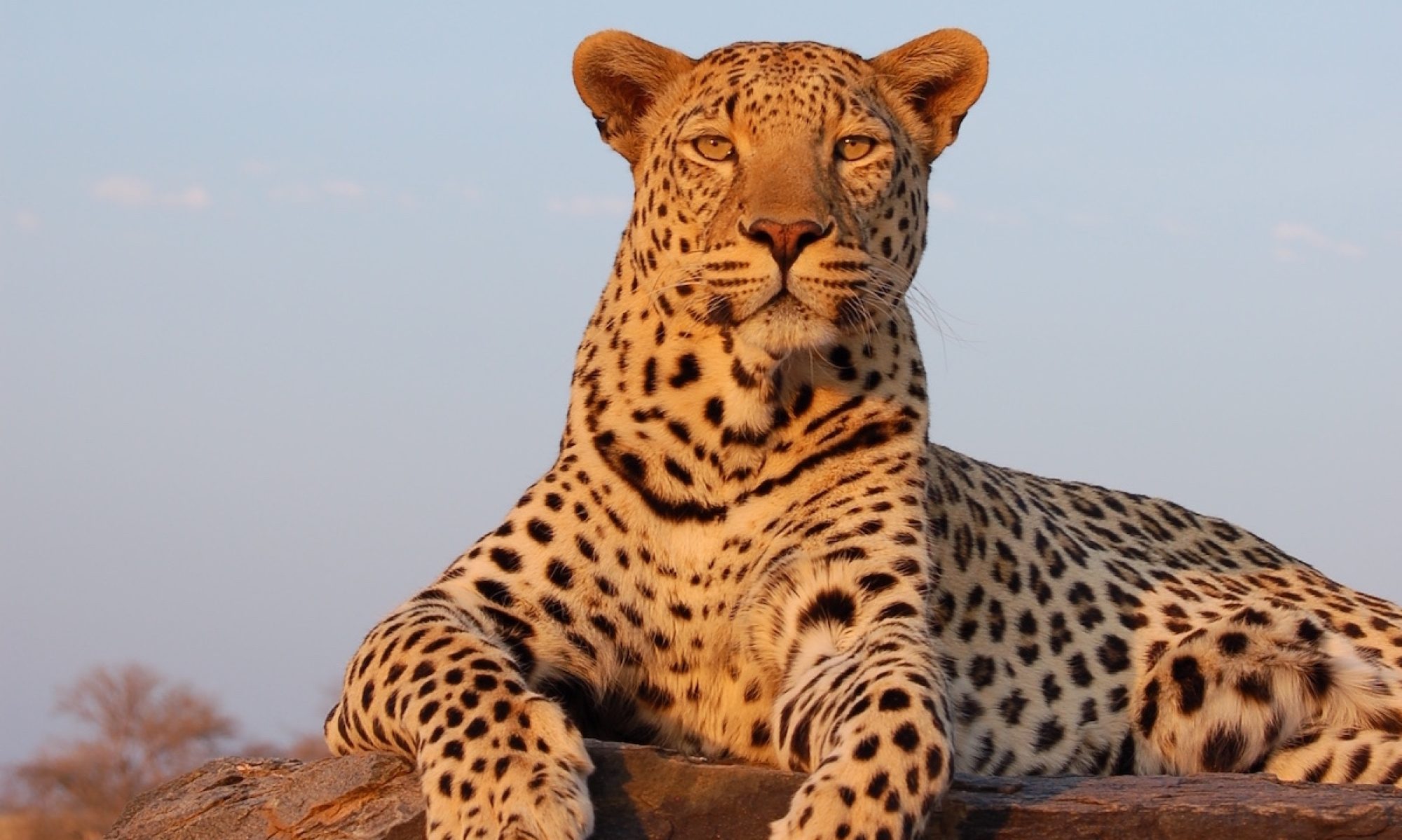
We are delighted to once again collaborate. with Dr. Alan Lee as the expedition scientist. After successful expeditions with him to the Peru Amazon from 2011 to 2016 and South Africa from 2015 to 2017, we will be back with him in his native South Africa on an expedition entitled “Much more than just leopards: Surveying biodiversity in the Cape Floral Kingdom of the fynbos mountains of South Africa.”

Dr. Alan Lee

This expedition will focus on documenting biodiversity in the western Baviaanskloof wilderness area, with a particular focus on threatened and elusive Endangered mammals such as the riverine rabbit and Cape leopard, as well as birds and other fauna recorded through Coordinated Avifaunal Roadcount (CAR) transects. The work supports long-term monitoring obligations within the Cape Floral Kingdom (fynbos), a UNESCO World Heritage Site renowned for its exceptional biodiversity.

Continue reading “South Africa: Expedition with Dr Alan Lee returning in 2026”

Maldives: Hope

Update from our Maldives coral reef and whale shark expedition

We have found some hope in the gloom. The last reef we assessed, was – in the words of Simon, our expedition scientist – “what a reef should look like”. Great coral cover, quite a few fish, almost no bleaching and very little coral disease. So the expedition ended on a high, as well as some outstanding karaoke, especially from the crew, who had some impressive dance moves in store.

In between the weather tried to thwart us, but we are undeterred, dodging and weaving the squalls, laughing at the sheets of rain and delighting in the sunshine.

We checked lots of reefs like clockwork. And this is exactly what makes an expedition: a journey with a purpose. Our purpose was assessing reef health, revisiting sites and continuing to add to what is now an impressive 12-year database.

Thank you, expeditioners – none of this would exist without you. We hope we also brought some clarity to your own purpose and thinking during what was an all-round very successful expedition.

Continue reading “Maldives: Hope”

Maldives: Sickness & Health

Update from our Maldives coral reef and whale shark expedition

Group 2 is now also qualified – well done – and checking those reefs.

The stories are as mixed as has been the weather. There are some quite healthy reefs and some that are sick.

Fish are scarce, especially grouper, because there is immense fishing pressure due to (over)tourism and a very active grouper fishery that sells them off as food fish, mainly to Hong Kong as live fish for restaurant aquariums there.

Continue reading “Maldives: Sickness & Health”

Maldives: Round 2

Update from our Maldives coral reef and whale shark expedition

Here we are back again with a smaller, but equally keen group 2.

The weather has turned and it’s more windy, greyer and rainy now. But underwater it’s wet anyway.

We’ve done our check-out dive and are well into our training sessions now. Lectures, pointy dives and fish test today. The proof will be in the pudding.

Continue reading “Maldives: Round 2”

Maldives: Stable recovery

Update from our Maldives coral reef and whale shark expedition

Group 1 has checked all the reefs on its schedule, well done!

All were repeat surveys to track reef health and development over the years, one of the great advantages of citizen-scientist-funded expeditions, which can fund projects sustainably and reliably for many years (since 2011 in the case of the Maldives), generating long-term datasets that result in many insights and scientific publications.

None of this would happen without the many, many citizen scientists over the years who come to fund and help with this research and conservation work. Thank you!

Continue reading “Maldives: Stable recovery”

Malawi: Expedition achievements

Update from our Malawi expedition volunteering with elephants, hippo, cats, pangolins and African biodiversity

The 2025 Malawi Expedition has now finished and I am happy to reflect on another successful expedition, with a great group of expeditioners, some memorable highlights and a lot of good research data collected.

This is an expedition with multiple research projects: elephant herd observations, hippo transects, elephant dung analysis, camera trap survey, night transects, bird transects and an iNaturalist project, which gives a record of all interesting species spotted opportunistically.

We have done well on all of these and uploaded a large set of data for the expedition scientist to analyse and write up.

A provisional summary of some of what the 2025 expedition has achieved:

Continue reading “Malawi: Expedition achievements”

Malawi: Leopard and more

Update from our Malawi expedition volunteering with elephants, hippo, cats, pangolins and African biodiversity

Vwaza continues to deliver amazing flora and fauna, with some great results on our second round of camera trap checks.

We have now finished collecting data and we are working through the collation of our bird and hippo transects, elephant spotting, elephant ID and dung analysis.

This year we have updated a number of our elephant profiles and added a few new ones.

Continue reading “Malawi: Leopard and more”

Malawi: Camera trapping

Update from our Malawi expedition volunteering with elephants, hippo, cats, pangolins and African biodiversity

Camera traps are a vital tool in our data collection efforts. Vwaza has many species that we see during the day and we can record from our own visual observations. But at night the forest and lakeside are teeming with life that we would not necessarily pick up. 

The expedition team set up 25 camera traps and serviced them halfway through the expedition. Some were unsuccessful – a stray  branch can trigger the motion sensor and we had one knocked off by a passing elephant. The others provided some exciting photos of porcupine, cape hare, civet and serval appear. No big cats yet.

This is an update from our Malawi volunteer expedition. You can find an overview of all our current expeditions here.

Malawi: Buffalos and soccer balls

Update from our Malawi expedition volunteering with elephants, hippo, cats, pangolins and African biodiversity

We’ve been here in Vwaza for 10 days and on our travels we’ve observed buffalo tracks on a daily basis, but not seen one. Until yesterday when we had two teams out servicing our camera traps (more on those once we’ve processed the photos). Both encountered buffalo, with one team estimating the herd size at over 160. A great find.

Vwaza also has a number of antelope species, the most common being impala and kudu. There are also spotted bush bucks and puku. This morning we added roan to our list, a rare and exciting addition.

Our hippo transects continue to provide large amounts of sightings, with yesterday’s count exceeding 100 animals. We haven’t seen our elephant herd today, but we are working hard on updating our elephant identification sheets.

On Saturday – our day off – we went to the local town and were invited to Kizuni Primary School, where gifts from our expeditioners went down a treat, especially footballs brought by Louise sponsored by her local Canadian soccer team. We declined the offer of a game 😉

Continue reading “Malawi: Buffalos and soccer balls”