Kenya: Smooth going

Update from our Africa volunteer project working on the Big Five and biodiversity in the Maasai Mara of Kenya

The Kenya expedition is at full speed and the data are coming in thick and fast. The mornings start with crisp cool air, blue skies and the now familiar Kenyan dawn chorus. As the heat rises, clouds build through the day, usually culminating in a raucous mid-afternoon thunderstorm. The weather has settled into a pattern and so have we in group 3.

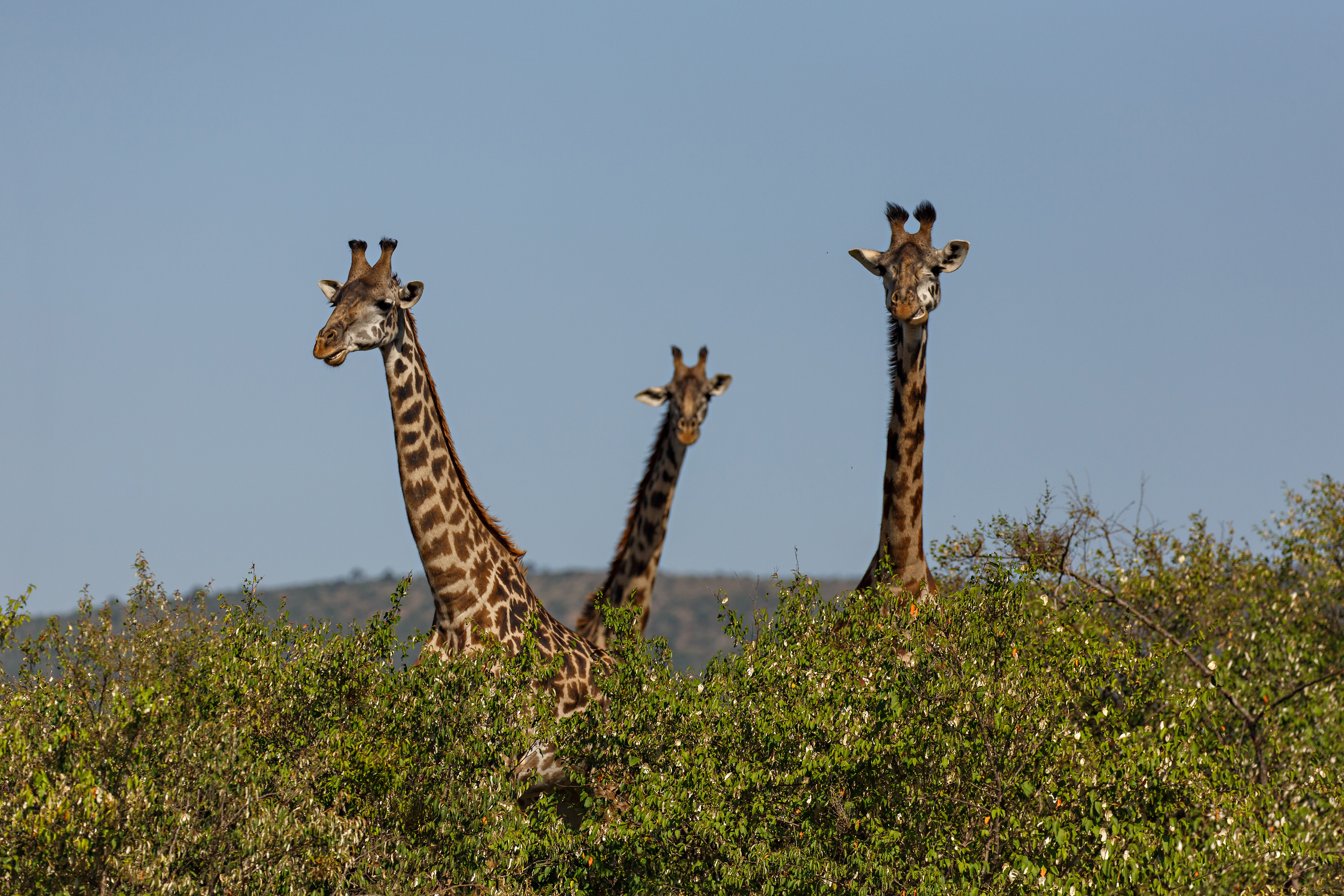
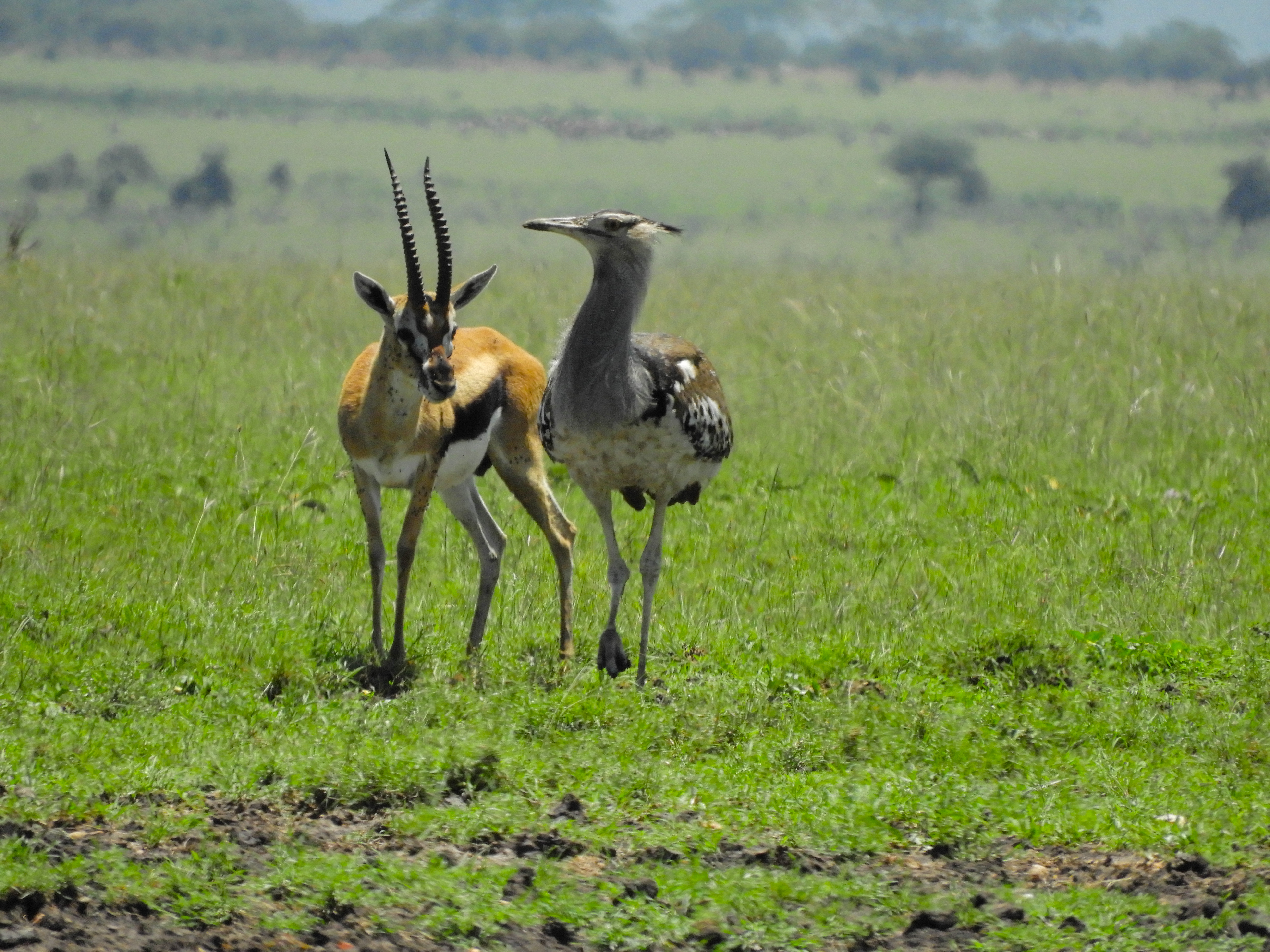
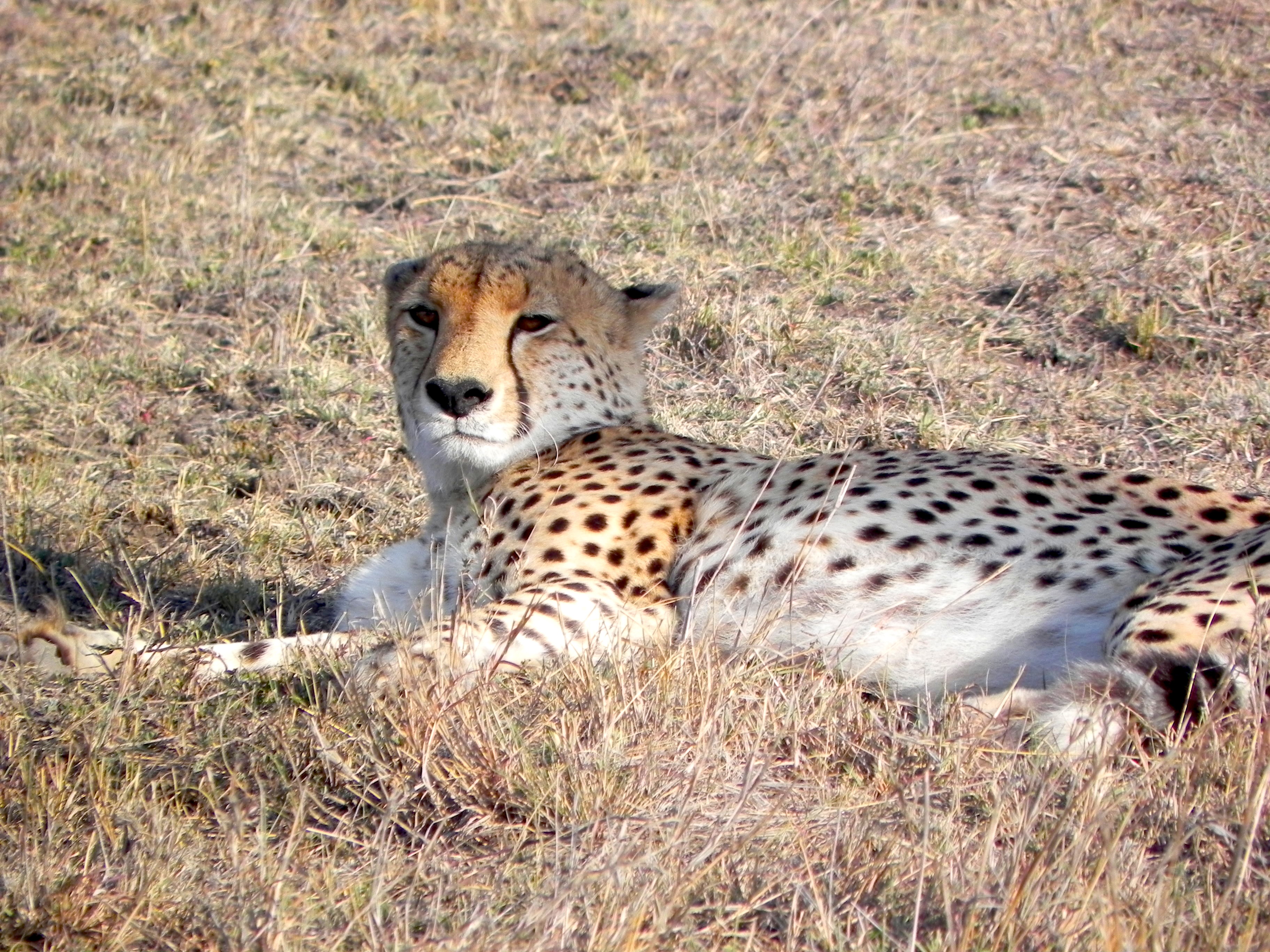
Biodiversity is one of the key features of the Maasai Mara, with its varied landscape, from grassy plains to forested areas, providing habitats for a diverse range of species including over 95 species of mammals and 500 species of birds. We have been busy mapping this biodiversity through vehicle transects, foot patrols and camera trapping. Group 3 have been fortunate to record cheetahs, lions, bush pigs, bat-eared foxes, elephants and mongoose amongst the usual ungulate crowd. We have some very keen birders that have been busy spotting and identifying birds for our raptor mapping project and we have had sightings of secretary birds, bateleurs, ostriches and an array of eagles and buzzards.

We have also had reports of animals dying without any clear sign of injury including three zebras in a 24 hour period. We have spoken to local people and rangers, but we don’t have a clear consensus on the cause yet. We have been busy setting up camera traps to collect more information.

As we enter the second week of group 3 we have a full and busy schedule ahead of us. We are continuing with our usual day-to-day data collecting alongside making plans for our local education day on Wednesday. So all well here and things going well.
Continue reading “Kenya: Smooth going”

Kenya: Transition

Update from our Africa volunteer project working on the Big Five and biodiversity in the Maasai Mara of Kenya

Group 3 have arrived in the Mara, and with them – the rain! The past few weeks have been hot and dry with siestas becoming a necessity in the midday sun. The grass had become yellow and scorched from the heat and the plains were beginning to turn to dustbowls. We are excited to witness the transformation of this habitat and the changes in animal behaviour that go along with this. This change in the weather has happened in line with annual expectations, which is a blessing in these challenging and changing times for our planet, where disruption to weather patterns is the new norm.

We have been busy since arriving at base on Sunday with 4×4 driving, scientific equipment, navigation and project methodologies on the training agenda. The driver training and practice transects gave our new citizen scientists a taste of the local area and wildlife and there is a great buzz of excitement around camp at the moment. Everyone is eager to get out into the field and put these newly learned skills into practice.

Today saw our second expedition birthday, Isabelle has been demanding that we make elephants and lions appear, but this seems to be beyond even the Biosphere Expeditions and Wild Hub teams! We celebrated with a team dinner followed by birthday cake, this time the German contingent made up for the disappointment of last week with a rousing rendition of “Zum Geburtstag viel Glück” and the French delegation delighted us with “Joyeux Anniversare”. We finished the day with a screening of The Elephant Queen, a fitting end to the day with a poignant reminder of the importance of the stability of wet and dry seasons.

Continue reading “Kenya: Transition”

Kenya: Half way

Update from our Africa volunteer project working on the Big Five and biodiversity in the Maasai Mara of Kenya

Group 2 have made their way to Nairobi for their onward travels. Thank you for your hard work and dedication over the past 12 days. Roland and Rebekah are happy with the quantity and quality of data that’s been collected and it has been a productive expedition. The methodologies that are now well established, along with the output from citizen scientists, has all contributed to this success.

Here are some headline data that outline the hours of hard work put in by group 2: 11,469 total animals recorded

184 raptors and endangered birds recorded including 70 tawny eagles

8331 mammals recorded on 23 vehicle transects with a total distance of 243 km including sightings of lions, cheetahs and elephants

7 foot patrols completed, recording 71 samples of scat and 38 of footprints

2 x 14 hour waterhole observations with 2617 observations in total – these sightings were predominantly domestic as we establish baseline data for Mbokishi

337 iconic species/interesting animal activity recorded including jackals hunting gazelle and cheetah feeding on impala – our first sighting of a honey badger was recorded whilst on a night drive

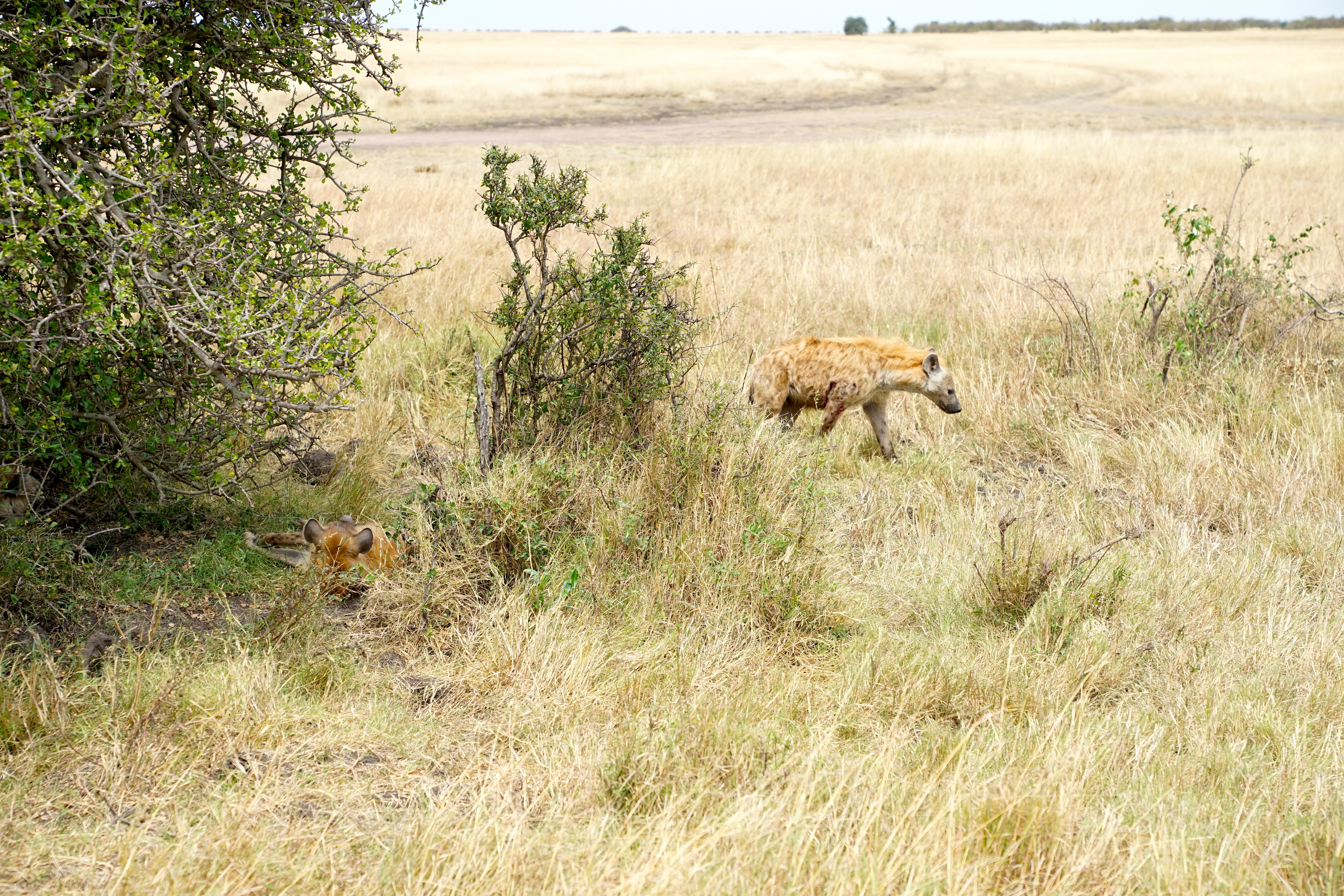
15,950 pictures captured by camera traps and many hours spent poring over the data led to records of bush pig, leopard, hyaena, vulture and white-tailed mongoose

Group 3 – rest up and enjoy the luxury in Nairobi before we get stuck into science work and long hours on Sunday!

Continue reading “Kenya: Half way”

Kenya: Animals, for real

Update from our Africa volunteer project working on the Big Five and biodiversity in the Maasai Mara of Kenya

The days in the Mara have been full of activity, the citizen scientists have been busy collecting data and scientist Roland has finally been able to see that there are a great and diverse range of animals here that exist in the real world and not just on spreadsheets. The Cybertracker app has been optimised and is now working well across the five different projects we are using for our animal mapping.

We have completed two waterhole observations of 14 hours each – the first had to be moved due to a lack of water (apparently this is an essential component when observing waterholes). The second observation was in Mbokishi – a new conservancy where the wildlife is yet to flourish. This apparent lack of wildlife led to some ”interesting” sightings from tired eyes – 113 ostriches? Baby crocodiles (actually tortoise)? These waterhole observations – although low in sightings – are vital in order to generate a baseline of data to show the progress being made here in the coming years.

Monday saw the first expedition birthday, we all joined together to sing happy birthday for Alistair and to share a delicious homemade cake. After the shameful refusal from the German contingent to sing “Zum Geburtstag viel Glück” to the birthday boy, the staff at the Wild Hub performed an entrancing song and dance for us all instead.

The weather has been hot and dry with temperatures reaching into the mid 30s and not a drop of rain for the past week. The ground is becoming sun-baked and yellow and we are all hoping for some relief to these conditions soon. The electricity and Wi-Fi have been temperamental, to put it nicely, but overall the expedition is running smoothly and we are working as a strong unit to continue with the essential science.

Continue reading “Kenya: Animals, for real”

Kenya: Camera trapping

Update from our Africa volunteer project working on the Big Five and biodiversity in the Maasai Mara of Kenya

We have been reaping the rewards of the hard work put in over the past weeks with several successful hotspot camera trap placements. One camera trap was retrieved from a location that had been suggested by local rangers, where we captured genet, hippo, giraffe (lower half), baboon, hyaena, dik dik and civet.

In Mbokishi we discovered the carcass of a hyaena by the transect line. This hyaena was purported to have been killed by a lion – along with two cattle in the local area, although there was no evidence on the hyaena to suggest this to be the case. A camera trap was placed at this site and over the first night there were visits from white-tailed mongoose and jackal. We visited the site again the next day: the carcass was still there, in a worse state, in a cloud of flies and stench. We took the opportunity to add a second camera trap – set to record video – and we will see what interest the carcass attracts over the coming days and nights.

A camera trap set up at an elephant carcass saw a group of hyaena spend over three and a half hours working their way through the skeleton and remains. Hyaena are such vital part of the ecosystem and help to prevent the spread of disease and bacteria. Strangely, there were no other visitors for the next ten days.

We have also been hard at work servicing the permanent camera trap grids in Ol Chorro and Enonkishu and have so far serviced nine of these permanent cameras with over 3,000 images to sift through.

Continue reading “Kenya: Camera trapping”

Kenya: Cheetahs and lions

Update from our Africa volunteer project working on the Big Five and biodiversity in the Maasai Mara of Kenya

After what felt like an eternity in isolation, it is great to meet the new citizen scientists and get stuck into the work we are here to do. Roland stepped up to the plate admirably in my absence and is owed at least a few bottles of Tusker to say thank you. The staff at the Wild Hub, Rebekah and Stanlynn have also worked hard to keep things running smoothly and it is much appreciated. I will nominate you all for an O.B.E. (Order of Biosphere Expeditions) in Kaiser Hammer’s new year’s honours list.

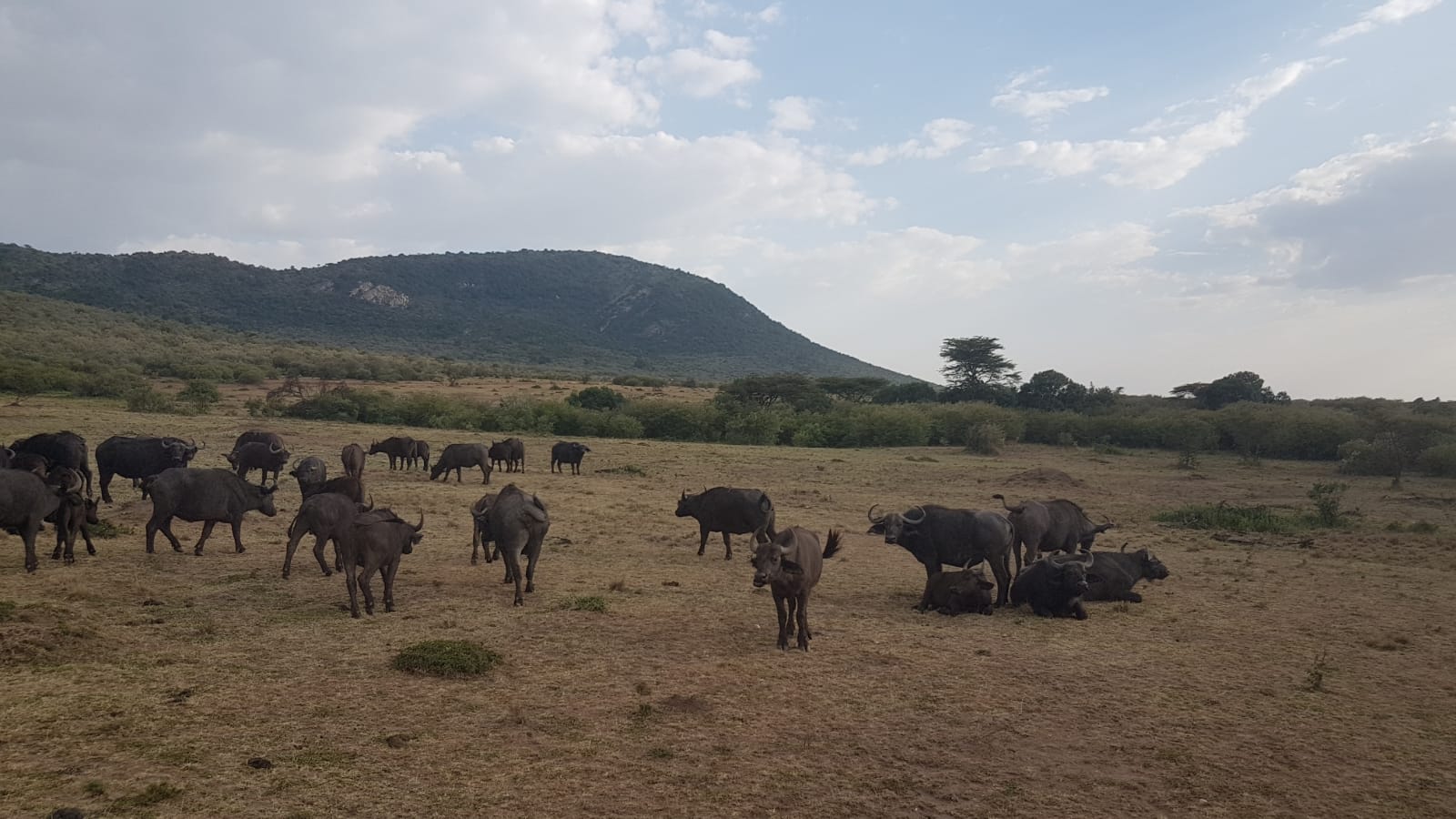
We have picked up where group 1 left off and after two days of training have completed our first transects in Enonkishu with everyone taking turns at the different processes in order to gain experience. There were sightings of giraffe, zebra, hippo, buffalo, impala, gazelle, wildebeest and our first sighting of cheetah. Not bad for the first morning!

Back at the expedition base, we have had to introduce some new protocols due to the presence of lions in the area. A lioness killed a warthog in the garden of the manager’s house at base there were reports of a lion kill again last night. We are being cautious in our approach, however, it is worth noting that lions are not naturally aggressive towards humans in nature unless provoked, protecting their young or when food is scarce. There are no reports of young in the area and food is currently abundant, so with a little common sense, the risks are low.

We also placed three camera traps near by the warthog kill and Adam (one of the managers here) has edited a short video documenting the comings and goings of the local wildlife (see below).

Continue reading “Kenya: Cheetahs and lions”

Kenya: Trail blazed

Update from our Africa volunteer project working on the Big Five and biodiversity in the Maasai Mara of Kenya

Group 1 left on Friday with Roland driving a small contigent to Mulot, others making their way to the Maasai Mara for safari and still others choosing to fly from the local airstrip. The first leg of this expedition has passed in the blink of an eye and group 1 have left big boots to fill for the upcoming groups.

Below are some headline data that outline the hours of hard work put in by our first group:

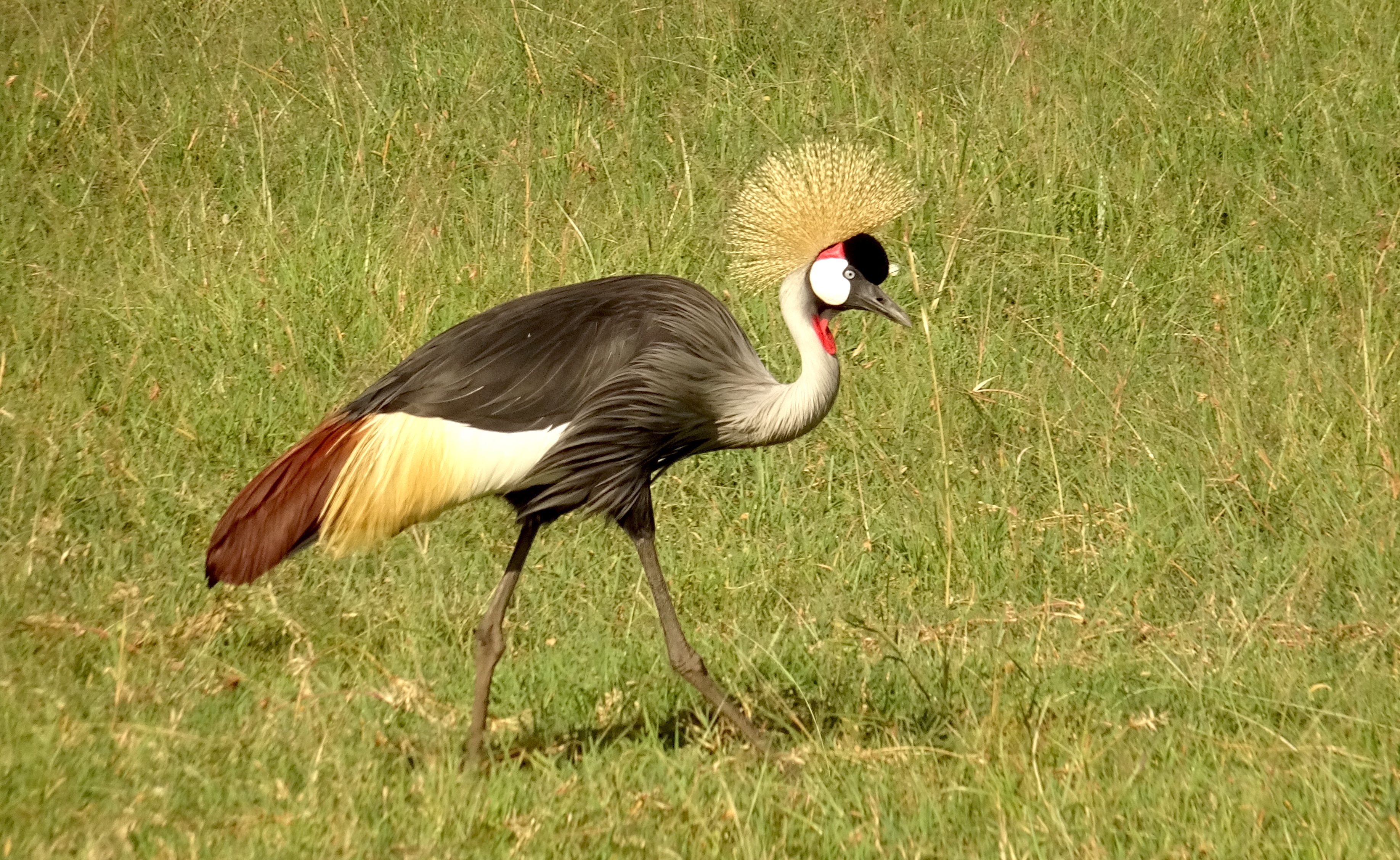
  • Over 10,000 total animals recorded. 164 raptors and endangered birds recorded in 79 sightings including 28 grey crowned cranes in one sighting.
  • 9572 mammals recorded on 14 vehicle transects with a total distance of 260km.
  • 9 foot patrols completed recording scat including samples of aardvark and jackal scat plus footprints of elephants and hippos were photographed close to human settlement.
  • Two 14-hour waterhole observations with hyaenas, civet and lots of zebras, buffaloes and giraffes.
  • 308 iconic species recorded whilst not on transect (lions, leopards and elephants among others).
  • 6 hotspot cameras placed in locations with good chances of recording charismatic species.
  • Countless hours spent by Roland hunched over a laptop like a mad scientist, tweaking and perfecting the Cybertracker app and ironing out the quirks found on individual phones so that we can collate these data.

Group 2 – we look forward to meeting you and get stuck into the science all over again. We are set up to welcome you and the sunsets promise to put on a display. See you tomorrow.

Continue reading “Kenya: Trail blazed”

Kenya: Educational day

Update from our Africa volunteer project working on the Big Five and biodiversity in the Maasai Mara of Kenya

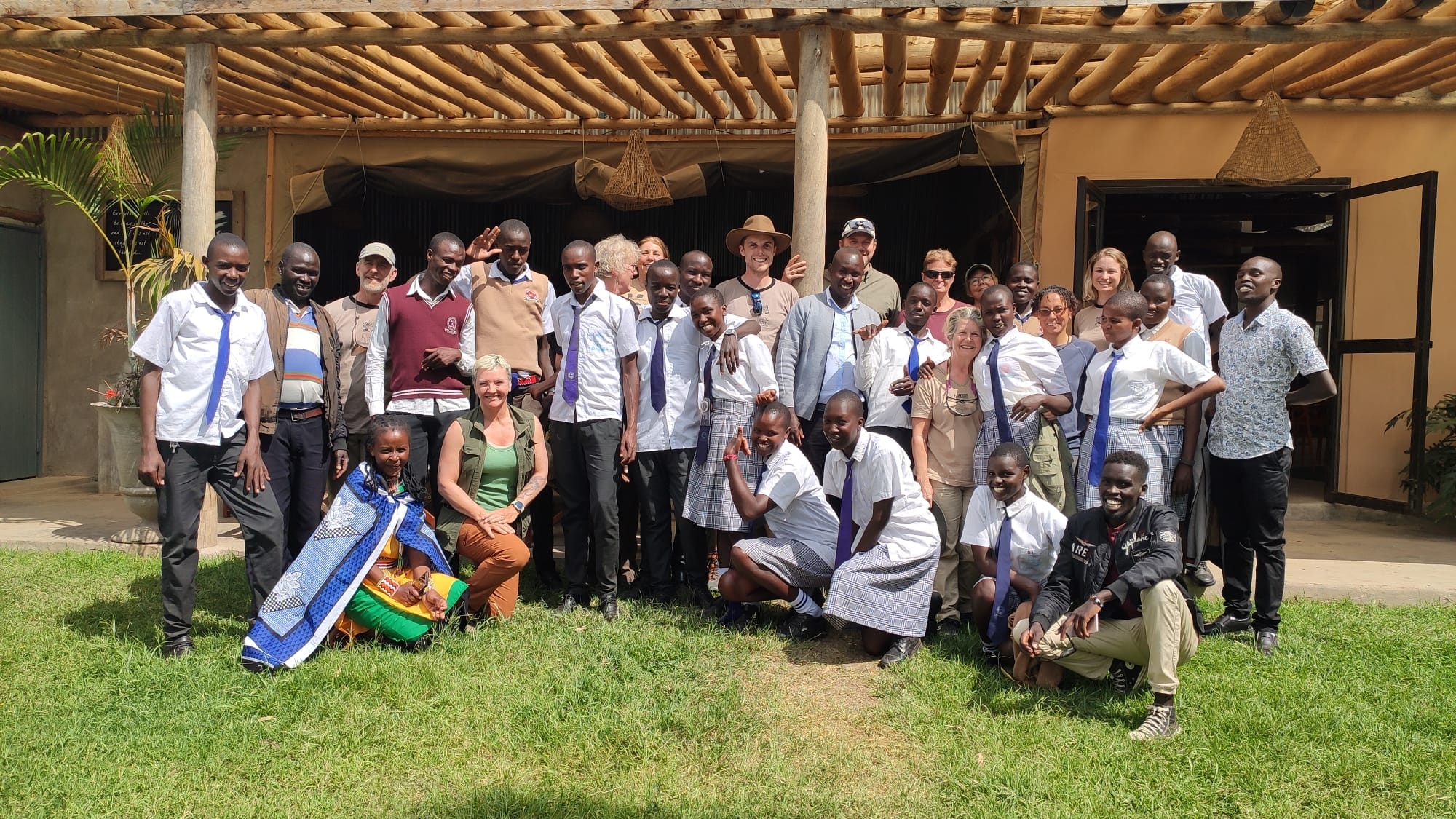
Wednesday saw the first local school education day of the Kenya 2023 expedition. We spent Tuesday afternoon planning the day and group 1 had some great ideas with activities planned to engage the students including discussions around human-wildlife conflict and poaching, hands-on demonstrations of scientific equipment and the processes we use to collect data.

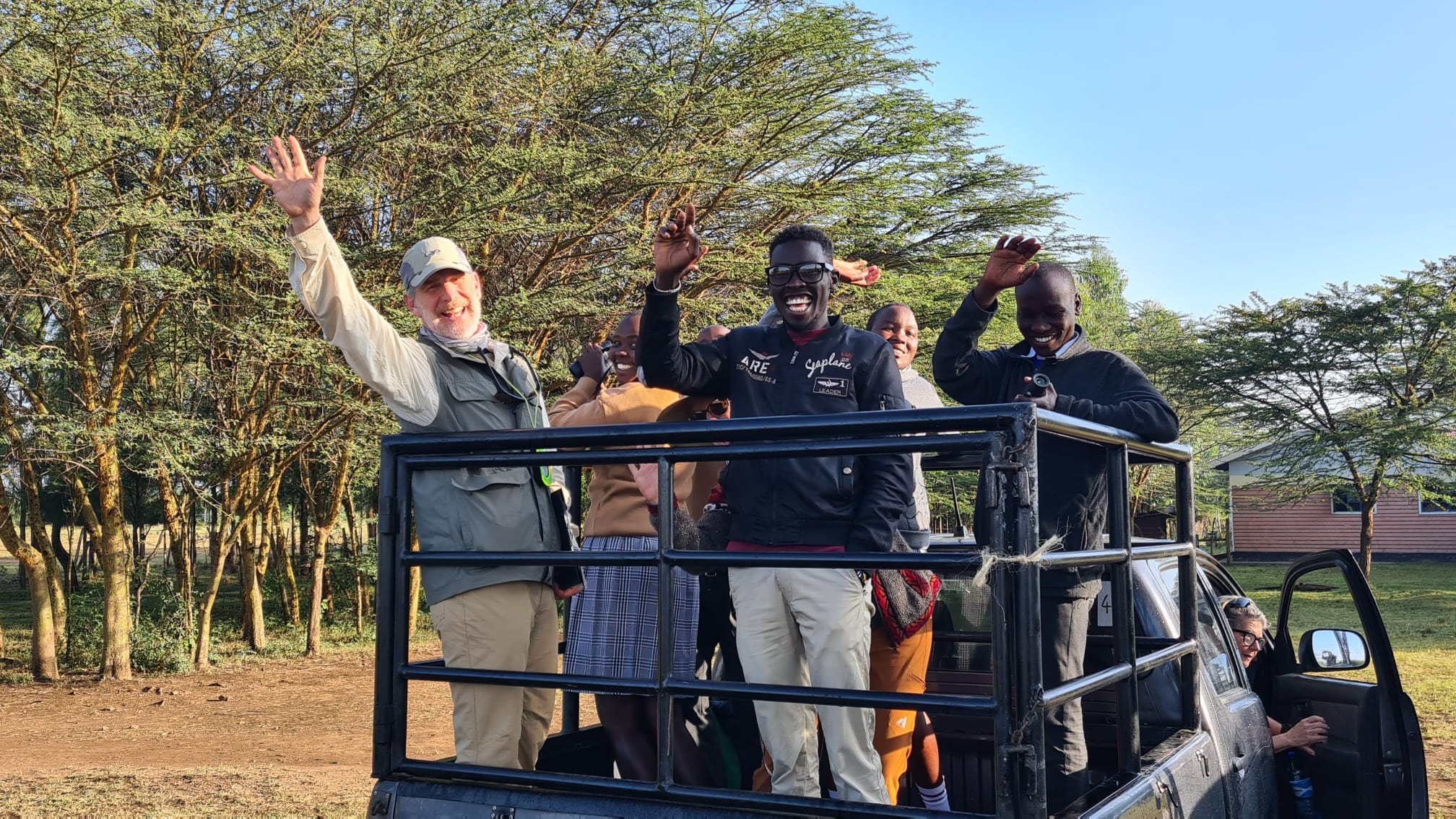
The students were split into four groups named the Lions, Hippos, Elephants and Crocodiles. These names were chosen specifically as they are among the most prominent in terms of human-wildlife conflict. The morning was spent visiting the school in Emarti and meeting the excited students and teachers before heading into the conservancy for a game drive. This experience was eye-opening for us, as the vast majority of the students had not encountered the animals that live right on their doorstep. When we sighted a herd elephants, it was an emotional moment for the students and citizen scientists alike, many united in spotting their first elephants in the wild.

After lunch, the citizen scientists took the opportunity to explain the reasons drew them to visit Kenya and the Maasai Mara and offered insights into their home countries – many with stories of historic poor conservation and loss of wilderness. The students were especially interested in hearing about our lives back at home and everyone was happy to share photos and stories! After lunch (with the chefs continually trying to keep the buffet table topped up!) there were discussions around the relationships between humans and wildlife and the students offered their perceptions on the animals the four groups were named after. This was particularly insightful and provoked lively discussions between the students, citizen scientists and teachers. The citizen scientists were able to share their joy and enthusiasm for the sheer magnitude of biodiversity within Kenya with the students and teachers balancing the discussion with local concerns and conflicts.

Before the last activity there was a short talk and activity from Jane with everyone planting a tree and then onto the last activity – a gadget-filled hunt for camera traps placed nearby. After a short training session on compasses, GPS units and rangefinders, the students were given the clues to locate the camera traps. This activity was a hit and the students were enthralled and engaged throughout. Sadly for everyone this was the end of the day and time to return to Emarti school with full hearts and big smiles.

Continue reading “Kenya: Educational day”

Kenya: Elephants and lergy

Update from our Africa volunteer project working on the Big Five and biodiversity in the Maasai Mara of Kenya

As the team emerged from the adventures of their day off on Saturday with tales of lions feeding on zebras, close encounters with white rhino and sunsets over hippo-laden watering holes, Covid has reared its ugly head once again. We currently have two people isolating, the rest of the team have adjusted and adapted where necessary. For the most part it is business as usual. The staff at base are doing a great job of keeping everyone fed and assisting the expedition team.

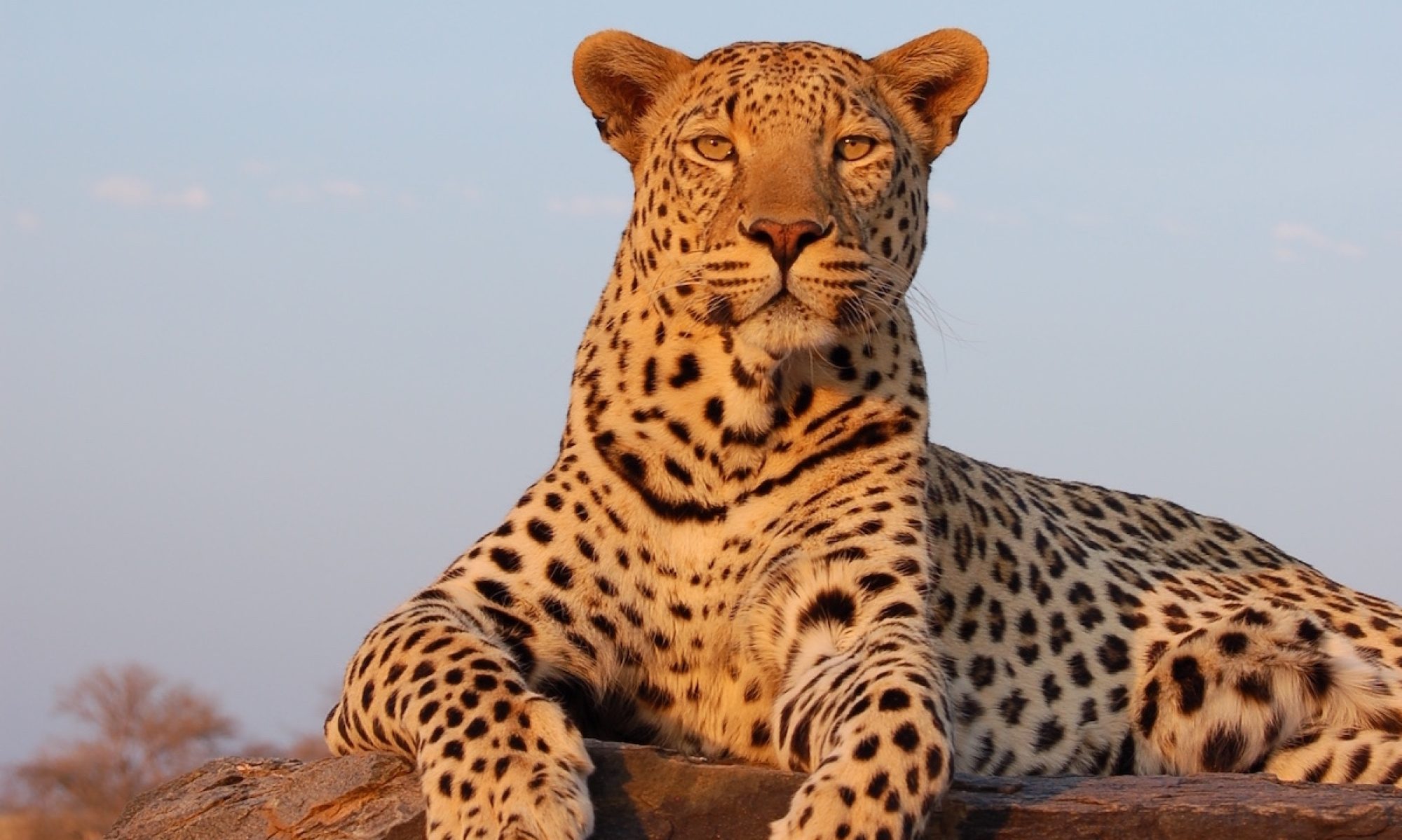
Outside of the camp, we have continued with our prolific collection of scientific data. We have had teams completing foot transects in Mbokishi and Ol Chorro, vehicle transects in Enonkishu and camera traps placed in areas of interest (known as hotspots). We have placed a camera trap in an area said to be frequented by leopards and we are hoping to catch a glimpse into the life of these secretive creatures. With any luck we will have some photographs to share with you soon. We have also assisted our local rangers with the servicing of the permanent camera trap grids within the conservancies.

Sightings of special interest have continued to come in with our first elephants spotted during a transect, alongside reports of leopards, lions, civet cats, hyaenas, waterbuck, giraffes, zebras and a plethora of birds and ungulates.

So our expedition does, what an expedition does. Pursuing a purpose and coping with lost bags, delayed flights, broken down vehicles and now Covid as part of the adventure and expedition life.

Continue reading “Kenya: Elephants and lergy”

Kenya: Groove

Update from our Africa volunteer project working on the Big Five and biodiversity in the Maasai Mara of Kenya

We’re in the groove – more or less. Vehicle transects have been driven, foot transects walked, rangers introduced to our Cybertracker data recording app, with some taking to it like ducks to water and others less so. We have also checked camera traps (results later), where we could find them, been on night drives (for fun and a bit of data recording) and started waterhole observations, which presented their very own set of challenges (see below) 😉

We’ve recorded lions, hyaenas, civets, giraffe, topi, dik-dik, duiker, zebra, buffalo, impala, waterbuck, eland and much more. Cheetahs have been seen in the study site, but not yet caught during the surveys. The elephants are making themselves scarce and are elsewhere in the Mara. The leopards are elusive, as they tend to be.

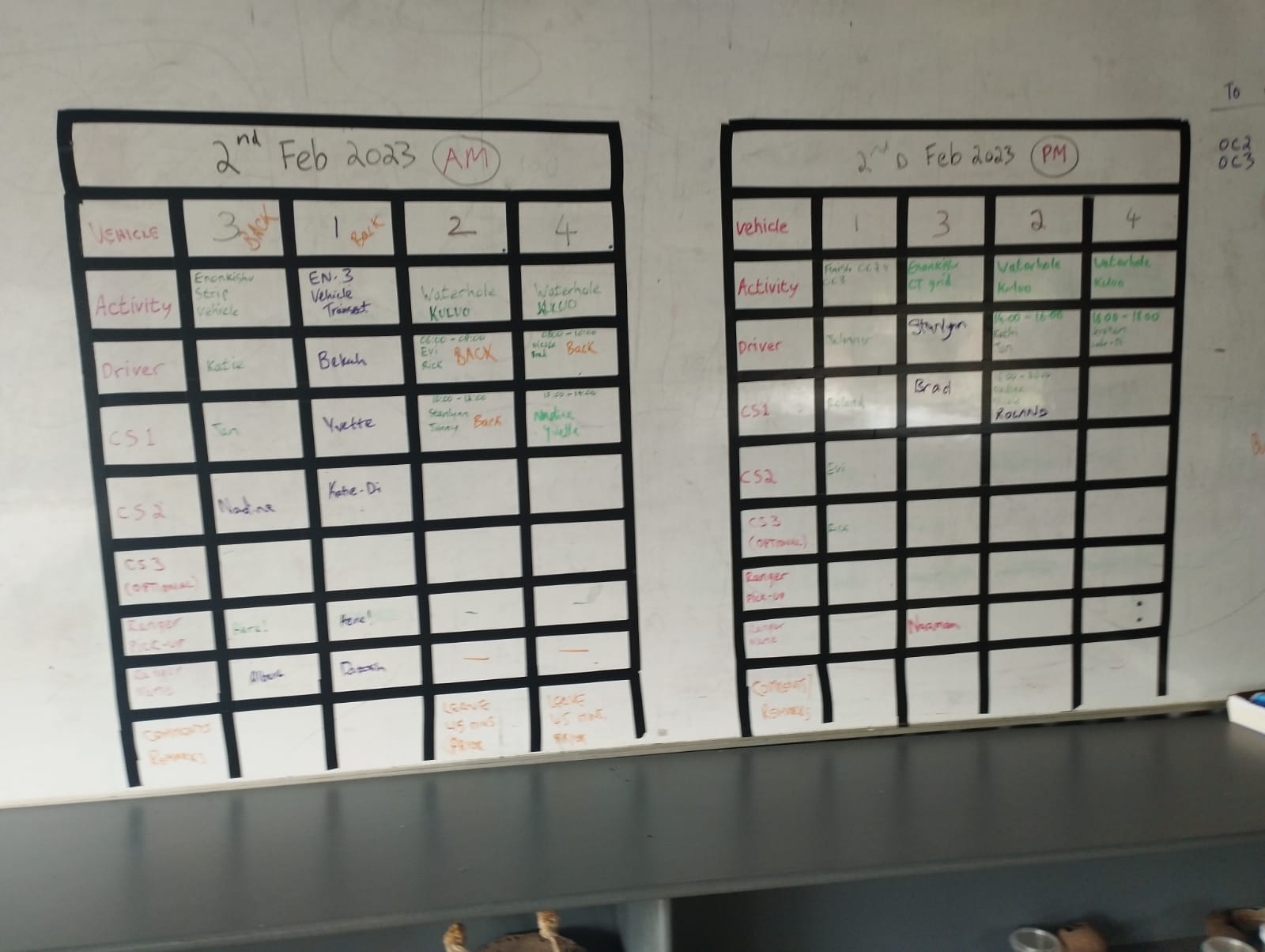
The first star of the expedition has been awarded for Germanification of the daily activities grid.

Roland has put in a heroic effort to get the Cybertracker data transfer working reliably. The team continues to work hard and diligently, so the data are flooding in, putting a smile on Rebekah’s face.

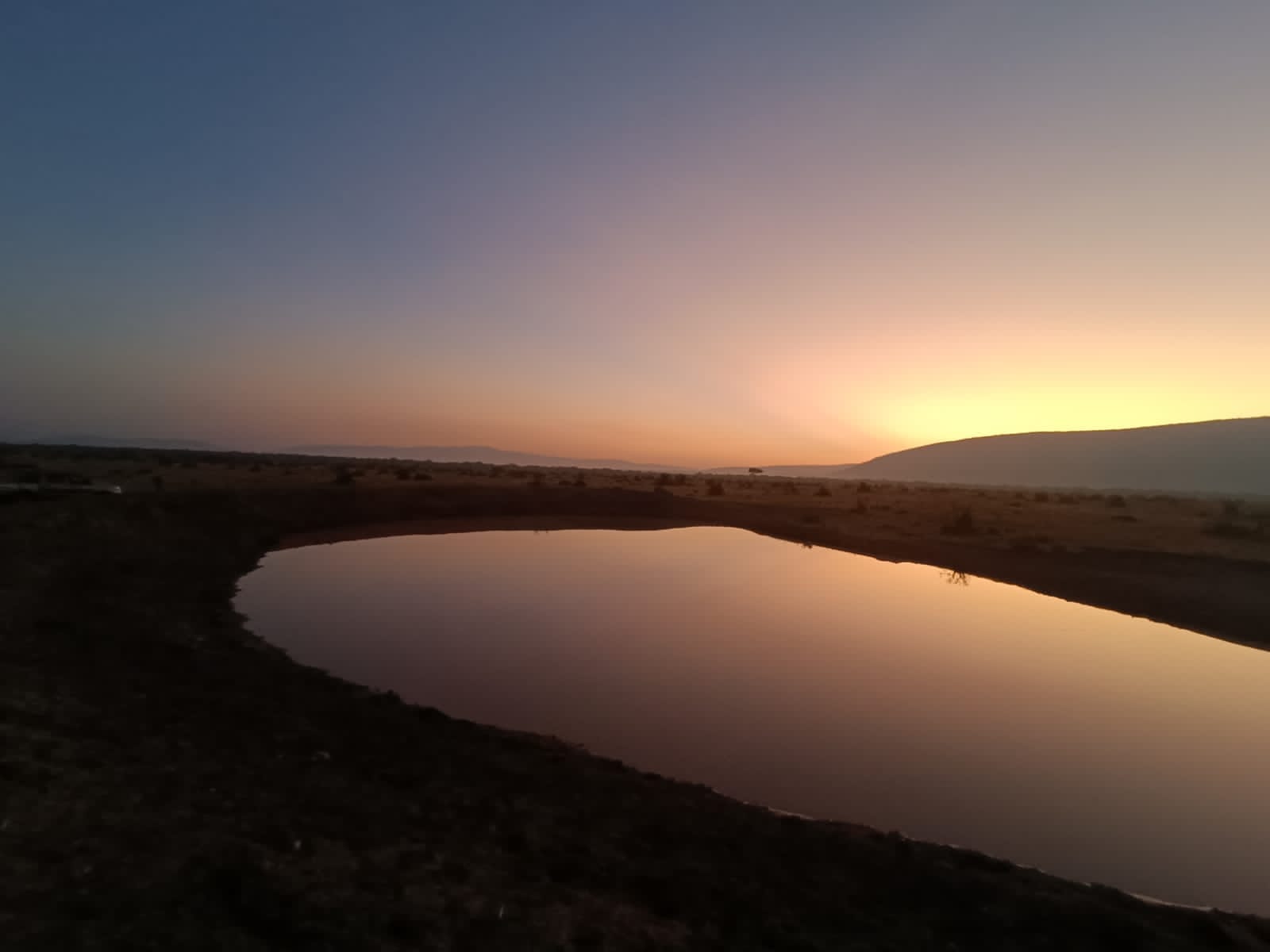
Beaming too is the sun over the Mara. Our 06:00 breakfasts are chilly with lots of jacket and hat-clad people going about their business with quiet confidence now, packing up equipment and getting ready to head out. As the sun crests over the Mara, engines fire up and people leave to their destinations, be it a waterhole, a ranger pick-up point or a transect. A couple of hours into our survey work, the jackets come off and the suncream comes on for us muzungus. By lunchtime the sun is high and hot and, the siesta until 15:00 appreciated, ready for another round of activities in the afternoon. This is an expedition after all, not a bloody holiday!

Continue reading “Kenya: Groove”